




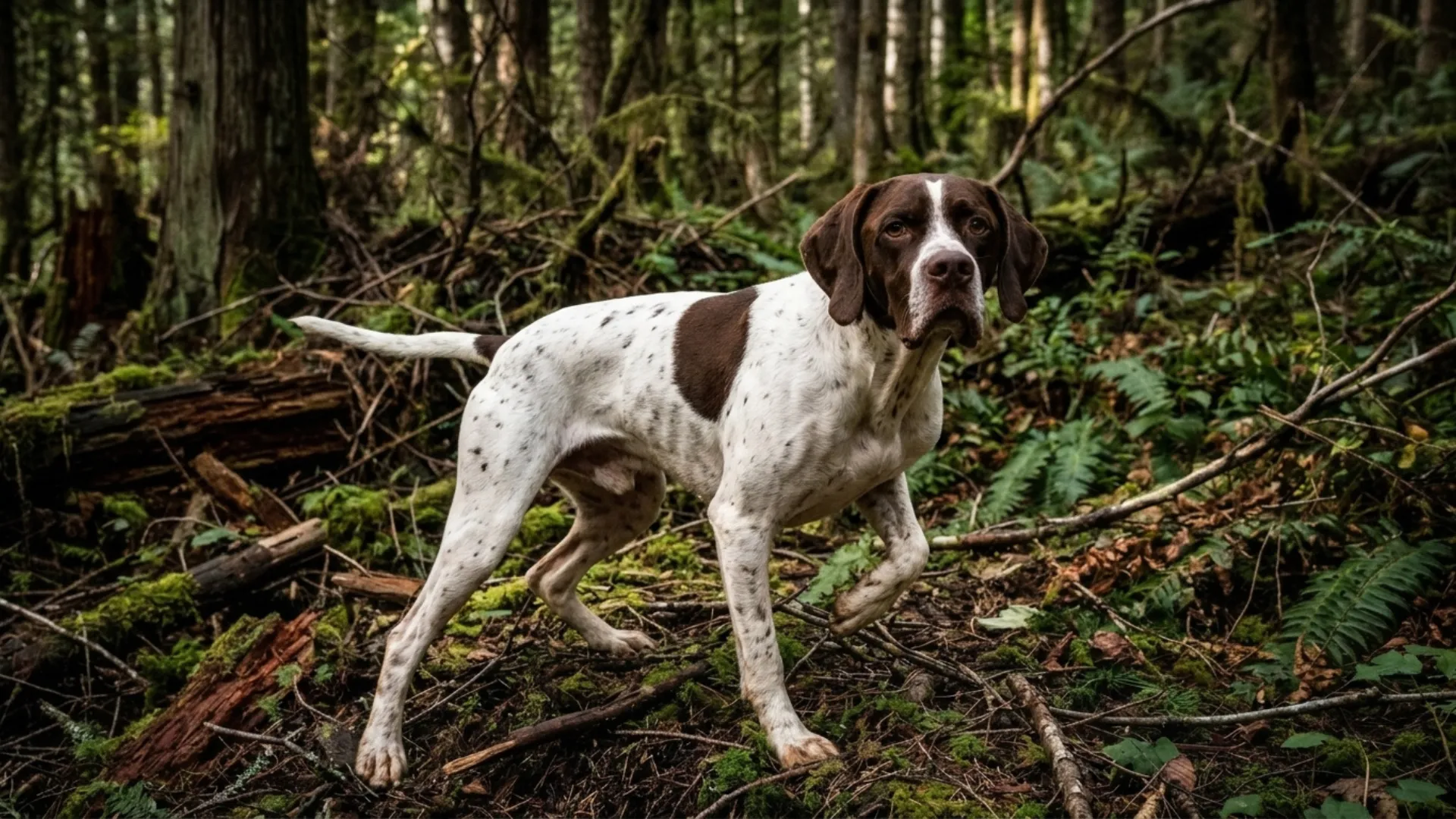
Have you ever wondered why some dogs instantly chase anything that moves? This article describes dogs that were carefully developed over generations to locate, track, point, flush, or trail game with remarkable skill.
Their strong hunting instincts remain part of their nature, even though many now live as beloved family companions. A high prey drive explains why these dogs become so focused on moving animals, birds, or even exciting scents.
It is not bad behavior. Instead, it reflects the important jobs these breeds once performed alongside hunters. Understanding these instincts helps owners appreciate what makes each breed unique and why their behavior can differ from that of other dogs.
From powerful trackers to skilled bird dogs, every breed brings something special to the field. Let’s take a closer look at seven remarkable hunting breeds and what makes their prey drive stand out.
Dog Breeds Built for the Hunt: High Prey Drive
1. Weimaraner
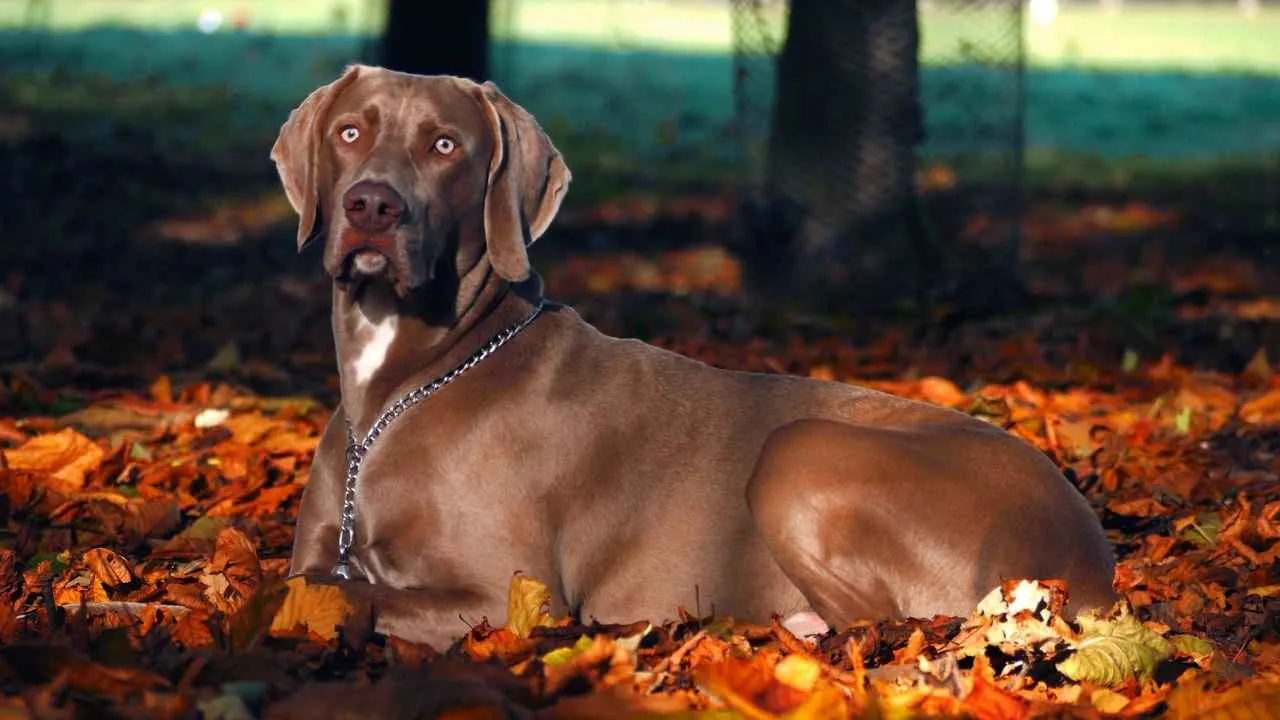
The Weimaraner was originally developed to pursue big game, making it a remarkable hunting dog with impressive speed and lasting endurance.
Built to cover long distances without slowing down, this athletic breed eagerly follows moving targets across fields and forests. Its high prey drive helps it lock onto running game and pursue it with remarkable determination over long distances. Its energy and determination have made it a trusted hunting companion for generations.
Built to Go the Distance
Long days outdoors are exactly where the Weimaraner shines. Whether hiking rugged trails or exploring open land, it keeps going with enthusiasm.
The same instinct that once helped it pursue deer and wild boar can also lead it to chase squirrels, rabbits, or birds during everyday walks, so secure outdoor spaces are important.
A Sharp Mind Needs a Purpose
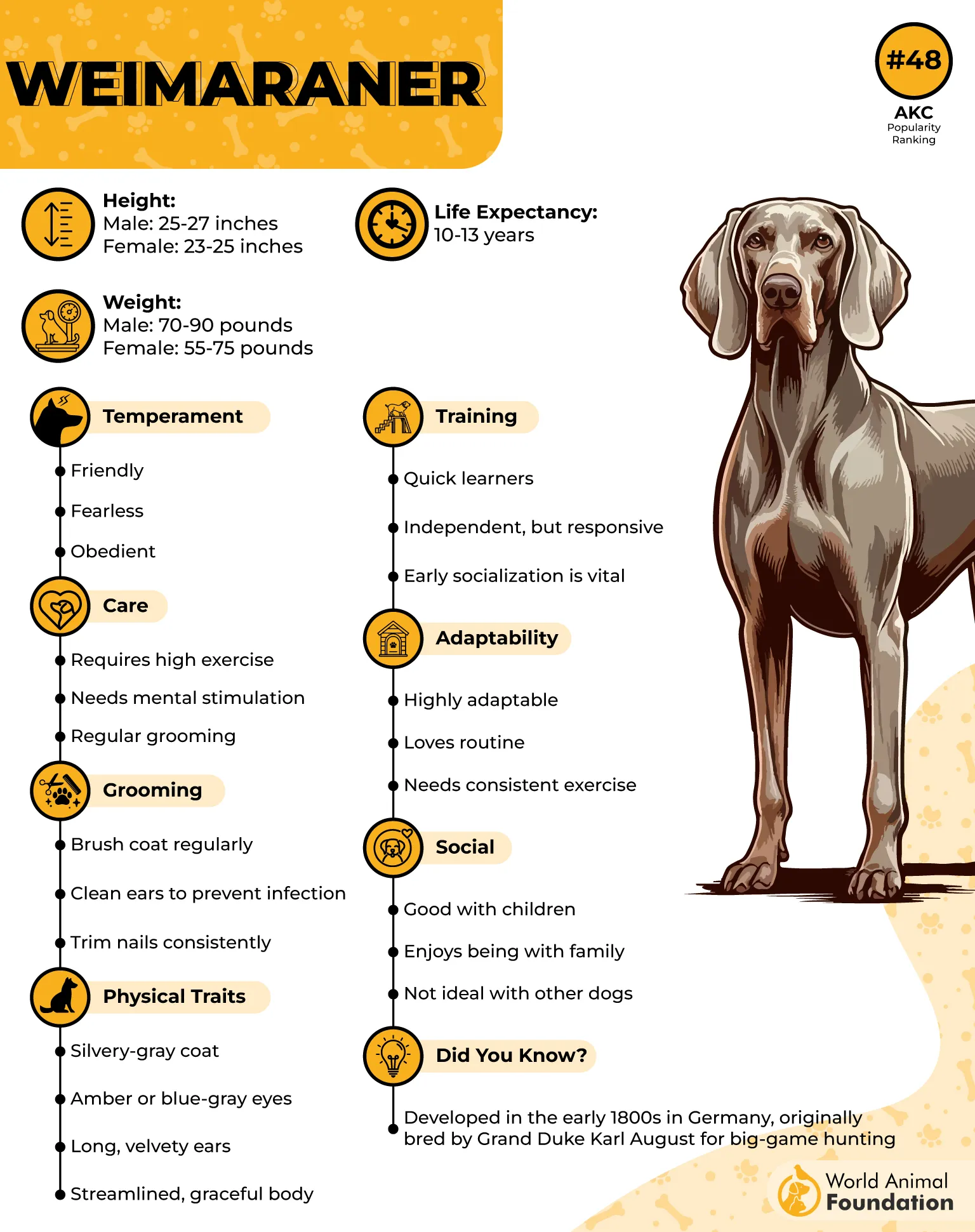
According to Orvis, its intelligence has earned it the nickname “the dog with the human brain.” This highly intelligent breed enjoys solving problems and benefits from regular mental stimulation.
Meaningful training sessions and challenging tasks help keep its mind focused and satisfied. Its prey drive also makes it quick to notice movement, and once it spots potential prey, it may ignore distractions until its attention shifts elsewhere.
2. Pointer
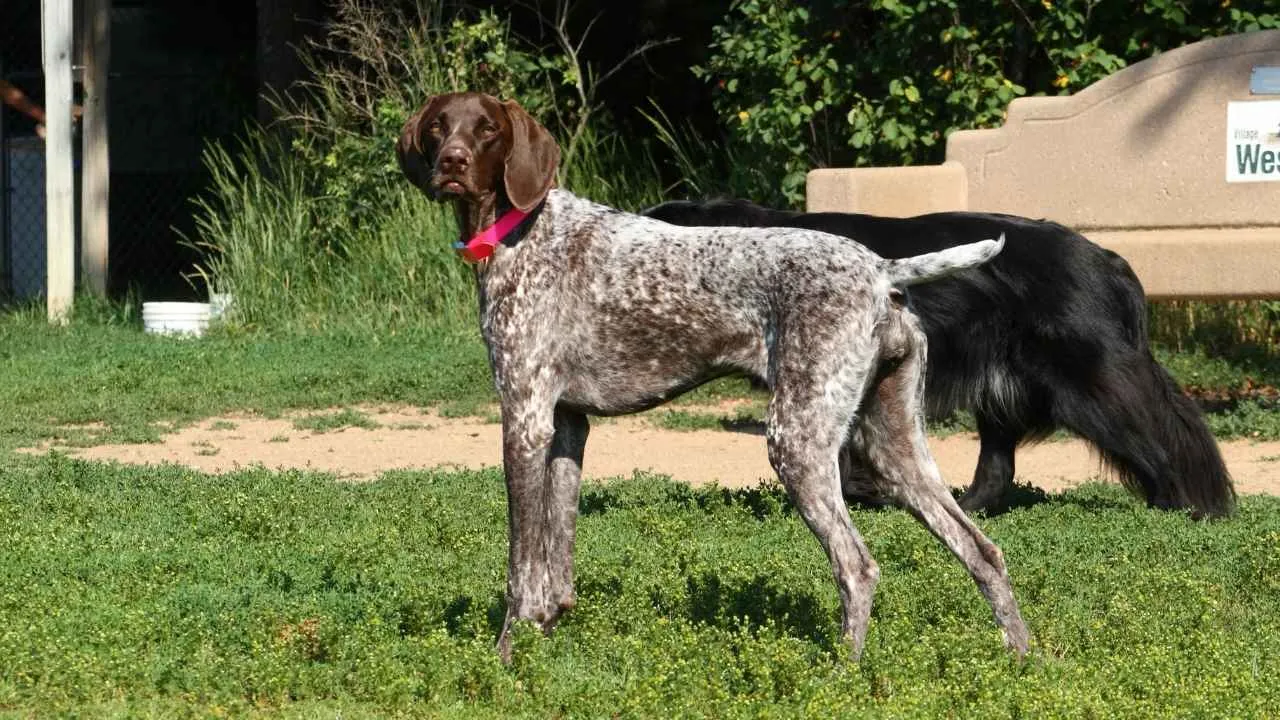
The Pointer, also called the English Pointer, was bred specifically to locate birds with remarkable accuracy before hunters moved in. According to Wikipedia, its job is to point toward hidden game rather than retrieve it, making this graceful hunting dog one of the finest breeds of its kind.

Instead of charging ahead, the dog locks into a steady stance that clearly signals where birds are hiding. Its high prey drive is expressed through this controlled pointing behavior, allowing hunters to approach before the bird takes flight.
A Master of Precision
Few breeds match the Pointer’s ability to search wide fields with confidence. Its keen nose helps it detect scents from a distance, while its natural focus keeps attention fixed on the target.
Even during everyday walks, this high-prey-drive dog may suddenly freeze and point when it catches the scent or movement of a bird, showing that its hunting instincts remain strong outside the field.
A Gentle Spirit at Home
Despite its working background, the Pointer can become a wonderful pet with the right routine. Without enough opportunities to explore and use its instincts, it may spend much of its time searching for birds or watching every movement outdoors. This active yet gentle breed enjoys spending time with people and thrives in homes that love outdoor adventures.
3. German Shorthaired Pointer
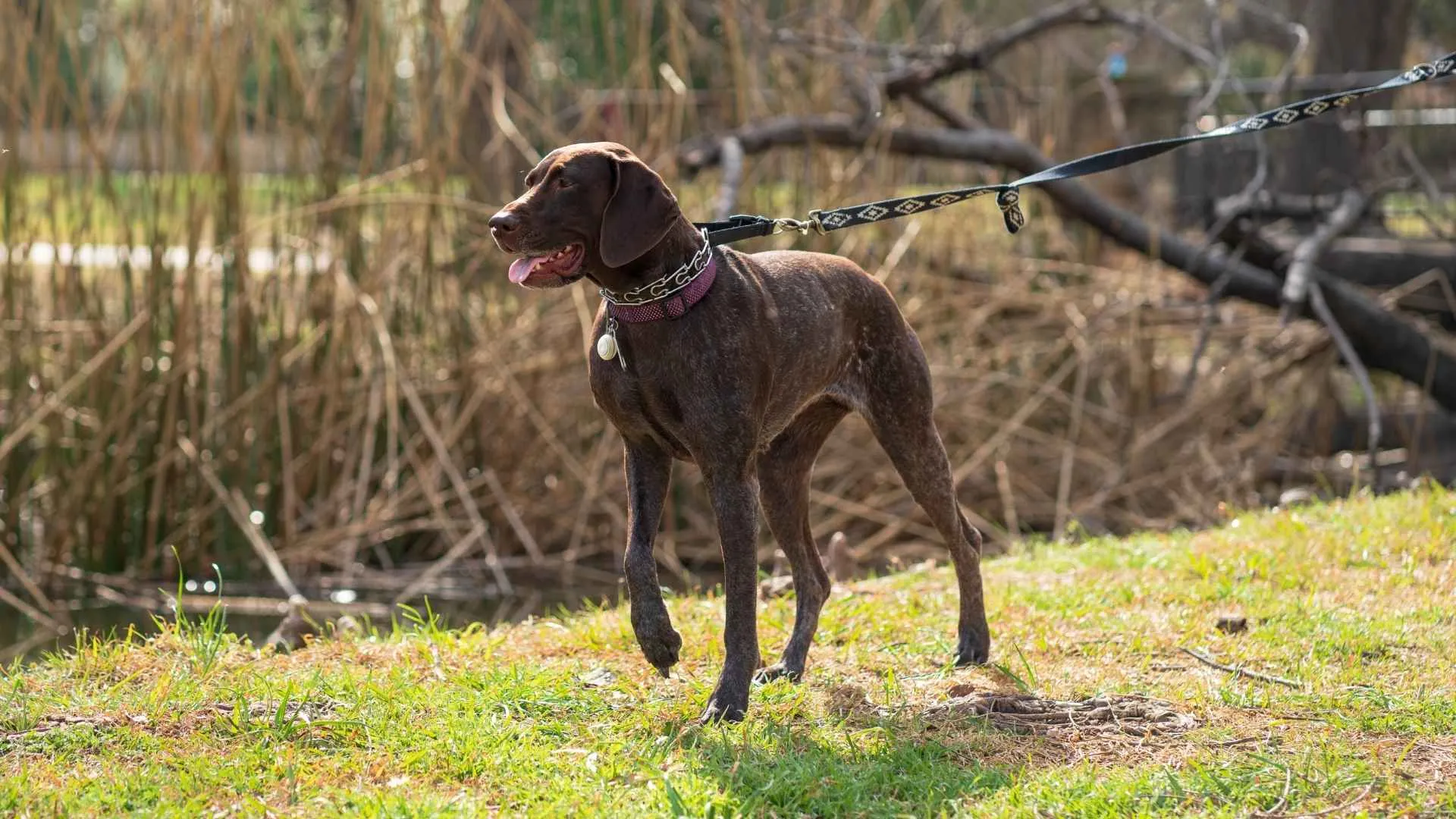
The German Shorthaired Pointer is a medium-sized dog developed to handle many hunting tasks with remarkable skill. Comfortable on land and in water, it moves confidently through forests, open fields, and wetlands without losing focus.
Its high prey drive allows it to quickly switch from following scent to locating and retrieving game, making it effective in changing hunting conditions.
According to WebMD, these versatile bird dogs were bred to please their handlers and are admired for their speed, agility, and endurance. Their strong sense of purpose makes them stand out among many hunting breed enthusiasts.
Built for Every Adventure
Whether crossing streams or covering rough ground, this breed adapts with ease. It performs well beside a gun during hunting trips and also shines in outdoor sports that test both body and mind.
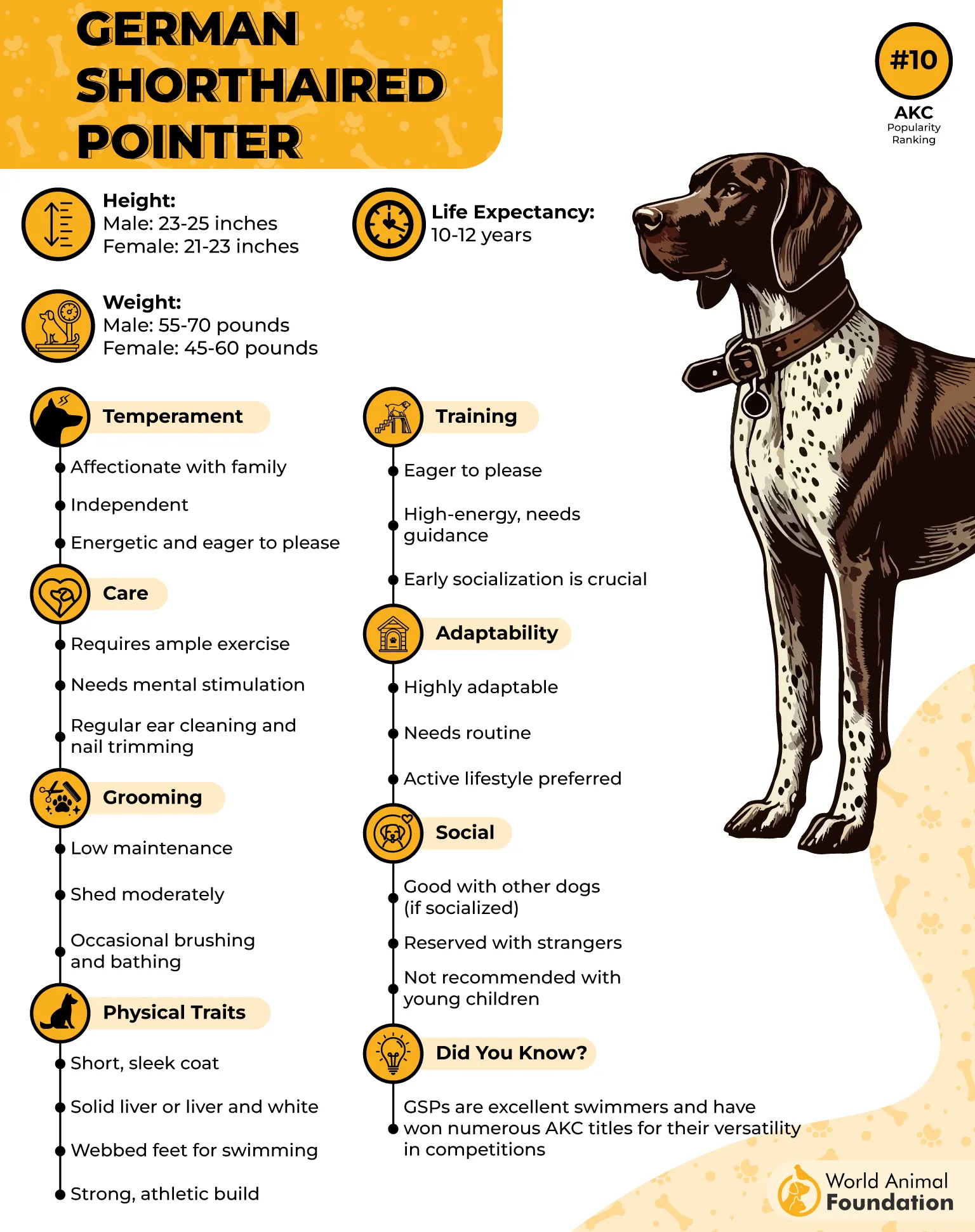
Its high prey drive and high energy needs mean every day should include engaging activities that satisfy its instincts.
A Loyal Partner With Purpose
This breed forms close bonds with its people, making it a rewarding companion for committed pet parents. A puppy benefits from proper training to guide its natural behavior and reduce the urge to chase wildlife or other pets.
Without enough mental challenges, it may turn that hunting focus toward birds, squirrels, or other fast-moving animals during everyday outings. Interactive games offer a fantastic way to meet its daily need for activity while strengthening trust.
4. American Foxhound
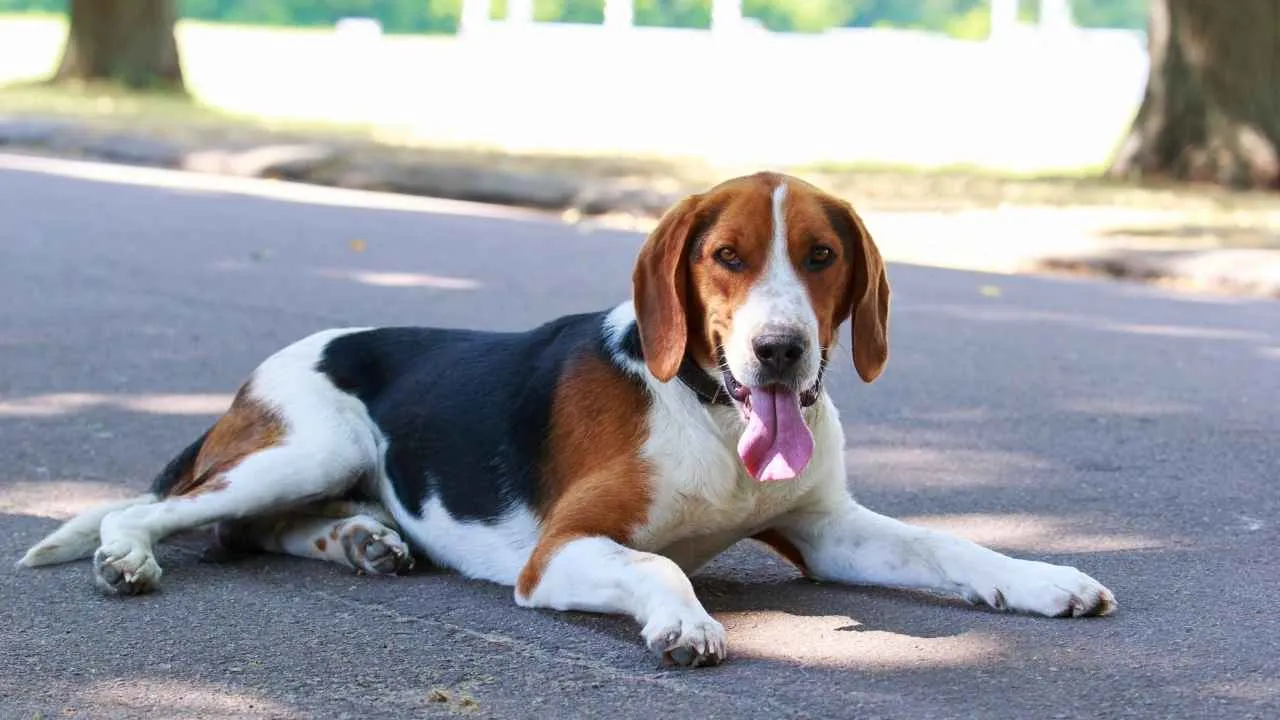
The American Foxhound is a skilled hunting dog developed to follow fox trails over long distances with remarkable endurance. According to Purina, this rare breed was refined by George Washington in the 1700s and bred to run with impressive speed.
Instead of relying on sight, it excels at scent tracking, using its nose to stay focused even when a prey animal is far ahead. This natural talent allows it to keep working long after many breeds would stop. Its high prey drive keeps it committed to a scent trail, even when the animal is out of sight for a long time.
A Nose That Leads the Way
Once an interesting scent appears, the American Foxhound confidently follows the trail across wide space.
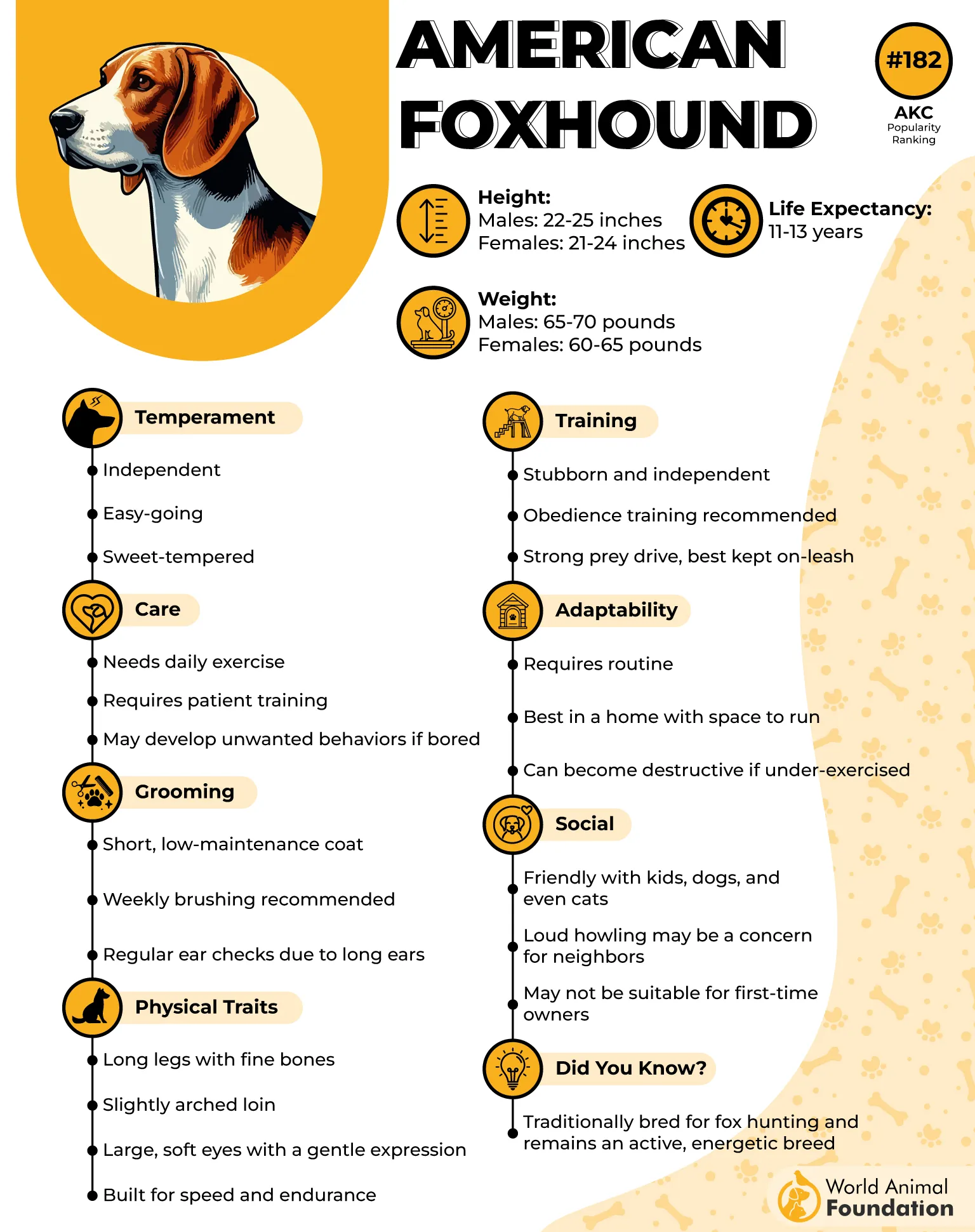
Its strong prey drive means it may ignore distractions while searching, so a secure yard or sturdy lead is important during outdoor adventures. It usually enjoys the company of other dogs, but extra care is wise around a cat or other small animals.
A Great Match for Outdoor Living
This energetic breed fits pet owners who enjoy long walks, hiking, and outdoor play. Giving it chances to explore new scents satisfies its hunting instincts far better than simply letting it run.
Early guidance helps channel its independent nature, allowing this determined tracker to become a loyal and enjoyable companion.
5. English Springer Spaniel
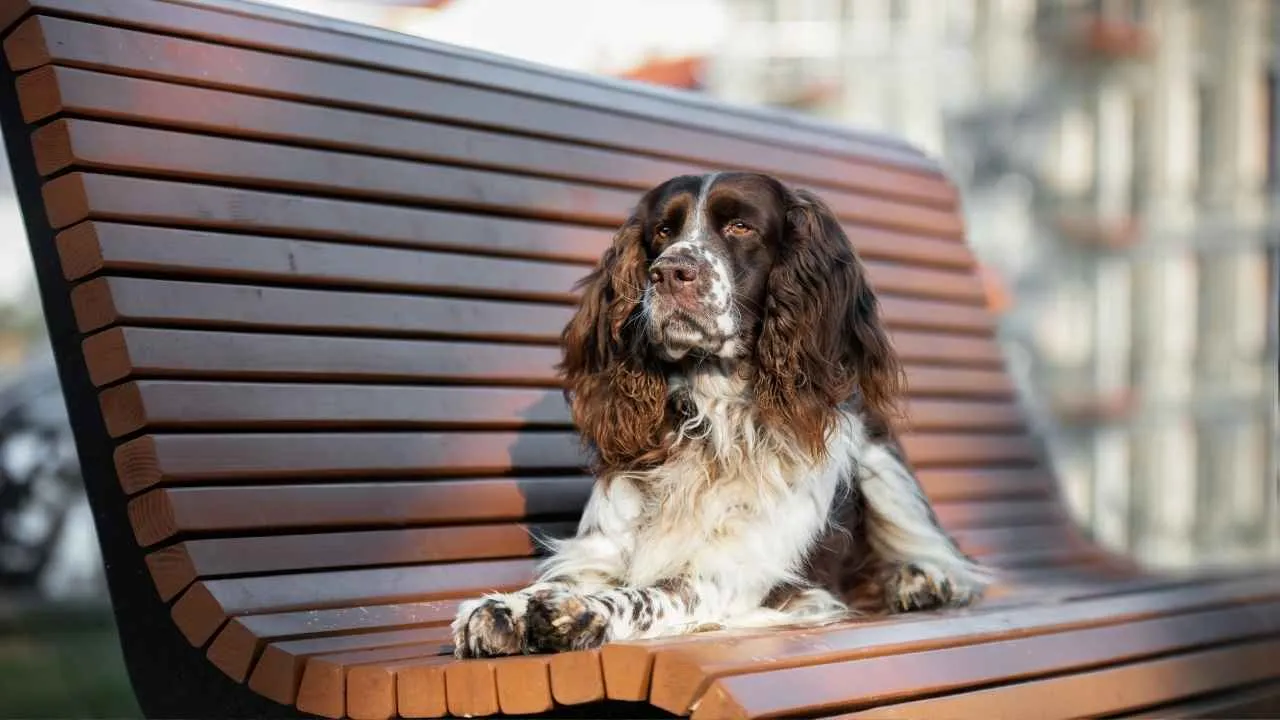
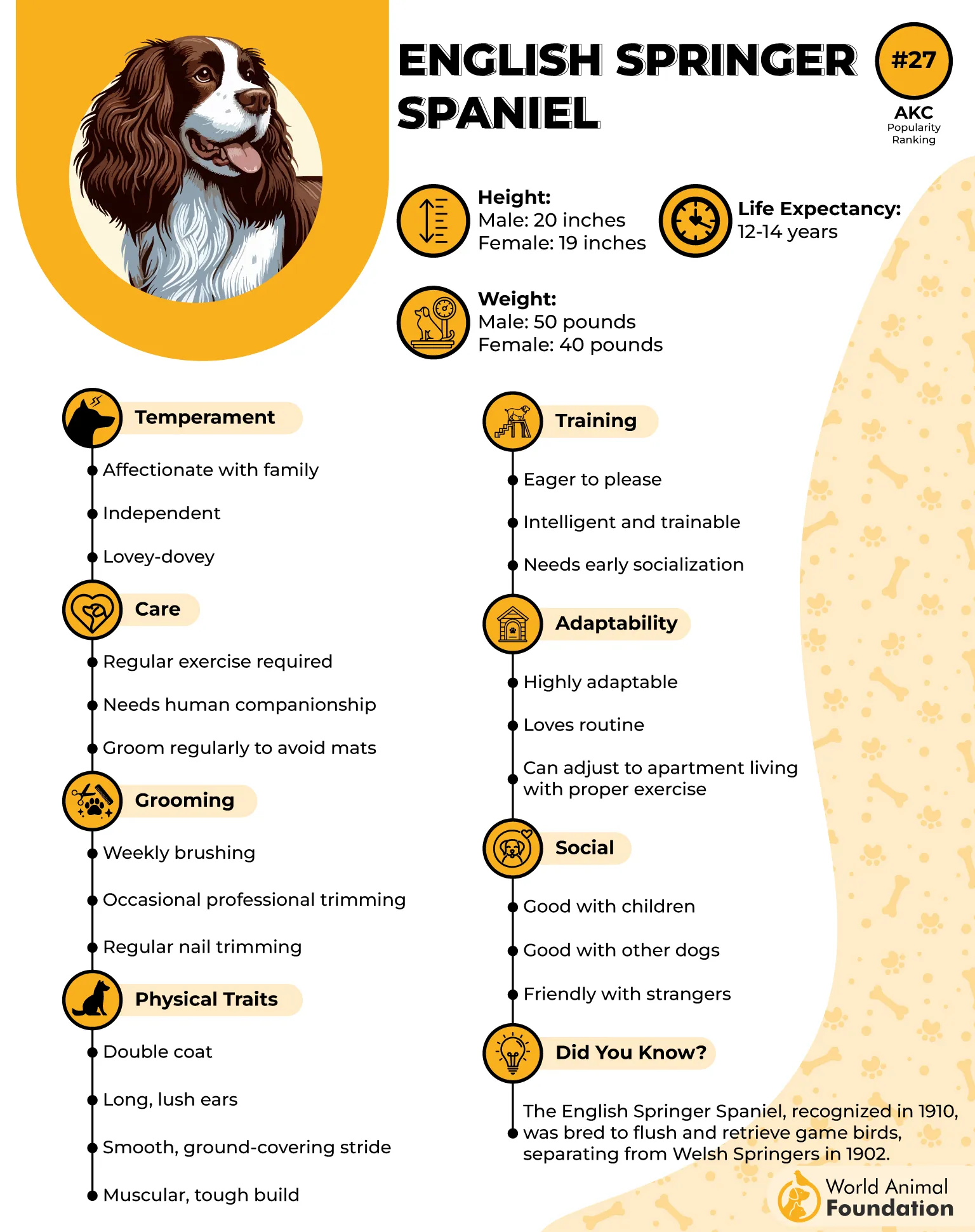
The English Springer Spaniel earned its reputation by flushing birds from thick brush with speed and precision. According to Hill’s Pet, it is the tallest of the spaniel breeds, giving it enough leg to cover rough ground quickly.
This energetic gun dog reacts the moment the hidden game takes flight, making its high prey drive one of its greatest working strengths. It also excels at locating downed birds, helping hunters finish the job efficiently.
Its high prey drive encourages it to search every patch of cover, rarely passing a bush or tall grass without investigating for hidden birds.
A Natural Team Player
Unlike many independent hunting breeds, the English Springer Spaniel prefers working side by side with people. This intelligent breed responds well to training and enjoys activities that require cooperation.
Even on everyday walks, its flushing instinct may lead it to eagerly investigate shrubs, tall grass, or brush where birds could be hiding.
Whether exploring woodland trails or playing field games, it stays eager to learn, play, and share every adventure with its handler.
Happy at Work and Home
Beyond the field, this cheerful breed becomes a loyal companion that loves spending time with the family.
It may occasionally chase birds or other small prey, but its friendly personality shines through in everyday life. Regular outdoor fun helps satisfy its instincts while keeping this active dog content and engaged.
6. Beagle
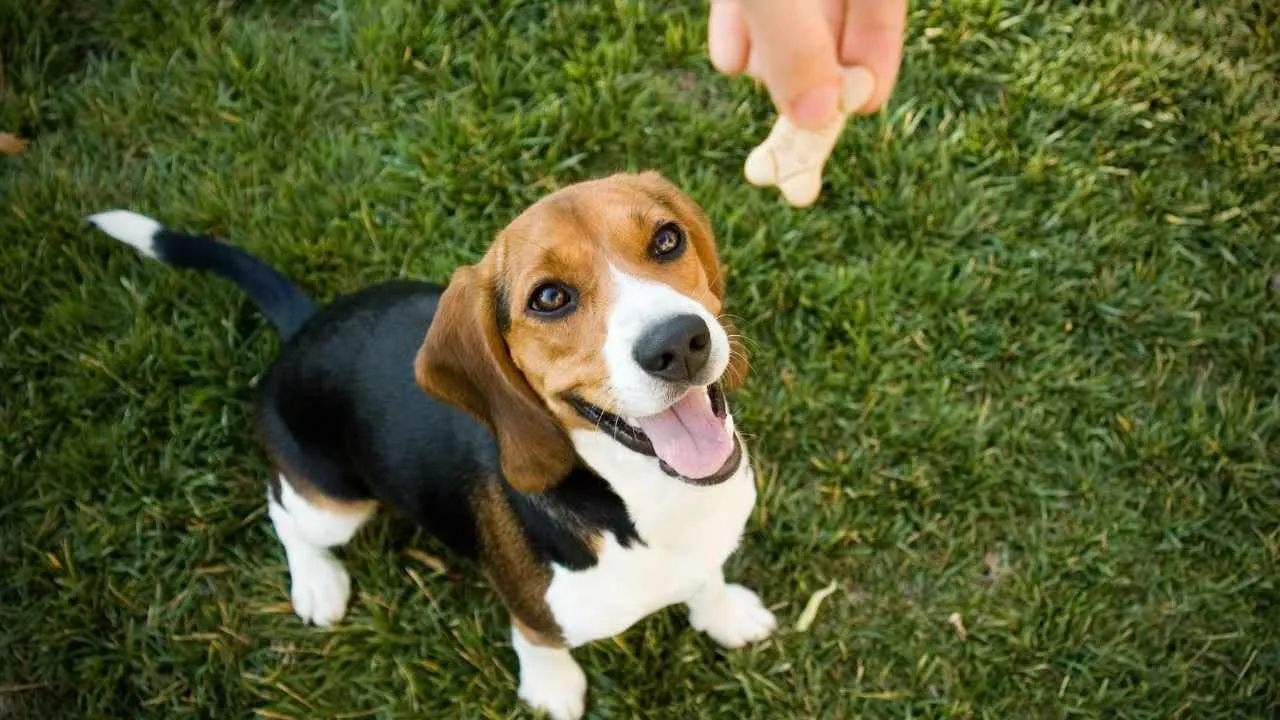
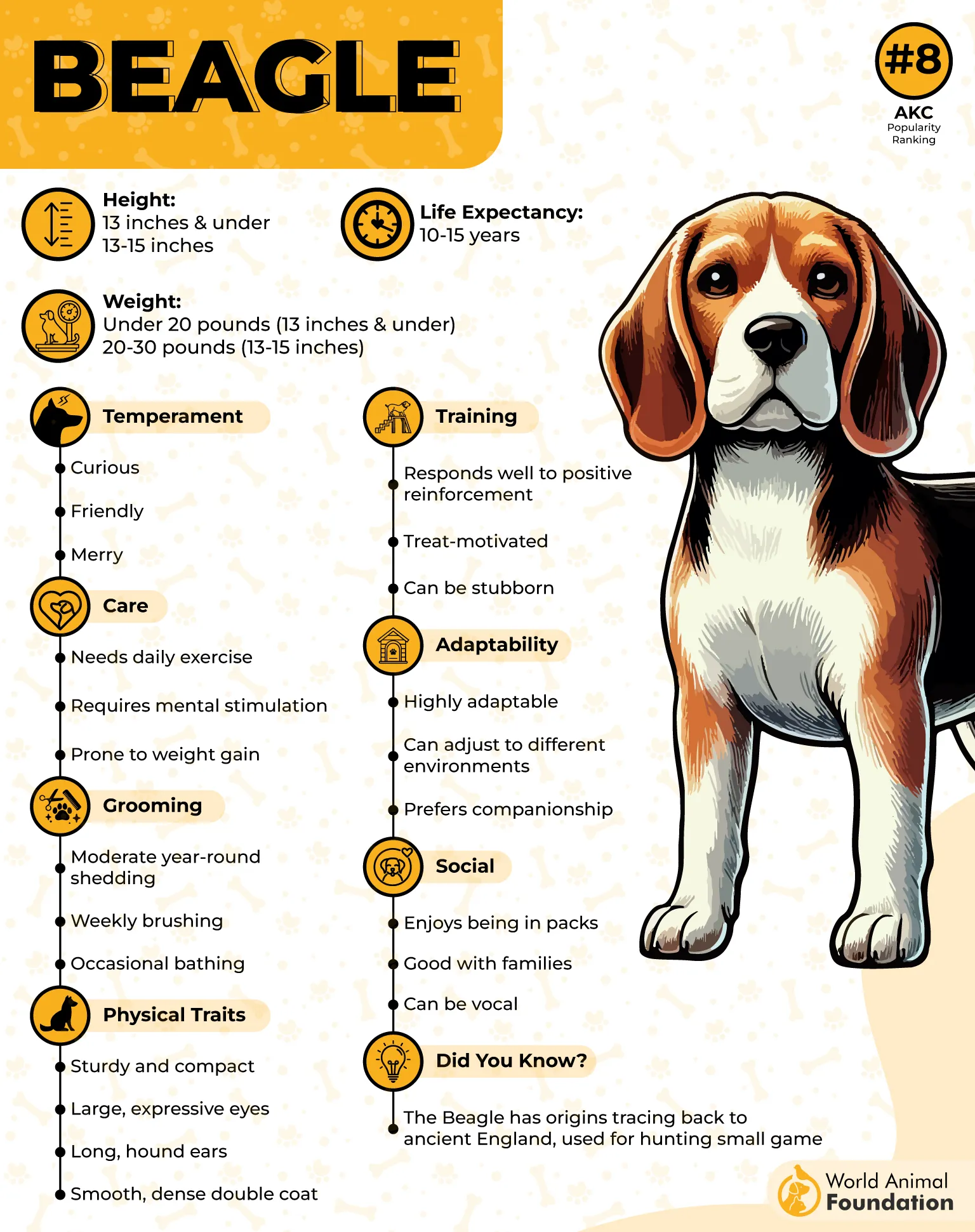
The Beagle is famous for following scents that many other dogs would miss. Originally bred to hunt rabbits and hares, this determined hound trusts its nose above everything else. According to the American Kennel Club, the Beagle is both an excellent hunting dog and a cheerful companion that enjoys working in a pack.
Its high prey drive means interesting scents from small animals can quickly capture its attention, making outdoor adventures exciting and unpredictable.
Once it catches the scent of a rabbit or similar game, it follows the trail with remarkable determination, often keeping its nose close to the ground until the scent disappears.
A Nose That Never Quits
A Beagle’s remarkable scenting ability keeps it busy searching long after other dogs lose interest. Because it loves exploring, secure spaces are important.
Consistent training, rewarding treats, scent puzzles, and interactive games provide both mental challenges and daily exercise. Starting these activities as a puppy builds good habits for life.
Small Dog, Big Personality
With its expressive face and floppy ears, the Beagle easily wins hearts. Its compact, square build hides endless curiosity, so it rarely chooses the couch over an adventure.
Its hunting instincts still encourage it to investigate every fresh scent, making sniffing games and scent-based activities a great way to satisfy its natural prey drive while enjoying time with its family.
7. Bluetick Coonhound
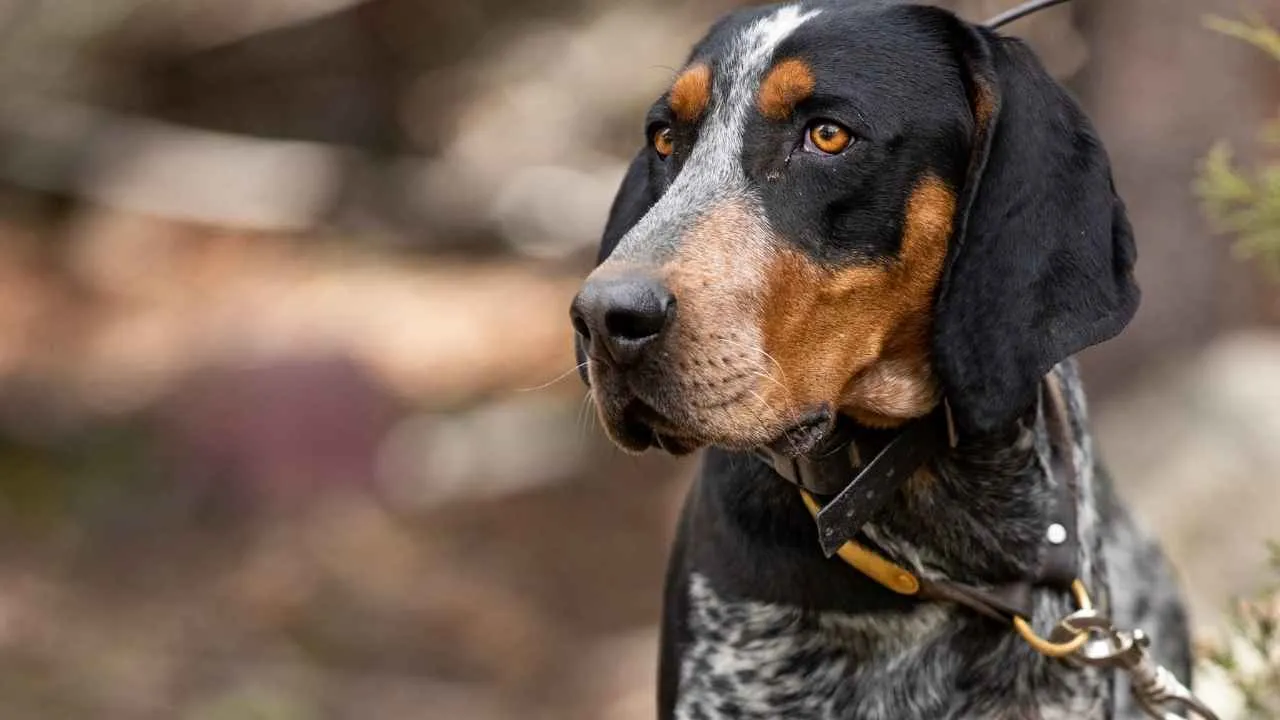
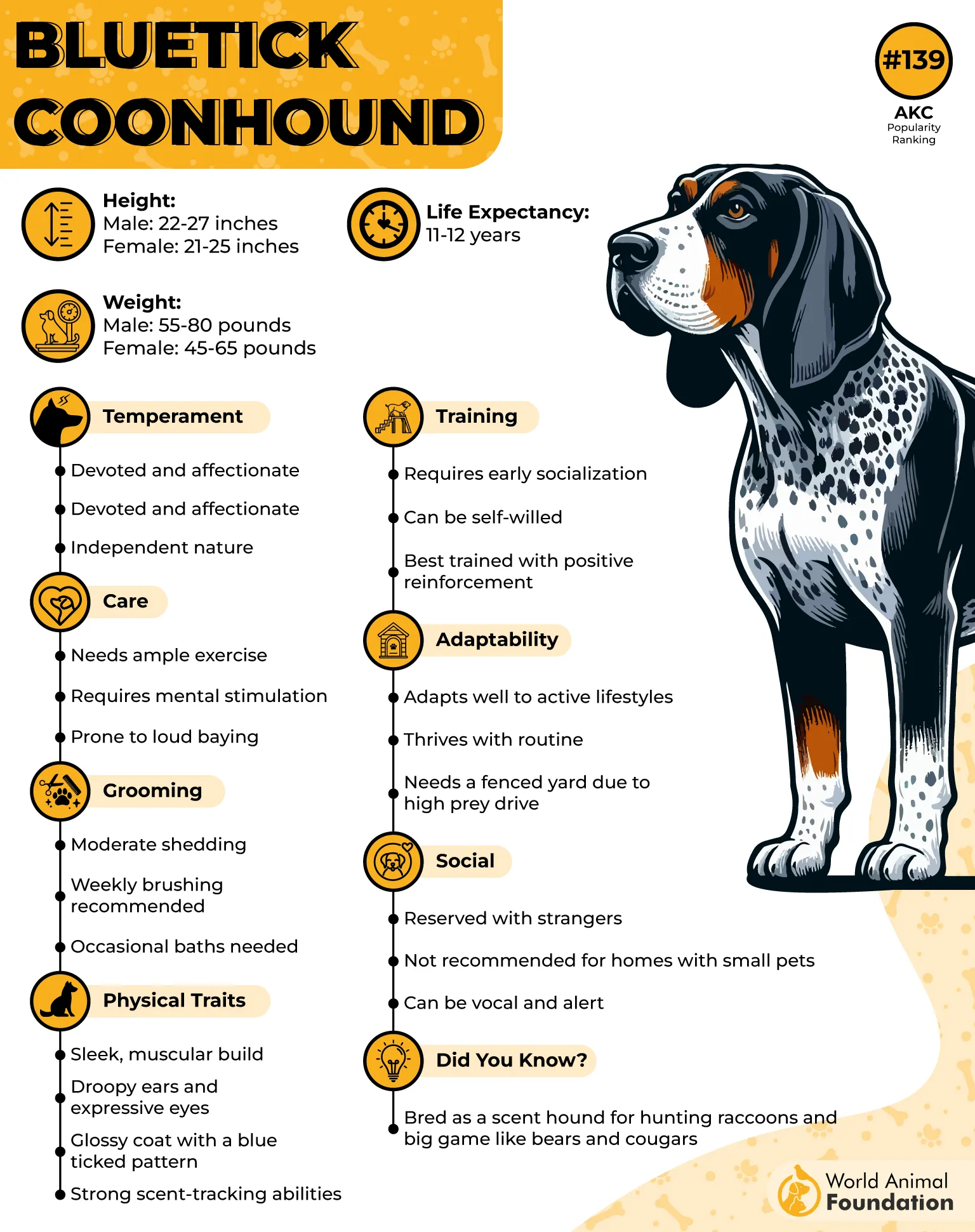
The Bluetick Coonhound is famous for following old scent trails that many dogs can no longer detect. Developed to track raccoons across difficult terrain, it succeeds through determination rather than speed.
Its high prey drive keeps it focused on a trail for long periods, even when scents fade to varying degrees. This determination allows it to follow older scent trails that many other hunting dogs would abandon, making it especially effective on difficult tracks.
This hardworking hound also forms deep bonds with its family, making it a devoted companion when its instincts have a healthy outlet.
A Tracker That Loves a Challenge
According to PetMD, the Bluetick Coonhound is highly trainable and responds best to positive, rewards-based methods. Once it becomes interested in a scent, it prefers to finish the search before turning its attention elsewhere, showing just how deeply its hunting instincts run.
Offering small bites of cheese or other favourite foods, along with praise, encourages good behaviour and keeps learning enjoyable. Puzzle games and scent toys also provide rewarding mental challenges.
Curiosity Needs Safe Boundaries
This playful breed stays eager to investigate every interesting smell from a young age. Even during everyday walks, an interesting scent may lead it to trail wildlife for surprising distances, so reliable control and careful safety measures are important outdoors.
With enough activity, proper guidance, and healthy eating habits, this determined hound becomes a loyal and rewarding family companion.
Conclusion
Every hunting breed expresses high prey drive in its own way. A dog’s prey drive is an instinct shaped through selective breeding, helping these dogs locate, track, and chase game until hunters arrive. These instincts do not necessarily make a dog difficult to own.
Unlike guard dogs, these breeds were developed for hunting rather than protecting property. With patient guidance and meaningful activities, most dogs learn to channel their instincts in healthy ways.
Owners should always supervise interactions with small pets or small mammals, including a squirrel, since hunting behaviors can still appear. These remarkable abilities are also involved in specialized work, from police work to locating waterfowl in the field.
We suggest choosing a breed that matches your lifestyle so its natural talents become a rewarding part of everyday life.
