




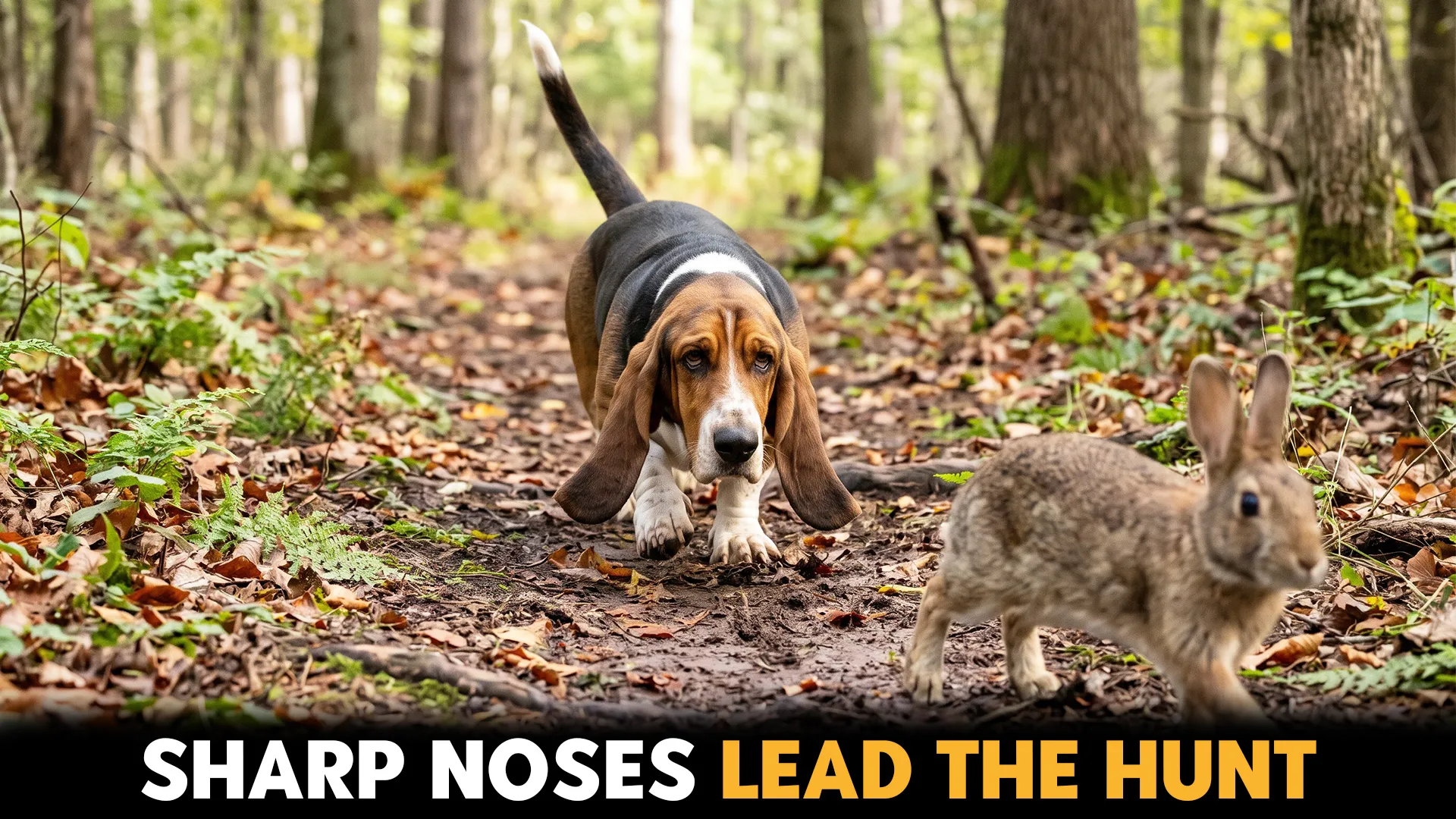
Choosing the right hunting dog is a big decision, and it’s one that trips up plenty of hunters, especially those new to the field. A few key factors can make it much easier.
First, hunting dogs fall into different breed types, so your choice should match the kind of hunting you do. The German Shorthaired Pointer, for example, is a talented bird dog that excels at locating game birds. If that’s your style of hunting, a GSP is a solid pick.
Second, upbringing matters most. To make your hunting companion a star in the field, you need to train it well, and that means regular training, exercise, and daily activity. Routine health checks are just as important, because only a healthy dog can track and retrieve game efficiently.
In this guide, we’ll walk you through top dog breeds for hunting and scent tracking, their daily activity needs, and the health problems you shouldn’t overlook.
Top Dog Breeds Ideal For Hunting and Scent Tracking
1. German Shepherd
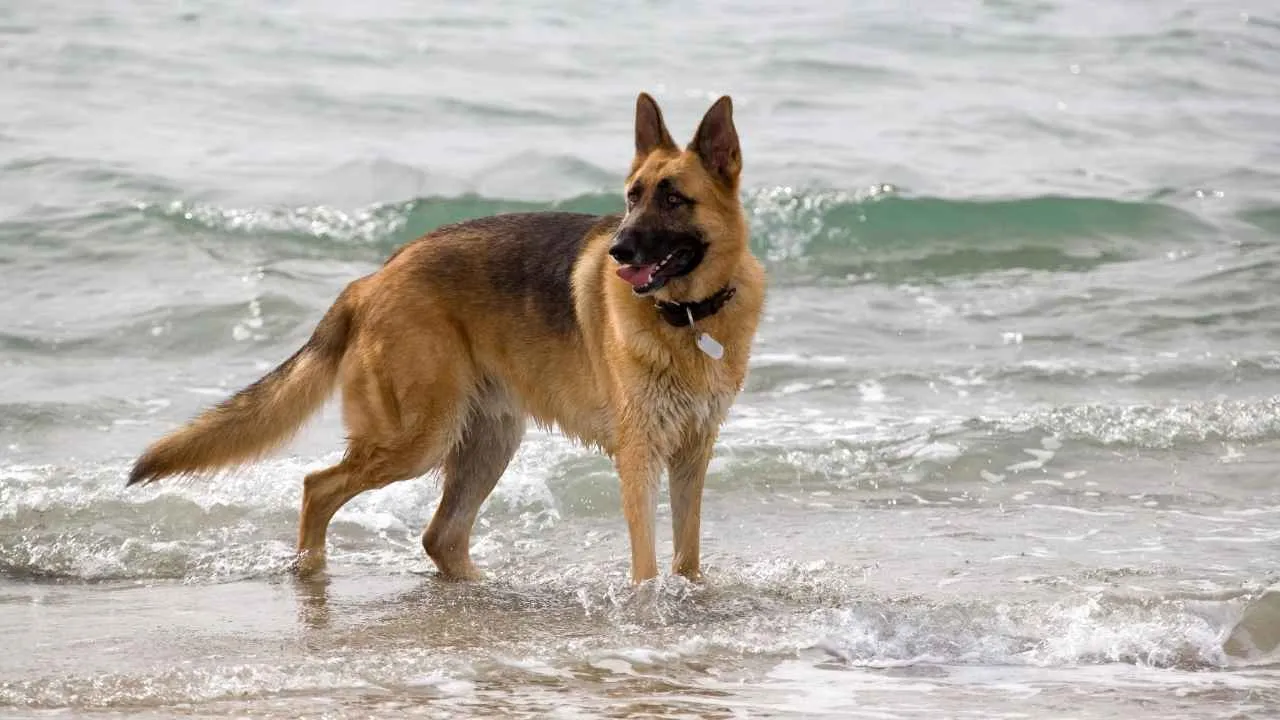
We mostly know this breed for police, military, and guarding work, but its bravery, courage, intelligence, and obedience earn it a spot on this list too. German Shepherds were originally bred for herding, yet their powerful nose, endurance, athletic build, and ability to follow scent trails make them trusted hunting partners.

They can help with several types of hunting, including tracking wounded deer, flushing small game, and hog hunting. With expert-level training and obedience, they can also help hunters navigate dense forests. Daily exercise of about two hours is a must.
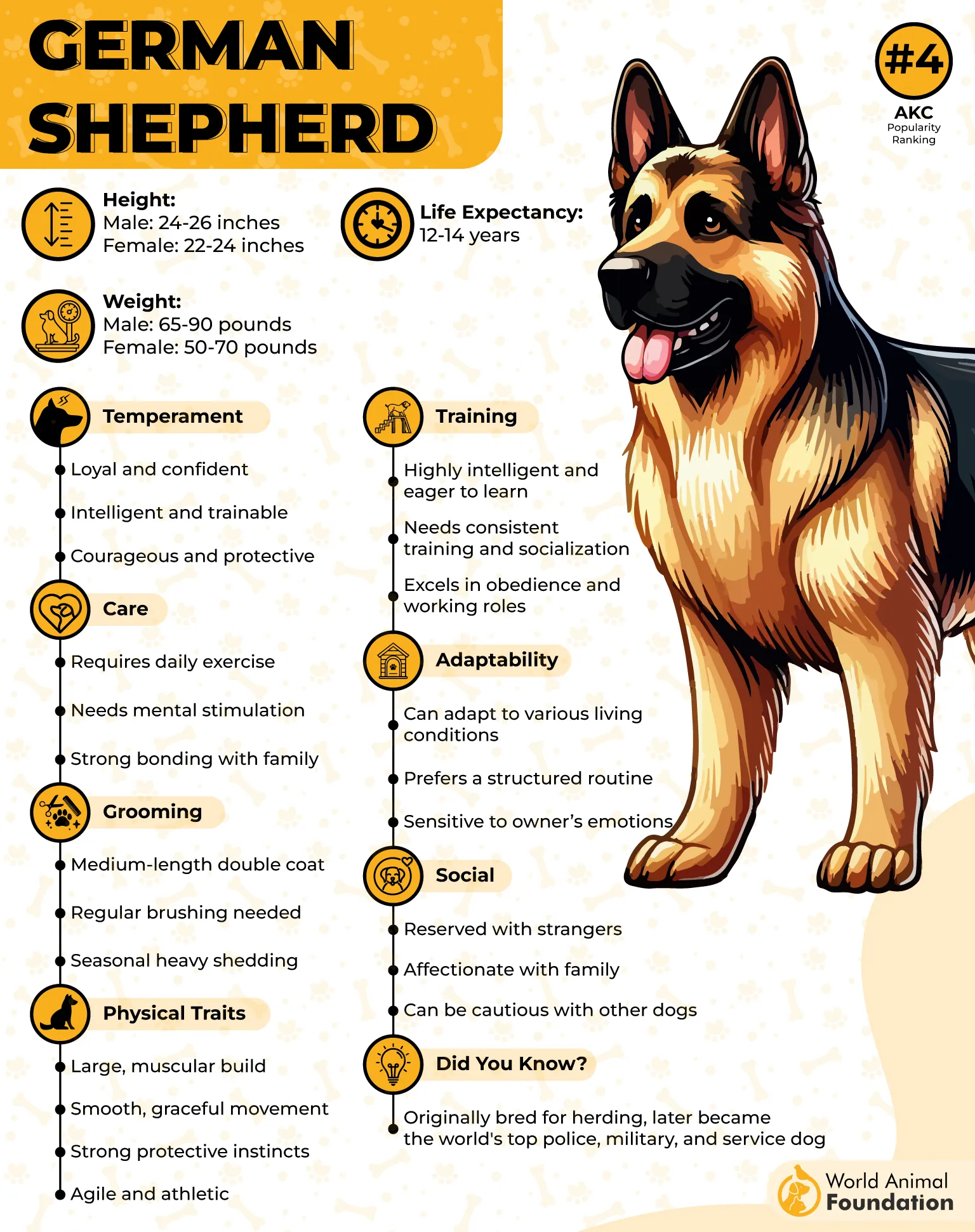
With the right exercise and training, they thrive. Still, health issues like bloat, hip dysplasia, cancer, and heart problems shouldn’t be overlooked.
2. Beagle
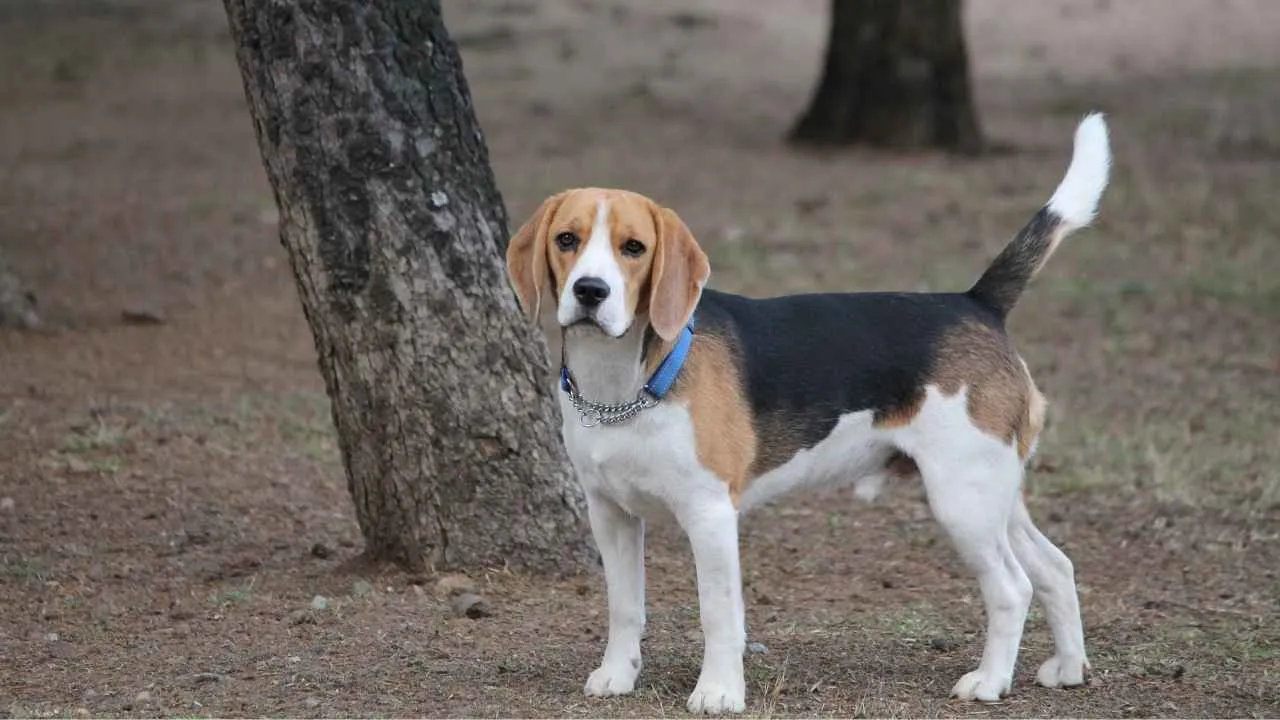
Beagles are medium-sized dogs that are intelligent, bold, energetic, friendly, and courageous. This scent hound has an amazing nose and a loud voice, and it’s commonly used to hunt small game, especially hares and rabbits. Its size is also an advantage when tracking, since it can slip through dense brush and tight spaces with ease.
To stay in top form, a Beagle needs about an hour of exercise a day, including walks, runs, and fun activities like barn hunting and hiking, plus plenty of time with the family. According to PetMD, they enjoy kids, and their eager-to-please nature makes them an excellent family pet.
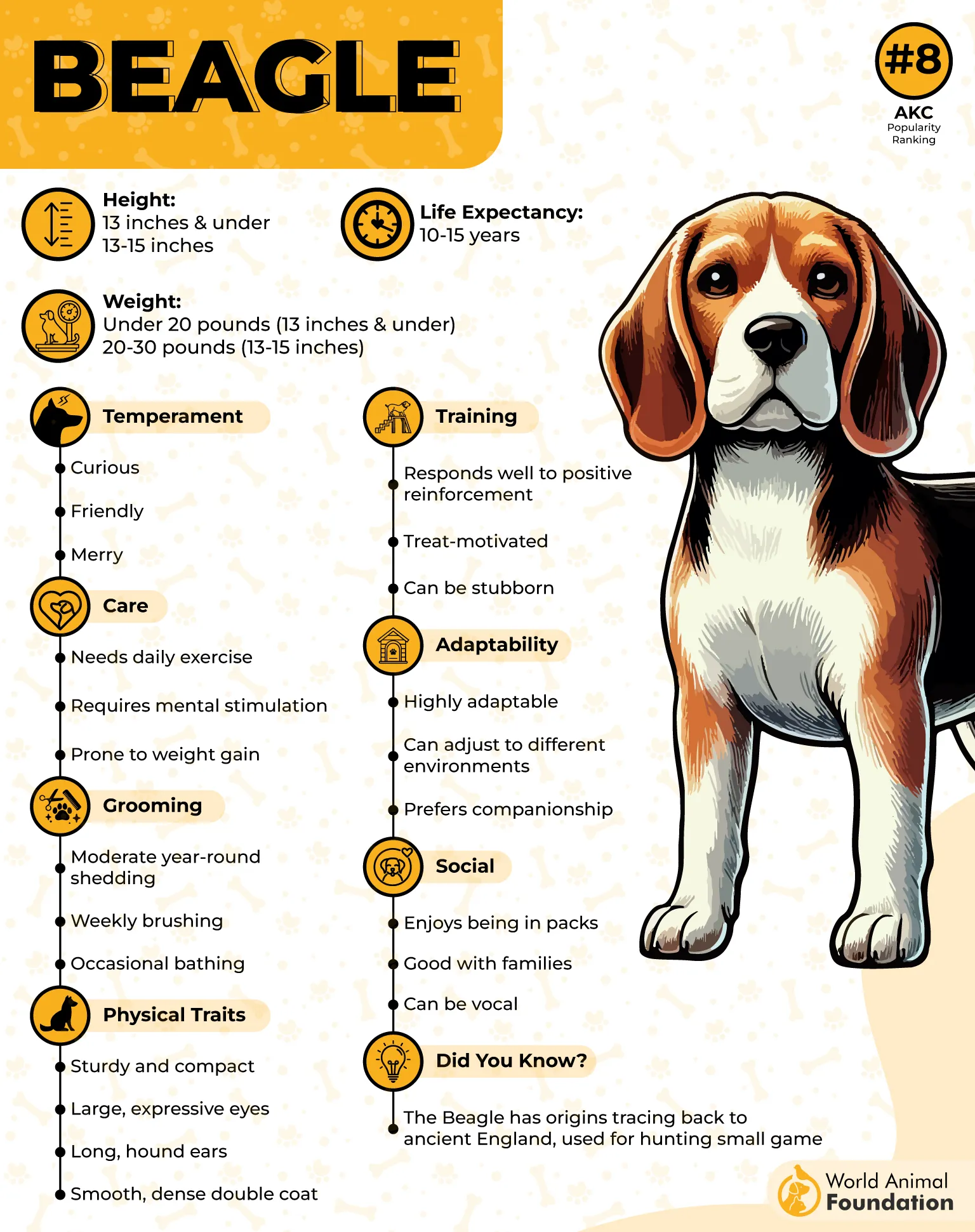
Beagles are generally healthy, but they’re prone to obesity, so keep treats limited during training. For a hunting and tracking dog, staying at a healthy weight is especially important.
3. Bloodhound
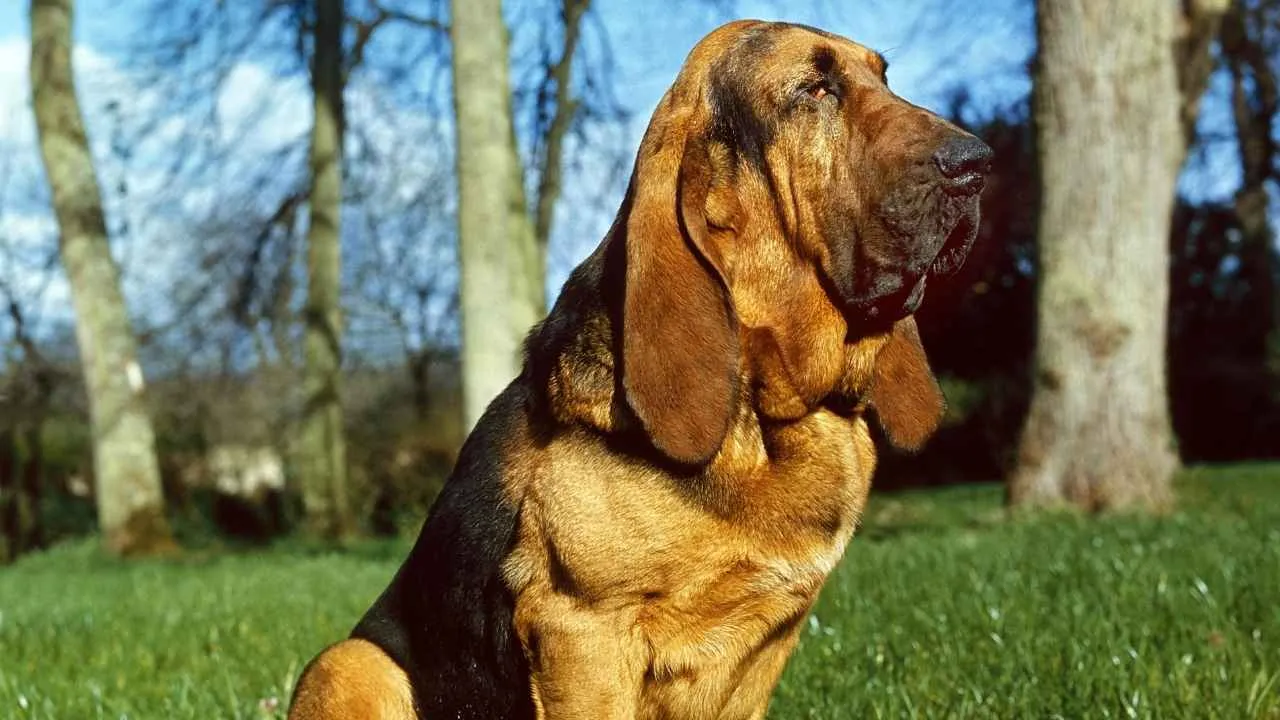
Bloodhounds are ancient scent hounds that are active, loving, even-tempered, and gentle. Their keen sense of smell and ability to follow scent trails over long distances make them one of the best hunting breeds. They’re mainly used for trailing and tracking large game like deer and wild boar, as well as wounded animals.
Their loose skin, long ears, and powerful nose help them focus on scents close to the ground. They can handle challenging terrain, but it takes proper, consistent training to get there. Daily exercise and walks also keep them mentally stimulated, since a bored mind often leads to destructive behavior.
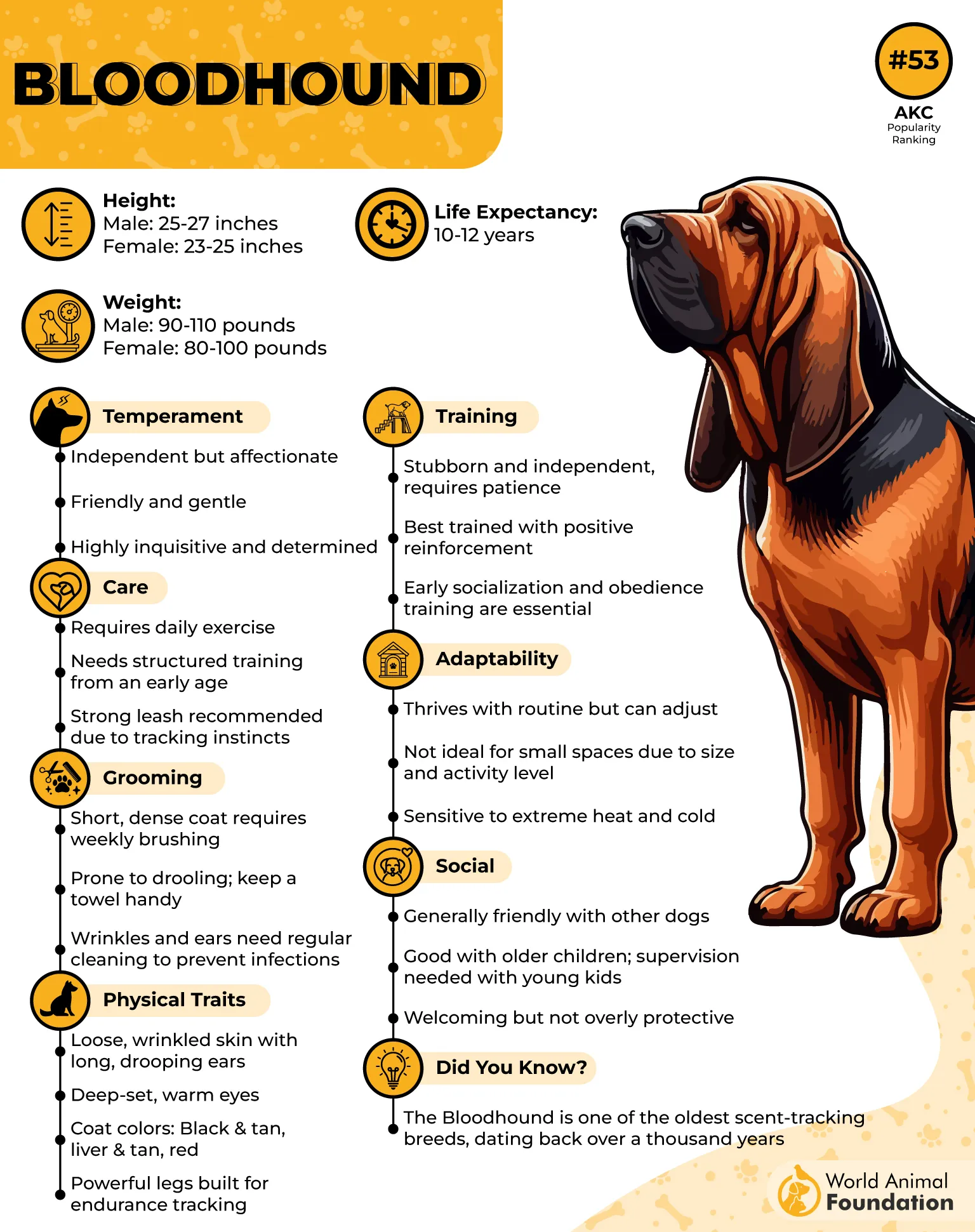
A Bloodhound’s determination and scenting ability also make it useful for search and rescue missions. Health problems worth watching for include ear infections, bloat, and joint issues.
4. Black and Tan Coonhound
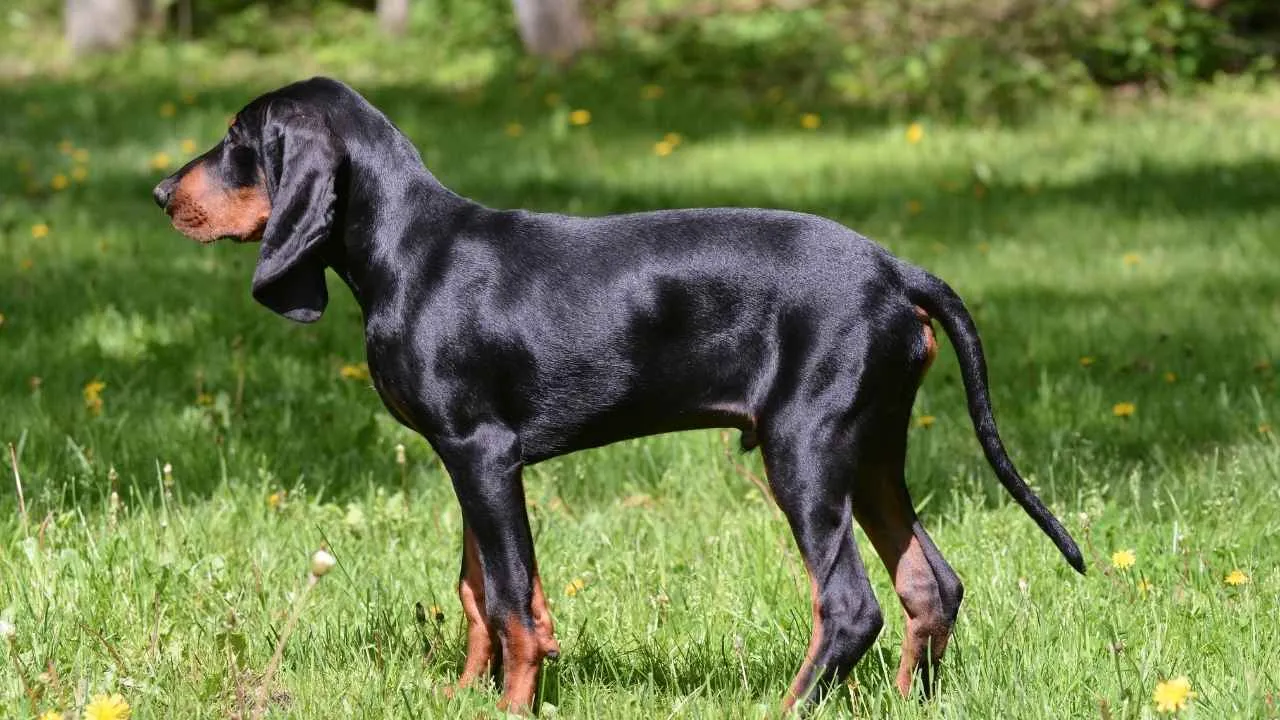
The Black and Tan Coonhound was developed in the US as a hunting dog, and its powerful sense of smell made it a go-to for tracking raccoons and bears. It’s a large, good-natured, easygoing, and inquisitive breed known as a loyal hunting partner. By keeping its nose close to the ground, it can cover long distances with ease.
Because of its strong chasing instinct, WebMD advises keeping it on a leash during walks and other activities. It usually makes a good family pet and gets along well with children, but it needs about an hour of exercise a day to stay healthy and happy.
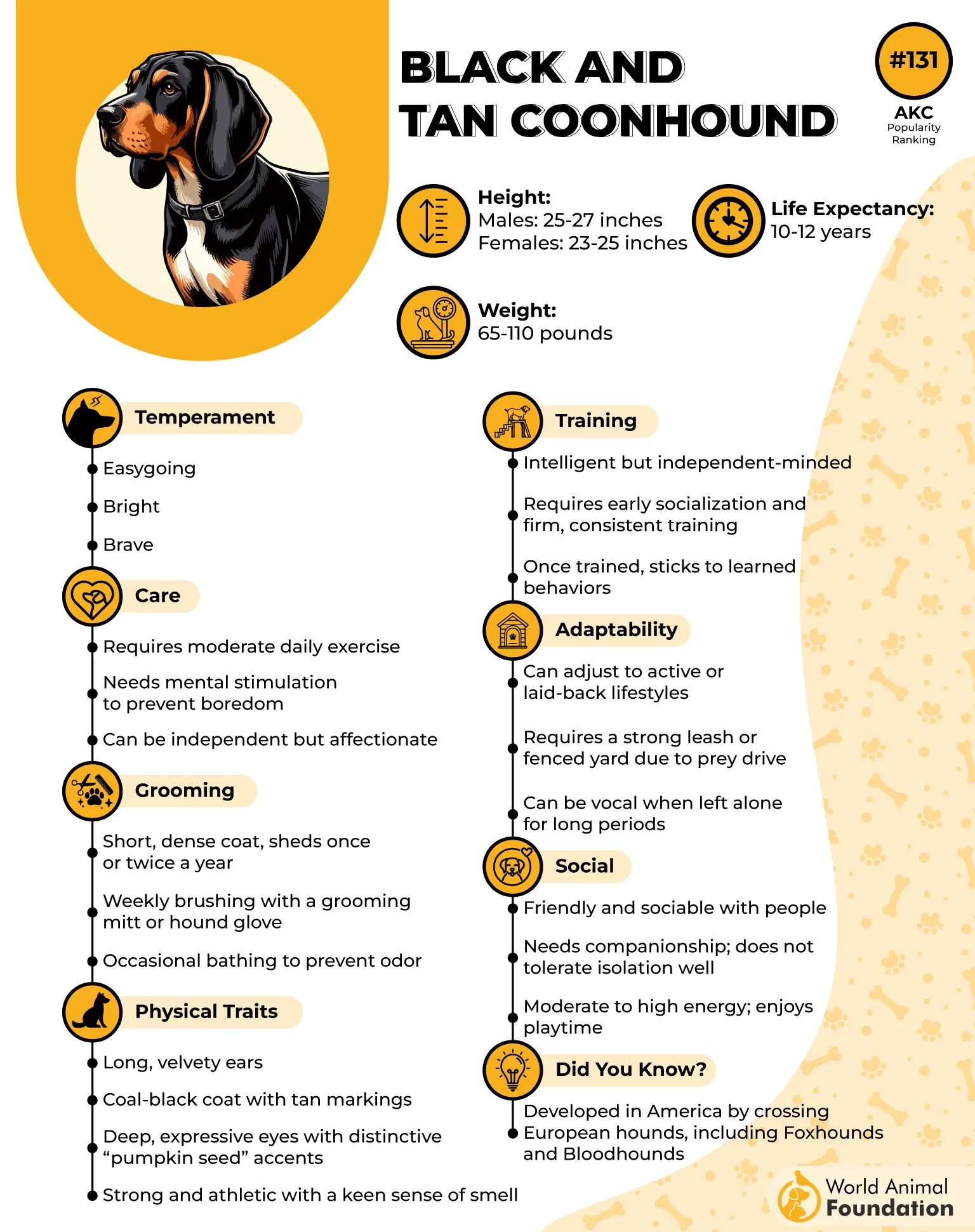
If you’re after a skilled tracker, few breeds can match the Black and Tan Coonhound’s exceptional nose and steady pace. Joint problems and ear infections are common in this breed, so keep an eye out for both.
5. Basset Hound
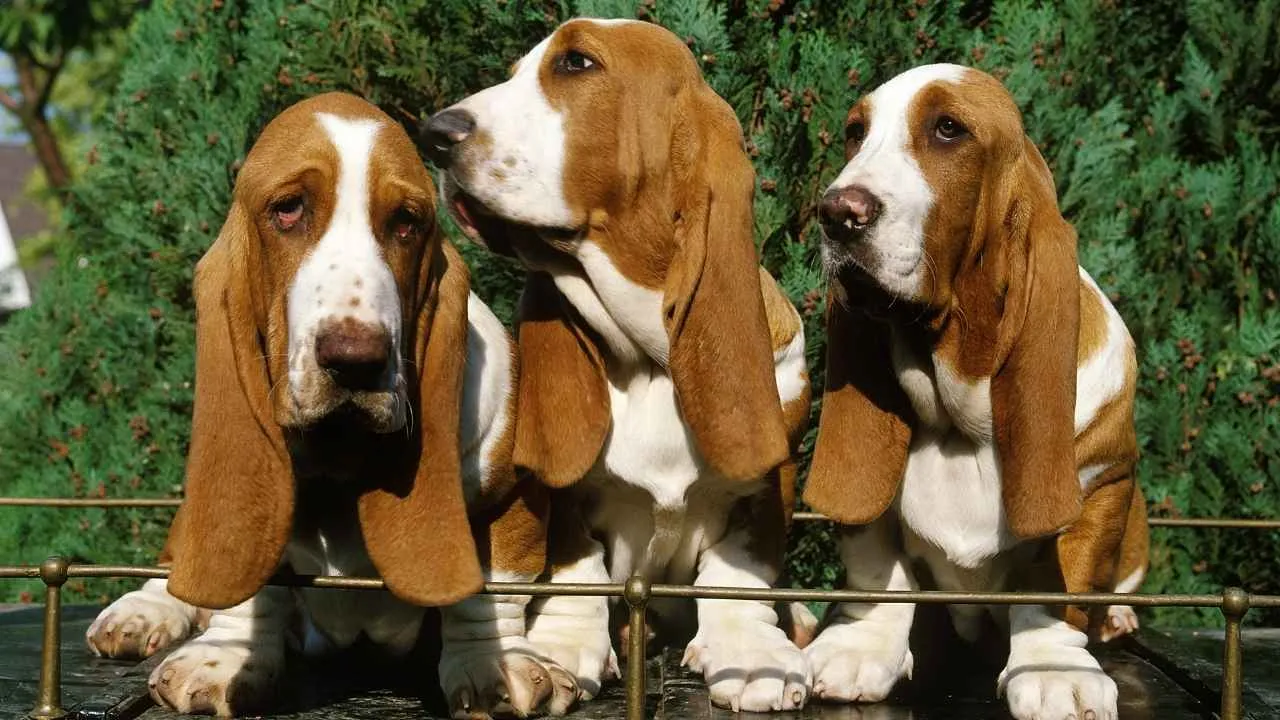
Basset Hounds are often said to have the best nose after the Bloodhound, which makes them excellent at tracking scents. They were bred in France to hunt rabbits and hares, but today this sturdy dog is better known as a lovable companion with a happy demeanor and a laid-back personality. A few habits owners can manage through training and socialization are barking, digging, and a strong hunting urge.
Their long ears, distinctive low-slung build, and exceptional sense of smell all help them follow scent trails over long distances. With obedience-focused training, they can track animals through difficult terrain as well.
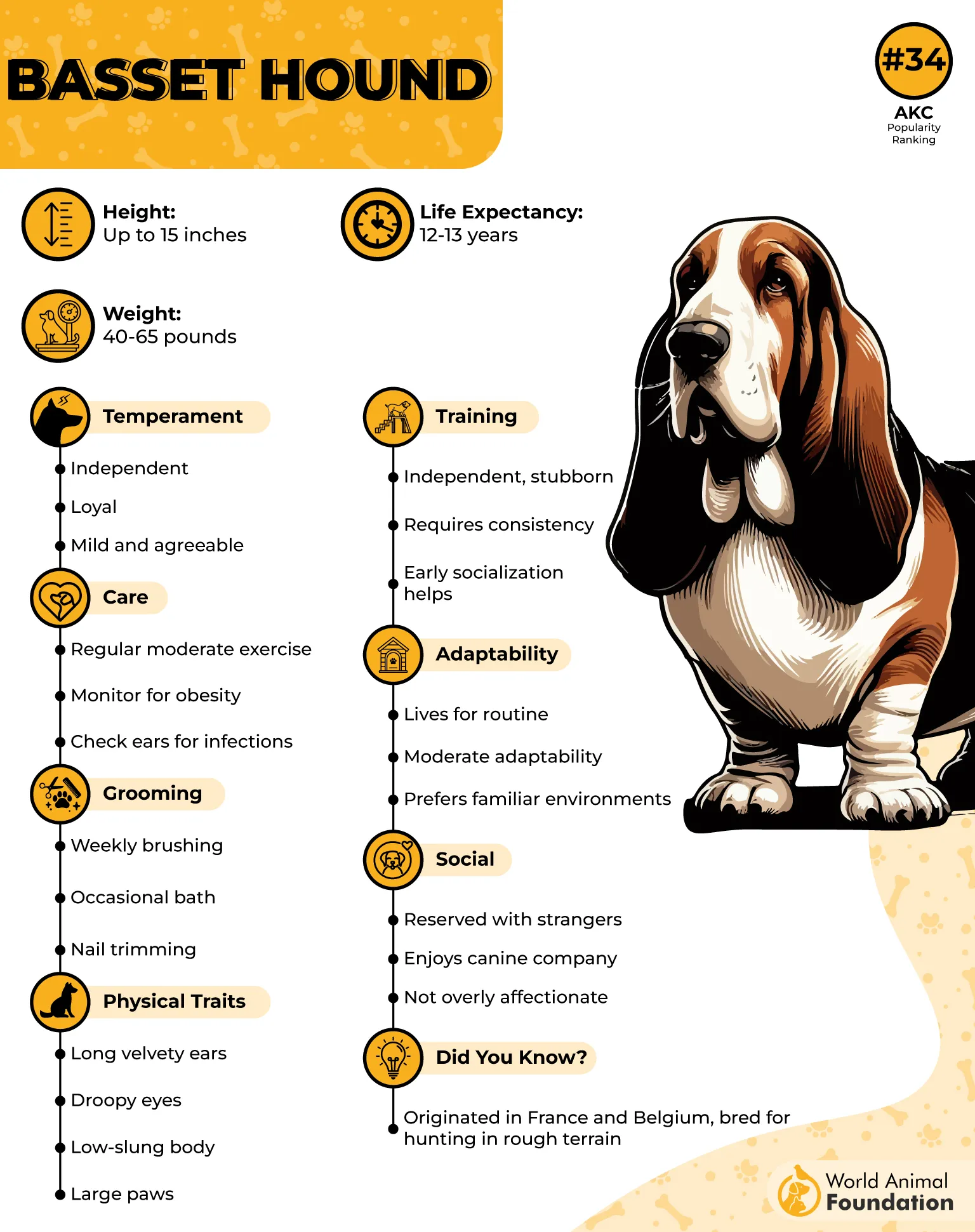
Thanks to their loving, laid-back nature, Bassets make great family pets and get along well with children. They only need a moderate amount of exercise, though they can handle a long walk. Just keep an eye on their skin and ears, since problems in both areas are common.
6. Treeing Walker Coonhound
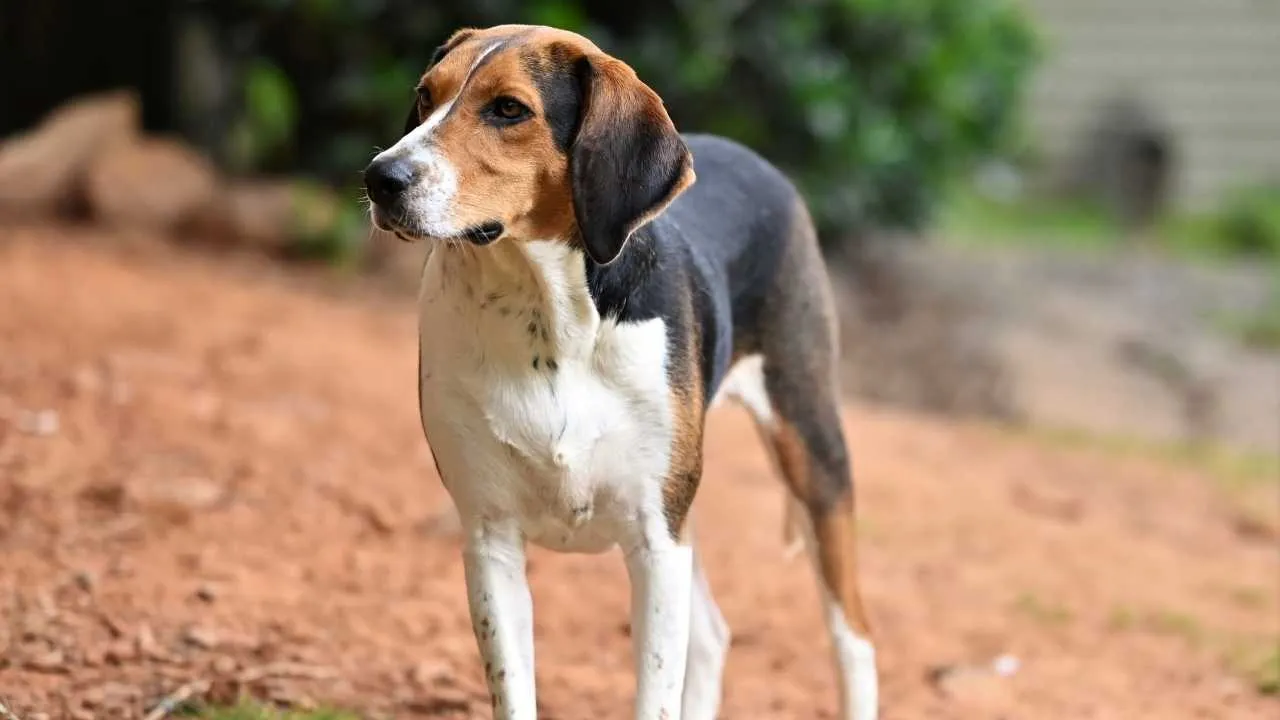
Treeing Walker Coonhounds are athletic dogs used to track raccoons through dense underbrush. They’re even-tempered, clever, affectionate, and confident, and they’re popular with hunters for their speed, endurance, and sharp scenting skills. Their long legs also help them move quickly across rough terrain.
They’re known for a loud bark, which they keep up until the hunter arrives. Their strong hunting instinct, determination, and ability to work independently make for a successful hunt. Positive reinforcement training works best, along with about an hour of daily exercise and the occasional long run.
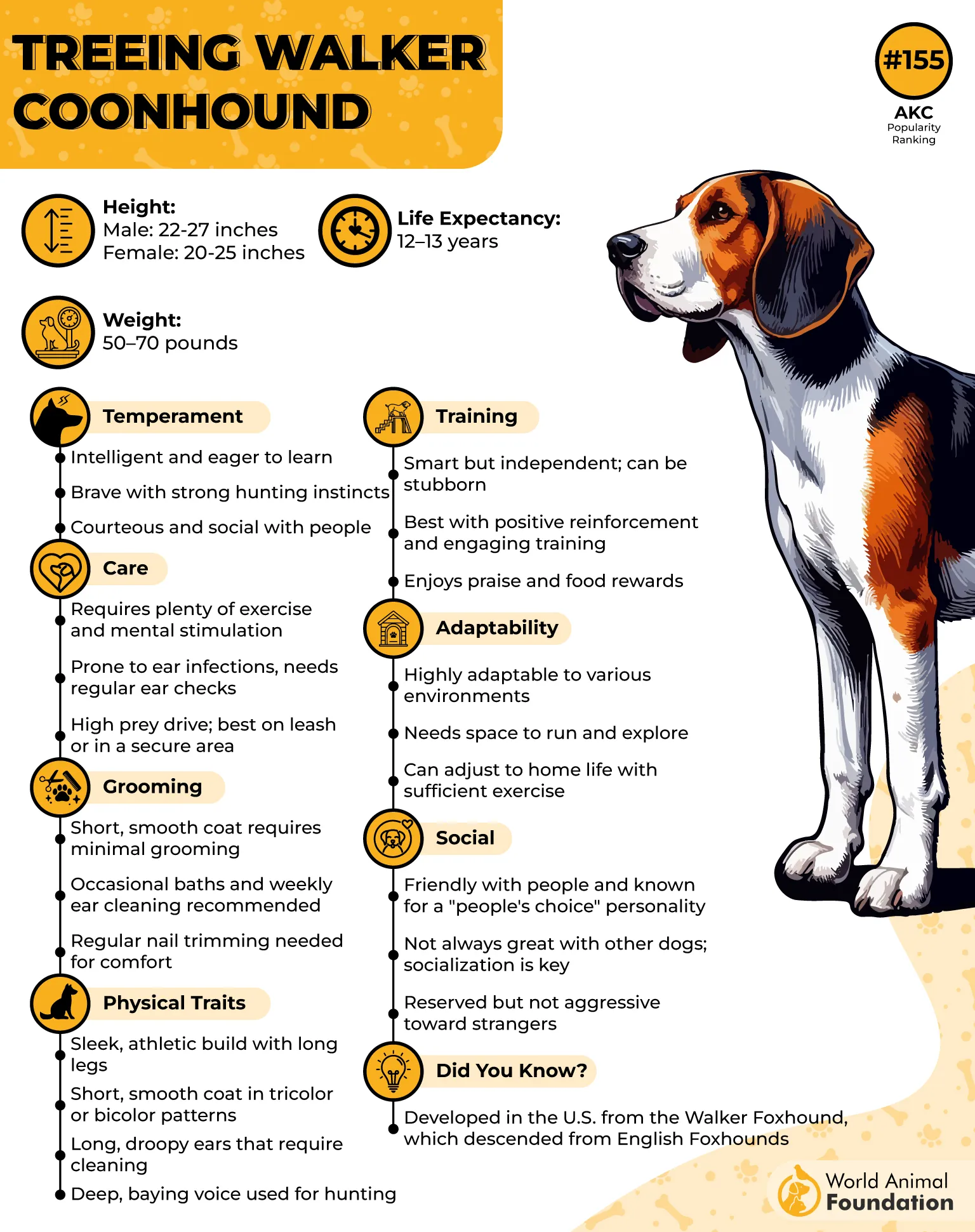
Treeing Walker Coonhounds are generally healthy, and regular activity like running and hiking keeps them fit. Still, eye problems and hip dysplasia are common in the breed, so keep an eye out for both.
7. Belgian Malinois
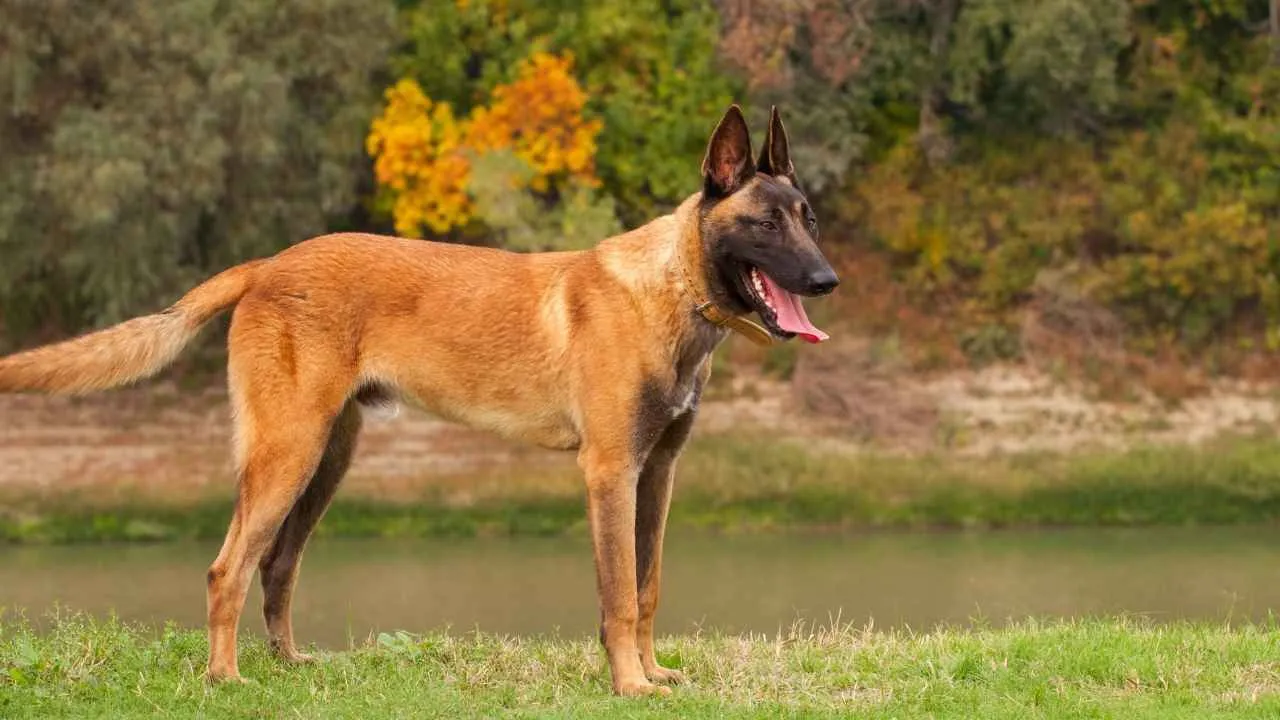
Belgian Malinois are intelligent, hardworking, friendly, and watchful dogs from the herding group. They earn a spot on this list thanks to their sharp sense of smell, intelligence, and speed, and they’re used around the world for tracking, scent detection, and rescue work. They’re athletic, high-energy dogs that are best suited to experienced owners.
Their speed and strong work ethic let them cover long distances quickly and locate targets with ease, but meeting their physical and mental needs is just as important. Orvis adds that they need at least two hours of exercise a day, along with fun activities like fetch, agility, and tracking.
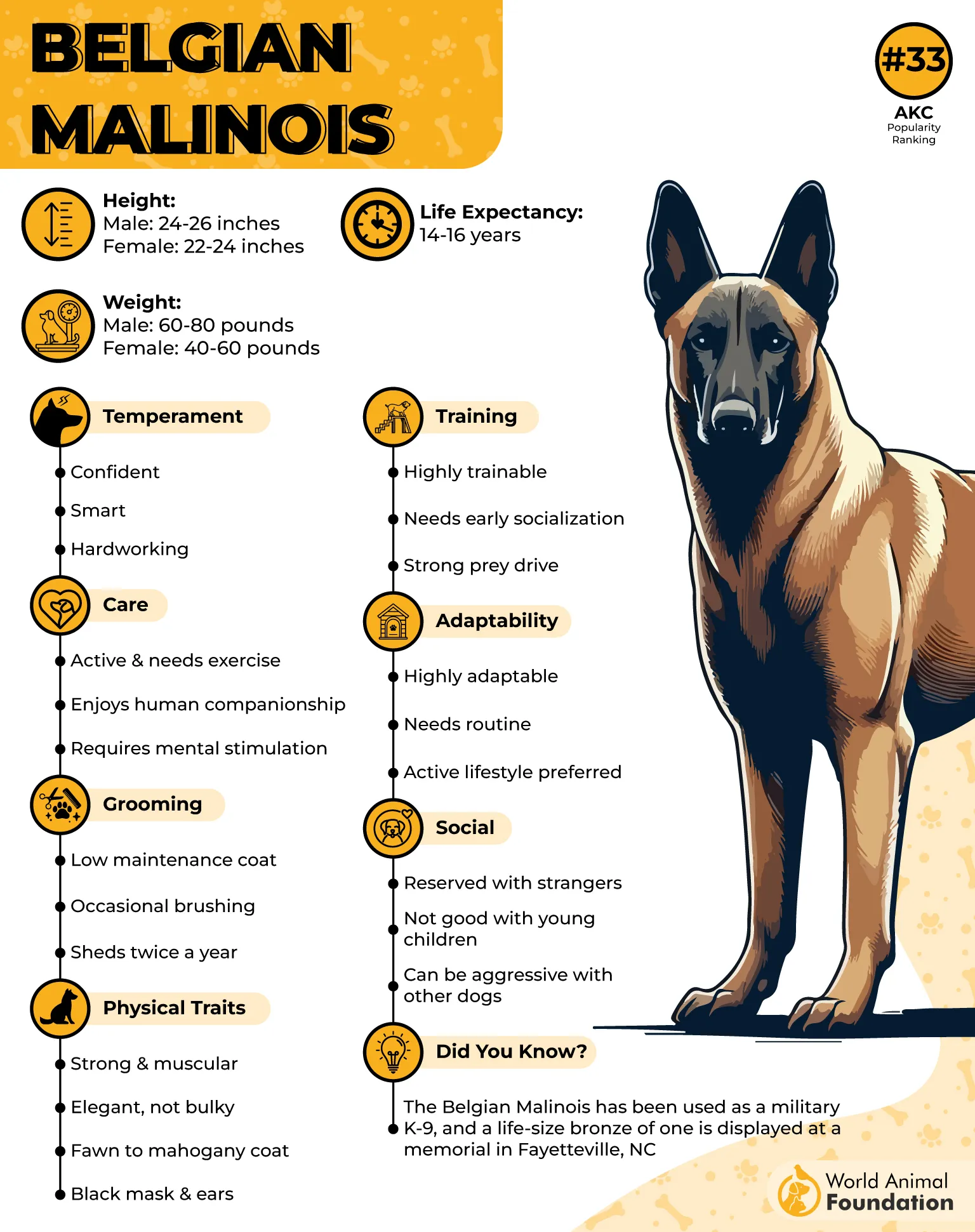
A Mal has serious stamina, so long runs and hikes are well within its range. Regular vet visits are still important for concerns like joint issues and cataracts.
Conclusion
All of these remarkable breeds can handle complex trails thanks to their strong sense of smell, stamina, and determination. Regular training and exercise keep their energy up, their muscles toned, and their joints strong, so they can tackle rugged terrain with ease. Training also sharpens their minds, which is why they’re so versatile.
If you’re thinking of keeping one as a family pet, keep in mind that the hunting instinct doesn’t go away easily. Prevention is the best approach, so we recommend installing a dog fence to keep your other pets safe.
