




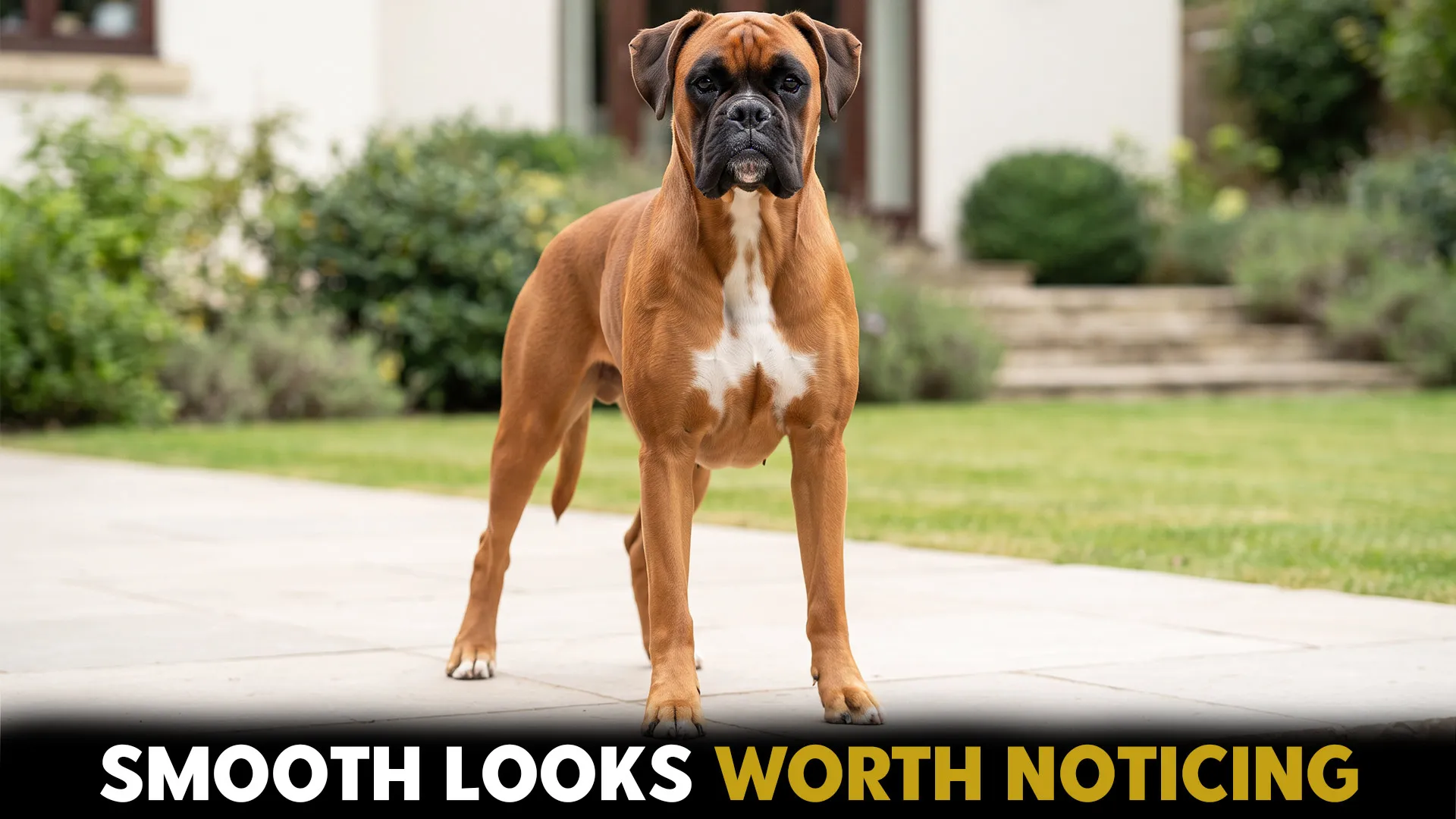
Missed out on summer camp? Still putting off that road trip or weekend adventure? Haven’t picked out a summer-friendly dog yet? What are you waiting for? Grab your car keys, head out the door, and visit your nearest animal shelter to meet a sleek, short-coated fur baby.
These pups are some of the best breeds for warm weather. Their short coats mean they’re less likely to overheat, and they don’t need much grooming, so you’ll save on salon bills. Best of all, you don’t give up any of the sass or playful personality you’d get from a long-haired dog.
Pet parents love their glossy short fur because it sheds very little. You get to enjoy a big, fun-loving personality without the hassle of constant professional grooming. They still enjoy a little pampering and the occasional spa day, but if you skip brushing for a few days, you won’t find clumps of loose hair all over your carpet and furniture.
Note: These warm-weather pooches are ready to hit the beach, but don’t forget the sunscreen. Short coats offer less protection, so dogs can get sunburned or develop skin problems. Use a pet-safe sunscreen, and you can count on these stylish, high-energy pups to bring plenty of fun to your summer days.
Dog Breeds Featuring Naturally Short and Sleek Fur
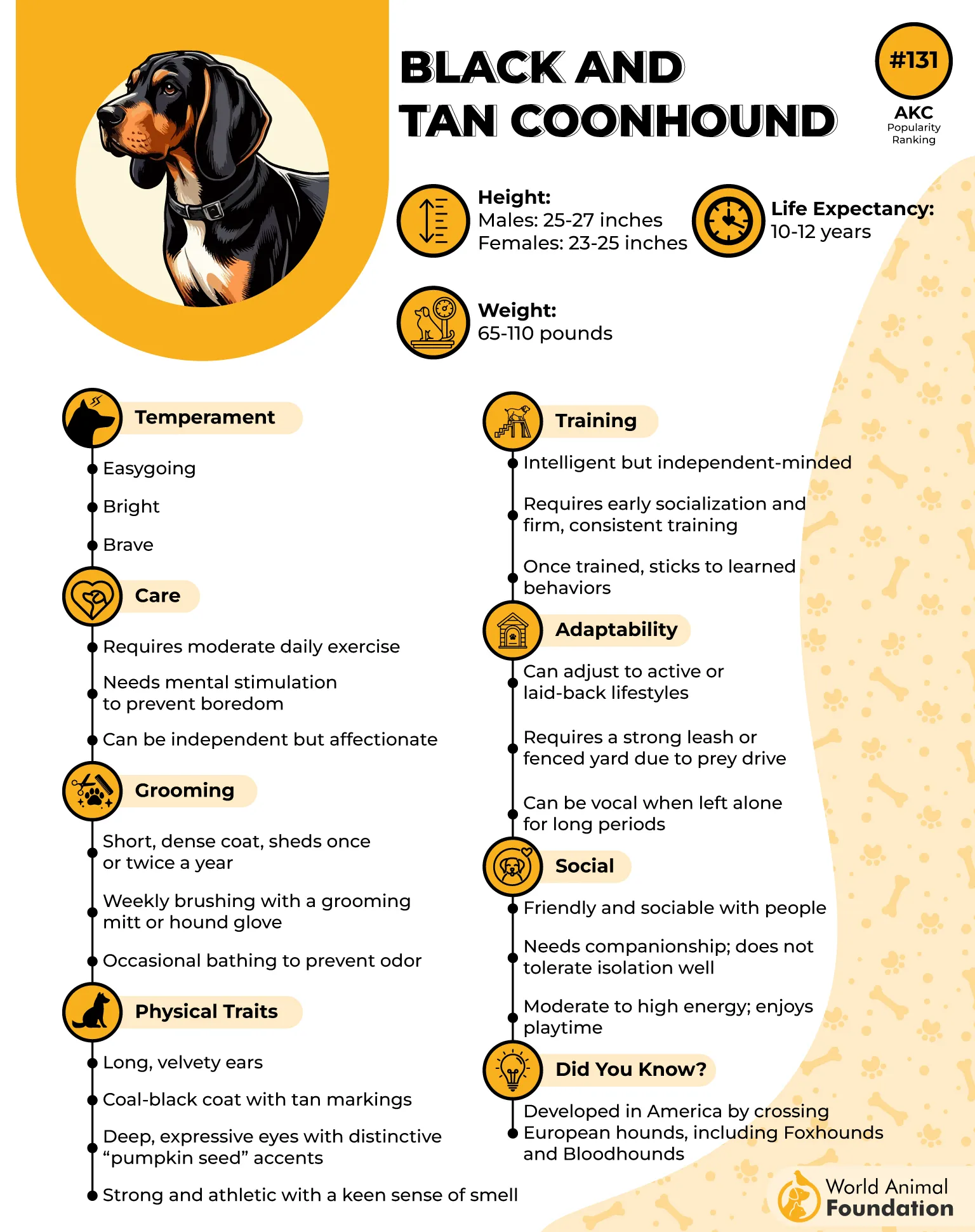
1. Black and Tan Coonhound
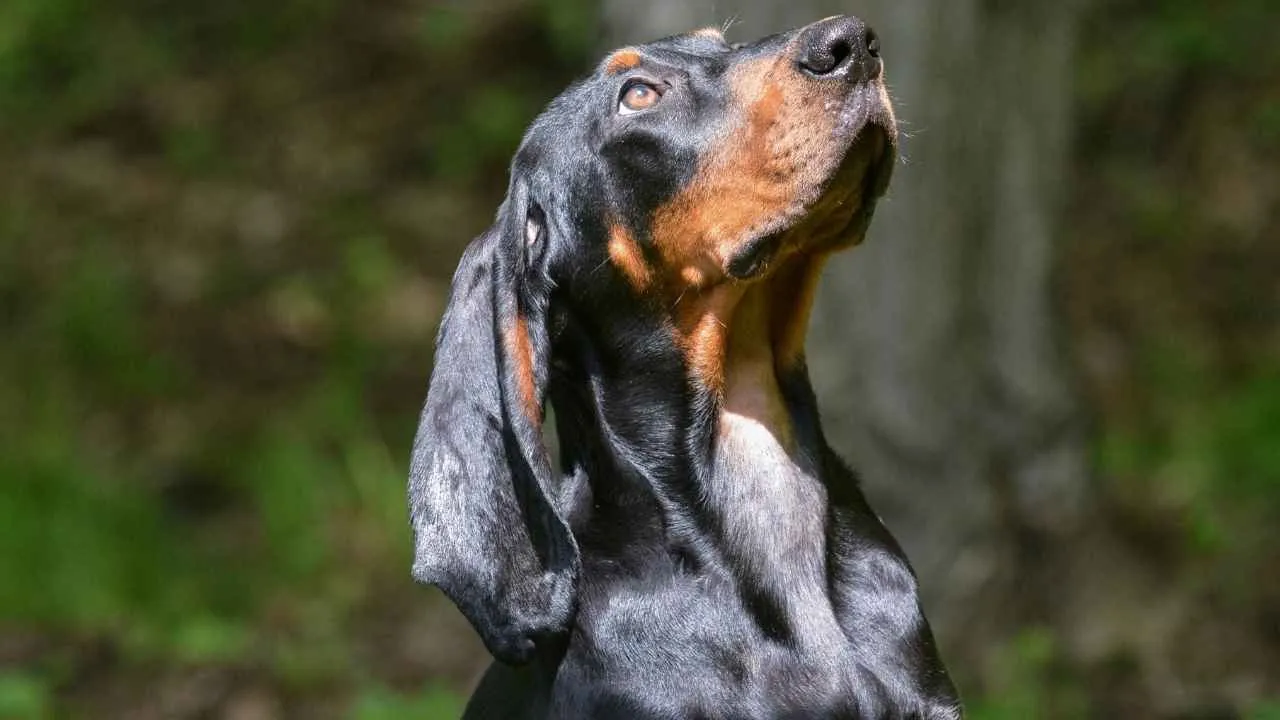
Long ears, long legs, and a deep, booming voice: coonhounds are true Southern hounds, and they’re an American-made breed. Their owners love them so much that there’s a dedicated coonhound cemetery in northwest Alabama, where you’ll find carved granite headstones marking the final resting places of much-loved hunting companions.
That kind of devotion says a lot. Developed from hounds brought over by English settlers, coonhounds were bred to track raccoons and other game at night. They follow a scent trail with patience until the animal climbs a tree, then stay at the base and bay loudly to let the hunters know where it is.
Every dog has its own bay, and owners learn to read the differences. They can tell by sound alone whether their dog is working a trail, unsure about a scent, or has the quarry treed. To a coonhound lover, that bay is music.
Fans admire these dogs for their courage, drive, and enthusiasm, and for the way they simply never quit. Add a gentle, sensitive nature and a sleek, short coat, and you get an even-tempered companion that’s hard not to love.
Coonhounds handle both cold and hot weather well, and they can work through rough terrain without complaint. They’re also calm, sociable dogs, and their short coats make them easy to care for.
2. Beagle
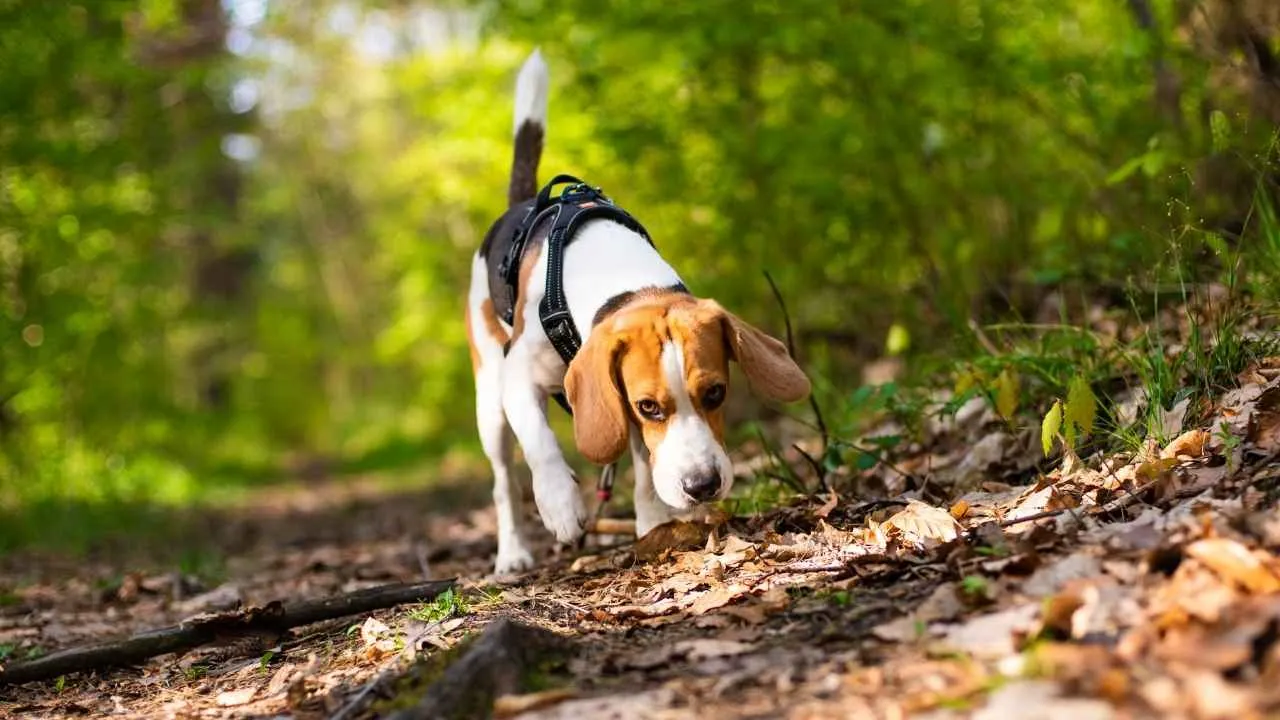
With a smooth, short coat and a face you can’t say no to, the beagle is one of the most popular scent hounds around, and a skilled rabbit and hare hunter. Those soulful eyes, floppy ears, and sweet expression win people over fast. Beagles are tireless trackers, and a rabbit has a hard time shaking one off its trail.
They come in classic hound colors, including black, tan, and white tricolor, as well as red and white in shades from lemon to mahogany. These small dogs are sturdy for their size, playful and cheerful.
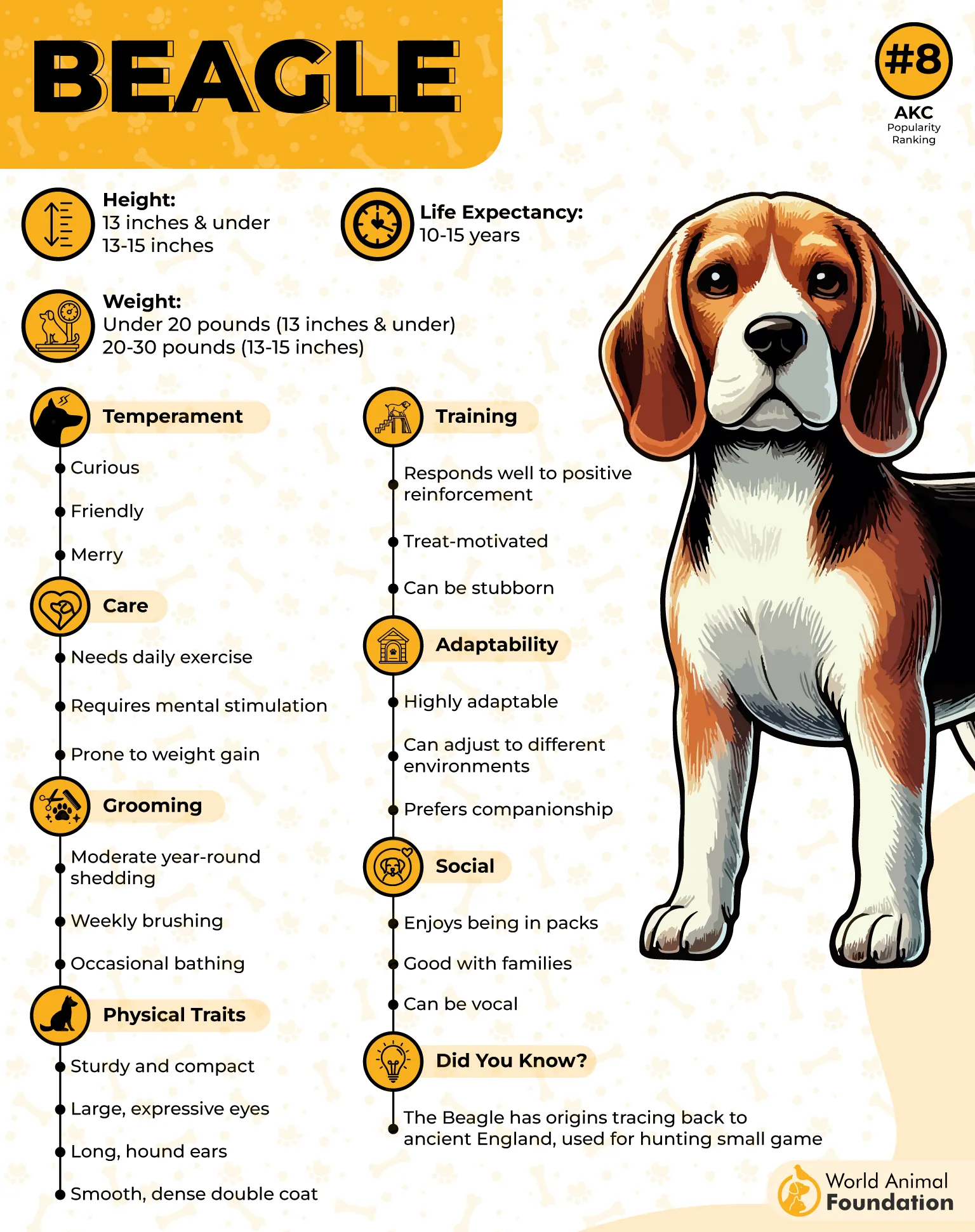
Beagles were originally bred to work in packs, so expect your dog to want a spot in every family activity. They also need plenty of mental stimulation and something productive to do. Otherwise, those adorable floofs can turn into mischief-makers and surprisingly good escape artists.
With a powerful nose, endless curiosity, and a happy-go-lucky attitude, beagles are used to sniff out everything from contraband at airports to, in some research studies, signs of disease. They can get a bit smelly, though, so give them a bath after a muddy trip through the woods.
Plan on brushing them about twice a week during the heavier shedding seasons in spring and fall. Their long ears also need regular care. Clean them with a pet ear-cleaning solution, gently massage the base of the ear, then wipe away the residue with a cotton ball or tissue.
3. Boxer
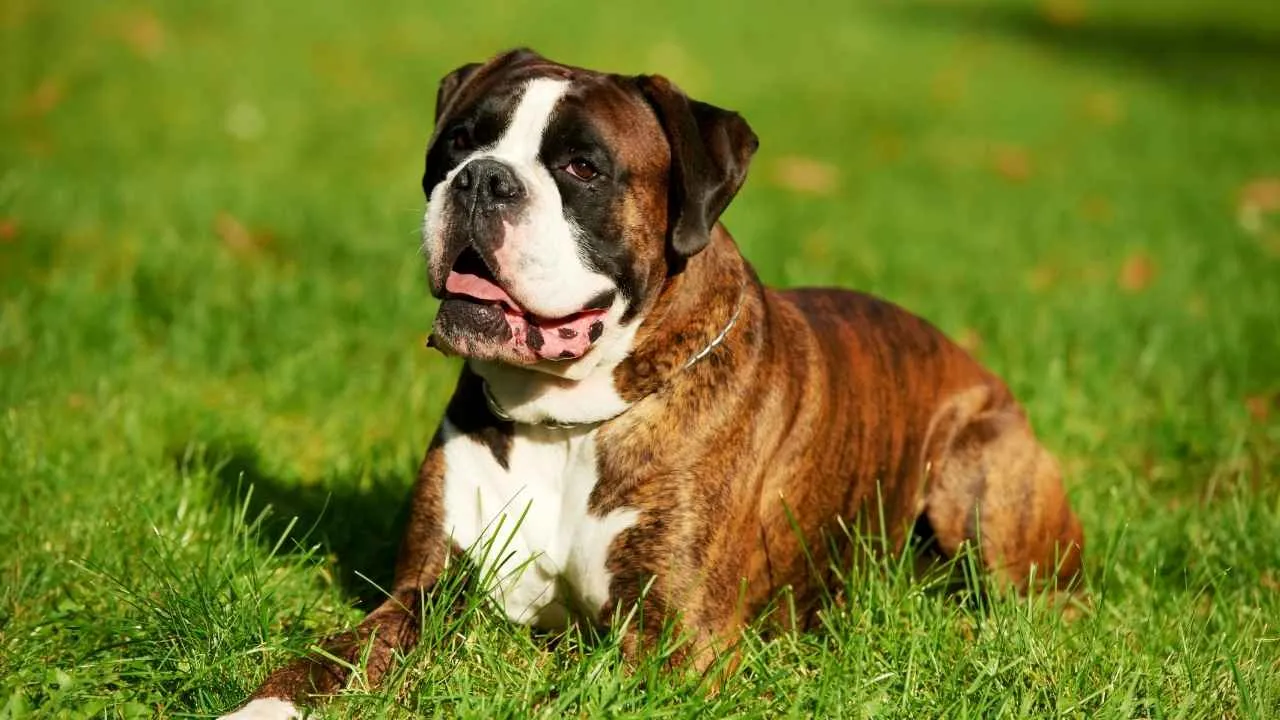
Boxers are known for their youthful exuberance and playful rebellion, and they rarely seem to grow up. Think of them as the Peter Pans of the dog world. That puppy-like spirit might seem odd in a descendant of the Brabant Bullenbeisser, a dog developed for the brutal sport of bull baiting, but boxers simply don’t care.
They love to play the fool, find fun in everything they do, and refuse to take life too seriously. Often called the goofballs of the dog world, these elegant, courageous, and athletic dogs have explosive energy and a bouncy, peppy walk.
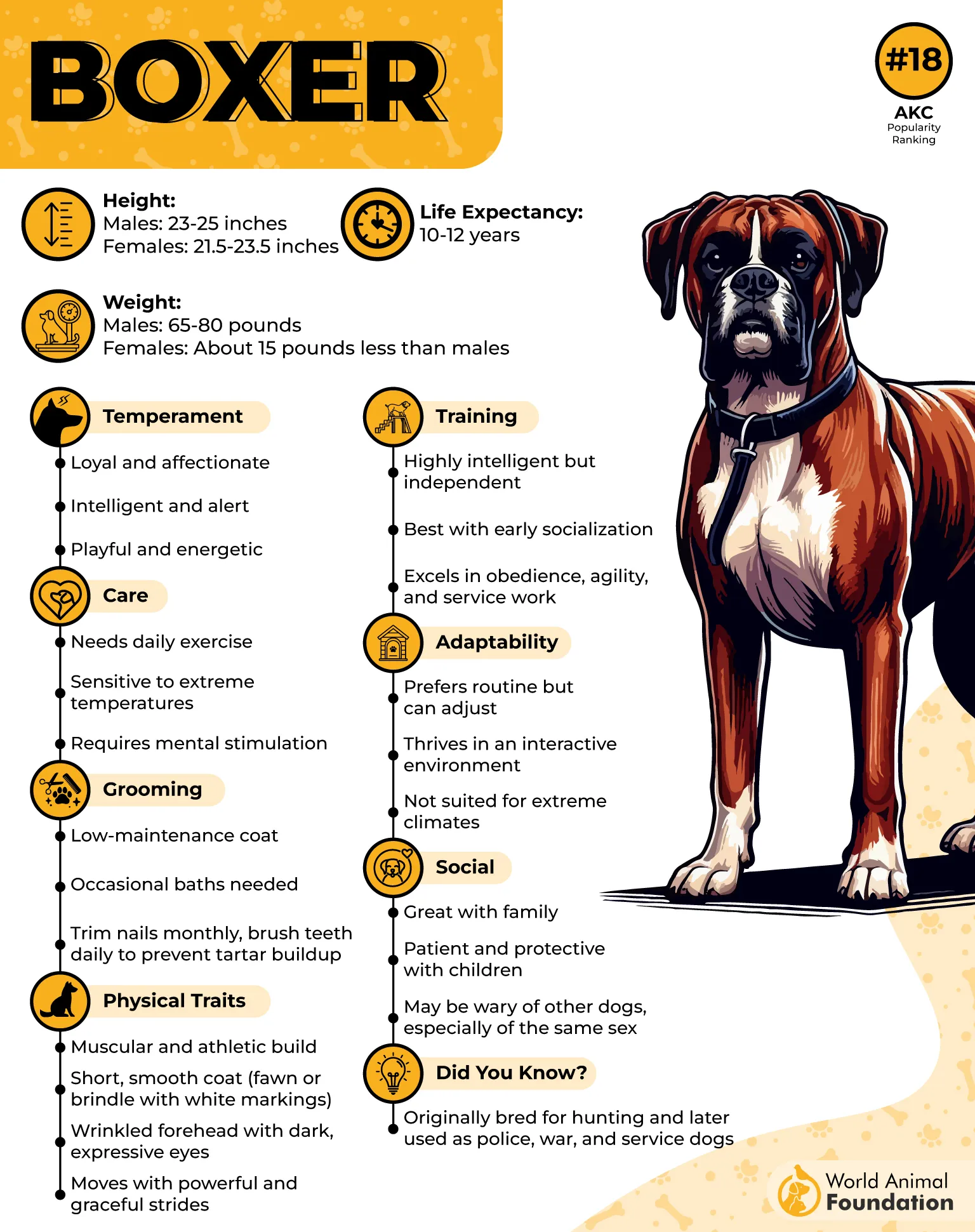
According to Modern Dog Magazine, boxers got their name because they use their front feet when wrestling with an opponent. Despite their clownish side, they make good guard dogs and even serve as K9 police officers. They’re very protective of their families and may leap at an intruder if they sense a threat.
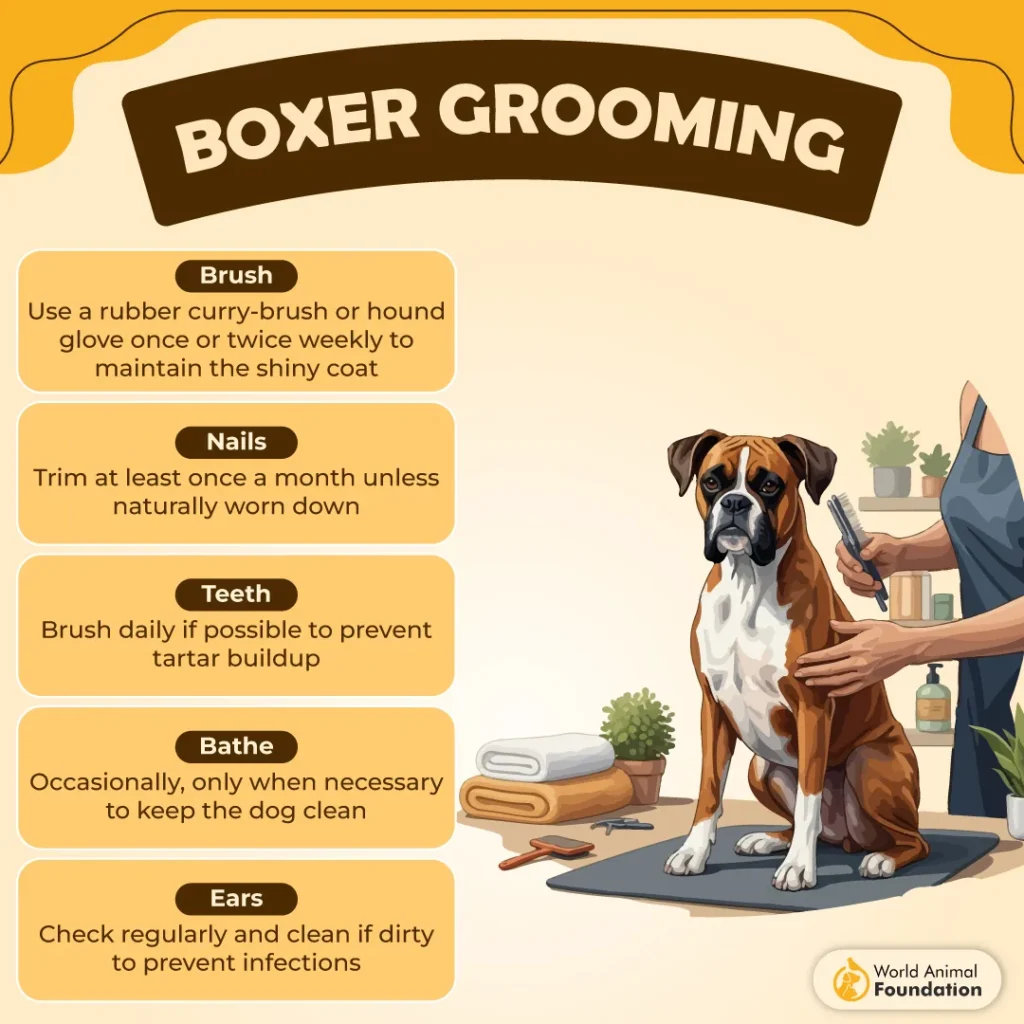
Boxers have sleek, short coats that come in two shades, fawn and brindle, and you can easily see their strong muscles flexing underneath. They shed a lot less than fluffy, long-haired breeds, but their coats still need regular care to keep the skin healthy. When it comes to training, they respond best to positive reinforcement and can be stubborn at times.
4. Boerboel
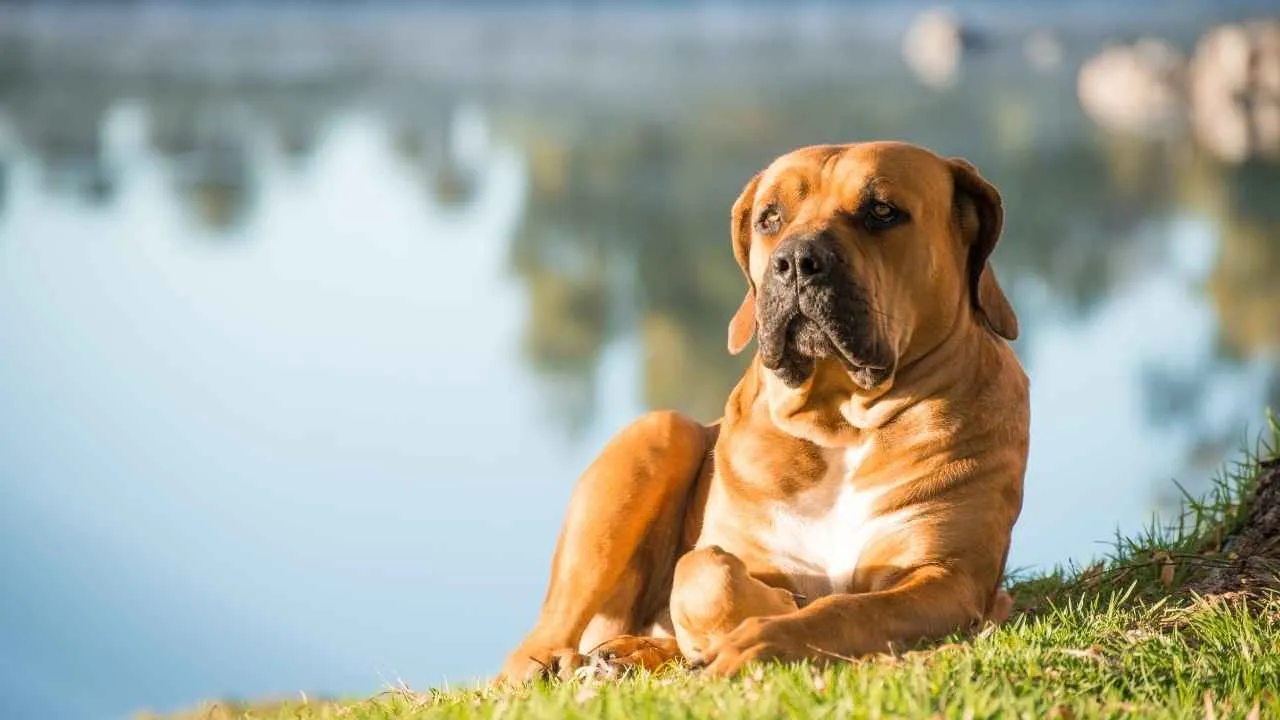
This strong, confident dog with a blocky head is the most agile of the mastiff-type breeds. The boerboel was originally bred in South Africa to be an exceptional working dog and a loyal companion. Its short, dense coat can be brindle, brown, cream, or tawny.
Boerboels are an intimidating sight, which is why they’re often used to guard farms and even diamond mines. They’re also quite handsome, with smooth, shiny coats that show off their big, muscular build.
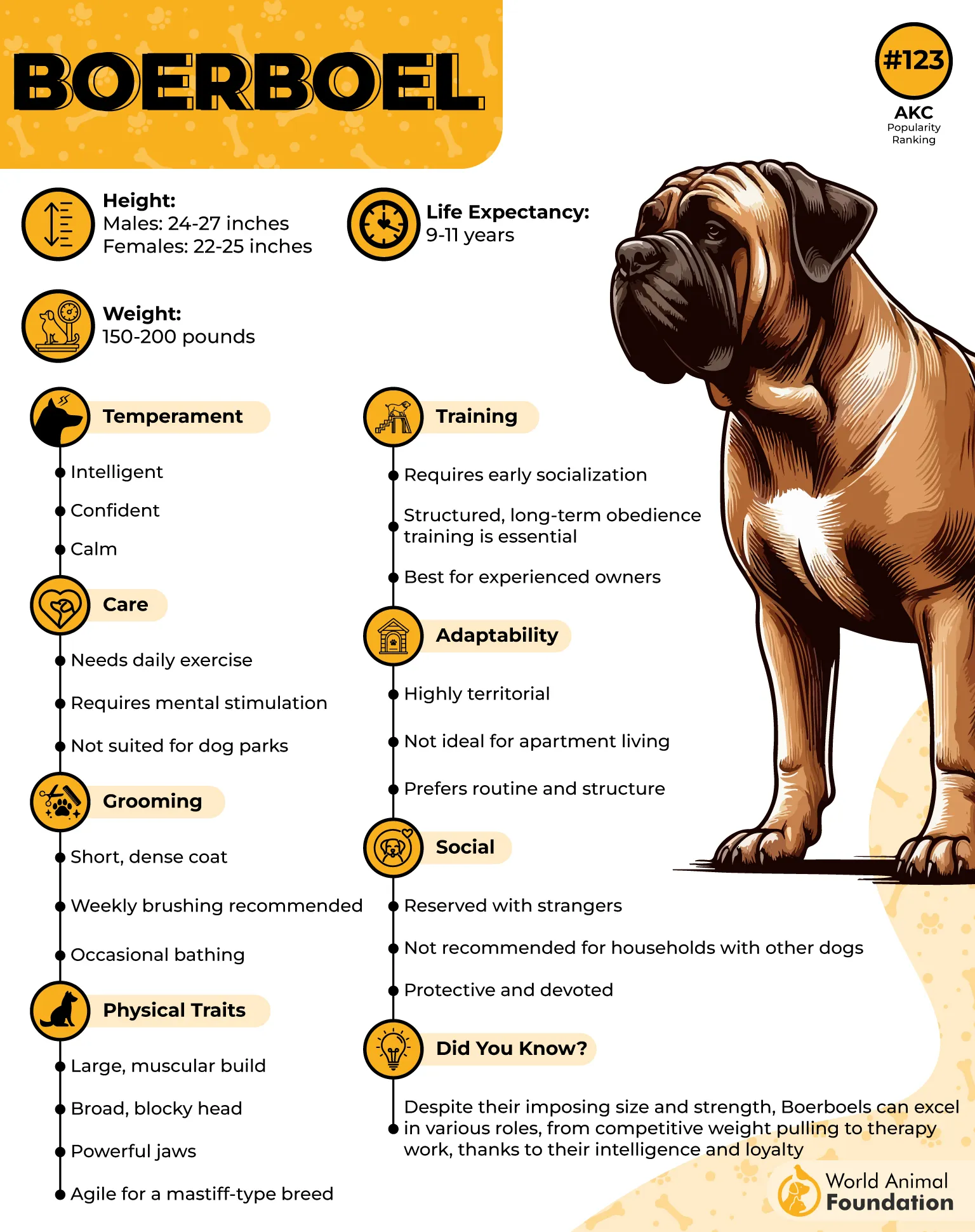
Their grooming needs aren’t extensive, but those droopy jowls mean a lot of drool, so keep a towel handy. You can bathe them about once a month and brush them weekly to keep shedding to a minimum.
Boerboels may look assertive, but these guardians are deeply loyal and can make good playmates for kids. Still, they’re best suited to experienced owners because of their size, strong will, and determination. They tend to be aloof and reserved around strangers, so early socialization and plenty of attention are important to help them grow into well-balanced adults.
5. Bluetick Coonhound
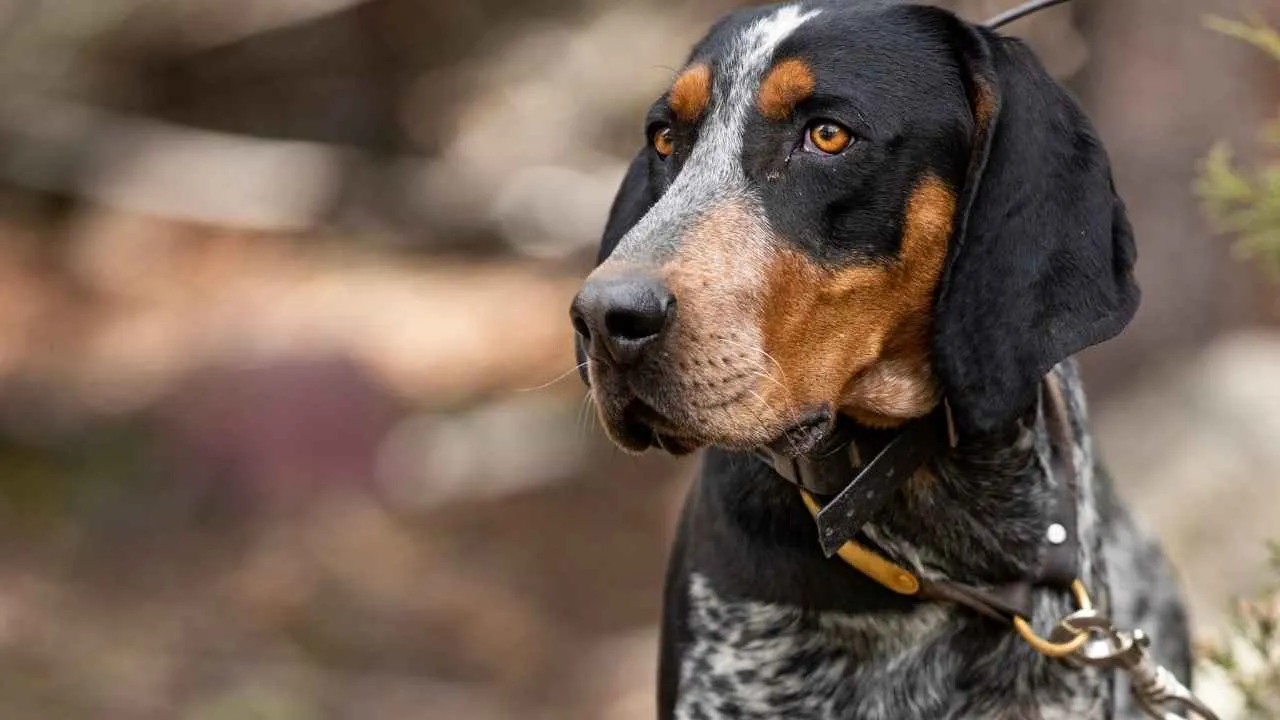
Here are a few reasons to bring a Bluetick Coonhound home. First, this scent hound has a voice that could carry a canine musical, with a clear, high-pitched bay. Second, that striking blue-speckled coat is hard to miss. Their short, glossy fur looks great, and it stands out even among other short-haired breeds.
Bluetick coonhounds were bred to hunt and pursue clever quarry, so they have a strong prey drive and lots of energy. They’re known for following scent trails, even old ones, and they’re nocturnal specialists.
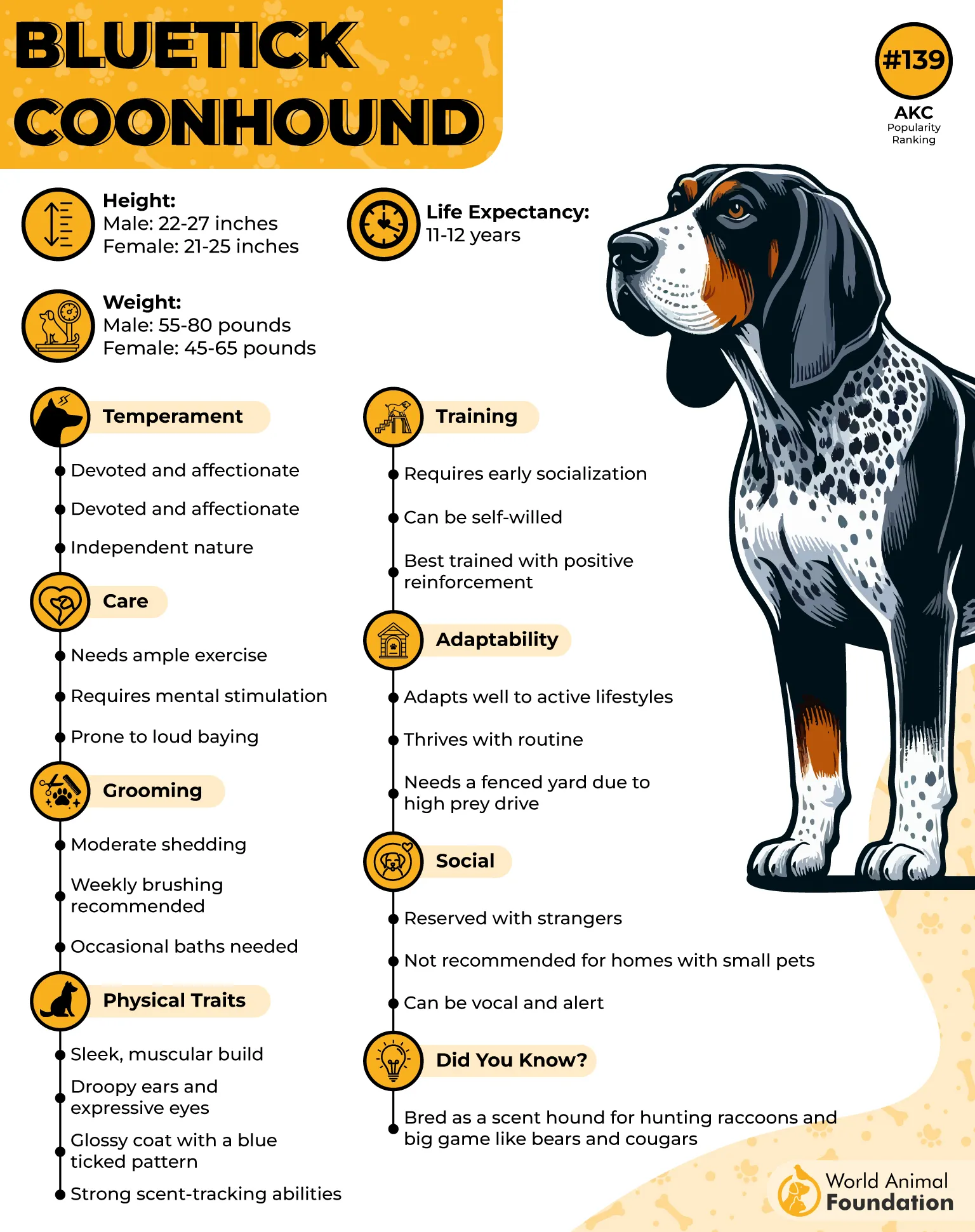
Orvis recommends keeping them leashed in open public spaces and confined in a securely fenced yard, since they’re known to escape if given the chance. Brush their mottled coat gently once a week with a grooming mitt to keep it healthy. Like all dogs, they also need their teeth brushed regularly and their ears cleaned every week.
This is an American breed descended from French staghounds and English foxhounds, and these dogs can track everything from deer and wild boar to raccoons. Alongside that strong hunting instinct, they have a loyal, friendly nature that makes them great family pets.
6. Doberman Pinscher
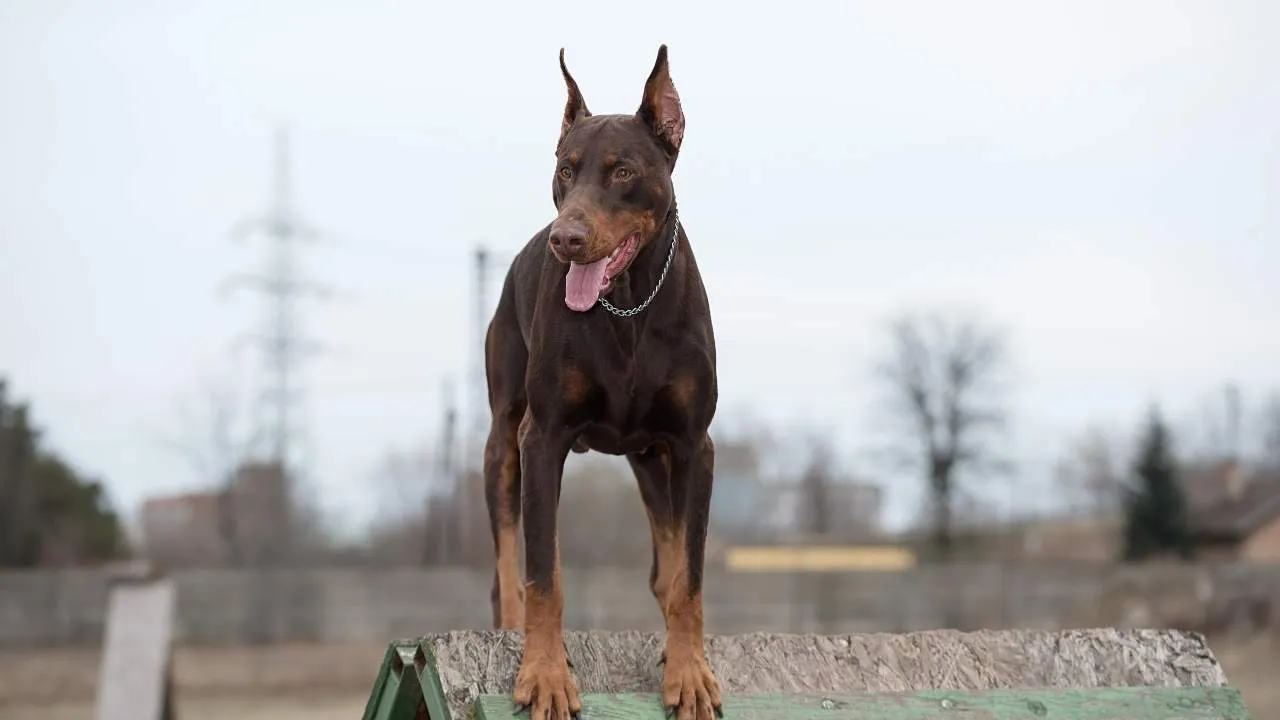
Few dogs carry themselves quite like the Doberman. The breed dates back to the late 1800s and has long been a go-to guard dog, thanks to its speed, courage, and deep loyalty. Confident, poised, and full of energy, the dobie is also a big goof who will happily try to sit in your lap or leap into your arms, fully expecting you to catch them.
That clumsy streak might surprise you in one of the smartest dog breeds out there, ranked fifth in intelligence. But once a Doberman trusts you and bonds with you, they tend to forget their size and come looking for attention, snuggles, and kisses from their favorite people.
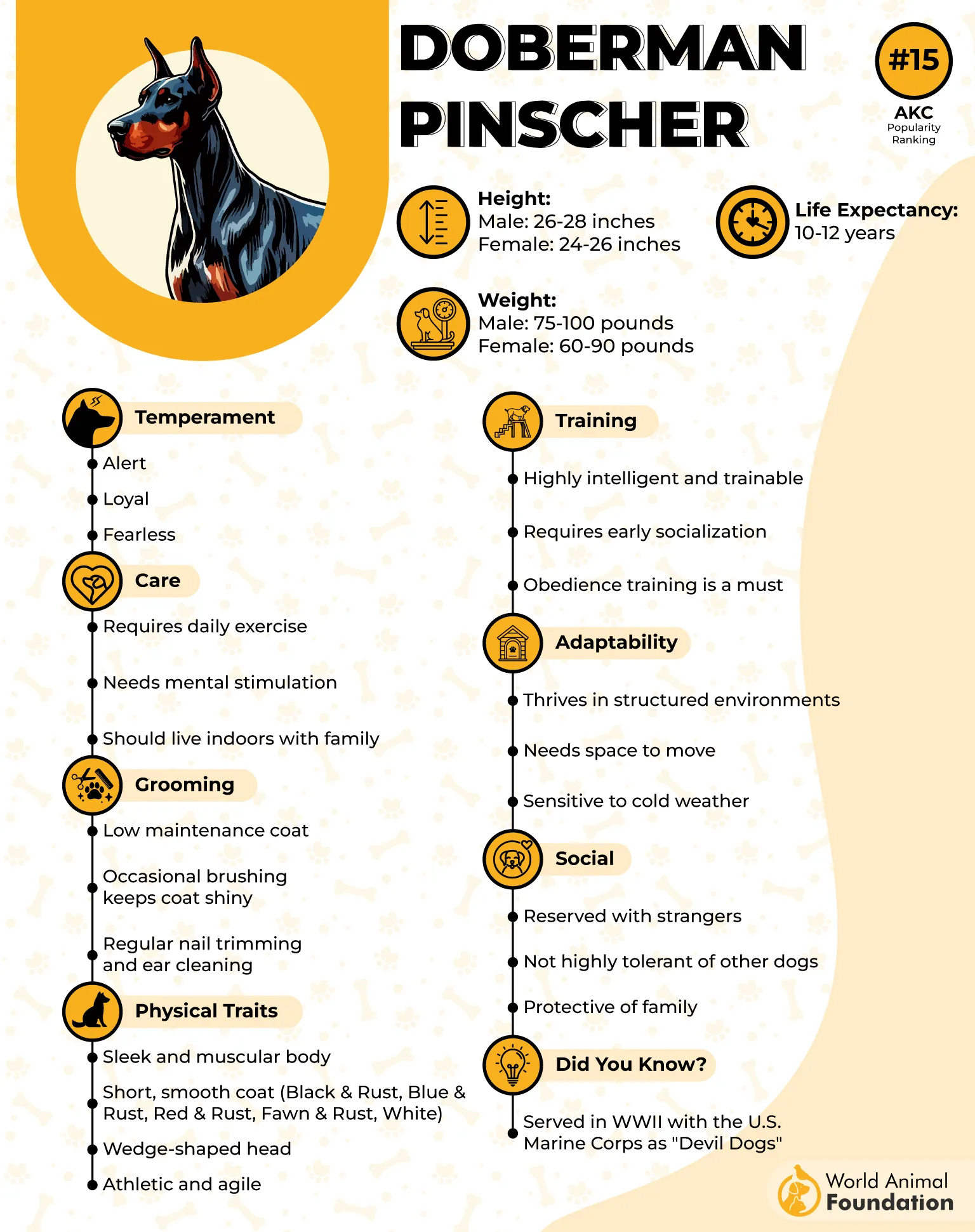
Chewy notes they’re a good match for busy, active families who can keep up with their energy and drive. These noble dogs were born to walk with purpose. Athletic, alert, and persistent, Dobermans are known for their endurance and stamina.
Today, they’re used by police to track down suspects and by the military for sentry, scout, and messenger duties. Their alertness makes them excellent watchdogs, and they also shine in dog sports like agility, which makes them great adventure buddies.
Grooming is easy, too. A bath about once a month is plenty, or sooner if they splash through a muddy puddle. Most dogs only need their nails trimmed when you start hearing them tap across hard floors. Their fine, short coats are simple to care for compared to many other breeds, but they still benefit from regular brushing.
7. Canaan Dog
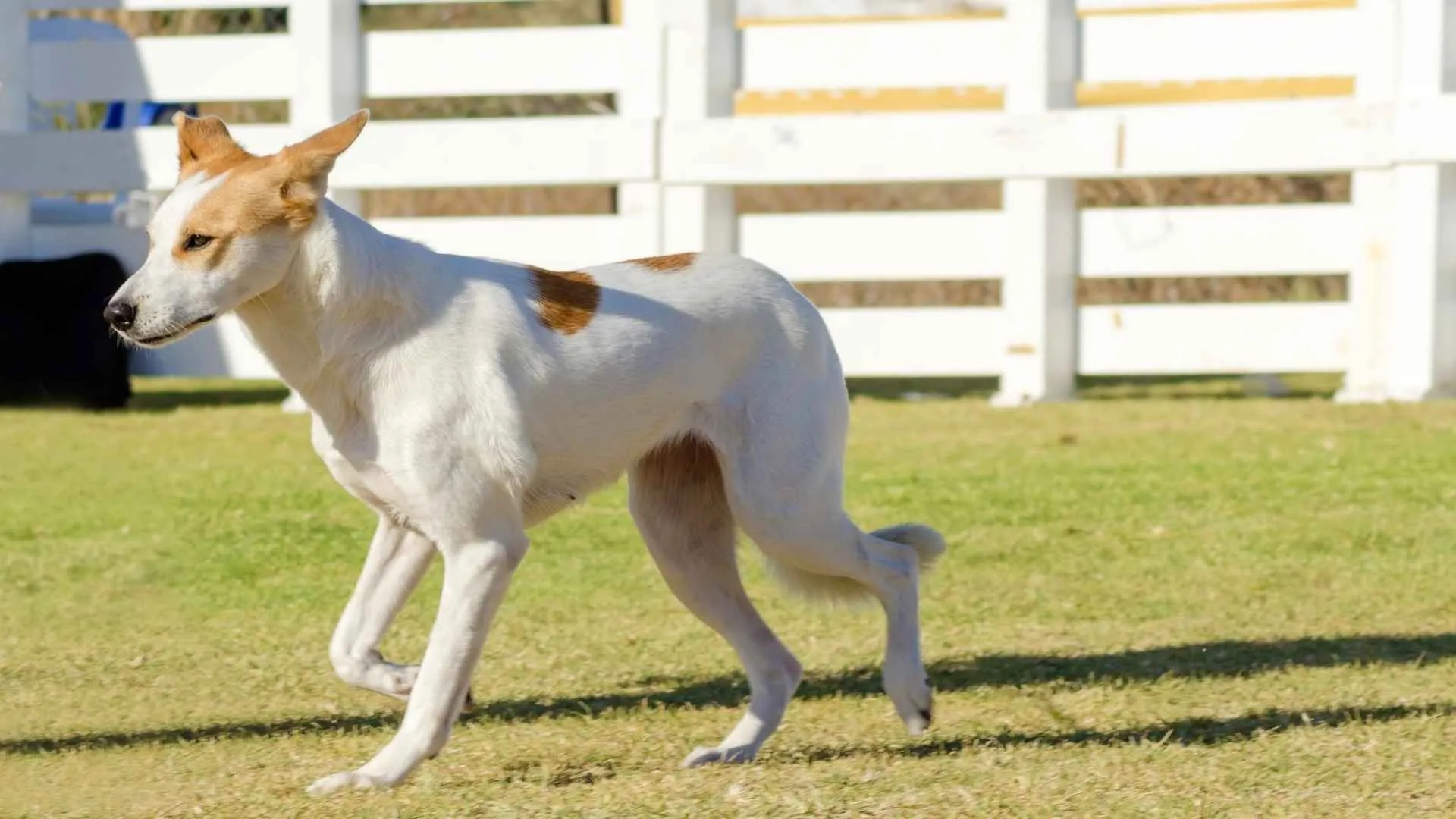
Quick to react and strongly defensive, sometimes to the point of being territorial, Canaan dogs descend from the pariah dogs of the Negev desert and are extremely devoted to their owners. They’re smart enough to pick up on cues right away, and they have an independent streak. Their grooming needs are moderate, but they’re still a lot of work because they need plenty of exercise and training.
If you think this breed doesn’t shed much, Royal Canin says think again. Even though they’re a short- to medium-haired breed, their harsh double coat sheds year-round and needs frequent grooming to remove dead hair.
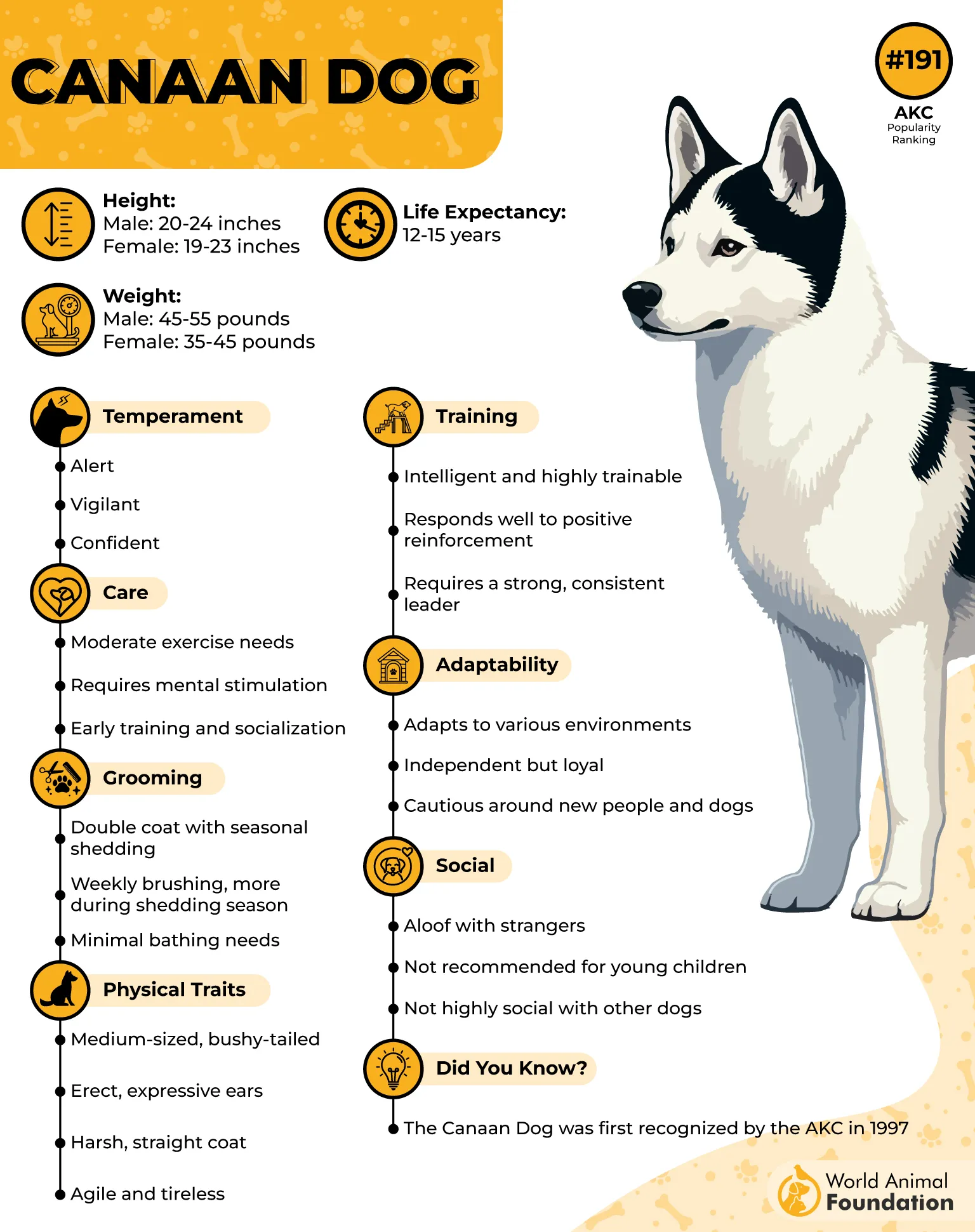
So grab a bristle brush and comb out the loose hair daily before it piles up on your rugs. An undercoat rake or de-shedding tool can help cut down on shedding, and a simple slicker brush works well on their dense coat.
Bathe them only occasionally, about every six to eight weeks, since frequent baths can dry out their skin. Historically, Canaan dogs worked as herders and guardians, and today they also serve in military and service roles.
Conclusion
Dog breeds with naturally short and sleek fur are a great choice for owners who appreciate a neat appearance and simpler grooming. From energetic companions to calm family dogs, these breeds offer plenty of personality without demanding constant coat maintenance.
Short-haired dogs only need occasional brushing to remove loose hair, and they don’t need baths as often as big, fluffy breeds. That means you put in less effort and still get plenty in return, since these dogs don’t lack energy, affection, or devotion.
While short coats still need basic brushing and care, they are often easier to manage than longer or heavier coats. Choosing the right breed ultimately depends on your lifestyle, activity level, and the kind of companion you want by your side.
