




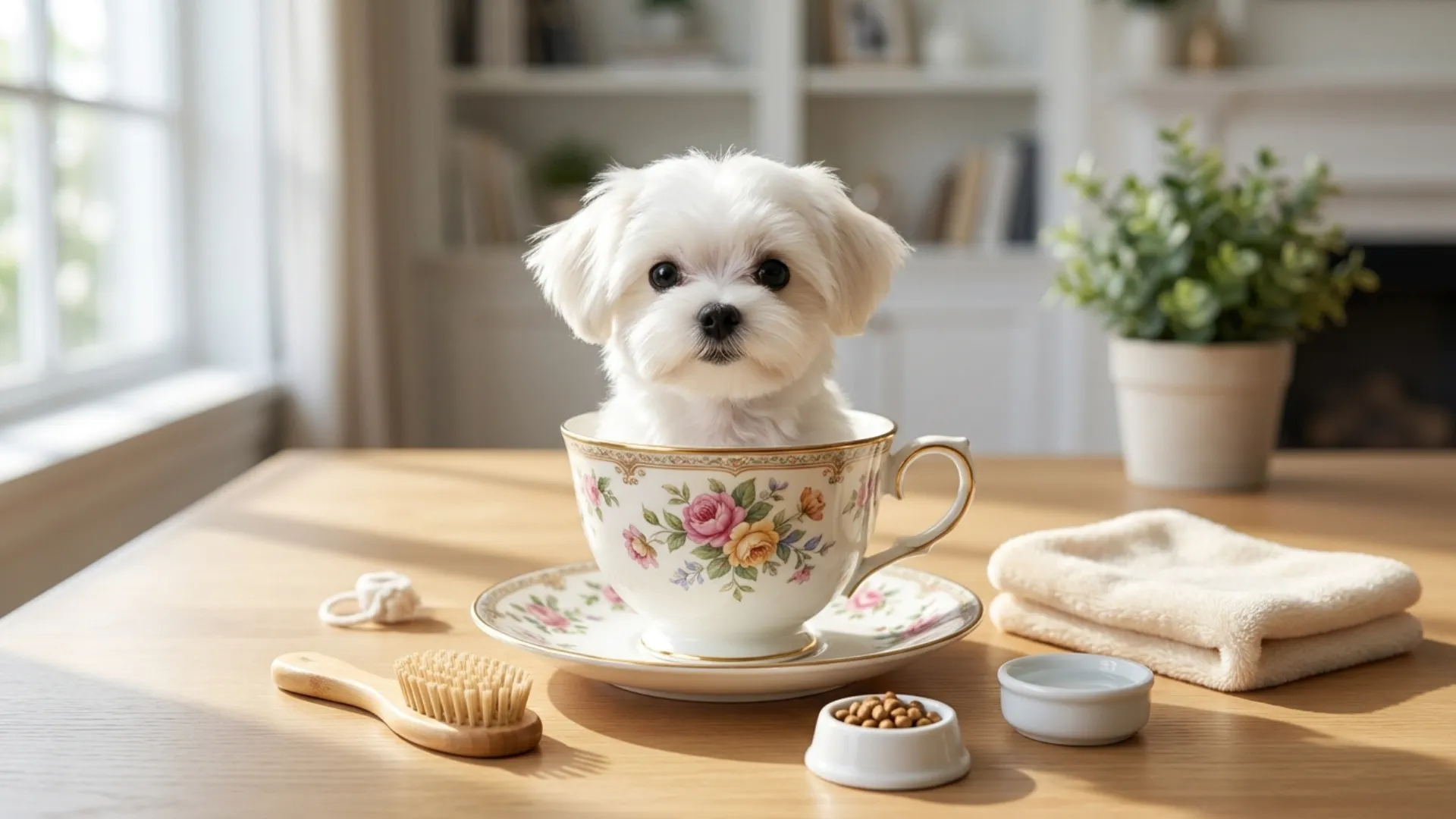
Tiny dogs may look like they were made to fit in the palm of your hand, but there’s much more to them than their adorable size.
Teacup dogs have become incredibly popular among people who love portable, pint-sized companions that can happily curl up on a lap or fit comfortably into smaller homes and apartment living.
Despite the name, “teacup” isn’t a recognized dog breed or official size category. It’s generally used to describe dogs that are unusually small for their breed, often weighing around 5 pounds or less.
Their petite bodies can make them easier to carry and may mean they need less physical exercise than larger dogs, but their care needs shouldn’t be underestimated. These fragile little pups can be more vulnerable to problems such as low blood sugar, injuries, dental issues, and fragile bones.
In this article, we’ll take a closer look at what it takes to care for these teacup breeds, from their daily needs and nutrition to safety, exercise, and the precautions that can help them live happy, comfortable lives.
Tiny Teacup Dog Breeds: A Guide to Their Care
1. Pomeranian
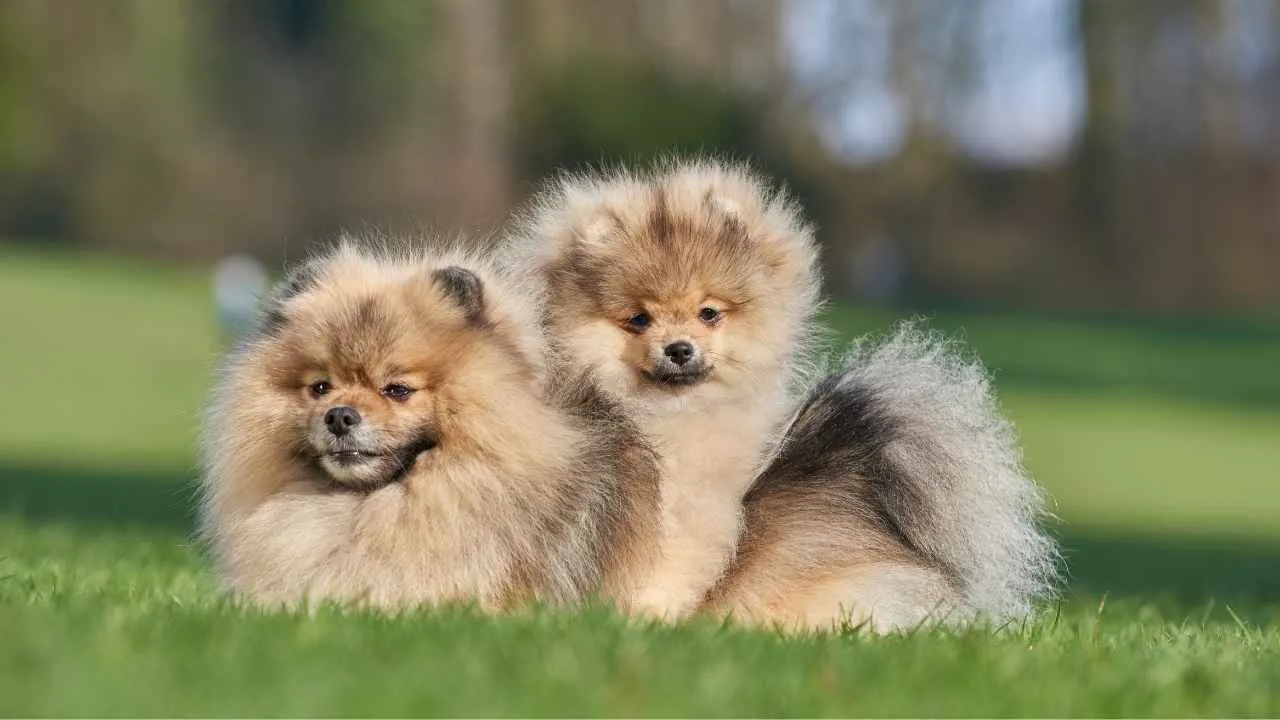
With their fluffy coats and big personalities, Pomeranians are tiny dogs that often act much bigger than they are. They are cheerful, playful, intelligent, and confident. These pups enjoy games and little adventures around the home.
They can be stubborn at times, but their intelligence makes them fairly easy to train. Pomeranians are more playful than cuddly, so they may not always want to sit quietly on a lap. According to Britannica, they can also be wary of strangers and make enthusiastic watchdogs.
Caring for Pomeranians
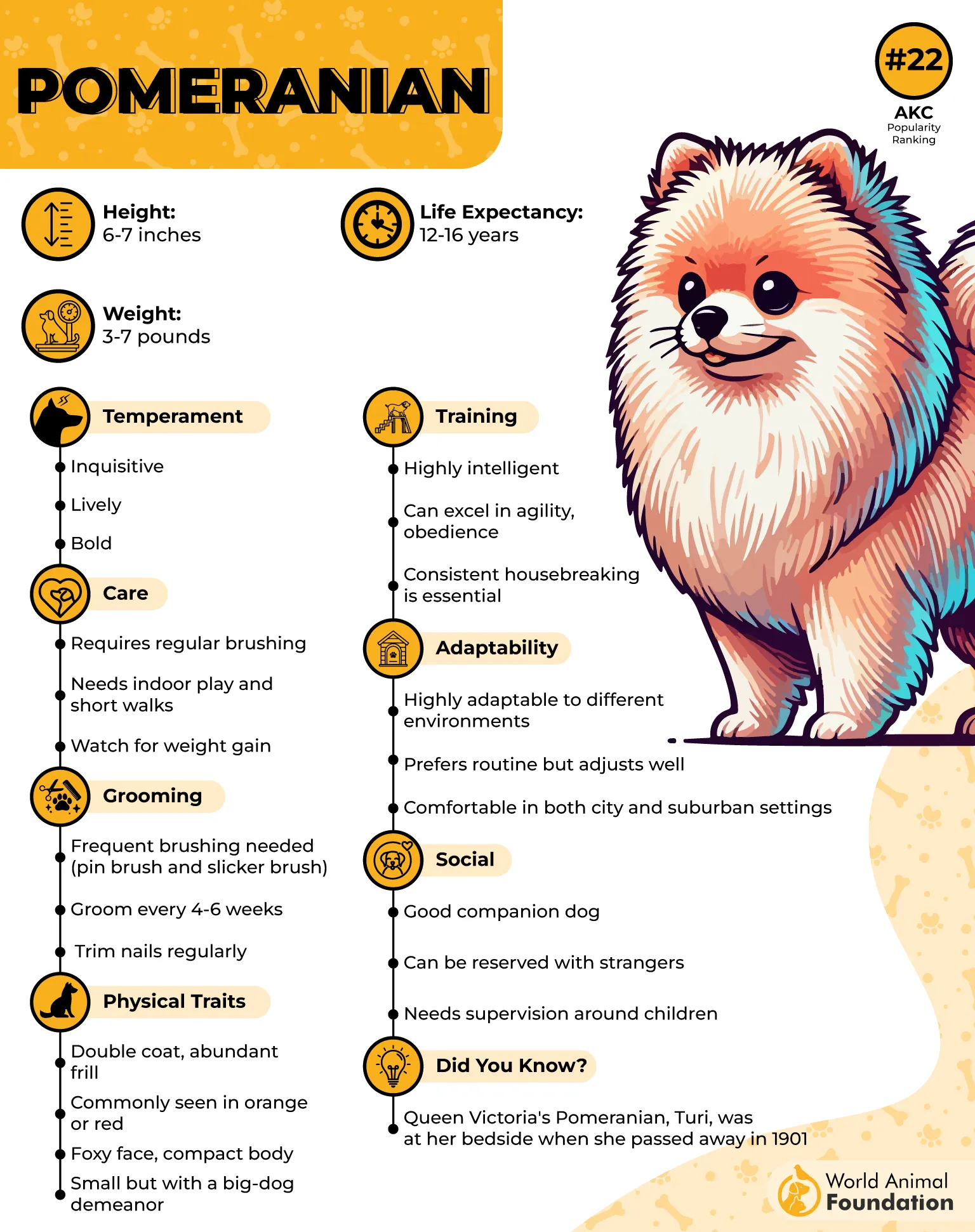
Pomeranians are bright, loyal, and surprisingly brave. They have plenty of energy and often stay busy exploring their surroundings. Despite this, they do not need extensive outdoor activity. Their compact size also makes them fragile, so homes with very young children may not be the best fit.
They usually do well with other pets, including cats, and can adapt to different households. Early socialization and training are helpful for managing their vocal and strong-willed nature. Like many tiny dogs, they may also struggle with separation anxiety and do best when they have plenty of company.
Grooming Needs
That beautiful fluffy coat needs regular attention. Daily brushing helps keep the coat healthy and makes grooming easier. Some owners choose to keep the fur shorter with suitable haircuts.
Pomeranians come in many colors and patterns and have a distinctive fox-like face and thick neck ruff. Their coats may look high-maintenance, but with a consistent grooming routine, they can be surprisingly manageable.
2. Shih Tzu
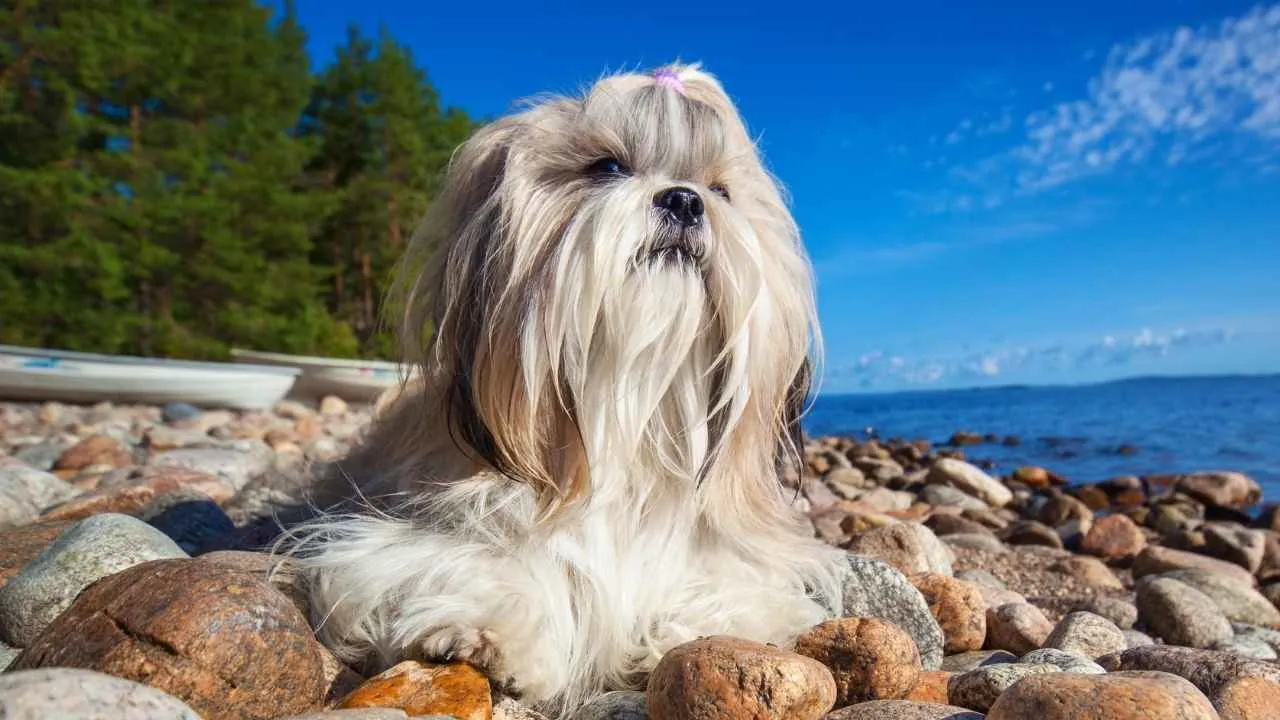
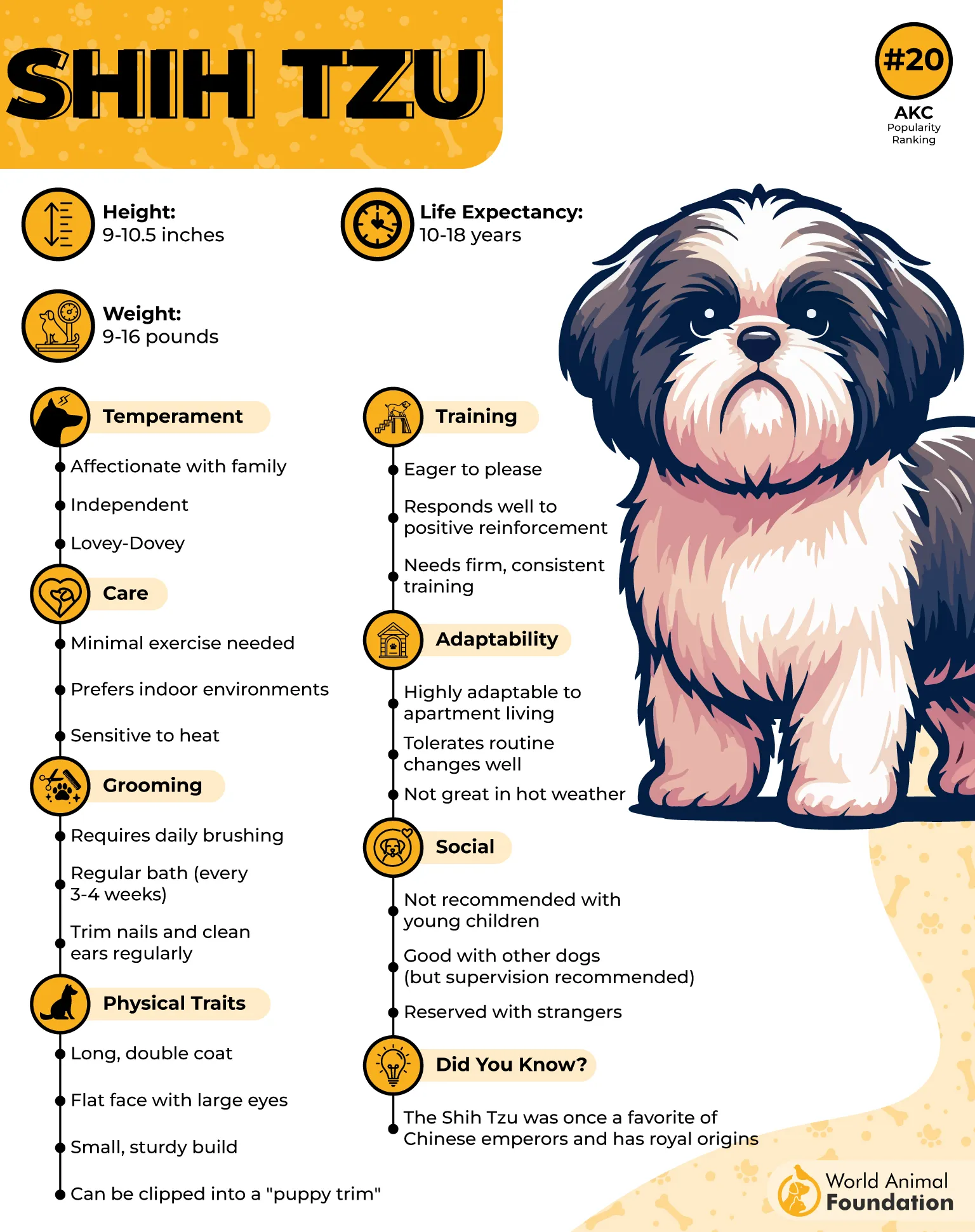
Shih Tzus are cheerful, friendly companions with big personalities packed into small bodies. Originally bred as pampered companion dogs, they later became beloved family pets and alert watchdogs. They are playful, affectionate, and usually happy to meet new people and other animals.
Their intelligence helps them learn quickly, although they can be slow to obey when they are not in the mood. Their alert nature also makes them quite vocal, so early training and socialization are useful.
Caring for Shih Tzus
Shih Tzus can suit first-time owners and many different households. They enjoy gentle walks and usually do well with around 30 minutes of walking each day, along with playtime at home. They prefer being around their families and may not enjoy spending long periods alone.
They can be wonderful with children, but young kids should be taught to handle them gently. Supervised play is important because these small dogs can be injured accidentally. A harness is also a better choice than attaching a leash directly to their collar.
Grooming Needs
Their long, luxurious coats need regular care to prevent tangles and mats. Shih Tzus shed very little and are often described as hypoallergenic, although no dog is completely hypoallergenic. Daily grooming is needed to keep longer coats in good condition.
Some owners choose a short “puppy cut” to make upkeep easier. Longer coats also need regular brushing and bathing, along with professional grooming every few weeks.
3. Yorkshire Terrier
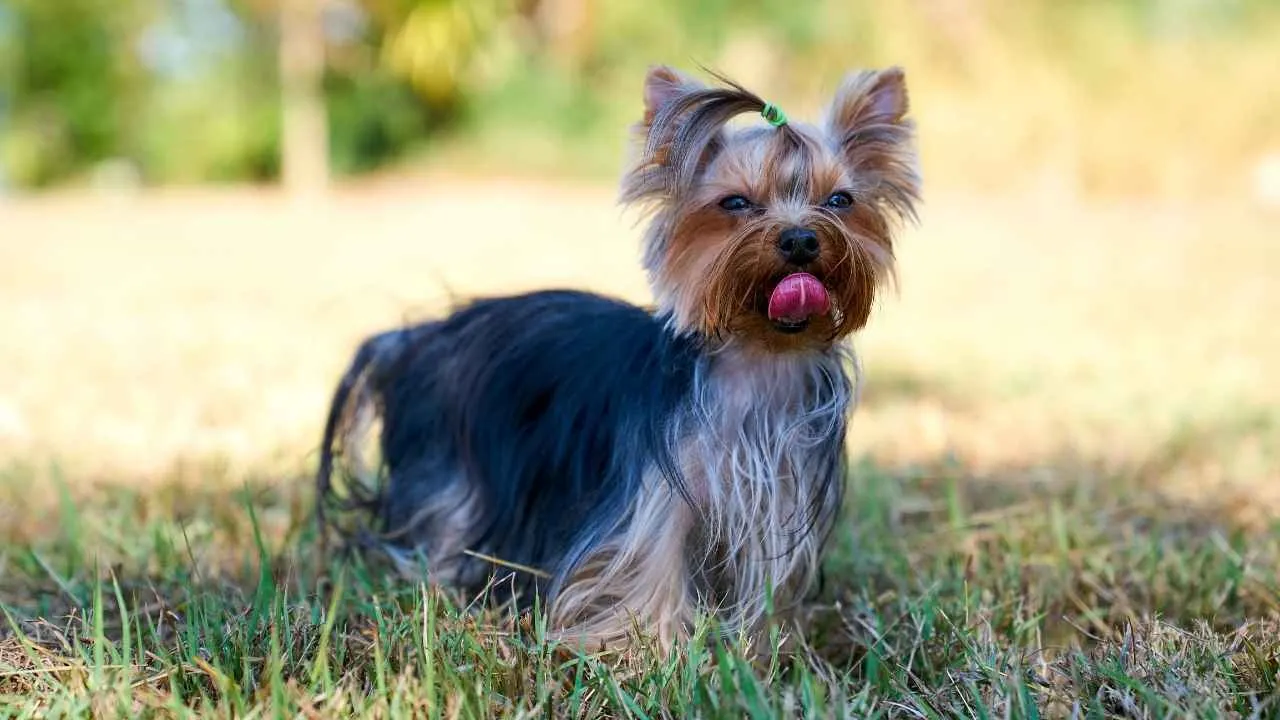
Yorkshire Terriers, or Yorkies, may be tiny, but their personalities are anything but small. These spunky, affectionate dogs are playful, brave, and often a little bossy.
PetMD mentions that they originated in Yorkshire in the mid-1800s, where their ancestors were used to catch rats in textile mills. Today, they are popular companions, but their terrier instincts are still strong.
Caring for Yorkshire Terriers
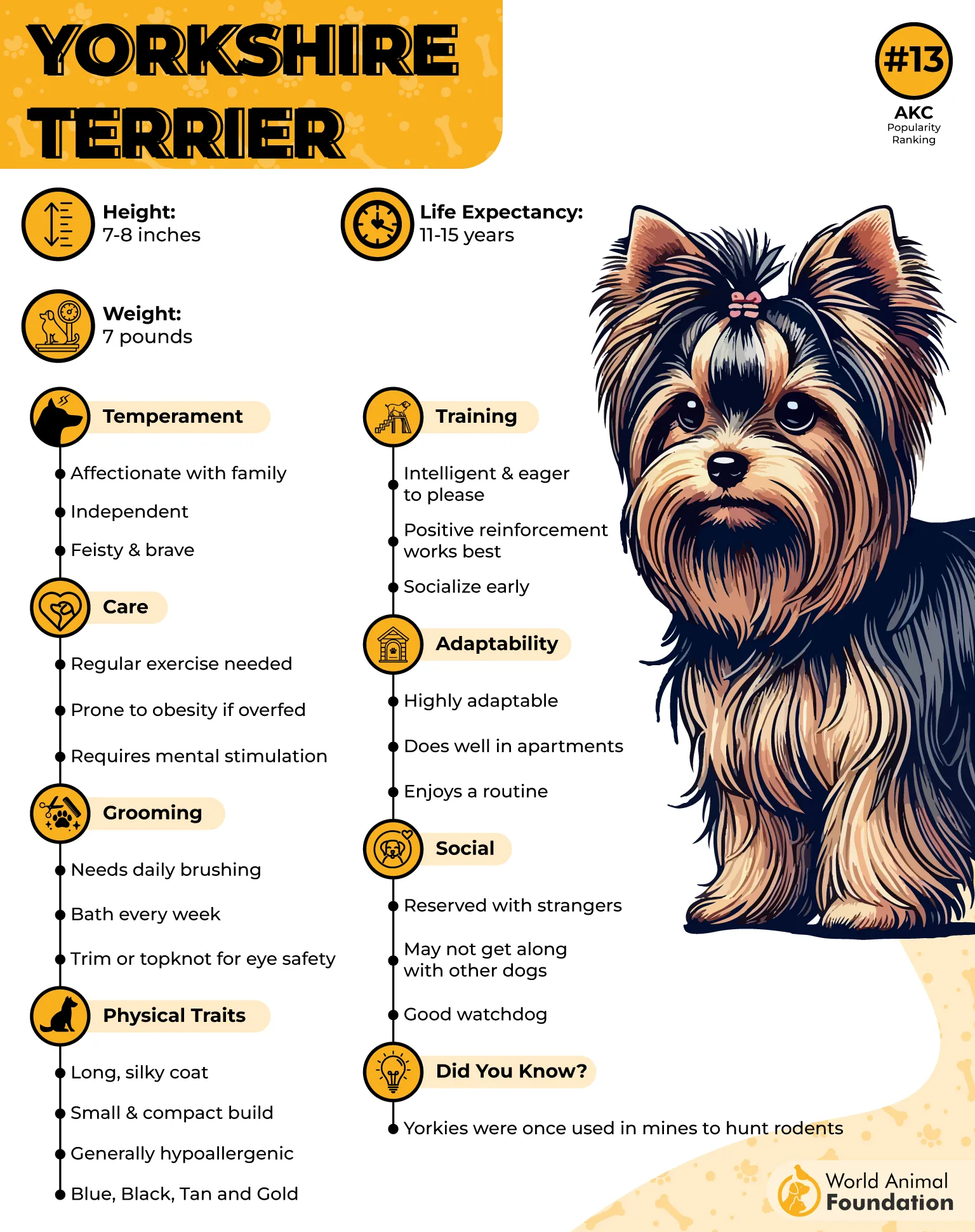
Yorkies have moderate exercise needs and usually do well with two short walks a day, along with playtime at home. Games such as fetch can also keep them active and mentally engaged. They are quick learners, but their independent side can sometimes make them stubborn.
Training and early socialization are important, especially around strangers and other dogs. Yorkies thrive on company and should not be left alone for long periods. Their hunting background also means they may chase or harm small pets such as hamsters and gerbils.
Grooming Needs
Their long, hair-like coats require regular grooming and can be trimmed short for easier upkeep. Yorkies also do not handle cold weather well, so extra protection may be needed during chilly days.
These little dogs can make loving family companions, including in apartments, but young children should always be supervised around them.
4. Maltese
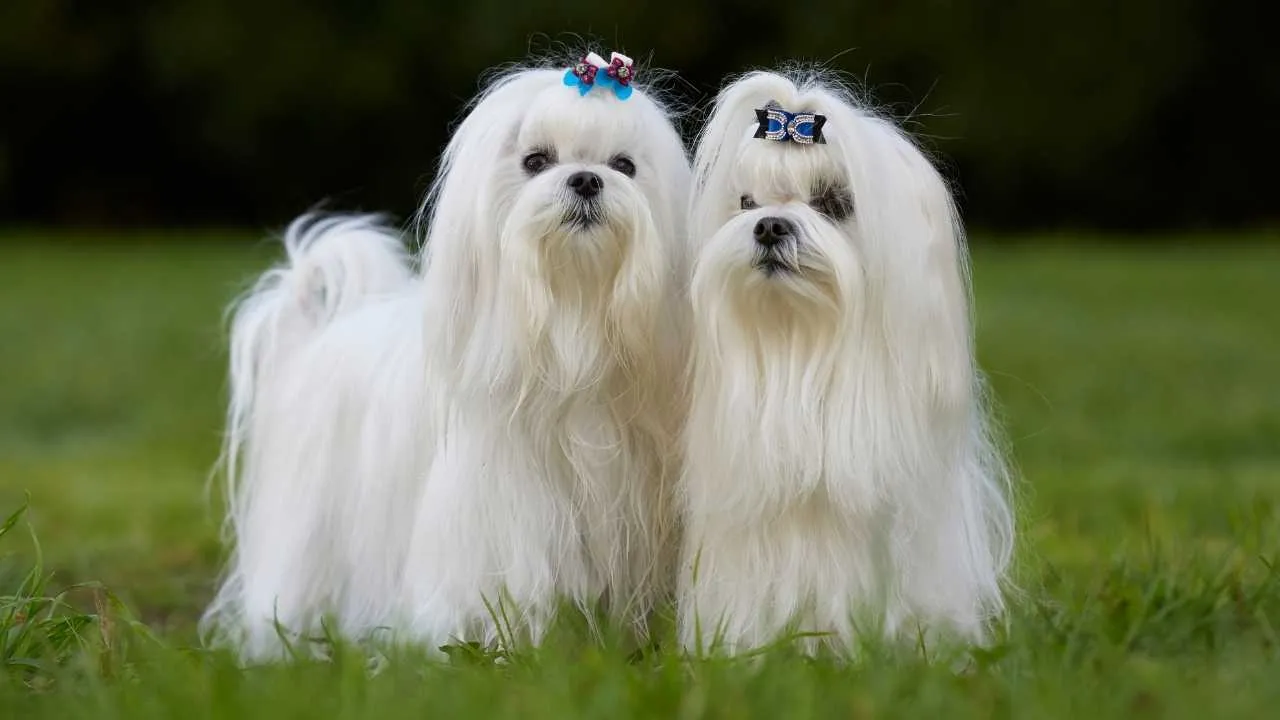
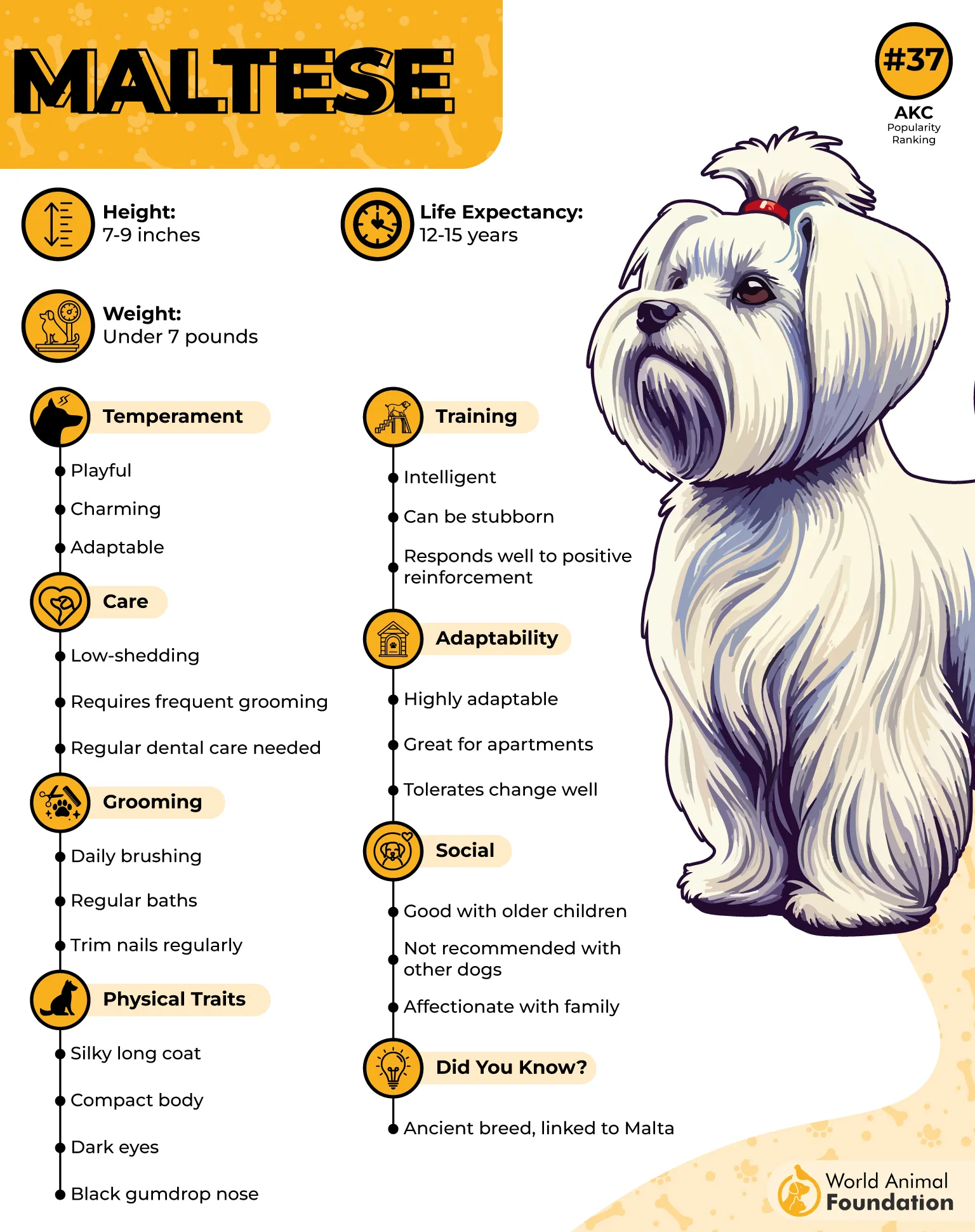
Maltese dogs are gentle, affectionate companions with lively personalities. Originally from the Mediterranean island of Malta, they have been cherished as companion dogs for centuries. They are playful, intelligent, and enjoy learning tricks, especially when rewards are involved.
Despite their delicate appearance, Maltese are alert and surprisingly fearless. They also make reliable little watchdogs and may bark at unfamiliar sounds or visitors.
Caring for Maltese
Maltese are adaptable dogs that can do well in smaller homes and apartments. They love human company and are happiest when they can stay close to their families. They can get plenty of activity by playing indoors or in a garden and usually need only short walks.
Daily exercise, mental stimulation, and positive-reinforcement training help keep them happy and well-behaved. Early socialization is also important, as some Maltese may become snappy when young children play too roughly with them. Training can also help manage excessive barking.
Grooming Needs
The Maltese is best known for its long, silky white coat. Their hair grows continuously and needs near-daily brushing to prevent tangles and mats.
Regular bathing is also important for keeping the coat clean and healthy. Maltese are often described as hypoallergenic because they shed very little, but no dog is completely allergen-free. Owners should be prepared to make grooming a regular part of their routine.
5. Chihuahua
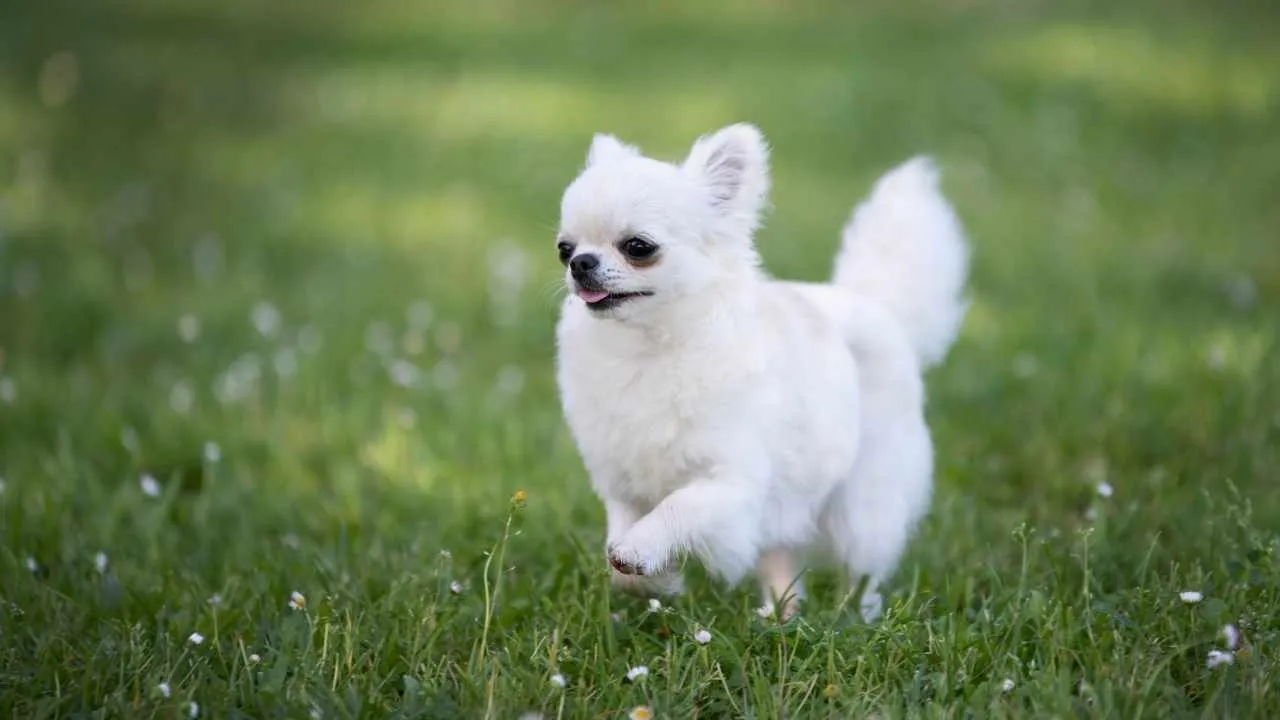
Teacup Chihuahuas may be tiny, but their personalities are anything but tiny. These bold, charming dogs are loving with their families and often form a very close bond with one person. They enjoy attention, playtime, and plenty of snuggles.
Despite their lapdog reputation, they are energetic and love running, playing, and exploring. They can also be feisty and quick to bark, especially around strangers or larger dogs.
Caring for Chihuahuas
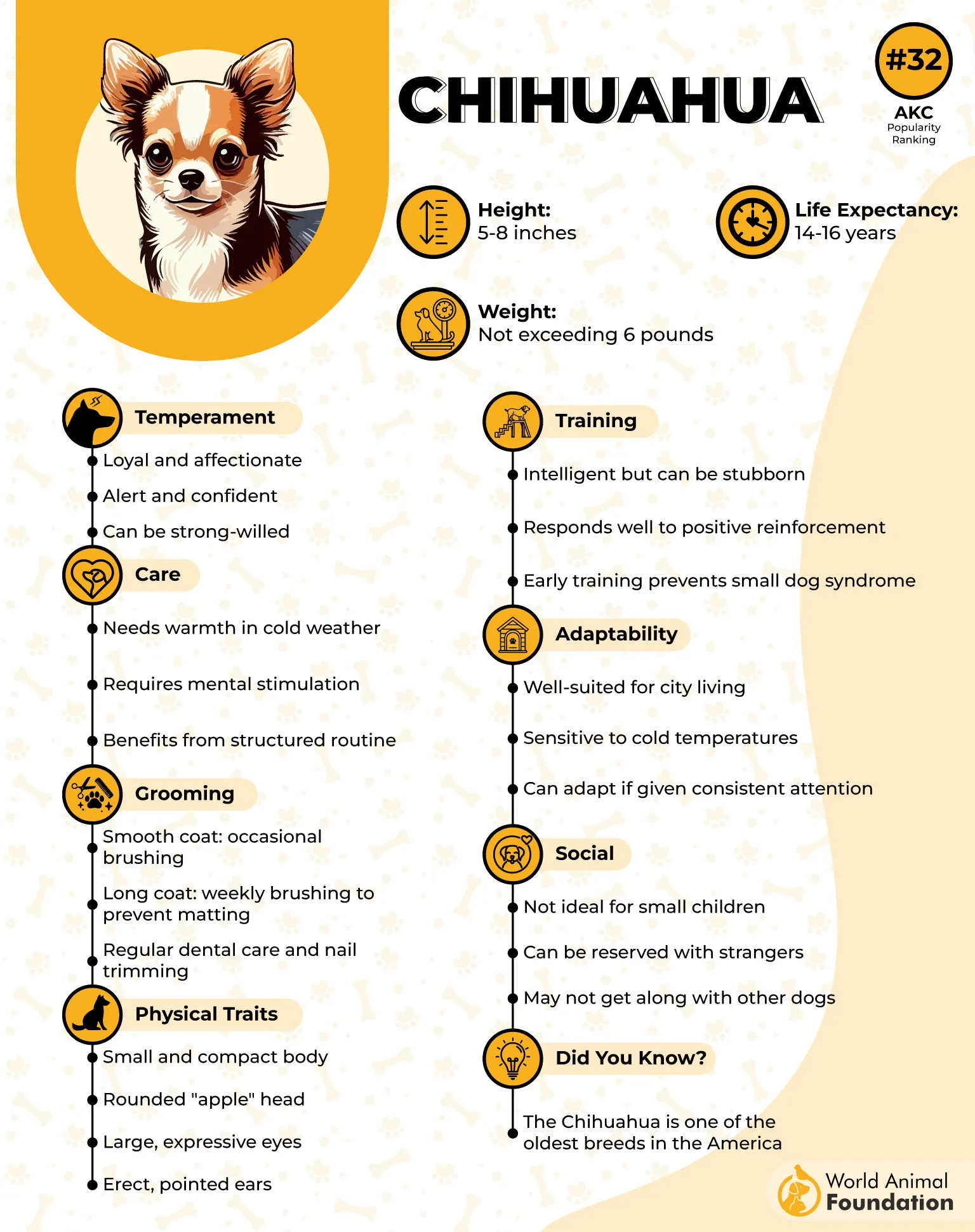
Chihuahuas need daily activity to stay happy and healthy. Walks and indoor play provide both physical exercise and mental stimulation. They are intelligent and can learn household rules with patient, consistent training.
Without proper training, their confident nature can lead to bossy behavior or excessive barking. They can be good companions for seniors and city dwellers, but young children may accidentally hurt them during rough play.
Grooming and Dental Care
Chihuahuas can have either short or long coats, and their grooming needs are generally manageable. Regular brushing helps keep their coats clean and healthy. Dental care deserves extra attention, as their small mouths can be prone to dental problems.
Daily tooth brushing is recommended to help prevent dental disease. With the right balance of exercise, training, affection, and dental care, Chihuahuas can be lively and devoted companions in many types of homes.
6. Papillon
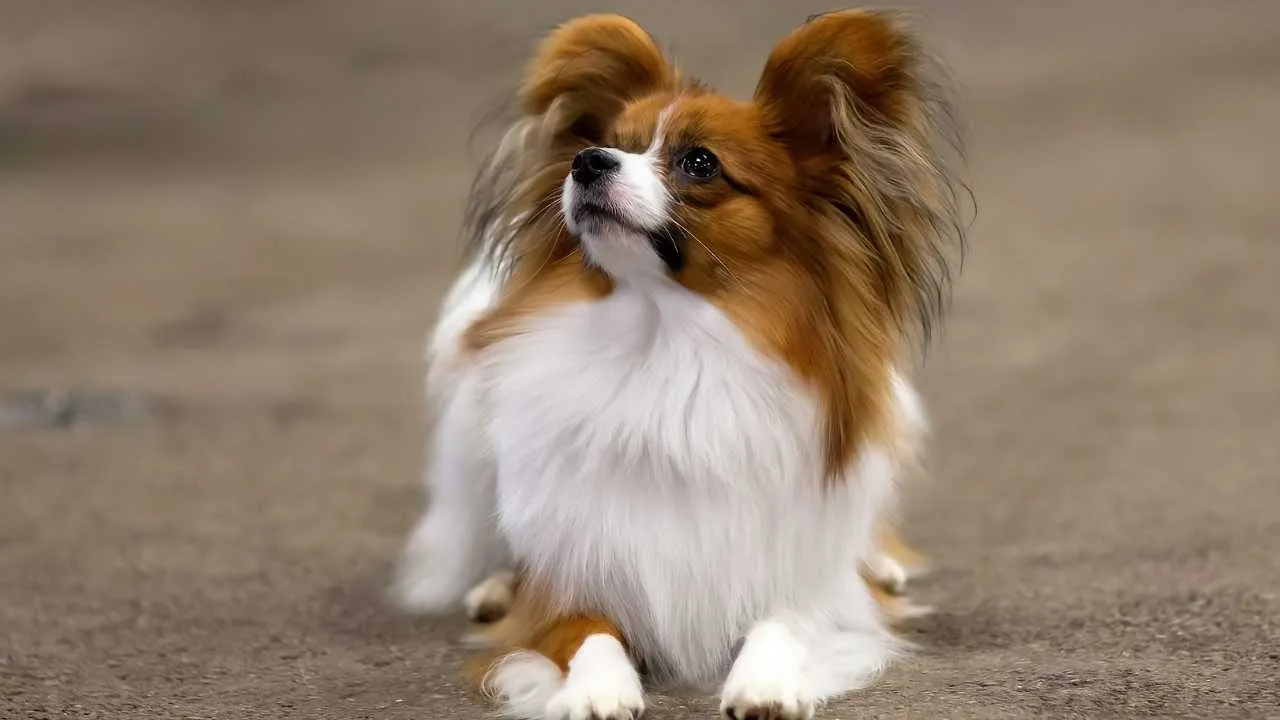
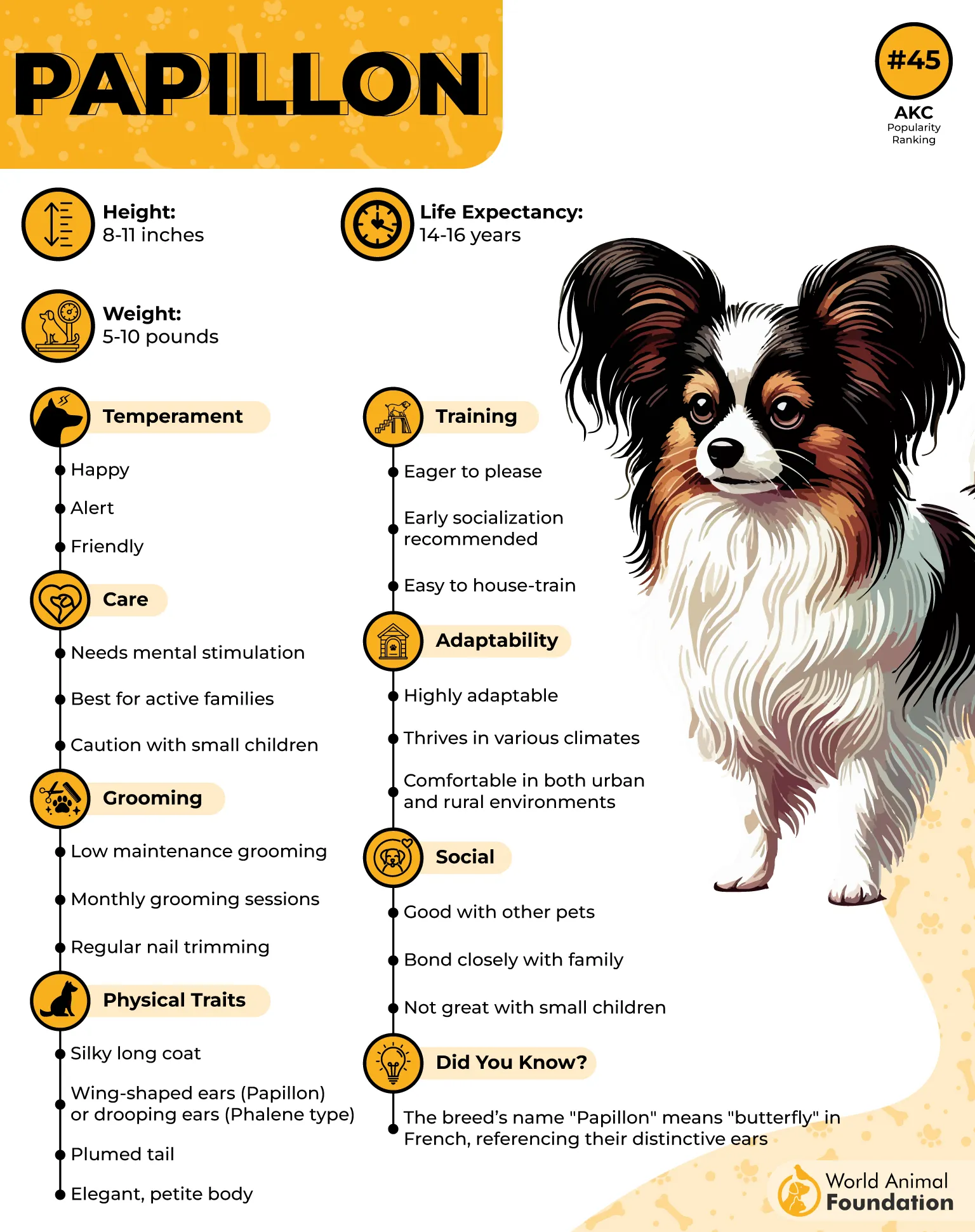
Papillons may look delicate, but these little dogs are energetic, athletic, and remarkably smart. Their name means “butterfly” in French, inspired by their large, feathered ears. Papillons are considered one of the most intelligent and trainable toy breeds.
They love learning tricks, playing fetch, and taking part in activities such as obedience, agility, and other dog sports. They are also friendly with people, dogs, and other pets.
Caring for Papillons
These active little dogs need more exercise than many other toy breeds. Daily walks, indoor games, and safe opportunities to run can help use up their energy. Their intelligence also means they need plenty of mental stimulation and attention.
Papillons can adapt well to apartments, provided they get enough activity. They respond well to consistent training and positive reinforcement. Some may bark excessively when excited, so early training can help manage this behavior.
Grooming Needs
Papillons have a long, feathered coat that needs regular brushing or combing a few times a week. This helps prevent tangles and mats and keeps their coat looking neat. Despite their elegant appearance, they are adaptable and can do well in different homes and climates.
7. Pekingese
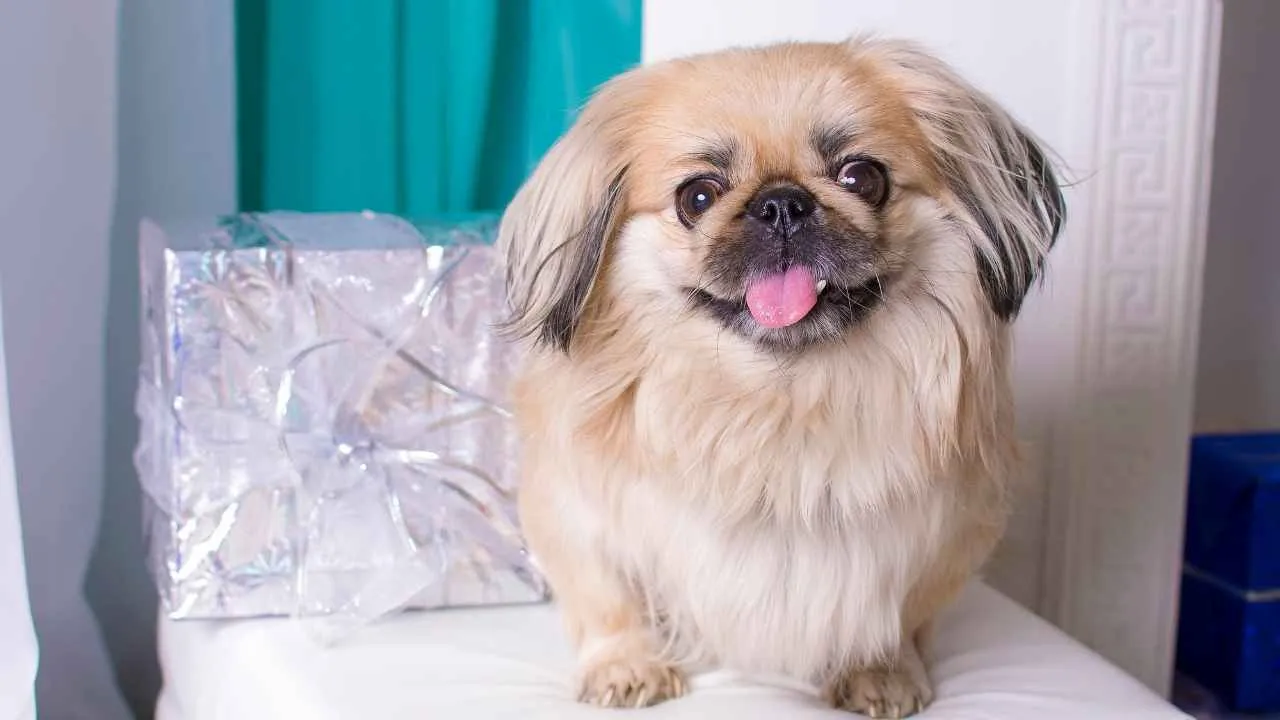
Pekingese have a long history as treasured companion dogs of ancient Chinese royalty. They were once known as “Lion Dogs” and were bred to look impressive while keeping their owners company.
Their proud appearance matches their confident personality. These little teacup versions are affectionate and loyal but also independent and stubborn.

Caring for Pekingese
Pekingese are well suited to apartments and homes without demanding exercise routines. They enjoy short walks, indoor games, and time in the garden, as noted by the AKC. Because their short noses make them prone to overheating, outdoor activity should be limited during hot weather.
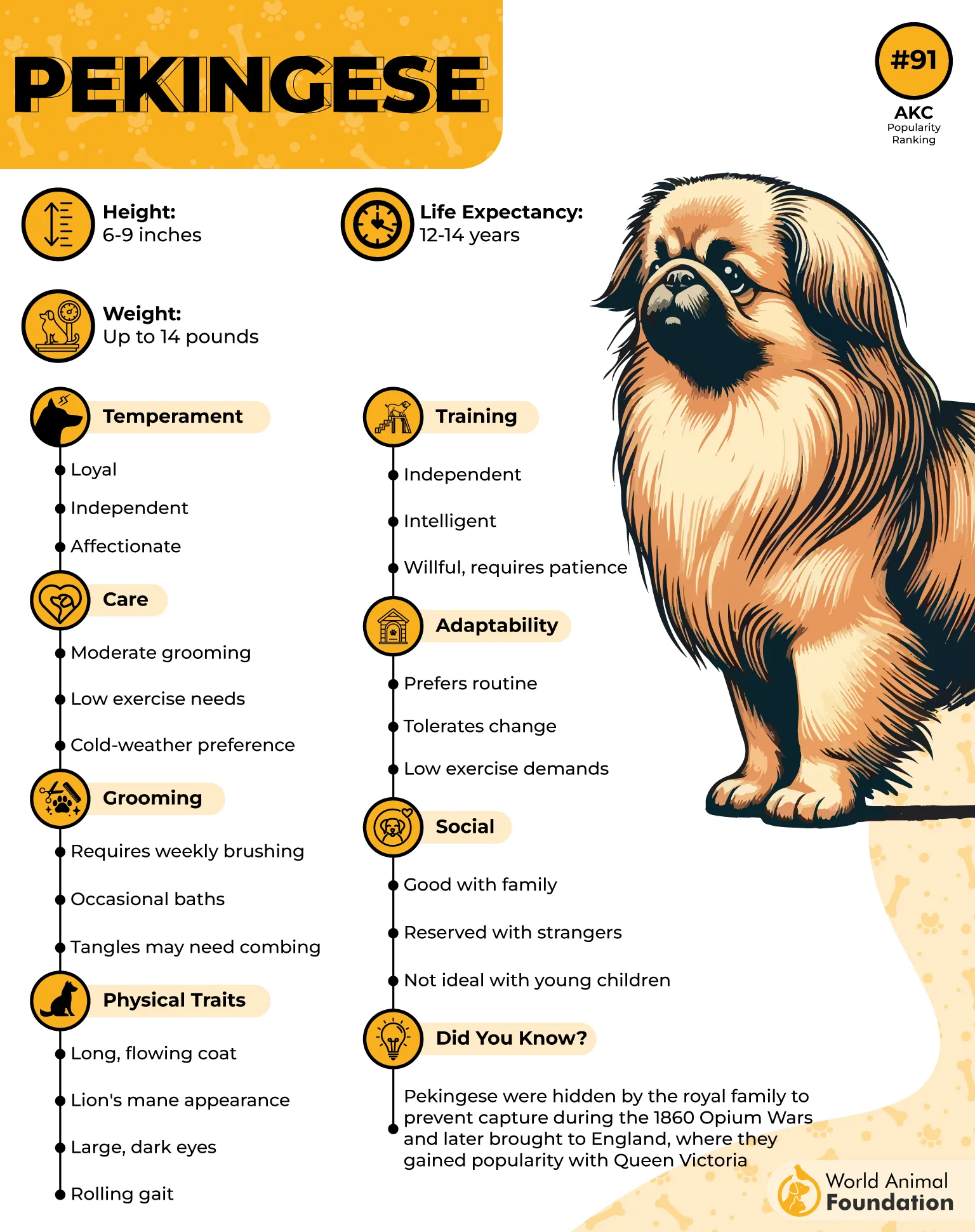
They can be loving with respectful children and usually get along with other pets when socialized early. They may be aloof with strangers, so introducing them to different people from a young age is helpful. Their independent nature also means training requires patience and creativity.
Grooming Needs
Their thick double coats need frequent brushing to prevent tangles and mats. The coat is especially long around the neck, creating the breed’s distinctive lion-like mane.
Regular grooming should be part of their routine. Pekingese are not particularly demanding when it comes to exercise, making them a good choice for pet parents who prefer relaxed companionship.
Conclusion
Teacup dogs may be tiny, but caring for them is a big responsibility. From regular grooming and gentle exercise to proper training, socialization, dental care, and protection from accidental injuries, these little companions need thoughtful care.
Their extremely small size can also make them more delicate, so understanding their needs is essential before bringing one home.
If you’re considering a teacup puppy breed, look beyond the cute appearance and choose responsible breeding and healthy care practices. With the right home, plenty of attention, and a routine suited to their needs, these small dog breeds can bring plenty of personality, companionship, and joy into everyday life.
