




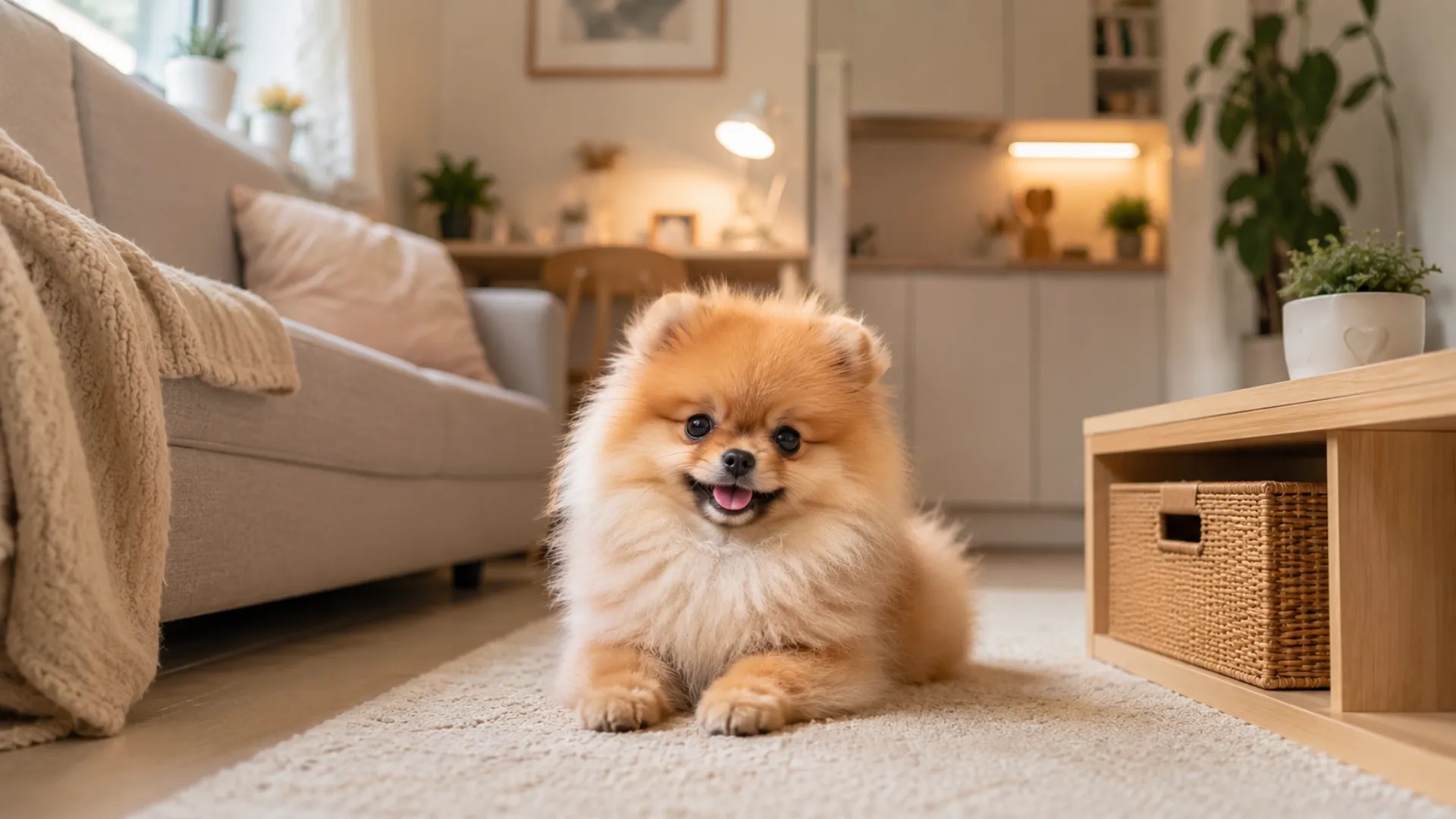
Living in a small home doesn’t mean you have to miss out on the joy of having a dog. Tiny dog breeds can bring plenty of personality, affection, and companionship without taking up much physical space.
But don’t let their size fool you. A tiny body can come with a very big personality, and some small dogs are energetic, vocal, curious, or surprisingly independent.
While many are easy to carry and generally need less food than larger dogs, they still need daily exercise, mental stimulation, training, and plenty of attention. Their small size also means some can be more delicate and may need extra care around young children or larger pets.
In this article, we’ll explore some of the best dog breeds that can thrive in compact homes and help you understand what to look for when choosing a small companion that fits comfortably into your lifestyle.
Key Takeaways
Discover which small breeds can truly thrive in cozy homes and apartment life.
See why Yorkies, Pomeranians, and Maltese bring big personalities to small spaces and make good apartment dogs.
Compare Toy Poodles, Papillons, Chihuahuas, and Pekingese for care and compatibility.
Learn what to expect from their exercise, grooming, training, and companionship needs.
Tiny Dog Breeds: Ideal for Limited Space
1. Yorkshire Terrier
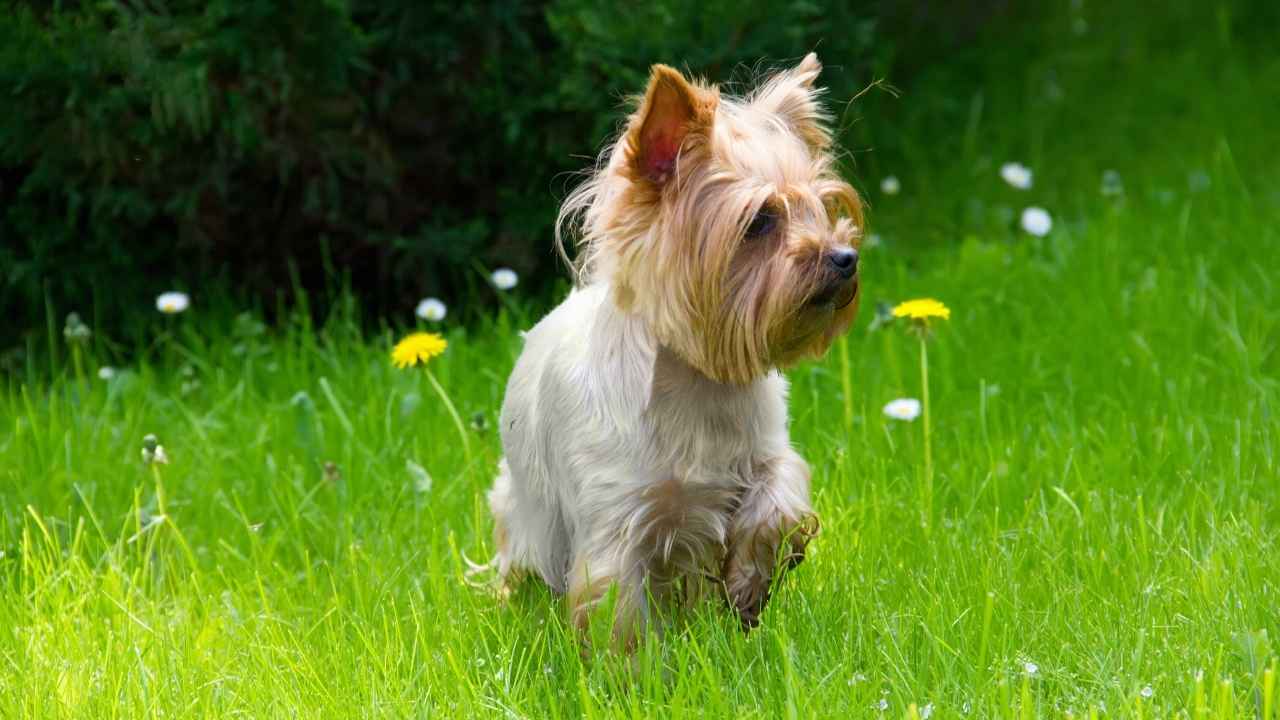
Yorkshire Terriers, or Yorkies, may be tiny, but they have plenty of personality. They were originally developed in the 1800s in Yorkshire to catch rats and mice in clothing mills, according to Orvis.
Today, they are affectionate companions, but their terrier instincts remain. They are curious, lively, brave, and sometimes bossy, yet they also love relaxing with their families.
Why They Suit Small Homes
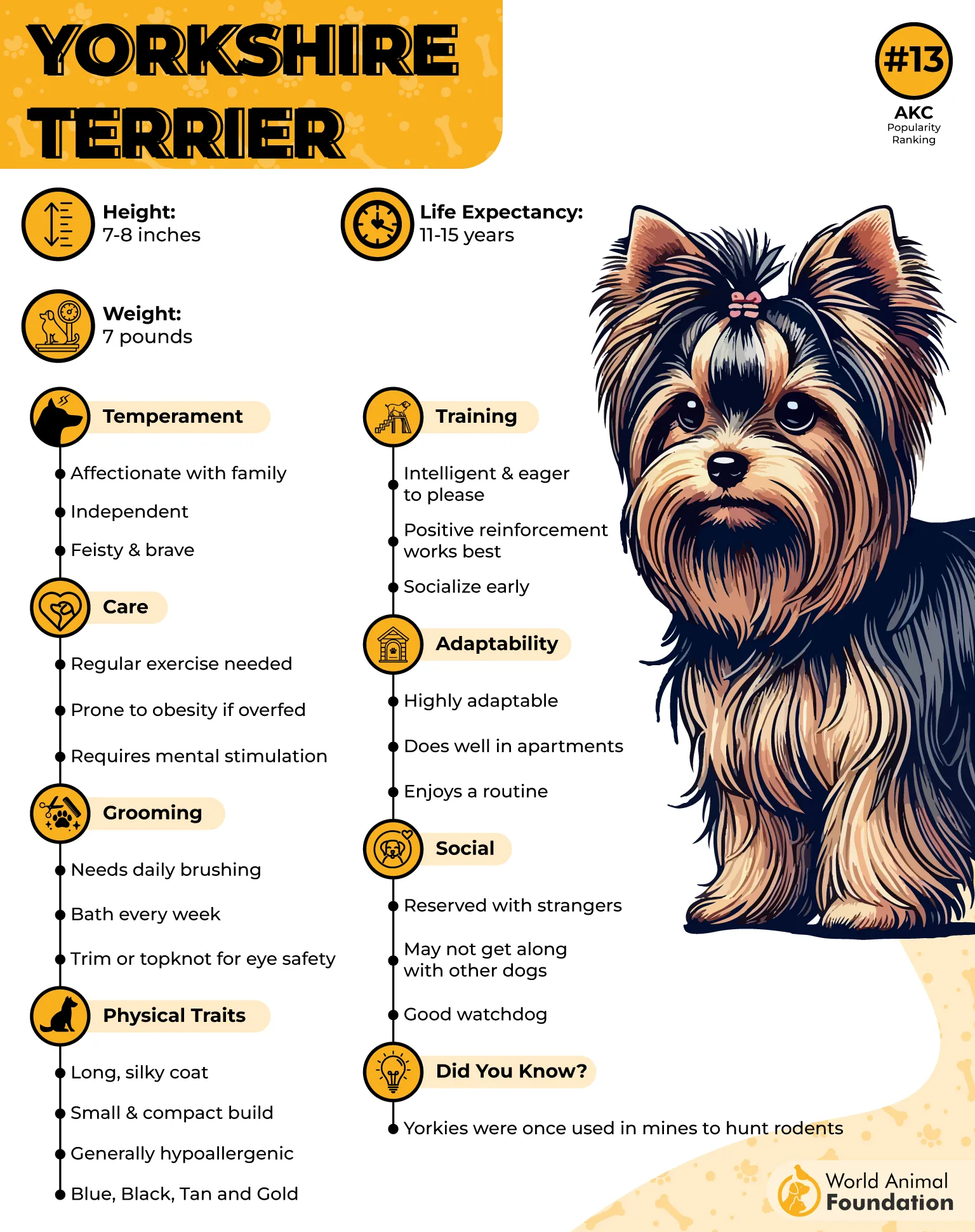
Yorkies can adapt well to apartment living. They do not need a large yard and can stay active with short walks and indoor games like fetch.
They also enjoy puzzles, nose work, and agility. Mental stimulation is important because boredom can lead to unwanted behavior. They can also be alert and vocal, so early training can help control excessive barking.
Care Needs to Know
Their long, hair-like coat needs frequent brushing. A shorter puppy cut can make grooming easier. Yorkies shed less than many breeds, but they are not completely allergen-free. They can also be sensitive to cold.
Good dental care is important, and pet parents should be aware of health concerns such as hypoglycemia, liver shunts, patellar luxation, and obesity.
2. Pomeranian
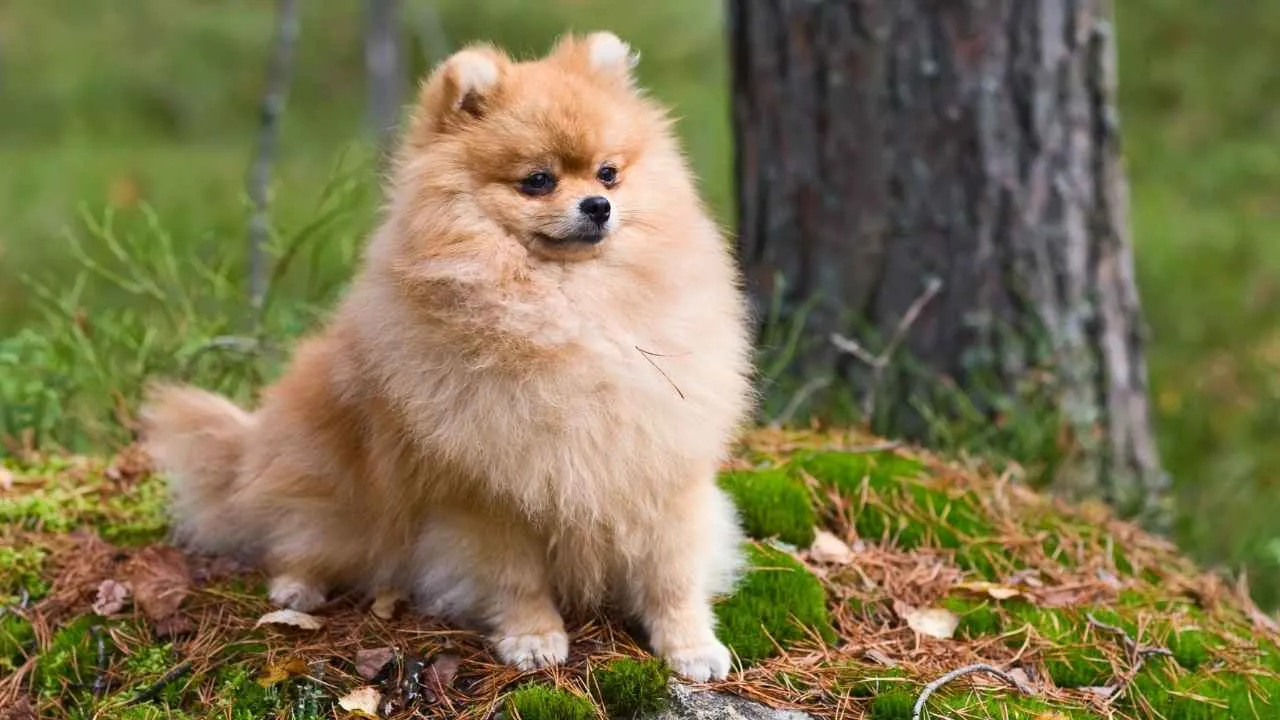
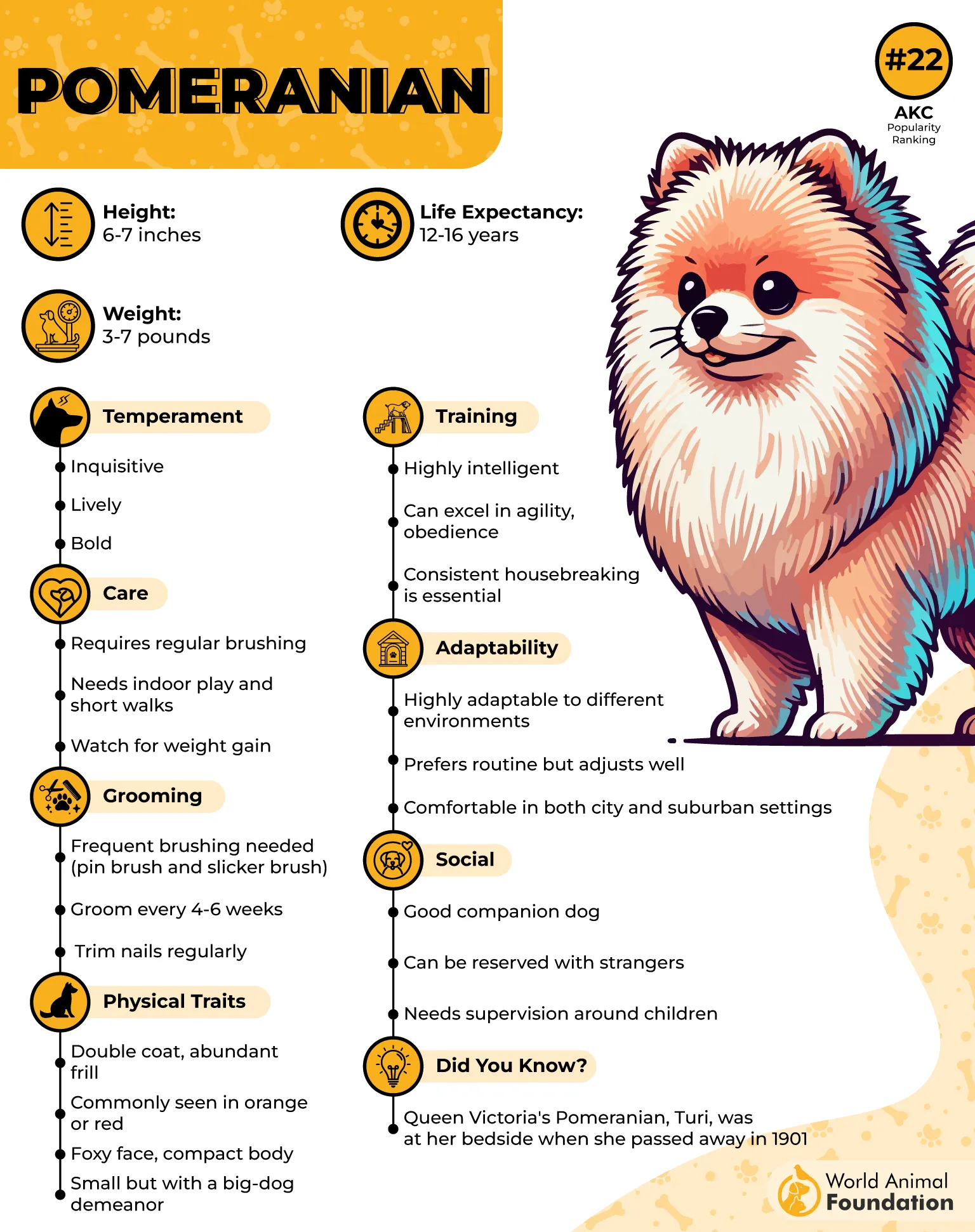
Pomeranians may be tiny, but they have the confidence of a much larger dog. They are bright, playful, curious, and often quite sassy.
Their history traces back to larger Arctic and Spitz-type dogs, but they were later bred down in size. Today, they are known for their fluffy coats, fox-like faces, and lively personalities.
Why They Suit Small Homes
Pomeranians are well suited to small apartments and homes without large yards. They can get plenty of exercise through short walks, indoor play, and activities such as fetch or agility. They also enjoy learning tricks and solving puzzles.
However, their intelligence and alert nature can make them quite vocal. Early socialization and proper training are important to manage barking and help them become confident around people and other dogs.
Care Needs to Know
Their thick double coats need brushing a few times a week and more often during shedding seasons. Regular dental care is also important, as they can develop tooth and gum problems.
Pomeranians can be playful with older children and other pets, but young children need supervision because these dogs are delicate. They should also be protected from falls, larger dogs, and outdoor predators.
3. Maltese
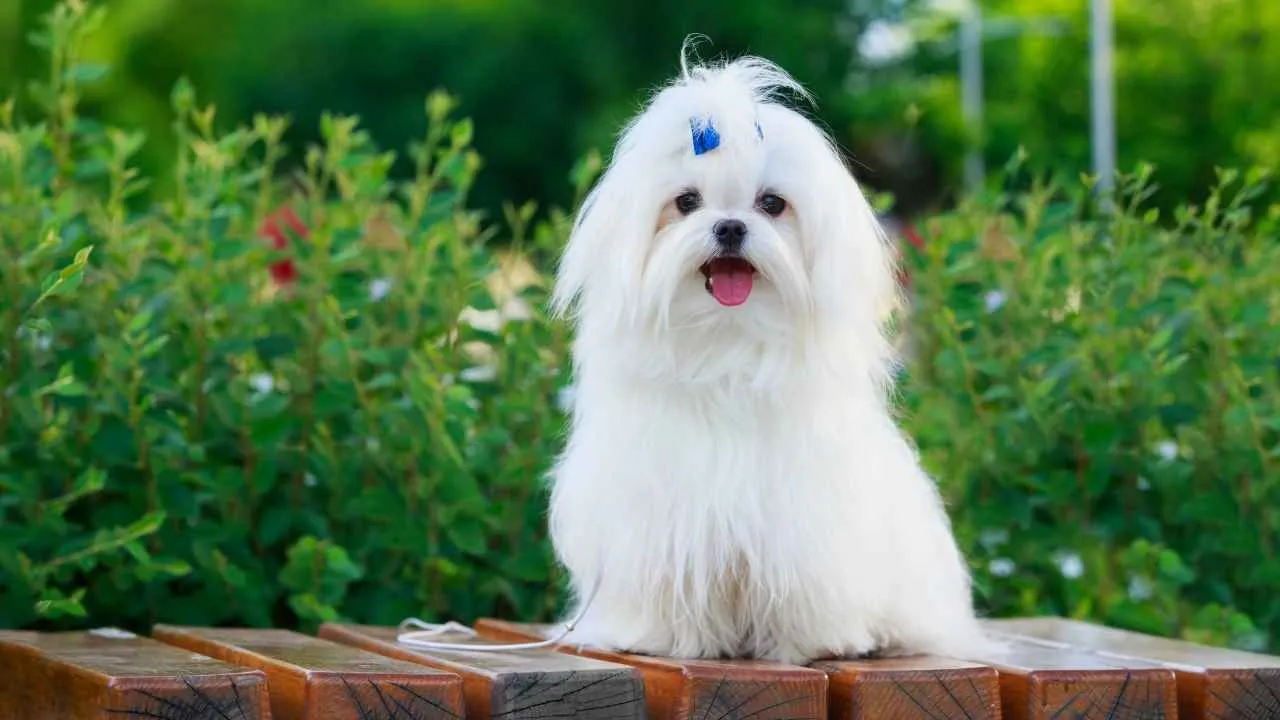
The Maltese has been a beloved companion for centuries. Originating from the Mediterranean island of Malta, this tiny breed was once prized by royalty and wealthy families.
Today, Maltese are known for their elegant white coats and affectionate personalities. They are gentle, playful, intelligent, and often enjoy learning new tricks.
Why They Suit Small Homes
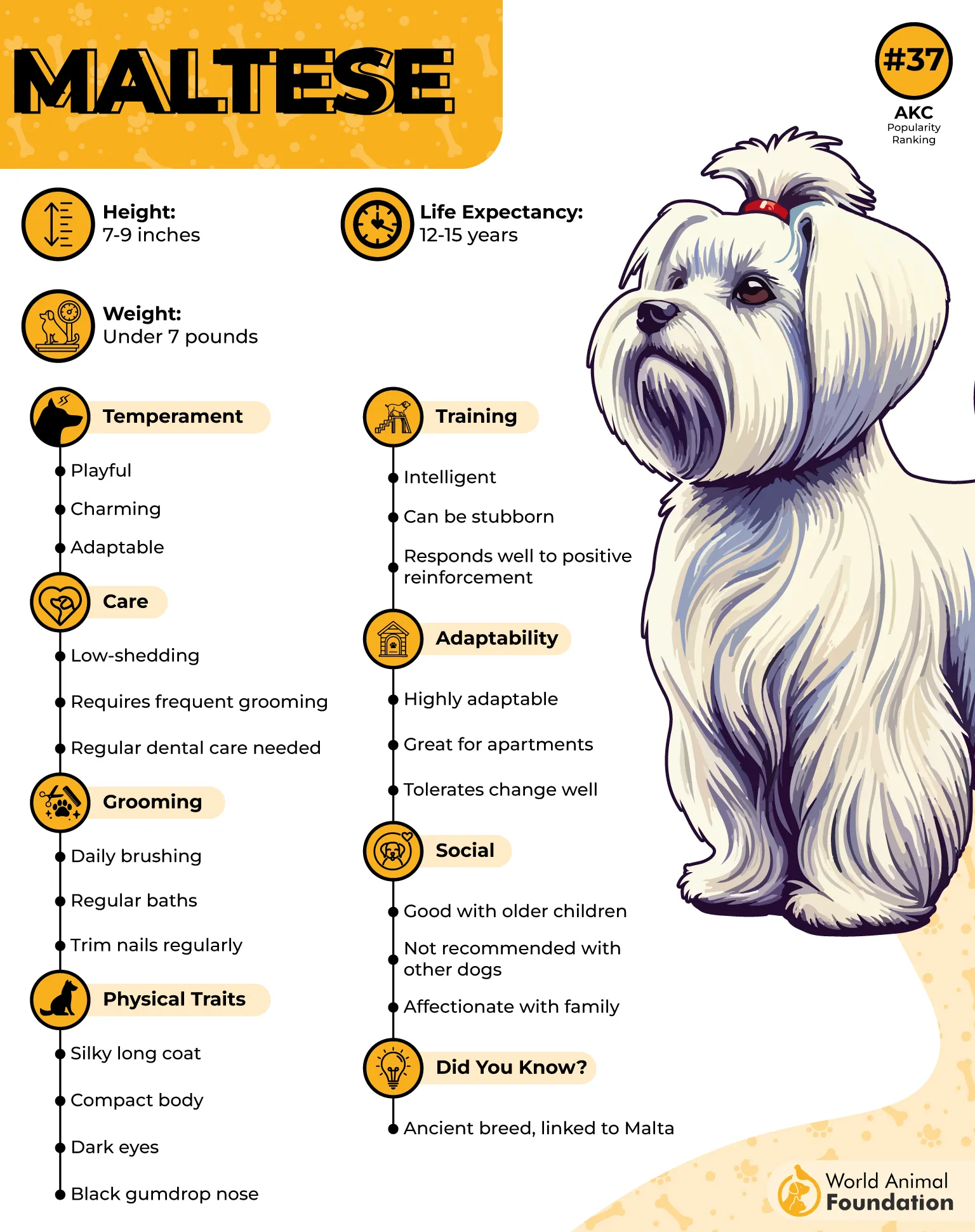
Maltese are excellent indoor dogs and can thrive in apartments and other compact homes. They do not need vigorous exercise and can stay happy with short walks, indoor play, and simple training games. They form close bonds with their families and love being nearby.
However, too much boredom or time alone can lead to barking or separation anxiety, so daily attention and mental stimulation are important.
Care Needs to Know
Their long, silky coat needs daily brushing to prevent tangles and mats. Regular baths and routine grooming are also needed. Their white fur can develop tear stains, so gentle daily cleaning around the eyes can help. Maltese shed very little, although no dog is completely allergen-free.
Dental care is important because they can be prone to dental disease. They are generally healthy, but responsible care and regular veterinary checkups help support their long lifespan.
4. Toy Poodle
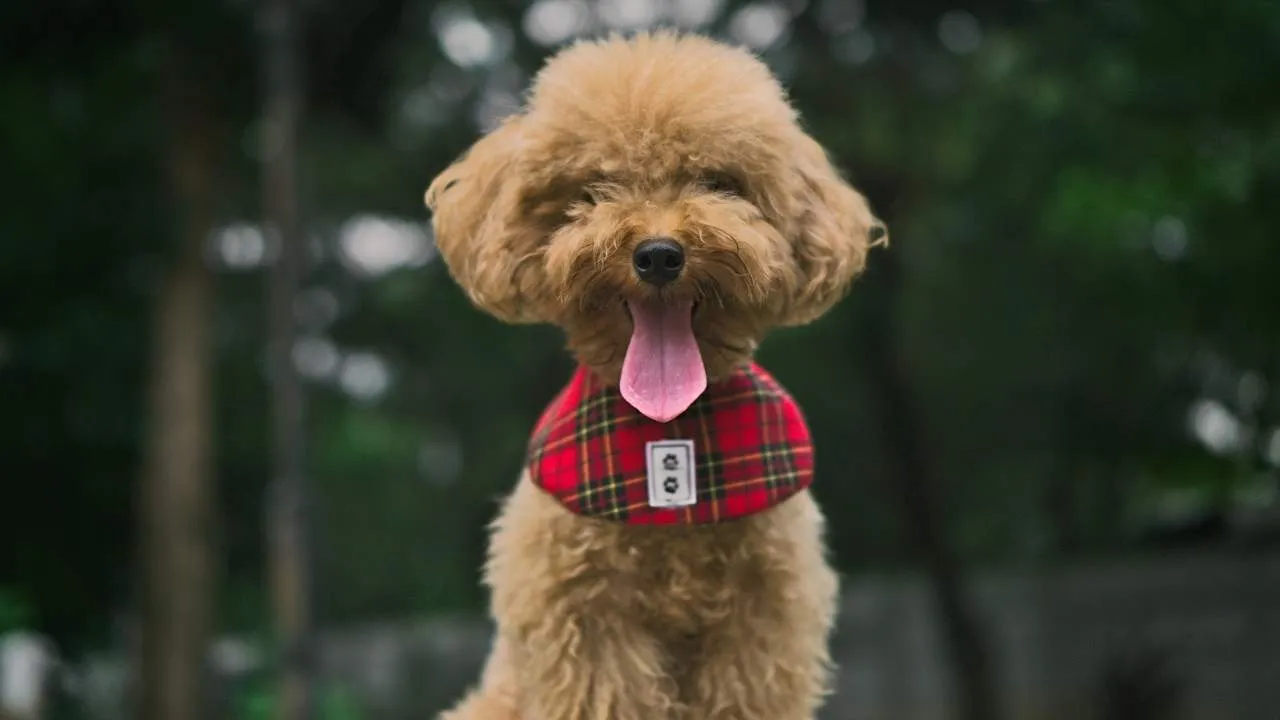
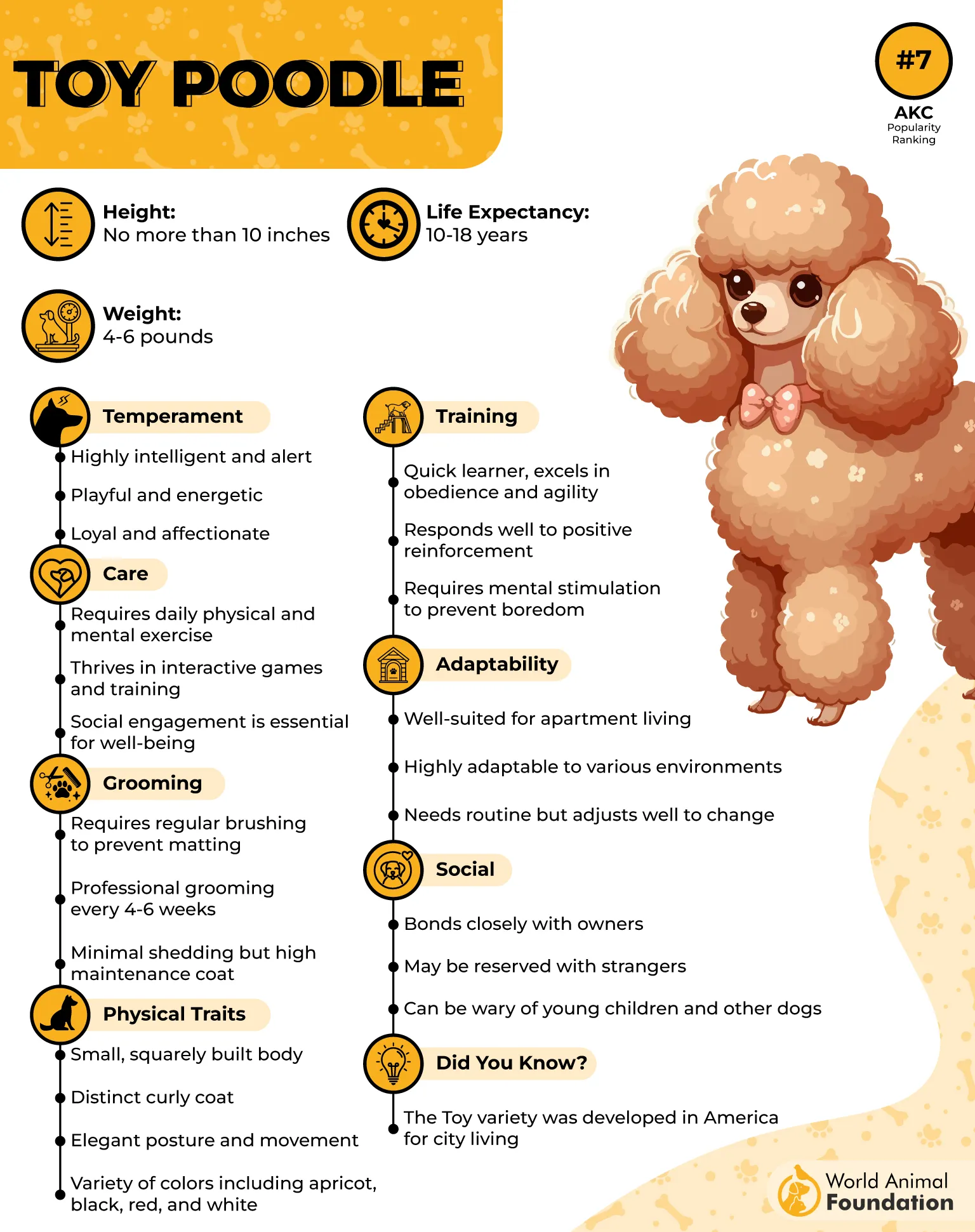
Toy Poodles may be tiny, but they have plenty of energy and personality. They are cheerful, clever, and love being the center of attention. Their impressive intelligence makes them quick learners, which is why they have even been used as performers. They enjoy learning tricks and spending time with their families.
Why They Suit Small Homes
Toy Poodles can adapt well to smaller homes because they do not need extensive exercise. Daily walks, indoor play, and training games can keep them active and happy. Their intelligence also means they need regular mental stimulation.
Puzzle toys, obedience training, nose work, and agility can help prevent boredom. They bond closely with their families and may struggle if left alone for long periods.
Care Needs to Know
PetMD mentions that Toy Poodles have curly coats that grow continuously and shed very little. However, their coats can mat easily and need regular brushing and professional grooming every few weeks.
They are generally affectionate with children and other pets when socialized early, but their small size means play should be supervised. Dental disease, patellar luxation, and progressive retinal atrophy are among the health concerns to know.
5. Papillon
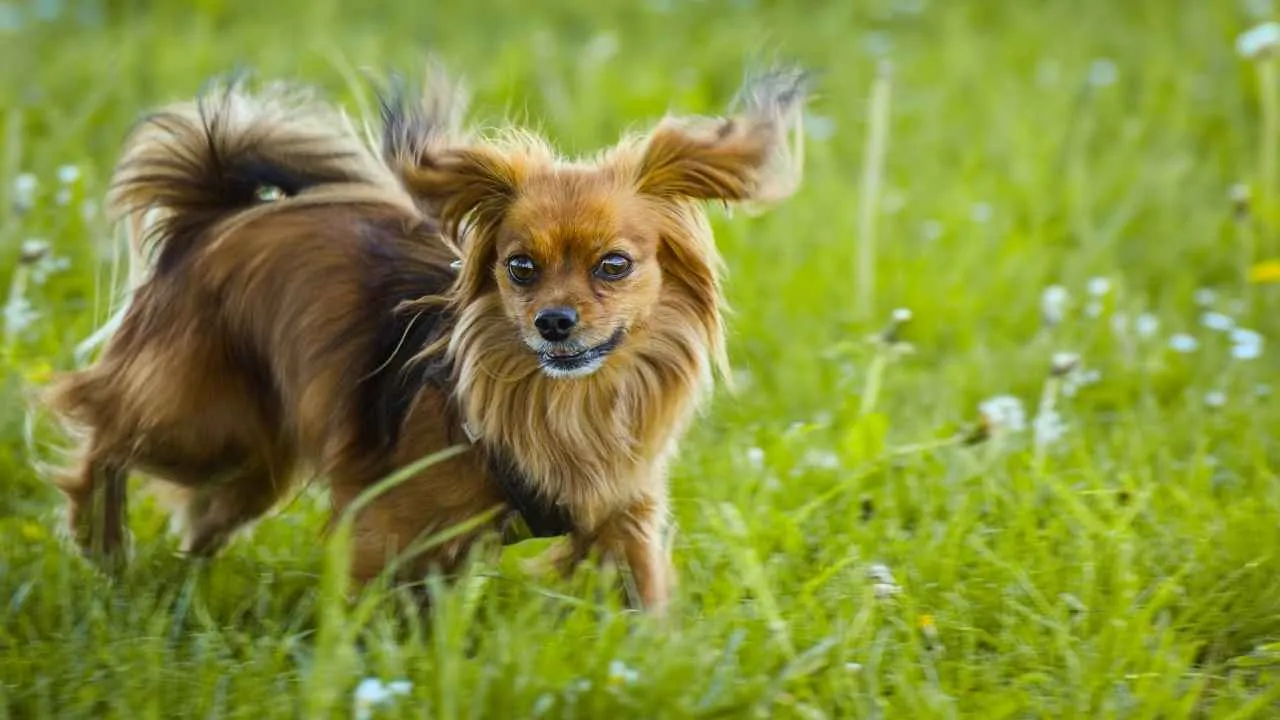
Papillons may be small, but they are energetic, intelligent, and full of personality. They are friendly, playful, and love spending time with their families. Their sharp minds make them quick learners, and they often enjoy obedience training, tricks, and agility.
Despite their elegant appearance, Papillons are active little dogs that like to stay involved in whatever their people are doing.
Why They Suit Small Homes
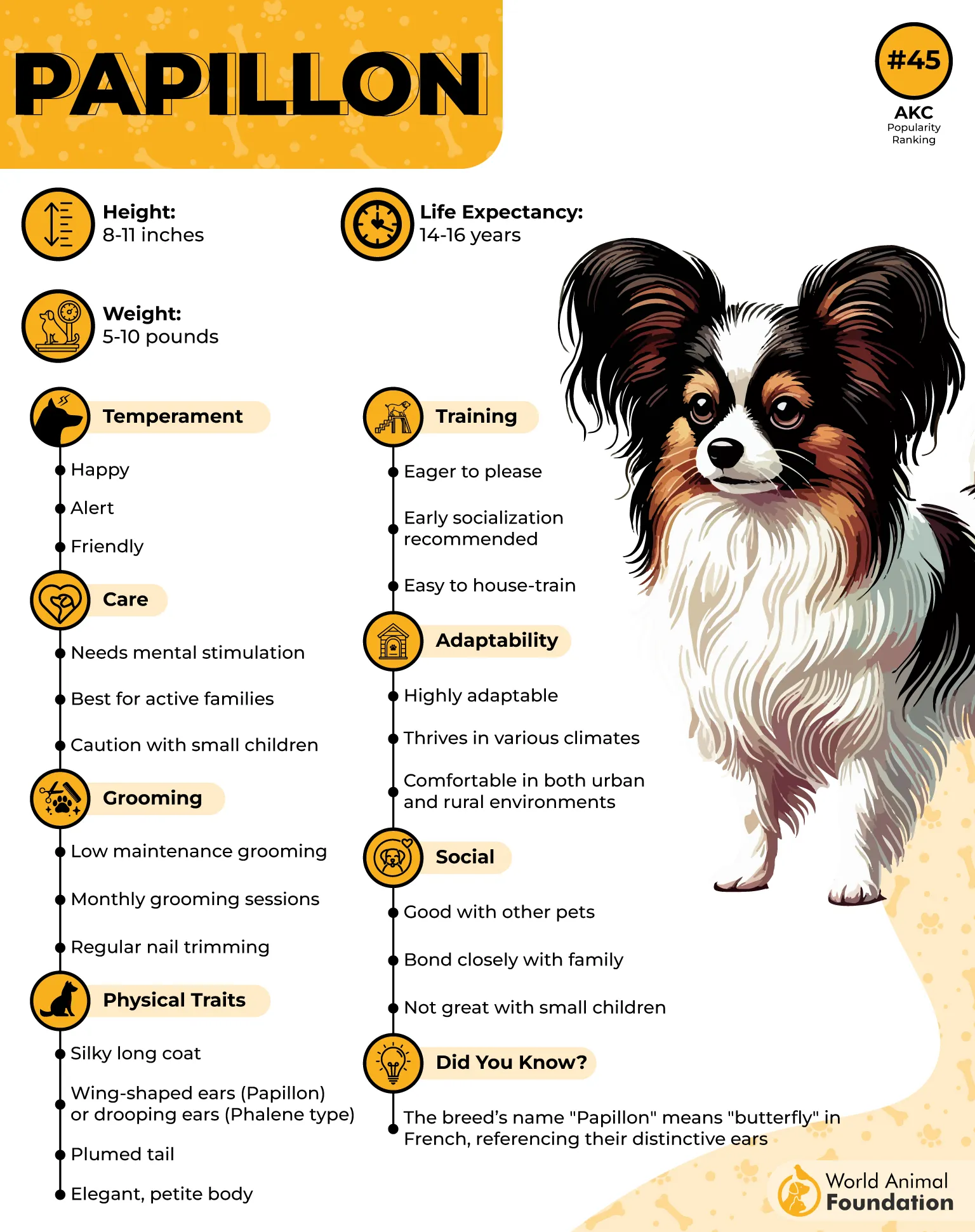
Papillons can adapt very well to apartments and other smaller homes because their petite size makes indoor play easy. However, they are more active than many other toy breeds and need daily walks, playtime, and mental stimulation.
Training games, interactive toys, obedience exercises, and agility can help keep their busy minds engaged. They bond closely with their families and may develop separation anxiety if left alone for long periods.
Care Needs to Know
Papillons have a long, silky coat that needs brushing or combing several times a week to prevent tangles, especially around their feathered ears.
They shed moderately and are not considered hypoallergenic. Their small size means they should be supervised around young children and larger dogs to prevent accidental injuries.
6. Chihuahua
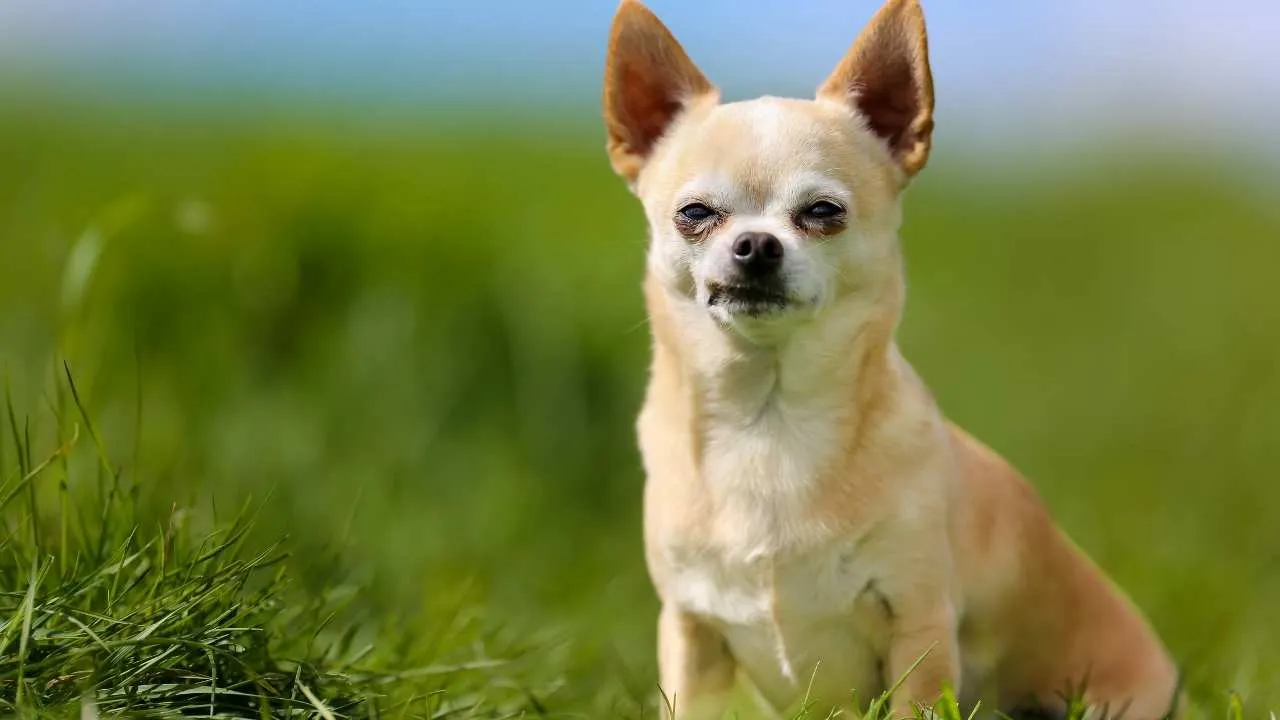
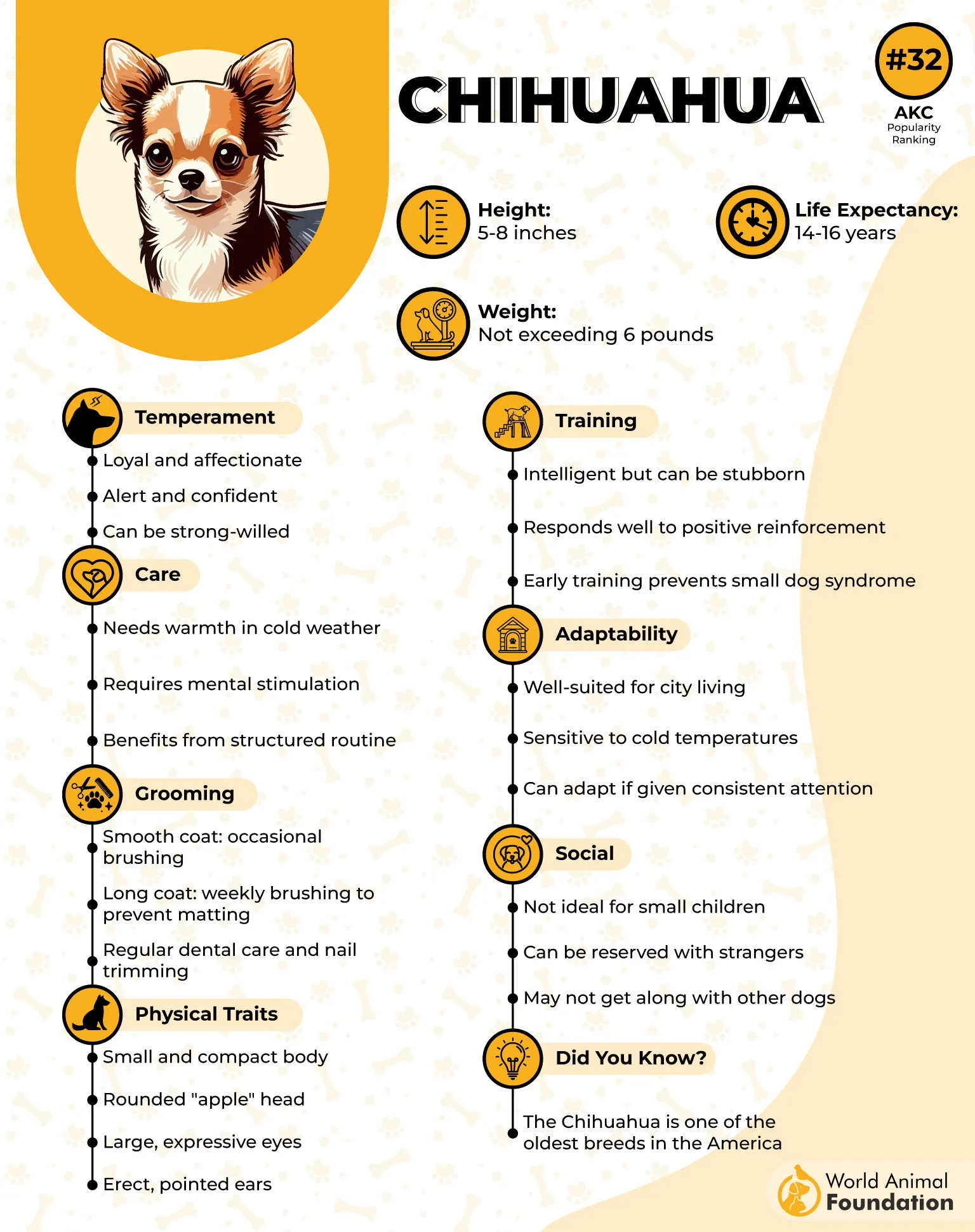
Chihuahuas may be tiny, but they have huge personalities. They are cheerful, loyal, playful, and often love being the center of attention.
Despite their small size, Chihuahuas are energetic dogs that enjoy walks, indoor games, and spending time with their families. They can also be quite vocal and may bark when they feel nervous, excited, or threatened.
Why They Suit Small Homes
Chihuahuas can be excellent choices for apartments and smaller homes because they need very little space to stay comfortable. Daily walks, indoor play, and short training sessions can provide enough activity to keep them physically and mentally engaged.
Their compact size also makes them easy to take along on errands and trips. However, they can become overly attached to their owners and may develop separation anxiety if left alone for long periods.
Care Needs to Know
Chihuahuas have relatively simple grooming needs, with short-haired and long-haired varieties requiring different levels of brushing. Their teeth need particular attention because small dogs are prone to dental problems, making daily tooth brushing important.
Chihuahuas are generally loving family companion dogs when properly socialized, but their tiny bodies can be easily injured by young children or larger dogs, so playtime should be supervised.
7. Pekingese
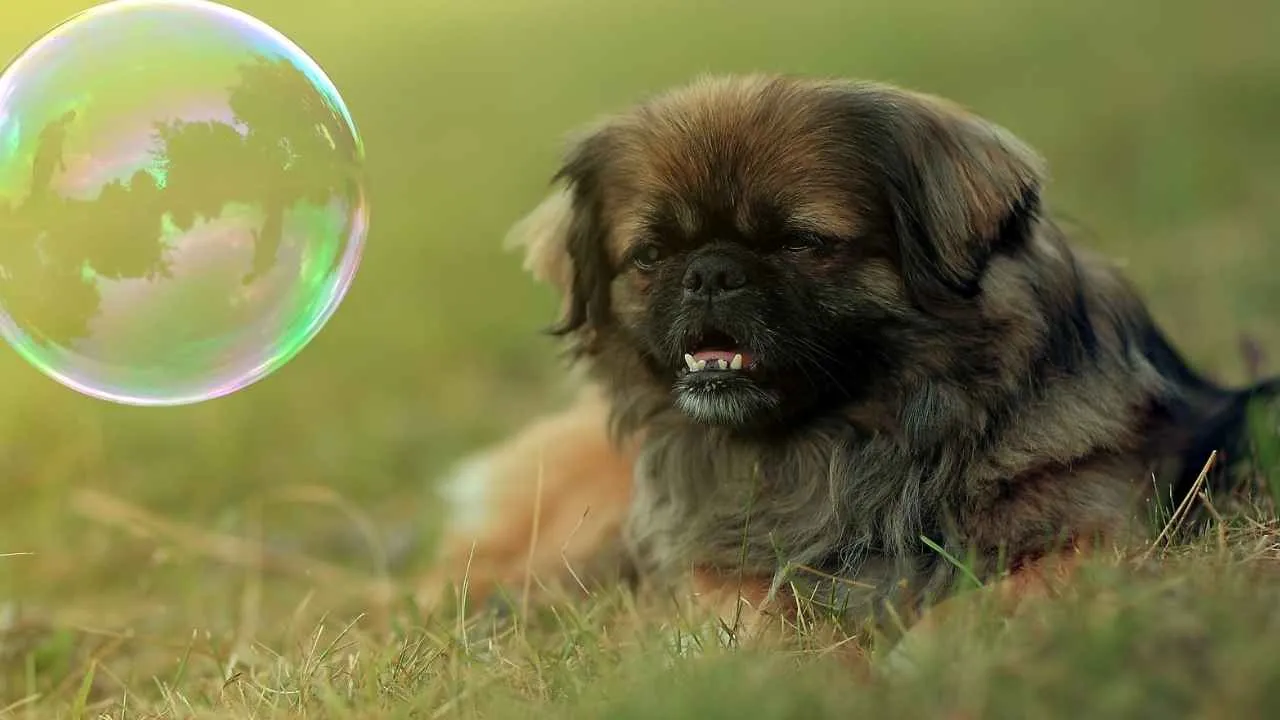
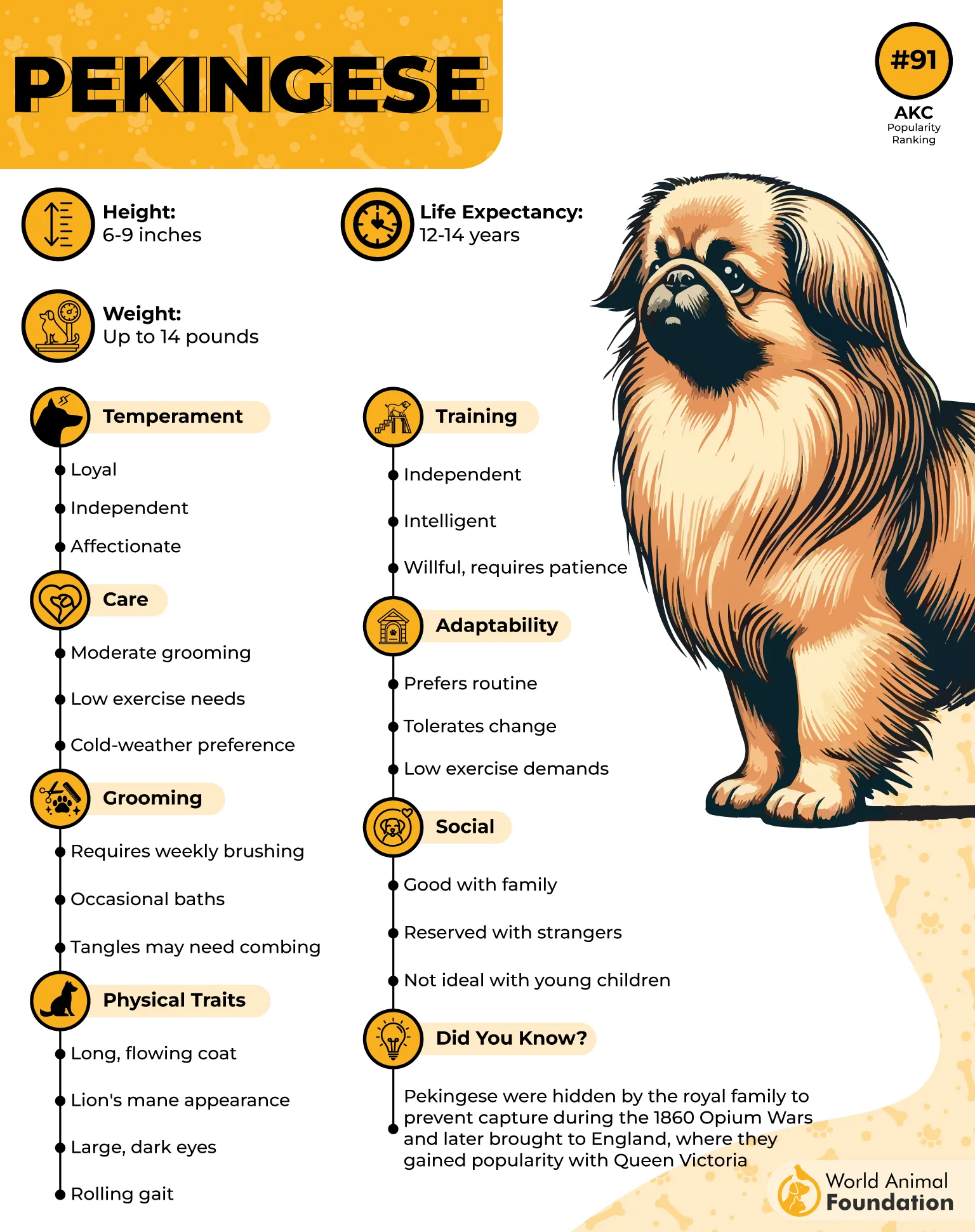
Pekingese may be small, but they carry themselves with a confidence that makes them seem much bigger. They are affectionate, loyal, alert, and known for their independent personalities.
These little dogs enjoy spending time with their families and are happy to relax as lap dogs, although they can also be playful when the mood strikes. Their strong watchdog instincts mean they may bark when they notice something unfamiliar.
Why They Suit Small Homes
Pekingese can adapt well to apartments and smaller homes because they have relatively low exercise needs. Short walks, indoor play, and gentle activities are usually enough to keep them active.
They enjoy human companionship and prefer having their people nearby, so they may not do well when left alone for long periods. Because of their flat faces, they can struggle in hot or humid weather, making cool indoor spaces and moderate exercise especially important, as mentioned by Royal Canin.
Care Needs to Know
Pekingese have a thick, long double coat that requires regular brushing to prevent tangles and mats, with professional grooming often needed every few weeks.
Their facial folds, large eyes, ears, and coat also need routine care to help prevent irritation and infections. They are intelligent but can be stubborn, so patient, positive training works best. Their small size means interactions with young children and larger dogs should be supervised.
Conclusion
Choosing a small dog for your home is about more than size. While some are happy with indoor play and short walks, others need more daily activity and mental stimulation to stay content.
Before bringing one home, consider your space, schedule, and the amount of time you can give to grooming, training, exercise, and companionship.
The best small dog is not simply the tiniest one. It’s the breed whose needs fit naturally into your lifestyle. With the right match and proper care, even the smallest companion can bring a surprisingly big amount of joy to your home.
Looking for more dog breeds for apartments? You can also check out the Cavalier King Charles Spaniel, French Bulldog, Bichon Frise, Chinese Crested dog, Shih Tzu, Miniature Poodle, Cocker Spaniel, Boston Terrier, Basset Hound, and Italian Greyhound.
