




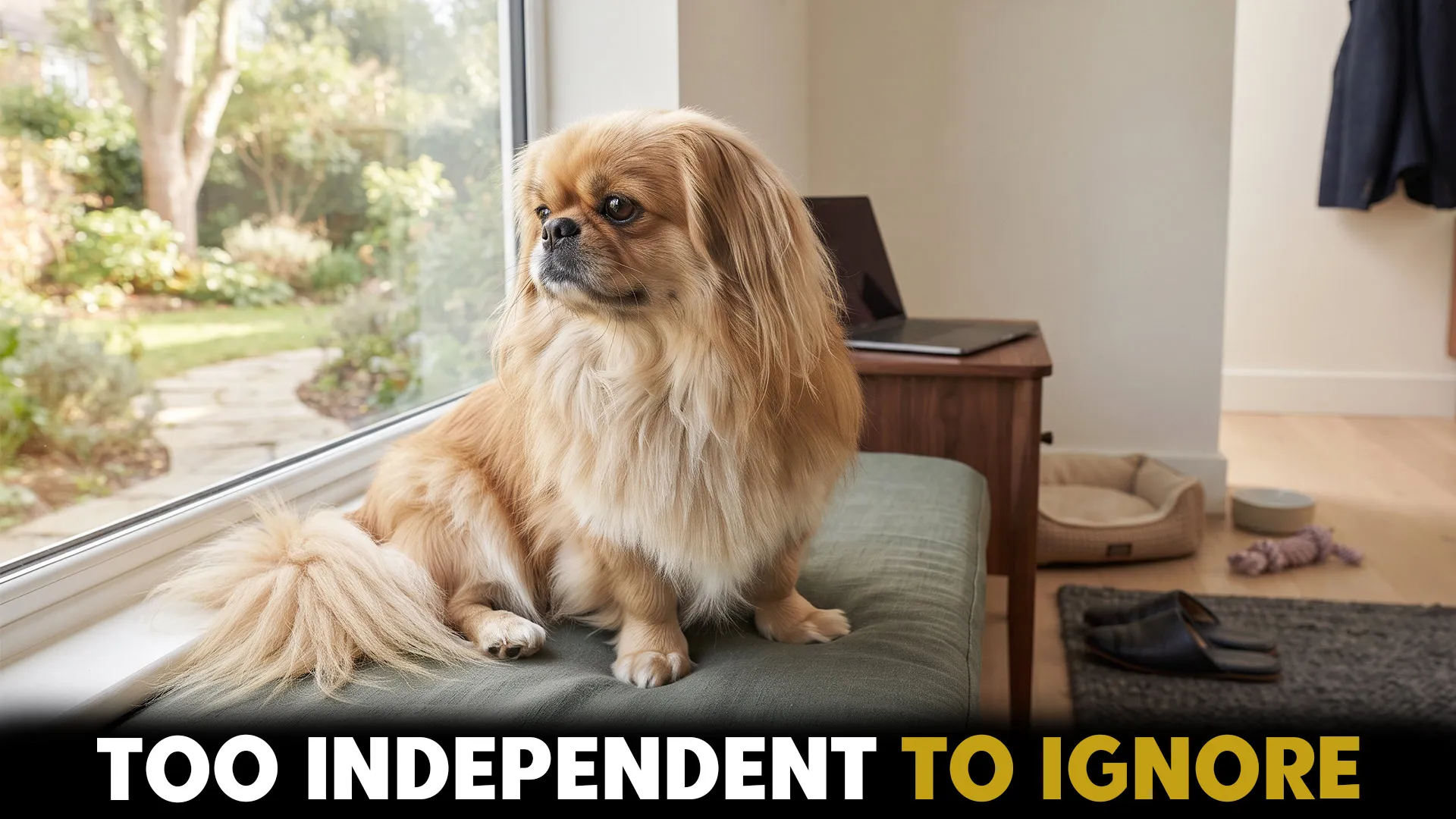
A dog that can settle happily while you work, run errands, or spend hours away can make life easier.
Some dogs are naturally more independent than others, and that difference can matter when your schedule does not allow constant company. An easygoing dog may spend part of the day sleeping, watching the room, or quietly enjoying a favorite toy instead of following you from one room to another. That does not mean long stretches of isolation are healthy.
Dogs are social animals, and the American Kennel Club (AKC) notes that most need regular human or canine interaction, with adult dogs generally needing breaks during longer absences. The goal is finding a companion that handles reasonable alone time well. Personality, age, training, exercise, and routine all shape that experience.
If your ideal dog is content with some personal space, the independent dog breeds ahead offer possibilities worth exploring closely for busy households.
Key Takeaways
Working from home, running errands, or simply needing a few quiet hours can be easier with a dog that knows how to settle on its own.
The Cavalier King Charles Spaniel has been a close indoor companion for centuries, while the Clumber Spaniel is happy to fill quiet hours with a food puzzle or a safe chew.
Things get more interesting with the Pekingese, a former imperial companion that can happily enjoy its own space while still expecting plenty of affection later.
Keep going, because the Chow Chow, Greyhound, Pug, and Basset Hound each bring a very different personality to the idea of enjoying some time alone.
Thoughtful Dog Breeds That Love Their Alone Time
1. Cavalier King Charles Spaniel
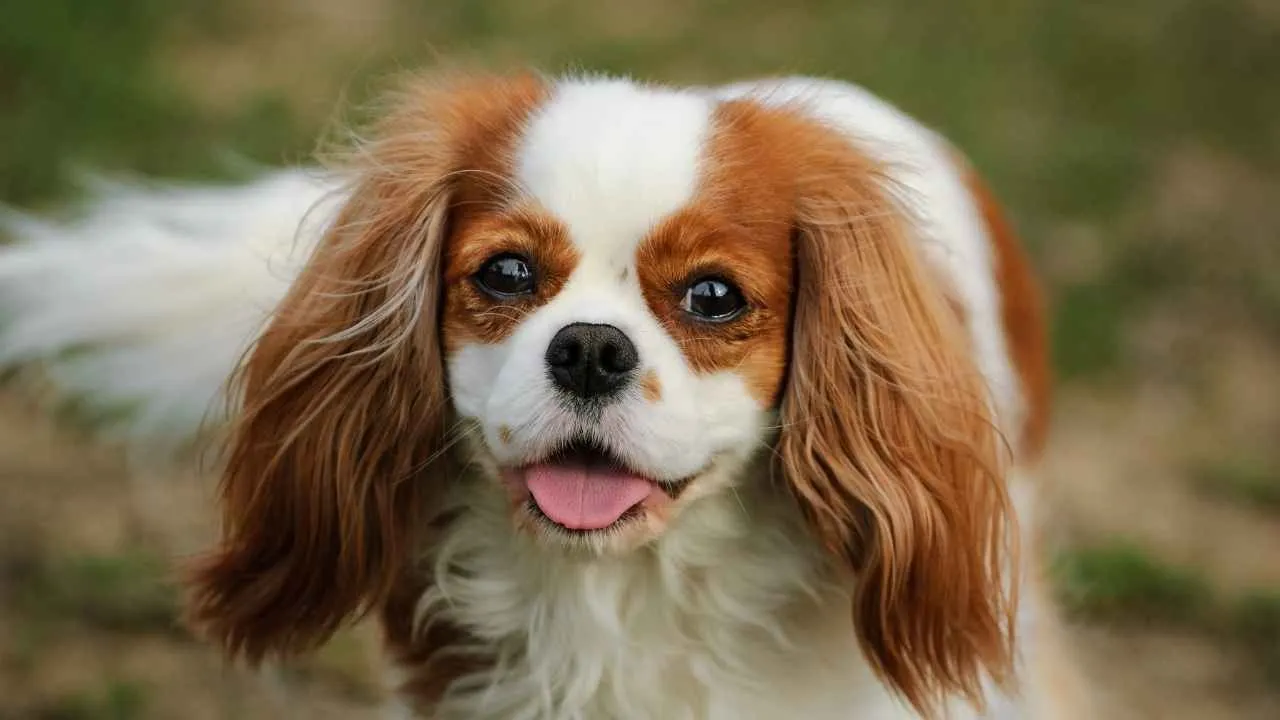
Cavalier King Charles Spaniel descends from small toy spaniels pictured in European paintings from the 16th through 18th centuries. These little dogs warmed laps in chilly castles and even accompanied people on cold carriage rides, giving them an unusual connection with quiet indoor life.
Making Alone Time Easier
This spaniel breed is gentle, playful, intelligent, and highly responsive to human attention. Its adaptable nature allows it to enjoy active family life or spend quieter hours curled up beside someone at home. For them, a home where someone is around most of the day can help.
That close bond means alone time needs some planning:
Healthy adults should generally be alone no longer than 4 to 6 hours
Short practice departures can help build tolerance
Returning before distress keeps training manageable
A Quiet Training Style
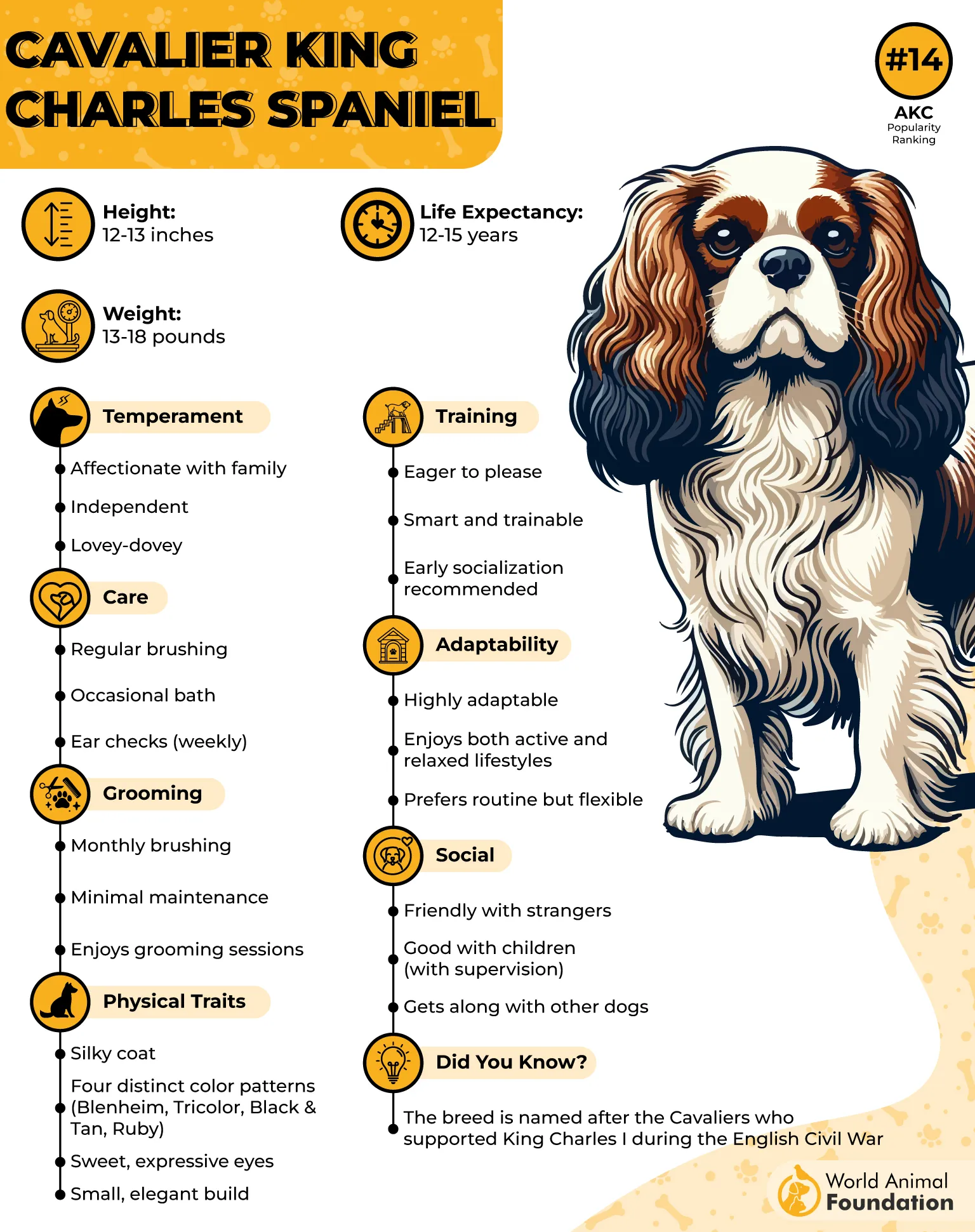
Cavalier King Charles Spaniel tends to learn readily and often responds well to praise, affection, and rewards. Some individuals can be timid, while their patient and gentle temperament has also made them suitable for therapy work and companionship for older or disabled people.
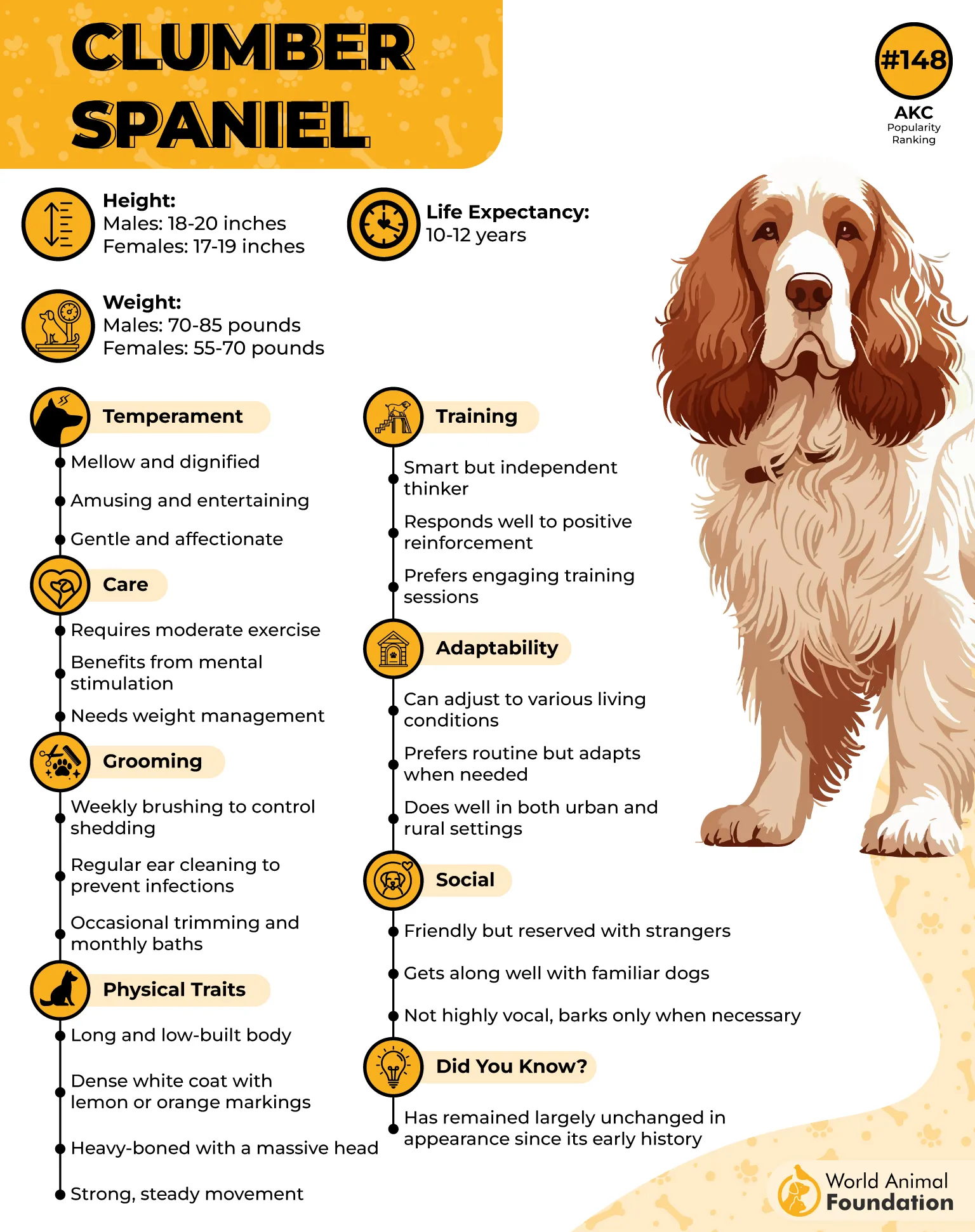
2. Clumber Spaniel
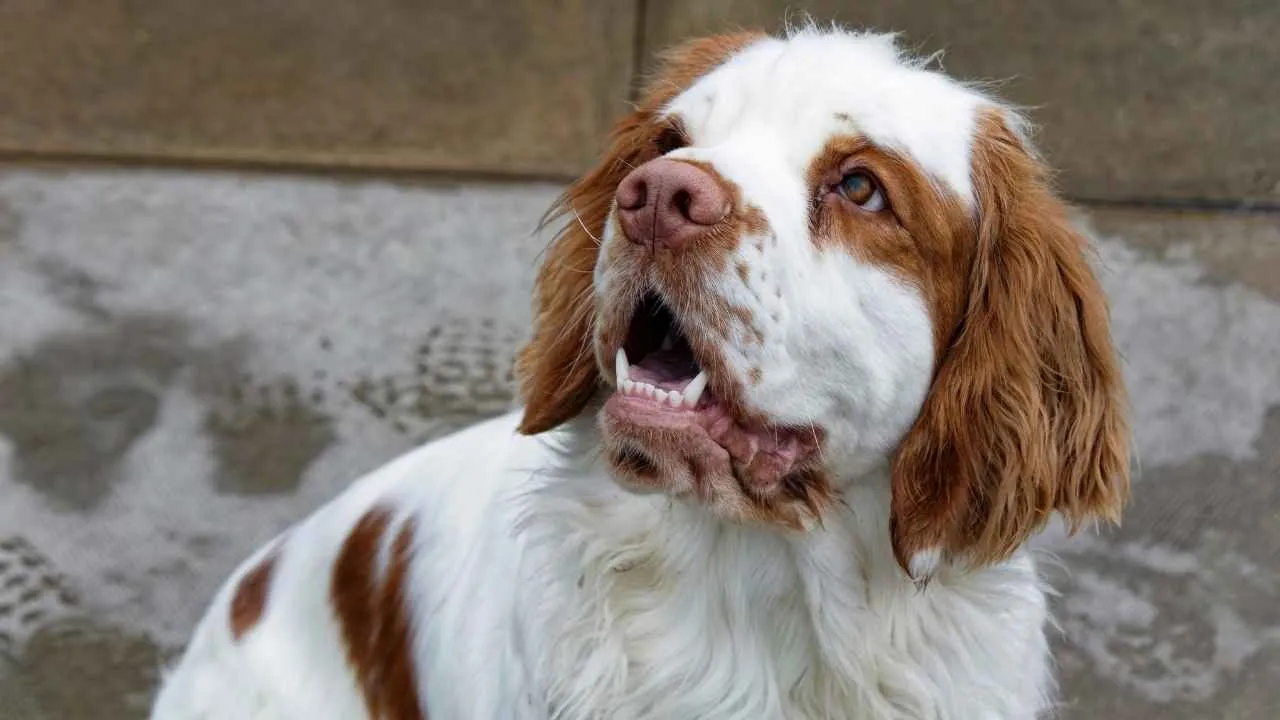
Clumber Spaniel was originally bred at Clumber Park under the Duke of Newcastle, who created a heavier, steadier type from hunting dogs available at the time.
French long-haired, low-slung basset-like dogs may have contributed to the breed, although the romantic stories surrounding its origins have little solid evidence.
Comfortable With Quiet Hours
Left alone for a while is usually manageable for this breed, especially compared with dogs that constantly want someone nearby. Once they are over one year old, keeping alone time around four to six hours is a practical guideline before longer stretches become concerning.
When planning alone time, this is what you need to consider:
Food puzzles can provide something purposeful to do
Safe chew toys can help prevent destructive mischief
Crate training can limit kitchen scavenging
A Nose That Keeps Working
Clumber Spaniel brings a thoughtful pace to outdoor activities while retaining considerable stamina and persistence. About an hour of daily exercise, especially opportunities to follow scents with its powerful nose, gives this scent-driven dog a worthwhile outlet.
3. Pekingese
Pekingese dates back roughly 2,000 years to Peking, now Beijing, where it was kept as a treasured companion for Chinese nobles and Imperial family members. Commoners were forbidden from owning one, and being caught with a Pekingese could once bring a severe death sentence.
Comfortable Alone
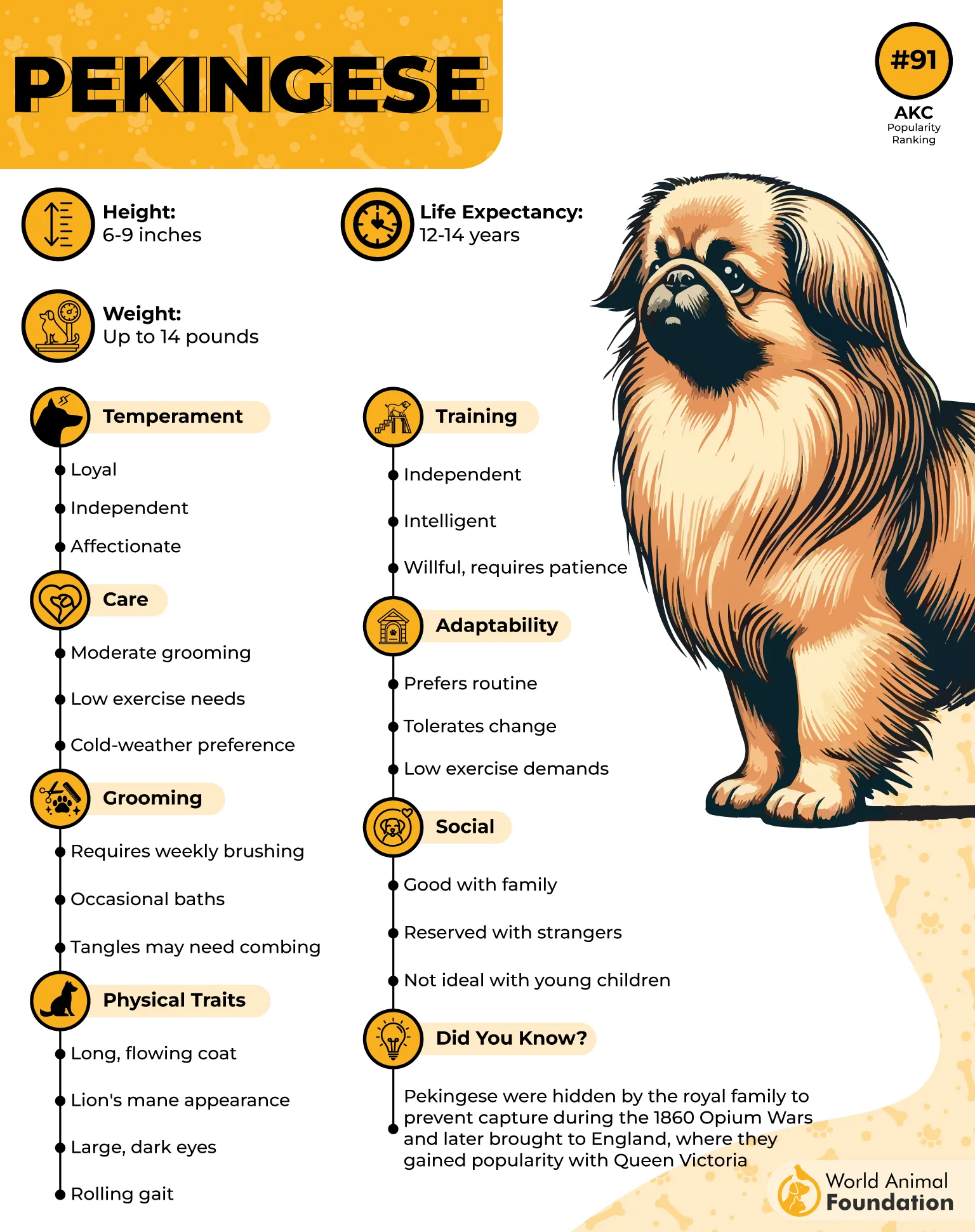
They can spend several hours by themselves with a familiar space and favorite toys, making their independent nature useful for people who have quiet stretches during the day. They still expect plenty of attention when their people are around, especially when lounging indoors.
Their independent nature also suits a flexible routine:
About 30 to 60 minutes of daily activity
Apartment living suits their modest exercise needs
A small yard can provide extra room for play
Selective Company
Pekingese often forms its closest attachment to one or two people and can be cautious with unfamiliar faces. Its protective side may bring plenty of alert barking, while a trusted person can eventually receive the affectionate attention hidden beneath that famously self-assured manner.
4. Chow Chow
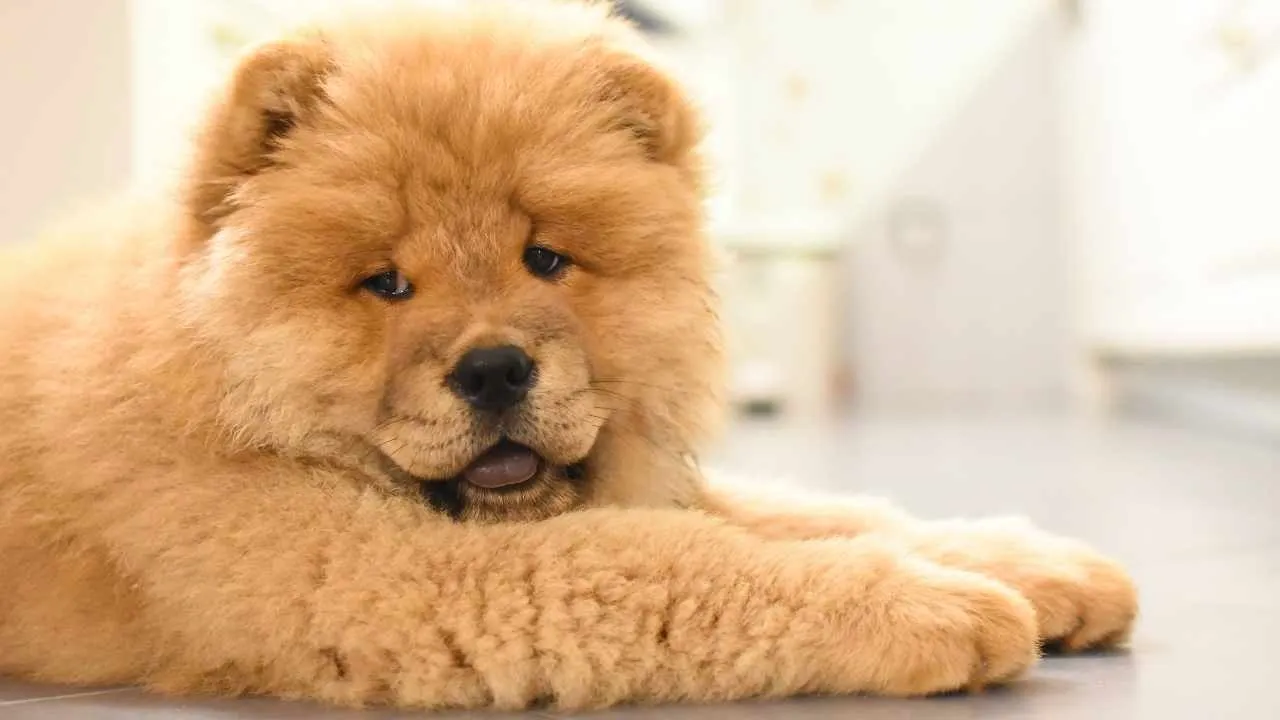
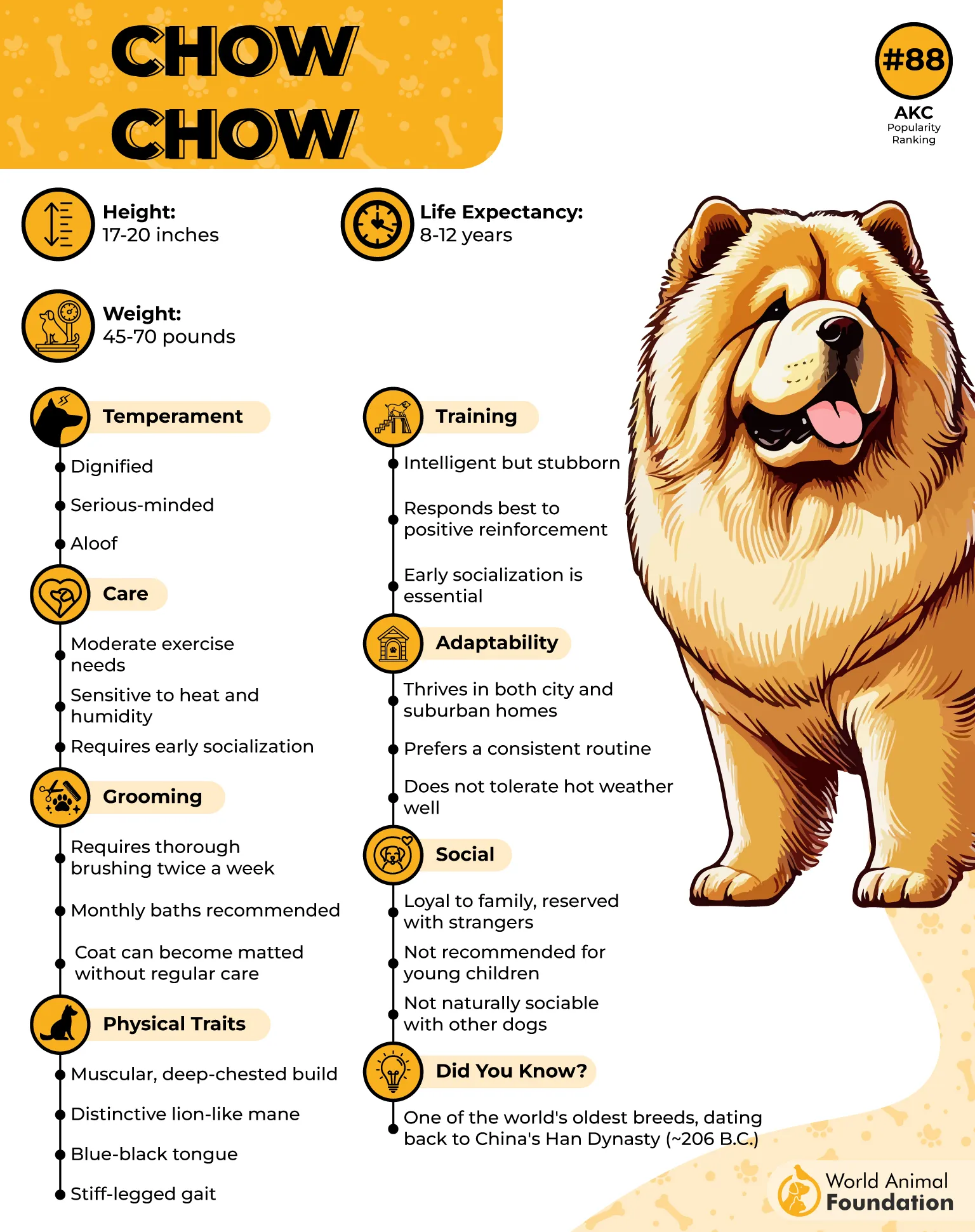
Chow Chow is among the world’s oldest dog breeds, with origins reaching back to at least 206 BCE and possibly earlier. In ancient China, these dogs took on practical roles including hunting, herding livestock, and pulling sleds before becoming companions of Chinese nobility.
Comfortable Alone
Chow Chow can be left to its own routine for moderate periods, often spending that time resting or moving between familiar spots around the home. It does not usually look for constant reassurance, which can make daytime absences easier to manage.
This is what you need to take care of before that absence:
Predictable daily schedule
Puzzle toys for quiet periods
A walk before being left alone
Space for Boundaries
Chow Chow is not usually a fan of constant cuddling and may prefer affection in smaller doses, making gentle handling especially important around children. Its dense coat can also raise the risk of overheating in hot weather, while keeping it groomed takes some extra effort, as Purina describes.
5. Greyhound
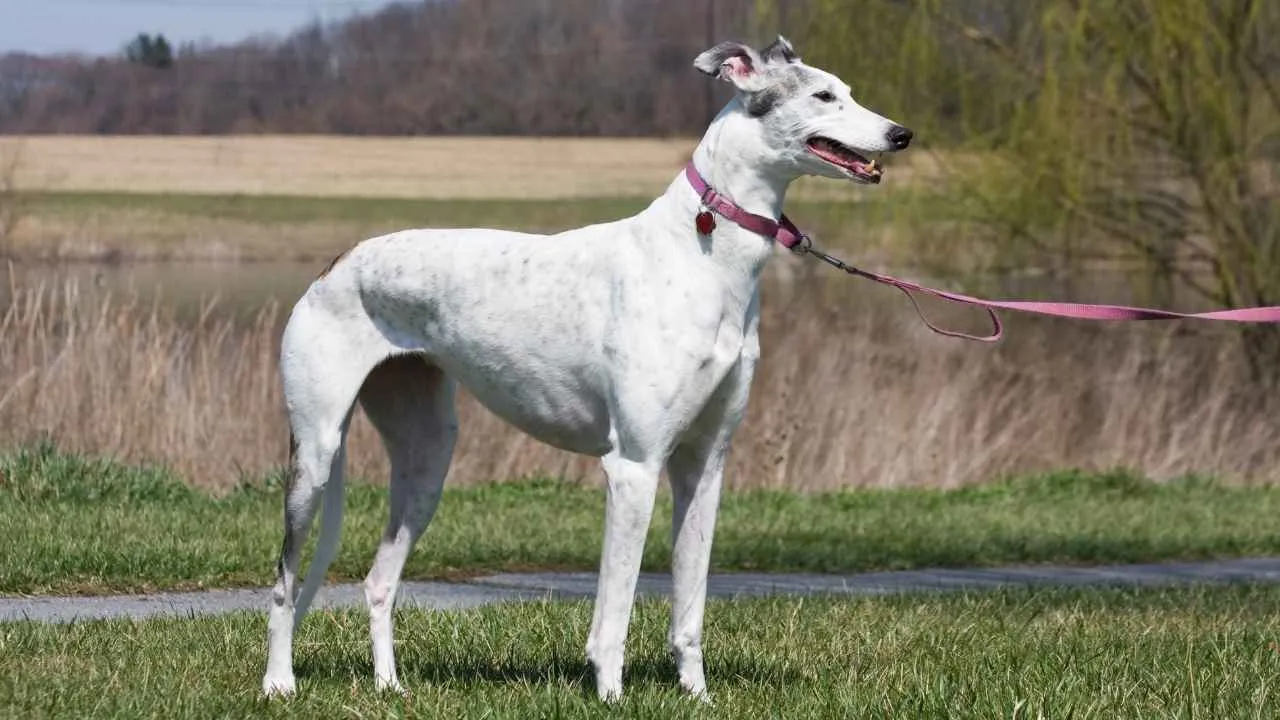
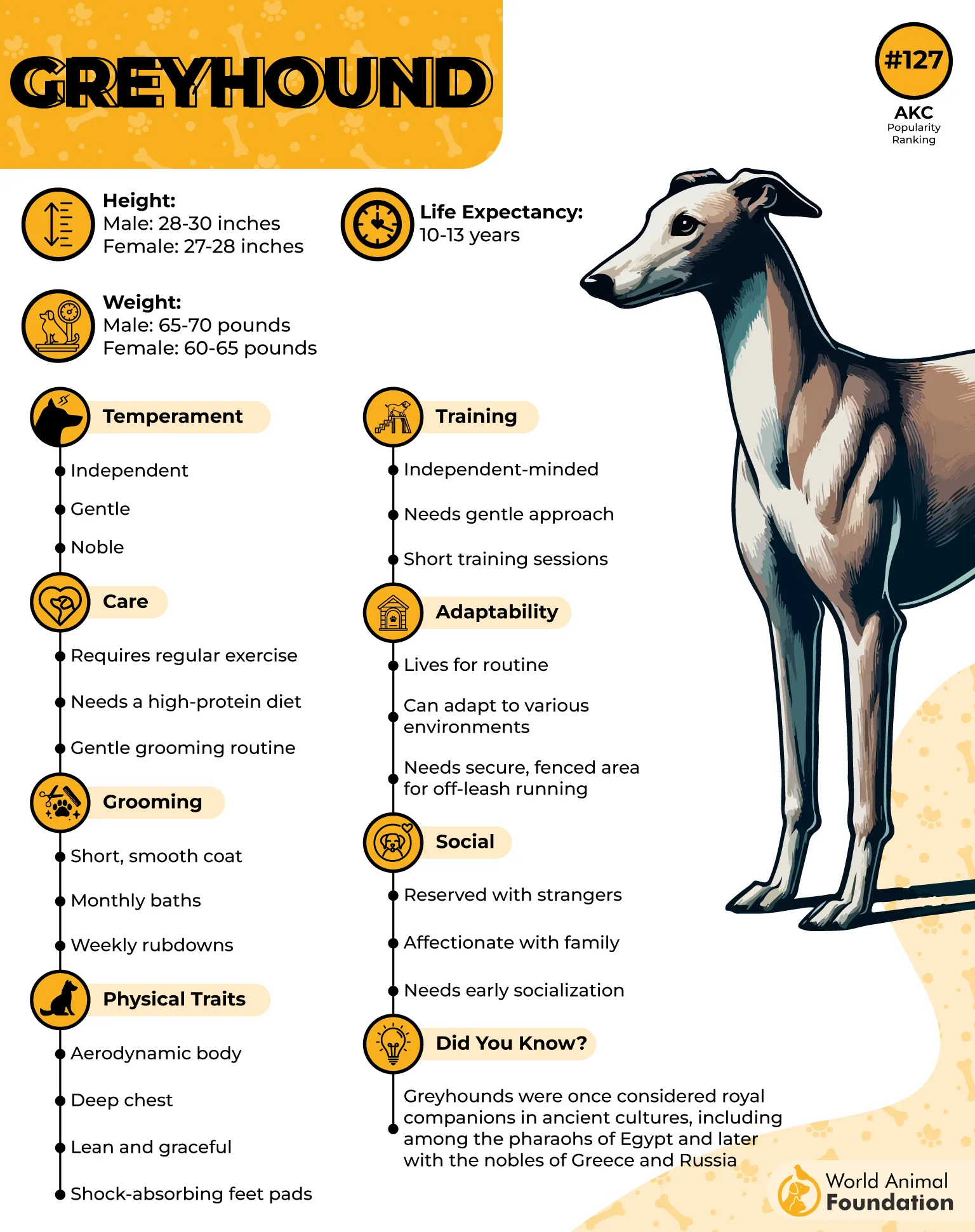
Greyhound appears in artwork carved into the tombs of Egyptian pharaohs and other leaders dating back to around 4,000 BC. The breed later spread through the Near East and Europe before reaching Britain, where ownership became restricted to the elite in 1016.
Quiet Between Sprints
This dog breed can suit people who value a dog that does not demand constant activity throughout the day. After two short 20-minute runs, this famously fast breed often prefers relaxing indoors rather than spending hours on extended walks.
Daily life becomes easier with these routines:
Short, fine coat needs occasional brushing
Smaller meals can help with bloating concerns
Warm clothing may be useful in cold weather
Time Alone
Greyhounds can learn to handle several hours without company when gradually prepared for it, with four to six hours often cited as a reasonable period. Longer absences may call for a check-in from a friend, neighbor, or sitter, while access to a secure outdoor area can help with bathroom needs.
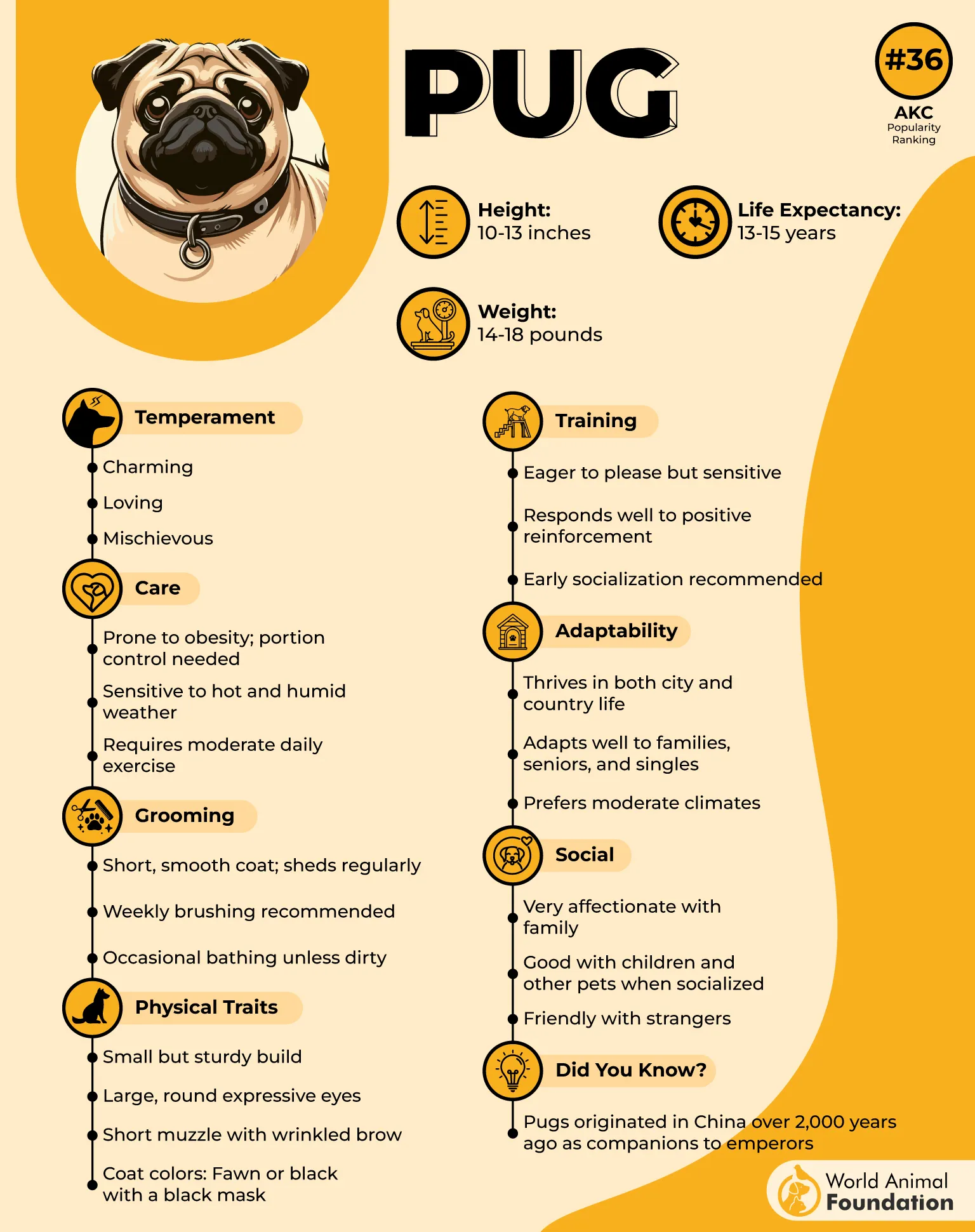
6. Pug
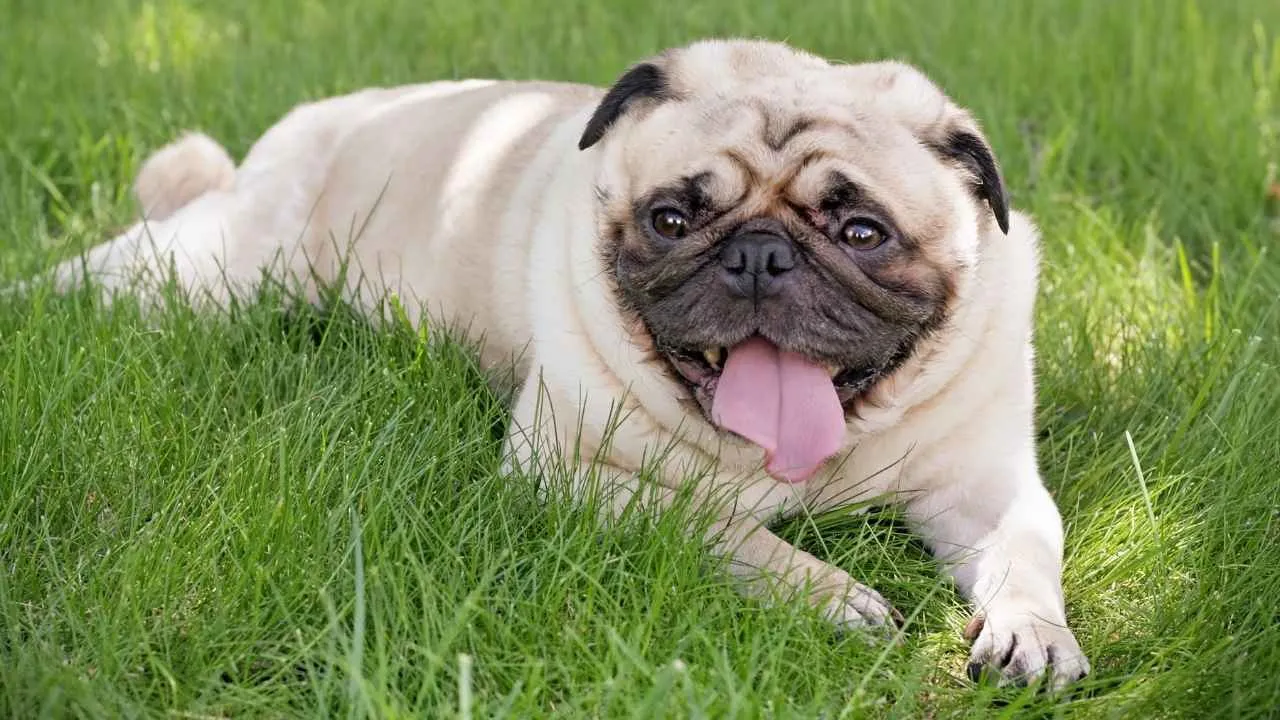
The pug originated in China during the Han Dynasty, between 206 BC and 200 AD, and similar dogs have also been linked to ancient Tibet and Japan. Chinese emperors kept these compact companions in luxury, with soldiers assigned to guard them within royal households.
Alone Time Varies
They can handle quiet hours differently from one individual to another, with some sleeping through much of the day while others may whine, cry, or become destructive when left alone. Their sensitivity makes gradual routines and appropriate enrichment especially useful during longer absences.
The following practical measures can make those hours easier:
Puzzle feeders for mental engagement
A cool room to reduce overheating risks
A play session before departure
A Lot in a Little
Pug captures the old phrase “multum in parvo,” meaning “a lot in a little,” with a playful personality packed into a compact body. Their goofy, childlike behavior and fondness for human attention can make an otherwise quiet home feel surprisingly lively.
7. Basset Hound
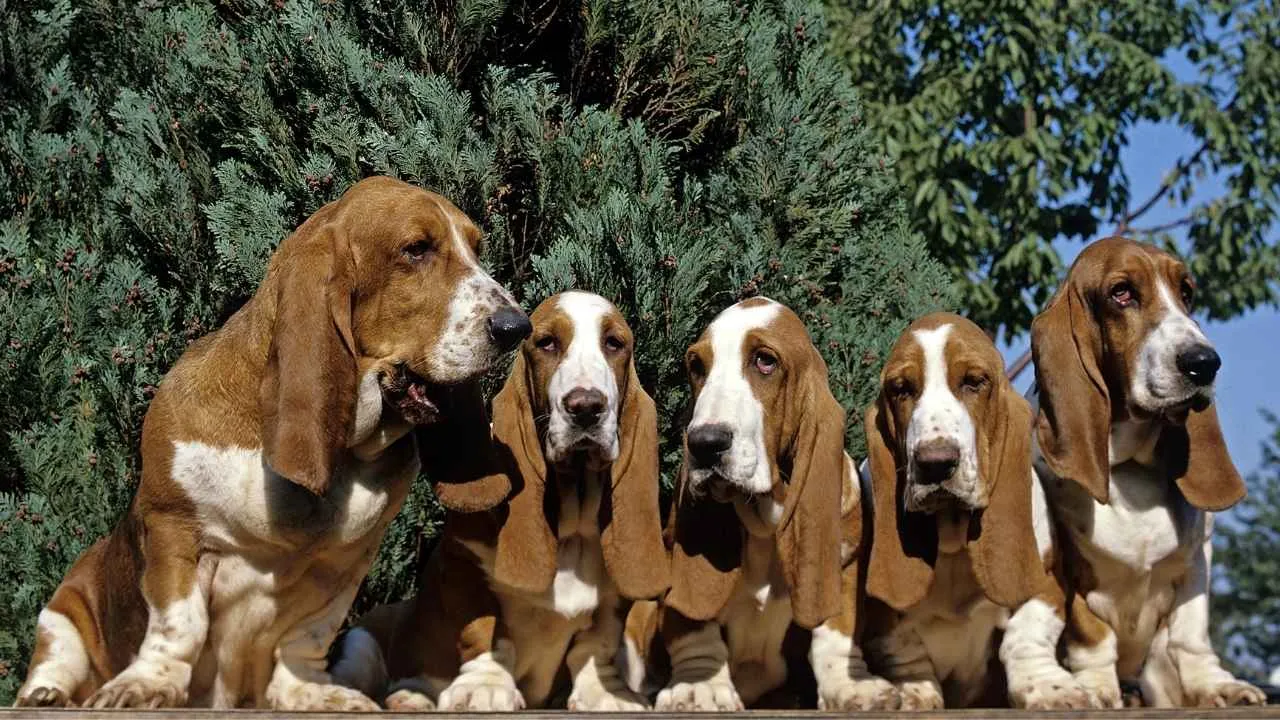
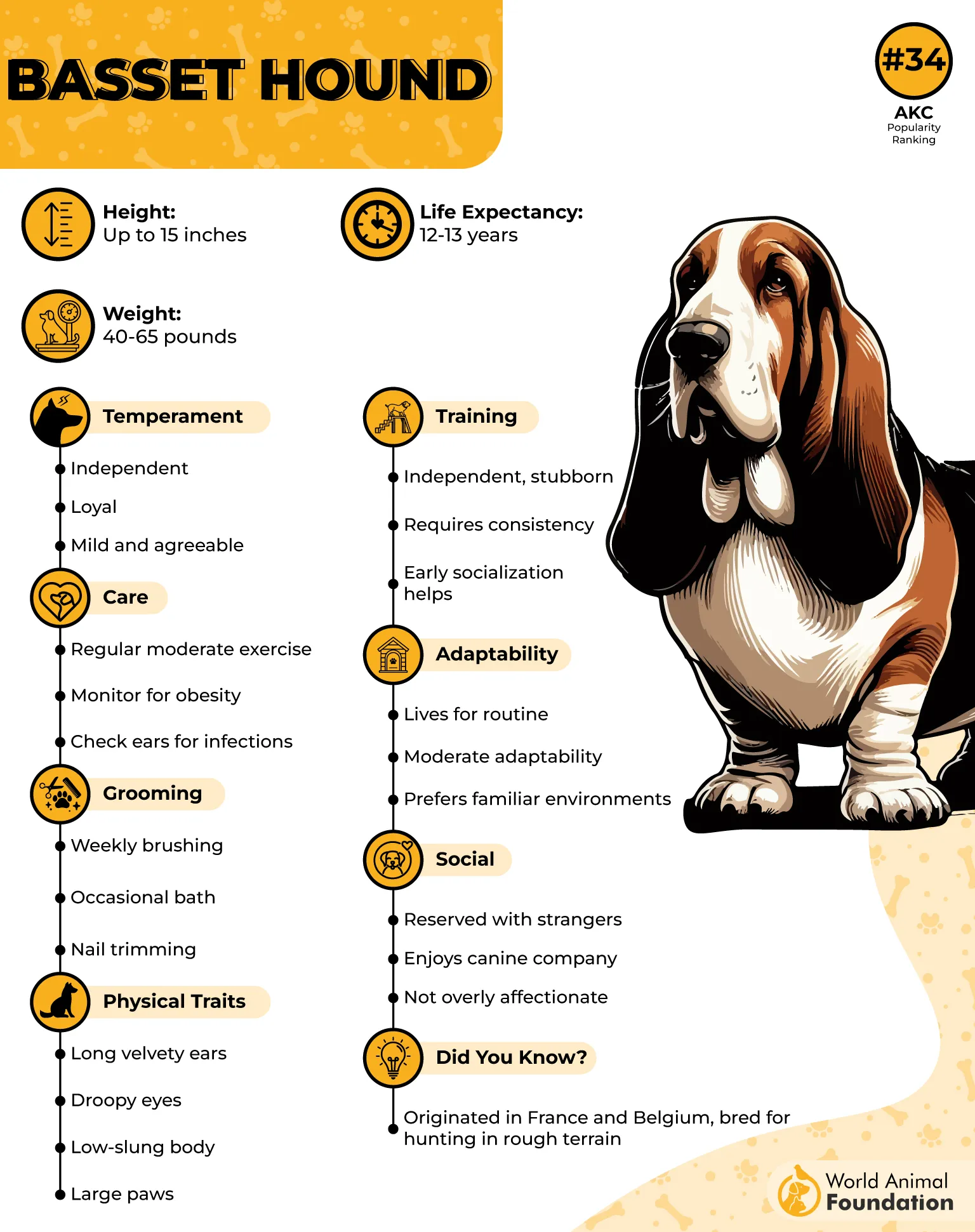
Basset Hound originated in France from the St. Hubert Hound, with its short legs resulting from a natural mutation within that strain. Its name comes from the French word “basset,” meaning low or dwarf, a fitting reference to the breed’s distinctive build and unusually low profile.
Comfortable With Quiet
The breed’s laid-back nature generally accepts family members and visitors without demanding constant interaction. For someone who needs a dog that can be alone for a few hours, its calm temperament makes those stretches of the day less complicated.
Consider these things when planning their periods alone:
Puppies under one year should not be left alone for over two hours
Crate training can provide a designated resting space
Alone time should increase gradually from short intervals
Give That Brain Something
Basset Hound is an intelligent scent hound that can lose interest in training when the lesson feels dull or when surrounding smells steal its attention. Scent work, engaging toys, and reward-based sessions can give its nose and mind something worthwhile to investigate.
Conclusion
A dog that can settle comfortably for a few hours can fit easily into a household, but independence still needs healthy limits. Regular exercise, training, companionship, and early training all help create a routine the dog can handle. Age matters too, since puppies need more frequent breaks and supervision than mature dogs, especially when learning to spend time on their own devices.
Owners should also watch for signs of distress, boredom, separation anxiety, or destructive behavior instead of assuming quiet behavior always means contentment. A dog walker can help when needed, but the right dog should not require constant attention throughout the day. The right routine allows a dog to rest, explore familiar spaces, or enjoy a toy, then return to family life with plenty of affection and energy.
