




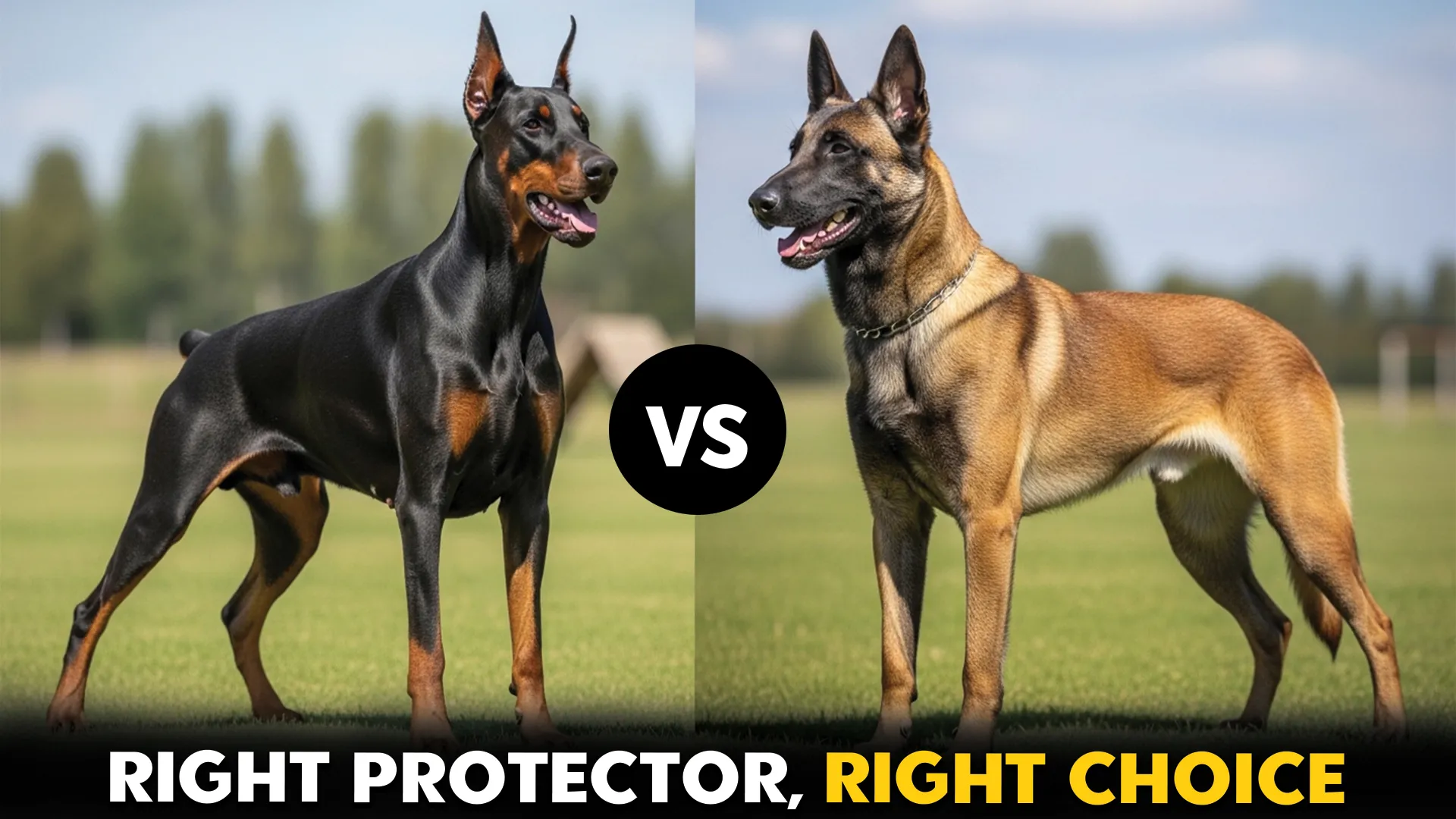
Choosing a dog that can be both a loving companion and a reliable protector is a big decision. The Doberman and the Belgian Malinois often top the list for people seeking loyalty, intelligence, and a strong sense of duty.
While they share some impressive qualities, these breeds are not interchangeable. Each has its own personality, energy level, and needs that can make a big difference in everyday life. Before committing, it is important to look beyond reputation and understand what living with each breed is really like.
This comparison will help you explore the key factors that matter most, from temperament and training to how well each dog may fit into your home and lifestyle.
Things to Consider When Choosing Between Doberman and Belgian Malinois Dog Breeds
Origins & Purpose
The Doberman and the Belgian Malinois were both developed with work in mind, but their original purposes shaped them in very different ways. As per Britannica, the Doberman was created in Germany as a personal protection dog, bred to stay close to its handler and deter threats through presence, confidence, and loyalty.
From the start, the breed was meant to guard individuals rather than manage livestock or roam wide areas. This history explains the Doberman’s strong attachment to its family and its instinct to watch over home and people.
The Belgian Malinois, on the other hand, originated in Belgium as a herding dog. Its job required endurance, speed, responsiveness, and the ability to think independently while still taking direction. Over time, those traits made the Malinois a standout in police, military, detection work, and search missions.
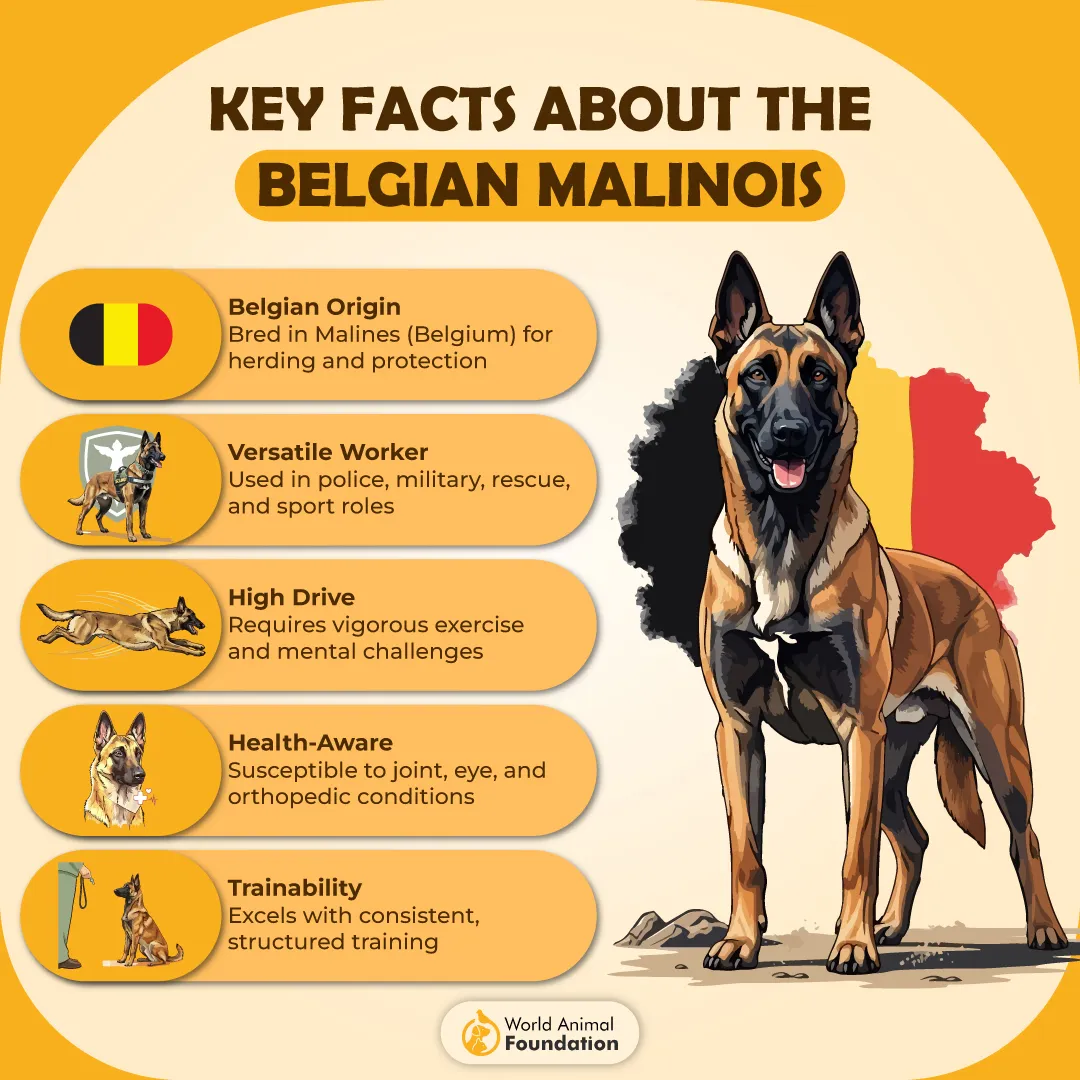
Unlike the Doberman’s people-focused role, the Malinois was bred to work for long hours with constant mental engagement. This contrast in origins still shows today, especially in how each breed approaches work, bonding, and daily life.
Size & Physical Build
At first glance, the Doberman and Belgian Malinois may appear similar in athleticism, but their builds tell two distinct stories. Dobermans are larger and more imposing, with a deep chest, long legs, and a powerful yet elegant frame.
Their physique emphasizes strength and presence, which contributes to their reputation as an effective deterrent. Despite their size, Dobermans move with smooth, controlled strides that reflect balance rather than constant motion.
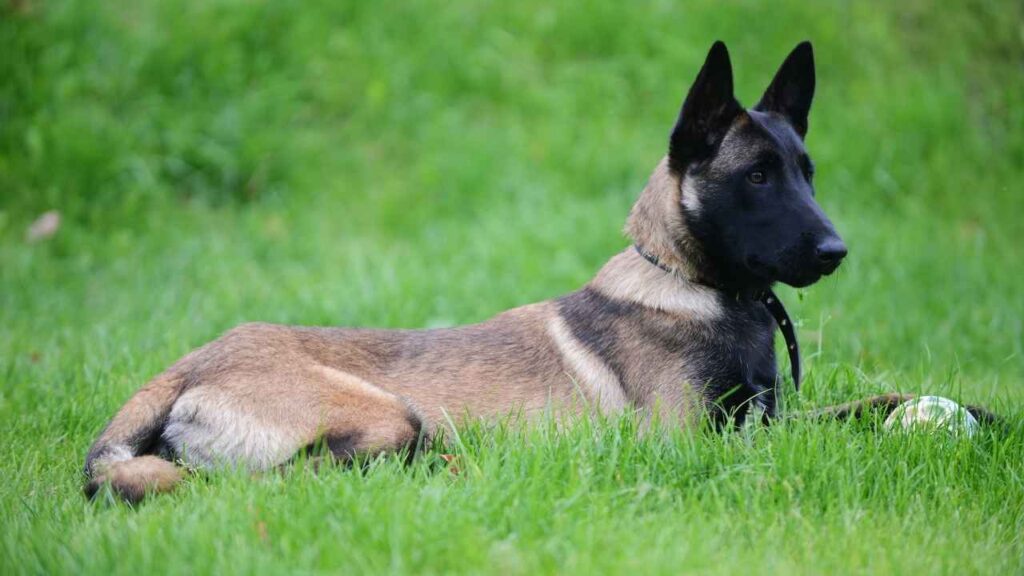
Belgian Malinois are more compact and lighter on their feet. Their bodies are built for agility, speed, and endurance rather than sheer power. A Malinois can change direction quickly, leap effortlessly, and maintain stamina over long periods.
This lean, springy build supports their history as herders and modern working dogs. While the Doberman’s size often feels reassuring to families seeking a guardian, the Malinois’ structure favors nonstop activity and precision, especially in demanding physical or task-driven environments.
Temperament & Personality
Temperament is where the differences between these breeds become especially clear. Dobermans are deeply loyal and people-oriented, often forming intense bonds with their families. They tend to be calm and composed at home when their needs are met, yet instantly alert when something feels off.
This balance makes them attentive without being constantly restless. Many Dobermans enjoy being close to their owners, often choosing to relax nearby rather than entertain themselves.

Belgian Malinois are alert in a different way. Their minds are always working, scanning for tasks, movement, or cues from their handler. They are highly responsive and eager, but also more intense and driven throughout the day.
While affectionate, Malinois express their bond through engagement rather than relaxation. Without direction, that intensity can turn into frustration. Families often describe Dobermans as protective companions, while Malinois are better described as active partners who thrive on purpose and interaction.
Exercise & Energy Levels
Both breeds require daily exercise, but the type of energy they bring into a home is very different. Dobermans need consistent physical activity and mental stimulation, yet they often settle well after their needs are met.
A long walk, structured play, or training session can leave them content to relax indoors. This ability to switch off is a major advantage for owners with busy schedules.
Belgian Malinois rarely slow down without purposeful engagement. As per PetMD, physical exercise alone is not enough to satisfy them for long. They excel when exercise is combined with training, problem-solving, or task-based activities. A Malinois may run for miles and still look for more to do if their mind does not find a suitable challenge to channel their energy.
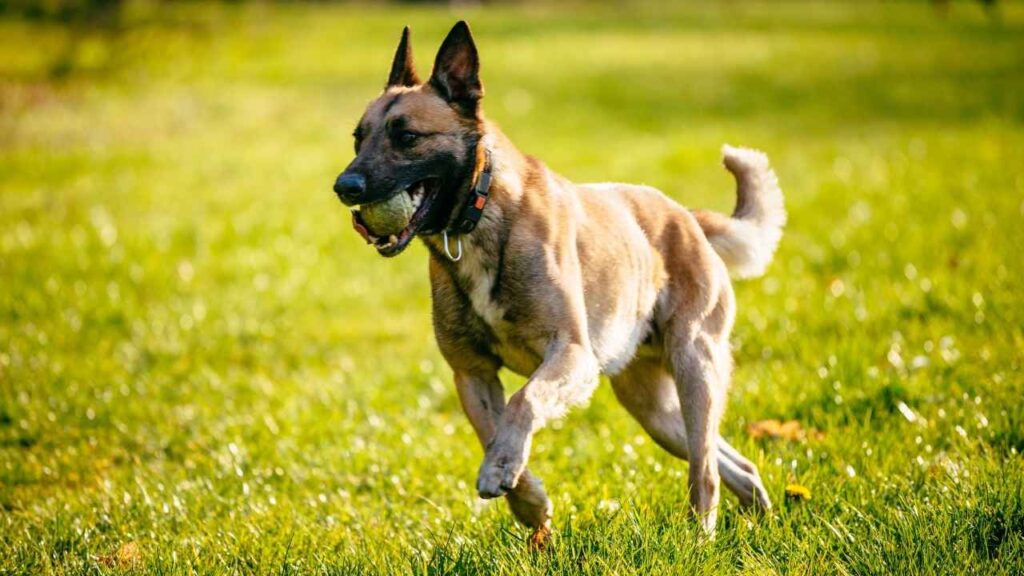
This constant drive is rewarding for experienced, active owners but overwhelming for those expecting a calmer companion. Understanding this difference is essential before choosing either breed.
Training & Intelligence
Dobermans and Belgian Malinois are both highly intelligent, but they learn in distinct ways. Dobermans are quick learners who respond well to clear structure and positive reinforcement. They enjoy training sessions that strengthen their bond with their handler and often take pride in performing tasks correctly. While intelligent, they can show independence, so consistency matters.
Belgian Malinois are intensely focused learners with an exceptional capacity for complex training. They thrive on repetition, challenge, and advanced skills. Many seem happiest when learning something new every day.

However, their intelligence comes with sensitivity; unclear guidance can lead to confusion or undesirable behaviors. Training a Malinois requires time, experience, and ongoing commitment. Dobermans tend to be more forgiving of mistakes, while Malinois demand precision and engagement from their handlers.
Coat Maintenance
From a grooming standpoint, both breeds are relatively low maintenance, but there are subtle differences. Dobermans have very short, sleek coats that shed lightly and require minimal brushing. Occasional grooming helps keep their coat shiny and skin healthy, making them easy to manage for most households. Their thin coat also means they are more sensitive to cold weather.

Belgian Malinois have a short but denser coat with seasonal shedding periods. During these times, brushing becomes more important to manage loose hair. Their coat offers better protection outdoors, but still does not require extensive grooming.
Both breeds benefit from routine nail trimming, dental care, and ear checks. Overall, neither breed is high-maintenance in grooming, but the Malinois may require a bit more attention during shedding seasons.
Health & Lifespan
Health considerations are an important part of choosing between these breeds. Dobermans are known to be susceptible to certain inherited conditions, which makes responsible breeding and regular veterinary care especially important. Their lifespan tends to be shorter, and owners often emphasize the importance of monitoring heart and joint health throughout the dog’s life.

Belgian Malinois are generally considered a hardy breed with fewer widespread genetic issues. They tend to stay physically capable well into adulthood, especially when kept at a healthy weight and activity level.
That said, their intense lifestyle can increase the risk of injuries if not properly managed. Both breeds benefit from preventative care, balanced nutrition, and regular checkups. Longevity and overall resilience often tilt slightly in favor of the Malinois.
Doberman vs. Belgian Malinois: Suitability as Family Pets vs Guard Dogs
As family pets, Dobermans often fit more easily into a variety of households. Their protective instincts are balanced by affection and adaptability, making them strong companions for families who want both security and closeness. They tend to integrate well into daily routines and can be calmer around guests with proper training.
Belgian Shepherds excel in working lines and as guard dogs, but require a household that treats dog training as a lifestyle, not a hobby. They are best suited for experienced owners or trainers who want an active, task-driven partner.
While they can be loving family members, their intensity and drive may be too much for typical family settings. In short, Dobermans lean toward family guardians, while Malinois shine as full-time working protectors.
Conclusion
Choosing between a Doberman and a Belgian Malinois ultimately comes down to how you live and what you want from your dog.
Both breeds are intelligent, loyal, and naturally protective, but they bring very different energy into a home. Dobermans tend to balance watchfulness with calm companionship, making them easier to integrate into family life.
Belgian Malinois thrive on structure, training, and constant engagement, rewarding experienced owners with unmatched drive and focus.
Neither breed is a casual choice. When matched with the right environment and commitment, both can become extraordinary partners and deeply devoted members of the family who love to protect.
