




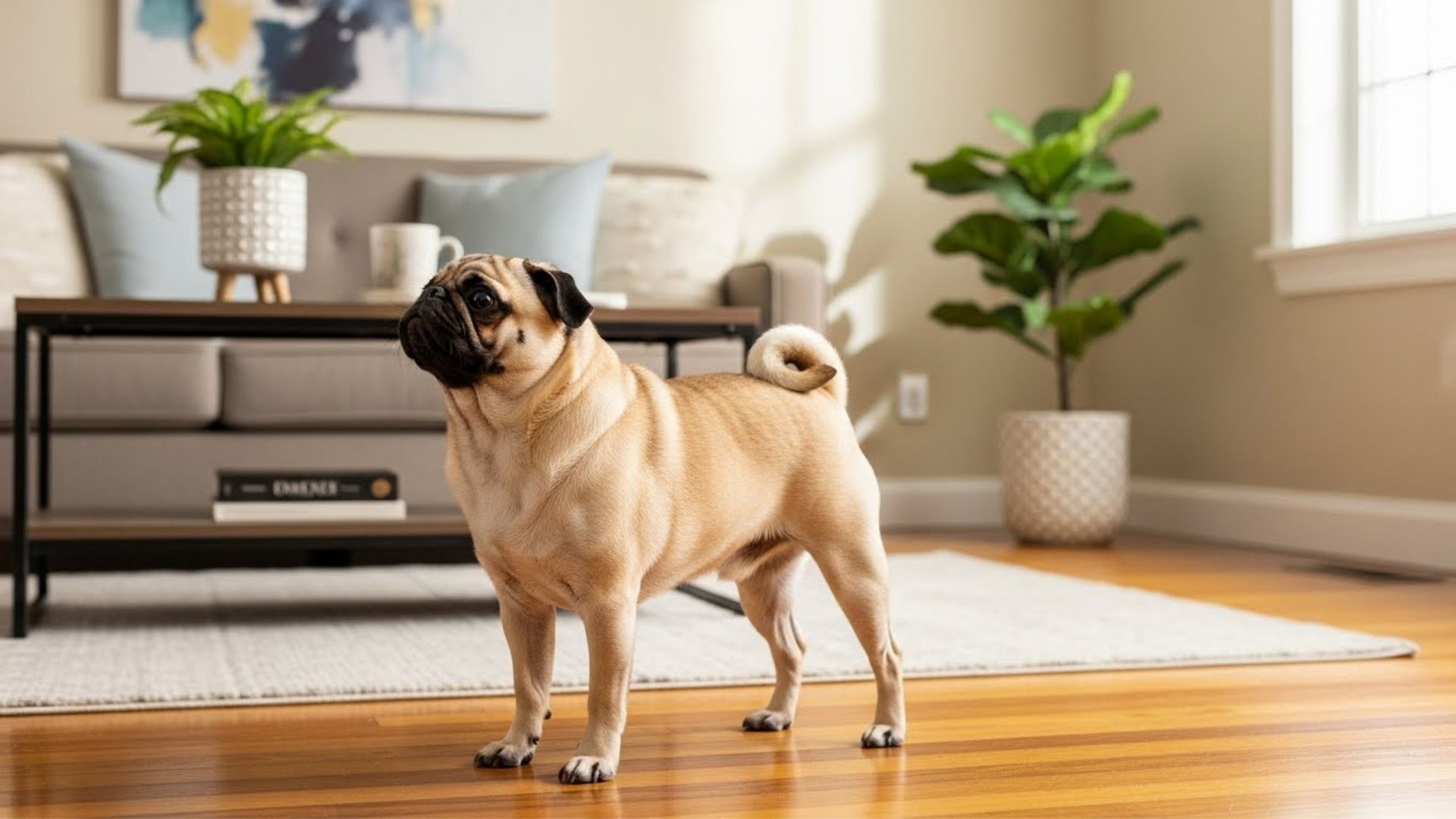
Small home, big heart, and a tiny tail that changes everything.
If you live in apartment buildings, you already know the vibe. So picking dogs for apartment living is not about looks alone. It is about comfort, calm routines, and a dog that can handle apartment living without drama.
“Teacup” is not an official category. It is an unofficial label for very small versions of toy breeds, often bred to stay under about 4 to 6 pounds. That tiny size can come with higher health risks when breeding is careless.
Today, you will meet small dog breeds that include 7 small dogs that can be well-suited to indoor life, with proper training, gentle handling, and a little planning for small spaces.
Their life span often sits around the low teens, but it varies a lot by line and care.
Teacup Dog Breeds: Ideal for Apartment Living With Limited Space
1. Papillon
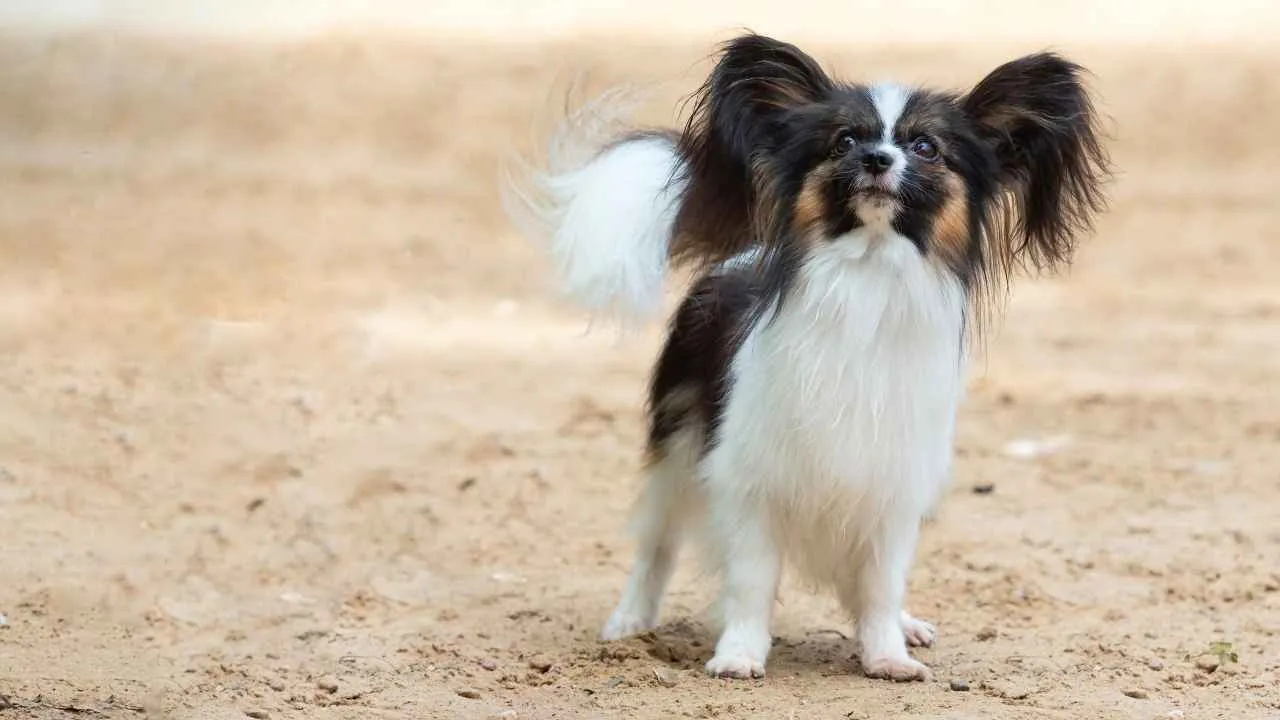
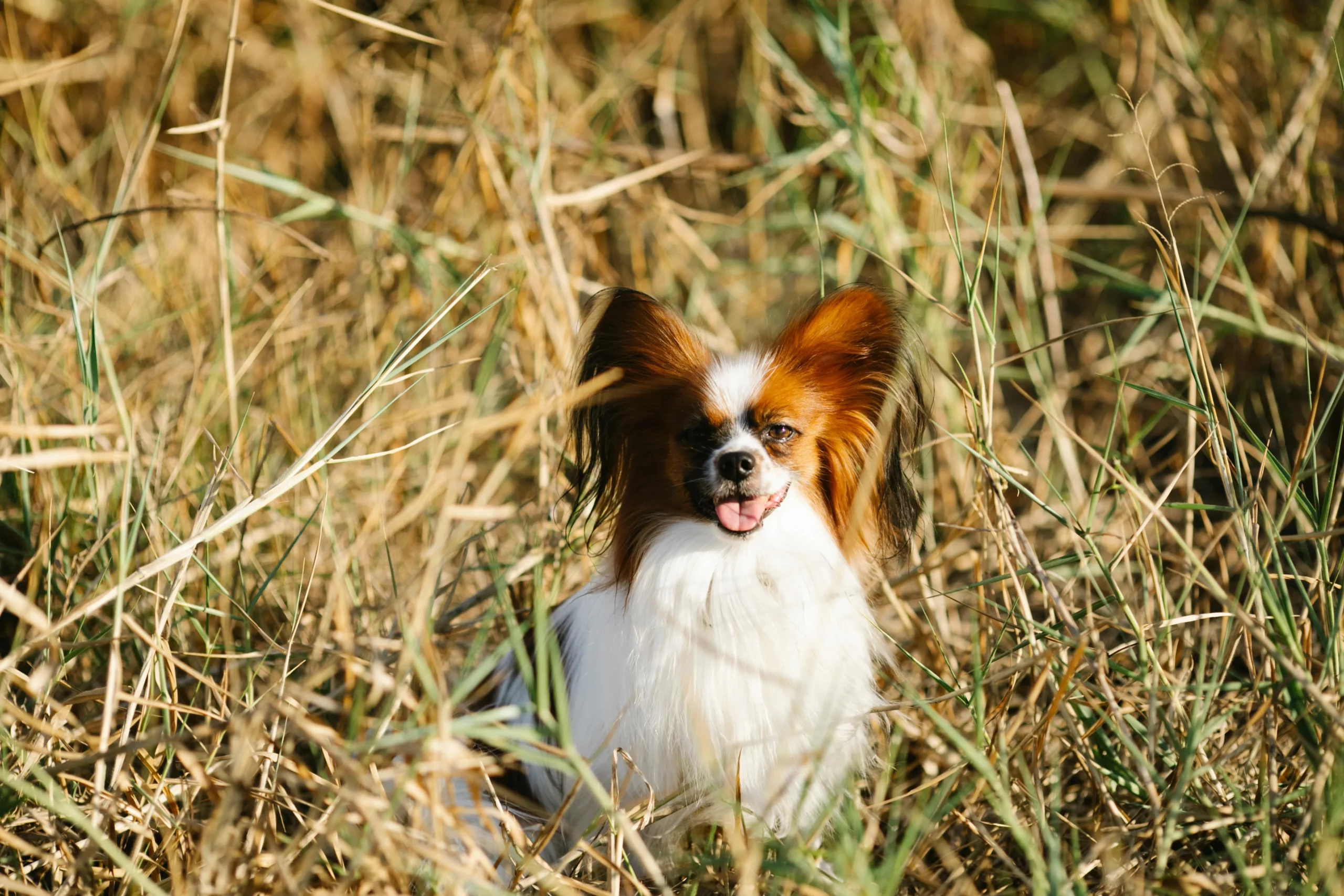
Papillons look fancy, but they are not fragile little ornaments. The American Kennel Club describes the Papillon as quick, curious, happy, alert, and friendly. That mix matters for apartment living because you get a compact size without a dull personality.
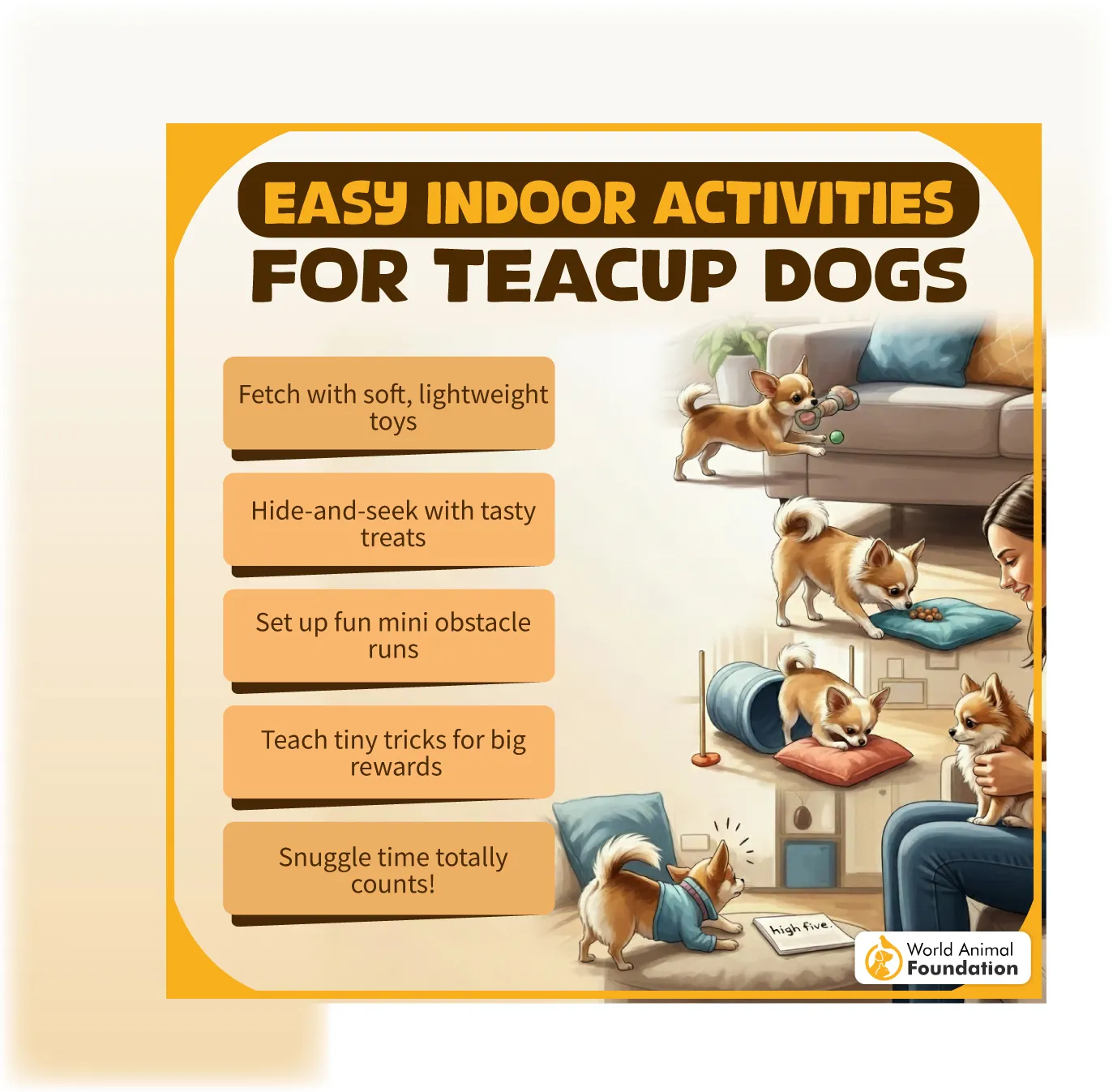
They can learn fast, and they often enjoy puzzles and games, which helps a lot when you are stuck inside on a rainy day. Their life span is often long for little dogs, so good habits pay off for years.
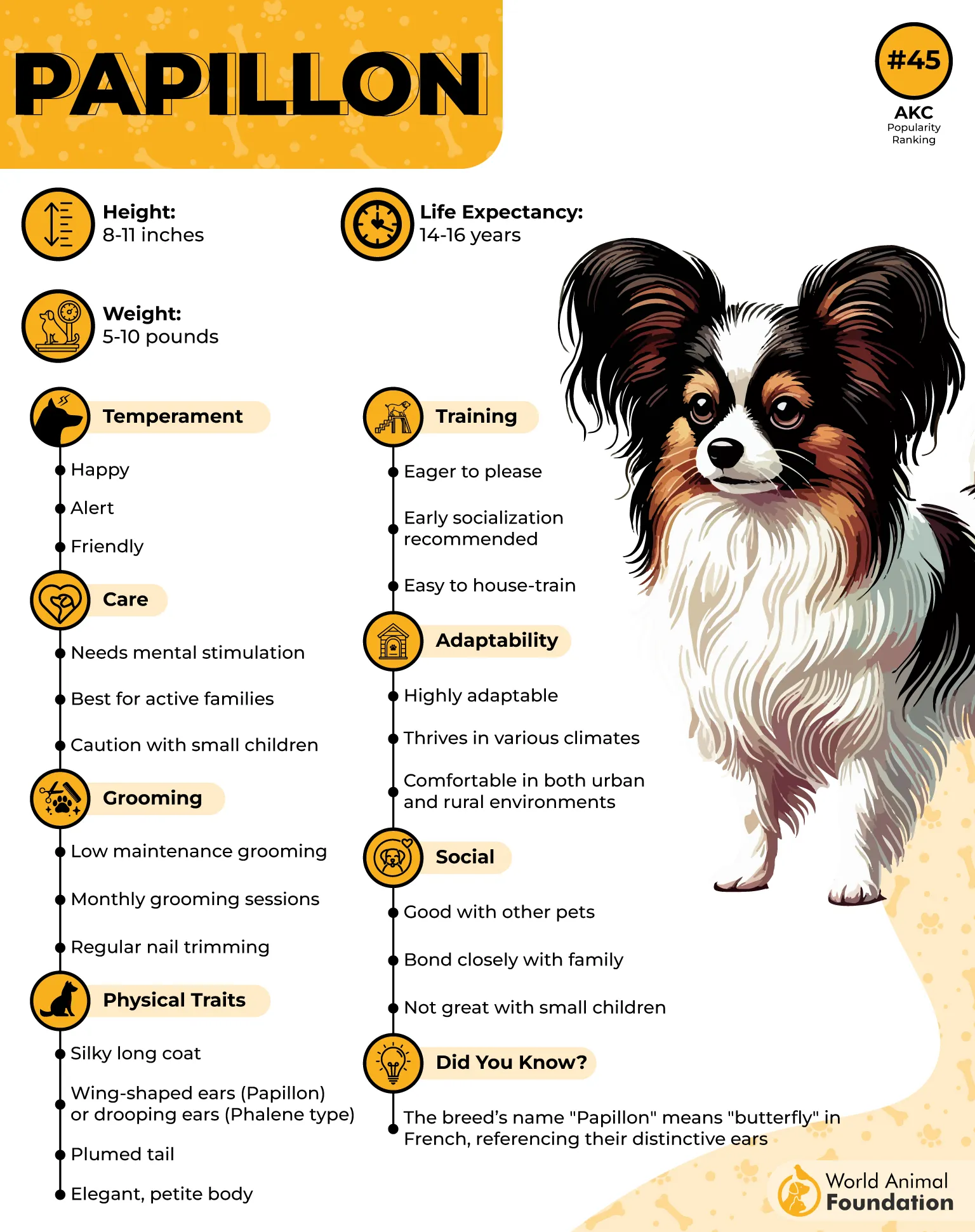
Here’s the best part. A Papillon can be a great family dog, making them one of the smartest breeds when everyone respects the dog’s small stature. A short walk plus indoor play can go a long way, so you do not need much exercise to keep them content. They also tend to do well around other pets when introductions are slow and kind.
The Papillon is already a tiny dog. So when someone tries to sell a “teacup” Papillon, it is a big red flag. Some sellers push teacup breeds by shrinking dogs further than is healthy, which can mean more health problems.
Not everyone should chase the smallest possible dog. Your goal is a safe, lively buddy, not a glass figurine.
Apartment Tip
Use treat puzzles for daily mental stimulation.
Practice quiet greetings so the “watchdog” side stays polite.
Pick soft toys over rough play to protect small joints.
2. Pomeranian
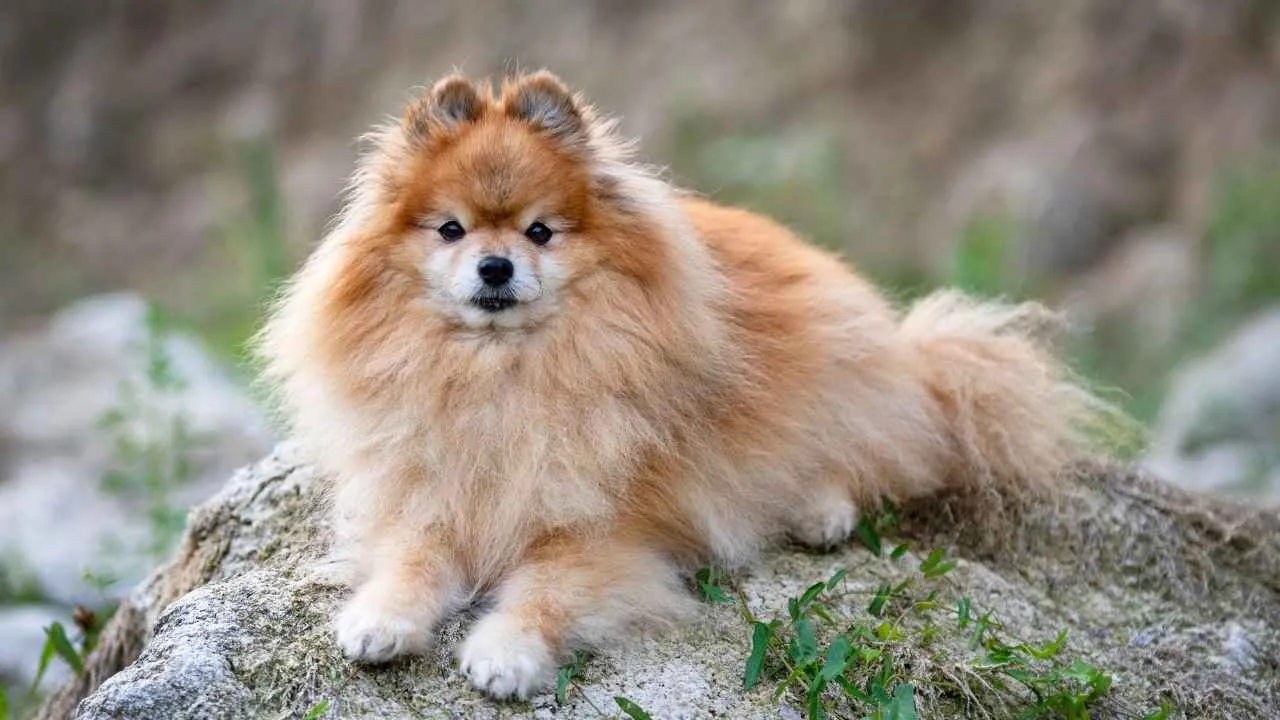
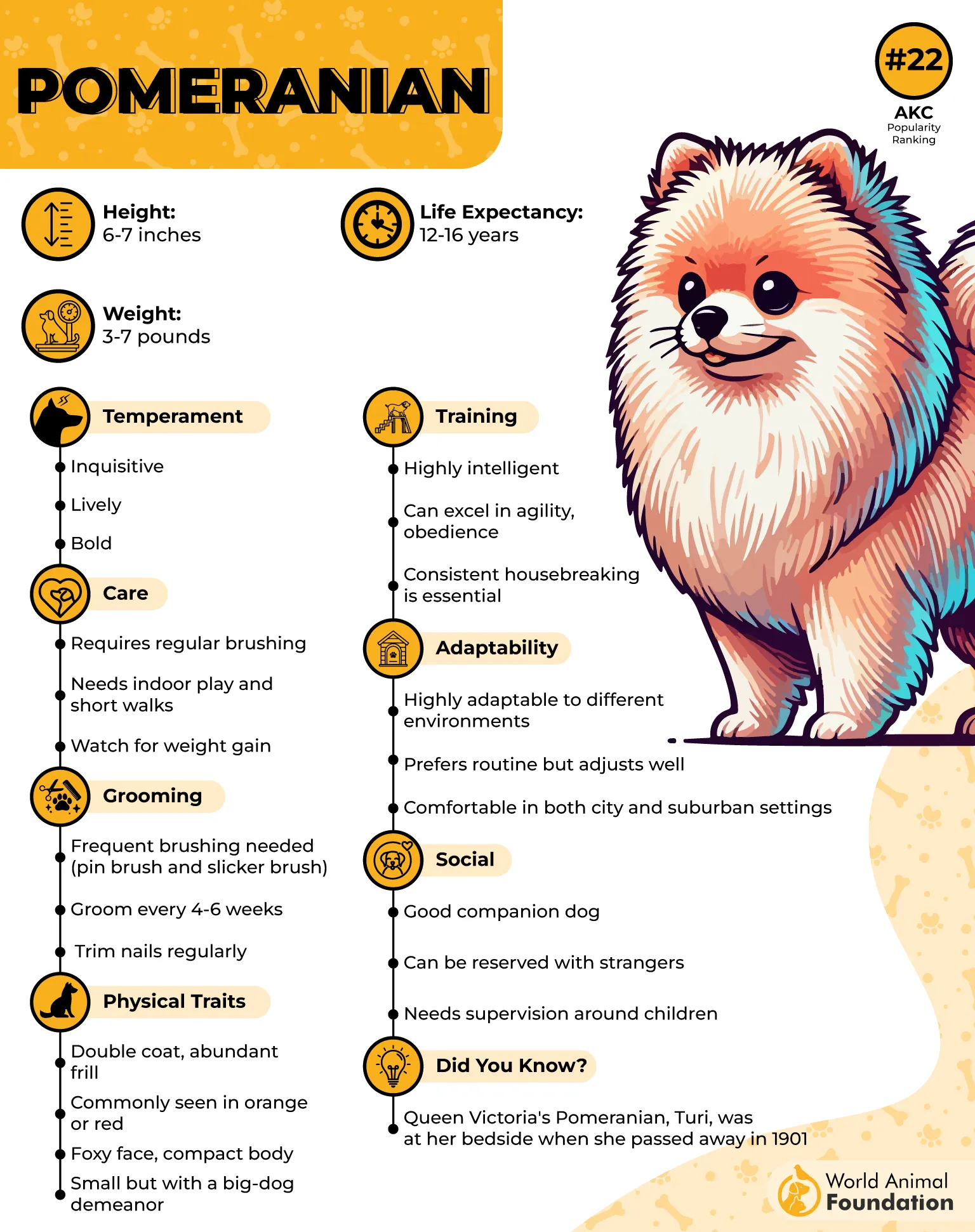
Pomeranians are famous for their fluffy looks, but their story is wild. They were originally bred for bigger work, including herding and pulling, and older versions could be far heavier than today’s pocket cuties.
Modern Poms are small dogs, and small dogs like this can surprise you with bold hearts, and that confidence can be perfect for apartment dwellers who want a lively shadow. The life span can reach into the teens, which is great if you want a long-term sidekick.
A teacup label shows up a lot with this breed, and it often gets mixed up with toy dogs, mostly because people love the idea of a purse-sized pal.

It can get even worse, though, if the breeder pushes size over health. Unethical breeding practices raise the risk of medical issues, so animal welfare should be part of your decision.
In daily apartment life, a Pom’s biggest challenge is often the mouth. They can act like tiny security guards and turn into yappy dogs if bored, as mentioned by Britannica.
A bit of proper training helps you keep barking in check, especially in apartment buildings where noise travels. Keep routines steady, add short walks, and do indoor games. When that brain and body get a job, the drama drops.
Apartment Tip
Teach a “quiet” cue before the first complaint letter.
Give moderate exercise through hallway fetch and short walks.
Brush often; that fluffy coat loves to shed.
3. Poodle
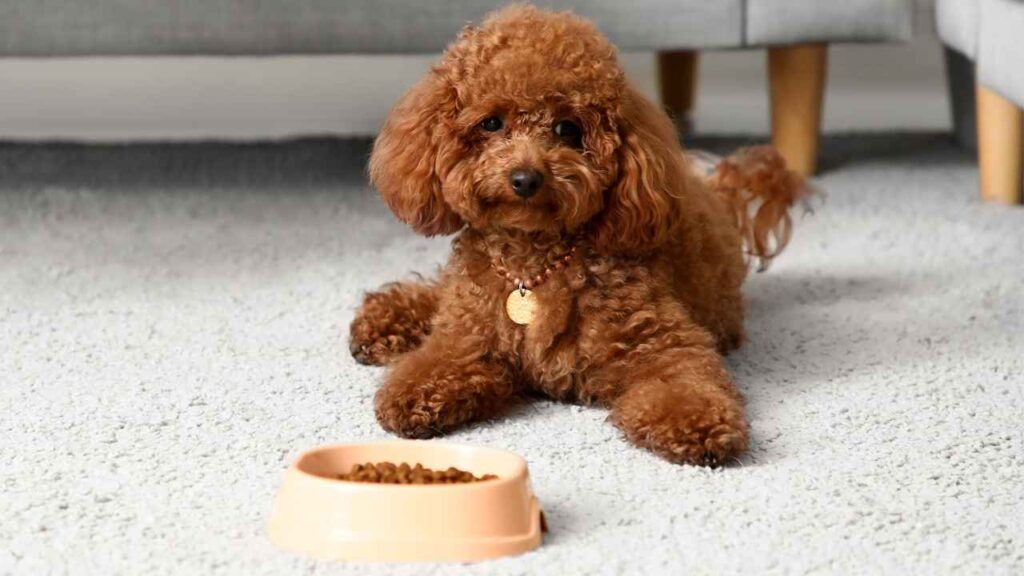
Poodles are the nerds and athletes of the small dog breeds world. Poodles are praised for their intelligence, athleticism, and sociability, and they are said to make amazing family dogs.
If you want one of the best dog breeds for city living, the Toy Poodle often fits, because they can learn rules fast and enjoy people time.
Teacup Poodles are often described as around four pounds, while standard Poodles can be many times larger. With the tiny ones, you need careful handling and smart setups like ramps to couches. In confined spaces, even a small fall can be a big deal.
Poodles shed less than many breeds, so your vacuum gets a break. That can help in small spaces where hair builds up fast. Just remember that low shedding does not mean low care. Curly coats need regular trims and gentle brushing.
Also, Poodles can get bored and talk back with barks if you skip playtime. Give them games, training, and moderate exercise needs, and you will see why so many people call them loving companions.
Apartment Tip
Teach elevator manners if you live in tall apartment buildings.
Rotate toys to keep curiosity high.
Keep grooming on a schedule; curls tangle fast.
4. Shih Tzu
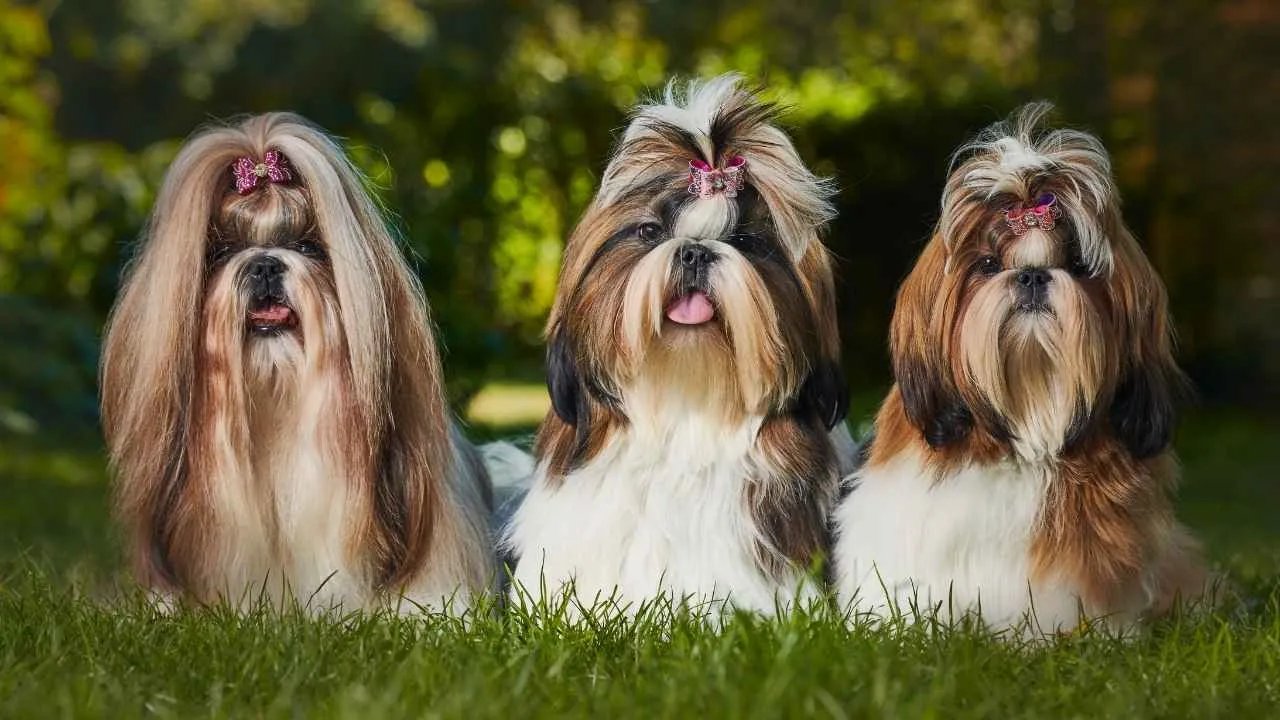
The Shih Tzu has a reputation for being a little diva, and honestly, that is part of the charm. Shih Tzus are affectionate and want to be near you, with a long, flowing coat and a playful, loyal vibe.
That “stick close”, gentle nature can feel amazing in apartment living, because you get a pet that is happy with indoor life and couch time.
Still, the face shape matters. Their flat faces can make breathing and overheating issues more likely, so do not overwork them. Keep walks short, go out in cooler hours, and use indoor games instead of much exercise. Your shih tzu will still have fun without turning into a tiny furnace.
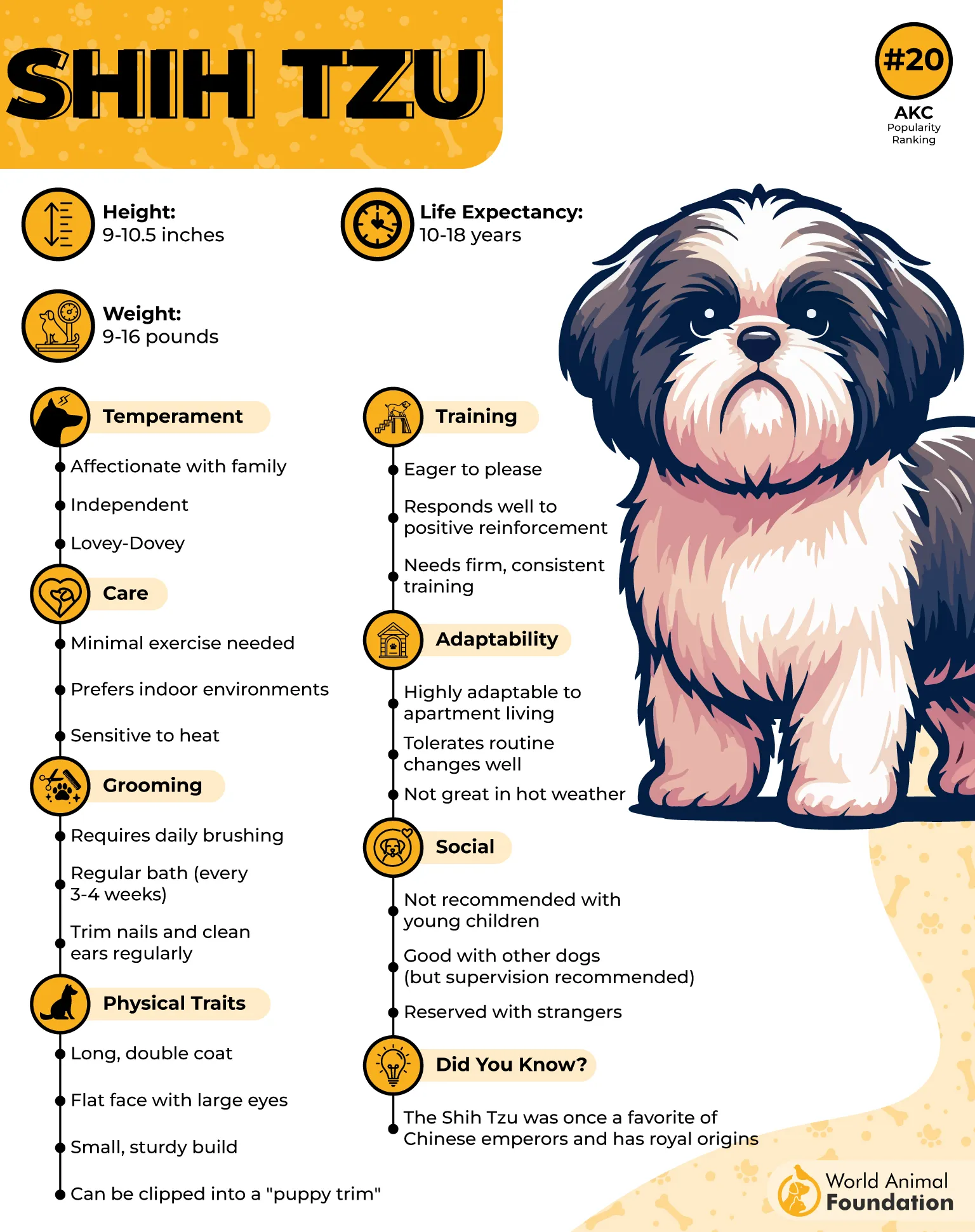
WebMD calls the Shih Tzu an affectionate and calm small-sized breed that builds strong connections, and says it does not need a lot of exercise.
But it also mentions they can be vocal and may need training. So yes, you can have a calm dog vibe, but only if you teach manners early. Early socialization helps, too, especially if you share hallways with other dogs.
Apartment Tip
Walk early or late to avoid overheating.
Keep the coat clean; a long coat mats fast.
Practice “quiet” and “leave it” for hallway surprises.
5. Russian Toy
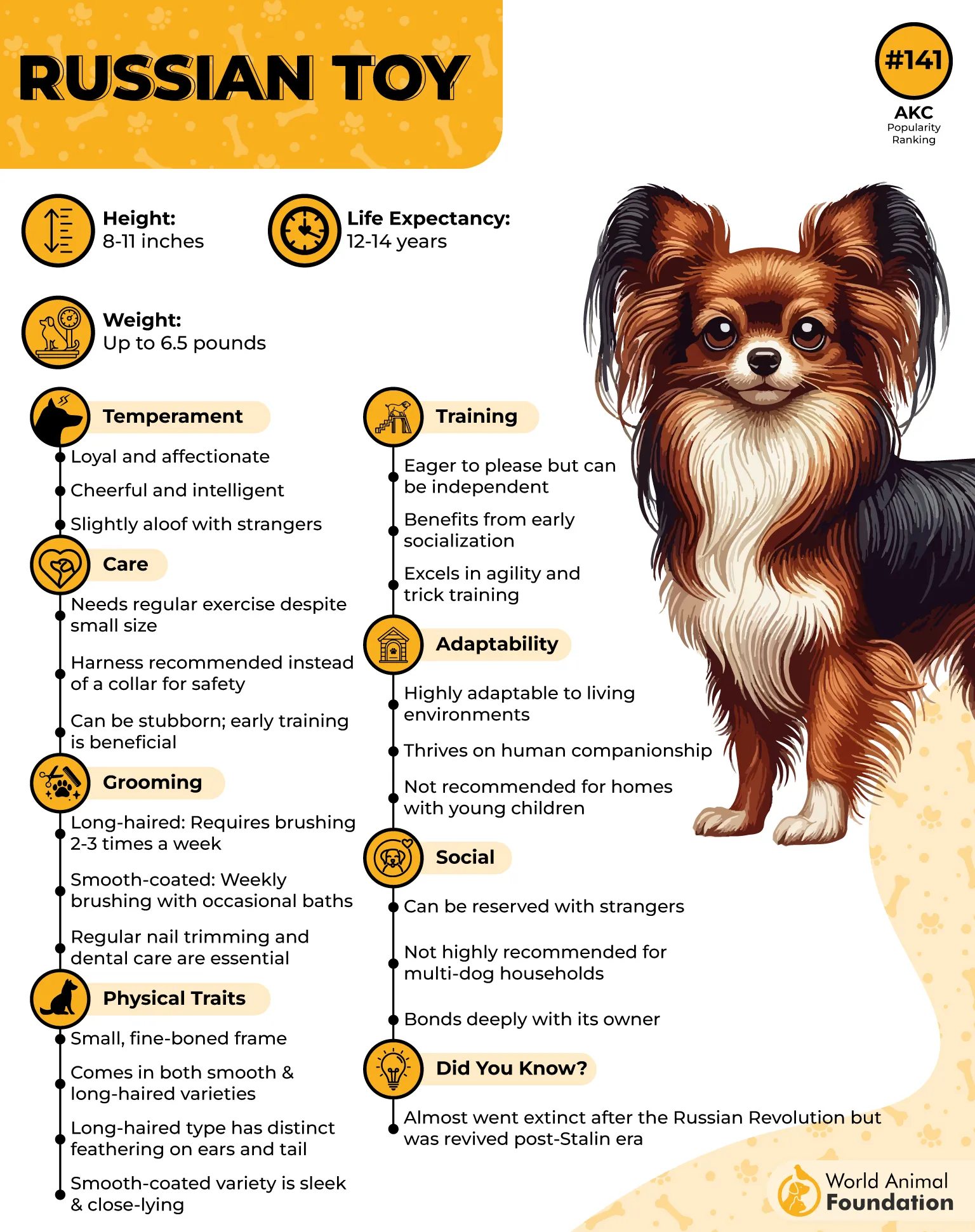
Some teacup dogs are made by shrinking runts. The Russian Toy is different. The Russian toy is a specific breed, naturally tiny at around six pounds, and not just a mini version created by extreme breeding. That is a huge plus for affectionate dog fans who want less risk and more stability.
They love to snuggle, and that makes them easy to live with in small spaces. But do not confuse “tiny” with “tough.” With fine bones, you still need careful handling. Avoid rough play, teach kids gentle hands, and use soft landings near furniture.
It gets even worse, though, if people try to market a “teacup dog” version of an already small breed. That is where ethical breeding practices matter.
Many vets and responsible breeders warn that breeding the smallest pups can increase genetic disorders and other health problems. So if someone is selling teacup puppies of this breed, ask hard questions. A healthy, well-suited dog is the goal, not the smallest possible body.
Apartment Tip
Use a harness; small necks deserve care.
Do short walks and indoor chase games for moderate exercise.
Socialize early so strangers in elevators are not scary.
Fun fact: This breed keeps a puppy-like spirit into adulthood.
6. Maltese
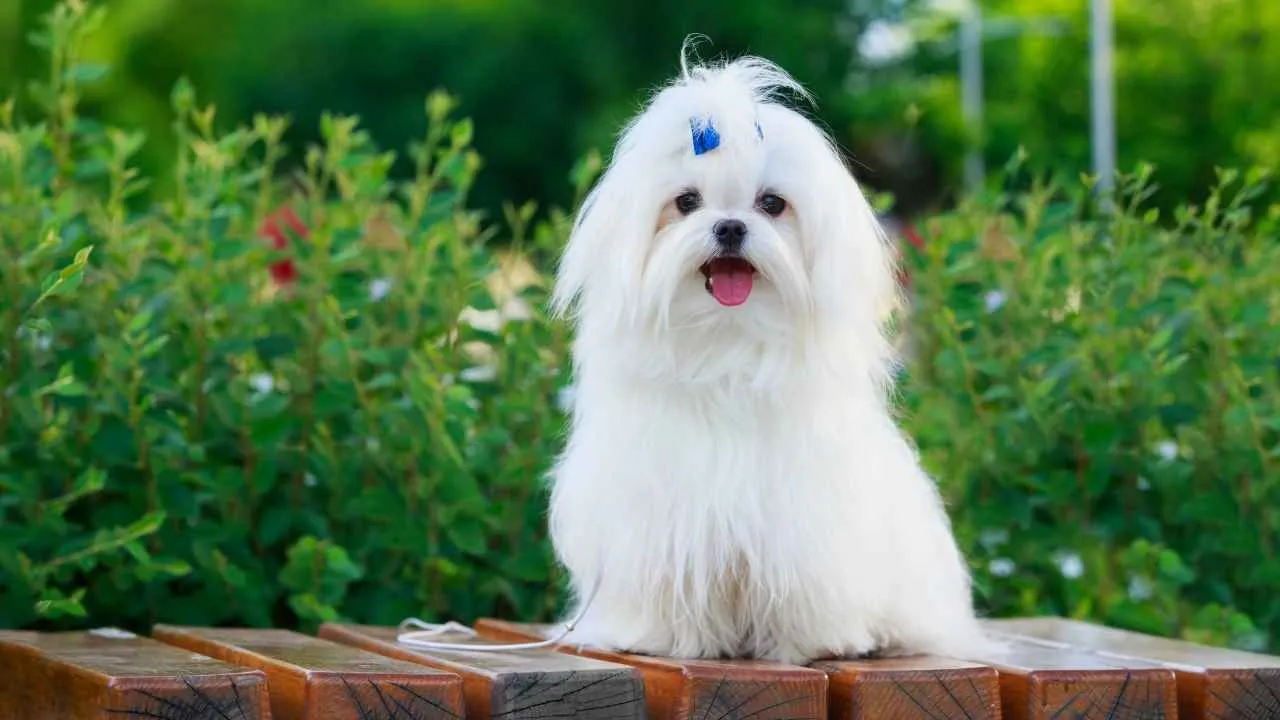
If you want soft, sweet energy, the Maltese is a classic. The Maltese is an ancient breed, and the teacup variety may weigh about 2 to 4 pounds. That is peak tiny dogs territory, which is why people love the idea of a teacup dog here.
Teacup Maltese are affectionate, playful, and highly adaptable for apartment living, with low energy levels and low barking. It says they only need a short walk or a play session to burn daily energy. That makes them great apartment dogs when you have a busy schedule and a small apartment.
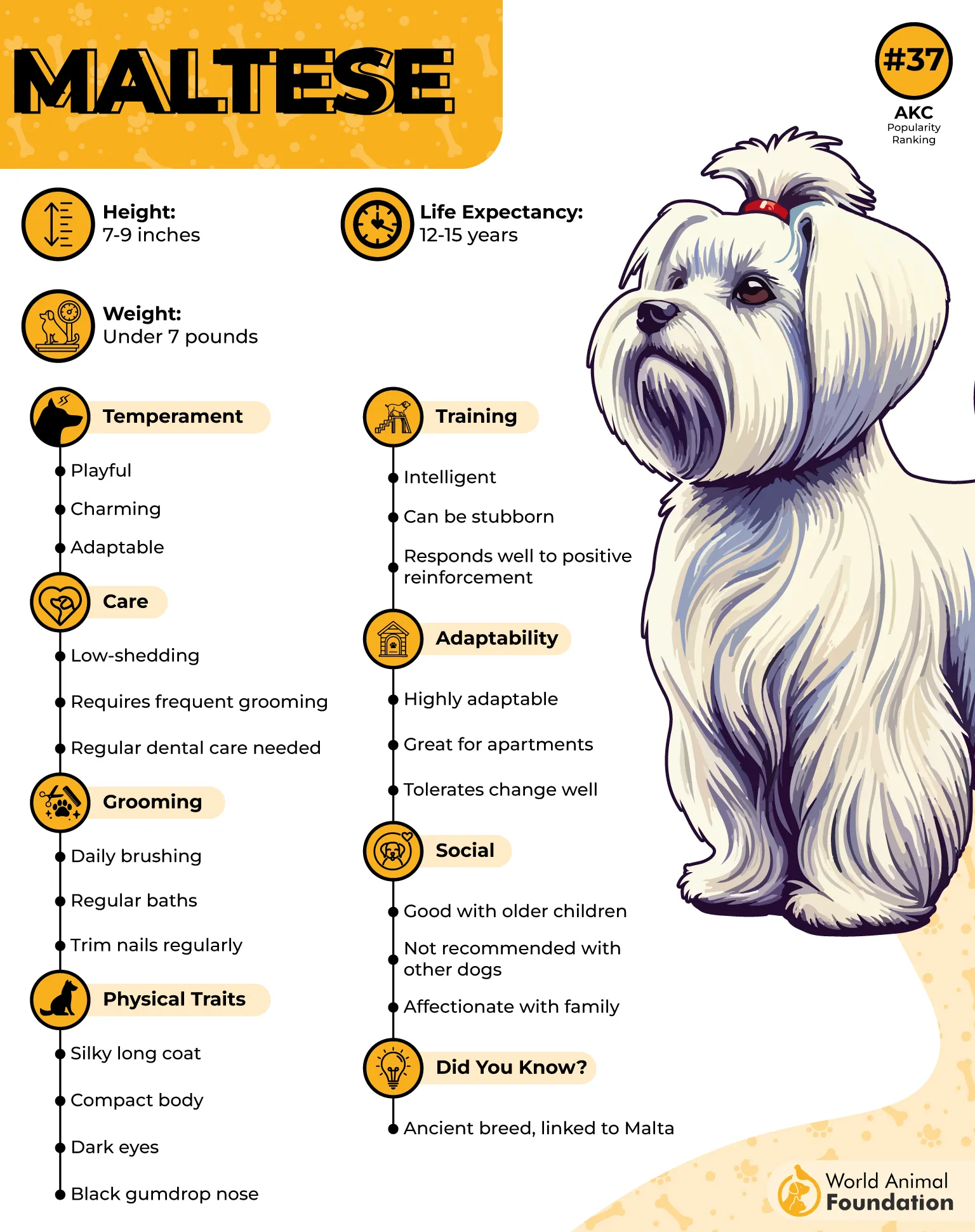
Now the real talk. Malteses can hate being left alone for hours, and they may get jealous of other pets, which can lead to noise. That is not a deal breaker. It just means you plan. Use crate training gently, keep departures low-key, and leave safe chew toys.
If you notice separation anxiety, take it seriously and build alone-time slowly. Your Maltese can bond strongly and form deep bonds with family members, but you want that bond to feel safe, not panicked.
Apartment Tip
Build alone-time in small steps to avoid separation anxiety.
Do daily grooming to keep coats clean and comfy.
keep food steady; tiny bodies can crash with low blood sugar.
Important note: “Teacup” sizing can mean higher risk, so choose health first.
7. Pekingese
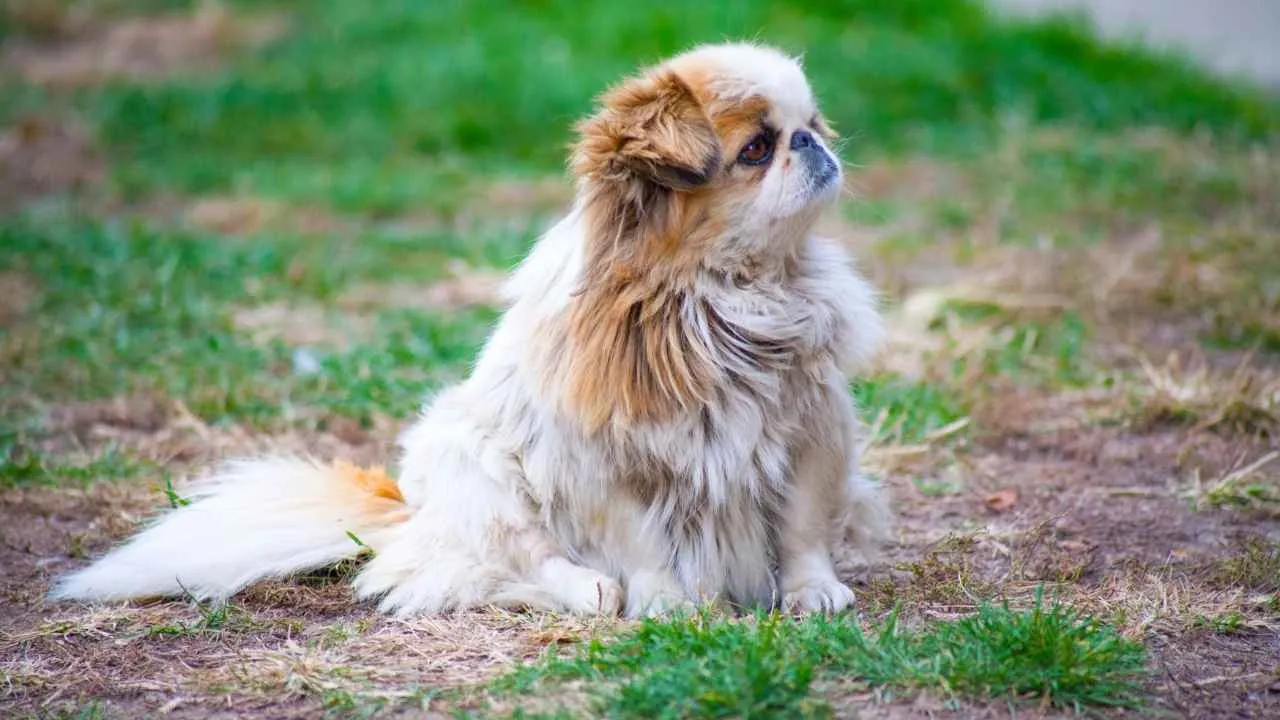
The Pekingese is basically royalty in a fur coat. The Pekingese is a toy dog breed originally bred to live among ancient Chinese royalty, and it is known for its lion-like “mane” and long hair.
The Pekingese are independent and quiet, needing almost no exercise, but they can be stubborn and need patience in training, plus daily brushing.
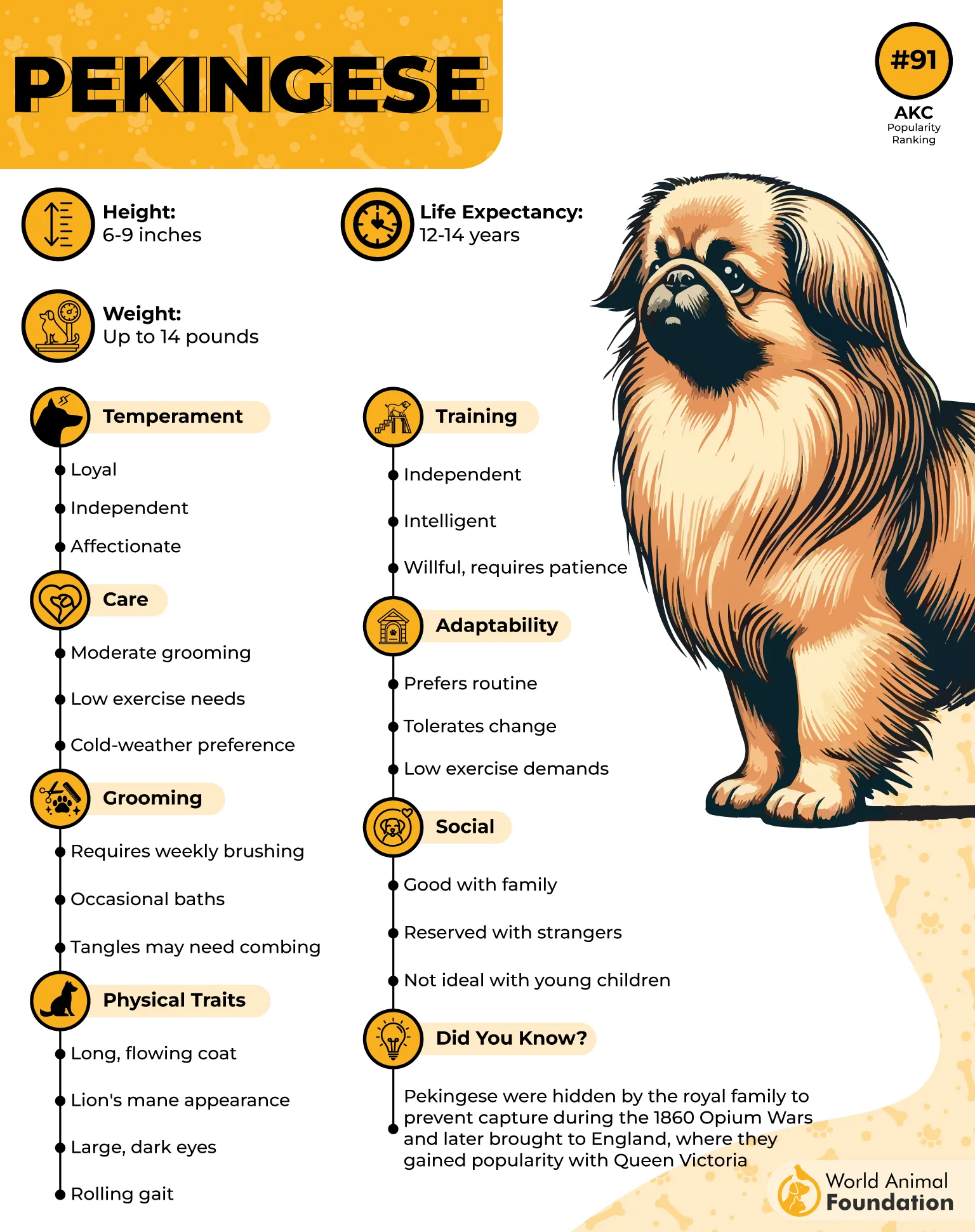
So yes, it can be perfect for apartment living, but not everyone will enjoy the “tiny boss” energy. If you want a pet that follows every command, this breed might test you. If you like a little sass, you might laugh daily.
Now, let’s talk about the teacup angle. The Pekingese is already small and has been bred for dwarfism, so “teacup” versions raise ethical questions. If a breeder is pushing extreme smallness, walk away. In small living spaces, a sturdier, healthy Peke is safer than an ultra-mini one with fragile bones.
Apartment Tip
Keep sessions short; train in small wins.
Brush daily to manage the long coat and shedding.
Use ramps; short legs and low bodies struggle with jumps.
Fun fact: They were called “sleeve dogs” because nobles carried them in wide sleeves
Conclusion
Choosing teacup dog breeds for apartment living is not a size contest. It is a health and lifestyle match. The best apartment dogs are the ones that can handle apartment life with steady routines, gentle care, and smart boundaries.
Teacup dogs can be adorable, but this label can also hide risky breeding, so animal welfare and ethical breeding practices should come first.
Pick one of these small dogs, plan short walks, add mental stimulation, and use proper training to keep noise polite in apartment buildings.
Even if you grew up around other dogs with floppy ears, these tiny companions need gentler routines. And when you choose with care, you get loyal dogs who feel like family.
