




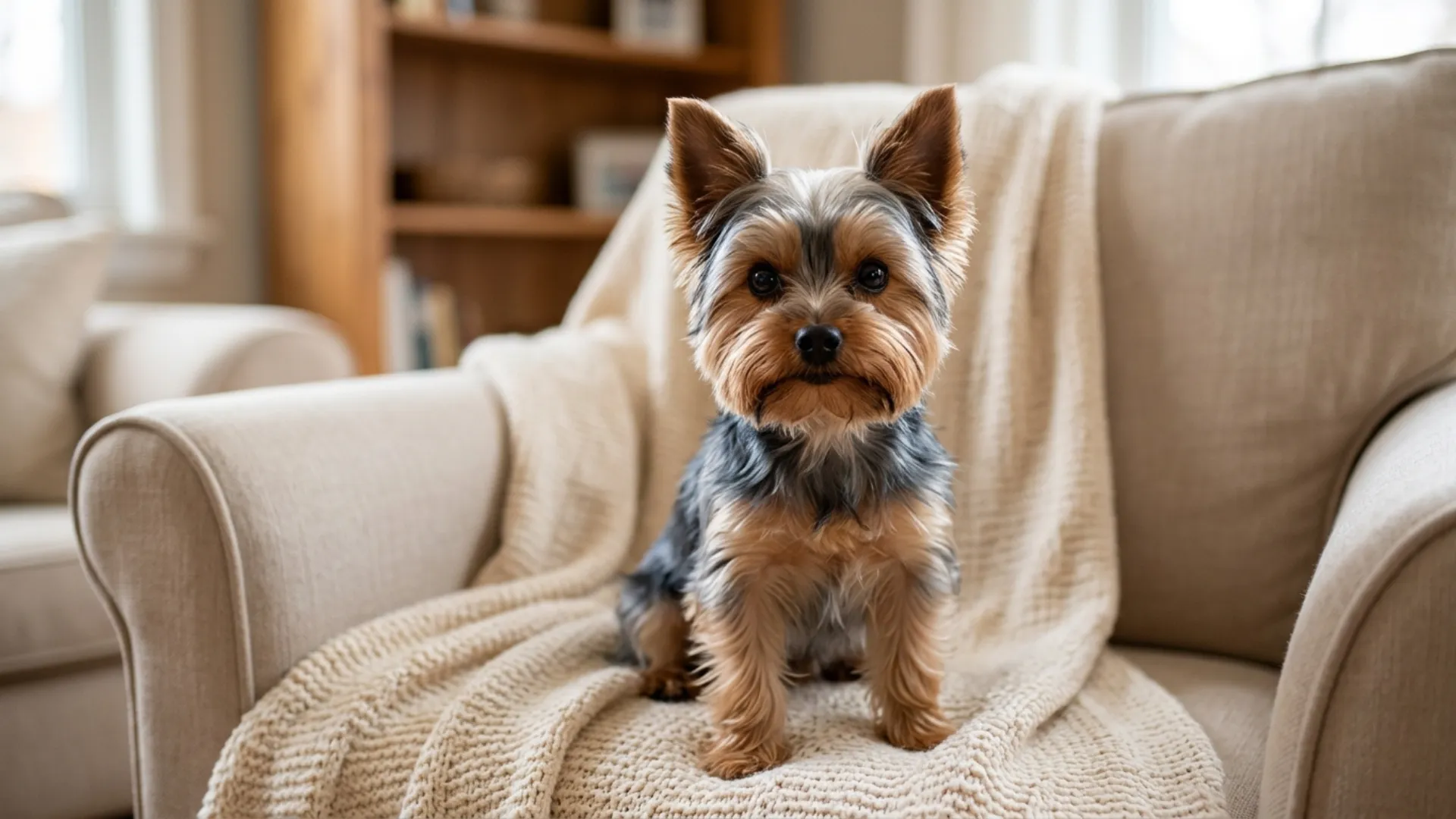
Some dogs may be small enough to fit beside your laptop, yet they can fill an entire home with personality. Tiny breeds often bring big affection, funny habits, and a strong need to stay close to their favorite person.
The good news is that the dogs on this list remain small even after they reach adulthood. That makes them a practical choice for apartments, smaller homes, and people who enjoy a close canine companion.
Still, “tiny” does not mean effortless. These dogs need training, exercise, grooming, and gentle care. As the saying goes, “Good things come in small packages.” In this case, the package may bark at the mail carrier, steal your blanket, and then look completely innocent.
Sweet Dog Breeds That Remain Tiny Forever
1. Pomeranian
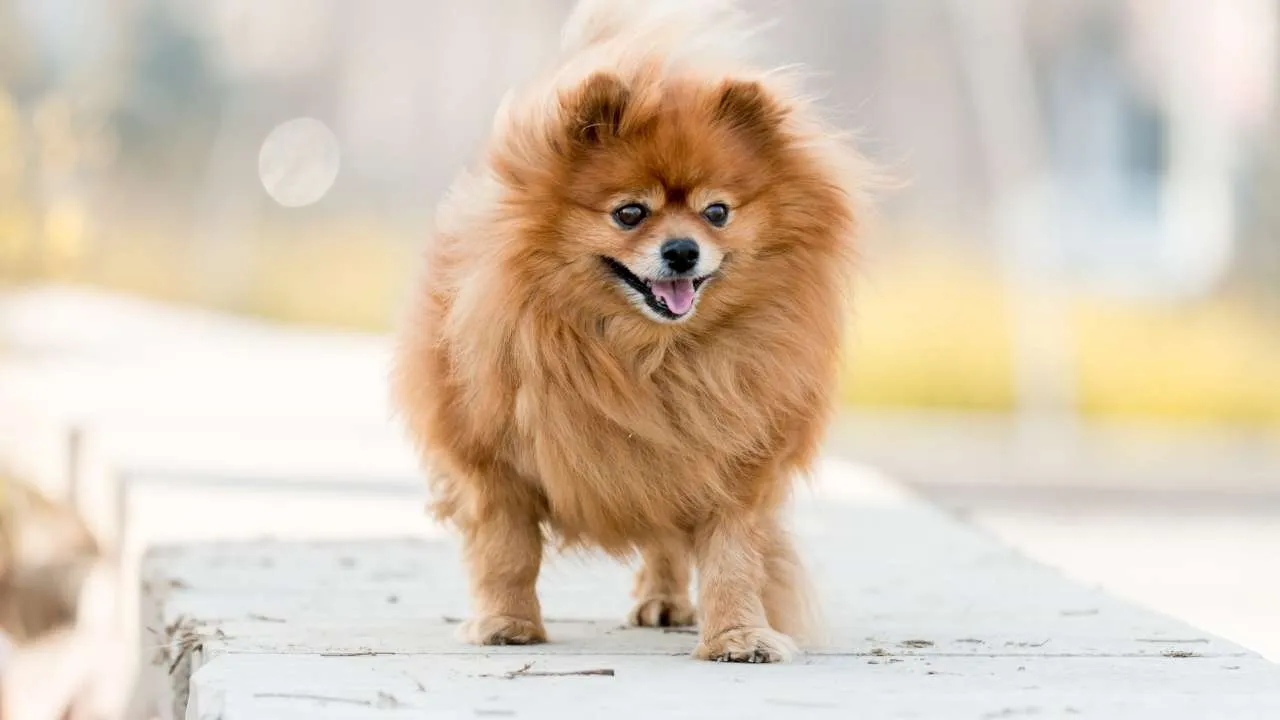
Also known as the Dwarf Spaniel, the small dog breed was originally bred in the Pomerania region between Poland and Germany. Descended from the German Spitz some 300 years ago, it became popular among the royalty, including Queen Victoria, and weighed around 50 pounds at that time, says WebMD.
The breed has a wedge-shaped fox face with a highly compressed muzzle and expressive eyes. The upright and high-set ears were designed to prevent heat loss in cold weather.
The puff-ball double coat creates a plush silhouette, giving it a teddy-bear appearance. The dog relies on human interaction and produces grumbling, whining, and soft purring for communication.
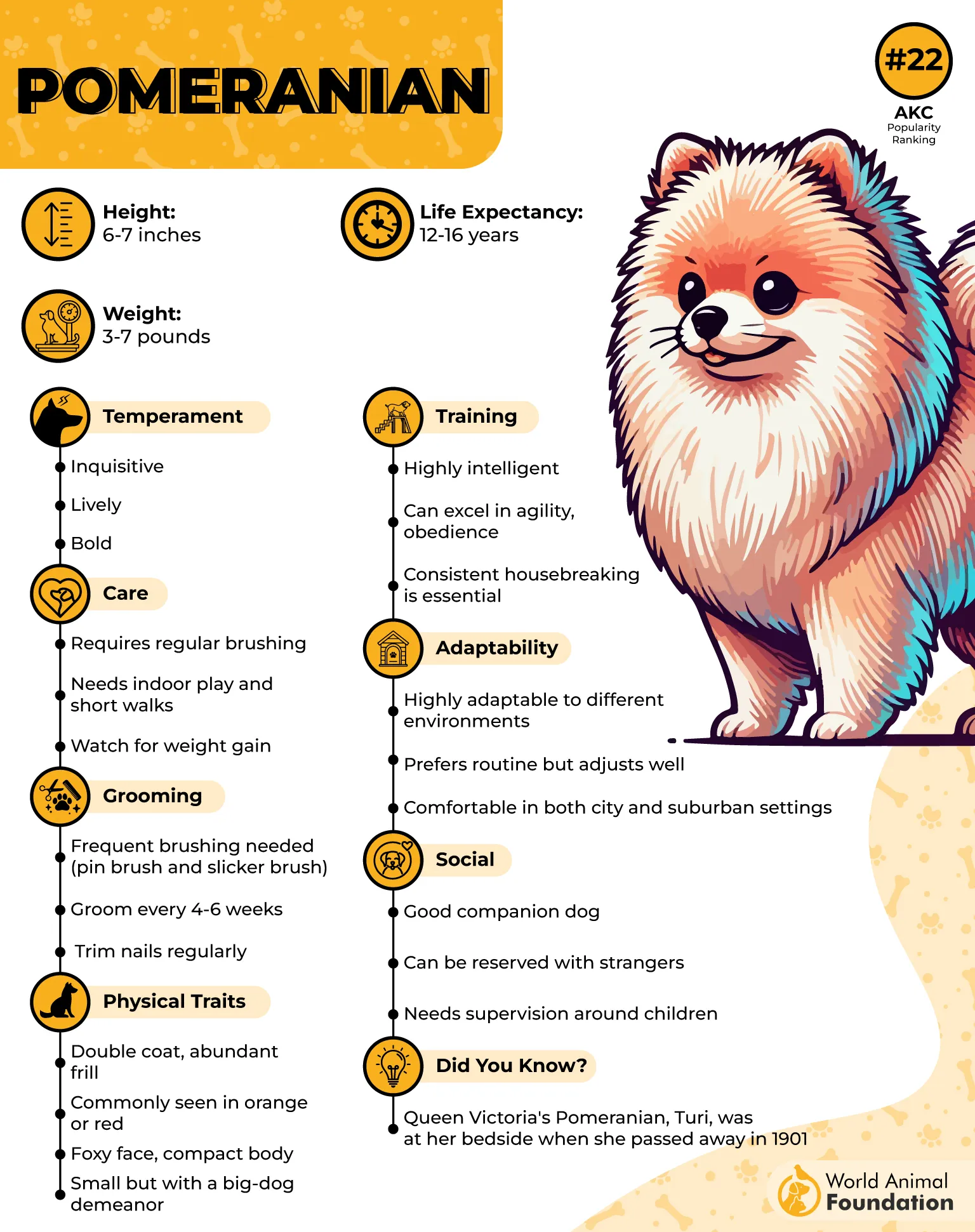
Overcrowded teeth may lead to early tooth loss and can be prevented with frequent home brushing. Weekly brushing is recommended, and daily brushing during the shedding season. Never use a human hair dryer after bathing.
2. Yorkshire Terrier
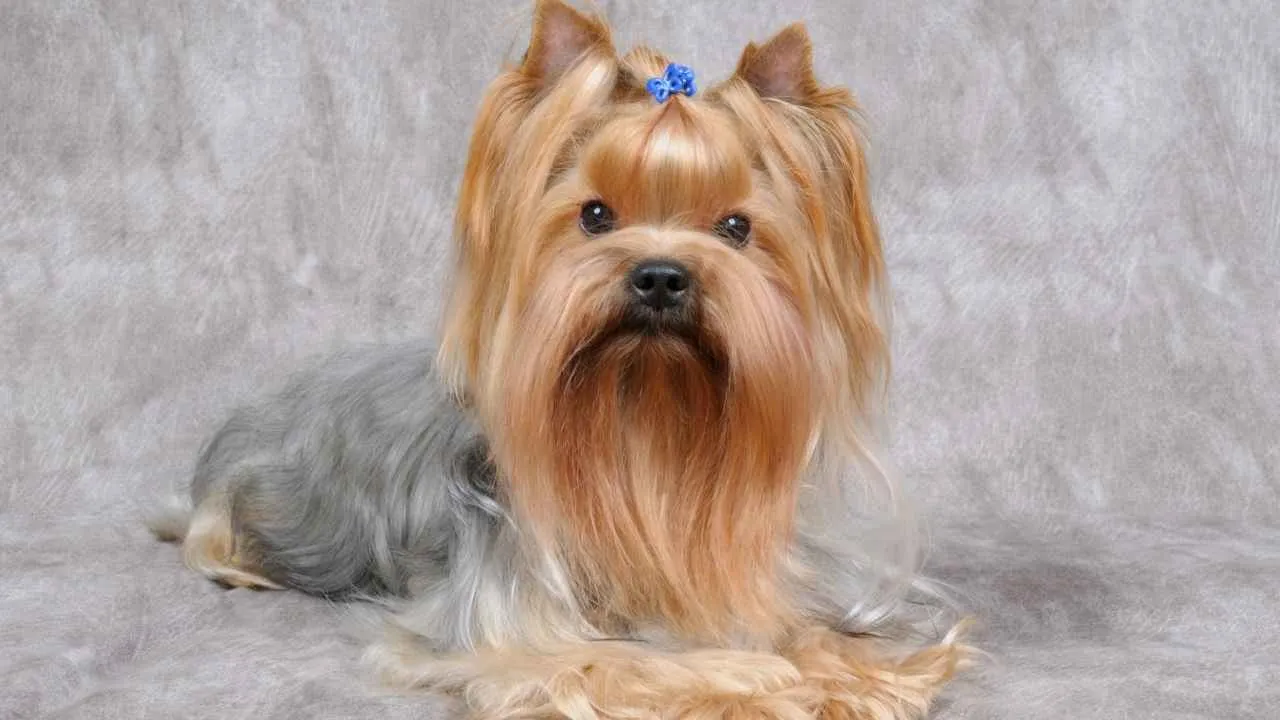
Also known as Yorkie, the dog was developed as a toy breed in England. Mostly kept as a companion dog, it was originally used to catch rats and rodents in cotton and wool mills. It is believed that the Skye Terrier and the Maltese have also contributed to the development of the breed.
The hypoallergenic, hair-like, single coat is the key feature that requires minimal grooming. The high energy level keeps a strong desire in the Yorkshire Terrier to play with toys. However, it is sensitive to cold temperatures and prefers staying indoors. The dog keeps its puppy-like nature into adulthood.
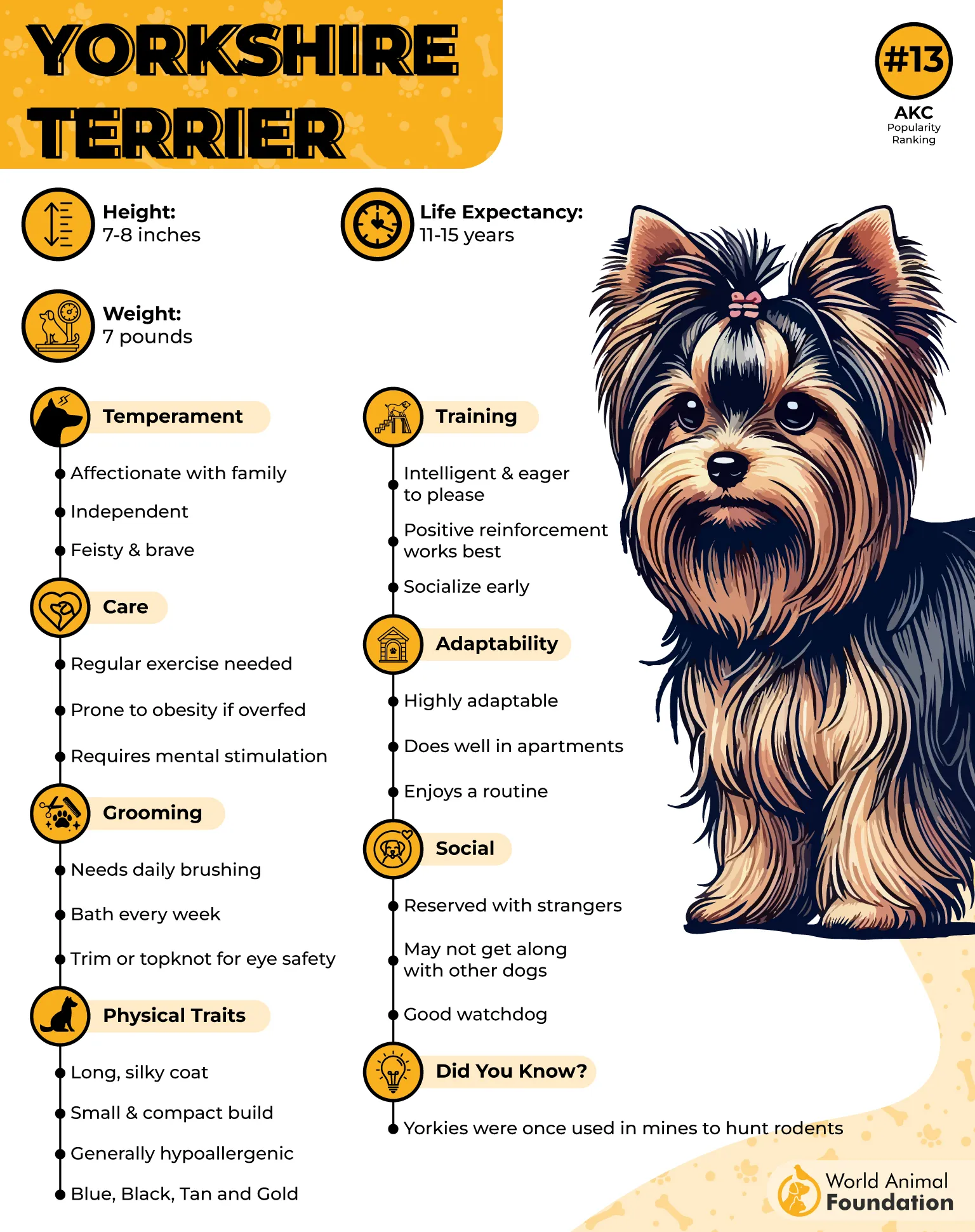
Despite its small size, it has an alert nature and tends to bark to notify the owner, making it a great watchdog. It has low-to-moderate exercise needs. Monthly baths and weekly brushing are recommended.
3. Toy Poodle
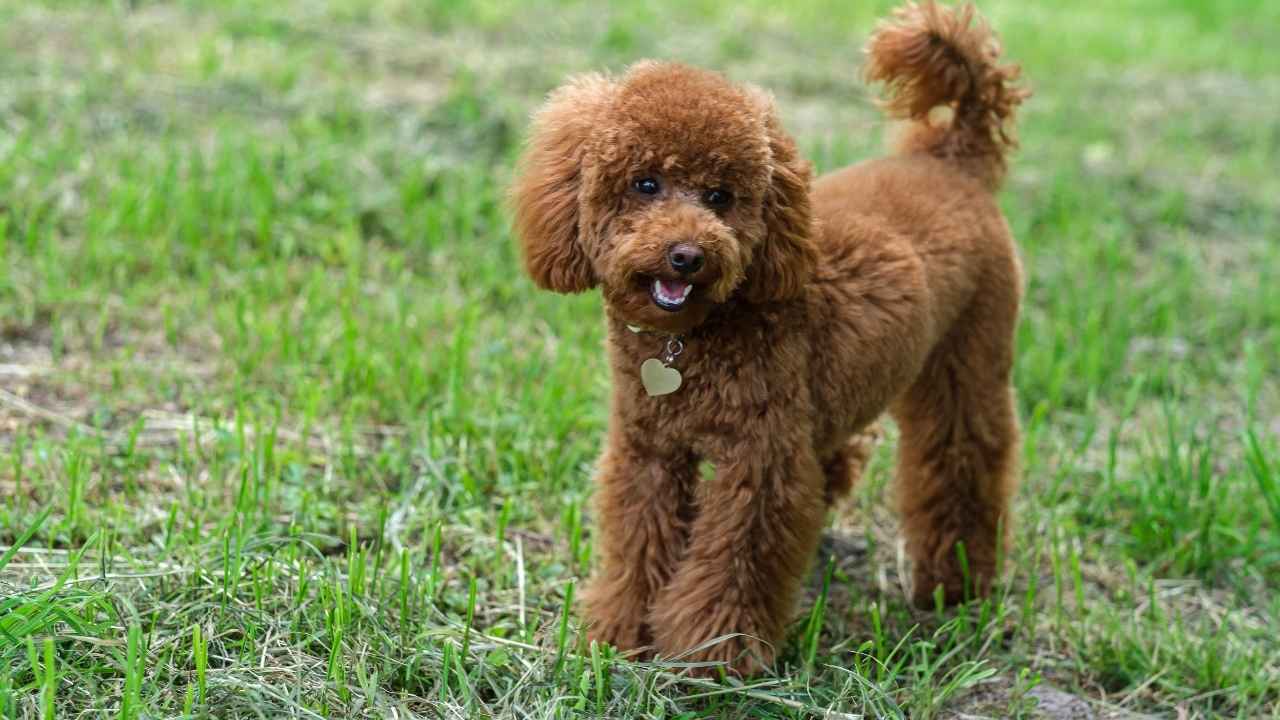
Both the Miniature and Toy Poodle are descended from the Standard Poodle that was developed for duck hunting. People were fond of its characteristics and wanted a smaller version. This dog was primarily used as a circus dog because of its high intelligence, biddability, and eager-to-please nature, as reported by Purina.

Known for its light and springy gait, the ‘Poodle Prance,’ the little companion tends to move on its hind legs, giving an expression of dance. It can live up to 10-18 years, giving you enough time to make strong memories. It has naturally low prey drive and can live in harmony with other pets.
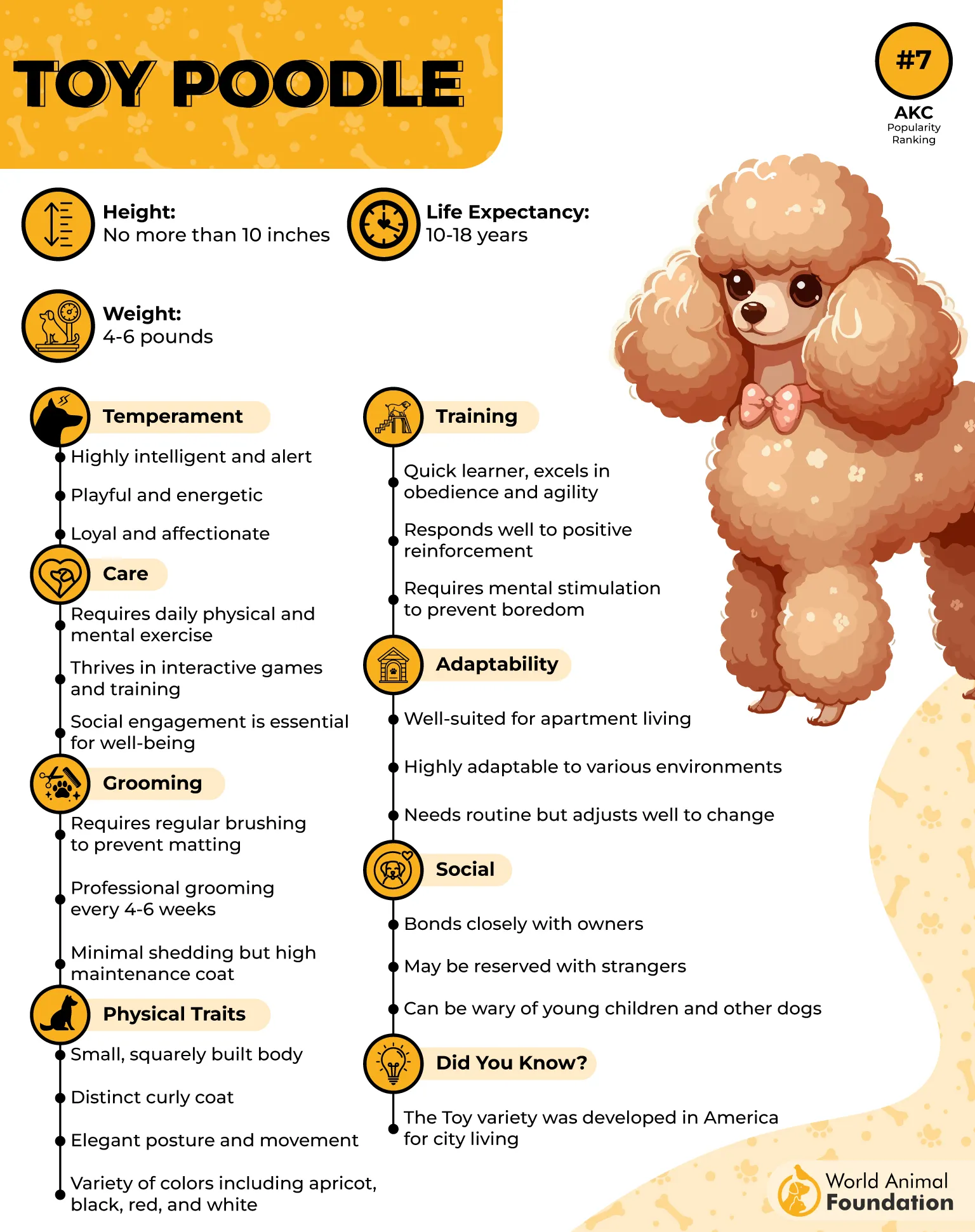
It needs a professional ‘sporting’ or ‘teddy bear’ cut after 4-6 weeks. Ear plucking and cleaning is required.
4. Maltese
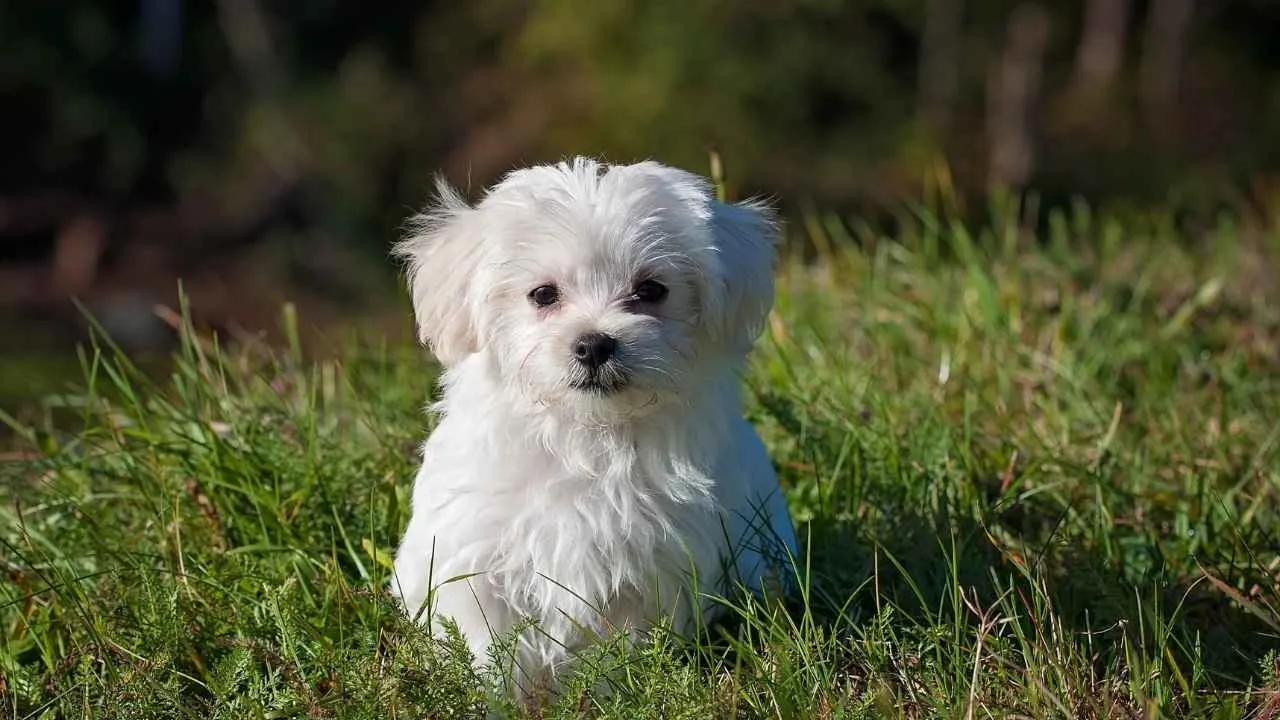
The ancient white dog was developed in Malta in the Mediterranean region. After the region was conquered by the Greeks some 2,000 years ago, it started being used in the ancient artwork on Golden Age ceramics. Soon, it became a royal symbol among Romans.
Because of neotenous facial features — the gumdrop nose, dark eyes, and round face — it naturally triggers cross-species nurturing from humans. Its high social intelligence makes it learn fun tricks to please people. The playful and affectionate breed lacks high prey drive, making it well-suited for compact spaces.
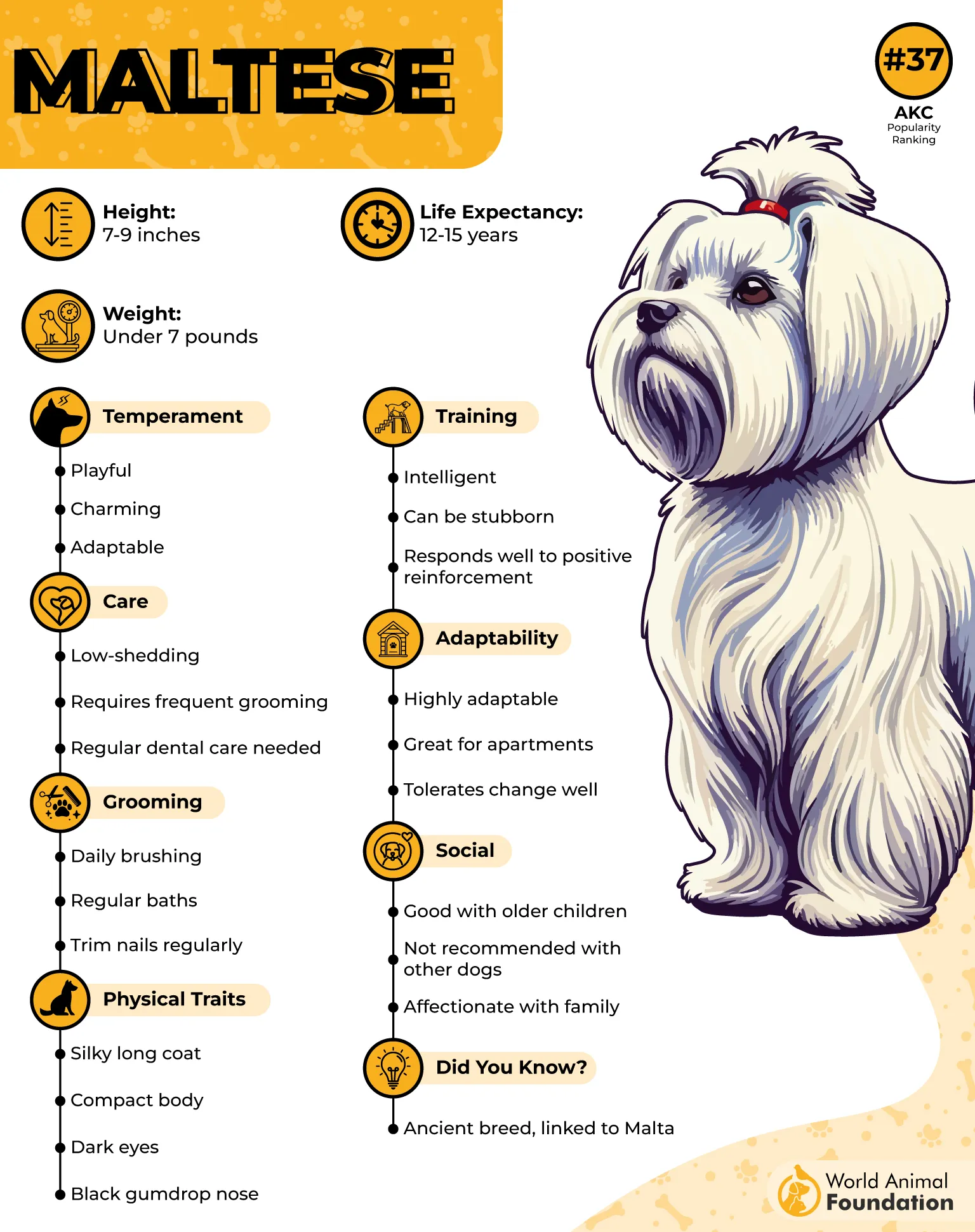
It uses its nesting instinct to burrow into blankets and laps. The zoomie tends to sprint in small and rapid circles and quickly burns its energy. The excellent watchdog thrives in scent games, snuffle mats, and trick training.
5. Chihuahua
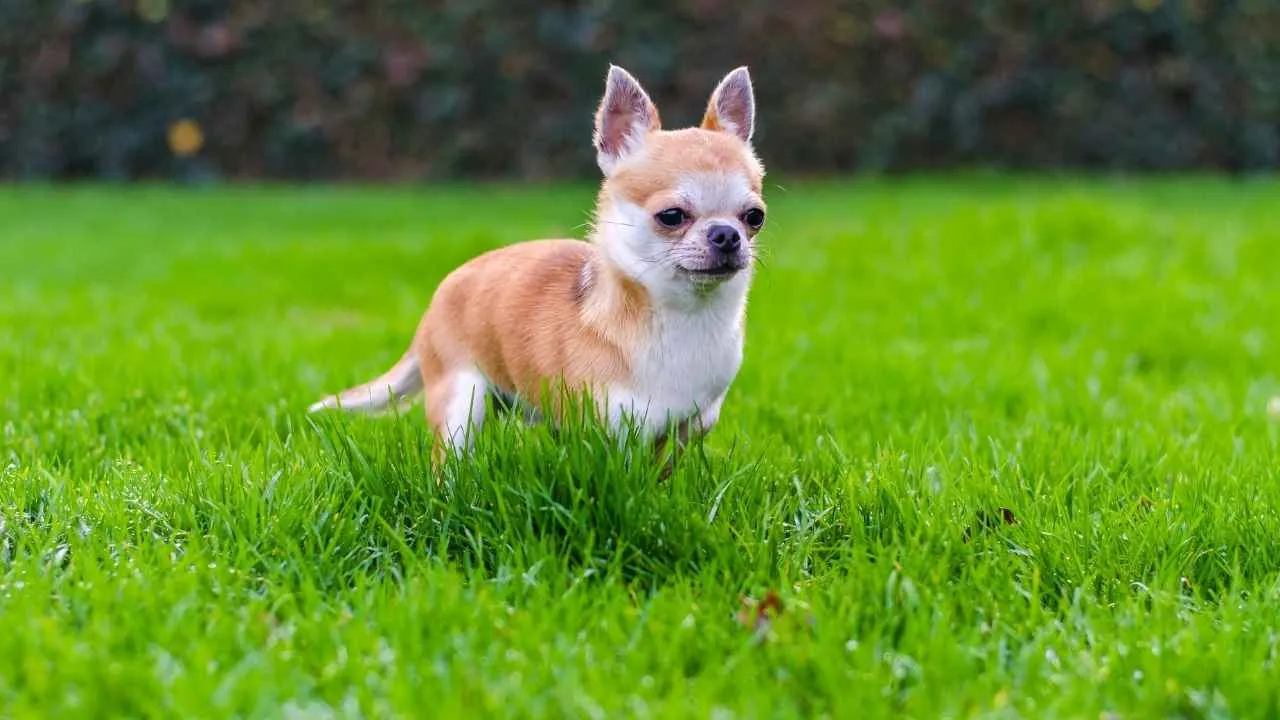
The intelligent and smallest dog breed was discovered in Mexico in the mid-19th century. Some people believe that the adorable breed has been used by Central American Indians for food. The dog arrived in America in the early 19th century, according to Hill’s Pet.
The head comes in two cute forms: the apple-dome (where the muzzle meets the forehead, making an angle of 90 degrees) and the deer skull (has a sloped snout and an angular face).
The highly trainable dog has a terrier-like ‘saucy expression,’ where it exhibits an alert and bold posture. Since it forms strong bonds with one primary owner, this makes it vigilant 24/7.
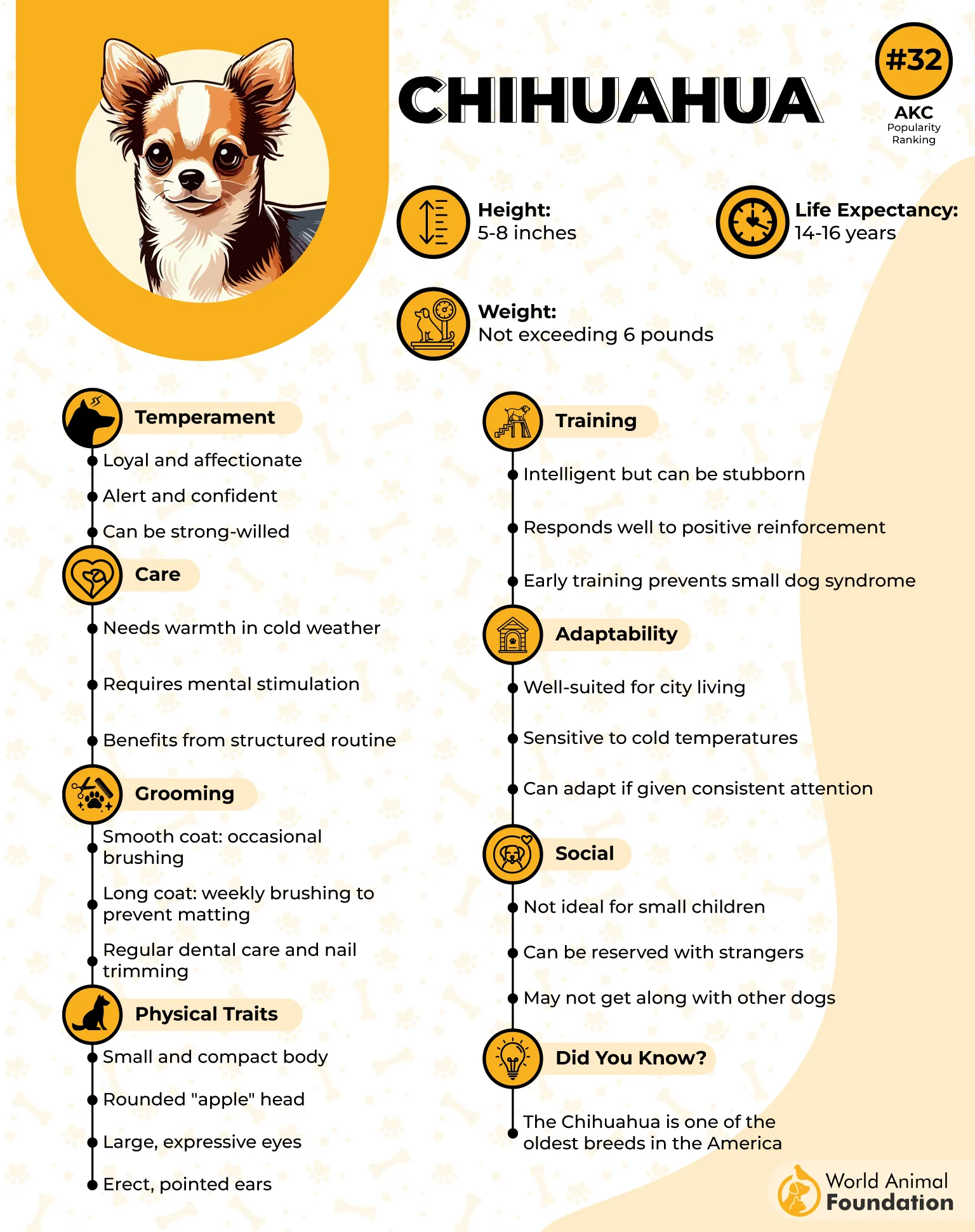
The tiny dog is sensitive to cold weather and loses heat quickly. The apple-skulled breed is brachycephalic and is prone to physical exertion. The dog thrives in indoor mental stimulation: hide-and-seek, scent work, puzzle toys, and trick training.
6. Toy Fox Terrier
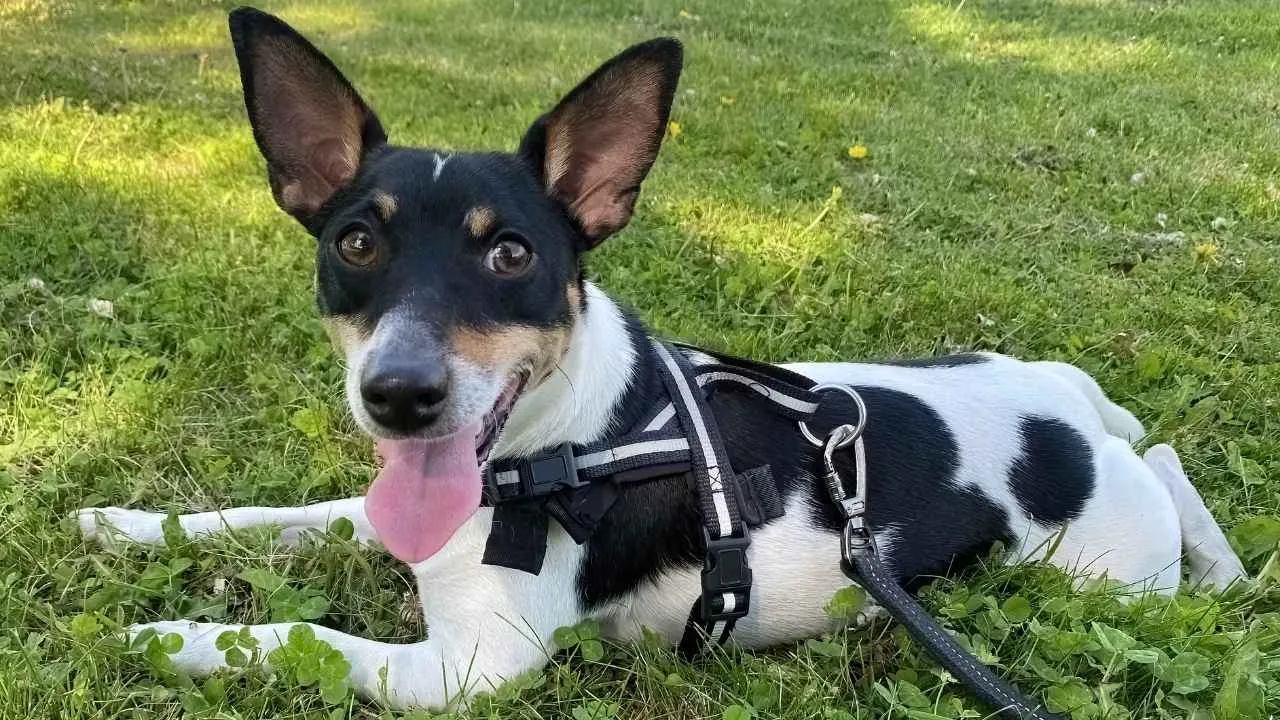
Closely related to the larger Smooth Fox Terrier, the dog was originally bred in England for fox hunting. It is believed to have developed by crossing Italian Greyhound, Chihuahua, and the runts of Smooth Fox Terrier. It was officially recognized by the American Kennel Club in 2003.
The high-set triangular ears act as acoustic funnels and can detect faint sounds. It uses head tilts, distinct body language, and small vocalizations to gain human attention. Since the small breed has low body fat and a single-layered coat, the TFT is sensitive to cold weather and consistently seeks warm spaces.
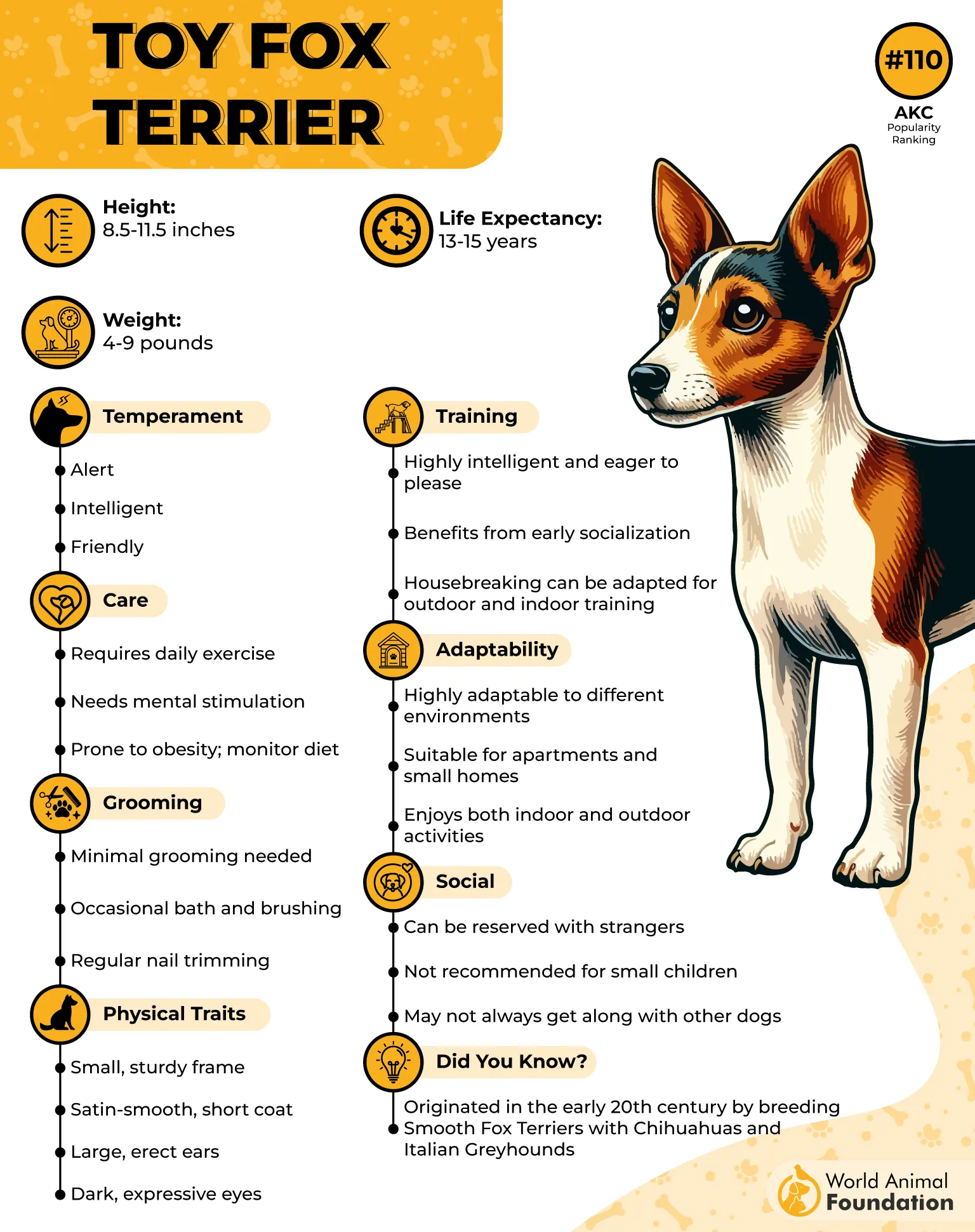
The active and athletic breed runs at the speed of 22 mph and excels in agility, obedience training, and flyball. The low-shedding coat has minimal dog odor and needs minimal grooming.
7. Pug
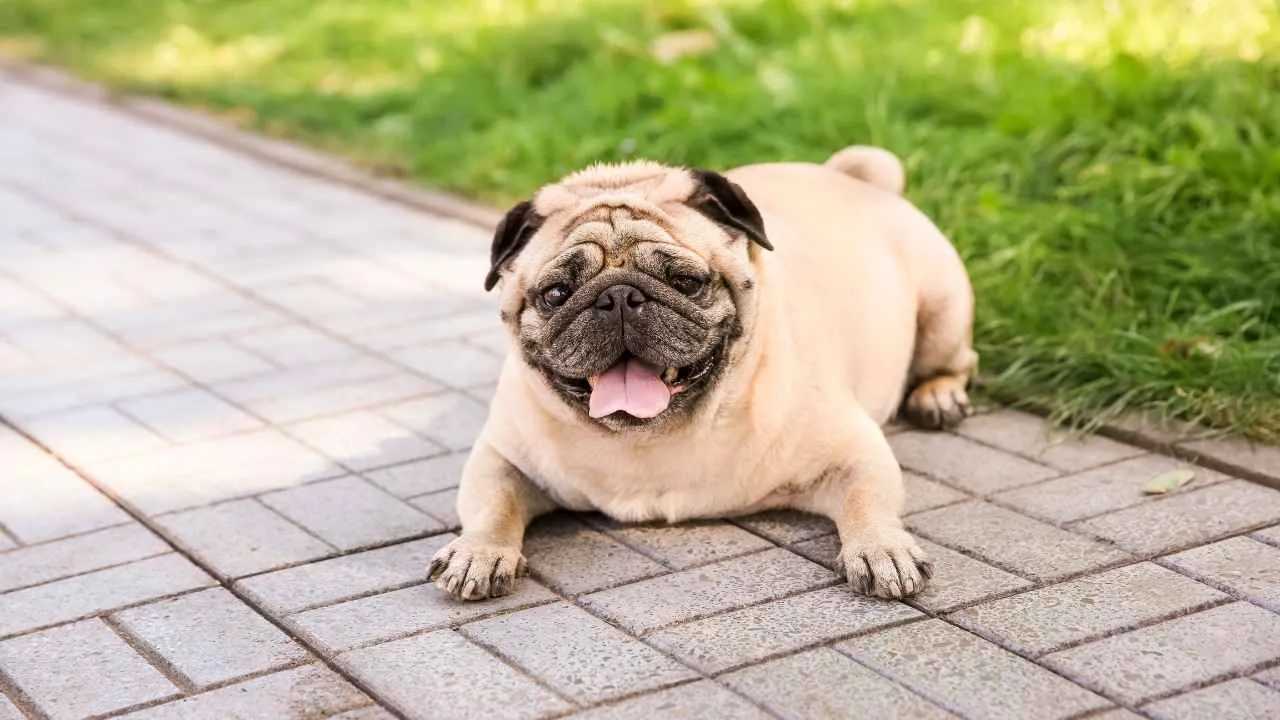
The small breed is thought to have developed in China, where it was favored by the royalty for centuries. Later, it gained popularity in Europe and Japan, where it was kept as a lap dog. Known for its bulging eyes, wrinkled face, and compact size, the breed was given this name from a Latin word, which means ‘a clenched face.’
The breed is famous for exhibiting human-like facial expressions because of the forehead wrinkles. Despite being small, it has a muscular structure, resilient enough to play with kids. The tightly wound curly tail acts as a mood indicator; it winds up tighter when happy or excited.
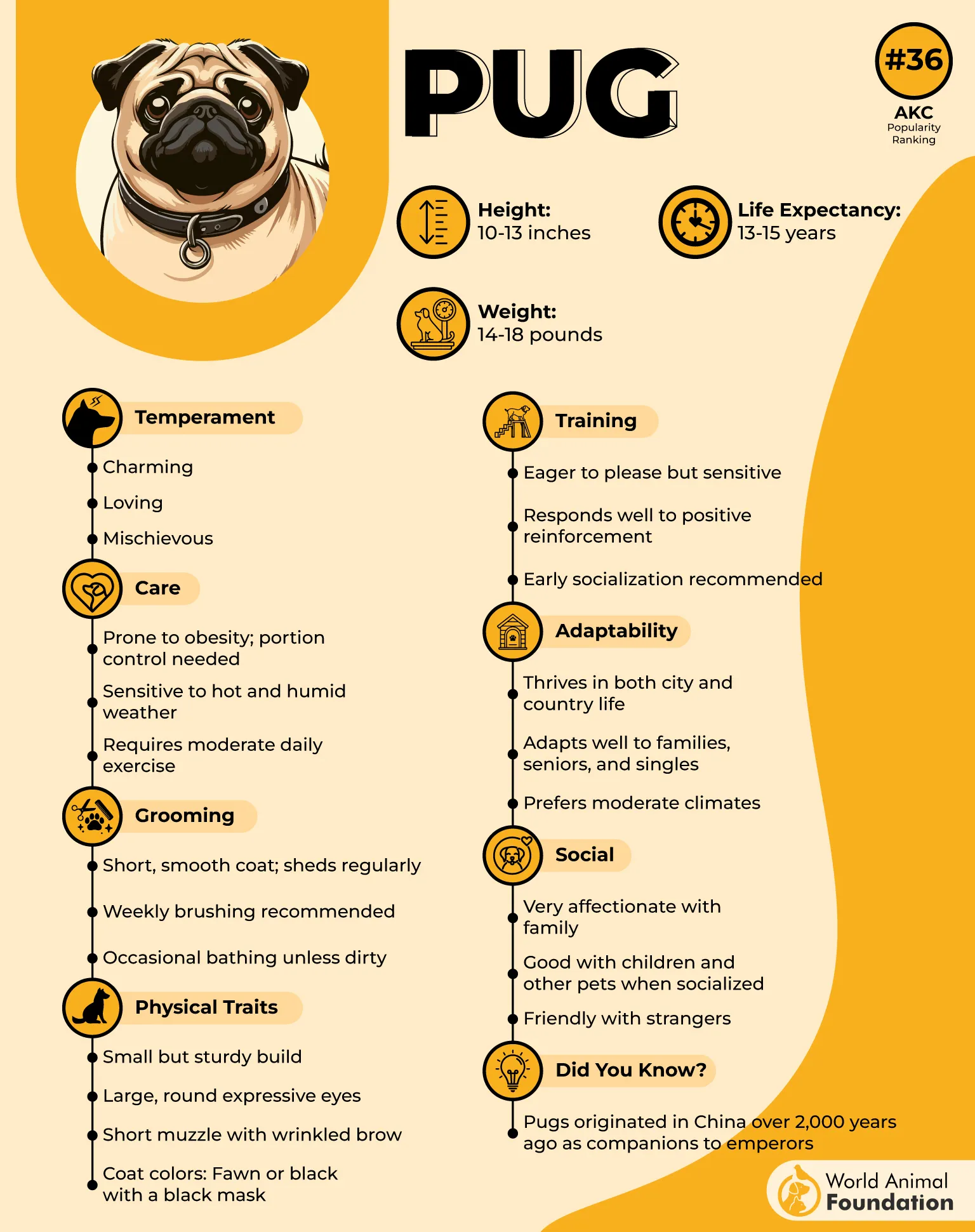
Since it is a brachycephalic breed, it may find difficulty breathing during intense activities; thus, low-impact exercise for 30-60 minutes is recommended. The breed is not prone to excessive barking and communicates through sighs, grumbles, and snorts.
Conclusion
Tiny dogs can bring a surprising amount of warmth into a home. A Pomeranian may greet every noise like breaking news, while a Maltese may quietly follow you from room to room. A Toy Poodle can turn training into a game, and a Pug can make you laugh with one raised eyebrow. Each breed has its own needs, energy level, grooming routine, and health concerns.
The best choice is not simply the smallest dog. It is the one whose daily habits fit your home and schedule. Before bringing one home, consider exercise, training, grooming, veterinary care, and safe handling. When the match is right, a tiny dog becomes far more than a lap companion. It becomes a steady little friend with a very large place in your life.
