




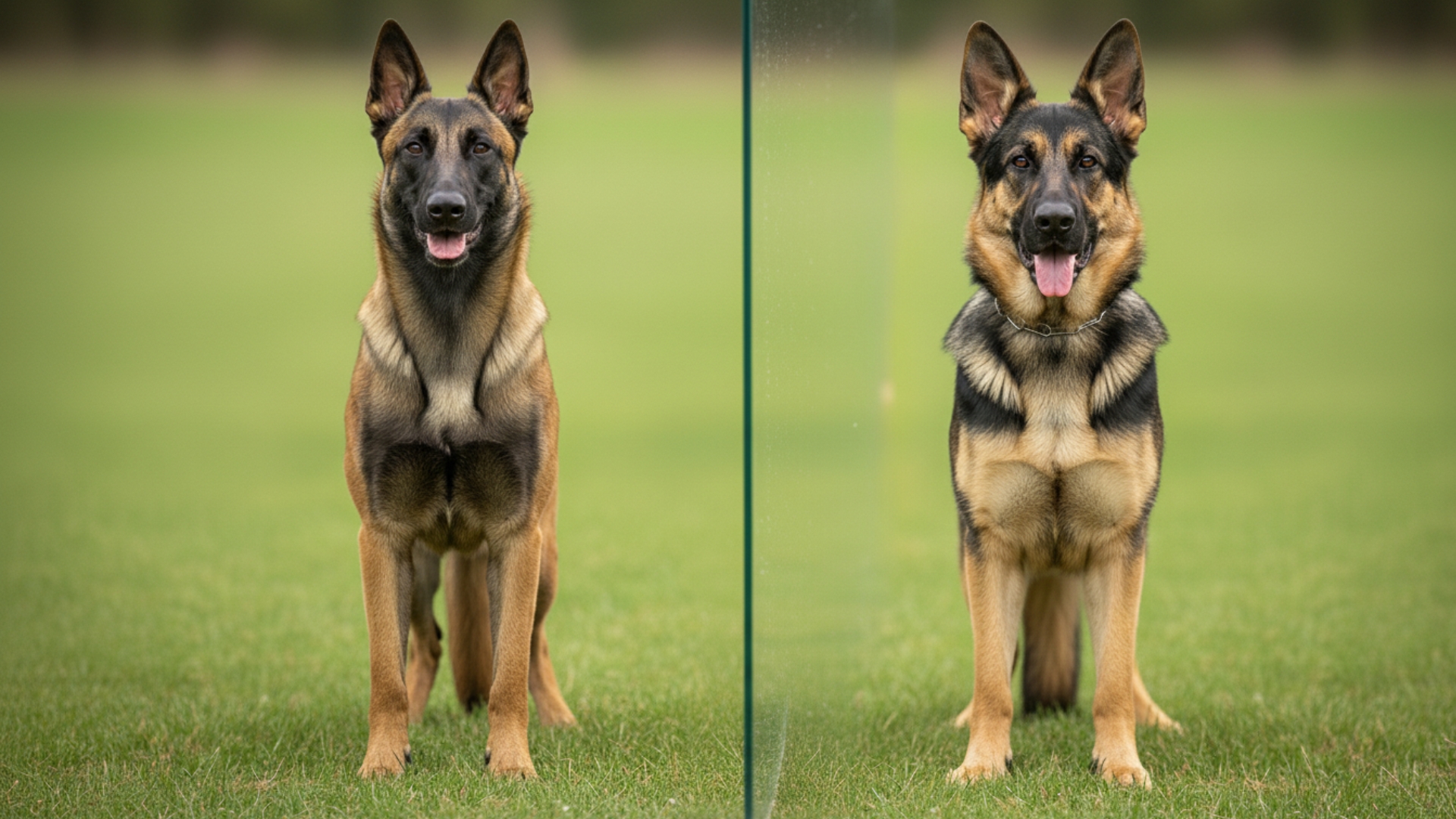
If you’ve ever admired a dog that’s smart, loyal, and full of energy, you know the kind that can switch from playful family companion to alert protector in a heartbeat. Two breeds that often leave people amazed—and sometimes a little confused—are the German Shepherd and the Belgian Malinois.
These dogs share striking similarities: both are highly intelligent, athletic, and devoted, making them incredible partners for families, work, and even police or military tasks. Yet, despite their close resemblance, each breed brings its own unique personality, energy levels, and quirks to the table.
What makes them even more fascinating is how their similarities can sometimes fool even experienced dog lovers.
From their sleek coats and pointed ears to their sharp instincts and trainability, these two breeds often look and act like mirror images—but a closer look reveals some subtle yet important differences that can make a big impact in your home and lifestyle.
In this article, we’ll explore the surprising similarities between Belgian Malinois and German Shepherds, helping you understand what makes them alike, where they differ, and which one might be the perfect match for your family.
Key Takeaways
Discover why German Shepherds and Belgian Malinois look alike but have very different energy levels and personalities.
Learn which breed suits families, which thrives in high-intensity work, and how their loyalty shows in different ways.
Compare size, build, and stamina to see why Shepherds balance family life while Malinois excel in action-packed roles.
Explore training, exercise, and guard dog instincts so you know which breed fits your lifestyle best.
Surprising Similarities Between Belgian Malinois and German Shepherd Dog Breeds
Origins & Purpose
German Shepherd
According to Britannica, the German Shepherd was developed in the late 1800s by German cavalry officer Captain Max von Stephanitz, who sought to create a uniform and versatile herding dog by combining various local breeds.
Originally bred to herd sheep, German Shepherds quickly proved their intelligence, loyalty, and adaptability. They became popular worldwide, eventually reaching the United States in the early 20th century.
During World War I, their association with Germany led them to be called Alsatians in some countries, a name that is still commonly used in Great Britain. Over time, their exceptional abilities made them ideal for police, military, and service work, solidifying their reputation as one of the most versatile and dependable dog breeds.
Belgian Malinois
The Belgian Malinois emerged in Belgium in the late 1800s as one of four varieties of the Belgian Shepherd Dog, alongside the Tervuren, Groenendael, and Laekenois. While all shared a herding background, the Malinois stood out for its short coat, which contributed to its agility and stamina.
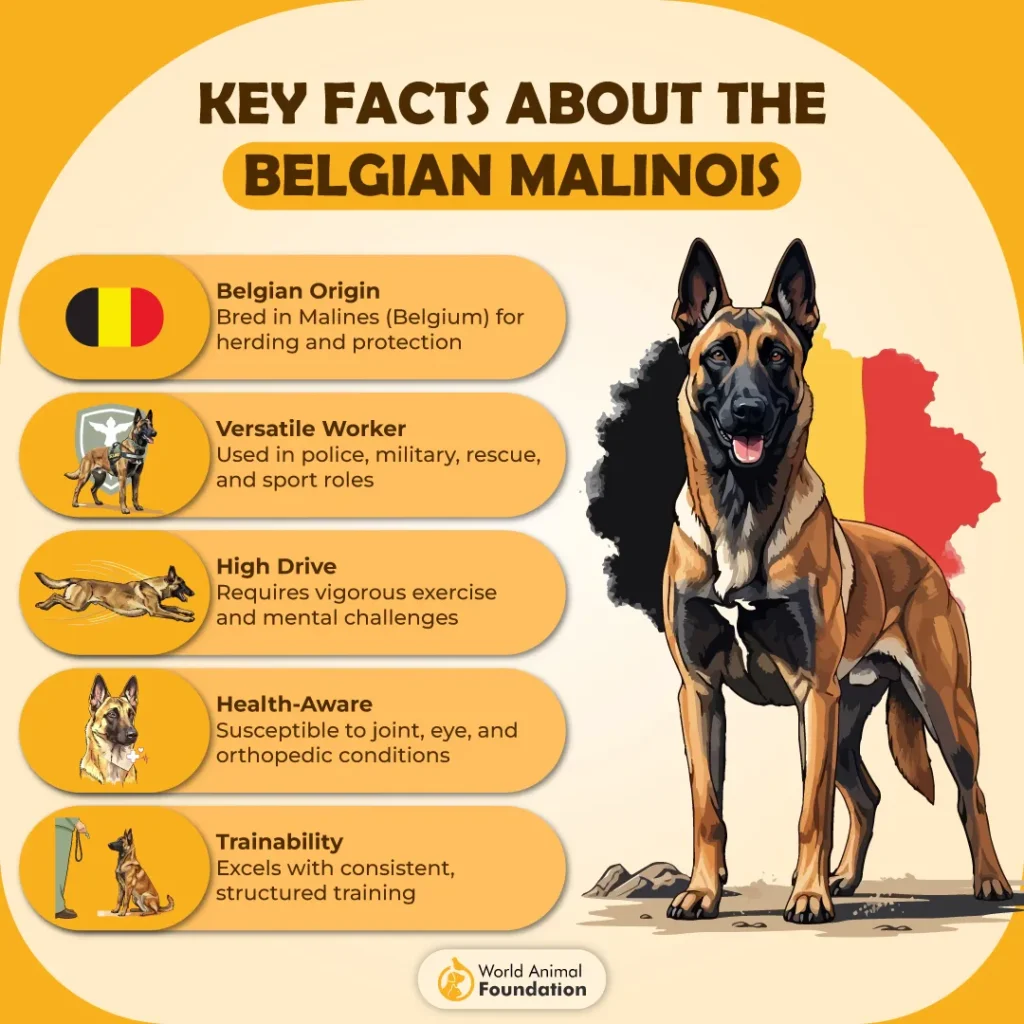
Initially bred to herd sheep, their keen instincts and physical prowess made them natural candidates for police and military work early on. The first Belgian Malinois appeared in the United States in 1911, quickly gaining recognition for its intelligence, work ethic, and versatility.
Size & Physical Build
German Shepherd
German Shepherds are generally bulkier and more muscular than Belgian Malinois. Males typically weigh between 65 and 90 pounds, while females range from 50 to 70 pounds. Their bodies are slightly longer than they are tall, giving them a lanky yet powerful appearance.
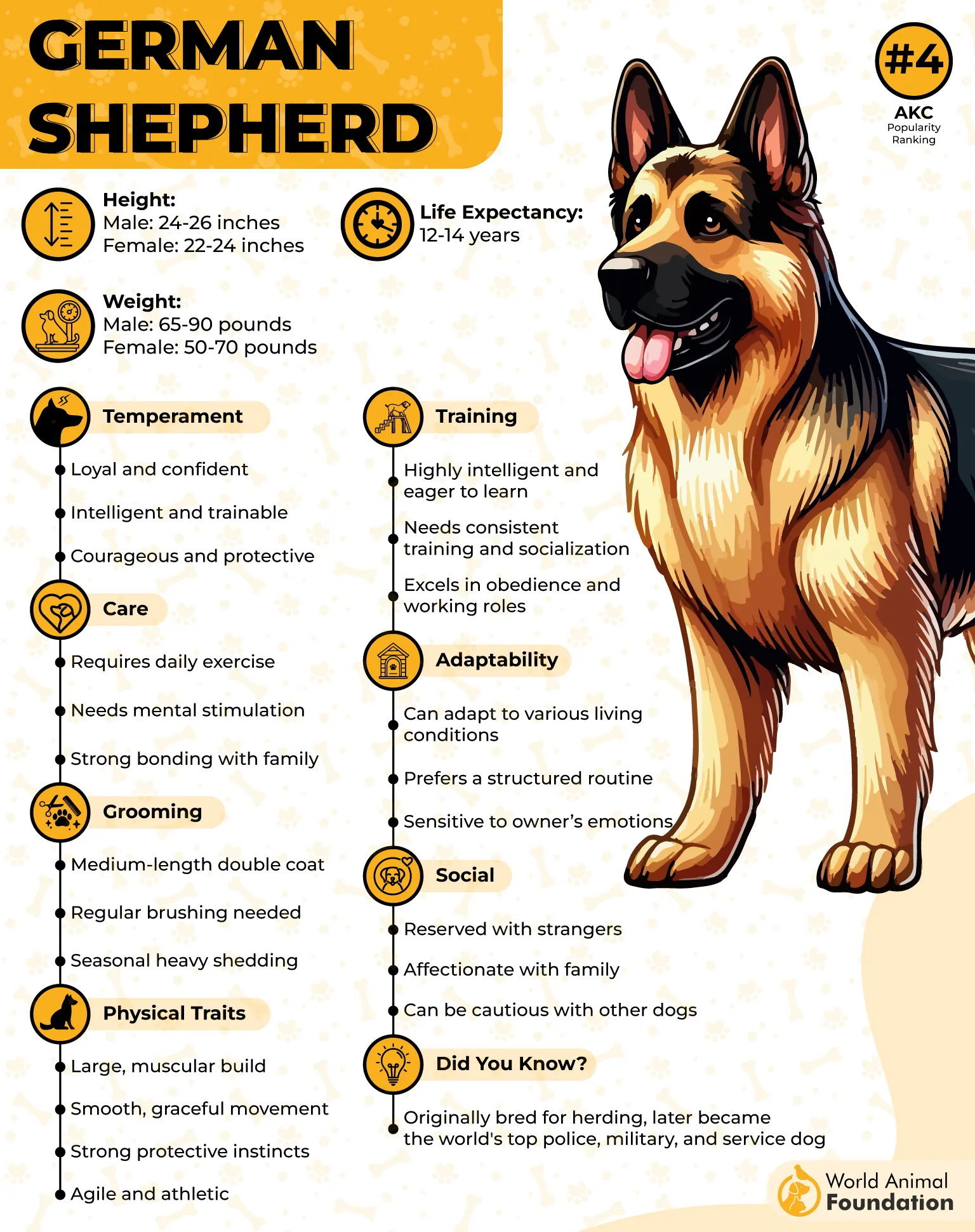
This elongated frame, combined with strong shoulders and hindquarters, contributes to their efficient and effortless gait, allowing them to cover ground with minimal energy. Their robust build also makes them well-suited for a variety of roles, from family companion to police or service work.
Belgian Malinois
Belgian Malinois are slightly lighter and more square-shaped than German Shepherds. Males generally weigh 60–80 pounds, while females weigh 40–60 pounds. Their body length is roughly equal to their height, creating a compact and balanced profile.
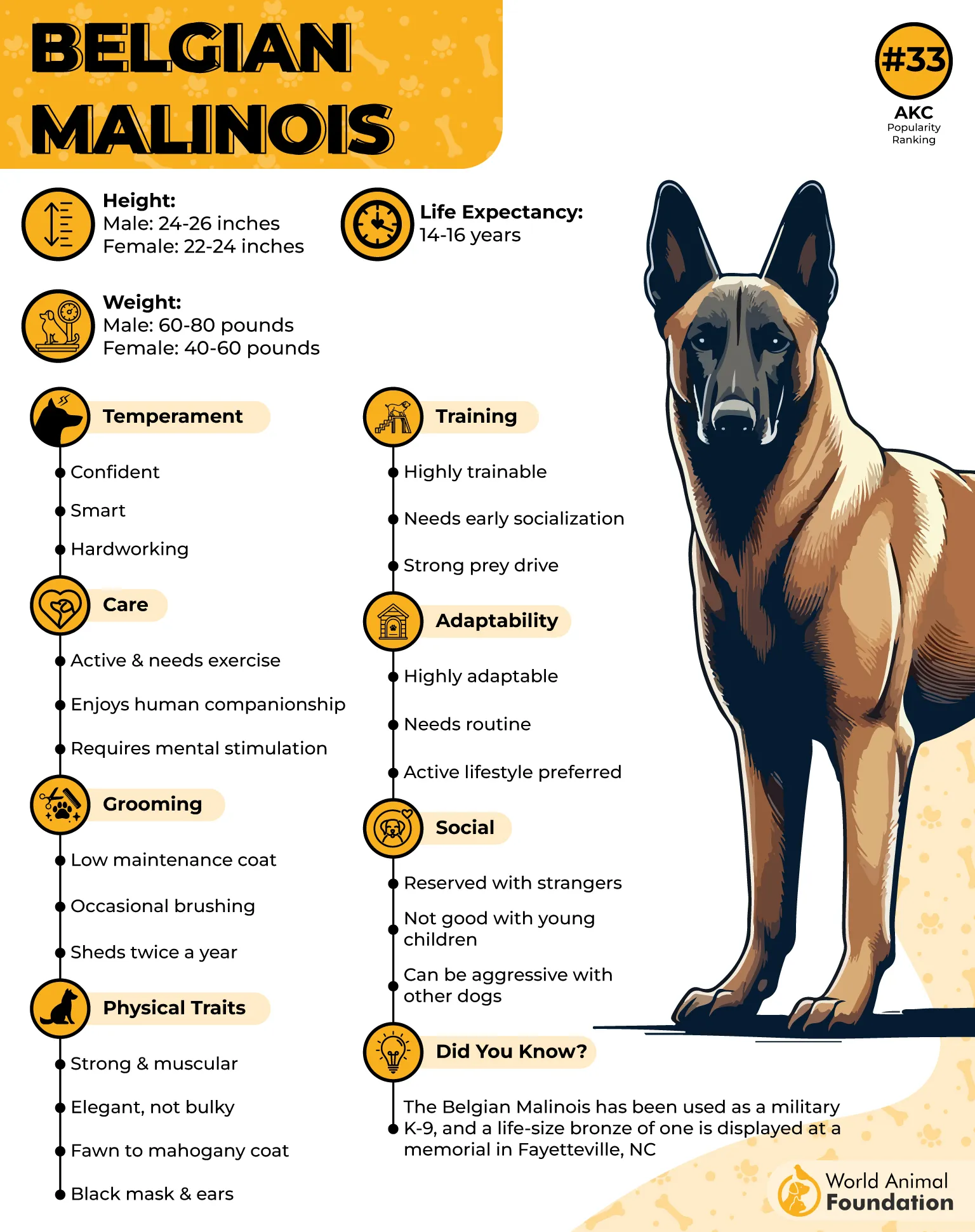
This squarer build, combined with a short coat, gives them exceptional agility and stamina, making them ideal for high-energy work like herding, police duties, and military tasks. Despite being lighter, they are incredibly strong, quick, and precise in their movements.
Temperament & Personality
German Shepherd
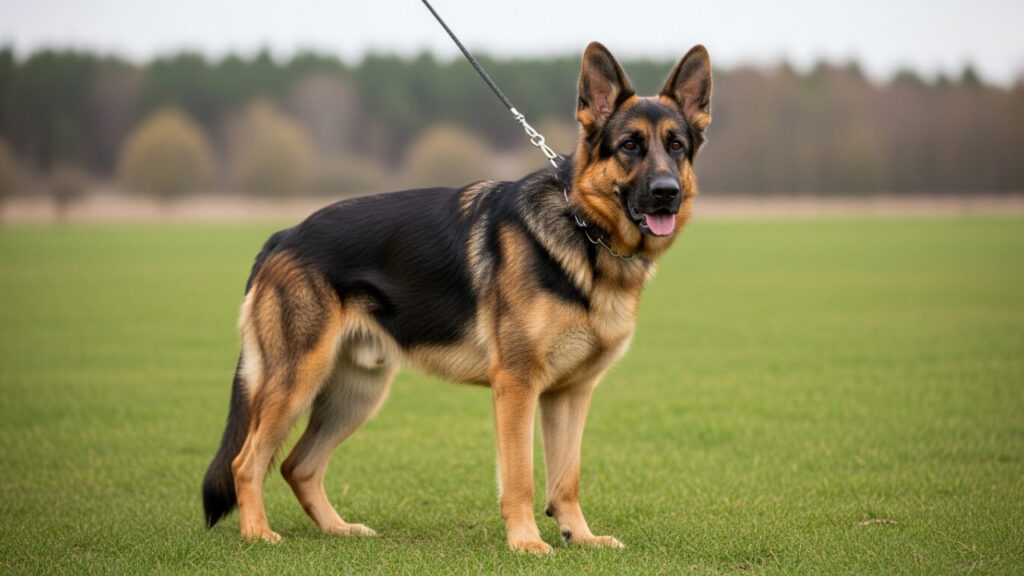
German Shepherd dogs are known for their protective and devoted nature. PetPlan mentions that they form strong bonds with their families and are affectionate and loving, even if they can be reserved with strangers.
Their intelligence makes them easy to train, and they are versatile enough to excel as family pets, service dogs, or working professionals.
Key Traits of German Shepherds:
Loyal and protective
Intelligent and highly trainable
Versatile—great for families or work
Can relax and enjoy downtime with the family
Typically good with children
Belgian Malinois
Belgian Malinois are high-energy dogs with a “go, go, go” personality. They thrive on mental and physical challenges, making them exceptional working dogs for police, military, and herding tasks.
However, this intensity means they require more exercise, training, and mental stimulation compared to German Shepherds.
Key Traits of Belgian Malinois:
Extremely high energy and work drive
Intelligent and quick learners
Focused and task-oriented
Strong bond with one main person in the family
Less suitable for homes with young children
Exercise & Energy Levels
German Shepherd
German Shepherds need plenty of mental and physical exercise to stay happy and healthy. These active dogs excel in a wide variety of dog sports, making them ideal companions for active owners. Some activities that suit German Shepherds include:
Herding and obedience trials
Agility courses and working dog sports like Schutzhund
Tracking and scent work
Dock diving, disc dog, and barn hunt
Coursing and other high-energy games
While they may not be the absolute best at any single sport, German Shepherds are second-best at almost everything, which highlights their incredible versatility and athleticism.
Belgian Malinois
Belgian Malinois are known for their unrelenting energy and drive. They need more than casual walks or backyard play—daily vigorous activity is essential. Ideal outlets for a Malinois include:
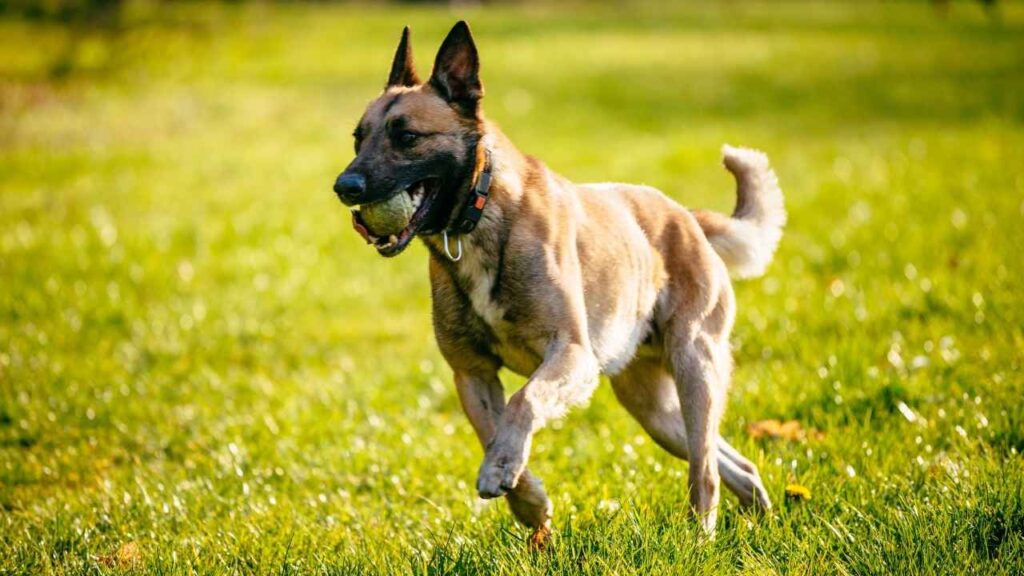
Running, hiking, and biking with their owner
Agility, obedience, or Schutzhund training
Dog-powered sports such as bikejoring or other outdoor adventures
Nose work, interactive toys, and obedience challenges for mental stimulation
These dogs thrive when they have a task or challenge to focus on, making them excellent companions for highly active owners.
Daily Needs for Both Breeds
At least an hour of vigorous exercise per day
Mental stimulation through games, training, or interactive toys
Opportunities to use their instincts, such as tracking, herding, or problem-solving activities
Training & Intelligence
German Shepherd
German Shepherds excel in obedience training and dog sports such as herding, agility, and tracking. They are naturally competitive and thrive when given structured challenges, making them ideal for:
Advanced obedience training
Dog sports and competitions
Herding or tracking exercises
Learning tricks and specialized commands
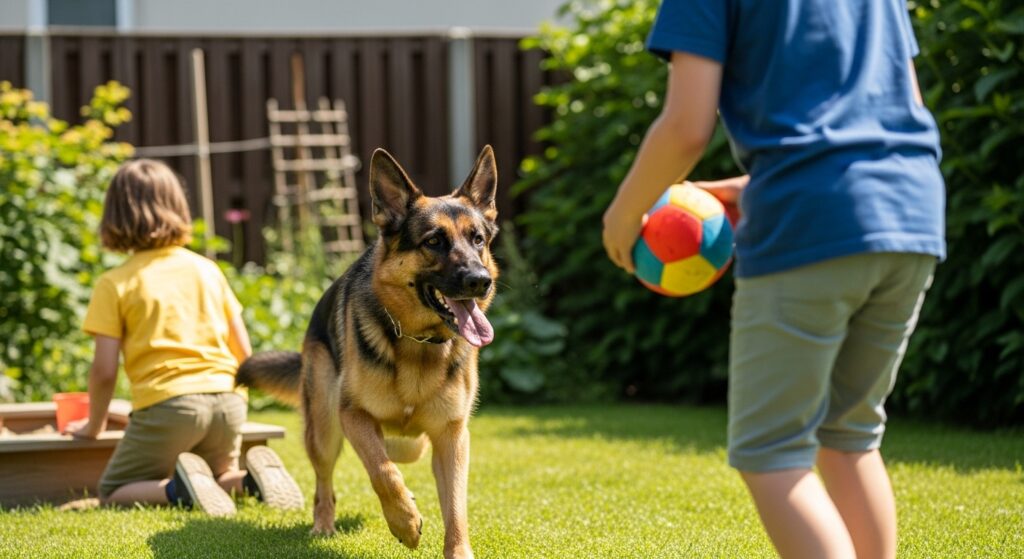
With consistent, positive training, German Shepherds grow into confident, reliable, and versatile dogs. Their intelligence and willingness to work make them one of the most famous breeds worldwide, even appearing in popular films like Rin Tin Tin.
Belgian Malinois
Belgian Malinois are relentless workers who are happiest when given a job or task. Without proper stimulation, they can become bored or destructive, so early and consistent training is critical. Activities that engage their mind and body include:
Agility and obedience competitions
Police, military, or search-and-rescue training
High-energy interactive games and challenges
Working on commands, recall, and impulse control
According to the AKC, one thing to note is the Malinois’s high prey drive, which requires extra attention during training, especially for off-leash environments. Positive reinforcement with treats and affection can help channel their energy productively.
Health & Lifespan
German Shepherd
German Shepherd dogs have a slightly shorter average lifespan of 7–10 years and are predisposed to a broader range of health issues. Responsible breeders typically screen their dogs for genetic conditions to minimize risk, and pet insurance can provide peace of mind for owners.
Common Health Concerns in German Shepherds:
Degenerative Myelopathy
Elbow Dysplasia
Hip Dysplasia
Cancer
Bloat (Gastric Dilation-Volvulus)
Allergies
Heart Disease
Degenerative joint diseases like hip and elbow dysplasia are common and can cause pain and arthritis over time. Degenerative myelopathy affects the spinal cord, leading to hind-leg weakness.
German Shepherds are also prone to cancers, heart conditions, and life-threatening bloat. Regular veterinary checkups, early screening, and proactive care can help manage these risks.
Belgian Malinois
The Belgian Malinois typically lives 10–14 years. Overall, they are relatively healthy, especially when bred by responsible breeders, but they can be prone to a few hereditary conditions. Pet insurance can be a helpful investment to cover unexpected medical issues.
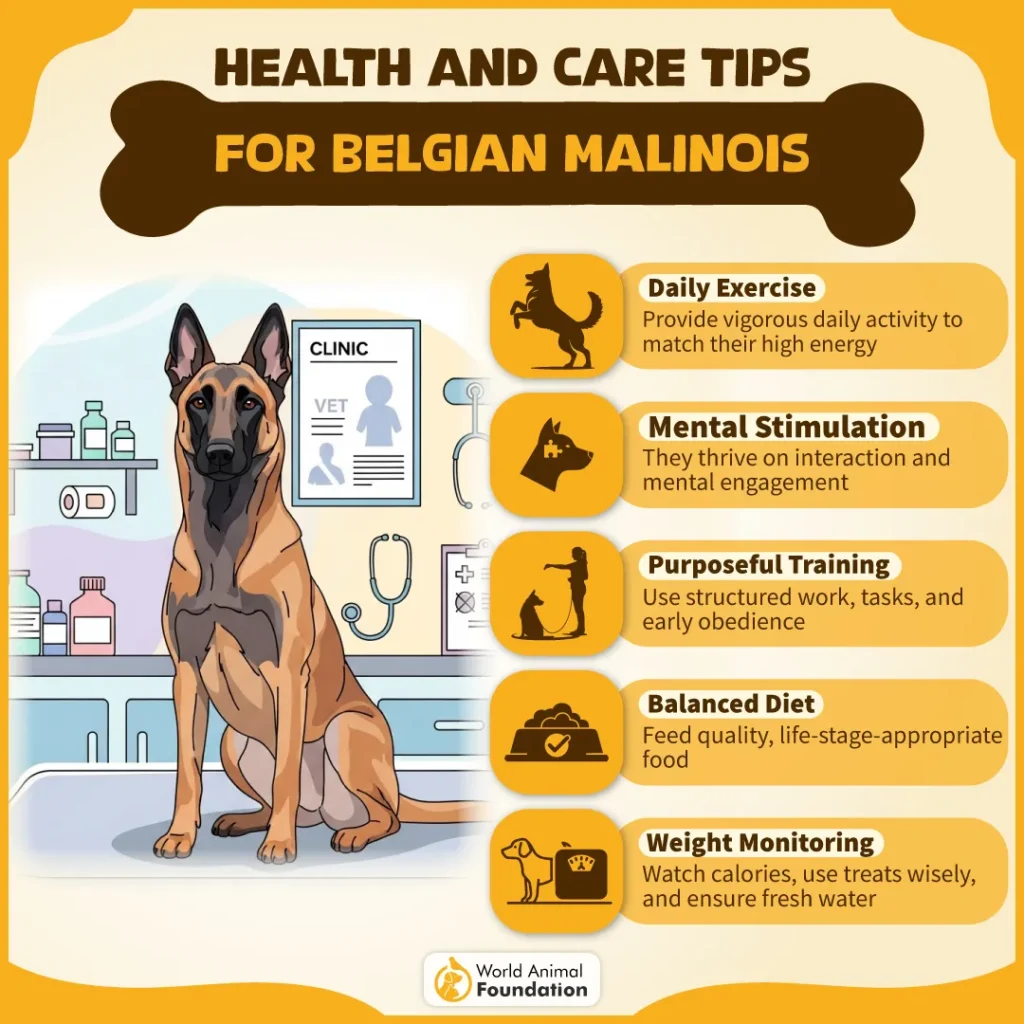
Common Health Concerns in Belgian Malinois:
Elbow Dysplasia
Hip Dysplasia
Cataracts
Progressive Retinal Atrophy (PRA)
Elbow and hip dysplasia are joint conditions that may cause pain, limping, or difficulty with movement. Cataracts and PRA affect vision, with PRA ultimately leading to blindness. Screening the puppy’s parents and working with a reputable breeder can significantly reduce these risks.
Suitability as Family Pets vs Guard Dogs
German Shepherd
German Shepherds are loyal, strong, and adaptable, combining intelligence, agility, and endurance. They bond with the entire family, are usually good with children, and can switch from alert guardians to calm companions at home.
Key Traits:
Loyal and protective, excellent with families
Intelligent, trainable, and capable in various working roles
Agile, strong, and able to sustain long periods of activity
Problem-solving skills and independent thinking for protection
Can balance work and downtime, making them versatile pets
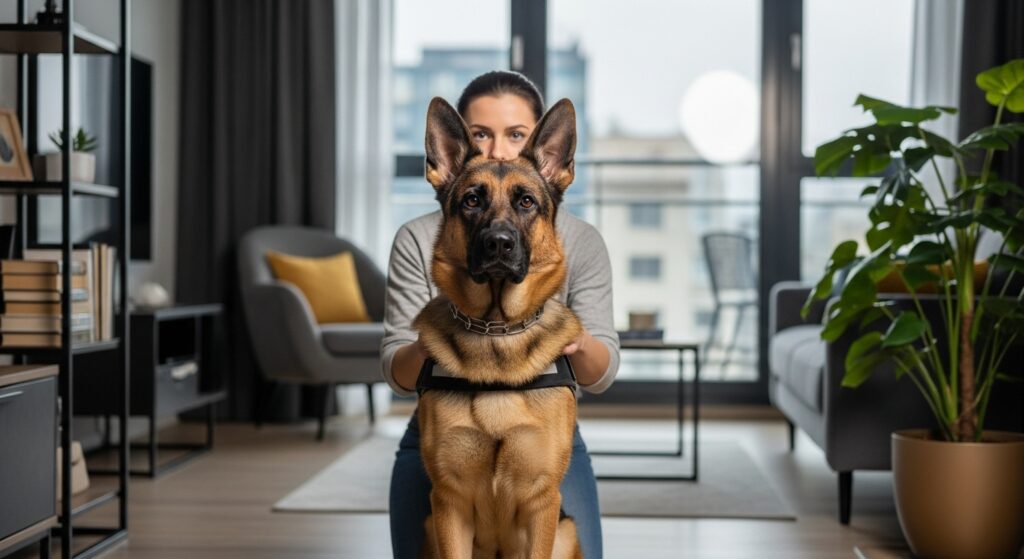
As guard dogs, German Shepherds rely on their imposing presence, strength, and mental acuity to deter threats. They combine vigilance with composure, making them highly effective protectors without overwhelming a household.
Belgian Malinois
Belgian Malinois are task-driven, alert, and protective, thriving when given work to do. They bond closely with one primary owner, excel in obedience, and are happiest when challenged physically and mentally.
Key Traits:
Protective of home, family, and environment
Extremely intelligent and quick learners
High energy—ideal for running, agility, and dog sports
Strong work drive; needs regular challenges to stay happy
Camouflaged coats useful for tactical or outdoor work
As guard dogs, Malinois are fast, vigilant, and relentless, making them excellent for security, police, or military roles. However, their intensity and high energy make them less suited for households seeking a relaxed, all-around family pet.
Conclusion
At the end of the day, both German Shepherds and Belgian Malinois are incredible dogs—intelligent, loyal, and full of energy.
German Shepherds shine as balanced family companions who can protect, play, and cuddle, while Belgian Malinois are high-octane partners built for work, adventure, and challenges. Understanding their differences in temperament, energy, and training needs is key to choosing the right fit for your home and lifestyle.
If you’re ready to welcome one of these amazing breeds into your life, make sure you consider your activity level, time for training, and long-term commitment. Both dogs thrive when given purpose, love, and structure, and in return, they’ll give you unwavering loyalty, protection, and companionship.
Remember—whether you’re looking for a family guardian or an athletic partner for adventures, these breeds can enrich your life in ways few others can.
