




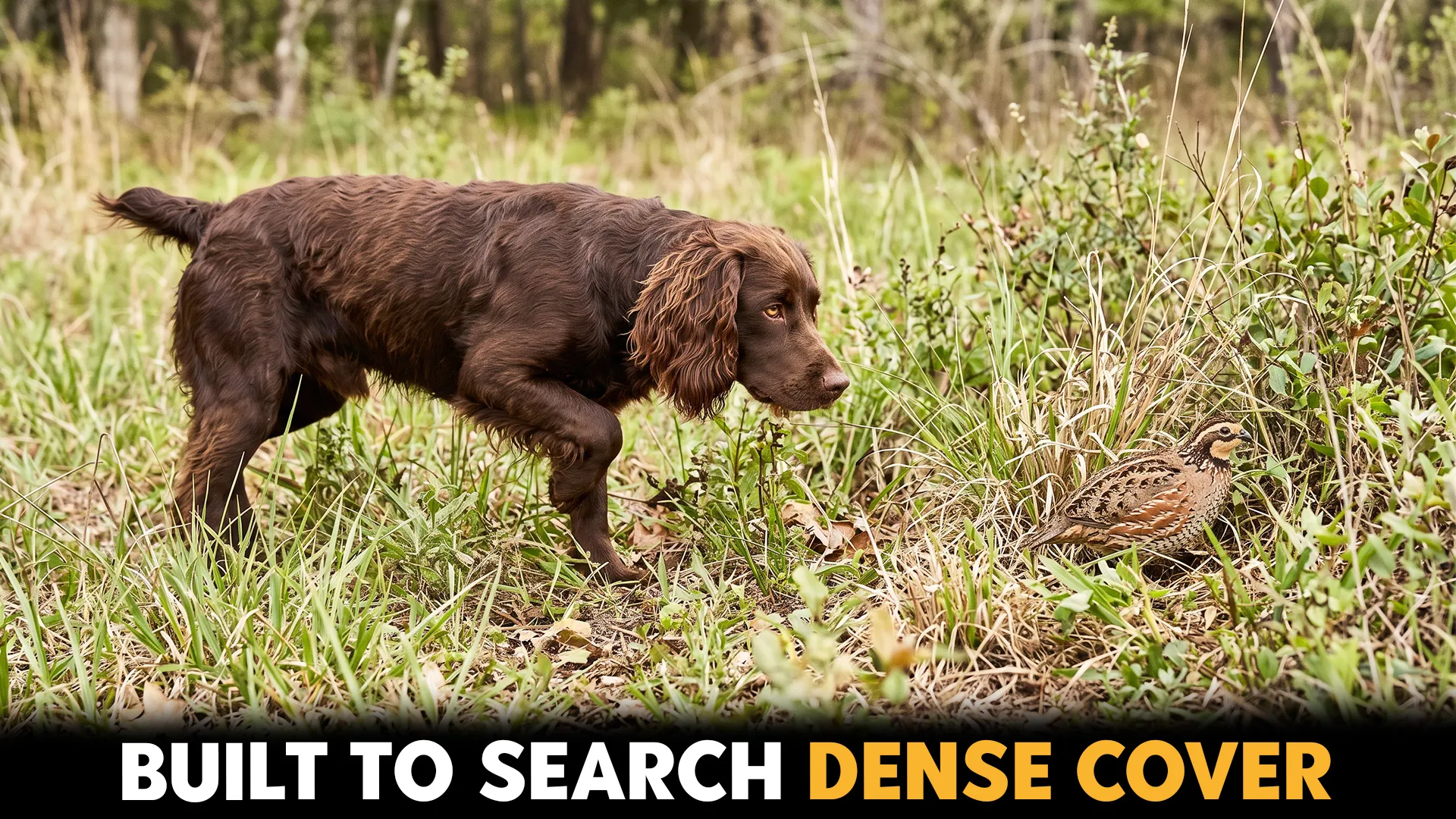
A good bird dog does more than run through tall grass. It reads the land, follows scent, and works beside you like it has known the plan all along. One moment it is trotting ahead; the next, it stops dead still because something feathered is close by.
Ground-nesting birds can be tricky to find. They blend into brush, fields, and marshy edges, and they do not always sit still for long. That is why hunters have relied on certain breeds for generations.
Some dogs are natural retrievers. Some are born pointers. Others flush birds out of heavy cover with fearless energy. Each has a different way of getting the job done, and each brings a little extra charm to the day.
This guide looks at seven breeds known for locating ground-nesting birds. You will learn what makes them capable, what kind of owner suits them best, and why their instincts still matter today.
Superior Dog Breeds That Locate Ground-Nesting Birds
1. Labrador Retriever
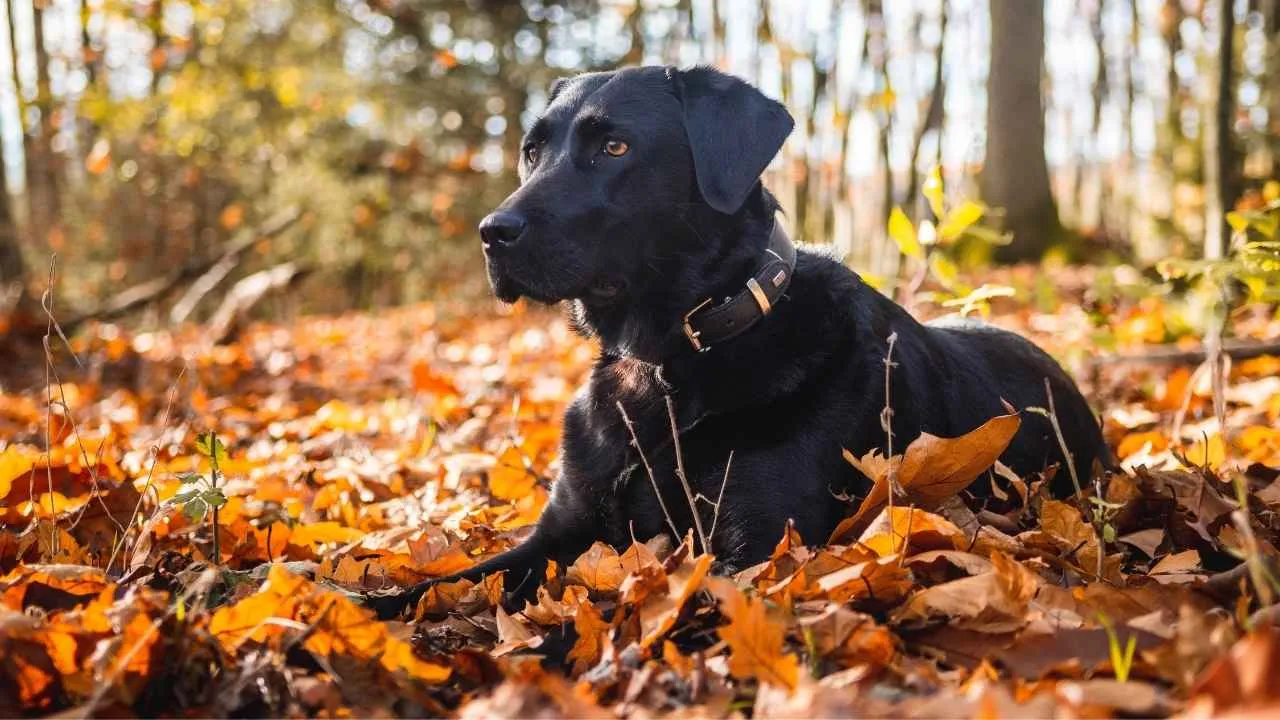
This medium-to-large working breed was developed in Canada in the 19th century as a water dog. Known for its outgoing nature and stable temperament, the dog was prized as the most popular dog in America in 2011, according to Purina.
With the help of millions of scent receptors, the Labrador can detect faint, low-lying scent cones left by the birds. The low-hanging floppy ears funnel the scent molecules from the ground and direct them directly to the nose. Because of its soft mouth, it retrieves its prey without physically damaging them.
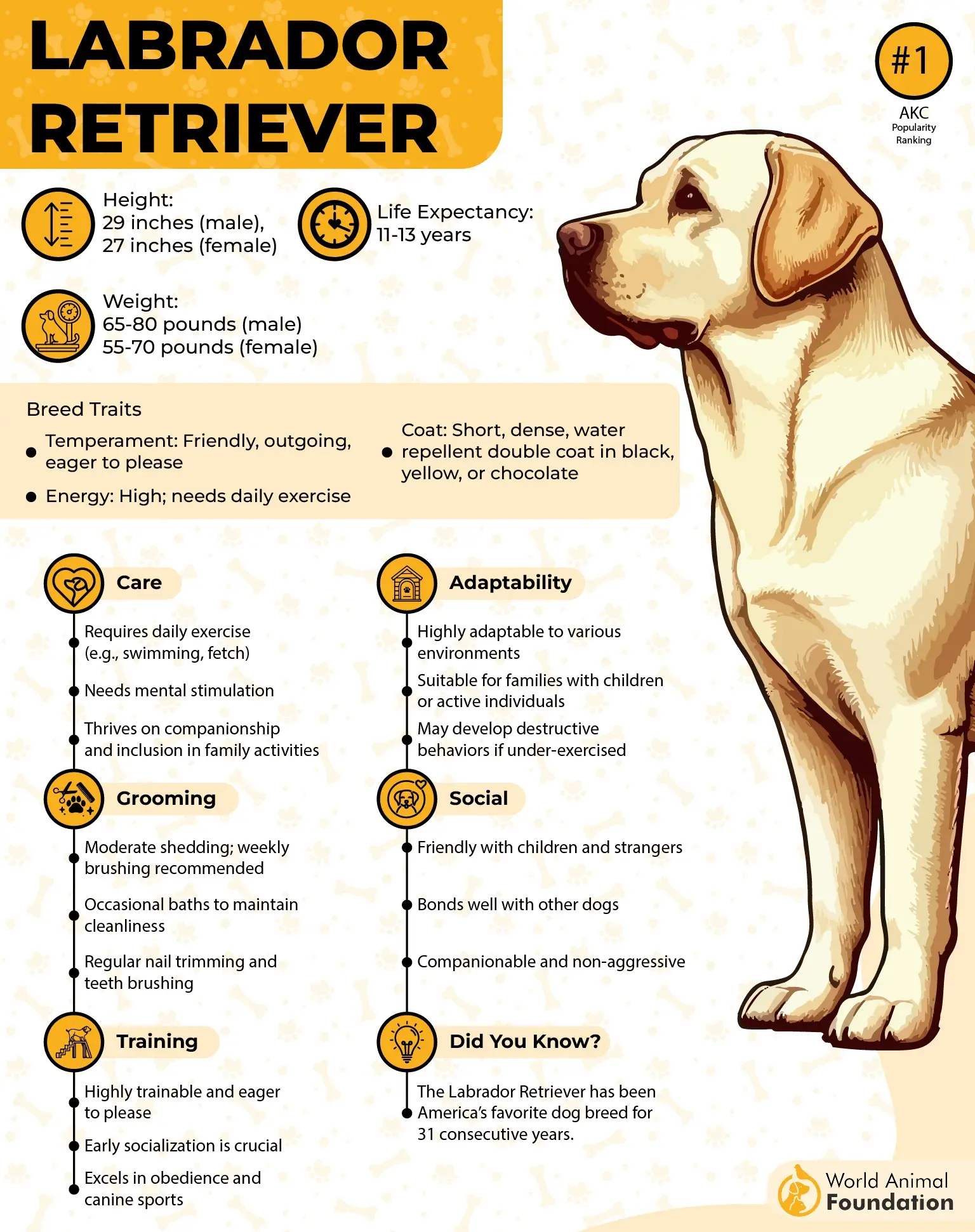
The flushing dog quarters the field (swaps back and forth to cover maximum area). It is naturally driven to find, follow, and trail a scent. It precisely marks the fall of the bird and locates exactly where it has landed.
2. Boykin Spaniel
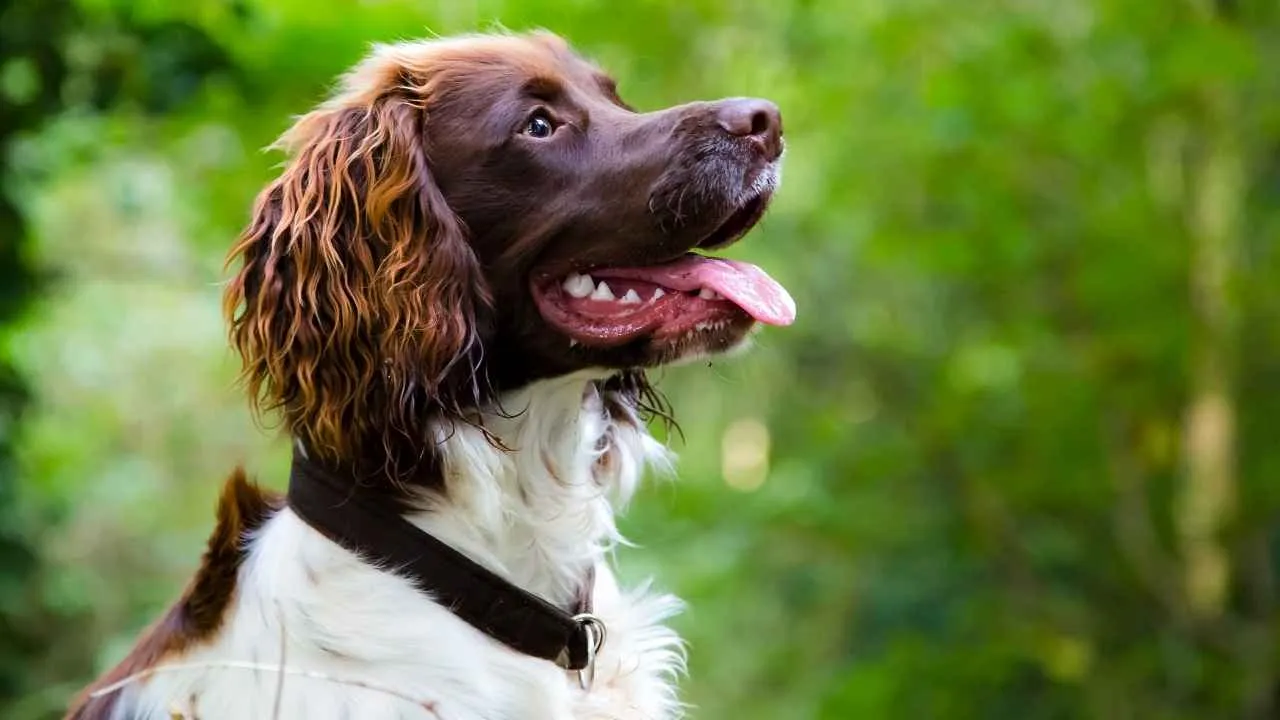
The small dog was originally developed in America in the 20th century for turkey and waterfowl hunting. Because of its compact size, it was easy for the hunters to carry the breed onto a boat. The state dog of South Carolina, the breed has its ancestral roots in the Chesapeake Bay retriever, cocker spaniel, and the American water spaniel.
The flat-to-wavy, medium-length double coat comes in dark chocolate and liver colors, creating a perfect camouflage in fallen leaves and soil. It uses a zig-zag pattern for tracking game. The hunting breed’s docked tail begins vibrating at extreme speed to symbolize that the flush is imminent.
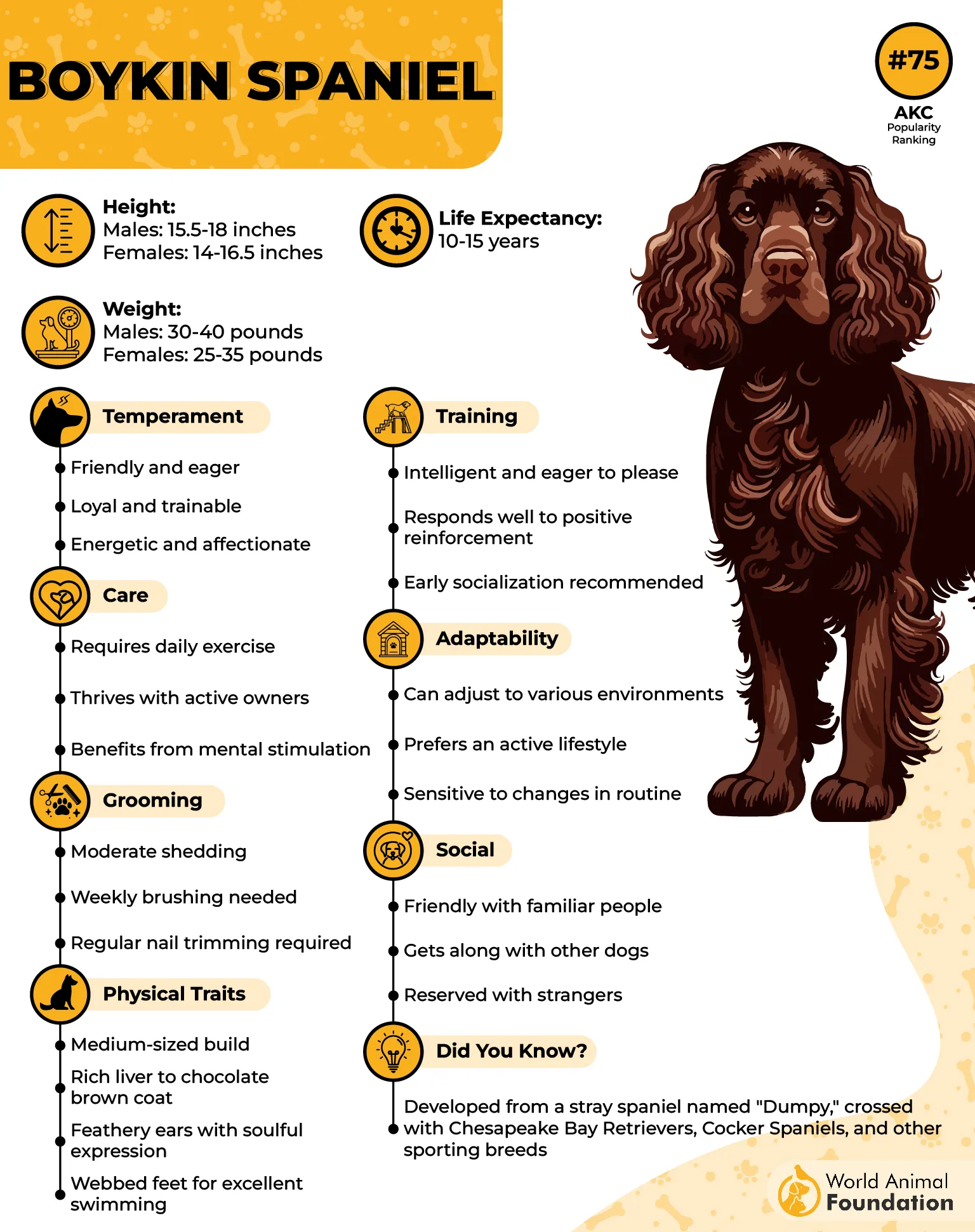
It has a high heat tolerance and strategic hunting instinct to charge and scatter the flock on the ground. Then it returns to the hunter, waiting silently for birds’ natural urge to reassemble. The dog needs daily exercise for 1-2 hours for physical and mental stimulation.
3. Golden Retriever
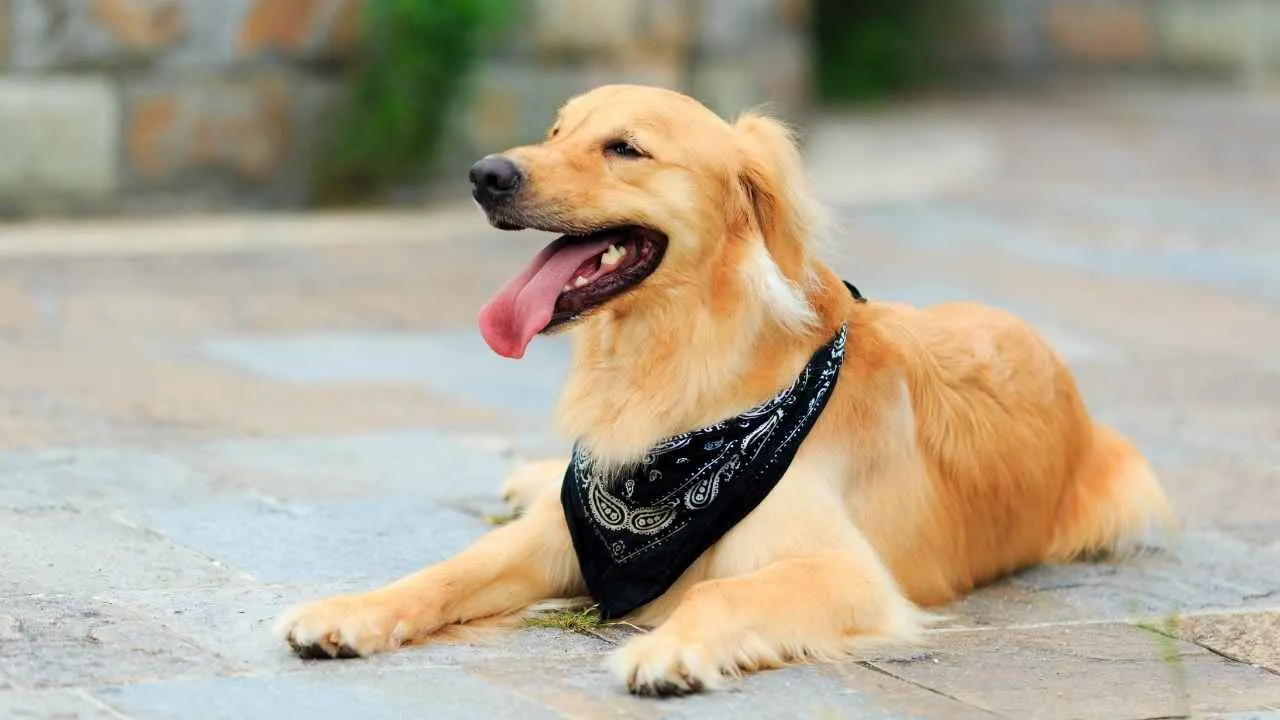
Originally bred by Dudley Marjoribanks in the Scottish Highlands in the 19th century, the right breed was developed to work on both land and water. It was created by crossing the now extinct Tweed Water Spaniel and the Yellow Retriever. It arrived in the United States in the 20th century, says Chewy.
The hunting dog has up to 200-300 million scent receptors and is capable of tracking ground scent while sniffing at a rapid frequency of 200 times per minute. The athletic body is built for endurance rather than speed. Developed as a flushing and retrieving dog, it utilizes a close-range style.
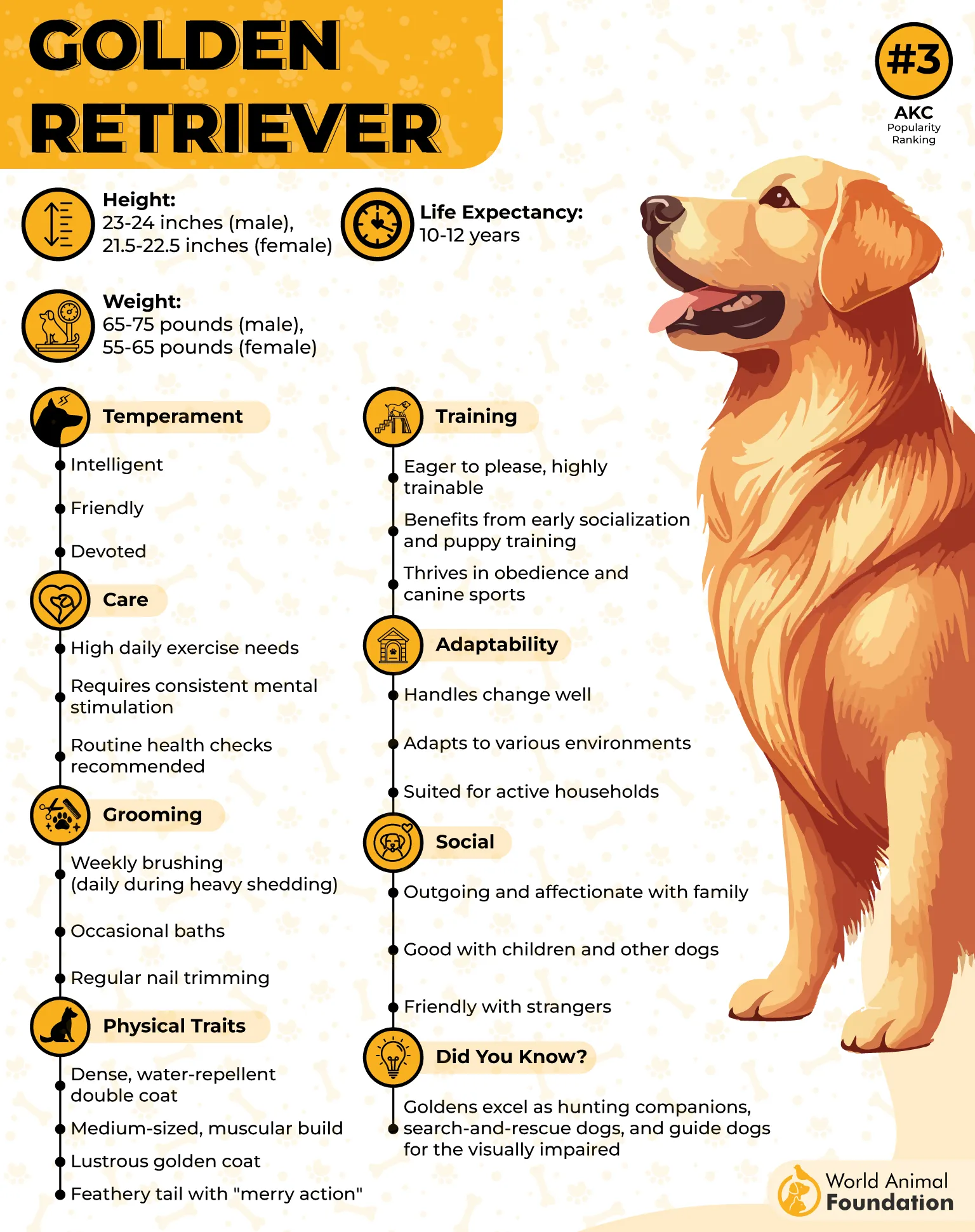
With its keen sense of smell, it grabs both ground and airborne scent. The instinctual pause, the pseudo-point, is exhibited after locating the exact location of the prey. The breed has an eager-to-please nature, making it highly trainable.
4. Vizsla
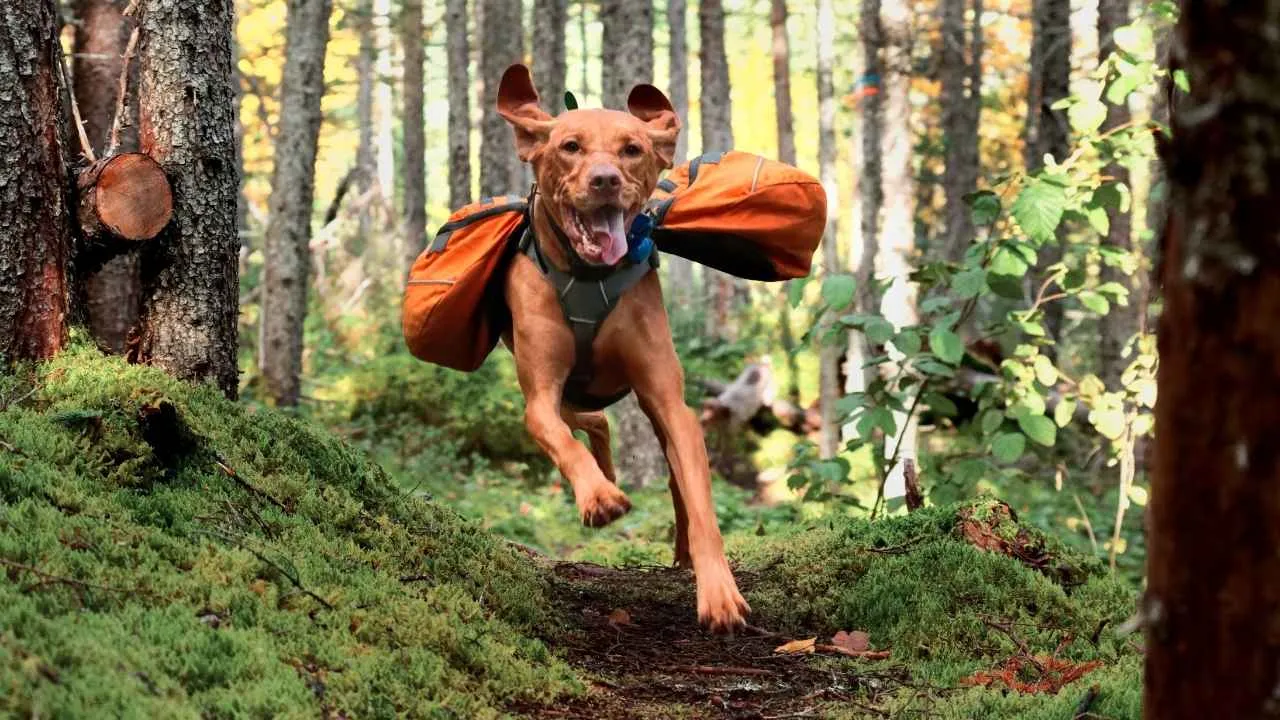
The breed developed in Hungary and Central Europe by the Magyar tribe and descends from the ancient hunting dog these people owned. With a nearly 1,000-year history, the breed was favored by aristocrats in the 20th century. It almost went extinct after the World Wars.
The deep muzzle and wide nostrils allow maximum airflow while moving at high speed without compromising breathing. Balanced shoulders and hindquarters angulation enable a ground-covering stride, allowing it to navigate through thick brambles and rough terrain. The short and single-layered coat has self-grooming properties and has minimal grooming needs.
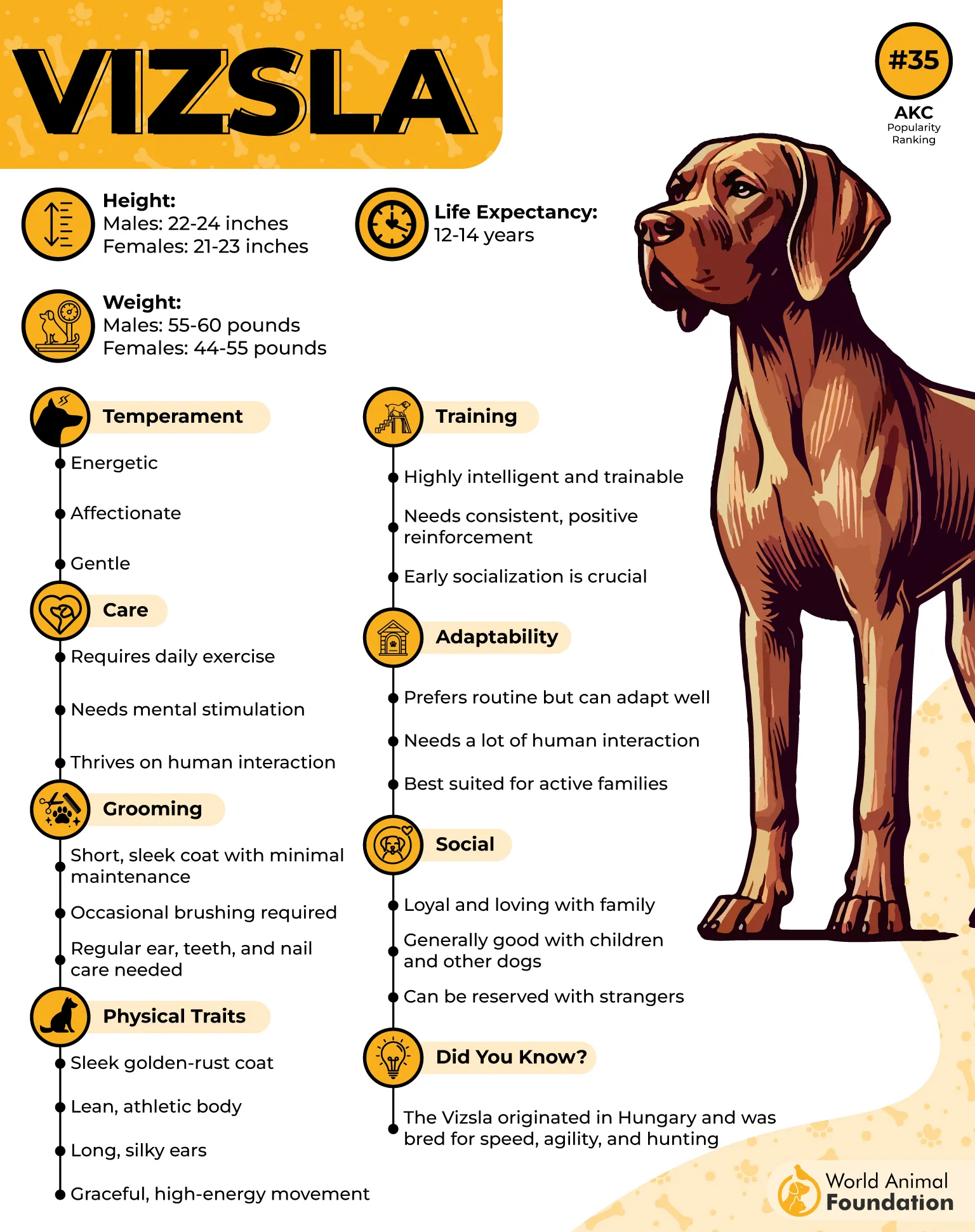
The breed has a medium-to-high head carriage to catch air scent. After tracking, the excellent hunting dog freezes at one point, preventing the flight of the bird. It tends to work closer to the handler and looks back after 5-10 sec to receive cues.
5. English Springer Spaniel
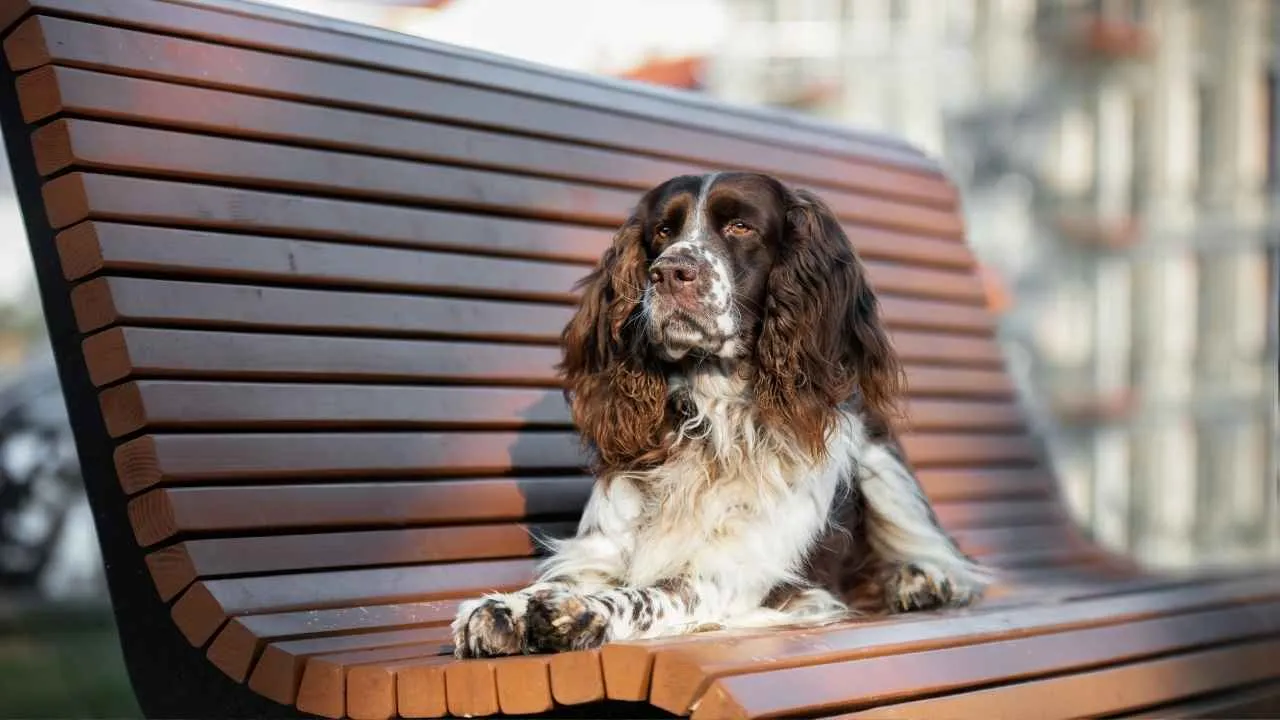
The breed was distinguished from the larger spaniel because of its small size, springing ability, and hunting functions in the 18th century. Known for its retrieving and flushing skills, the working dog was developed in the British Isles, as reported by Showsight Magazine.
The compact frame provides a low centre of gravity, allowing it to dive underneath tangled brambles, briars, and thick cover. The wagging of the tail increases as it gets closer to the target. It is adapted to hunt within a 20-30 yard gun range.
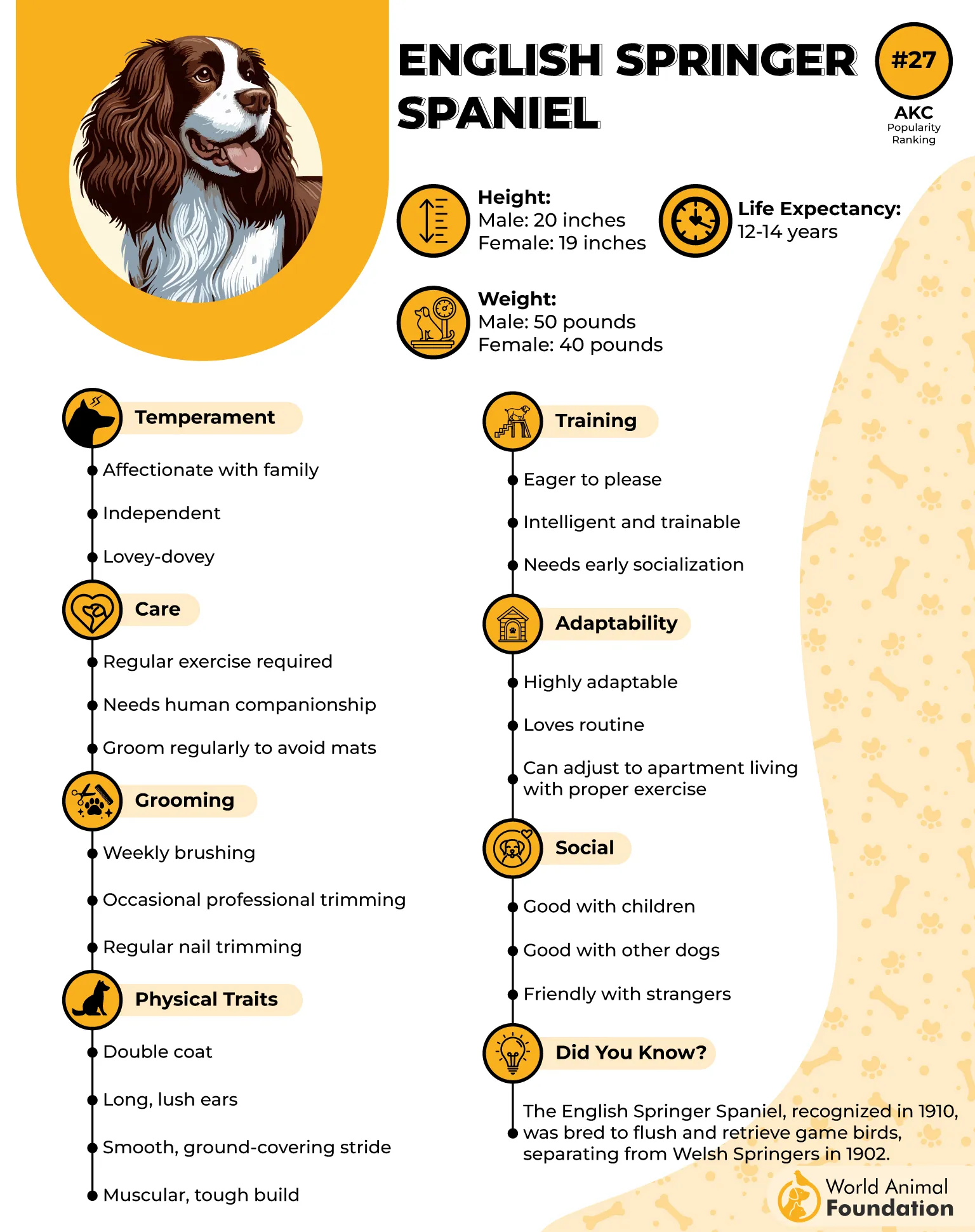
The adult breed needs 1-1.5 hours of regular exercise and thrives in free running, swimming, retrieving, bumper drills, canicross, agility, scent trails, and interactive feeding.
6. Nova Scottish Tolling Retriever
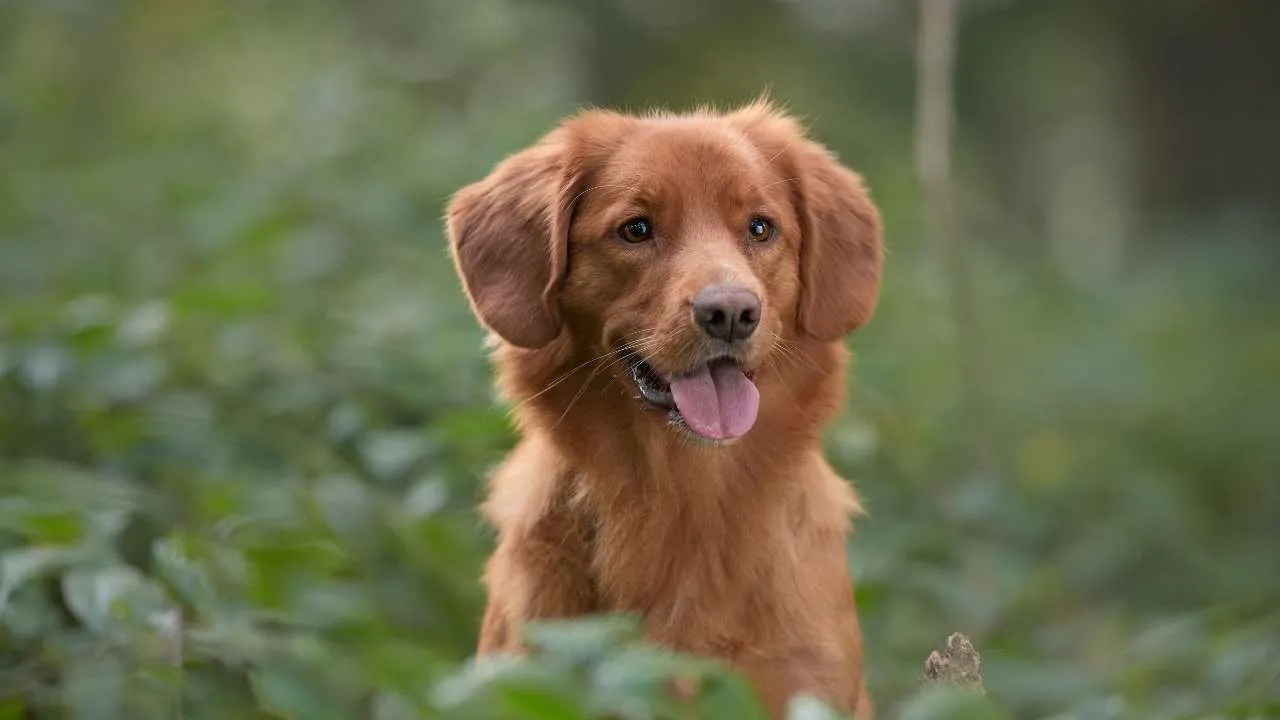
Also known as the Toller, the hunting dog breed was primarily developed as a gun dog. It is the smallest retriever and is closely related to the Golden Retriever in physical attributes. With its weather-resistant double coat and webbed feet, the breed excels in swimming.
The right dog has a bouncy, fast-paced gait. Using its keen nose, the breed catches ground and air scents through dense bushes and detects the prey before it is gone. With its fox-like appearance and erect motion, the breed has a highly evolved nest-defense mechanism.
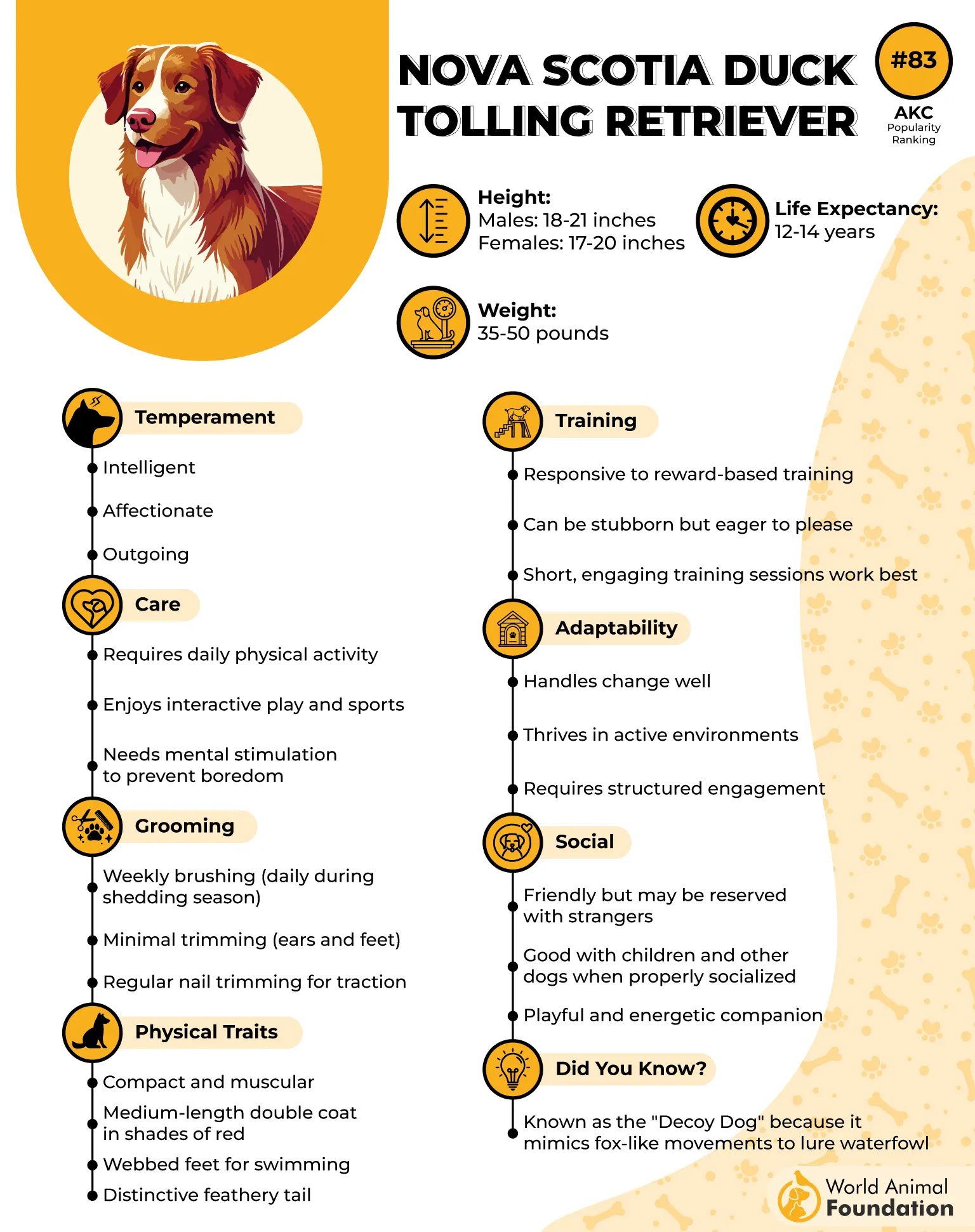
The breed quickly transitions from playful frolicking to intense focus the moment a bird flushes. If the bird tends to sit tight rather than fly, it pushes the nesting pocket to force the flush.
7. Brittany
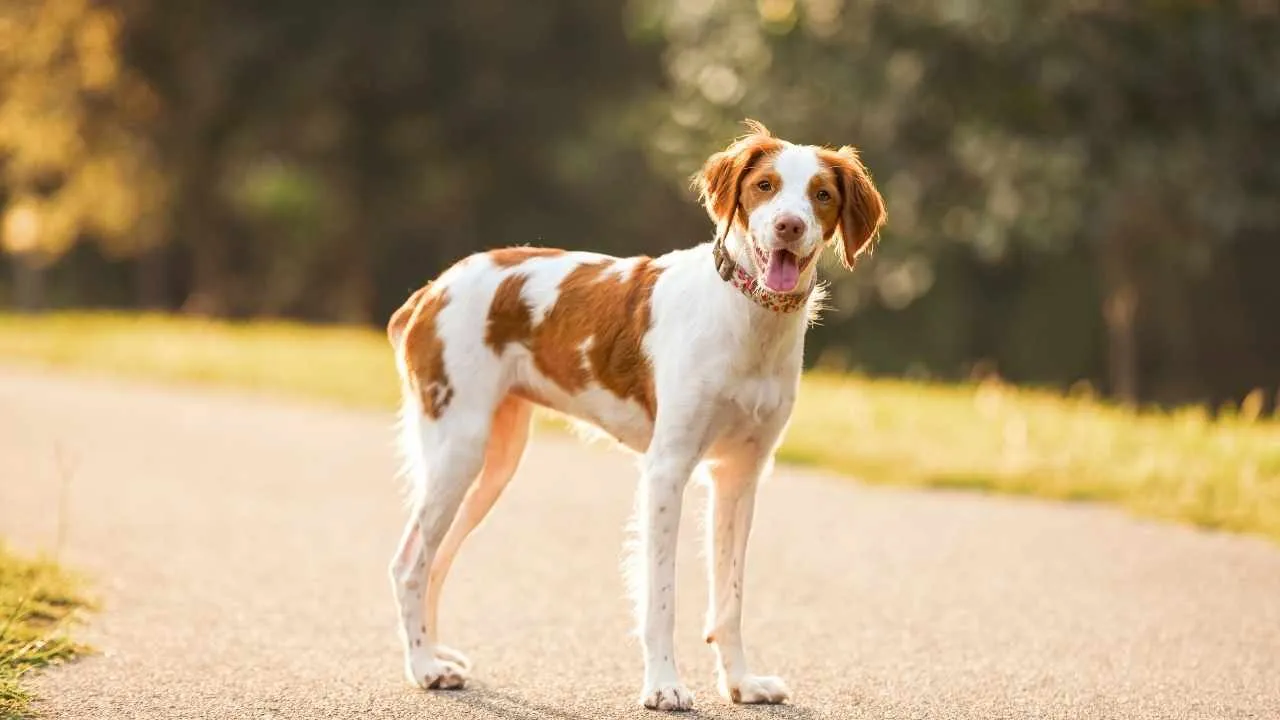
Also known as the Brittany Spaniel, the breed was developed by crossing the pointers, spaniels, and setters from France and Britain. It was modified to have longer legs in the 19th century and is considered an HPR (hunter, pointer, and retriever) breed.
The natural bobtail/docked tail prevents severe tail injuries and bleeding. The water-resistant coat has a flat/wavy texture and provides protection against external stimuli: briars, thickets, and thorns. It tends to track its prey within a 200-yard radius. It uses wind for scent work.
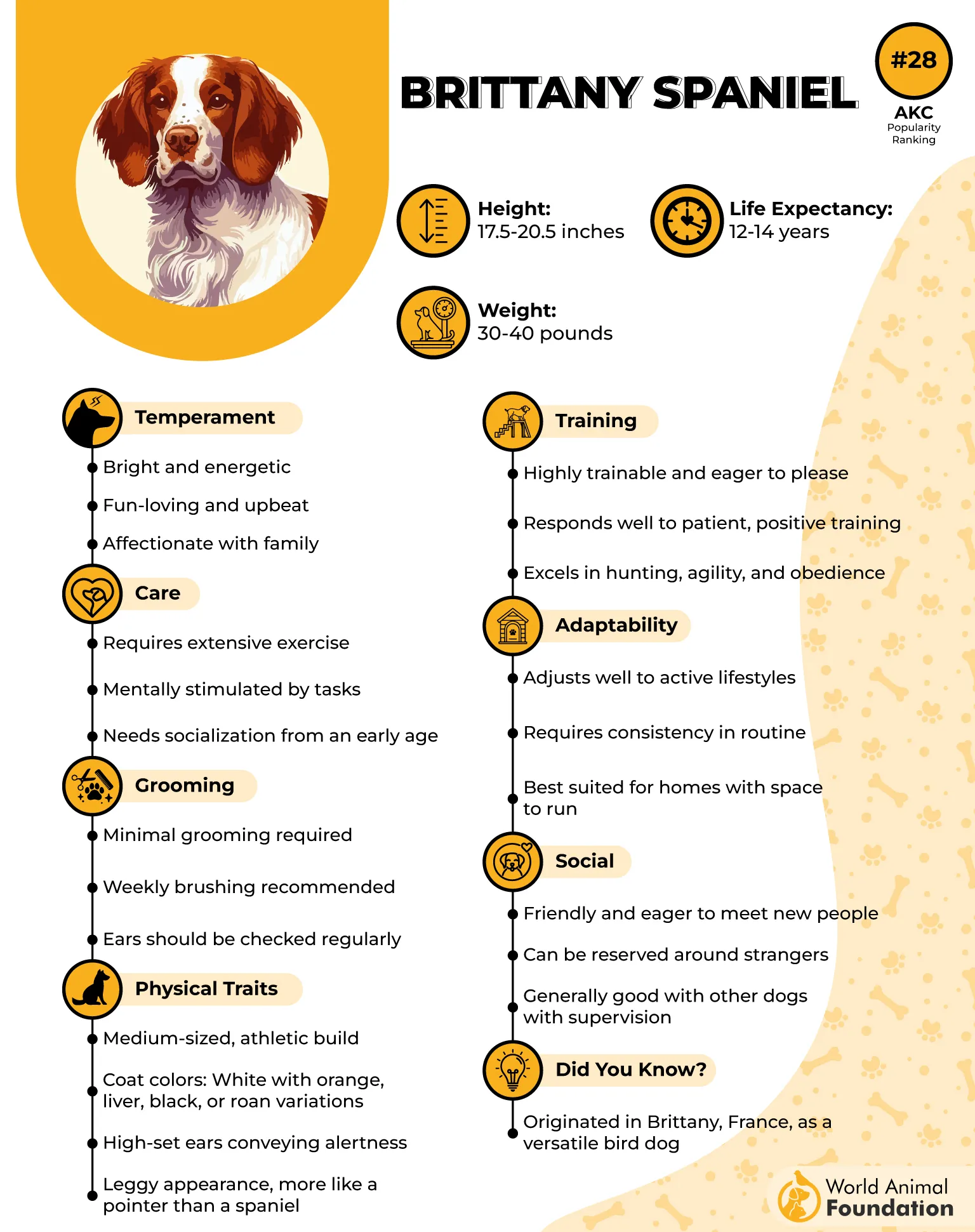
With its pointing technique, the breed points its nose and front paws to direct the handler to the target’s location. With early socialization and proper training, the breed adjusts its speed and range via hand commands or whistle.
Conclusion
The best bird-finding dog is not always the fastest or the most famous breed. It is the one whose instincts match the kind of work you enjoy and the kind of home you can provide. Some dogs need wide-open fields and long days outdoors. Others do well with shorter, focused training sessions and plenty of mental challenges.
Before choosing, spend time around the breed. Watch how it reacts to new places, people, and noise. Ask breeders or trainers honest questions about energy level, health, and daily needs.
A dog with strong bird instincts can become a loyal partner, but it still depends on you for guidance. With steady training, fair expectations, and regular exercise, these breeds can turn every trip outside into a shared adventure built on trust and teamwork.
