




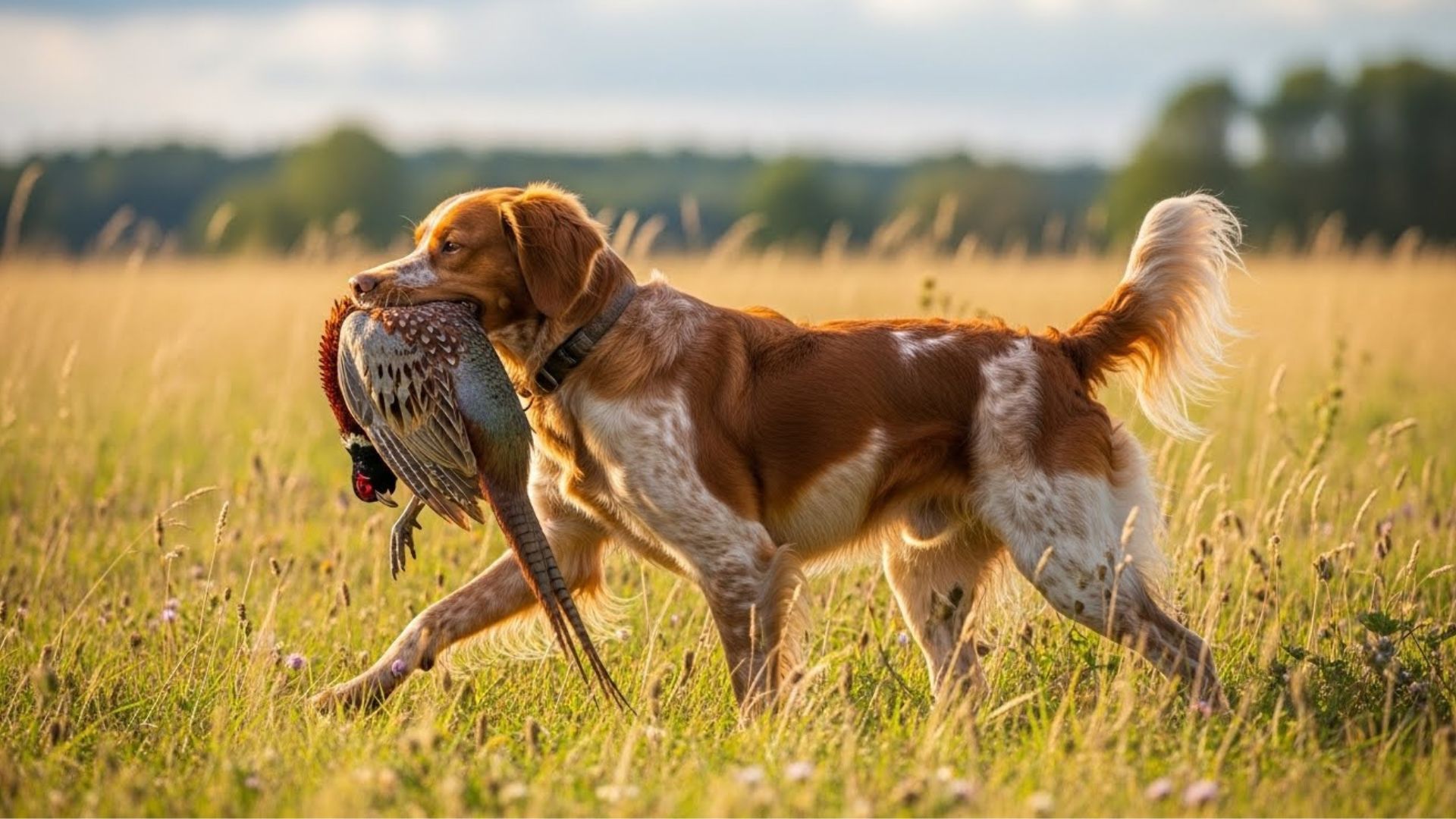
Tracking and bird hunting demand skill, stamina, and an exceptional bond between a hunter and dog. Certain dog breeds are naturally gifted in these areas, combining keen senses with intelligence and trainability. Choosing the right bird dog breed can significantly enhance hunting success while ensuring safety and enjoyment.
Tracking dog breeds have earned reputations for their superior tracking abilities. Their acute sense of smell, strong work ethic, and agility make them reliable partners in both dense forests and open fields.
Beyond physical abilities, temperament plays a crucial role. Bird dog breeds with patience, focus, and a cooperative nature are easier to train and more effective in the field, making the hunting experience smoother and more rewarding.
Superior hunting dogs excel through instinct, intelligence, and unwavering loyalty.
Superior Dog Breeds For Tracking and Bird Hunting
1. Brittany
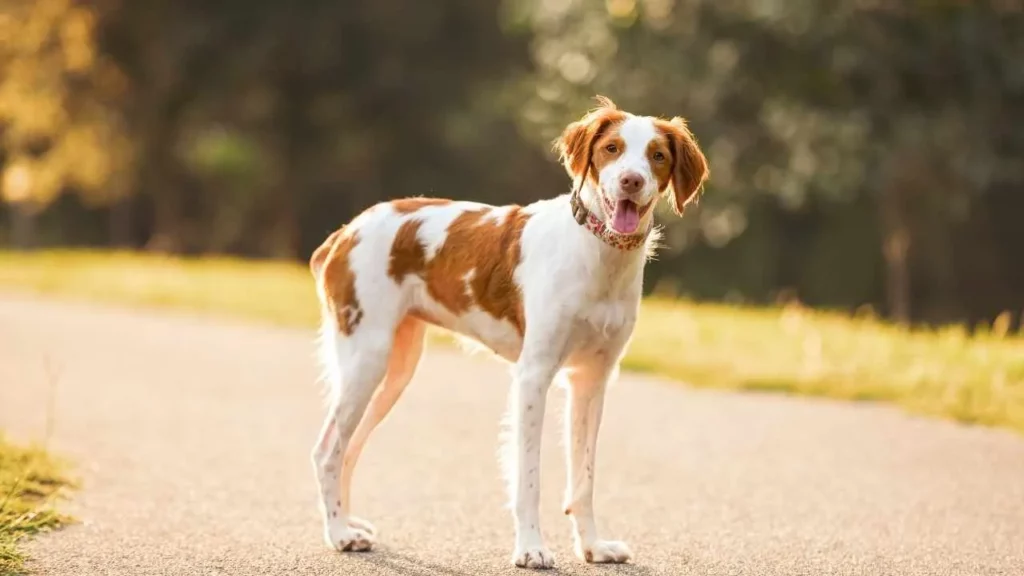
The Spirited French Feathered Hunter
Renowned on both sides of the Atlantic, the Brittany is a lively and versatile gundog, blending energy with charm. Agile and rugged, yet smooth and quick, Brittanys thrive with regular exercise, especially alongside their favorite humans, as per Orvis.
From Brittany’s Countryside to Global Popularity
Originating in France’s Brittany region, this breed was developed by medieval peasants and hunters as an all-purpose bird dog. Introduced to the U.S. in 1931, Brittanys evolved into slightly more pointer-like hunters, while retaining the adaptability that made them invaluable in French hunting season.
Care, Exercise, and Training for Peak Performance
With their natural prey drive, they excel at bird hunting but require supervision outdoors and a secure space. Minimal grooming is needed for their soft, patterned coat, though regular exercise is essential to channel their boundless energy constructively.
Why Brittanys Shine in Tracking and Bird Hunting
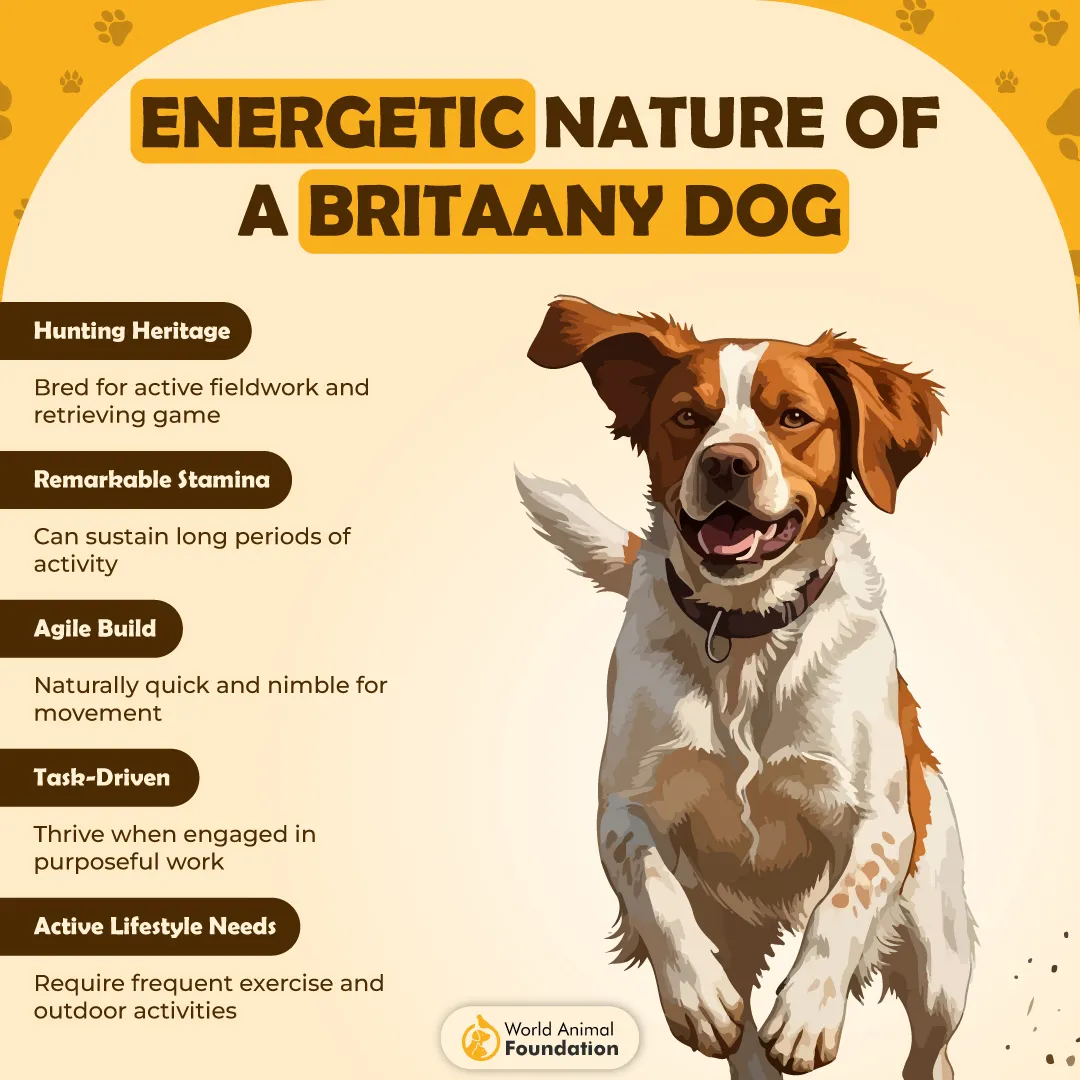
Exceptional nose for flushing birds in dense cover
Agile and quick, able to navigate diverse terrain
High endurance for long hunting sessions
Strong prey drive paired with a trainable temperament
Versatility across different games and hunting skills
2. German Shorthaired Pointer
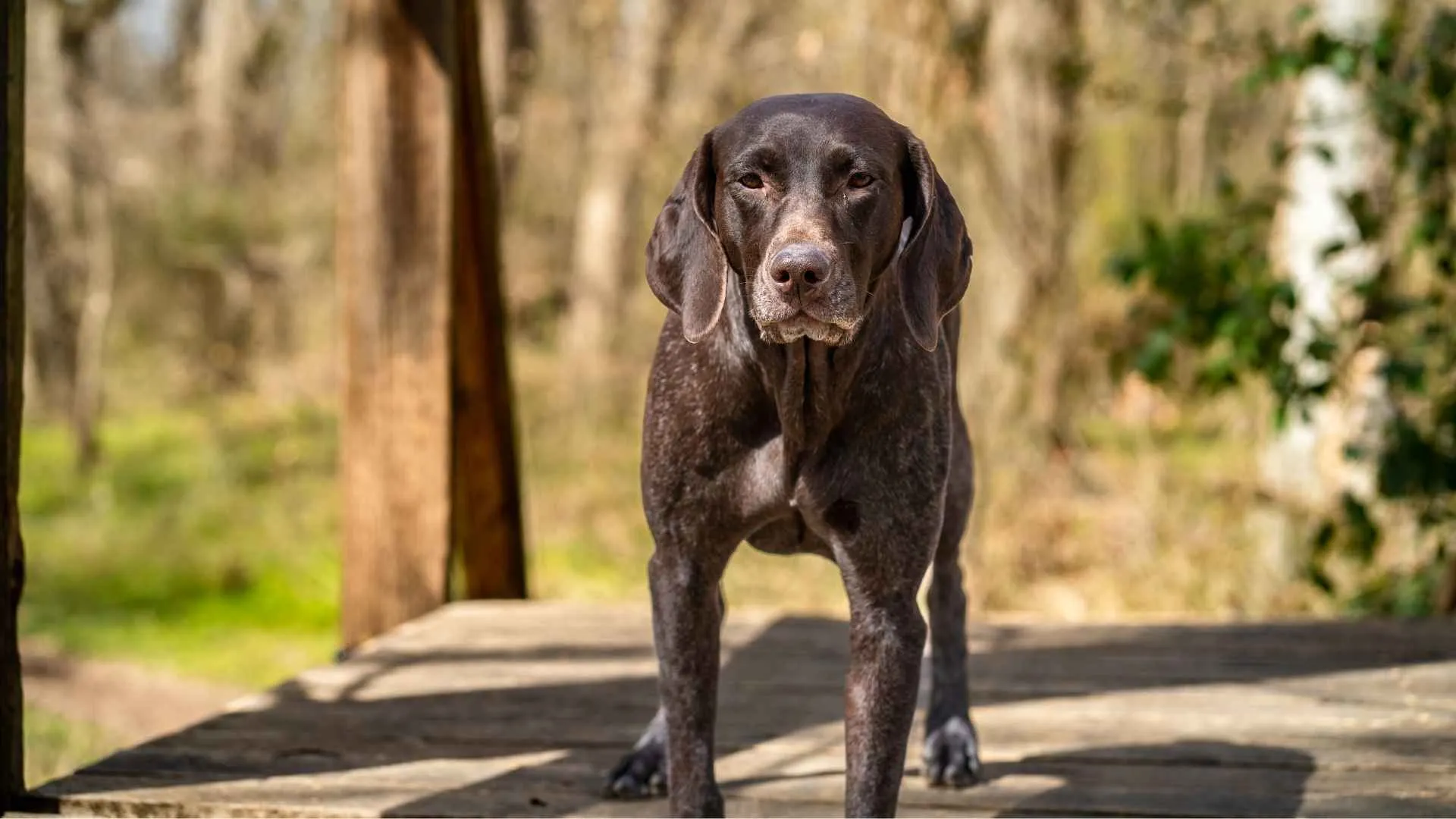
The Noble Versatile Hunter
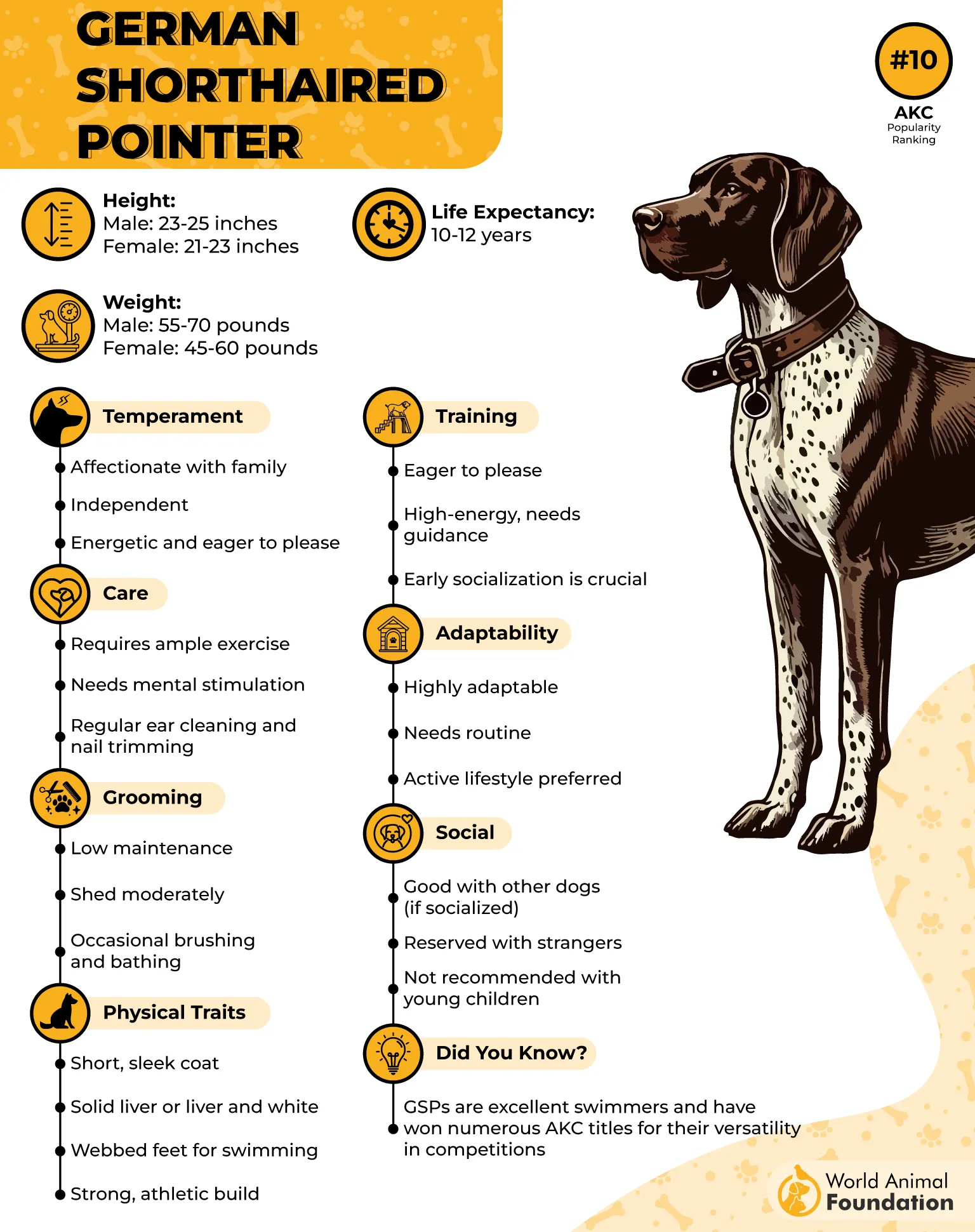
The German Shorthaired Pointer is a striking, muscular dog with boundless energy and a noble bearing. Standing tall and athletic, these dogs are affectionate dogs yet highly spirited, thriving in active households. Smart and alert, they bond closely with their families and love spending time outdoors exploring new terrain.
Roots in Germany’s Hunting Tradition
Originating in 19th-century Germany, the breed descends from the German bird dog and the old Spanish pointer, among others. Introduced to the U.S. in 1930, German Shorthaired Pointers have become a staple in competitive hunting, field trials, and active homes worldwide.
Care, Exercise, and Mental Engagement
German Shorthaired Pointers require rigorous physical activity, including running, swimming, and organized dog sports, at least twice daily. With high intelligence, they need mental stimulation through toys, training, and interaction.
Why German Shorthaired Pointers Excel in Hunting
Incredible stamina and endurance for long outdoor sessions
Sharp nose and natural pointing instinct for locating game
Agile and versatile, able to retrieve, track, and hunt on land or water
Highly trainable with a strong desire to please handlers
Intelligent and alert, adapting to varied hunting conditions
3. English Setter
The Elegant, Joyful Bird Dog
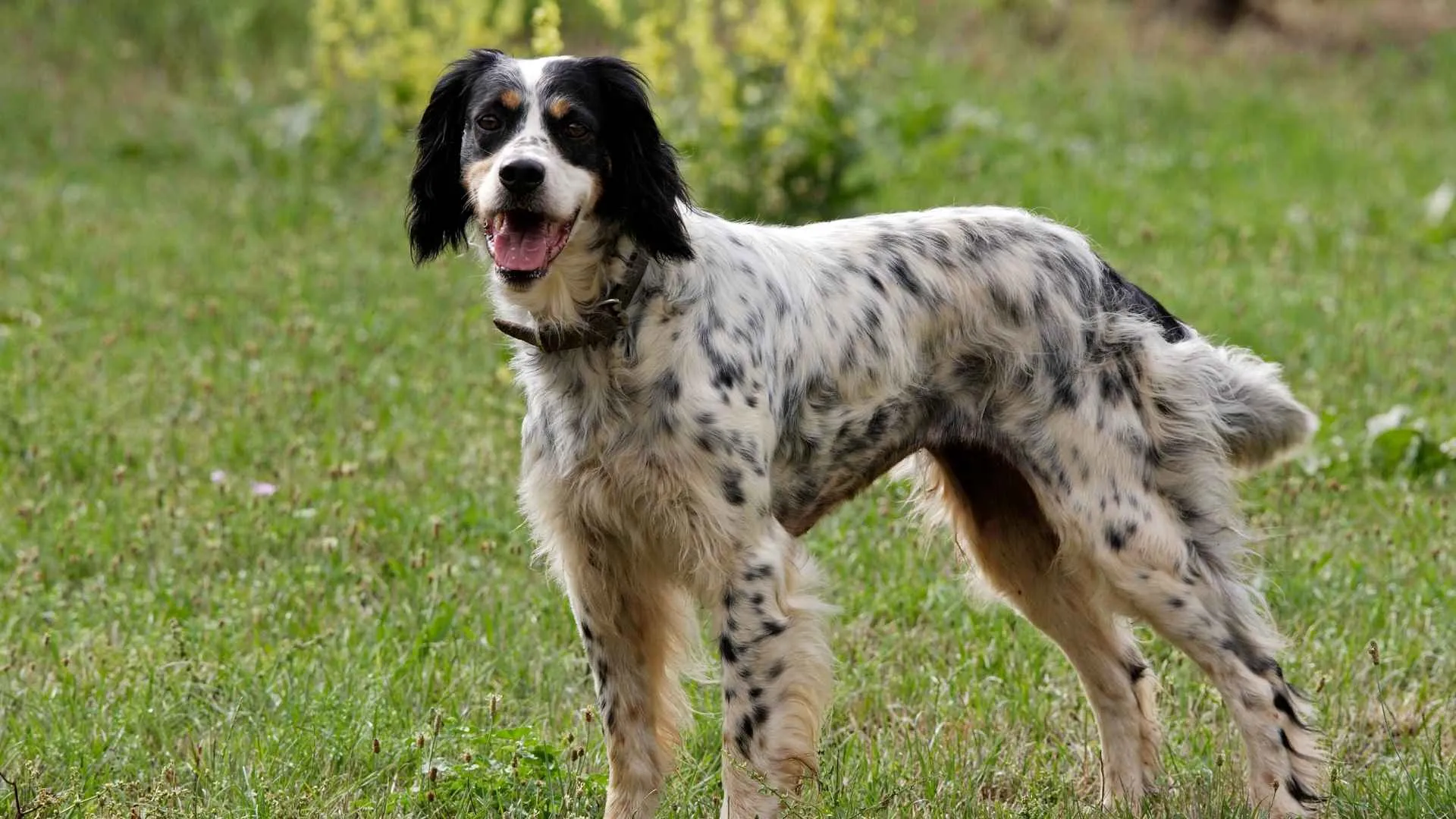
English Setters are graceful, lively gundogs, originally bred to locate and retrieve game with poise and precision. Gentle and affectionate, they bond closely with families and thrive on social interaction, making them great companions for children and other pets.
A Storied Past of Hunting Excellence
Tracing back to the 14th century, English Setters descended from Spanish and French pointers as well as various spaniels. By the 1800s, breeders like Sir Edward Laverack and R. Purcell Llewellin refined hunting strains prized for stamina, keen noses, and elegance in the field, as per Hill’s Pet.
Care, Exercise, and Social Needs
English Setters require consistent grooming, including brushing several times a week to prevent tangles and occasional trimming. High-energy dogs need over two hours of daily exercise, making long walks, jogging, or hiking ideal. Early socialization and mental stimulation ensure confidence and proper behavior.
Why English Setters Are Exceptional Hunting Partners
Keen scenting ability for locating game birds
Agile and energetic, excelling in long hunting sessions
Gentle temperament with a strong bond to handlers
Sociable yet focused, balancing family life with field work
Graceful movement and natural pointing stance for precision hunting
4. Irish Setter
The Majestic Red Hunter
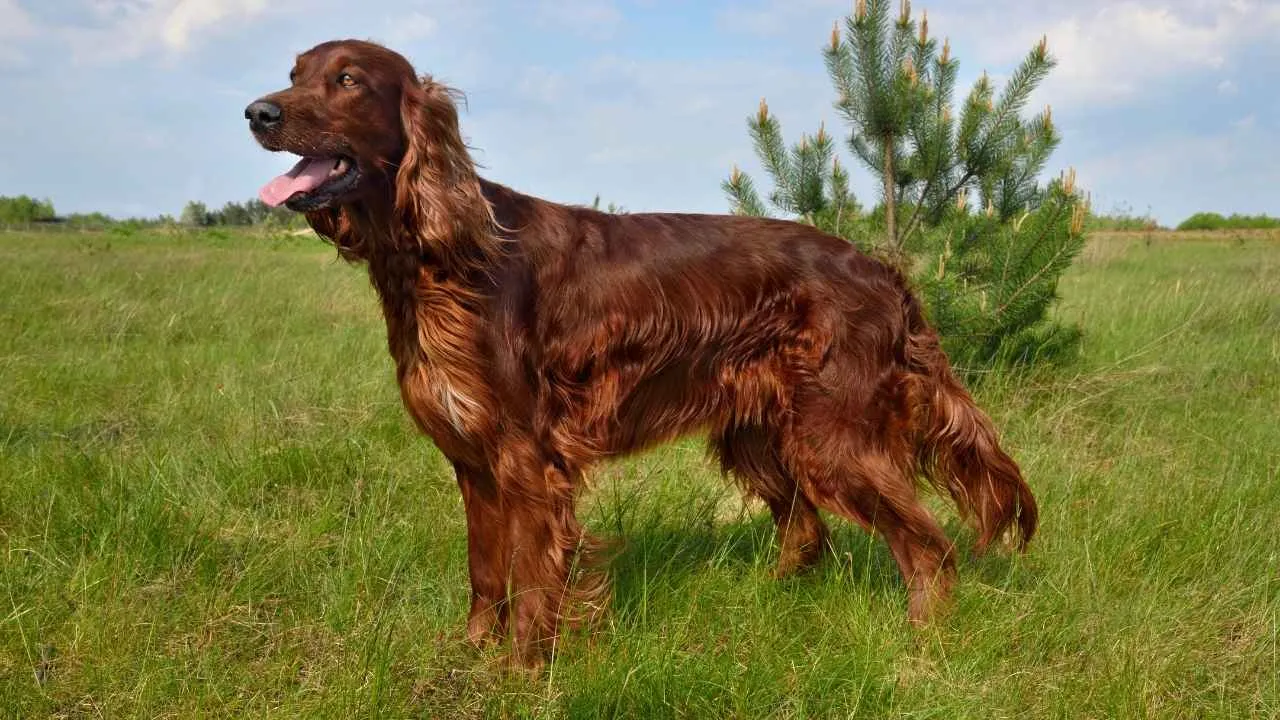
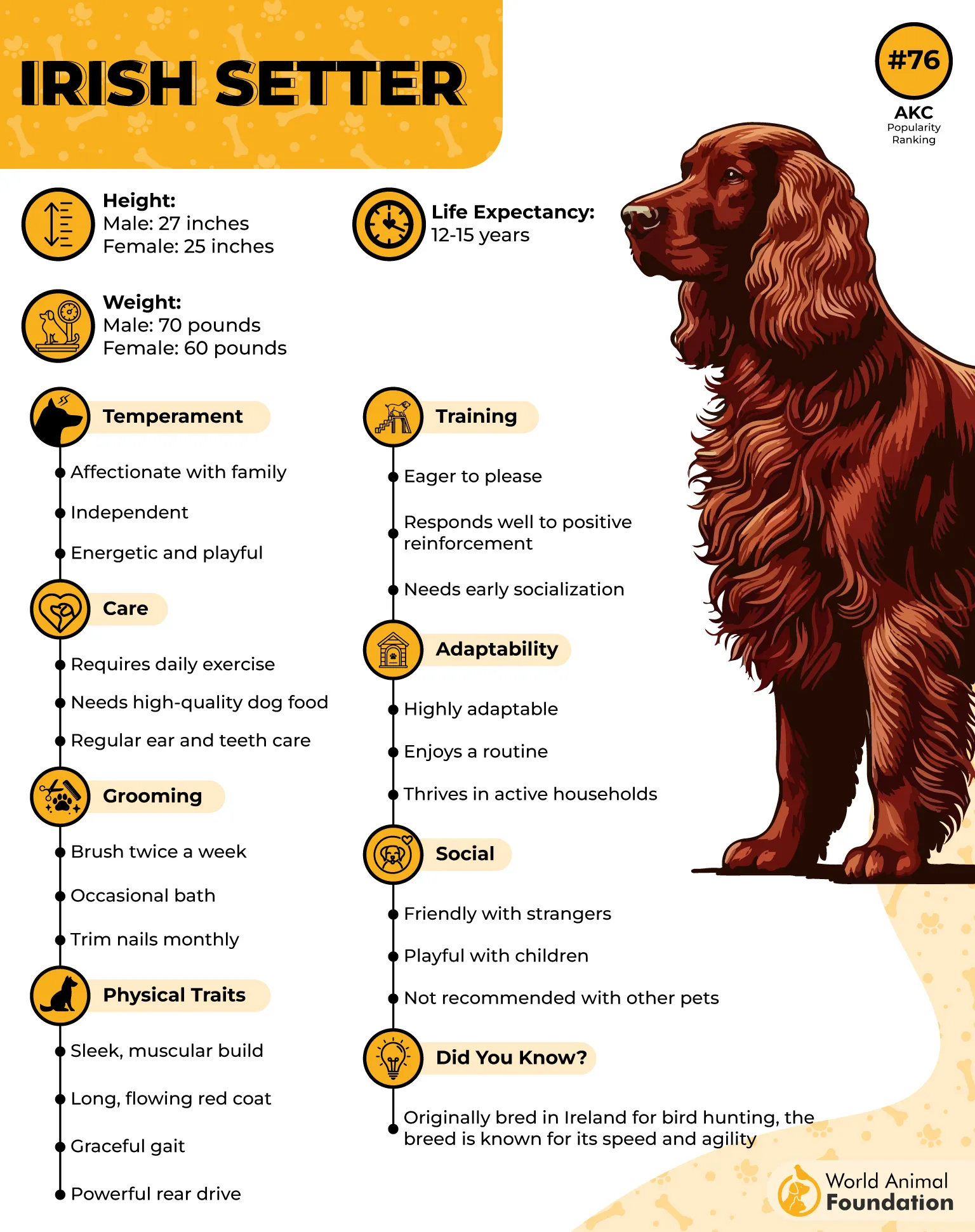
The Irish Setter is celebrated for its elegant build, silky mahogany coat, and lively personality. Bred in 18th-century Ireland from English and Gordon setters, spaniels, and pointers, it was trained to locate birds and “set” with precision, as per WebMD.
A Rich History of Hunting Excellence
Descended from early Spanish hunting dogs, the Irish Setter evolved over centuries into the striking red-coated hunter seen today. By the 19th century, breeders focused on solid-color Red Setters, refining their stamina, speed, and tracking instincts.
Care, Exercise, and Family Life
Irish Setters require daily exercise—at least one to two hours of running, hiking, or play—to remain happy and well-behaved. Their medium-length coat with feathering needs brushing a few times weekly and occasional washing.
Why Irish Setters Excel in Tracking and Bird Hunting
Superior scenting ability for locating game over long distances
Agile and fast, perfect for open-field hunting
Graceful pointing stance and natural “setting” behavior
High energy and endurance for extended hunting sessions
Intelligent, trainable, and responsive to handlers
5. Boykin Spaniel
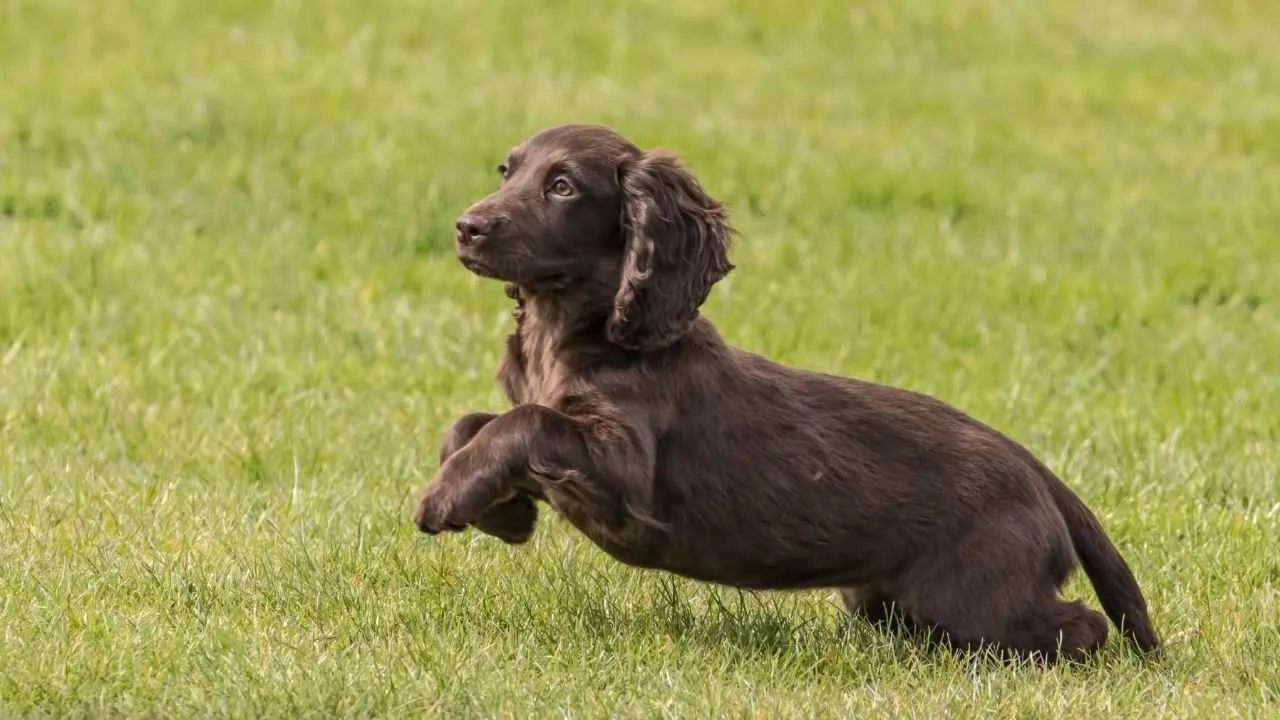
South Carolina’s Sporting Treasure
The Boykin Spaniel is a medium-sized dog, an athletic gundog known for its rich brown coat and spirited personality. Developed in early 20th-century South Carolina, this eager, versatile dog excels at flushing, retrieving, and swimming in lakes and swamps.
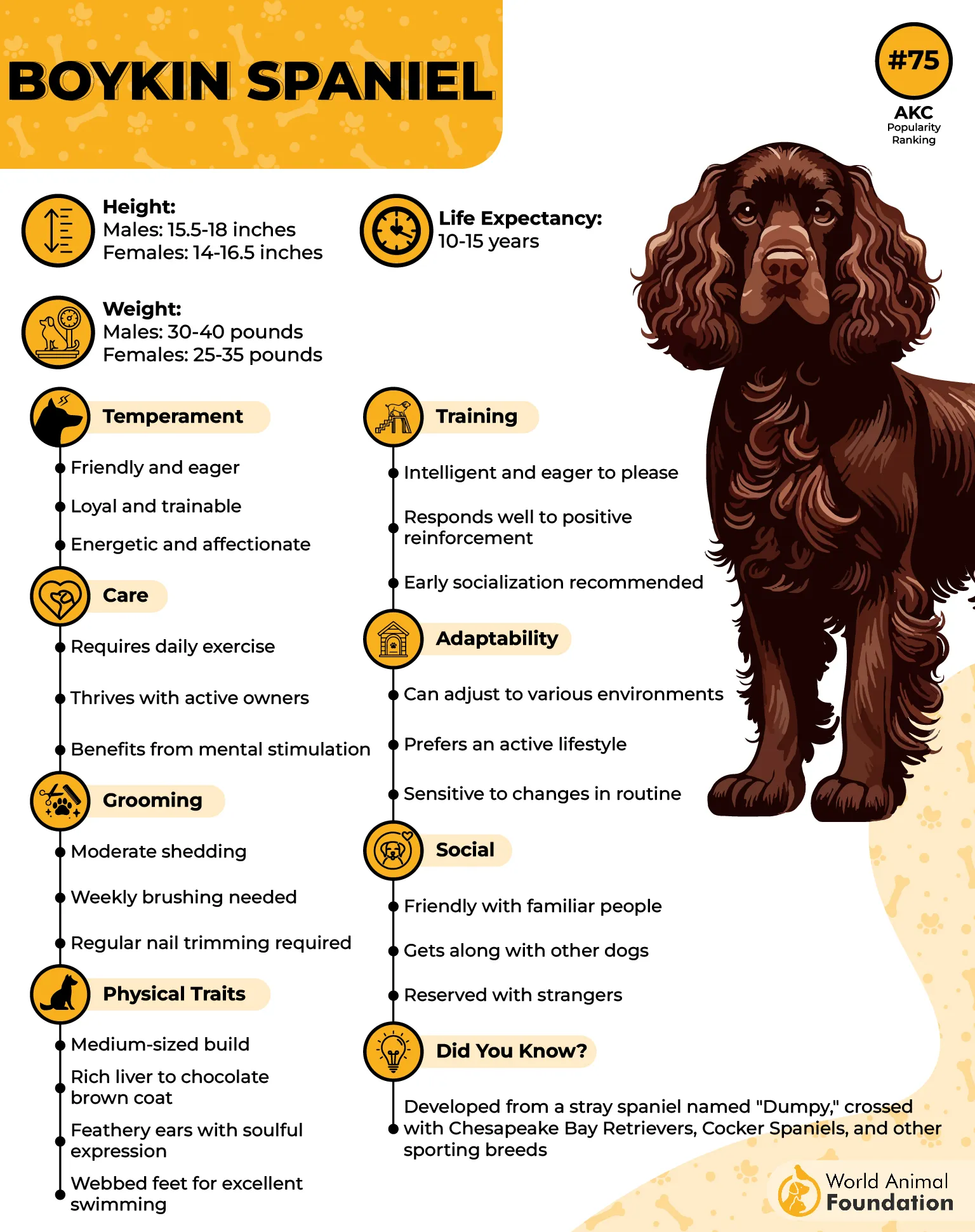
From Dumpy to a Distinguished Breed
The breed traces back to a small spaniel named Dumpy, discovered in Spartanburg around 1900. Crossed with Chesapeake Bay Retrievers, Cockers, Springers, and American Water Spaniels, Dumpy’s descendants became the Boykin Spaniel.
Care, Training, and Outdoor Life
Boykins requires one to two hours of daily exercise, including swimming, hiking, or play, to stay healthy and content. Intelligent and eager to please, they respond well to positive reinforcement training. Social, cheerful, and playful, Boykins thrive in active homes where they can be part of family life and outdoor adventures.
Why Boykin Spaniels Shine in Hunting and Tracking
Exceptional swimmers with webbed toes for retrieving in water
High energy and stamina for long hunting sessions
Strong flushing and retrieving instincts for upland and waterfowl game
Intelligent, trainable, and quick to learn commands
Friendly, loyal, and adaptable in both field and family settings
6. Labrador Retriever
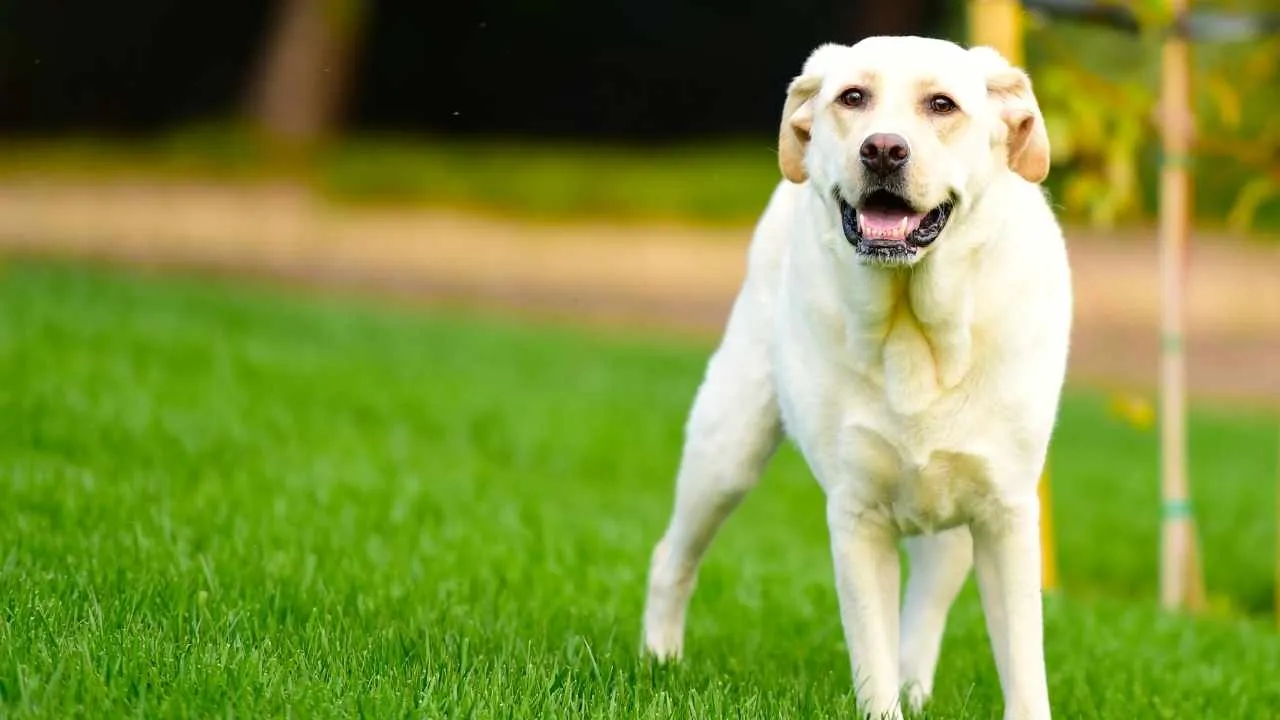
The Ultimate All-Purpose Retriever
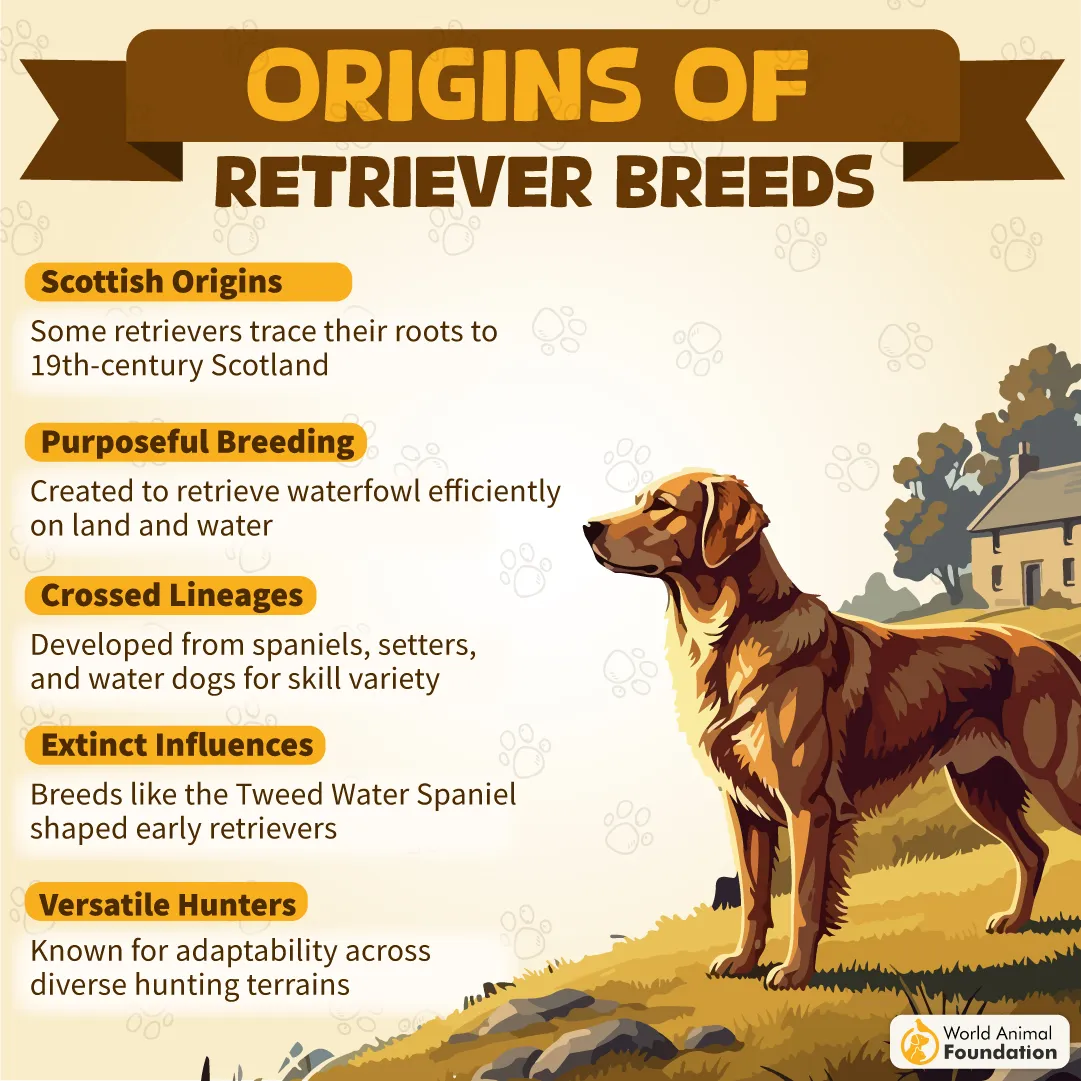
The Labrador Retriever, originating from Newfoundland and brought to England in the 1800s, is a rugged, versatile sporting dog. Labs are energetic, friendly dogs, and highly trainable, excelling as hunting companions, family pets, and service dogs alike, as per Purina.
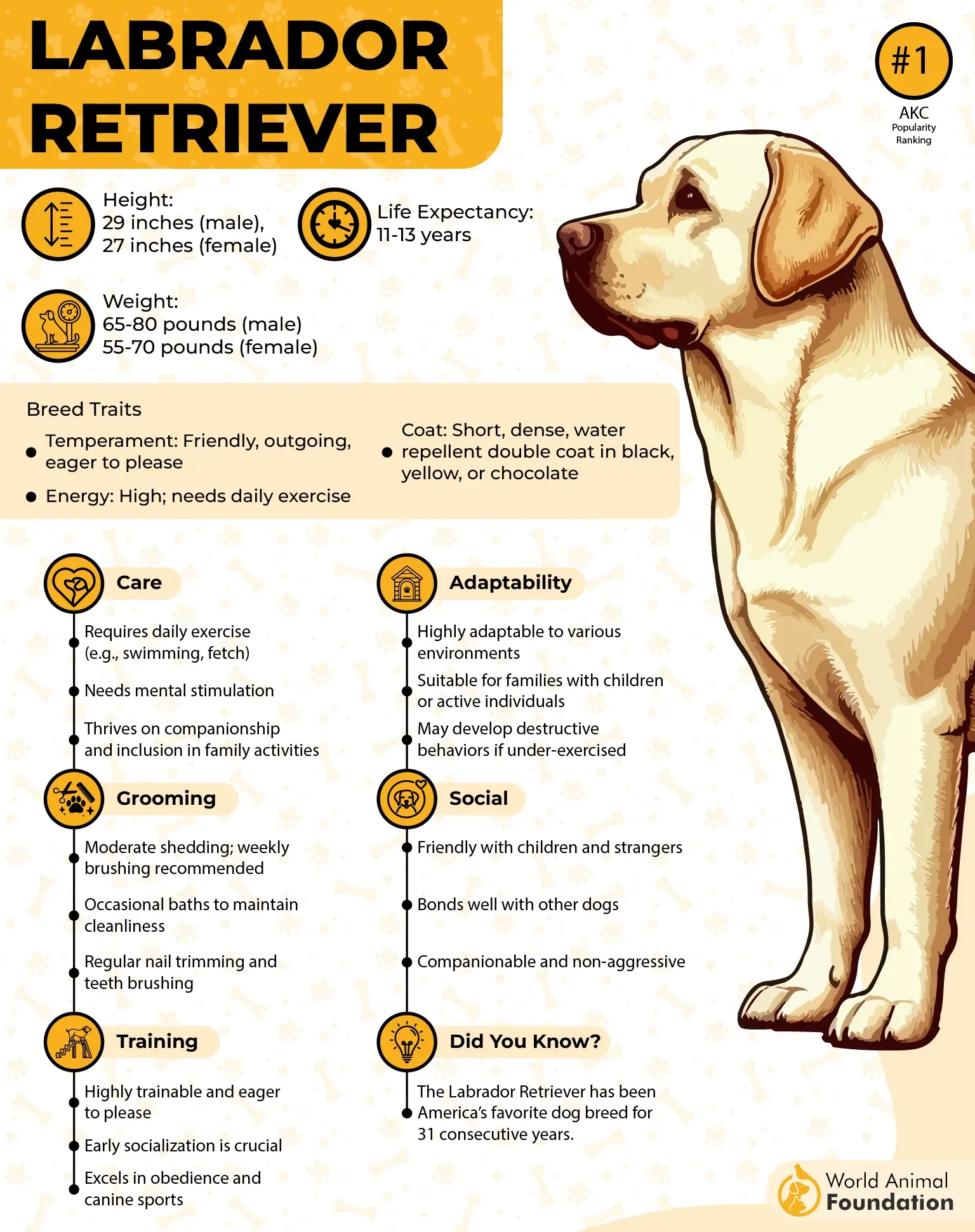
A History of Hardy Hunters
Labradors were developed by fishermen and hunters to retrieve fish and game from frigid waters, giving them a natural affinity for swimming and retrieving. Their stocky, muscular build supports endurance in long hunts, while their gentle temperament allows them to bond closely with families.
Care, Exercise, and Daily Life
Labs require at least an hour of daily exercise—swimming, running, fetching, and mental challenges keep them healthy and happy. Their short, water-resistant coat is low-maintenance but sheds seasonally, requiring regular brushing. Intelligent and eager to please, Labs respond well to positive reinforcement training.
Why Labrador Retrievers Dominate Tracking and Bird Hunting
Remarkable retrieving skills on land and in water
High stamina and endurance for long hunting sessions
Strong swimming ability and love for cold-water retrieval
Intelligent, trainable, and responsive to commands
Friendly, adaptable, and steady temperament for diverse hunting environments
7. Golden Retriever
Grooming Glamor
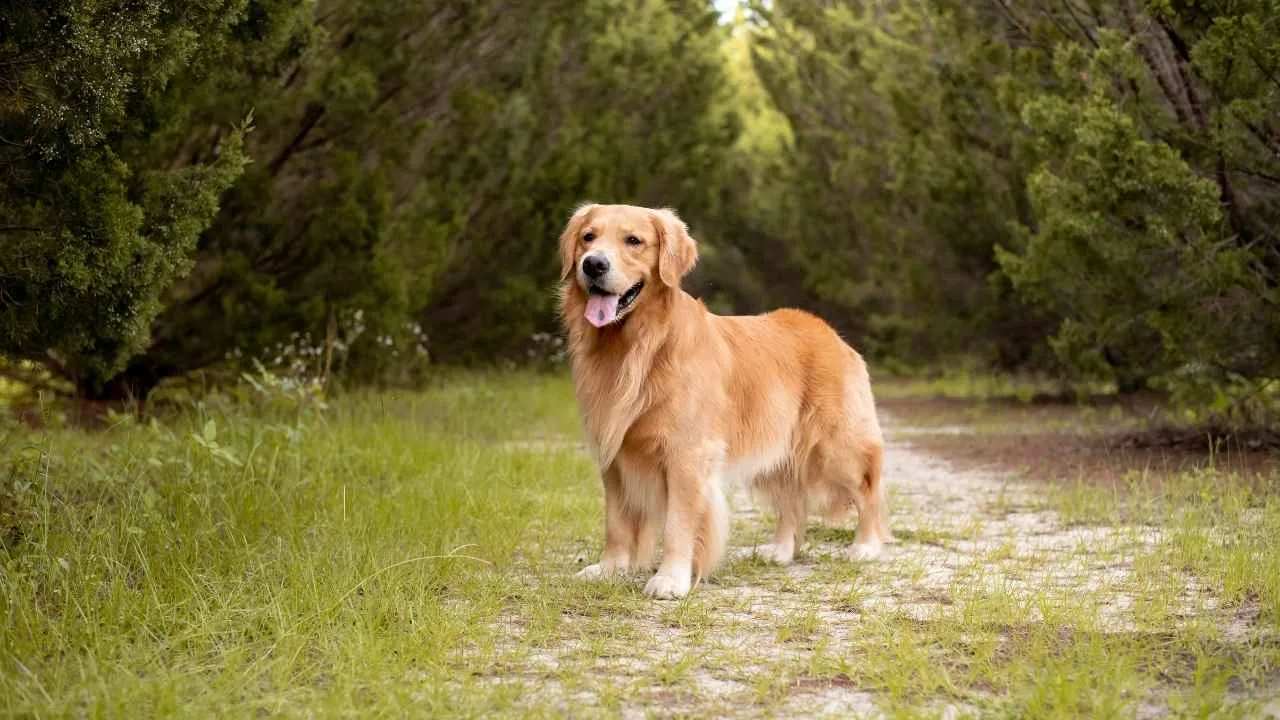
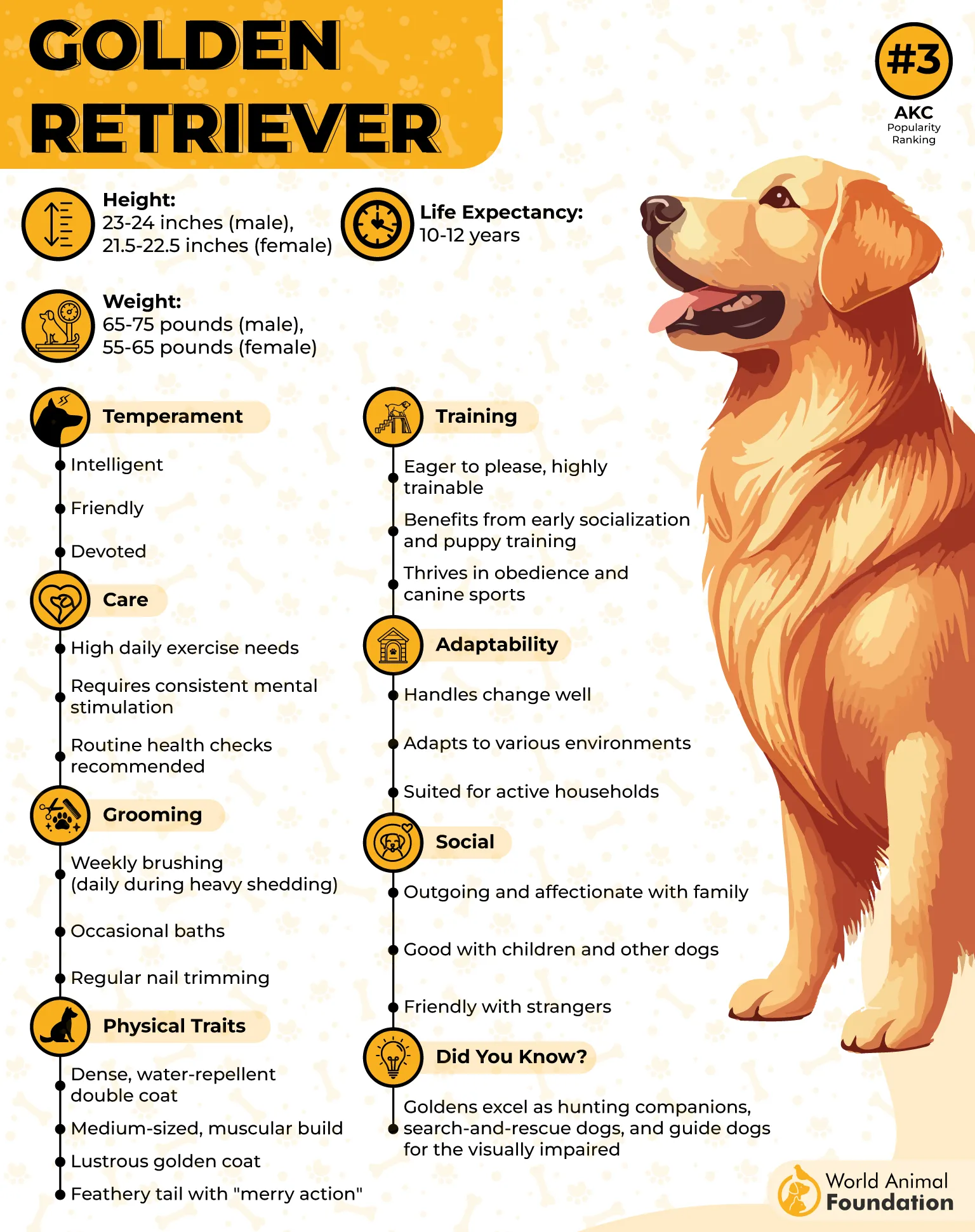
They shed year-round, with heavier moulting in spring and fall, so regular brushing three to five times a week keeps tangles and matting at bay. Occasional baths and routine ear checks are essential, especially for their floppy ears, to prevent infections and keep them pristine after muddy adventures.
Heritage of Hunters
Originating from Scotland’s Highlands, Golden Retrievers were developed in the late 19th century to retrieve game from both water and land. Recognized by the AKC in 1925, Goldens quickly became popular as both skilled hunting companions and loyal dogs, admired for their intelligence and gentle disposition.
Energy and Exercise Needs
Two hours of exercise a day, including running, swimming, and fetch games, helps prevent boredom and destructive behaviors. They love interactive training and challenges that engage their problem-solving skills, making them both eager learners and tireless hunting companions.
Why Golden Retrievers Excel at Tracking & Bird Hunting:
Possess a soft mouth ideal for retrieving birds without damage
Exceptional scent-tracking ability for locating game
Natural swimming skills for waterfowl retrieval
High stamina for long hunting excursions
Intelligent and highly trainable, responding well to commands
Conclusion
In the dog world, some dog breeds stand out as superior dog breeds for tracking and bird hunting due to their natural hunting instincts and high energy dogs traits. These hunting dogs excel at upland hunting, waterfowl hunting, and retrieving downed birds, making them excellent hunting companions. Their versatility allows them to thrive in various hunting styles and harsh conditions.
Pointing dogs, flushing dogs, and natural retrievers are prized hunting breeds because they can hunt birds, locate upland birds, and track small game efficiently. With keen noses and double coats, they adapt to cold water, dense terrain, and seasoned hunters’ demands. These energetic dogs also make good family dogs, showing a friendly and affectionate nature.
Through proper training, these versatile hunting dogs become both loyal hunting companions and family dogs. From pointing upland birds to retrieving downed birds, their instincts shine in upland game and duck hunting. Their intelligence, eager to please nature, and adaptability make them some of the most popular dog breeds for both the field and home.
