




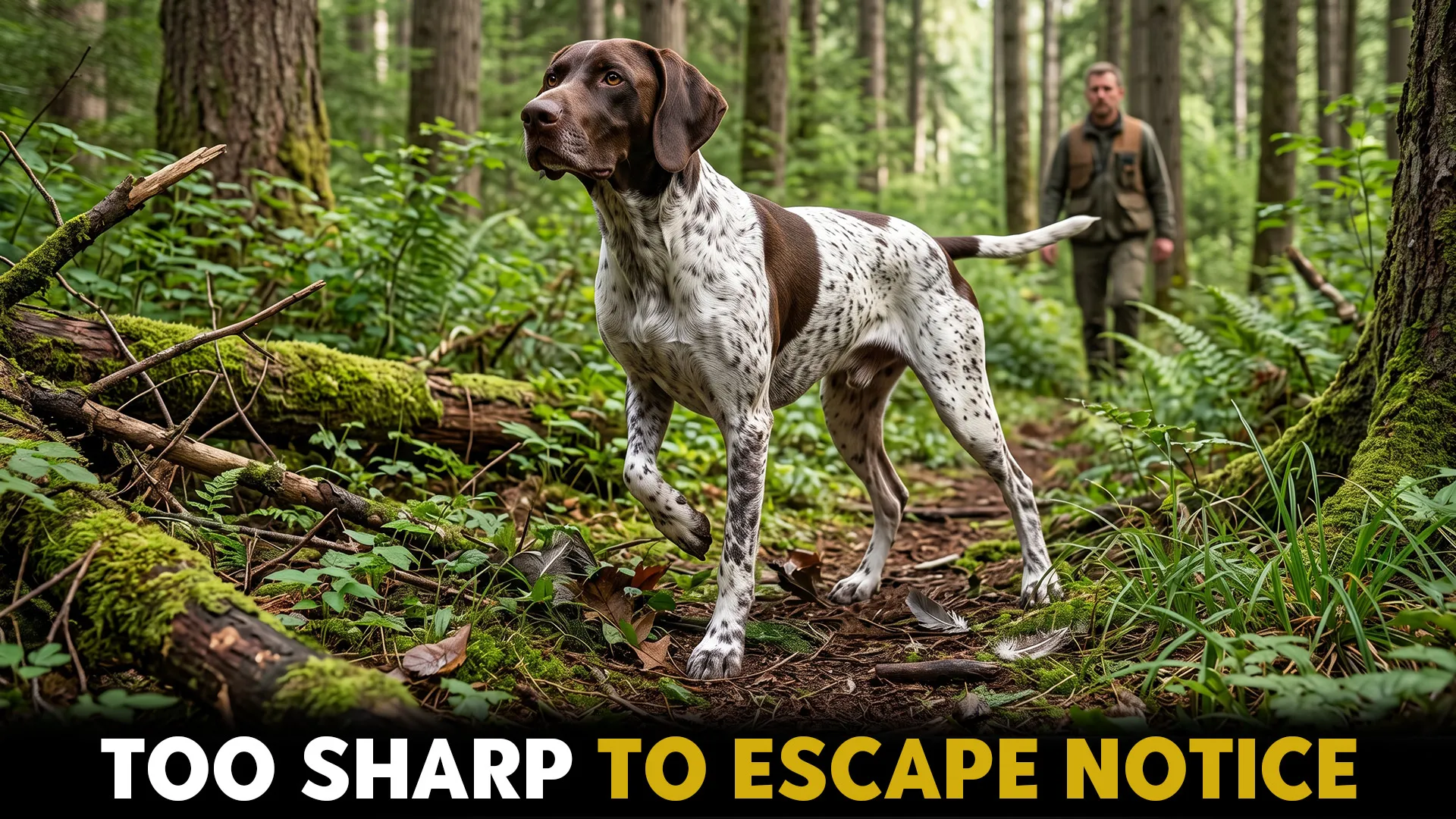
Dense forests do not hand out participation trophies. Thick brush hides scent, fallen timber slows movement, visibility can vanish within a few yards, and game can change direction before a hunter has even finished thinking, “Wait, where did it go?”
That is exactly where a well-bred hunting dog earns its snacks. Pointing breeds can locate and indicate game; versatile gun dogs may search, track, point, and retrieve; while treeing hounds and curs use scent, voice, stamina, and serious woodland instincts to keep working when the scenery starts looking like nature deliberately turned the difficulty setting to expert.
Let’s check out the seven breeds that do not all hunt the same quarry or use the same strategy, but do it in their own unique ways.
Superior Dog Breeds for Hunting in Dense Forests
1. Irish Setter
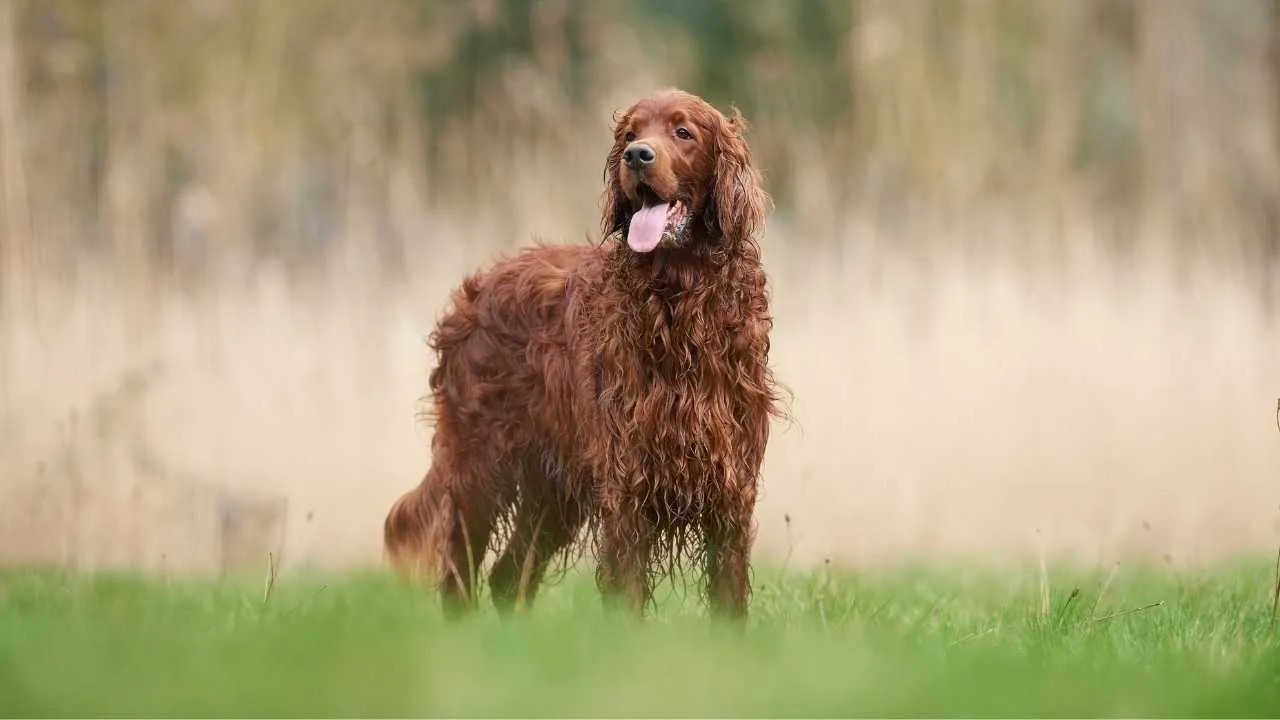
The Irish Setter is a genuine working bird dog. Irish hunters developed the breed to move efficiently across countryside while locating upland game, and modern Irish Setters still participate in field trials.
Hills Pet says a properly bred field Setter uses scent to locate birds and then establishes a point instead of bulldozing into cover like a furry shopping cart with one bad wheel. That ability becomes particularly useful around woodland birds where the hunter may have little visual information until the dog signals that something interesting is ahead.
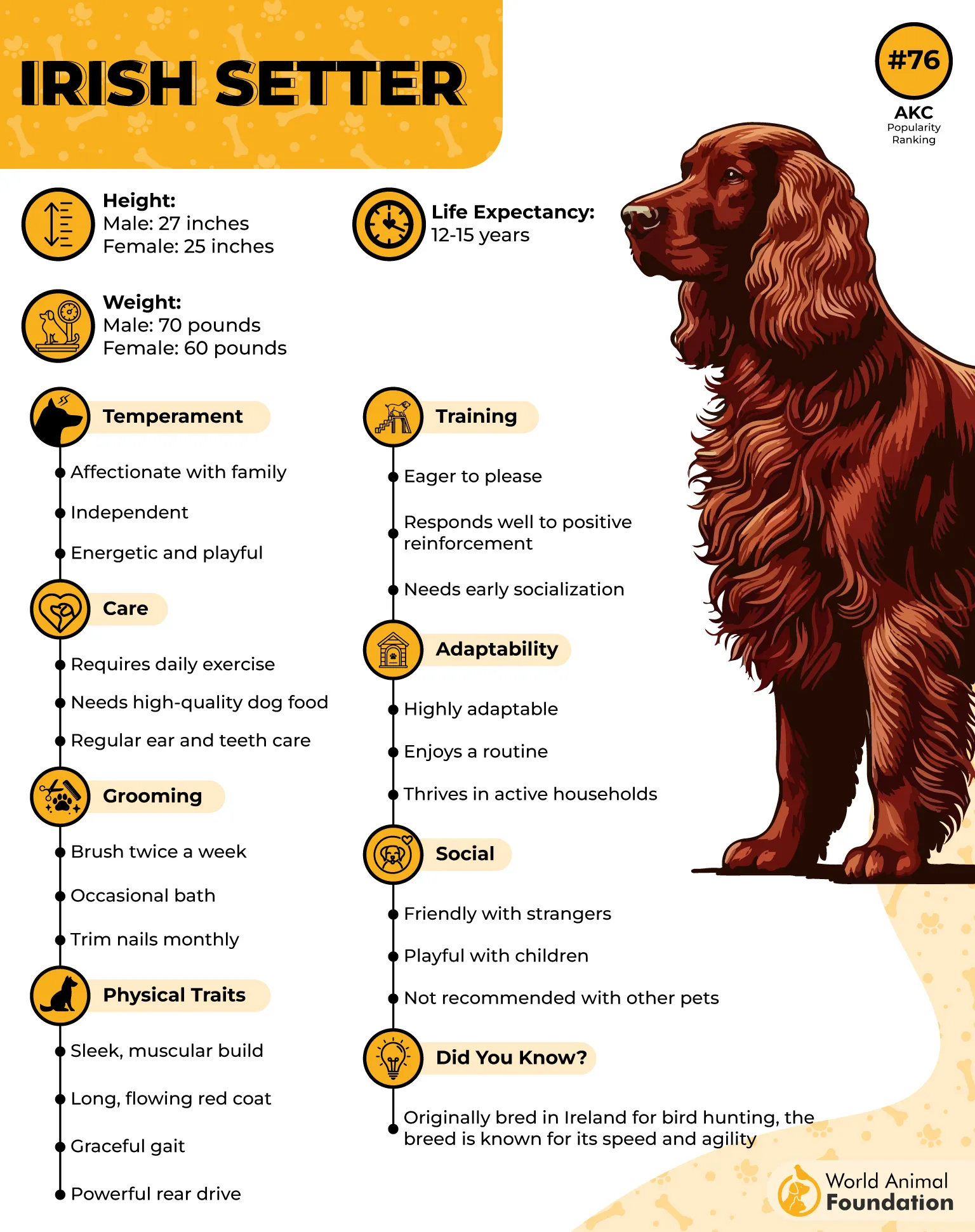
That coat deserves a reality check in serious forest work. Long feathering can collect burrs, seeds, mud, twigs, and enough miscellaneous woodland debris to make the dog appear to have personally stolen half the forest floor.
Hunters working dense vegetation often favor field-bred lines with lighter coats or maintain practical grooming so the dog can move through cover without turning every outing into a post-hunt botanical collection.
Their Hunting Strategies in Dense Forests
Quartering for feathered game: A working Setter searches likely woodland cover while using airborne scent to locate upland game rather than relying entirely on a ground trail.
Point before the flush: Once the dog locates scent, the classic strategy is to freeze and indicate the bird’s location, giving the hunter time to approach.
2. Treeing Walker Coonhound
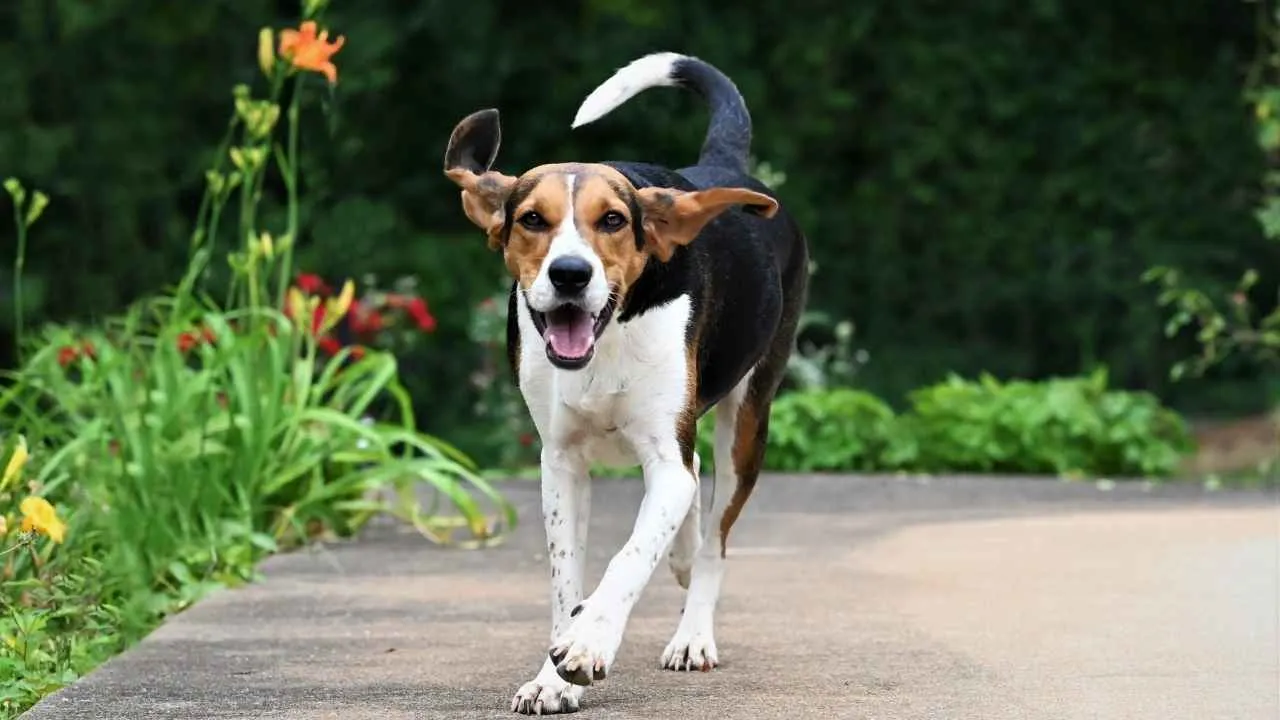
One of the best hunting dogs in the dog world, this American scenthound was originally bred specifically to follow game such as raccoons and keep pursuing the scent trail until the animal climbed a tree. The AKC notes that Treeing Walkers combine a keen nose with speed and endurance, including the ability to hunt effectively at night.
The Treeing Walker’s communication system is particularly clever in low visibility. It has a bugle-like voice while working a trail, followed by a shorter chopping bark when quarry has been treed, allowing a handler to interpret the hunt without maintaining visual contact.
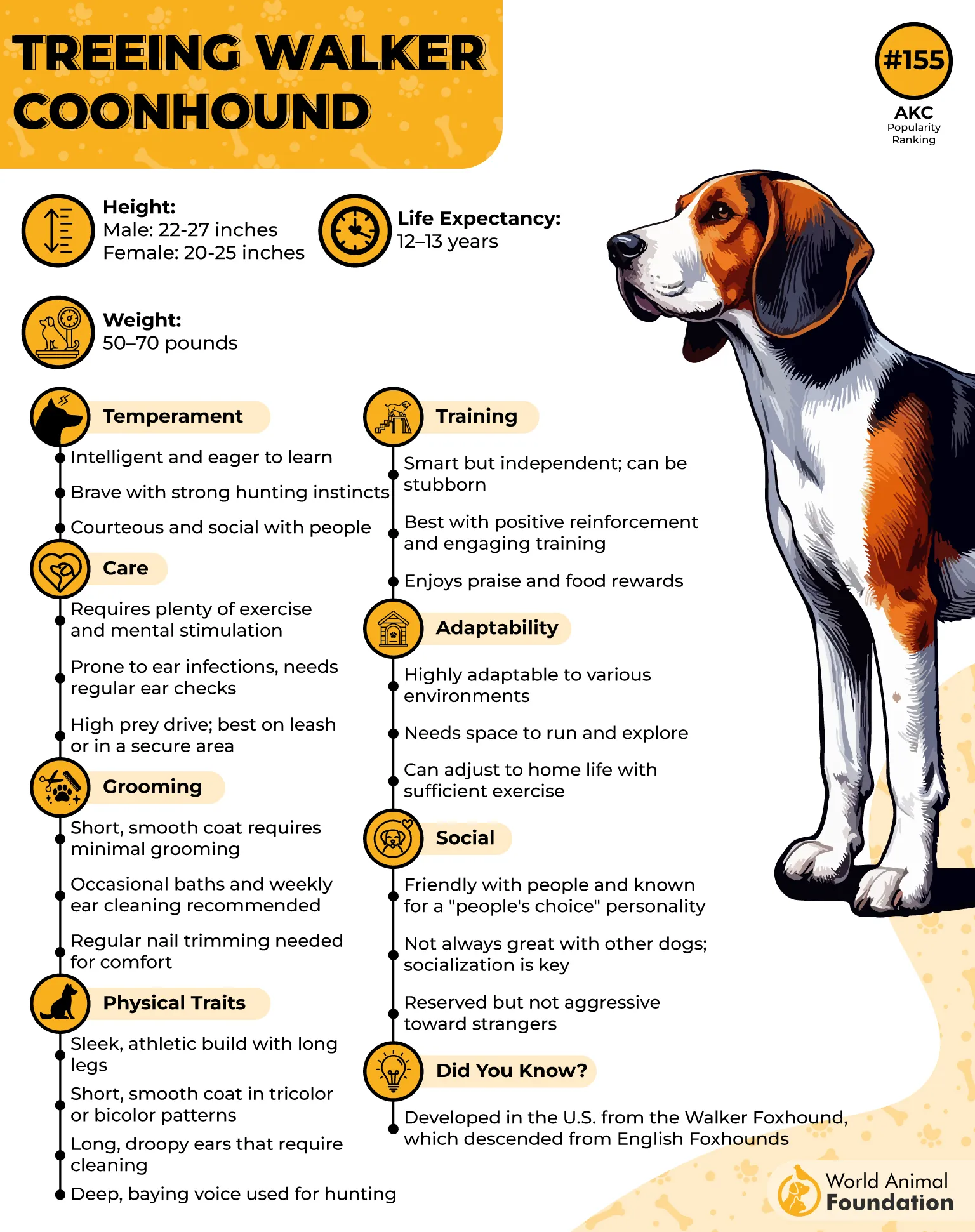
Speed sets this breed apart from slower, more methodical scent hounds. Treeing Walkers are fast runners capable of covering distance efficiently, while hunters often refer to them as comparatively “hot-nosed,” meaning many favor fresher scent tracks.
But forest navigation isn’t purely about running flat-out. Treeing requires recognizing where a ground trail ends, locating the right tree, staying committed to that spot, and calling the hunter in rather than continuing randomly through the woods.
Their Hunting Strategies in Dense Forests
Fresh-trail pursuit: Treeing Walkers can move rapidly once they acquire scent, helping them stay connected to mobile quarry in sprawling woods.
Voice as navigation: Changes from trail voice to tree bark give the hunter information even when vegetation completely blocks the dog from sight.
3. Black and Tan Coonhound
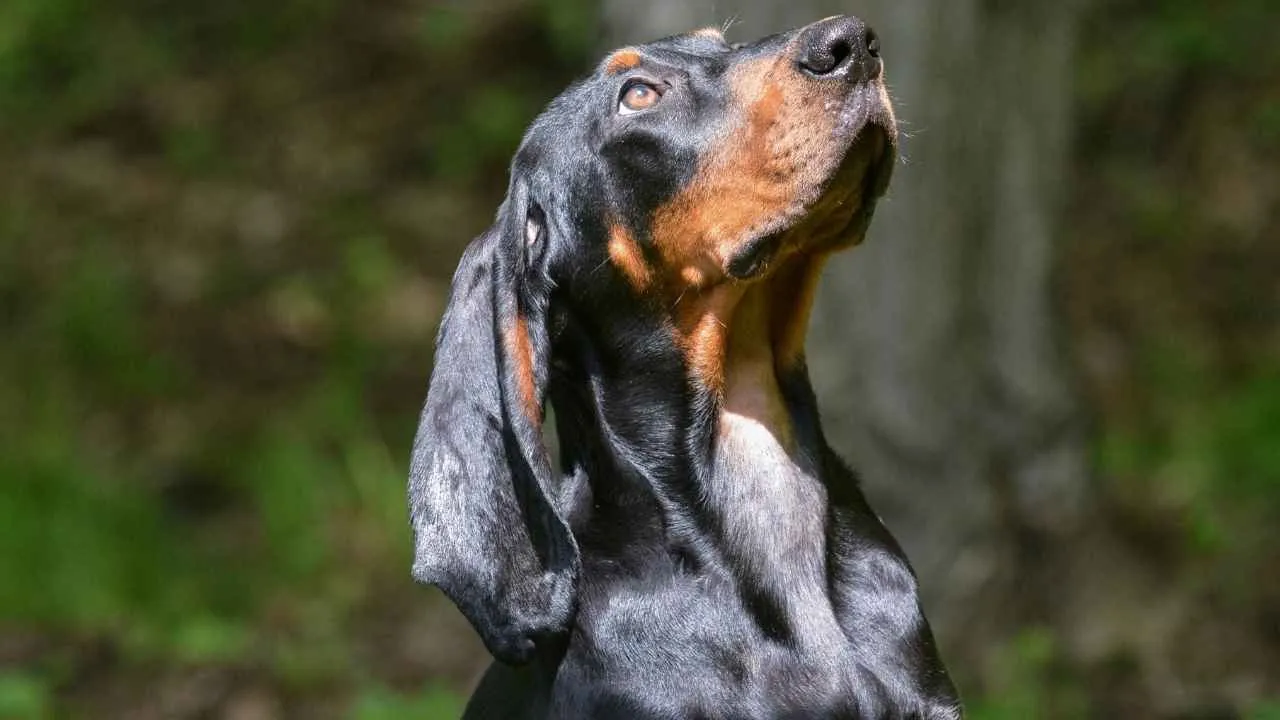
The Black and Tan Coonhound is a rugged working scenthound that can spend long hours following trails across varied terrain and weather. Raccoon is its signature quarry, although the breed has historically been used on larger game like a wild boar as well.
Its specialty is persistence on scent. Where a faster hound may favor the freshest information available, a Black and Tan can patiently work a trail with its nose down, sorting through scent until the story starts making sense again.
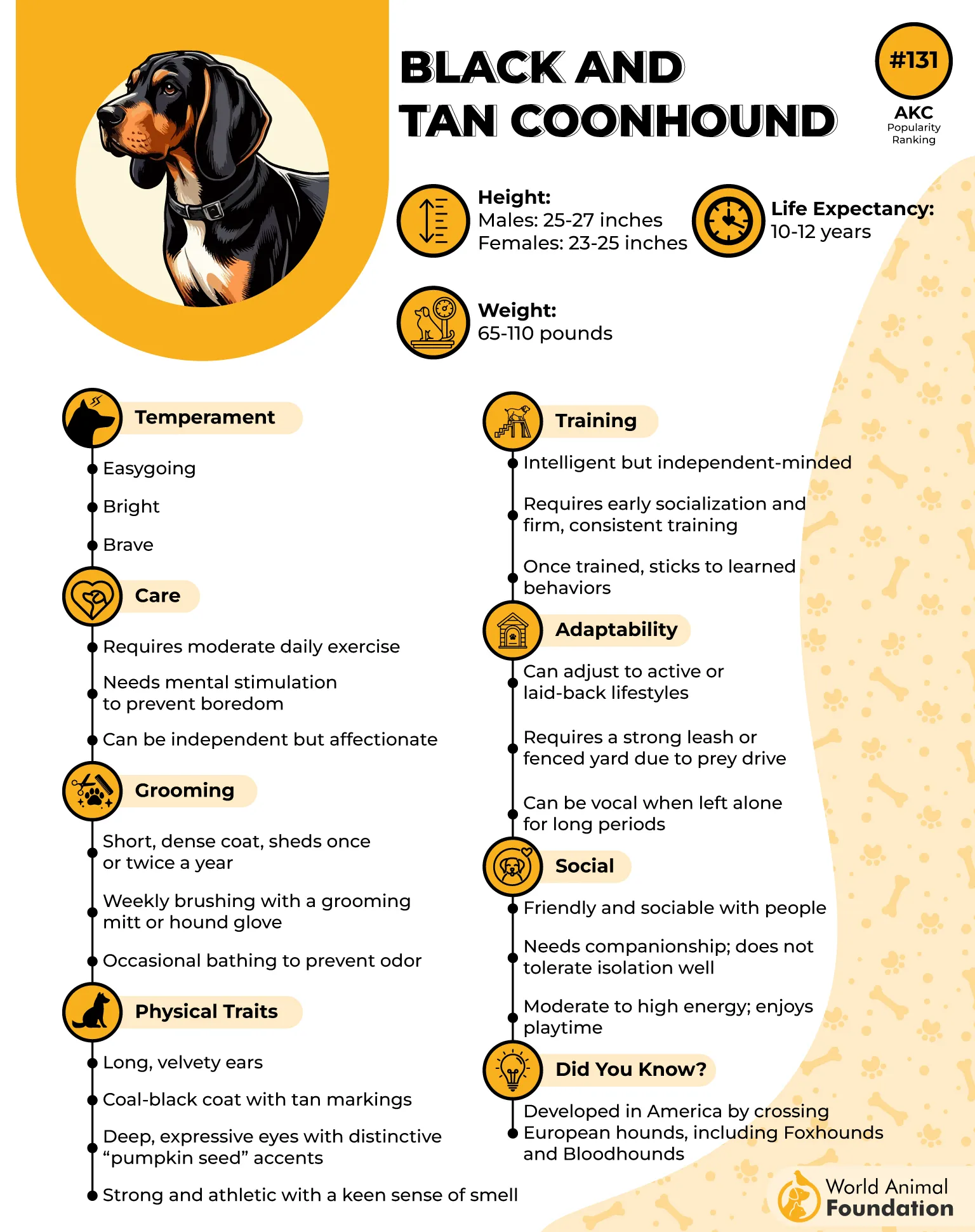
Once the quarry trees, subtlety officially leaves the chat. This even-tempered dog uses a characteristic deep bay to tell the hunter where the trail ended, which is especially practical after dark or when thick vegetation hides everything beyond the nearest trunks.
The breed also has a legitimate place in American coonhound history. Today they remain among the seven coonhound breeds eligible for AKC Raccoon Hound Events, where natural trailing and treeing ability remains central.
Their Hunting Strategies in Dense Forests
Patient scent work: Black and Tans are valued for staying with a trail rather than requiring continuous visual contact with quarry.
Endurance over rough ground: Long working sessions suit forests where a track may stretch across ridges, gullies, streams, and heavy vegetation.
4. Vizsla
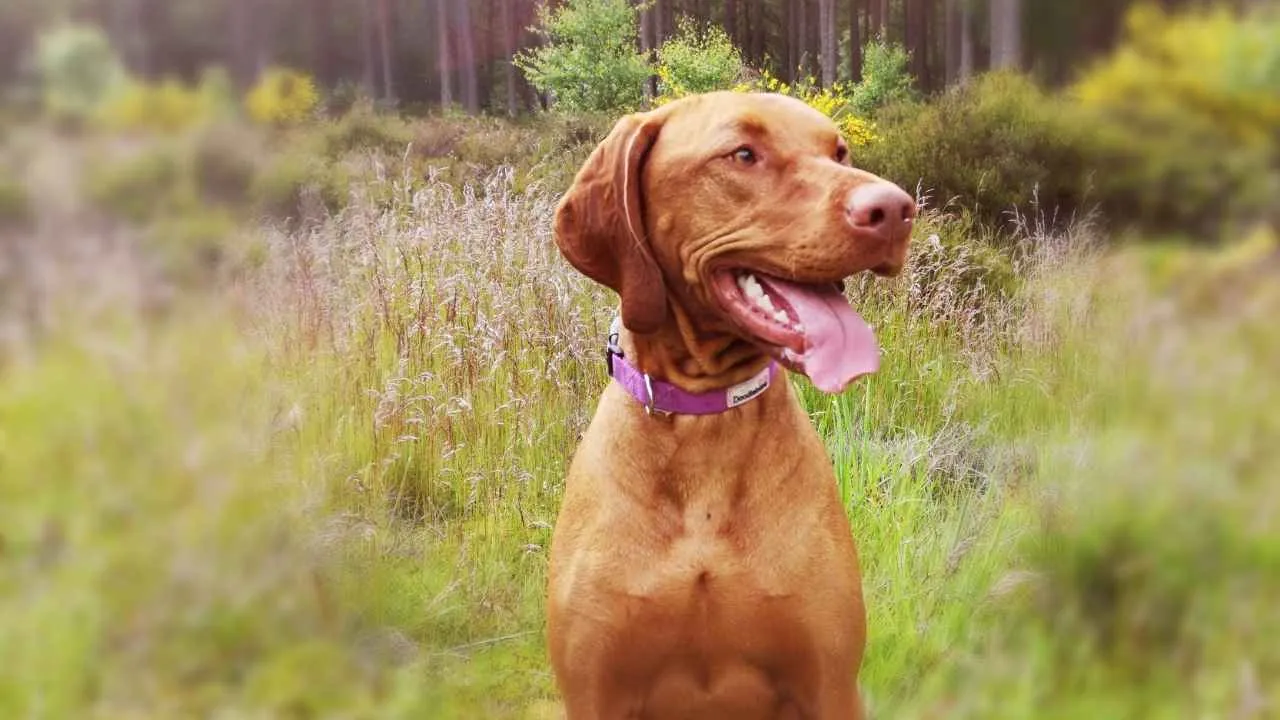
The Vizsla is a Hungarian sporting breed with centuries of hunting history, developed into a pointing dog that works closely with people. The American Kennel Club (AKC) traces the breed’s history to ancient Hungarian hunting dogs and notes that generations of selective breeding preserved their hunting abilities.
Modern Vizslas combine pointing with retrieving, making them more versatile than a dog whose job ends the moment it finds a bird. They have been used on upland birds, rabbits, and waterfowl in the United States, reflecting the breed’s adaptable sporting background.
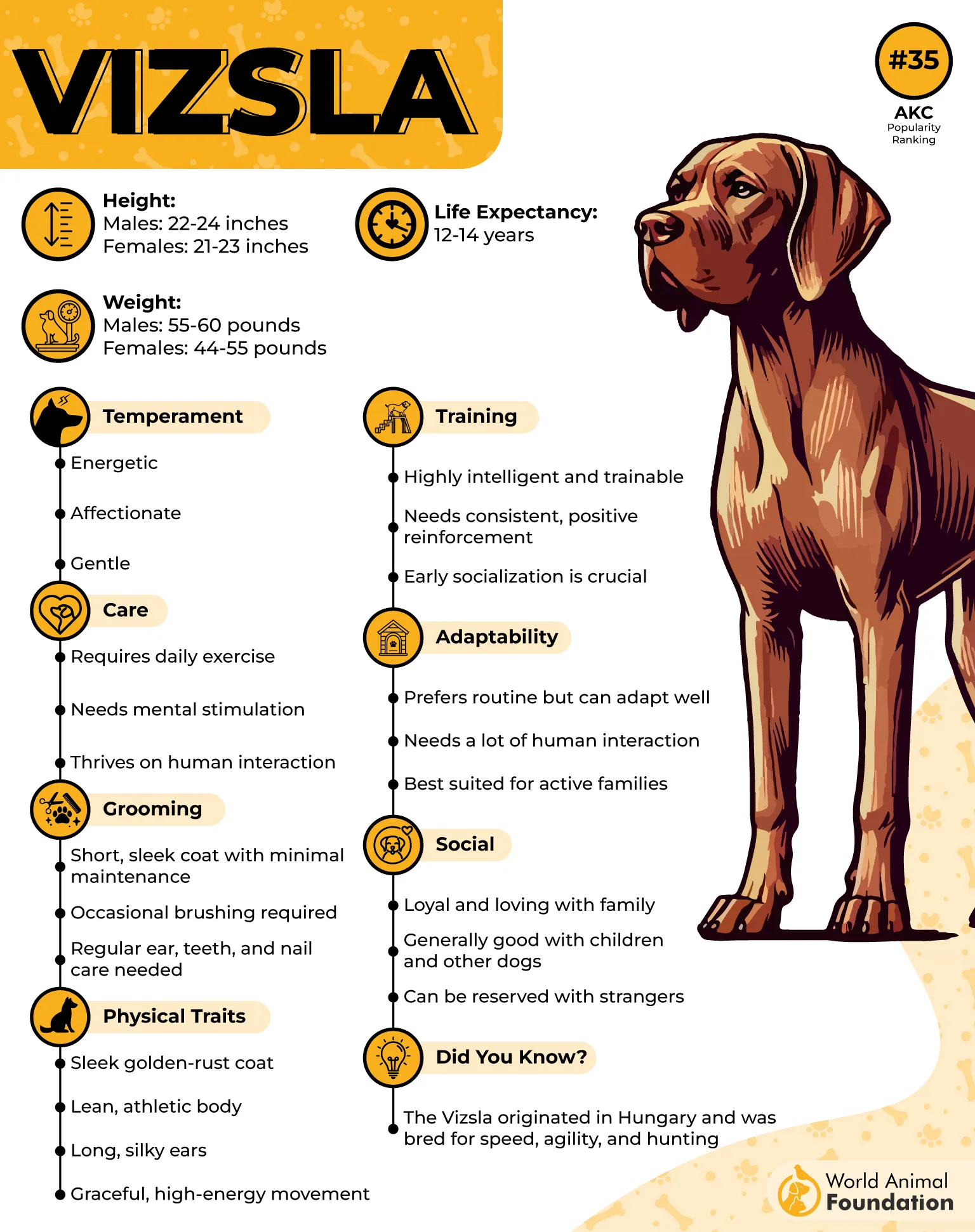
Their partnership style can be especially useful where thick trees make wide-ranging dogs harder to monitor. Vizslas are famously people-oriented, and working lines often stay close to the handler while searching rather than mentally relocating three counties away.
This large dog without constructive work can become a ginger-colored lifestyle consultant with many opinions about your insufficient activity level. It is extremely driven and active, so training sessions, field conditioning, recall, retrieving practice, and real hunting exposure help turn raw horsepower into useful hunting behavior.
Their Hunting Strategies in Dense Forests
Handler-connected searching: Vizslas often hunt cooperatively, allowing adjustments as forest visibility, wind direction, and cover density change.
Locate, point, retrieve: Their multi-stage bird-dog skill set means they can contribute before and after game is flushed.
5. Weimaraner
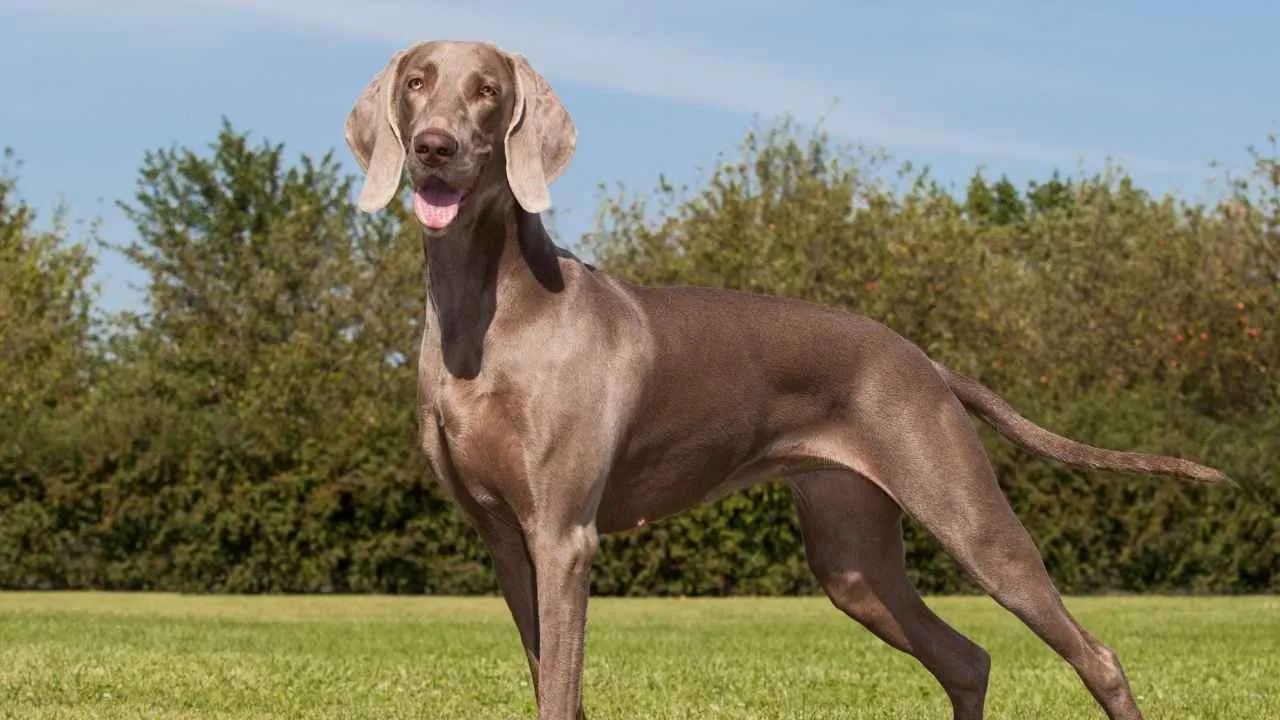
The Weimaraner has perhaps the strongest direct claim to the phrase “built for dense forests” on this entire list. The breed was developed to pursue large game, including bear and boar, in the dense forests around Weimar.
As European hunting changed, Weimaraners increasingly shifted from small game to game birds while retaining their versatility. Orvis describes the breed as capable of pointing, tracking, and retrieving game on land and in water. So yes, the Gray Ghost has a résumé longer than some humans applying for senior management.
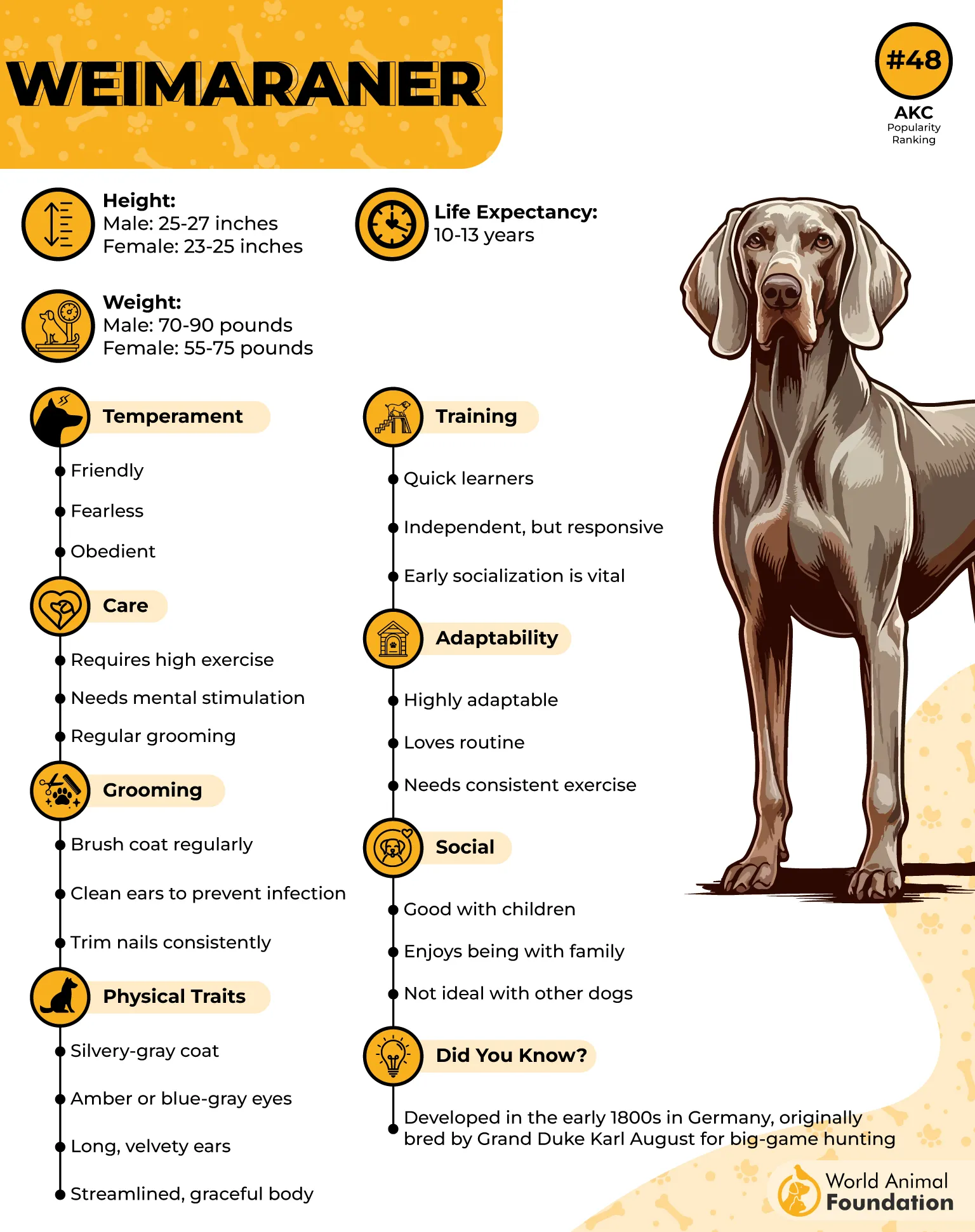
That tracking heritage matters in thick timber where visual pursuit is unreliable. Thanks to its amazing sense of smell, the Weim can search for game, establish scent, point, and later track wounded quarry, so the breed’s usefulness doesn’t disappear after the shot or once an animal moves into heavy vegetation.
Athletic capacity is equally serious and supports all hunting environments. They are swift, tireless dogs that can run for long periods, making them better suited to committed outdoorspeople than someone whose idea of cardio is finding the television remote.
Their Hunting Strategies in Dense Forests
Versatile search sequence: A Weimaraner can move from searching to pointing, then switch into retrieving or tracking duties as the hunt develops.
Close work on hidden game: Its strong nose helps compensate for woodland sightlines that may shrink to only a few yards.
6. German Shorthaired Pointer
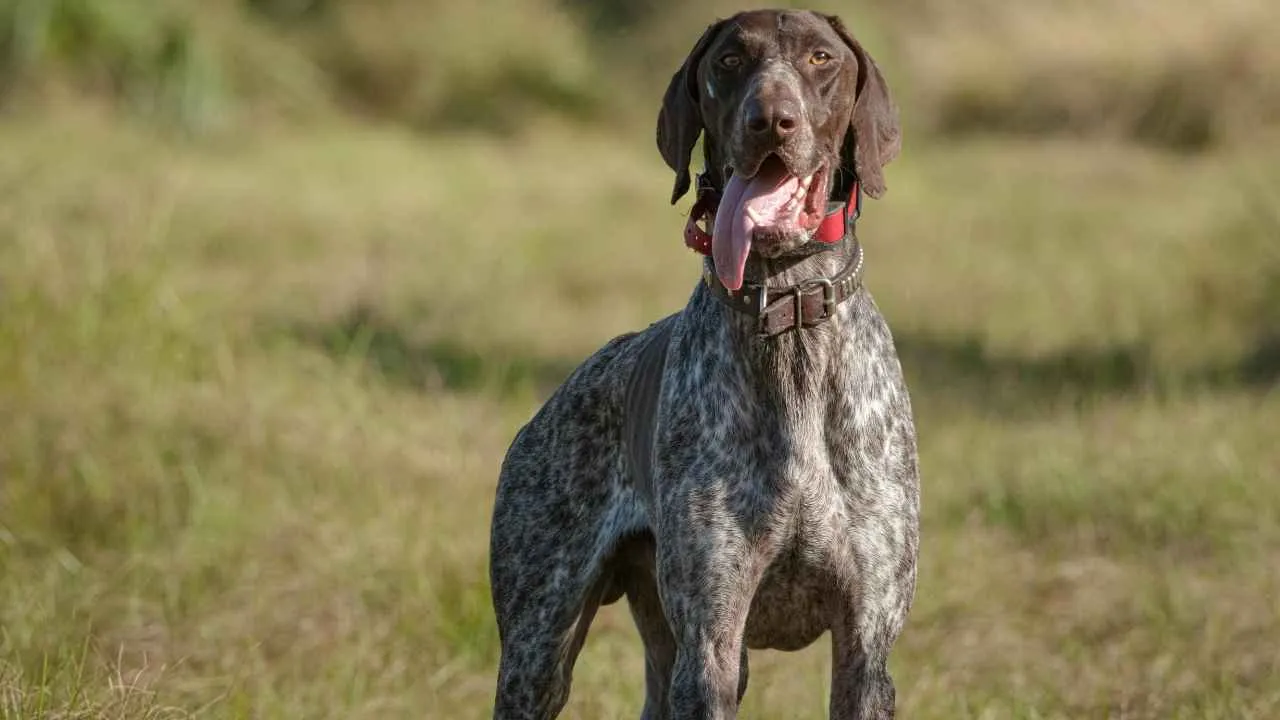
The German Shorthaired Pointer is the hunting world’s multitool, except it eats and will absolutely try to sit on you afterward. German hunters deliberately developed the breed as an all-purpose gun dog.
The list of traditional tasks is almost comically ambitious. The German Shorthaired Pointer Club of America says this purebred dog was expected to find fur and feather, point, retrieve on land or water, track wounded game, and even confront certain larger quarry when required.
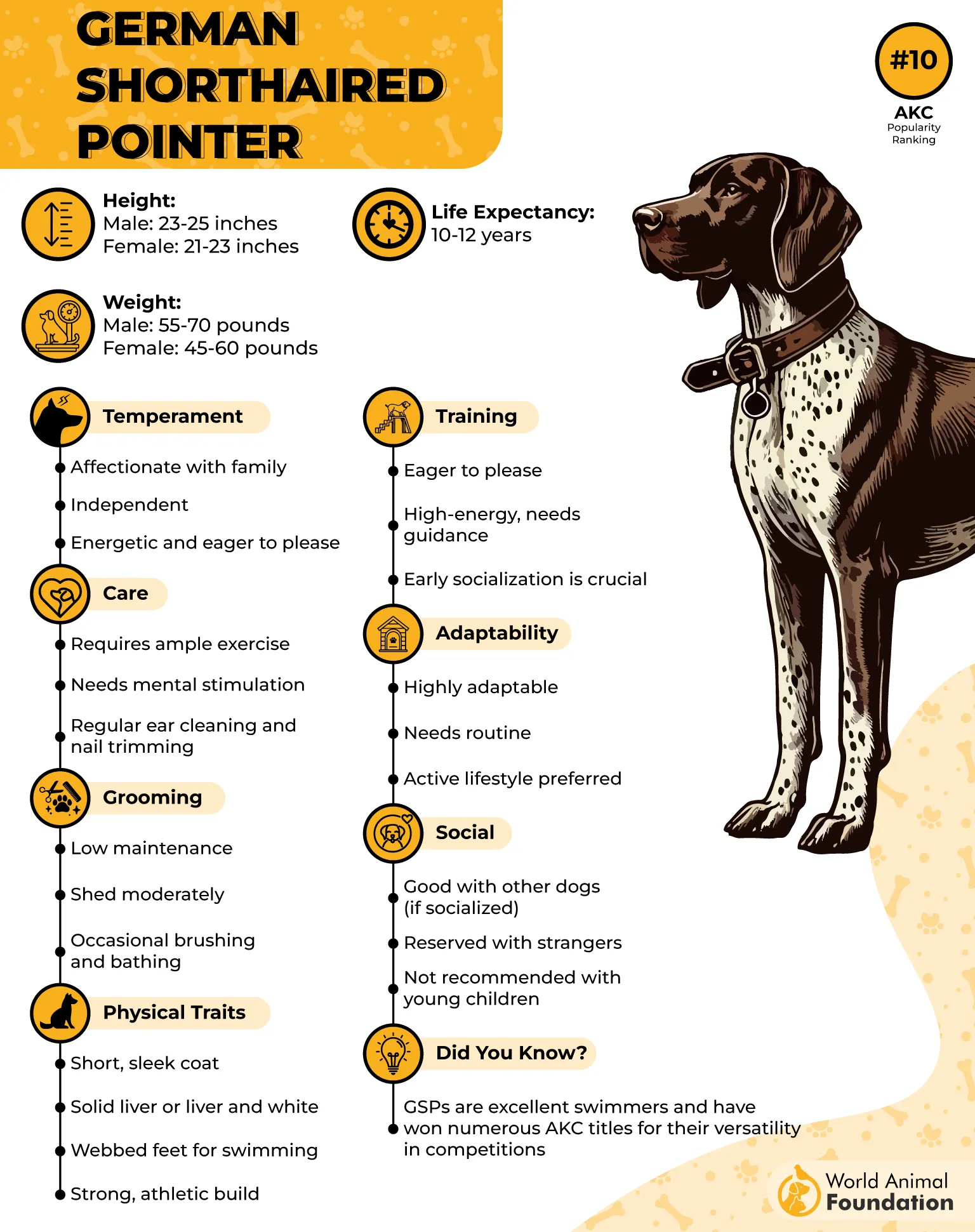
For dense woodland, versatility translates into adaptability. This Pointer can use scent to locate game hidden behind vegetation, point to hold the situation for the approaching hunter, and retrieve afterward instead of requiring another dog to finish the job.
What makes these versatile dogs particularly attractive is that training can build on a huge toolbox instead of a single behavior. This dog can do just about any job, particularly hunting big game, pointing and retrieving; the GSPCA’s versatility programs recognize accomplishments across fieldwork, hunt and water tests, tracking, and scent disciplines.
Their Hunting Strategies in Dense Forests
Multi-purpose woodland work: GSPs can search for feather or fur, point located game, retrieve, and perform tracking jobs instead of being limited to one hunting phase.
Terrain switching: Their athletic build suits hunts that repeatedly shift between timber, openings, streams, rough slopes, and forest edges.
7. Mountain Cur
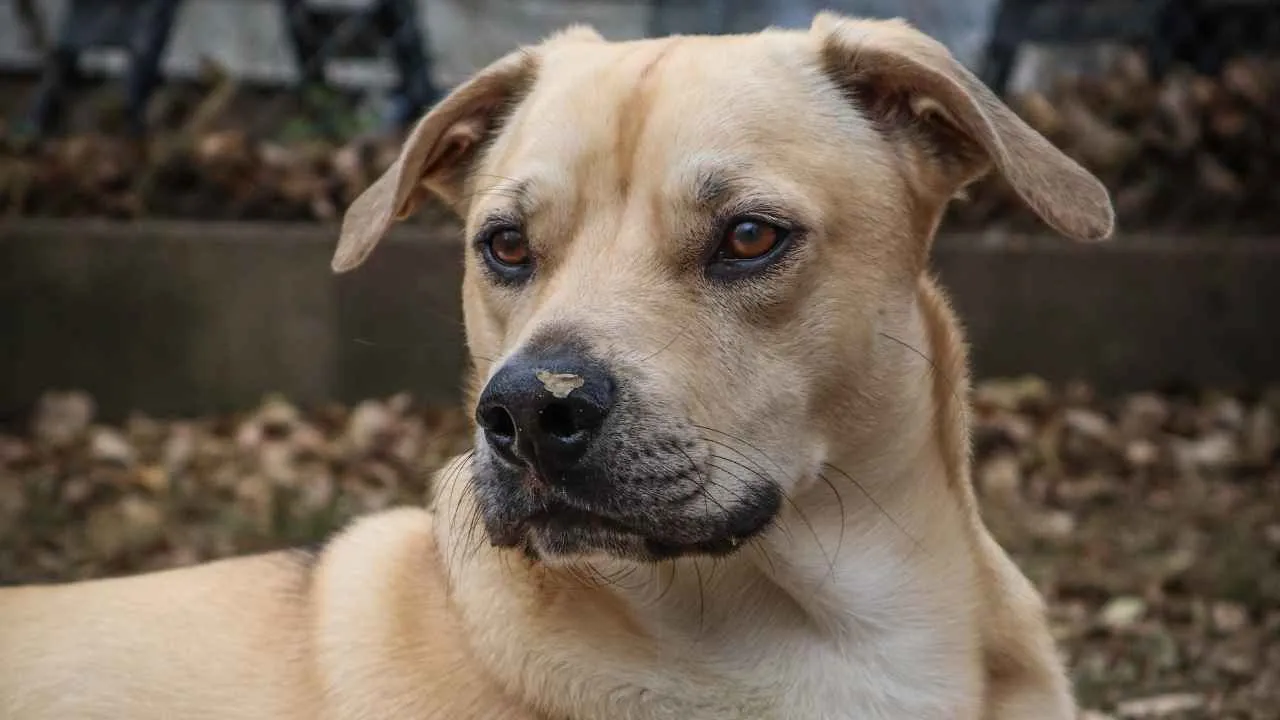
If some dogs were designed for manicured sporting estates, Mountain Curs were closely tied to pioneers, settlers, and homesteaders who needed useful working dogs rather than one-trick specialists.
Mountain Curs are described as fast, hard hunters that may run a trail with the head elevated, and when a hot scent is unavailable, they can circle and drift until they locate fresher information.
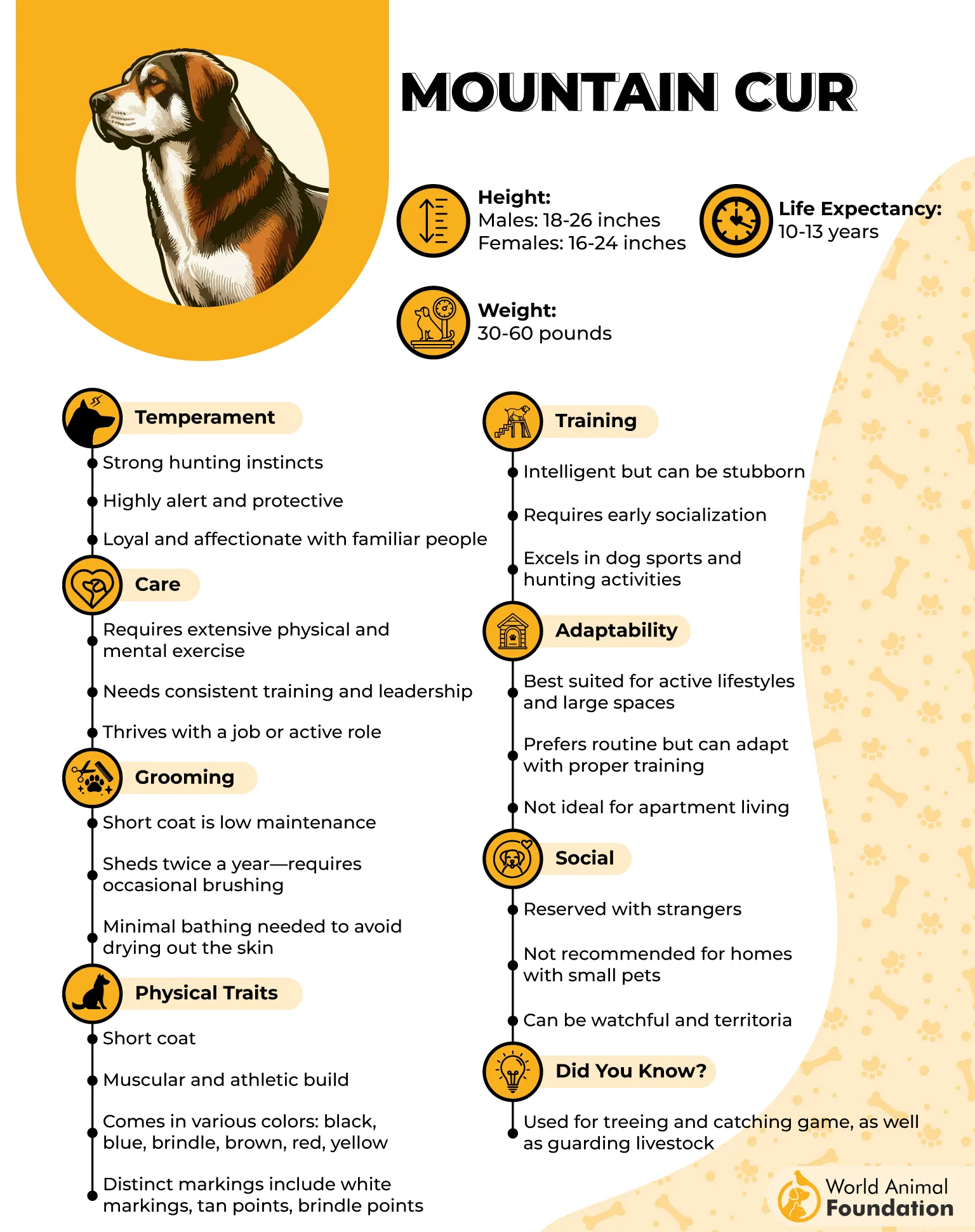
Agility also belongs near the top of the résumé. Purina calls for enough leg to move quickly through rough terrain and emphasizes evaluating the breed as a functional working dog rather than rewarding exaggerations that interfere with performance.
Mountain Curs are especially associated with treeing work, including squirrels and other forest game, though individual lines and regional hunting traditions vary. Once quarry moves upward, the dog remains at the tree and voices its location, converting an invisible chase through woodland into a fixed destination for the hunter.
Their Hunting Strategies in Dense Forests
Drift until the scent improves: Instead of quitting when a trail weakens, a Cur may widen its search and work until it locates stronger scent.
Treeing intelligence: Once arboreal quarry leaves the ground, the dog switches from pursuit to locating and holding the correct tree.
Conclusion
The best dog for dense-forest hunting is not automatically the fastest, biggest, or loudest dog in the truck. Success depends on matching the dog’s historical job to your quarry and terrain.
Labrador Retrievers, German Shorthairs, Brittany Spaniels, Golden Retrievers, English Pointers, English Setters, and Springer Spaniels are also some popular breeds that hunt phenomenally in rough and varied terrains,
Working-bred dogs can differ considerably from lines selected mainly for companionship or conformation, and their owners report major differences in exercise needs and field intensity among dogs from hunting backgrounds.
