




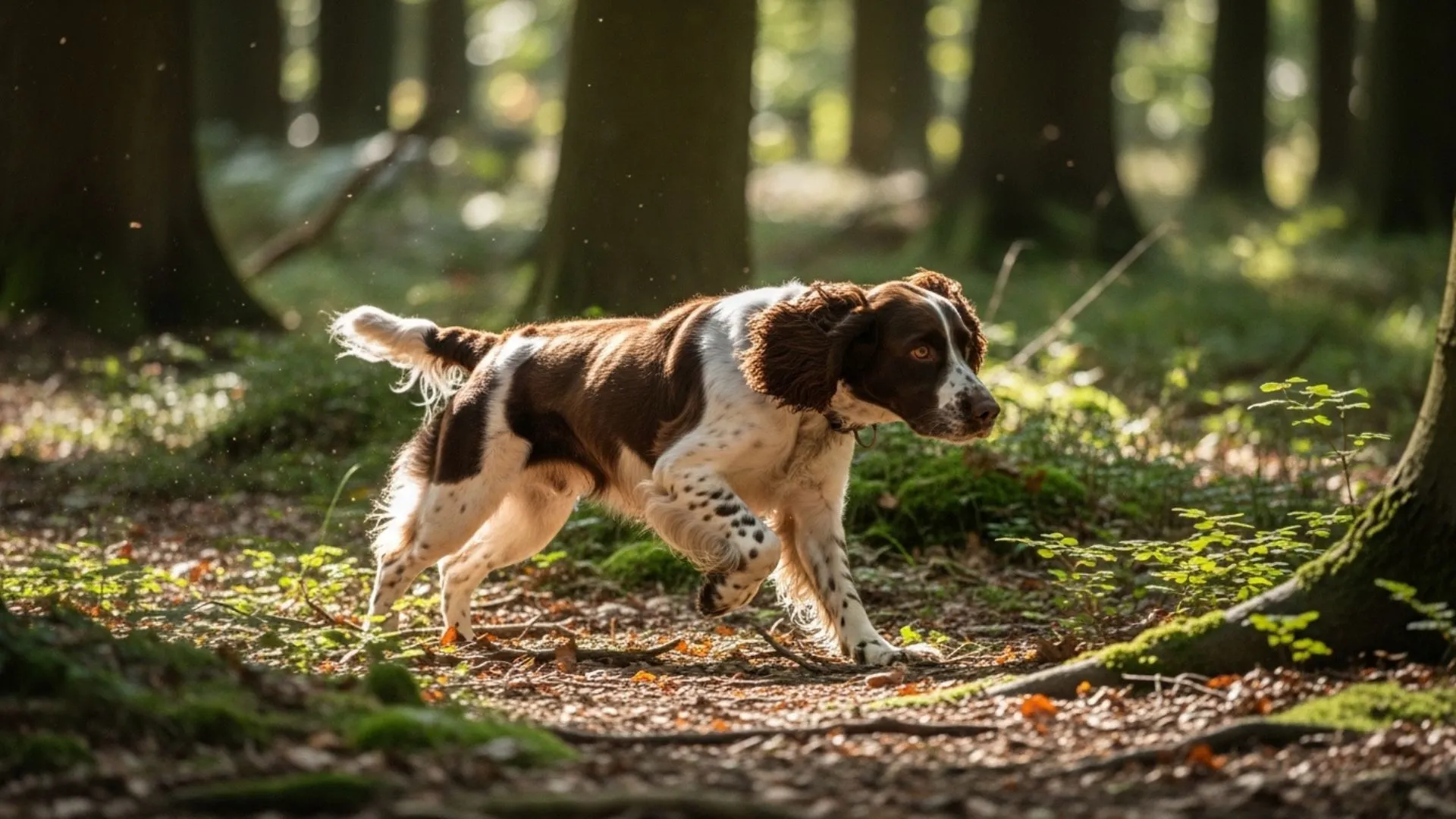
Forest hunting reveals weaknesses that don’t show up anywhere else. A dog can appear responsive and capable in open ground, yet struggle the moment visibility drops and scent trails become inconsistent.
This gap between expectation and reality often leaves hunters questioning what went wrong. The answer usually isn’t in training alone. It comes down to how a dog processes its environment under pressure. Some dogs adjust naturally to dense cover, using scent and sound with controlled focus, while others become distracted or lose direction over time.
This difference is not always obvious at first glance, which is why it catches many people off guard. There is a clear pattern behind which dogs perform well in forest conditions and which do not. Once that pattern becomes clear, the entire approach to choosing a hunting companion starts to shift.
The following breakdown focuses on those defining characteristics in detail.
Key Takeaways:
A dog can look perfect in open ground, then struggle the moment the forest closes in and the trail stops making sense.
German Shorthaired Pointer adjusts without hesitation, while English Springer Spaniel pushes straight through thick cover with its nose leading every move.
Treeing Walker Coonhound and Bluetick Coonhound stay locked on scent for miles, using voice and persistence to hold direction when trails get tricky.
Keep going, and you’ll start noticing the pattern that separates dogs that handle forest pressure from those that fall apart.
Superior Dog Breeds Designed for Forest Hunting
1. German Shorthaired Pointer
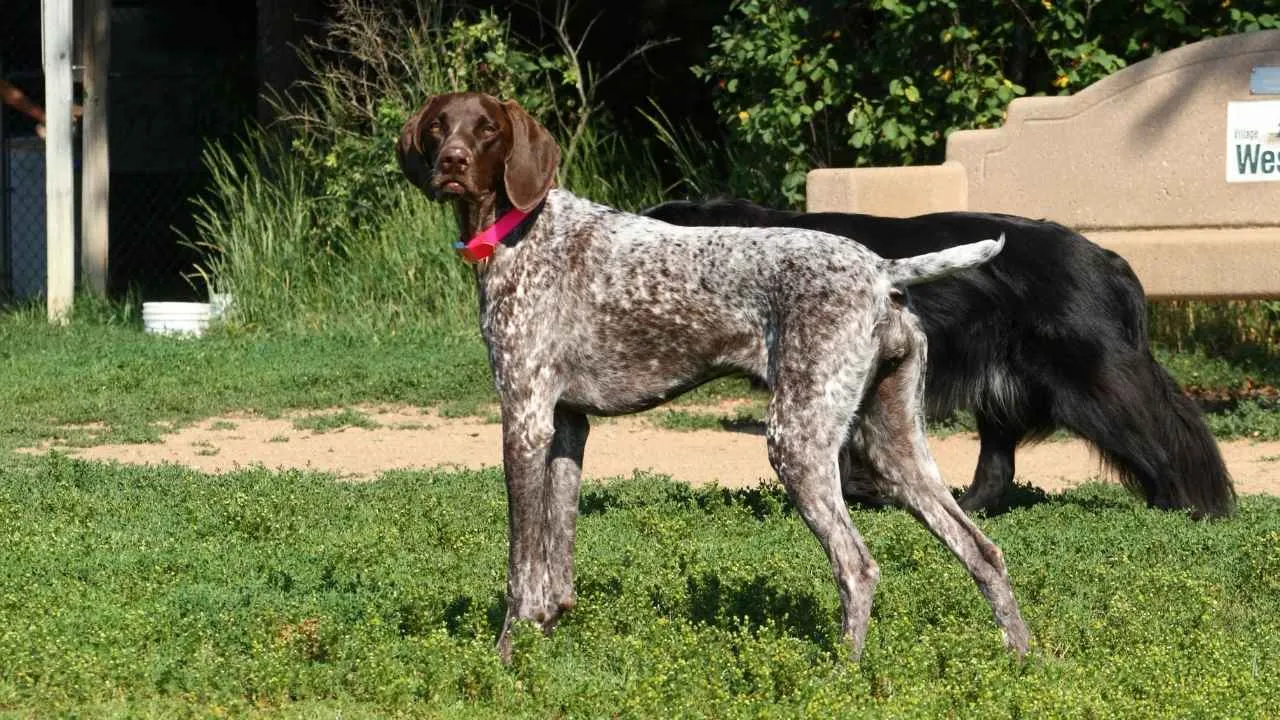
German Shorthaired Pointer works across multiple hunting roles, shifting between pointing, retrieving, and tracking without hesitation.
As per the AKC, its reputation as a “perfect pointer” comes from handling varied game, including upland birds, rabbits, and even deer. This range of ability reflects a dog shaped for adaptability in changing terrain.
Field versatility in action
This hunting dog breed responds to different hunting demands with consistency, adjusting its approach based on the task at hand. It handles both land and water environments while maintaining focus on scent and direction.
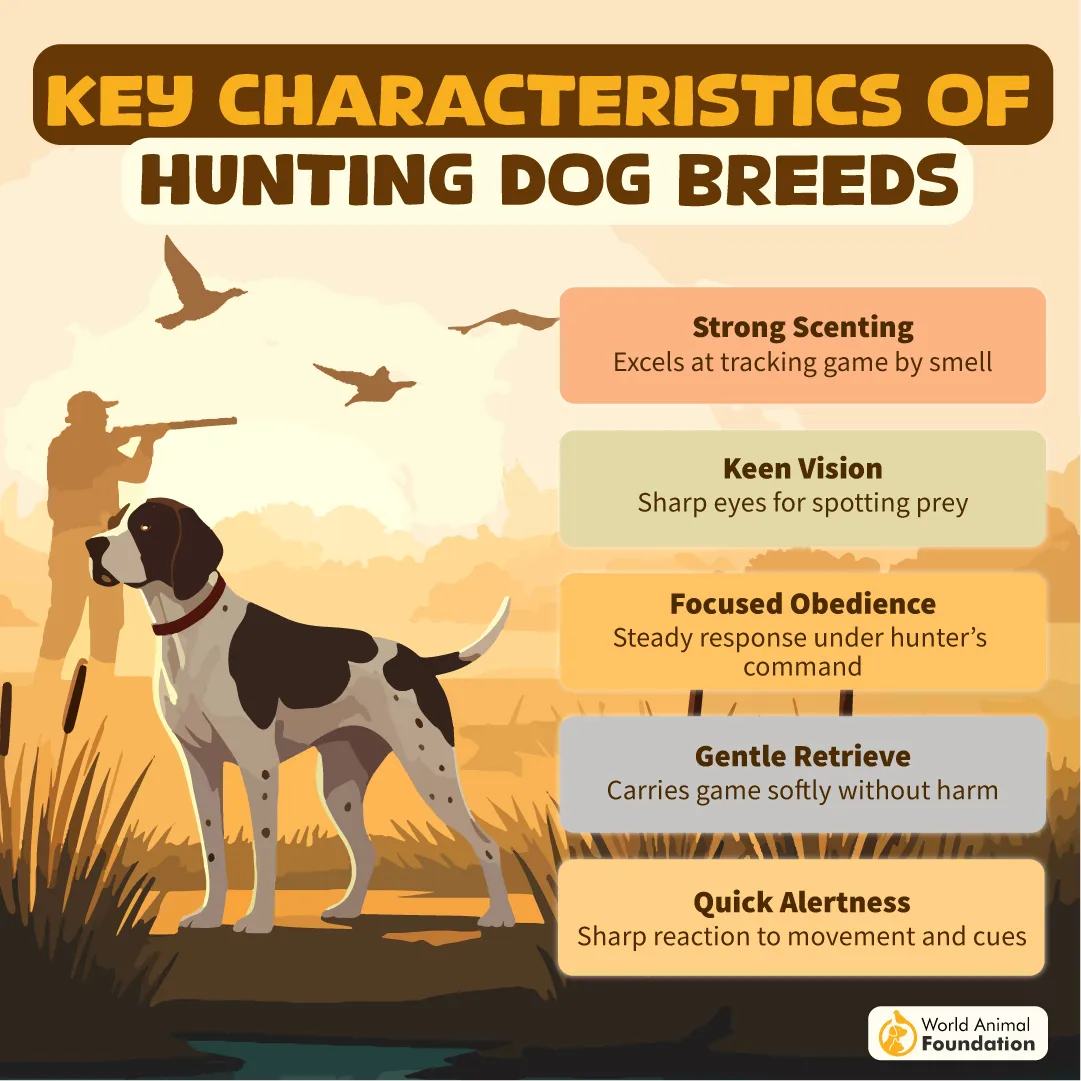
This versatility appears clearly in working patterns:
Switches between pointing and retrieving roles
Engages in both upland and water-based hunting
Tracks varied game across different terrain types
Energy shaped for outdoor demand
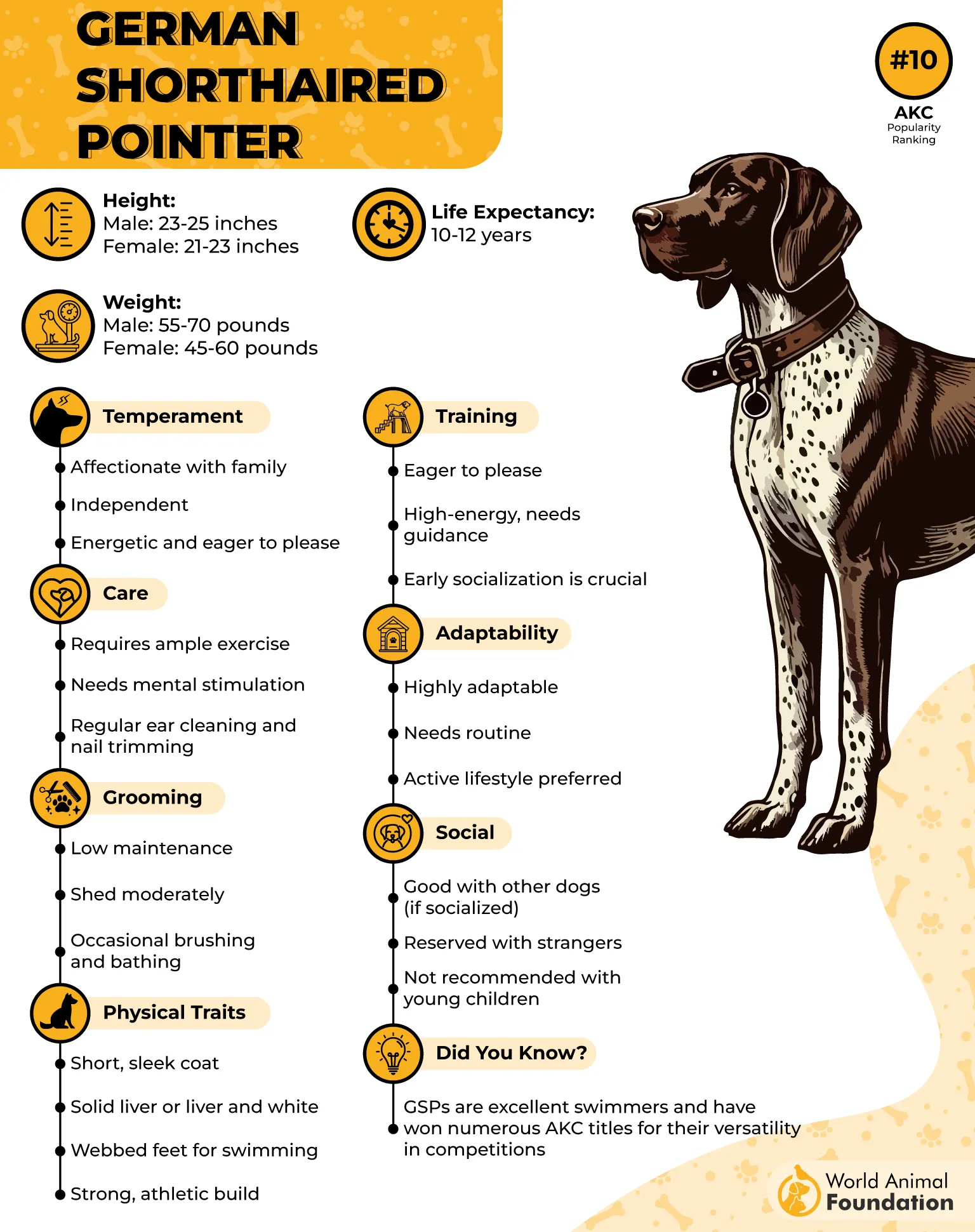
As a versatile dog, they maintain a high level of physical output, often needing structured activity throughout the day. Running, swimming, and outdoor tasks align closely with how it expends energy. Its routine depends on regular engagement rather than occasional exercise.
2. English Springer Spaniel
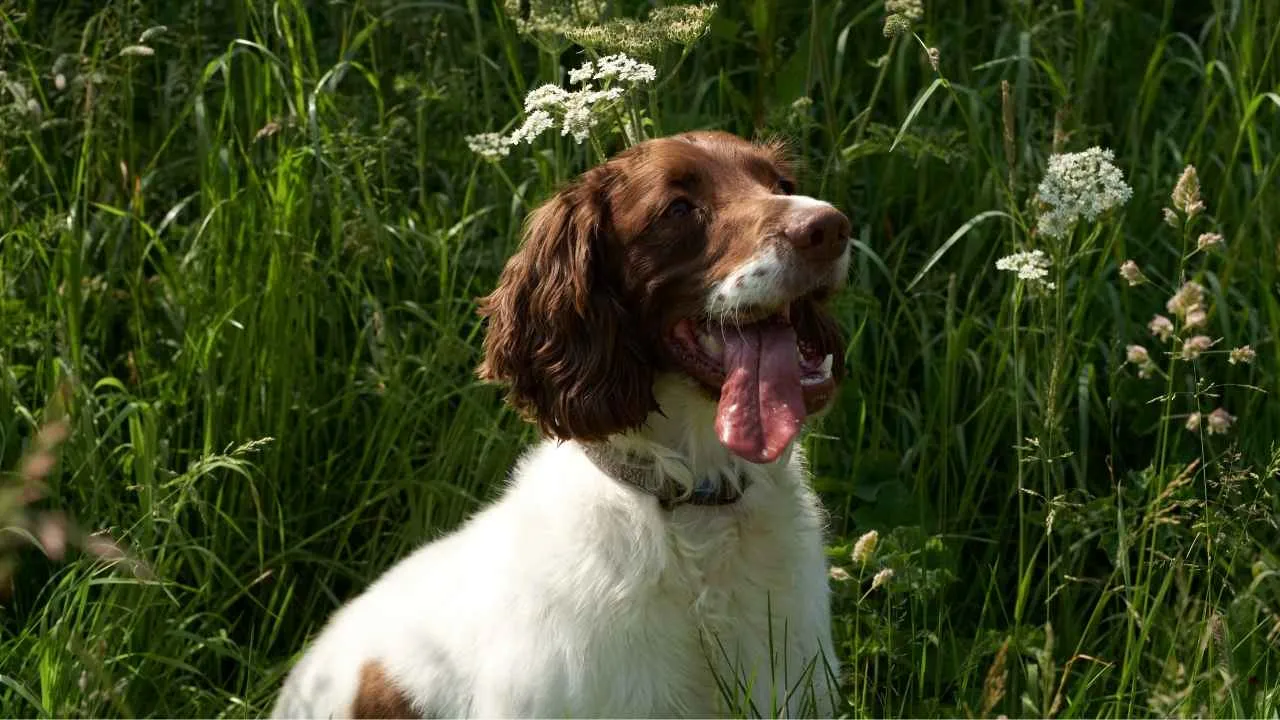
The English Springer Spaniel works as a complete hunting partner, handling flushing, pointing, and retrieving within a single sequence.
Its role extends across land and water, adjusting instantly depending on where the game falls. This versatility shapes a dog that stays engaged throughout the entire hunt.
Scent-led search in dense cover
As a versatile hunting dog, they pushes through undergrowth with its nose guiding every step, often rooting through thick brush where game hides. Its coat resists debris more than expected, allowing smoother passage in dense terrain.
That field style becomes easy to recognize:
Follows the scent deep into heavy undergrowth
Flushes hidden birds into the open range
Retrieves across land or water without pause
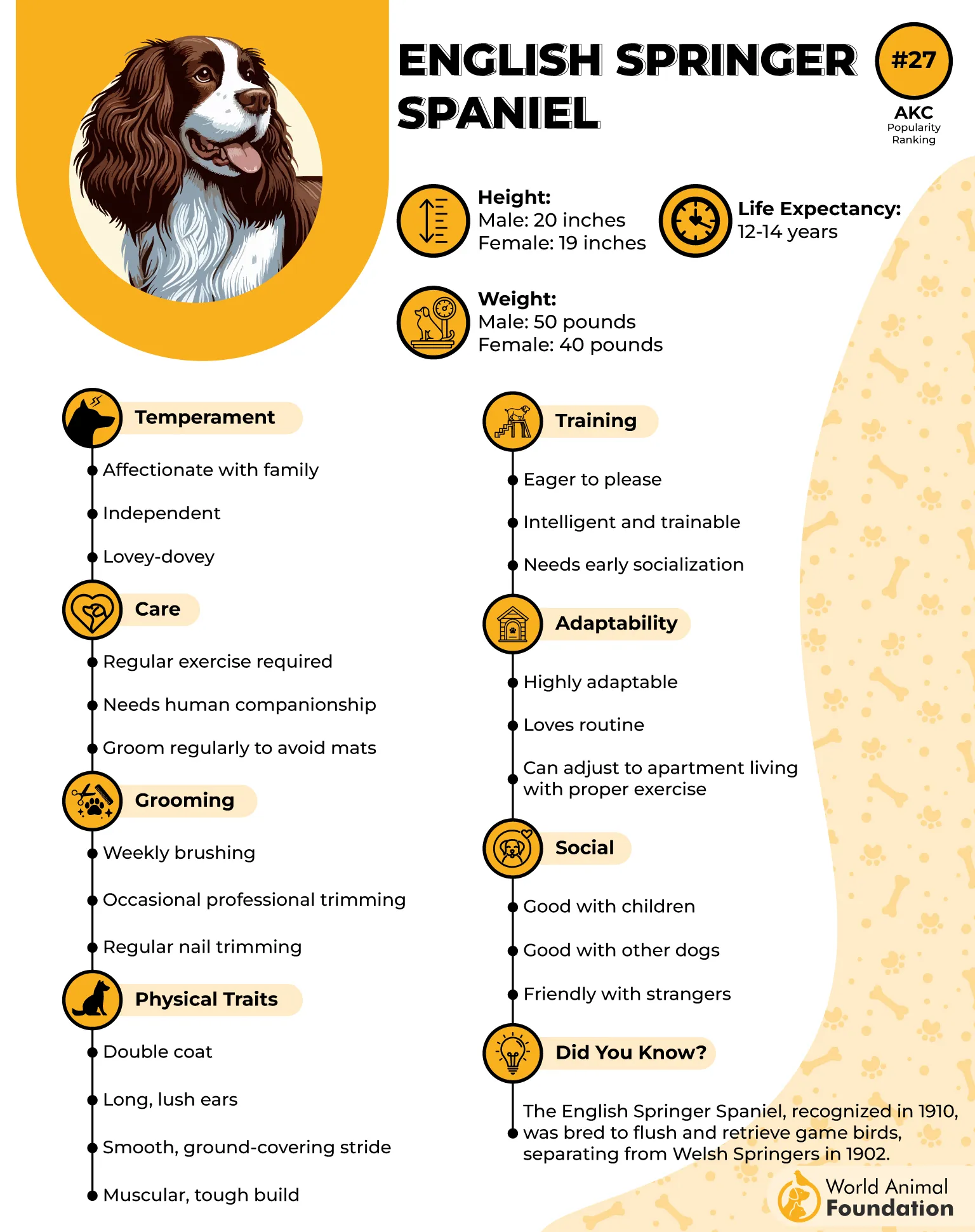
Temperament shaped by closeness and activity
This breed stays highly attached to people, often seeking constant interaction when not working. Its friendly and curious nature pairs with a strong need for activity, and boredom quickly shifts behavior indoors. Early training helps manage its high energy and keeps its focus structured.
3. Treeing Walker Coonhound
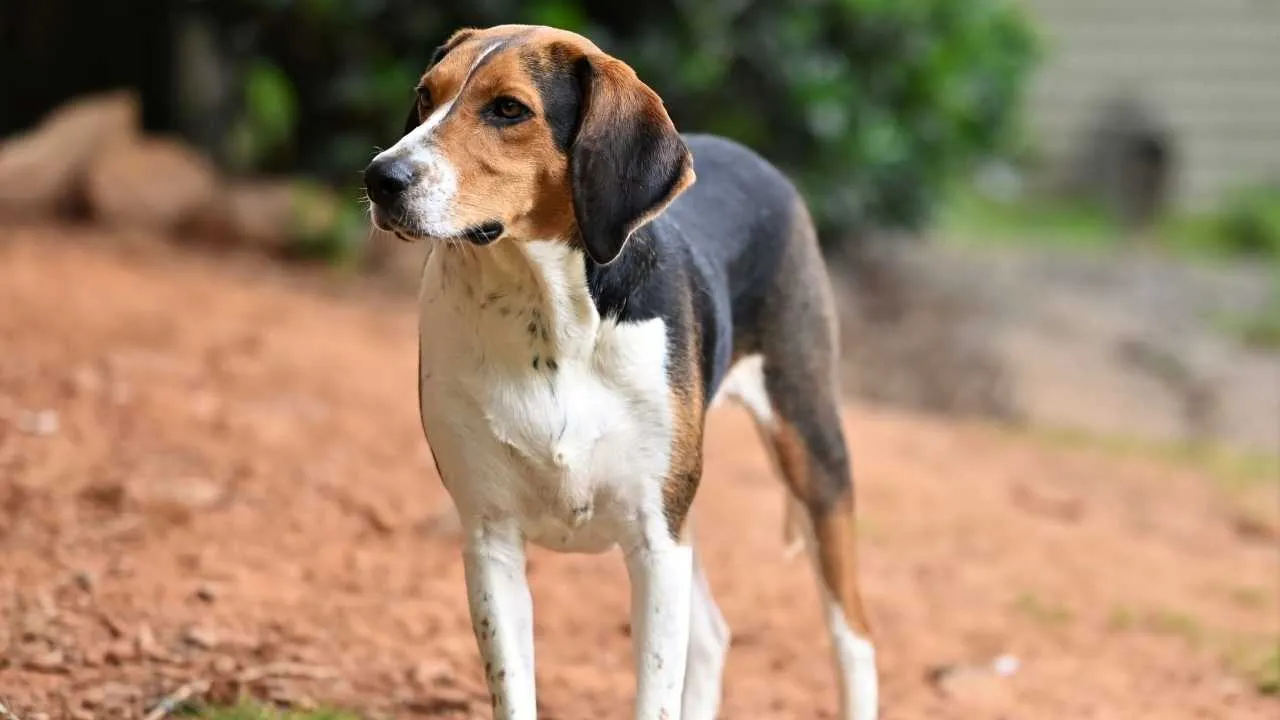
Treeing Walker Coonhound works through scent with strong focus, following trails across forest ground until the target is located.
It’s breeding from American Foxhound lines shaped a dog built for tracking rather than quick capture. The goal centers on isolating game, especially raccoons, by pushing them up trees.
Tracking pattern and hunting behavior
Coonhound follows scent over long distances, showing persistence even when the trail becomes faint or complex. Its role continues until the animal is cornered or treed, where it signals location through voice.
That pattern reveals itself in clear working actions:
Trails scent across extended forest paths
Forces the game upward into the trees
Uses loud vocal signals to mark position
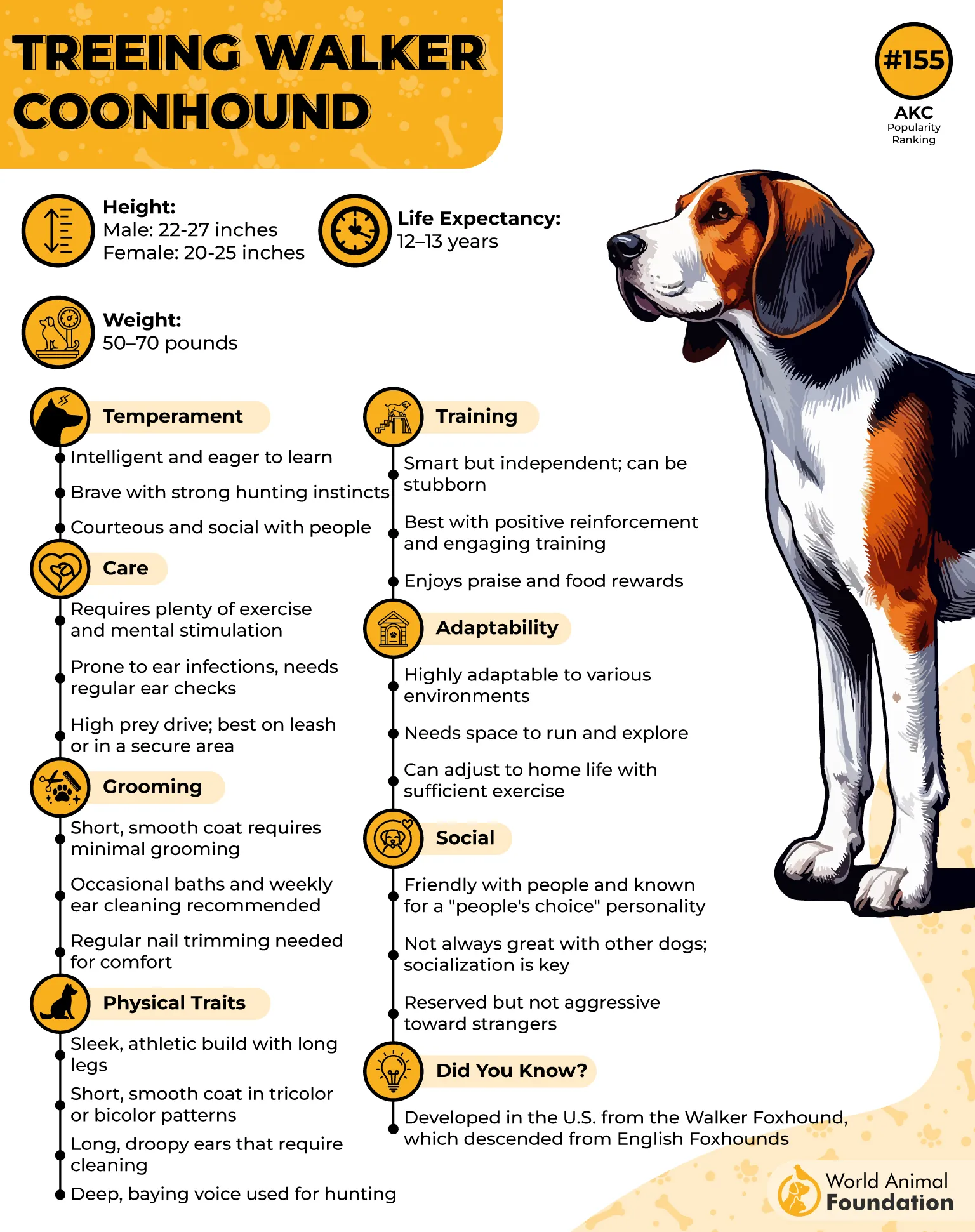
Independent thinking with vocal alerting
They approach tasks with a level of independence, often relying on their own judgment during tracking, as PetMD noted. Its strong voice announces movement around the area, whether it is prey or passing activity. Social behavior remains open when properly introduced to people and other dogs.
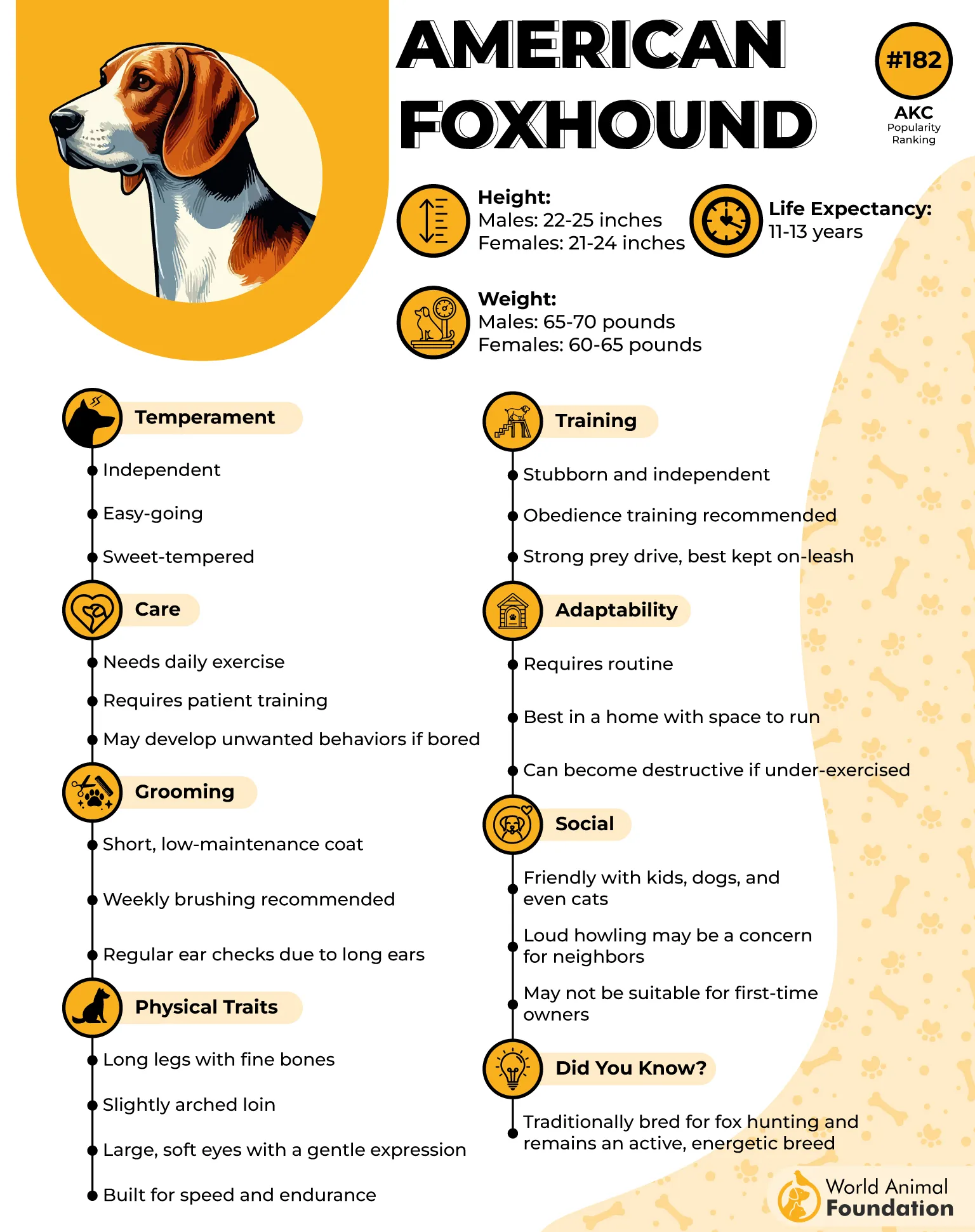
4. American Foxhound
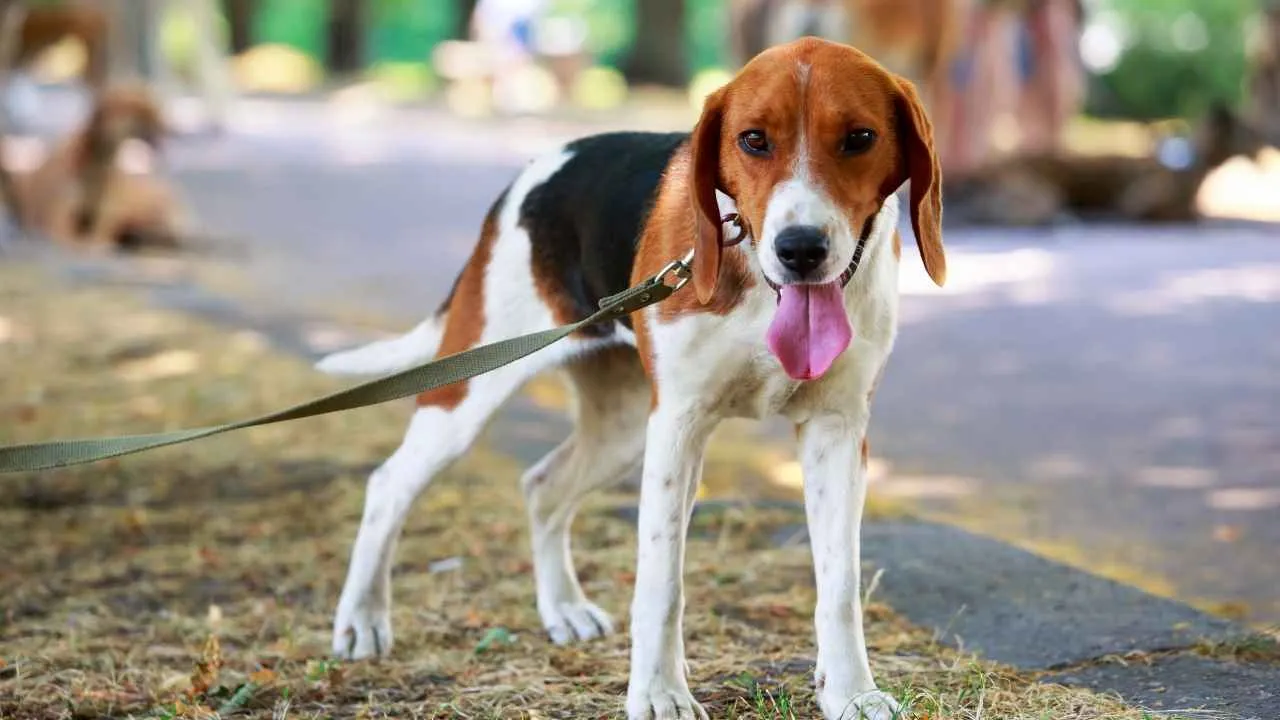
The American Foxhound entered early American hunting culture through English packs and was later refined by Irish and Coonhound influences. Its structure reflects a dog shaped for distance rather than short bursts. The nose leads everything, driving an extended pursuit across large wooded terrain.
Scent tracking across wide ground
American Foxhound follows scent trails with persistence, often continuing for miles without losing direction. Its role in pack hunting shaped a coordinated yet independent approach to tracking.
That working pattern shows through:
Follows scent trails over long distances
Responds strongly to moving the quarry
Tracks continuously without quick recall
Behavior within the home
They shift into a gentle and easygoing companion when indoors, often settling close to people. As Omlet notes, it gets along well with children, other dogs, and household pets, showing a mild temperament. Initial shyness with strangers can appear before it relaxes into familiarity.
5. Catahoula Leopard Dog
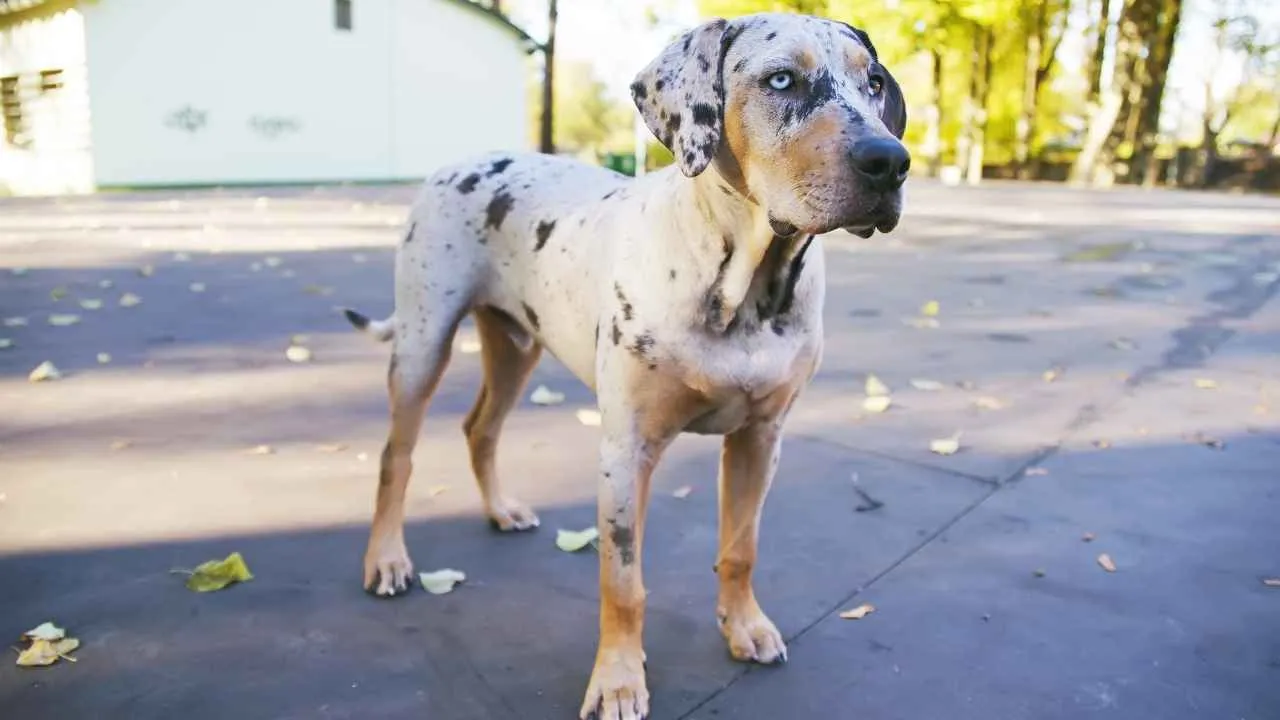
Catahoula Leopard Dog takes its name from a Choctaw word meaning “sacred lake,” tied to the region around Catahoula Lake in Louisiana.
Its identity is closely linked with the swamp and rough terrain of the forest, where working ability shaped its role. The breed reflects a dog meant for demanding outdoor conditions.
Work style in dense terrain
They handle tracking and driving tasks across swampy ground, especially when managing hogs and cattle through thick cover. Its independence shows in how it approaches tasks without constant direction.
That working style shows through clear actions:
Tracks animals through dense, uneven terrain
Drives livestock with controlled pressure
Operates without needing continuous guidance
Energy and behavior indoors
This breed keeps a high level of energy when not engaged in work, often requiring space to stay occupied. Without regular activity, it may turn to digging or chewing as an outlet. Its behavior reflects a dog shaped by constant movement and task-driven routines.
6. Bluetick Coonhound
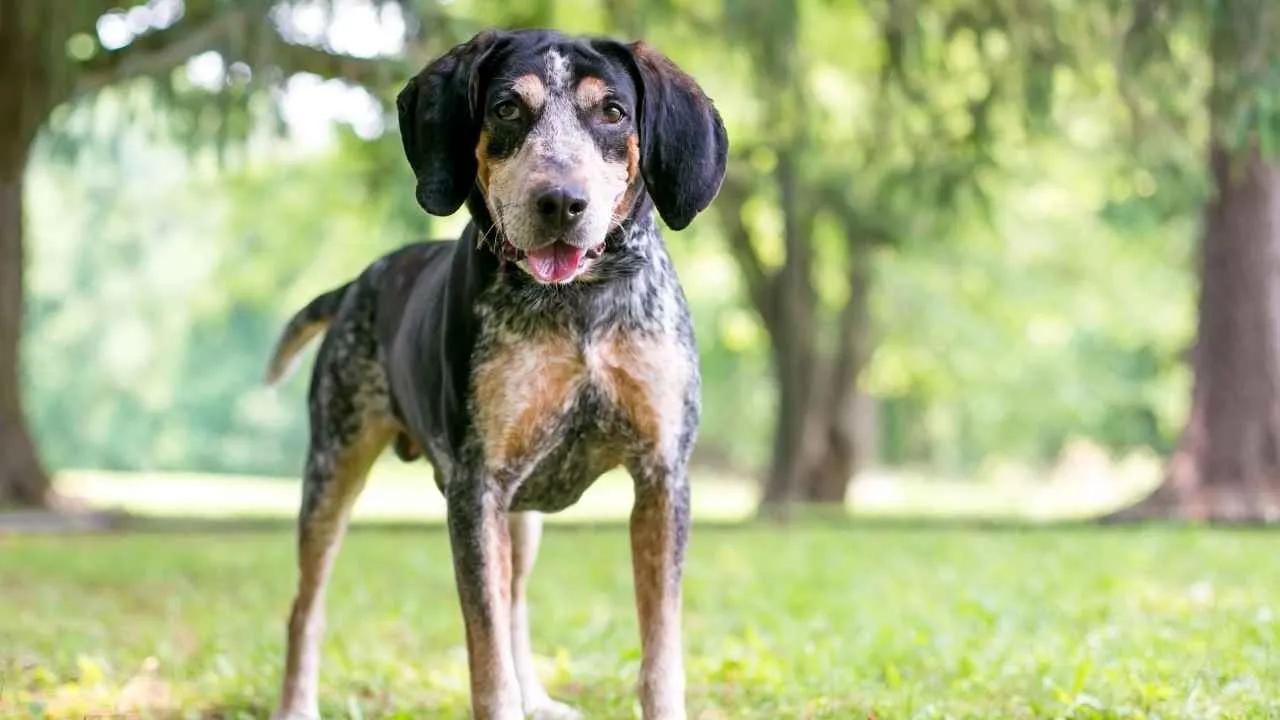
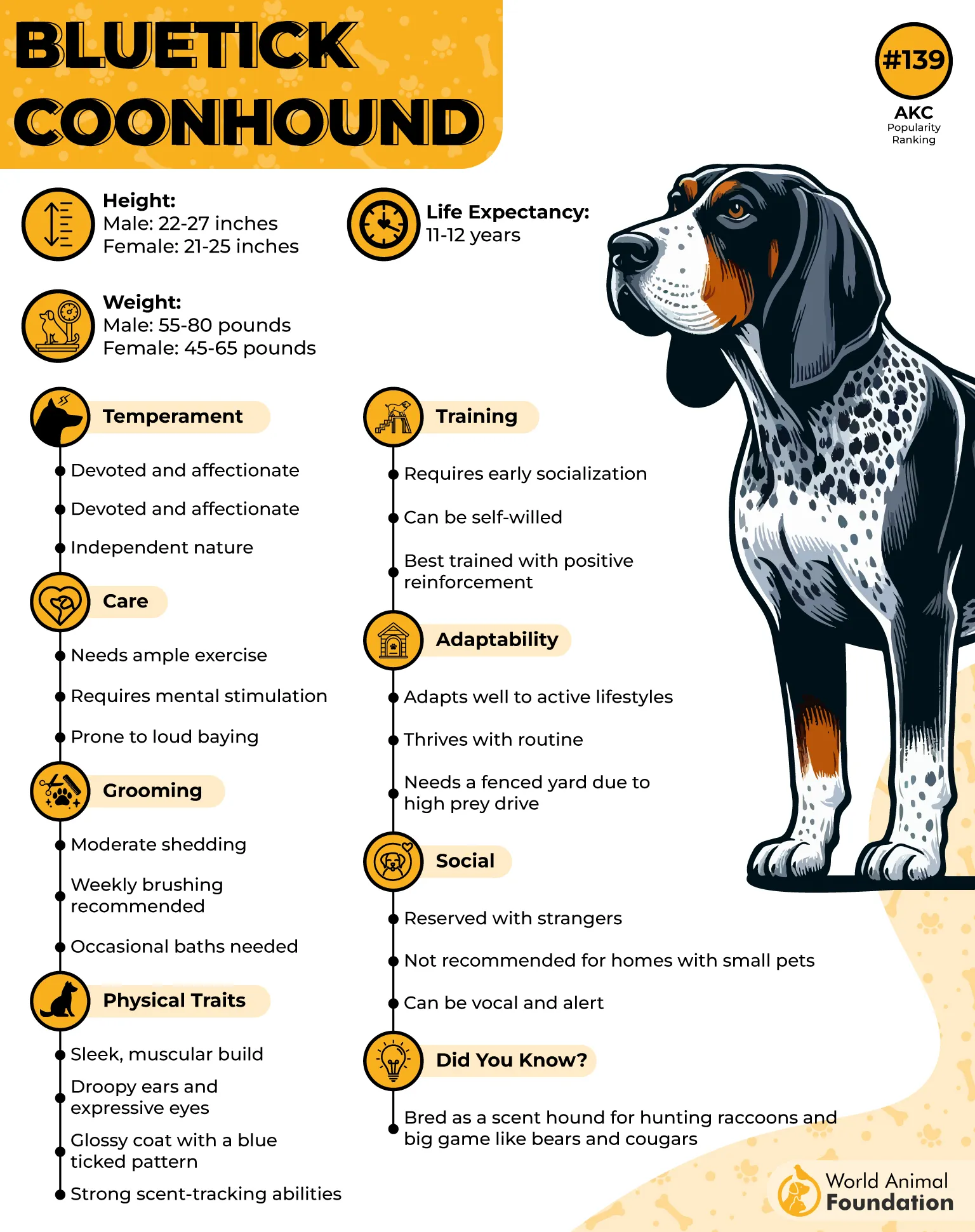
Bluetick Coonhound relies heavily on its nose, working through dense terrain with a level of focus shaped for long tracking sessions. Its lineage traces back to French staghounds once gifted to George Washington, linking its abilities to early hunting traditions.
Tracking behavior in open terrain
This hunting breed follows scent trails over extended distances, often engaging mentally while navigating uneven ground and dense cover. Its approach combines patience with persistence, especially when tracking a challenging game.
That pattern becomes clear through its working traits:
Tracks raccoons and larger game through scent
Covers wide distances with consistent direction
Engages mentally during prolonged tracking
Voice as a hunting signal
They use a deep, baying call that echoes across distance, functioning as a communication tool during hunts. This sound resembles a drawn-out yodel, making it easy to locate the dog in thick forest areas. The vocal style remains one of its most recognizable traits.
7. Irish Setter
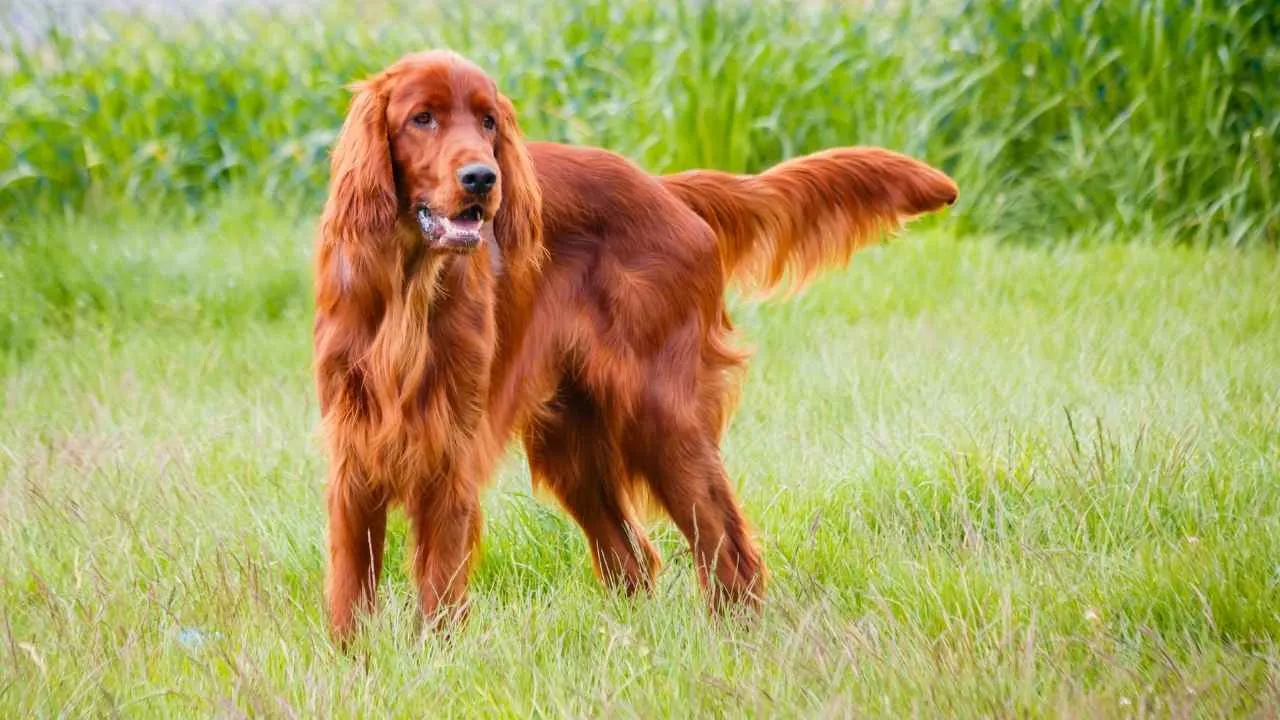
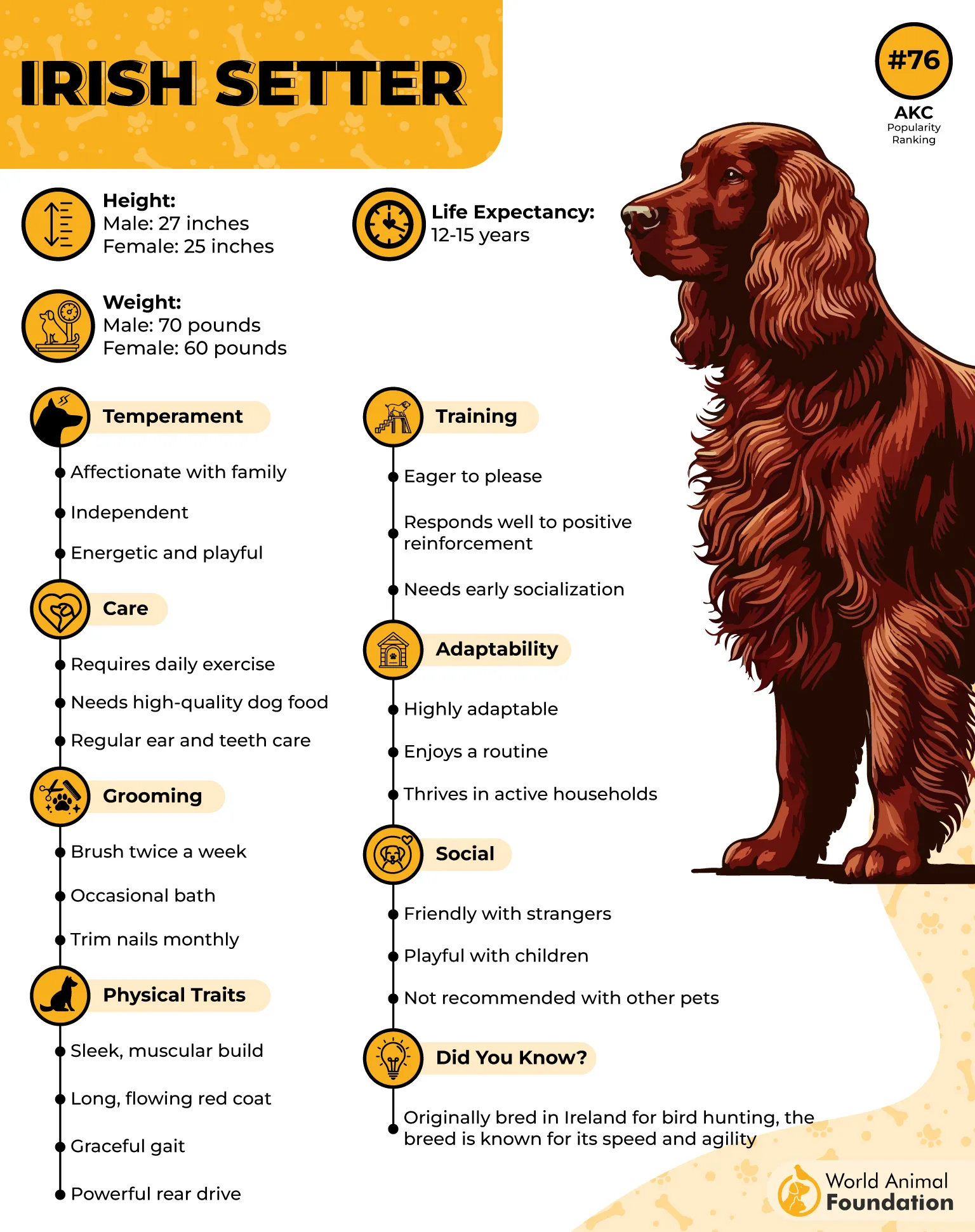
Irish Setter gained attention through its rich mahogany coat, making it visible across wide hunting grounds where distance mattered. Its formation involved spaniels, pointers, and setter lines to meet practical hunting needs. This combination shaped a dog built for both visibility and scent work.
Method in open terrain
Work with a strong nose, this breed covers large ground areas while staying engaged with scent trails over long periods. Its approach is tireless rather than rushed, allowing it to search without losing direction.
This working pattern shows in clear traits:
Covers wide areas during scent search
Tracks using a consistent nose-led approach
Keeps working for extended durations
Energy expressed through exploration
They show high physical drive, often extending walks into long outdoor sessions when given the chance. Its speed and range become obvious when it picks up movement, quickly shifting focus and covering distance. Limited activity can shift this energy into restless or destructive behavior.
Conclusion
Not every capable hunting dog performs the same once the forest closes in. The breeds here show a clear pattern in how they respond to pressure, relying on scent, sound, and controlled movement rather than sight alone. Their hunting abilities allow them to handle complex hunting tasks with intense focus, continuing to work when conditions become unclear and holding direction where others lose it.
This ability changes the entire hunting experience over time. Success becomes less about chance and more about consistency. Even with a natural, playful nature outside work, the right traits make the process feel steady and reliable. In the end, the right breed turns difficult terrain into something manageable and easier to navigate.
