




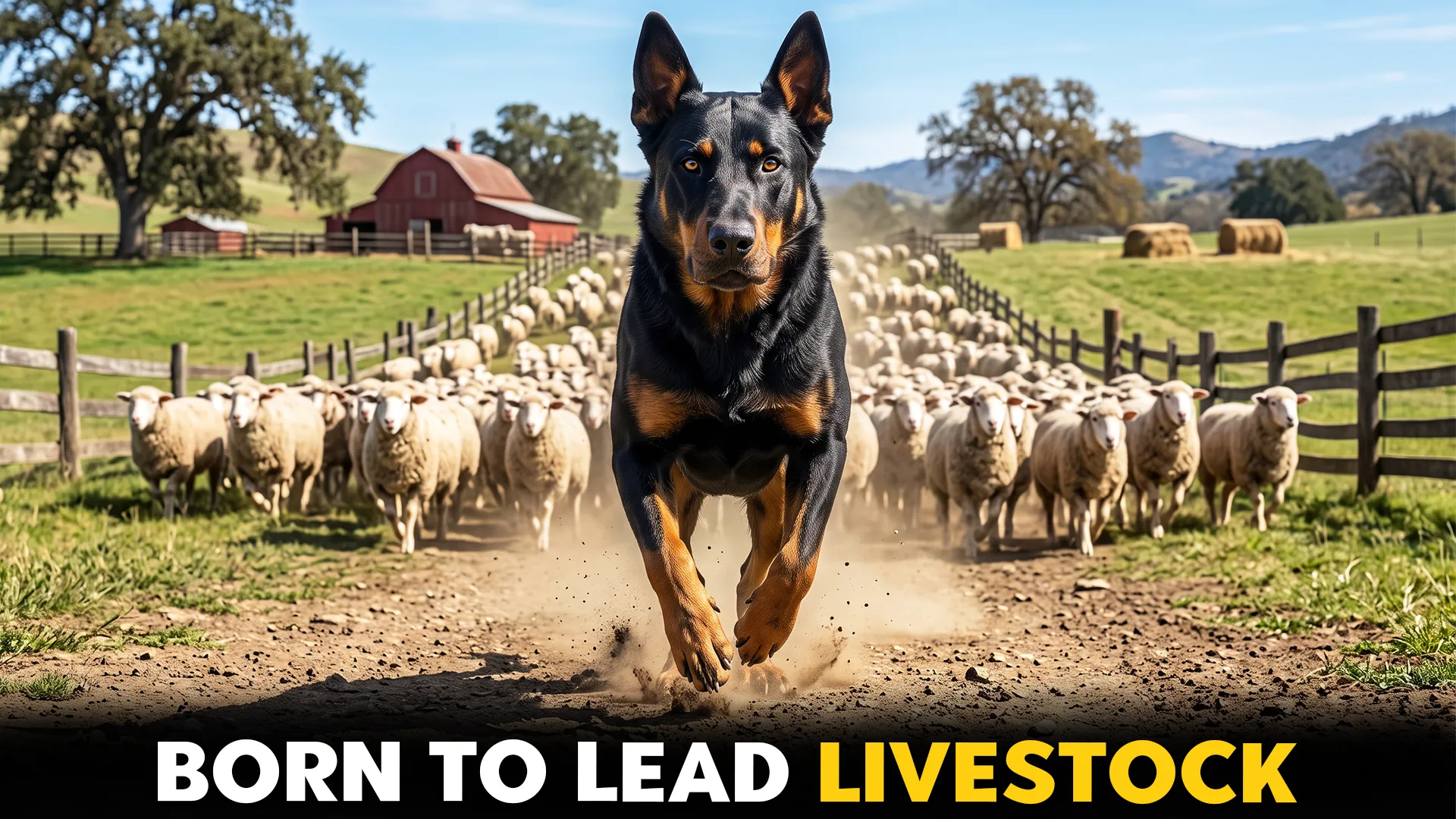
When people picture a powerful dog, they often imagine one built for guarding, pulling, or protection. Herding rarely enters the conversation, yet some of the strongest working dogs have spent generations doing exactly that.
Their job goes far beyond moving livestock from one place to another. They must read unpredictable situations, react within seconds, and influence large, stubborn animals without losing control or confidence. That combination of strength and intelligence is surprisingly uncommon, which explains why these remarkable workers are still overlooked outside farming communities.
The most impressive part is that many accomplish demanding tasks without unnecessary force, relying instead on experience, instinct, and remarkable determination developed over countless generations. Once you understand what makes these dogs exceptional, you’ll never look at herding the same way again.
Keep reading to meet seven extraordinary breeds that have mastered one of the toughest jobs any working dog can perform.
Key Takeaways
Herding looks simple from a distance, but controlling hundreds of stubborn animals takes far more than speed or a loud bark.
Breeds like the Beauceron and Bouvier des Flandres earned their reputation by staying calm under pressure while handling livestock that could easily outweigh them.
Then there’s the Bergamasco Sheepdog, whose unforgettable coat is only a small part of the story behind its remarkable working ability.
By the time you’ve met all seven breeds, you’ll understand why generations of farmers trusted them with jobs few other dogs could handle.
Superbly Strong Dog Breeds for Herding Excellence
1. Bergamasco Sheepdog
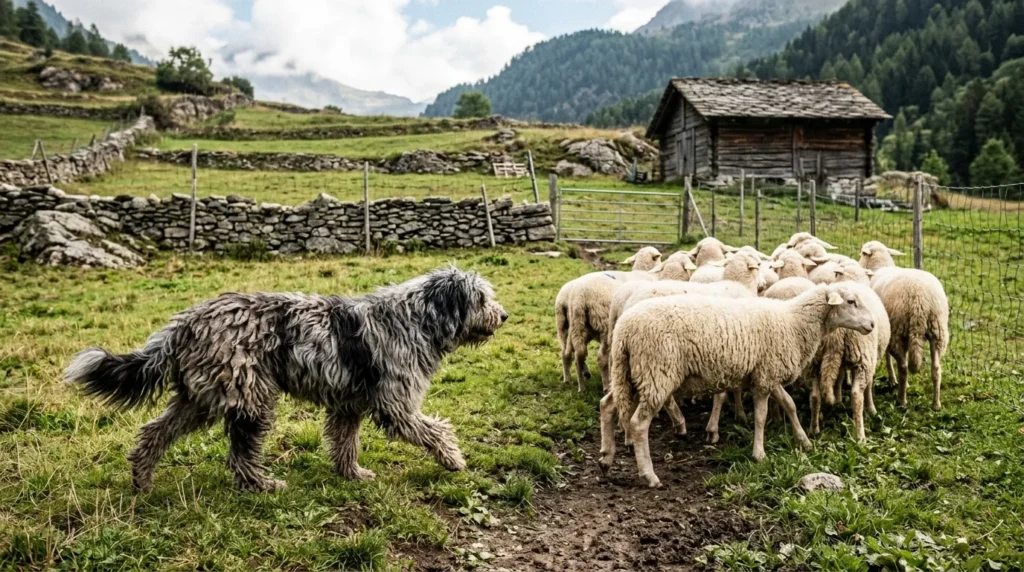
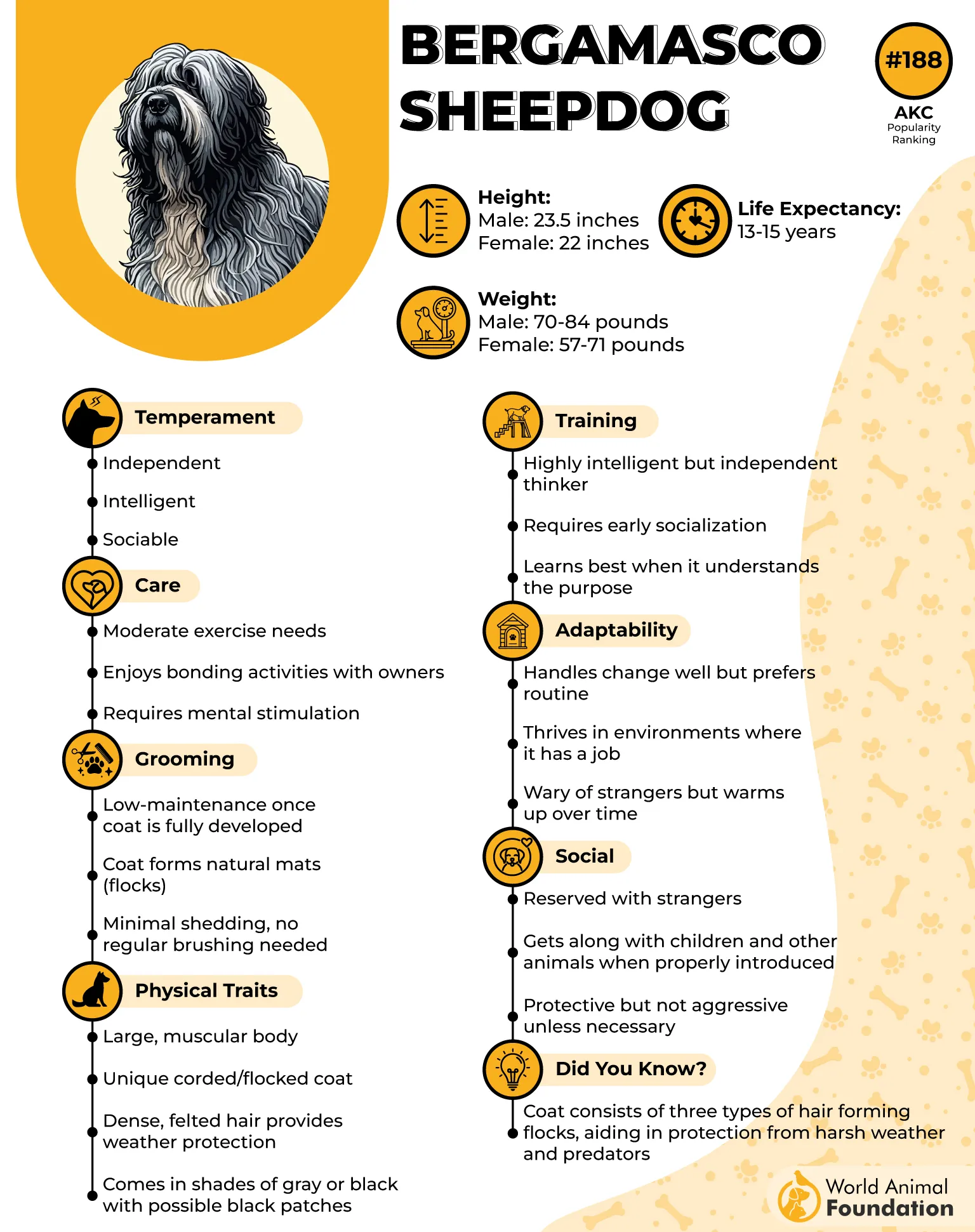
Bergamasco Sheepdog is instantly recognized by its unusual coat, where three different hair textures naturally weave together into loose flocks across the body and legs. These felted layers helped shield the breed from the bitter cold and wild predators of the Italian Alps.
Calm but Ready
A large, muscular build pairs with an eager attitude toward work, giving this herding dog breed both strength and dependable judgment around livestock. Bright thinking and a patient nature further support the steady approach for which this breed is respected.
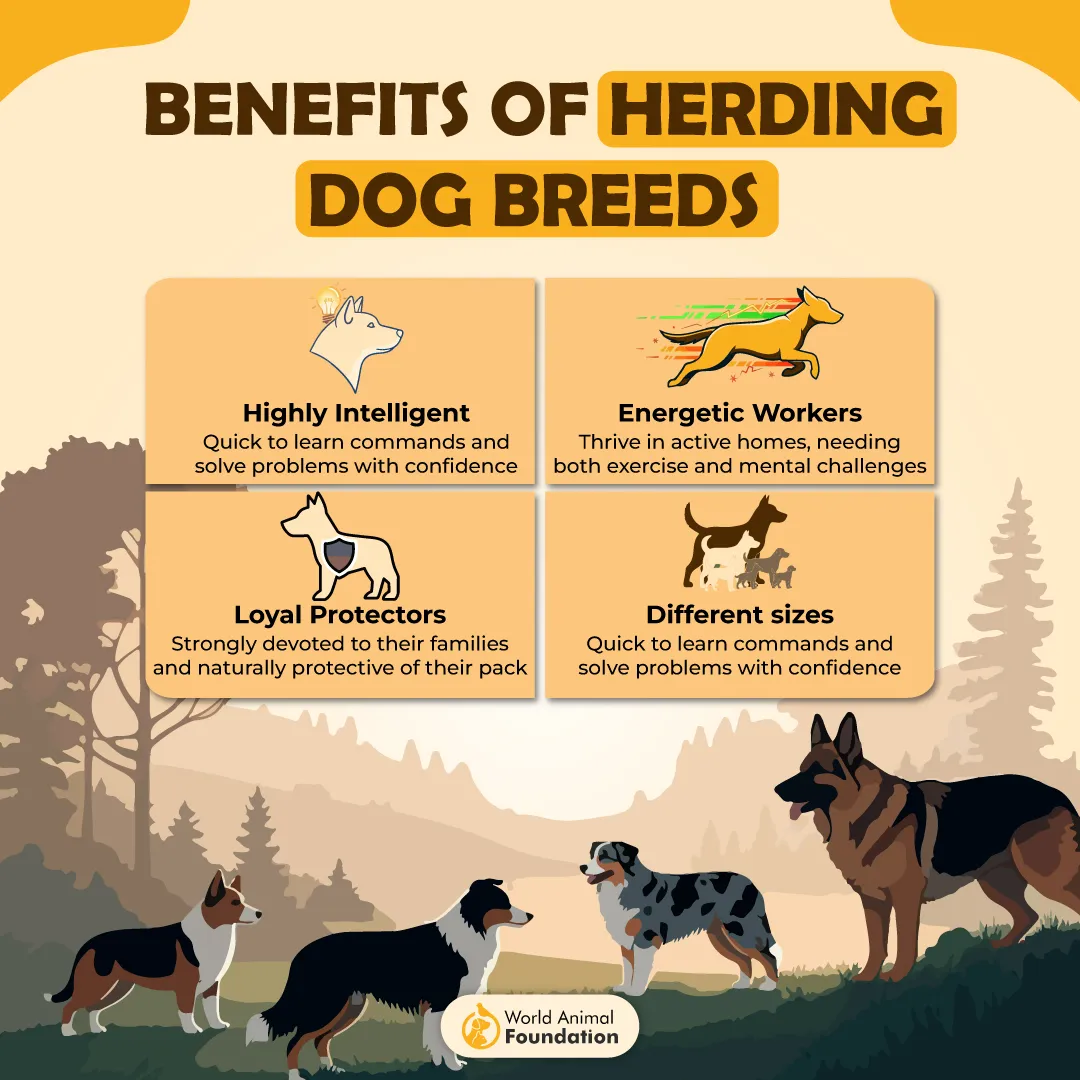
A few details deserve a closer look:
Three distinct hair textures
Loose felted flocks form naturally
Aggression is used only as a last resort
Close Working Bond
Bergamasco Sheepdog forms deep connections with its family and enjoys activities completed together rather than spending long periods alone in the yard, as Omlet claims. Brisk walks, hikes, games of fetch, and open-field play all fit well into its moderate daily exercise routine.
This distinctive working breed may suit you when you can:
- Manage a large muscular dog
- Provide daily walks hikes and games
- Offer regular family interaction
- Avoid leaving the dog alone for long periods
- Learn proper flocked-coat care
- Appreciate calm patient behavior
2. Beauceron
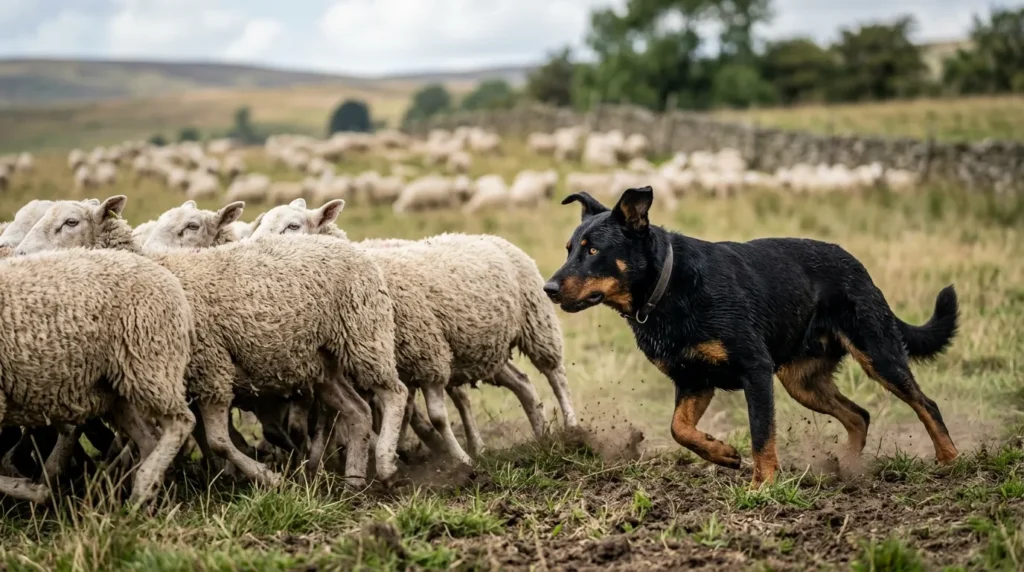
Beauceron worked alongside farmers in central France, where guiding and protecting sheep called for strength, confidence, and sound judgment every day. That dependable working role later extended beyond the farmland when the breed also served as a military dog during World War I.
Ready for Responsibility
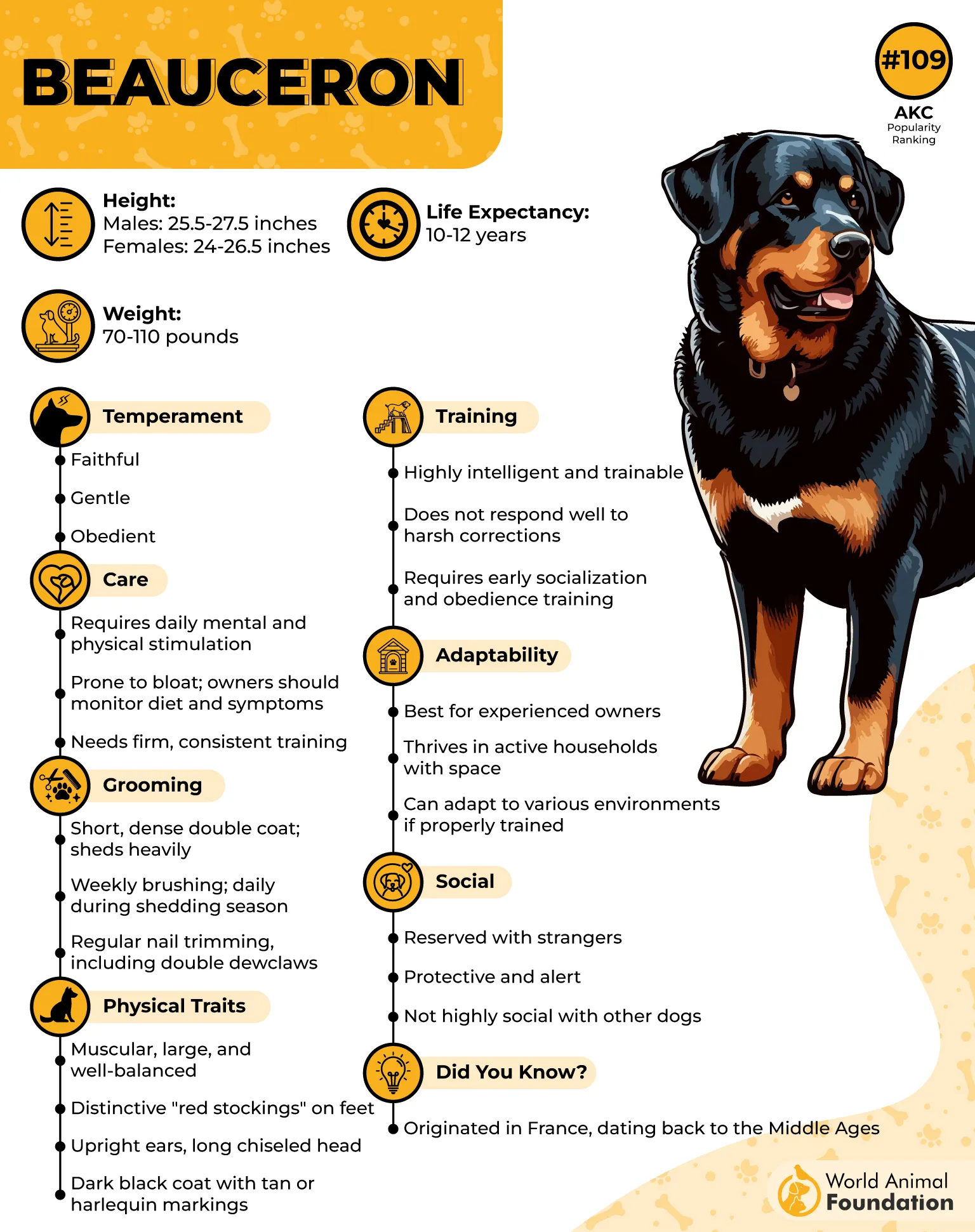
This herding breed combines a muscular build with an energetic mind, making early training and socialization important from puppyhood. Teaching calm behavior early helps this breed interact more comfortably with people and other dogs as it matures.
This is what defines this breed:
Also known as the French Shepherd
Need supervised introductions with children and other dogs
Cautious behavior around strangers
Energy With Direction
Beauceron benefits from at least two hours of daily activity, with both physical exercise and mentally engaging tasks playing an important role, as PetMD notes. Without productive outlets, this intelligent breed may create its own entertainment by turning to destructive behavior around the home.
This powerful working breed may suit you when you can:
- Provide around two hours of daily activity
- Handle a powerful confident dog
- Start training and socialization early
- Offer challenging mental tasks
- Supervise interactions with children and dogs
- Maintain firm consistent boundaries
🎧 Dogcast
Episode 37 — Why Dogs Stay Close without Touching
If you don’t hear sound, tap the button above to enable audio.
3. Australian Shepherd
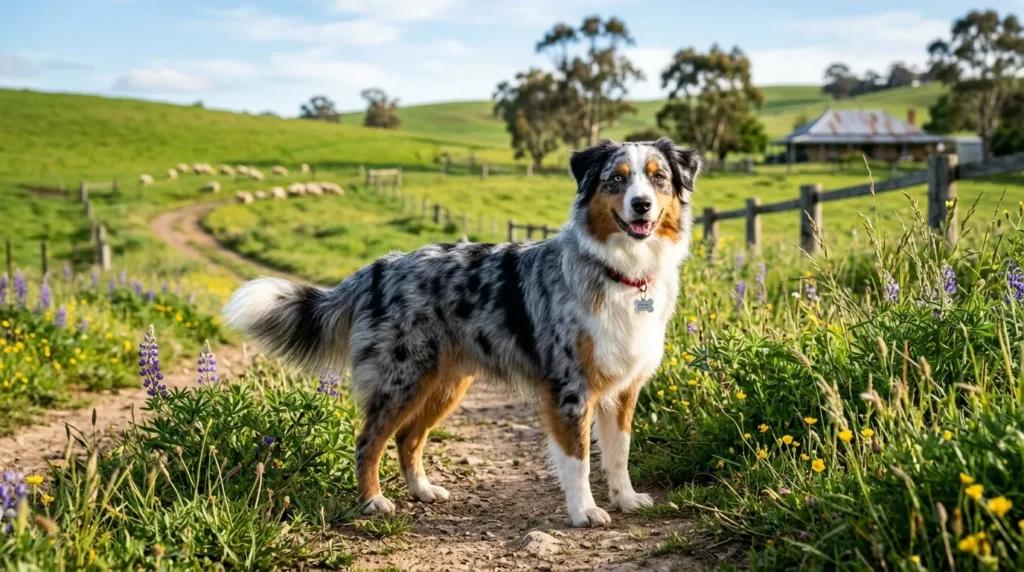
Australian Shepherd combines quick thinking with an agile, muscular build, making work a natural part of its daily routine. This breed enjoys having a purpose and responds enthusiastically when given tasks that require focus, coordination, and steady teamwork with people.
Driven to Work
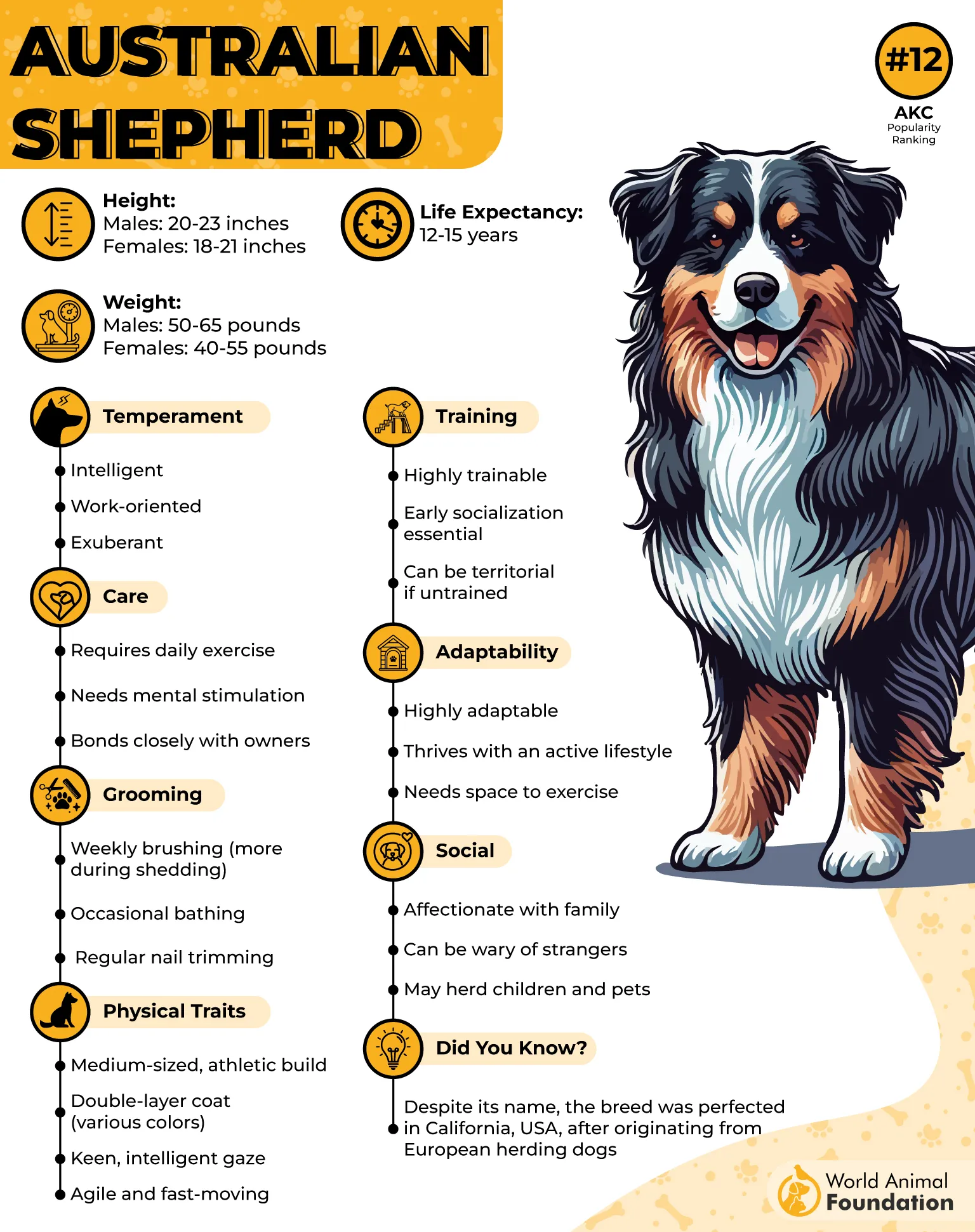
They approach every activity with enthusiasm, whether that involves herding, advanced training, or fast-paced games. Its willingness to cooperate and solve problems has long made it a dependable working companion in demanding situations.
Another side of this breed is just as interesting:
Excels in flyball competitions
Competes in dog sports, including herding and field trials
Performs well in advanced obedience work
Fast Mind, Fast Feet
Aussies often channels its herding instincts into chasing moving objects such as bicycles, scooters, golf carts, or even running children, as per Orvis.
Early socialization helps direct those natural instincts appropriately while encouraging calmer interactions with cats, other dogs, and unfamiliar people.
This energetic herding breed may suit you when you can:
- Provide vigorous daily exercise
- Offer obedience herding or dog-sport training
- Manage chasing behavior
- Redirect strong herding instincts
- Provide purposeful daily activities
- Start socialization early
4. Entlebucher Mountain Dog
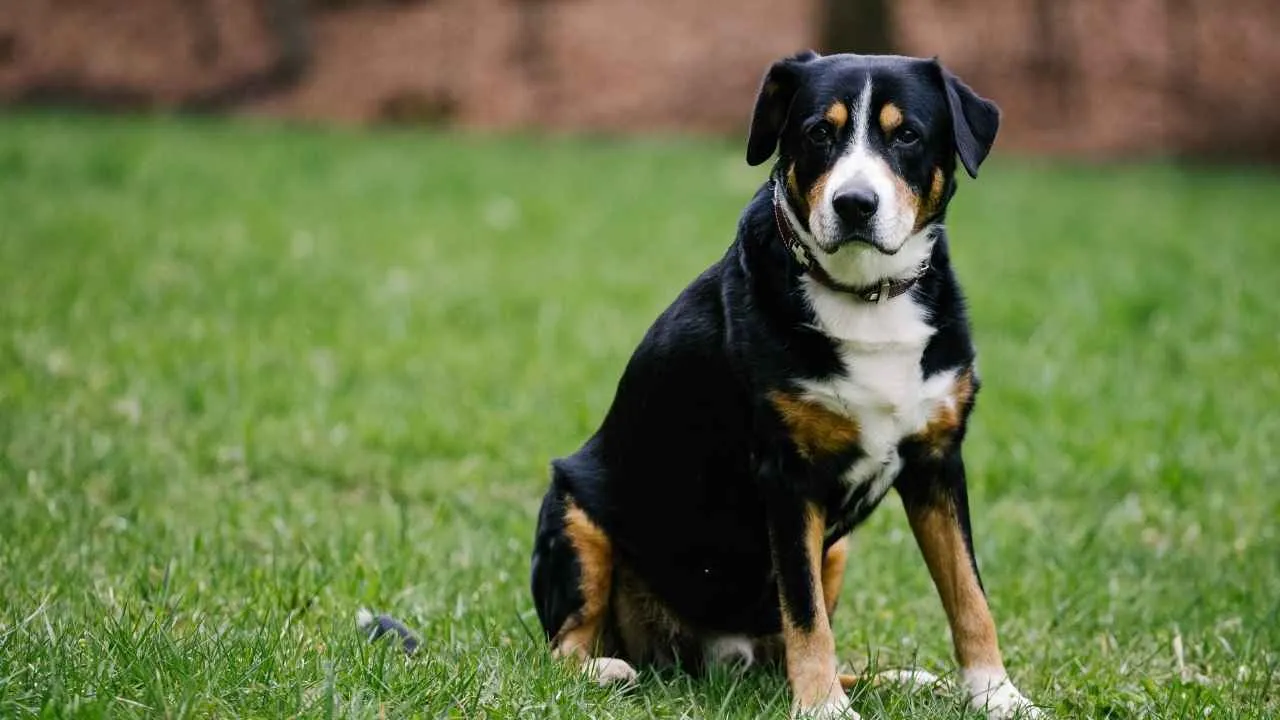
Entlebucher Mountain Dog spent its early years guiding cattle across the rocky slopes of the Swiss Alps, where sure footing and quick decisions mattered every day. That demanding role shaped a confident worker with impressive agility, balance, and determination across uneven ground.
Always Ready for a Task
This livestock guardian dog approaches work with enthusiasm and prefers having a clear purpose instead of long periods of inactivity. Its energetic personality and independent thinking helped it handle livestock while making decisions in changing conditions.
There’s still plenty to uncover:
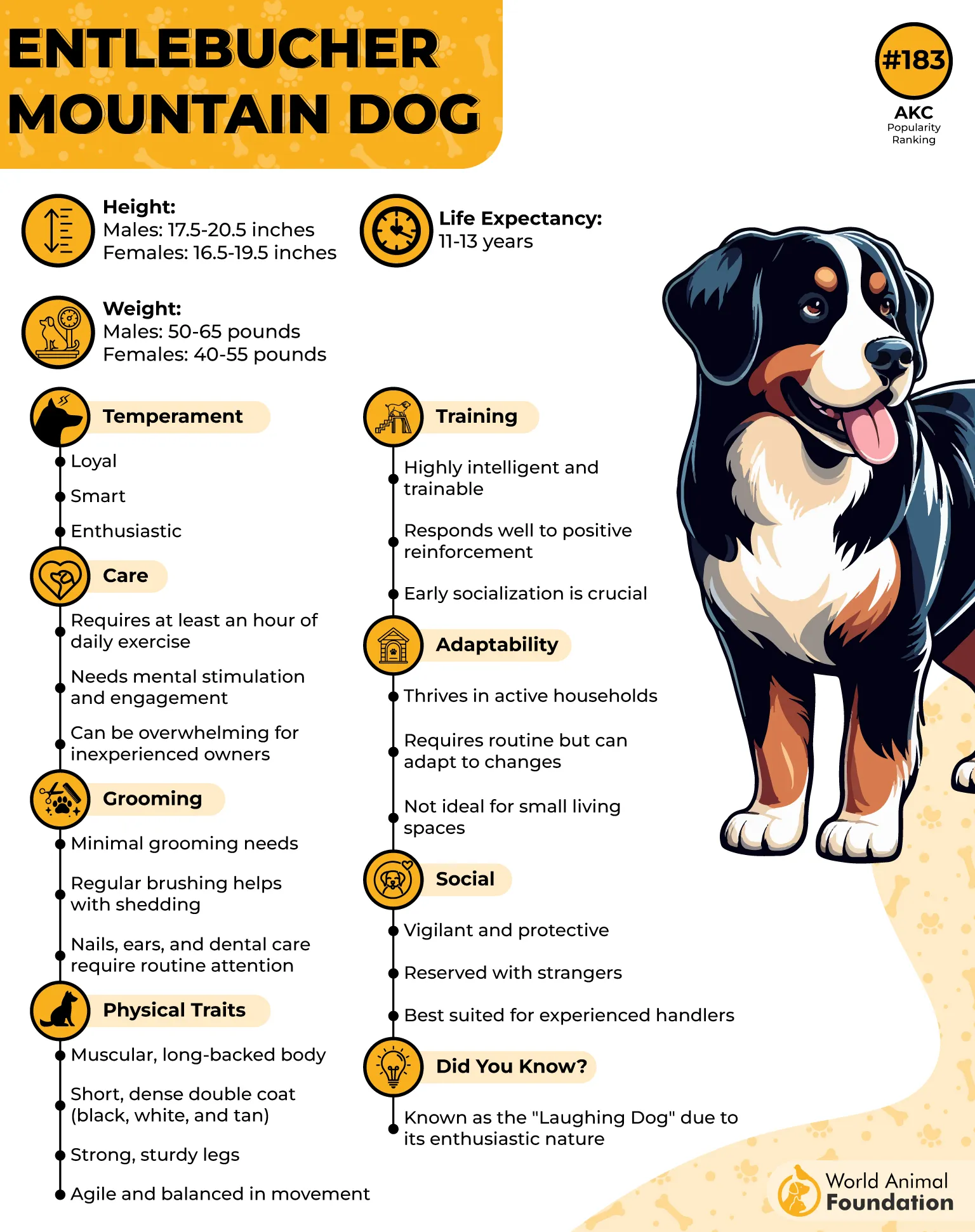
Recognized for its tricolored coat
Nicknamed the “Laughing Dog” of the Swiss Alps
Confident problem solver while herding cattle
Energy With Direction
As an energetic dog, they benefits from at least an hour of daily exercise, and activities such as running, hiking, or biking provide productive outlets for its active nature. Consistent direction also helps channel its confidence into everyday routines and training.
This determined cattle dog may suit you when you can:
- Provide at least one hour of exercise
- Enjoy running hiking or biking
- Give the dog a clear purpose
- Handle independent problem-solving behavior
- Maintain consistent training and structure
- Manage strong working instincts
5. Icelandic Sheepdog
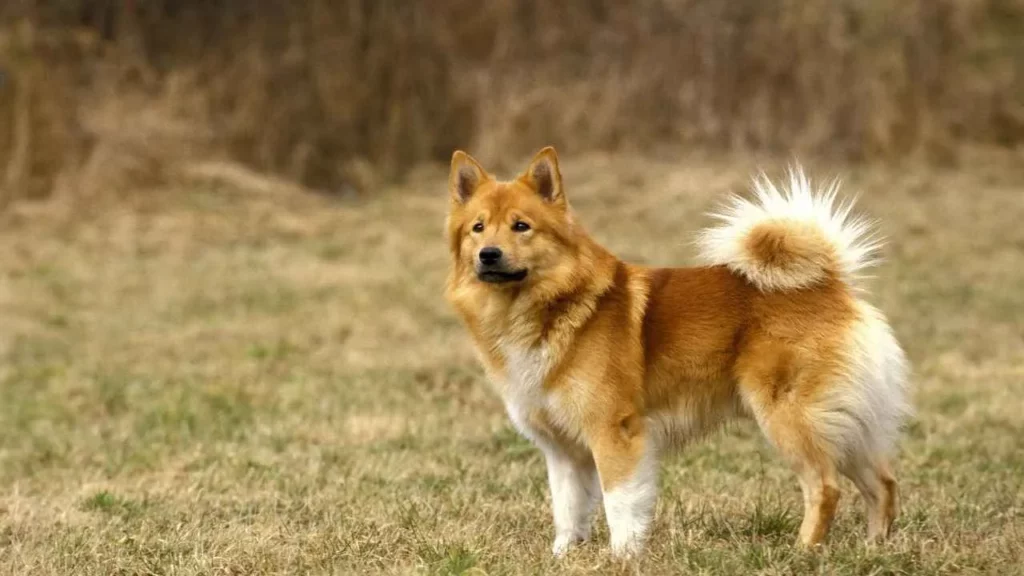
Icelandic Sheepdog arrived in Iceland with Viking settlers and remains the country’s only native dog breed. For generations, it worked with horses, cattle, and sheep, giving this energetic companion practical experience with different types of livestock.
Built for Herding
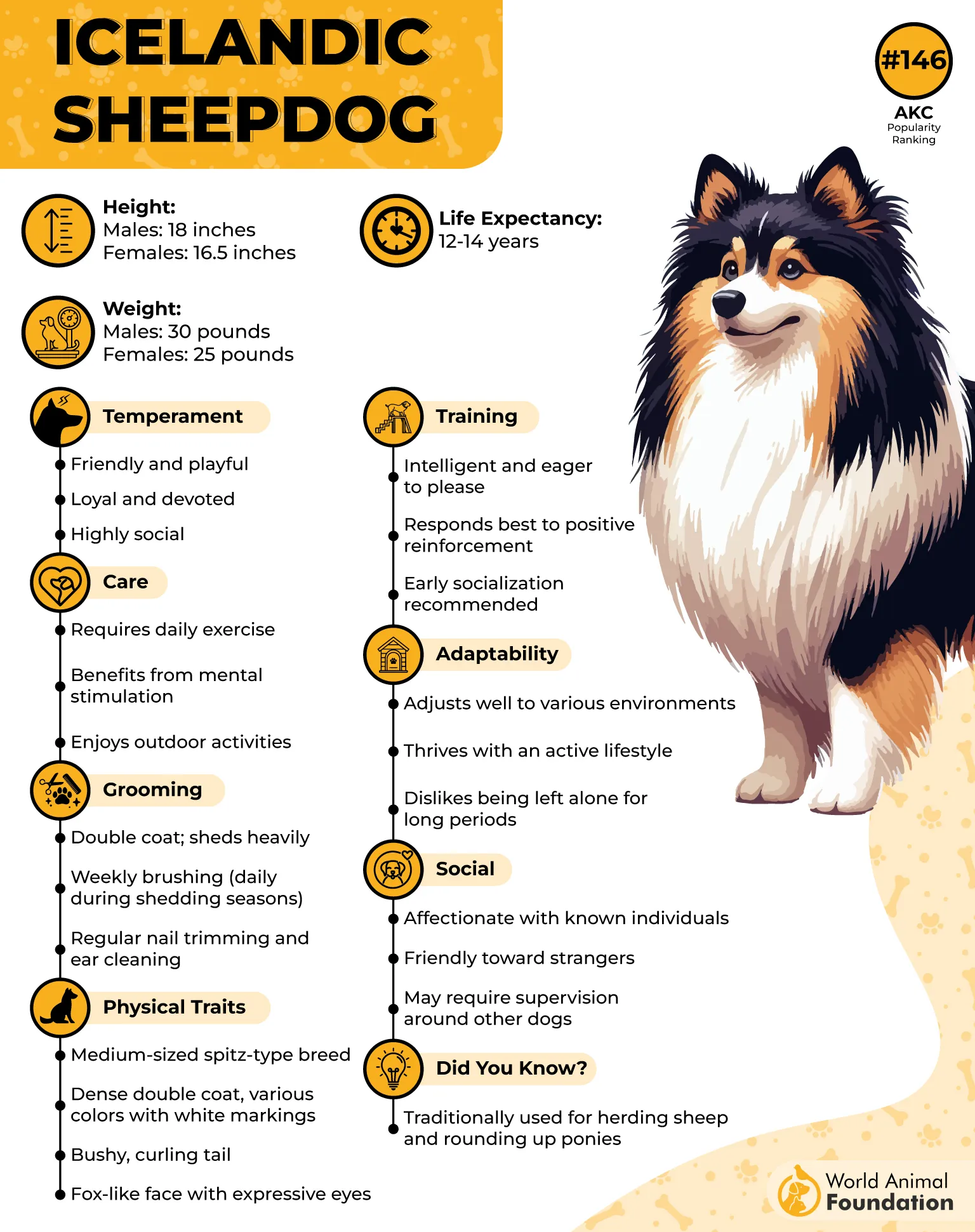
A thick coat, pointed ears, and a curled tail place this farm dog among the Nordic Spitz dogs, giving it a fox-like appearance. Quick learning and a strong desire to cooperate make training progress smoother from an early age.
Behind the cheerful personality:
Related to the Karelian Bear Dog
Socialization should begin around 8 weeks
Positive reinforcement keeps training engaging
Outdoor Routine
Icelandic Sheepdog enjoys long walks, hiking, and other outdoor activities that provide both physical activity and mental engagement. Barking also played an important role while working with livestock, making this breed naturally more vocal during everyday life.
This cheerful Nordic herder may suit you when you can:
- Provide long walks and outdoor activities
- Offer physical and mental stimulation
- Accept frequent barking
- Begin socialization early
- Use positive reinforcement
- Enjoy training a cooperative dog
6. Bouvier des Flandres
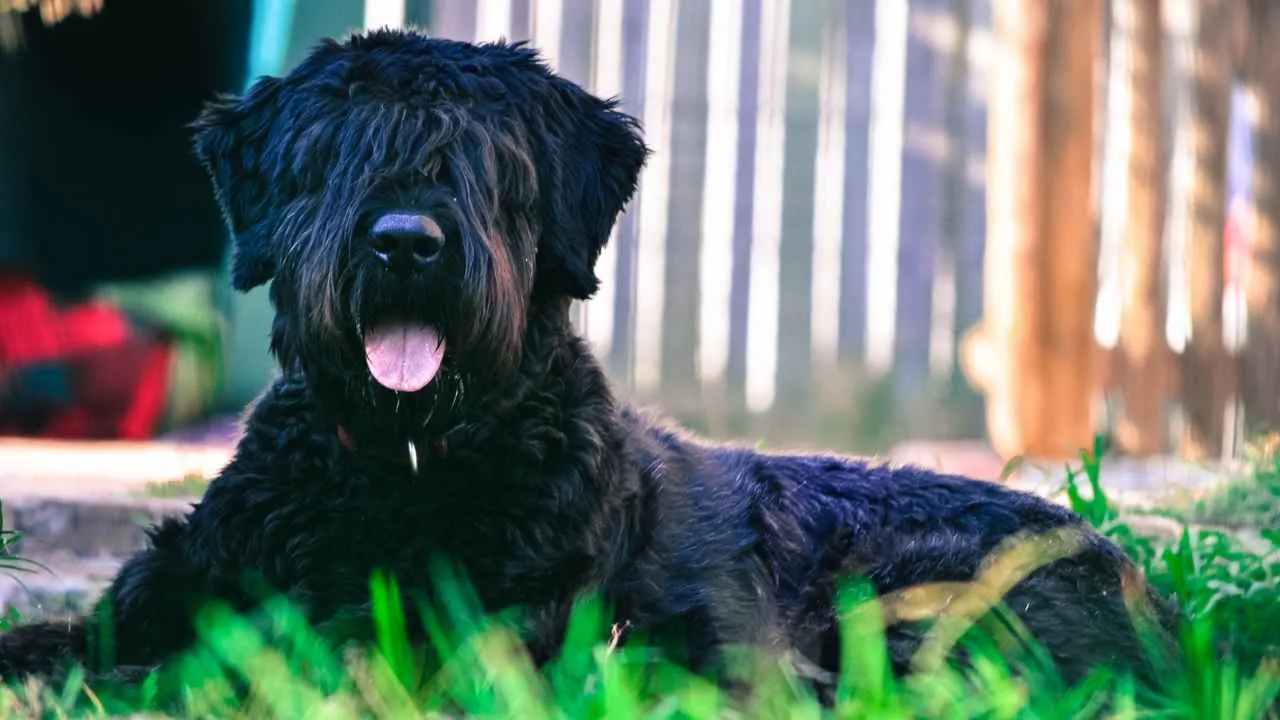
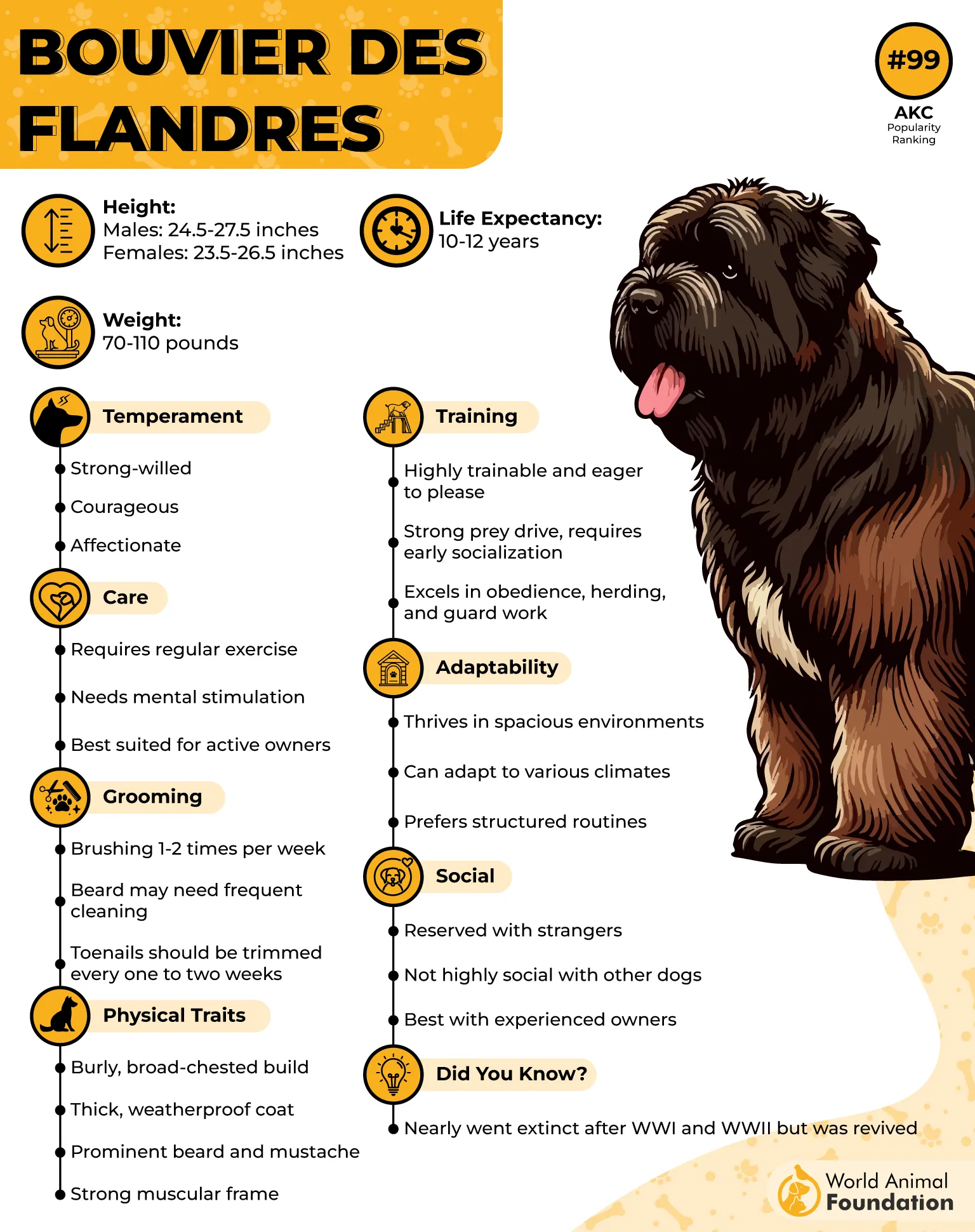
Bouvier des Flandres began on Belgian farms, where strength and dependability made this breed valuable for herding cattle and pulling carts loaded with heavy milk jugs. That combination of power and practical working ability still shapes its confident approach to demanding tasks.
Ready for Purpose
This intelligent dog has abundant energy, making purposeful work an important part of daily life. Herding livestock, joining long hikes, participating in dog sports, or running alongside the family all provide meaningful outlets for this active breed.
These details complete the picture:
Name translates to “cow herder of Flanders”
Early training helps channel strong-willed behavior
Slow introductions suit homes with smaller pets
Smart but Strong-Willed
Bouvier des Flandres learns quickly, although its independent nature makes consistent training especially important from an early age. Calm behavior around people and other animals is easier to build when guidance begins during puppyhood and continues regularly.
This strong and independent worker may suit you when you can:
- Handle a strong powerful dog
- Provide long walks sports or working activities
- Begin training early
- Remain patient with independent behavior
- Supervise introductions with smaller pets
- Provide productive outlets for energy
7. Puli
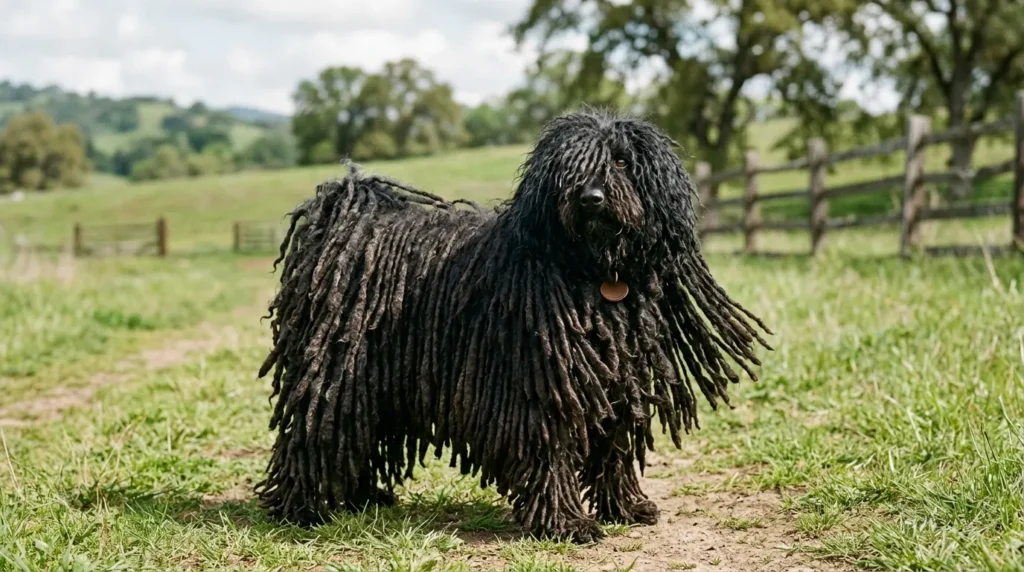
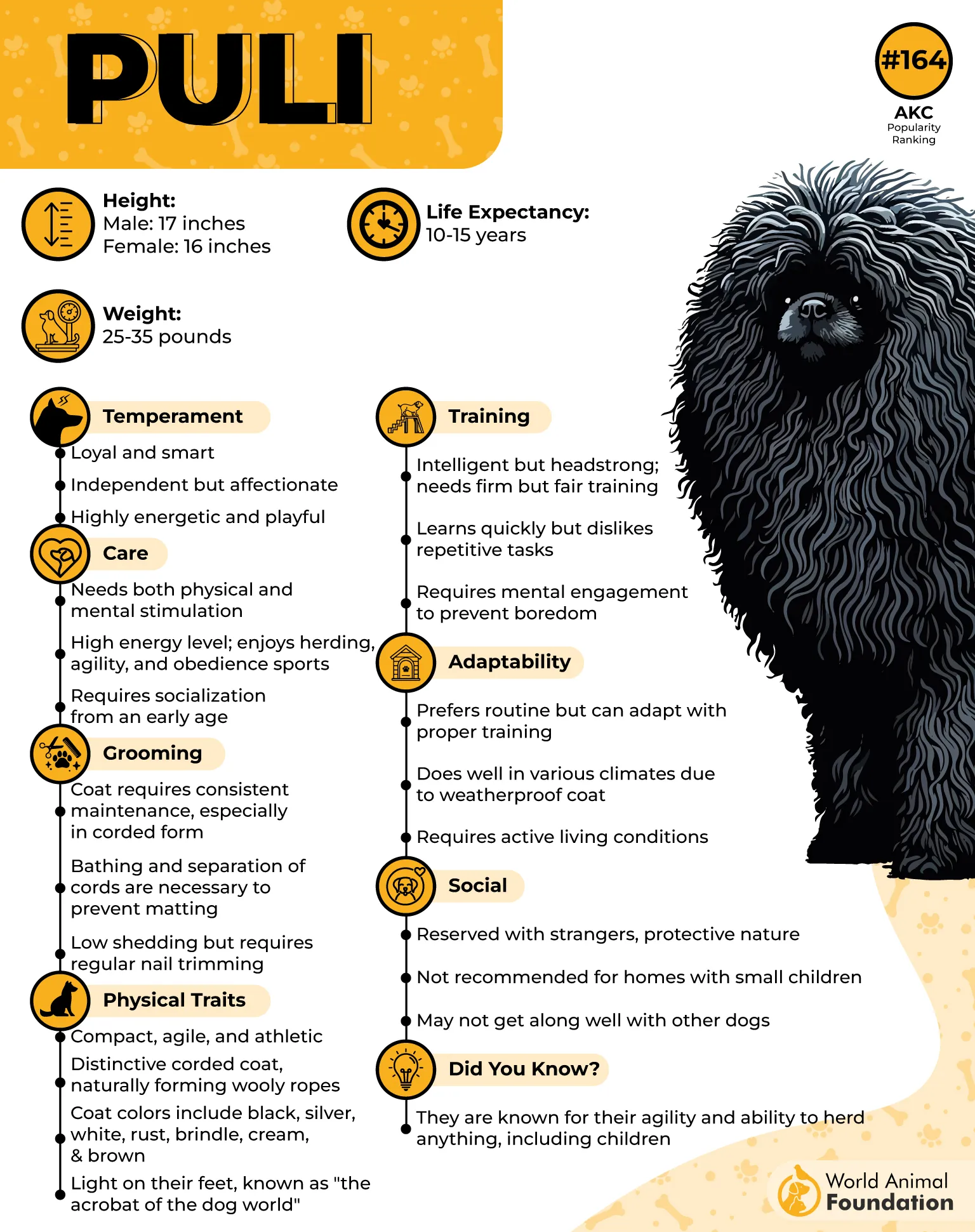
Puli immediately catches attention with its long, corded coat, a feature closely tied to a breed that worked as both a herder and a guardian in Hungary. Records also connect its ancestry to Tibetan Terriers brought into Hungary around 900 CE, adding another layer to its story.
Quick to Think
Puli combines sharp intelligence with an eagerness to learn, making training enjoyable when lessons remain engaging and rewarding. A full hour of daily activity also helps channel its working instincts into positive outlets instead of restless behavior.
A few details reveal even more about this breed:
Descended from Tibetan Terriers
Loves to play training games
Positive reinforcement suits training best
Herding Instincts
Puli may instinctively try to gather children or smaller animals because that behavior comes from generations spent managing livestock.
Early socialization and consistent training help puppies become more confident around unfamiliar people while encouraging appropriate responses in everyday situations.
This intelligent corded herder may suit you when you can:
- Provide at least one hour of daily activity
- Use playful reward-based training
- Manage herding behavior around children
- Start socialization early
- Provide regular mental stimulation
- Maintain a corded coat properly
Conclusion
Some of the strongest dogs ever developed earned their reputation without chasing recognition. Their history was written through steady work, difficult terrain, and the ability to guide livestock with remarkable confidence instead of unnecessary force. Those instincts remain just as valuable today, even when life no longer revolves around the farm.
Understanding their natural abilities, exercise needs, and desire for purposeful activity makes all the difference before bringing one home. The right environment allows these hardworking companions to thrive, building a partnership based on trust, consistency, and mutual respect that grows stronger with every shared experience and every challenge overcome.
