




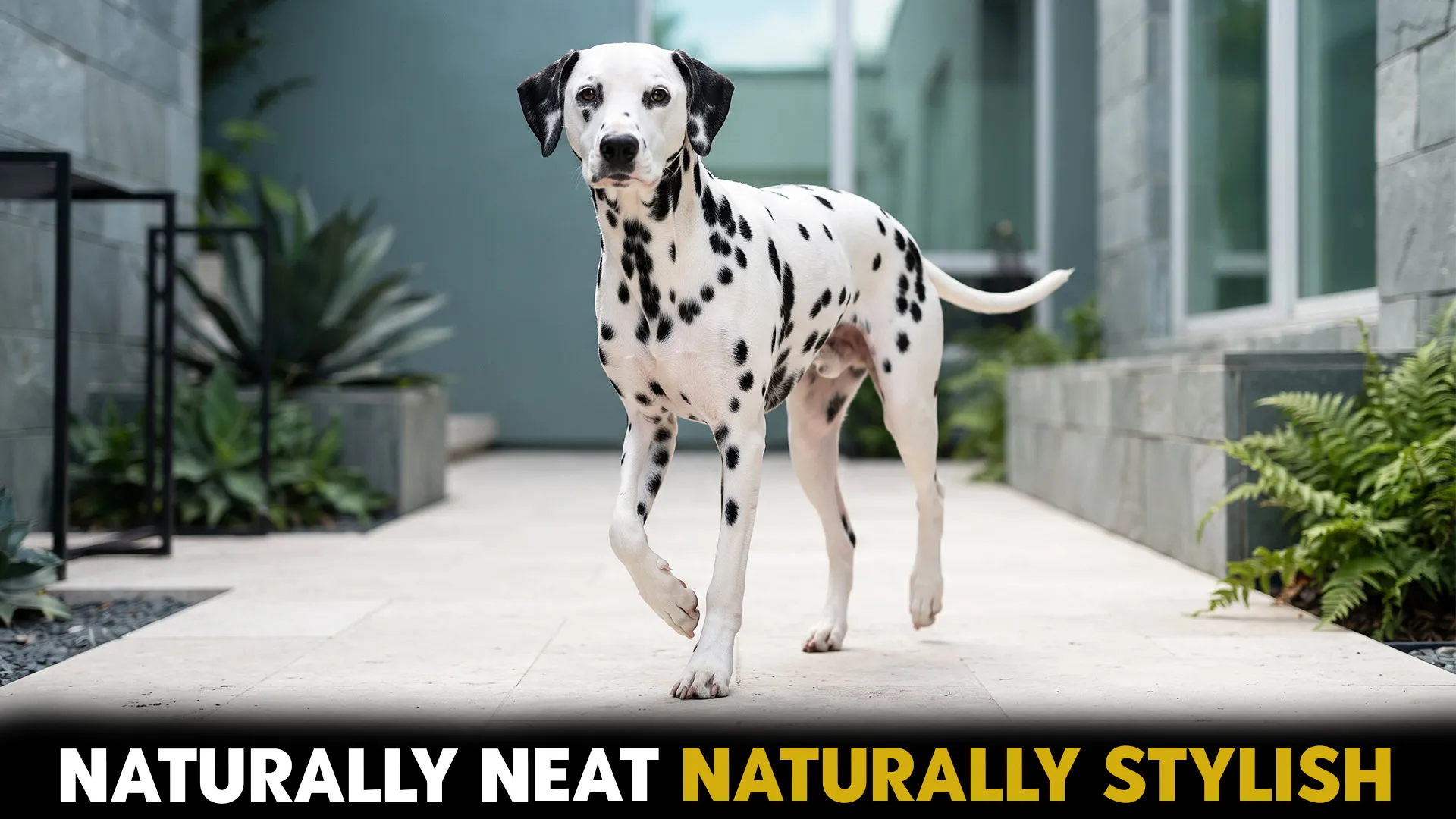
Short-haired dogs can have an effortlessly polished appearance. Their close-fitting coats often highlight muscular bodies, elegant proportions, distinctive markings, and athletic silhouettes without requiring the extensive professional grooming associated with many long-coated breeds.
A short and soft coat does not mean a dog has no frequent grooming needs. Regular brushing, occasional bathing, nail trimming, dental care, and skin checks remain important. Some short-haired dog breeds also shed considerably, while others have particular needs related to their body structure, activity level, or climate sensitivity.
The seven breeds below combine naturally short double coats with memorable appearances and very different personalities. From the famously spotted Dalmatian to the refined Greyhound, each brings its own combination of history, character, exercise requirements, and active household appeal.
Stylish Dog Breeds Sporting Naturally Short Hair
1. Dalmatian
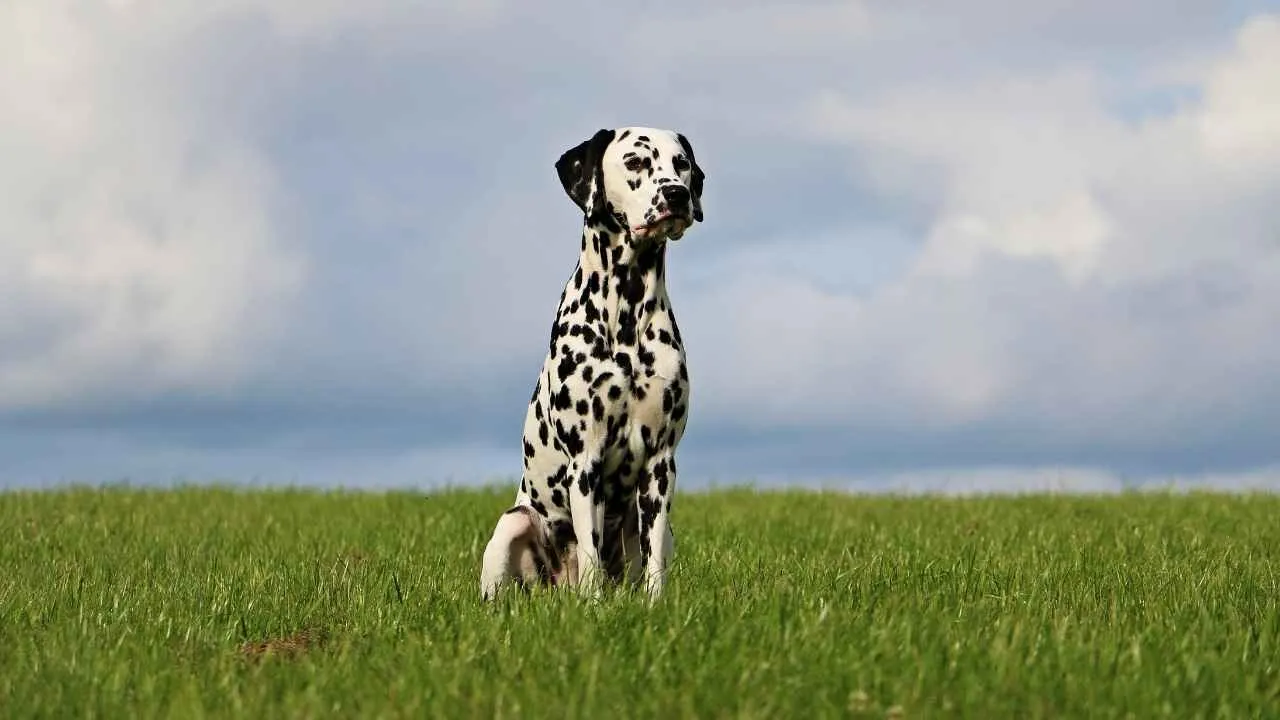
Dalmatians are famous for their white coats covered with distinctive black or liver-colored spots. Although their precise early history is debated, the breed became strongly associated with carriage work, where dogs traveled alongside horse-drawn coaches and served as companions and guardians.
Their athletic construction and endurance helped them perform demanding tasks over long distances. Their unmistakable appearance later contributed to their popularity as companion dogs and cultural icons.
Energetic, Intelligent, and Always Ready to Participate
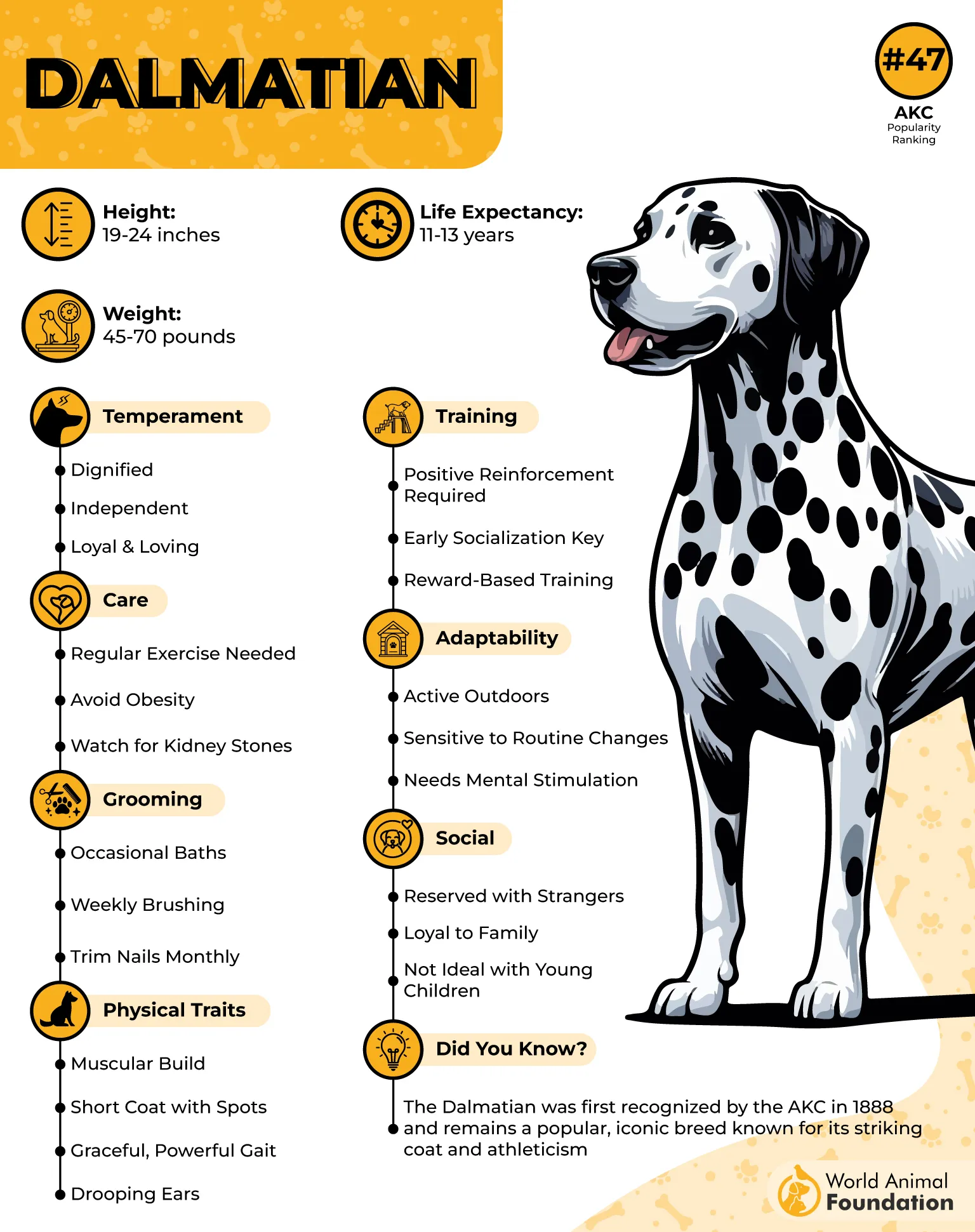
Dalmatians are generally lively and loyal dogs with considerable stamina. They often enjoy running, hiking, interactive games, and training activities that give them opportunities to use both body and mind.
Their intelligence can make them responsive learners, although boredom may lead to undesirable behavior. Early socialization and consistent training can help channel their enthusiasm into useful habits.
Their Famous Spotted Coat Is Easy to Maintain
The Dalmatian’s short, dense coat does not require elaborate grooming. Regular brushing can remove loose hairs and distribute natural oils across the skin.
Despite the simplicity of their coat, Dalmatians can shed consistently throughout the year. Routine baths, nail care, dental hygiene, and skin inspections can help maintain their overall condition.
2. Weimaraner
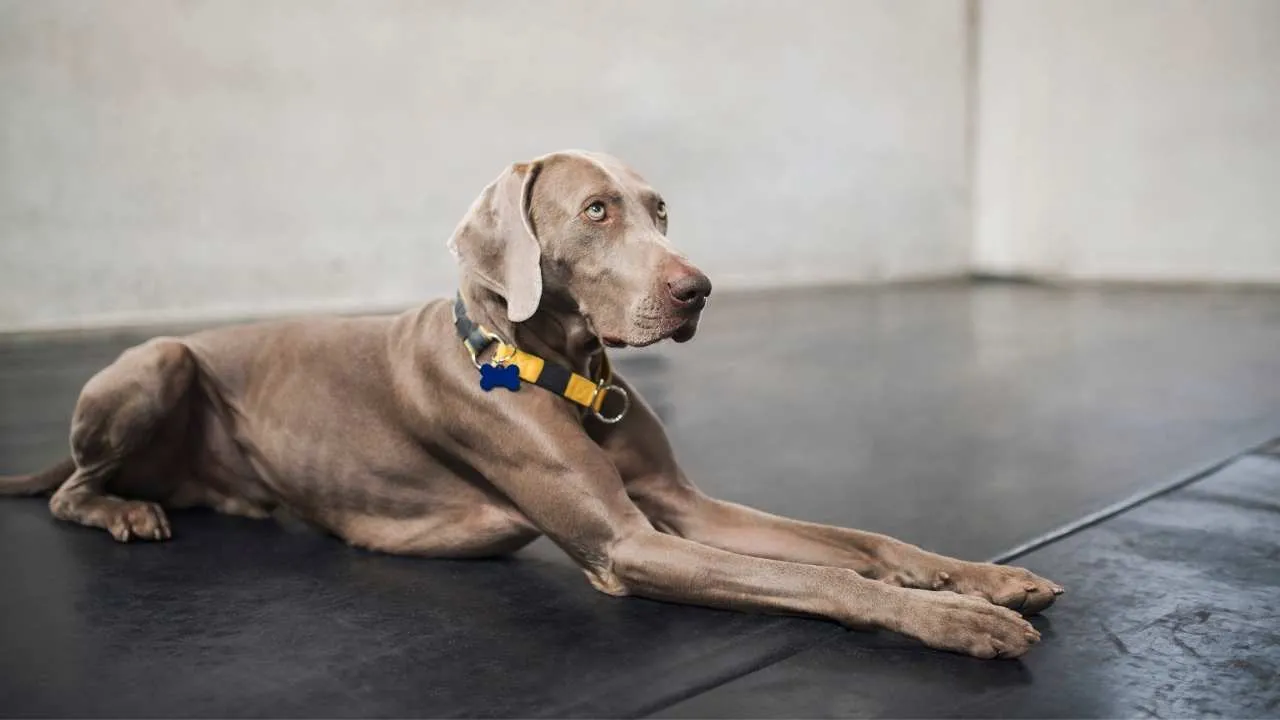
The Weimaraner originated in Germany and was developed as a hunting dog for tracking and pursuing game. Its sleek silver-gray coat and elegant body give it one of the most recognizable appearances among sporting breeds.
Originally associated with German nobility and hunting estates, the breed eventually became known beyond its homeland. Its athletic structure reflects a history that demanded speed, stamina, intelligence, and close cooperation with handlers.
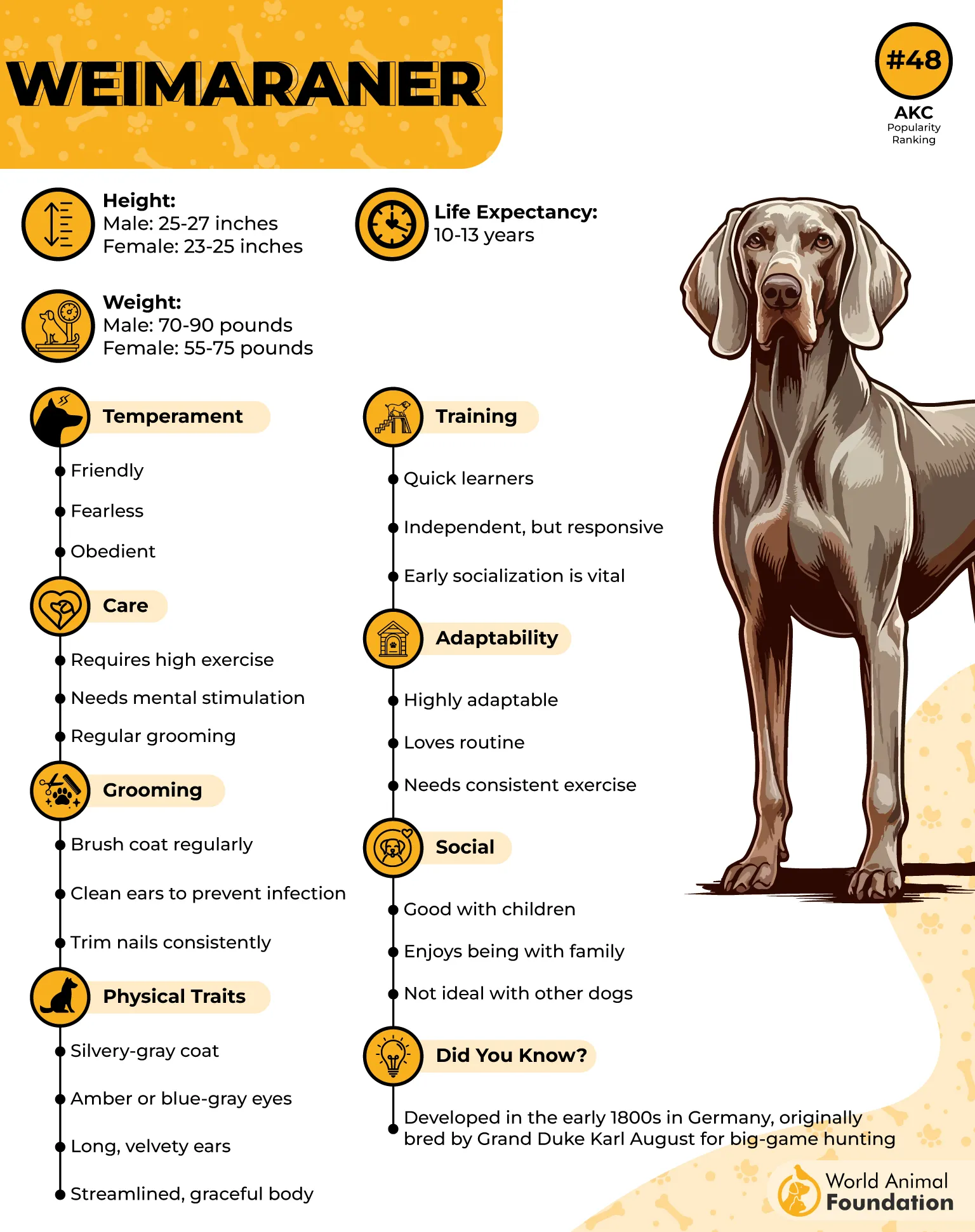
Devoted, Energetic, and Eager for Human Company
Weimaraners often form strong attachments to their owners and prefer being actively involved in family life. These hunting dogs are energetic and excellent family dogs that usually require substantial daily exercise.
Their intelligence makes training rewarding, but their enthusiasm can become difficult to manage without clear boundaries. Games involving retrieving, scent work, obedience, and outdoor exploration can provide valuable mental stimulation.
A Silky Coat With a Distinctive Silver Sheen
The short-haired Weimaraner has a sleek coat that requires relatively little maintenance. Occasional brushing can remove loose hair while keeping the skin and coat looking healthy.
Their grooming routine should also include regular nail trimming, dental care, ear checks, and bathing when necessary. Because their coat offers limited insulation, protection from extreme cold may be important during chilly weather.
3. Rhodesian Ridgeback
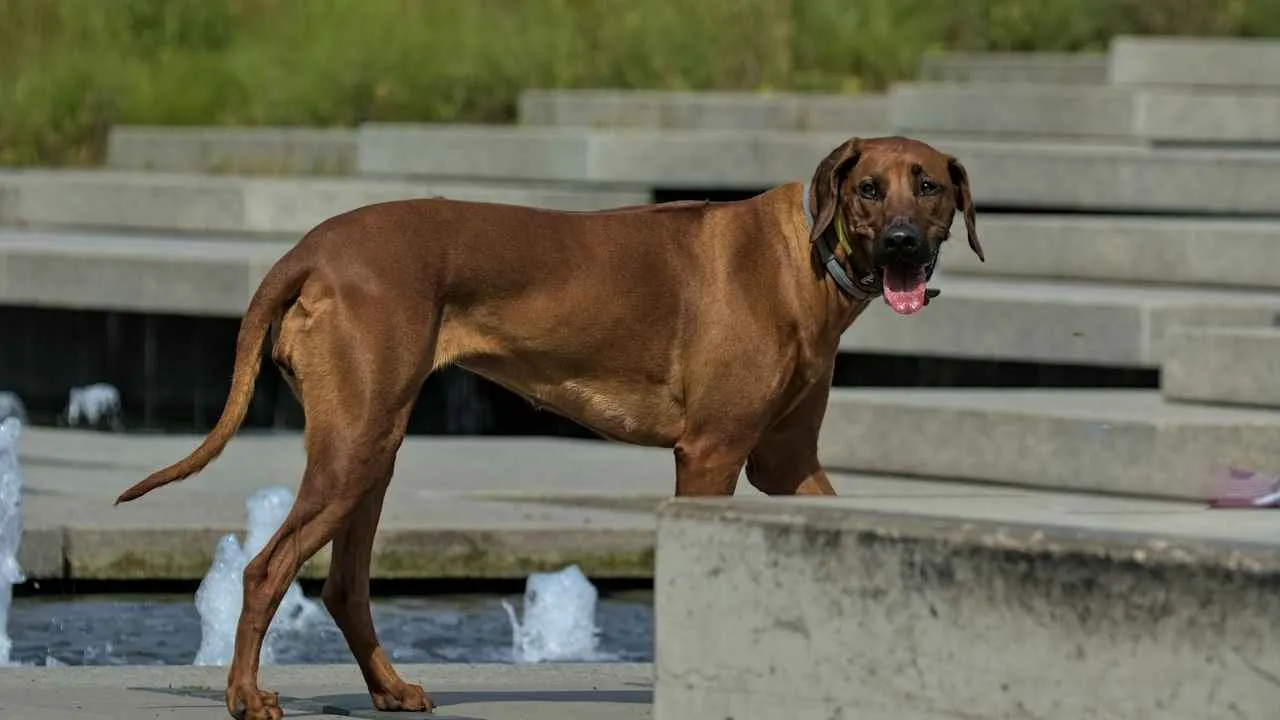
The Rhodesian Ridgeback developed in southern Africa and became associated with hunting large game and protecting homesteads. Its athletic body and distinctive ridge of hair running along the spine remain defining features of the breed.
This loyal dog breed’s background required courage, endurance, and independence. Modern Ridgebacks can retain those qualities while serving as great companions for owners who understand their need for exercise and structured training.
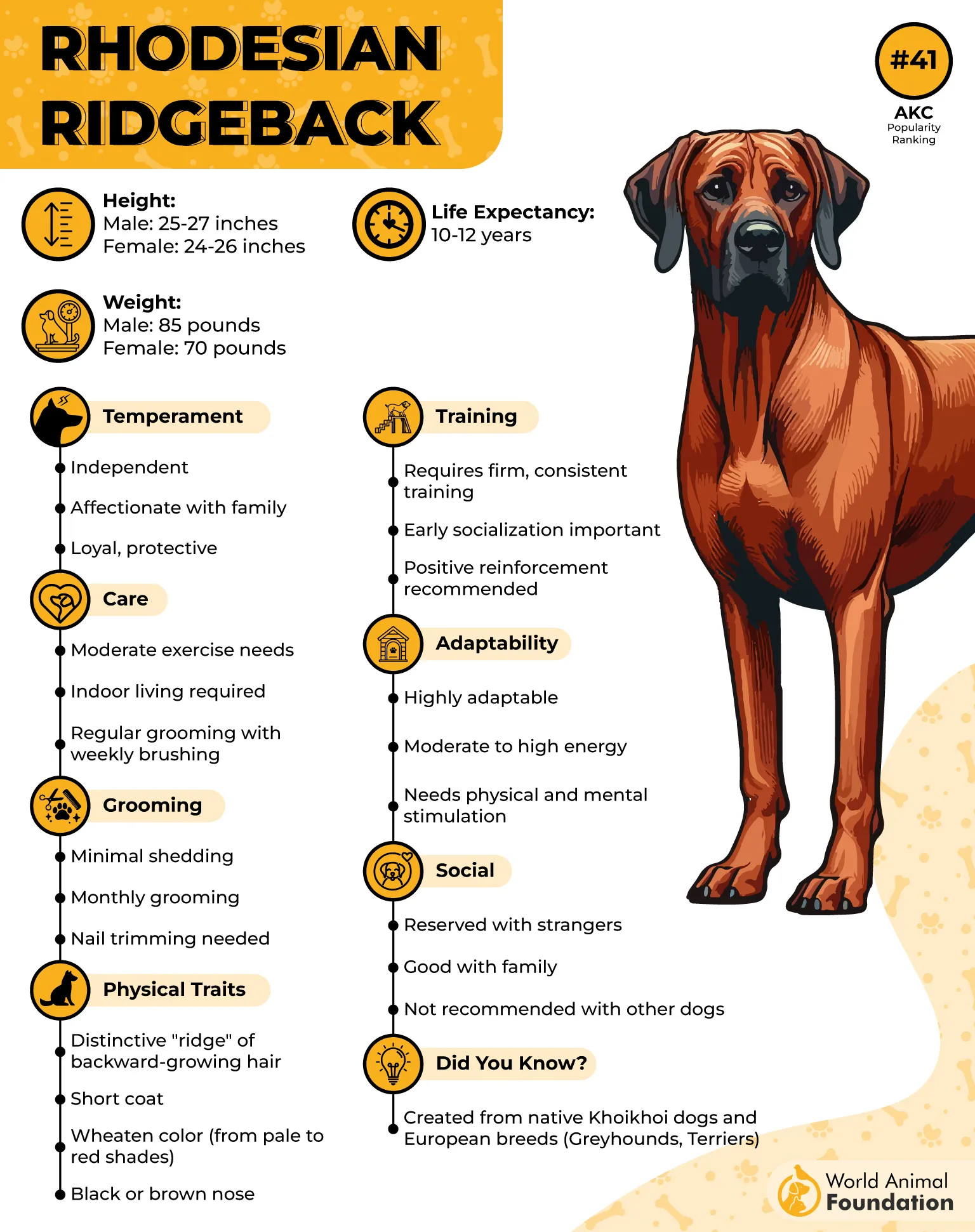
Confident, Independent, and Deeply Loyal
Rhodesian Ridgebacks can be affectionate with their families while remaining reserved around unfamiliar people. They often possess a confident personality and may prefer observing a situation before deciding how to respond, as per PetMD.
Their independent streak means training should be consistent and rewarding rather than unnecessarily harsh. Regular physical activity and mental engagement can help them remain settled at home.
A Low-Maintenance Coat With a Signature Ridge
Their short, sleek coat is simple to groom and generally needs only occasional brushing. The ridge along the back grows in the opposite direction from the surrounding hair, creating the feature for which the breed is named.
Basic grooming includes nail care, dental hygiene, occasional bathing, and routine skin checks. Their short fur offers little protection from harsh weather, so outdoor conditions should be considered during exercise.
4. Great Dane
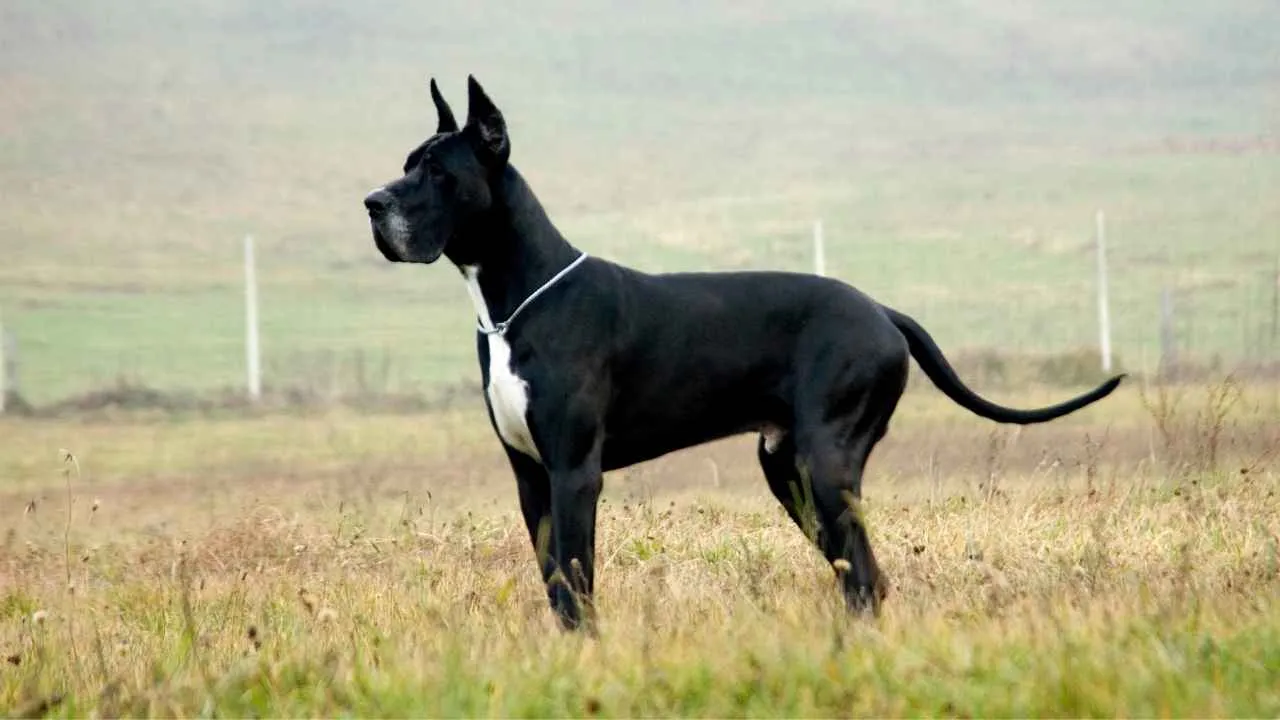
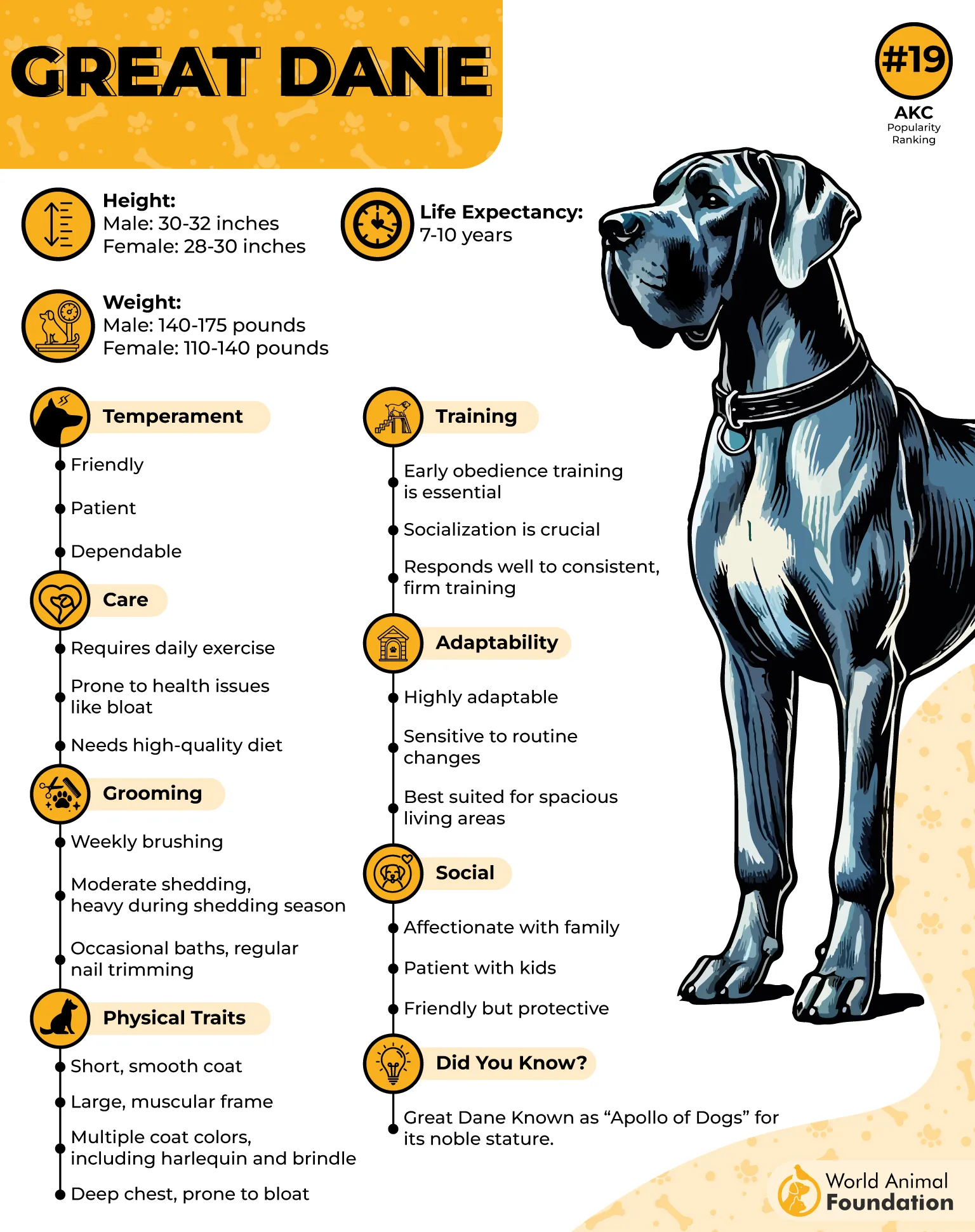
Great Danes are associated with Germany despite their breed name, and their ancestry includes large hunting and guardian dogs. They were historically used in roles involving the pursuit and restraint of substantial game before becoming increasingly valued as excellent companion animals.
Their enormous height is their most obvious characteristic, but their long limbs, elegant movement, and distinctive head give them a surprisingly graceful appearance for such a large dog.
Gentle, Social, and Surprisingly Easygoing
Great Danes are often described as gentle giants because many individuals enjoy close contact with their families and can be calm indoors, as per WebMD. Their size does not necessarily correspond to an aggressive personality.
Early training is essential because even friendly behavior can become problematic when performed by a dog of this stature. Teaching polite greetings, leash manners, and basic obedience while young can make daily life considerably easier.
A Short Coat That Keeps Grooming Simple
Great Danes have short, smooth coats that are generally easy to maintain. Weekly brushing can help remove loose hair and keep the coat looking clean and glossy.
They still require routine nail trimming, dental care, ear checks, and occasional bathing. Because they have such large bodies, owners should also pay close attention to maintaining an appropriate weight and providing sensible exercise.
5. Boxer
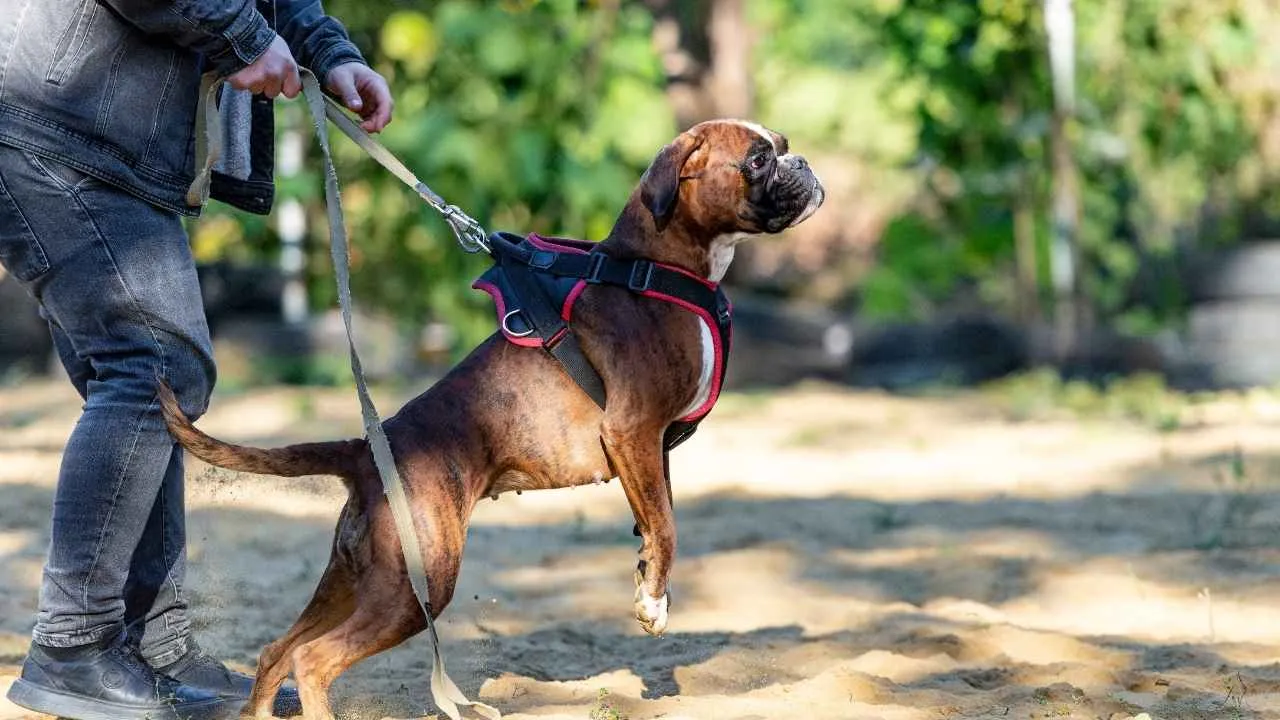
Boxers originated in Germany and descended from working dogs with connections to hunting and other physically demanding tasks, as per Hill’s Pet. Selective breeding later emphasized athleticism, courage, intelligence, and companionship.
Their muscular bodies, expressive faces, and distinctive stance give them a recognizable appearance. They combine a serious-looking exterior with an often playful and enthusiastic personality.

Playful, Affectionate, and Naturally Protective
Boxers generally enjoy spending time with their families and participating in games or outdoor activities. Many remain playful for much of their lives and appreciate regular interaction.
They can also be attentive to unfamiliar activity around their homes. Socialization and obedience training help ensure that their alertness remains controlled and that their energetic behavior is appropriate in different situations.
Smooth Fur With Minimal Coat Maintenance
The Boxer’s short coat is relatively uncomplicated to groom. Regular brushing can remove loose hair and support healthy skin while keeping their coat looking sleek.
Their basic care routine should include nail trimming, dental hygiene, ear inspection, and occasional bathing. Their short fur also means they may be more vulnerable to temperature extremes than dogs with heavy insulating coats.
6. Vizsla
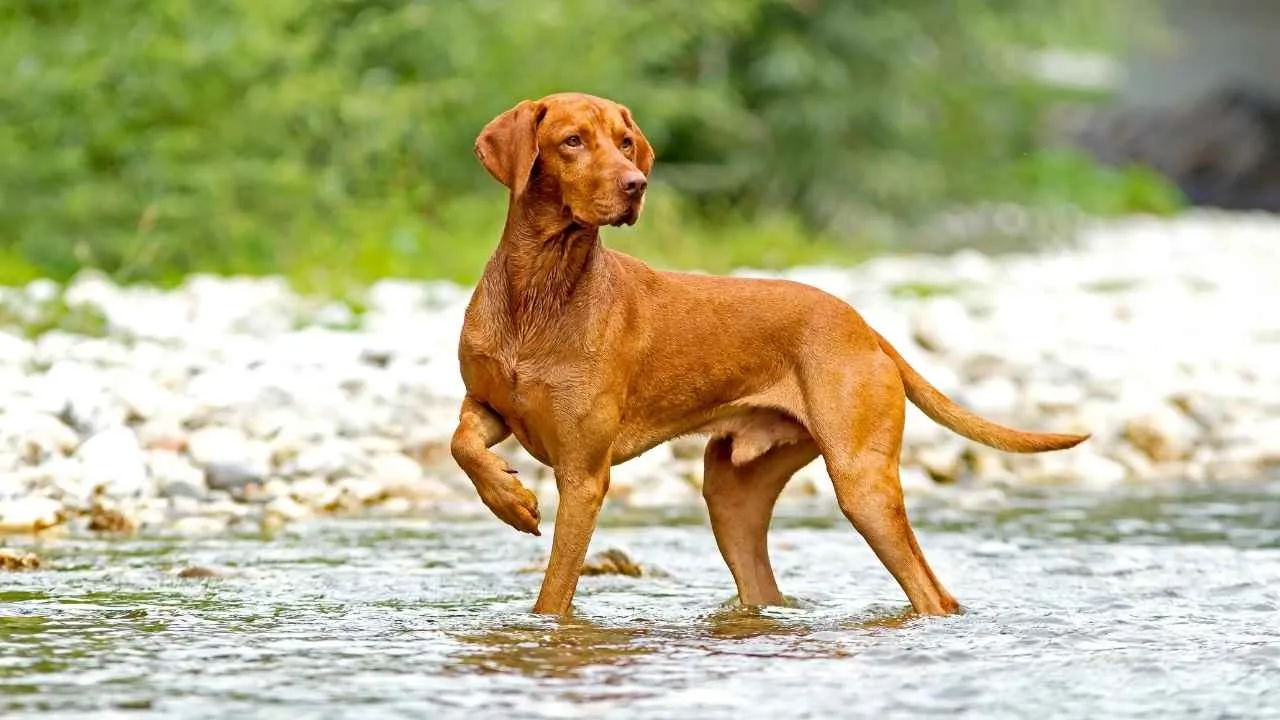
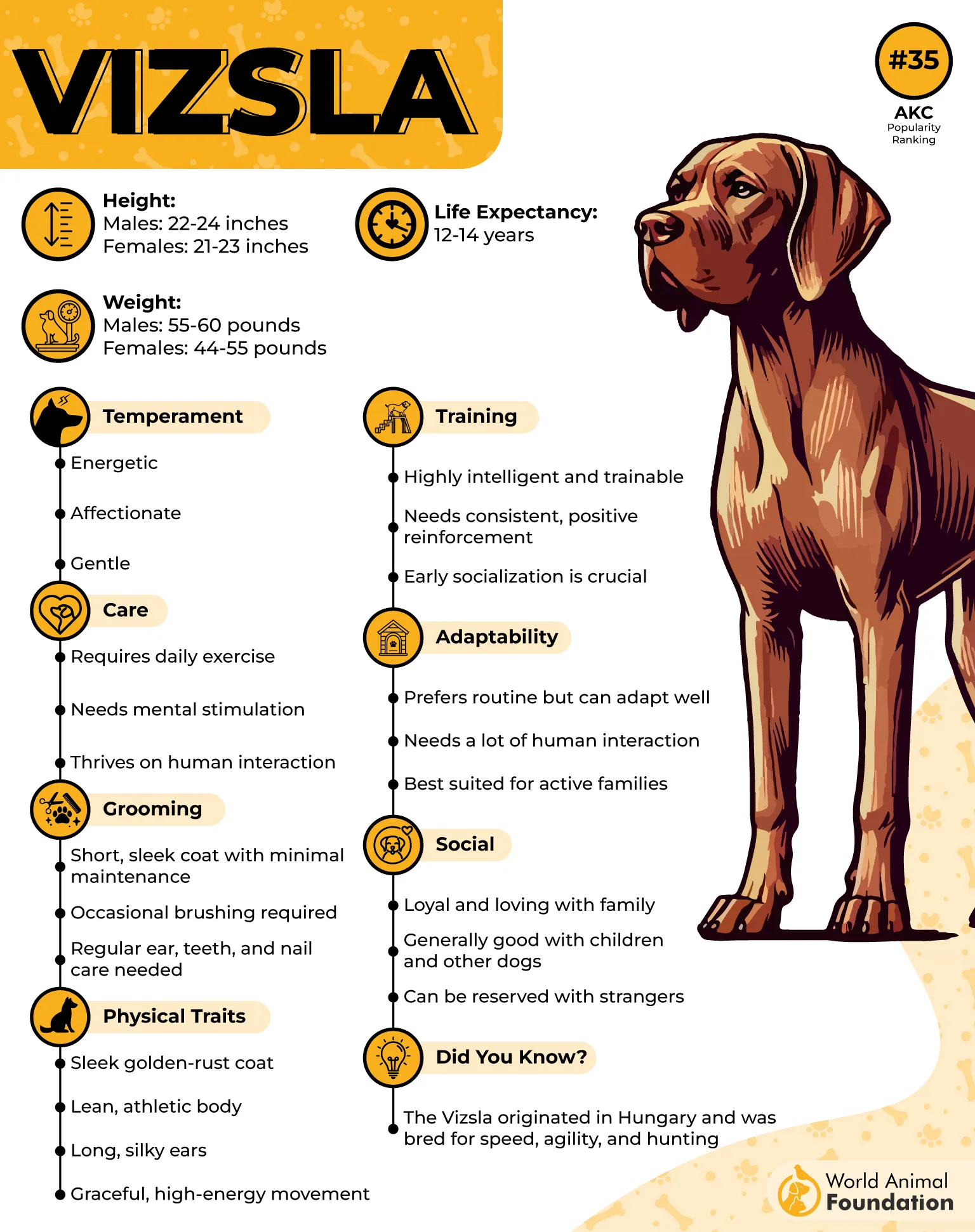
The Vizsla originated in Hungary and was developed as a versatile sporting dog capable of pointing and retrieving game. Its slender body, reddish-gold coat, and graceful movement reflect its history as an active and perfect companion.
This short-haired dog breed became valued not only for its hunting abilities but also for its close cooperation with people. Today, Vizslas are often chosen by active owners who want an affectionate dog capable of joining them in outdoor pursuits.
Affectionate, Sensitive, and Exceptionally Active
Vizslas are often strongly people-oriented and may prefer staying close to their owners throughout the day. Their energetic nature makes them well suited to running, hiking, retrieving, swimming, and other vigorous activities.
They tend to respond best to positive, patient training. Long periods of isolation can be difficult for some individuals, so prospective owners should consider whether they can provide sufficient companionship and daily engagement.
A Short Golden-Rust Coat That Needs Little Work
The Vizsla’s smooth coat requires minimal grooming compared with breeds that have thick or flowing fur. Regular brushing removes loose hair and helps keep the coat in good condition.
Occasional bathing is usually sufficient unless the dog becomes particularly dirty. Owners should also maintain nails, teeth, ears, and skin as part of a normal preventive-care routine.
7. Greyhound
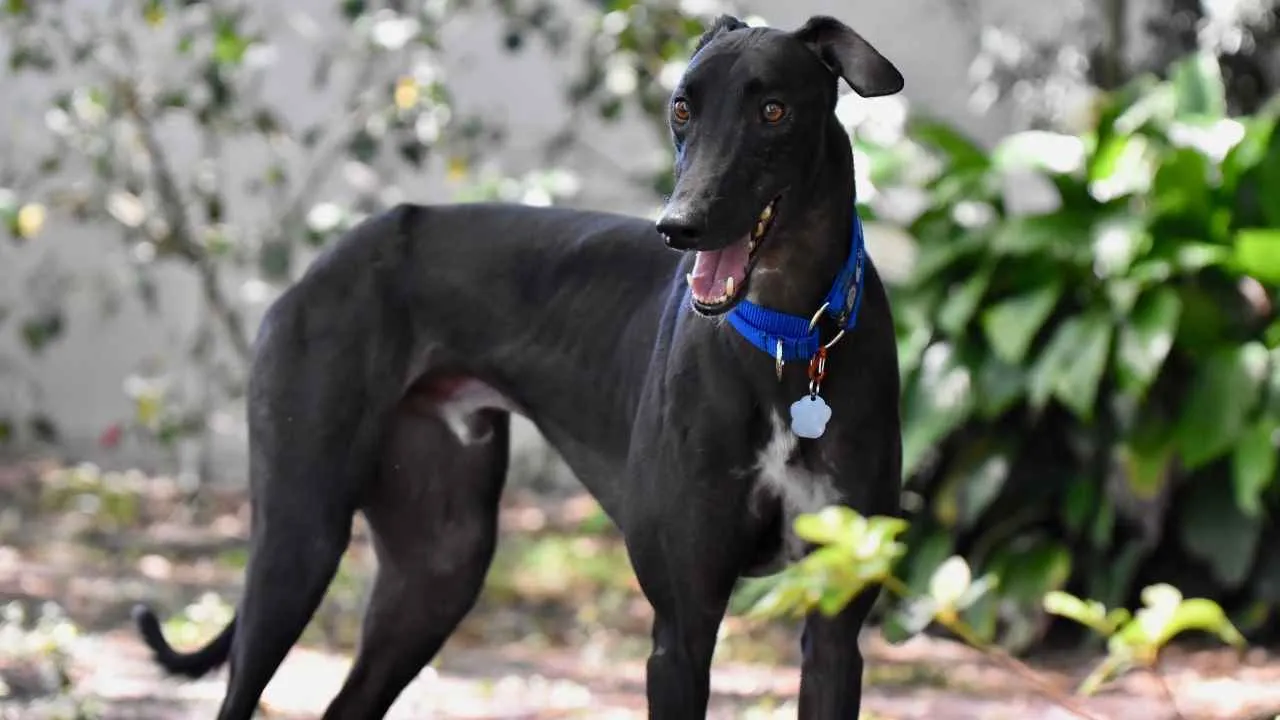
Greyhounds are among the oldest recognized sighthound types and have a long history of pursuing fast-moving prey. Their slender bodies, deep chests, flexible spines, and powerful legs were shaped for extraordinary speed.
Despite their reputation as racing and coursing dogs, Greyhounds can be surprisingly relaxed when living in a home. Many enjoy periods of vigorous activity followed by extensive rest.
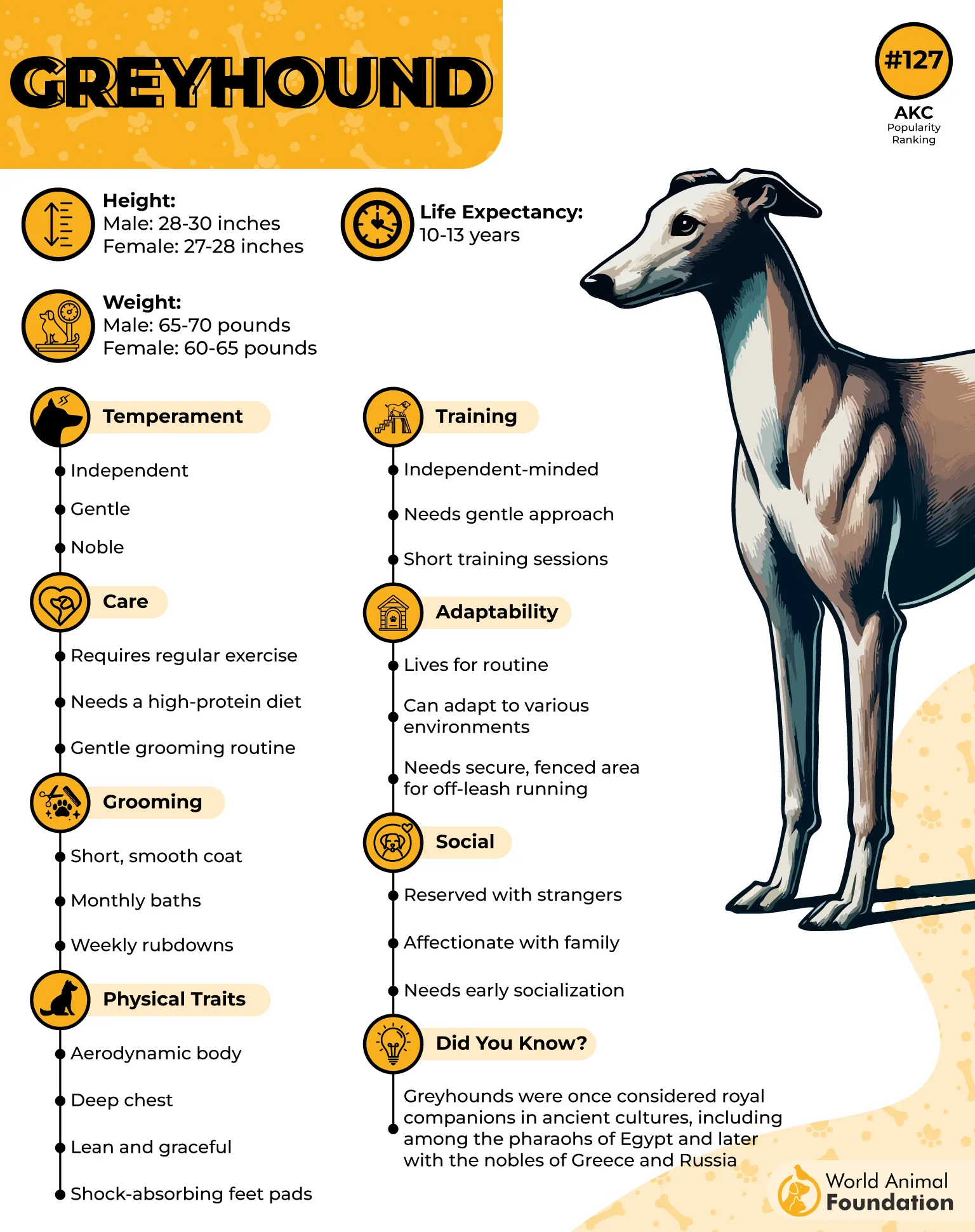
Gentle, Quiet, and Surprisingly Relaxed at Home
Greyhounds are often known for their calm behavior indoors. They can be affectionate without demanding constant attention and may spend considerable time resting after exercise.
Their strong chase instinct remains an important part of their temperament. Secure areas are essential for off-leash activity, while early socialization can help them become comfortable with different people, environments, and animals.
Their Fine Coat Requires Very Little Grooming
Greyhounds have short, smooth coats that are straightforward to maintain. A soft brush or grooming mitt can help remove loose hair and keep the skin looking healthy.
Their thin coat also provides limited protection from cold weather. Warm clothing may be appropriate in chilly conditions, while owners should routinely check the skin for scrapes or irritation because the coat provides little coverage.
Conclusion
Dalmatians, Weimaraners, Rhodesian Ridgebacks, Great Danes, Boxers, Vizslas, and Greyhounds demonstrate that short hair can accompany remarkably different body types and personalities. Some are muscular working dogs, others are elegant sporting breeds, and the Greyhound stands out for its extraordinary combination of speed and household calmness.
Their close coats make grooming relatively uncomplicated, but responsible care involves more than brushing. Dental hygiene, nail maintenance, bathing, skin inspections, appropriate nutrition, and routine veterinary attention all remain essential.
The best choice should ultimately reflect the owner’s lifestyle rather than appearance alone. An energetic Vizsla or Weimaraner may thrive with an outdoors-focused household, while a Greyhound may appeal to someone who appreciates a muscular dog with a quiet home personality.
Understanding each breed’s temperament, exercise requirements, and individual care needs can make its sleek appearance a bonus rather than the sole reason for choosing it.
