





Picking the right protector for your home takes more than just finding a large, tough-looking dog. A great home defender mixes courage, loyalty, and a calm attitude, giving your family complete peace of mind alongside a devoted furry best friend. While some dogs guard your house with a loud bark, others use their quiet, confident energy, and a few are surprisingly gentle while keeping your loved ones safe.
Finding the best fit means looking beyond pure strength. You want a dog whose energy matches your daily life and whose protective habits respond well to gentle training. It is also essential to consider how a new pet will get along with your kids, house guests, and other animals.
From smart working dogs to giant, gentle livestock guardians, these ten guard dog breeds bring a wonderful mix of safety and affection to any home.
Sturdy Dog Breeds Ideal for Family Guardianship
1. German Shepherd
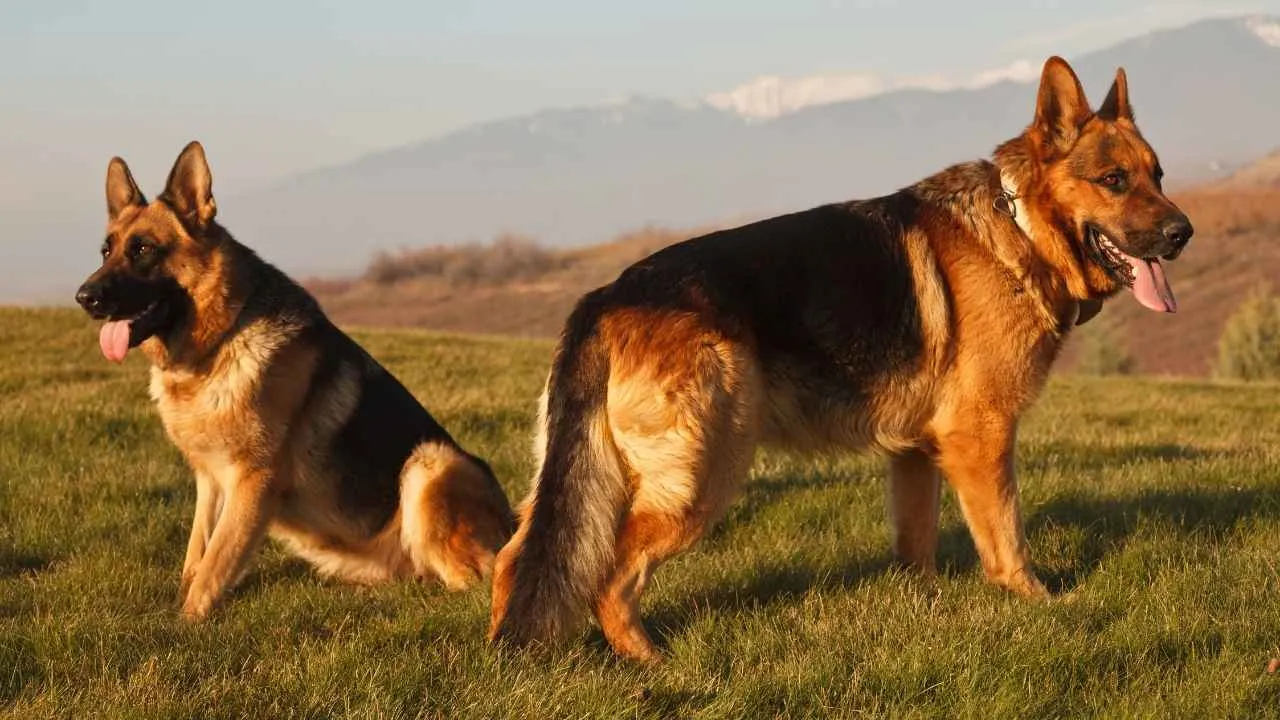
Piercing eyes, pointed upright ears, and a deliberate, confident trot immediately distinguish the legendary German Shepherd, a versatile working dog originally bred for herding sheep before transitioning into high-stakes police operations, service duties, and elite personal protection. High cognitive ability and swift command comprehension solidify its standing among the world’s premier guard dog breeds.
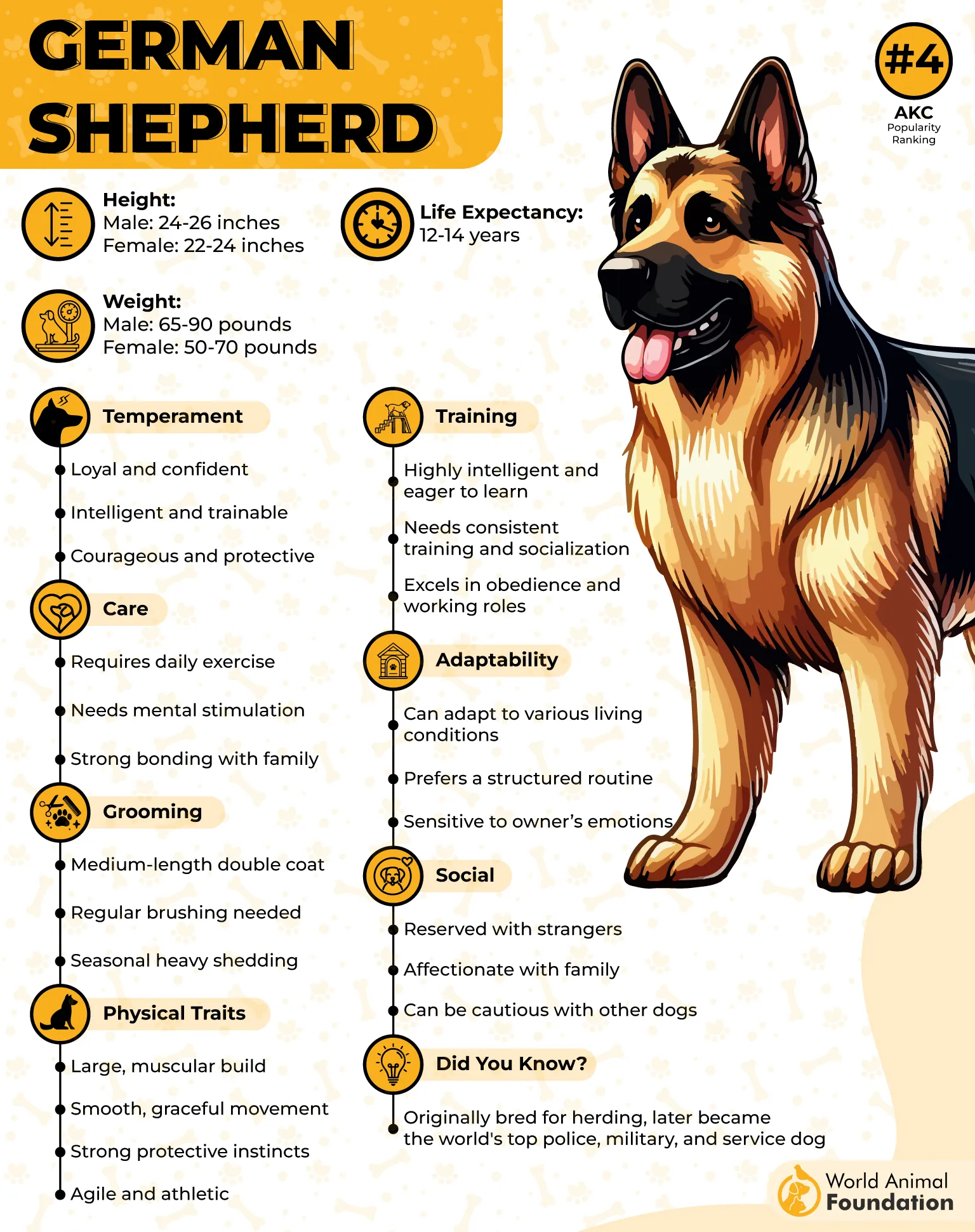
German Shepherds forge profound connections with family members while tracking unusual occurrences with laser focus. Their innate protective nature harmonizes with a sensitive, loving side, yielding intensely loyal household guardians. A properly raised animal eagerly joins in everyday fun, spanning wild wilderness treks to quiet evenings resting alongside beloved humans.
According to the AKC, these highly trainable dogs thrive on vigorous daily exercise, problem-solving puzzles, and broad early environmental exposure. Positive, reward-based lessons teach them to differentiate harmless guests from genuine threats. Managing their dense double coat involves frequent brushing sessions, particularly during heavy seasonal shedding phases.
Family tip
German Shepherds suit active households prepared to invest time in training and companionship. A secure yard, consistent boundaries, and supervised interactions with small children help everyone feel comfortable.
2. Rottweiler

Broad-chested, heavily built, and radiating quiet assurance, the formidable Rottweiler holds a room effortlessly as a powerhouse developed historically for herding livestock and pulling heavy supply carts. Beyond its striking muscularity lies an intense dedication, infusing its guardian role with raw strength, sharp wits, and unbending devotion.

Rottweilers form a strong bond with familiar people while maintaining a cool, natural distance around strangers. Early, thorough socialization encourages a serene demeanor during routine interactions, allowing them to settle beautifully into home life. Britannica states that a well-adjusted Rottweiler reveals itself as a deeply affectionate companion that delights in joining every domestic ritual.
Firm, clear guidance is non-negotiable given the incredible physical power of an adult specimen. Early training, structured introductions to foreign canines, and steady outlets for energy build flawless social etiquette. Kids should learn to honor the dog’s personal space, making attentive adult supervision vital during all play sessions.
Family tip
Choose a responsible breeder who prioritizes sound temperament and health screening. Rottweilers make excellent guardians for owners who understand the responsibility of raising a large, powerful companion.
3. Doberman Pinscher
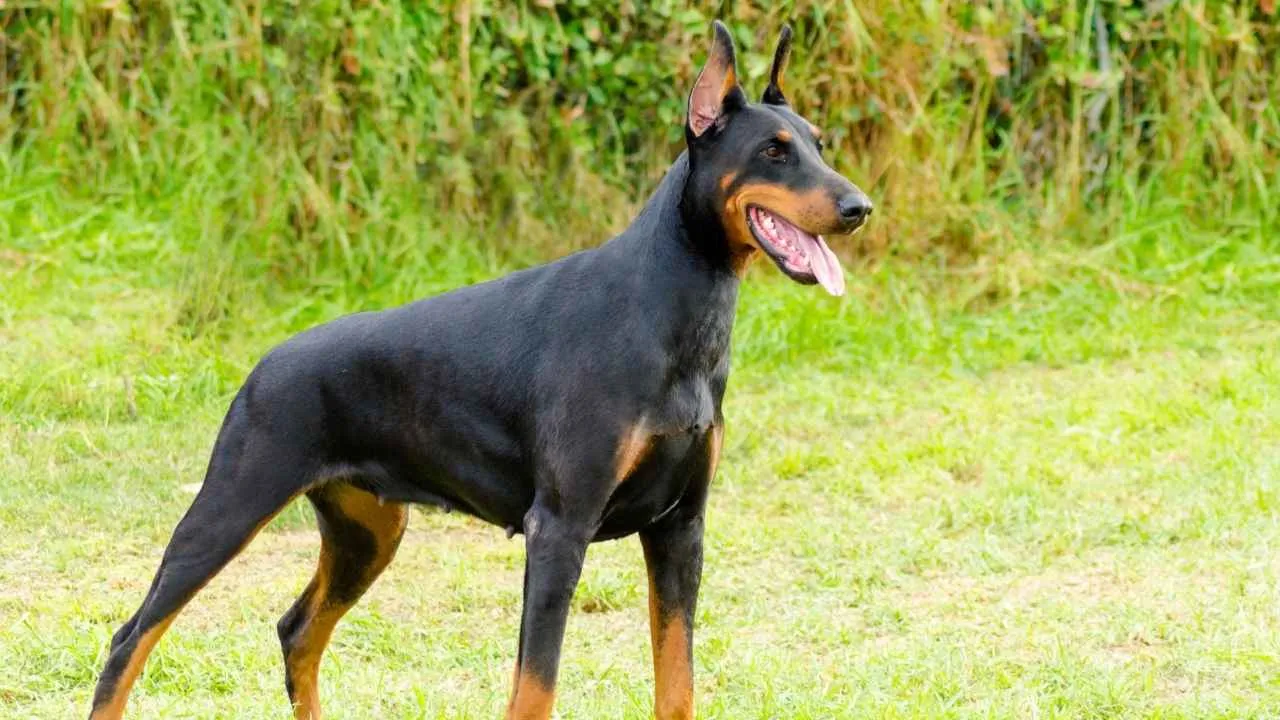
Featuring streamlined contours, an agile frame, and an intensely vigilant gaze, the sleek Doberman Pinscher seamlessly fuses refined elegance with an extraordinarily sharp mind engineered in Germany for personal protection. This elite breed earned massive acclaim for exceptional bravery, quick reflexes, and unmatched versatility across demanding assignments.
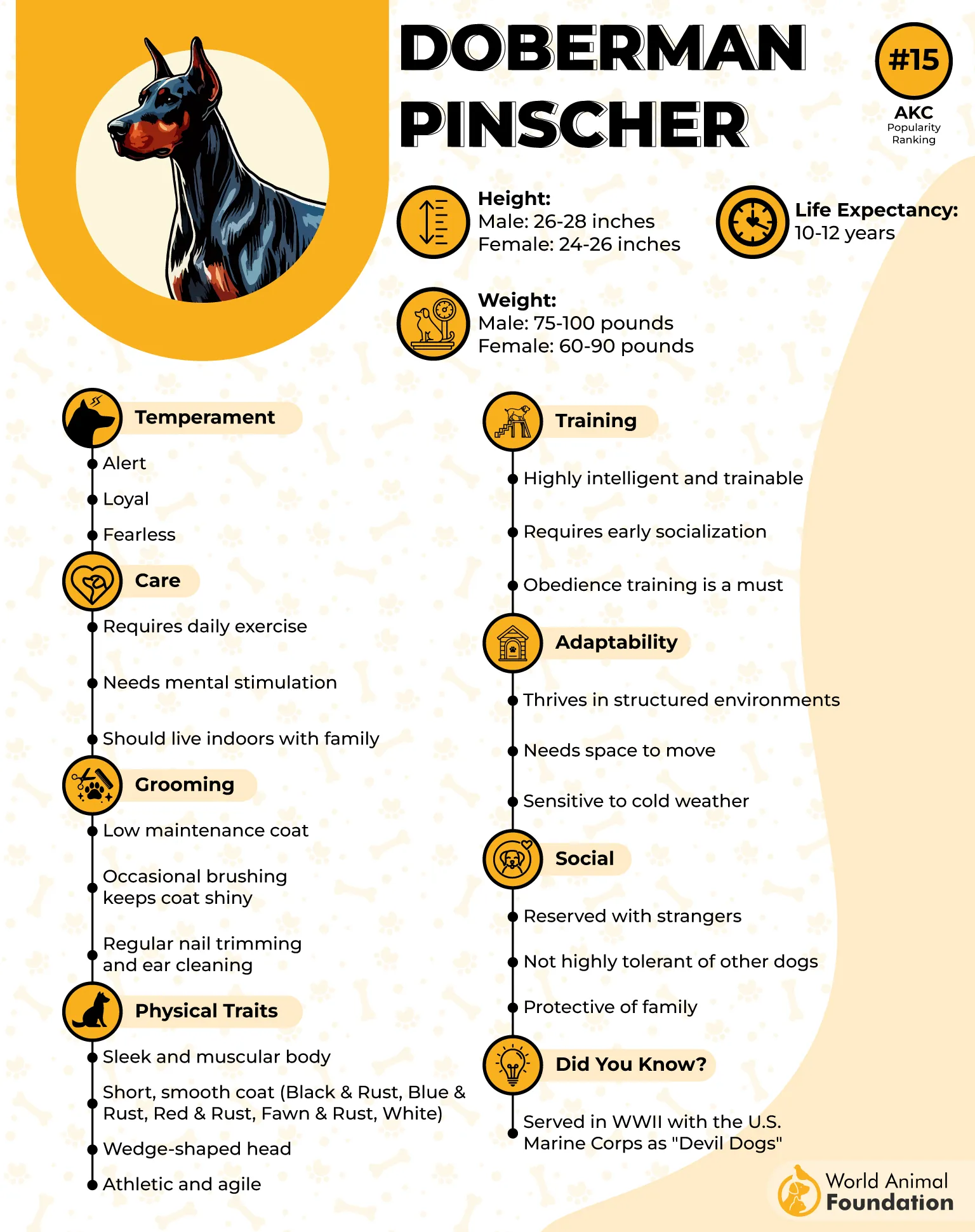
Dobermans are extremely intelligent and quick to learn, excelling under structured obedience lessons. Their passionate attachment to their inner circle shows brightest indoors, where they consistently stick close to their human partners. These naturally protective dogs flourish under calm leadership, positive reinforcement methods, and unambiguous household boundaries.
Orvis notes that this high-energy breed demands substantial daily exercise paired with brain-teasing activities. Agility courses, scent games, and advanced obedience work offer ideal outlets for their physical prowess and enthusiasm. Skimping on mental and physical engagement invites destructive behavior or unruly excitement.
Family tip
Dobermans suit active owners who have time for training and companionship. Discuss appropriate cardiac screening with your veterinarian, as the breed has a known risk of dilated cardiomyopathy.
4. Cane Corso
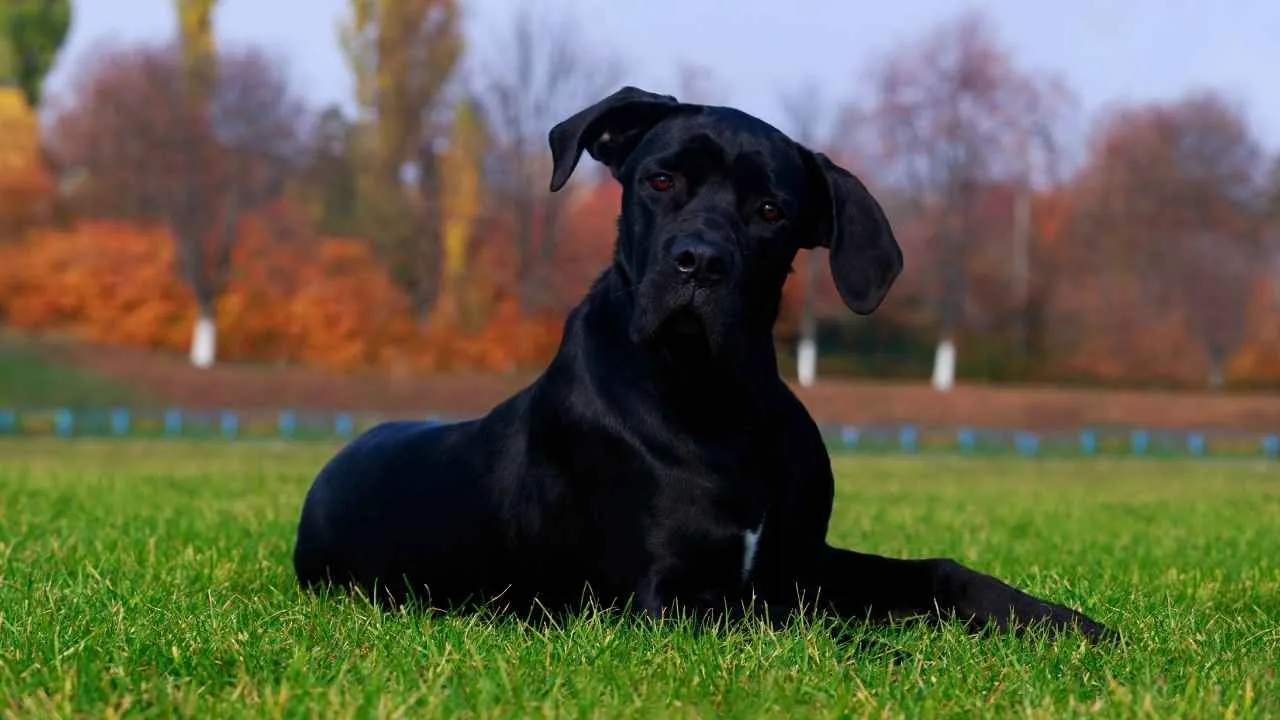
The ancient Cane Corso presents the massive frame and authoritative posture typical of historic estate guardians developed in Italy for farm work, property defense, and personal protection, instilling a deep-seated drive to monitor its territory constantly. While an imposing exterior can appear terrifying, a balanced, predictable temperament takes priority over pure size.
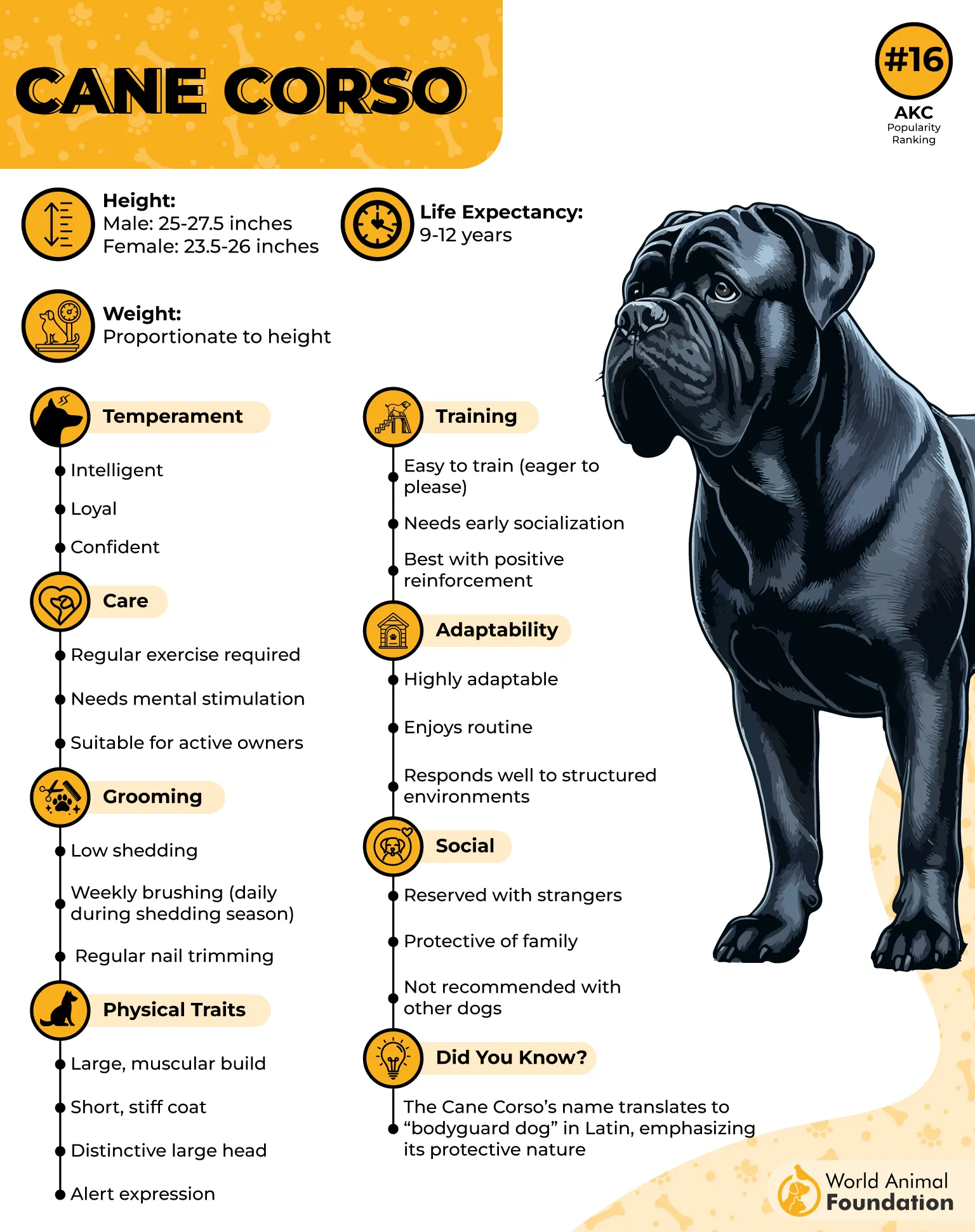
Cane Corsos cultivate unwavering loyalty toward their human pack while displaying an aloof, guarded stance toward unfamiliar people. Unlocking their true potential requires guiding their protective instincts so normal visitors and routine commotion don’t trigger alarm.
Formal education must start early, focusing heavily on leash manners, core obedience, and constructive exposure to new sights and people. Because this breed possesses immense physical leverage and an assertive mindset, handler success depends on calm self-assurance, strict consistency, and a clear grasp of large guardian dogs.
Family tip
The Cane Corso generally suits experienced owners who have time and skills to manage a powerful protector. Secure fencing, supervised contact with children, and professional guidance support safe family life.
5. Bullmastiff
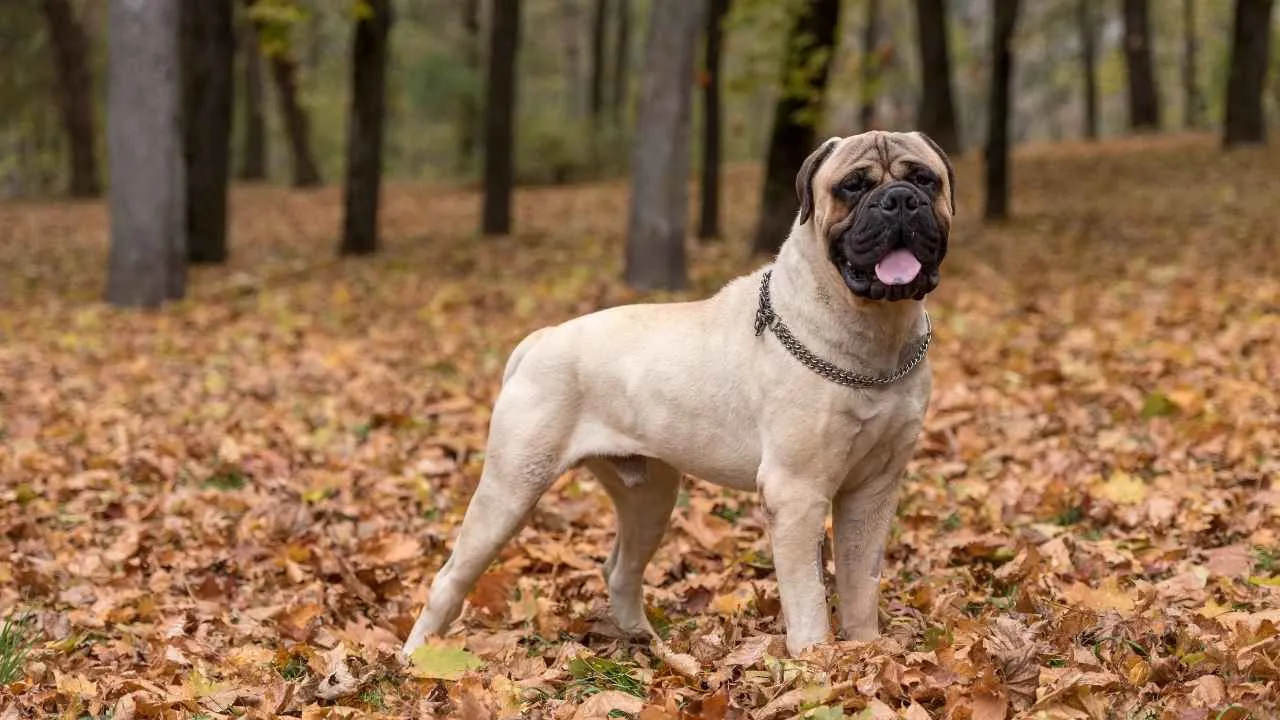
Elite security doesn’t always involve high energy or nonstop barking, a philosophy mastered by the steadfast Bullmastiff as it adopts a quiet, steady approach combining massive stature with a placid, deeply affectionate disposition. Engineered in Britain to assist gamekeepers against armed poachers, it earned renown for fearless resolve and an ability to work cooperatively alongside its handler.
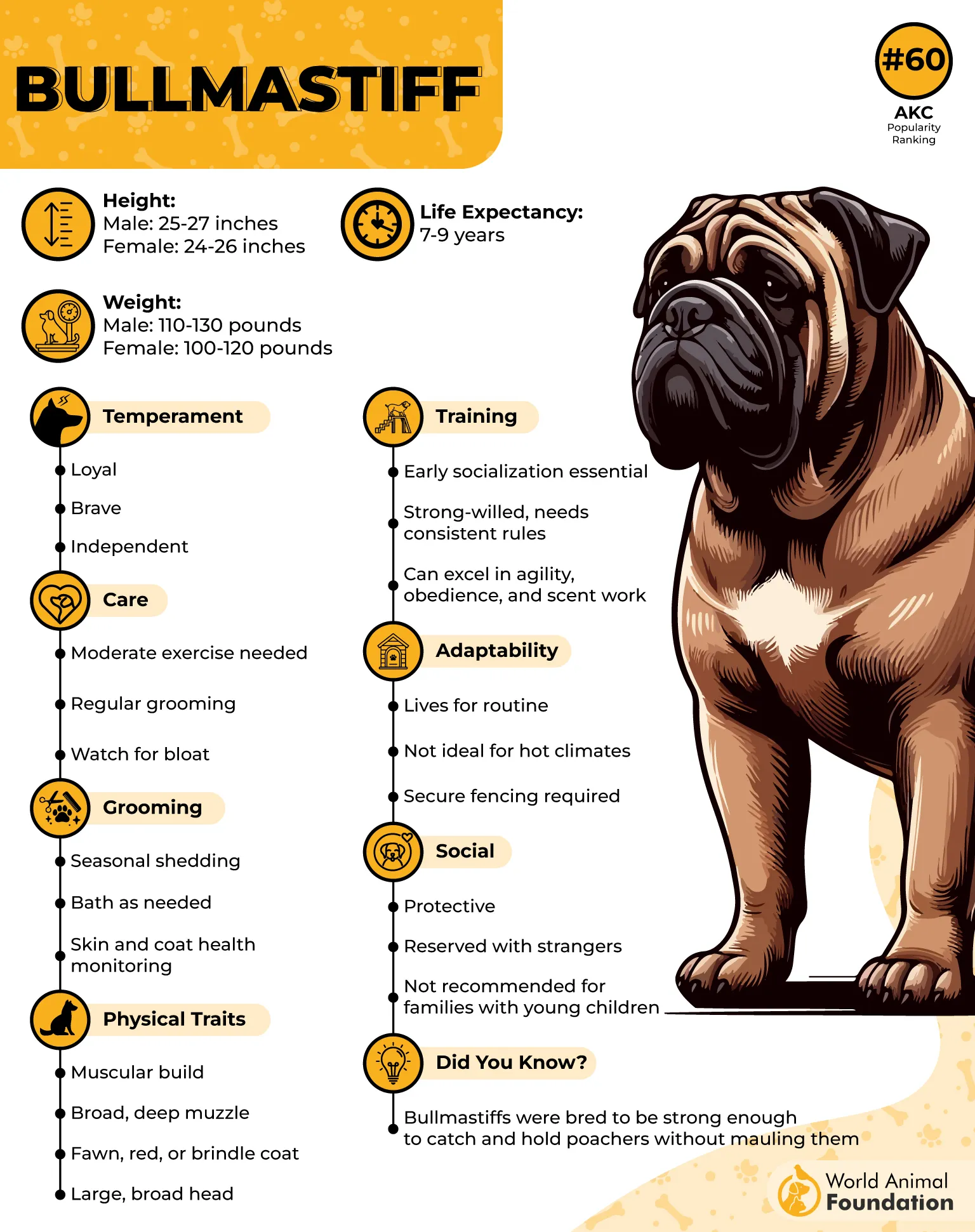
This affectionate dog prefers staying near its favorite humans, scanning surroundings with patient calm. Although its tremendous bulk and deep bark serve as natural deterrents, a well-raised Bullmastiff functions as a gentle, loving family pet that prefers low-key companionship.
Moderate daily walks combined with low-impact play keep its heavy frame fit. Short, positive training sessions establish vital leash discipline, preventing a fully grown adult from pulling. Potential owners should prepare for frequent drooling and ensure cool resting zones during warm weather spells.
Family tip
Supervise interactions with small children and teach everyone to respect the dog’s space. Ask your veterinarian about joint health and breed-specific screening when choosing a puppy.
6. Boxer
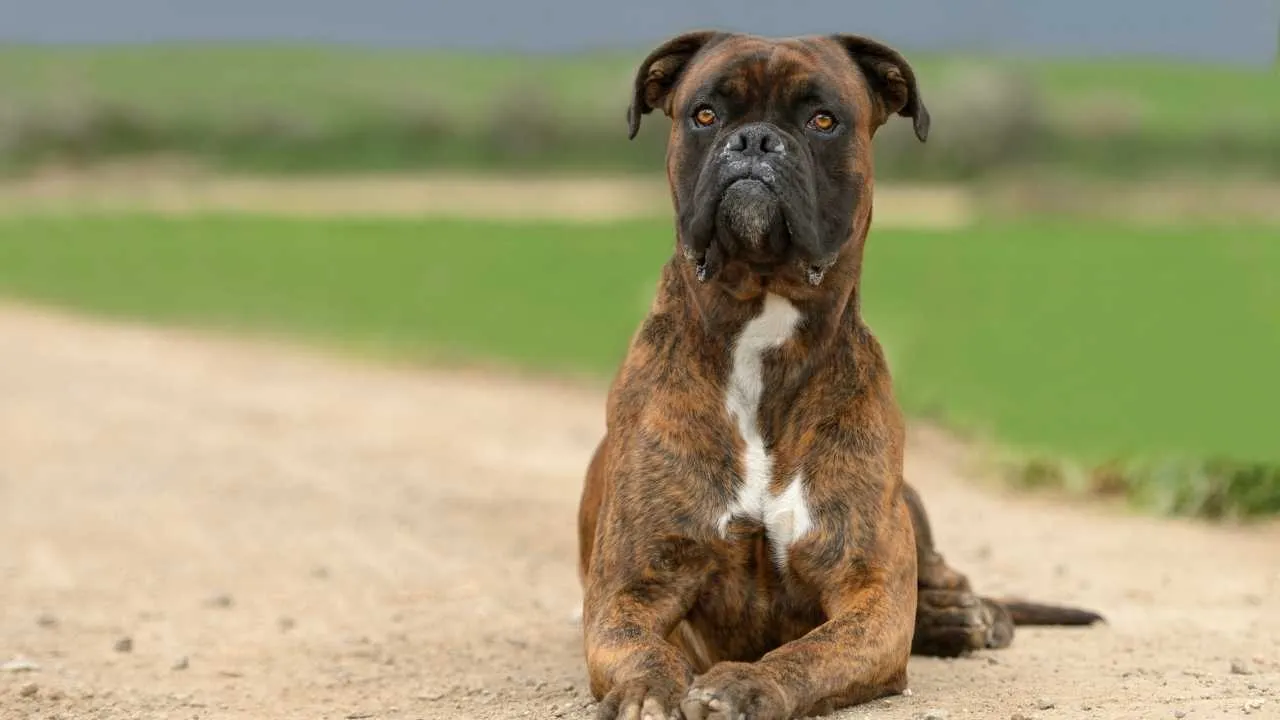
Infusing boundless enthusiasm into home defense, the expressive Boxer balances serious guardian duties with comedic charm through a distinct square muzzle, muscular build, and face that make it instantly recognizable. Boxers embody courage, alert senses, and complete devotion toward their human families.

Their keen instinct for spotting strange movements supports their role as vigilant household guardians, while their bright spirit makes them joyful partners for active households. Among protective dog breeds, they stand out by mixing constant watchfulness with a warm, kid-friendly nature. Outlets like regular brisk walks, interactive fetching games, and consistent obedience drills keep their spirited personality balanced.
Because Boxers often greet loved ones with energetic jumps, instilling calm greeting habits is essential. Their smooth, short coat requires minimal grooming, though their shortened muzzle necessitates extra care during hot weather.
Family tip
Choose a Boxer if you enjoy an energetic companion and have time for daily activity. Provide shade, fresh water, and cooler walking times during summer.
7. Giant Schnauzer
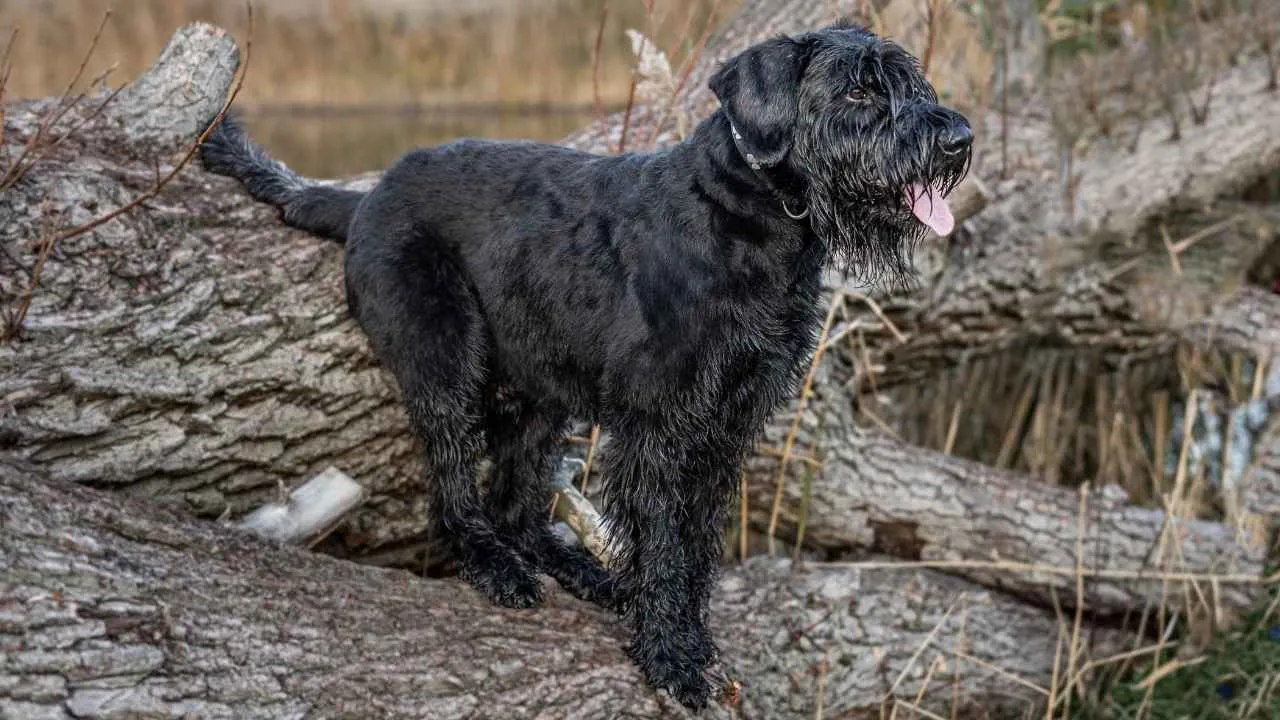
Marked by a distinguished beard, bushy eyebrows, and a powerful build, the distinctive Giant Schnauzer commands instant respect after being bred in Germany for cattle driving and rugged farm defense. This intense breed earned its reputation through sharp intelligence, impressive stamina, and an unwavering work ethic.
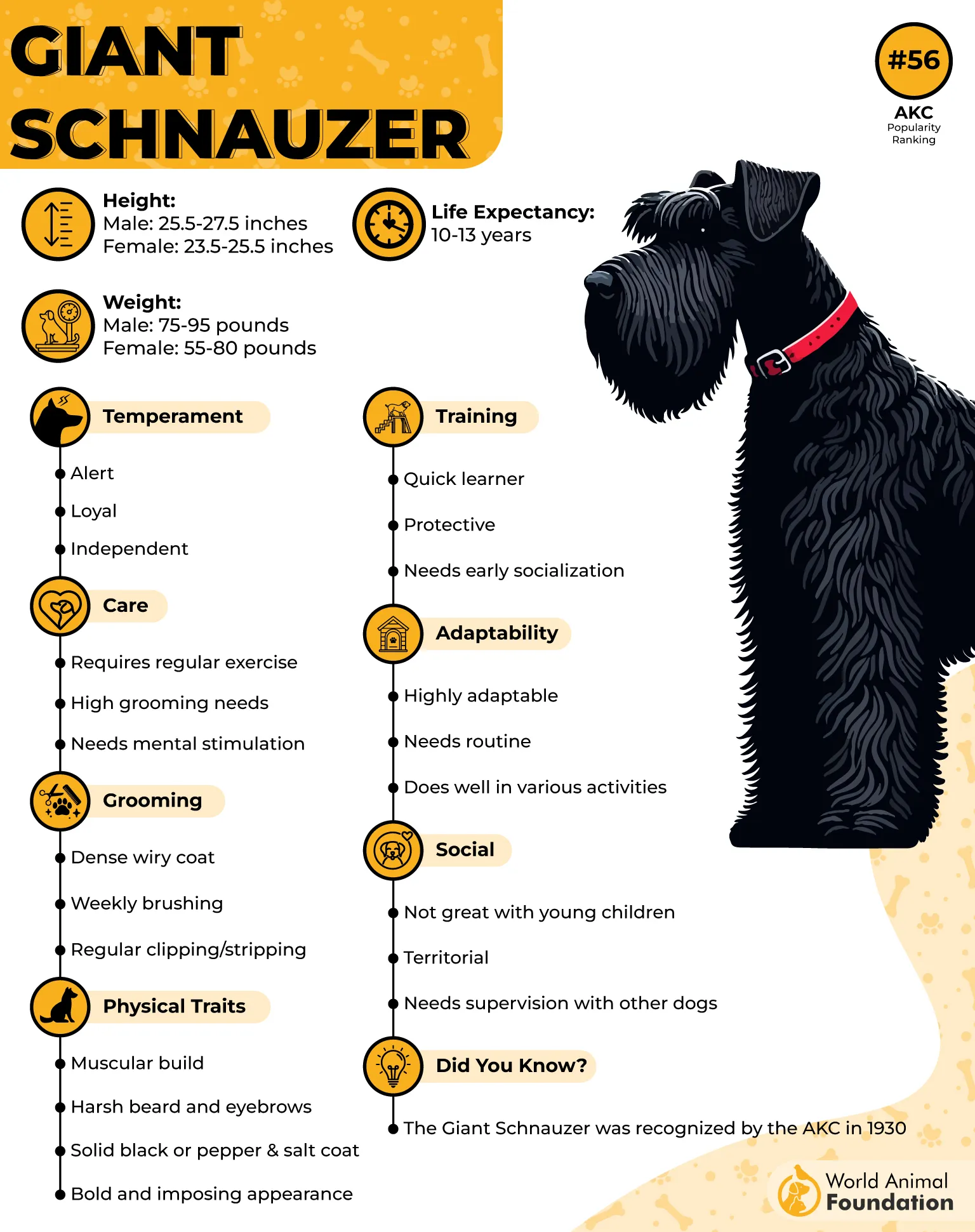
A Giant Schnauzer is highly trainable and happiest when assigned a clear task. Its sharp vigilance catches minor environmental shifts, while its loyalty builds tight-knit family bonds. Inherently suspicious of strangers, structured early socialization helps this breed react with measured judgment rather than raw emotion.
Consistent physical exercise and complex mental challenges are vital for stability. Advanced obedience work, tracking activities, and canine sports offer wonderful channels for their drive. Maintaining their dense, wiry coat requires routine brushing alongside periodic professional clipping or hand-stripping to preserve texture.
Family tip
This breed suits experienced, active households that have time for consistent guidance and grooming. Give the dog a quiet retreat and teach children respectful handling.
8. Akita
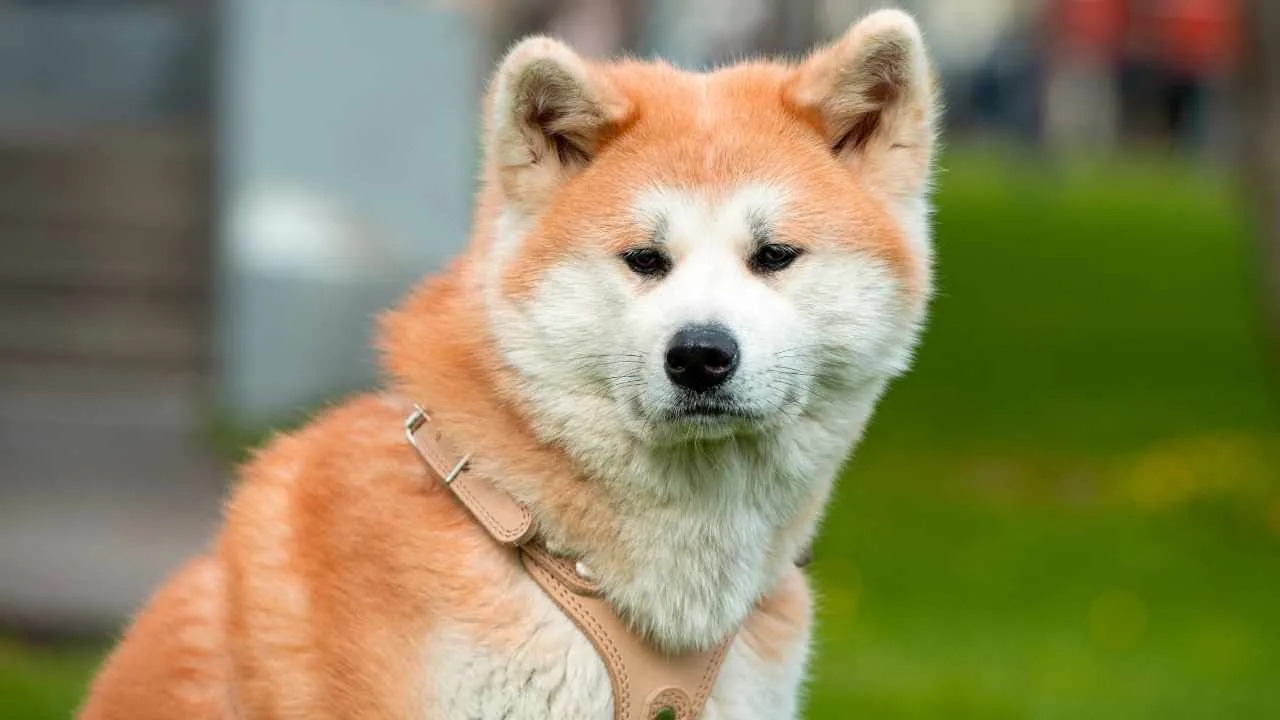
Carrying itself with regal composure, the majestic Akita reflects its proud heritage as an ancient Japanese hunting and guarding dog featuring a heavy bone structure, broad head, and plush double coat. Akitas express love through quiet, steadfast proximity rather than needy attention-seeking.
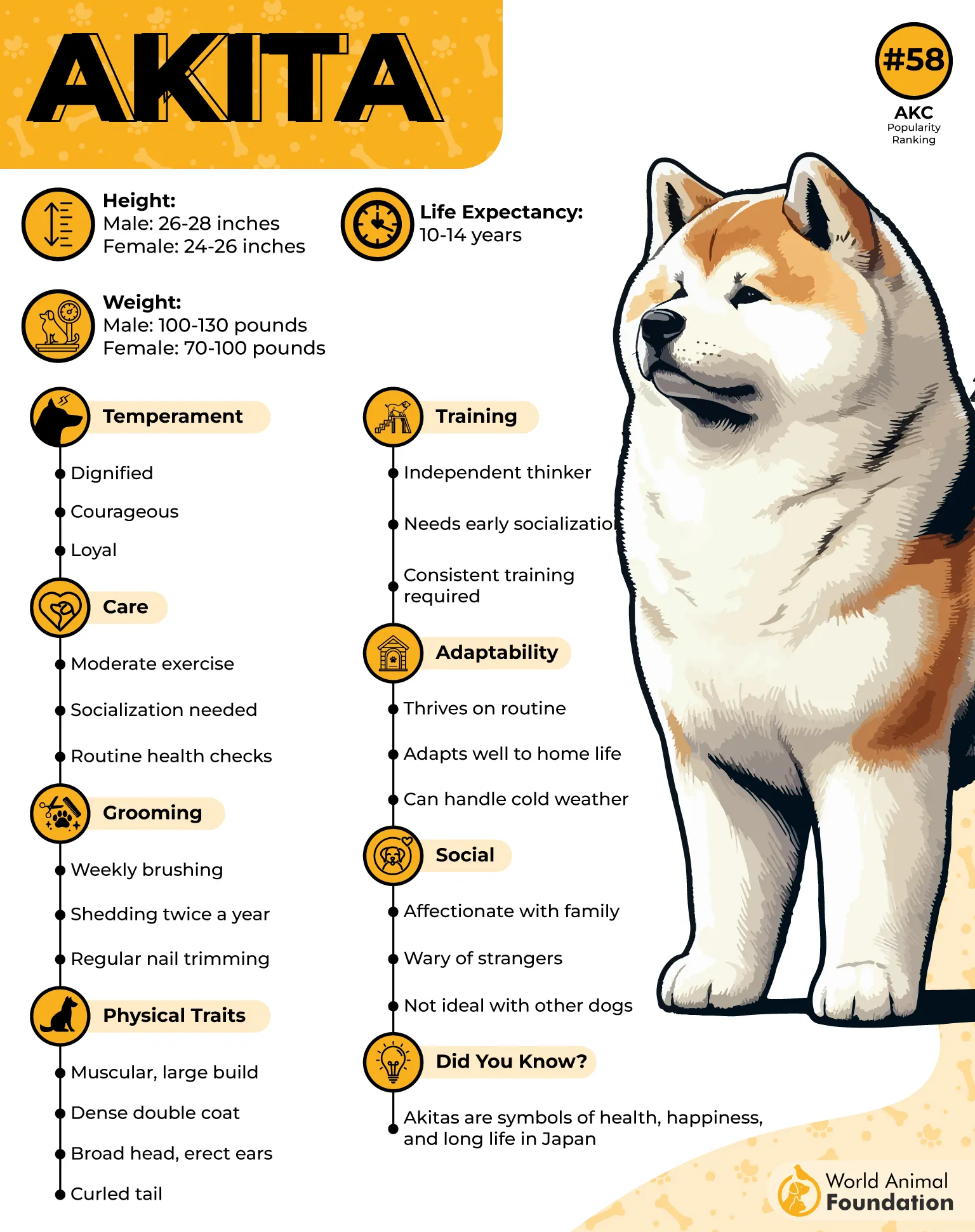
Their protective drive and reserved nature around strangers make early socialization crucial. Certain individuals display strong intolerance toward other canines, particularly of the same sex, requiring cautious management on walks. Structured walks, positive-reinforcement training, and a well-fenced yard keep this magnificent animal thriving.
Its self-reliant personality requires patient, calm leadership rather than harsh correction. Expect heavy hair shed during seasonal coat turns, calling for diligent brushing.
Family tip
An Akita is generally better suited to an experienced owner who appreciates an independent guardian. Establish boundaries early, supervise children, and manage encounters with unfamiliar animals carefully.
9. Rhodesian Ridgeback
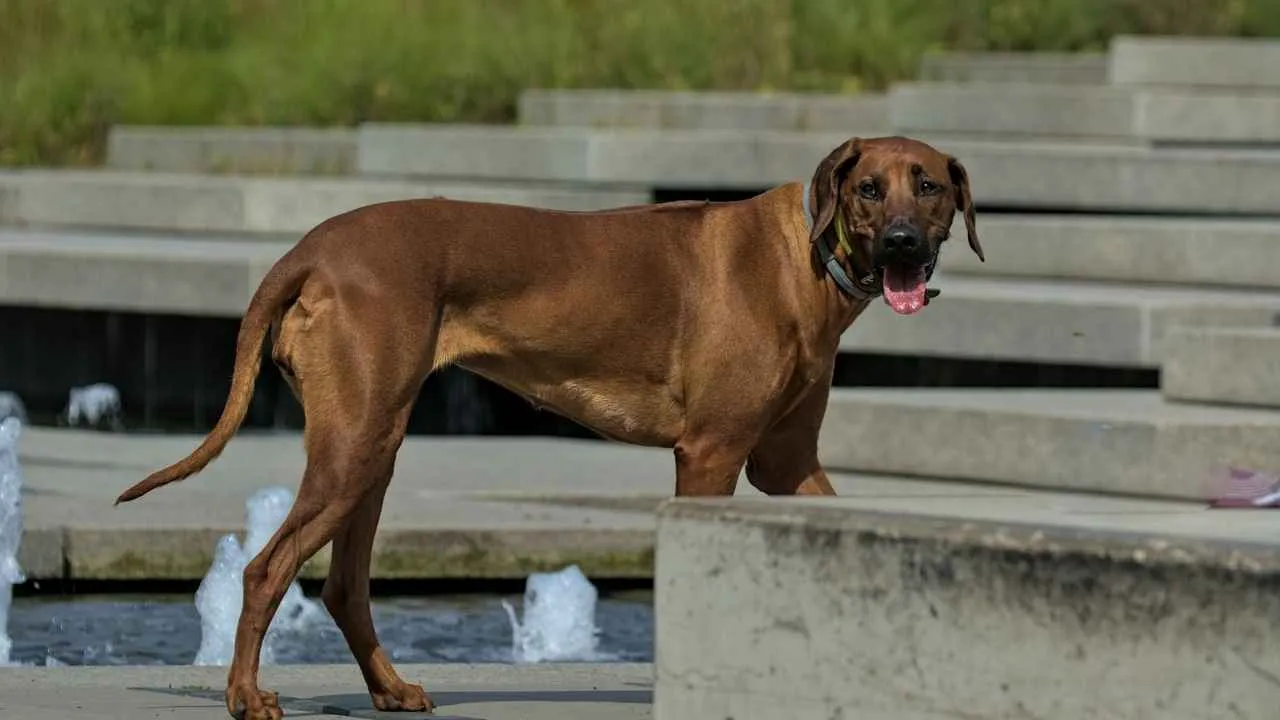
Built for speed, endurance, and quiet composure, the athletic Rhodesian Ridgeback brings a distinct style to family protection defined by a unique ridge of hair growing backward along its spine. Its heritage as a southern African big-game hunter explains its remarkable stamina and fearless attitude.
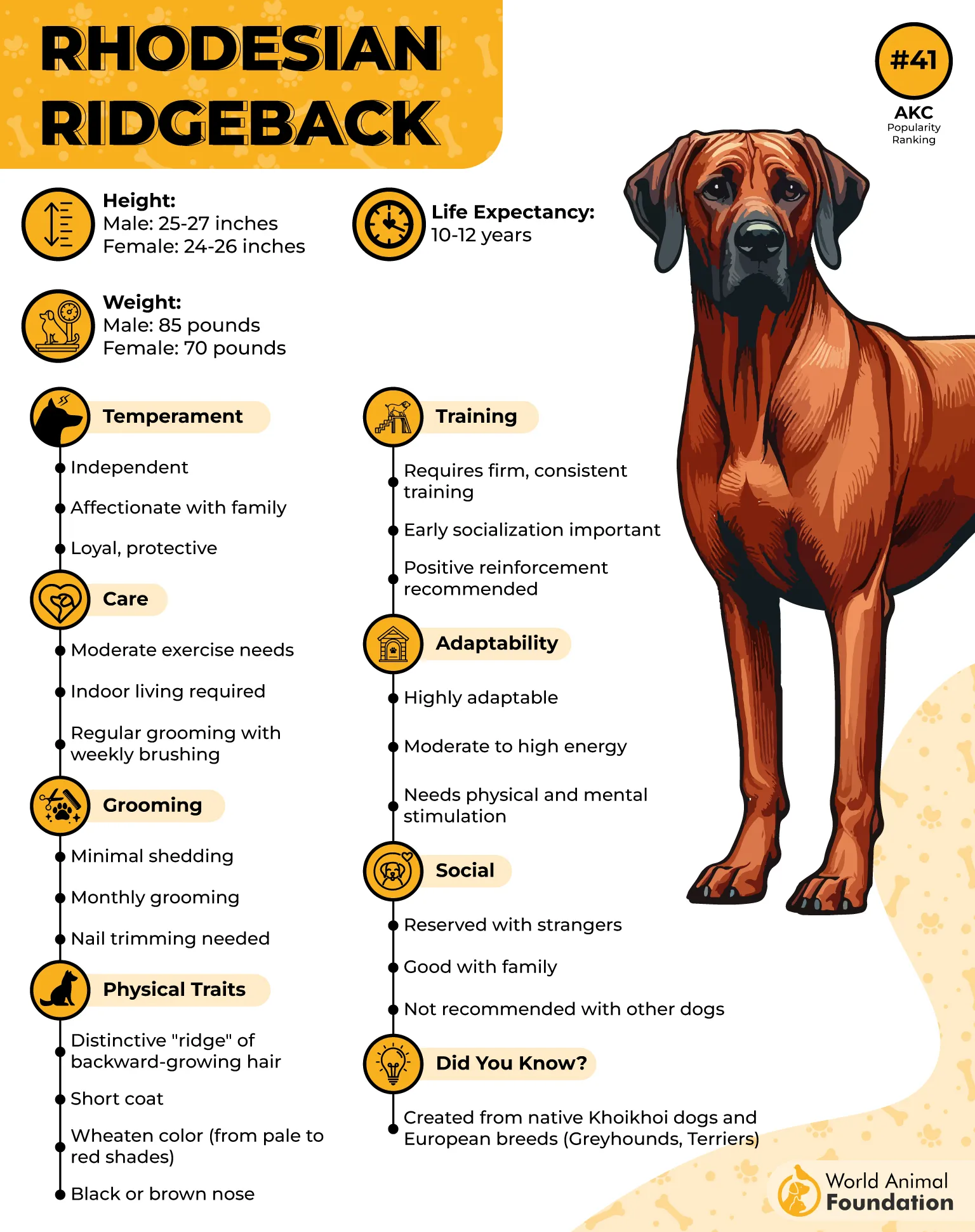
Ridgebacks maintain intense loyalty to their owners while evaluating novel situations with cool calculation. Their athletic build makes them ideal partners for active owners who love trail running, long hikes, and outdoor sports. However, their high prey drive means small neighborhood animals could trigger a sudden chase.
Training routines must prioritize rock-solid recall commands, leash control, and focus amid high distractions. A tall, secure perimeter fence is mandatory, as their speed and independent nature make free roaming dangerous. Fortunately, their sleek, short coat requires minimal upkeep beyond basic brushing.
Family tip
Ridgebacks suit owners who enjoy regular activity and patient training. Introduce them carefully to other pets and provide a safe space to relax after exercise.
10. Great Pyrenees
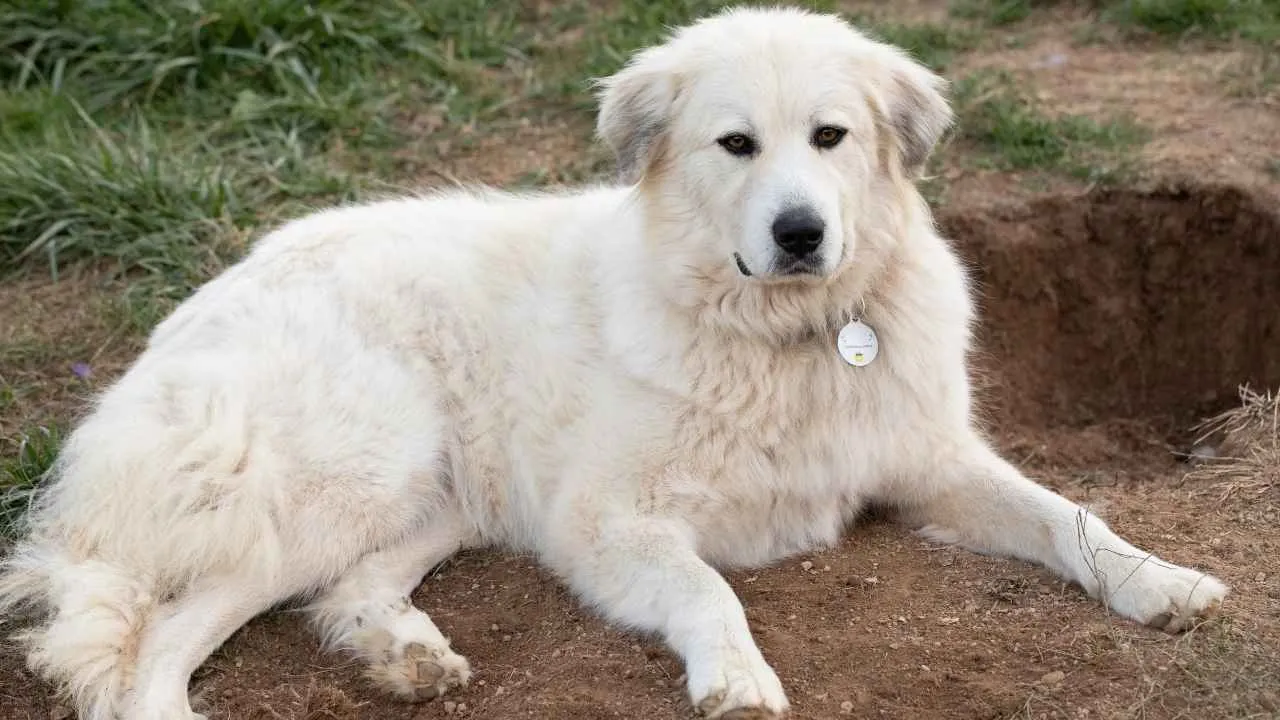
Wrapped in a plush, weather-resistant white coat with the impressive scale of a mountain dog, the gentle Great Pyrenees resembles a noble giant originally bred to guard sheep from apex predators high in the Pyrenees mountains.
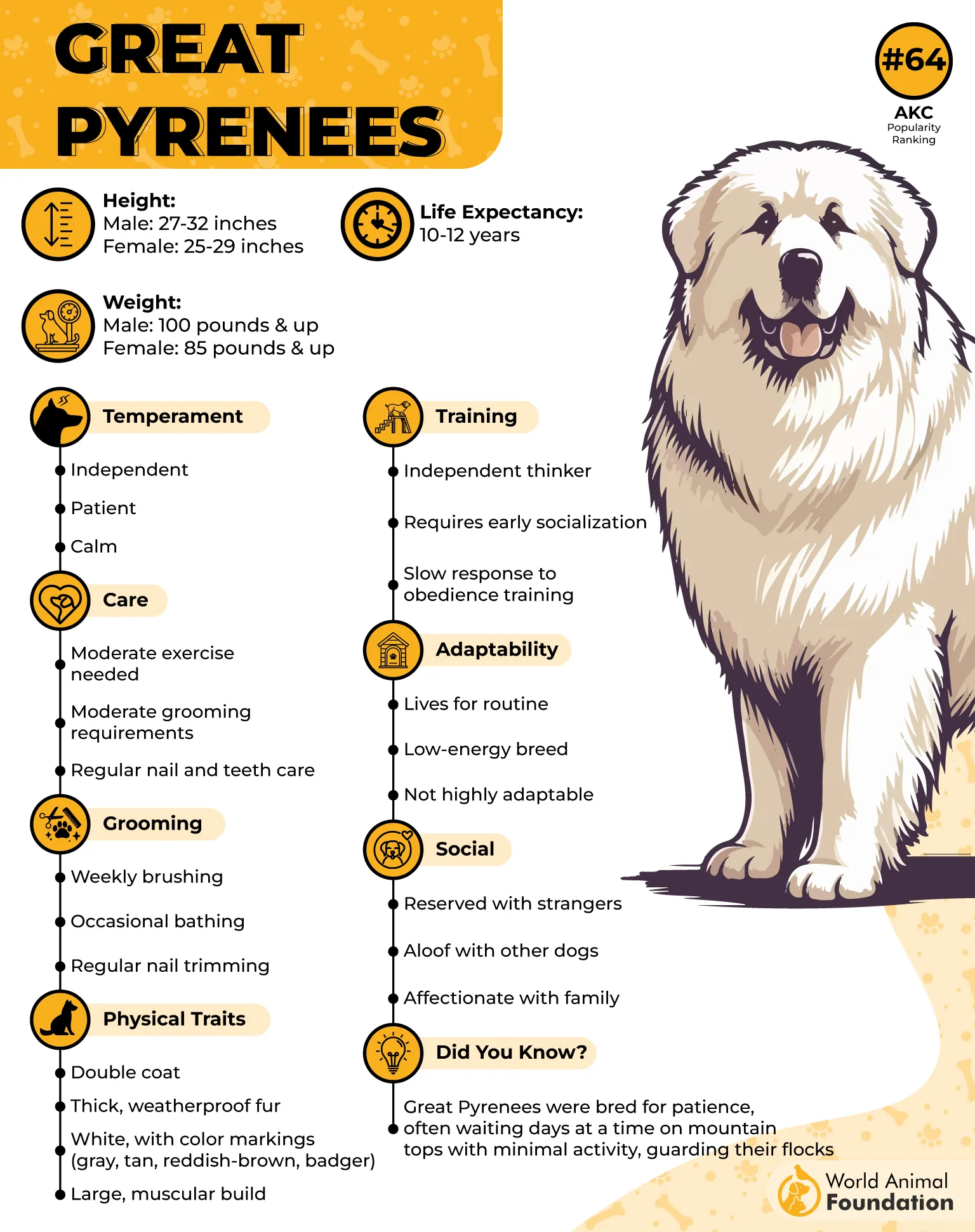
According to PetMD, Great Pyrenees dogs naturally apply their ancient flock-guarding instincts to human households. Their gentle nature and tranquil demeanor make them wonderful family pets, though their self-directed nature means they don’t offer the instant obedience of traditional working breeds.
They often use a deep, booming bark, especially at night, to warn off prospective intruders. Low-impact daily walks and space to stretch support their well-being, while secure containment prevents wandering instincts.
Family tip
The Great Pyrenees suits households with enough room and patience for an independent, vocal companion. Supervise young children and establish boundaries from an early age.
Conclusion
Finding your ultimate household protector comes down to matching a dog’s personality and energy level with your everyday routine. Take time to assess your lifestyle, research health histories, and commit to solid, positive training from day one.
Ready to welcome a dedicated protector into your home? Reach out to a reputable rescue group or an ethical breeder today to meet your future companion and take that exciting first step toward complete peace of mind!
