




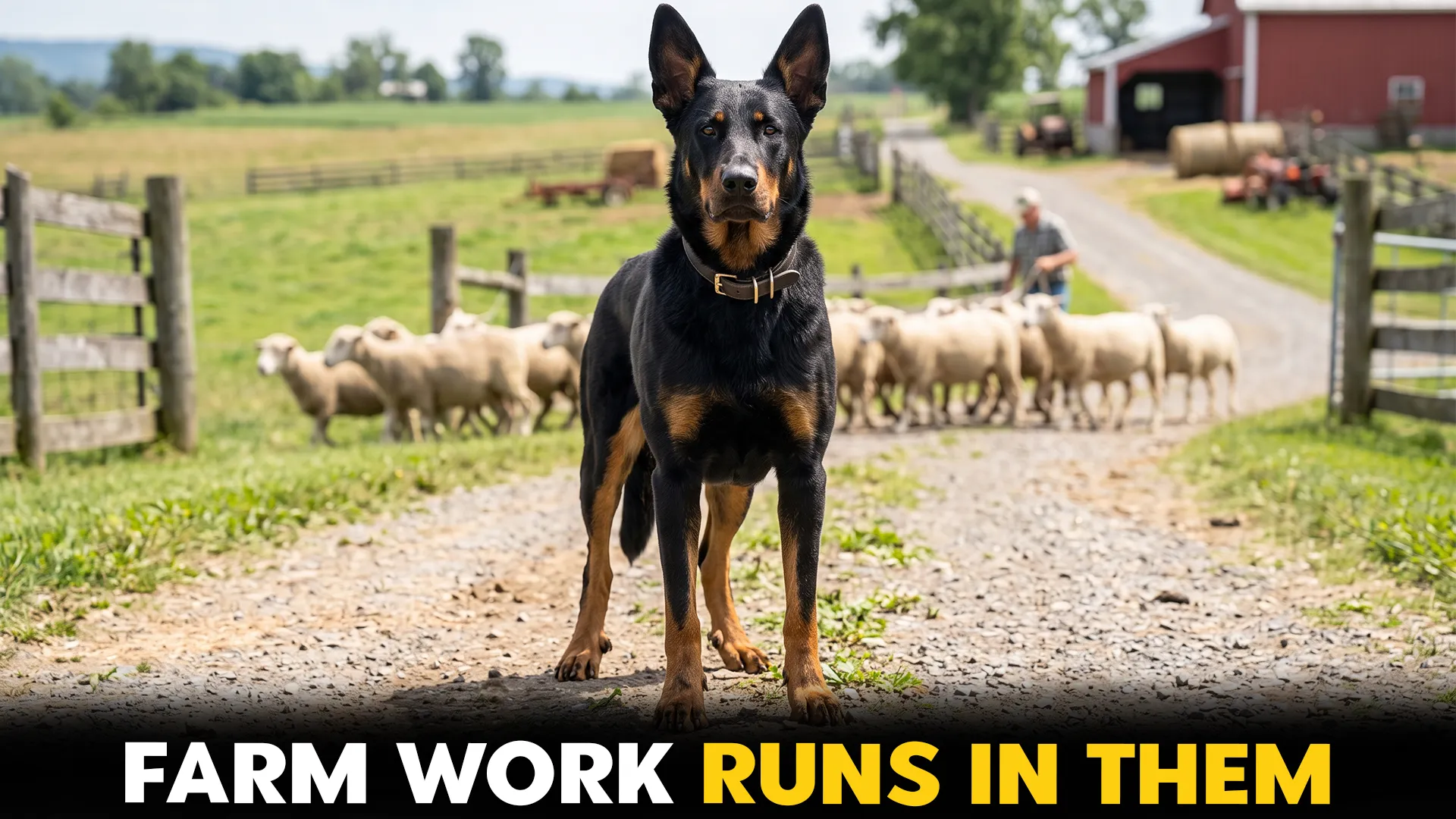
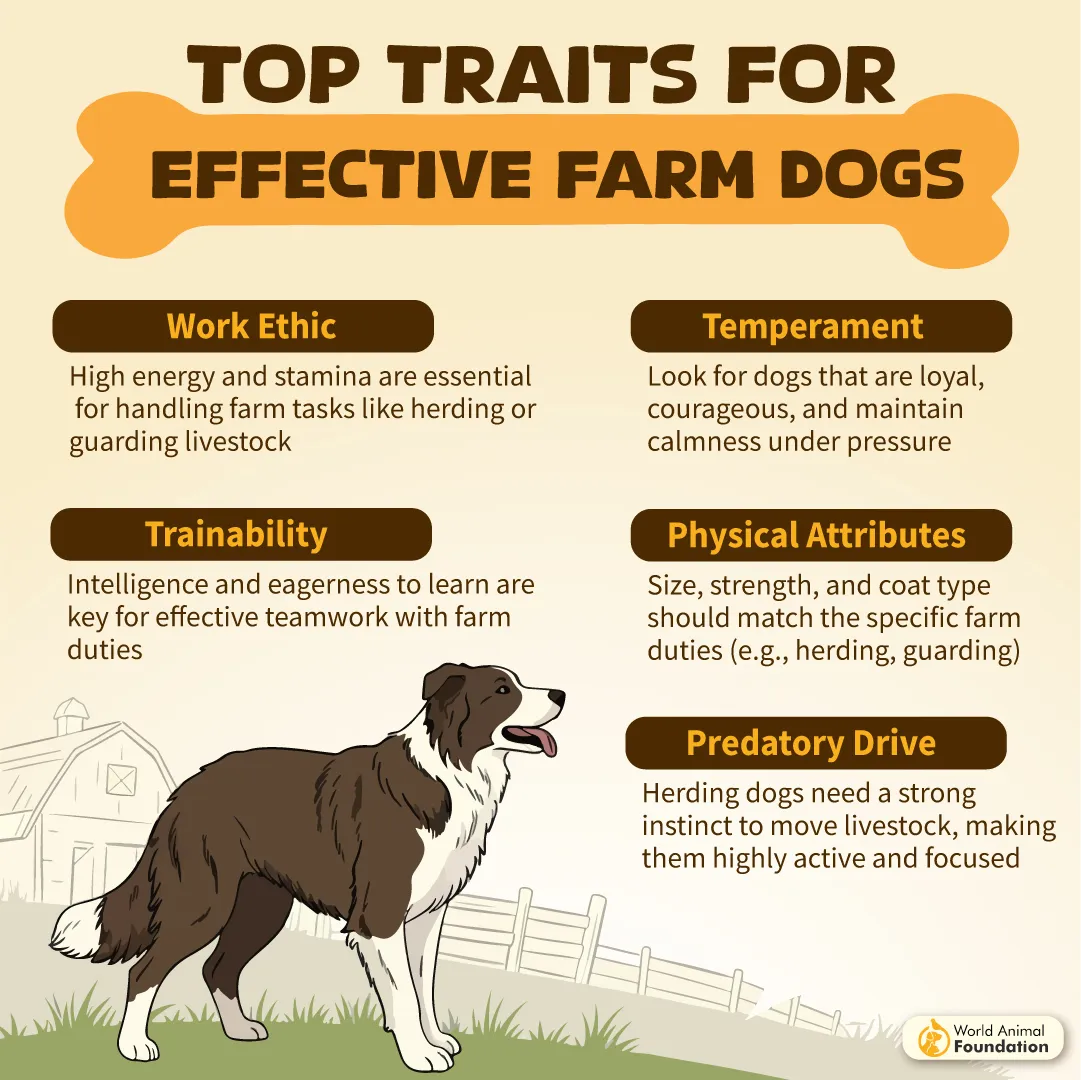
Not every dog belongs on a farm, no matter how energetic or intelligent it may seem. Agricultural work places unique demands on a dog that go far beyond basic obedience or enthusiasm.
Long hours, changing weather, challenging terrain, and the responsibility of managing livestock require a combination of strength, endurance, confidence, and sharp instincts. Only a select group of breeds consistently meets those expectations, earning the trust of farmers through dependable performance year after year.
Their value isn’t measured by appearance or popularity but by their ability to handle real work when every task counts. From guiding livestock across open ground to responding calmly in unexpected situations, these dogs have proven themselves where reliability matters most.
Here you’ll find nine sturdy dog breeds that continue to excel in agricultural and herding tasks, along with the qualities that have made them respected working partners for generations.
Key Takeaways
A handful of dogs once guided hundreds of sheep across open fields, and one breed could even manage nearly 700 with the help of just a few companions.
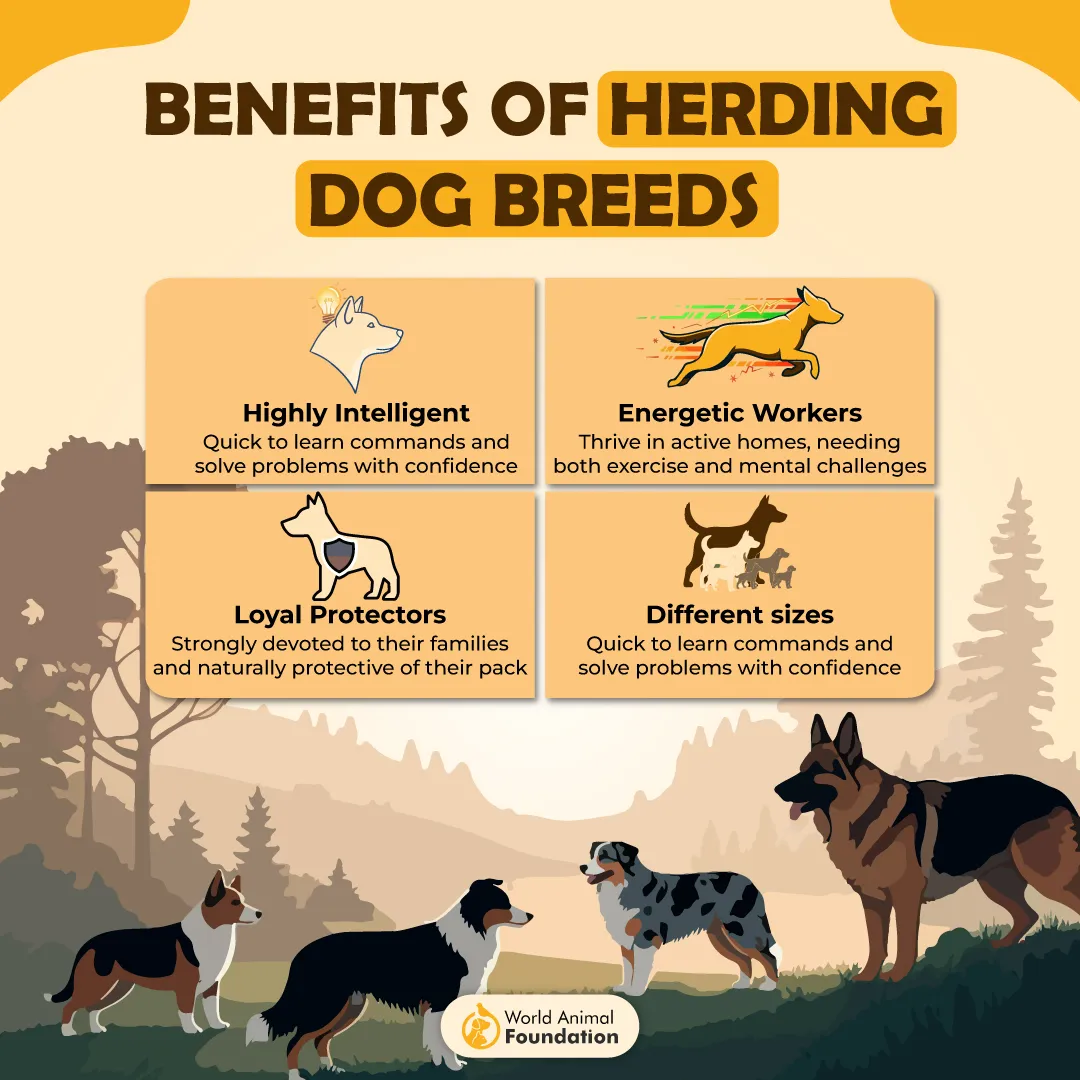
From the fearless Briard to the clever Australian Shepherd, these working dogs earned their place through grit, sharp instincts, and years of dependable service.
Some became trusted military helpers, while others developed herding techniques so unique that farmers still rely on them today.
By the time you reach the last breed, you’ll understand why these dogs became trusted partners long before modern farming took shape.
Sturdy Dog Breeds for Agricultural and Herding Tasks
1. Briard
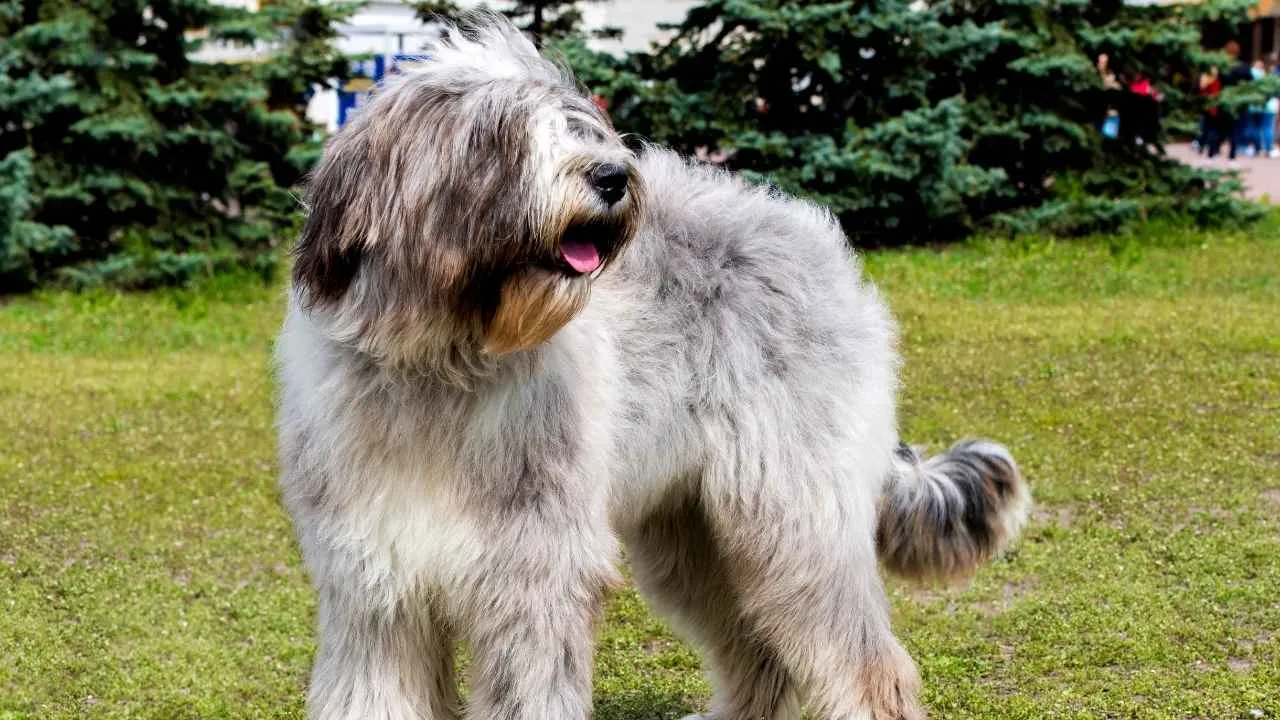
Briards were originally bred in France as dependable sheep herders, yet their abilities reached far beyond open pastures. During the Second World War, this breed also served as a messenger, a sentry, and helped locate wounded soldiers in demanding conditions, as mentioned by Omlet.
Ready for Demanding Work
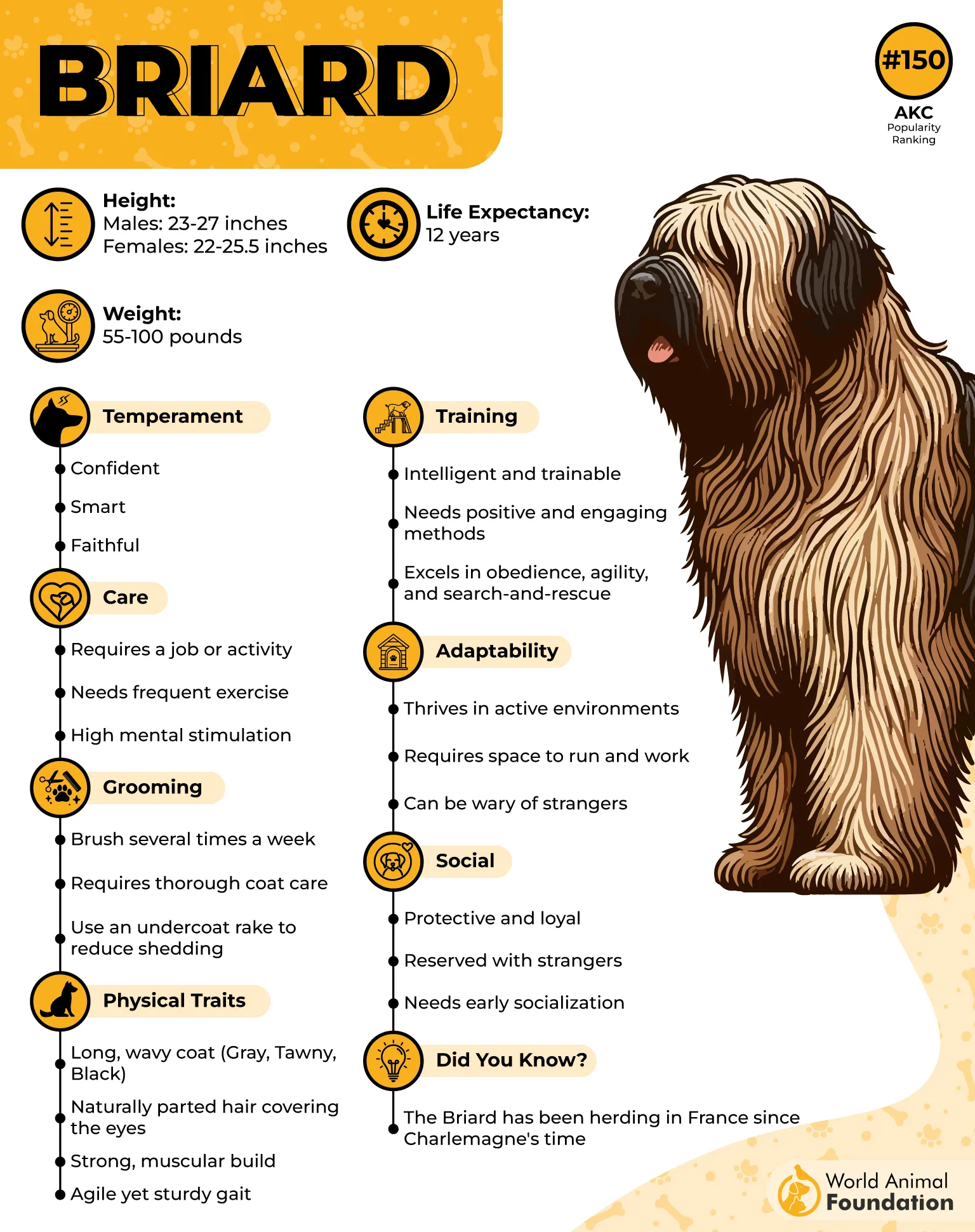
Handling large flocks required more than strength, and Briard answered with endurance, quick judgment, and steady decision-making throughout long working days. It is even said that just two or three Briards could manage as many as 700 sheep, reflecting the scale of work expected from this breed.
That working record becomes even more impressive through details like these:
Also serves in search and rescue work
Used as a police dog in modern roles
Natural middle-parted facial coat
Sharp From a Distance
This herding breed notices unfamiliar sounds long before people around it do, making it quick to bark at approaching visitors. Around family life, this attentive nature often extends to children, whom the breed may watch over with remarkable dedication and concern.
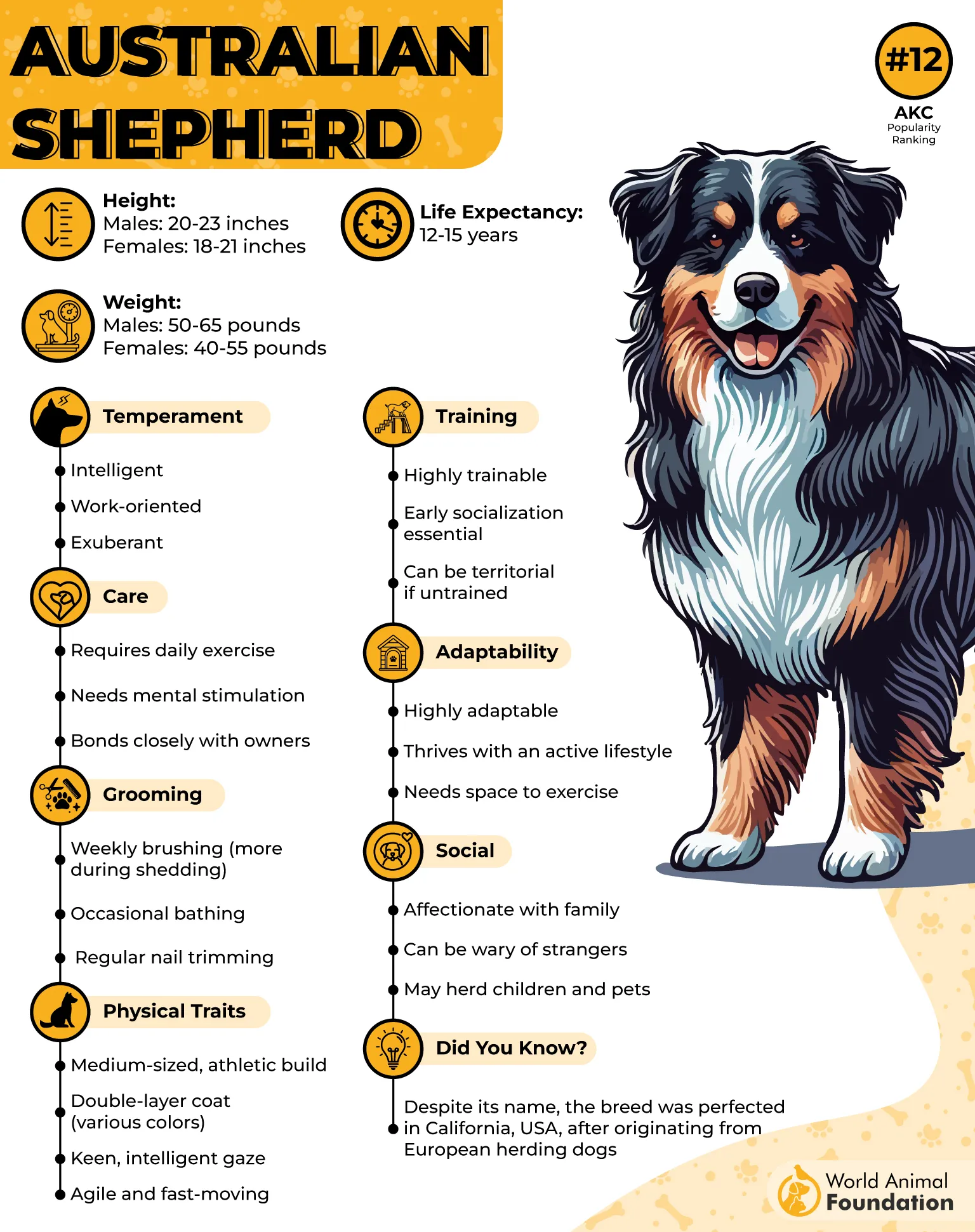
2. Australian Shepherd
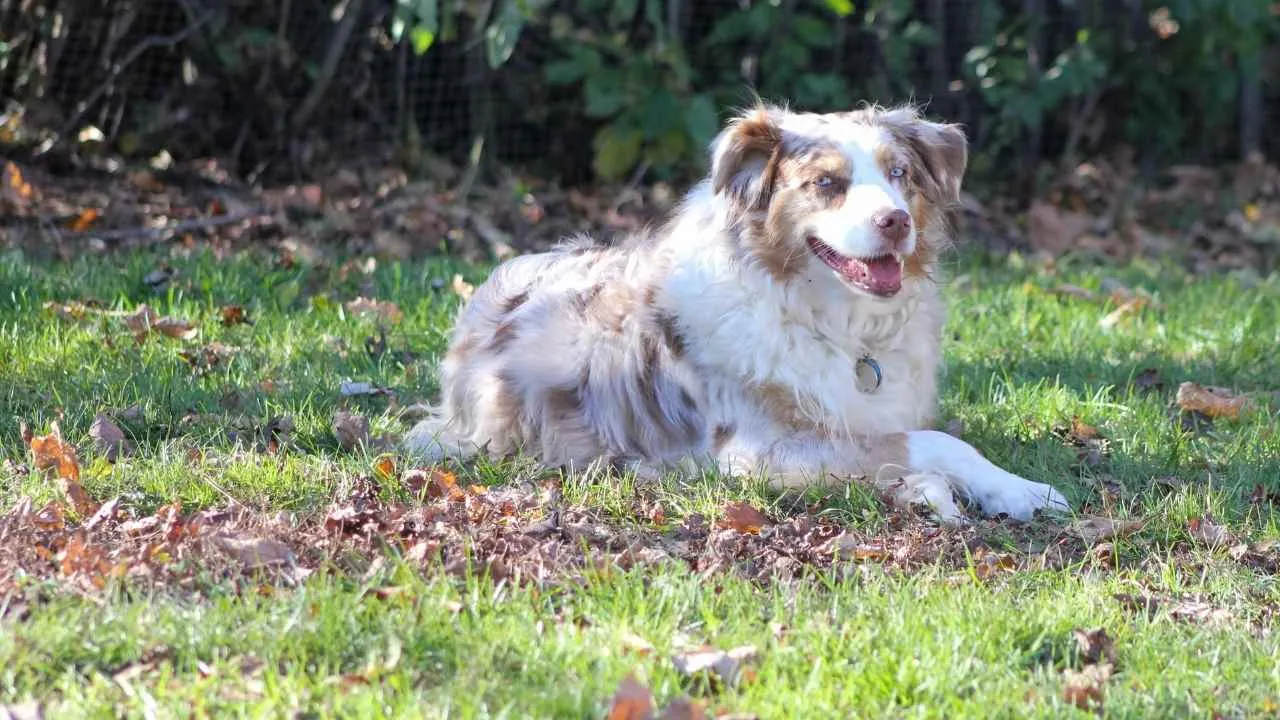
The Australian Shepherd became closely tied to the American cowboy lifestyle after a European lineage was refined in California through Australia. Its sharp, focused gaze and agile working style quickly made it a trusted choice for managing livestock across busy ranches, as the AKC claims.
Always Looking for a Job
This farm dog breed brings an instinctive desire to gather and direct animals, often extending that behavior to birds, other dogs, or even children. Regular responsibilities give them a quick mind and a clear purpose each day.
This is how versatile this worker can be:
Familiar face on the rodeo circuit
Excels in dock diving competitions
Competes in herding and agility trials
Quick Mind at Work
Australian Shepherd learns quickly enough to outsmart an inexperienced handler, making consistent direction just as important as physical activity. Herding livestock, obedience work, or structured canine sports provide productive outlets for its intelligence and working instincts.
3. Polish Lowland Sheepdog
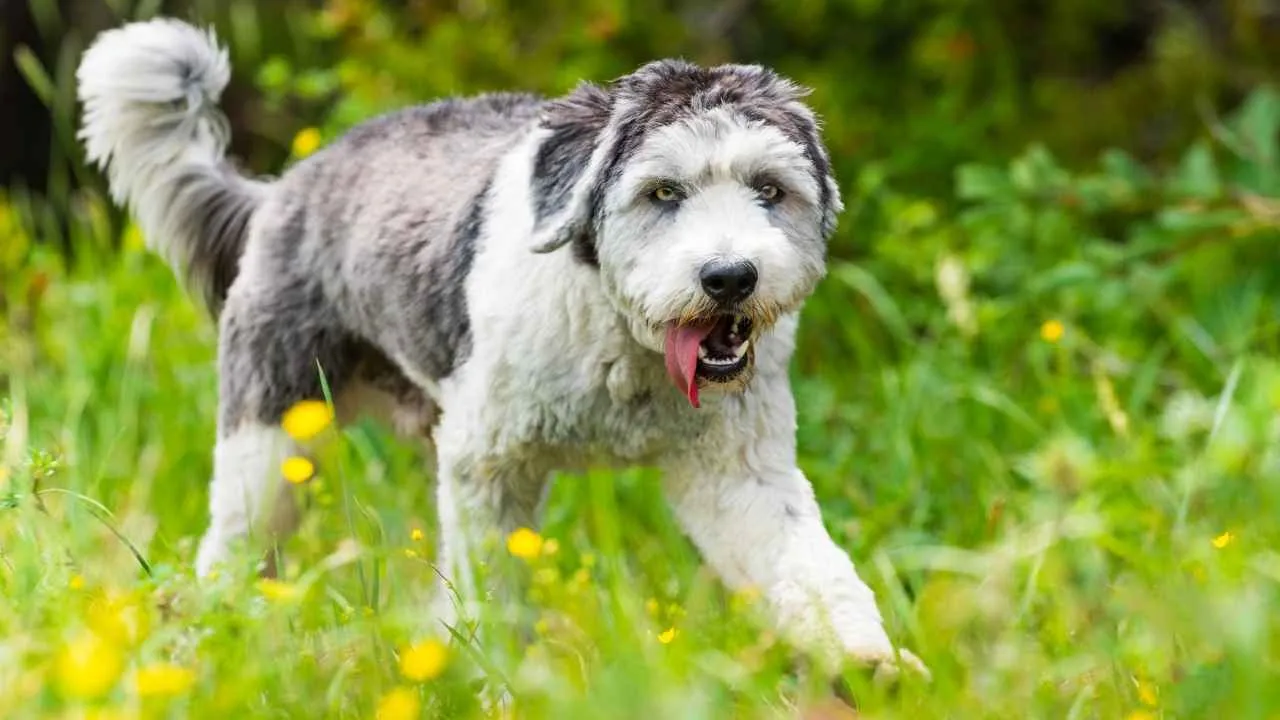
The Polish Lowland Sheepdog first worked across the lowland plains of Poland, where gathering and guiding sheep shaped its everyday role. Although its numbers dropped sharply during the Second World War, dedicated Polish breeders helped restore the breed, and some dogs still work livestock today.
Practical Worker
They approach herding with confidence and enjoy keeping people and animals together, which explains why they may even try to round up children or adults. That instinct remains one of the breed’s most recognizable working habits.
There’s more to this capable herding dog breed:
Also called the Polish Owczarek Nizinny (PON)
Competes successfully in agility and herding trials
Also works as a therapy dog in some settings
Quick to Learn
Polish Lowland Sheepdog displays an impressive memory and often picks up new lessons without much delay when training begins early, as PetMD noted. Food rewards, positive reinforcement, and consistent handling help channel its intelligence into productive work and dependable manners.
4. Bergamasco Sheepdog
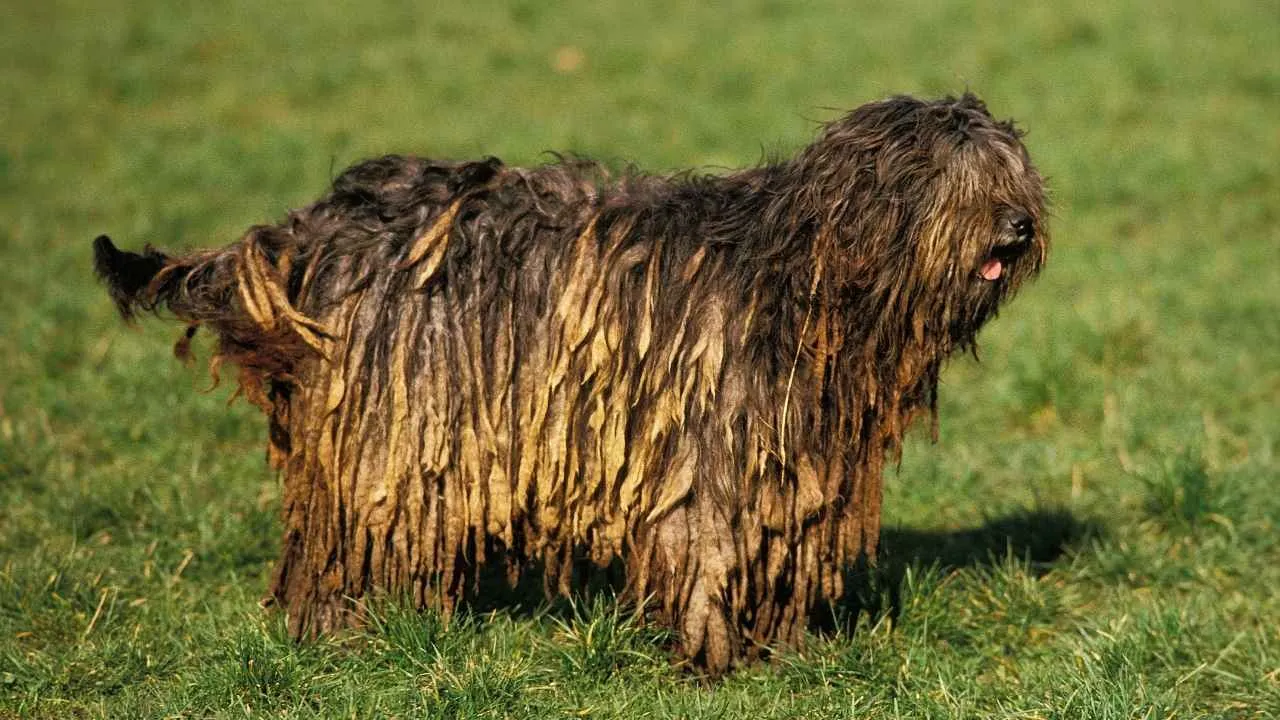
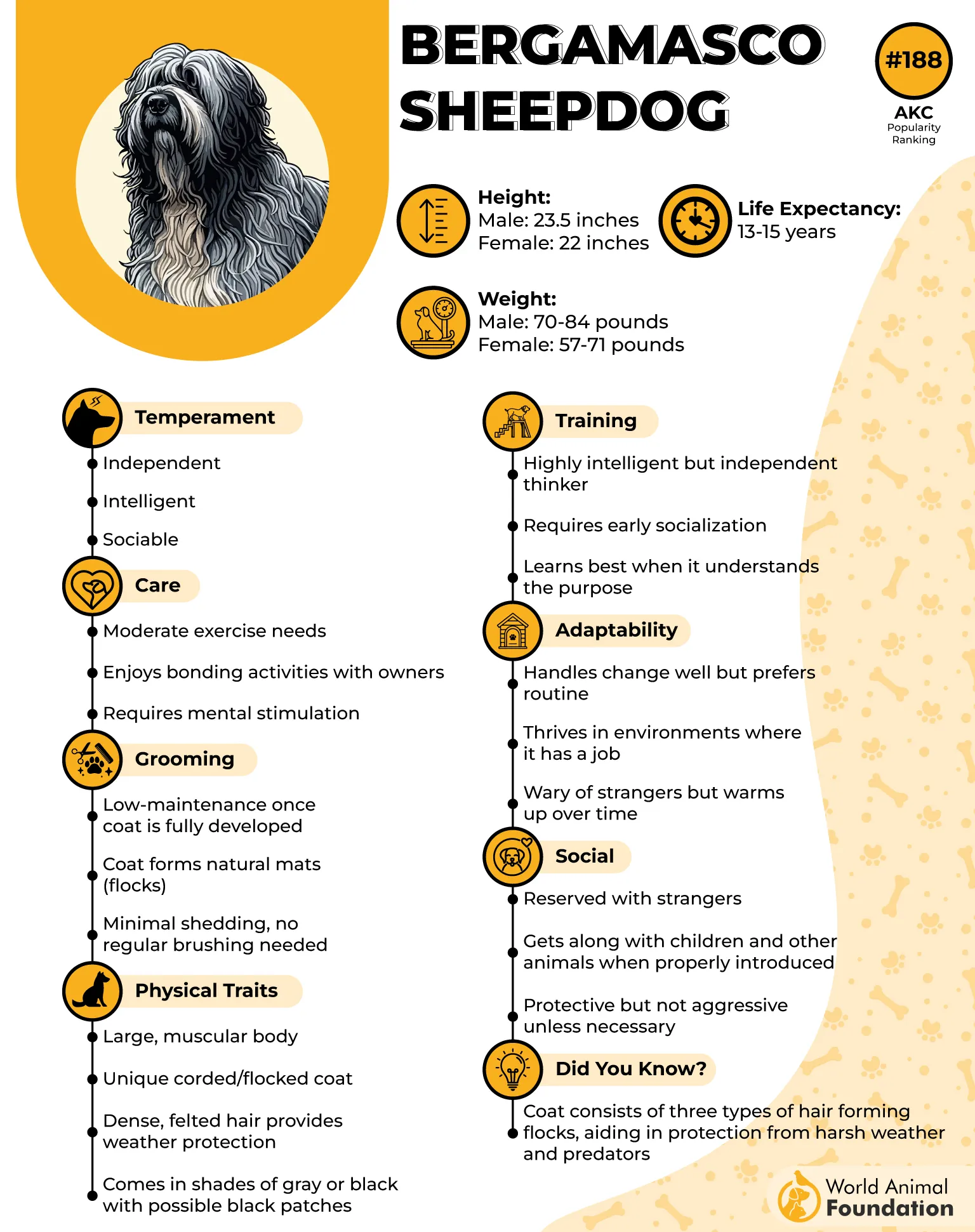
The Bergamasco Sheepdog spent thousands of years working alongside nomadic shepherds before becoming part of livestock management in Switzerland and Italy. One remarkable ability set this breed apart, as it could gather sheep and return them without needing constant direction from the shepherd.
Ready for Demanding Work
Managing sheep and cattle required confidence, sound judgment, and the ability to make decisions independently across open grazing land. That dependable working style continues to explain why this breed remains valued for agricultural duties today.
One closer look reveals a few distinctive details:
Work with a dual-purpose instinct of guarding and herding
Remains quiet and patient until action is needed
Uses steady, deliberate trotting to guide animals
Calm Around the Flock
The Bergamasco Sheepdog approaches familiar people with patience while keeping a careful eye on its surroundings. Bright, trainable, and deeply committed to its work, this breed usually greets unfamiliar people with caution and reserves aggression as a final response.
5. Puli
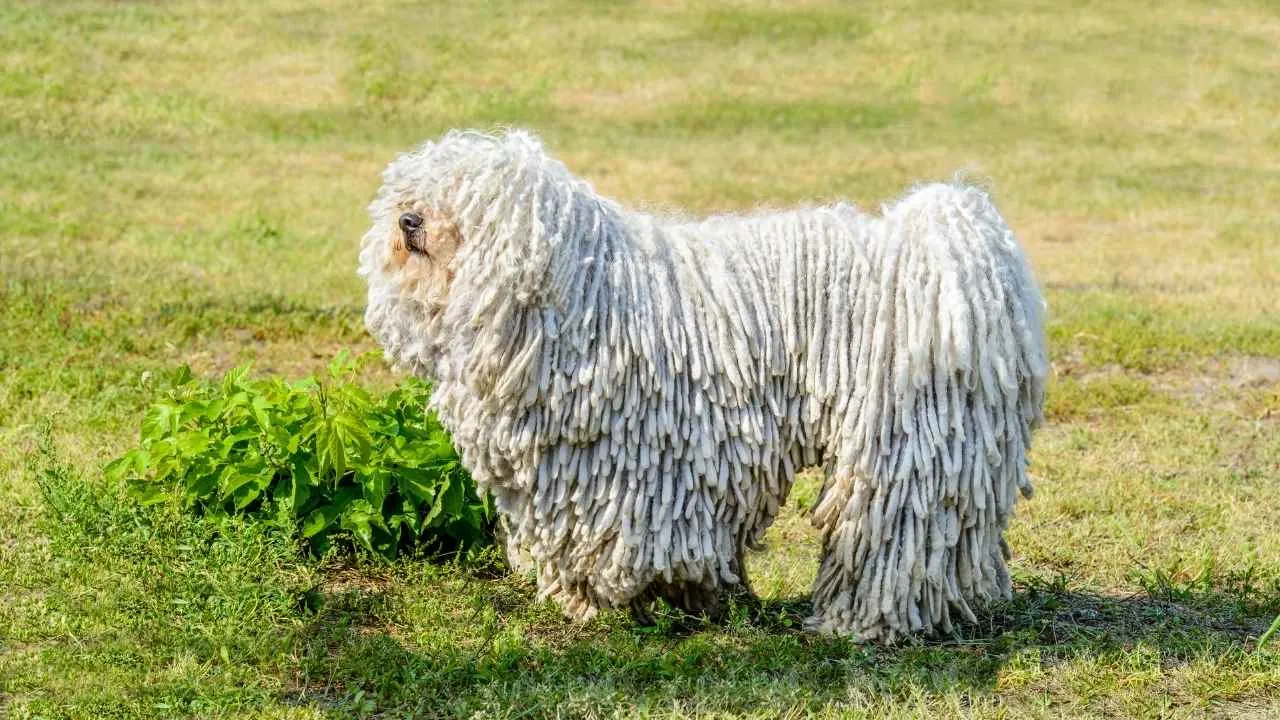
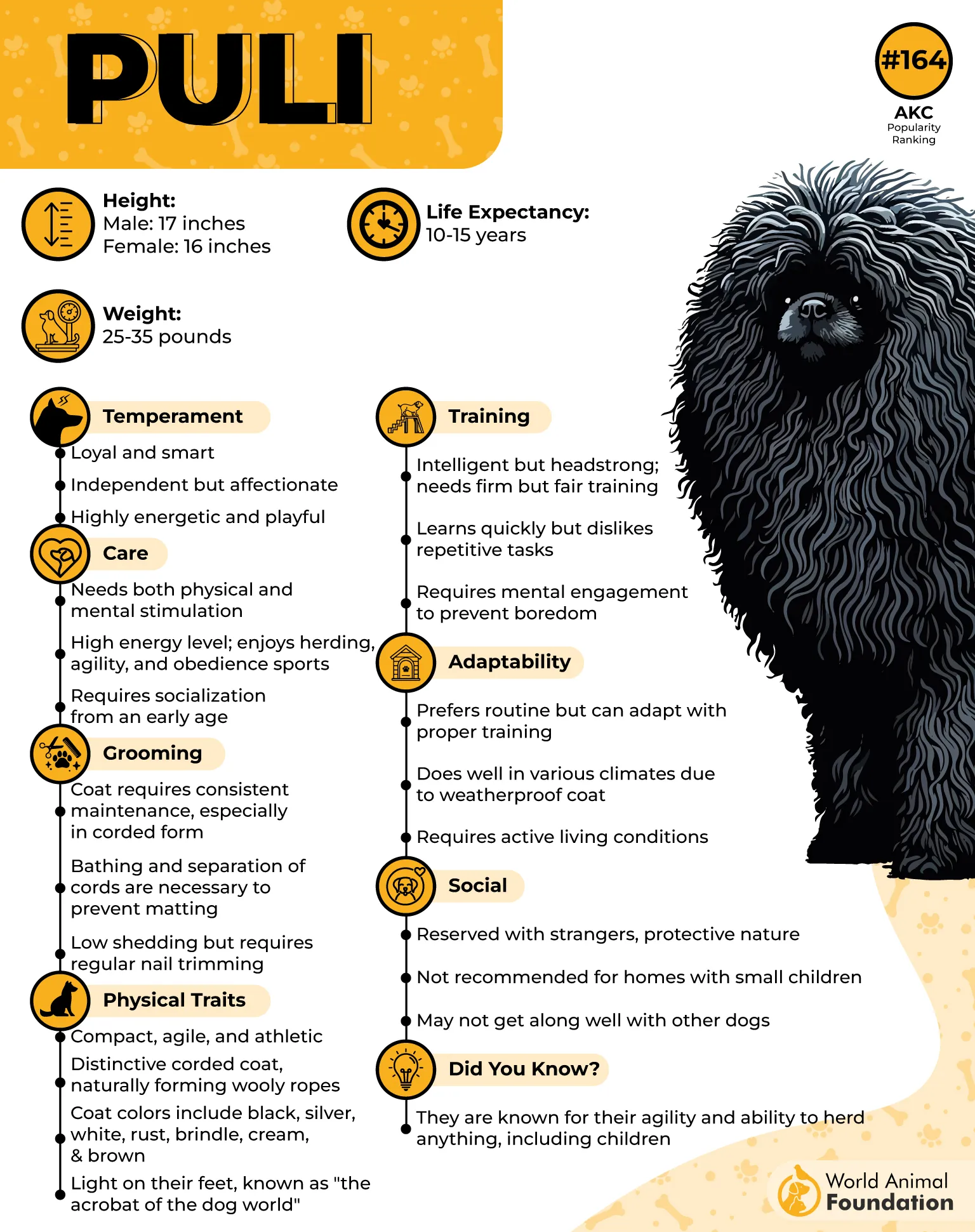
The Puli catches attention with its long, corded coat, but its real strength comes from centuries spent guiding and guarding livestock in Hungary. Early records also connect this breed with Tibetan Terriers brought to the region around 900 CE, shaping a capable farm helper with quick decision-making skills.
A Different Herding Style
The Puli handles livestock in a way that differs from dogs, relying on fixed eye contact, choosing quick bursts of motion, and sharp barking to influence the herd. Working close to the animals also allows this breed to block turns and redirect livestock with careful positioning.
That working approach includes several distinctive habits:
Uses zigzagging feints to redirect stock
Relies on a high-pitched bark for control
Works in harmony with the handler
Busy Mind
The Puli may try rounding up children or smaller animals because of its strong herding instincts, making early guidance especially valuable in family settings.
A lack of meaningful activity can also lead to frequent barking, while hiking, fetch, and regular herding exercises provide useful ways to channel its natural working drive.
6. Belgian Malinois
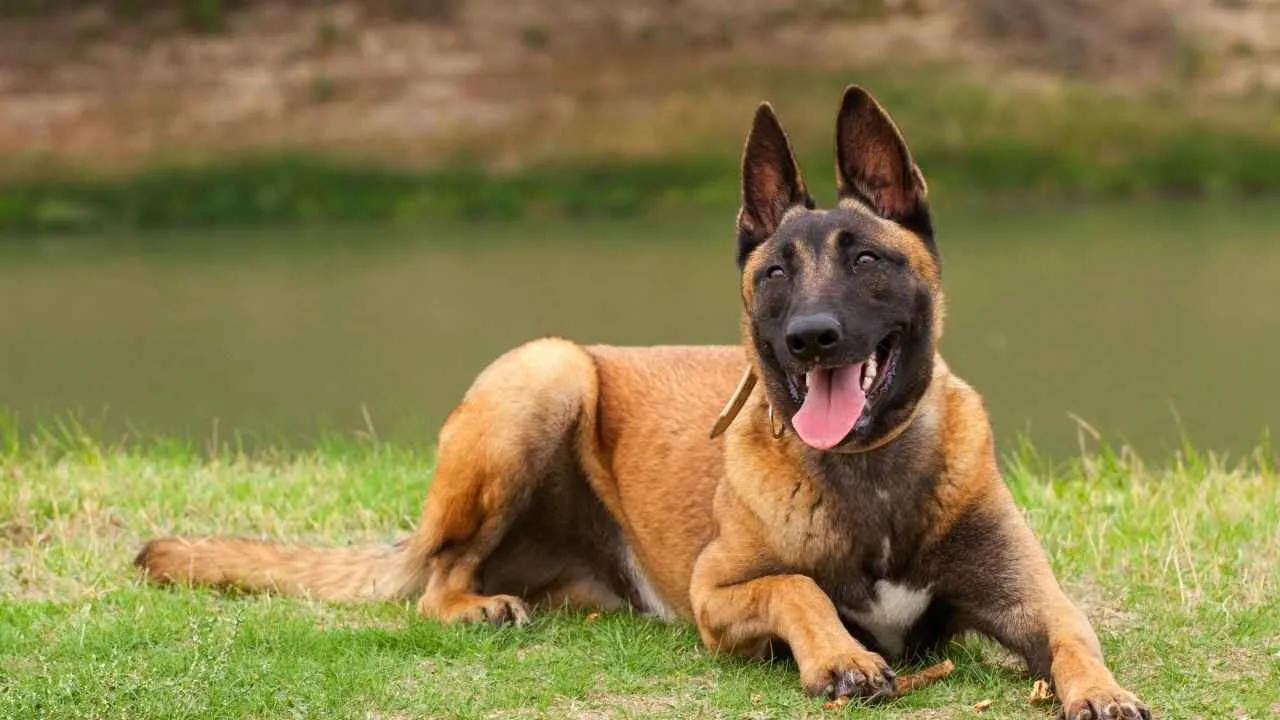
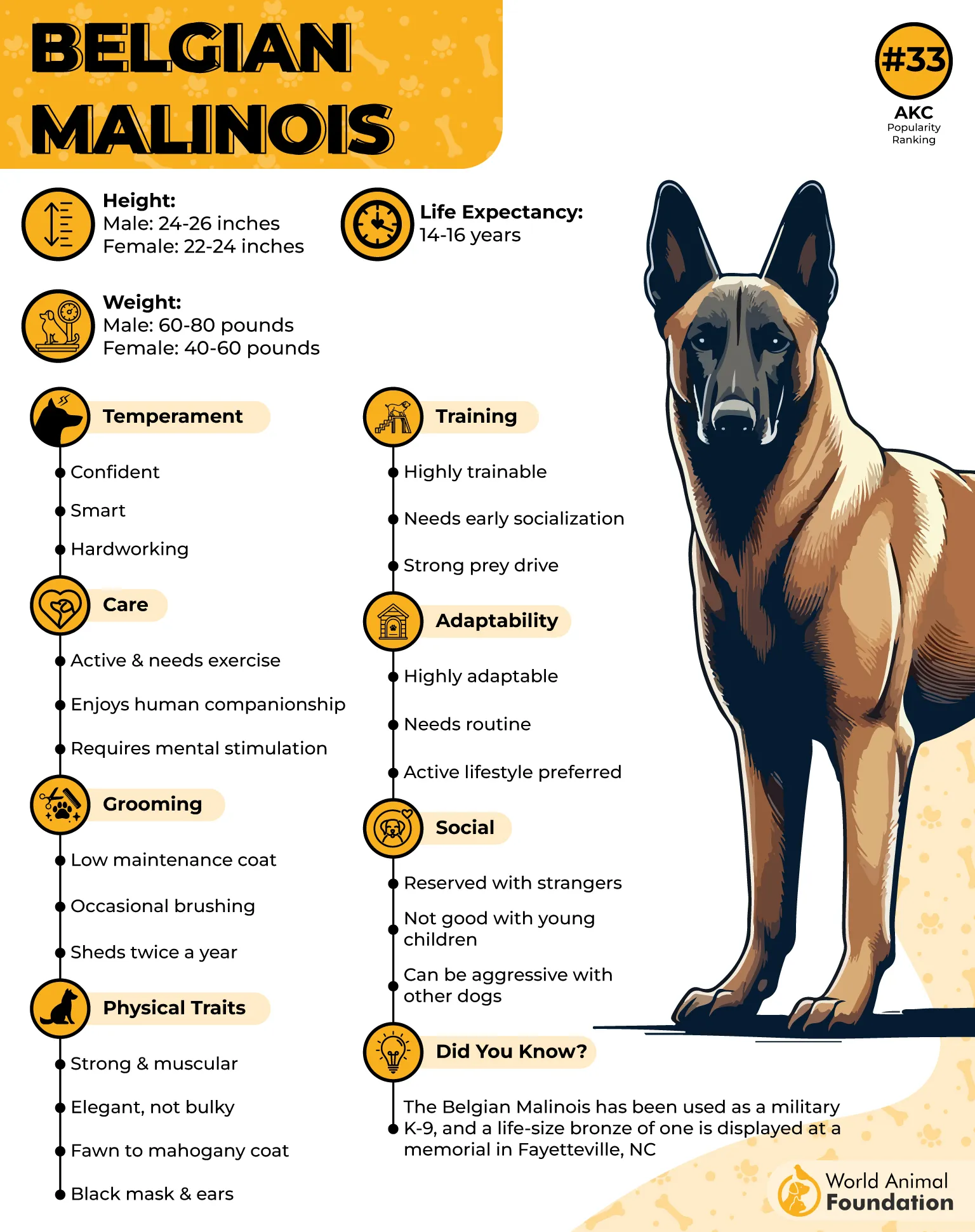
The Belgian Malinois originated as a shepherding dog in Belgium, where intelligence, agility, and dependable livestock work shaped its early role. By the 1950s, its working ability also led to widespread use in police and military service, reflecting the breed’s remarkable versatility.
Reading the Flock
They handle livestock with an active working style, often trotting well behind the flock while the handler guides from the front. Instead of relying heavily on an intense stare, it keeps animals together through steady positioning and purposeful movement.
That working approach includes several distinctive habits:
Instinct to fetch the stock to the handler
Uses little to moderate visual “eye”
Works with deep wearing behind the flock
Focus Never Switches Off
This working dog approaches each responsibility with energy and determination while keeping a playful side around the person it trusts. That combination of commitment, responsiveness, and eagerness explains why working organizations continue to choose this breed for demanding assignments.
7. Beauceron
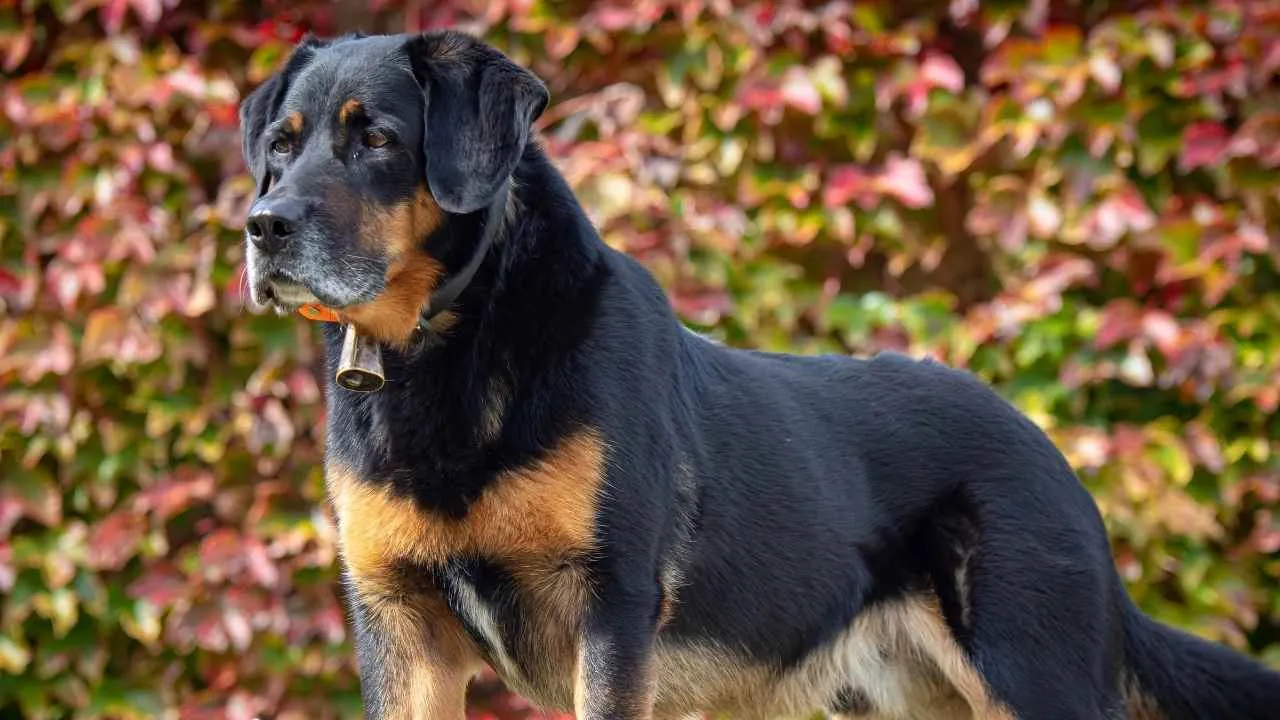
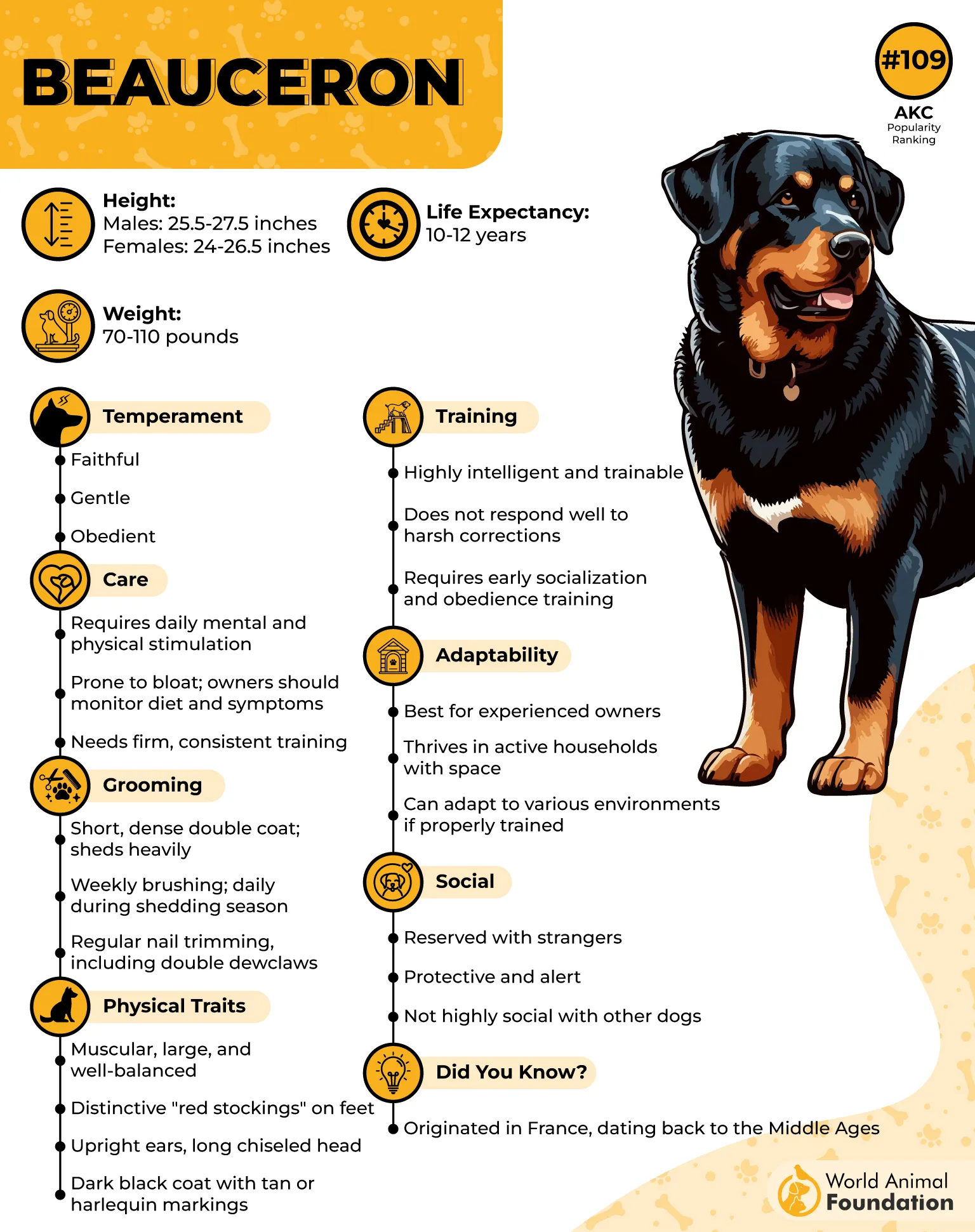
The Beauceron spent centuries working across the French countryside, where it managed livestock, guarded sheep, and handled demanding farm duties with remarkable confidence. A calm, upright working style allowed this breed to direct large groups of animals without creating unnecessary pressure or confusion.
Master of Open Pastures
One of the Beauceron’s most impressive skills is “tending,” a method of forming a living boundary where fences are absent. Historical accounts describe just two Beaucerons guiding 200 to 300 sheep for nearly 50 miles in a single day, all while keeping the flock settled and organized.
There’s plenty more worth knowing:
Distinctive double dew claws
Messenger dog during World War I
Assisted with land mine detection and search-and-rescue work
Built for Demanding Work
This large dog combines sharp memory with a willingness to learn, making obedience and agility training especially rewarding over time. Puppies can take nearly three years to reach full maturity, so steady guidance and patience often produce the strongest results.
8. Bearded Collie
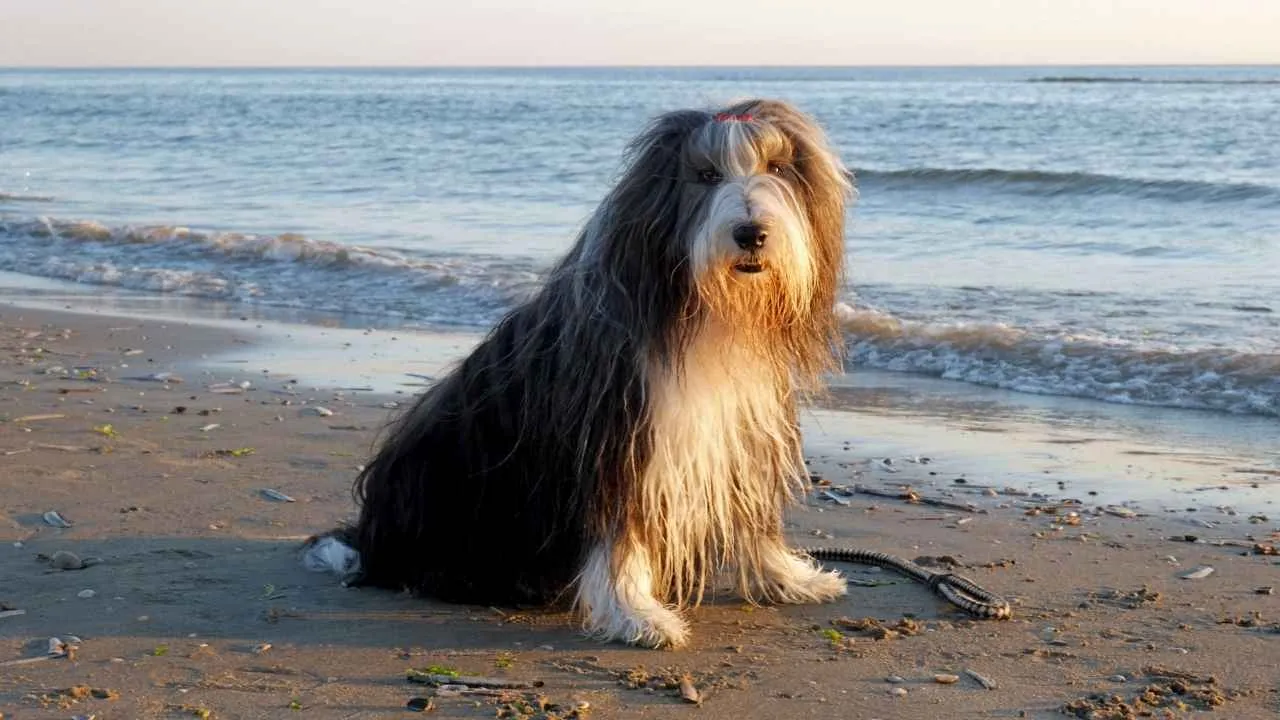
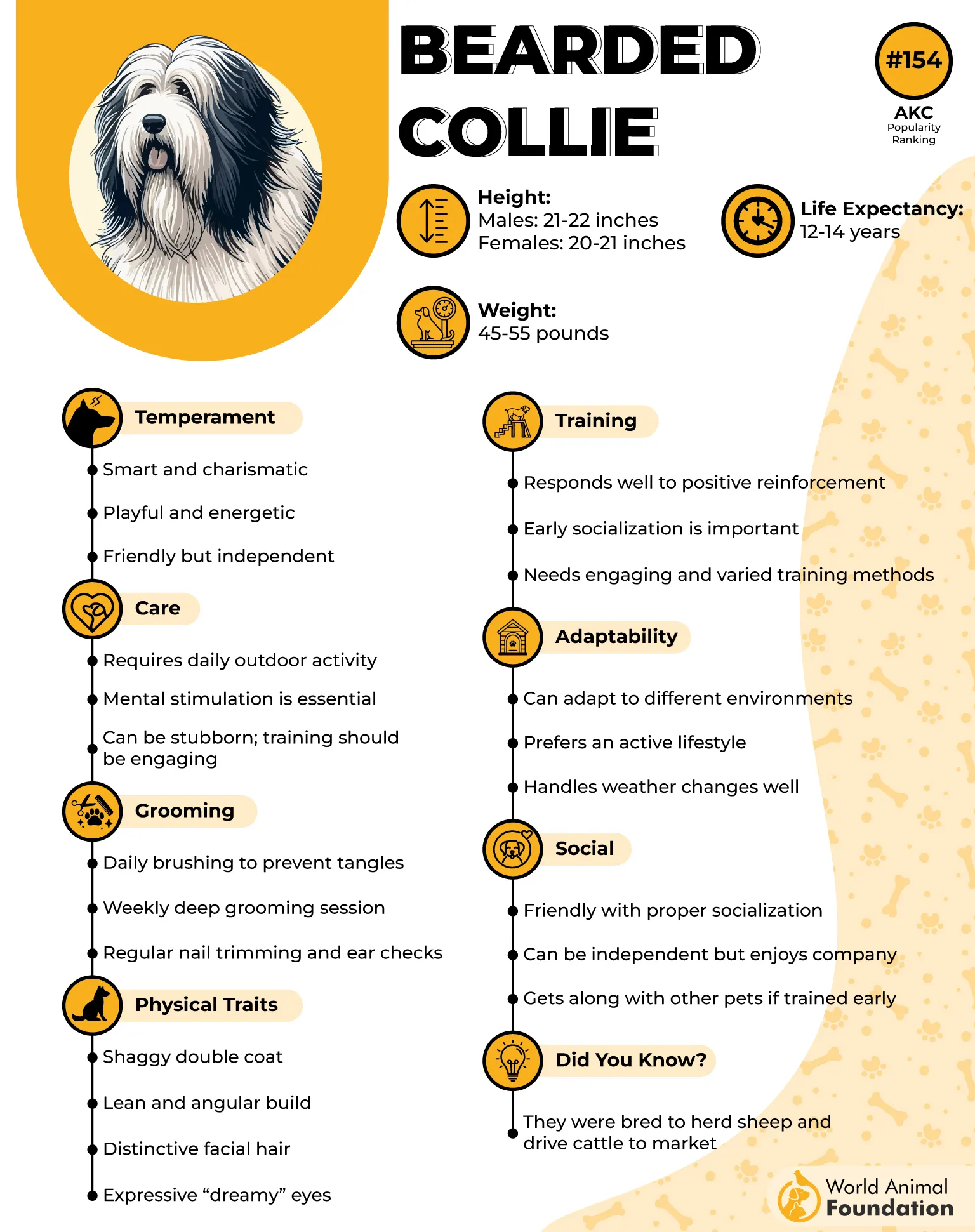
The Bearded Collie brings an unusual working style to the field with its famous “Beardie Bounce,” springing above tall heather to relocate scattered livestock. That lively technique gave shepherds a better view of animals hidden by thick vegetation across the Scottish countryside.
Working the Herd
They herd livestock with an upright, loose-eyed style, relying on confident body presence instead of an intense fixed stare. A strong force bark also helps encourage stubborn animals to change direction without unnecessary physical pressure.
A few details complete the working picture:
Leaps above deep cover to locate stock
Uses a powerful “force bark” when herding
They possess high situational intelligence
Built for Busy Days
The Bearded Collie enjoys spending long hours outdoors in every season and brings plenty of enthusiasm to active farm life. Well-socialized dogs usually interact comfortably with children and other animals, while their lean frame sits beneath the breed’s distinctive shaggy coat.
9. Shetland Sheepdog
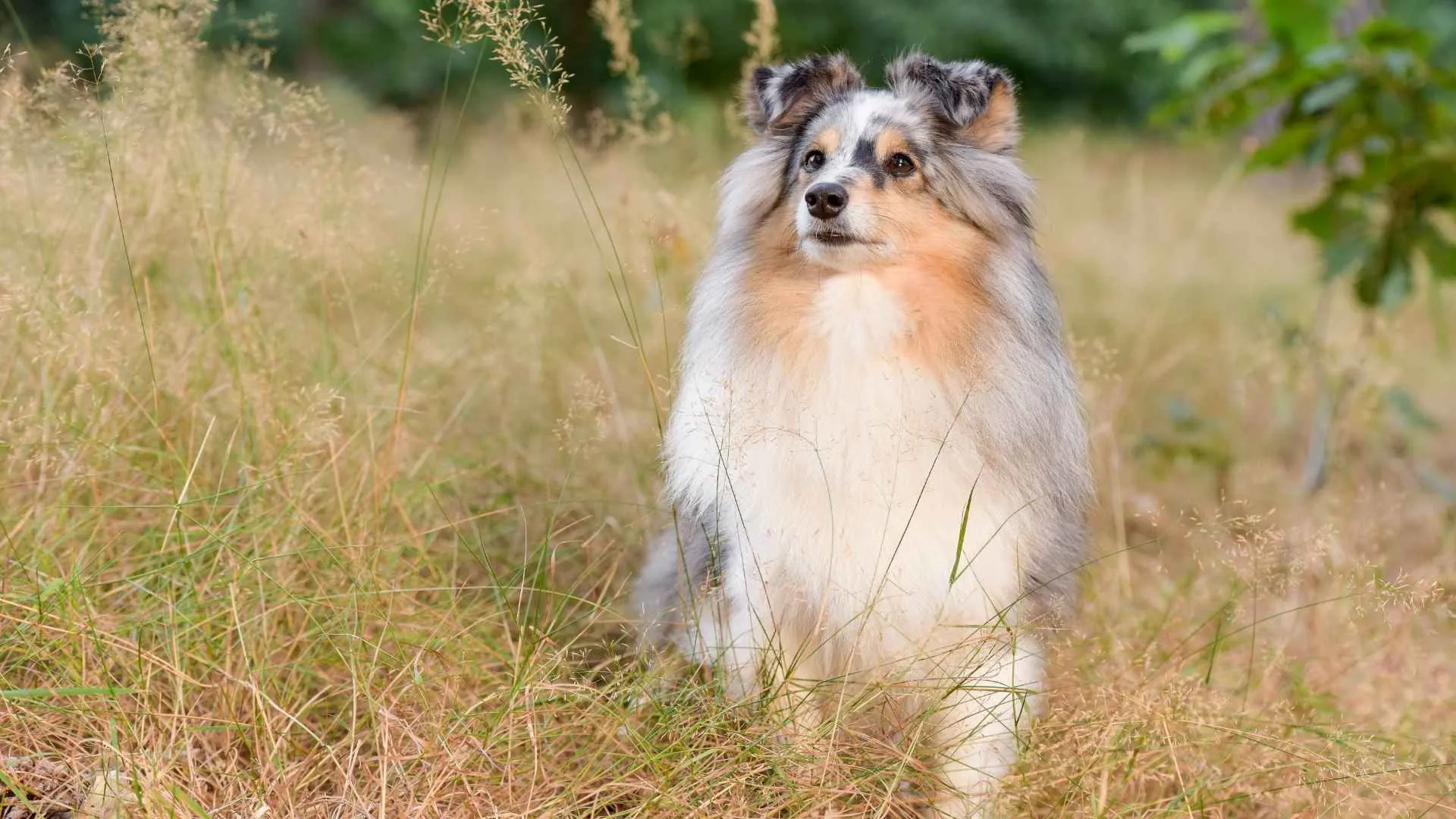
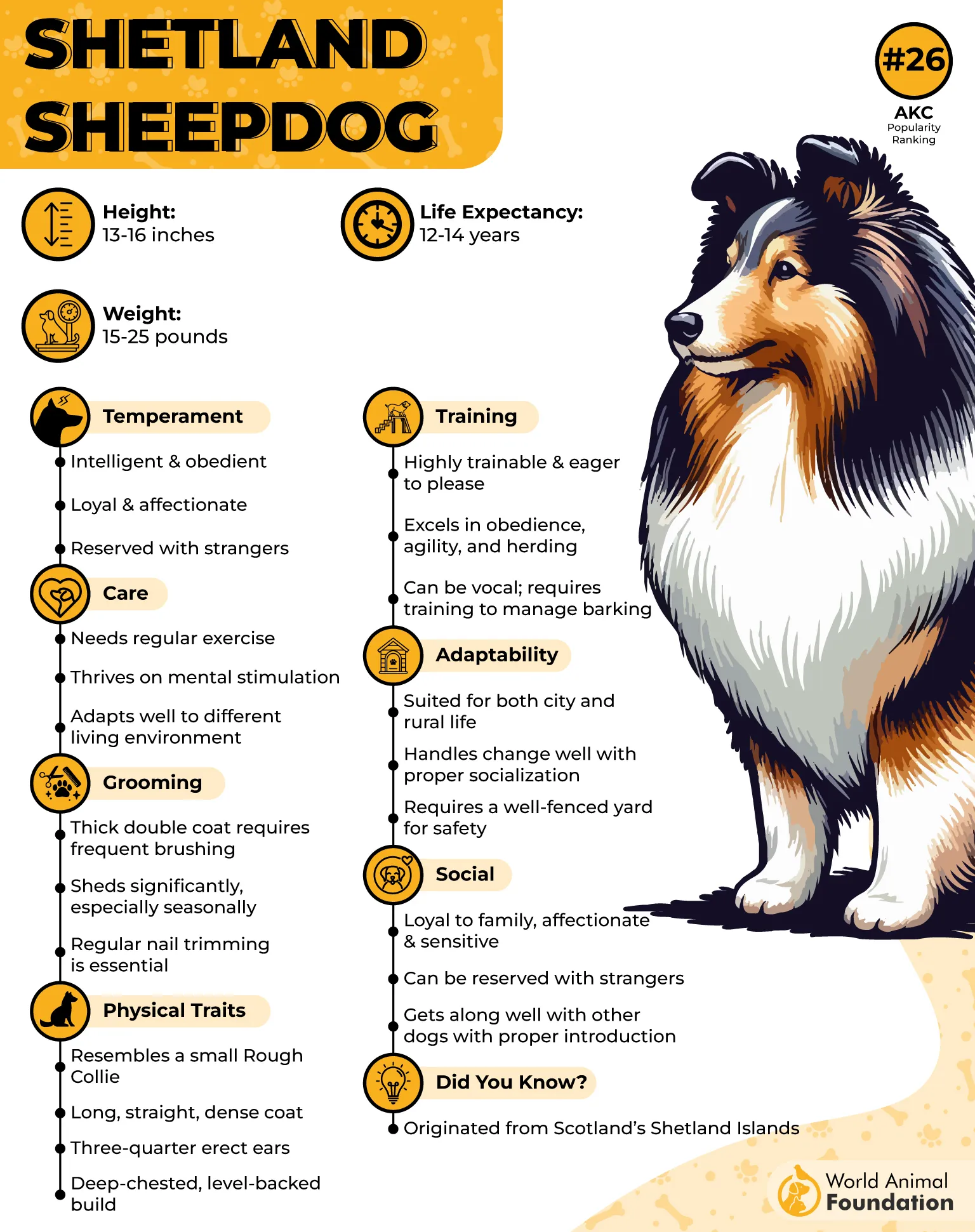
The Shetland Sheepdog took shape in Scotland during the 1800s, where smaller livestock called for an equally agile herding partner. Limited vegetation on the islands influenced both the size of the animals and the compact dog trusted to guide them across the land.
Precision in the Field
Shelties controlled livestock through technique rather than size, relying on quick footwork to guide animals from behind instead of using a fixed stare. Different situations called for different responses, allowing this breed to adjust its approach while working.
That working style included several clever methods:
Sharp bark to pressure stubborn stock
Shoulder bumps to redirect animals
Low heel nips for larger livestock
Always Paying Attention
The Shetland Sheepdog keeps a close watch on everything happening nearby, whether someone approaches the door, a bird lands outside, or even an aircraft passes overhead. That constant awareness also explains why early training for barking can make everyday life much easier.
Conclusion
Reliable working companions are shaped by generations of practical purpose, not by popularity or first impressions. These intelligent dogs excel at herding sheep, herding cattle, and helping protect livestock with strong protective instincts when conditions change without warning.
Matching a dog’s temperament, endurance, and natural abilities to your daily routine builds a partnership that grows stronger with time. That thoughtful choice supports both productivity and a rewarding life alongside a dependable companion.
Whether managing open fields or helping with everyday agricultural routines, the right working dog brings confidence, consistency, and steady support that cannot be measured simply by appearance or physical strength alone.
