




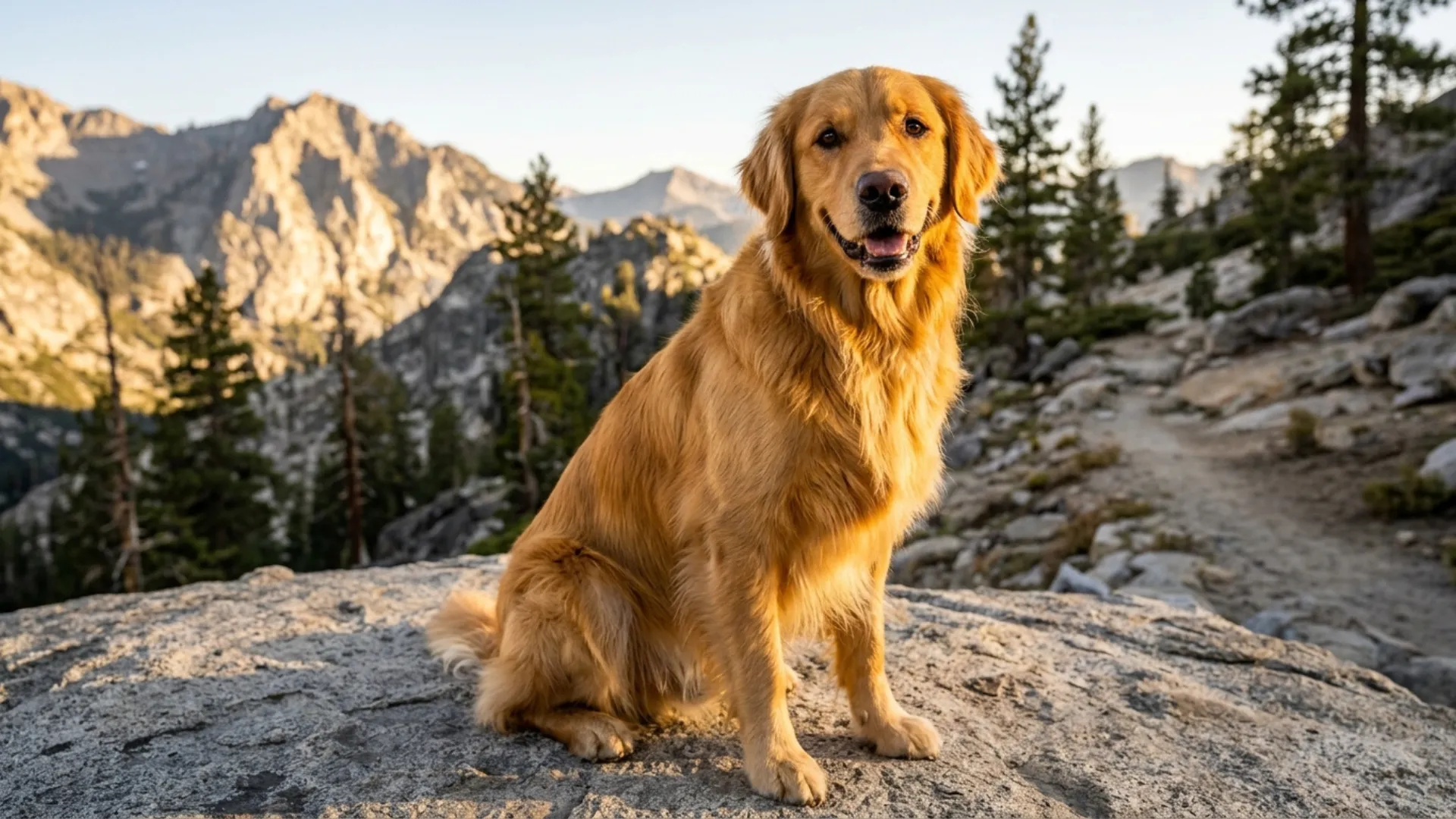
A golden coat has a way of making a dog stand out the moment it walks into the room. From soft cream and pale yellow to rich honey and deep golden shades, these warm colors give dogs a bright, cheerful look that is hard to miss.
Golden-coated dogs can vary greatly in size, shape, coat texture, and personality. Some have sleek, short fur, while others have thick or flowing coats that add even more character to their appearance.
So, what makes these golden beauties so appealing? Their sunny coloring is only part of the charm. In this article, we’ll take a closer look at some of the most striking golden dog breeds and explore the different looks, personalities, and traits that make each one worth knowing.
Stunning Dog Breeds with Golden Coat Varieties
1 Golden Retriever
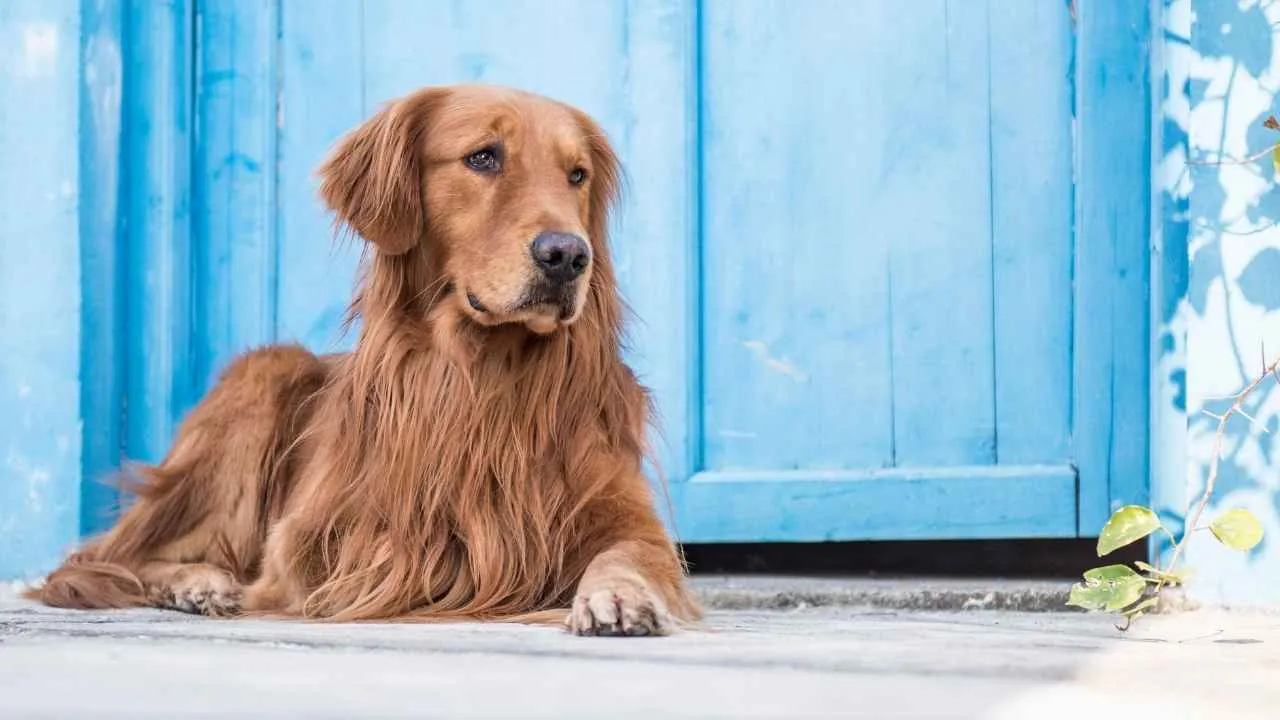
Golden Retrievers are among the most popular dog breeds, and their beautiful golden coats are a big part of their appeal. These sturdy sporting dogs have a broad head, friendly and intelligent eyes, short ears, a deep chest, and a muscular build.
Their coats can range from light to dark golden shades, with some appearing almost white while others have a rich red-gold color.
Caring for Golden Retrievers
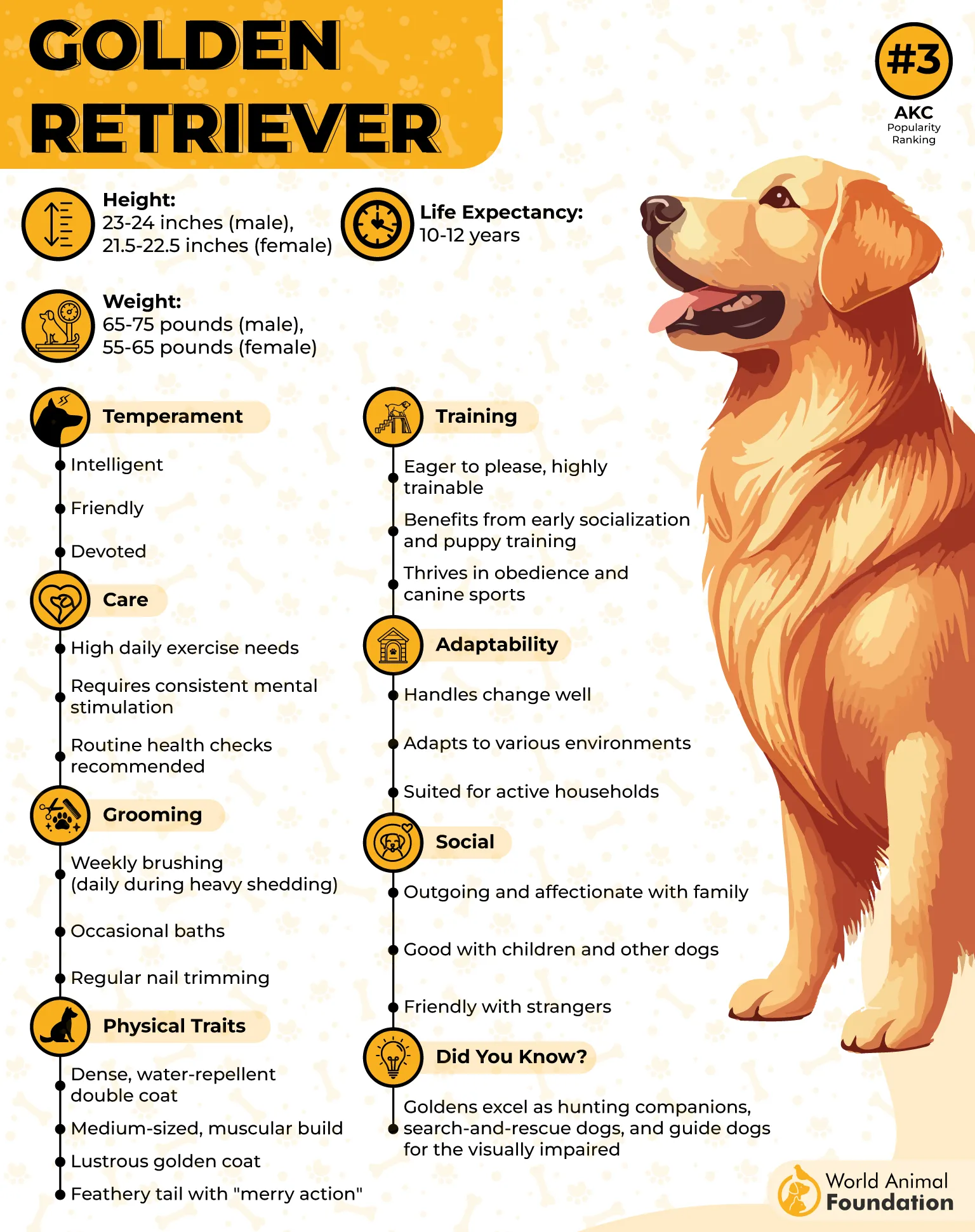
Golden Retrievers have thick, lustrous double coats with a water-repellent outer layer and a dense undercoat. They shed heavily and can develop mats behind their ears and around their hind limbs, so regular grooming is important.
They also have moderate energy levels and enjoy running, daily walks, retrieving, swimming, and outdoor play. Their love for water and retrieving comes naturally from their history as working gundogs.
Personality and Unique Traits
These dogs are outgoing, loyal, gentle, and eager to please. They usually adapt well to family life and can live happily with small children and other pets with early socialization.
They love being involved in family activities and often carry or pull anything they can fit in their mouths. They are highly trainable but can be distracted during early training, so patient and sensitive handling works best.
2. Nova Scotia Duck Tolling Retriever
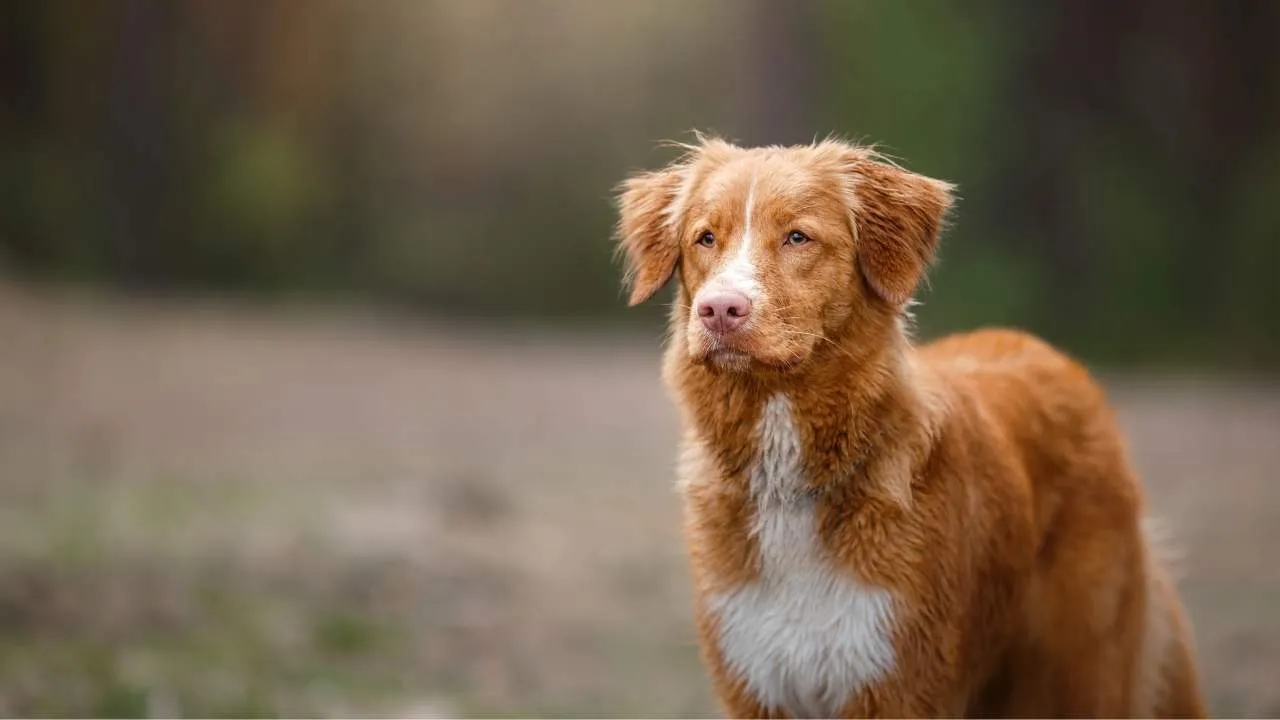
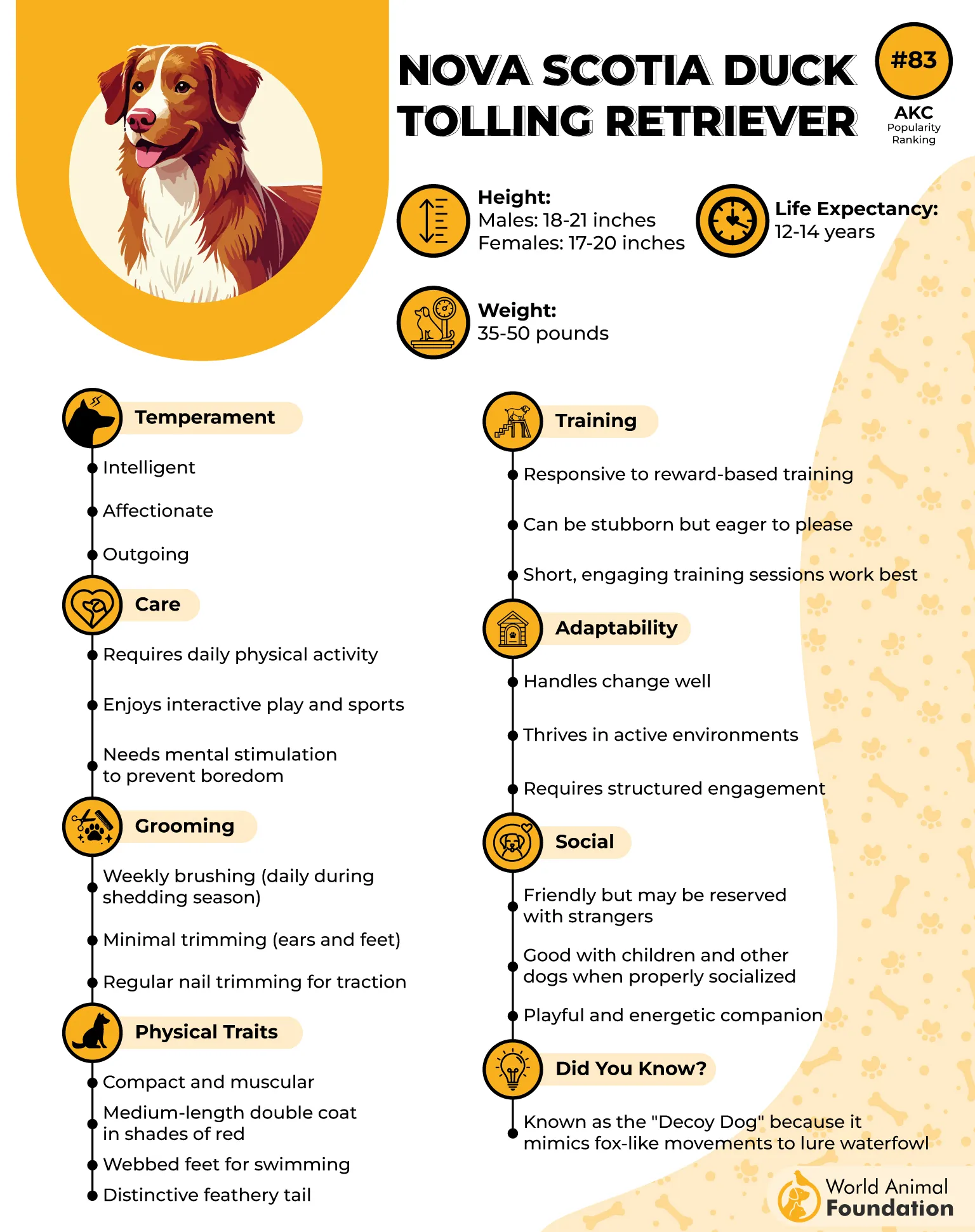
The Nova Scotia Duck Tolling Retriever is a medium-sized sporting dog from Canada, known for its striking golden-red coat and athletic build. According to Royal Canin, the word “tolling” comes from an old word meaning “to lure,” describing the unusual hunting technique that gave this breed its famous name.
Its coat can range from light orange to deep red, with white markings often appearing on the face, feet, or tail tip. The Toller has a thick, waterproof double coat, soft undercoat, feathering around the ears, chest, and legs, and a beautiful waving tail.
Caring for Nova Scotia Duck Tolling Retrievers
Tollers are energetic, intelligent, and built for outdoor activity. Their webbed feet and high endurance make them excellent swimmers, while their sporting background makes them well suited to activities such as hiking, long walks, flyball, agility, and obedience.
Their silky, waterproof coat needs weekly brushing to remove loose fur and prevent tangles. They also need plenty of physical and mental stimulation to stay happy and engaged.
Personality and Unique Traits
These playful dogs are loyal, affectionate, and fun-loving companions. They can do well with children and other pets when properly trained and socialized.
Tollers are independent but respond well to training and enjoy having an active role in family life. They were originally bred to lure ducks toward hunters by darting along shorelines with their white-tipped tails, then retrieving the birds from the water.
3. English Cocker Spaniel
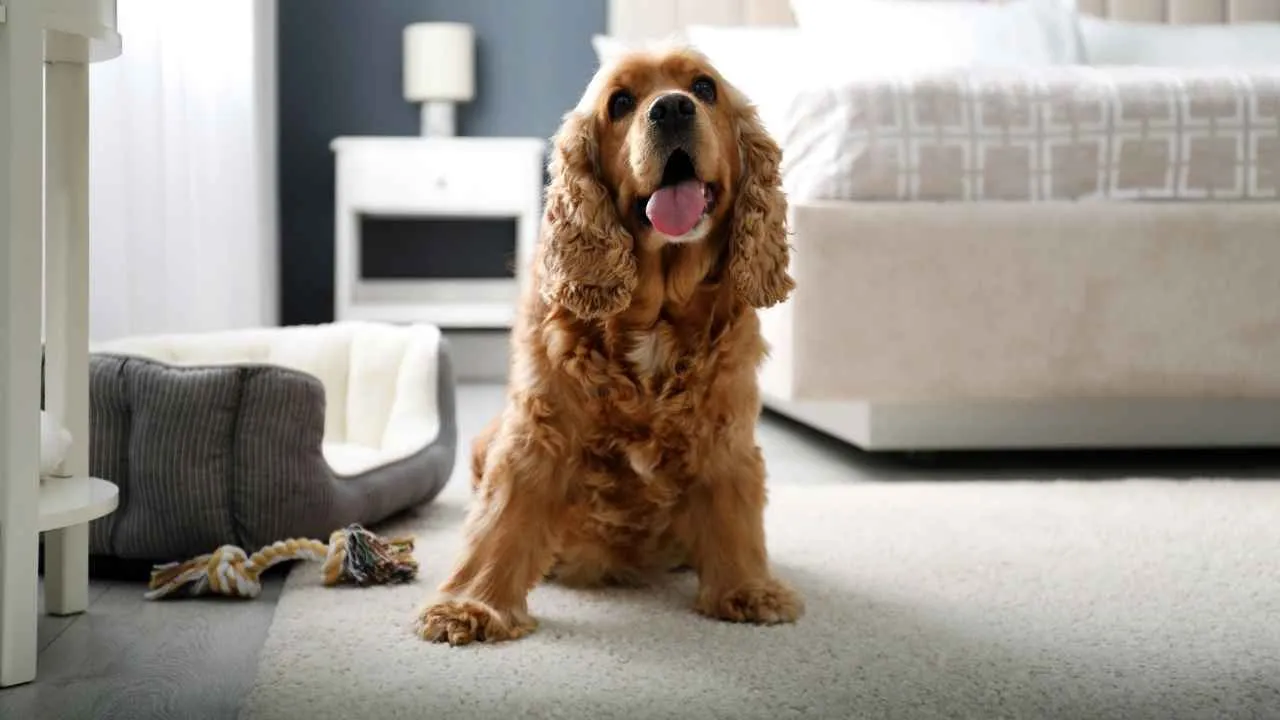
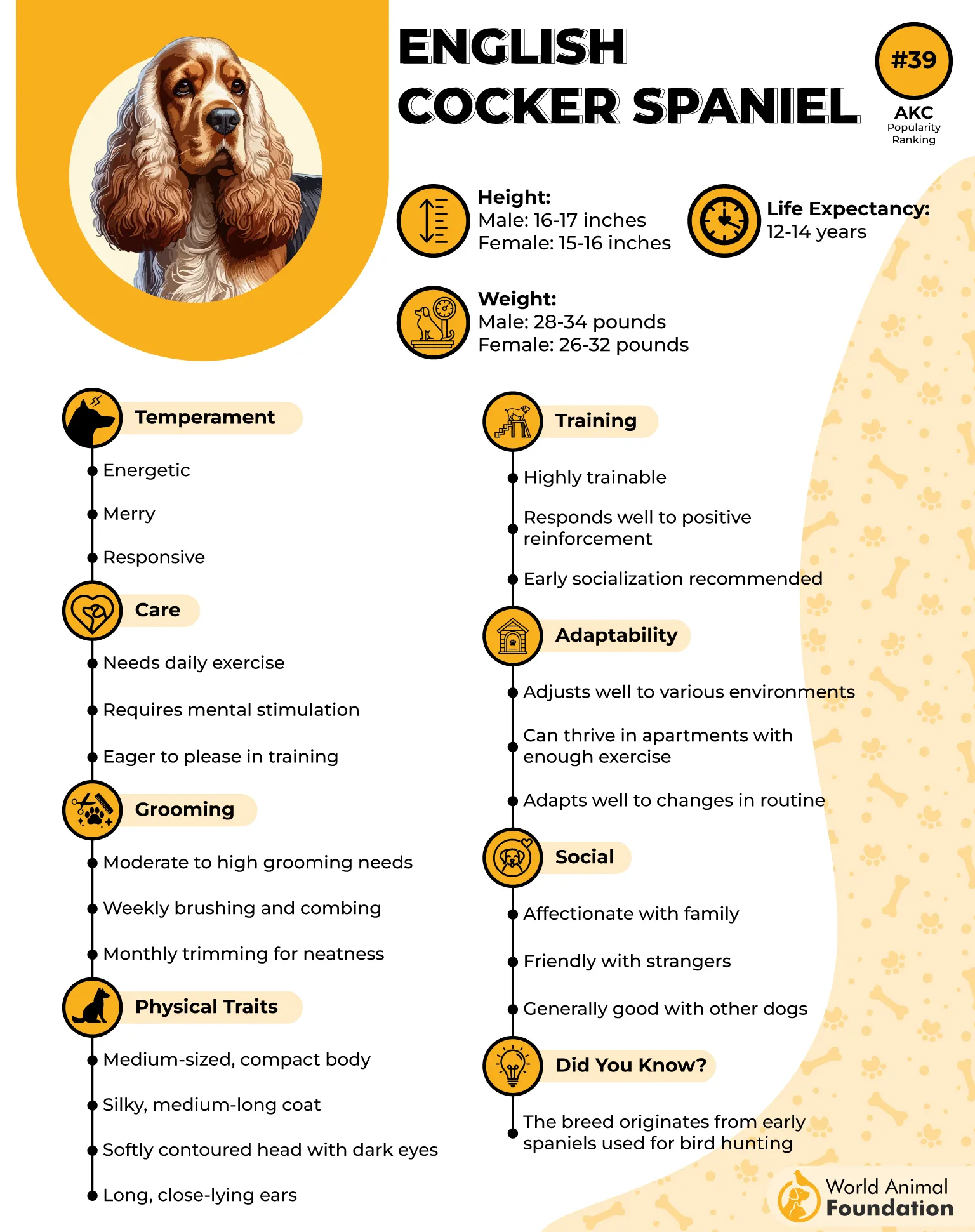
The English Cocker Spaniel is a medium-sized, well-balanced sporting dog with a sweet and cheerful nature. Its medium-length, silky coat comes in 18 standard colors, adding plenty of variety to its appearance.
Long, furry ears and a compact, agile build give these dogs their familiar spaniel look. Often called “merry,” they are loyal, playful, clever, and eager to please.
Caring for English Cocker Spaniels
English Cocker Spaniels are energetic dogs with strong hunting instincts. They were bred to search for, flush, and retrieve game birds, so a simple walk around the block is not enough to meet their exercise needs.
Their coats need brushing two or three times a week, while trimming around the face, ears, tail, and feet every few months helps maintain their appearance. Their long ears also need special attention and should not be allowed to stay moist.
Personality and Unique Traits
These friendly dogs love being close to their families and joining in on group activities. They usually get along well with children, other dogs, pets, and even strangers. Their loyalty can make them a constant and adorable shadow around the home.
They are easy to train because they are both intelligent and eager to learn. While they can make good watchdogs, their friendly nature makes them poor protection dogs.
4. Tibetan Spaniel
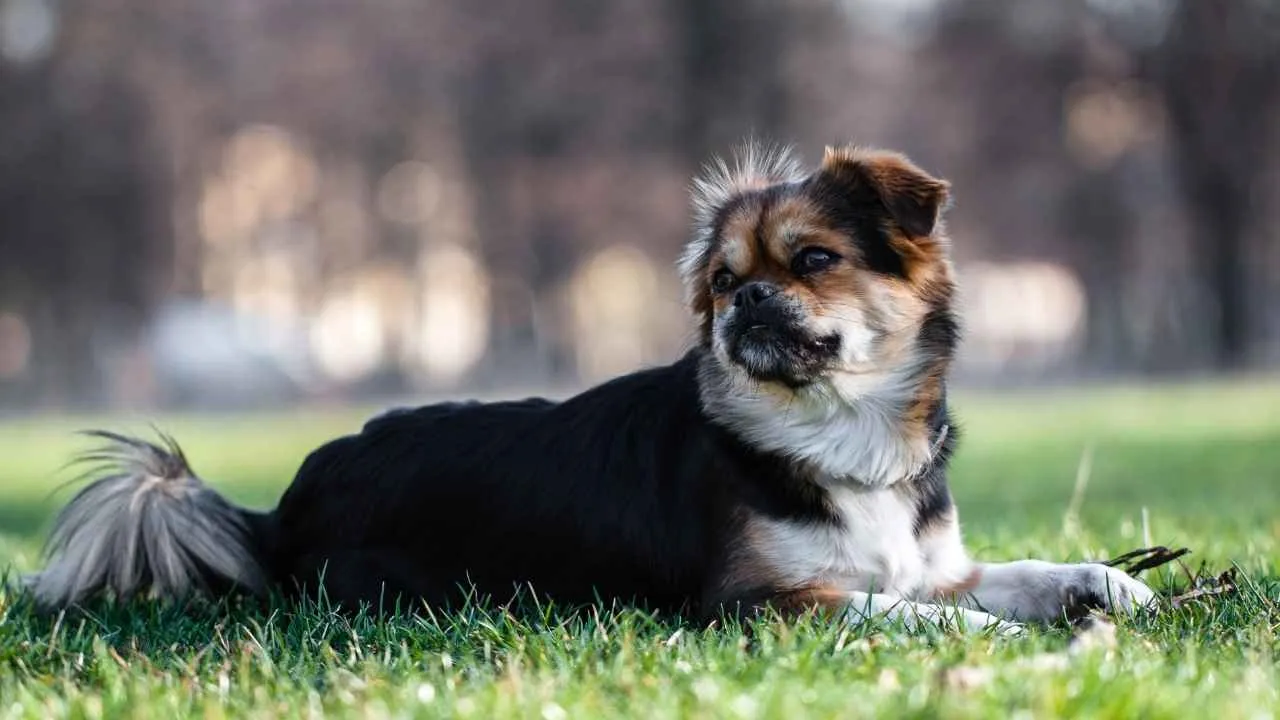
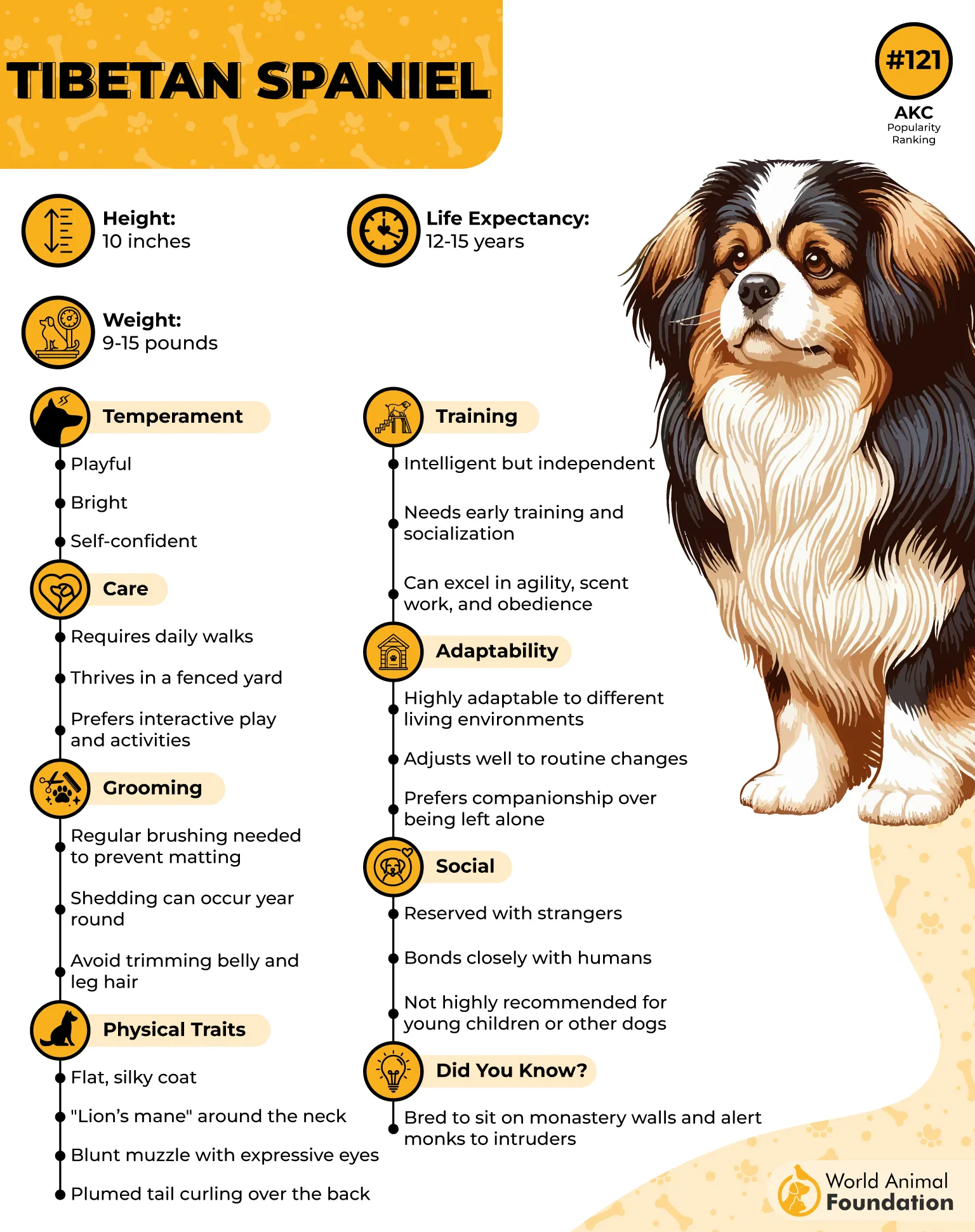
Tibetan Spaniels are small, intelligent, and confident companions with a distinctive look. Their medium-length, silky double coats are framed by longer fur around the neck, often called a “lion’s mane,” as mentioned by the UKC.
Large expressive eyes, a plumed tail that curls over the back, and a graceful build add to their charm.
Caring for Tibetan Spaniels
Tibetan Spaniels are alert and active but do not need excessive exercise. Weekly brushing helps keep their double coats in good condition. They enjoy being close to their families and thrive on attention, although they also have an independent side.
Their small size makes them well suited to homes and apartments. They are also naturally watchful and may perch on windowsills or the back of a sofa to keep an eye on their surroundings.
Personality and Unique Traits
These devoted dogs are affectionate, outgoing, and friendly, although they can have a reserved nature around strangers. They are quick to notice unusual sounds or activity and can be surprisingly good little watchdogs.
Their history goes back more than 2,000 years in Tibet, where they lived alongside Buddhist monks and often watched from monastery walls for approaching wolves or strangers.
5. Vizsla
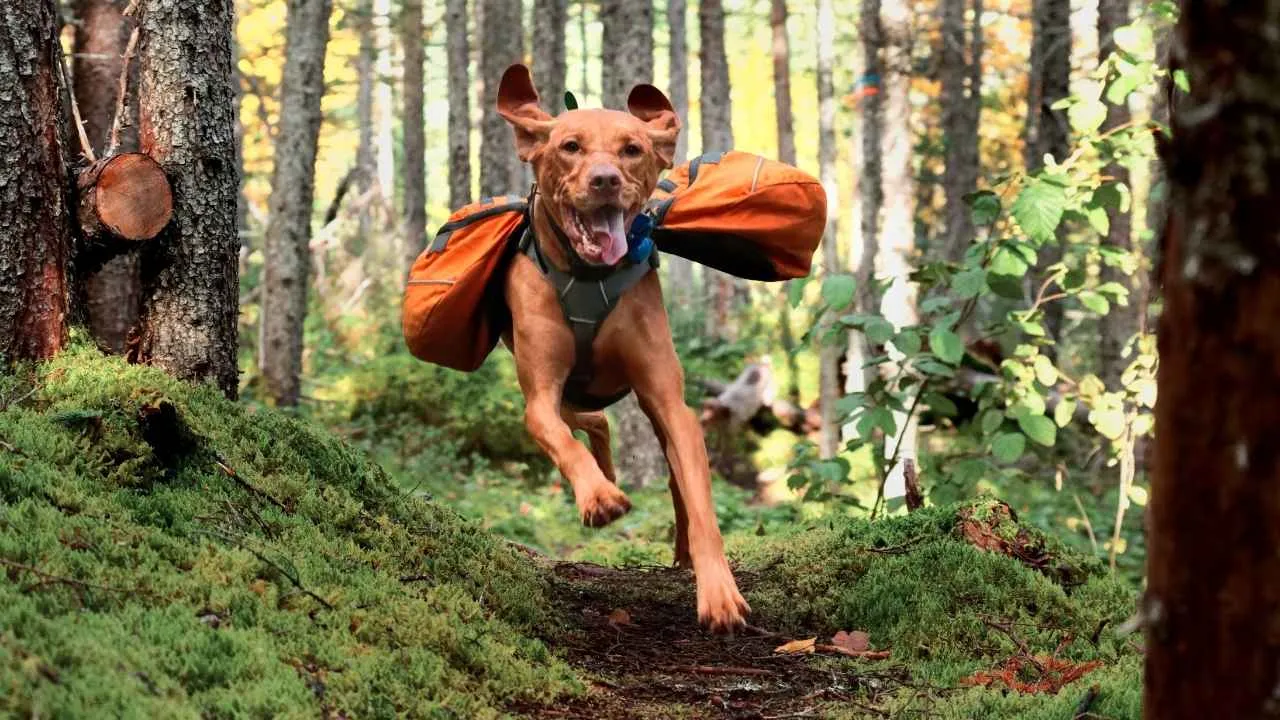
Vizslas are cheerful, energetic sporting dogs that were originally bred in Hungary as hunting companions. Their smooth, red-golden coats give them a distinctive appearance, while their tall build, long ears, and athletic nature reflect their working background.
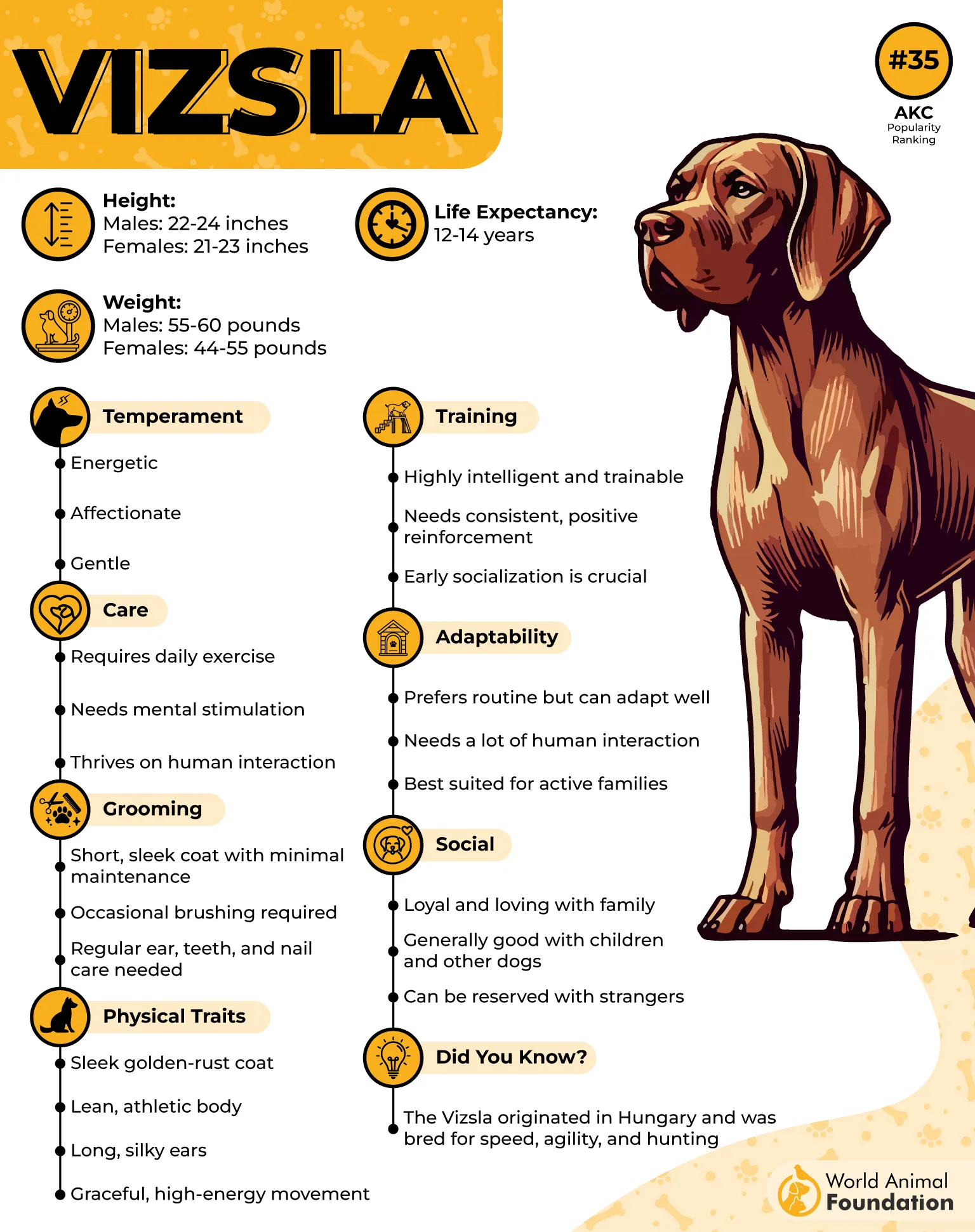
They are known for being intelligent, loyal, sensitive, and eager to please, making them affectionate companions for active families.
Caring for Vizslas
Vizslas require regular exercise and mental stimulation to stay happy. Jogging, swimming, agility training, hunting, and retrieving can all keep them busy. They respond well to positive reinforcement, although they can sometimes be stubborn.
Their short coats do not require extensive grooming, but regular brushing helps keep them looking their best. They also form very close bonds with their families and do not enjoy being left alone for long periods.
Personality and Unique Traits
These dogs are gentle, friendly, and highly devoted to their people. They can do well with adults, children, seniors, other dogs, and pets, although some may be shy around strangers while others are more outgoing.
Vizslas are natural pointers and retrievers and have also worked as skilled athletes and search-and-rescue dogs. With enough exercise, they can be calm and well-mannered indoors.
6. Saluki
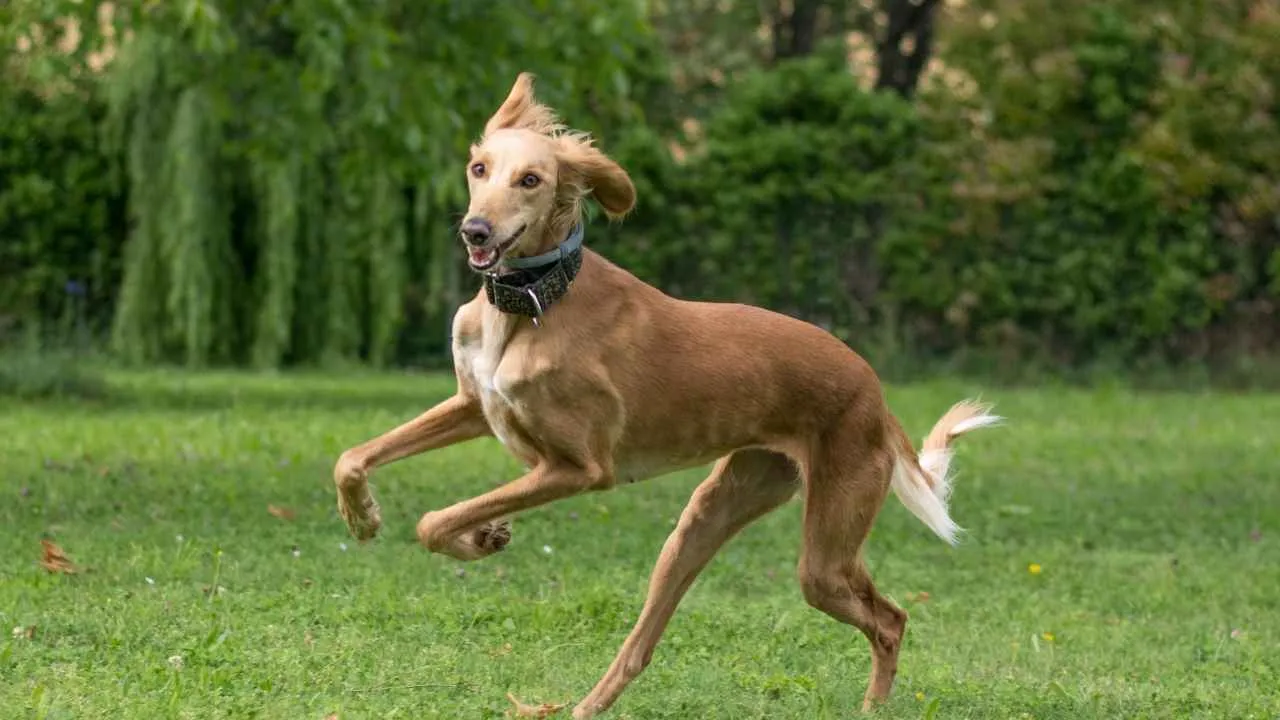
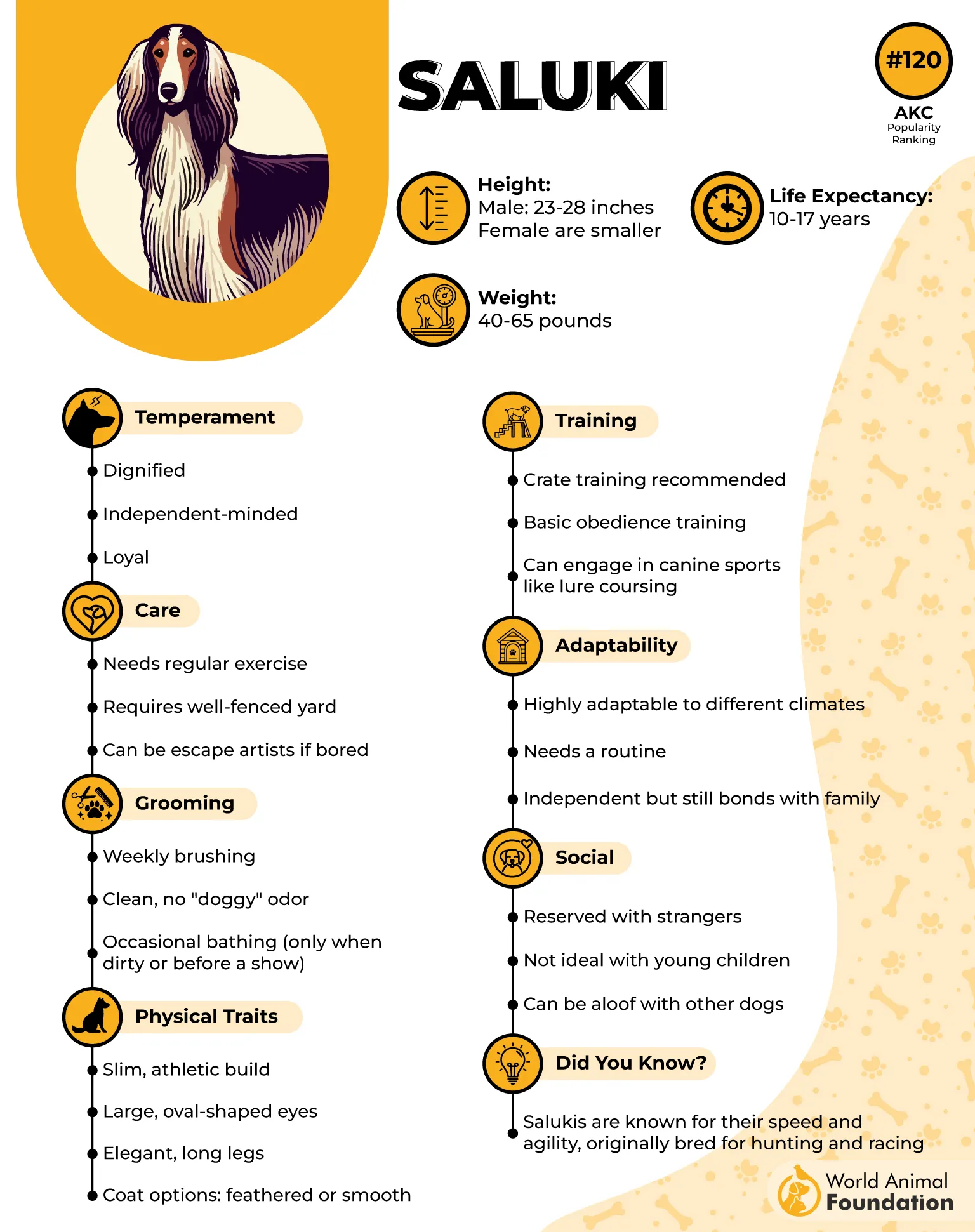
Salukis are among the oldest known hunting dog breeds, with a history dating back to 329 BCE. Their elegant yet powerful bodies were highly valued by royal figures, especially in ancient Egypt.
They have long, narrow heads, silky ears, curved tails, and a graceful appearance that is often compared to a long-haired Greyhound. Their coats can appear in many shades, including light cream and fawn, as well as darker colors.
Caring for Salukis
Salukis need plenty of daily activity and enjoy using their powerful legs for full-speed runs. They can be calm and laid-back indoors, often spending much of the day sleeping.
PetMD mentions that there are two coat types: the feathered variety has longer fur around the ears and tail, while the smooth variety has shorter fur and sheds less. These dogs are clean and catlike in their habits and are known for carefully licking their paws.
Personality and Unique Traits
Salukis are loyal, gentle, and quietly affectionate with their families, but they can be aloof and reserved around strangers. They are independent and may sometimes ignore commands, so patience is important.
They generally get along with other dogs but have a strong instinct to chase small animals and may run after wildlife. They are quiet and seldom bark, making them decent watchdogs but poor protection dogs because of their nonaggressive nature.
7. Pharaoh Hound
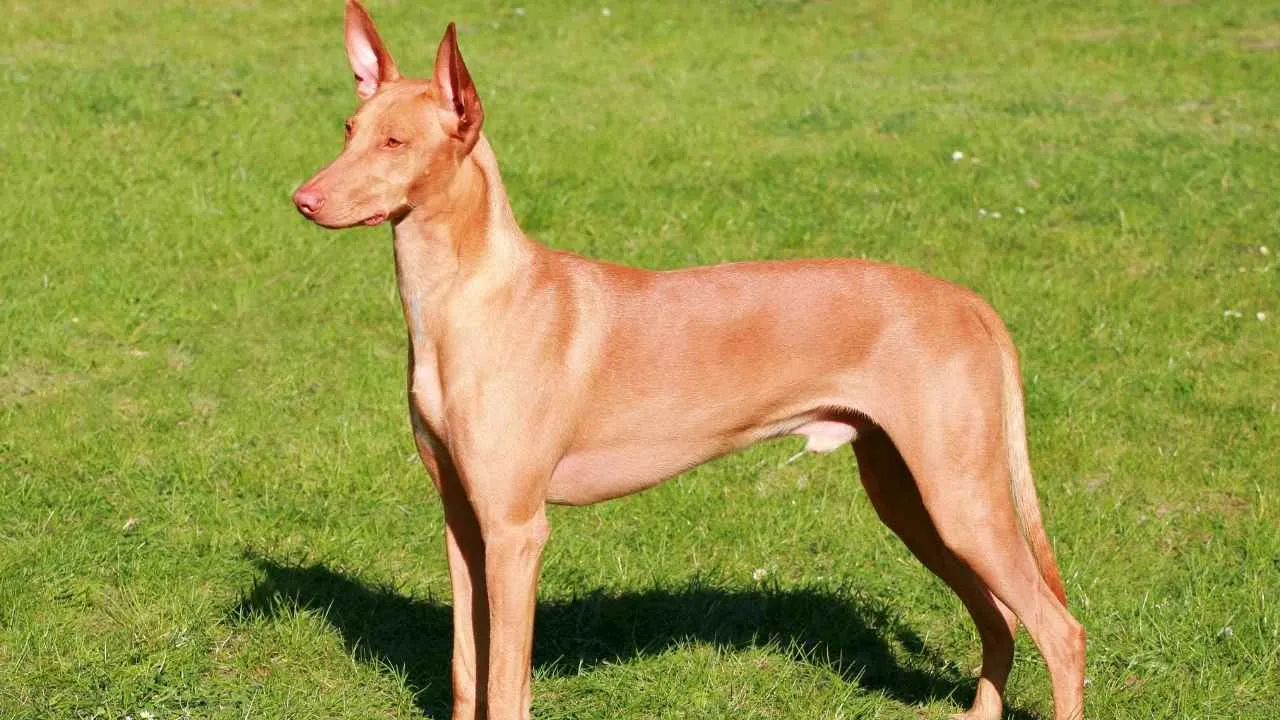
Pharaoh Hounds are elegant, athletic dogs with a distinctive appearance and a fascinating history. Their slim bodies, long legs, large upright ears, and wedge-shaped heads give them a statuesque look. Their short, glossy coats come in tan, chestnut, and golden-red shades.
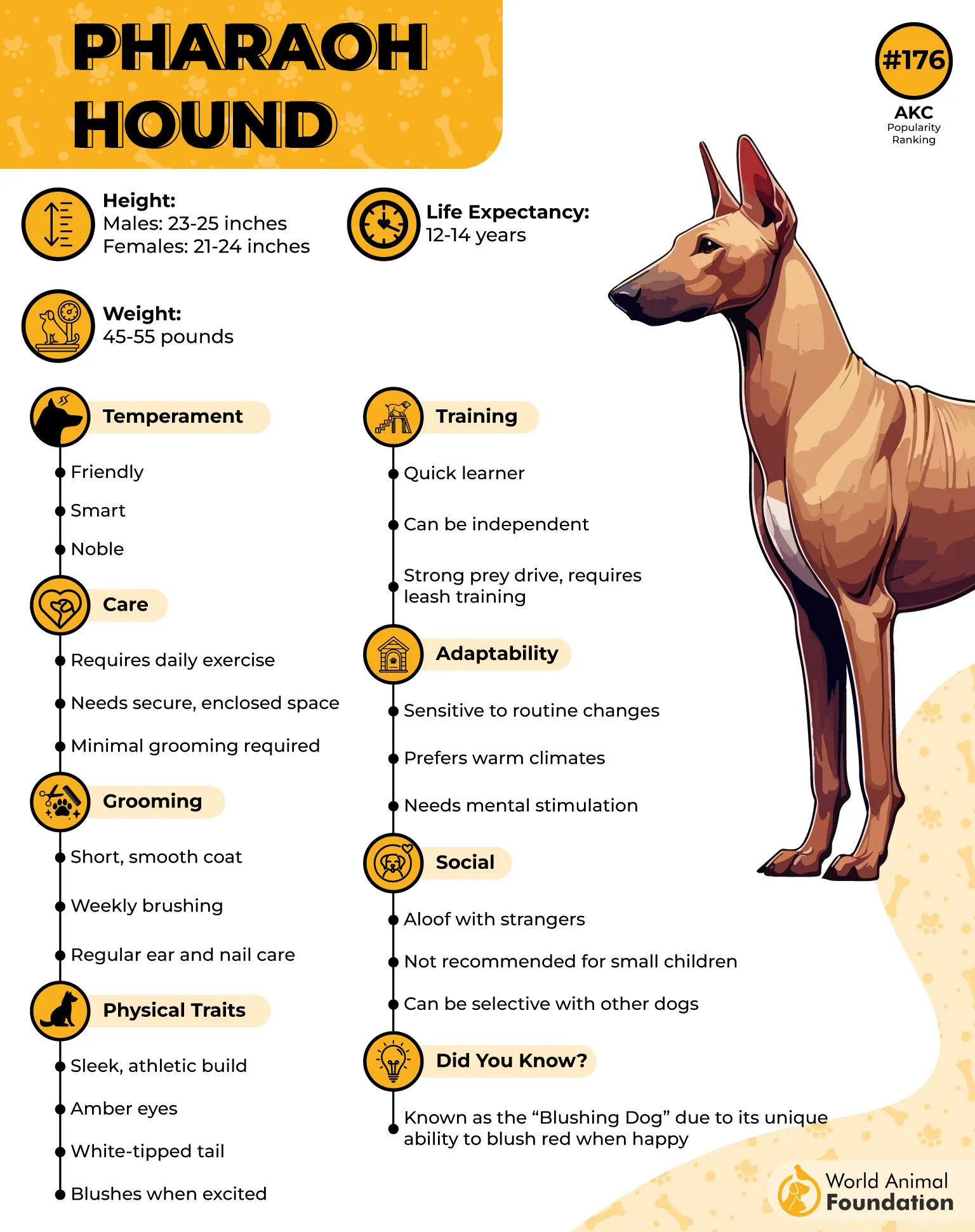
Pharaoh Hounds can actually “blush” when excited or happy, causing their noses and ears to take on a glowing rosy color, a rare trait that has earned them the nickname “Blushing Dog of Malta.”
Caring for Pharaoh Hounds
Pharaoh Hounds are active dogs that were bred to hunt rabbits using both sight and scent. They need daily exercise, such as a good run or romp, and should be kept on a leash or in a securely fenced area when outdoors.
Their short, smooth coats are easy to maintain and need little grooming. After getting enough exercise, they can be calm, quiet, and clean indoors and are often happy to stretch out and rest near their families.
Personality and Unique Traits
These dogs are friendly, affectionate, playful, and gentle with their families. They can be sensitive, cautious, and somewhat aloof around strangers, but they are known for their patience with children and can get along well with other dogs.
They are not especially suited to protection work and may not always be eager to follow commands.
Conclusion
Golden and yellow dog breeds bring plenty of variety, from light cream and soft tan to rich golden-red shades. Beyond their eye-catching coats, these breeds differ in size, energy, grooming needs, and personality. Some thrive on outdoor adventures, while others are happiest staying close to their families.
If you’re considering one of these beautiful dogs, look beyond the color and think about their exercise, training, grooming, and companionship needs. The right dog is about more than a stunning coat. It’s about finding a dog whose nature fits naturally into your everyday life.
