




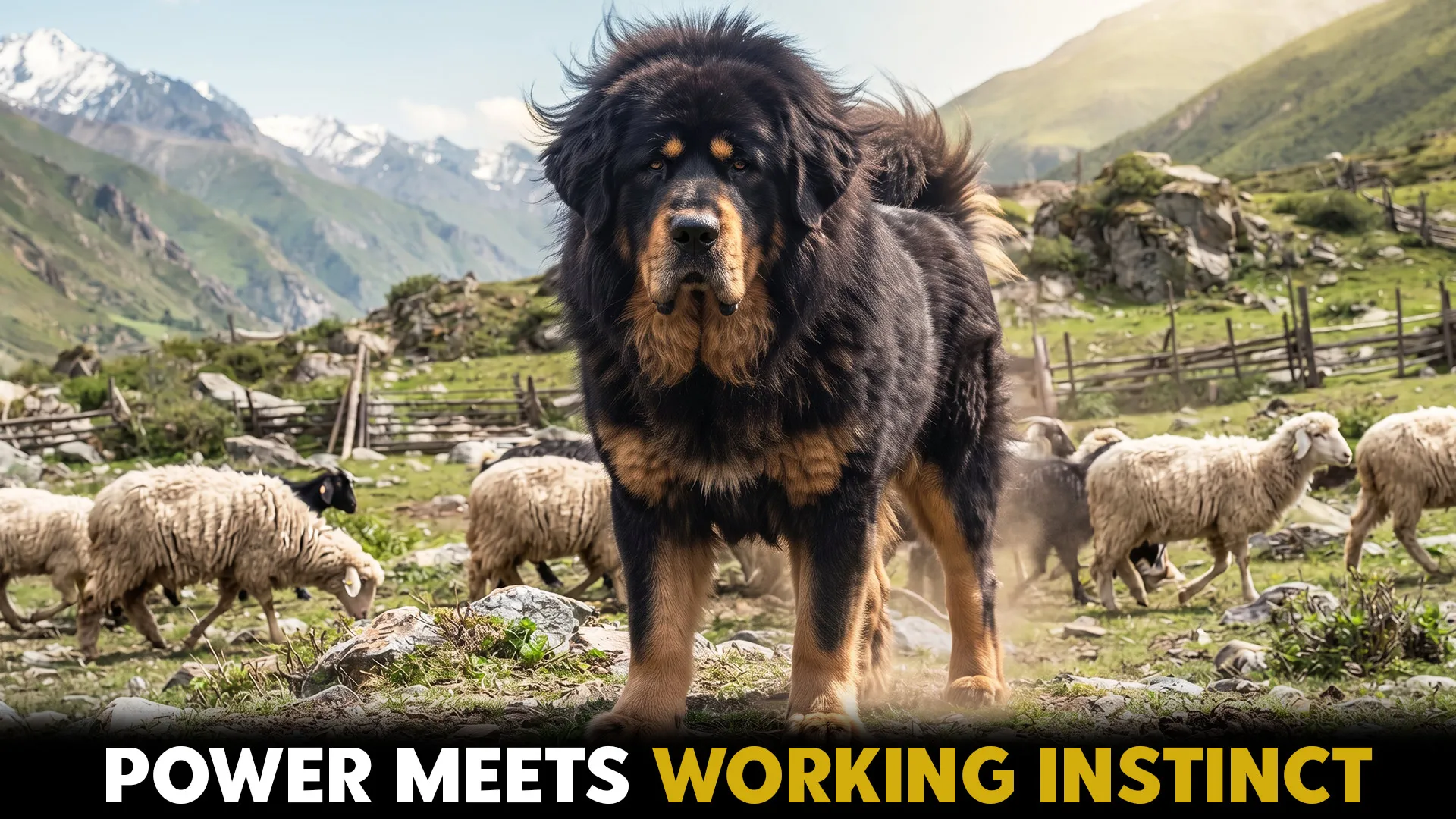
There are working dogs bred for more than just moving livestock from one place to another. They also need to stay vigilant against predators or strangers, a combination that calls for power, courage, stamina, and good judgment.
Herding and guarding livestock are actually pretty different jobs. A herding dog controls an animal’s movement through positioning and commands, while a livestock guardian typically stays with the flock and decides on its own when and how to respond to a threat. Some breeds excel at one role, and a few can handle both.
The breeds covered below don’t just herd sheep and livestock; they also work as guard dogs. Those instincts are still strong in them today, which means they need consistent training, early socialization, secure fencing, and plenty of open space to do their job well.
Strongest Dog Breeds for Herding and Guard Duty
1. Anatolian Shepherd Dog
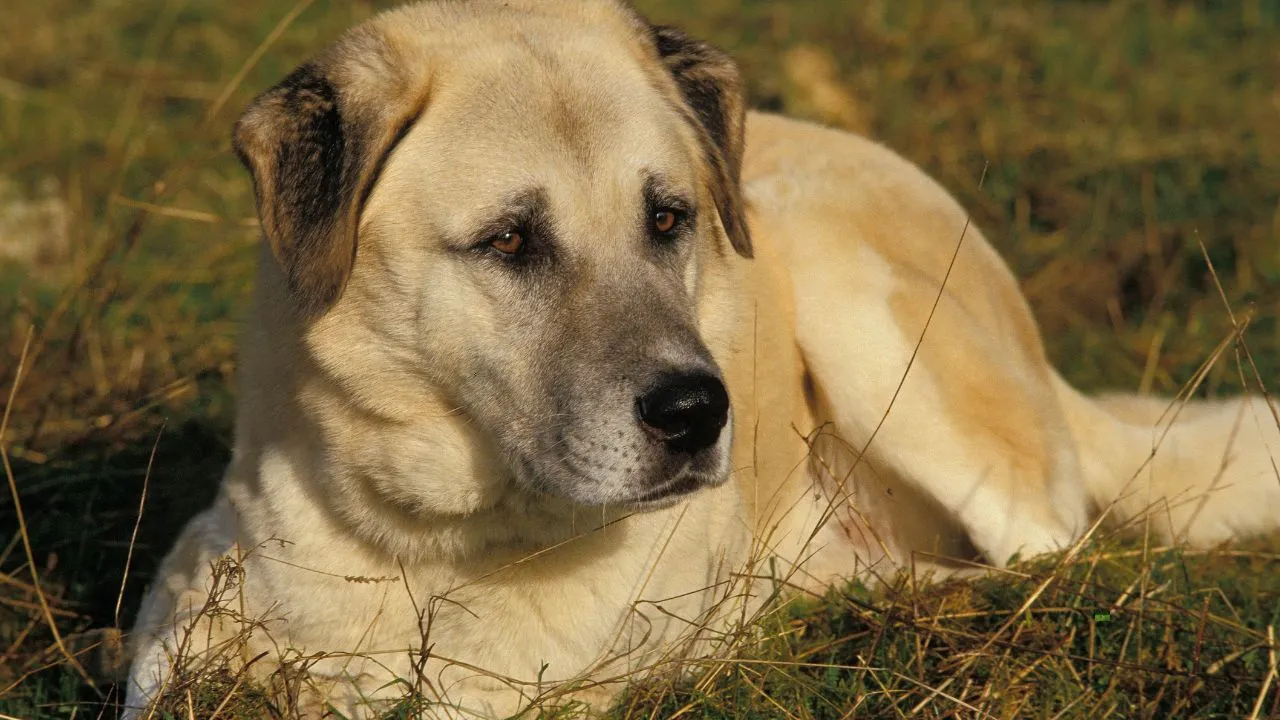
The Anatolian Shepherd Dog was bred in Turkey to defend livestock across vast, harsh terrain, and one of its defining traits is that it doesn’t wait around to be told what to do. It figures things out on its own.
Like many livestock guardian breeds, the Anatolian Shepherd is independent, and that trait actually works in its favor. It can patrol, guard the flock, and respond to threats without a handler standing right there.
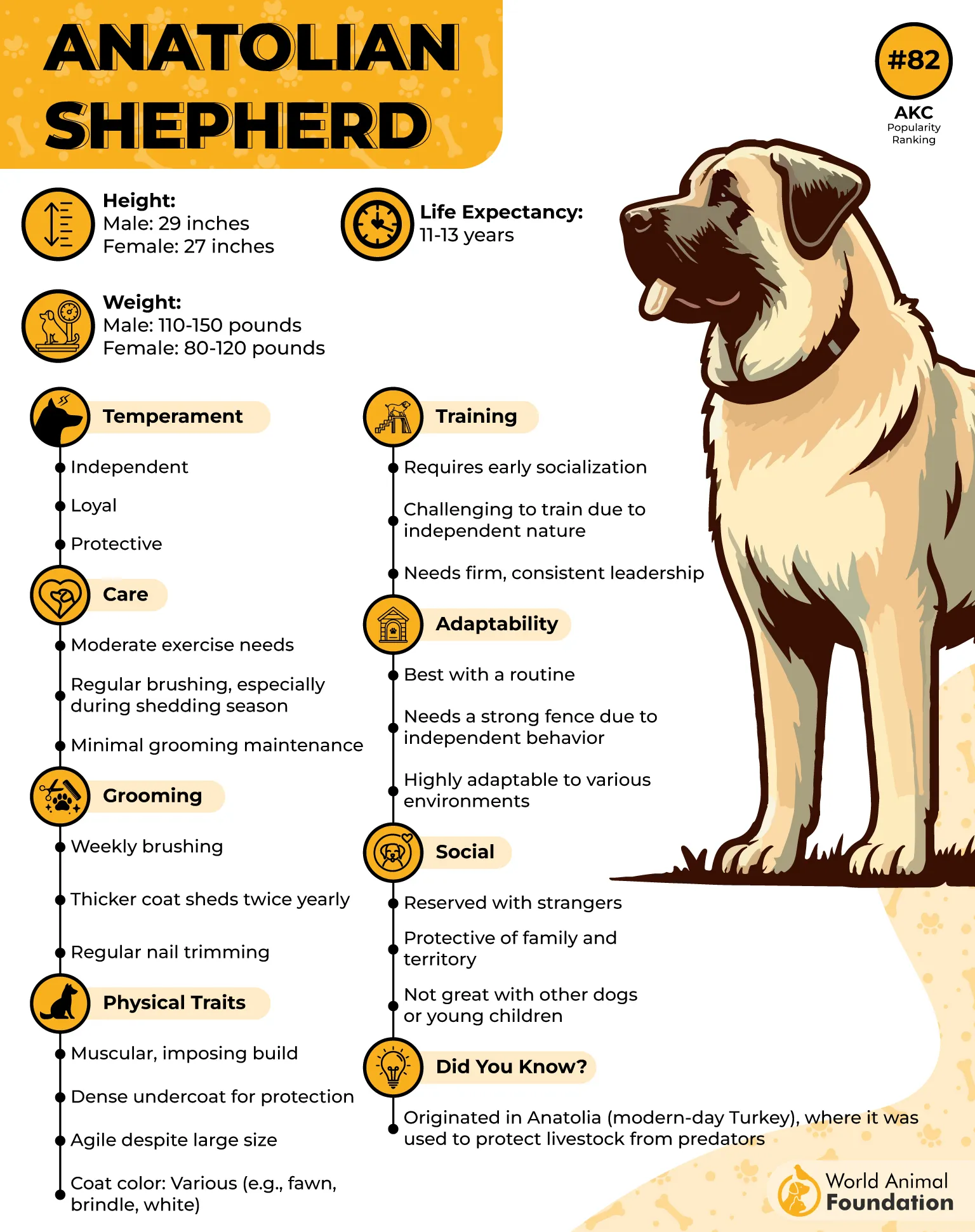
Considered one of the best guard dogs around, this large breed carries a serious protective instinct and can be aloof toward strangers and other animals. Early socialization goes a long way toward preventing unwarranted suspicion or wariness.
Stamina is another strong suit. This breed can spend long stretches outdoors, staying focused without needing constant entertainment, though it still benefits from regular physical and mental stimulation.
That said, this isn’t a good fit for a small property. Given its size, territorial nature, and independent streak, the Anatolian Shepherd needs proper training and an owner who understands what it takes to raise a livestock guardian dog.
2. Maremma Sheepdog
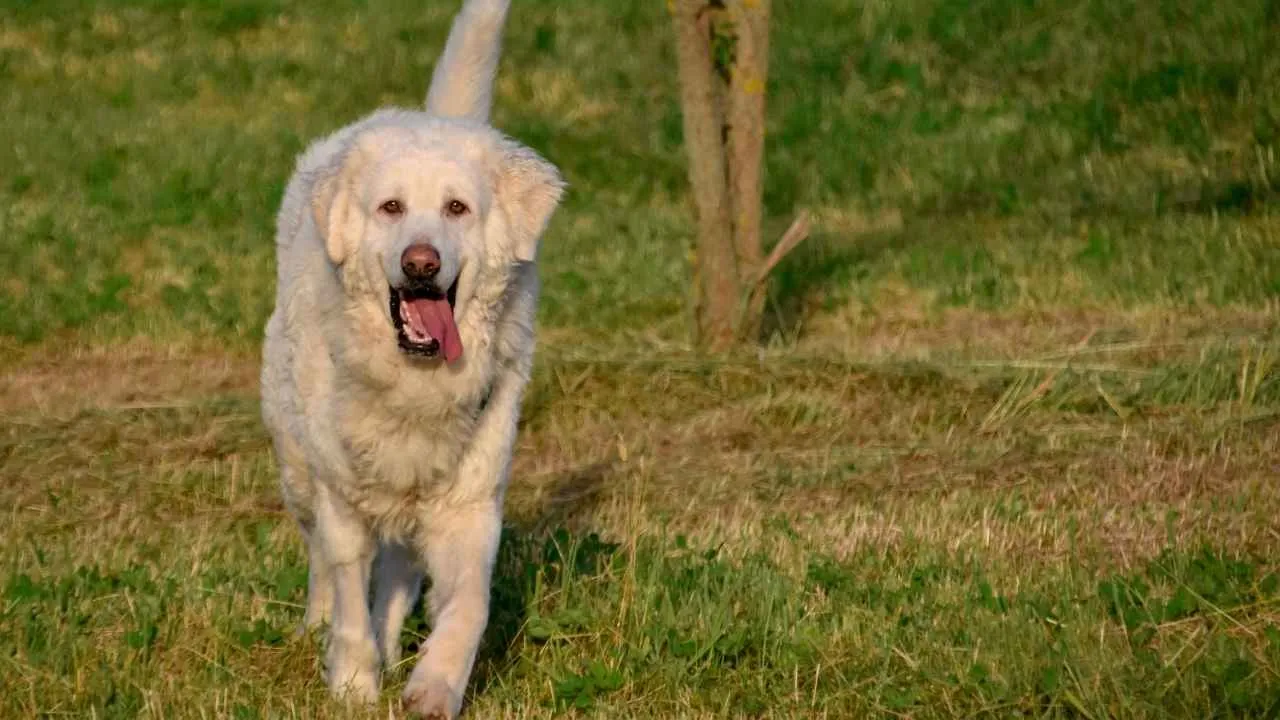
The Maremma Sheepdog is an Italian breed developed to protect livestock, sheep in particular. It works closely around its animals and doesn’t need to chase down predators from a distance to do its job effectively.
This breed is instinctively alert and has a loud bark that kicks in the moment something unfamiliar enters its territory, making that bark a genuinely important part of how it guards.
Maremmas also tend to form strong attachments to the animals they watch over, which is one reason early exposure to children matters, so the dog learns to be gentle and comfortable around them from a young age.
Their thick white coat protects them well through changing weather, but it does need frequent care, especially when the dog spends time in muddy or wet conditions.
3. Kuvasz
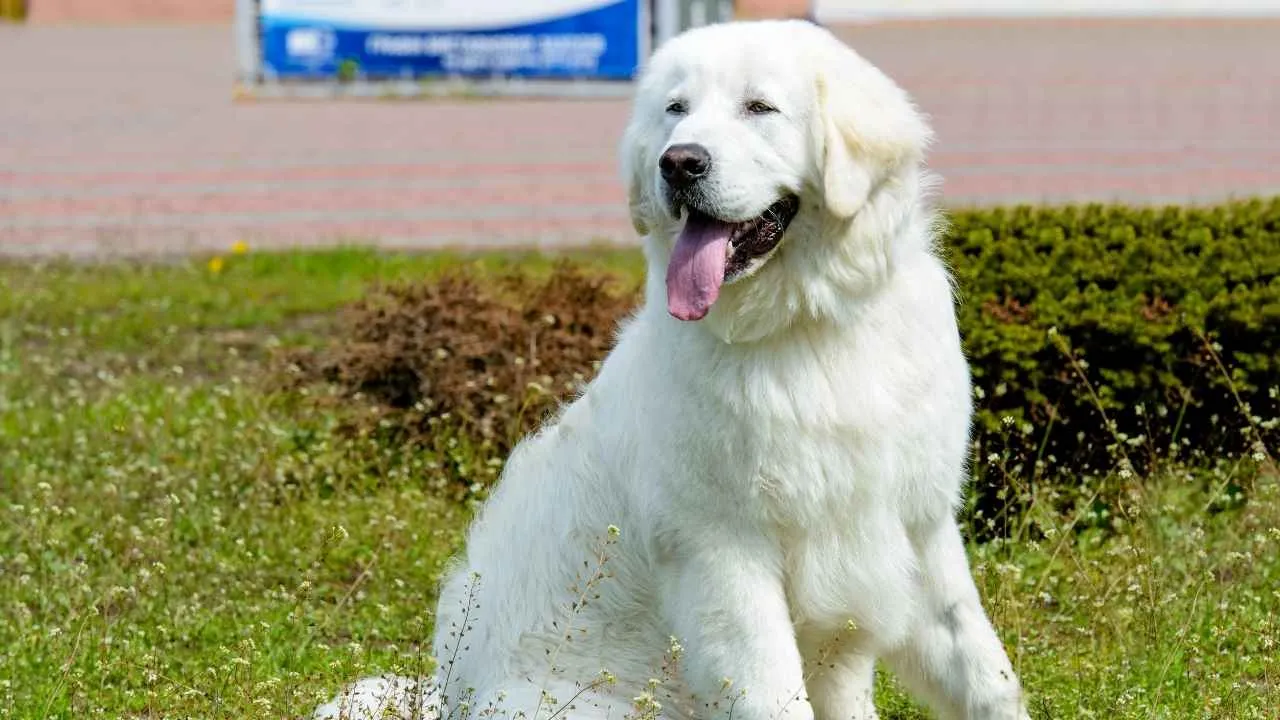
The Kuvasz is a Hungarian guard dog with a long history of protecting both livestock and property. It combines a strong protective instinct with real speed, which gives it an edge when a threat isn’t right in front of it.
Like many livestock guardian breeds, the Kuvasz has an independent streak, and it won’t respond to commands as automatically as more handler-oriented working breeds tend to. That means training calls for patience and consistency. Harsh methods can damage trust and make cooperation harder to build.
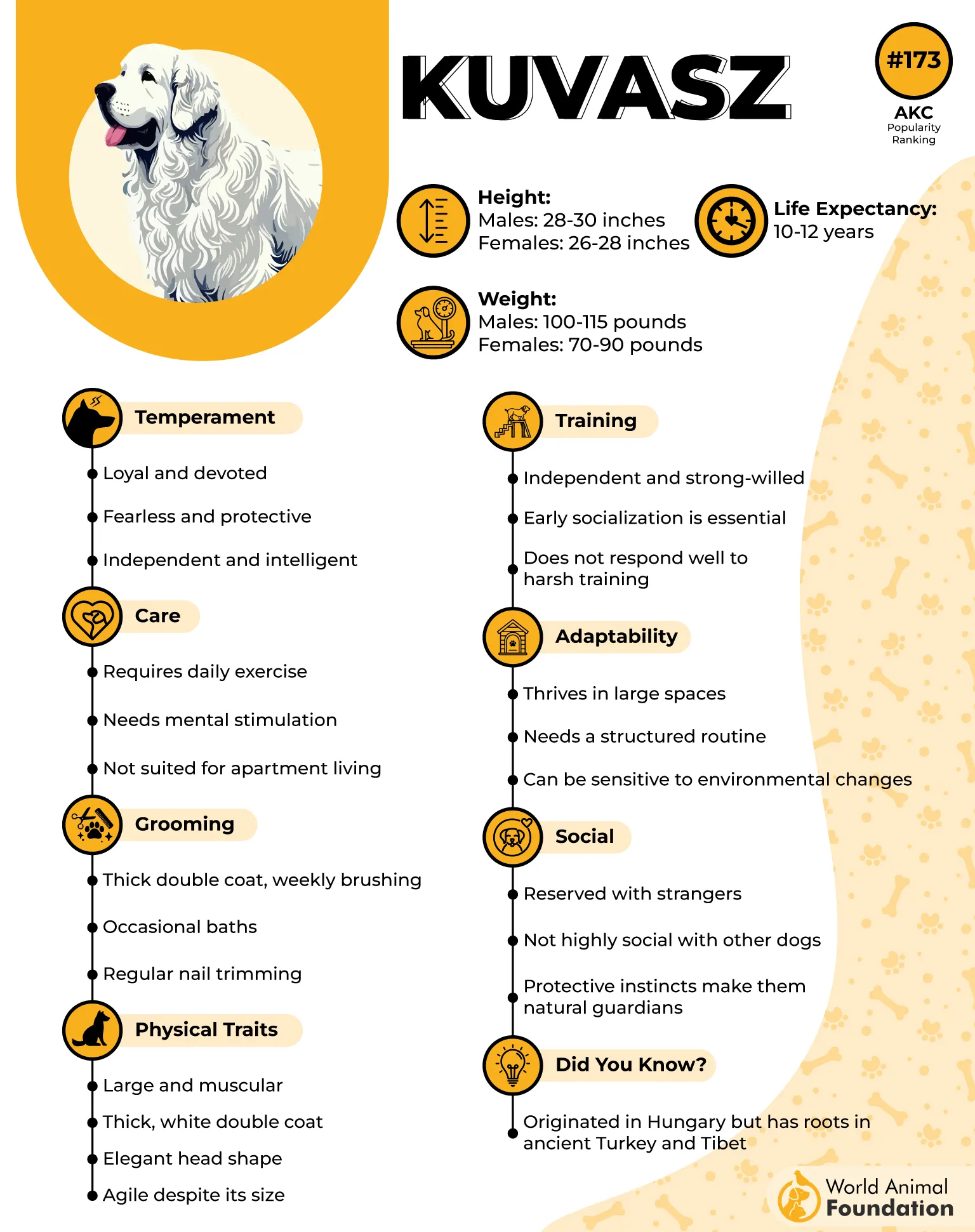
Sometimes called the “companion of kings” by the American Kennel Club, the Kuvasz also has a distinctive white coat, historically useful for helping shepherds spot the dog easily among their livestock and tell it apart from predators at a glance.
At its core, this is a protection-first breed, and owners shouldn’t expect it to behave like a typical obedience-focused companion.
4. Romanian Carpathian Shepherd
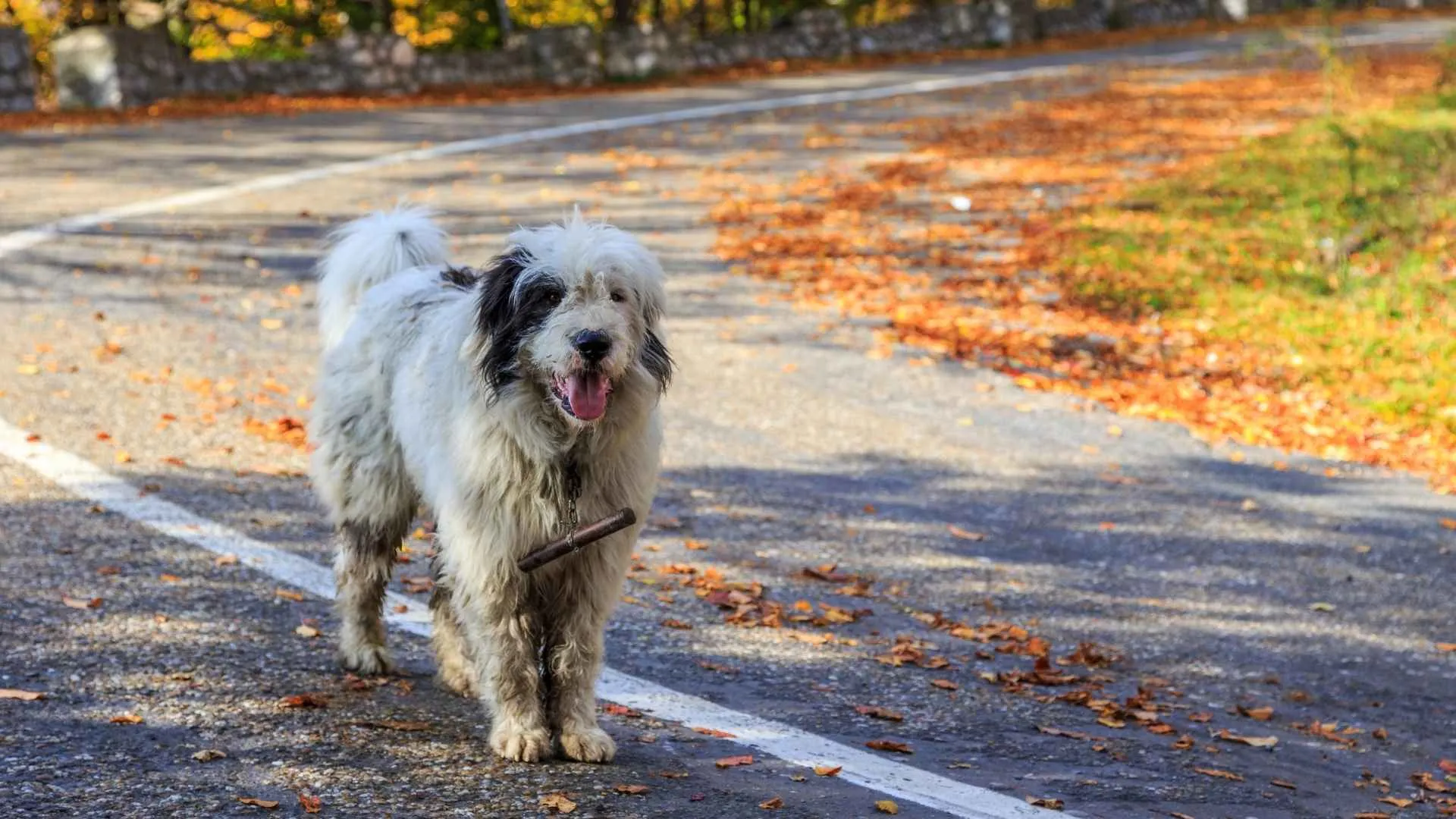
The Romanian Carpathian Shepherd was developed in the Carpathian region to guard livestock against predators. The rugged environment it worked in shaped a dog built to handle harsh terrain and shifting weather, one that stayed close to the flock while remaining alert to everything happening around it.
Temperament-wise, this breed is quiet, serious, and intensely focused on the job at hand. It doesn’t need to be constantly “on” to do its work well, but when real danger shows up, its protective instincts kick in hard.
The Carpathian Shepherd needs plenty of room to roam, so an apartment or even a small urban yard just won’t cut it. For rural owners with large grazing land, though, this breed offers a rare mix of endurance, vigilance, and loyalty to the livestock it protects.
5. Tibetan Mastiff
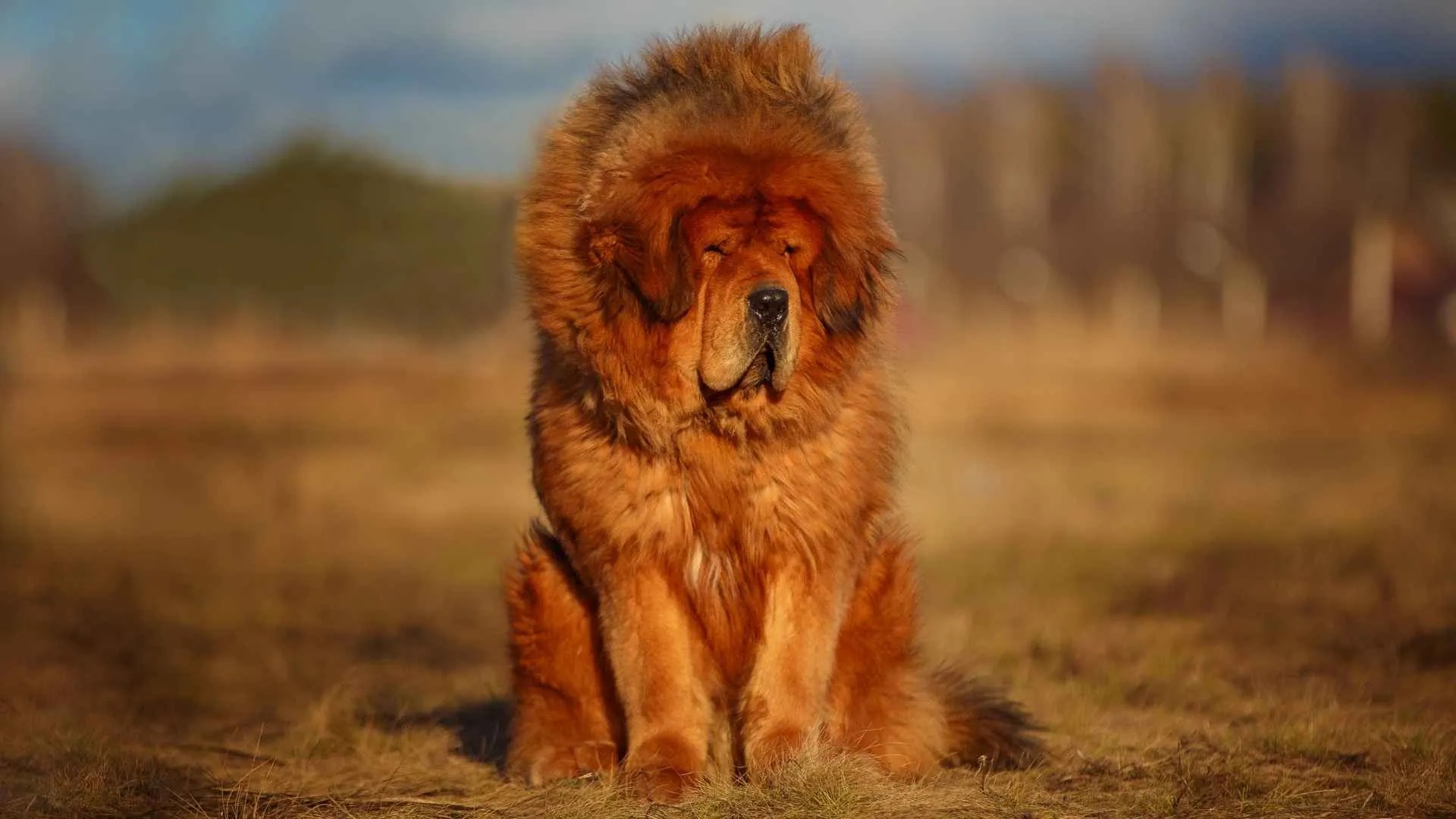
Known for its lion-like appearance, as noted by PetMD, the Tibetan Mastiff is one of the most iconic guardian breeds, and its history backs up that reputation. It developed in the Himalayan region, where dogs were needed to guard livestock, homes, and entire communities, and the extreme weather there favored dogs tough enough to stay outdoors on watch.
This intelligent breed is particularly territorial and often more active at night, using its bark to signal anything suspicious. That nighttime vigilance is a real asset in remote, isolated homes, though it can become a problem in tighter, more crowded neighborhoods.
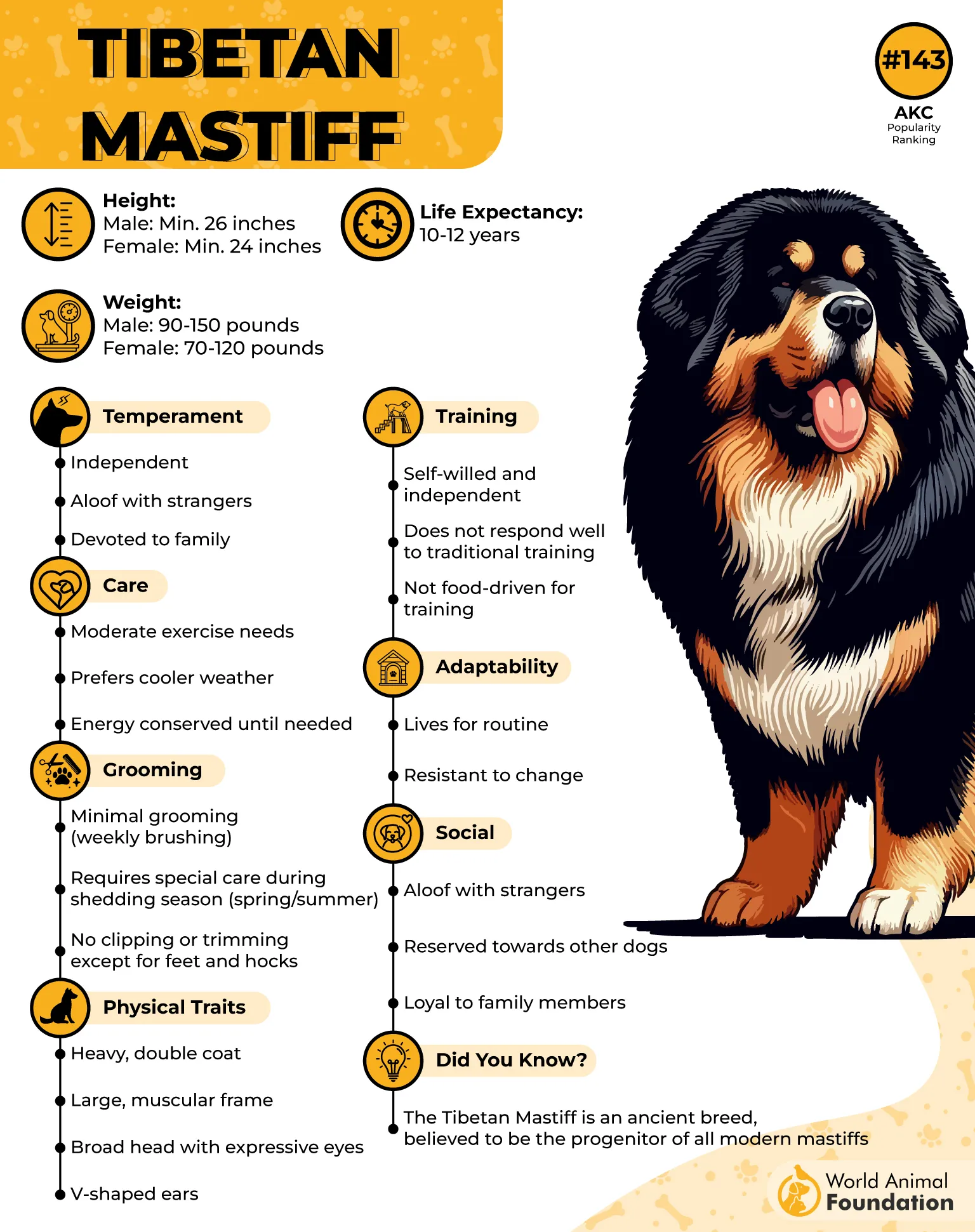
Tibetan Mastiffs also aren’t the best fit for owners who expect constant obedience. They’re independent thinkers and tend to decide for themselves what’s worth paying attention to.
Their mountain ancestry shows up clearly in their thick coat too, which sheds heavily during seasonal changes, so grooming shouldn’t be underestimated. While the breed is deeply loyal to its family, its guarding instincts do need to be managed carefully and responsibly around visitors.
6. Caucasian Shepherd Dog
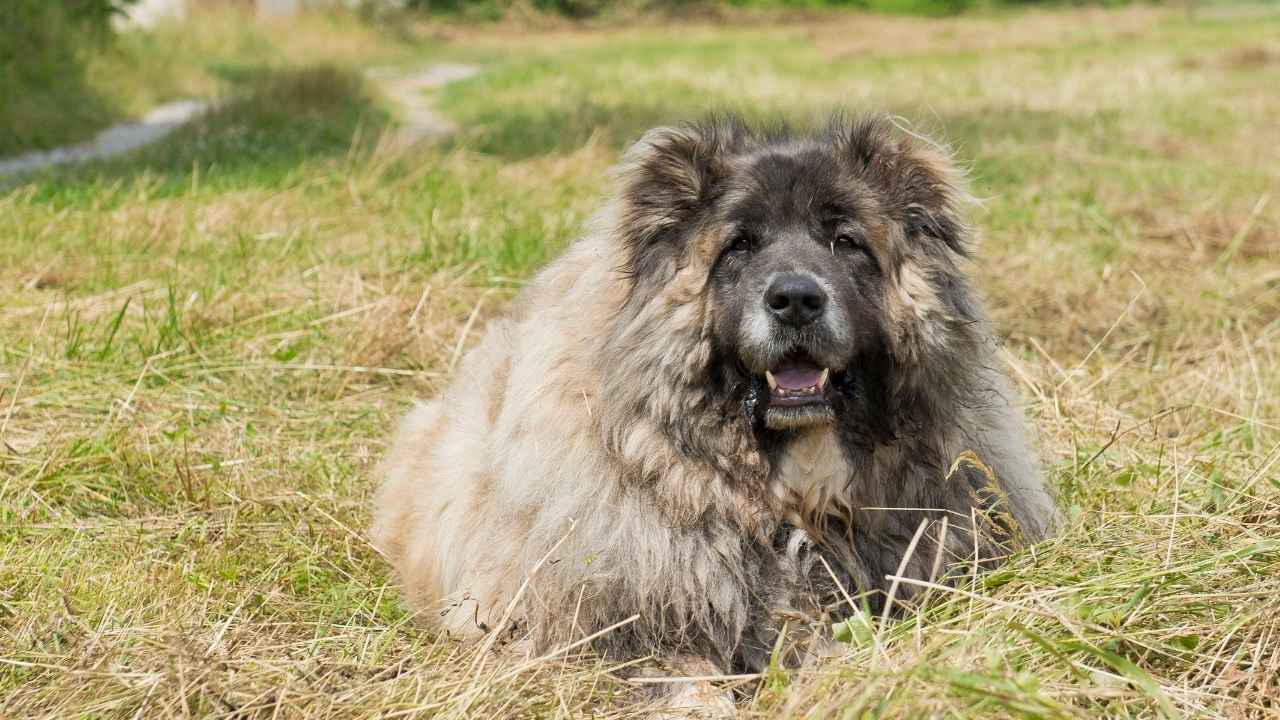
The Caucasian Shepherd Dog was bred throughout the Caucasus region to protect livestock and property, and it’s among the strongest breeds on this list. Its sheer size alone is often enough to scare off predators without any physical confrontation needed.
Caucasian Shepherds have also proven themselves as capable police dogs and perform well in various dog sports. Around their own family, though, these dogs tend to show a genuinely gentle, affectionate side.
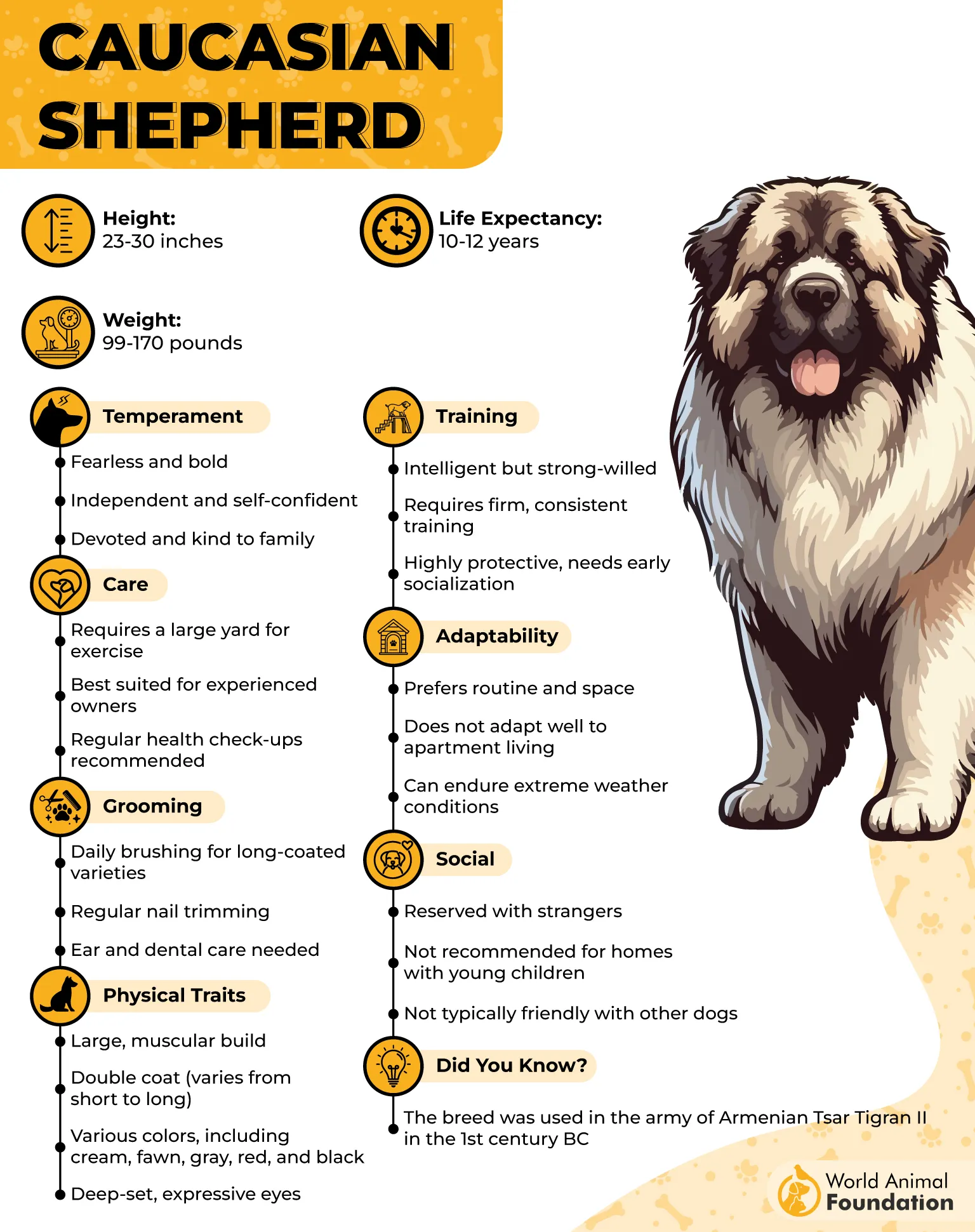
Naturally suspicious of unfamiliar people, this instinct was incredibly useful for defending remote farms, but it needs to be managed carefully in a modern setting. Early exposure to different people, animals, sounds, and environments is essential.
Secure fencing and clear boundaries matter too. With the right space and an experienced owner who understands its confident, protective nature, the Caucasian Shepherd can really thrive.
7. Komondor
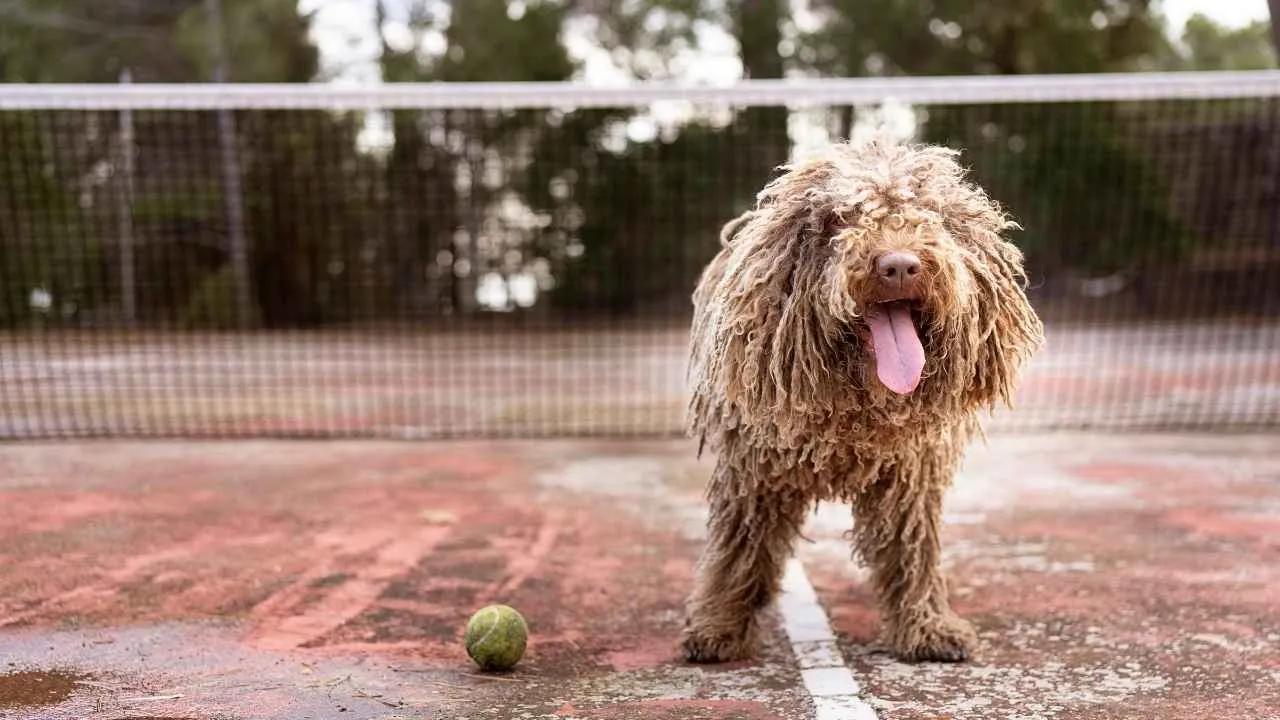
The Komondor might be one of the easiest livestock guardian breeds to spot, thanks to that unmistakable long, corded coat. But those cords aren’t just for looks; they developed as protection against tough weather and even offered a bit of a buffer against predators.
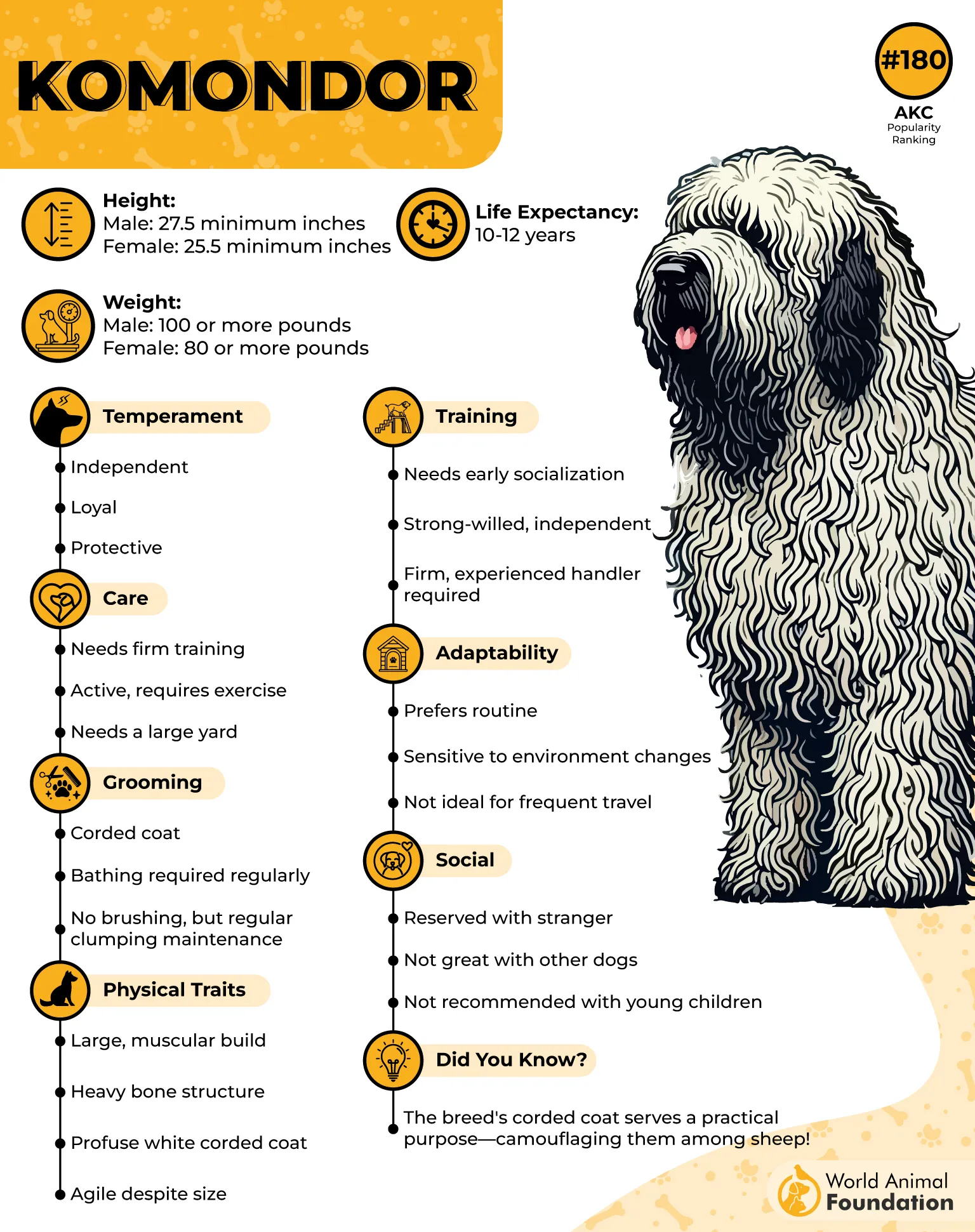
Originally from Hungary, this breed was built to live directly among the livestock rather than staying close to a shepherd all day, and that background is exactly where its independent personality comes from. A Komondor doesn’t rely on constant human direction to make decisions, which means it benefits from mental enrichment to stay sharp, engaged, and reliably loyal at its job.
This breed is instinctively protective of both its animals and its territory, so early socialization matters a lot, especially when it comes to getting comfortable around visitors or other pets in the home. Britannica describes the Komondor as a devoted guardian, and it’s every bit the serious working dog, one whose famous coat also needs some genuinely special care.
Conclusion
Not every large dog makes a great livestock guardian. What really matters is whether the herding breed’s instincts line up with the animals, property, predators, and working conditions it’s dealing with.
These popular herding dog breeds all need space, clear boundaries, early socialization, and proper handling. They also need to be introduced to livestock gradually, not just placed in a pasture and left to figure things out on their own.
With regular exercise and consistent training, working dogs like these can become exceptional at their jobs; some are even valued by military and intelligence agencies for their sharp reflexes and agility.
In the right rural setting, a well-trained guardian dog can be a genuinely valuable addition to a farm. Naturally vigilant and deeply committed to the animals in its care, it earns its keep simply by staying watchful and true to what it was bred to do.
