




Not every dog dreams of following orders like an employee waiting for the performance reviews. Some dog breeds think for themselves, question your decisions, and occasionally give you a look that says, “Nice suggestion, human.”
Strong-willed big dogs are intelligent, confident, and often deeply loyal. They were bred to guard livestock, protect families, hunt large game, or work independently without constant direction.
According to the American Kennel Club, many guardian and working breeds were specifically developed to make decisions independently in challenging environments. That independence is exactly what makes them fascinating companions.
If you are an owner who values mutual respect over blind obedience, these seven remarkable breeds might be your perfect match.
Strong‑Will Big Dog Breeds for Independent Owners
1. Anatolian Shepherd
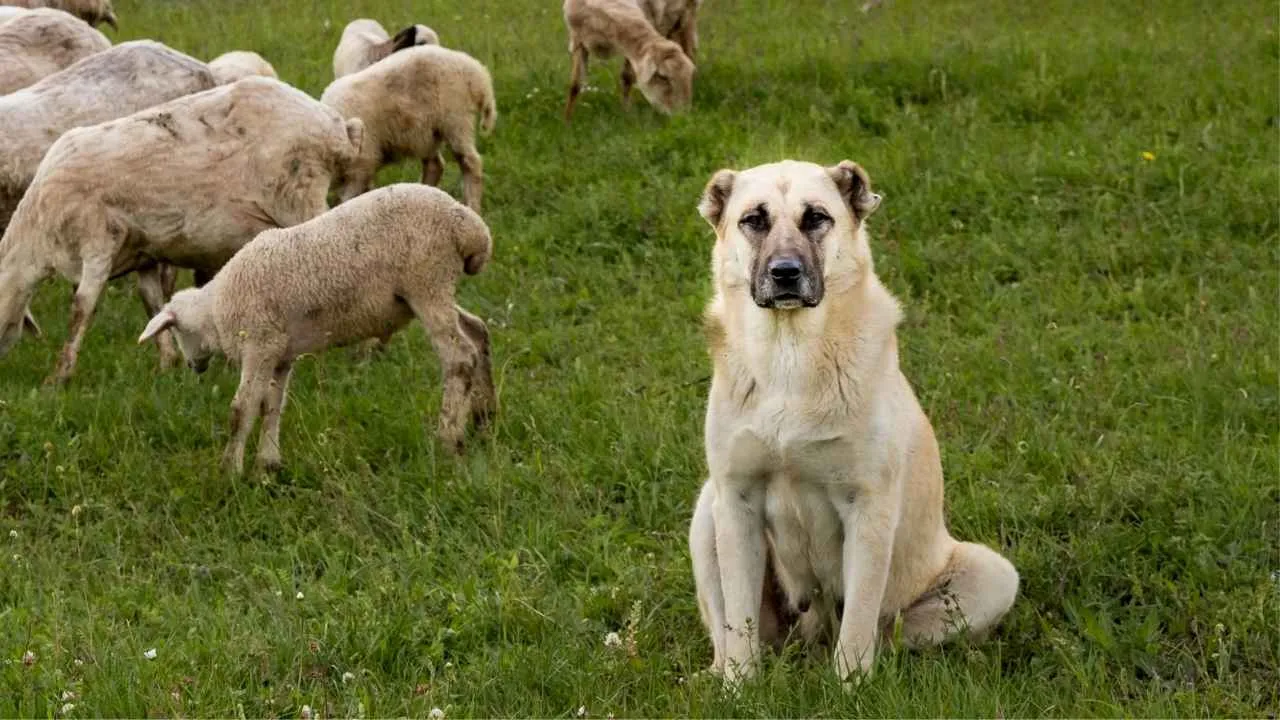
This ancient dog breed is a descendant of the mastiff-type dog and the flock guardian dog. Developed in Turkey, this breed was developed to protect livestock from wild animals, including wild boars and bears, according to Purina. It is built for long-distance endurance rather than high-speed bursts.
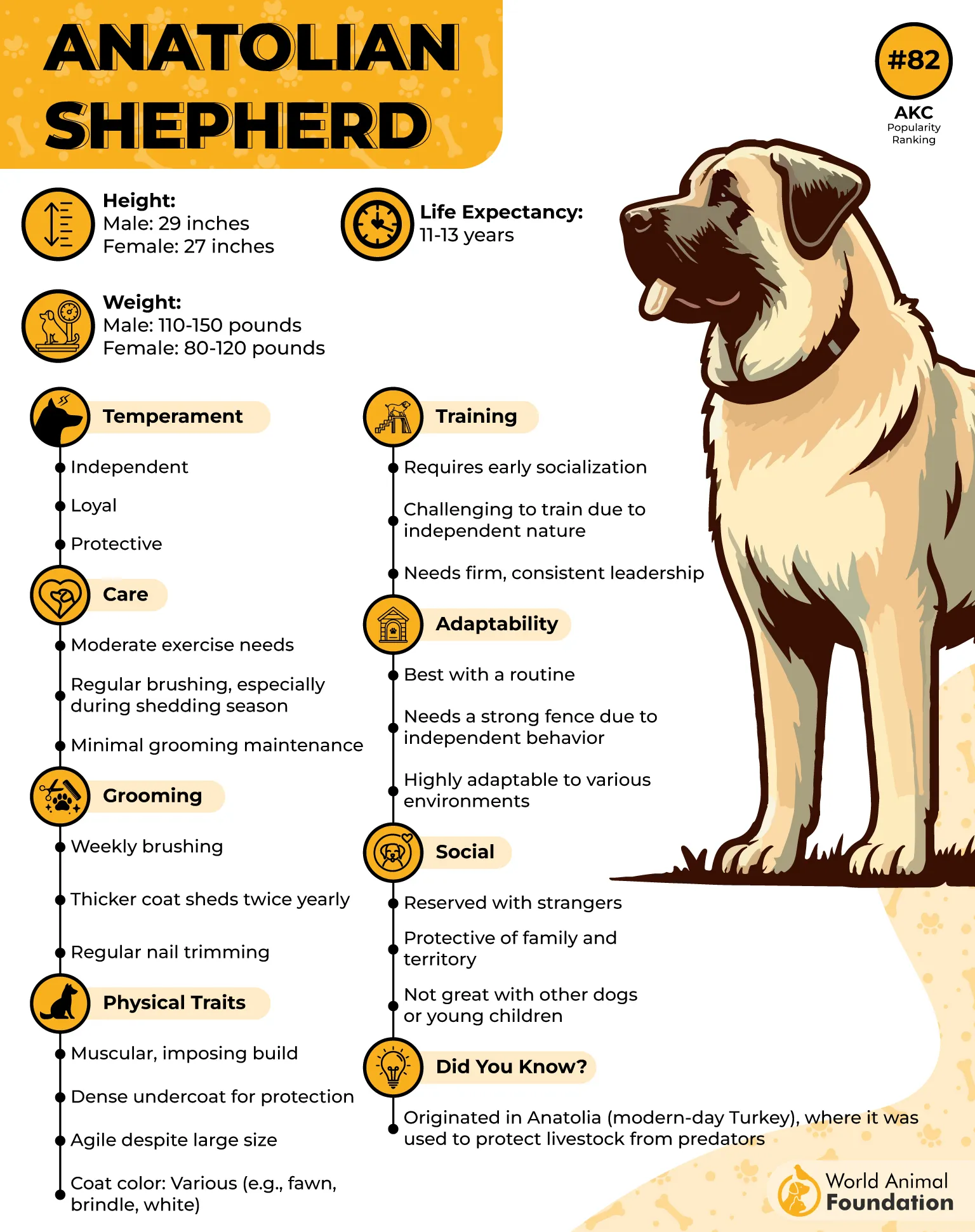
This gentle giant has a calm temperament and does not require constant attention from the owner. It has a sharp capacity to access territory, read environmental cues, and make defensive decisions. The Anatolian Shepherd can survive on scarce food sources while watching flocks, since it has relatively low food intake.
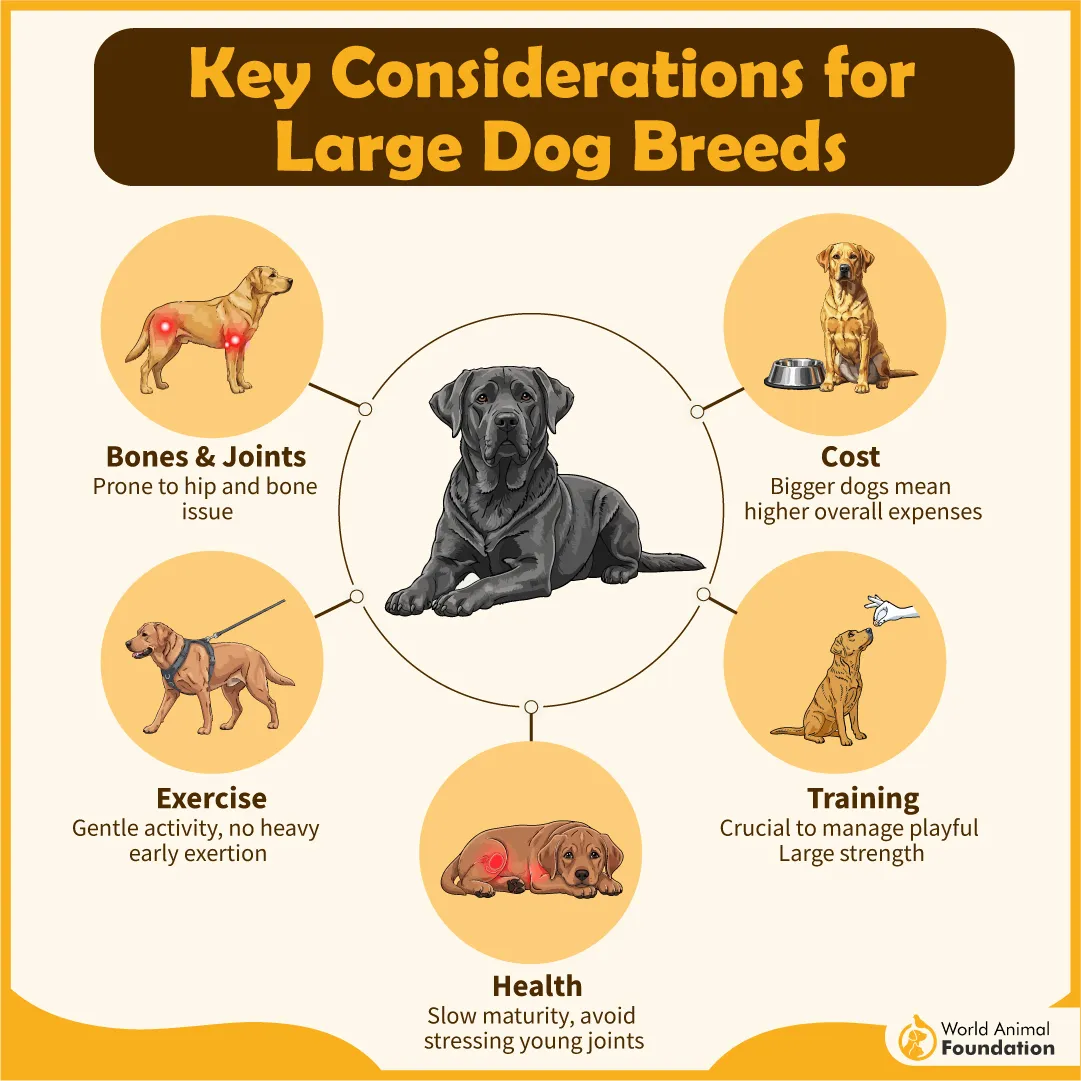
It exhibits a bite force of 743 PSI with highly developed jaw muscles. The powerful neck provides leverage to handle and subdue predators. This independent dog needs 1.5-2 hours of daily exercise: long walks, jogging, leash training, and mental stimulation.
2. Tibetan Mastiff
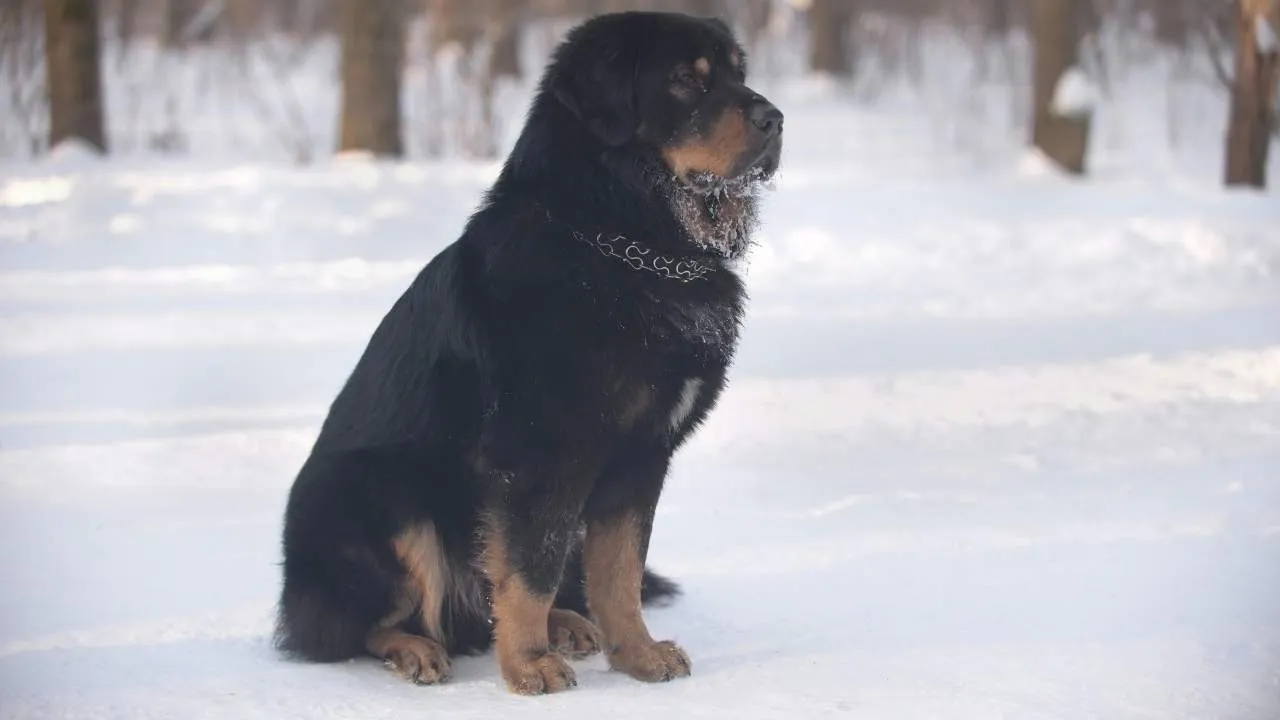
This lion-like, massive breed has a long history dating back to 1100 BCE. Though aloof in nature, the Tibetan Mastiff makes strong bonds with the owner and their family members. It was bred to protect the villages and monasteries of the Himalayas. It was once kept by the Prince of Wales and Queen Victoria.
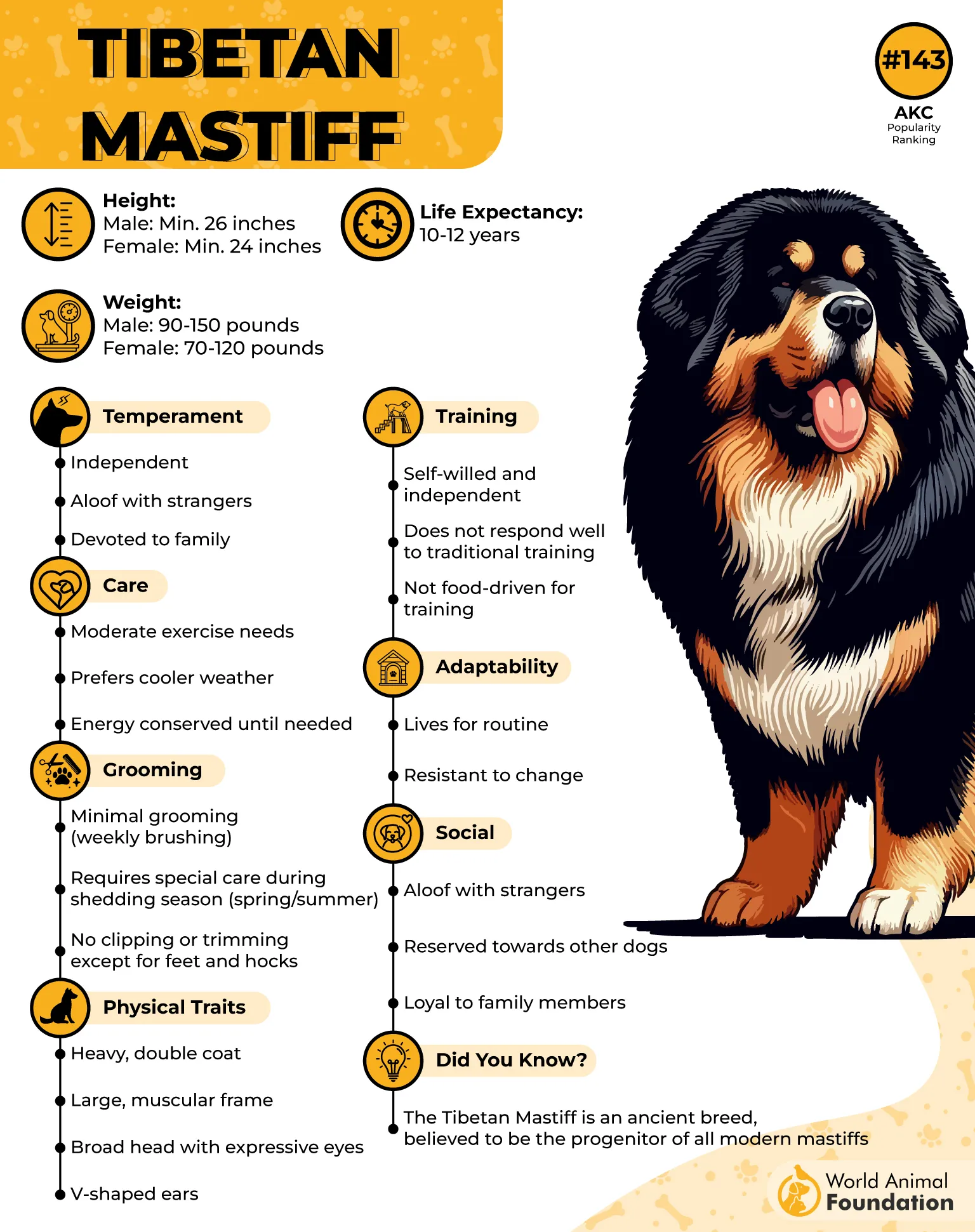
This large dog breed is designed to sleep during the day and work at night, making it an alert nocturnal breed. It is adaptive to short bursts of explosive physical activity for energy conservation. The Tibetan Mastiff is exceptionally well adapted to life at high altitudes, with genetic traits that support efficient oxygen utilization and help it thrive in the cold, rugged conditions of the Himalayan region.
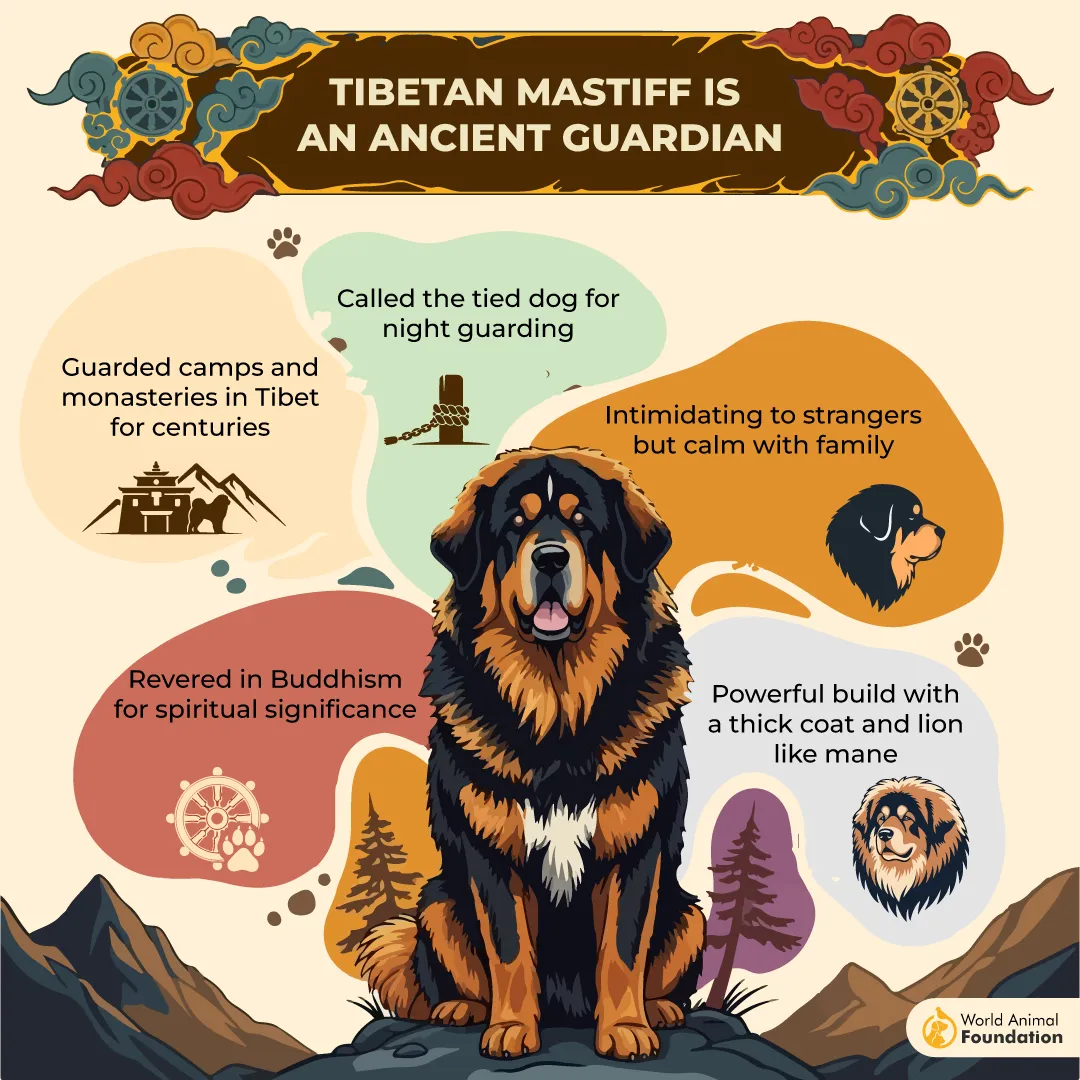
It is not a people-pleaser breed since it was designed to handle large tracts without human supervision. It has moderate exercise requirements (45-60 minutes): 2-3 walks a day, non-repetitive activities like patrolling, puzzle toys, and basic obedience training.
3. Akita
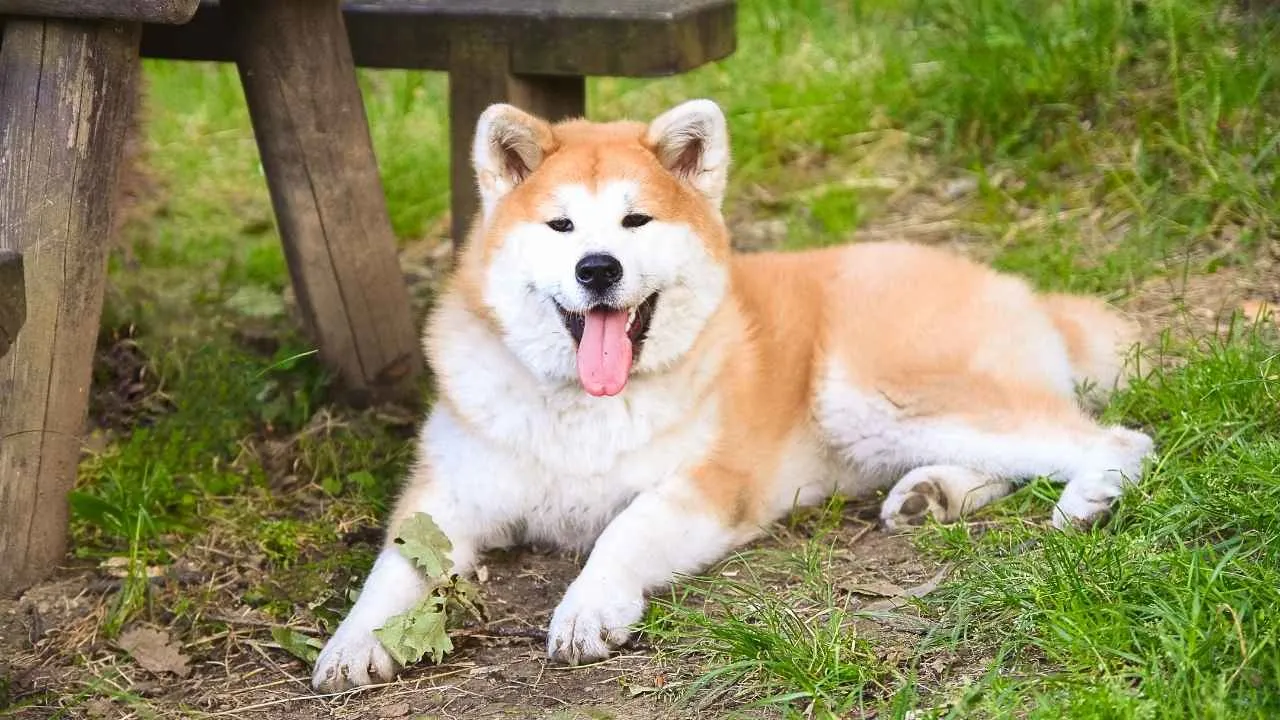
This smart dog breed was developed in the mountainous region of northern Japan. It is believed that the dog acted as a fighting companion alongside the Samurai centuries ago. This large breed is considered a symbol of wealth and good luck across Japanese culture.
It has cat-like grooming habits, such as licking its paws and coat to remove dirt and debris, and has minimal dog odor. Despite being massive, the breed has low energy levels. The small and thick ears enable blood circulation, thus self-regulating internal body temperature.
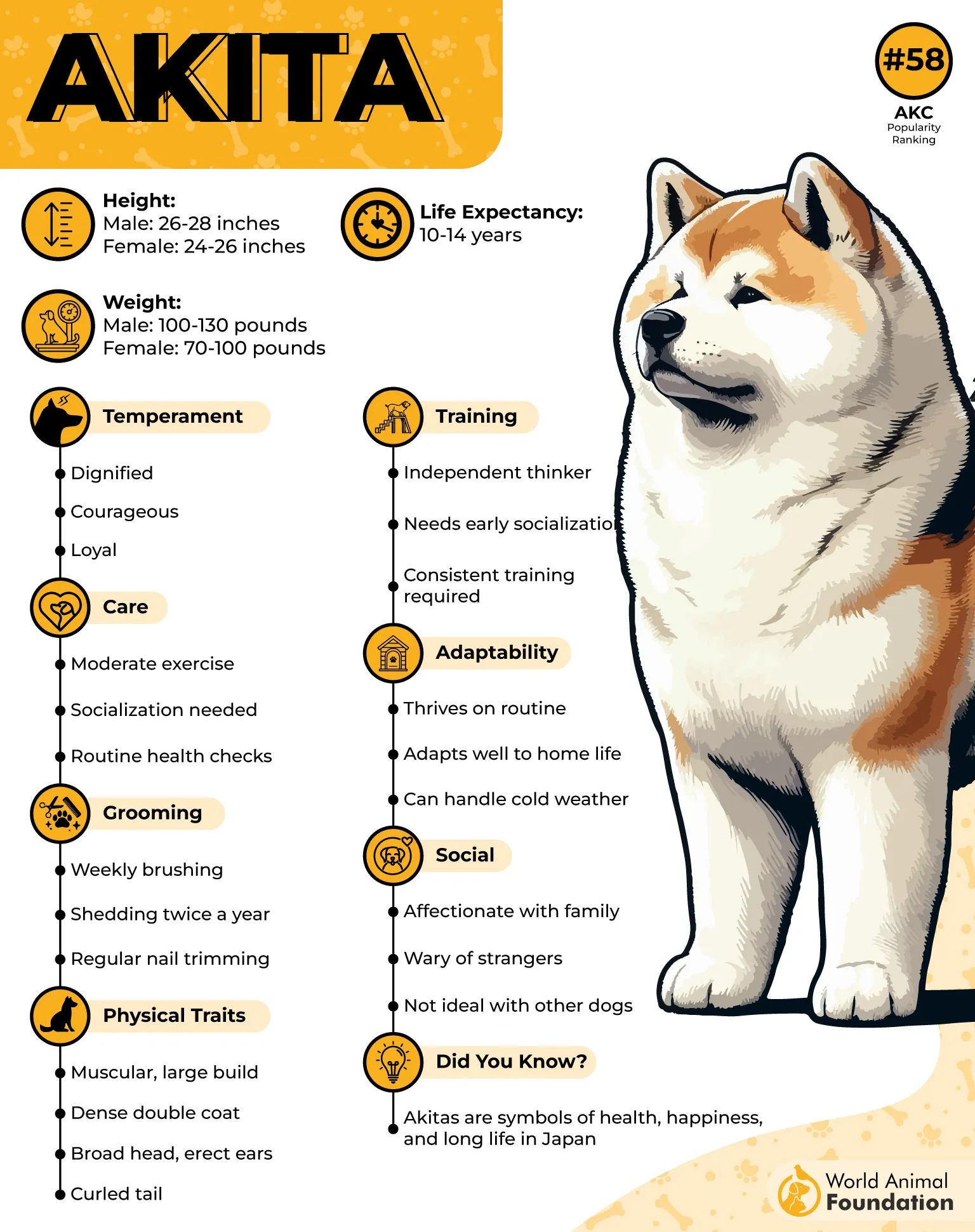
This large dog has moderate exercise needs (30-60 minutes): daily walks, jogging, and indoor play. Since it is a highly intelligent breed, it can easily get bored with repetitive training sessions. Left alone for too long, it will develop separation anxiety, leading to destructive behaviors.
4. Afghan Hound
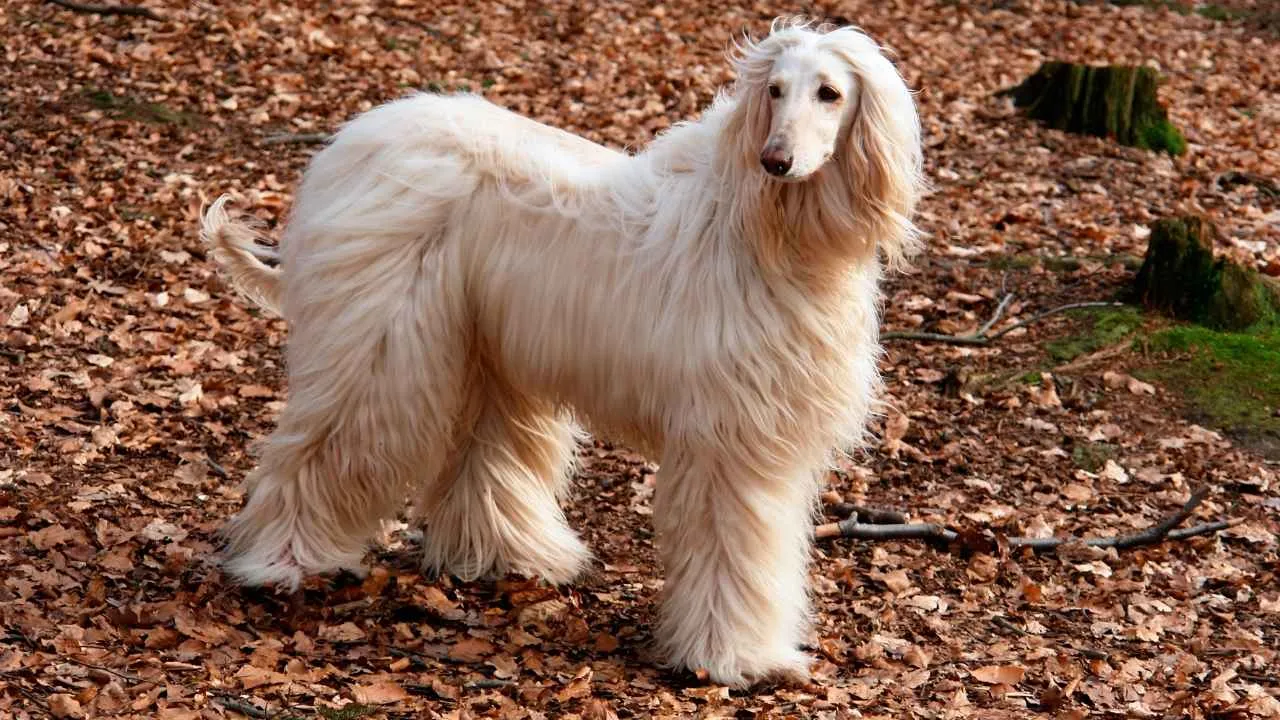
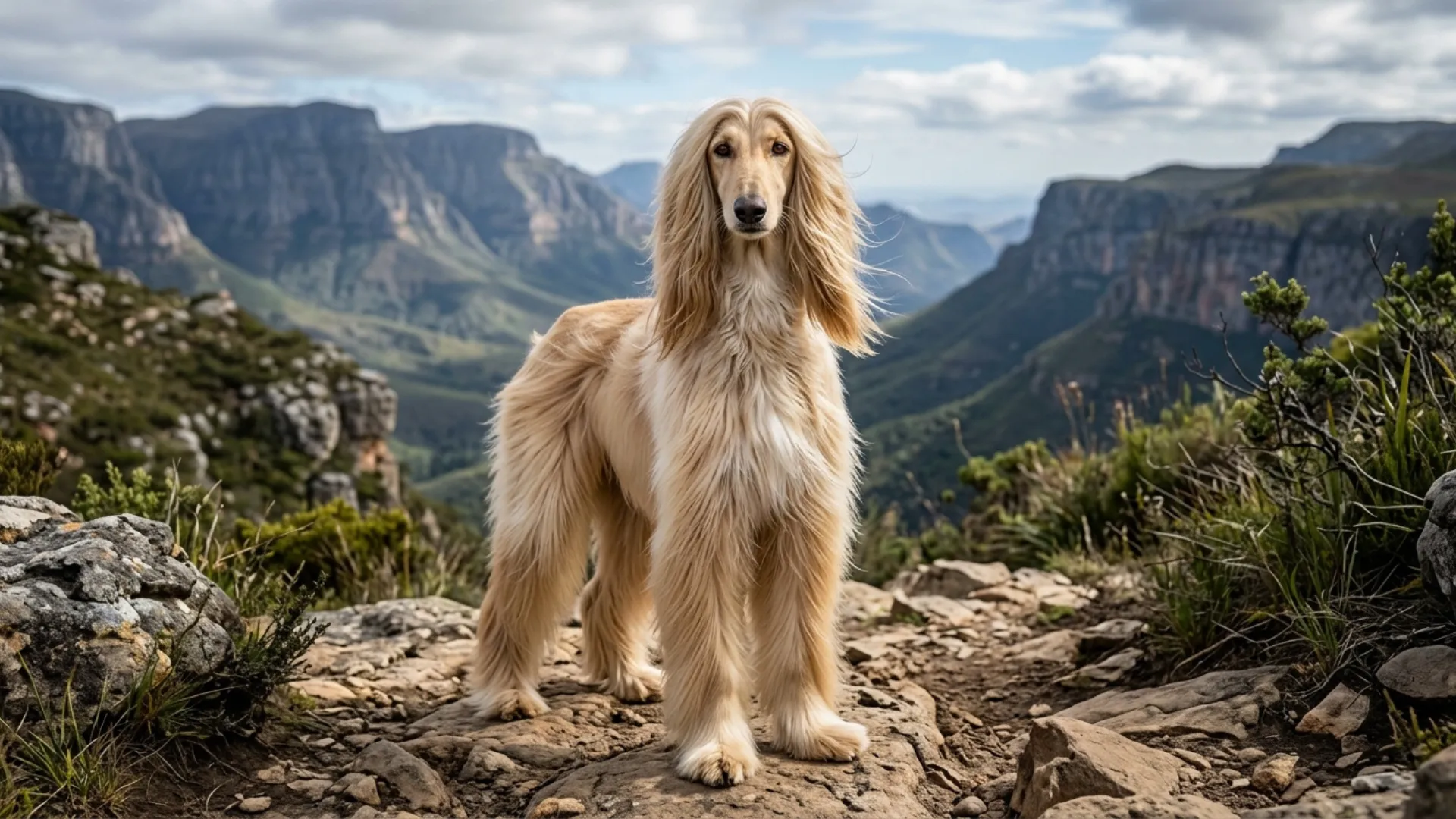
Originating in the cold mountains of Afghanistan, the Afghan Hound is known for its thick, fine, and corded coat. Its huge padded paws serve as the shock absorbers on a rocky terrain, and the specially designed double coat protects it against harsh climate and predators’ bite, says Wikipedia.
It was bred to hunt by sight rather than scent, with its wide field of vision. It excels in making split-second decisions without the handler’s approval. This high-energy breed has protruding hip bones, allowing it to navigate obstacles without the owner’s assistance.
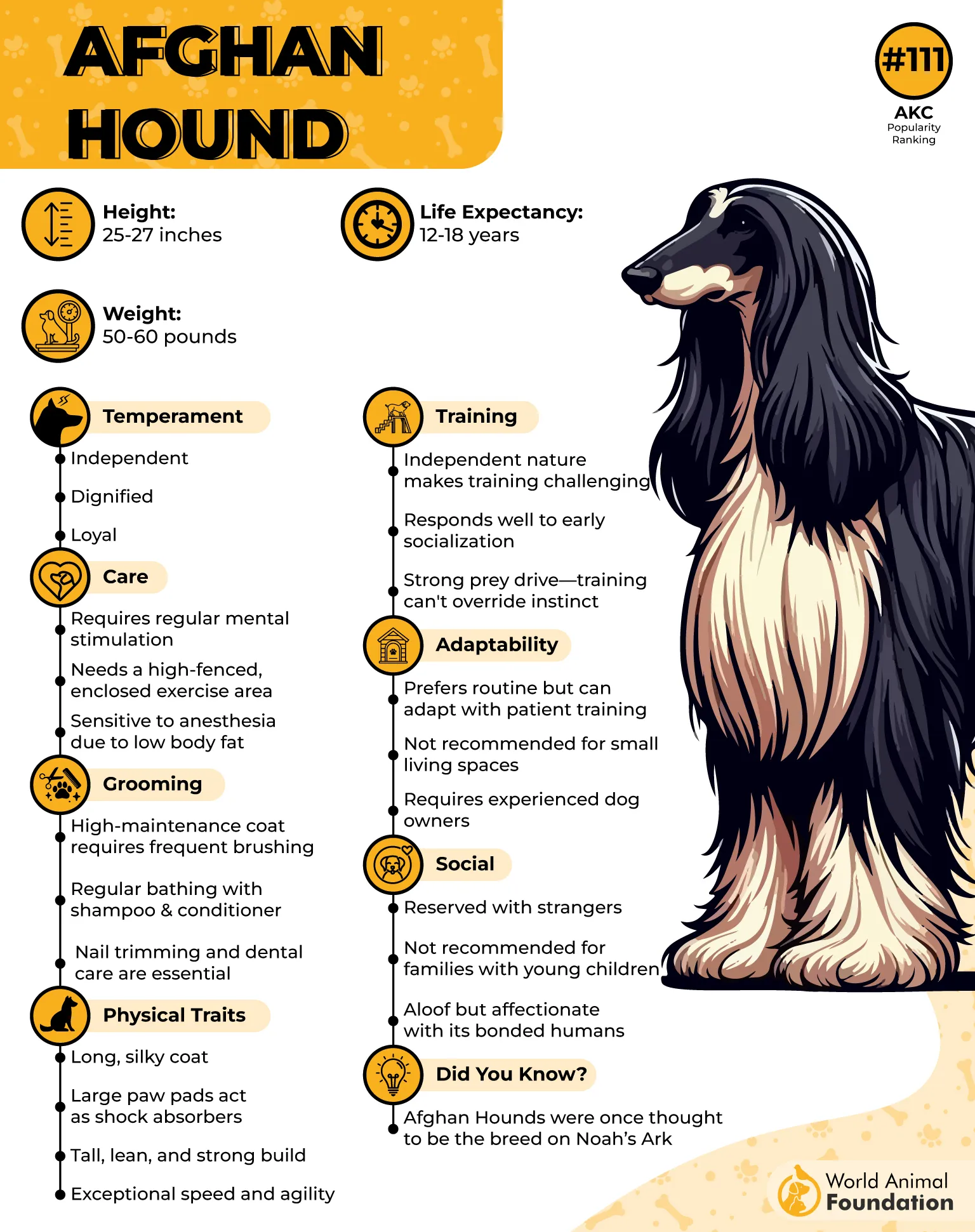
The breed has a ‘double suspension gallop’ that allows it to fully extend its body during its sprint, with all of its feet leaving the ground. It needs 1-2 hours of vigorous exercise to remain calm indoors: long walks, jogging, free running sessions in a secured area, since it can jump over 6 ft in height.
5. Great Pyrenees
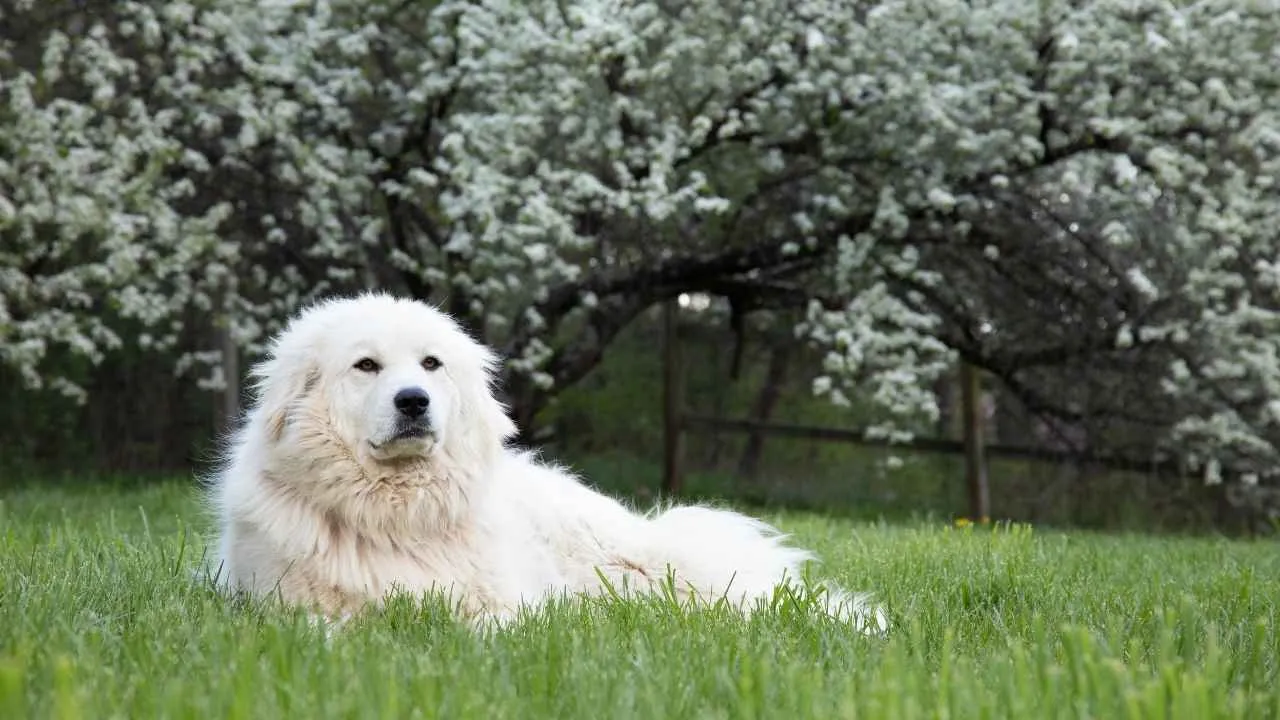
The affectionate breed was originally bred from the Pyrenees mountains between Spain and France. The thick white coat acts as camouflage in the snowy terrain, helping it to protect sheep from large predators. The gentle and calm nature indoors makes it a great family dog, as per PetMD.
It has long-lasting endurance and a low metabolic rate. Built to patrol large territories and remain active and alert for long periods, the Great Pyrenees has independent thinking and has double dewclaws on the rear legs. The well-angulated hindquarters help the dog in pouncing, delivering forceful strikes with high efficiency.
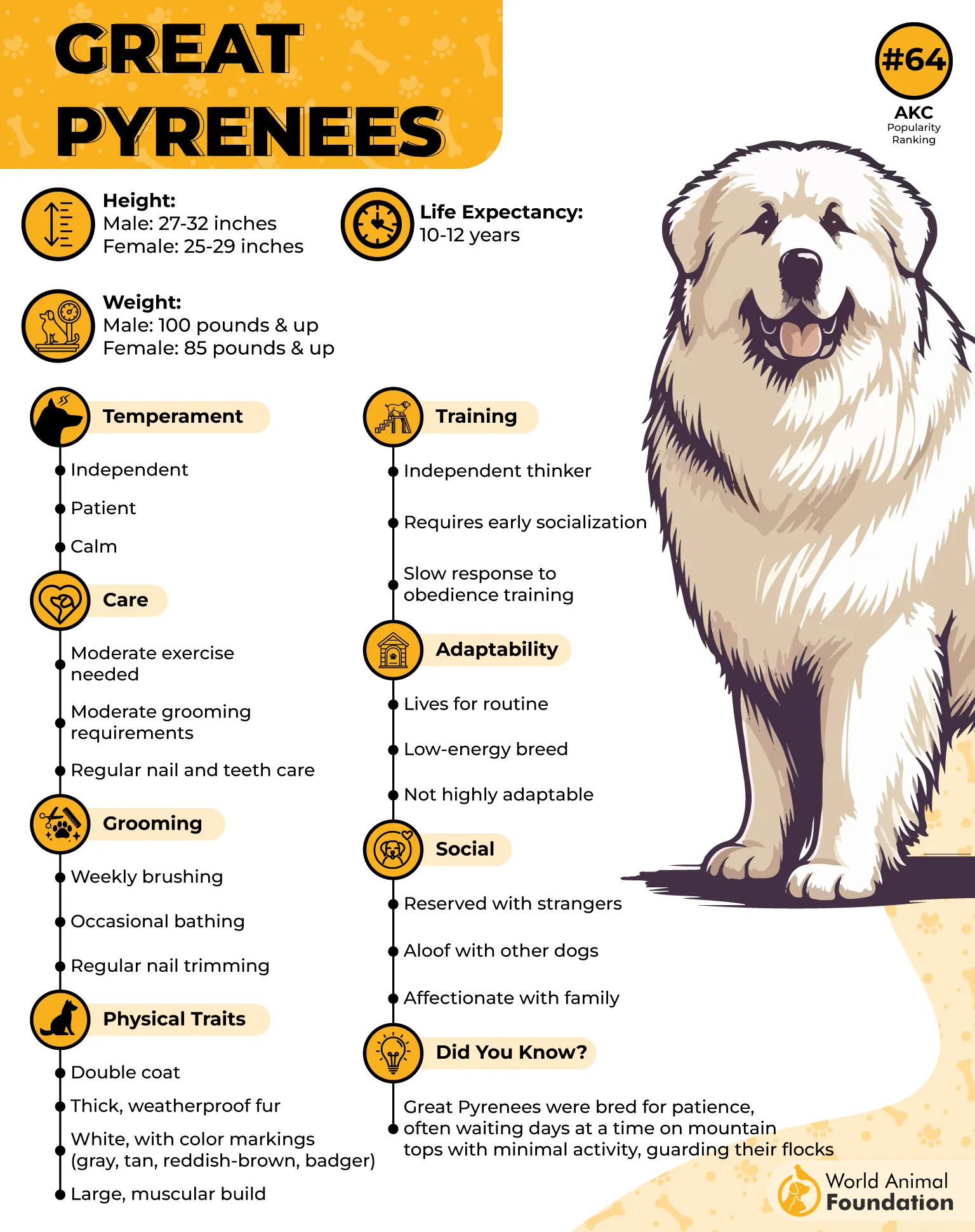
The pet thrives in low-to-medium exercise (30-60 minutes a day): patrolling puzzle toys, nose work, and agility sessions. Puppies should not be exposed to high-impact exercise till they reach the age of 18-24 months. Apartment living is not ideal for the breed because of the massive size and tendency to bark loudly.
6. Borzoi
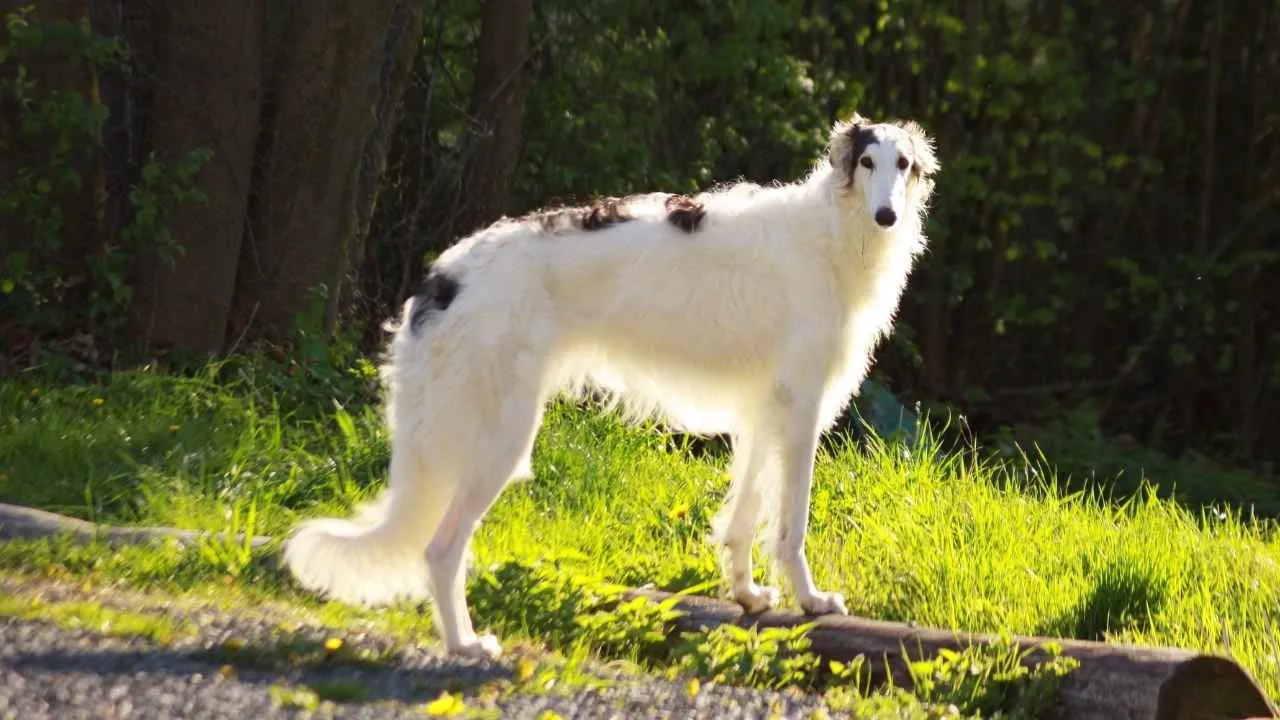
This dog was bred by crossing a Greyhound-like dog from ancient Egypt and the native herding dog from Northern Russia. The resultant breed was refined in the 16th century into a wolf-catching sighthound, working in a pack to hunt down a wolf and holding it until the owner comes.
Despite forming deep bonds with the owner, it has a cat-like personality, spending most of the time on the couch, minding its own business, and not demanding constant attention. It runs at a high speed of 35 mph with short sprints. With its 270 degrees of field vision, the breed has an exceptional visual streak.
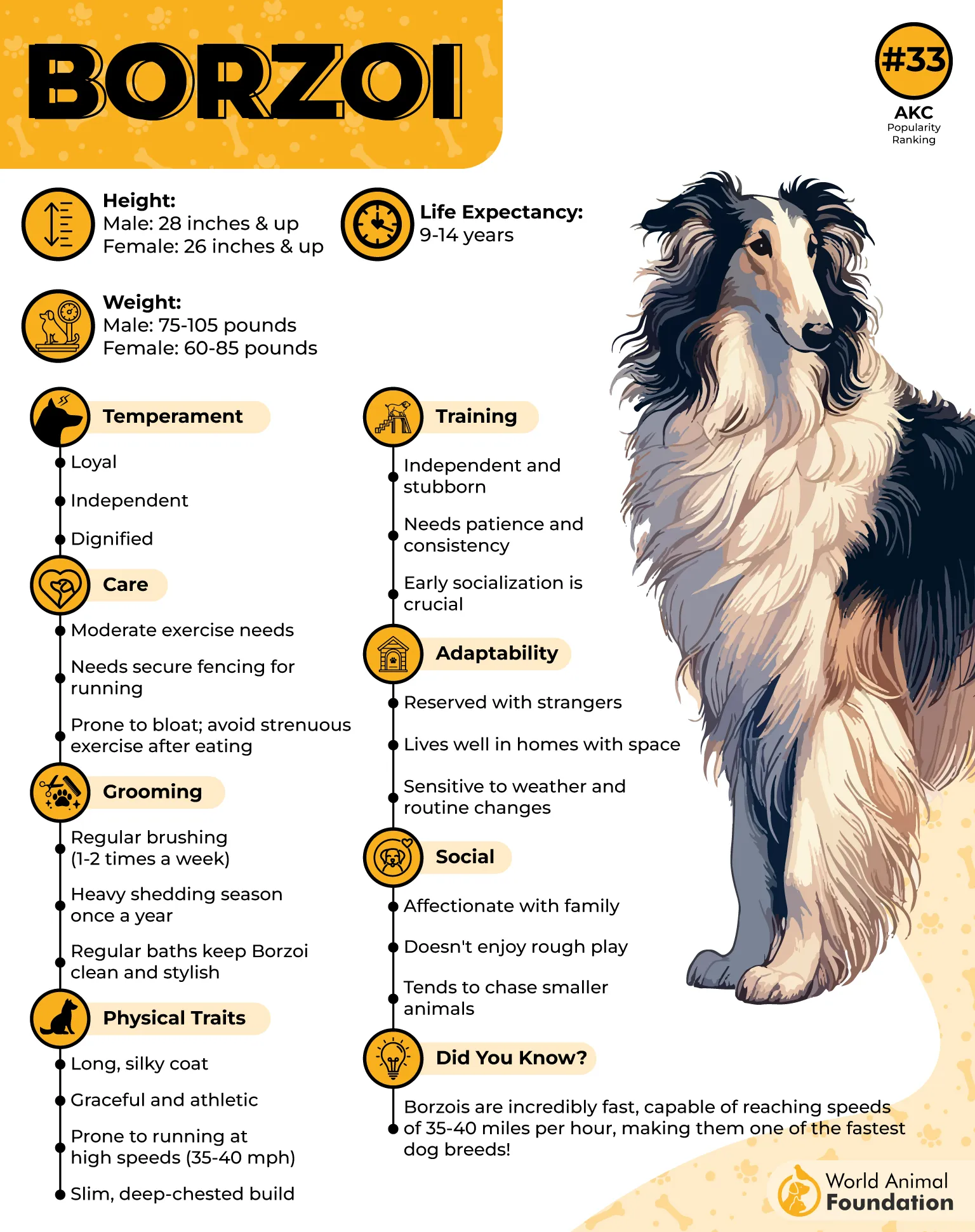
The breed has fast-twitch muscles that provide sharp U-turns without compromising speed. It has moderate-to high exercise needs (60-90 minutes): daily walking, sprinting, and indoor play. It is sensitive to extreme heat and cold, so schedule an exercise routine based on the weather.
7. Dogo Argentino
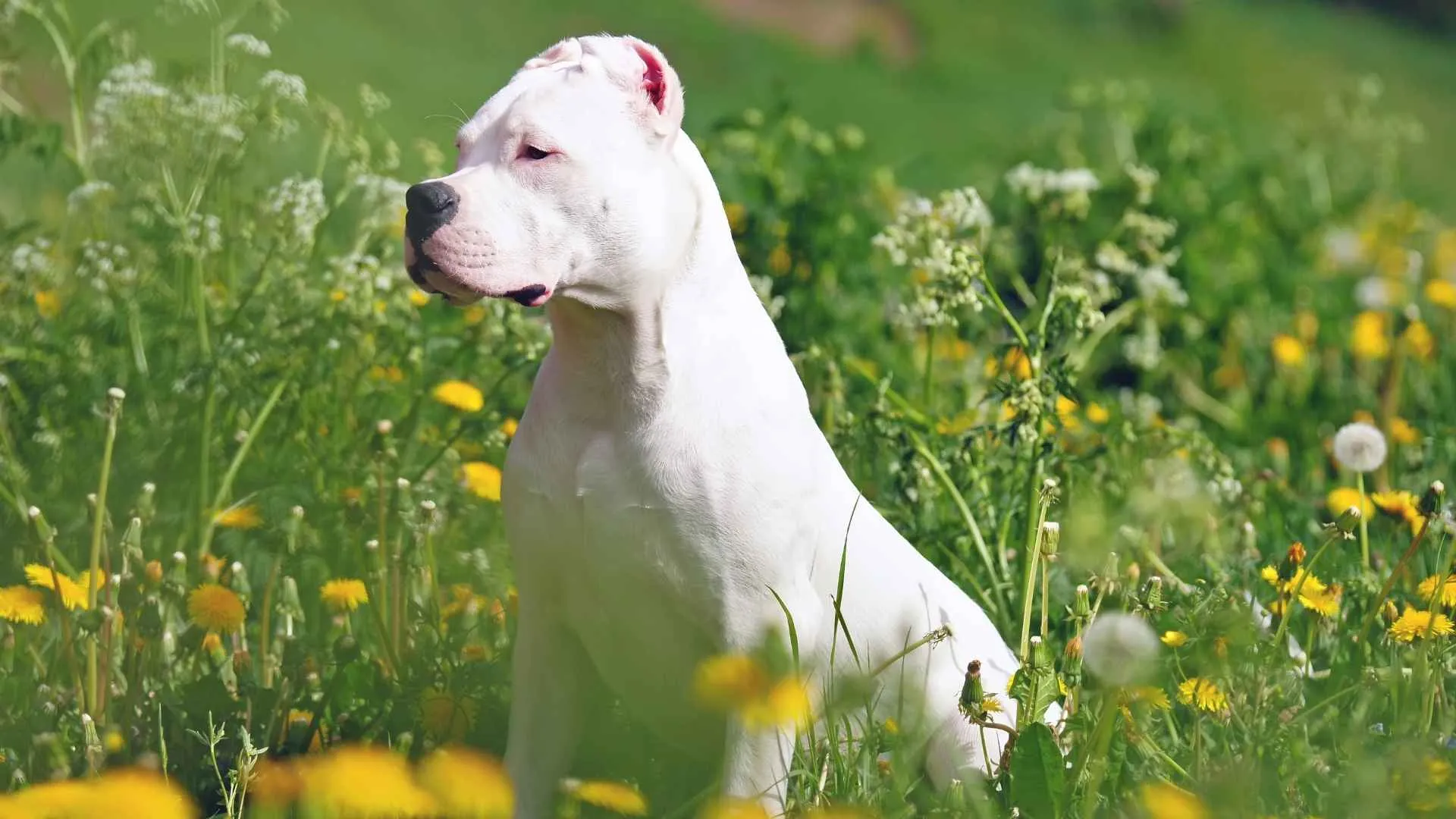
This large mastiff-type dog was developed in Argentina in the early 20th century from a now extinct breed, the Córdoba fighting dog, and was used to hunt large game, such as peccaries, wild boar, and pumas. Since it has a high speed and a strong sense of smell, it is widely used in police, military, and SAR work.
The pure white and short coat requires minimal grooming since it does not trap dirt and has zero dog odor. The innate structural capability makes it an independent watchdog without needing professional protection training. The medium-angulated hind legs provide maximum power to wrestle large animals.
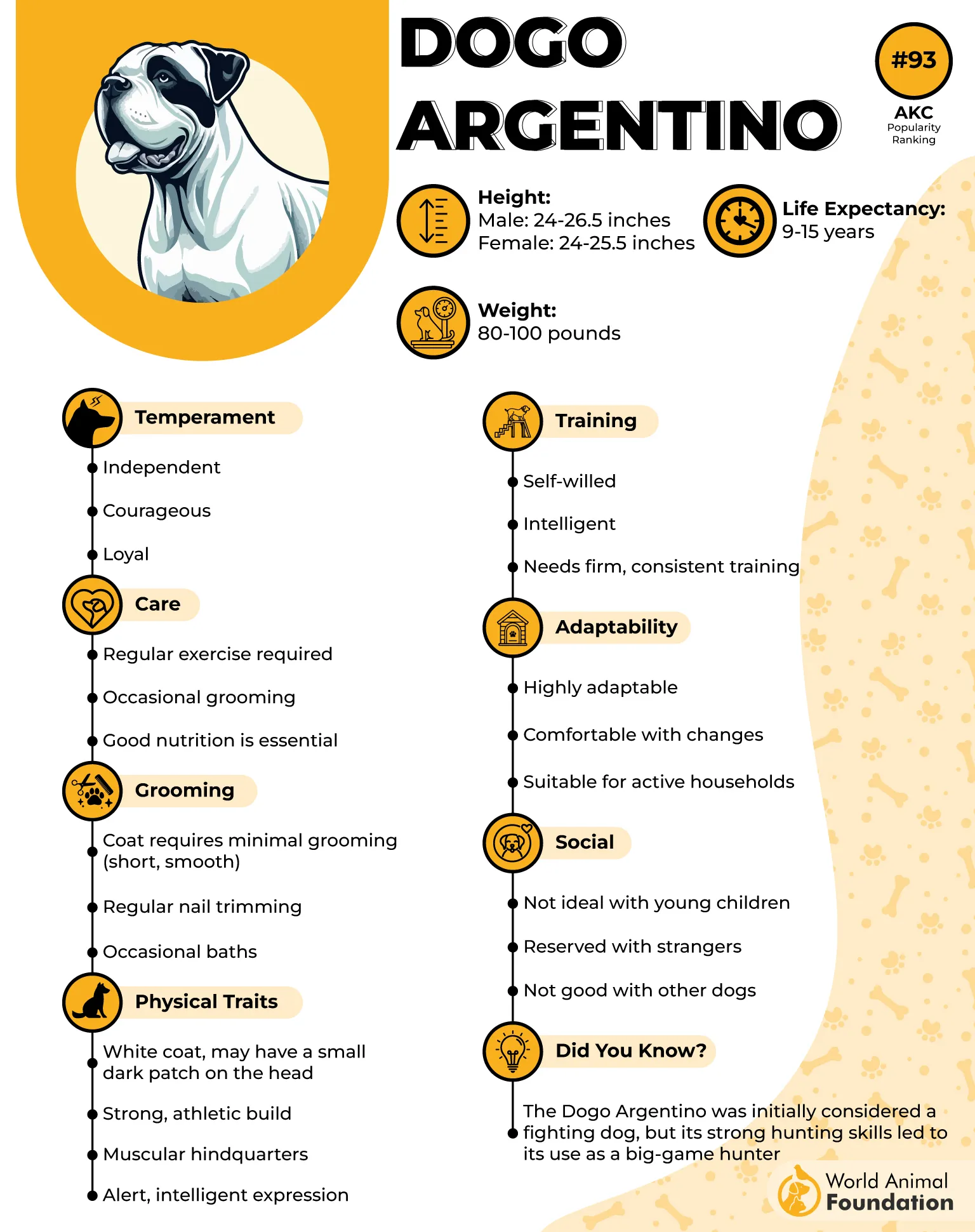
It has a broad chest that houses large lungs, maximizing oxygen intake, important during bursts of strenuous physical exertion. It needs 1-2 hours of daily exercise, including fetch, brisk walks, frisbee, and flyball. Early training and proper socialization are non-negotiable to prevent stubbornness.
Conclusion
Strong-willed big dog breeds are not ideal for everyone, and that is exactly what makes them special. They were developed to think independently, solve problems, and handle responsibilities without constant direction. That history still shapes their personalities today.
For independent owners who appreciate a dog with character, confidence, and a mind of its own, these breeds can become extraordinary companions. The relationship may require patience and mutual respect, but the reward is a partnership built on trust rather than control.
And honestly, there is something memorable about sharing your life with a dog that occasionally reminds you it has its own opinions.
