




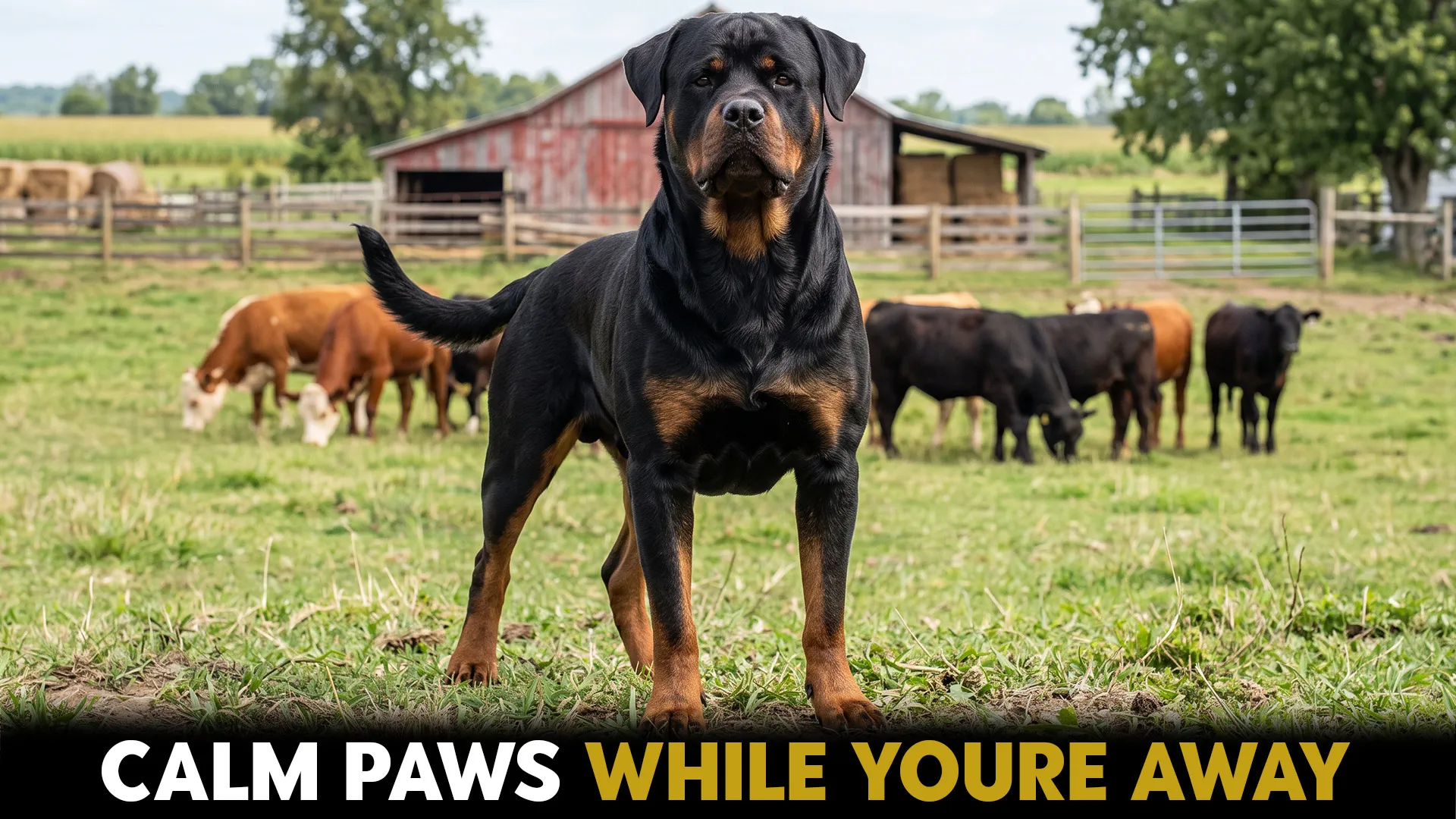
A farm dog must not only have a muscular body, but it must have a strong character as well. Farm work includes moving livestock, maintaining boundaries, observing livestock, dealing with predators, and spending extended periods outside in weather conditions that are challenging.
It is for this reason that some of the best farm breeds were developed for very specific tasks.
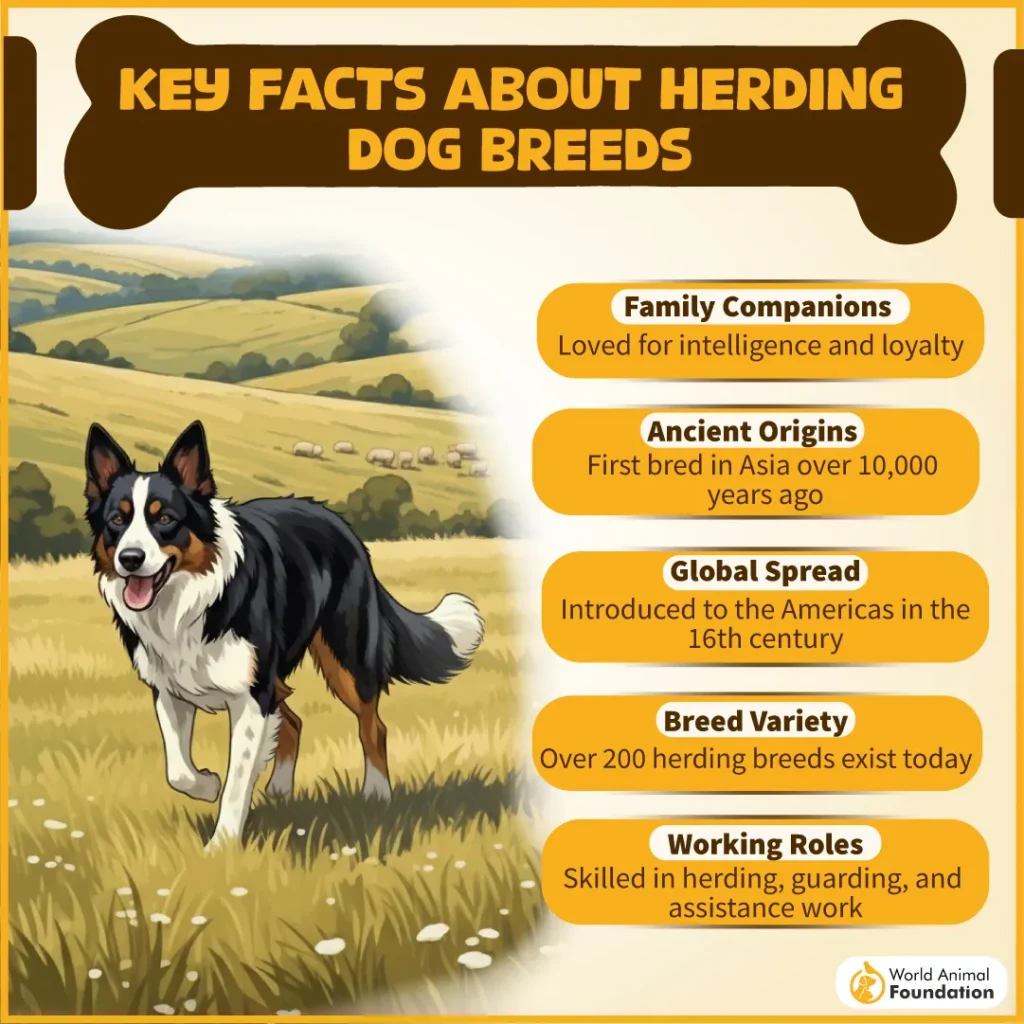
For example, herding dogs regulate the movement of livestock. They round up sheep, herd cattle, or prevent animals from straying into crops. Some breeds are also able to perform more than one task on farms, which is very beneficial for owners who can have one pet take care of all the farm work.
The nine breeds listed below are versatile dog breeds perfect for farm work. Some of them are fast and quick. Others rely on their physical presence, independence, or great endurance throughout the day.
Strong Built Dog Breeds for Farm and Herding
1. Briard
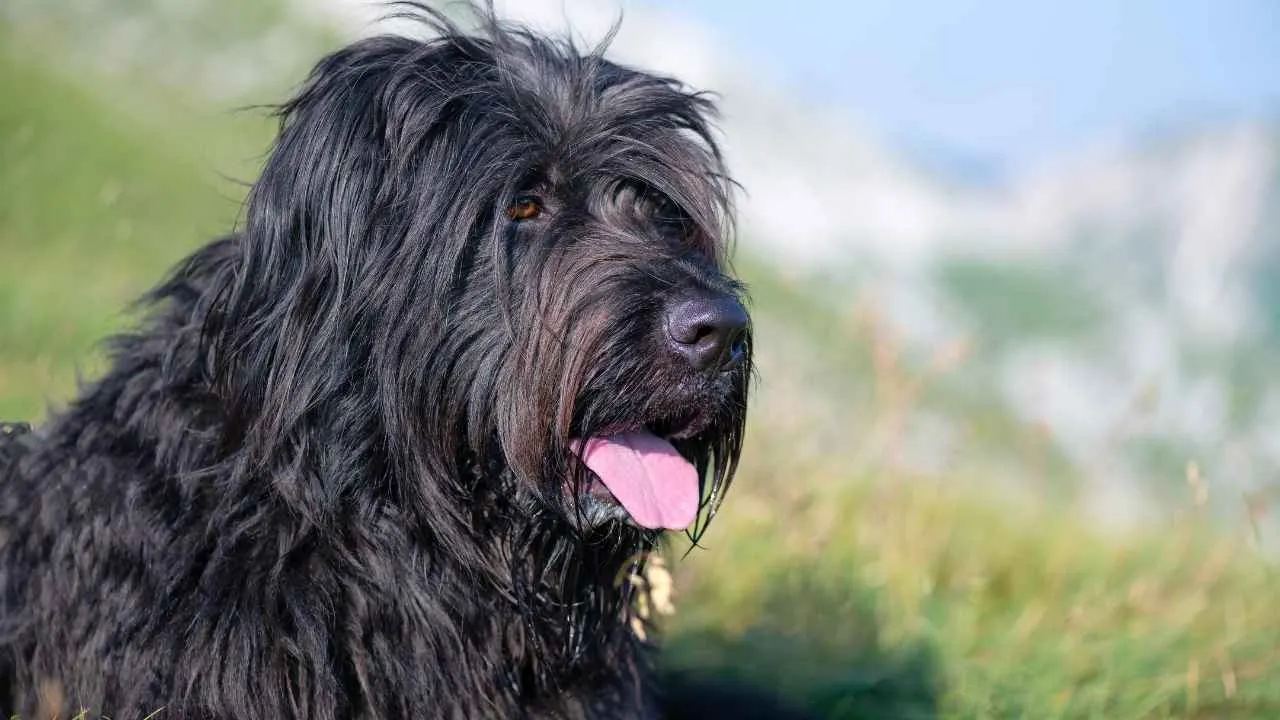
The Briard is one of the most versatile dogs on this list, as its job is not only to guard flocks, but also to pull the plough.
Briards in rural France assisted in moving sheep from one farm to another and from one pasture to another, assisted the shepherds, monitored boundaries, and guarded the flocks against danger. They were able to do many tasks, so they were very valuable on farms where a dog was expected to help in different situations.
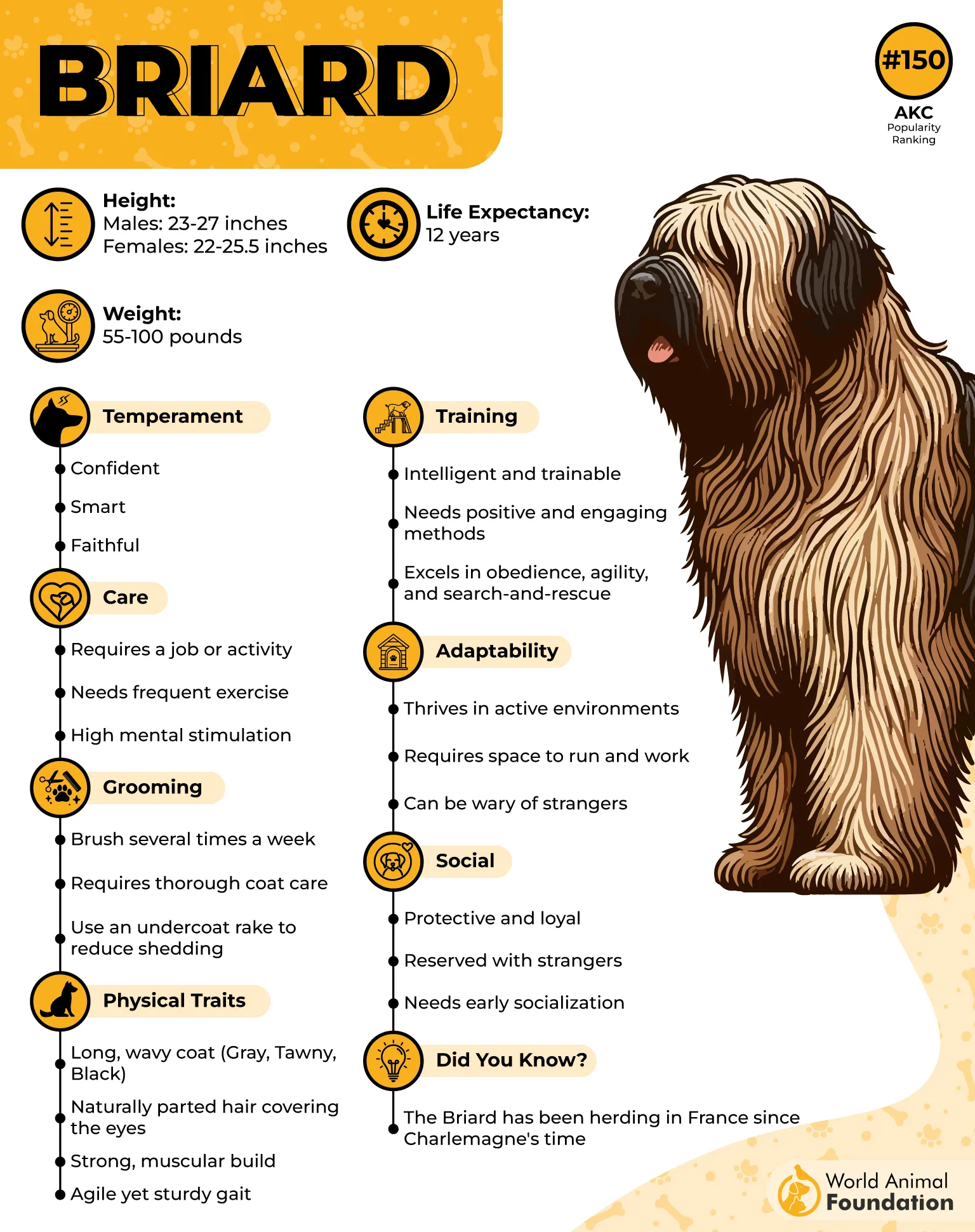
They were particularly good at monitoring their flocks so they wouldn’t wander around and lose their way, according to the American Kennel Club.
They were able to do so much work due to their muscular body. These dogs are robust, flexible, intelligent, and can operate in rough terrain.
Another factor to take into account is their long coat. It will protect the dog when outdoors, but it needs regular grooming, particularly if the dog is going to be working through vegetation on a frequent basis.
2. Rottweiler
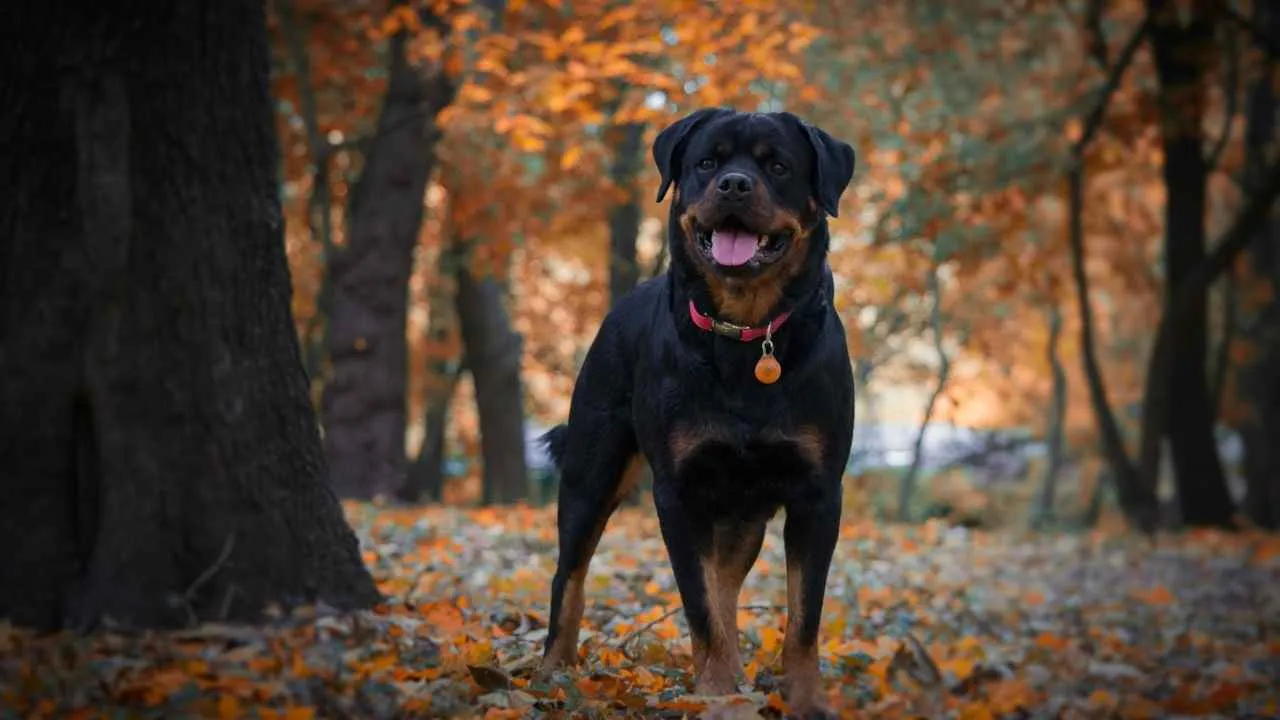
The Rottweiler is a famous dog breed known for its strong protective instincts. It is also good at agricultural work.
Rottweilers were once used to herd cattle and do farm work. They were strong enough for physically demanding work and were confident enough to work around large livestock.
Their intelligence is another main advantage. On a farm, Rottweilers can be taught to go through gates, eat from feeding troughs, walk the animals, and follow vehicles and people.
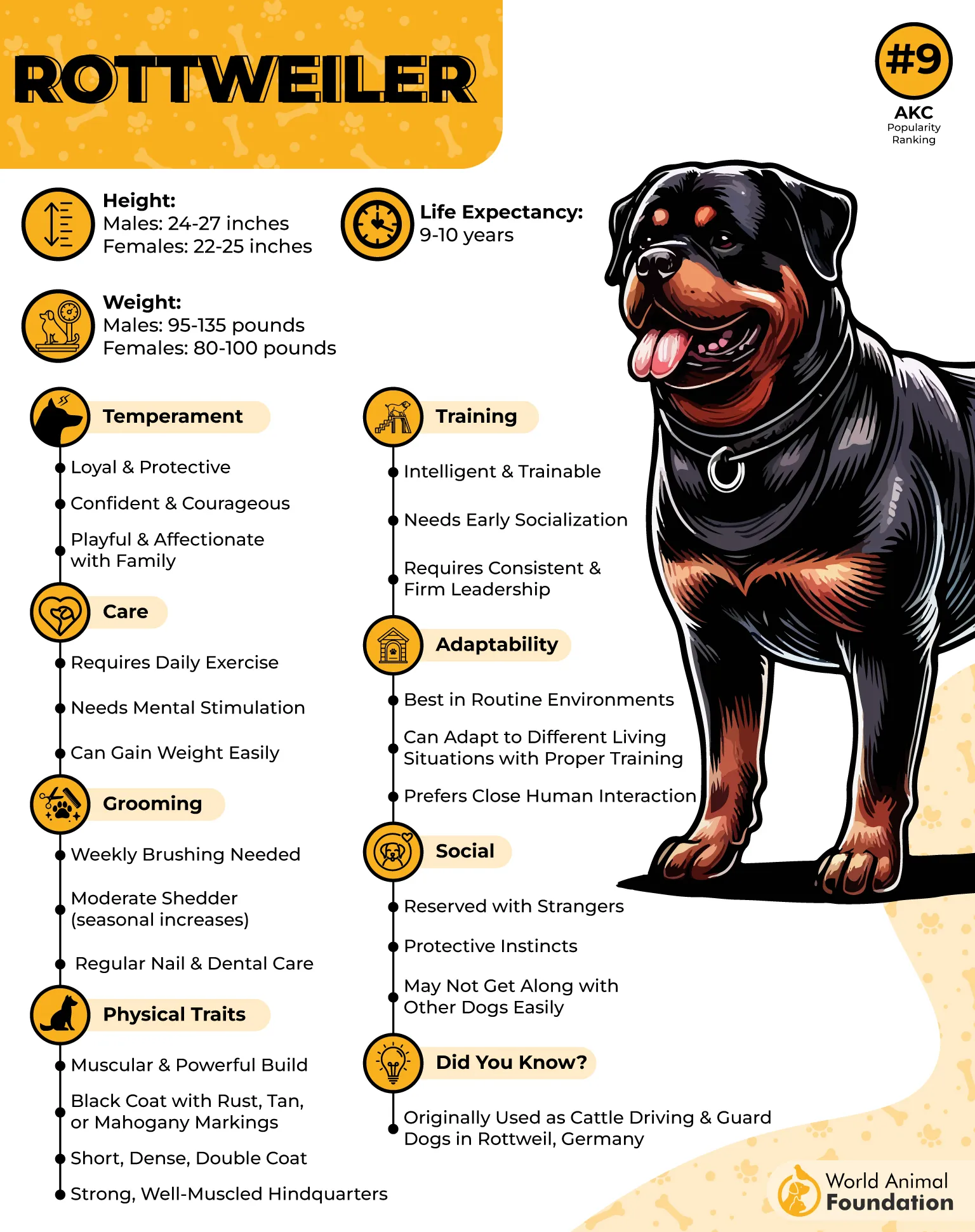
This is very attractive to owners who need their pet to perform a variety of jobs. Instead of keeping a number of dogs, one dog breed such as the Rottweiler is enough to help you around.
This dog breed is also very trainable. According to Dog Breed Info, Rottweilers are intelligent, active, and powerful dogs that need early socialization and reward-based training. This makes this dog more suitable for experienced owners who have the know-how to handle a powerful working dog.
3. Polish Lowland Sheepdog
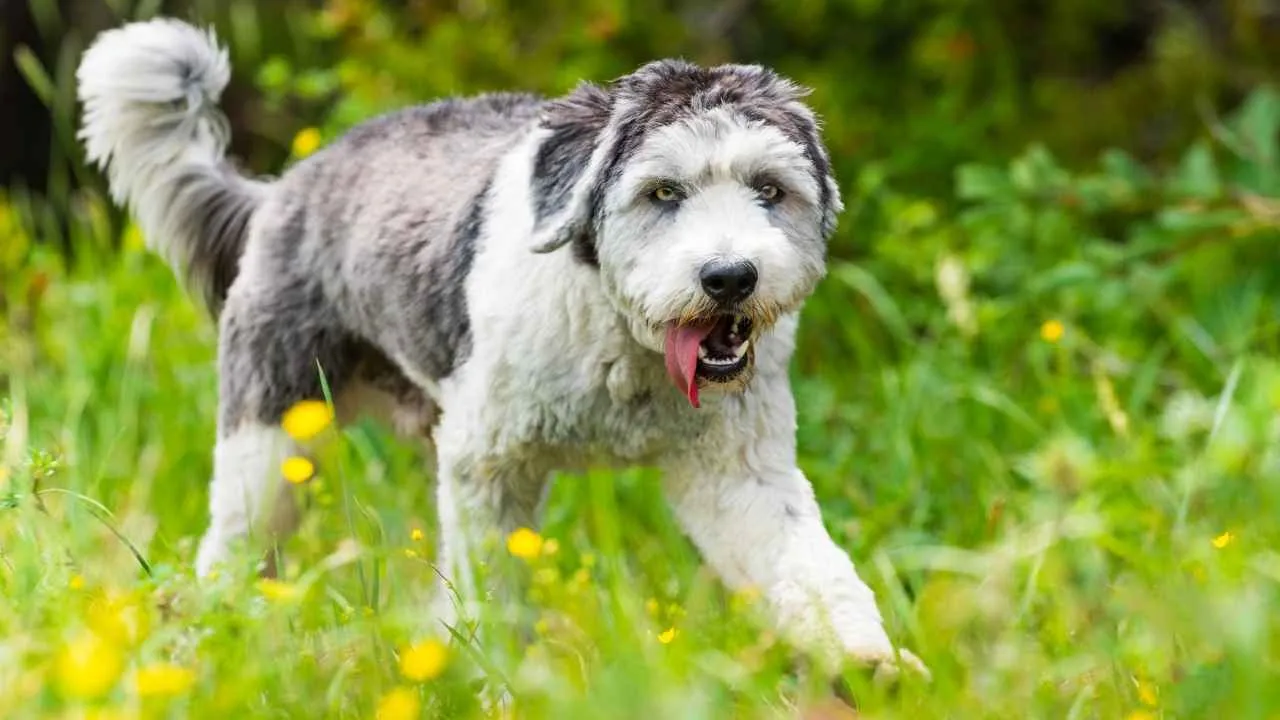
There are a number of breeds here which were bigger than the Polish Lowland Sheepdog, but its compact size proved to be a benefit.
Known as the PON, this Polish herding breed with a shaggy coat was developed to work with sheep close to farms and villages. It had to be sturdy enough to handle tough terrain and agile enough to move swiftly among livestock.
When the main task is to drive sheep through fairly restricted spaces, one might not need a large dog. This particular livestock guardian dog can act as a shepherd dog without the need for size.
This intelligent herding breed is also very independent. This intelligent herding dog can make its own decisions when the herder is not nearby.
Polish Lowland Sheepdogs were brought to Scotland in the 16th century to drive sheep. Their ancestors have played a big role in making it one of the most intelligent dog breeds.
4. Bergamasco Sheepdog
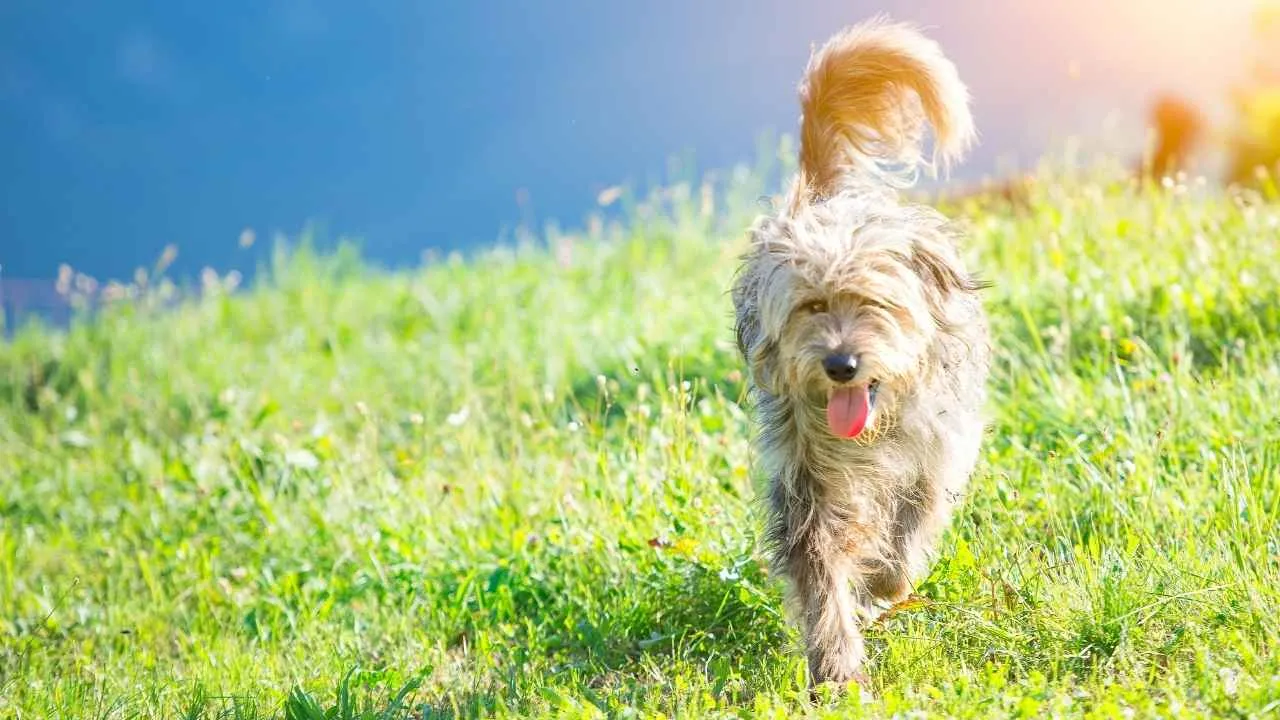
According to Purina, Bergamasco Sheepdogs were originally bred for the challenging conditions of the Italian Alps, where shepherds required dogs that could be used to work with the sheep in the harsh mountain environments.
The unusual coat is not just for its aesthetic appeal. The breed has three different kinds of fur that provide it with a protective layer from cold, wet weather and even predators.
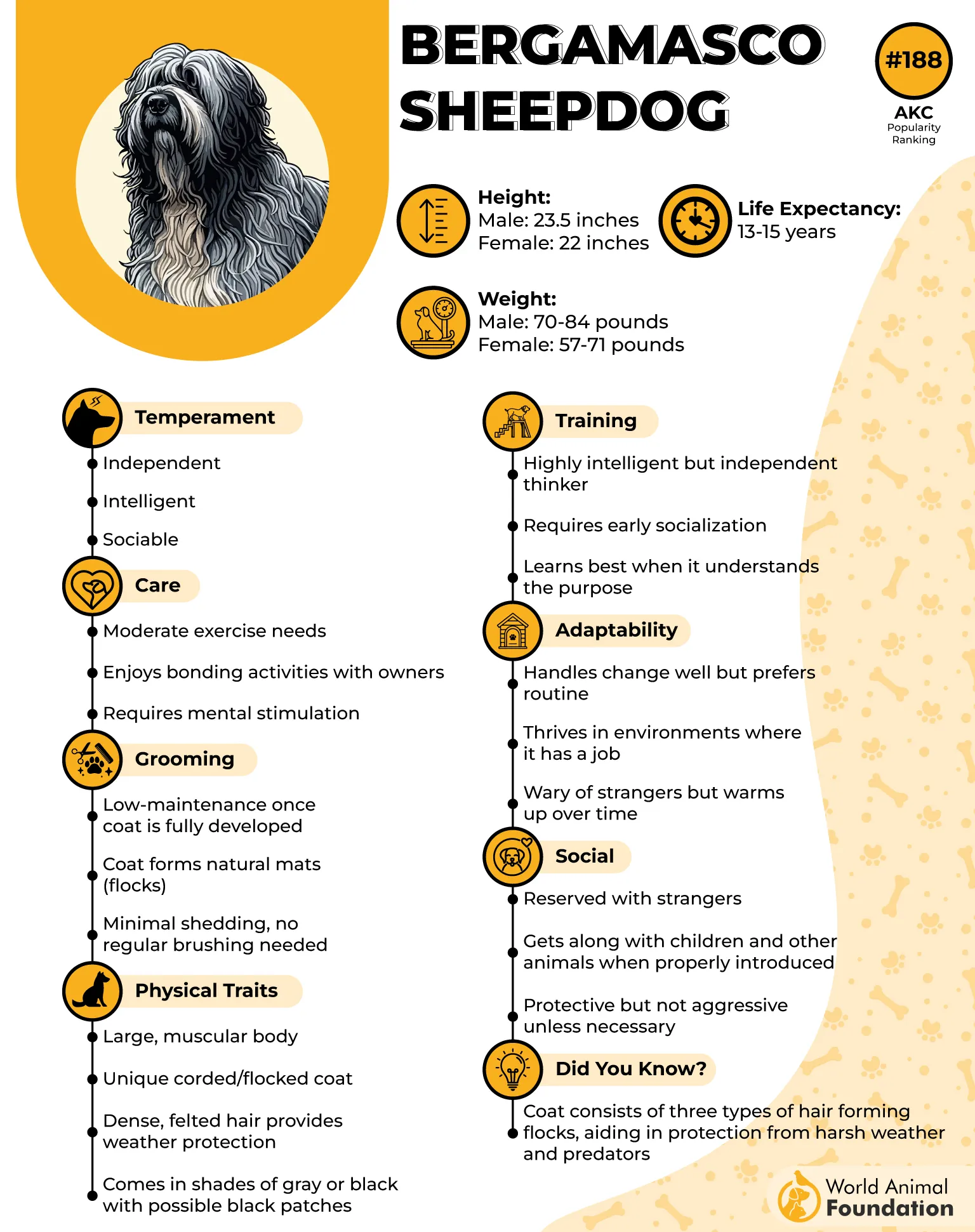
Bergamascos have autonomous decision-making power unlike most herding dogs. They do not usually require instructions from their handler. In remote areas, there are hundreds of sheep, and the shepherd cannot always give out instructions.
This herding dog breed likes to work in a team. It is an athletic dog, apart from being a loyal breed. This energetic breed has a robust body, which makes it suitable for rough terrain. Its thick coat is technically maintenance-free, which is a win-win for pet owners.
5. Belgian Malinois
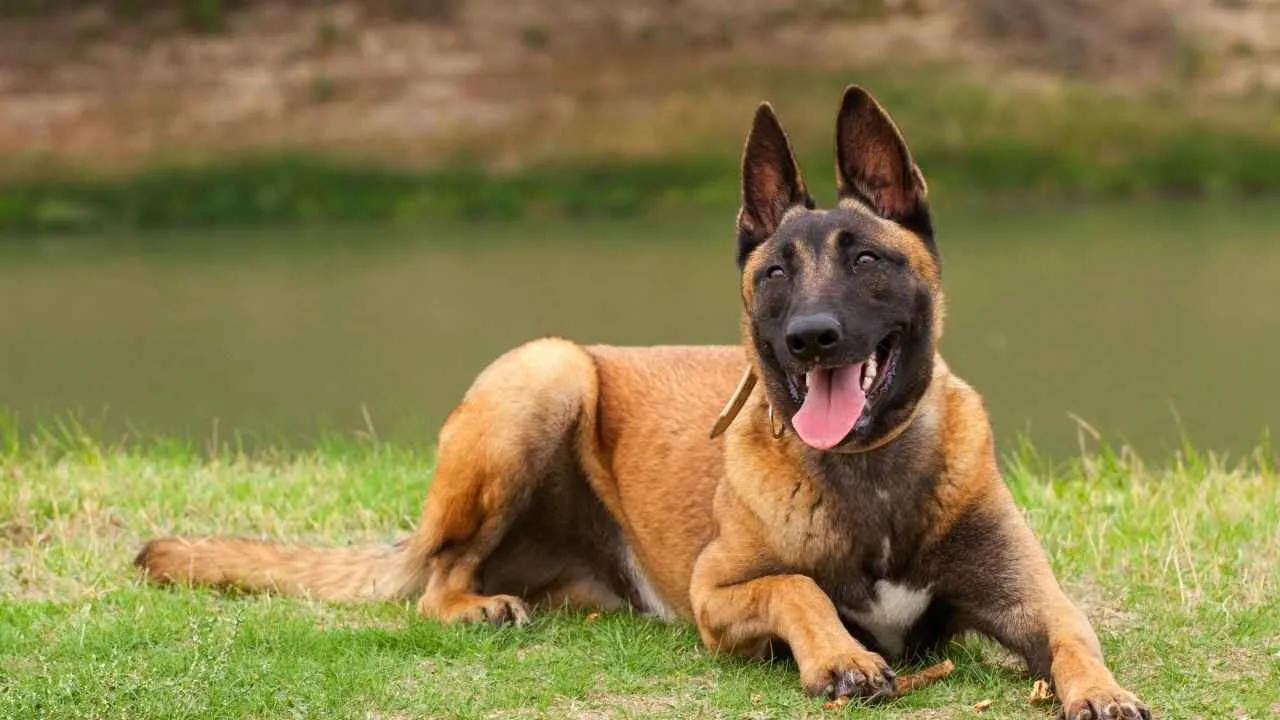
The Belgian Malinois is a hardworking breed that can add a new dimension to farm work. This great guard dog is not a very big one, but has a lot of athletic ability. It has a strong passion for work and can be a family companion with a protective nature.
A Malinois is fast and has a strong attachment to its owner. This high-energy breed can help when livestock goes through a lot of movement, or when there is a need to move them from one place to another smoothly.
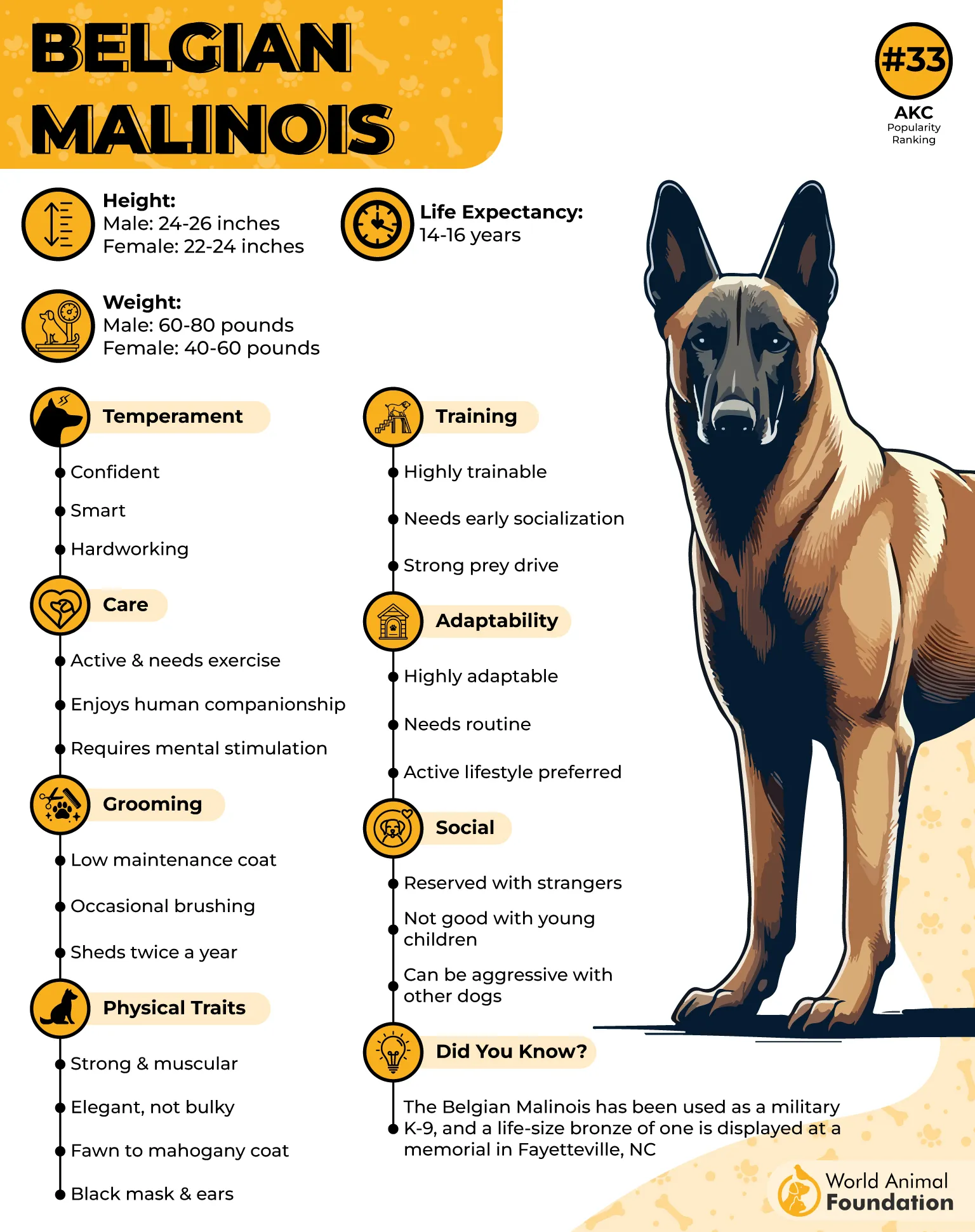
Malinois require more physical and mental stimulation than other animals. Active owners need to maintain the dog’s protective instincts by giving it activities like herding, obedience training, or agility training.
This dog does has a short double coat, which makes grooming hassle-free. Family companionship is equally important for this one. It has an affectionate nature, which can be further nurtured by socializing.
Unlike other breeds, the Malinois can be an outstanding option for a farmer who desires a fast and responsive good dog.
6. German Shepherd
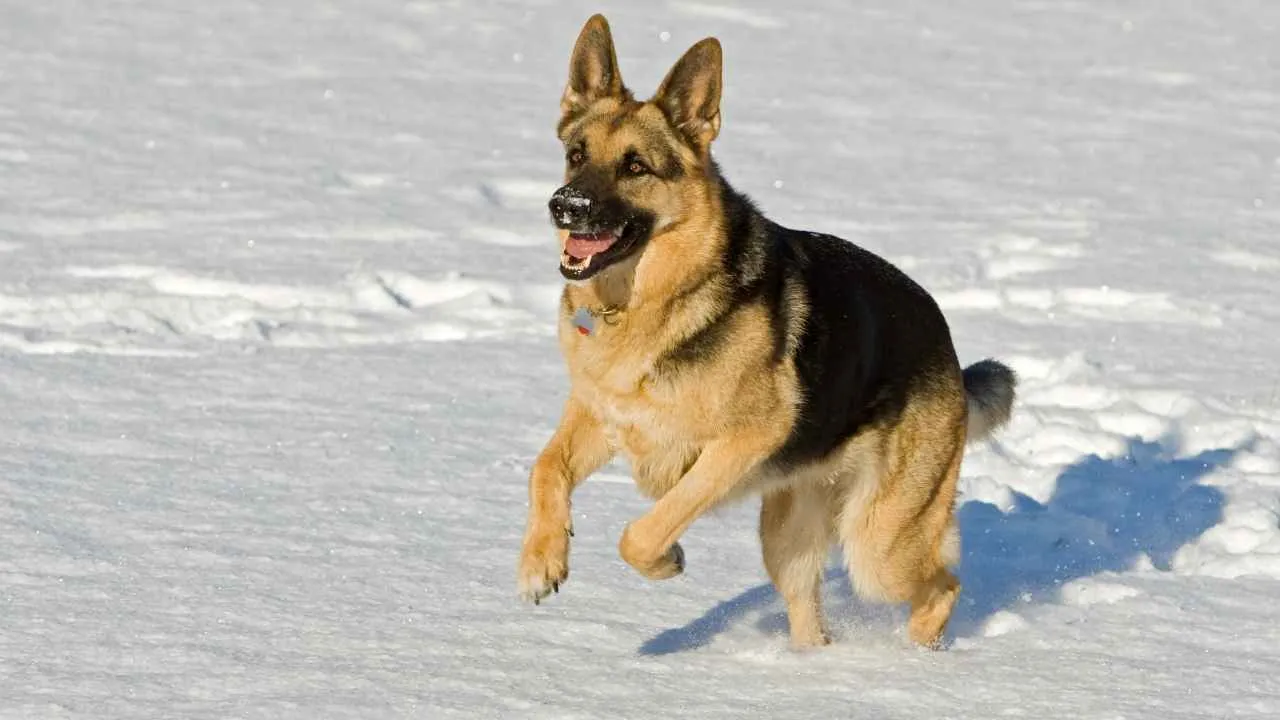
Among a farm owner’s many choices of highly intelligent working breeds, the German Shepherd is the most versatile. It was developed in relation to herding, but with its intelligence and physical capabilities, it also paved its way for police roles, military, search and rescue, and tracking.
German Shepherds can be trained to move livestock from one place to another. This intelligent breed can also alert its owner if a threat is nearby. It also has a strong prey drive, which can be toned down with early puppy training classes.
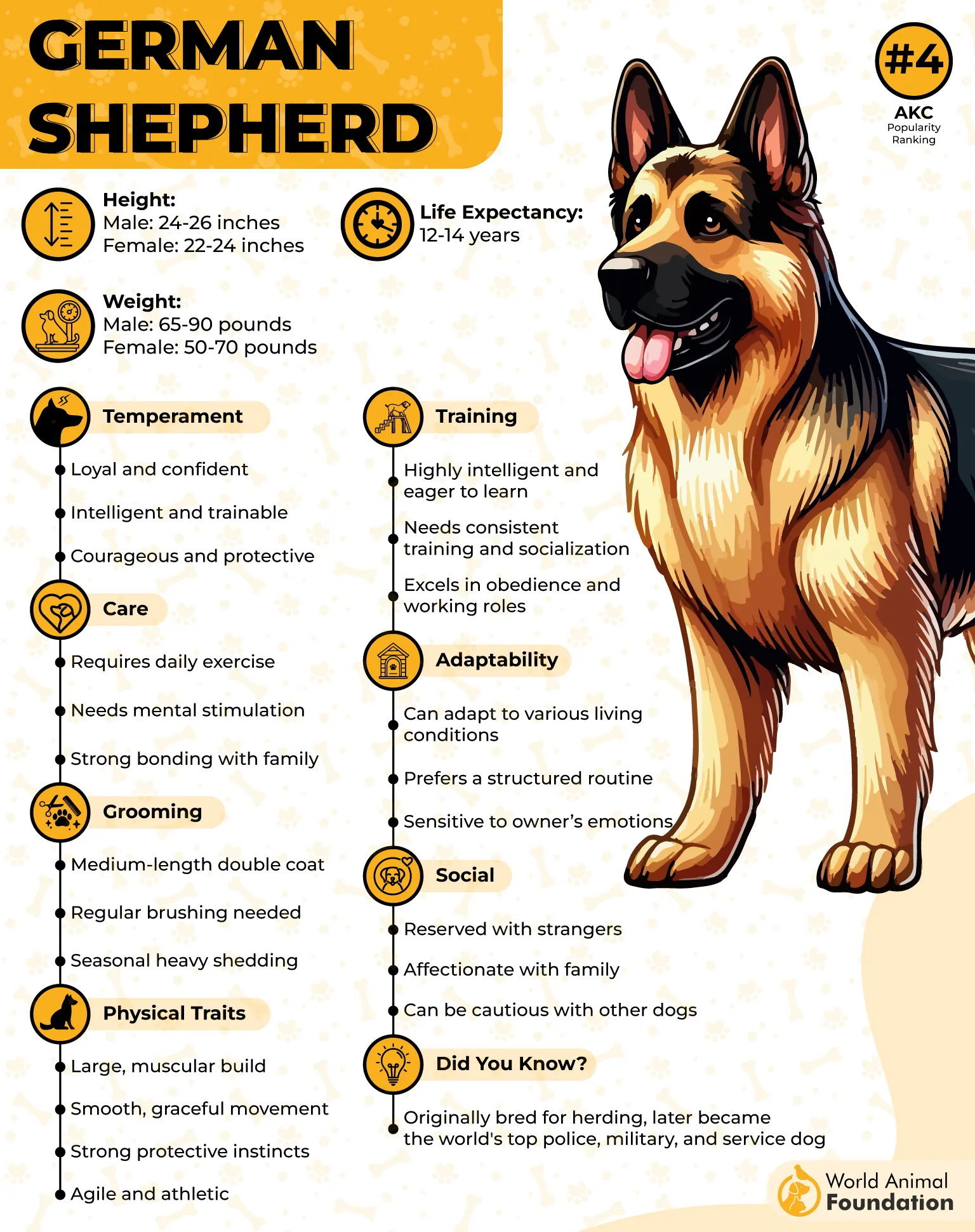
This fellow also thrives in family life where it is showered with love and affection. It is not only athletic but also very playful. It works closely with its owners and comes in handy when livestock tasks involve communication.
Since this dog is energetic, it requires one to two hours of exercise each day. It can do well in dog sports if proper training is offered from a young age. It should be well exposed to all family members and activities around the house for it to behave well.
7. Bearded Collie
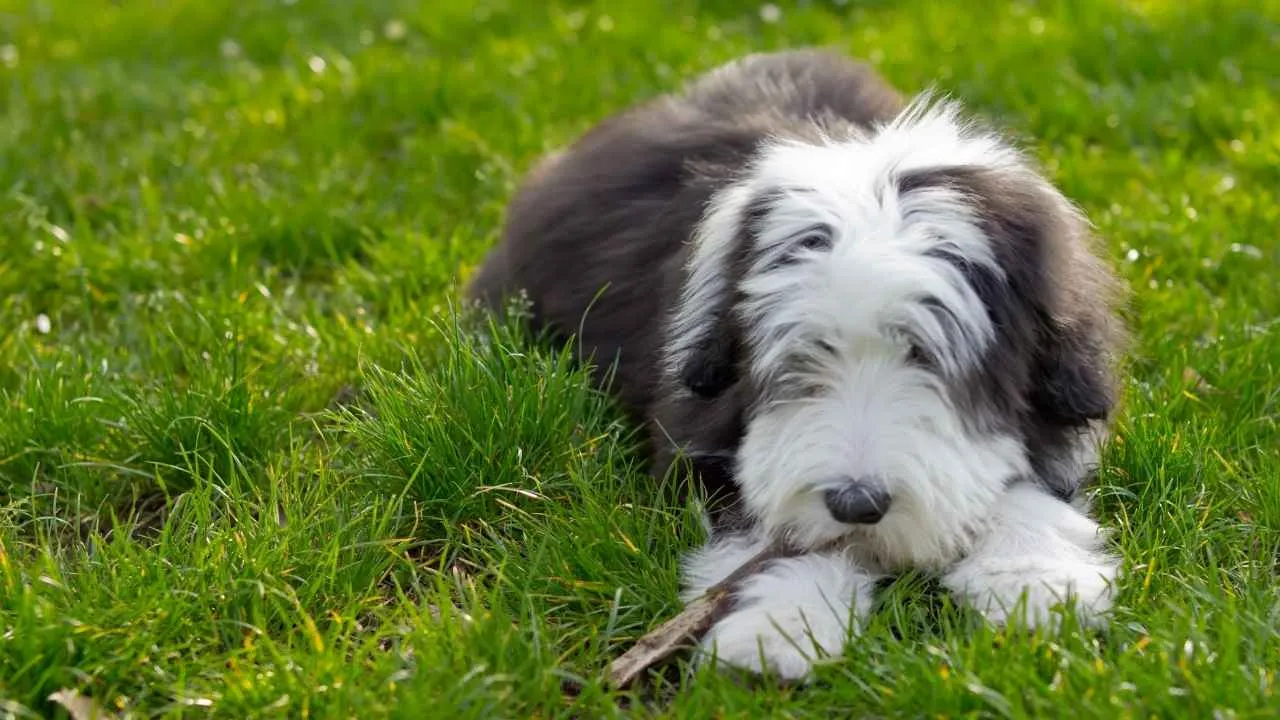
The Bearded Collie is a perfect example of a tough dog that does not necessarily have to be big in size. It is a Scottish droving dog that works with stock over rough ground in cold and wet weather. Historically, this pup is considered valuable because it is able to work a full day in tough conditions.
This dog is very agile, which helps it gather around flocks when they try to run here and there. Its long coat protects the breed from bad weather but should be inspected often for burrs, mud, and tangles.
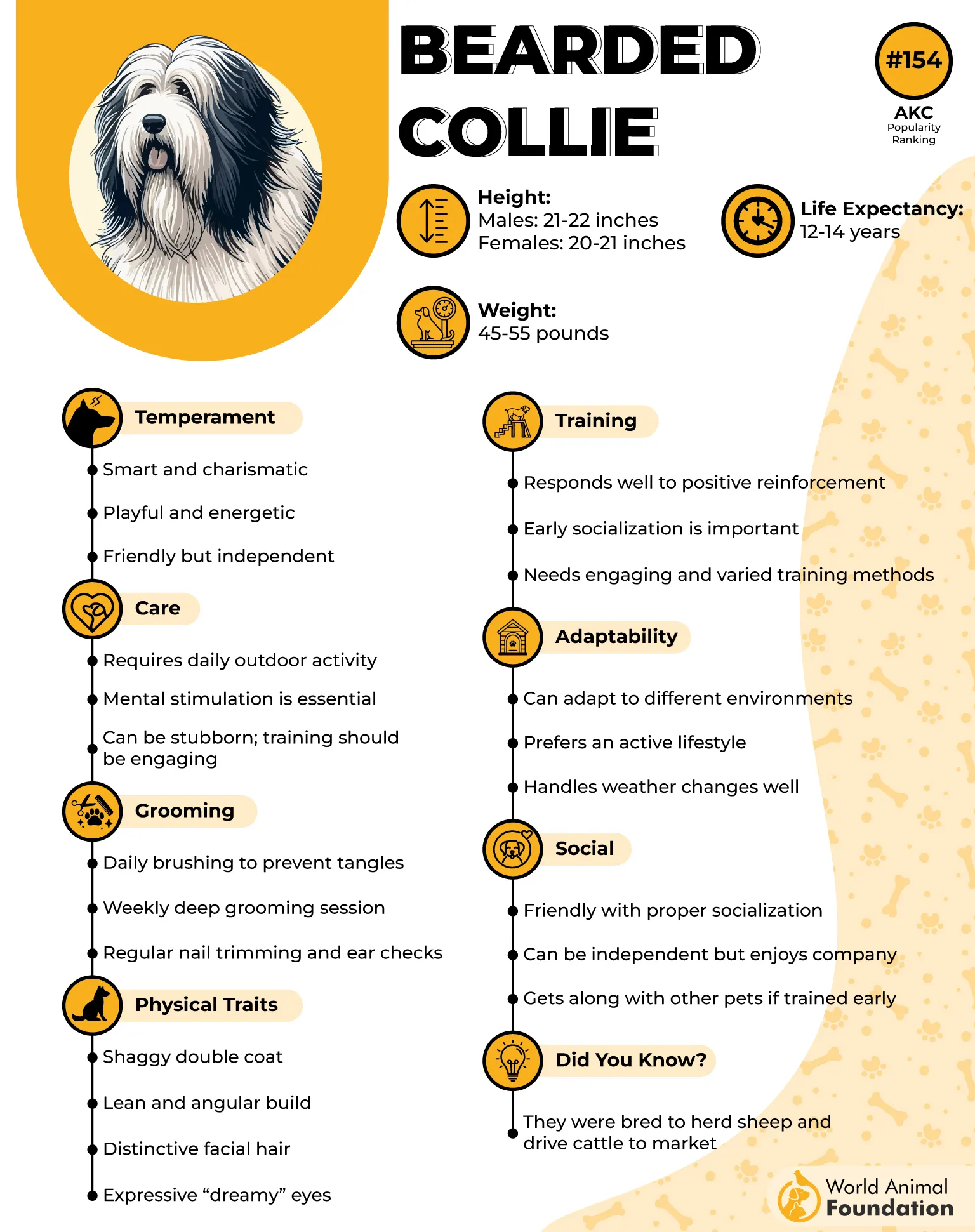
Hill’s Pet says that this dog requires detailed grooming sessions, which is why only a person who enjoys the routine should get this specific pal.
Even though it is not a large breed, it still requires enough space to dry off its fur after a shower. Its independent nature can prove to be a challenge, which is why using positive training methods is advised.
This is one of the clever dogs on the list and can respond very well to training when rewards like dog treats are involved.
8. Maremma Sheepdog
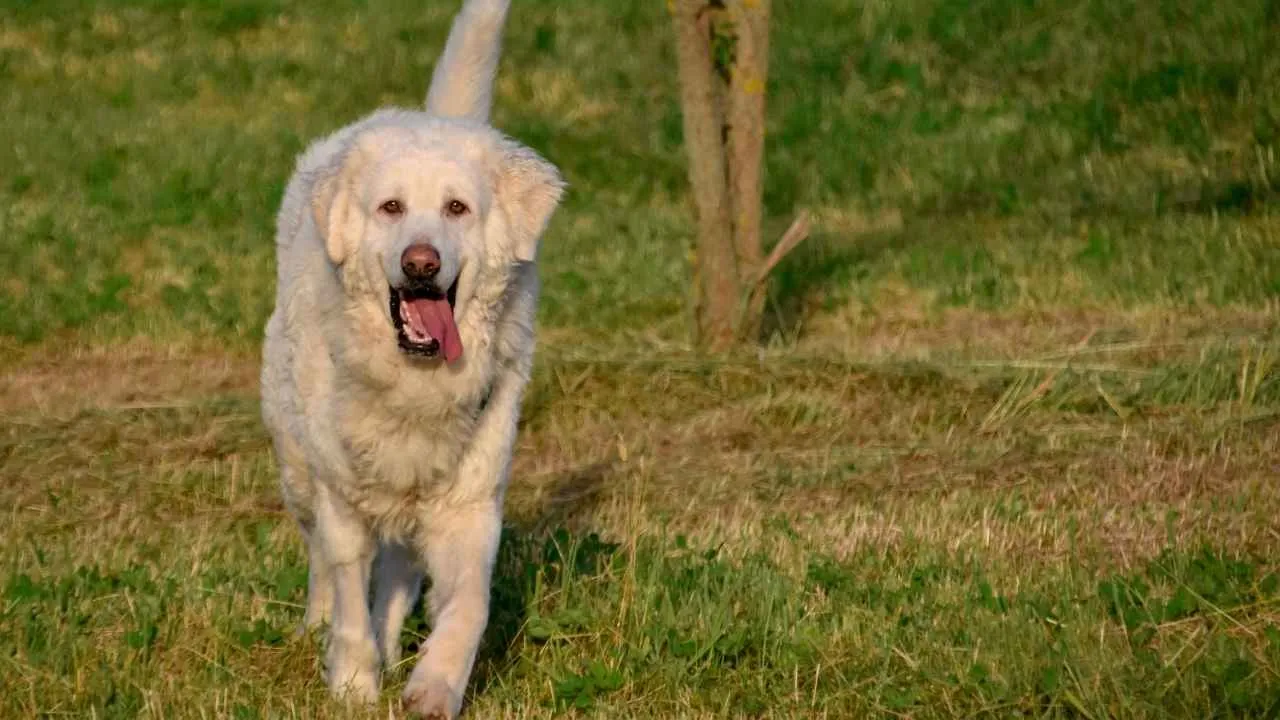
It is important to note that the Maremma Sheepdog is not a typical herding dog. Traditionally, it was used to guard livestock.
The Maremma doesn’t push sheep in a certain direction over and over again, but rather adopts them as its own and stays with them as its protector. This independence is thus a working benefit.
The breed evolved in Italy and was bred to live near ruminants and to be protective of them. Its natural characteristics have developed over thousands of years, especially sniffing out danger. This is especially valuable on farms when predators are an issue.
A Maremma doesn’t have to wait for the owner to notice something odd. They play their role seriously and are always vigilant around their flocks. These dogs are also naturally independent. They don’t need detailed instructions or a handler by their side to do their job.
9. Komondor
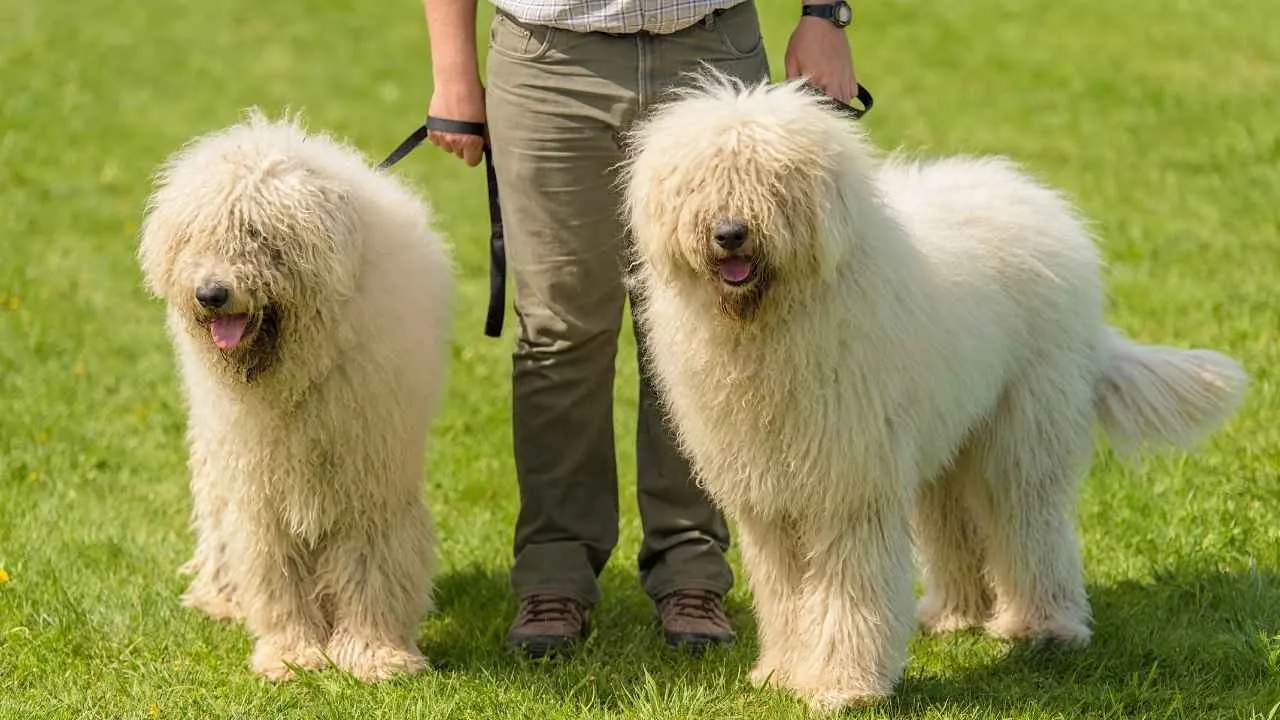
There are a few farm dogs as rare as Komondors, but their distinct look meant they were suited for unique tasks.
The Komondor is a livestock guardian breed created in Hungary to guard rather than to herd. It has a very thick coat and a heavy bone structure, which were beneficial when working outside for a good part of their working life.
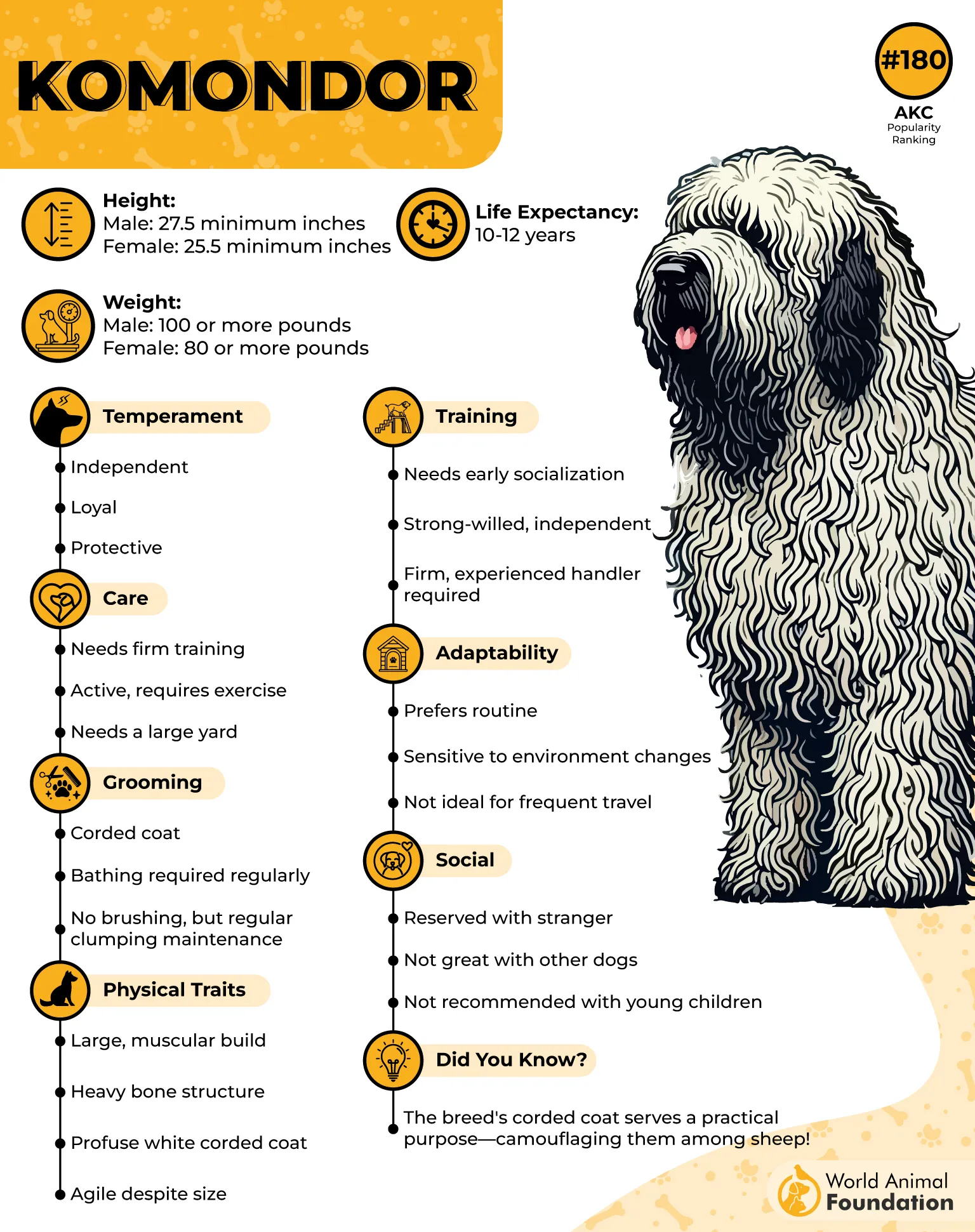
Their coat is unique and has a number of functions. It can shield the dog from extreme weather and can act as a physical obstacle when face-to-face with predators. The white color of these dogs also makes them easy to blend in amongst sheep and still be visible to the shepherd.
Komondors can also be highly territorial and protective, which can be useful on a farm, but these traits must be managed carefully. Early establishment of boundaries and socialization on a farm with frequent visitors are important.
Conclusion
There are several different skills that a working farm might require, and each breed has a combination of them. You should take into account the work required before selecting a breed for your farm. Consider the type of animals you raise, predator control, topography, climate, fencing, foot traffic, and your ability to train them daily.
The pet that best matches your routine will be the one that will become integral to your farm. An active lifestyle will make the best breeds for your farm and animals. Active families will not have a problem raising these gentle giants, so run along and pick the dog of your dreams.
