




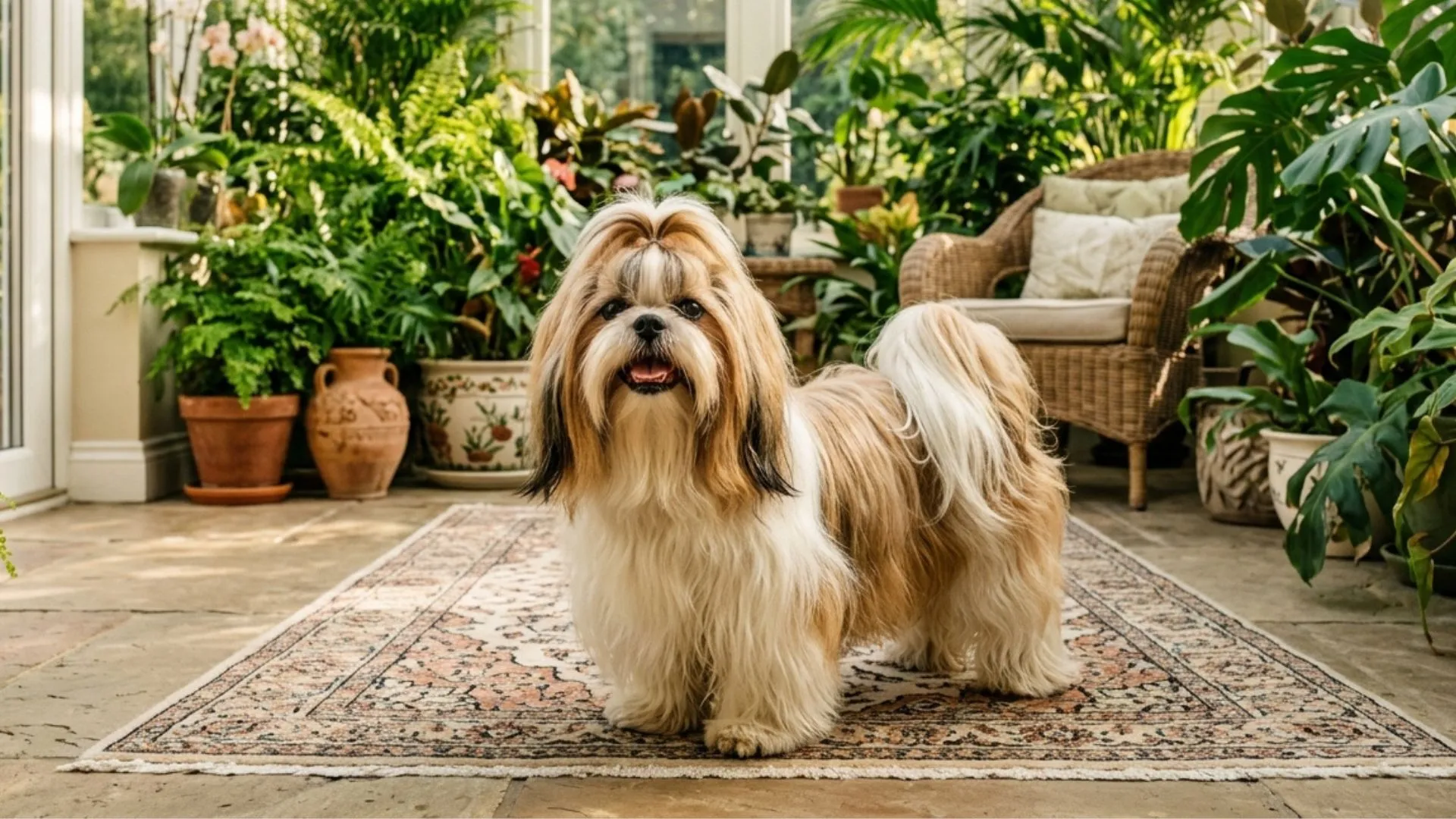
Life can feel like a nonstop race. Between work, family responsibilities, and endless notifications, many people crave a companion that brings peace rather than chaos. That is where stress-free dog breeds shine. These dogs tend to adapt well to stable homes, enjoy human company, and generally have calm temperaments when their needs are met.
As author Roger Caras famously said, “Dogs are not our whole life, but they make our lives whole.” A calm, loving dog may not solve every problem, but it can certainly make the journey through life feel a little lighter and a lot more joyful.
Many owners report that spending time with dogs helps reduce daily stress and improve emotional well-being. A relaxed dog can make a home feel warmer, quieter, and more balanced. If you are looking for a furry friend that prefers comfort over commotion, these breeds deserve a closer look.
Stress‑Free Dog Breeds that Thrive in Good Settings
1. Cavalier King Charles Spaniel
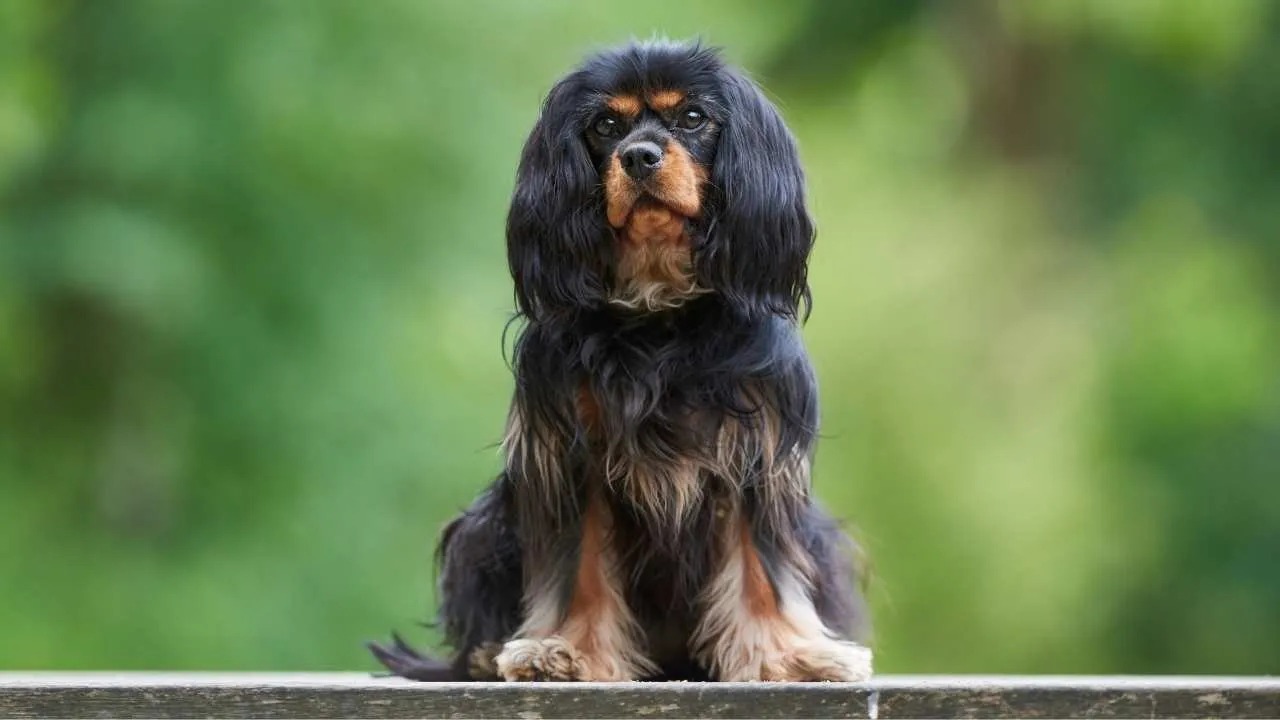
This loving and affectionate dog breed was given the name by the British royalty in the 17th century because of the immense love and affection of King Charles I and his son King Charles II, as they even used to carry this lap dog to the courts and in carriages, according to PetMD.
The breed naturally produces low levels of stress hormones compared to high-energy breeds. Being a neotenic breed, it carries its puppy-like physical and mental characteristics into adulthood: soft cushioning under the eyes, a domed head, and large limpid eyes. This triggers a nurturing response in humans.
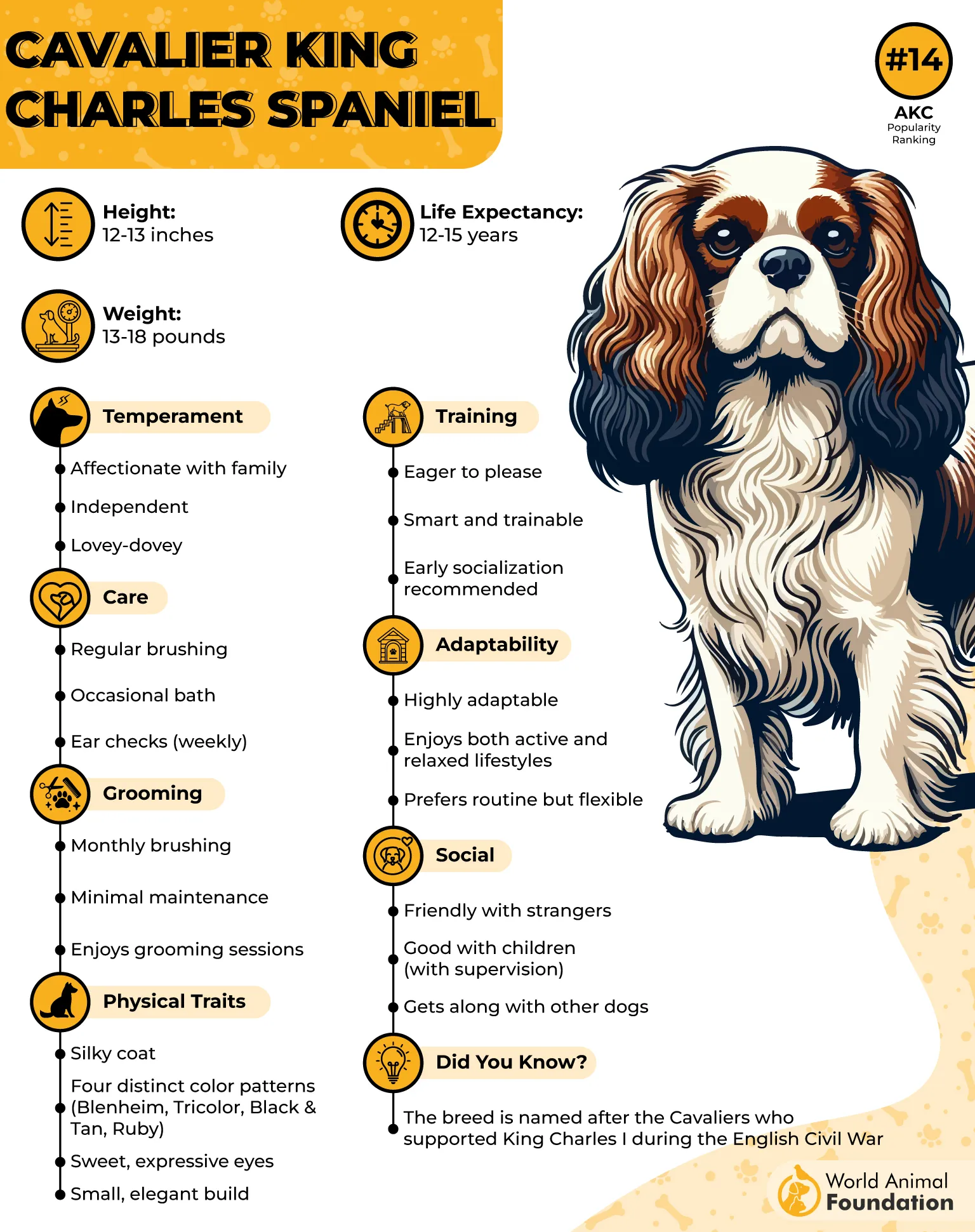
It has a blunt fight-or-flight response; thus, there are rare chances that it will ever exhibit nervous aggression. Because it is attuned to human emotions, it is widely used in therapy work, emotional support programs, and child development treatments (comforting children with ADHD or autism).
2. Shih Tzu
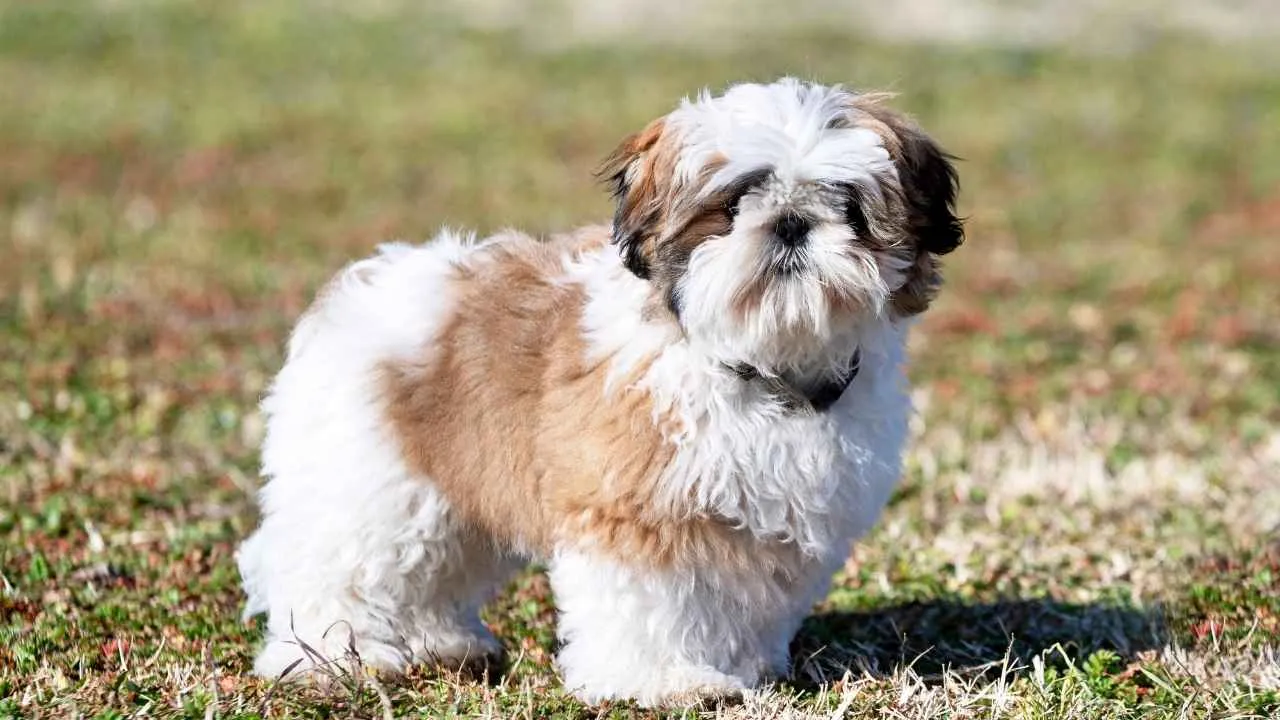
This toy dog was developed in China centuries ago by the Buddhists to serve as a watchdog in the Chinese monasteries. It was bred specifically to look like a lion (by having a thick coat around the neck, giving it a mane appearance) since the lion holds a sacred position across the Chinese culture.
Being a watchdog, it possesses a cat-like personality, where it finds itself a high vantage point in the house and sits quietly over there, keenly observing its surroundings. It has a low prey drive, so it does not react abruptly to sudden visual or auditory triggers.
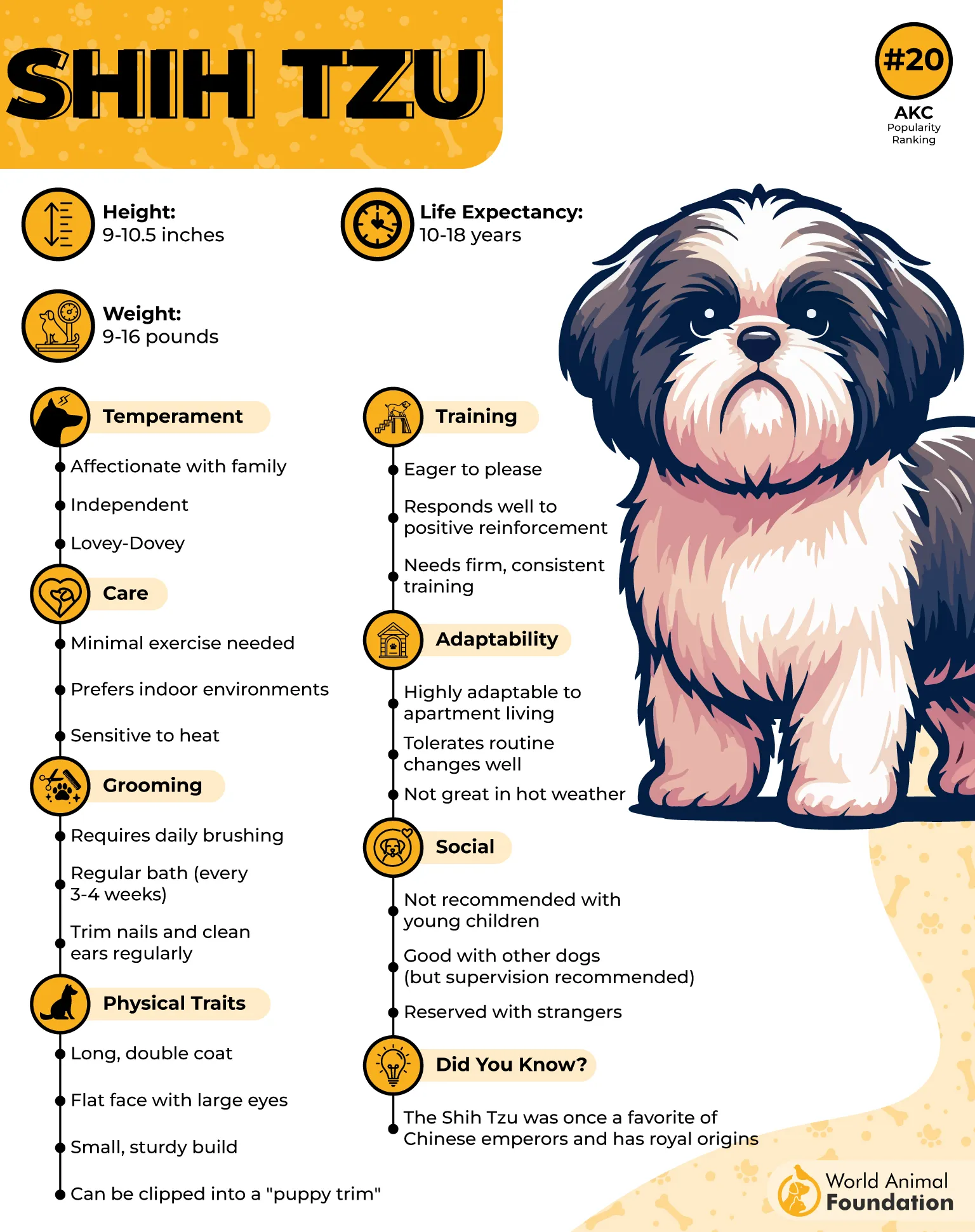
Do not leave the Shih Tzu alone for more than 4 hours, or it will develop separation anxiety. The breed has low-impact exercise needs: daily walks and indoor play. Avoid using a harness and use a collar instead, since it is a brachycephalic breed (has a flat face and narrowed airways).
3. Havanese
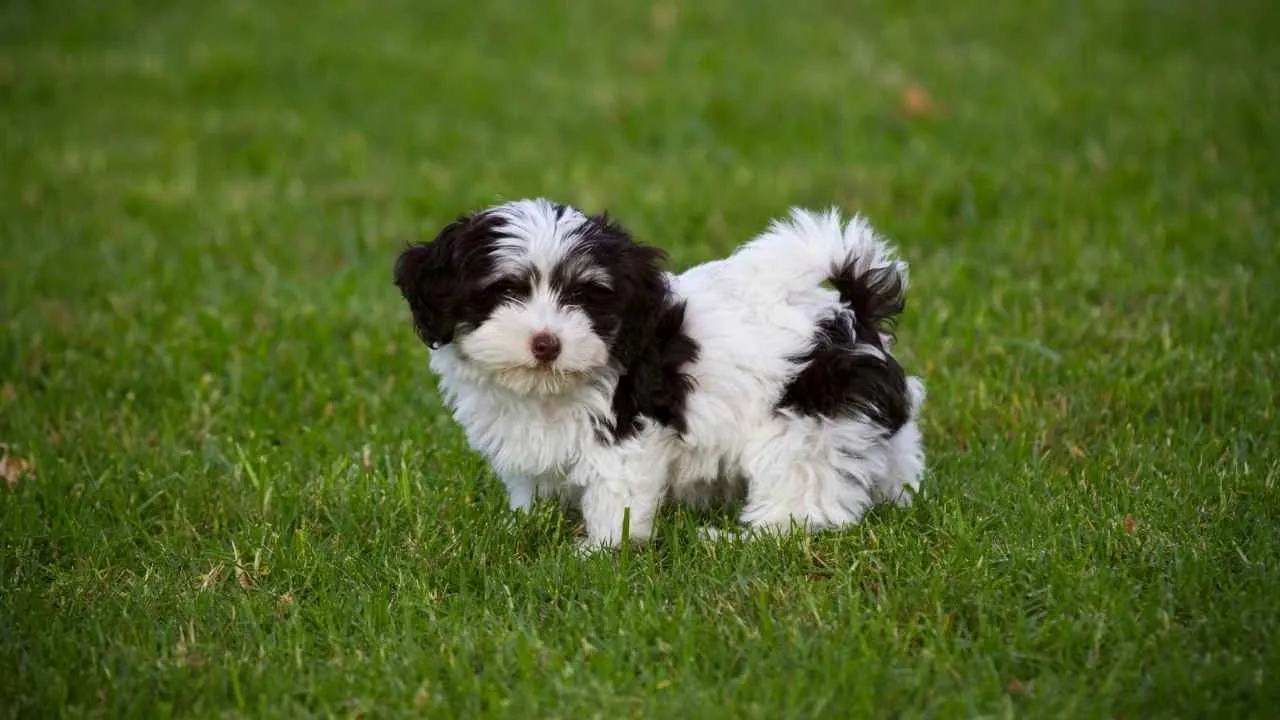
This Bichon-type dog breed is the official dog of Cuba and was developed by crossing an extinct breed, Blanquito de la Habana (the little white dog), with other Bichon-type dogs, such as the Poodle. The breed has a gentle temperament, making it ideal for therapy, assistance, and signal work.
The breed forms strong bonds with its owners and reads their body language and facial expressions. This physically lowers the heart rate and blood pressure of the patients. It has a robust life expectancy of 14-16 years when properly cared for with high-quality and nutrient-rich diets.
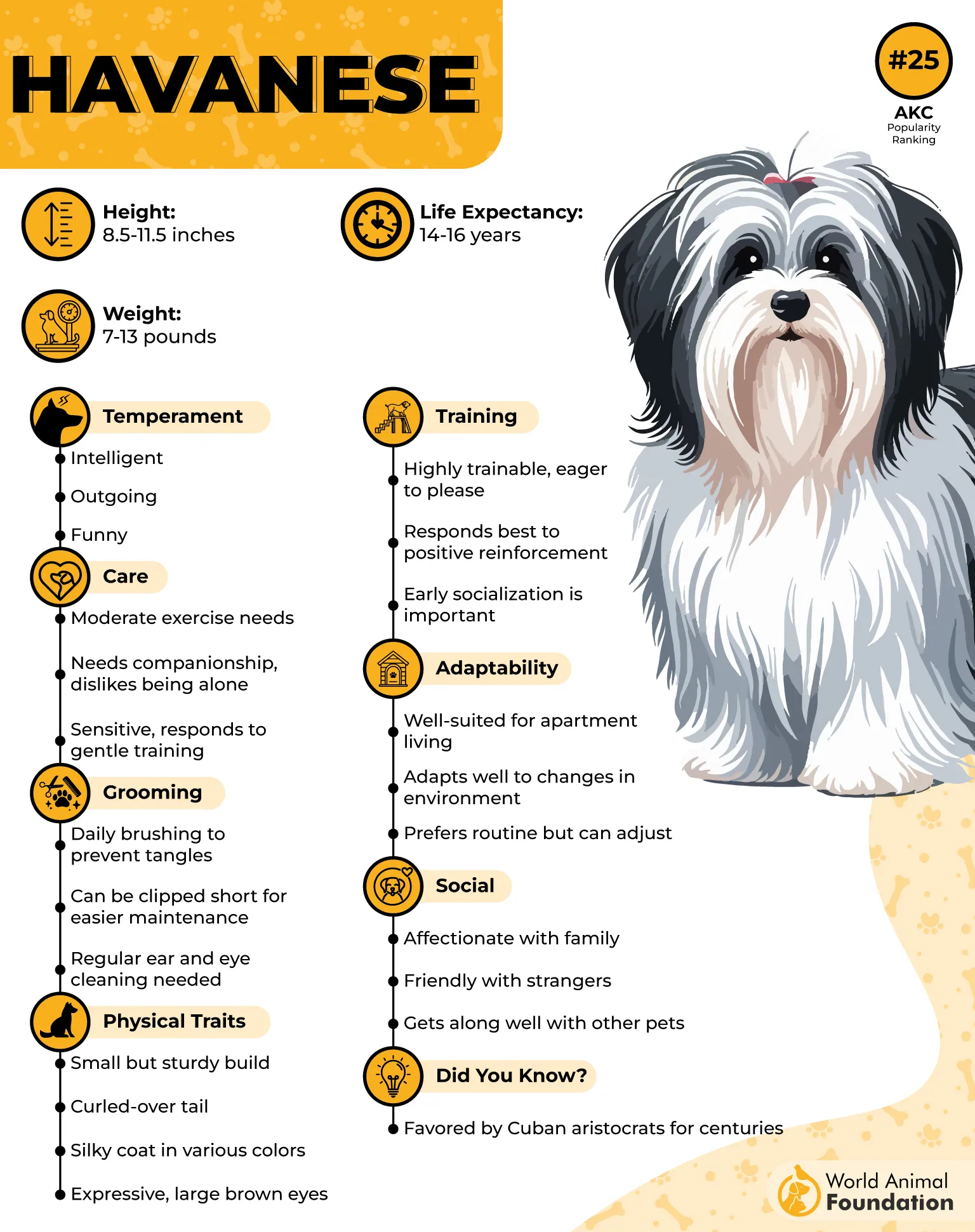
The breed is eager to please, making it a quick learner. The breed has moderate exercise needs (30-60 minutes): daily 2-3 walks, tug-of-war, hide-and-seek, and puzzle toys. A 5-minute training technique must be adopted for puppies: increase 5 minutes of physical activity each month till the breed reaches 2 years of age.
4. Pug
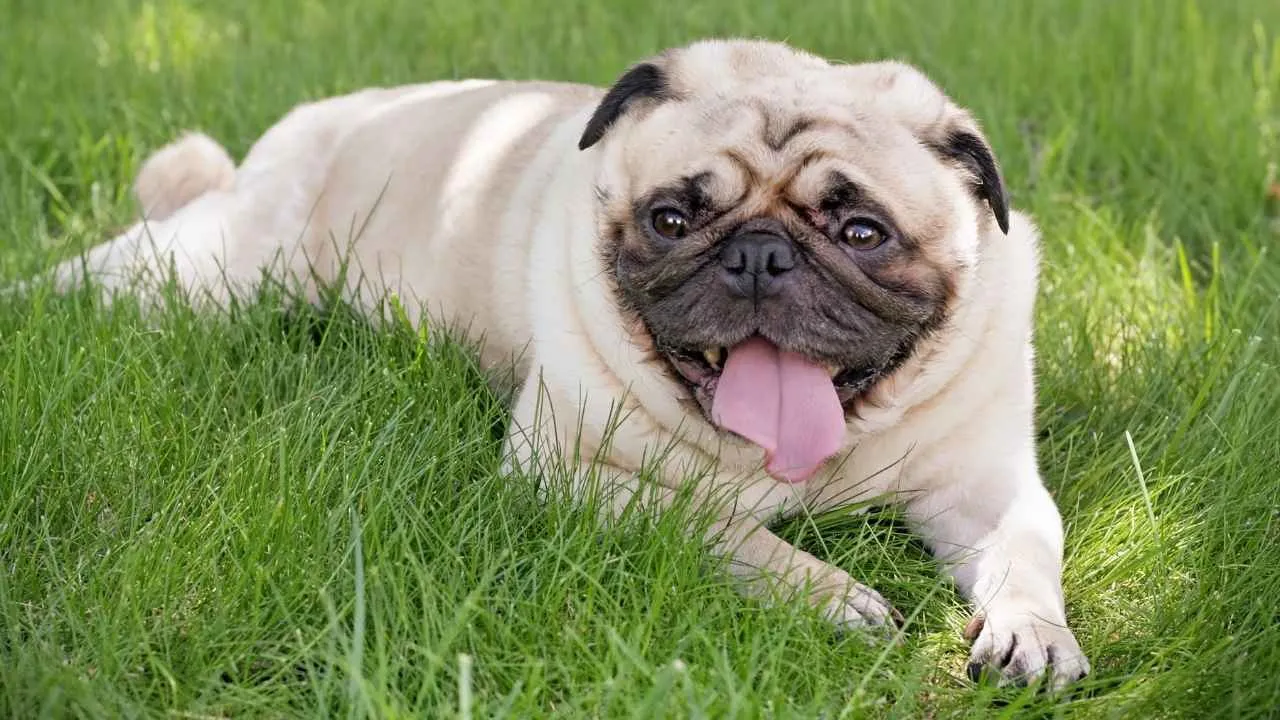
This ancient dog breed originated in China some 2,000 years ago. It became a favorite among the royalty because of its distinct physical features, wrinkly face, curly tail, bulging eyes, and snort-like, loud breathing, as per Britannica.
The brachycephalic nature makes breathing difficult, especially during intense exercise in summer. The undershot jaw and a round mouth structure prevent an aggressive bite. It usually has a calm demeanor and only barks to alert the owner of a threat. Its couch potato nature makes it sleep 14-16 hours a day.
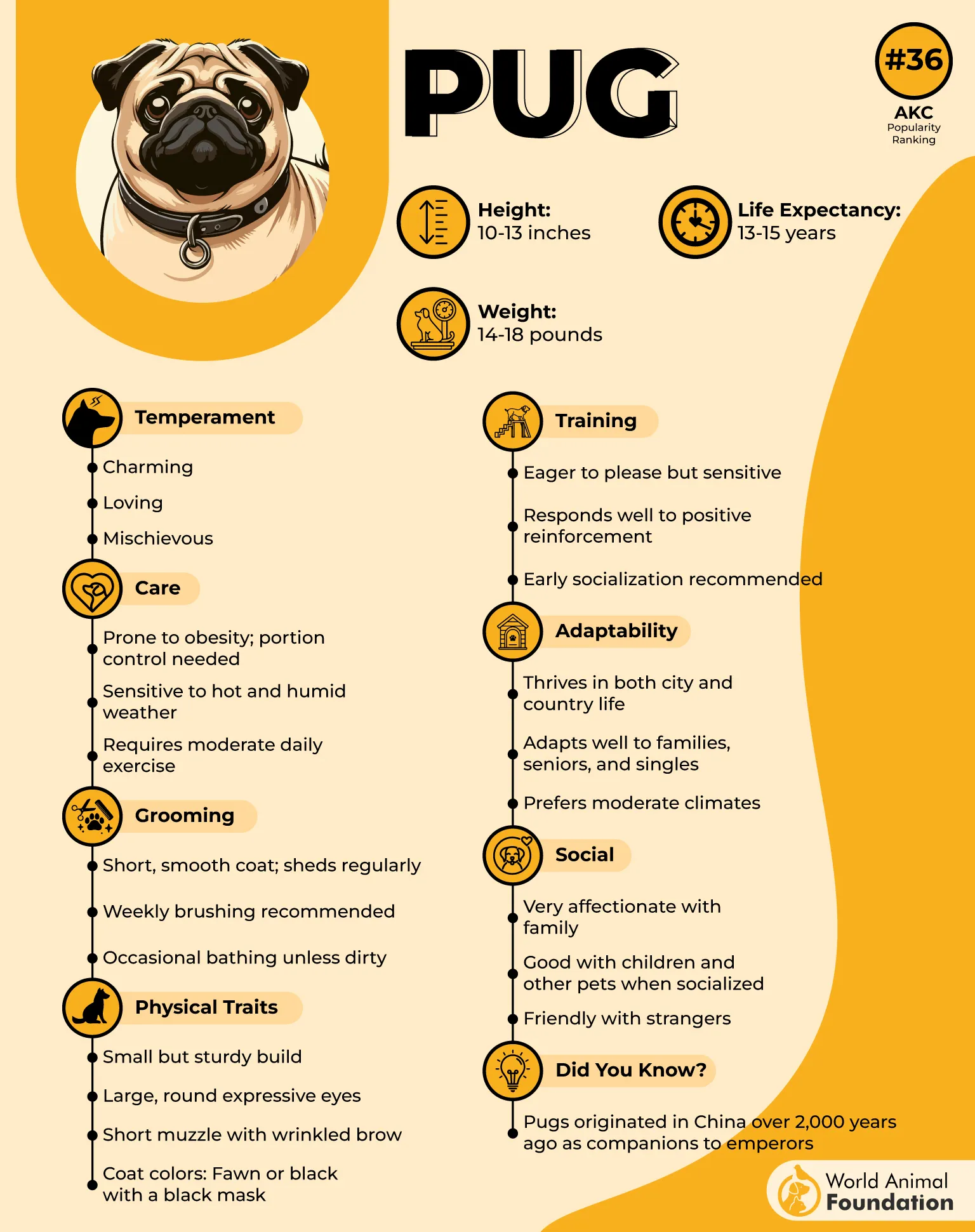
The breed weighs up to 14-18 pounds and stands 10-13 inches tall. This makes it a perfect lap dog. Many Pugs have developed a habit of wrapping their paws around your neck as a sign of affection. Low-impact activities are best for the breed: hide-and-seek, puzzle toys, and trick training.
5. Bichon Frise
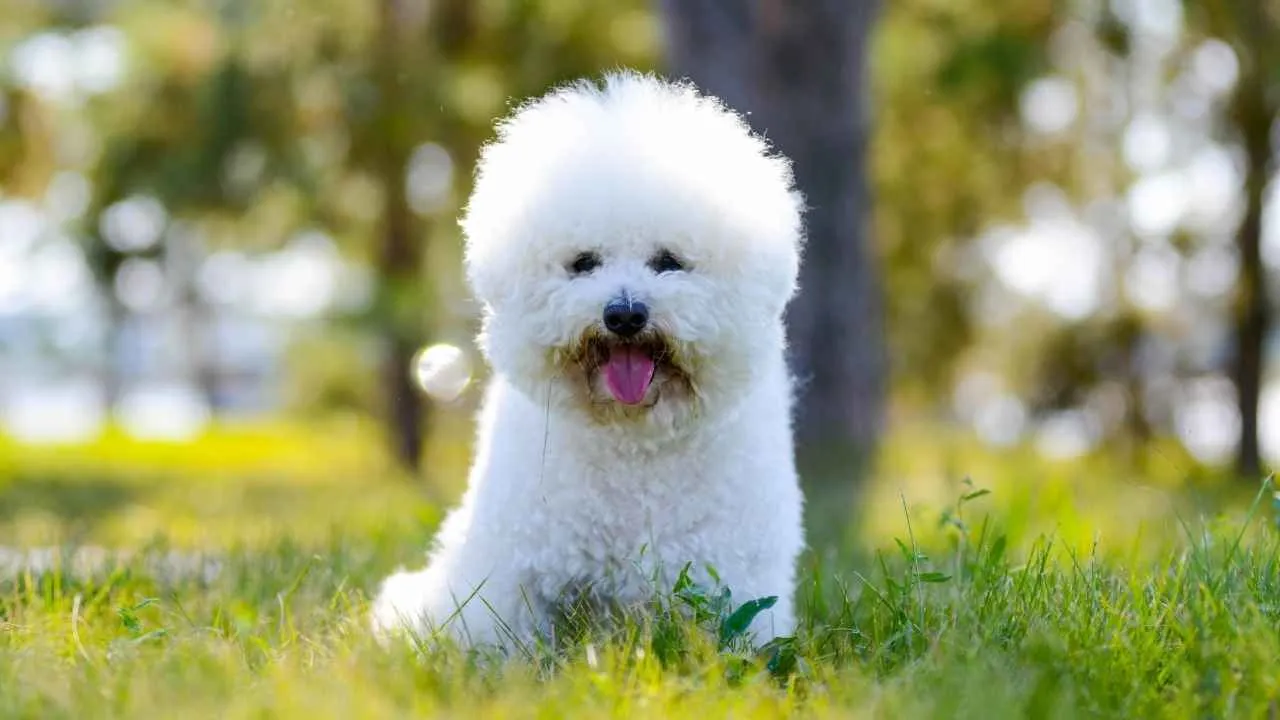
This white dog breed was originally bred in the Mediterranean region, and the sailors in the 14th century are believed to have brought this dog to Europe. It then gained fame in Spain and France, where the royalty adopted it as a pet animal. The breed had to come out on the streets as a performer for its survival after the French Revolution.
The metabolism is finely tuned with its environment: it loves to participate in outdoor activities and stays calm indoors. It shows resilience against loud noises and has low territorial aggression, making it a socially friendly pet. The ‘Bichon Blitz’ is well associated with the breed, as it has short bursts of energy where it tends to jump and zoom around before finally going back to the resting phase.
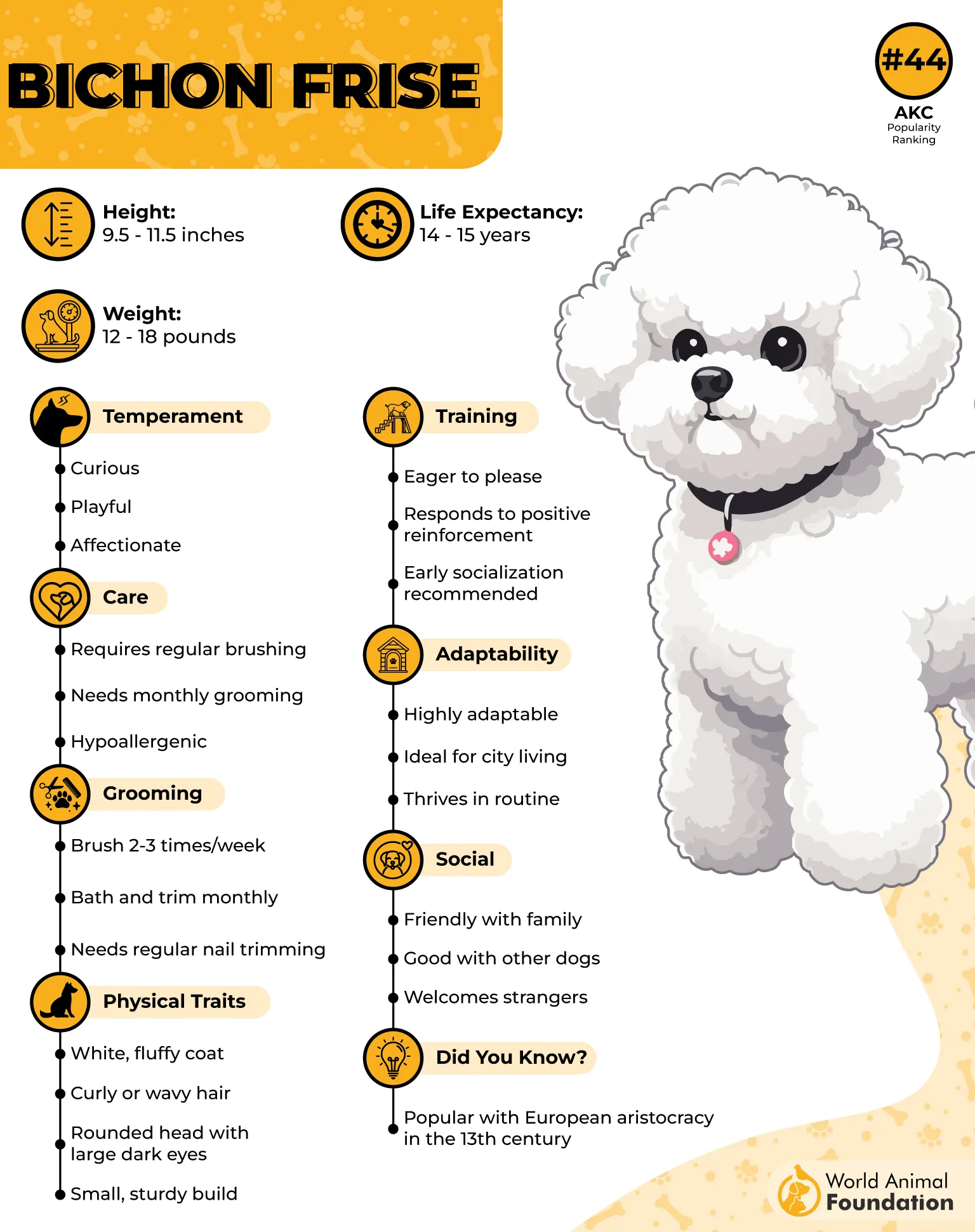
The circus heritage taught it to learn fun activities to amuse the people: rolling over, high-fiving, and spinning. It needs daily exercise for 30-60 minutes for physical and mental enrichment: 2-3 walks and indoor play. Since the breed has a heavy double coat, making it temperature sensitive, avoid taking it outdoors on a hot summer day.
6. French Bulldog
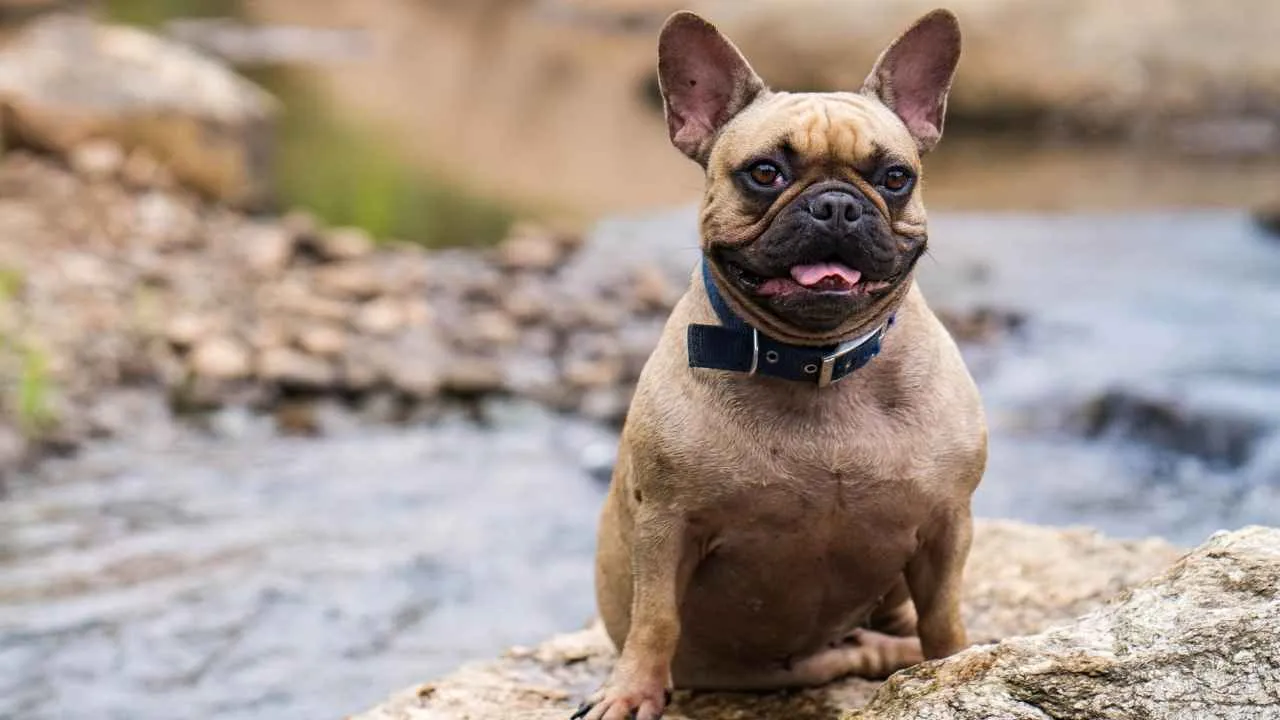
Developed as a toy dog breed in England in the 1800s by the lacemakers, the Frenchie was made by crossing Bulldogs with other small breeds. This was done after the ban on blood sports in 1835. People wanted to have a modified version of a Bulldog with a gentle demeanor and a small size.
Since it has short and stout legs with a compact bone structure (dwarf or chondrodystrophic build), it was built for short plays followed by prolonged lounging. While resting, it often lies flat on its belly with its legs splayed out straight behind it, giving it a ‘frog-styled’ sploot.
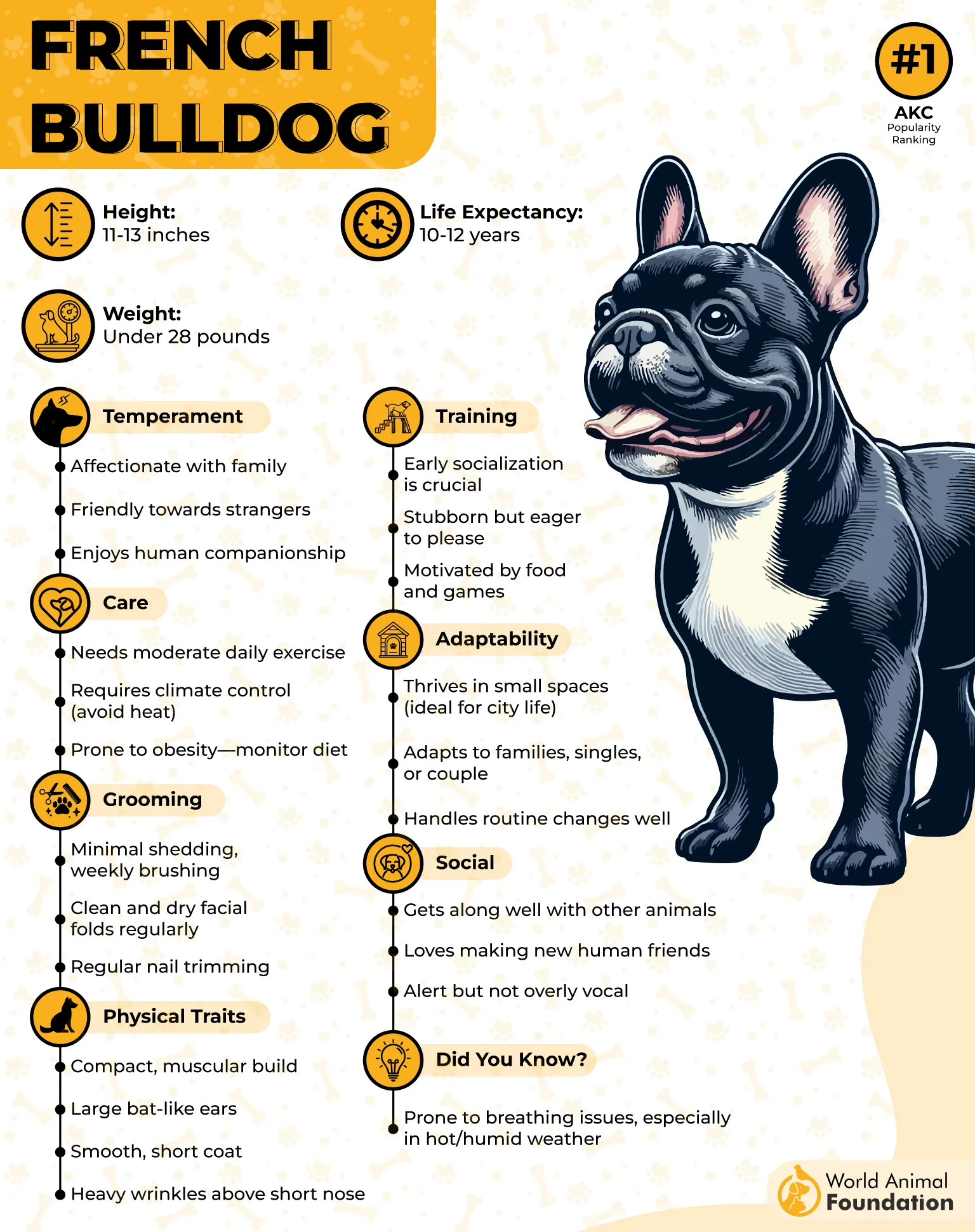
When tired, it plants its hind legs on the ground, looks up at you with expressive eyes, protesting to be carried out in a lap. It flops onto its back with its legs in the air, nudging you for the belly rubs. The breed needs 30-45 minutes of daily exercise: scent games, puzzle toys, brisk walks, and soft fetching.
7. Whippet
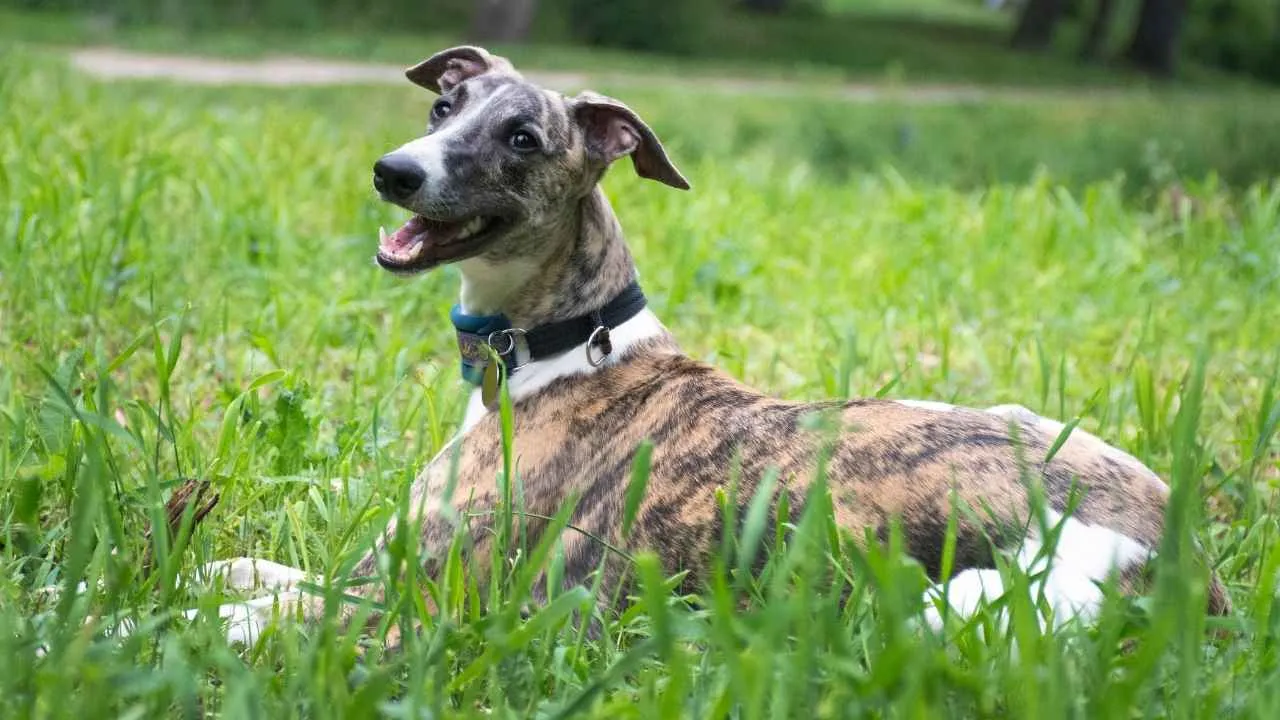
The history of this calm dog breed begins in Victorian England, where the coal miners had an obsession with blood sports and the Greyhounds. Since the breed required ample space and was heavy on the pockets, the miners decided to selectively breed a racing dog with the same temperament as the Greyhound but in a smaller size, says the AKC.
It has an elongated face and an S-curve profile that gives it minimal air resistance while running. At rest, the breathing is regulated, quiet, and relaxed. It has fast-twitch muscles that give it explosive bursts, reaching the high speed of 35 mph for a shorter time, then it goes back to the couch.
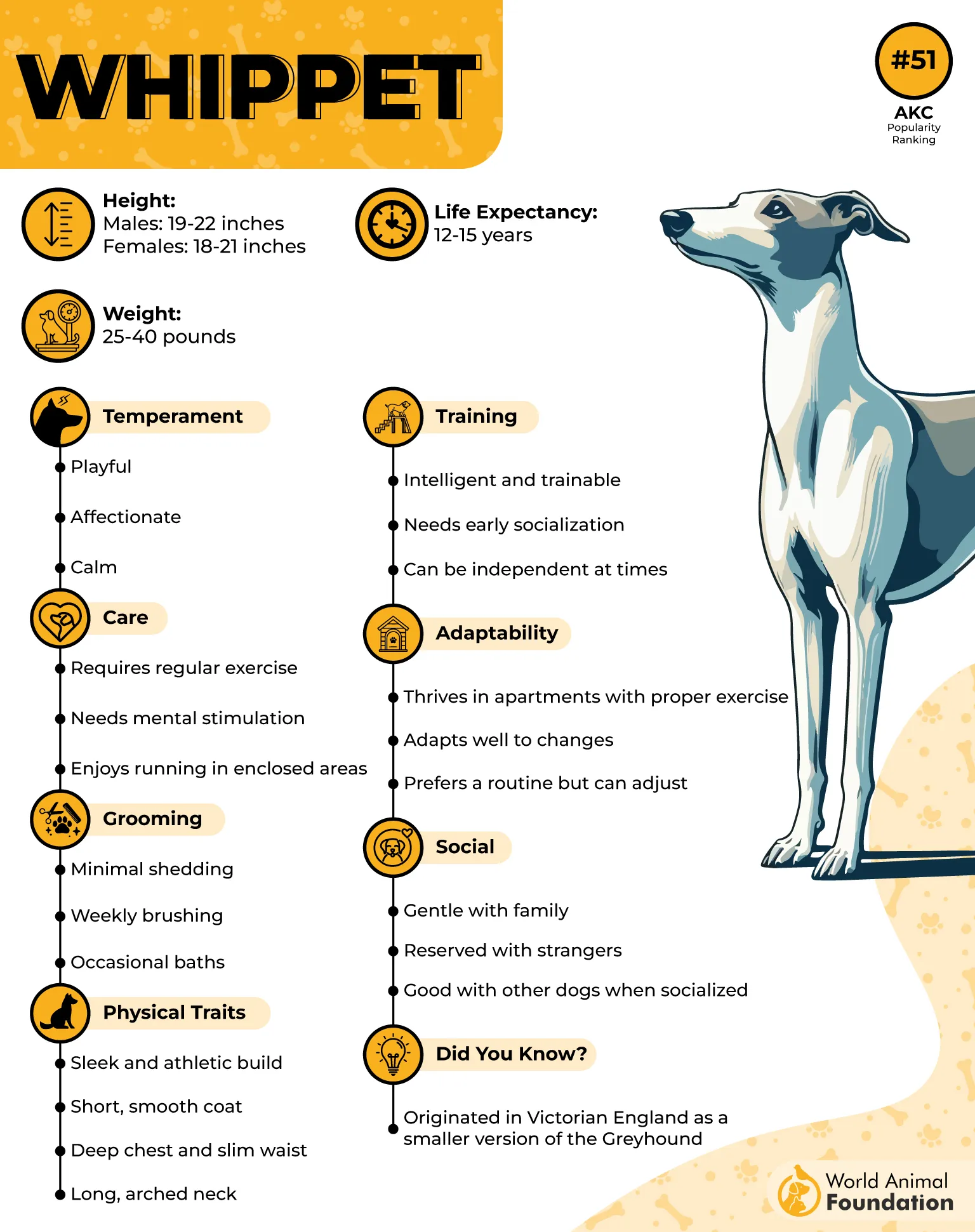
The dog has a single-layered short coat that requires minimal grooming. It has a reclining sleeping posture, lying flat on its back with its paws in the air or contorting into an intertwined pretzel shape. Being an absolute sun chaser, it follows a light sun beam and lies there to absorb all of this.
8. Clumber Spaniel
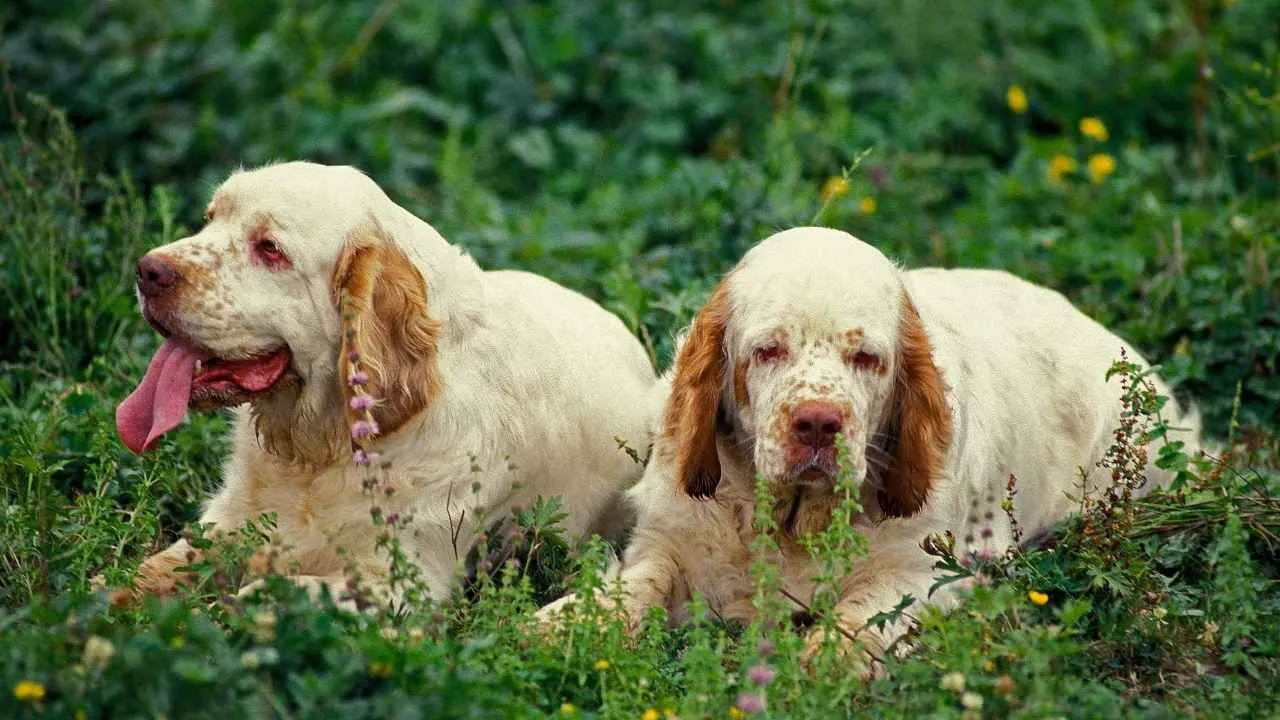
One of the oldest spaniel breeds, the Clumber Spaniel was developed in England, with its history dating to the 18th century. It has a large and square head, soulful eyes, and a deep-set body. Known for its strong sense of smell and retrieving instincts, it has laid the foundation for other spaniel breeds.
It has a low basal metabolic rate compared to lighter spaniels. It has an easy rolling gait since it has limitations in jumping or doing high-impact exercise. It has a high vagal tone, helping it regulate its heart rate quickly. This gentle giant is ready to sleep all day (12-16 hours a day)
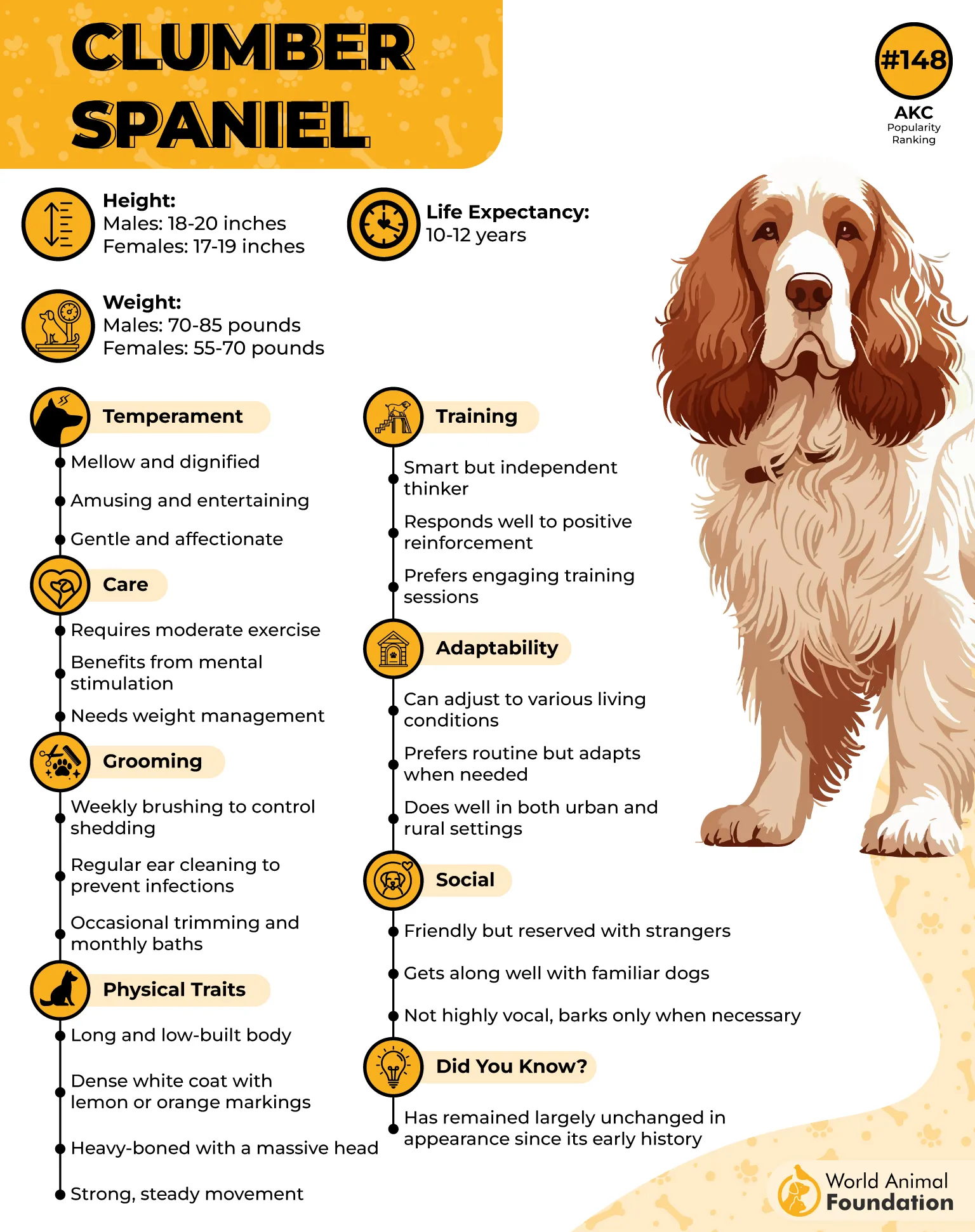
It is a Velcro dog and forms strong connections with the owner’s family. It is known for picking up its own dog bed and sitting a meter away from you, staring at the floor, craving human attention. It needs a gentle and sustained activity to meet its physical needs.
9. Golden Retriever
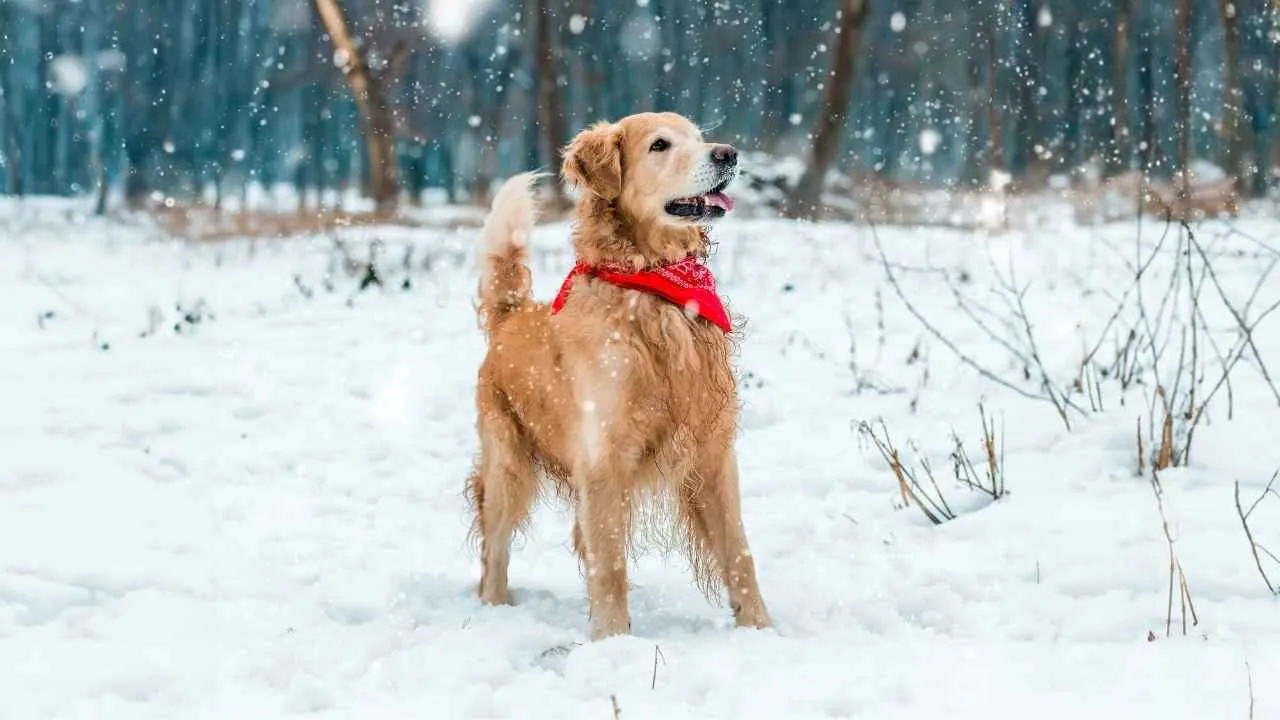
This Scottish breed was developed as a retrieving dog and is known for its gentle and affectionate nature, hiding in a striking golden coat. It is widely kept as a companion dog and excels in obedience training, dog sports, and protection work. It was developed by Sir Dudley Marjoribanks in the 19th century by crossing the Labrador Retriever and the Bloodhound.
It went through specific genetic mutations to form secure attachments with humans. The breed has a high emotional intelligence to read human emotions. It tends to learn new tricks as a stress-reliever. Having a retrieving heritage means it will carry stuffed toys with a soft mouth to you.
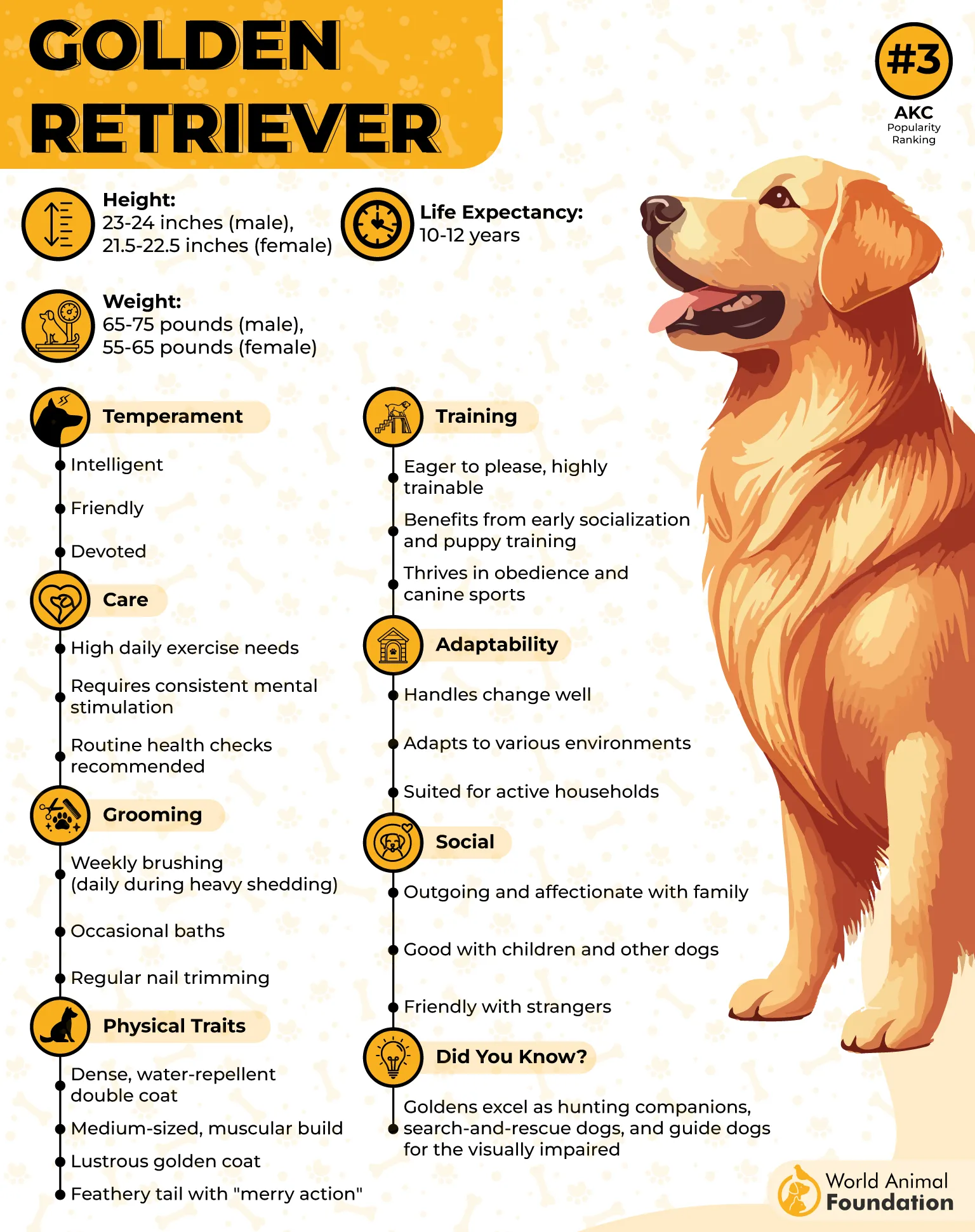
It has a playful bounce that it exhibits when excited. It has moderate exercise requirements (60-90 minutes): sniffari, fetching, swimming, and mind-challenging games. Puppies should not be exposed to high-impact exercise, such as running and jumping, till it reaches the age of 12-18 months.
10. Greyhound
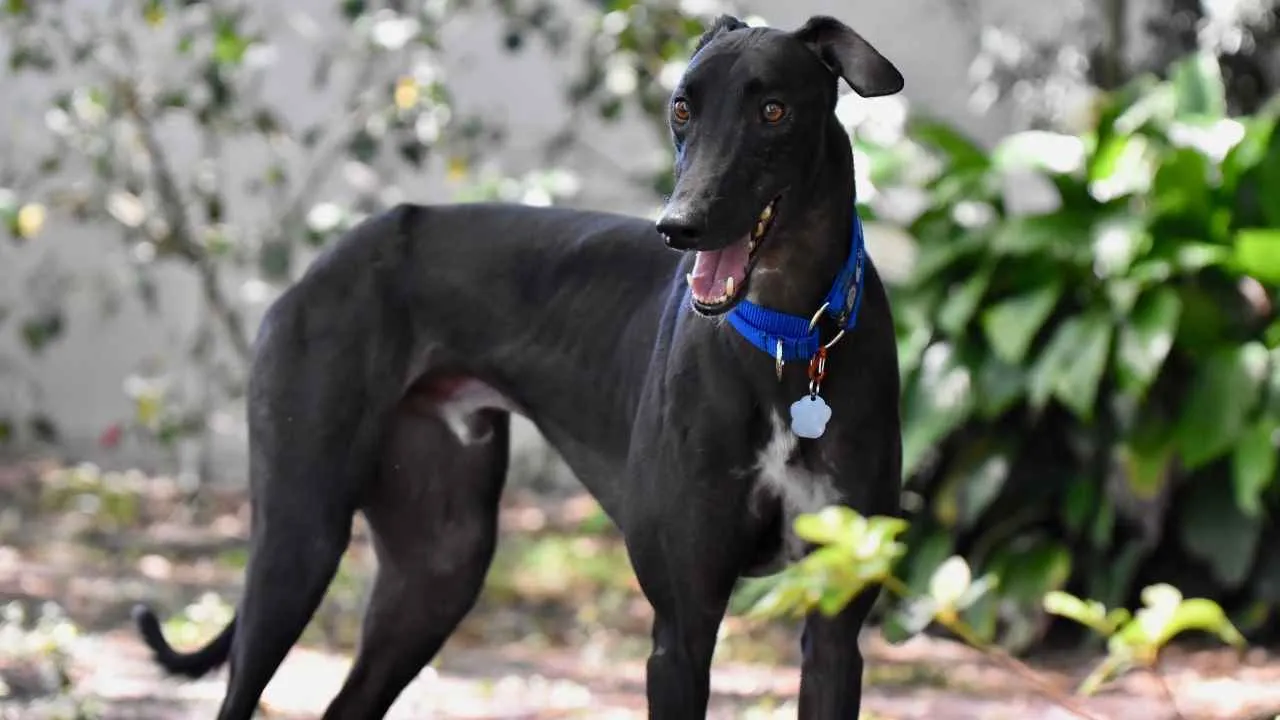
This sighthound was developed as a hunting breed because of its high speed (45 mph) and agility. It excels in dog sports and racing. It is ranked as the fastest dog breed to ever exist. It has a flexible spine, tough feet, and a long tail.
It has highly adaptive cortisol regulation. Despite its athletic build, it tends to sleep all day (18 hours) once the cardiac requirements are met. It has an introverted nature, which means it is highly attuned to the owner’s emotions. The breed has zero dog odor, making it ideal for clean homes.
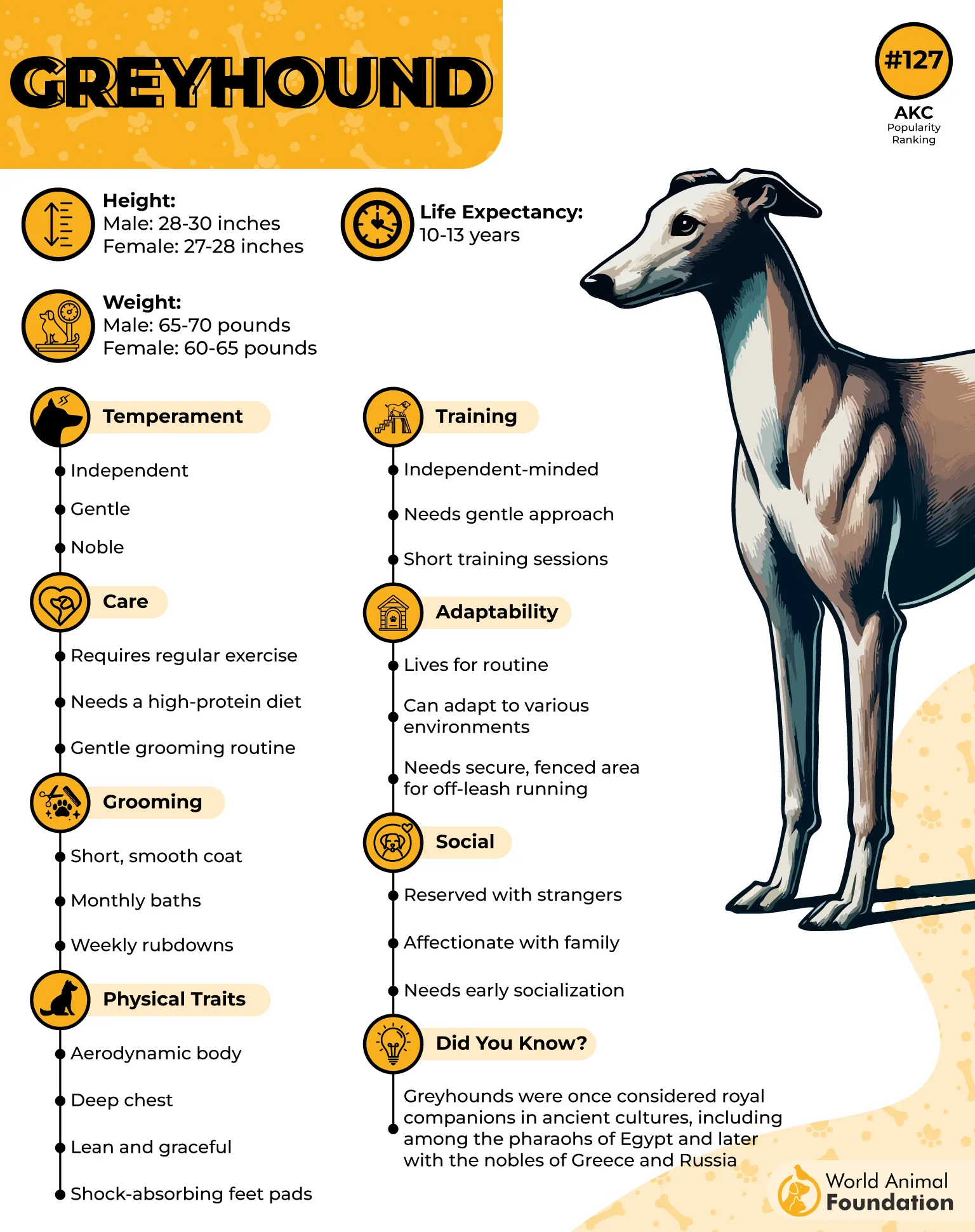
It is a toy hoarder and tends to pile them up onto the bed. It may engage in cobbing, which is nibbling or grooming with its front teeth to show affection. The breed needs 2-3 brisk walks a day and controlled sprints to prevent joint injuries.
Conclusion
Choosing a dog is not just about appearance. It is about finding a companion whose personality fits your lifestyle. Stress-free dog breeds often thrive in stable, loving environments where they feel safe, valued, and included.
Whether you are drawn to the affectionate Cavalier King Charles Spaniel, the charming French Bulldog, the dependable Golden Retriever, or the surprisingly relaxed Greyhound, each breed offers its own version of comfort and companionship.
The key is providing consistent care, proper training, and a supportive home.
