




Some dogs aren’t just pets—they’re statements of elegance and refinement. Sophisticated dog breeds often carry a history of prestige, whether as companions to aristocrats, participants in show competitions, or prized family guardians.
Their refined looks, graceful movement, and intelligent personalities set them apart from more common breeds—but these qualities often come with high ownership costs. High costs can stem from rarity, specialized grooming needs, health maintenance, or selective breeding to preserve unique traits.
Owners of sophisticated breeds often invest in top-notch nutrition, regular veterinary care, and sometimes professional training or grooming to ensure their dogs maintain their elegance and well-being. Despite these investments, owning a sophisticated dog is deeply rewarding.
Here, we’ll explore sophisticated dog breeds with hefty price tags, highlighting what makes each breed special, why they require extra care, and the unique joy and prestige these refined dogs bring to those ready to provide the attention and resources they deserve.
Quick Insight: Breeds like the Samoyed, Tibetan Mastiff, and Chow Chow aren’t just rare—they come with high maintenance needs, from specialized grooming and diet to healthcare.
Sophisticated Dog Breeds & Their High Ownership Costs
1. Samoyed

Price: Up to $14,000
These snow-white, cloud-like pups aren’t just stunning—they’re intelligent, friendly, and full of energy. But beauty comes at a price: a Samoyed puppy from a reputable breeder can run anywhere from $4,000 to $8,000, with some rarities going as high as $14,000.
Samoyeds are perfect for active families who love long walks, running, or even the occasional snowball fight—because these dogs are basically little four-legged athletes.
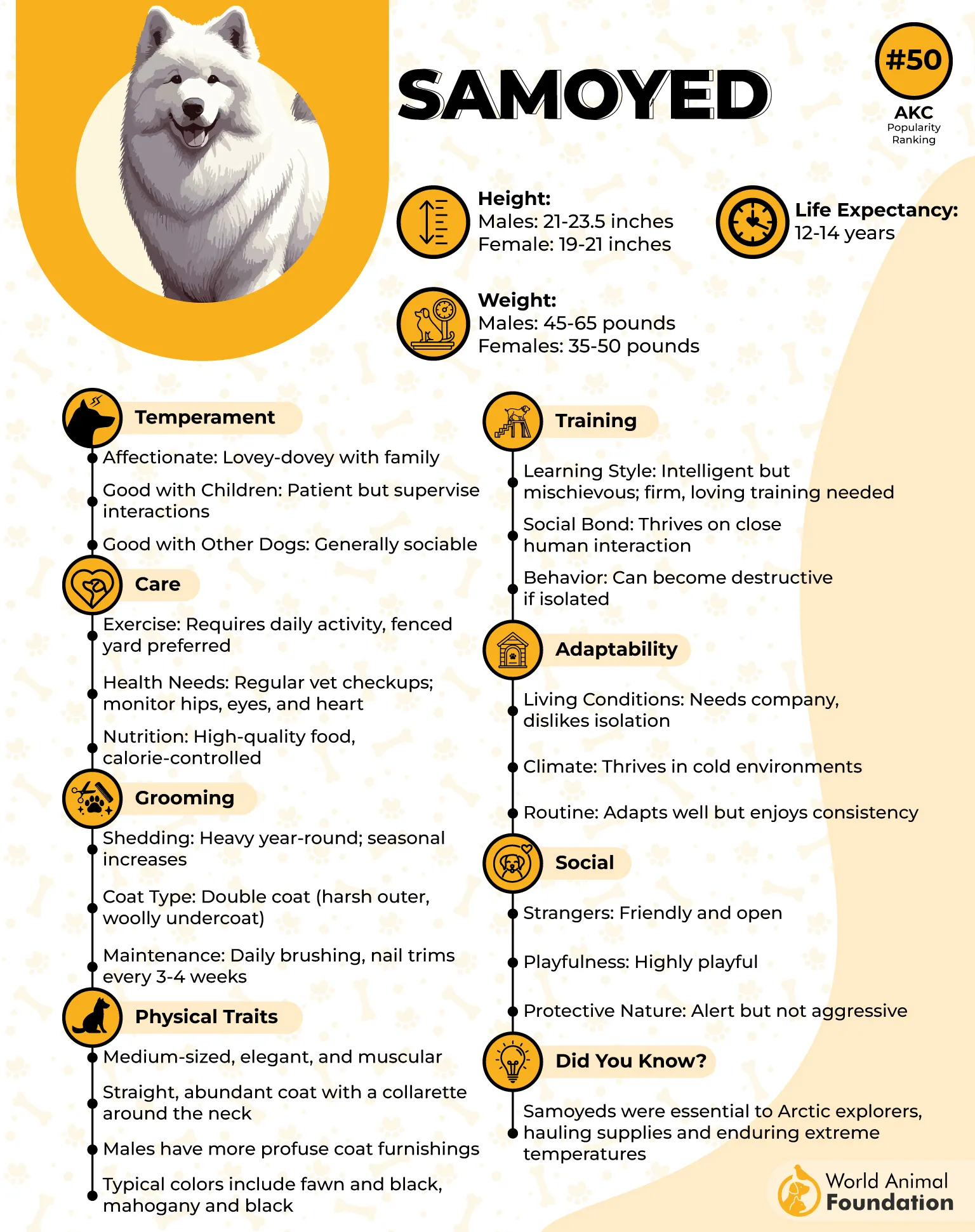
PetMD notes that their playful and alert nature makes them a joy for first-time dog parents…as long as you’re ready for the daily exercise and grooming marathon. Speaking of grooming, owning a Samoyed means embracing a little shedding…ok, maybe a lot of shedding.
Their thick, luxurious coat needs frequent brushing to stay healthy, or you’ll find yourself vacuuming more than a cleaning robot could handle. And yes, their potential health issues—like autoimmune disorders and heart problems—can make vet bills climb faster than your dog on a kitchen counter.
With a lifespan of 12-14 years, a Samoyed will be a loyal, fluffy companion through countless adventures…just be prepared for the long-term investment in both love and lint rollers.
Fun Fact: The iconic “Samoyed smile” isn’t just adorable—it helps prevent drool from freezing in cold weather. Yes, they’re basically winter-ready comedians.
2. Lowchen
Price: Up to $10,000
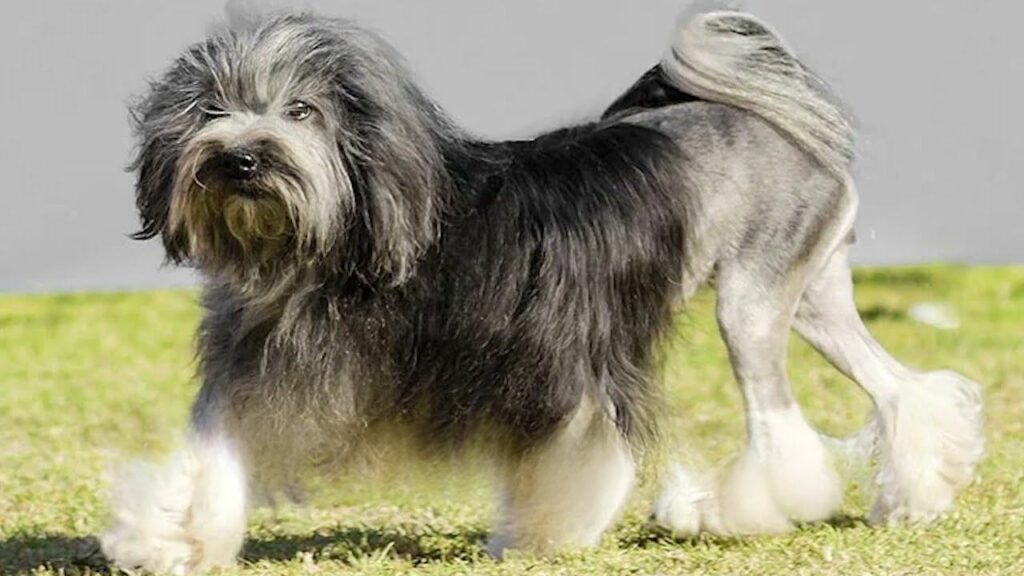
Small in size but big in personality (and price tag), the Löwchen is one of the rarest dog breeds in the world. Because of their limited numbers, these charming pups can cost up to $10,000, making them a luxury companion in a very compact package.

Despite their regal name and fancy grooming style, Löwchens are friendly, affectionate, and surprisingly playful, as noted by the American Kennel Club. They love being the center of attention and thrive in households where they’re treated less like a pet and more like royalty—which, let’s be honest, they already assume they are.
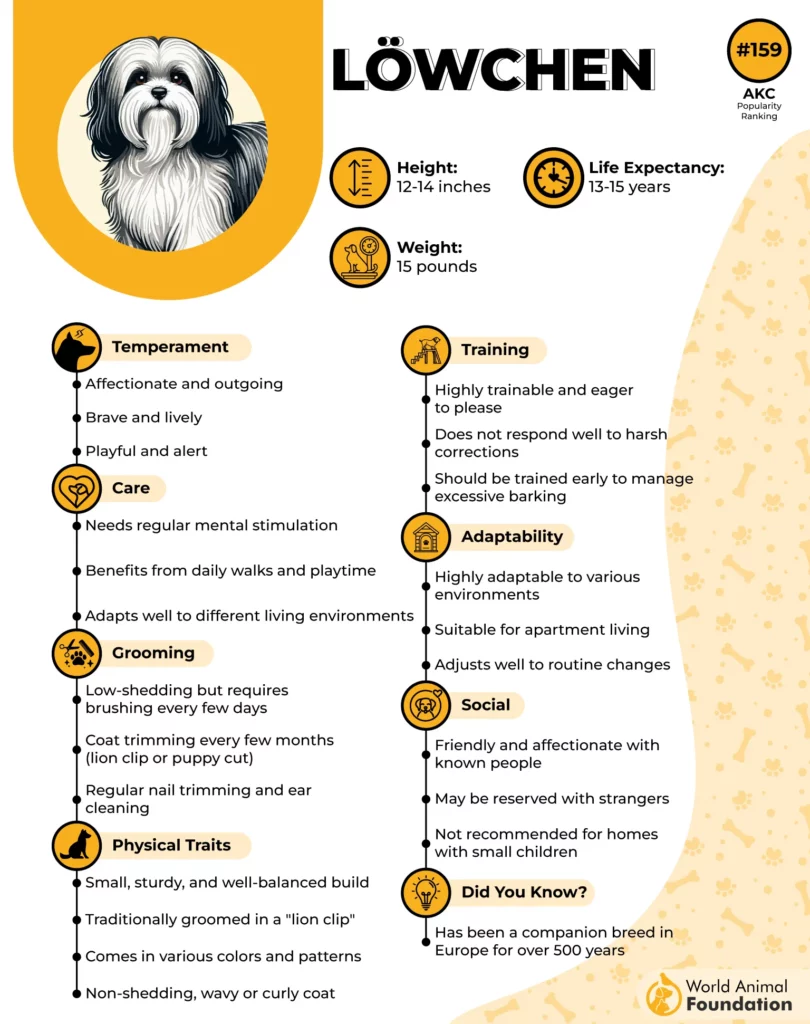
Grooming is a major commitment with this breed. That iconic lion cut requires regular professional grooming, and skipping appointments will quickly turn your “little lion” into a fluffy mop. Add grooming costs to routine vet care, quality food, and potential health expenses, and the Löwchen’s lifetime cost can soar well beyond its initial purchase price.
With a lifespan of 13–15 years, the Löwchen offers long-term companionship, loyalty, and plenty of sass—all wrapped in a tiny, high-maintenance, lion-hearted package.
Fun Fact: The name Löwchen literally means “little lion,” a title they proudly earn thanks to their famous lion-style haircut. Yes, the haircut is intentional—and no, they are not heading to a medieval costume party.
3. Tibetan Mastiff
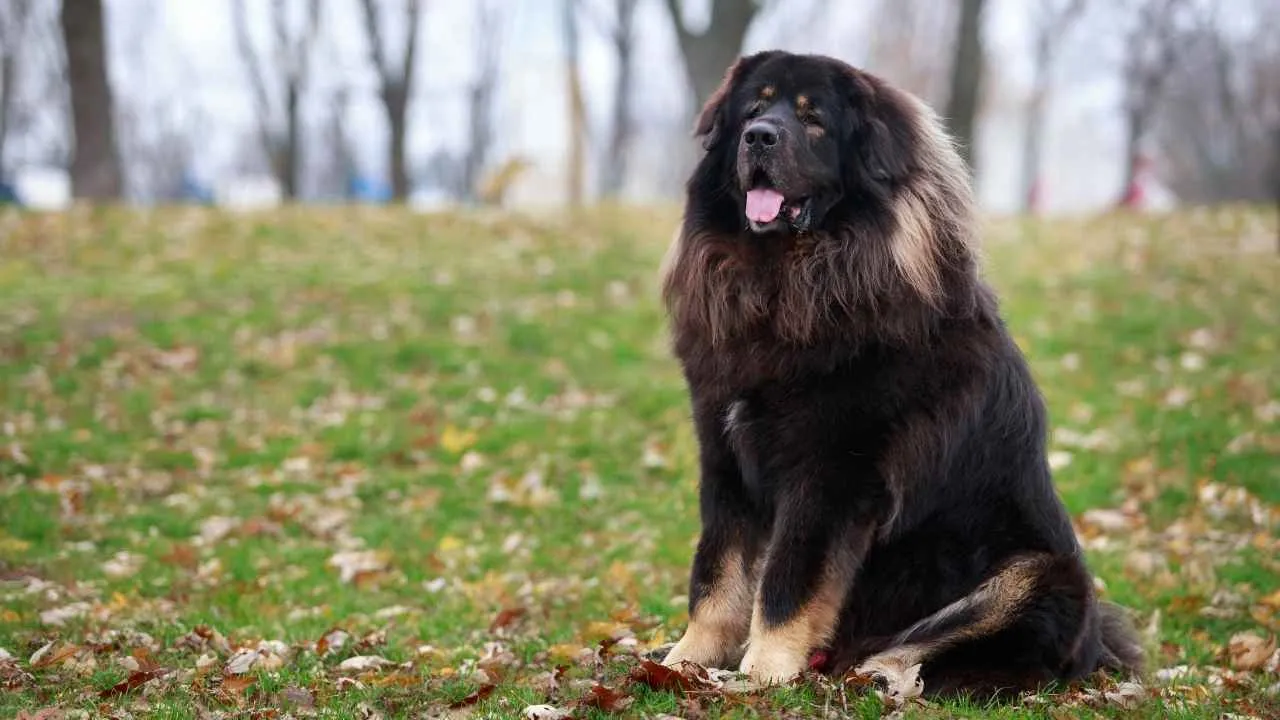
Price: $2,000–$6,000 on average
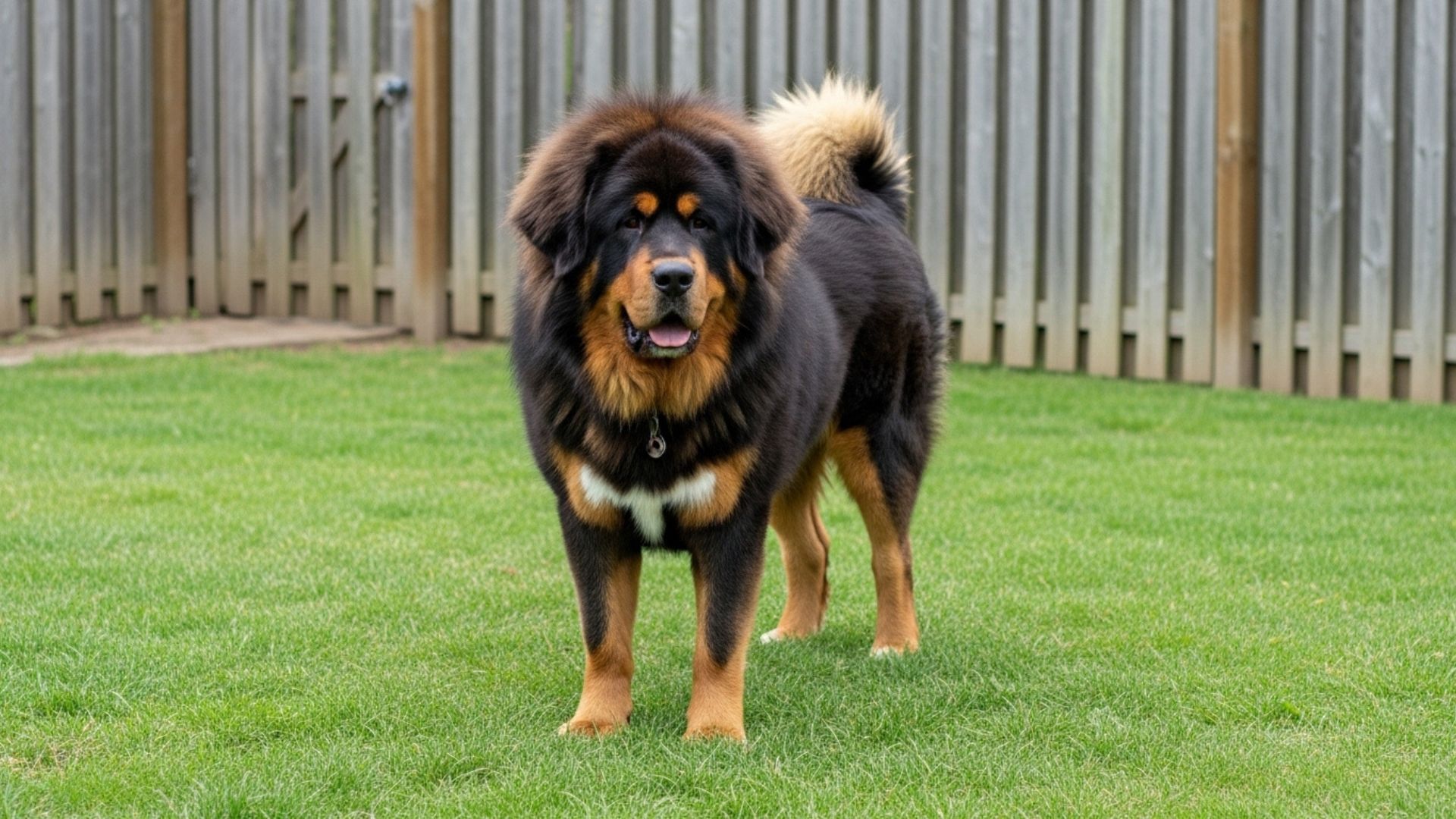
If dogs had bodyguards, the Tibetan Mastiff would be the bodyguard. With their massive size, lion-like mane, and commanding presence, it’s no surprise this breed has become a favorite status symbol among the rich and famous. They don’t just walk into a room—they announce themselves.
Tibetan Mastiffs are among the most expensive breeds on the planet. While the average price ranges from $2,000 to $6,000, a few headline-making pups have sold for over $1 million. Yes, a million. As in “this dog probably has a better investment portfolio than you.”
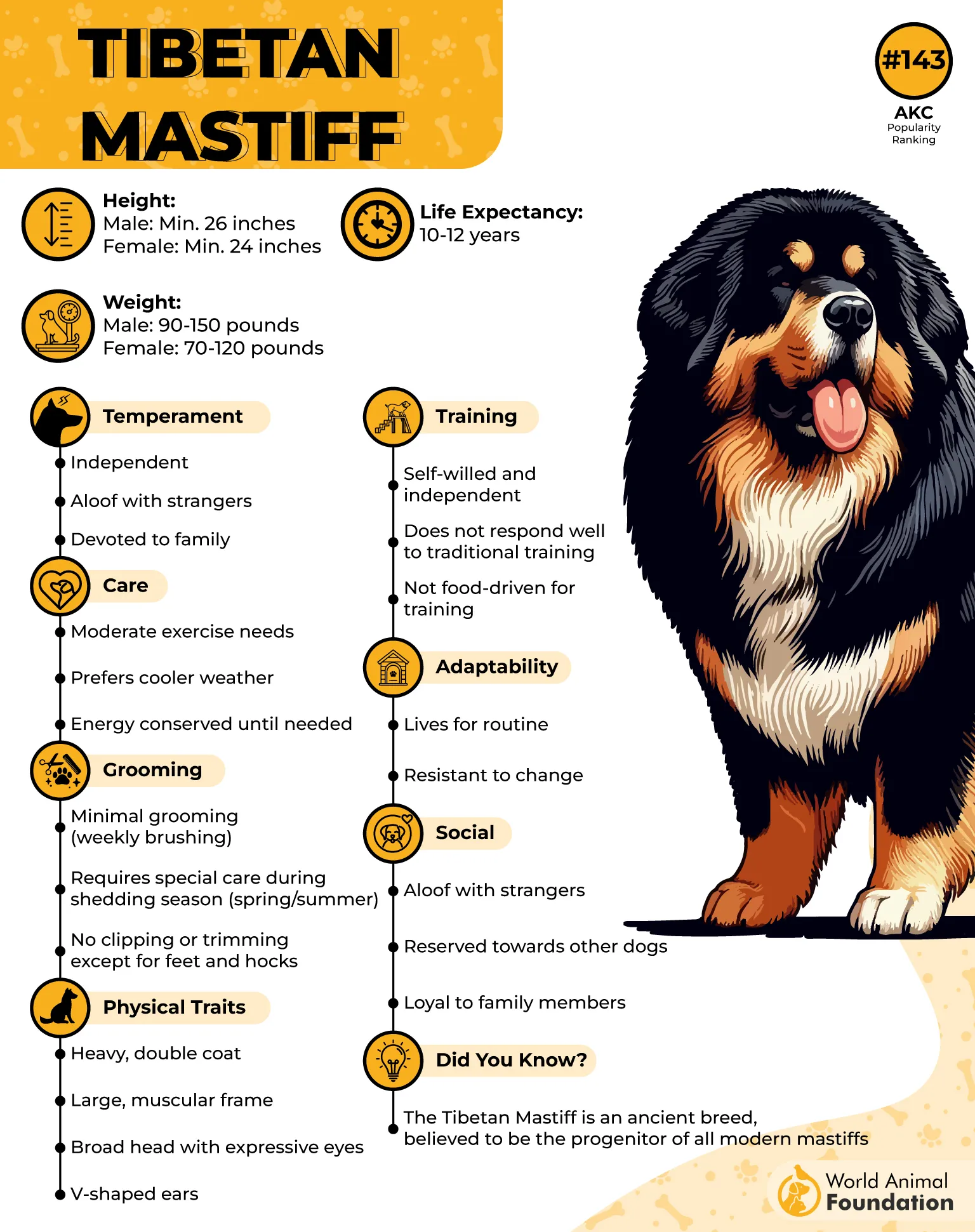
Despite their intimidating appearance, Tibetan Mastiffs tend to be deeply loyal and affectionate with their owners. However, they’re naturally reserved around strangers, making them excellent guard dogs—and slightly judgmental housemates. If you’re a guest, expect a long stare before you’re deemed worthy of entry.
Owning one of these giants isn’t cheap beyond the purchase price. Their thick double coat requires frequent grooming, especially during shedding seasons when it seems like an entire second dog falls off. Health-wise, they’re prone to genetic conditions such as hypothyroidism and hip dysplasia, which can lead to costly veterinary care over time.
In short, the Tibetan Mastiff is powerful, protective, and undeniably impressive—but they’re best suited for owners who can handle the size, the expenses, and the responsibility of living with a dog that looks like it could rule a small kingdom.

Fun Fact: Tibetan Mastiffs were once used to guard monasteries in the Himalayas—so yes, they’ve been intimidating intruders long before home security systems existed.
4. Pharaoh Hound
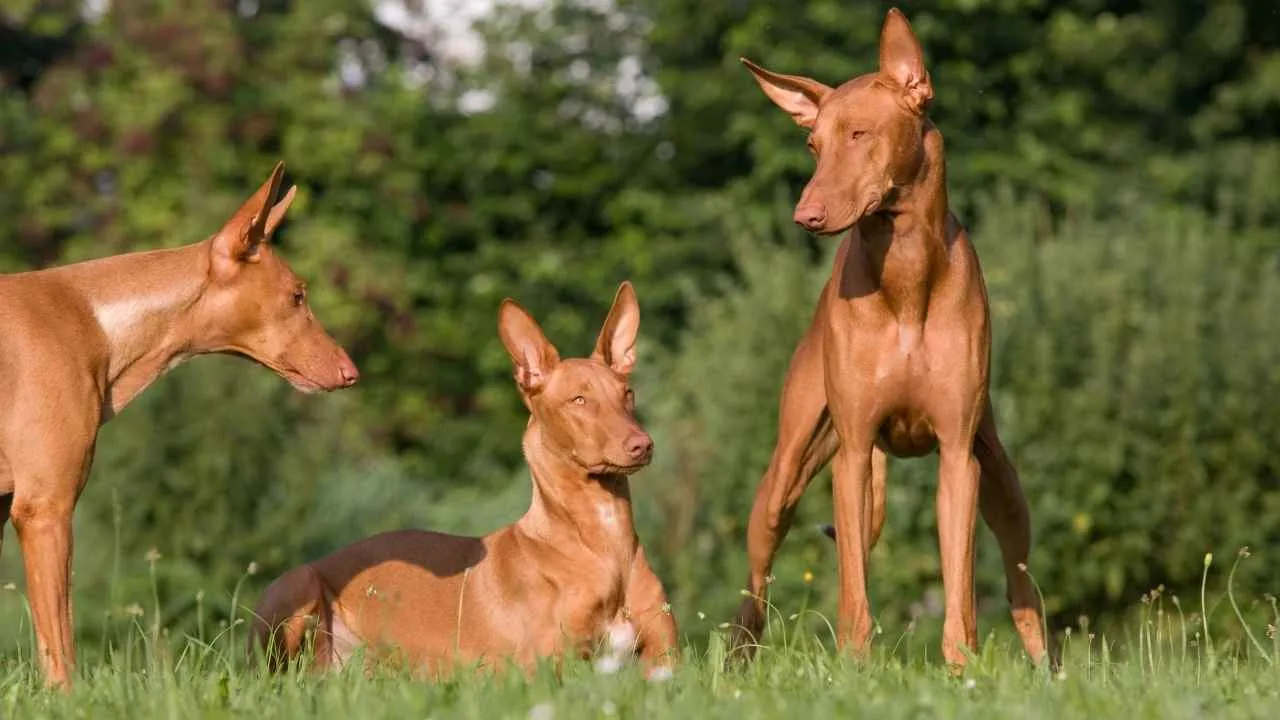
Price: Up to $7,500
Graceful, athletic, and undeniably elegant, the Pharaoh Hound looks like it walked straight out of history and into a luxury dog show. Known as the “rabbit dog” in Maltese, this breed has long been used to hunt rabbits on the Maltese Islands, combining speed, intelligence, and razor-sharp focus.
Weighing between 45 and 55 pounds, Pharaoh Hounds are lean, muscular, and built for movement. They’re highly intelligent and athletic, which means they thrive with structured training, daily exercise, and owners who enjoy an active lifestyle.
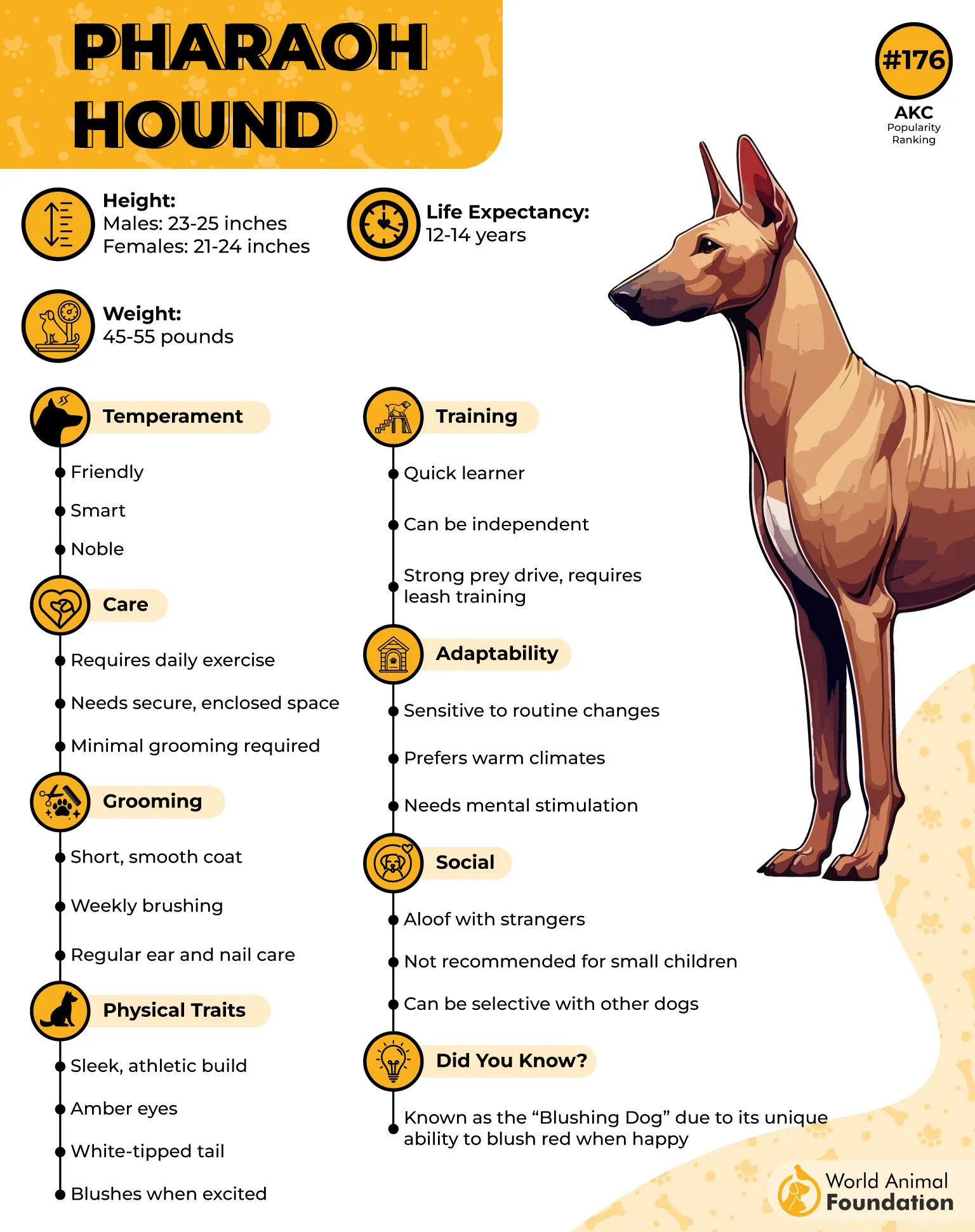
While their average lifespan of 11–14 years is solid, this breed comes with a sensitive side. Pharaoh Hounds are extremely stress-prone, and anxiety can lead to serious digestive and neurological issues.
Treating stress-related health problems can cost owners upwards of $1,500, making emotional management just as important as physical care.
On the bright side, their strong genetic makeup and loyal nature make them wonderful companions. With proper training and a calm environment, Pharaoh Hounds integrate beautifully into families and larger households—offering devotion, elegance, and the occasional regal side-eye worthy of their ancient roots.
Fun Fact: The Pharaoh Hound has appeared in ancient Egyptian artwork and hieroglyphs—so yes, this breed has been stylish for thousands of years. Trendy before it was cool.
5. Dogo Argentino
Price: Up to $8,000
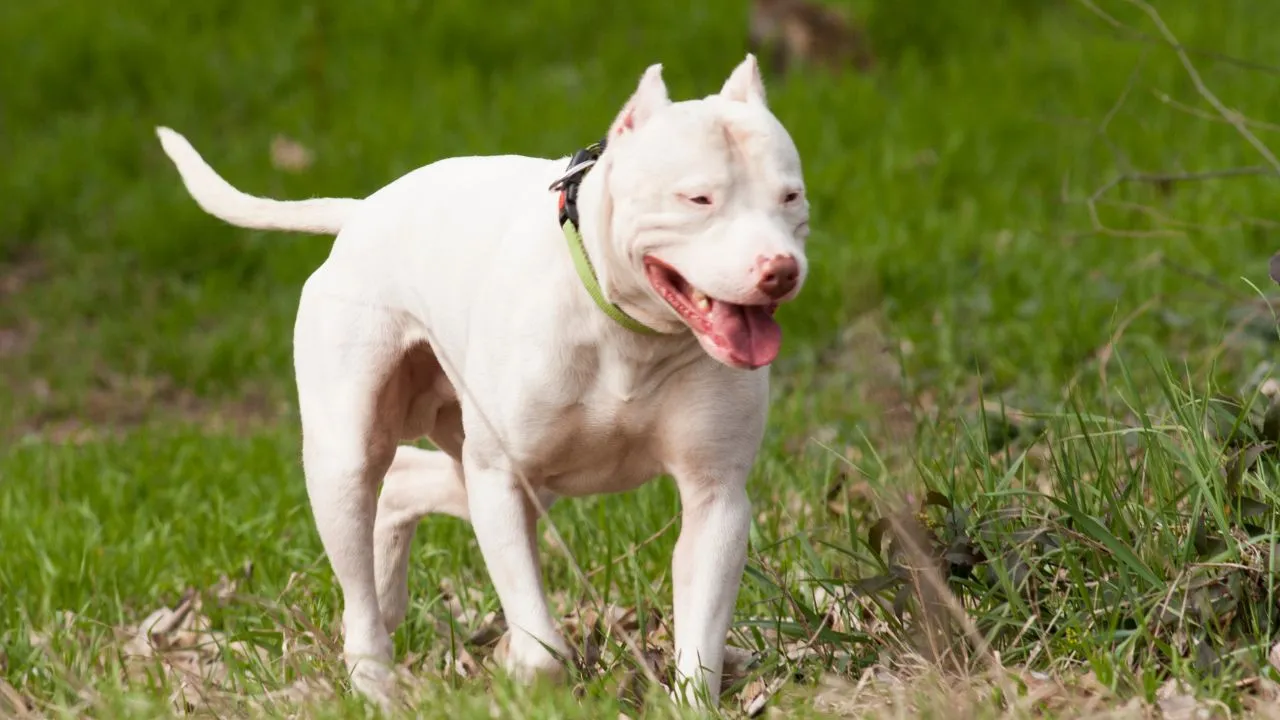
Originally developed for big-game hunting, the Dogo Argentino is one of the most powerful—and expensive—dog breeds in the world. Thanks to their muscular build and incredible endurance, these dogs were bred to hunt wild hogs across South America and parts of Asia.
First bred in 1928, the Dogo Argentino descends from the now-extinct Cordoba Fighting Dog and the Great Dane, a lineage that explains both their strength and imposing presence.
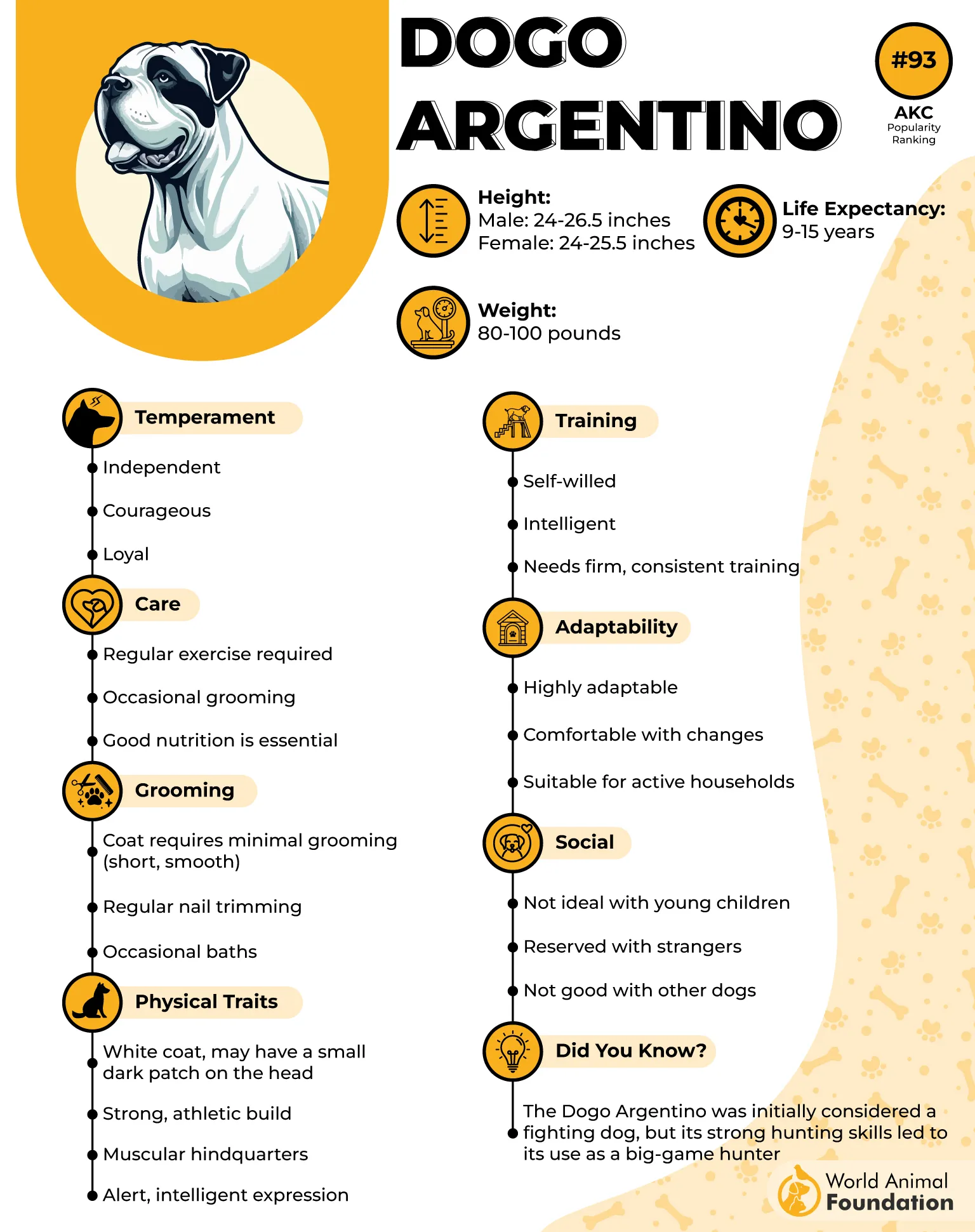
Because of these dominant physical traits, ownership is restricted or outright illegal in places like the UK, Colorado, and New York City—so checking local laws is a must before falling in love.
According to WebMD, Dogo Argentinos are excellent guard dogs, fiercely protective yet deeply affectionate with their families. They thrive with experienced, active owners who enjoy regular outdoor activities.
Daily exercise isn’t optional—it’s essential. Skip it, and your “doggo” may turn into a bored, destructive personal trainer who forces you to work out anyway.
With a life expectancy of 12–14 years, this breed can face health challenges such as hip dysplasia and congenital deafness, leading to veterinary bills of $1,600 or more. Without regular exercise and proper care, both health issues—and vet costs—can climb even higher.
Fun Fact: Bred for big-game hunting, the Dogo Argentino is famous for its strength, athleticism, and “don’t mess with me” physique. Think elite athlete…with fur.
6. Chow Chow

Price: $3,000 to $11,000
One of the oldest dog breeds in the world, the Chow Chow traces its roots back to ancient China, where it was admired for its regal appearance and dignified demeanor. With their lion-like mane, plush red coat, and unmistakable blue tongue, Chow Chows look like they belong guarding an imperial palace—or at least judging everyone who walks by.
Chow Chows are deeply loyal to their families and naturally protective, making them excellent guard dogs. However, they tend to be reserved and aloof with strangers.
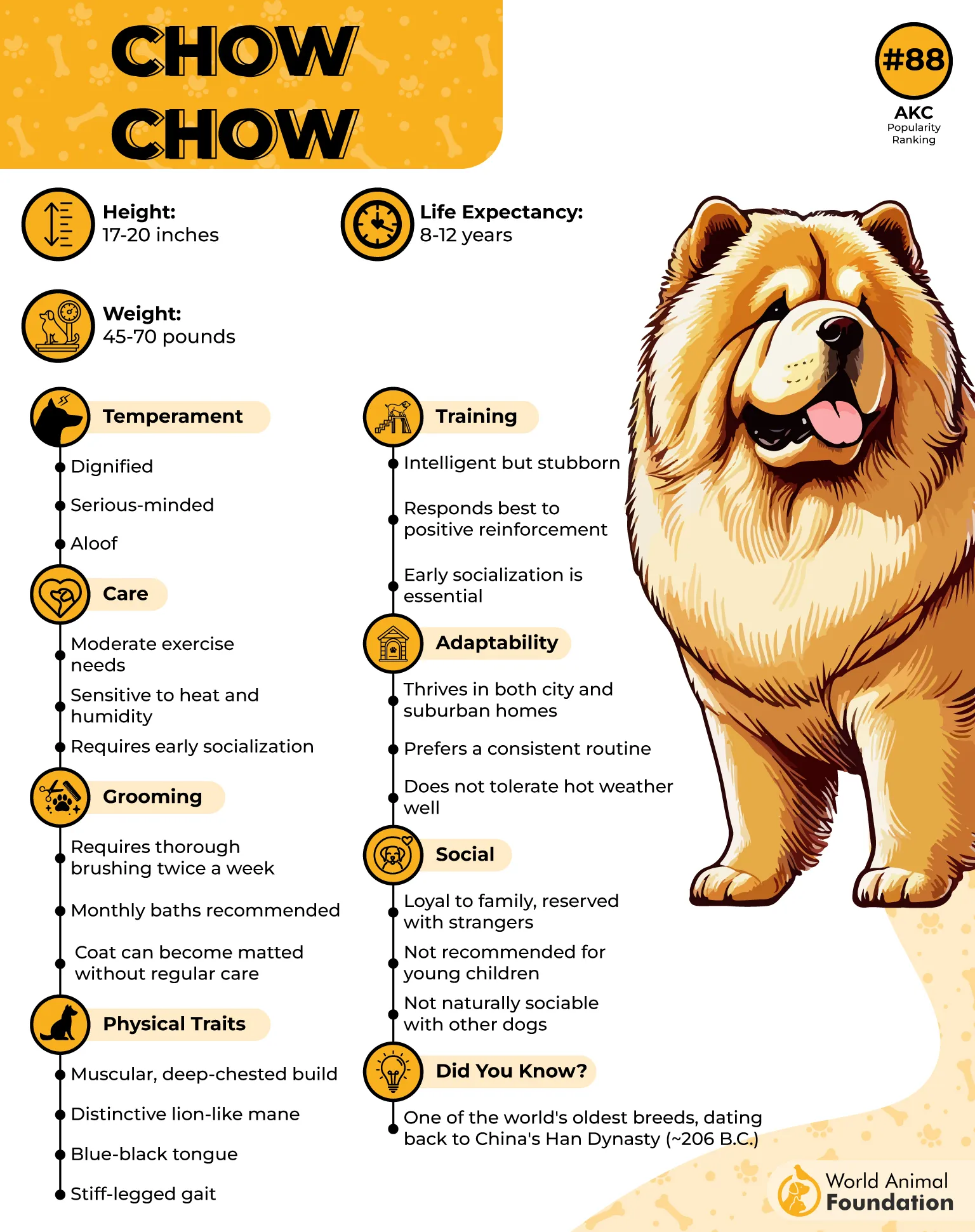
Think less “golden retriever energy” and more “selective social circle.” Their typical purchase price ranges from $1,500 to $3,000, though premium bloodlines can push that number as high as $11,000.
That luxurious coat doesn’t maintain itself. Regular grooming is a must—not only to keep them looking majestic, but also to prevent matting and those less-than-royal doggy odors.
On the health side, Chow Chows are prone to conditions such as hip dysplasia, thyroid disorders, and allergies, all of which can add up to significant veterinary expenses over time.
Elegant, independent, and unmistakably unique, the Chow Chow is a breed best suited for owners who appreciate a dog with a strong personality, high grooming needs, and a flair for dramatic entrances—and exits.
Fun Fact: Chow Chows are famous for their blue-black tongues—and yes, they’ve been confusing people (and vets) with that party trick for centuries.
7. Rottweiler

Price: Up to $9,000
This one may come as a surprise, since Rottweilers are far more common than most breeds on this list. While the initial purchase price is relatively reasonable—usually around $1,500—the real cost of owning a Rottweiler shows up later, and it tends to hit the wallet hard.
Rottweilers are unfortunately prone to a wide range of health issues, including hip and joint problems, heart disease, and several forms of cancer. Because of this, they consistently rank among the highest for pet insurance claims of any breed.
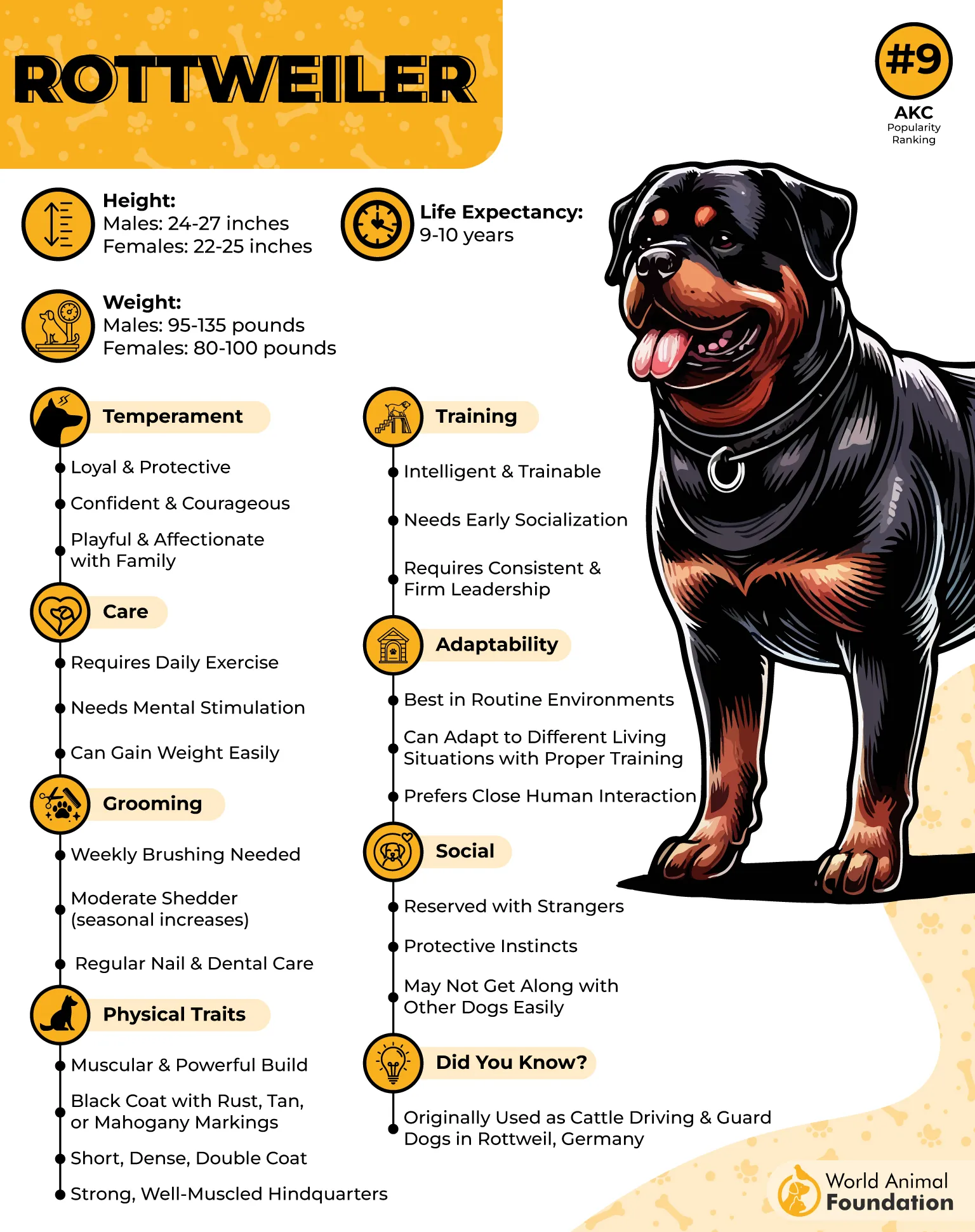
Owners can expect to pay over $300 annually for insurance alone, with vet visits and claims quickly pushing costs even higher. Adding to the financial commitment, Rottweilers have a shorter lifespan compared to many other dogs, typically living between 8 and 10 years.
Despite the costs, Rottweilers remain beloved family dogs. They’re loyal, obedient, and deeply devoted to their owners—often acting more like protective shadows than pets.
In the end, owning a Rottweiler is less about the purchase price and more about committing to a strong, loving companion who may need extra care along the way.
Fun Fact: Rottweilers were originally bred to herd cattle and pull carts—basically the original gym bros of the dog world, powered entirely by loyalty and muscle.
Conclusion
Dog lovers and dog enthusiasts are drawn to the most expensive dog breeds, where purebred dogs like French Bulldogs, English Bulldogs, Afghan Hound, Cavalier King Charles Spaniel, Black Russian Terrier, and the Canadian Eskimo Dog stand out for cultural significance and elegant breed traits.
These rarest breeds, often ancient breeds with small populations and limited availability, face breeding challenges and high breeding costs, leading to such high prices.
Flowing coats, grooming requirements, protective instincts, and working dog needs increase typical costs, while affectionate nature, playful nature, and gentle demeanor ensure a happy life as a furry companion.
Though the least expensive dog breeds exist and breed-specific rescues help, these sophisticated dog breeds and their high ownership costs attract few owners who can bear with their long-term care because dogs require ongoing investment.
