




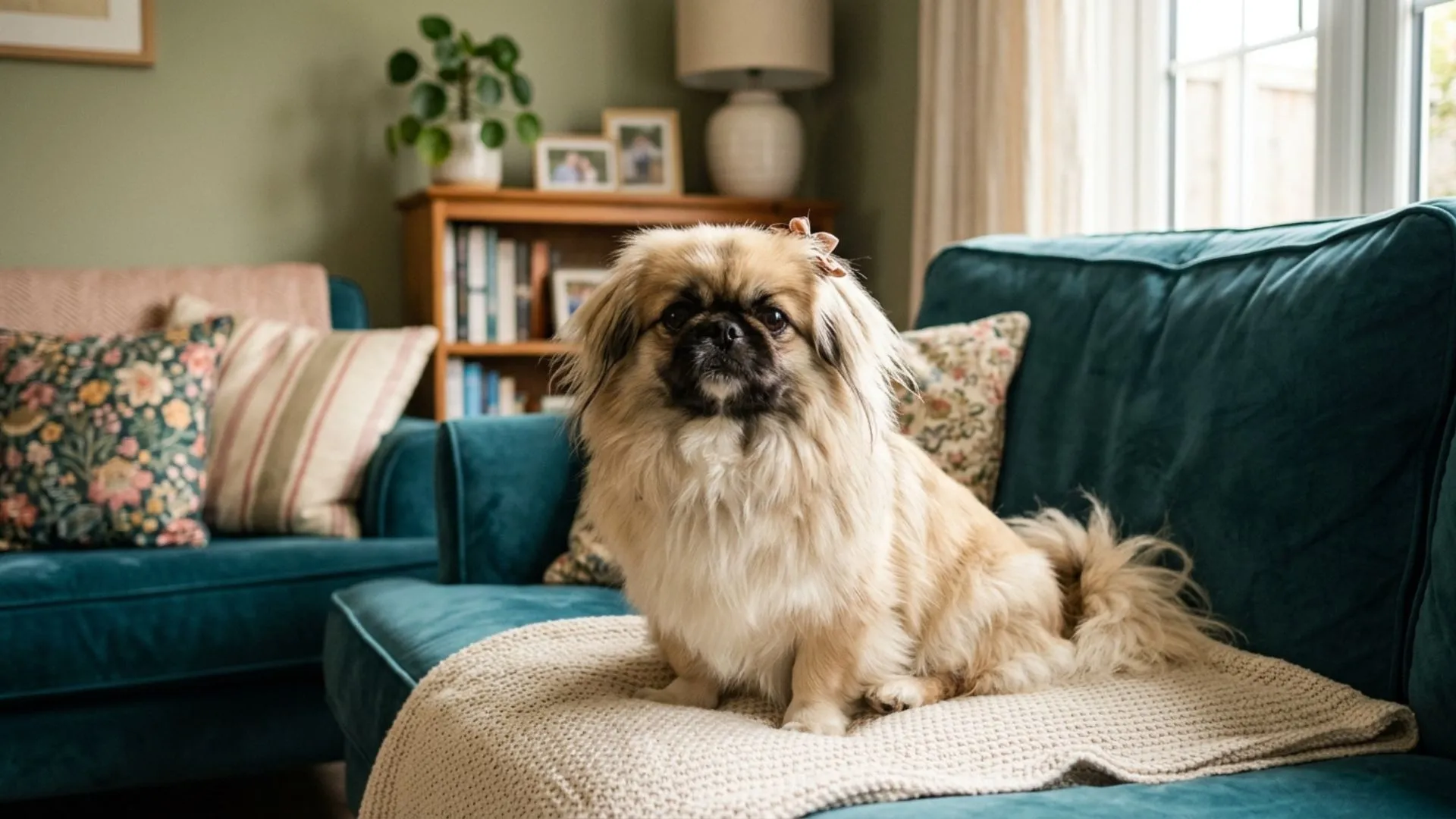
If your idea of the perfect evening involves a soft blanket, a good show, and a warm companion curled up right beside you, then you already understand the charm of a true “sofa dog.”
Not every dog is built for endless running or high-intensity activity—some are naturally more relaxed, happiest when life moves at a slower, calmer pace alongside their humans.
Most adult dogs actually sleep around 12–14 hours a day, and some larger or more easygoing breeds can sleep even more. That means a big part of a dog’s personality isn’t just about play—it’s also about how well they enjoy rest, routine, and simply being near their people.
While all dogs need exercise and mental stimulation, some are far more content with short strolls and long cuddle sessions than demanding outdoor adventures.
If you’re someone who prefers a relaxed lifestyle, lives in an apartment, or just wants a low-pressure pet experience, the right laid-back companion can fit seamlessly into your daily rhythm—bringing warmth, comfort, and companionship without overwhelming your schedule.
Key Takeaways
Discover 10 sofa-loving dog breeds that are perfect for calm, cozy, and low-energy home lifestyles.
From Cavalier King Charles Spaniels to Great Danes, meet the ultimate couch companions built for comfort.
Pugs, Greyhounds, and Basset Hounds prove that low energy often means more love and cuddle time.
Find the perfect relaxed dog breed that fits your home, routine, and easygoing lifestyle.
Top Sofa‑Sitting Dog Breeds Every Couch‑Potato Needs
1. Cavalier King Charles Spaniel
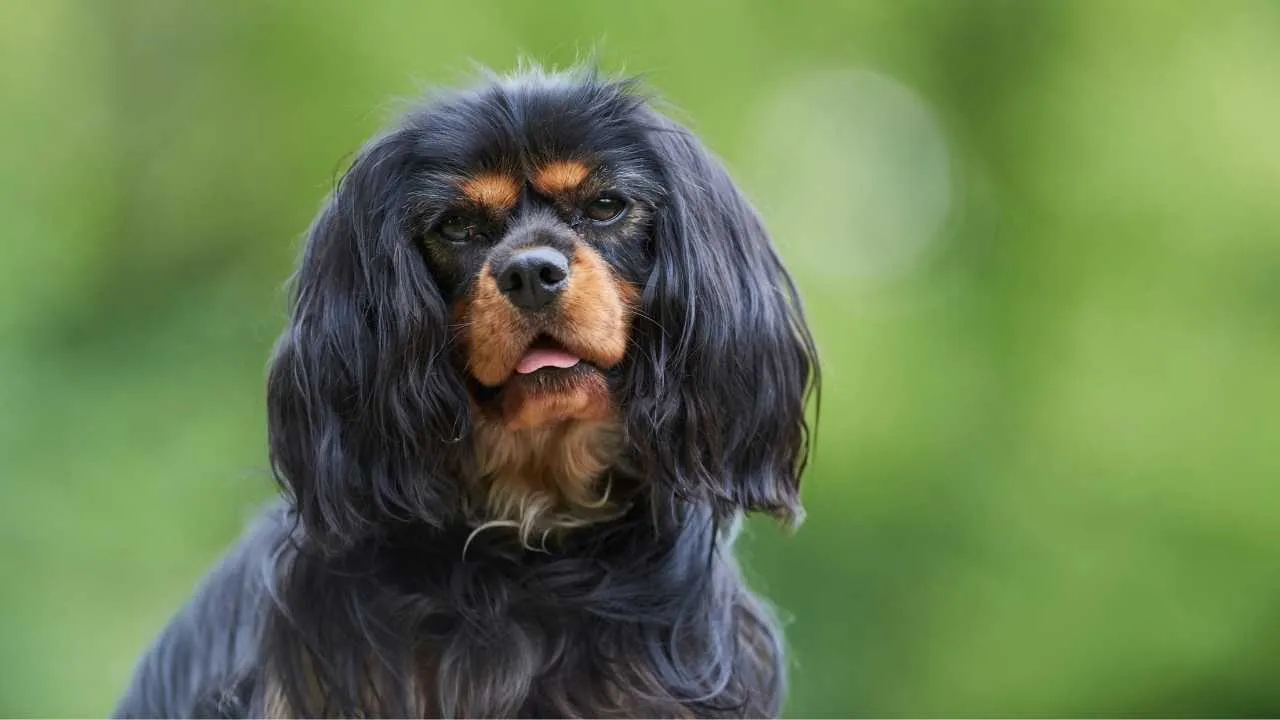
The Cavalier King Charles Spaniel has strong ties to British royalty and was especially loved by King Charles I and King Charles II, as mentioned by PetMD.
Cavaliers were bred as lap companions and often stayed close in castles and carriage rides to keep their owners warm and comforted.
Even today, they carry the same calm and affectionate temperament, making them ideal for a peaceful home lifestyle. Despite their elegant appearance, they are naturally relaxed and love being close to their humans.
Personality & Behavior
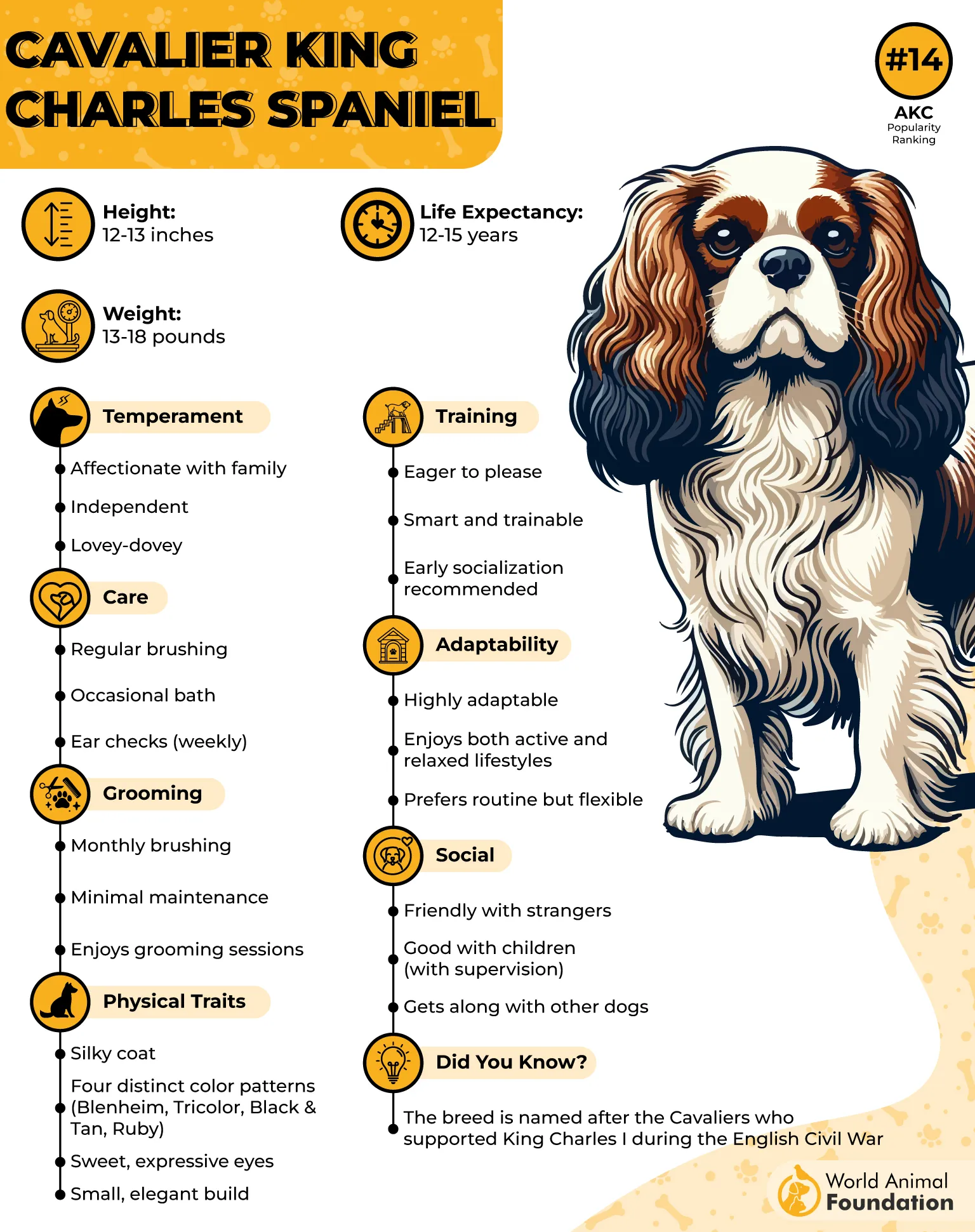
This breed is gentle, sweet, and highly affectionate. It gets along well with strangers, children, and other pets, which makes it very social and easy to live with.
Cavaliers are intelligent and eager to please, so they are usually easy to train.
They respond well to positive reinforcement and can even excel in obedience, rally, and agility when trained early. Most importantly, they dislike long periods of isolation and thrive on human companionship.
Lifestyle Fit & Care Needs
Cavaliers are adaptable when it comes to activity. They enjoy short walks and light play but are just as happy spending long hours resting on the sofa.
They should not be allowed off-leash, as their natural curiosity can lead them to follow scents and wander off. A fenced space is recommended for safety. Regular brushing keeps their silky coat healthy and neat.
2. Pug
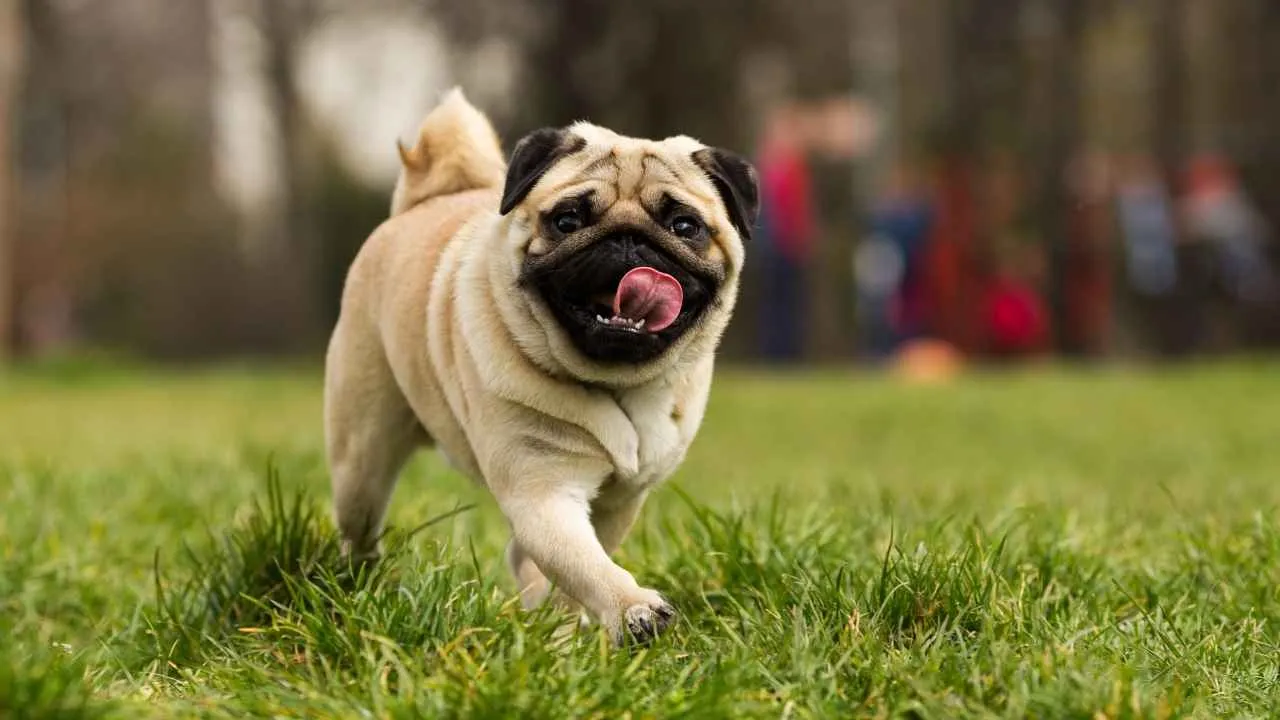
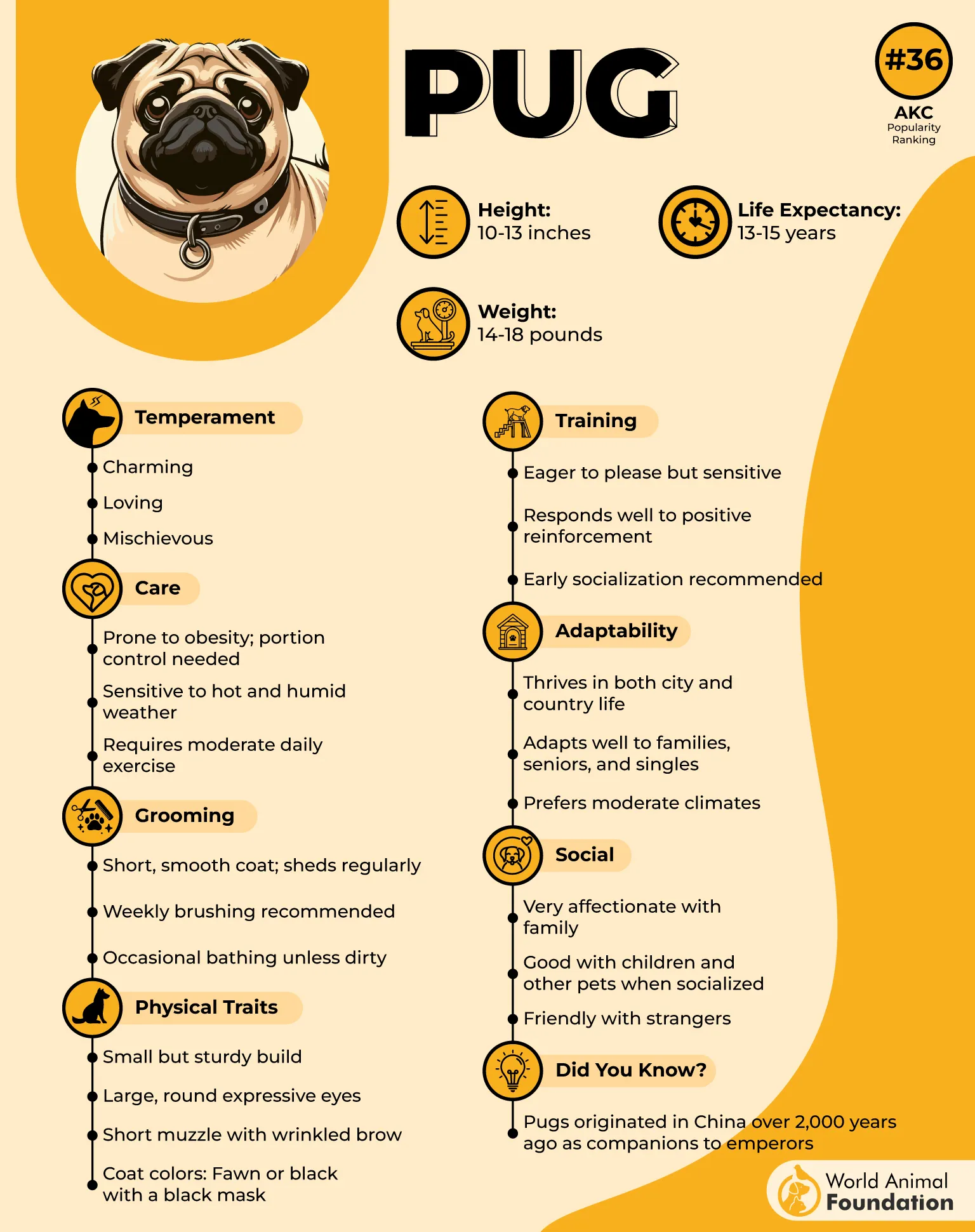
The Pug has a long history as a companion dog, once adored by Chinese emperors and later favored by the Dutch House of Orange. It is often described by the phrase “multum in parvo”—a lot in a little. This small but sturdy breed is known for its big personality, charming expressions, and loving nature.
Its wrinkled face and expressive eyes make it look almost human, showing surprise, curiosity, and joy. Today, it is loved worldwide as a true house companion.
Temperament & Family Life
Pugs are friendly, affectionate, and highly people-oriented dogs. They thrive on attention and love being involved in daily home life. They are eager to please, which makes them relatively easy to train using positive reinforcement.
Harsh training should always be avoided, as they are sensitive and can get their feelings hurt easily. They are great with kids and usually get along well with other pets when properly socialized. However, they do not enjoy being left alone for long periods and prefer constant companionship.
Lifestyle Needs & Care Considerations
Pugs are natural couch lovers and will happily spend much of the day snuggling indoors. However, they still need daily moderate exercise like short walks or light play sessions to stay healthy, as they can easily gain weight.
Due to their flat faces and narrow airways, they are prone to breathing difficulties and snoring, especially in hot or humid weather. Strenuous exercise and heat should always be avoided, with cool indoor environments being ideal.
Despite these needs, they remain playful, adaptable, and deeply affectionate—making them one of the best true “sofa dogs” for any relaxed home.
3. Basset Hound
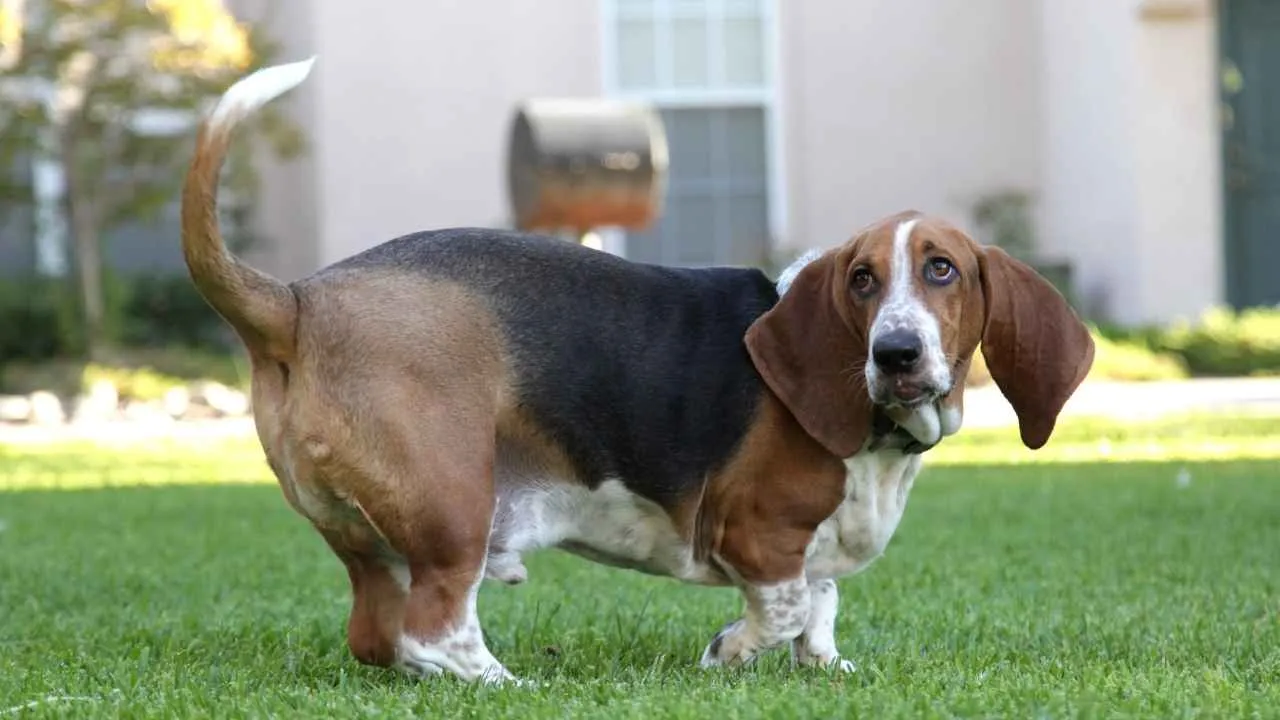
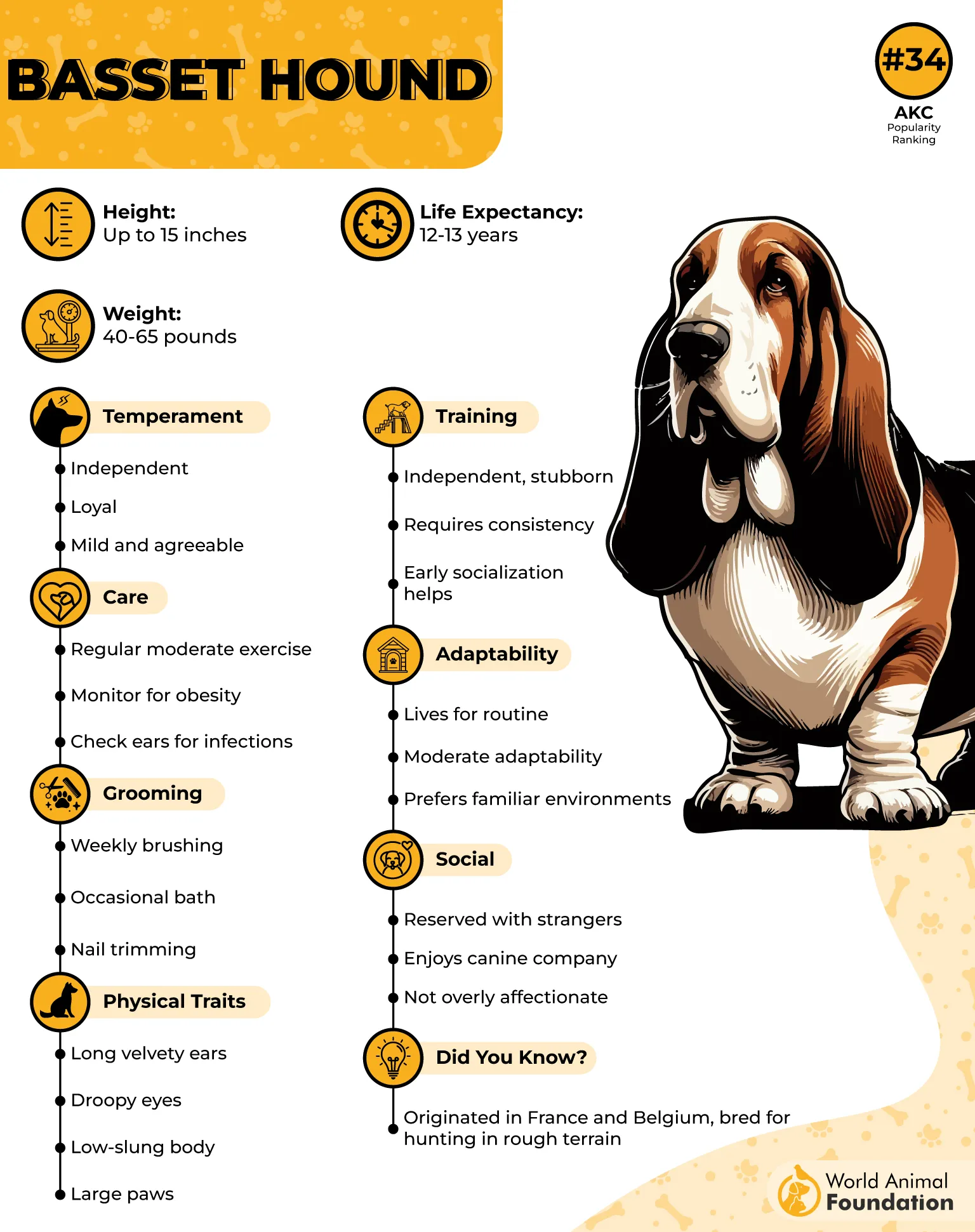
The Basset Hound is one of the most recognizable dog breeds in the world, known for its long ears, droopy eyes, and wrinkled face that gives it a gentle, “sad clown” expression. Originally developed in France from scent-hunting hounds, it has a low, heavy build designed for endurance rather than speed, as noted by the AKC.
Despite its hunting background, this breed is calm, easygoing, and mild at home. It is friendly with people, good with children, and generally gets along well with other pets.
Temperament & Training Nature
Bassets are independent thinkers, which can make training a bit challenging. They were bred to follow scents on their own, so they can seem stubborn or distracted during training sessions. However, they are not impossible to train.
They respond best to patience, consistency, and positive reinforcement, especially with food rewards. They are smart but strong-willed, so early socialization and steady training from puppyhood are very important.
Lifestyle Fit & Care Needs
This is a low-energy breed that enjoys a slow, relaxed lifestyle. A daily moderate walk is usually enough to keep them healthy and prevent weight gain, as they are prone to obesity. After exercise, they love to settle down and sleep comfortably for long hours, making them perfect sofa companions.
However, they should not be left alone for too long, as they enjoy company and can become noisy or restless. Their strong sense of smell can also lead them to follow scents, so supervision is important outdoors. Grooming is simple, but they may track dirt due to their low build.
4. Pekingese
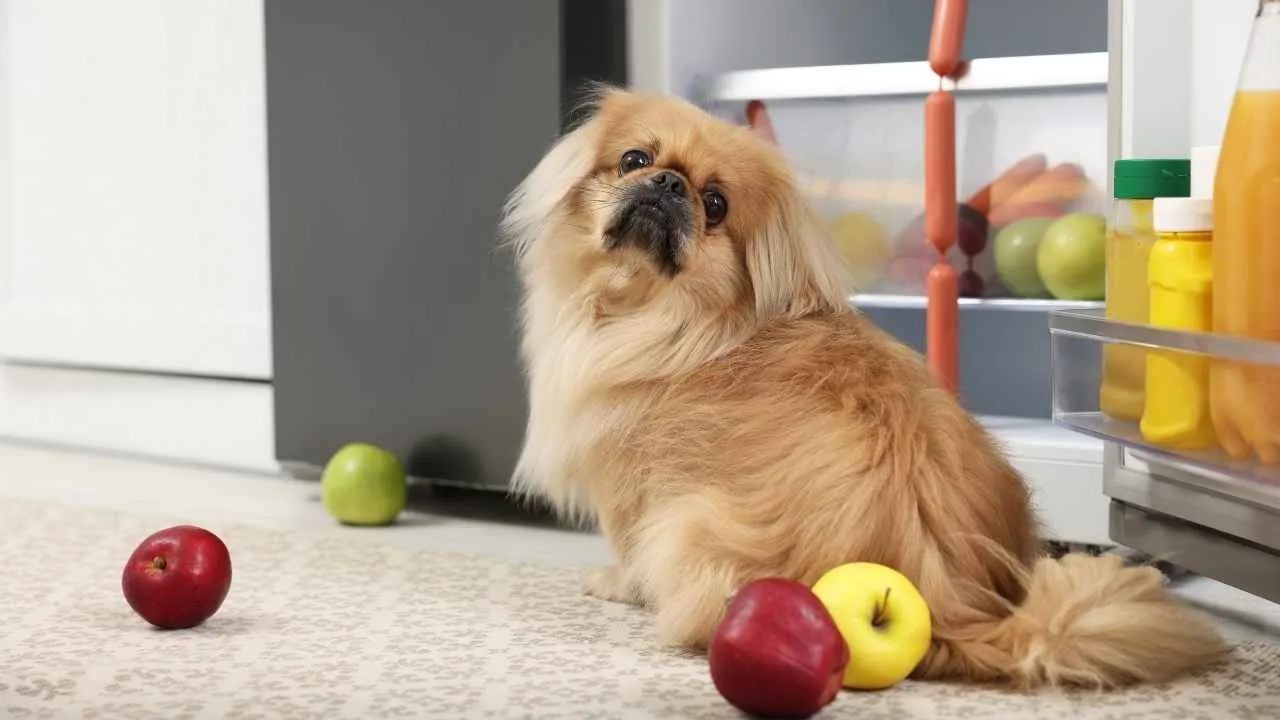
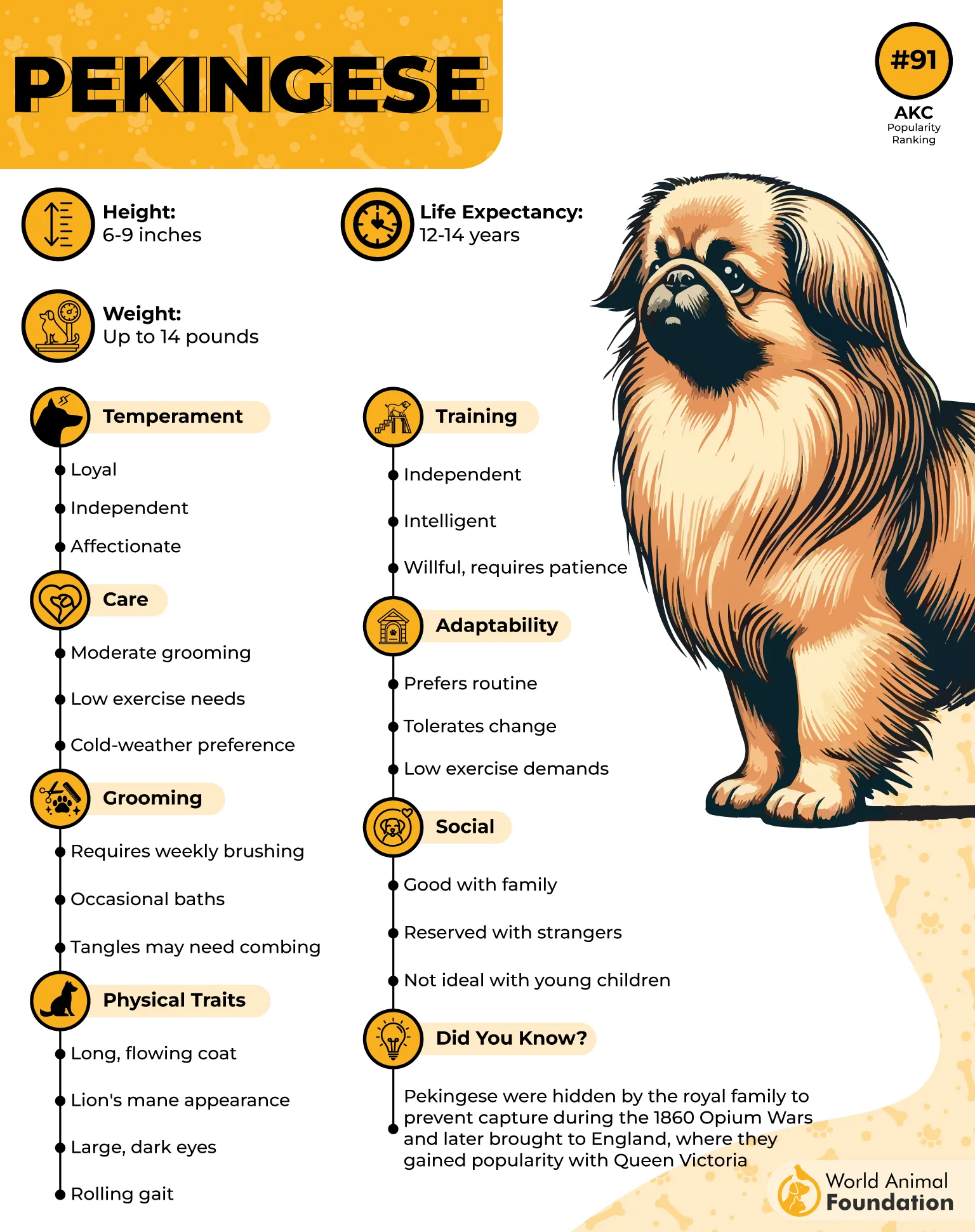
The Pekingese comes from ancient China, where it was bred to live among royalty in palaces. It has a long, noble history and was once owned only by the ruling class. This toy breed is compact and sturdy, with a unique rolling walk and a proud, almost regal presence.
Its most striking feature is the thick “lion-like” mane around the neck and shoulders, along with large, expressive eyes and a short, flat face that gives it a dignified look.
Personality & Behavior
Pekingese are affectionate, loyal, and deeply attached to their favorite humans. They form strong one-on-one bonds and prefer being close to their trusted people. While they are loving, they also have an independent and “opinionated” nature.
Hill’s Pet says that they can be a bit aloof with strangers, but are very devoted at home. They are alert dogs and make good watchdogs, often barking to alert their owners. They tolerate children but do not enjoy rough play.
Lifestyle Fit & Care Needs
This breed is naturally calm and low-energy, making it ideal for a sofa-centered lifestyle. Short indoor play or light walks are usually enough for exercise. They are prone to overheating due to their flat face, so hot or humid weather should be avoided.
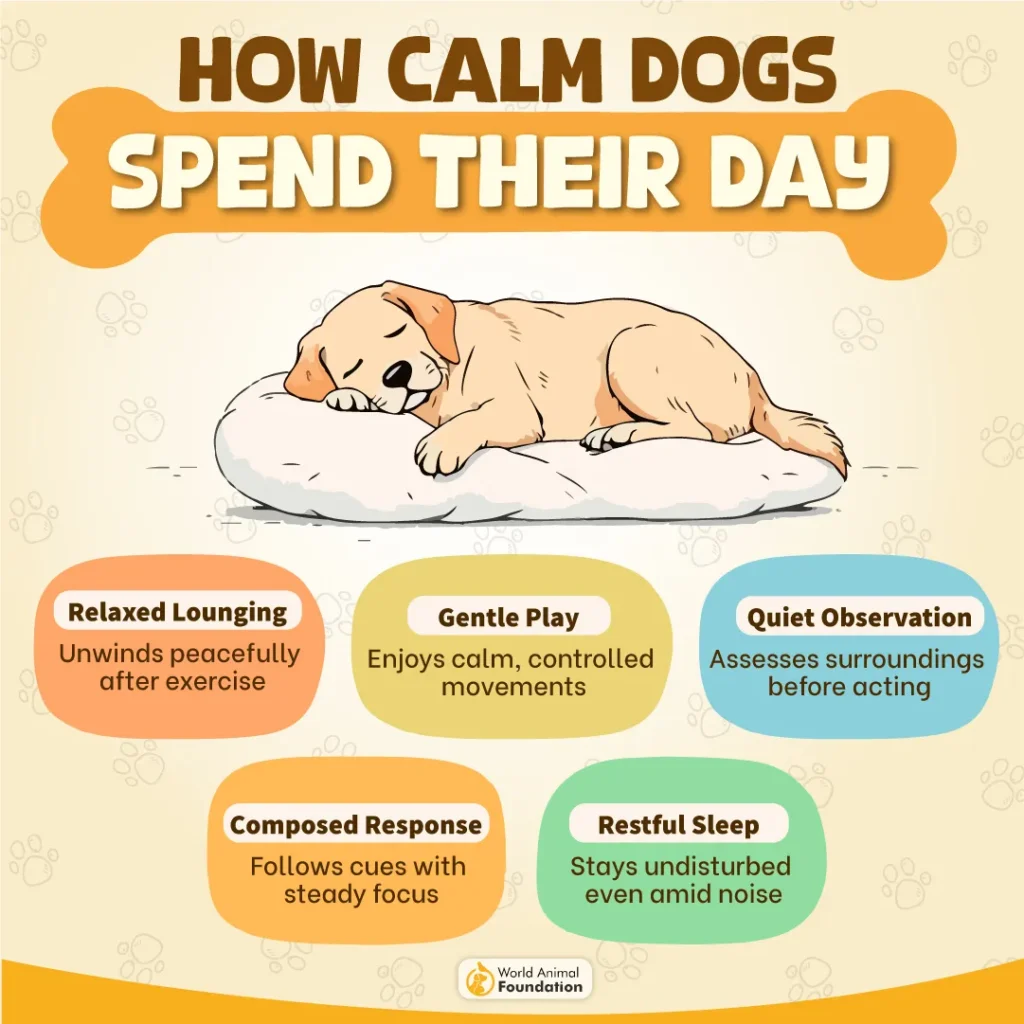
They love being lap dogs and spending long hours resting beside their owners, but they do not like being left alone for too long. Grooming is an important part of their care because of their thick double coat, which needs regular brushing.
5. Newfoundland
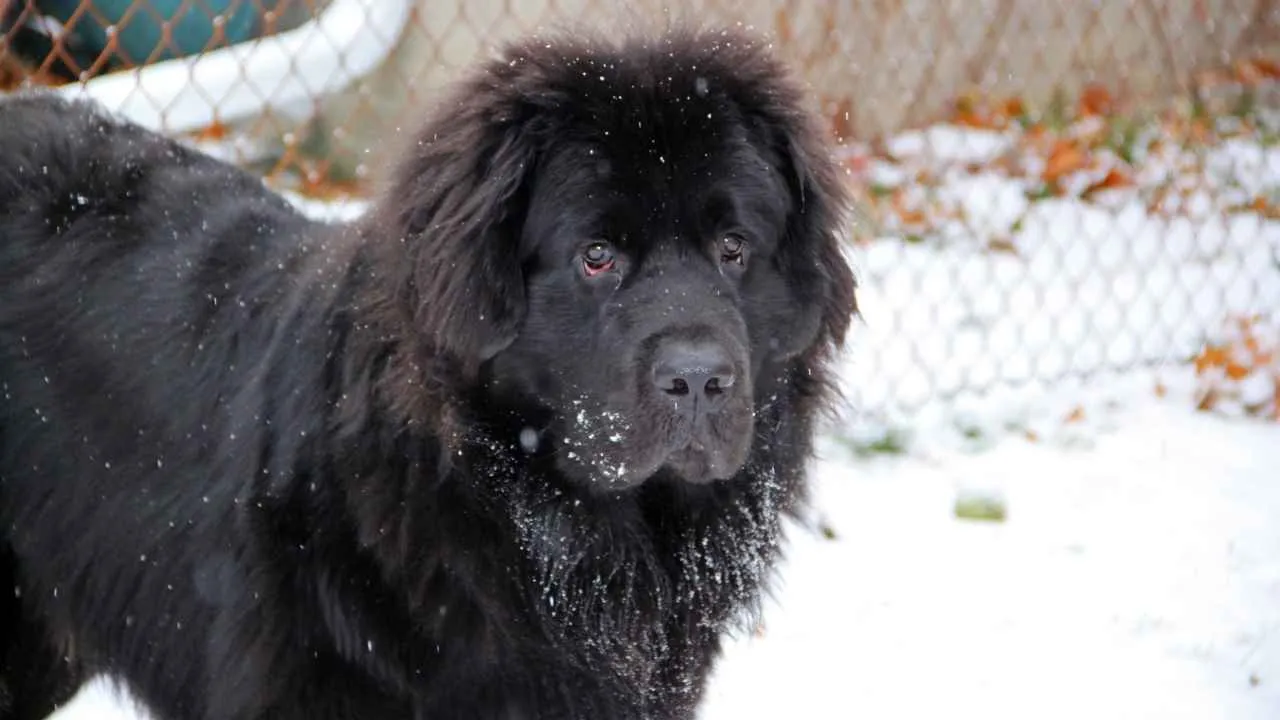
The Newfoundland is a powerful, giant working dog known for its calm and dignified presence. Originally bred as a multi-purpose working companion, it is equally skilled on land and in water. Despite its massive size, it has a famously soft, soulful expression and a surprisingly gentle personality.
Its thick, water-resistant coat and strong, webbed feet make it an excellent swimmer, while its calm nature makes it a natural household companion.
Temperament & Family Role
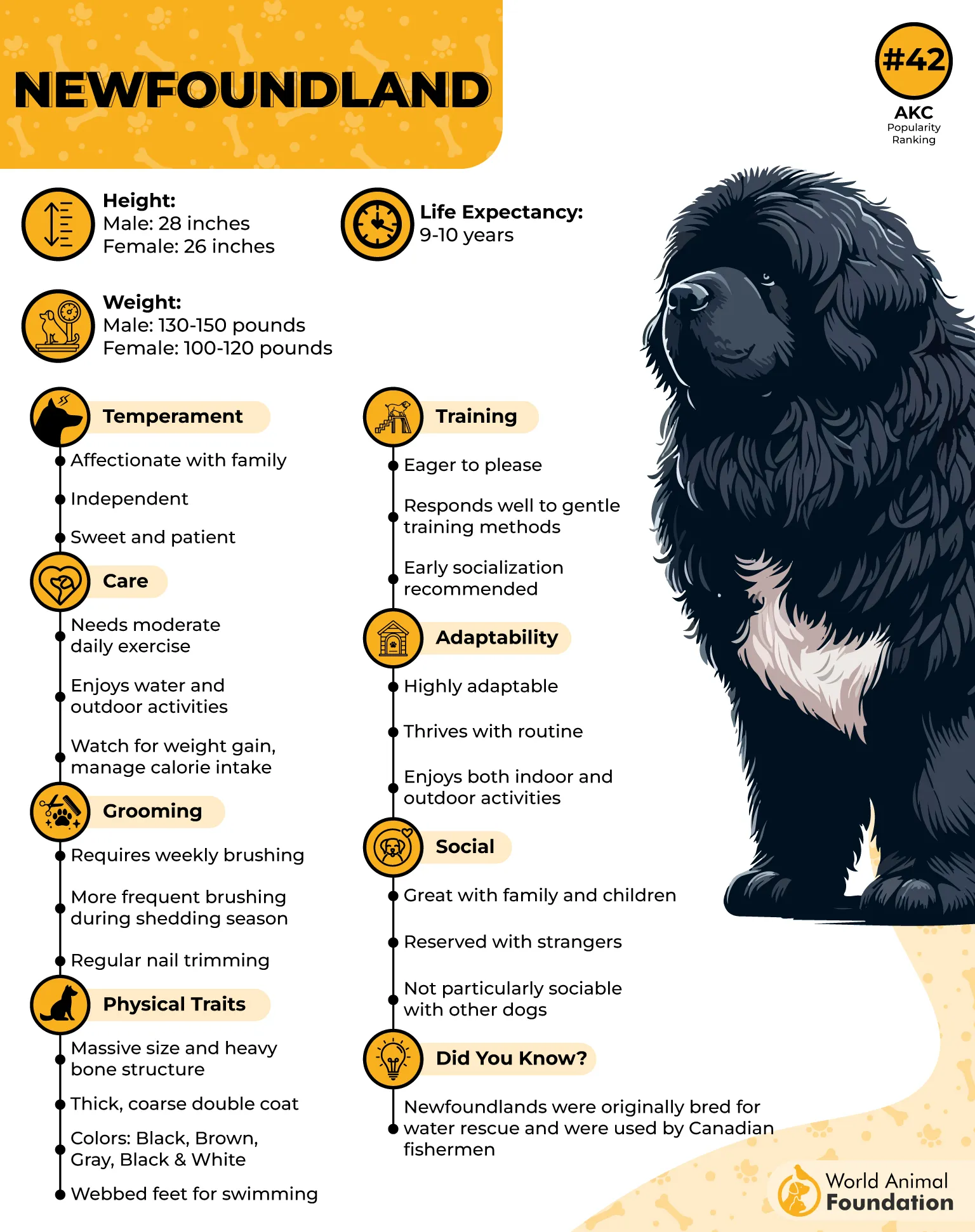
Newfoundlands are famously sweet, patient, and trustworthy. They are often called “nanny dogs” because of their protective and gentle behavior with children. They are friendly with strangers and generally calm with other pets.
These breeds are intelligent and eager to please, which makes training relatively easy when done with gentle, reward-based methods. They do not respond well to harsh training and need consistent kindness and early socialization to grow into well-mannered adults.
Lifestyle Fit & Care Needs
Despite their size, Newfoundlands are calm indoors and can easily adapt to a home environment, often becoming true couch companions. They need at least moderate daily exercise, such as walking or swimming, to stay healthy and prevent weight gain.
They are not suited for hot weather and prefer cooler, shaded environments with access to water. Regular grooming is important due to their thick double coat and year-round shedding. They also drool and require routine care, but in return, they offer unmatched loyalty and affection.
6. Greyhound
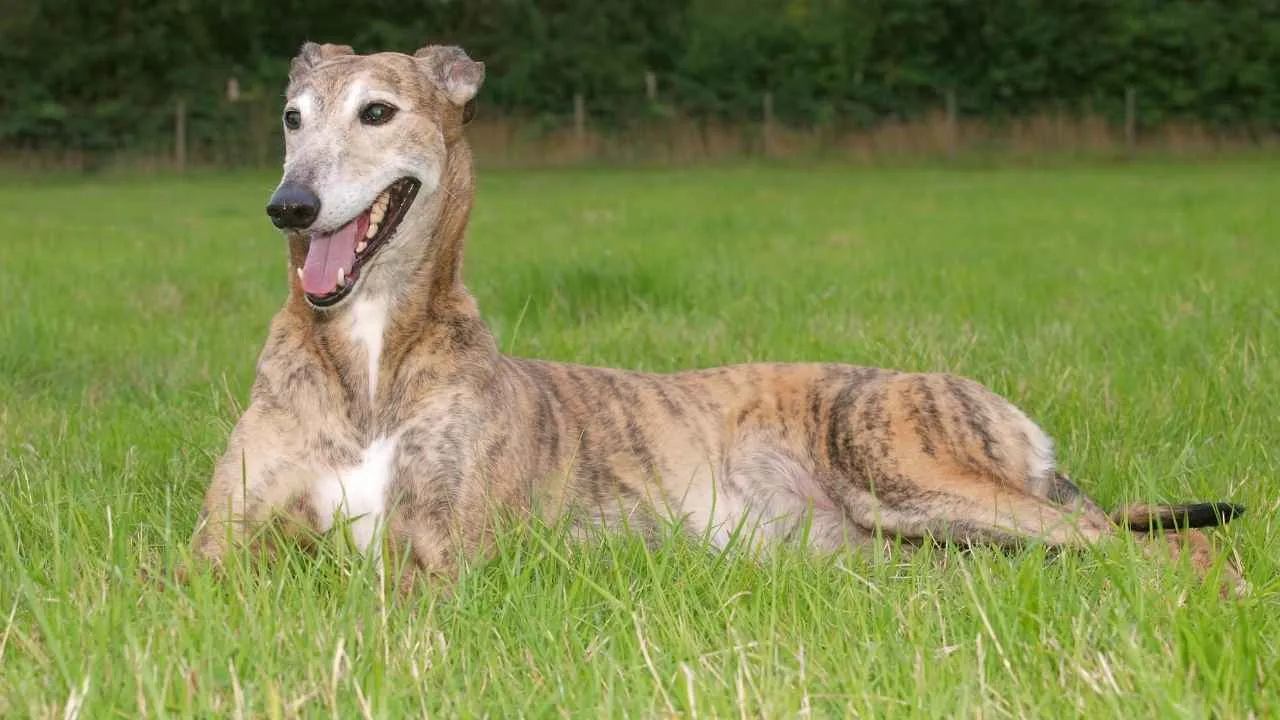
The Greyhound is one of the oldest dog breeds, with origins tracing back thousands of years to ancient Egypt. Loved by kings, poets, and artists, it has long been admired for its graceful, aerodynamic body and iconic “inverted S” shape.
Built for speed, it is the fastest dog in the world, capable of incredible bursts of energy when running. Despite this athletic design, it is surprisingly calm and gentle at home, often described as a true mix of elegance and simplicity.
Temperament & Personality
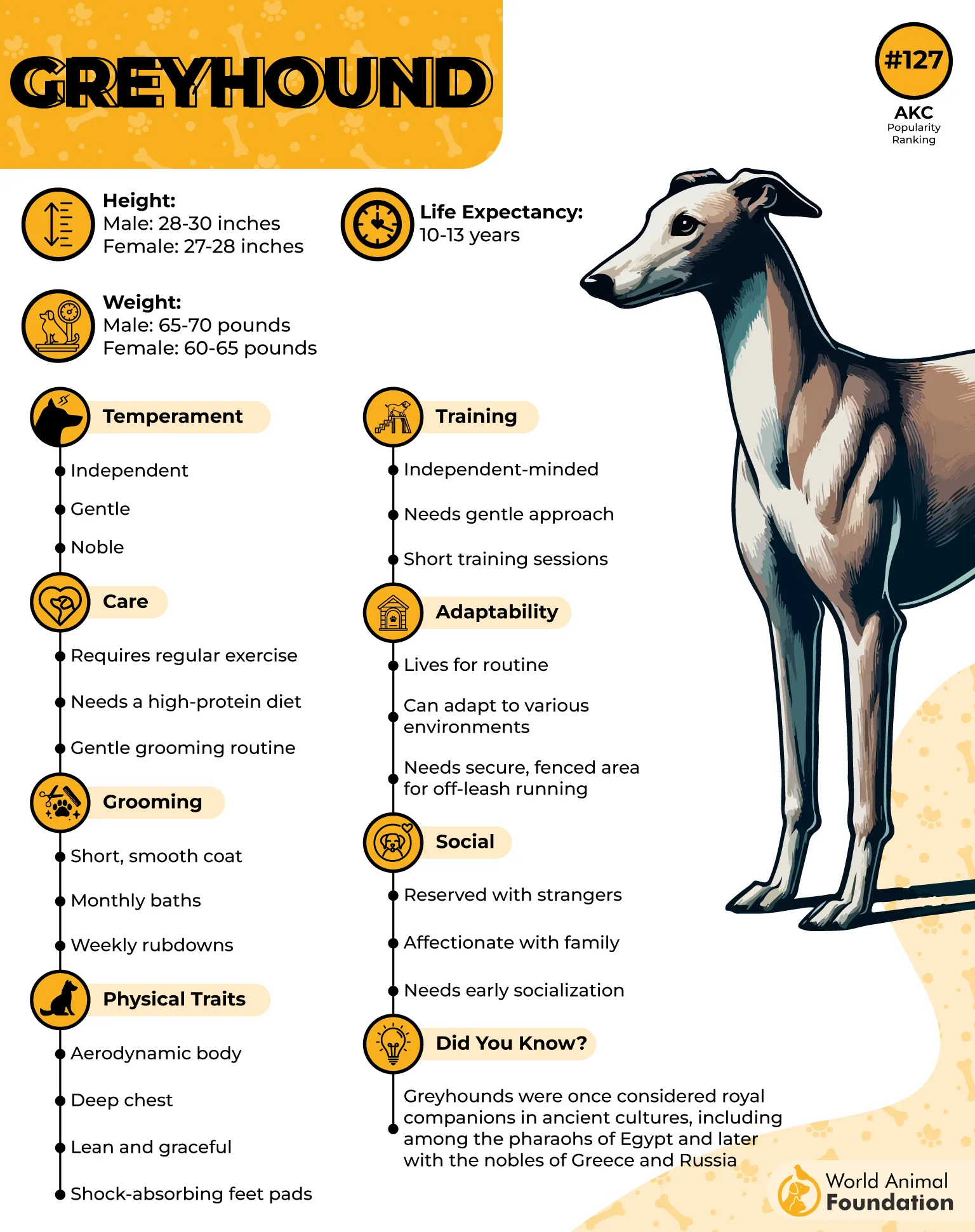
Greyhounds are quiet, affectionate, and sensitive dogs. They form strong bonds with their families and enjoy being close to their humans.
They are generally friendly with strangers and rarely show aggression. However, they can be a bit independent and may lose interest quickly during training, so short, positive, and gentle sessions work best. They are not overly demanding and are often happiest simply relaxing beside their owners.
Lifestyle Fit & Care Needs
Although they are famous sprinters, Greyhounds are actually low-energy indoors and love long hours of rest, earning them the nickname “40 mph couch potatoes.” They need regular but moderate exercise and should always be kept on a leash or in a secure area due to their strong chase instinct.
They have a very short coat that is easy to maintain, but they need soft bedding because of their low body fat. With their calm nature, minimal grooming needs, and love for comfort, they are ideal sofa companions for relaxed homes.
7. Saint Bernard
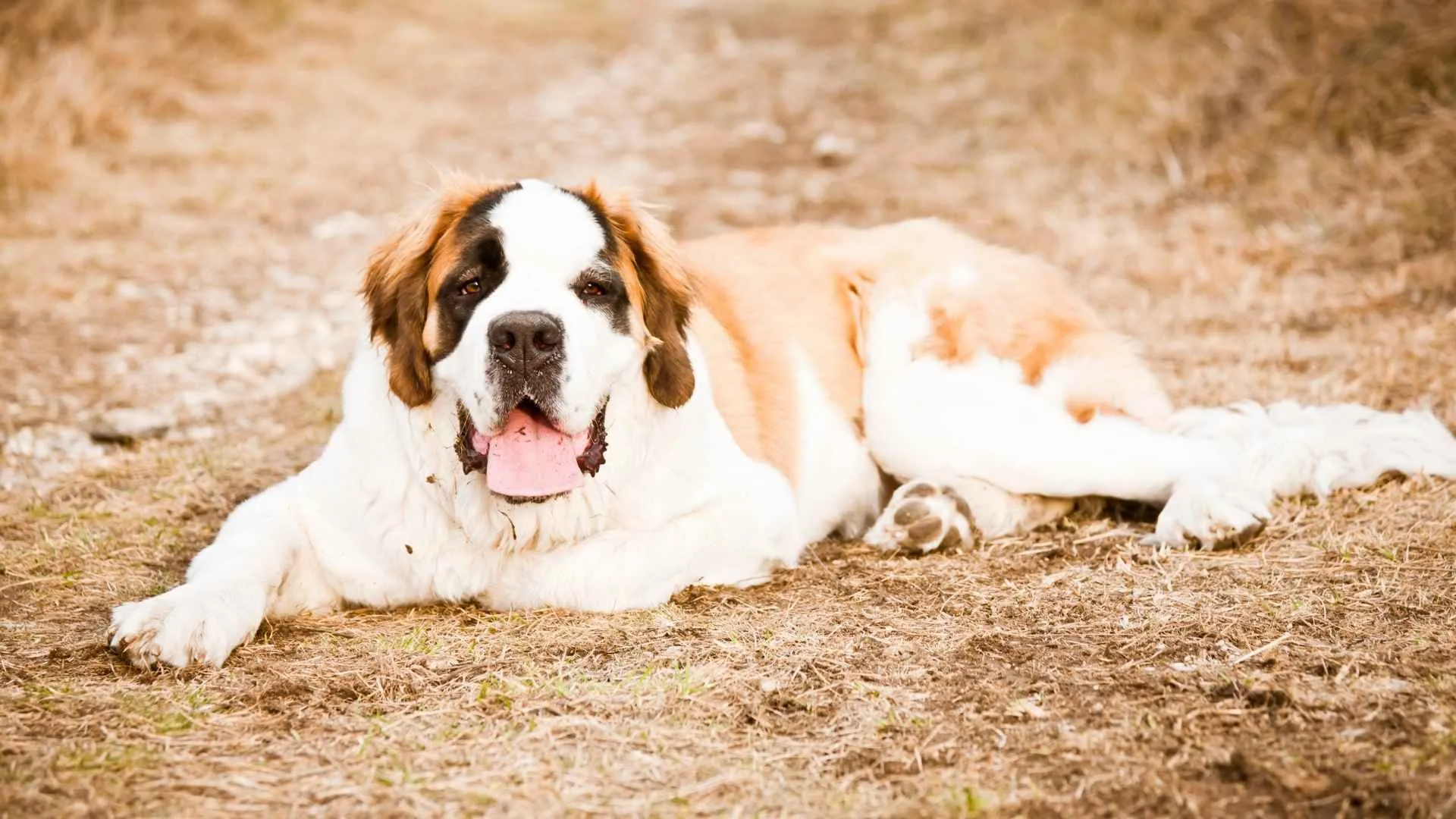
The Saint Bernard is a massive, powerful working dog originally trained by monks in the Swiss Alps for rescue missions in snow and avalanches. Known for its strength and imposing build, it still carries the classic traits of a true working giant.
Despite its size, it has a calm and friendly expression that reflects its gentle nature. This breed is famously patient and especially well known for its affectionate behavior toward children.
Temperament & Family Behavior
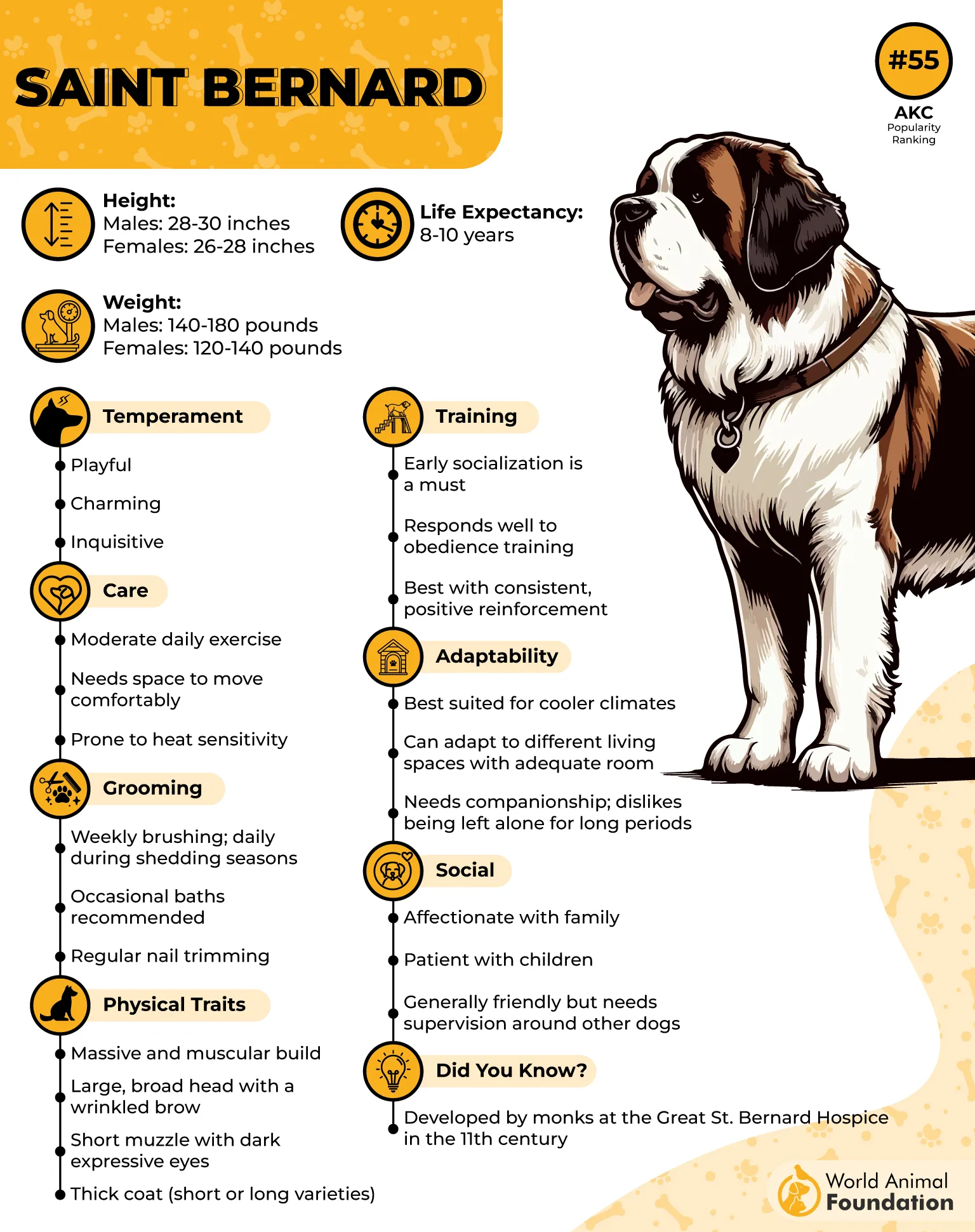
Saint Bernards are kind-hearted, loyal, and eager to please. They are naturally gentle dogs and usually do very well in family environments. They are especially known for being tolerant and protective around children, which makes them excellent family companions.
Early socialization and obedience training are very important because their large size can become difficult to manage without structure. They learn quickly and respond best to positive reinforcement rather than harsh training methods.
Lifestyle Fit & Care Needs
Although they are giant dogs, Saint Bernards only need moderate daily exercise, such as a long walk or light play session. They enjoy outdoor activities but are equally happy relaxing at home with their family, often becoming calm “couch giants.”
They do not like being left alone for long periods and prefer companionship. They are generally low barkers but may dig occasionally due to their working instincts.
8. Great Dane
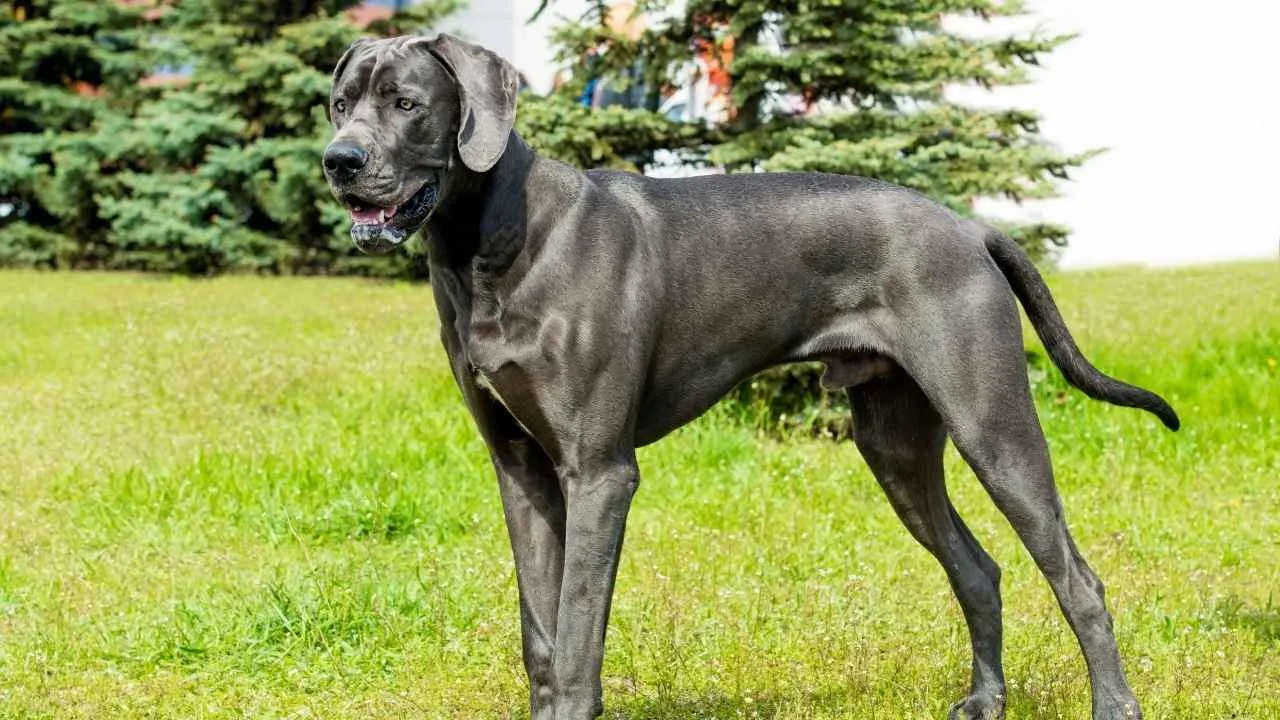
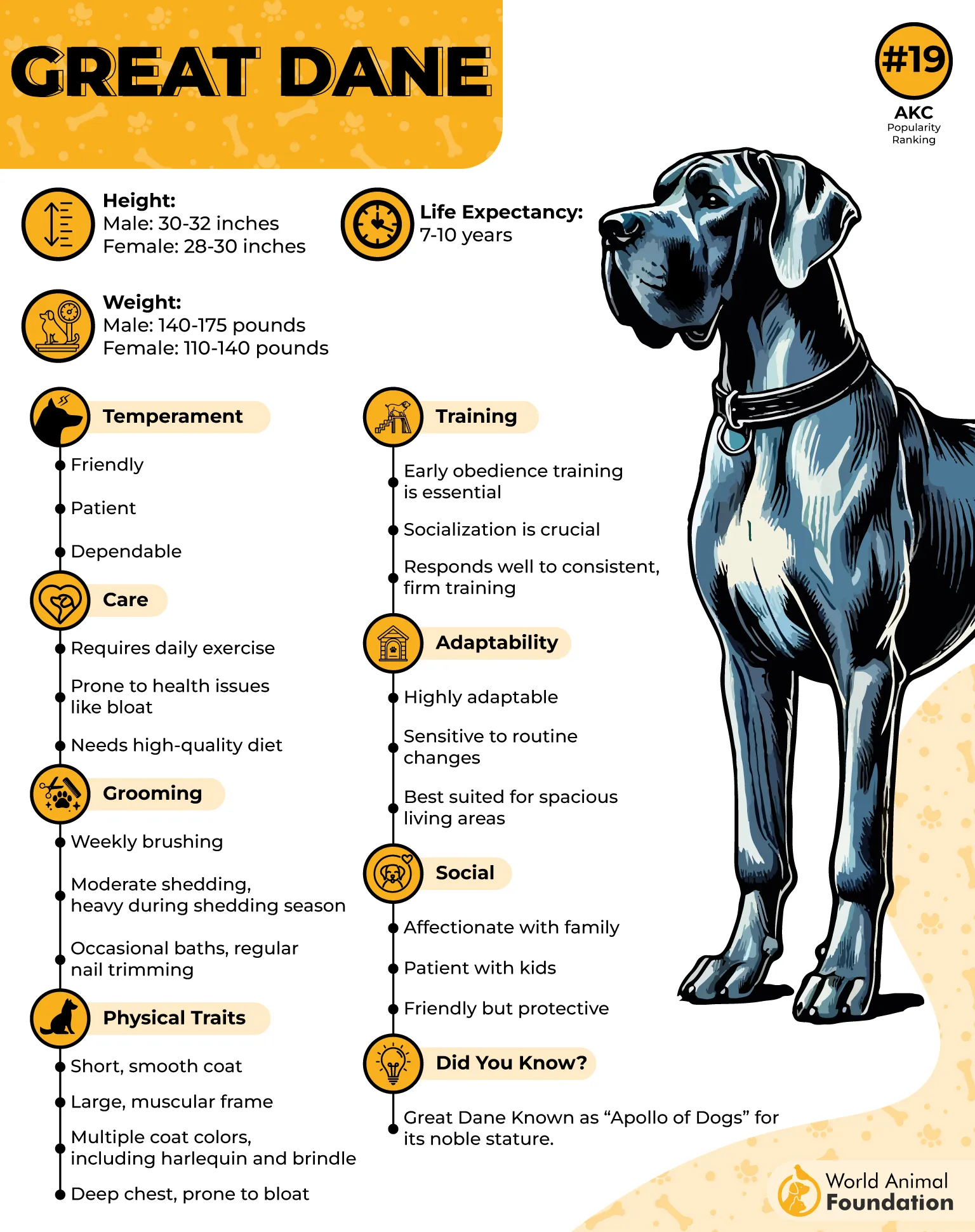
The Great Dane, often called the “Apollo of Dogs,” is one of the tallest and most elegant dog breeds in the world. Originally bred in Germany for hunting wild boar and guarding estates, it carries a powerful yet graceful presence.
Despite its imposing size, it moves with smooth elegance and has a calm, balanced nature. Its short coat comes in many colors and patterns, including the famous harlequin look. Even with its gentle personality, its sheer presence often makes it an effective natural guardian.
Temperament & Training Needs
Great Danes are known for being gentle, friendly, and eager to please. They are usually calm indoors and form strong bonds with their families. They do well with children when properly trained and socialized early, but their size means all interactions should be supervised.
Training is essential from puppyhood, as their strength can become difficult to manage without structure. They respond best to positive reinforcement, consistency, and early exposure to different people, places, and situations.
Lifestyle Fit & Care Needs
Although they may look intimidating, Great Danes are surprisingly relaxed at home and often enjoy long periods of rest, making them excellent sofa companions. They need moderate daily exercise, like brisk walks or light outdoor activity, but intense exercise should be avoided while they are still growing.
They must always be kept on a leash or in a secure area due to their curiosity and strength. Regular but simple grooming is enough for their short coat.
With proper care, training, and space, they become calm, affectionate, and incredibly loyal gentle giants who fit surprisingly well into a laid-back, sedentary lifestyle.
9. Tibetan Spaniel
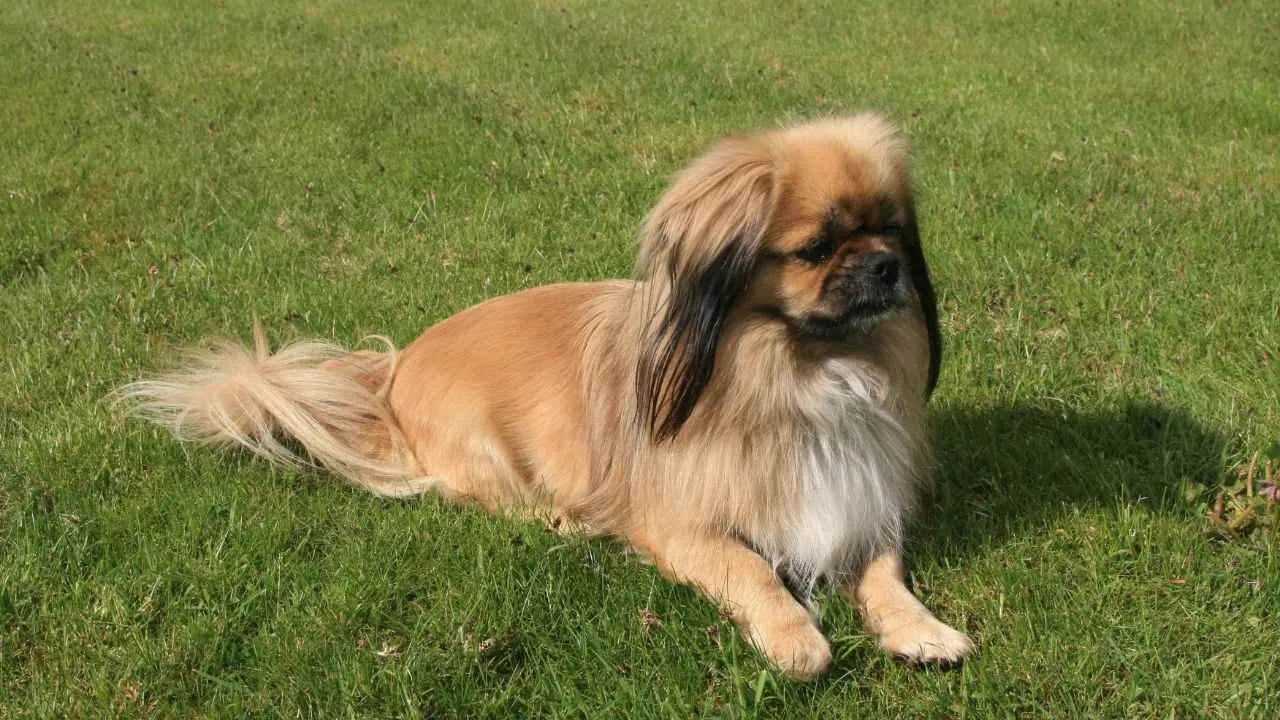
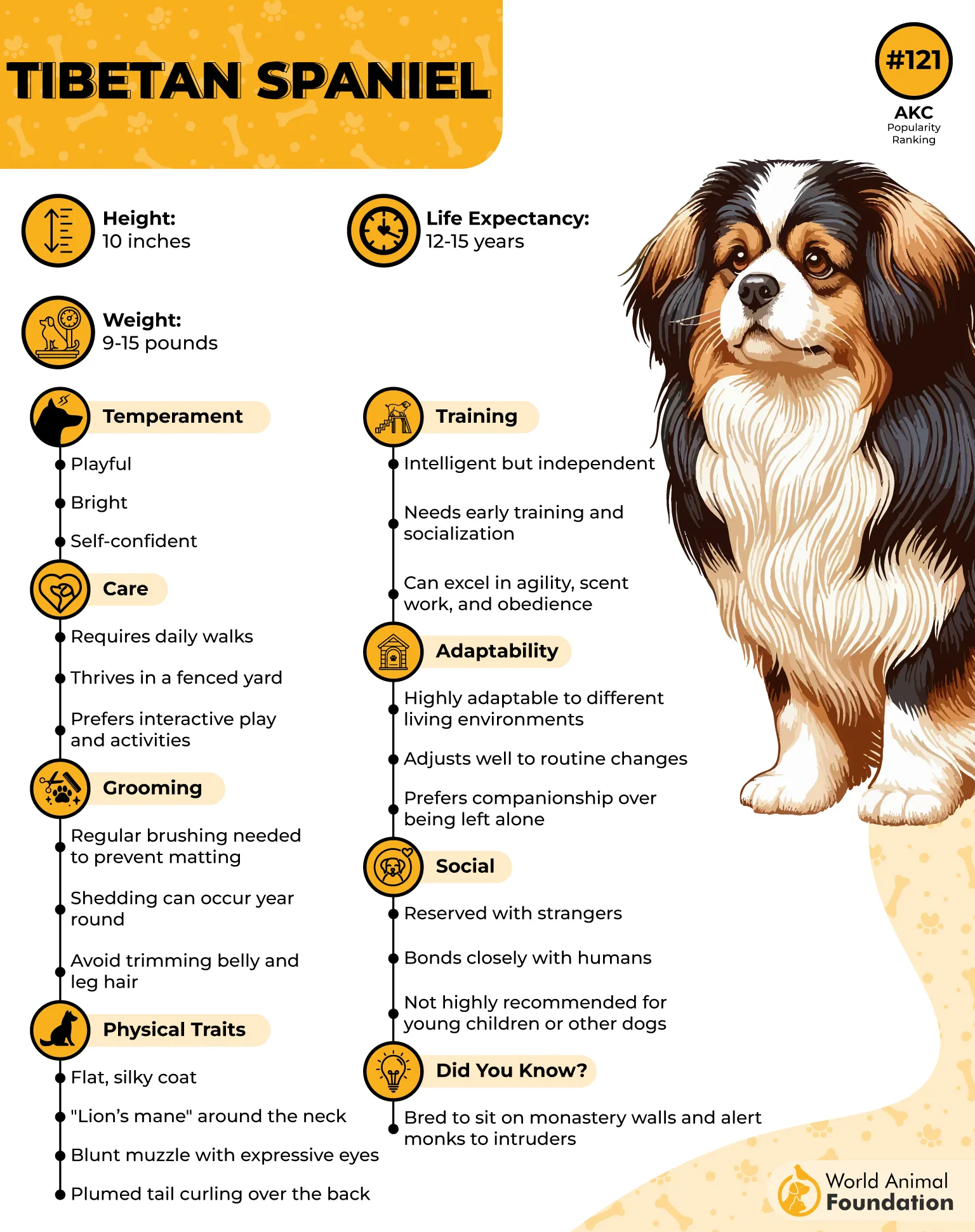
The Tibetan Spaniel, also called the “Tibbie,” is an ancient breed that lived for centuries in Tibetan monasteries alongside Buddhist monks. It was originally bred as a small sentinel dog, often sitting on monastery walls to alert monks about strangers or approaching danger.
This history still reflects in its alert nature today. It has a small, elegant build with a lion-like mane around the neck, a plumed tail, and expressive eyes that give it a smart, curious look. Despite its name, it is not a typical spaniel in the Western sense, but rather an ancient Asian companion breed.
Temperament & Personality
Tibbies are affectionate, intelligent, and deeply bonded to their families. They are known to be sensitive to human emotions and often mirror the mood of their home. While they love attention and companionship, they also have an independent mind and may choose when to follow commands.
They are friendly with familiar people and other pets, but can be reserved with strangers. Because of their guarding instincts, they tend to be alert and may bark at anything unusual.
Lifestyle Fit & Care Needs
This breed is adaptable and fits well into both active and relaxed homes. It enjoys short walks, playtime, and outdoor time, but is equally happy lounging on the sofa for long periods. A fenced area is important as they can be curious and like to explore.
It is intelligent and can do well in activities like obedience, agility, and scent work, but training should be started early using patience and positive reinforcement.
10. Japanese Chin
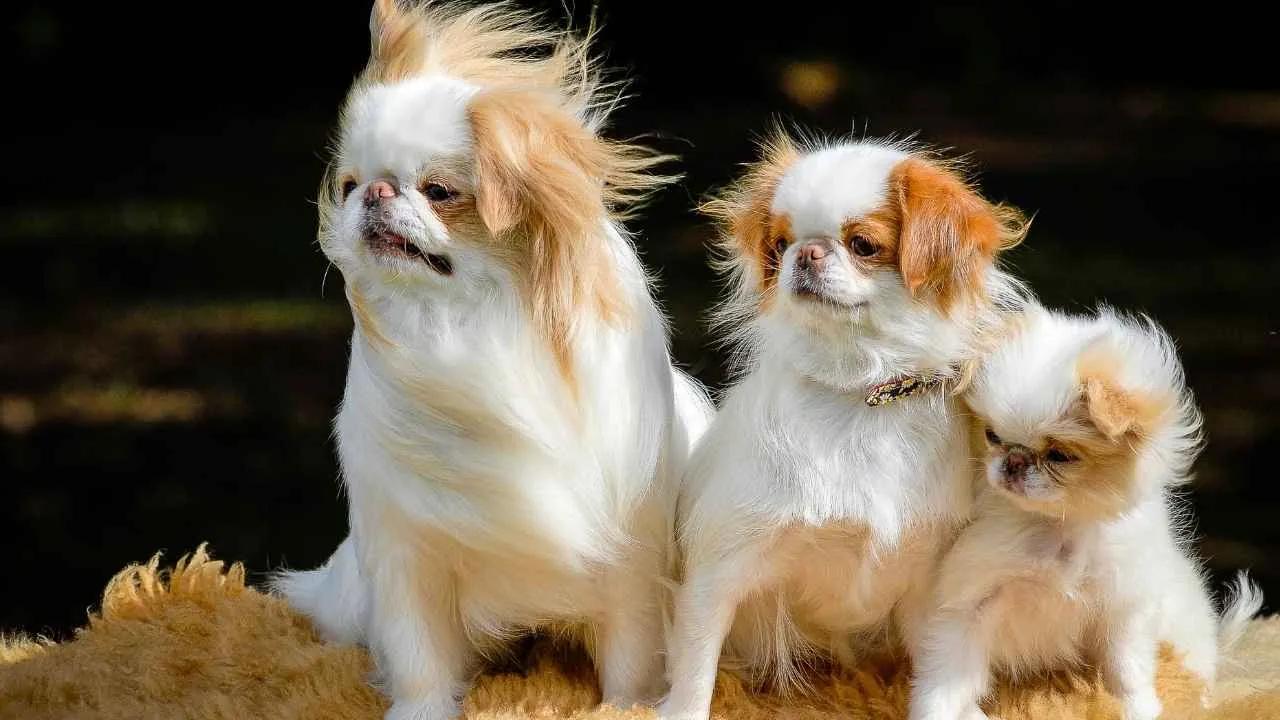
The Japanese Chin is a rare toy breed with an ancient and noble history, often associated with Buddhist monks and Japanese imperial courts. Despite the name, its exact origin is debated, with links to China or Korea before becoming popular in Japan.
It was bred purely as a palace companion, which explains its graceful, aristocratic presence. The breed is instantly recognizable by its flat face, wide-set expressive eyes with a surprised look, silky coat, and feathered ears, giving it a refined and elegant appearance.
Temperament & Personality
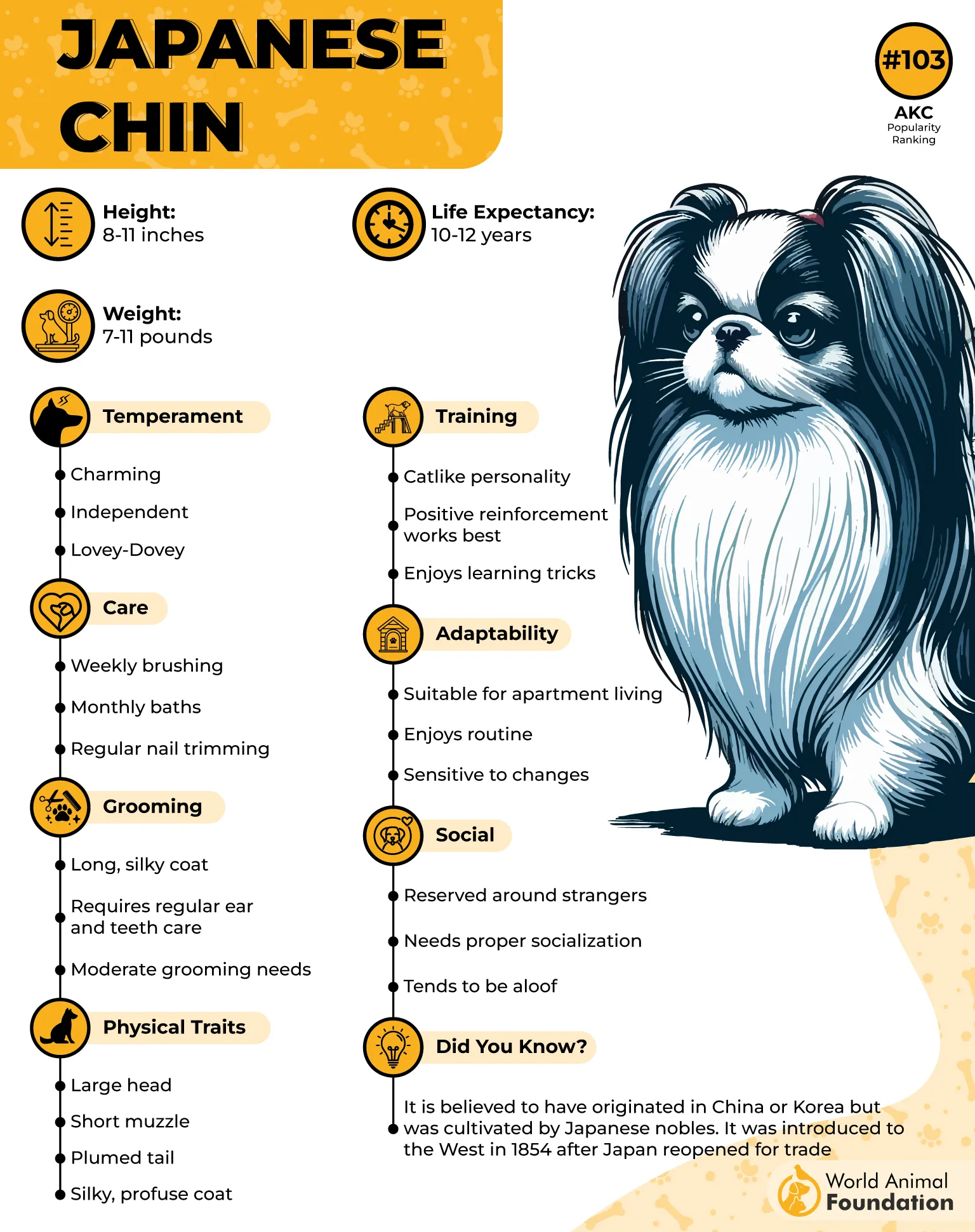
This breed is gentle, affectionate, and deeply devoted to its family. It is often described as “cat-like” because of its calm, independent, and self-grooming behavior.
Japanese Chins enjoy being close to their humans and love curling up on laps or sitting on high spots like sofas and chairs.
They are intelligent but can be selective during training, responding best to short, fun sessions with positive reinforcement. Harsh methods do not work well, as they are sensitive and may withdraw if pressured.
Lifestyle Fit & Care Needs
Japanese Chins are ideal indoor companions and adapt easily to apartment living. They have moderate energy levels and enjoy short daily walks along with light indoor play or time in a fenced space.
They should not be left alone for long periods, as they can develop separation anxiety due to their strong attachment to people.
Grooming is fairly simple, requiring regular brushing to maintain their silky coat. Calm, affectionate, and low-maintenance in activity, they are perfect for a quiet, sofa-friendly lifestyle where companionship is constant and close.
Conclusion
Choosing a sofa-loving dog isn’t just about low energy—it’s about finding a companion whose temperament, needs, and personality naturally fit a calmer, home-centered lifestyle. While their exercise needs vary, they all thrive best in homes where love, routine care, and attention are part of everyday life.
If you’re ready for a relaxed companion who prefers cuddles over chaos, the right breed can completely transform your home into a warmer, happier space.
The key is to match your lifestyle honestly with the dog’s nature—because the best “sofa dog” isn’t just low-energy, it’s the one that feels like it truly belongs beside you, every single day.
Looking for more dog breeds that are ideal for a laid-back lifestyle? You can also check out the Golden Retriever, French Bulldog, Maltese, Shih Tzu, and Bulldog.
