




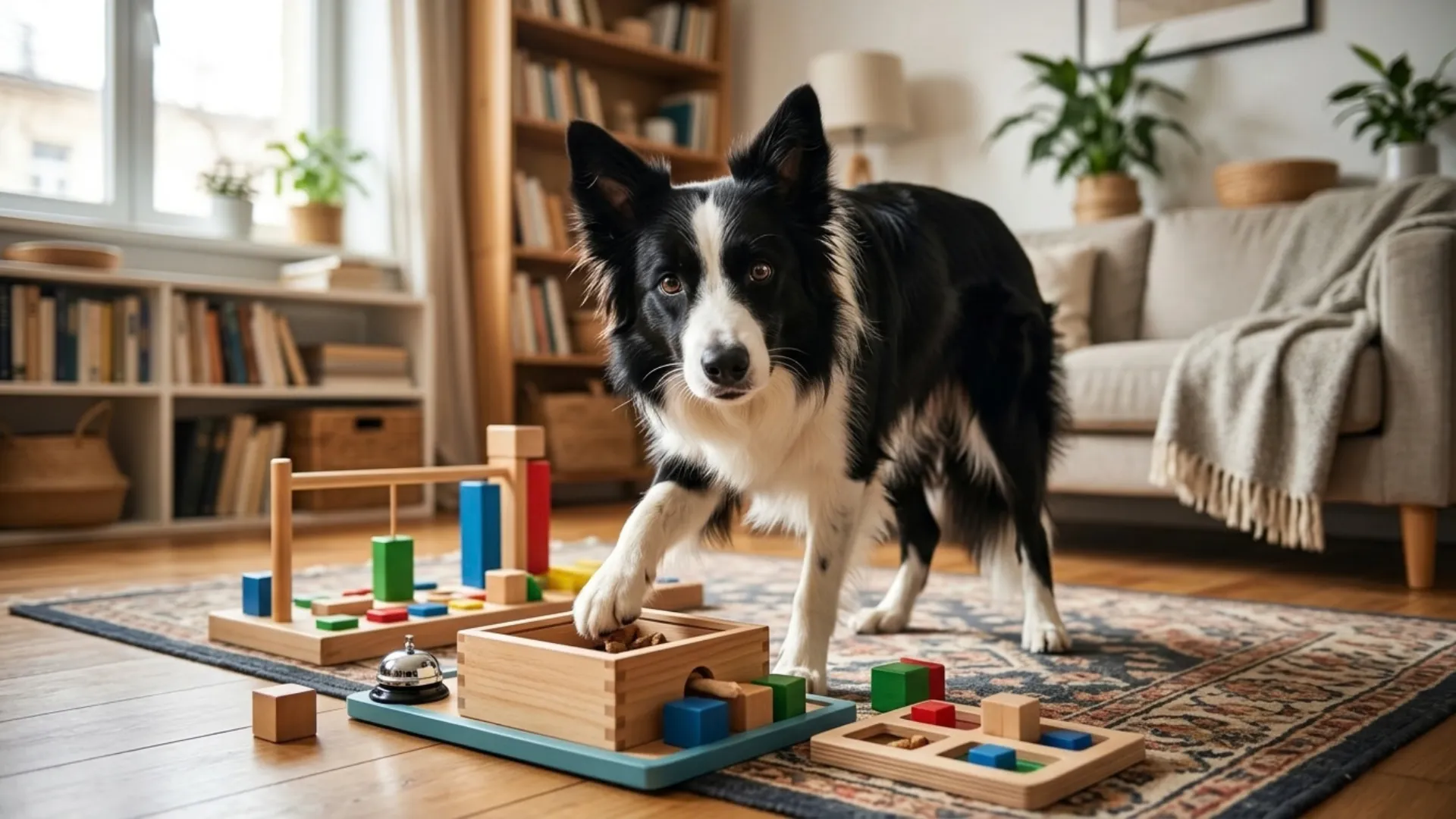
Some dogs seem to learn a new command almost before their owners finish saying it. Others go a step further by figuring out how to open doors, manipulate routines, or get exactly what they want without being directly taught.
Canine intelligence is not limited to obedience, either. A dog’s ability to solve problems, remember experiences, understand human cues, and work independently can all reveal impressive mental ability.
One fascinating fact about dog intelligence is that different breeds can be clever in completely different ways. A herding dog may excel at making quick decisions while controlling livestock, whereas a companion breed might shine at recognizing patterns and responding to human gestures. Even dogs bred for obedience can sometimes use that intelligence to find creative ways around household rules.
The breeds below are known for exceptional learning ability, working intelligence, responsiveness, or problem-solving skills. Their intelligence can be incredibly useful—but it can also mean their owners need to stay one step ahead.
Top Smartest Dog Breeds That Outsmart Their Owners
1. Border Collie
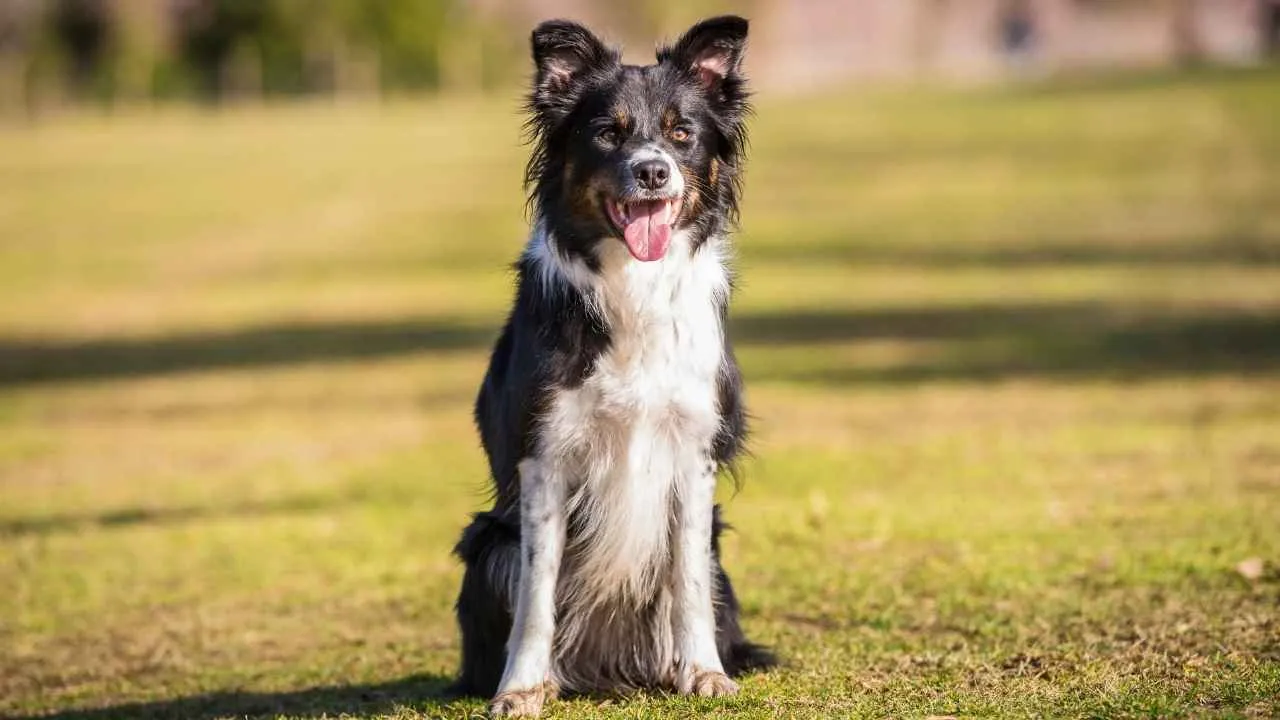
The Border Collie originated along the border between Scotland and England, where farmers needed highly responsive dogs to manage sheep across difficult terrain, as per the AKC. Unlike dogs that simply chased livestock, Border Collies were expected to understand subtle signals and make decisions while working at a distance from their handlers.
A Double Coat and a Busy Lifestyle
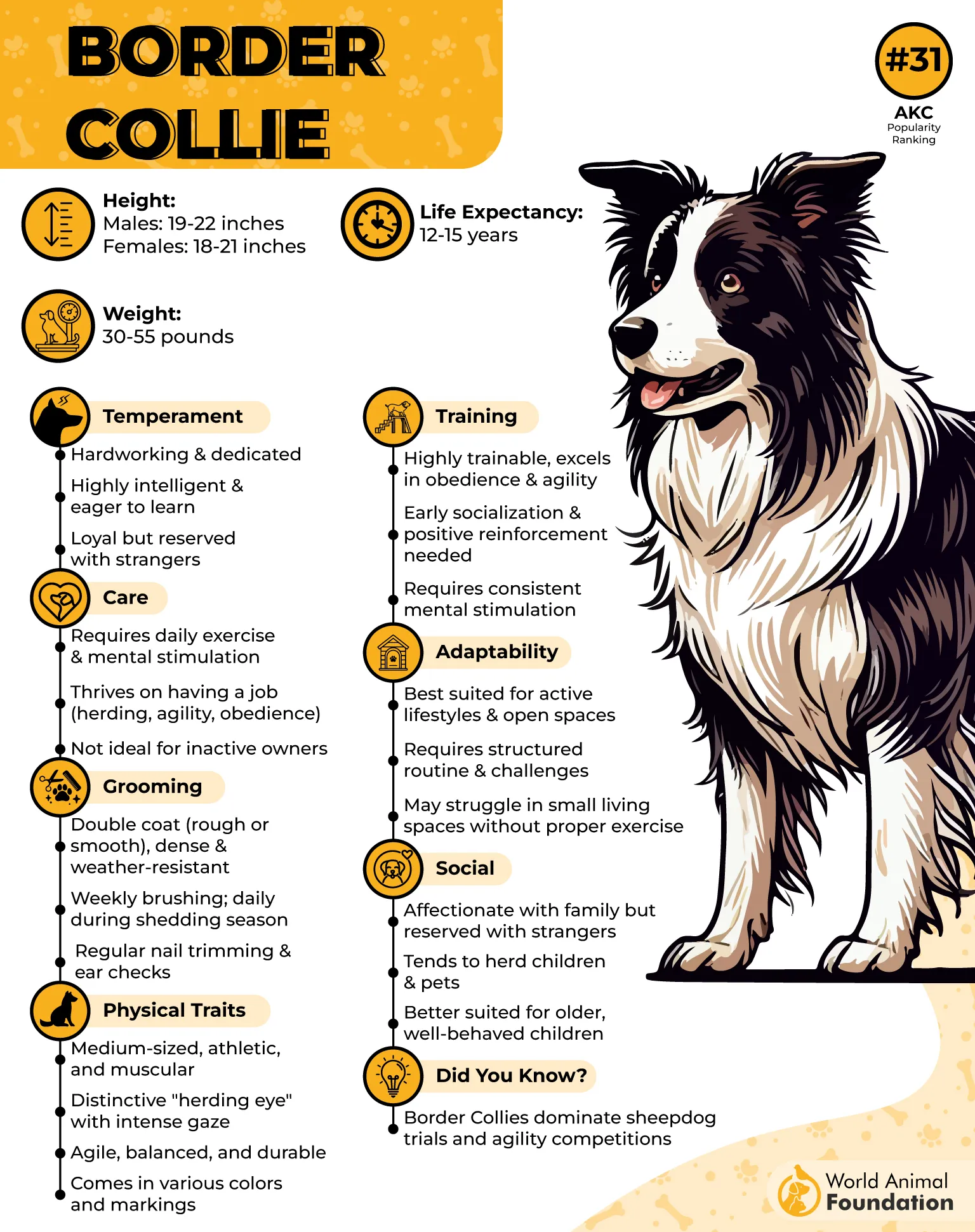
Border Collies have a dense double coat that benefits from regular brushing, particularly during shedding seasons. Their exercise requirements are much greater than their grooming demands. Running, agility, herding exercises, retrieving, and puzzle games can help satisfy both their physical energy and sharp minds.
A Brain That Rarely Misses a Detail
Border Collies are famous for learning commands rapidly and interpreting even subtle movements from their handlers. They can remember routines, distinguish between instructions, and solve problems independently. Without enough stimulation, that same intelligence can lead them to invent their own entertainment.
2. Miniature Poodle
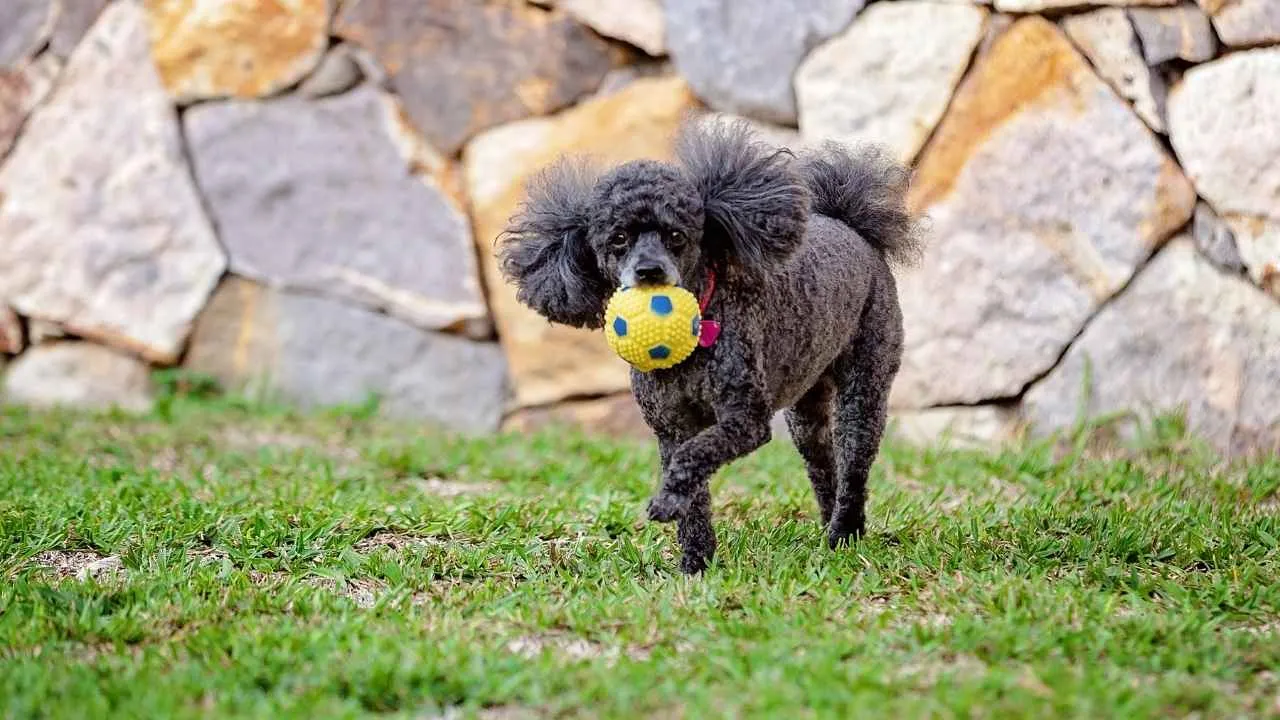
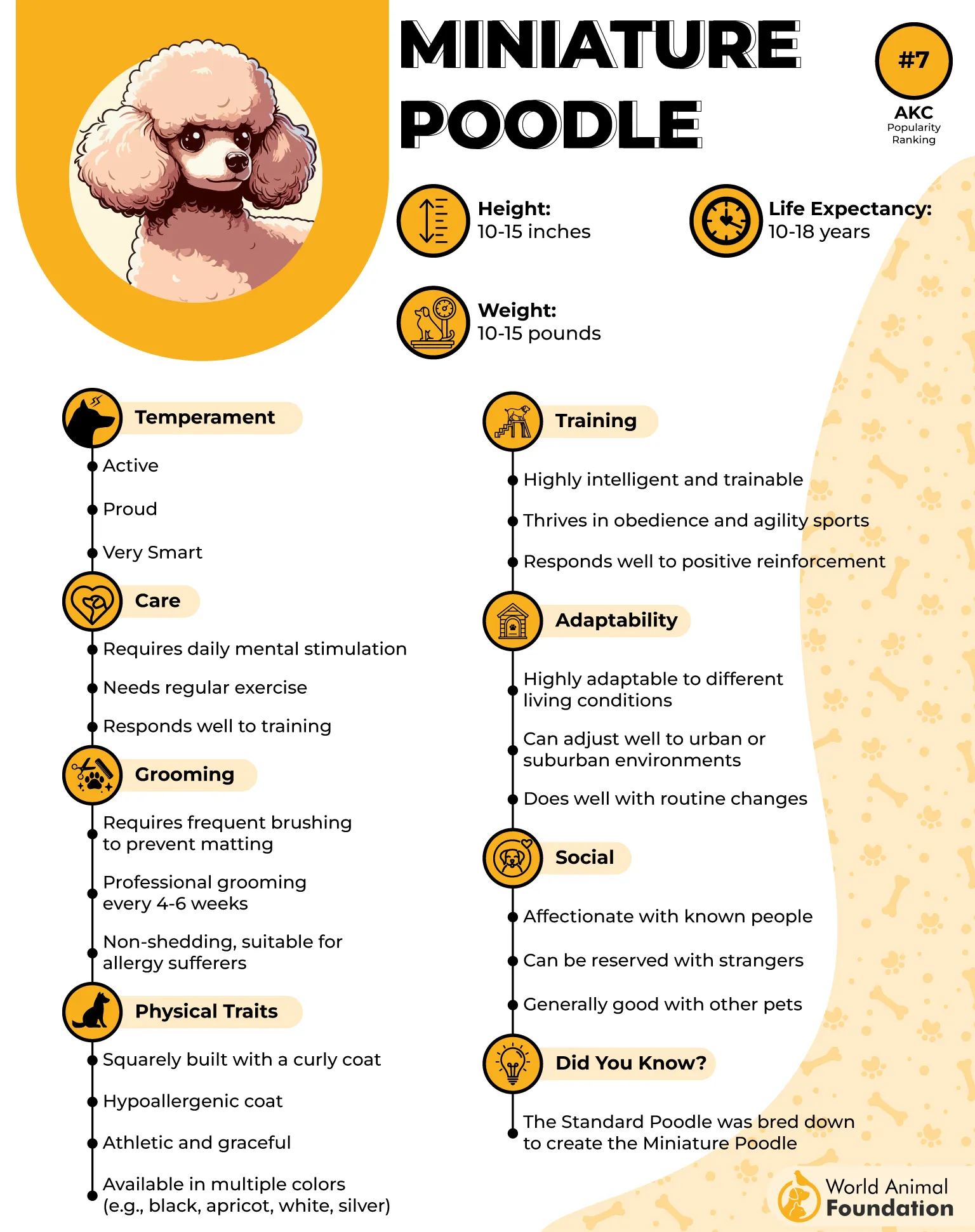
The Miniature Poodle belongs to a breed family originally developed as working water retrievers. Although its elegant appearance later made it a popular companion, the Poodle’s early working background helped shape its remarkable trainability and eagerness to learn.
Curls That Require Consistent Maintenance
The Miniature Poodle’s dense, curly coat needs regular brushing to prevent mats, along with periodic clipping. Its small body doesn’t mean it is a couch potato. Daily walks, interactive games, trick training, and puzzle toys give this clever breed useful outlets, as per Purina.
Quick to Learn and Quick to Adapt
Miniature Poodles often pick up new behaviors with impressive speed. They tend to pay close attention to their owners and can remember patterns surprisingly well. Their intelligence also allows them to discover which behaviors produce treats, praise, or attention.
3. German Shepherd
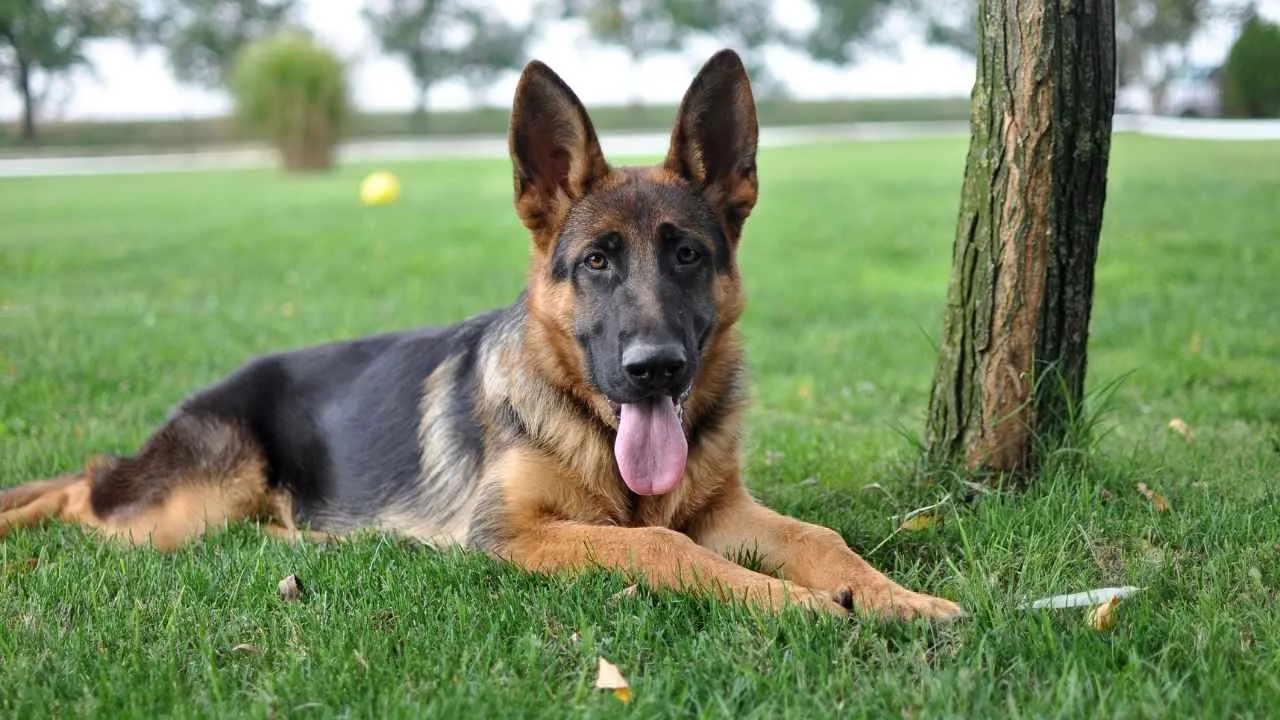
The German Shepherd was developed in Germany in the late nineteenth century, with Max von Stephanitz playing a major role in establishing the modern breed. Initially selected for herding ability, these dogs later found work in police, military, search-and-rescue, service, and protection roles because of their versatility and learning ability.
A Shedding Coat on an Athletic Frame
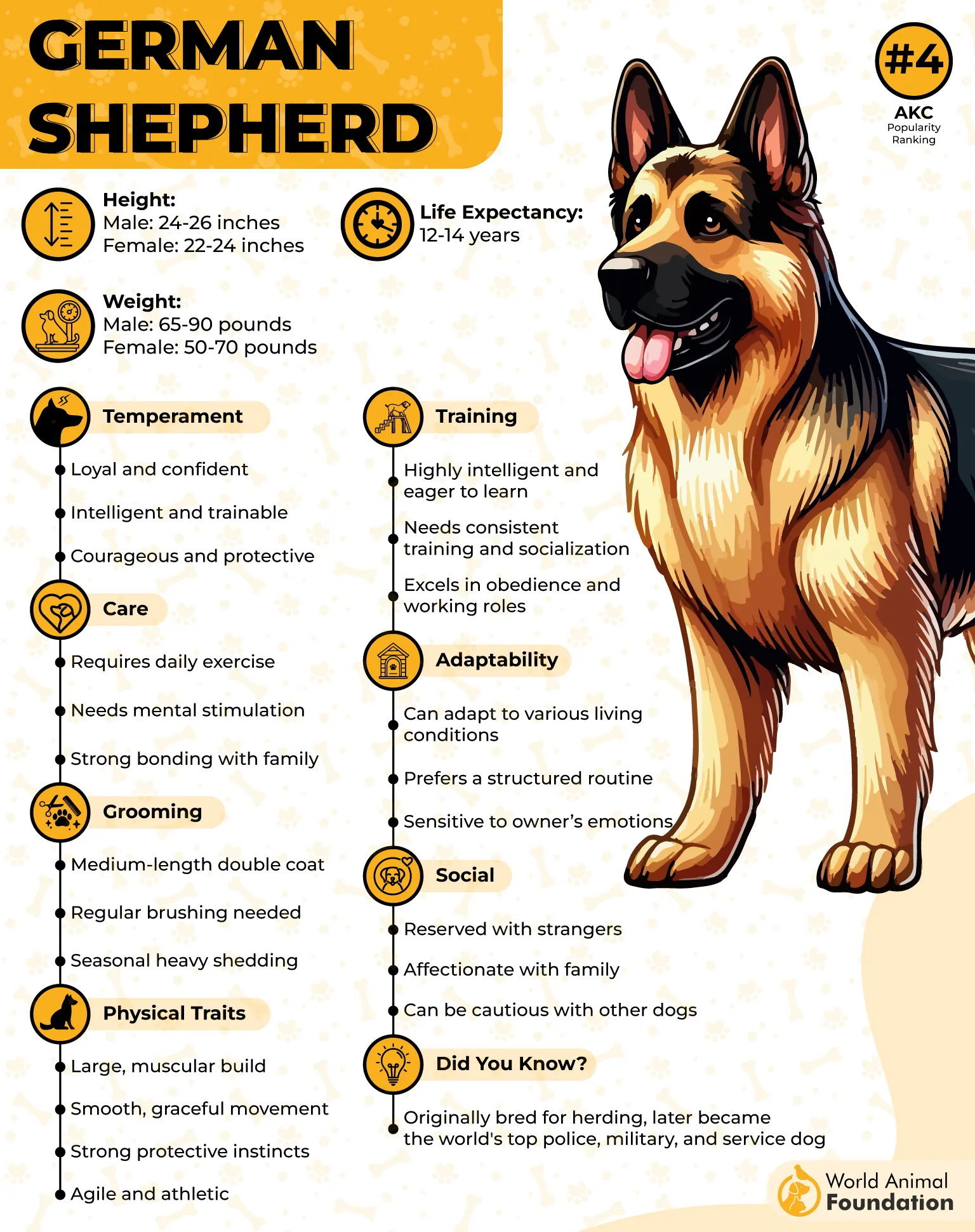
German Shepherds have a double coat that benefits from frequent brushing to control loose hair. They also require substantial daily activity. Long walks, tracking, obedience work, running, retrieving, and structured play can keep them physically fit while providing important mental stimulation.
Intelligence Built Around Purpose
The German Shepherd can learn complicated sequences and retain commands while remaining focused on its handler. Its intelligence is particularly noticeable when performing structured tasks. Give a German Shepherd a meaningful job and clear expectations, and it often learns exactly what is required.
4. Golden Retriever
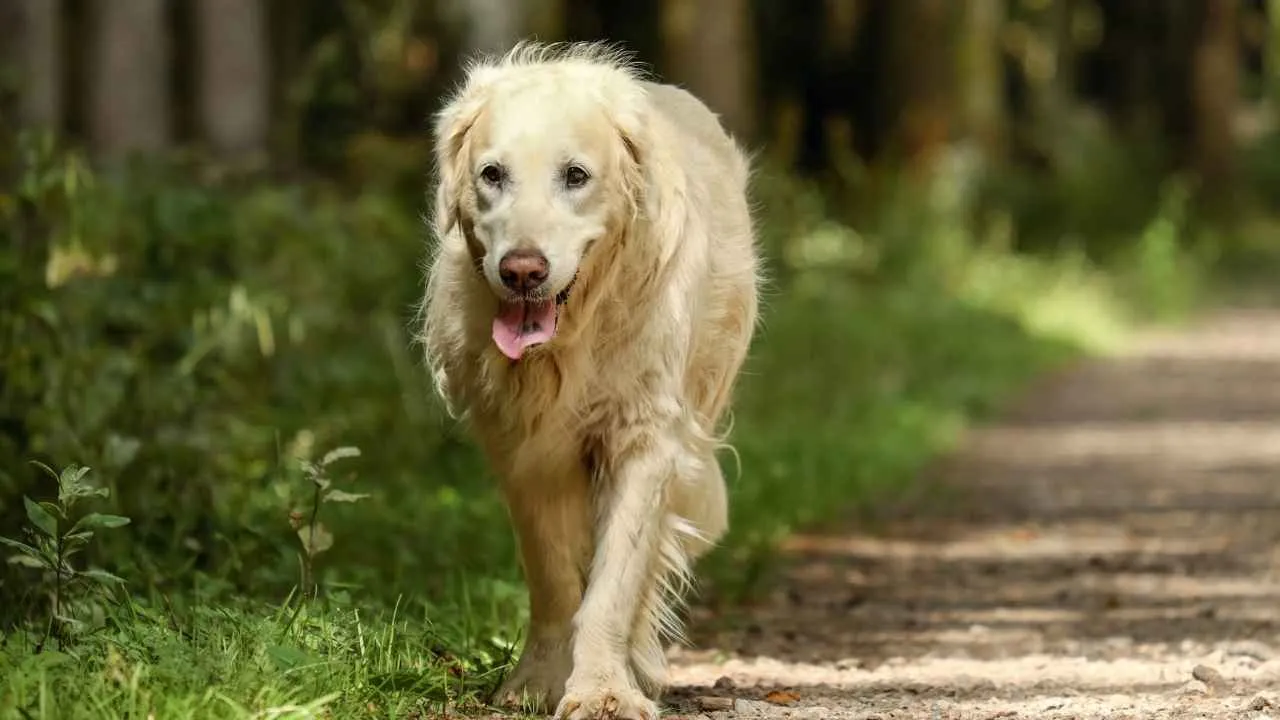
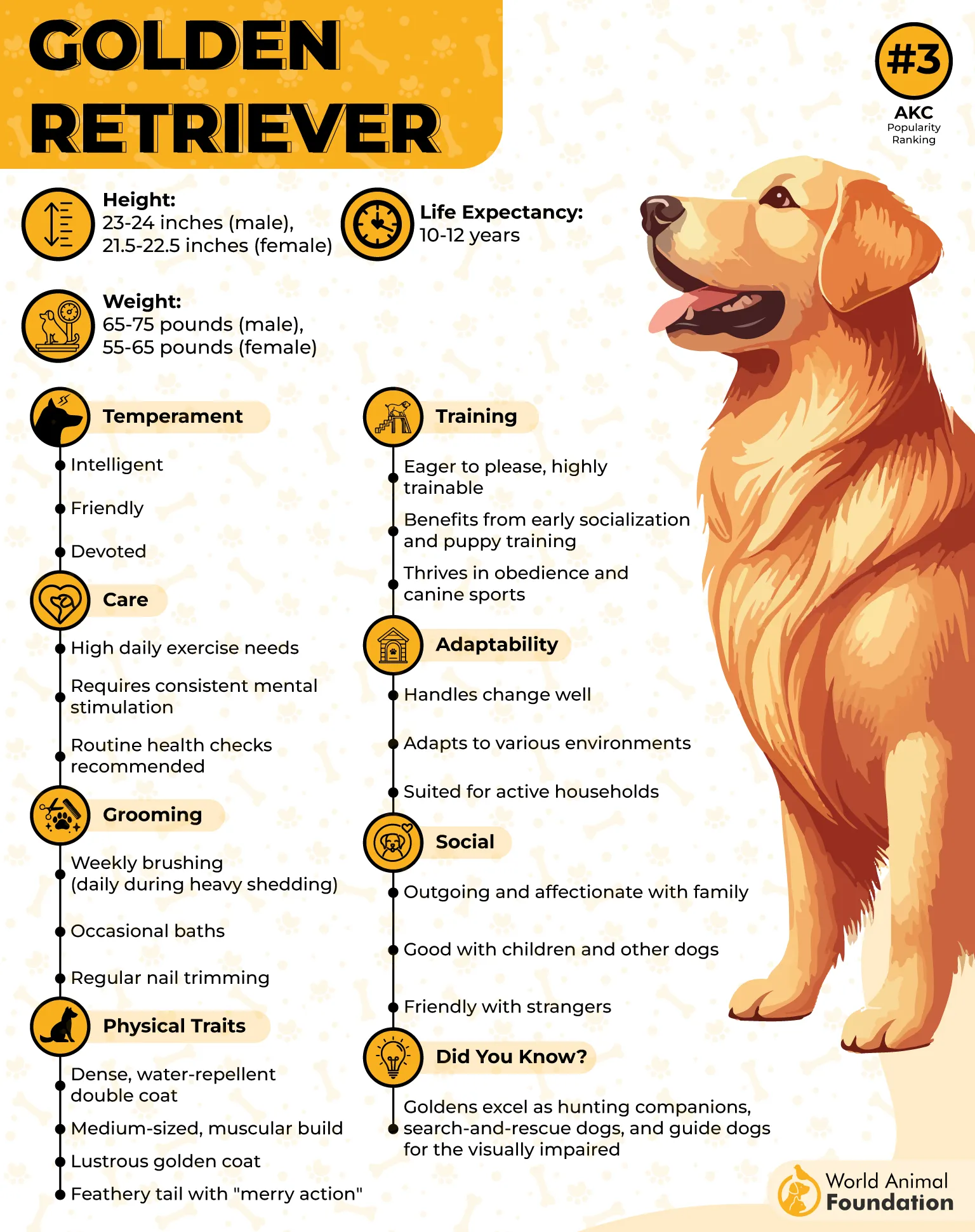
Golden Retrievers were developed in Scotland during the nineteenth century as sporting dogs capable of retrieving game from both land and water. Their history involved careful breeding for traits such as a soft mouth, stamina, swimming ability, and willingness to cooperate with hunters.
A Feathered Coat With Regular Grooming Needs
The Golden Retriever’s water-resistant double coat sheds considerably and benefits from regular brushing, as per PDSA. These dogs also need daily exercise, with retrieving, swimming, hiking, and active play providing excellent outlets.
Smart Enough to Read the Room
Golden Retrievers are highly responsive to people and often learn through observation as well as direct training. They can quickly associate particular actions with rewards and recognize familiar household routines. Their eagerness to cooperate makes learning feel almost effortless.
5. Doberman Pinscher
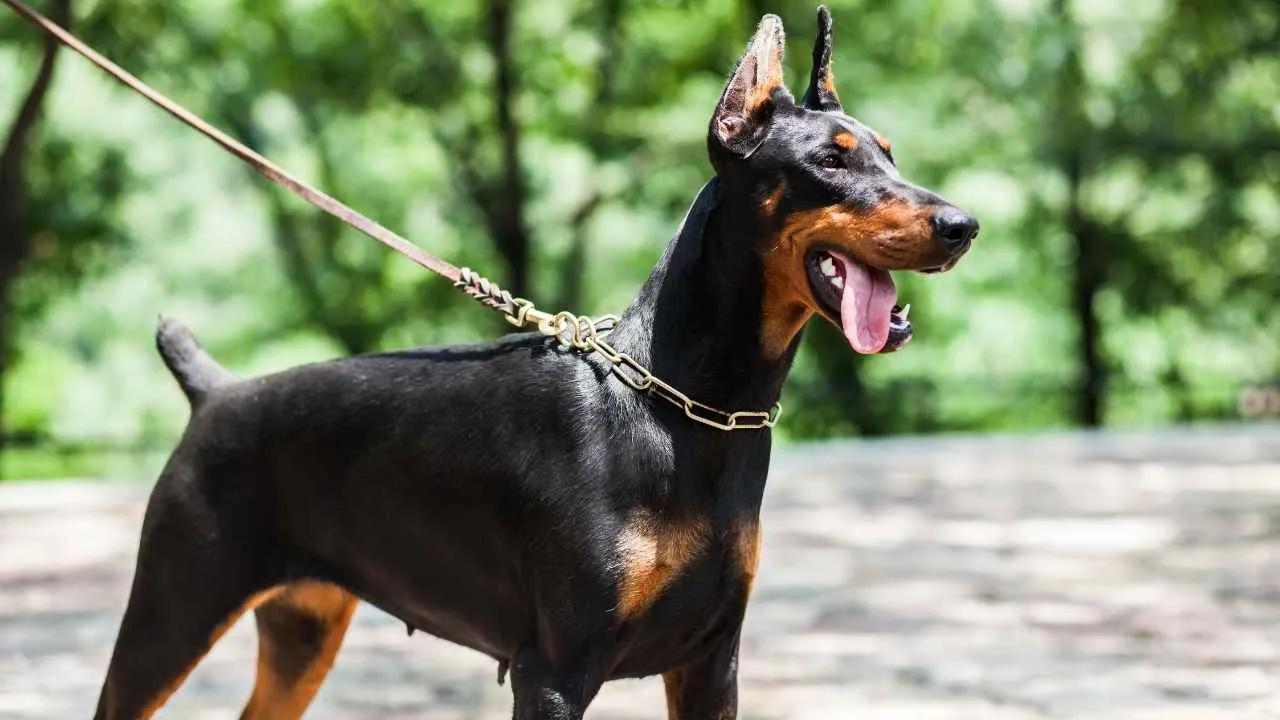
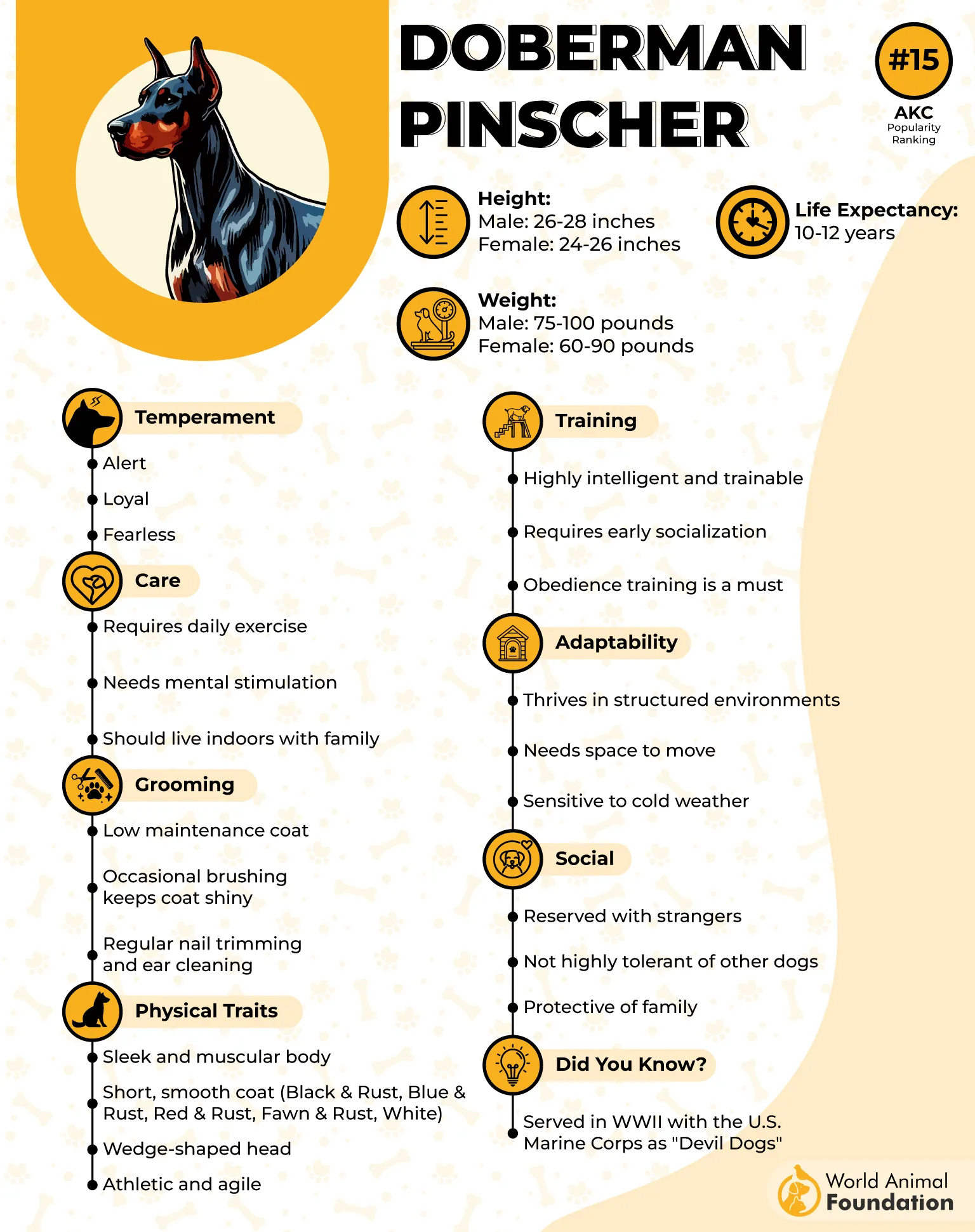
The Doberman Pinscher originated in Germany during the late nineteenth century. Karl Friedrich Louis Dobermann developed the breed as a dependable personal guard dog, selecting for qualities including alertness, loyalty, courage, and working ability.
Sleek Fur, Serious Exercise Needs
The Doberman’s short coat is easy to maintain with occasional brushing. Its athletic body requires much more attention. Daily walks should be complemented by running, obedience exercises, interactive games, and mentally challenging activities.
Sharp, Focused, and Highly Responsive
Dobermans tend to watch their handlers closely and can learn commands quickly. Their intelligence is particularly useful when tasks require speed and precision. They can also become remarkably good at predicting household routines, sometimes knowing what is about to happen before their owner gives a signal.
6. Shetland Sheepdog
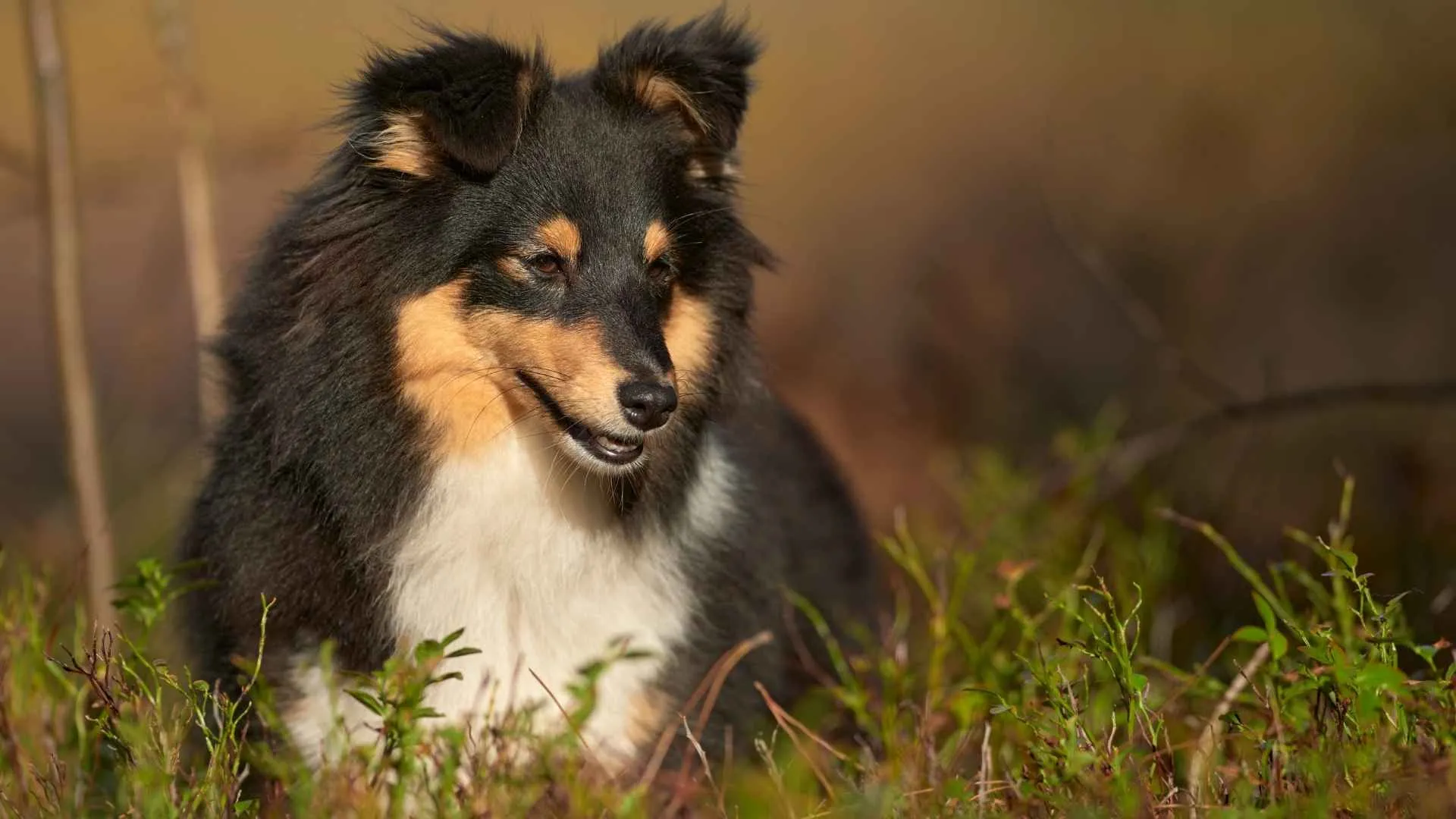
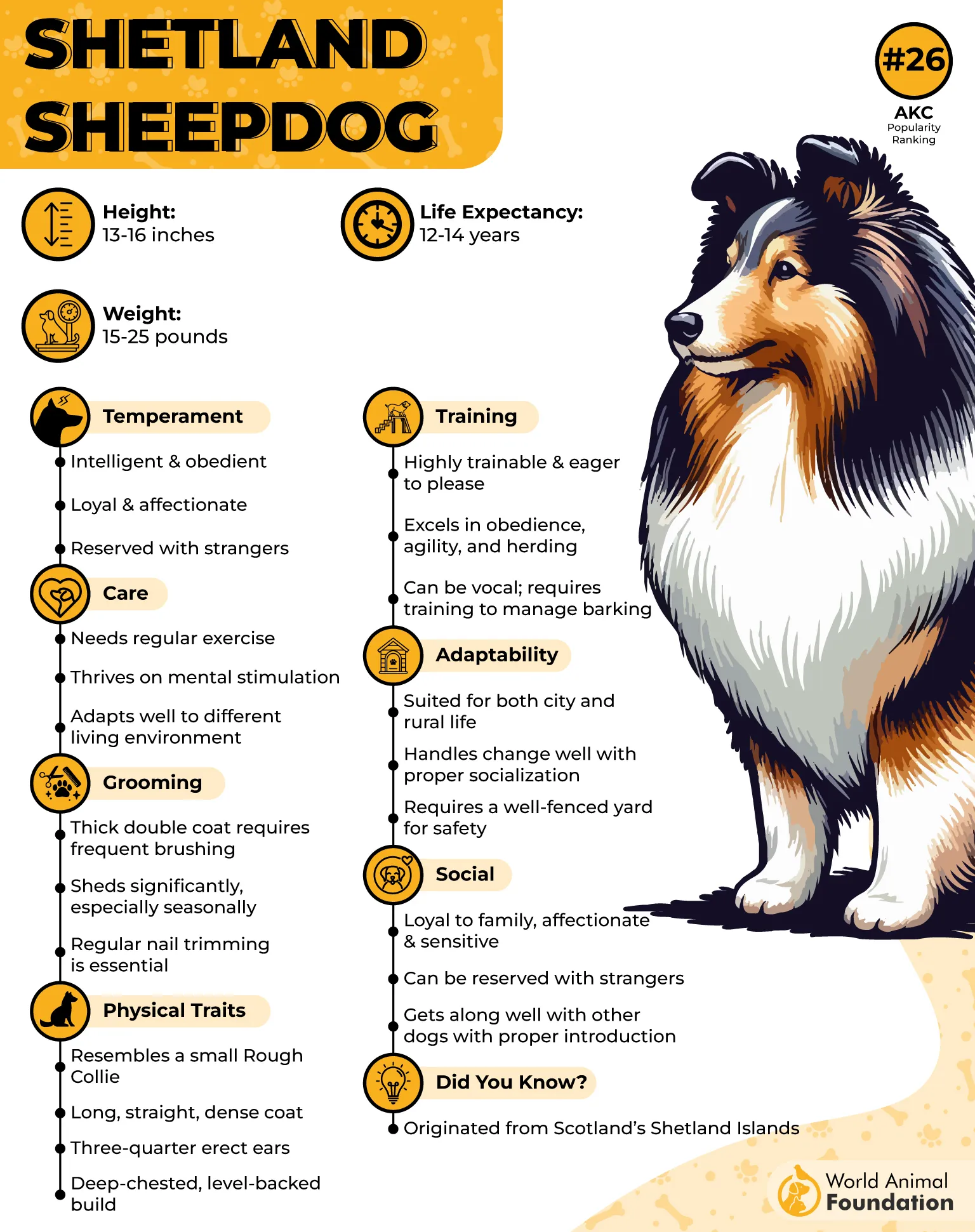
The Shetland Sheepdog originated in Scotland’s Shetland Islands, where farmers needed a smaller herding dog capable of working in rugged surroundings. Selective breeding produced an agile and attentive companion that could respond quickly while managing livestock.
A Beautiful Coat That Needs Attention
The Sheltie’s long double coat requires regular brushing to prevent tangles and remove loose undercoat. Despite its compact size, this is an energetic breed that enjoys brisk walks, agility, obedience practice, and interactive games.
A Small Dog With Fast Mental Processing
Shelties are exceptionally responsive and often learn patterns quickly. Their herding background required them to notice movement and react promptly to human direction. That same ability can make them impressive performers in obedience, agility, and trick training.
7. Labrador Retriever
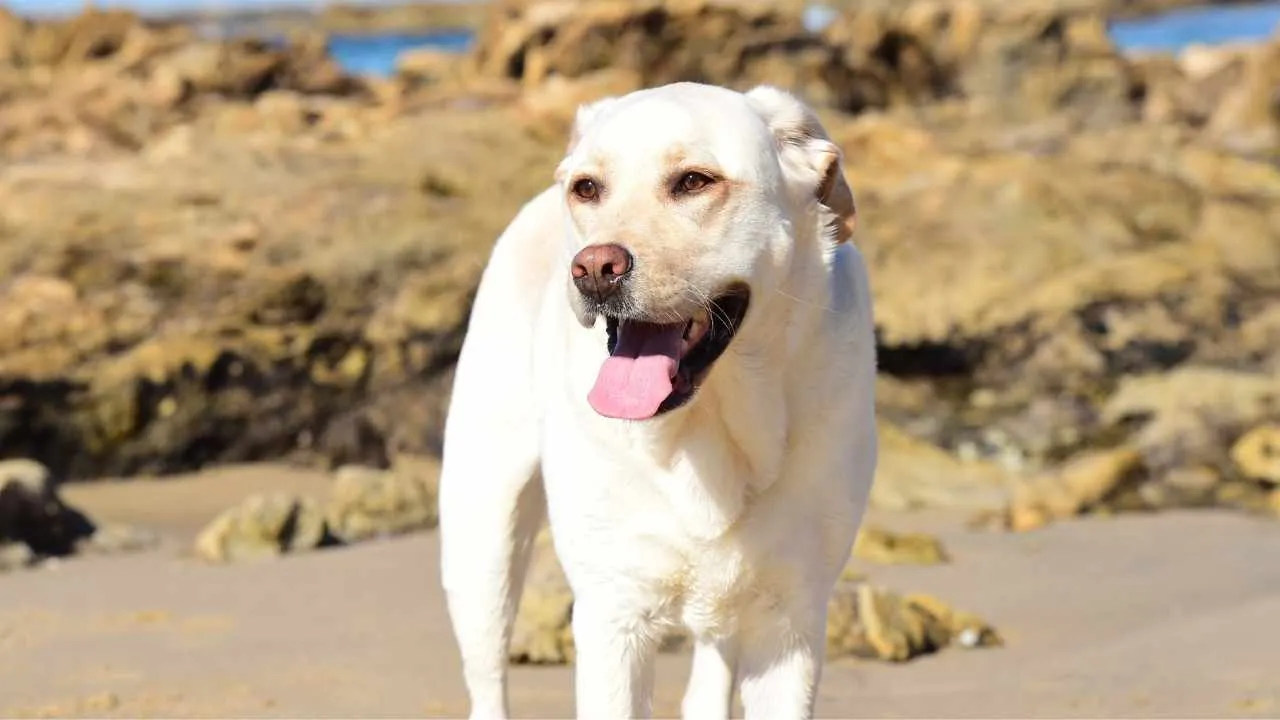
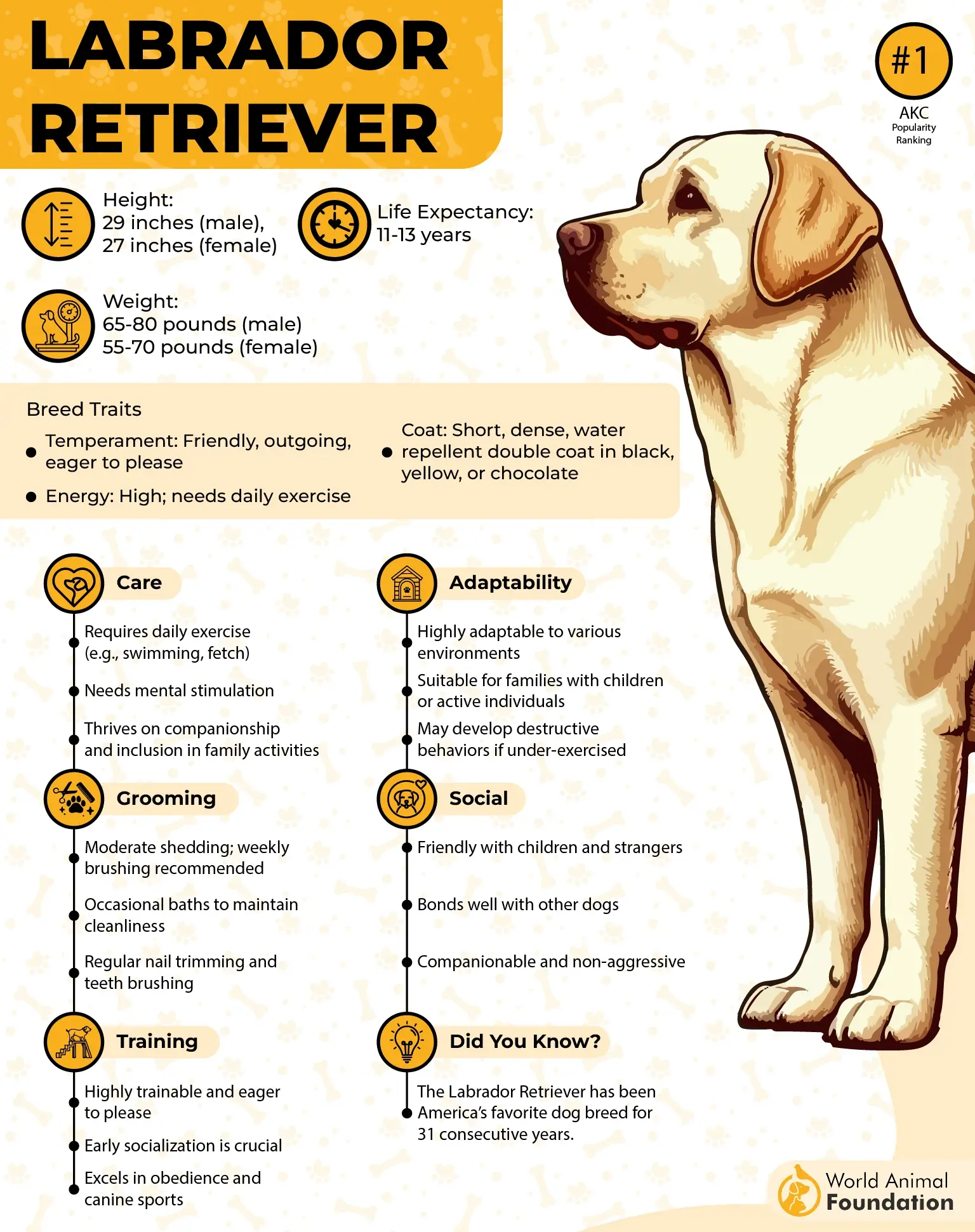
The Labrador Retriever’s ancestors worked with fishermen in Newfoundland, where they helped retrieve fishing equipment and objects from cold water. This intelligent breed was later developed in Britain as a sporting retriever, becoming valued for its swimming ability, retrieving instinct, and cooperative nature.
Simple Coat Care, Plenty of Activity
The Labrador’s short double coat is relatively easy to maintain, although regular brushing helps manage shedding. Labs need considerable daily exercise and usually enjoy swimming, retrieving, hiking, running, and scent-based games.
An Expert at Learning Through Observation
Labradors are eager learners, especially when food or retrieving is involved. They also pay close attention to their owners and can quickly connect household actions with outcomes. That is why a Labrador may learn where treats are stored or which person is most likely to share them.
8. Papillon
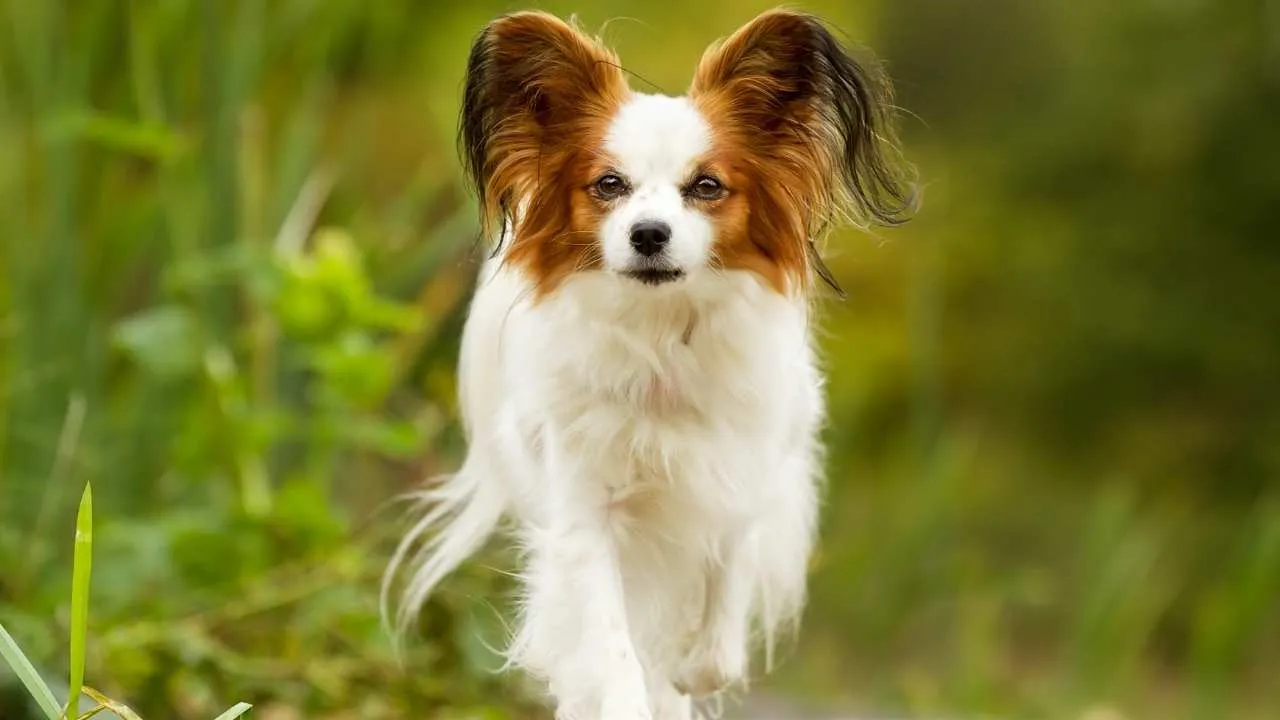
The Papillon has centuries-old European roots and appears in historical artwork as a favored companion of aristocratic households. Despite its delicate appearance, the breed developed into an energetic and agile little dog capable of excelling in activities that require speed and concentration.
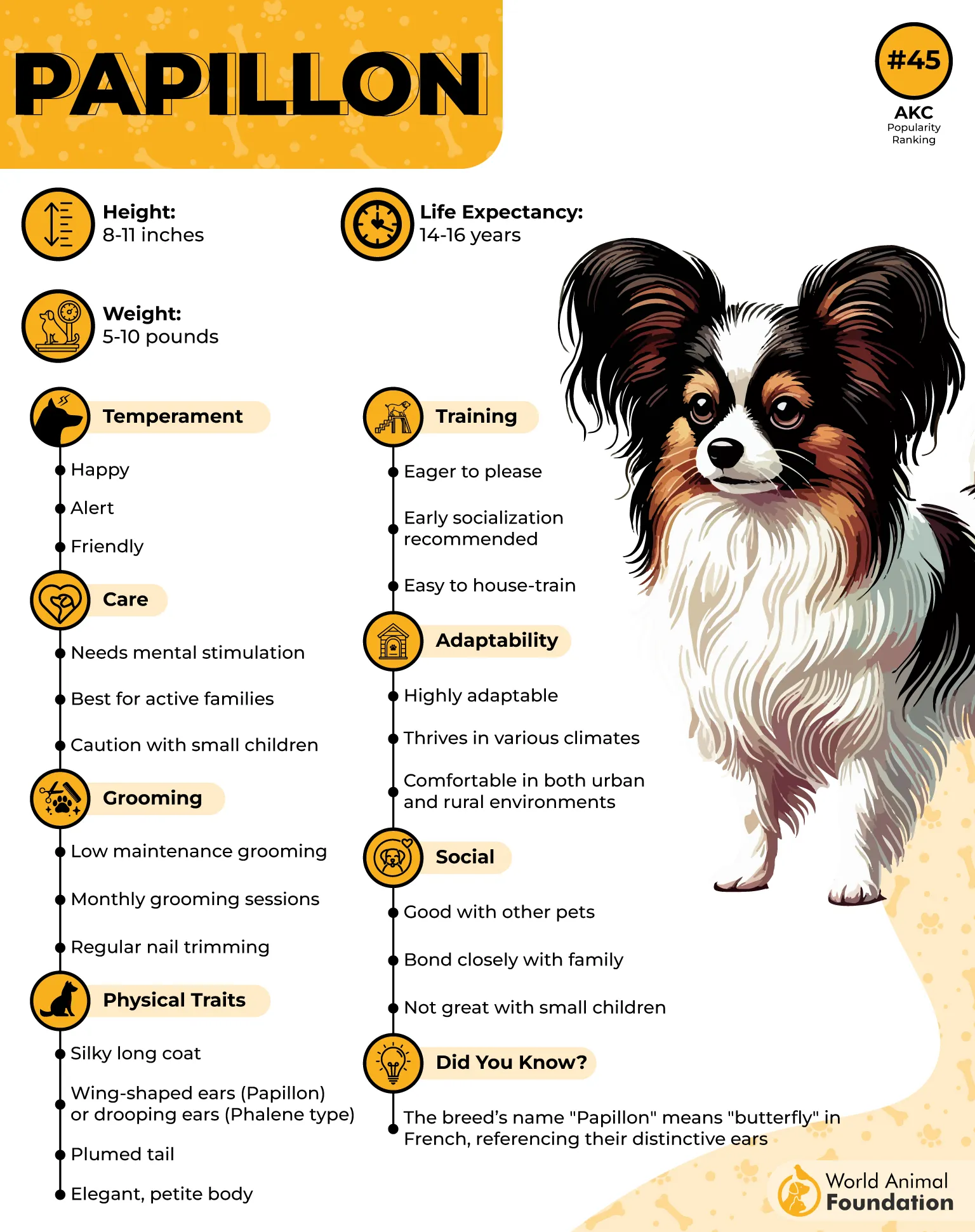
Silky Ears With Manageable Grooming
The Papillon’s fine coat generally needs regular brushing rather than extensive professional grooming. Its exercise needs are moderate, but mental stimulation is essential. Short walks, games, trick training, and agility exercises can keep it engaged.
A Toy Breed With Serious Problem-Solving Skills
Papillons are often remarkably attentive during training and can learn complicated tricks despite their small stature. Their curiosity and agility allow them to approach challenges creatively, making them much more mentally capable than their tiny size might suggest.
9. Rottweiler
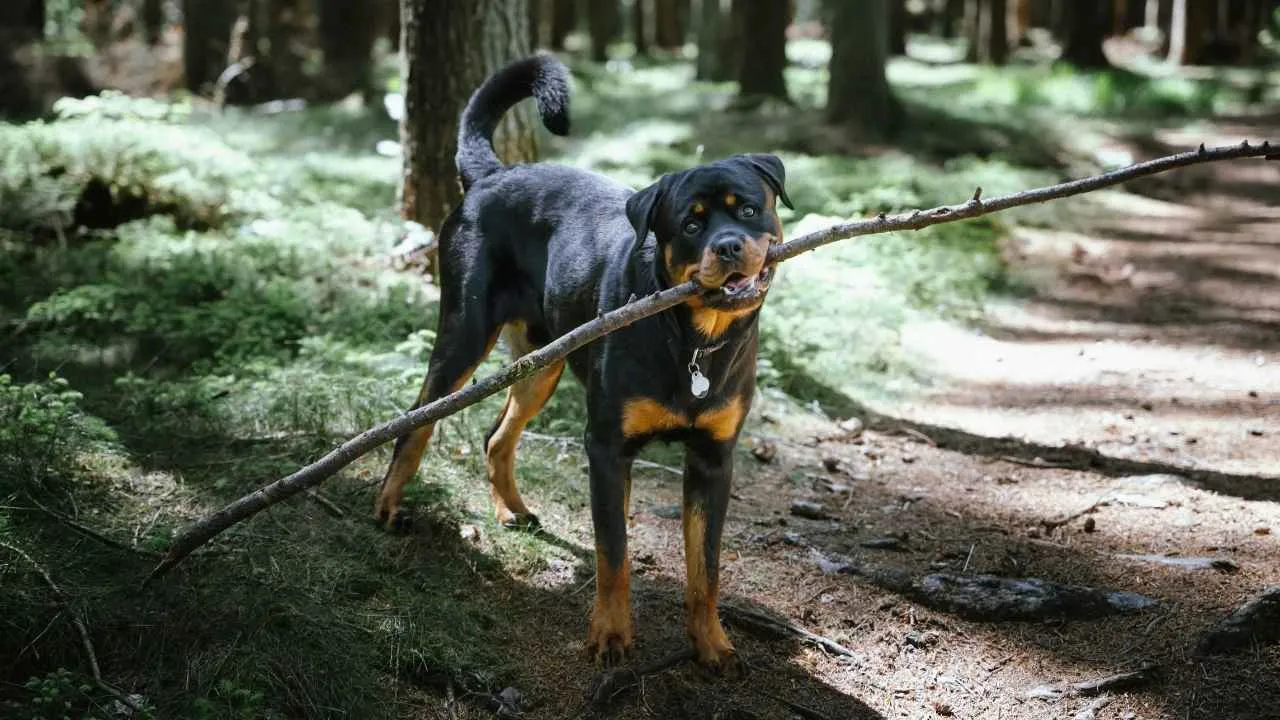
The Rottweiler’s history can be traced to working dogs associated with Roman armies and later to the German town of Rottweil. There, dogs became useful to butchers and merchants for driving cattle and protecting goods. Their working background encouraged strength, confidence, endurance, and reliability.
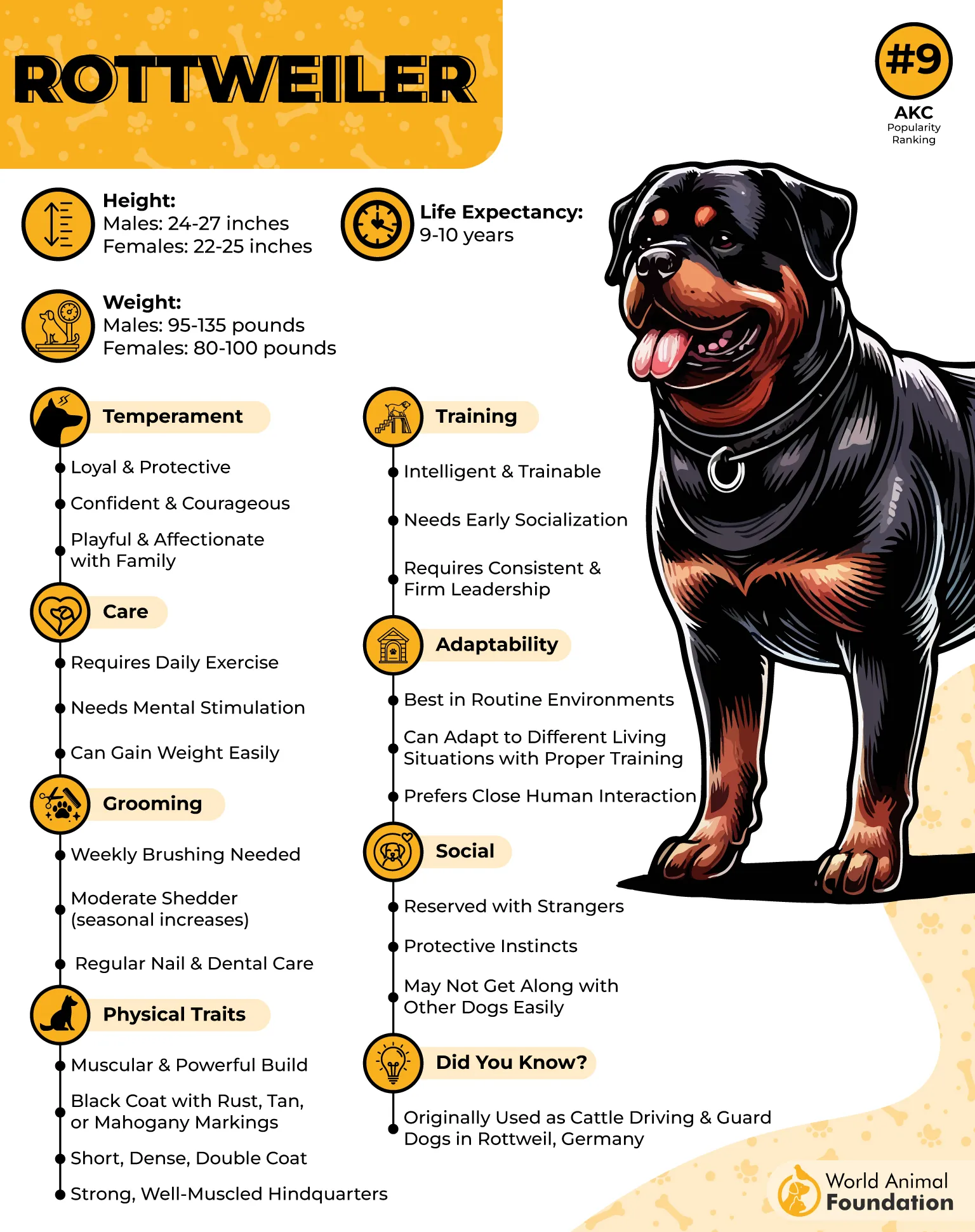
Low-Fuss Grooming for a Powerful Dog
The Rottweiler’s short double coat needs only routine brushing to remain in good condition. Its muscular body benefits from regular exercise, including walks, retrieving, obedience training, and tracking activities.
A Confident Thinker That Needs Direction
Rottweilers can be highly capable learners when training is consistent. Their intelligence is paired with confidence and an ability to understand tasks rather than simply react to commands. Clear boundaries and varied training help channel that mental ability productively.
10. Australian Cattle Dog
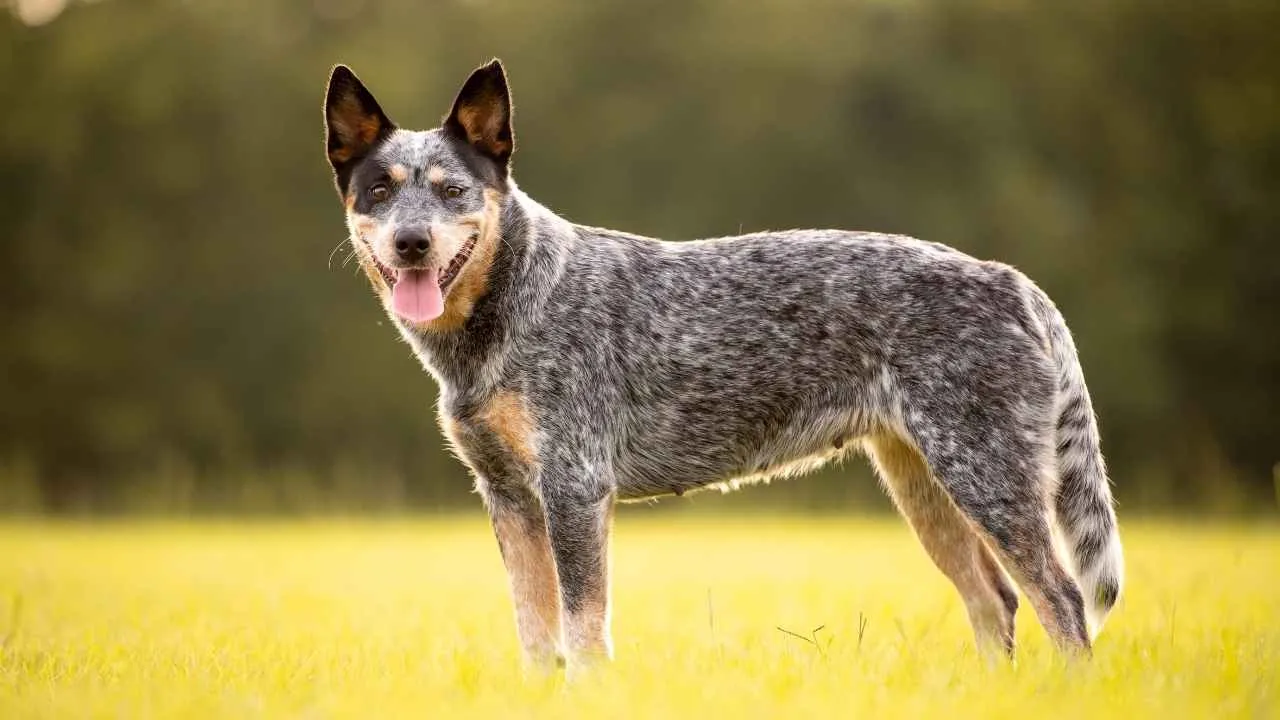
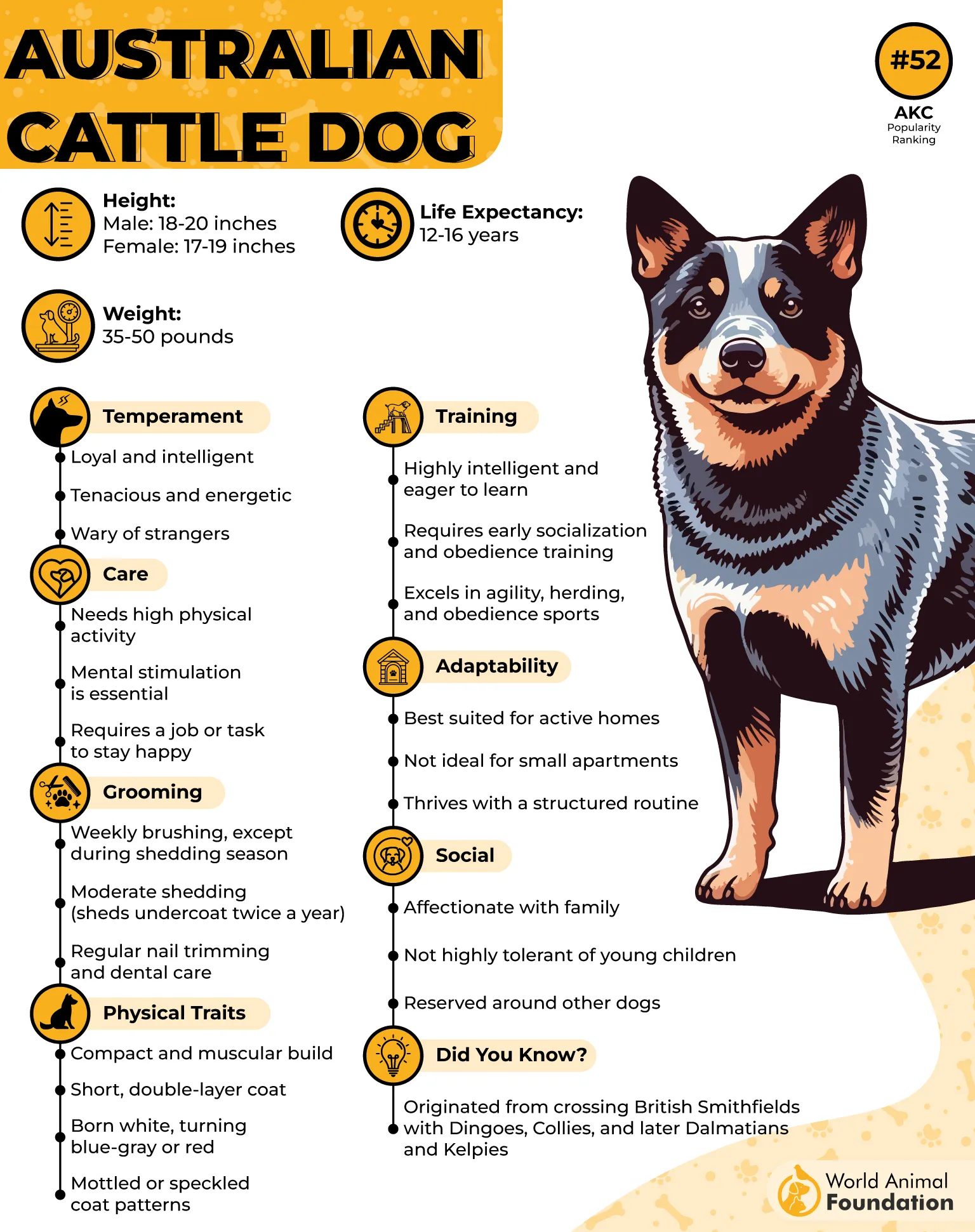
The Australian Cattle Dog was developed in Australia to manage cattle across large properties and harsh environments. Breeders combined imported herding dogs with other working breeds to create a tough, heat-tolerant dog capable of traveling long distances while controlling livestock.
An Easy Coat on an Exceptionally Active Dog
Its short, dense double coat is relatively simple to groom, although regular brushing becomes useful during shedding periods. Exercise requirements are high. This muscular breed thrives on running, agility, herding games, scent work, and challenging training rather than a short daily walk.
An Independent Mind That Can Outsmart Routine
The Australian Cattle Dog can learn quickly but also has a strong independent streak. It may understand a command but decide the task isn’t interesting enough to repeat. Keeping training varied and purposeful gives this clever breed a reason to use its intelligence constructively.
Conclusion
All of the discussed dog breeds demonstrate intelligence differently. Some excel at obedience, while others stand out for independent thinking, observation, memory, or problem-solving.
Their working histories help explain these abilities. Herding dogs needed to interpret movement and human signals, sporting breeds had to cooperate closely with hunters, and working dogs were expected to complete demanding tasks reliably.
A highly intelligent dog can be rewarding but also challenging. These breeds need more than physical exercise; they benefit from training, enrichment, variety, and clear boundaries. When their minds are given something worthwhile to work on, their remarkable intelligence becomes one of their greatest strengths.
