




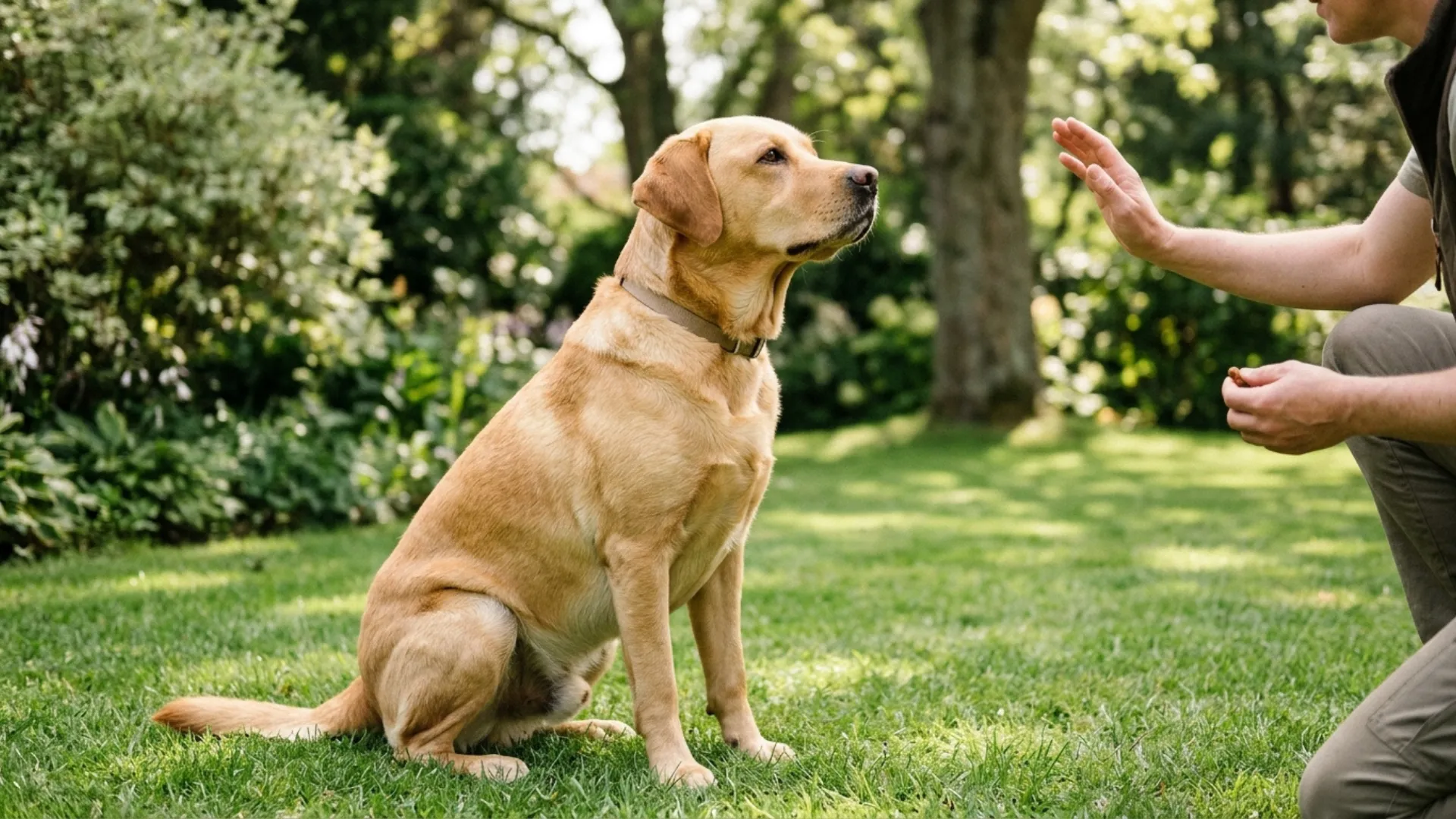
All dogs bring joy, love, and loyalty into our lives, but some stand out for their quick minds and fast learning. The smartest dog breeds aren’t just good at memorizing commands. Their intelligence comes from emotional connection and daily mental stimulation.
Smart dogs are natural problem solvers. They pick up commands quickly, love a mental challenge, adapt fast to new situations, and often surprise their owners with how quickly they think. But without guidance, even the brightest dogs can become bored, mischievous, or restless.
Whether you want a loyal family pet or a dog that shines in agility and obedience competitions, knowing how to train an intelligent breed helps you bring out its full potential, from clever herder to devoted companion.
Top Smartest Dog Breeds and Training Tips You Need
Here are the seven most brilliant dogs—and how to help them thrive.
1. Border Collie
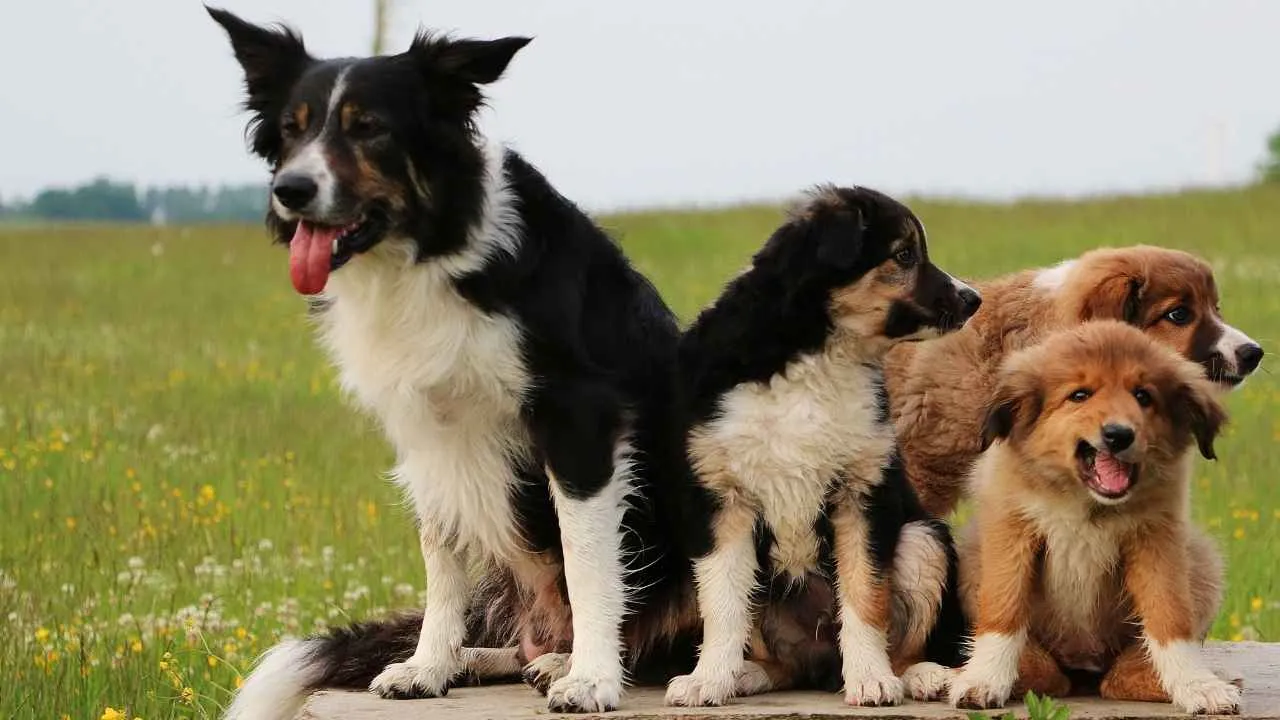
Often called the smartest dog in the world, the Border Collie is a problem-solving powerhouse. As the AKC notes, they learn commands fast and love having a job to do, especially herding.
A famous Border Collie named Chaser learned the names of more than 1,000 distinct objects, a strong example of the breed’s memory and language comprehension.
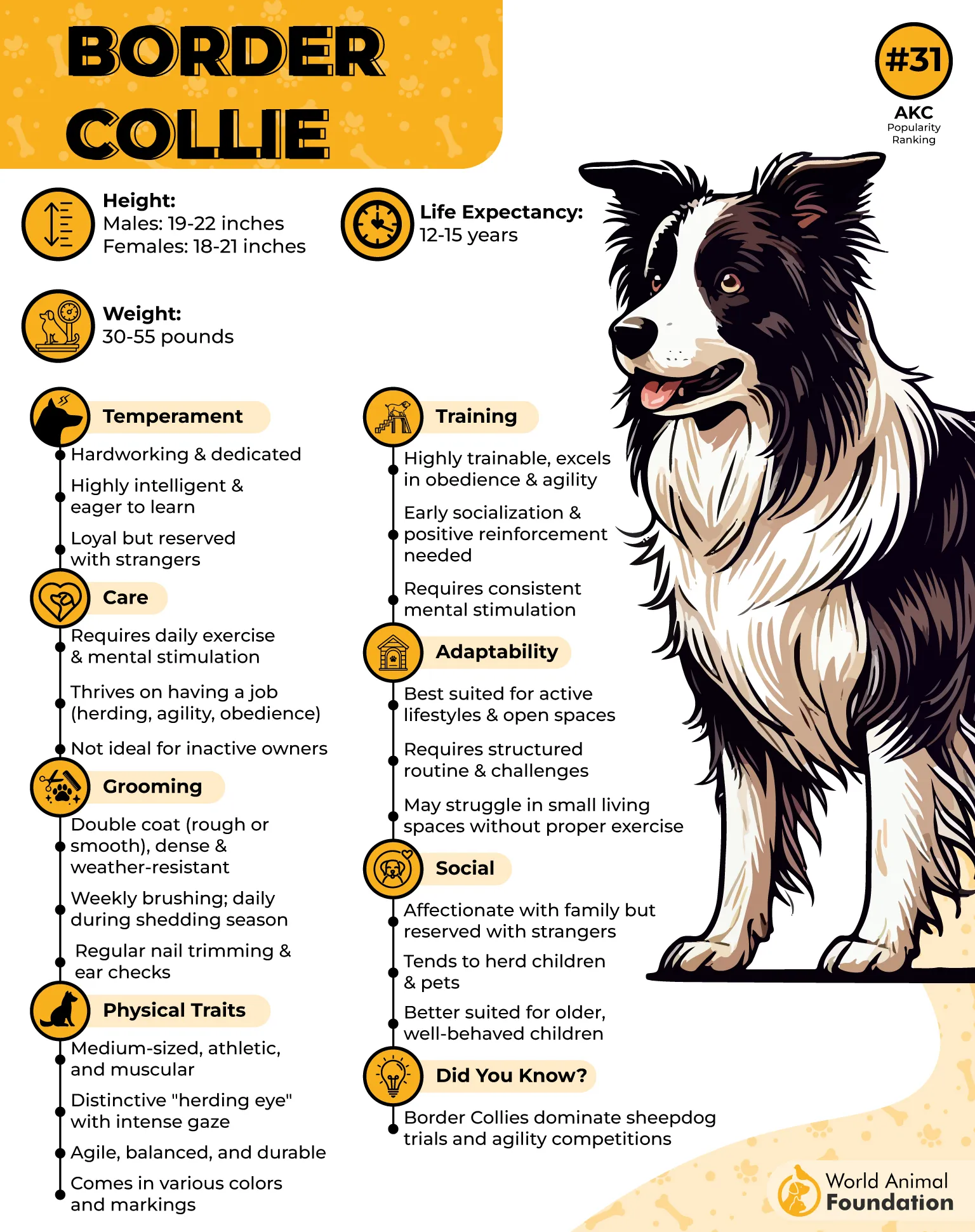
They don’t just learn commands; they apply them with precision and enthusiasm. These pups have boundless energy and thrive on consistent training, interactive games, and tasks that challenge their minds. Without that, they get bored, and that’s when the real trouble starts.
Training tips
Make learning fun with puzzle toys and advanced commands.
Use positive reinforcement to keep them motivated.
Add agility and obedience work for mental fitness.
Start socialization early for balanced behavior.
2. German Shepherd
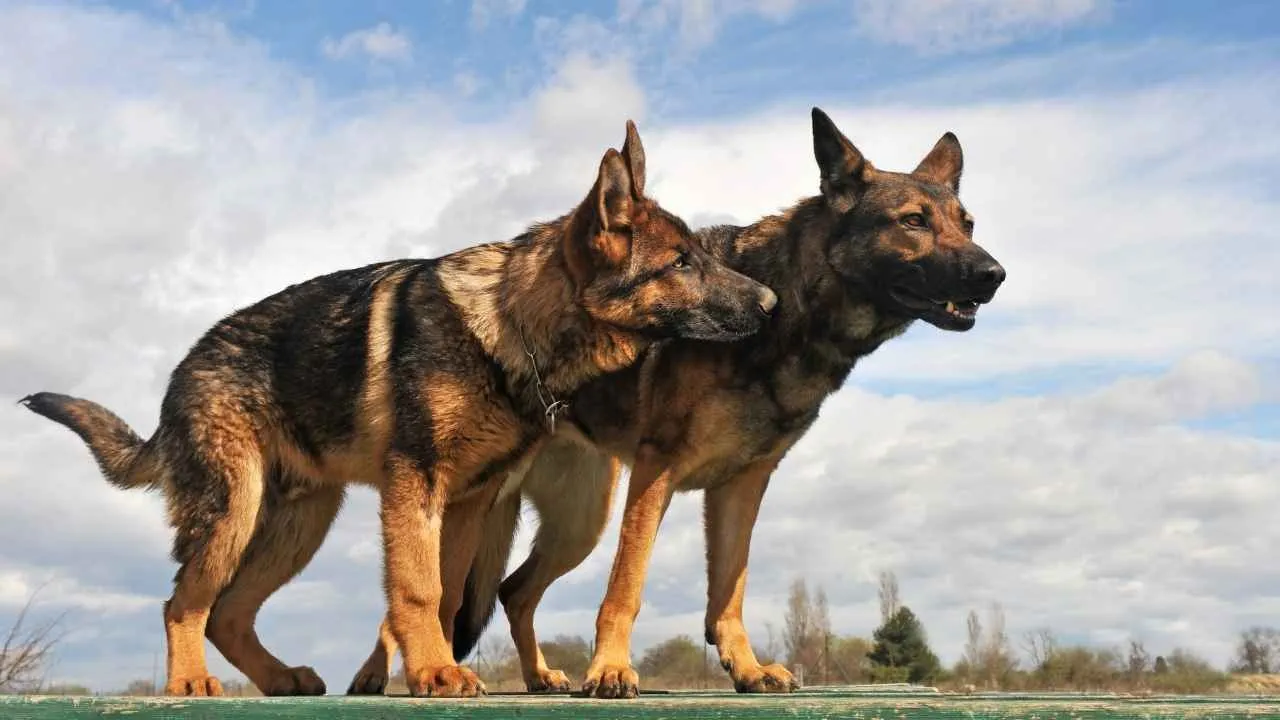
German Shepherds combine obedience, instinct, and loyalty in one highly intelligent package. They excel in police, military, and service roles thanks to their trainability and focus.
According to UKC, these dogs are adaptable, courageous, and quick to respond, traits that make them exceptional service dogs, guard dogs, and loyal companions. Their keen senses and problem-solving skills are well known.
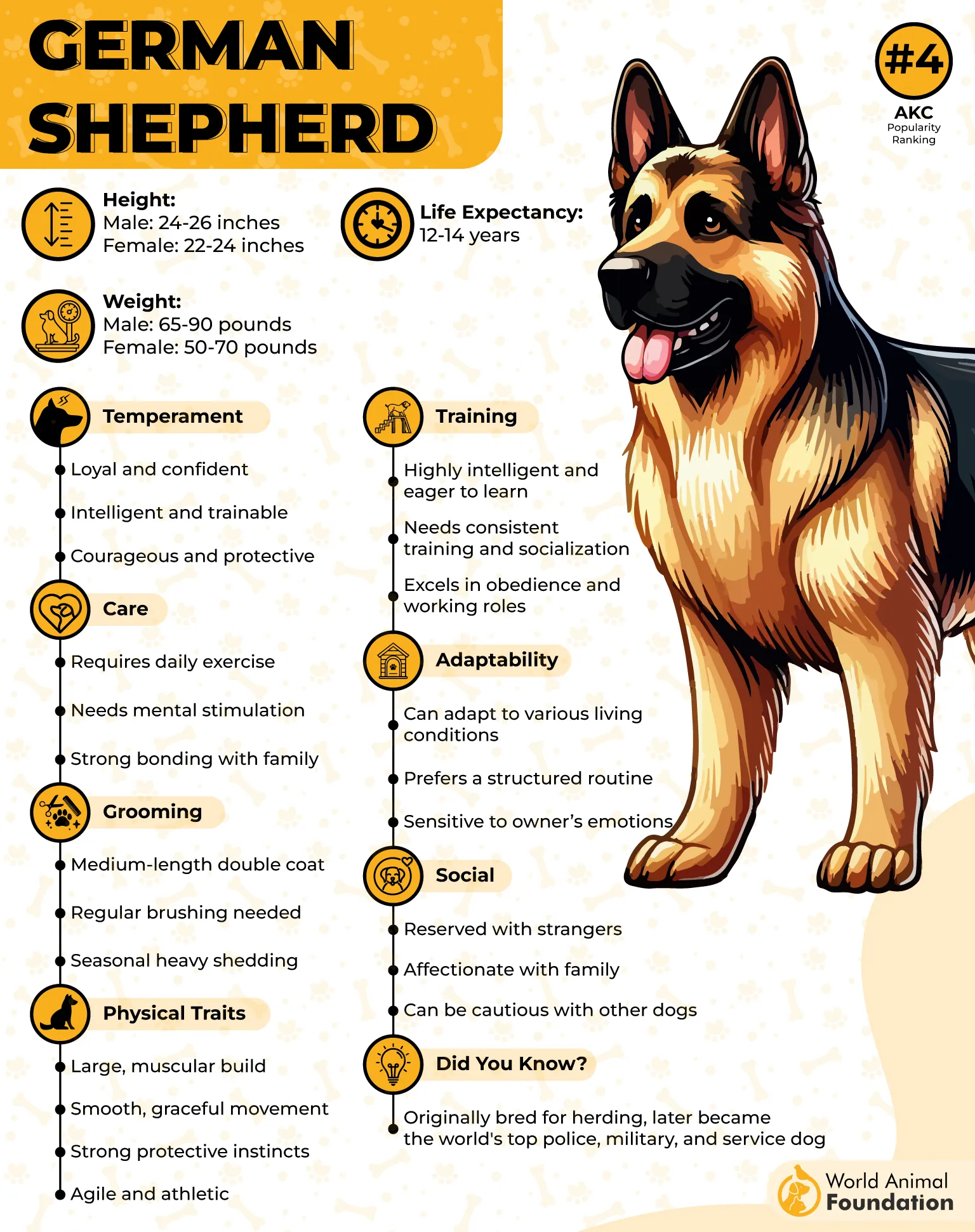
Originally bred for herding and guarding livestock, they have a natural awareness that helps them pick up working roles without extensive instruction. Training them takes patience and leadership, but their talent for obedience means consistency pays off quickly.
Training tips
Set clear, consistent rules.
Use positive reinforcement and rewards.
Combine mental tasks with physical exercise.
Introduce routines from puppyhood.
3. Golden Retriever
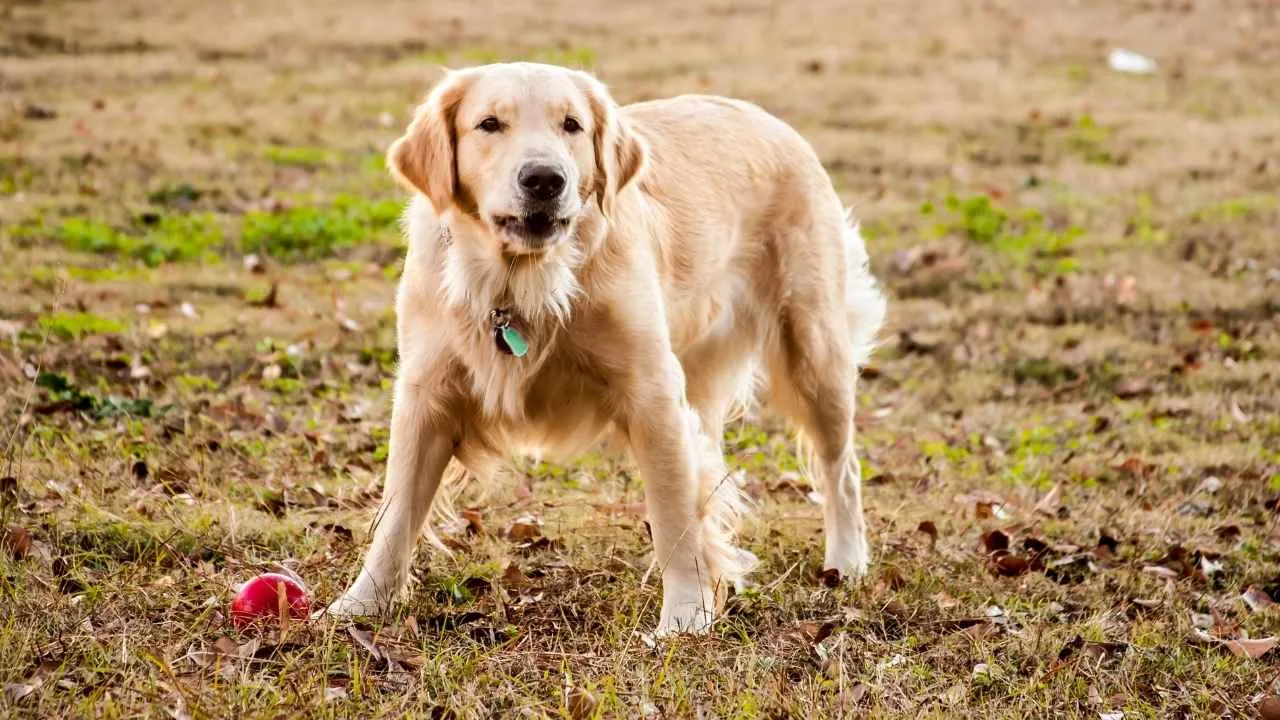
Golden Retrievers are eager to please and quick to learn, which makes them ideal family and therapy dogs. Their gentle nature and smarts make training a breeze. They also have thick, water-repellent, lustrous golden coats.
They’re known as world-class family dogs, and their sweet, puppy-like temperament makes them a joyful playmate for people of all ages. Endlessly loyal and trustworthy, these dogs are typically easy to train, as the GRCA points out.
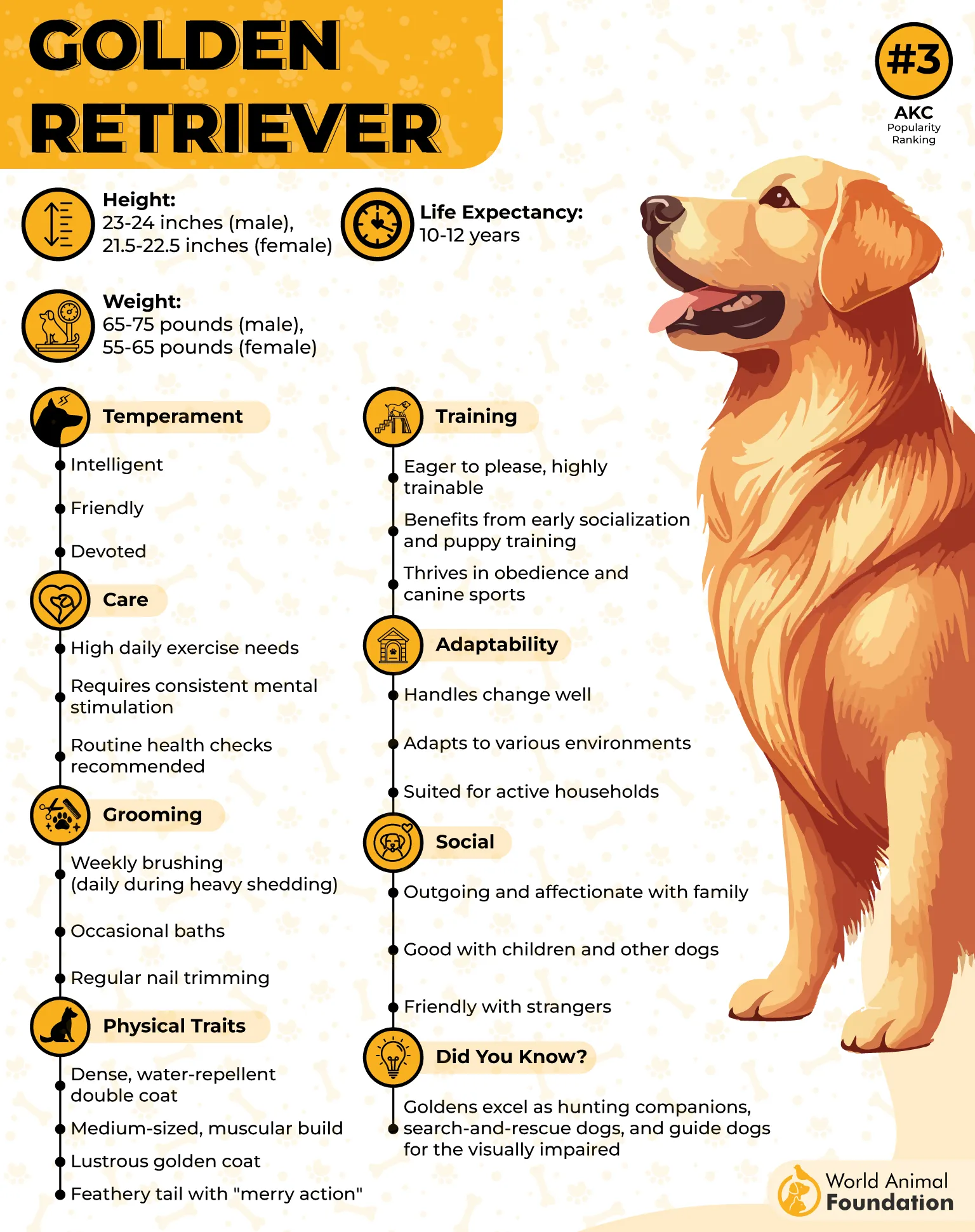
Their mix of trainability and emotional intuition makes them top choices for guide work, search and rescue, detection work, therapy, and emotional support. Whether you’re teaching new tricks, entering obedience competitions, or just working on basic manners, they rise to the challenge with gusto.
Training tips
Use food treats and praise for motivation.
Keep lessons short and fun.
Add mental stimulation between physical play.
Practice commands in different environments.
4. Labrador retriever
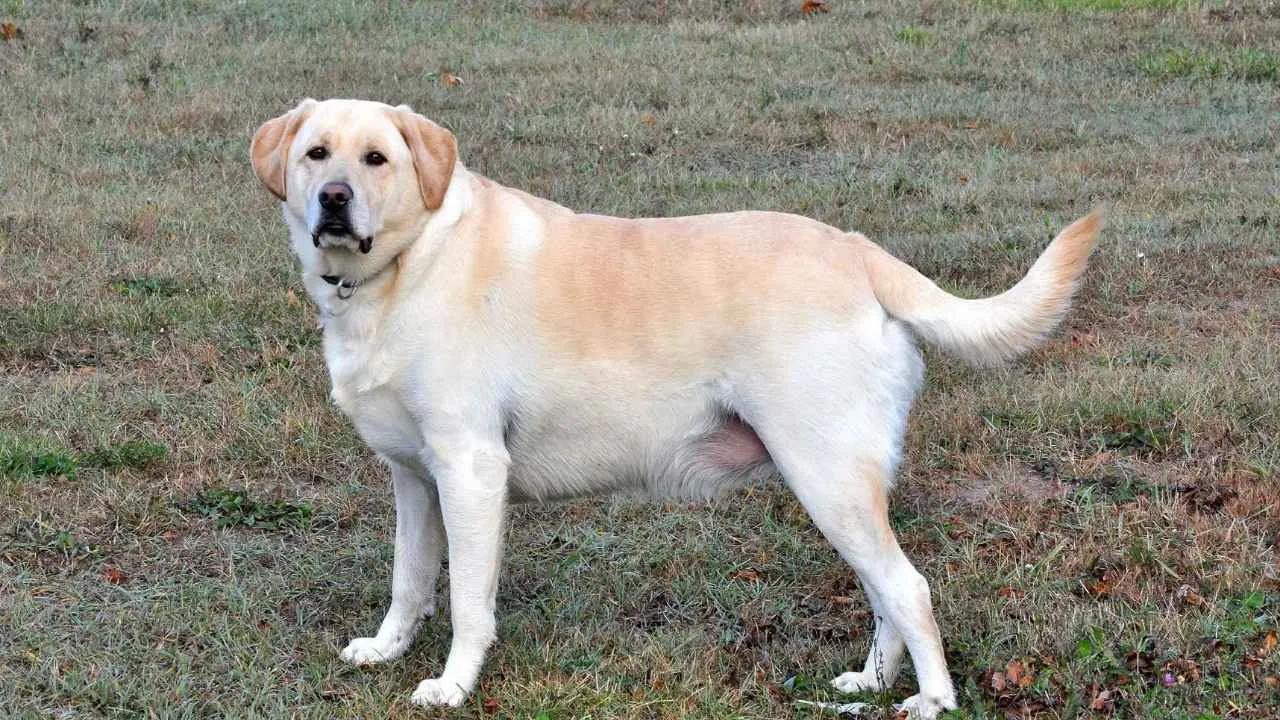
Labs are friendly, energetic, and highly responsive to training. They pick up new cues quickly and are commonly used as guide and service dogs. Their long history of working alongside humans to hunt and retrieve has made them naturally perceptive and quick to learn.
They’re fast learners with strong memories and a natural desire to make their humans proud. Thanks to their even temperament and trainability, they’re often used in search and rescue, therapy roles, and as dependable service dogs.
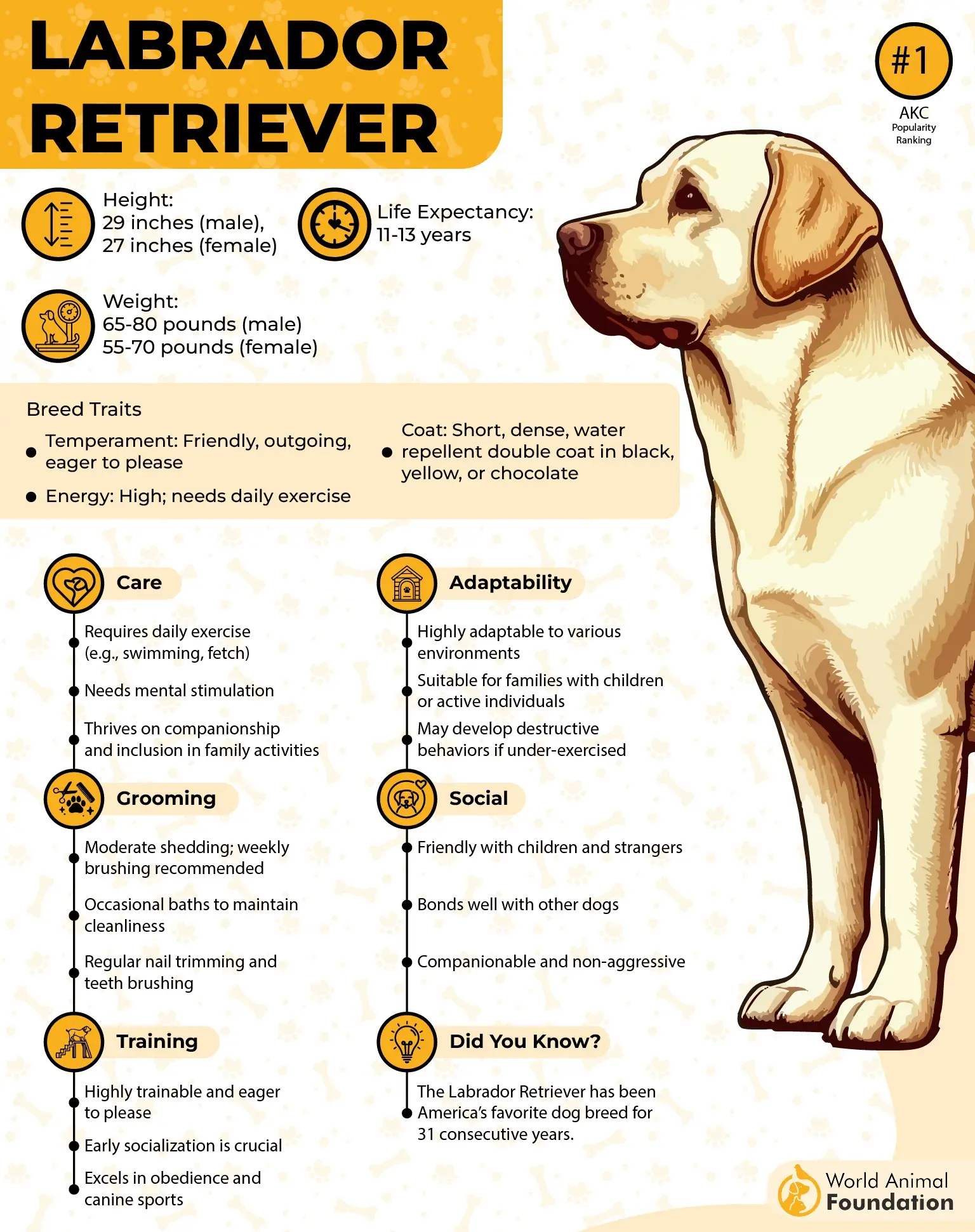
Studies suggest Labs can understand human gestures, recognize facial expressions, and learn a wide range of words and commands. Because they’re so energetic, Labs do best when training includes fun, purposeful activity.
Training tips
Combine physical games with skill training.
Reward effort and focus.
Teach advanced tricks gradually.
Keep sessions consistent.
5. Doberman Pinscher
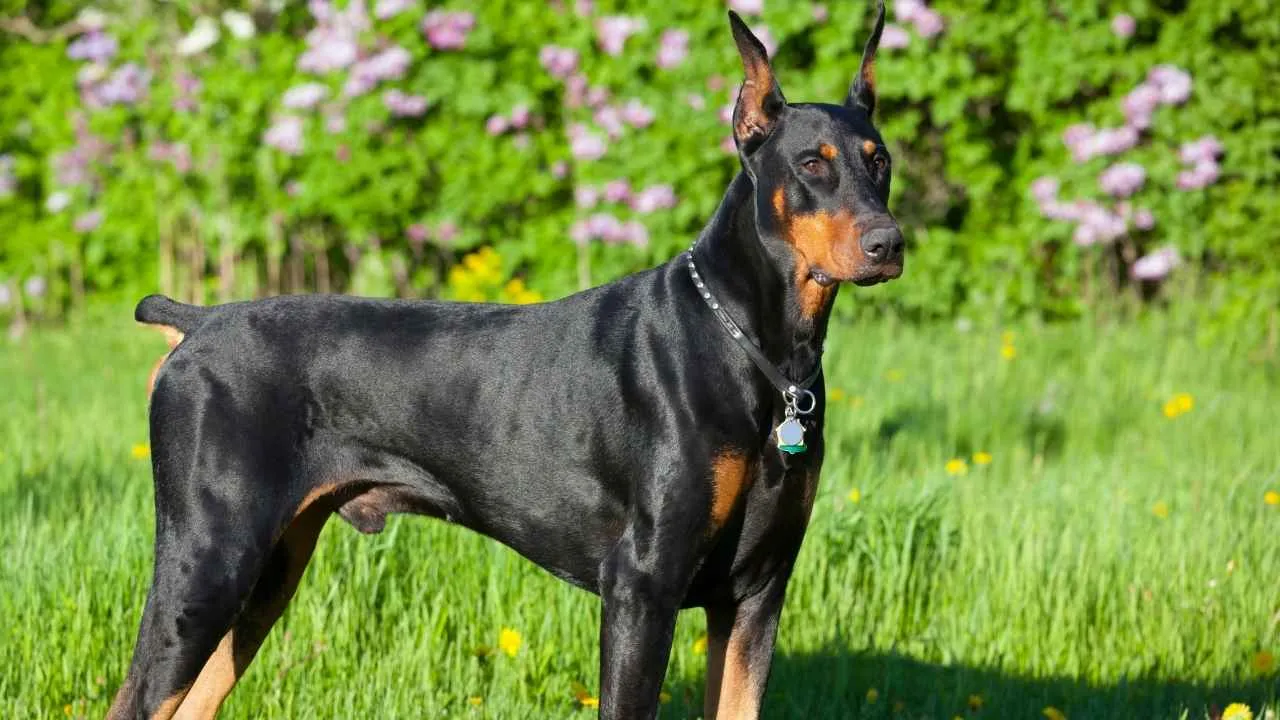
Don’t let the sleek silhouette fool you. The Doberman Pinscher is one of the most intelligent and loyal breeds you’ll find, often chosen for its alertness, courage, and trainability.
Dobermans are fast learners with strong protective instincts. They’re loyal, responsive, and often top obedience competitors. They learn rules, signals, and tasks very quickly, and they’re great at working out how things work on their own.
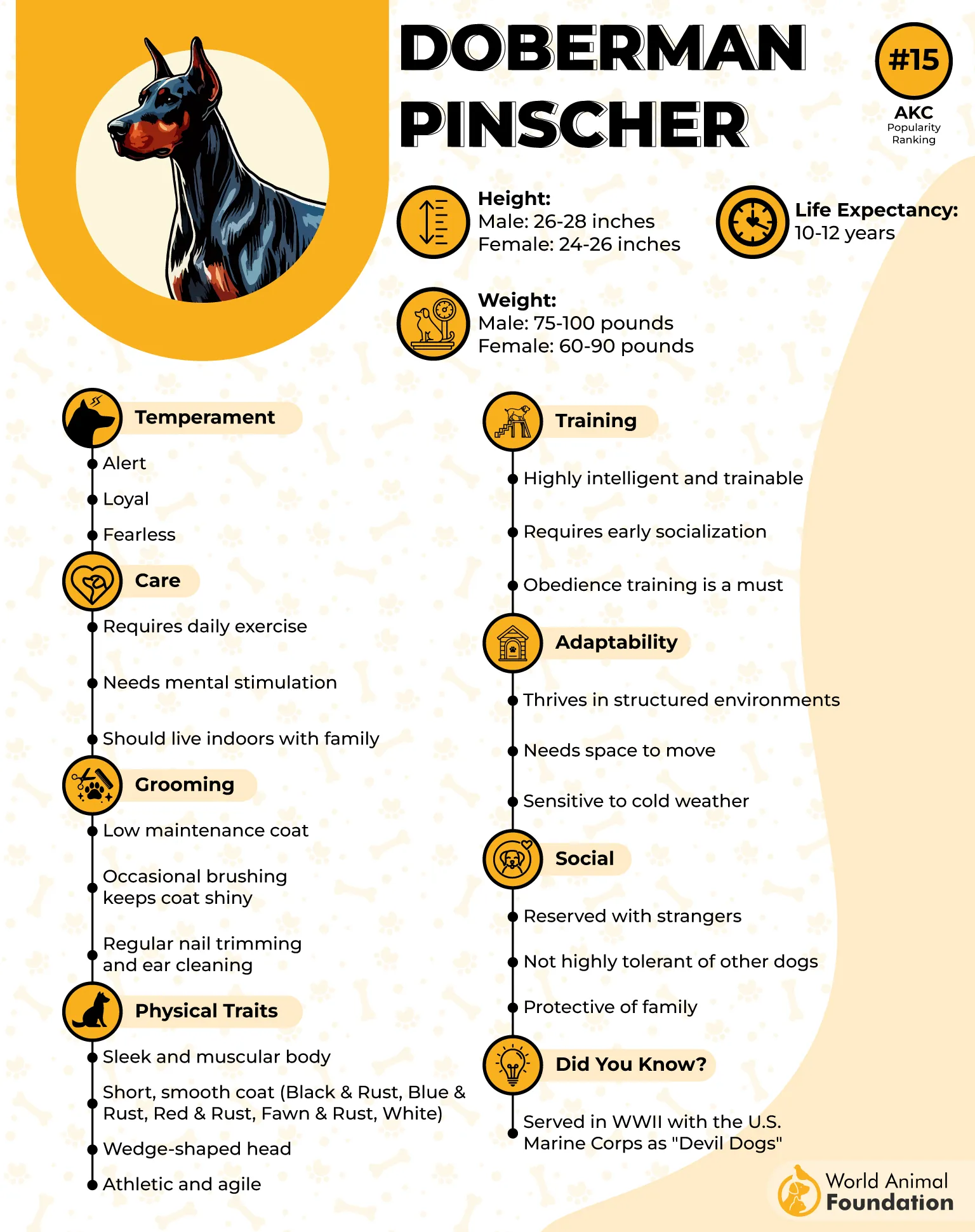
Because they have plenty of energy to burn, a consistent training and socialization routine early in life is a good way to encourage good behavior and redirect unwanted habits. With proper guidance, these dogs excel not only in protection roles but also in obedience training and dog sports.
Training tips
Use structured training sessions.
Reinforce positive behavior consistently.
Provide plenty of mental challenges.
Socialize early for confidence around people.
6. Poodle
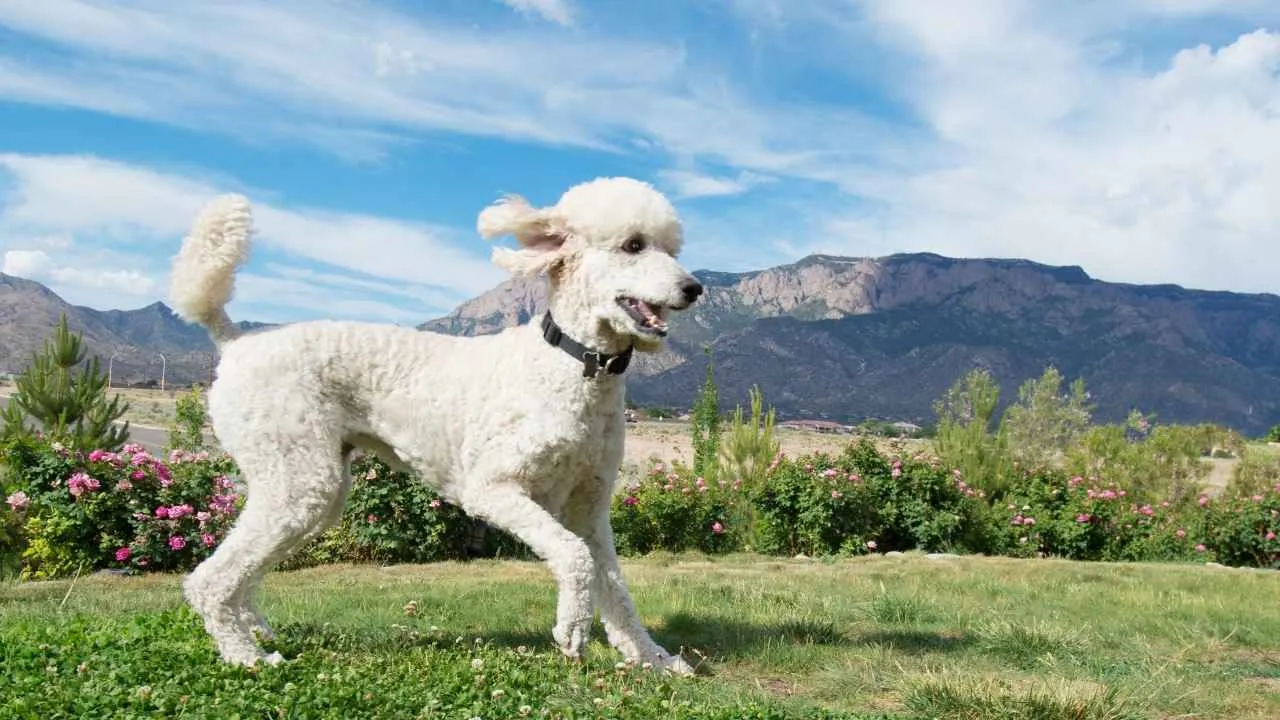
Some people think of poodles as hunting dogs or stylish companions, but beneath that elegant coat lies one of the most brilliant canine minds.
Poodles are known for their sharp minds and quick learning, no matter the size. Standard, miniature, and toy poodles share the same high level of intelligence, since size affects the body, not the brain. They’re easy to train and thrive on new challenges.
They love an energetic game of fetch, and most enjoy a swim, but they’re just as happy at the end of a leash, sharing a brisk jog or walk. They like having a job to do and are eager to please, which makes them highly trainable with positive reinforcement.
Training tips
Teach new commands regularly.
Keep sessions short, fun, and treat-based.
Add agility challenges to keep them engaged.
Rotate puzzle toys to stimulate their minds.
7. Shetland Sheepdog

Originally bred as herding dogs on the rugged Scottish islands, Shetland Sheepdogs excel in dog sports like agility, obedience, rally, and flyball, as well as in service and therapy roles.
Shelties are smaller herding dogs with a big brain. They’re sensitive to human emotions and quick to pick up on routines and training cues. Affectionate and loyal, they make wonderful family pets, though their energy and intelligence mean they do best with active families who enjoy spending time outdoors.
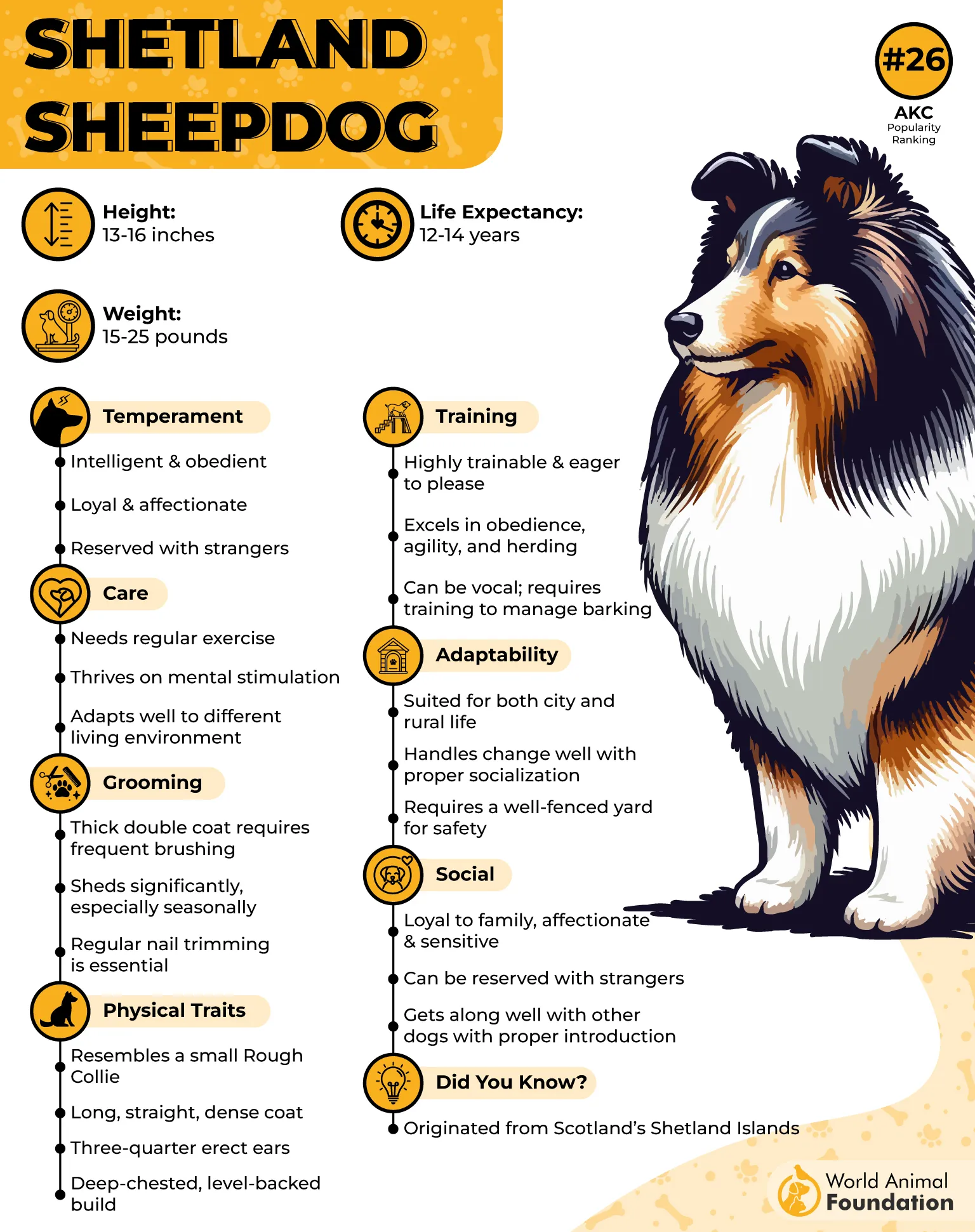
Their training success has as much to do with their willingness to please as with their ability to think. As with any breed, early socialization is important, and it can help manage their natural guardian instincts.
Training tips
Start basic obedience early.
Use praise to build confidence.
Include interactive play daily.
Provide variety to prevent boredom.
Conclusion
Choosing one of the smartest dog breeds means more than bragging rights. It means welcoming a dog that thinks, feels, and learns with purpose.
These breeds crave mental stimulation and consistent guidance. With patience, structured practice, and plenty of positive reinforcement, your intelligent dog won’t just obey; it will flourish.
Remember, training isn’t just about teaching commands. It’s about building a deeper bond with a companion who sees life not only as it is, but as a puzzle to be solved together.
