




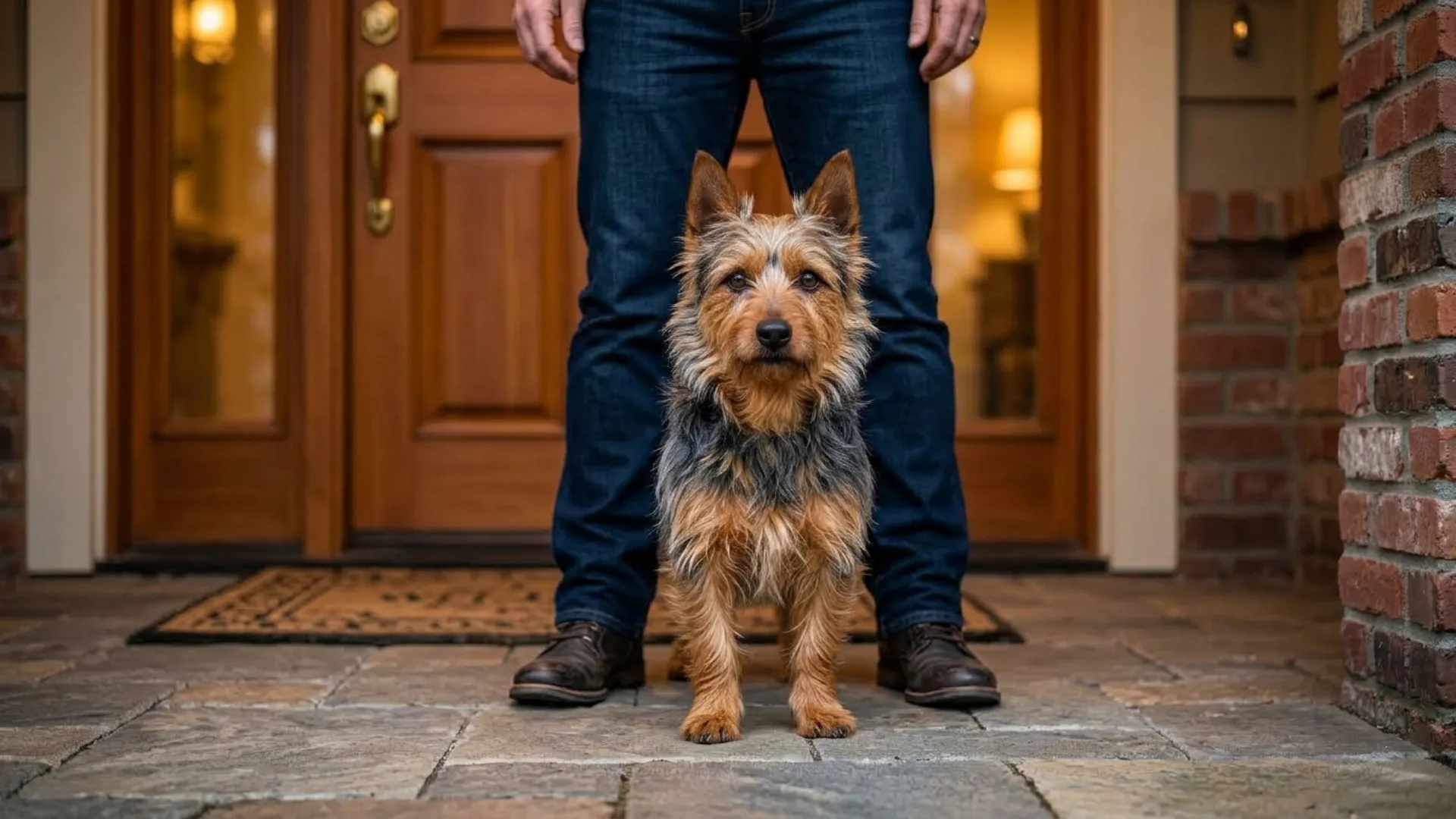
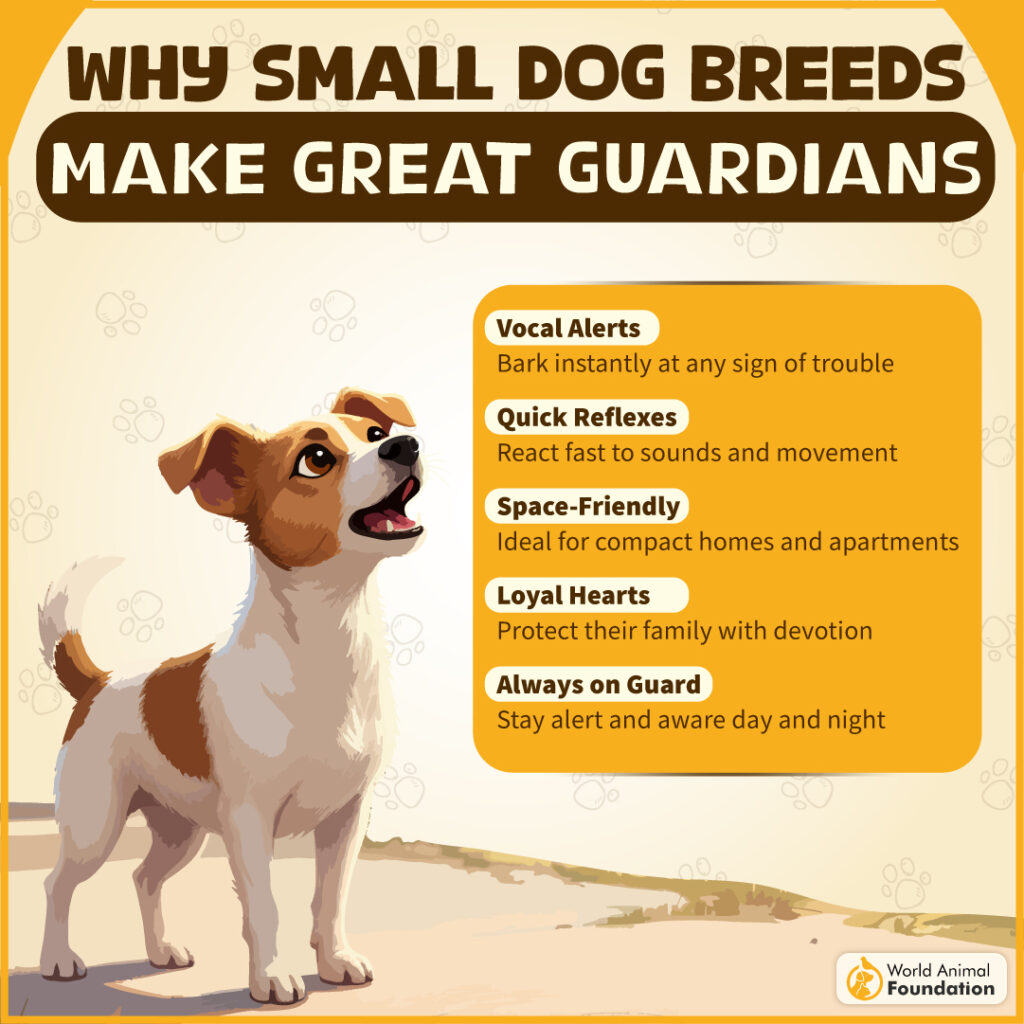
For the added furry layer of protection, you don’t need a big dog or an aggressive four-legged alarm system. The small breeds can be surprisingly alert, confident, vocal, and devoted to their favorite people. No strange noise or knock at your door can go unnoticed as long as you have one of these little investigators by your side.
These small guard dog breeds are certainly not substitutes for large protection dogs. But if you have limited living space, these tiny dogs fit ideally without the overwhelming maintenance routine.
Many also come from working or terrier backgrounds, which explains why such tiny bodies can carry so much confidence. So if you have decided to get a compact companion with a protective streak, a lively personality, and plenty of love for its family, these breeds bring plenty to the table.
Small Guard Dog Breeds That Protect the People They Love
1. Australian Terrier
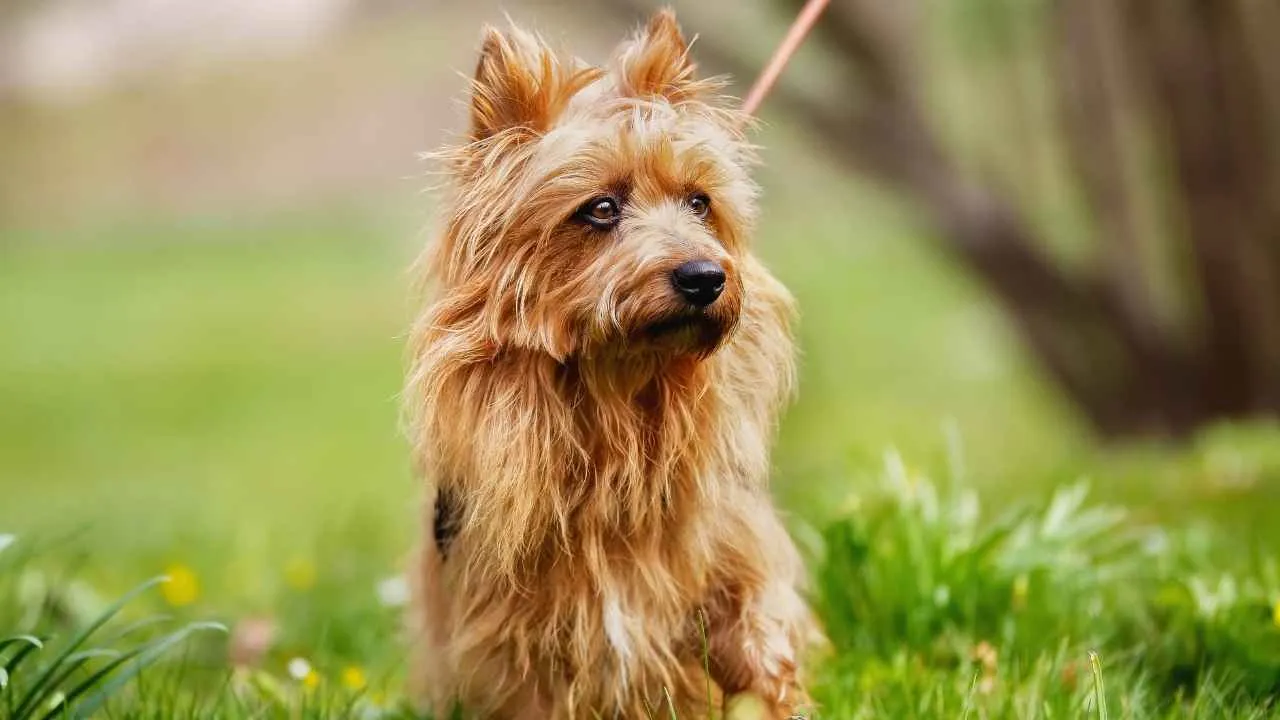
The Australian Terrier is a little dog with a very practical background. It was originally bred in Australia as a hardworking farm terrier, helping deal with rodents and other unwanted animals around properties. That history explains its confidence, curiosity, and surprisingly determined personality.
WebMD describes the breed as energetic, intelligent, devoted, and naturally suited to watchdog duties. It can be quick to react to an unfamiliar noise or stranger, which is useful when you want a dog that actually pays attention to what is happening around the house.
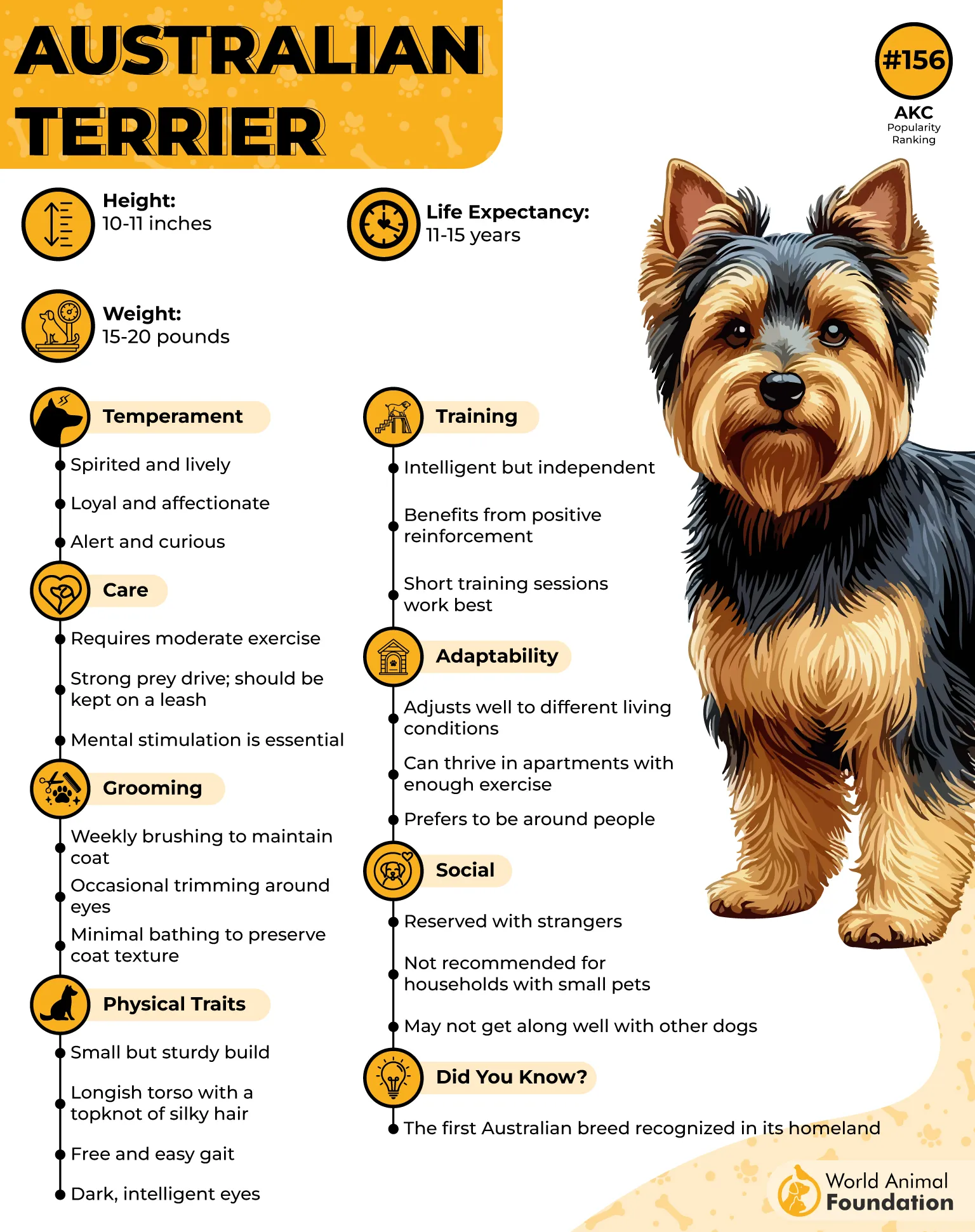
Its size also makes it manageable in smaller homes, provided its daily needs are met.
There is plenty of affection and gentle personality underneath that busy terrier exterior. Australian Terriers tend to form strong bonds with their people and enjoy being included in everyday activities.
This small breed does have a strong prey drive, so a cat, squirrel, or other small animal can suddenly become very interesting. Digging can also come naturally. A good routine of walks, games, training, and proper socialization gives this clever dog better ways to use its energy.
For an owner who wants an affectionate companion with a keen sense of what is happening nearby, the Australian Terrier is a charming option.
2. Miniature Schnauzer
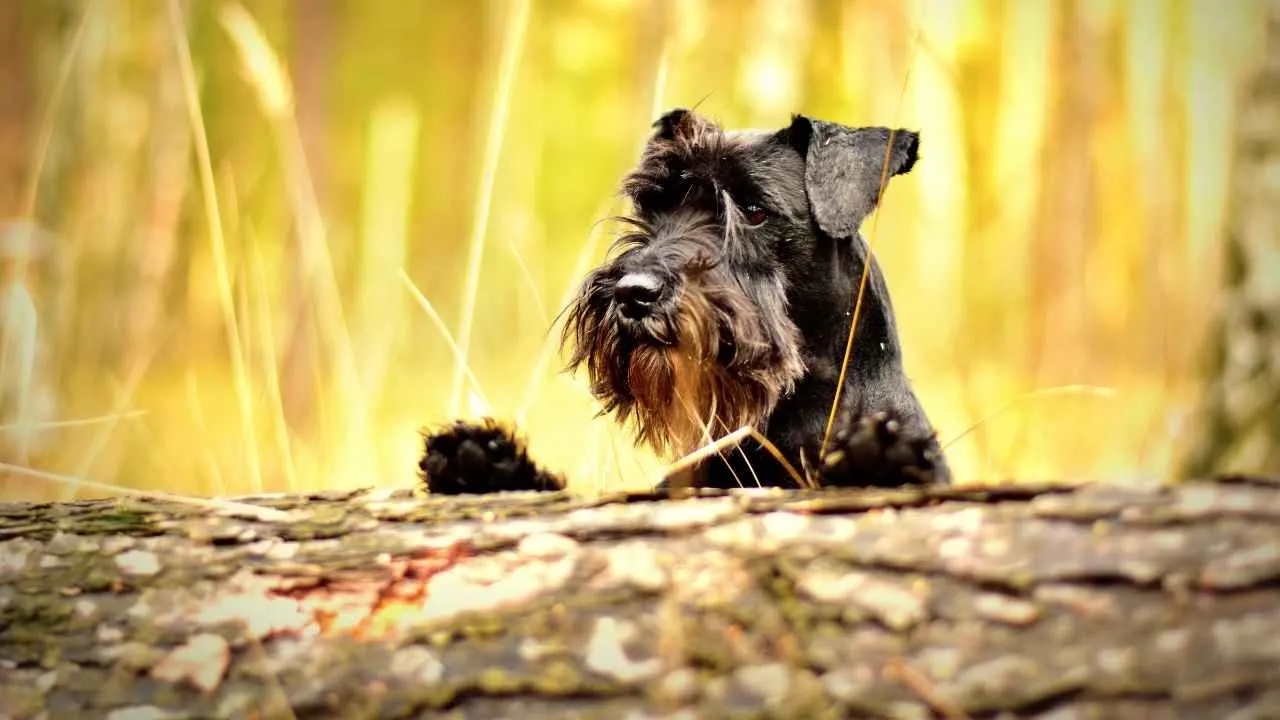
The Miniature Schnauzer has a beard, a busy brain, and absolutely no problem announcing that someone has arrived. Its background gives it plenty of reason to be alert. The breed developed from hardworking German farm dogs associated with rat-catching and other farm tasks.
Today, it is known for being clever, energetic, loving, and attentive to its surroundings. The watchdog part comes naturally. A person approaching the house, a delivery at the door, or movement outside can all get its attention. Its bark is often one of its most useful ways of telling you that something has changed.
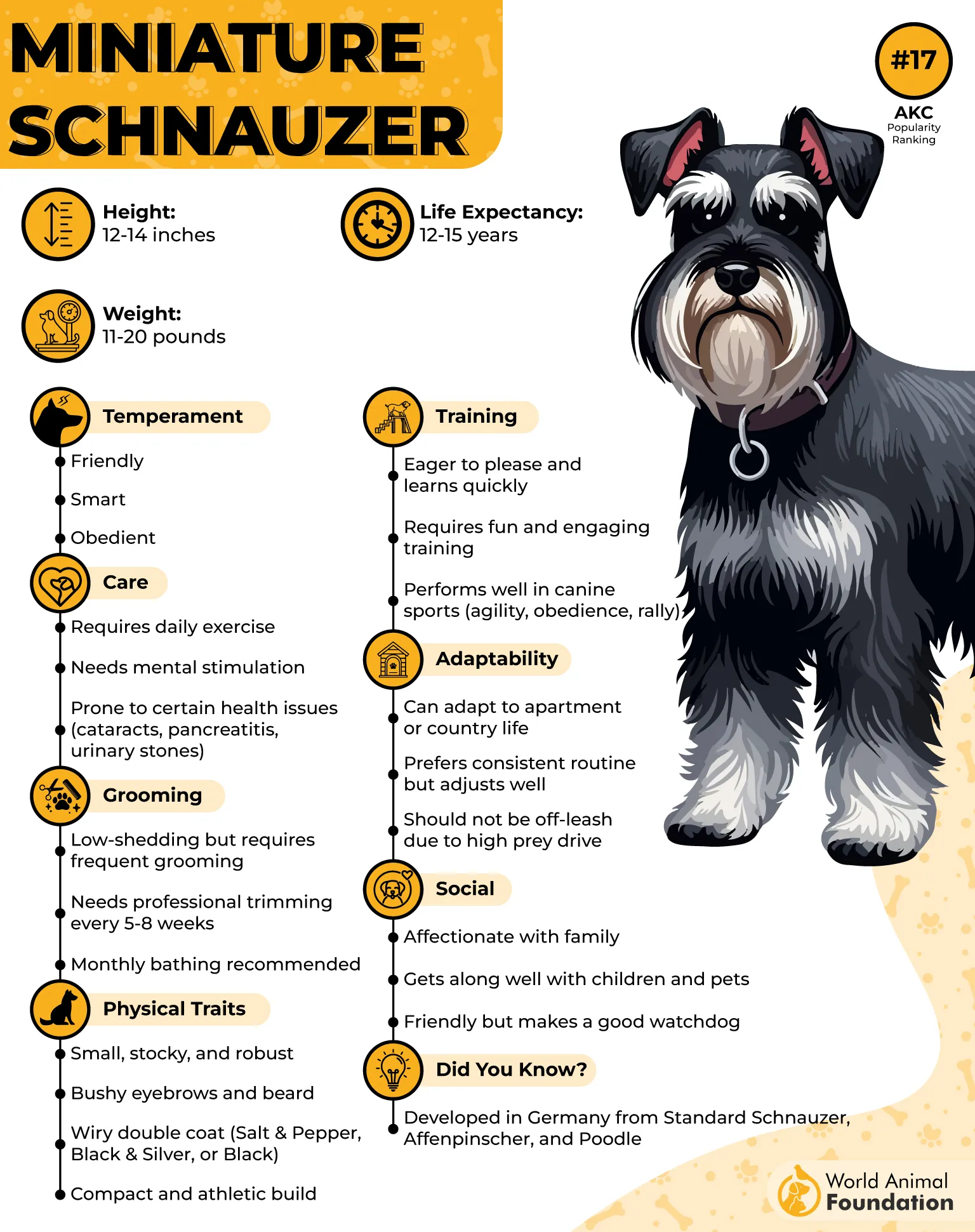
But there is a softer side to the Miniature Schnauzer. It is sweet-natured, people-oriented, and happiest when it can be part of family life. This adaptable nature is ideal for first-time pet owners.
It is also smart enough to enjoy obedience work, tricks, puzzle toys, and activities that give its brain something interesting to chew on.
That intelligence can make training enjoyable, although the breed can have an independent streak. Proper training and early social experiences help it learn when an alert is useful and when the neighborhood can simply carry on with its evening.
Its wiry coat does require grooming, but its adaptable nature can make it a practical choice for many households.
3. Miniature Pinscher
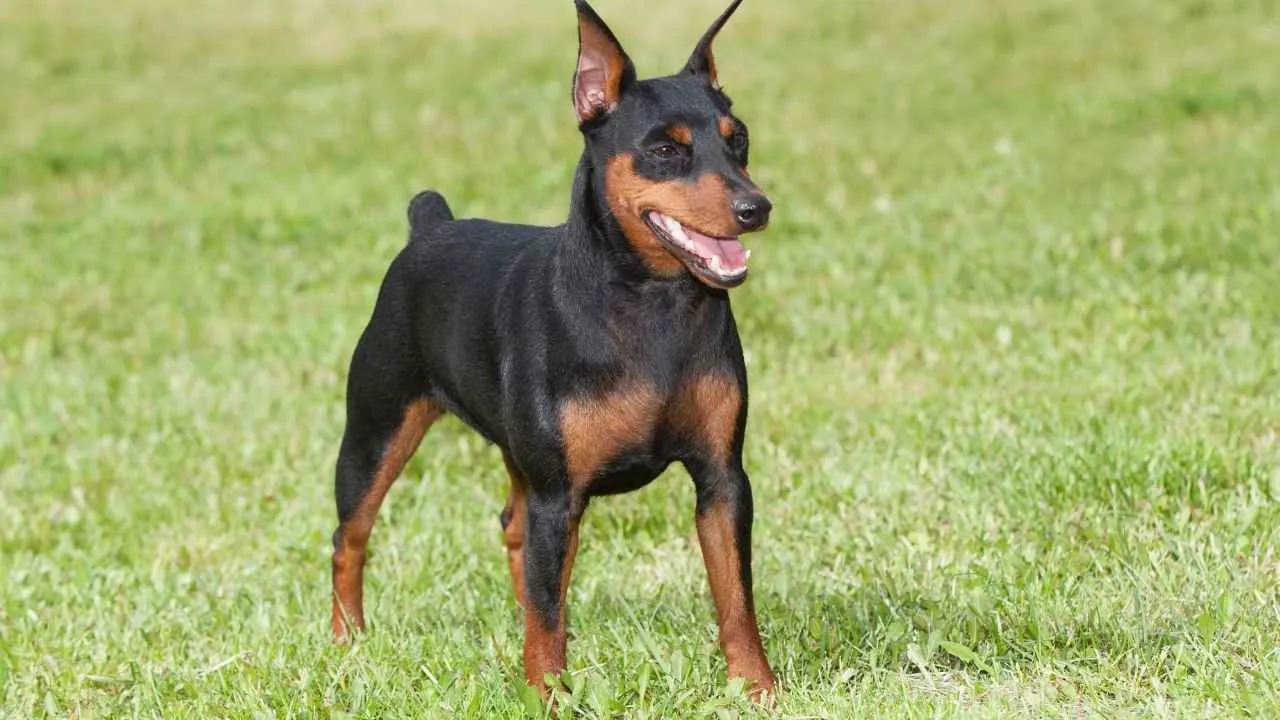
The Miniature Pinscher is small, energetic, and wonderfully confident. Often called the “King of Toys,” this German breed was bred centuries ago to help control rats around barnyards. Despite its resemblance to the Doberman Pinscher, it is a separate breed with its own history.
That old working role still fits its personality surprisingly well. A Min Pin tends to be curious about its surroundings and can be very vocal when something catches its attention. Omlet also describes it as vigilant and a good watchdog.
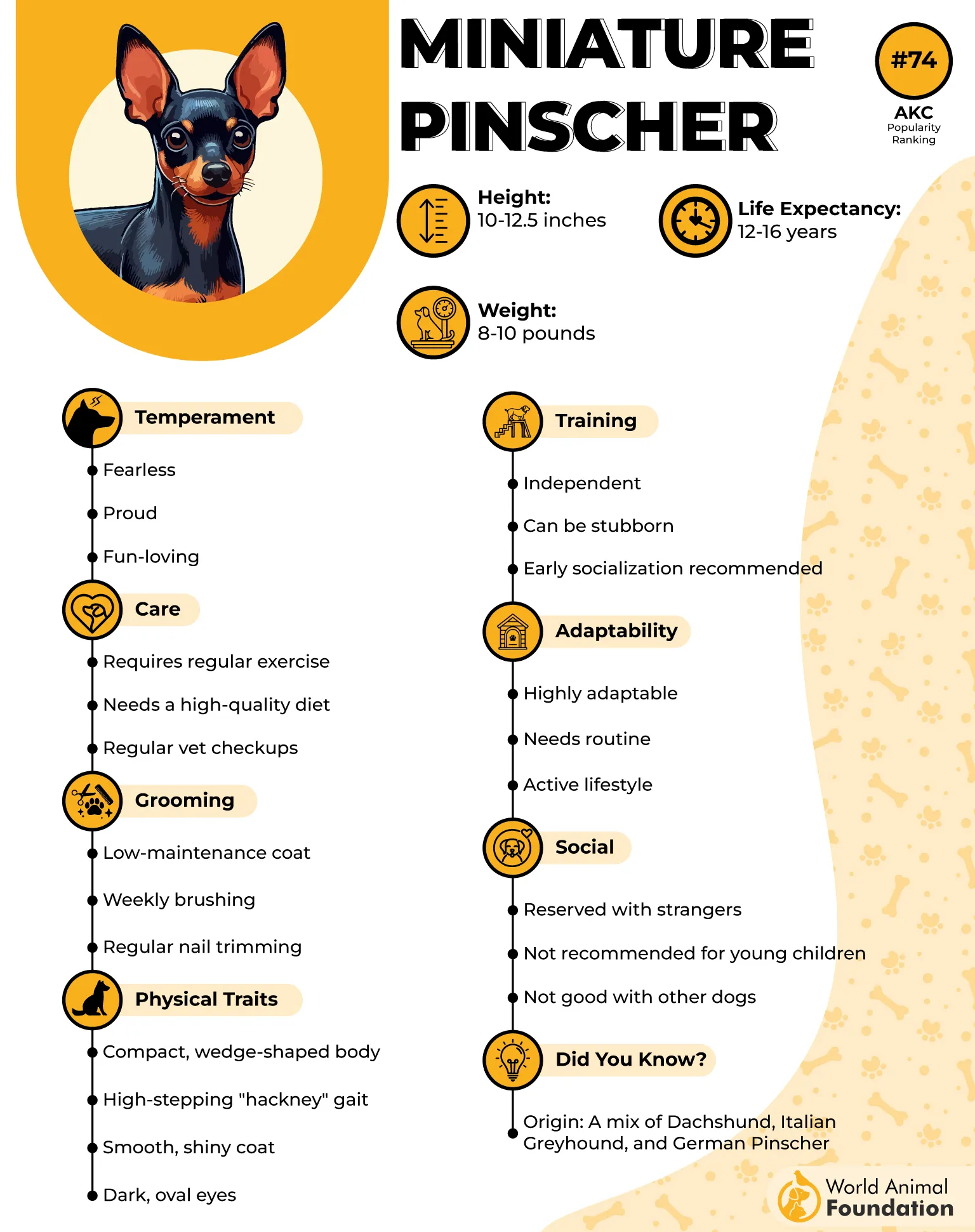
These small dogs do not have the physical mass or excess strength to physically deter intruders, but they play their role as an alarm system very well.
Its temperament is active and spirited, so this is not a dog that will be satisfied with being carried around all day. It enjoys play, walks, training, and activities that give its quick mind something to work on. It can learn cues quickly, although its independent side may occasionally make you wonder whether it heard you at all.
The smooth coat is wonderfully easy to maintain, which leaves you more time for the fun stuff.
One thing worth remembering is its escape-artist reputation. A curious Min Pin may squeeze through surprisingly small gaps or make a dash through an open door. Supervision and secure boundaries are important for such a determined little explorer.
4. Schipperke
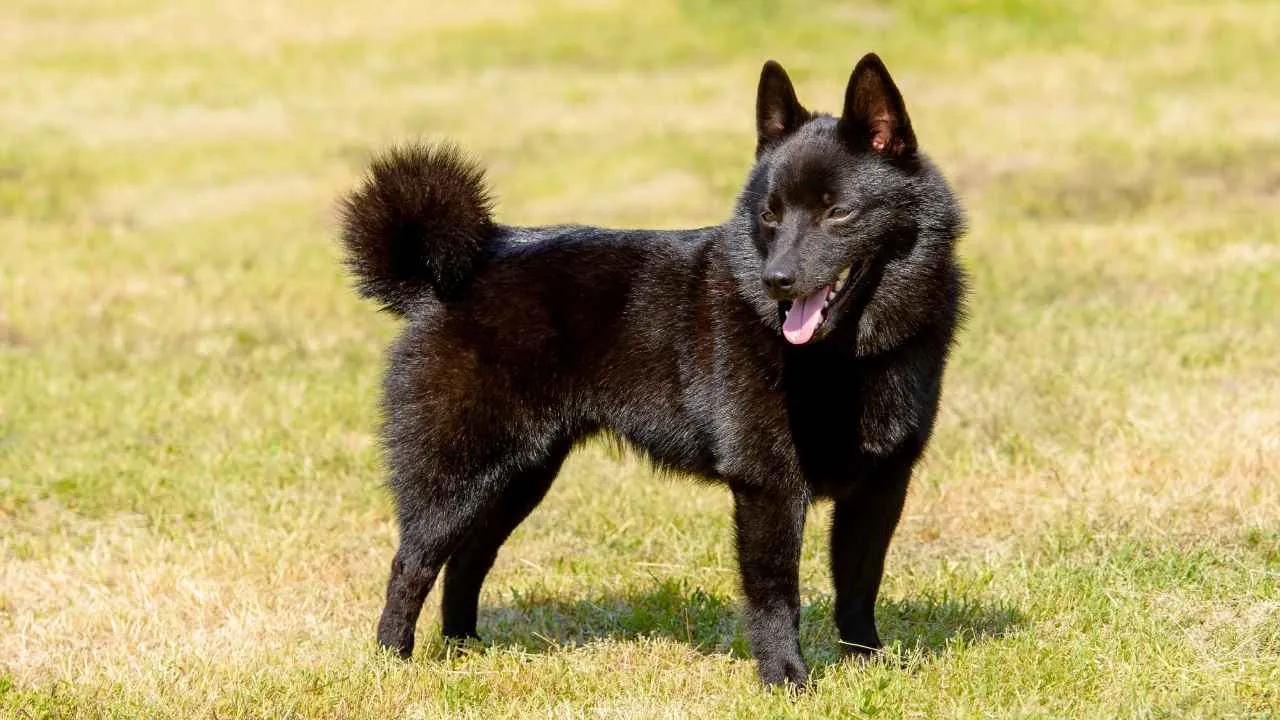
The Schipperke has been keeping tabs on things for a very long time. This small Belgian breed worked on barges as a watchdog and rat catcher and was also used around homes and shops. That background makes its interest in unfamiliar sounds and movement feel less surprising. Its history was not about sitting quietly and looking decorative.
Today, this spitz-like dog is good-natured and sociable with high-spirited energy. It likes knowing what is going on and can be quite vocal when something catches its attention. That makes it one of those excellent watchdogs for households that appreciate a dog willing to speak up.
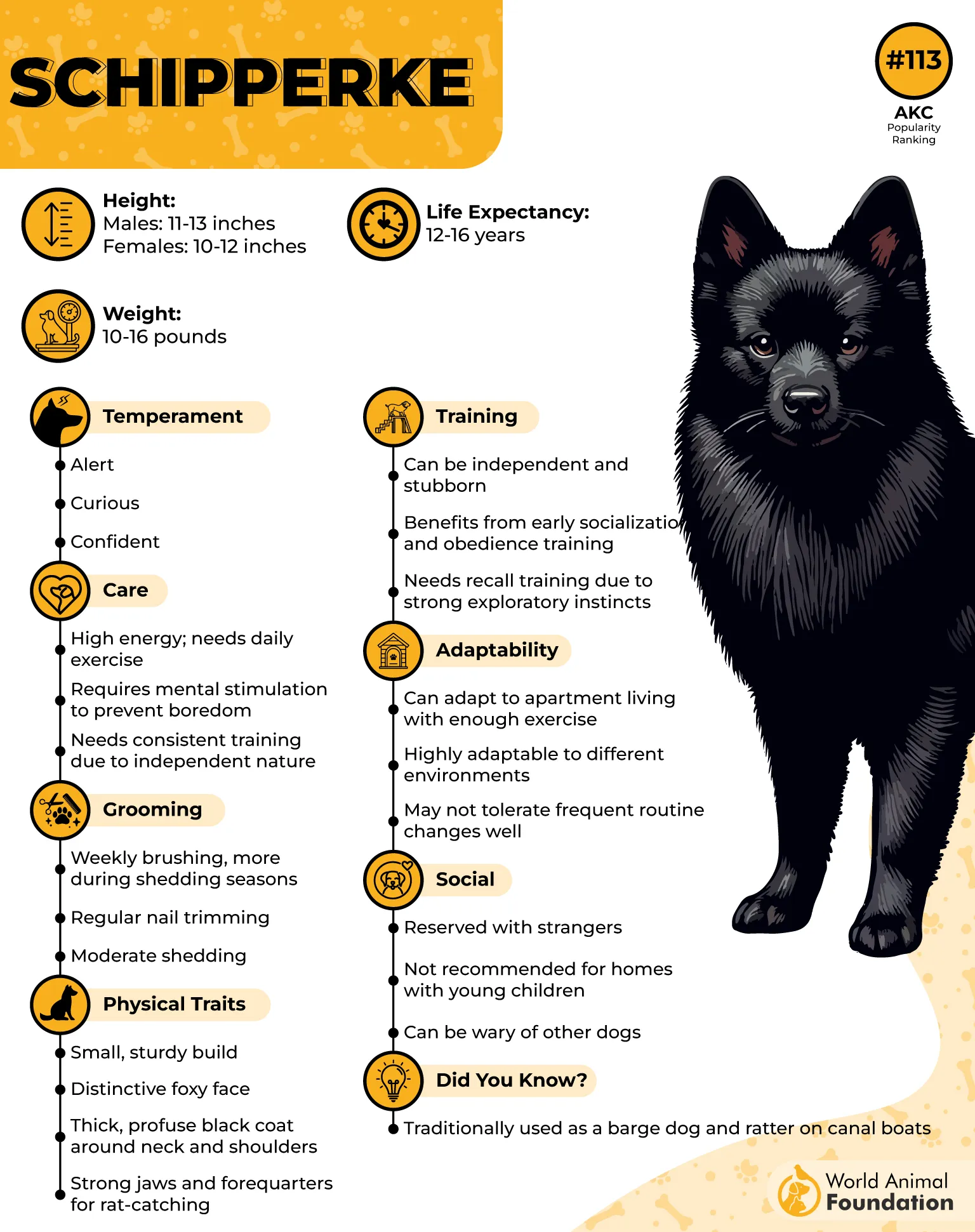
This little dog needs more than a quick trip outside, though. Orvis mentions that plenty of exercise and mental stimulation helps prevent boredom and gives its clever mind somewhere productive to go. Without enough to do, barking, digging, or chewing can become tempting hobbies.
Its hunting background also means small animals may trigger a chase. With consistent training and sensible management, however, the Schipperke can be a well-mannered dog that takes its household-monitoring duties quite seriously.
5. Rat Terrier
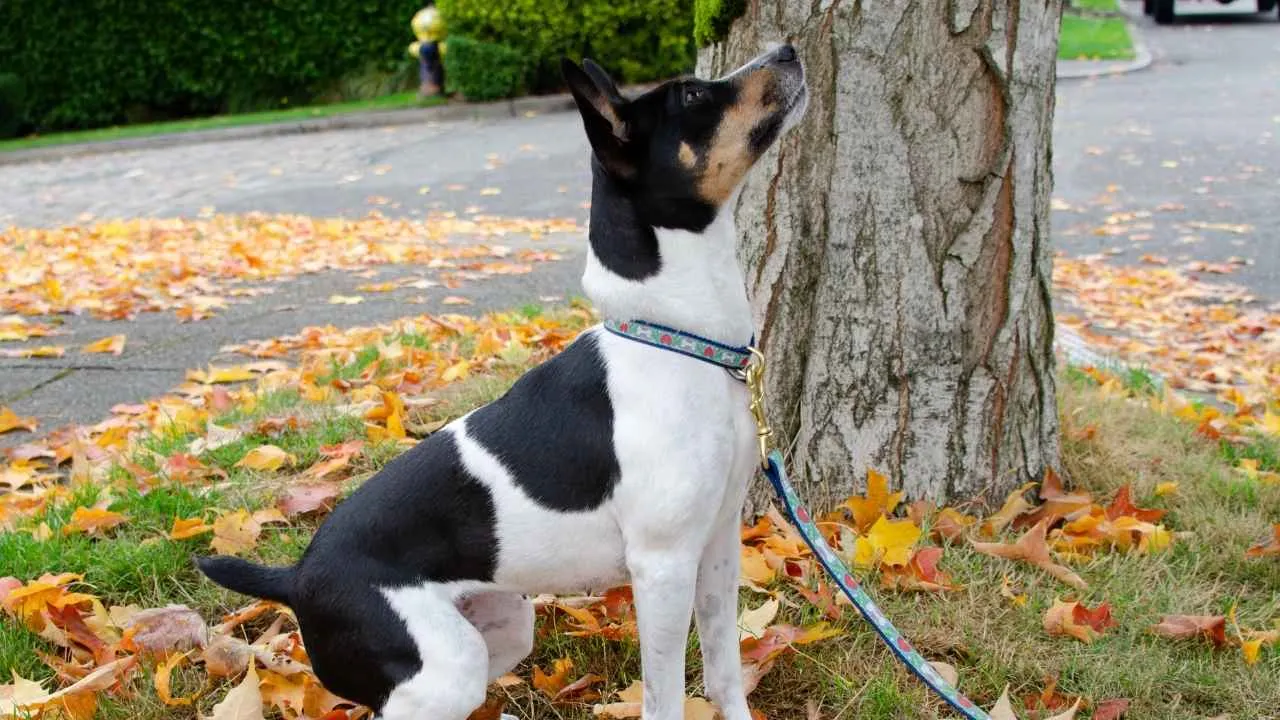
The Rat Terrier started out as a farm dog, where controlling rats was one of its main jobs. Over time, it became useful in other ways too, from hunting to watching the property and staying close to the family. This is the reason why it pays attention today to what is happening around the house.
A Rat Terrier is not looking for a fight, but it can bark when something seems out of place. At home, it also enjoys being involved with its people and often brings plenty of playfulness into everyday life.
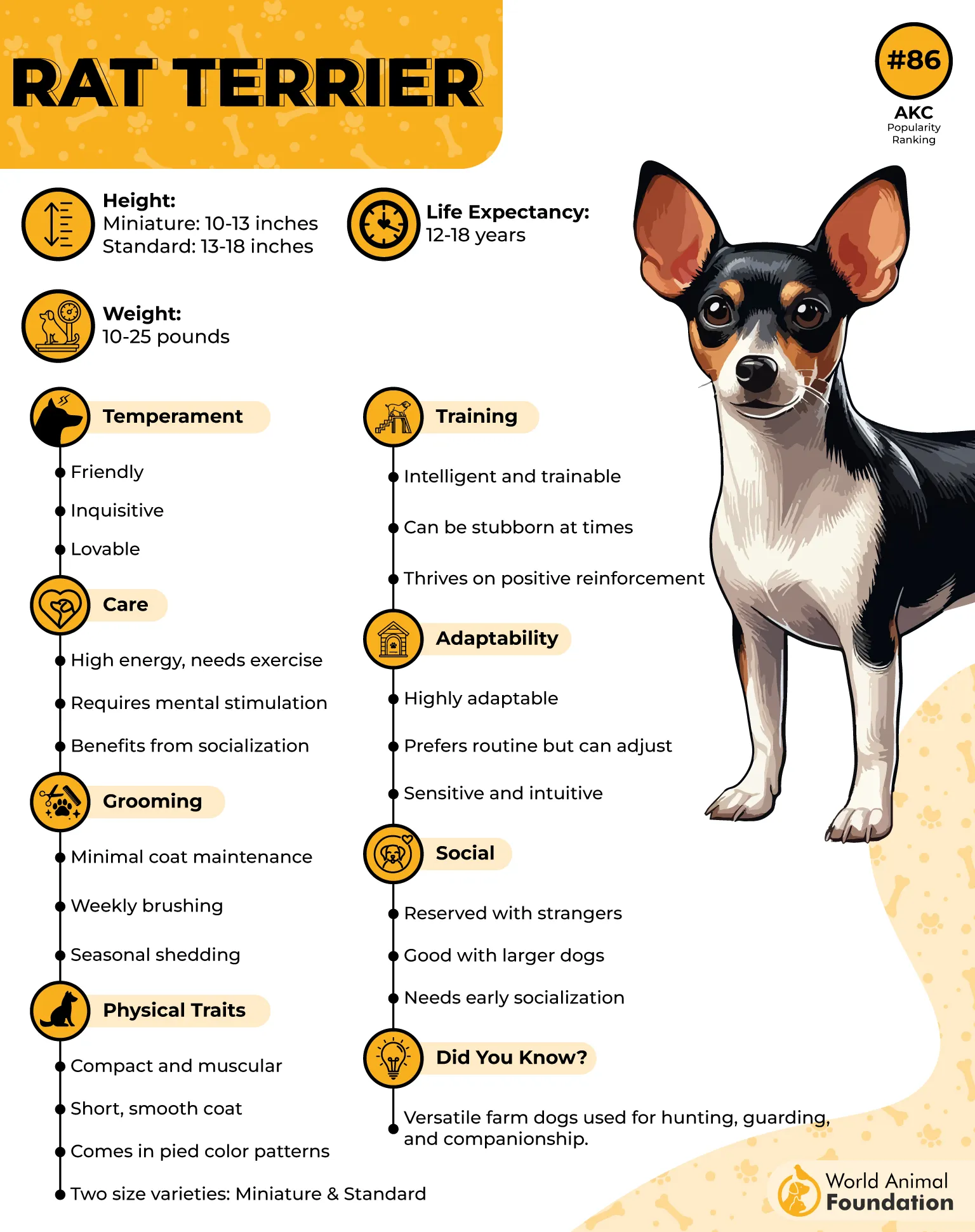
Its cleverness can be both helpful and challenging. If a Rat Terrier gets bored, it may find its own project, whether that means digging, exploring the yard, or looking for a way out. Its hunting background also gives it a strong interest in small animals.
Daily walks, games, training, and time with the family give this breed the outlet it needs. It does best when it has something to do and people to do it with.
6. Chihuahua
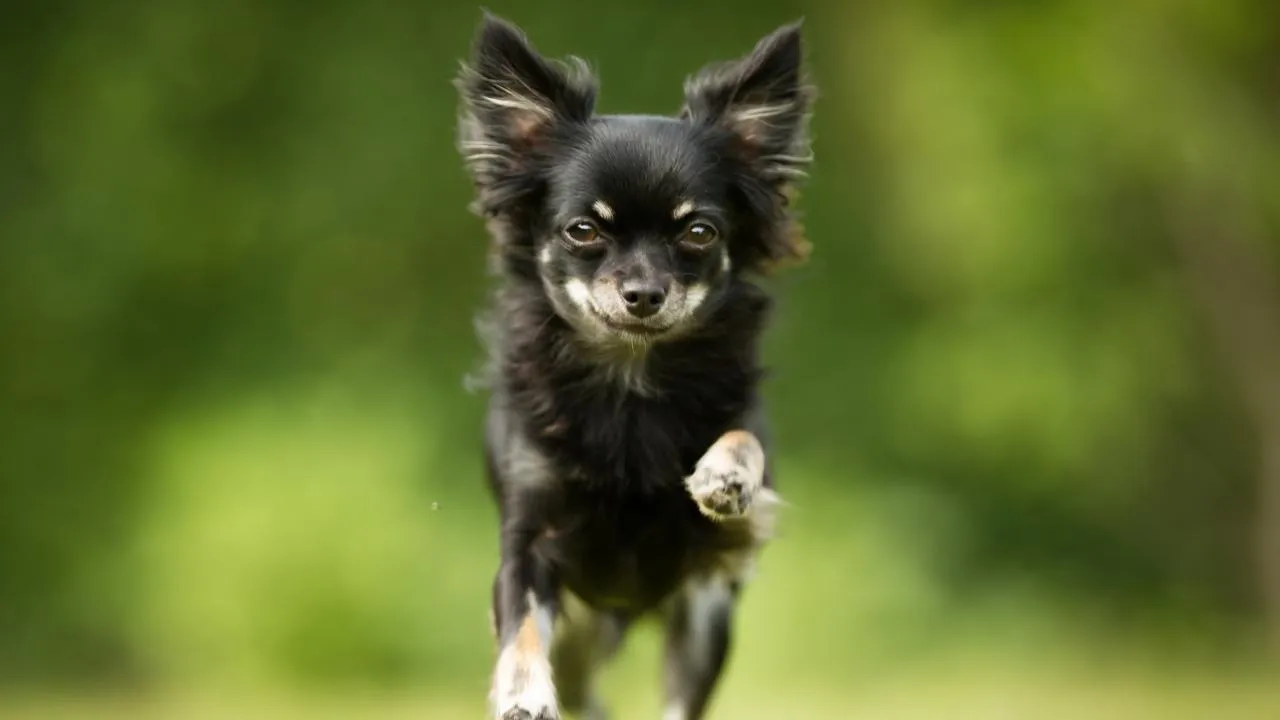
The Chihuahua may be tiny, but it rarely misses what is happening around it. Originally from Mexico, this toy breed tends to stay closely connected to its family and can become particularly watchful of the people and space it considers its own. Rather than confronting a threat, it relies on its confidence and quick reactions to respond when something feels unfamiliar.
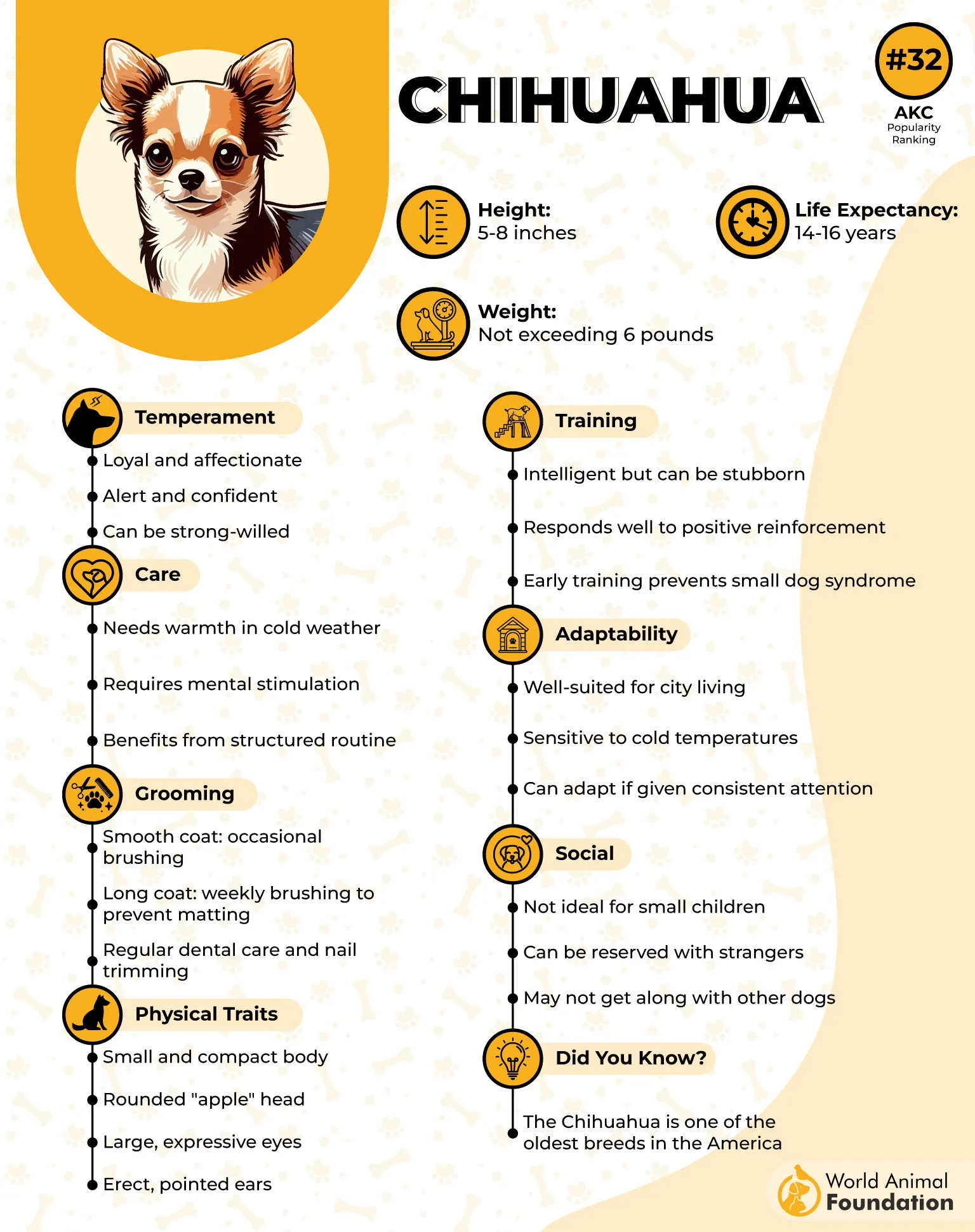
That strong attachment is one of its more interesting guardian traits. A Chihuahua often wants to stay near its favorite person and may keep a close eye on unfamiliar visitors or changes around the home. Its small body also lets it move easily through the house, following activity from room to room.
Its size makes it convenient for apartment living, but that does not mean it can skip daily activity. Short walks, indoor games, training, and regular interaction give it enough to do without demanding a large living space, as Britannica highlights.
Early socialization is particularly important for this breed. Meeting different people and experiencing everyday situations can help it remain confident without becoming overly suspicious. With patient guidance, its natural awareness can become a useful part of its personality.
7. Yorkshire Terrier
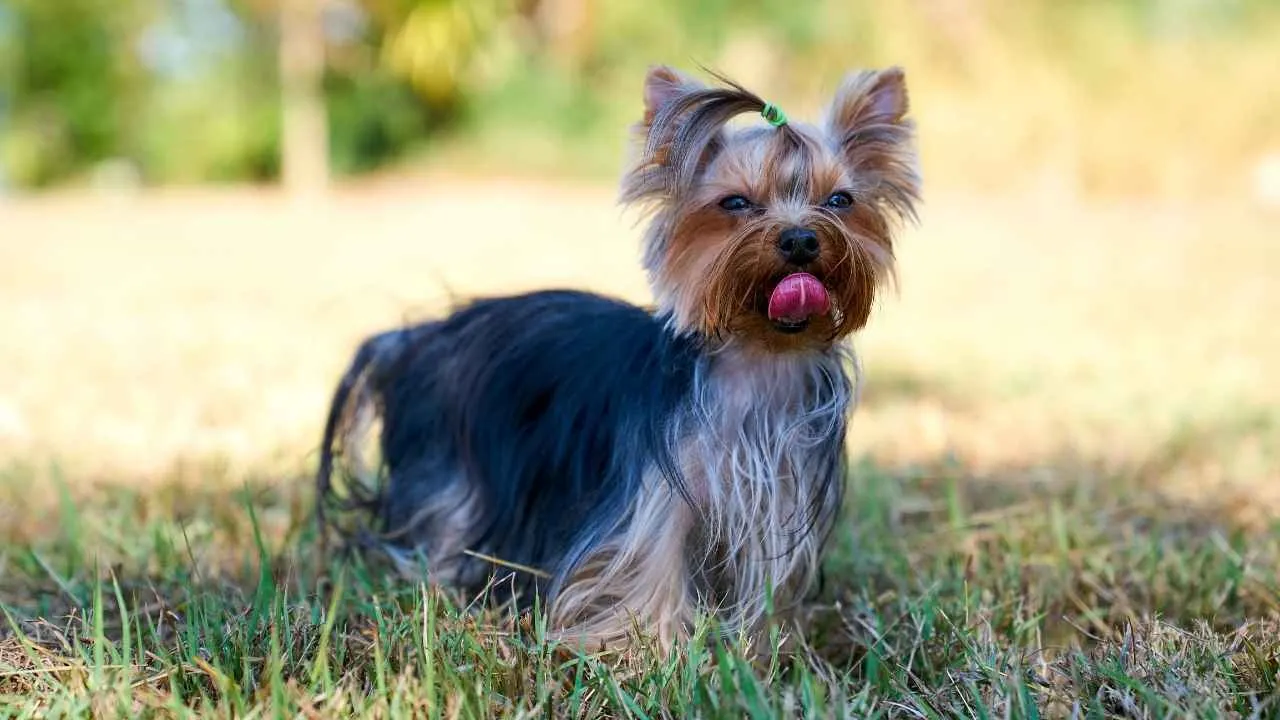
There is more to the Yorkshire Terrier than its long coat and tiny frame. Behind that polished appearance is a terrier that was once expected to deal with rats in textile mills. Being small was an advantage, allowing Yorkies to get into places where larger dogs simply could not.
That working instinct can still pop up at home. A noise outside, someone at the door, or movement in the hallway may be enough to get a Yorkie’s attention. It may respond with a few sharp barks, making sure its people are aware that something has changed.
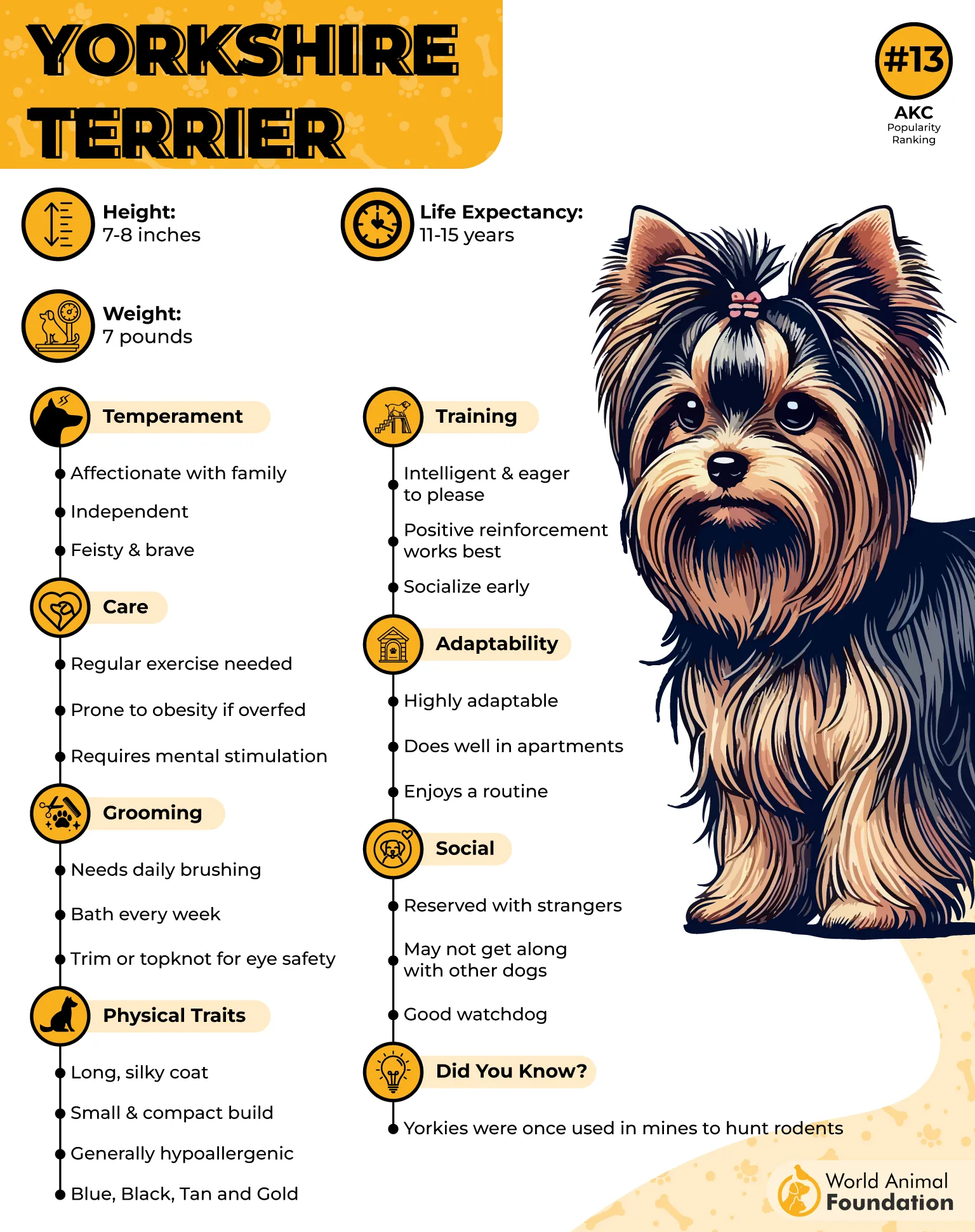
Despite this alert side, the Yorkie is perfectly happy being a companion. It often stays close to its favorite people and can settle comfortably into apartment life. A couple of short walks and some play can provide enough daily activity for many Yorkies.
The coat, however, is a different story. Keeping it long means regular brushing and grooming, so it is worth considering before bringing one home.
Training can also require patience, especially when its stubborn terrier streak appears. Start early, keep lessons positive, and give that confident little personality some direction.
Conclusion
Small size does not rule out confidence, alertness, or a strong sense of responsibility. Each breed on this list brings a different mix of personality, energy, and watchfulness. Choose based on your household, activity level, and ability to provide training and companionship. The right fit will be a dependable pet first, and a sharp little alarm system when needed.
