




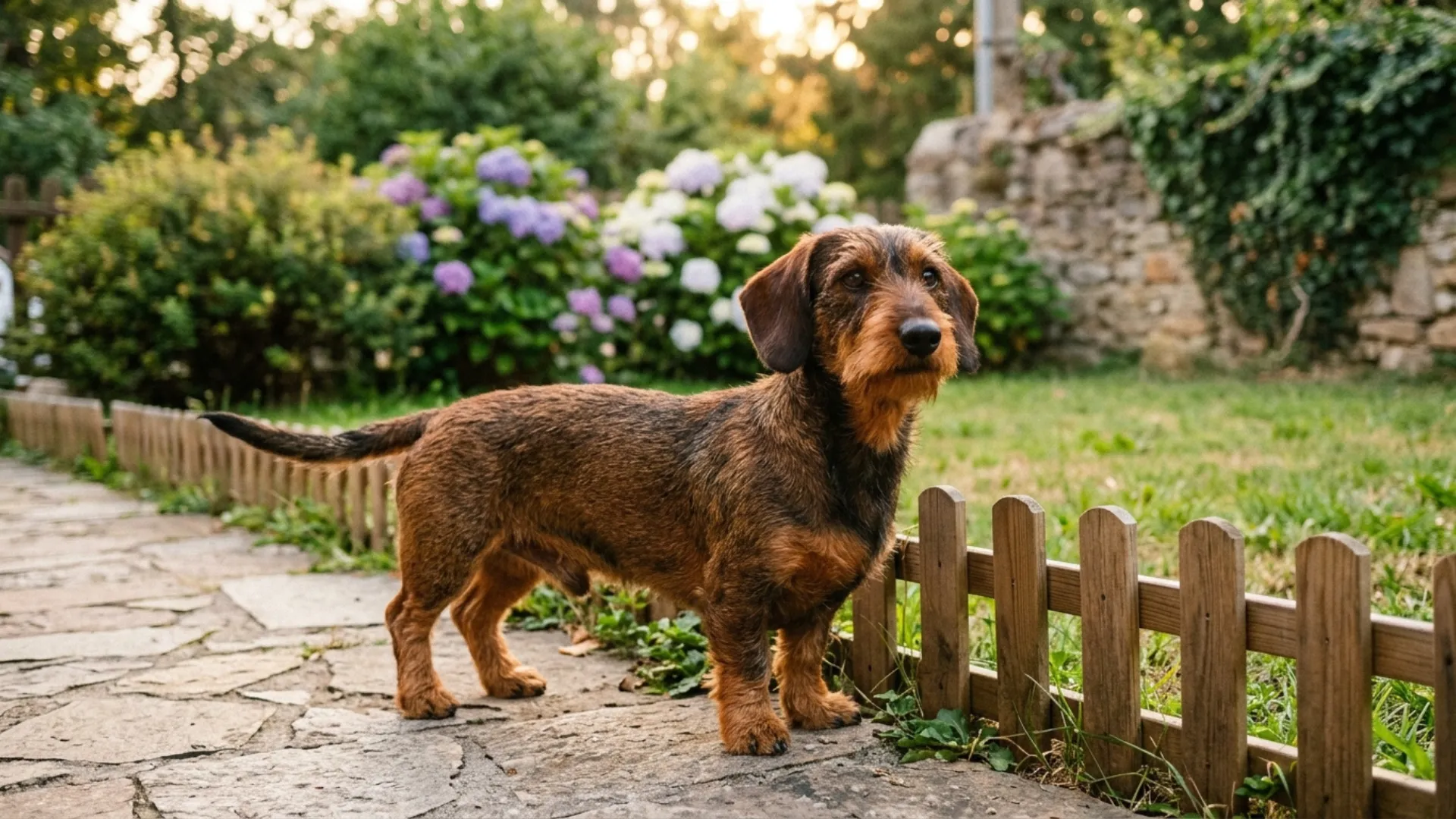
When people think of home security, they often picture large, intimidating dogs standing guard. But in reality, size isn’t what makes a great watchdog—awareness is.
Many small dogs are naturally alert, quickly picking up on unfamiliar sounds, movements, or changes in their environment long before humans notice anything unusual.
This sharp sensitivity isn’t just anecdotal. Dogs can hear frequencies up to around 45,000 Hz, while humans max out near 20,000 Hz, which means they can detect activity that completely escapes our awareness.
What truly sets small guard dog breeds apart is their combination of loyalty, vigilance, and confidence. They don’t rely on size or strength to protect a home—they rely on instinct and responsiveness.
In many cases, their alert barking alone is enough to deter unwanted visitors, making them surprisingly effective guardians for apartments and smaller homes alike.
Best Small Dog Breeds for Watchdog Duties and Alertness
1. Miniature Schnauzer
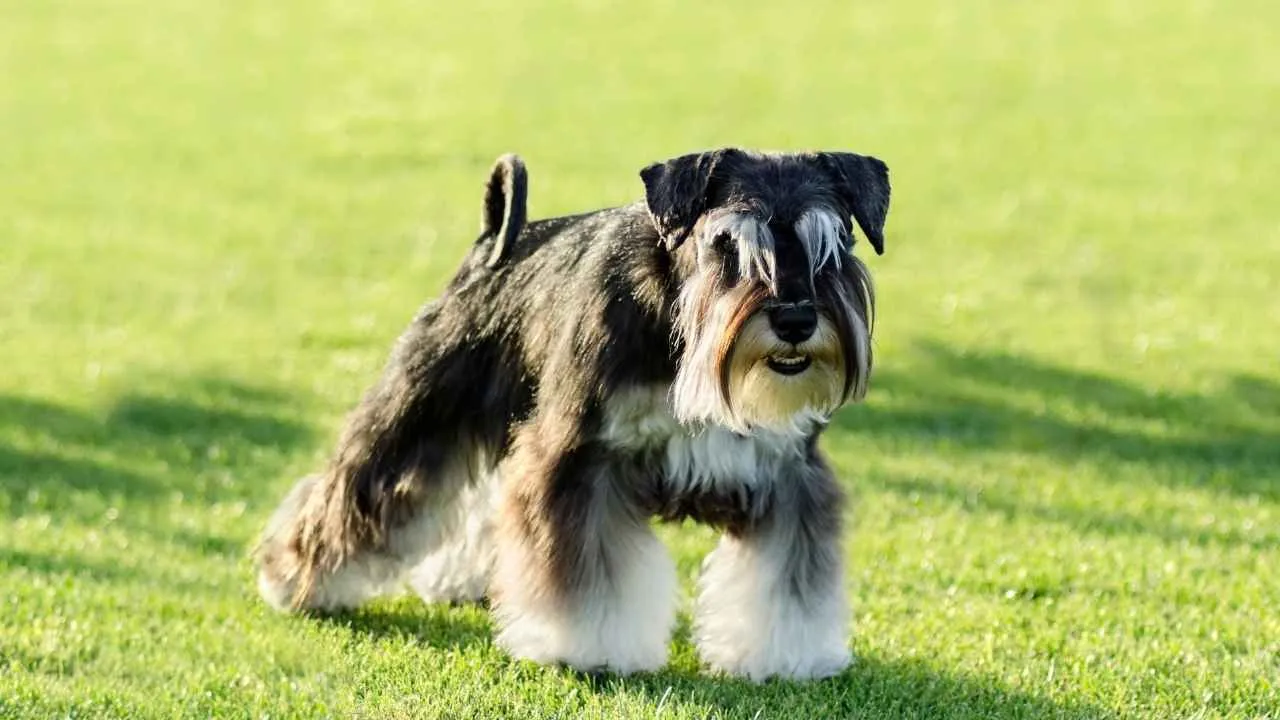
The Miniature Schnauzer is one of the most dependable small watchdog breeds. It comes from Germany and was originally bred as a farm dog to hunt rats, herd livestock, and assist in daily work. This working background explains its sharp instincts and strong awareness of surroundings.
Even today, it stays highly alert, loyal, and naturally protective of its family. It is bright, friendly, and easy to train, which makes it one of the best guard dogs for modern homes.
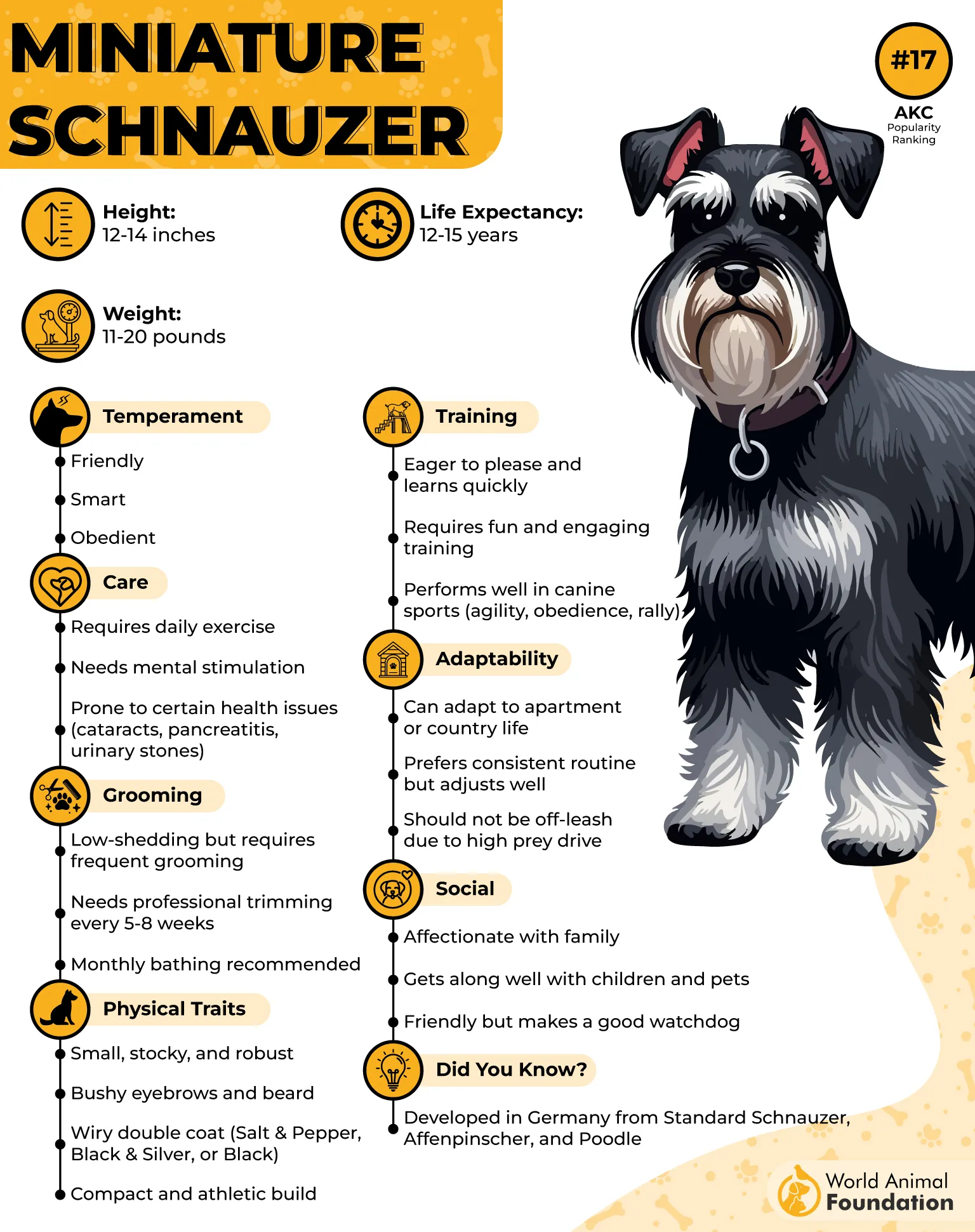
Why it stands out as a watchdog
This breed is known for its vigilance and strong guarding behavior. It quickly notices strangers, unusual sounds, and changes in the environment. It is often vocal and will bark to alert its owners, making it an effective early warning system.

At the same time, it is not naturally aggressive. Instead, it is fearless, confident, and dependable. Its loyalty to family makes it very protective, especially in a home setting.
Highly alert and watchful nature
Strong barking response to strangers or activity
Loyal, fearless, and naturally protective
Intelligent and quick to learn commands
Adaptable to apartments or larger homes
Can have a strong prey drive and may chase moving objects
Temperament, care, and lifestyle fit
The Miniature Schnauzer is social, affectionate, and enjoys being involved in family life. AKC mentions that it does well with children and other pets when properly trained. It needs daily exercise and mental stimulation to stay happy, such as walks, games, and training activities.
It is also known for being low-shedding, which makes it suitable for some allergy-sensitive owners. However, it does require regular grooming due to its coat.
2. Dachshund
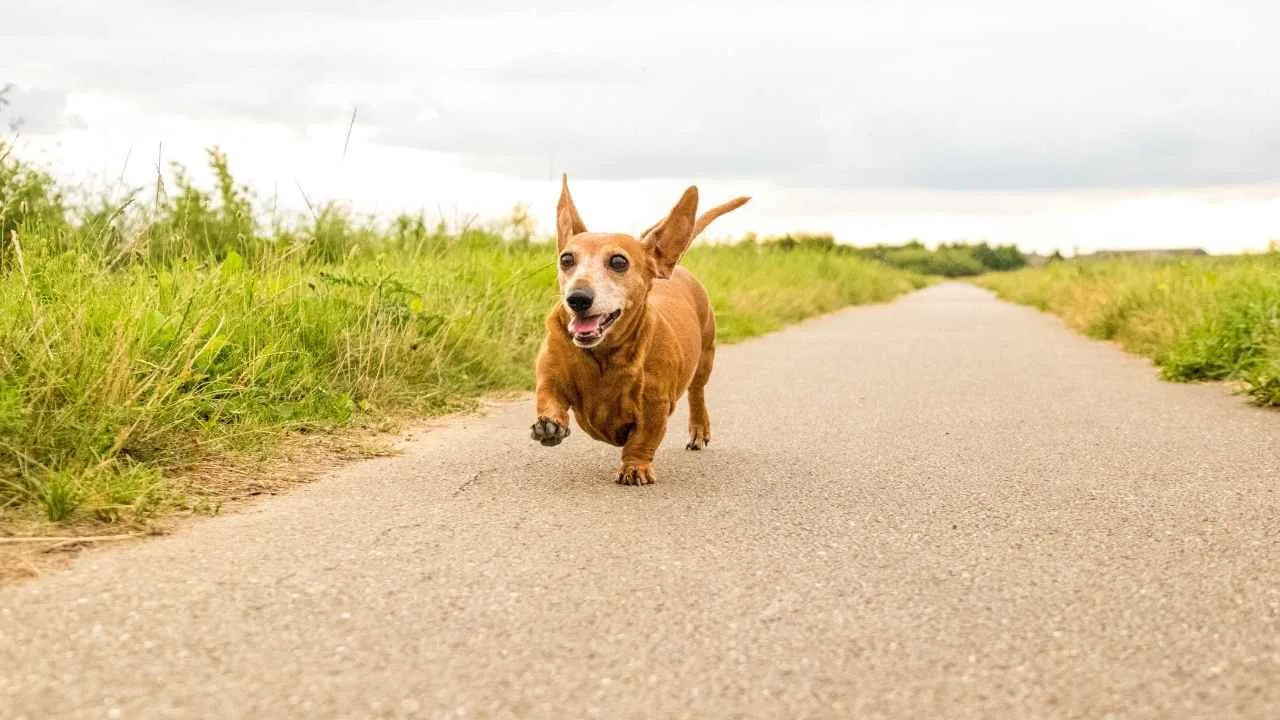
The Dachshund is instantly recognizable with its long, low body and bold, alert expression. Originally bred in Germany in the 18th century to hunt badgers, it was designed to work independently, face danger, and stay fearless in tight underground spaces.
This strong working background still shapes its personality today, making it lively, brave, and always aware of its surroundings. Despite its size, it carries a big-dog attitude and a naturally watchful nature that fits well into modern home security roles.
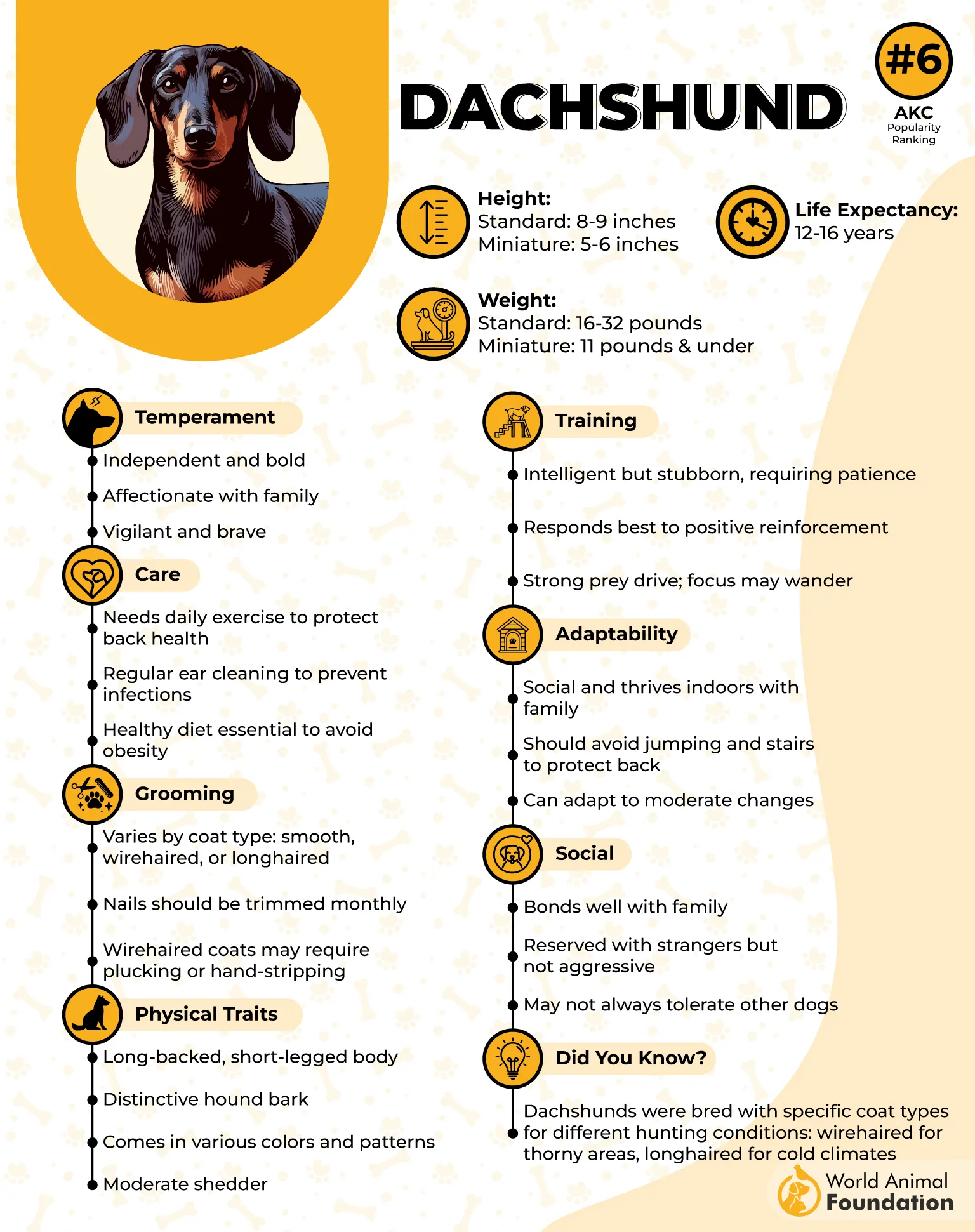
Why does it work as a small watchdog?
Dachshunds are naturally vigilant and highly responsive to movement and sound. They have a strong sense of smell and a powerful prey drive, which keeps them constantly alert.
They are also known for their loud, confident bark, which makes them effective at warning owners about strangers or unusual activity. While not physically built for confrontation, their bravery and stubborn confidence make them stand their ground when they sense something unusual.
Highly alert and always observant
Strong barking ability for early warnings
Brave and confident despite small size
Excellent sense of smell and awareness
Naturally suspicious of unfamiliar activity
Can be stubborn and independent in behavior
Temperament, training, and home life
Dachshunds are playful, smart, and full of personality, making them popular companion dogs for apartments and small homes. They enjoy mental stimulation like puzzle games and scent-based activities, along with daily walks and play.
However, they can be stubborn, so training requires patience and positive reinforcement. They are also vocal and may bark frequently without proper guidance. Because of their strong prey drive, they may chase smaller animals, and proper socialization is important.
3. Chihuahua
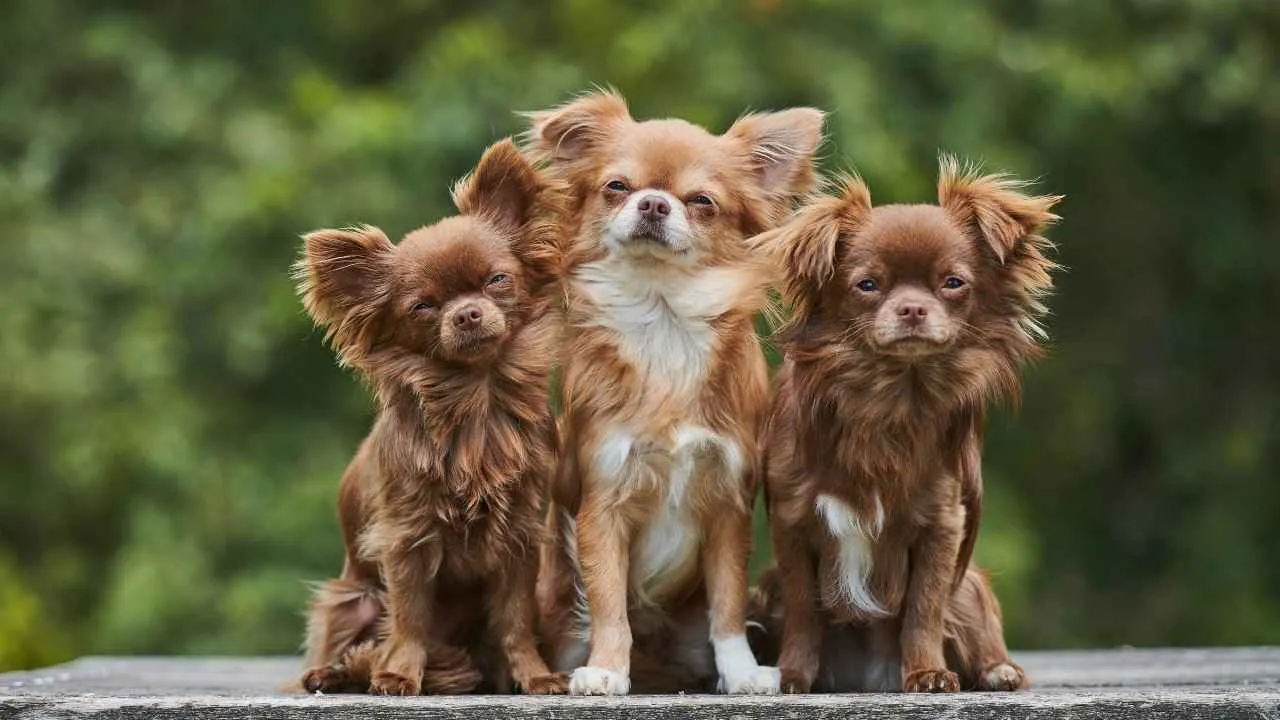
The Chihuahua is one of the smallest dog breeds in the world, but it carries an unexpectedly large personality. It has a long history, with roots tracing back to ancient Mexico, where small companion dogs were valued even in pre-Columbian times.
Today, it is known as a lively, confident, and highly expressive companion. Despite its tiny frame, it behaves like a much larger dog and is always aware of its surroundings.
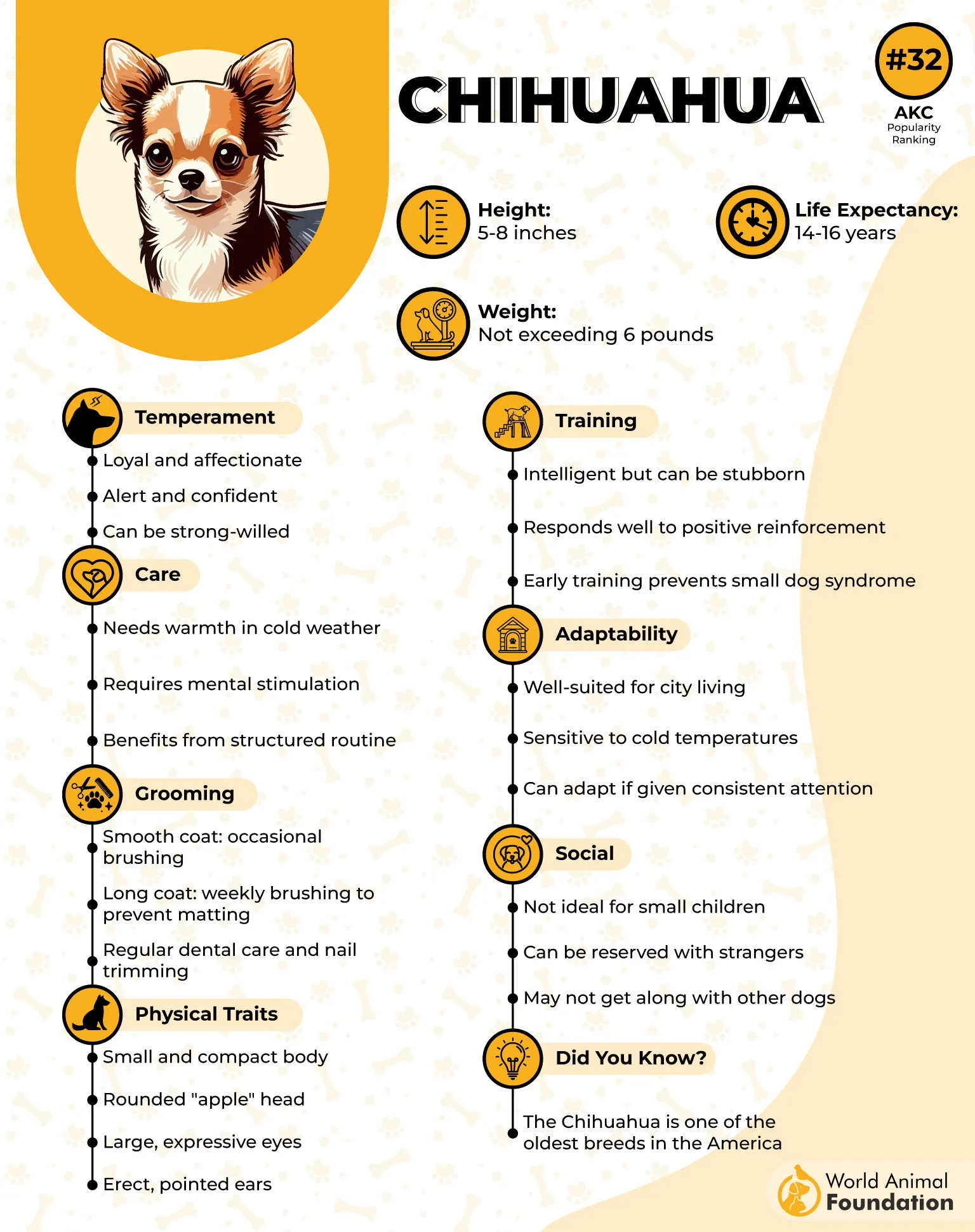
Why does it work as a small watchdog?
Chihuahuas are naturally alert and reactive, which makes them effective little watchdogs. They quickly notice unfamiliar people, sounds, or movements and respond with sharp barking. This vocal nature makes them excellent at signaling potential activity around the home.
They are loyal to their families and often form very strong bonds, staying close and protective. However, they can also be sensitive and may bark more when feeling nervous or unsure.
Extremely alert and quick to react
Strong barking response to strangers or noise
Highly loyal and closely bonded to family
Confident “big-dog” attitude in a small body
Can be wary of unfamiliar people or animals
Naturally expressive and vocal
Temperament, care, and home suitability
Chihuahuas are affectionate and energetic, and they love spending time with their owners, often preferring to stay close or be carried around.
They are well-suited for apartment living and city homes due to their small size, but they still need daily play and light exercise to stay healthy and mentally active. They can be strong-willed, so early training and socialization are important to manage barking and build confidence.
4. Yorkshire Terrier
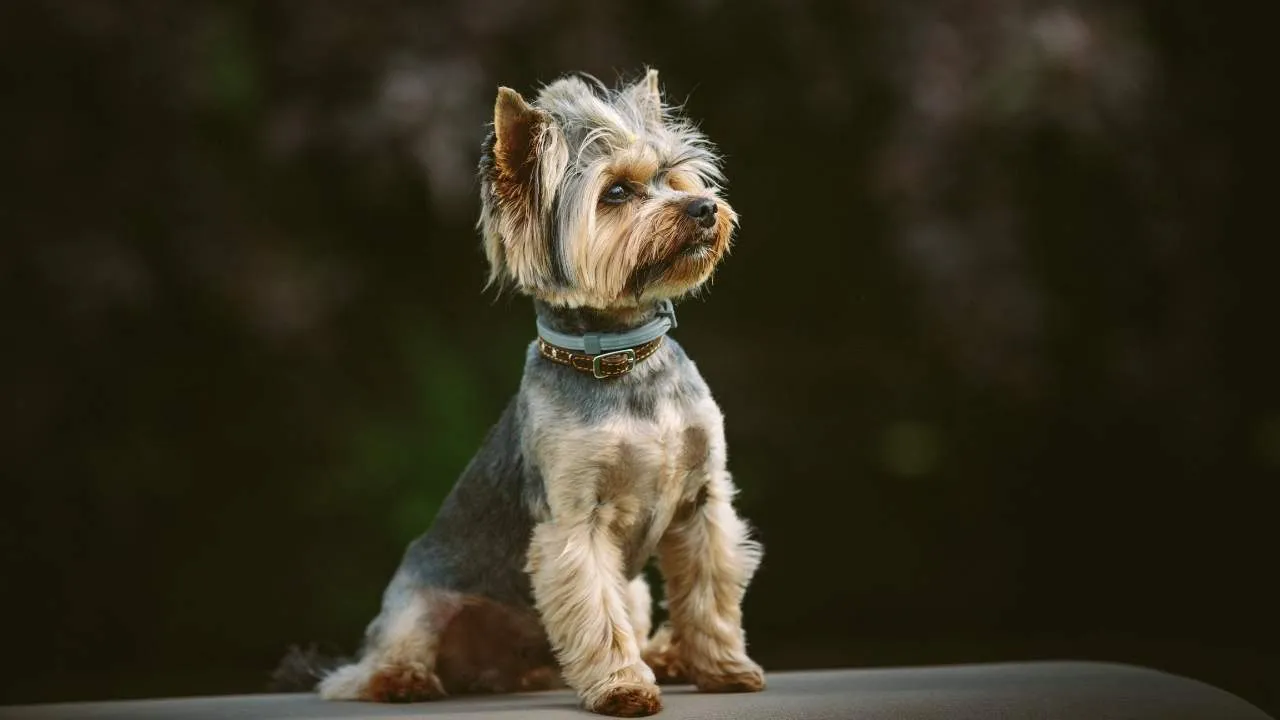
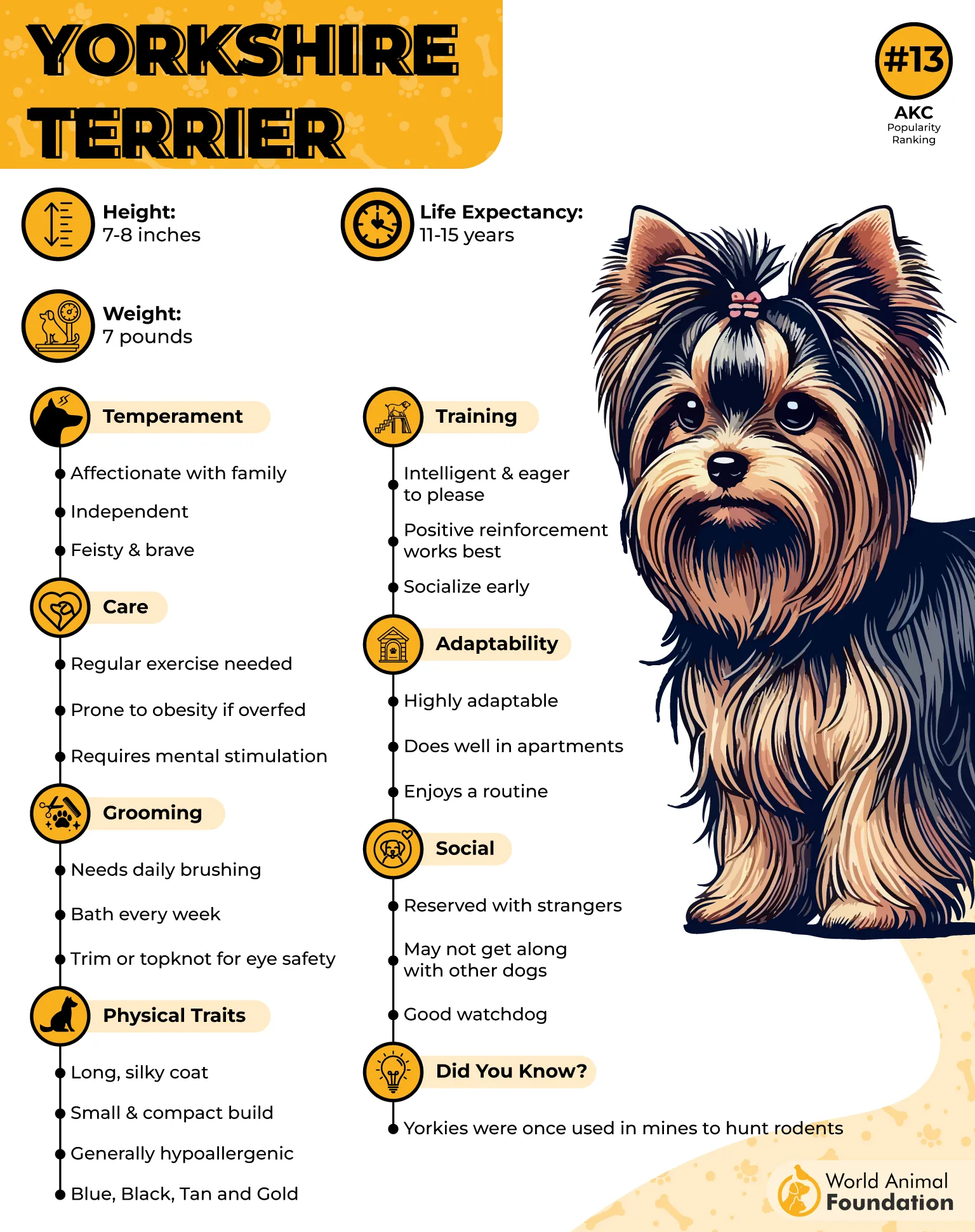
The Yorkshire Terrier, or Yorkie, may look delicate with its silky, floor-length coat, but beneath that appearance is a true old-style terrier. Originally bred in England during the 1800s to hunt rats in mines and textile mills, as PetMD notes, it was a working dog first, not a lapdog.
This history shaped its fearless, energetic, and confident personality. Even today, it carries that same bold attitude in a very small frame.
Why does it work as a small watchdog?
Yorkies are naturally alert, vocal, and highly responsive to anything unusual in their environment. They are quick to bark at strangers, new sounds, or sudden movement, which makes them excellent early warning dogs for homes.
Despite their size, they often act as if they are much larger, showing a brave and sometimes bossy personality. Their strong attachment to family also makes them protective and attentive.
Highly alert and quick to notice changes
Strong, confident barking for warnings
Absolutely fearless despite small size
Naturally protective of their home and people
Intelligent but sometimes strong-willed
Can be vocal if not properly trained
Temperament, care, and home suitability
Yorkshire Terriers are affectionate, playful, and full of personality, making them popular companions in both apartments and houses. They do not need much space, but they do need daily mental stimulation and interaction to stay happy.
Early socialization and training are important, as they can become stubborn or overly vocal. Their coat is low-shedding, but it requires regular grooming to stay healthy. Sensitive to cold weather, they also need protection outdoors.
5. Pomeranian
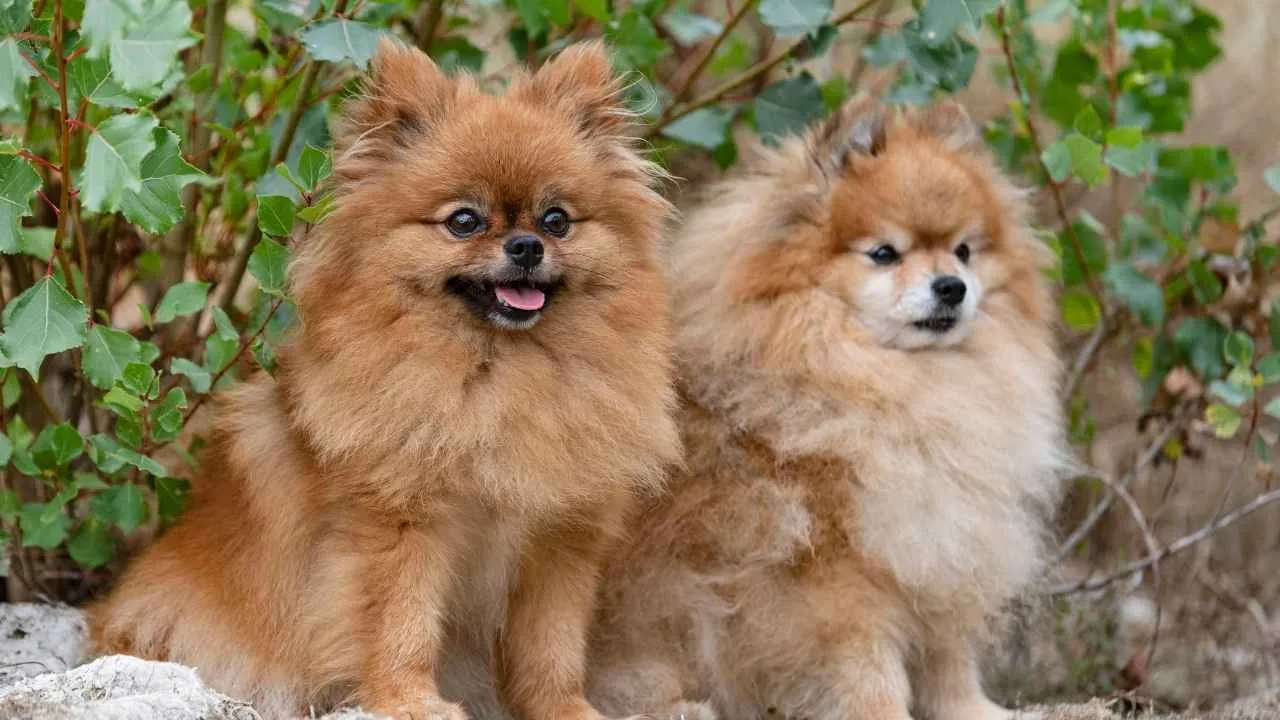
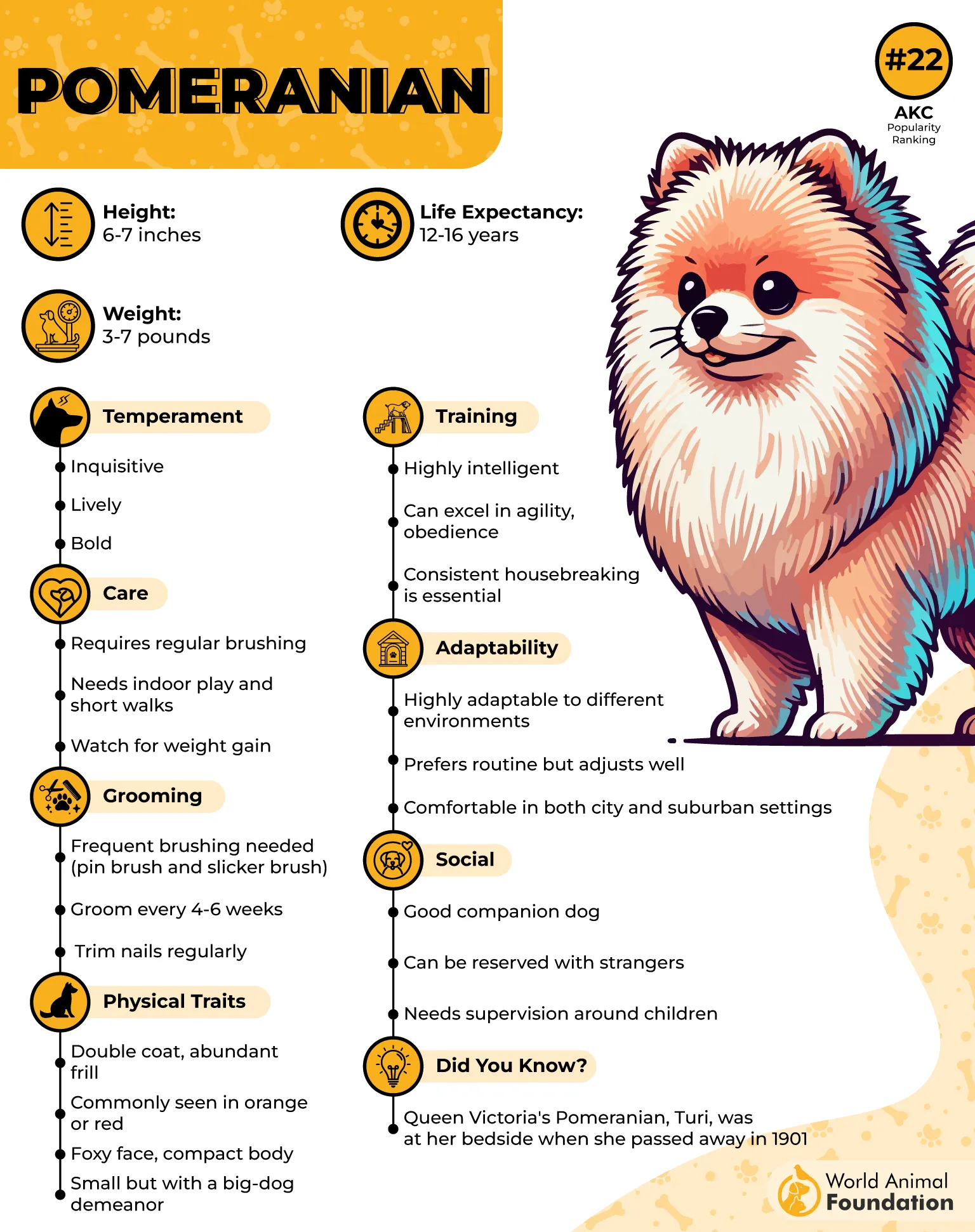
The Pomeranian may look soft and decorative, but it carries a bold, alert personality beneath that fluffy coat. Originally descended from larger Spitz working dogs, it was bred down in size over time but kept its confidence and intelligence.
Today, it is known for its fox-like face, lively nature, and strong presence. Despite its tiny frame, it behaves like a much bigger dog and stays highly aware of everything happening around it.
Why does it work as a small watchdog?
Pomeranians are naturally alert and quick to react, which makes them natural watchdogs. They notice even small changes in their environment and respond with sharp, frequent barking.
Their intelligence helps them pick up on patterns and recognize unfamiliar activity quickly. While they are not aggressive, their bold attitude and vocal nature make them effective at warning their owners.
Highly alert and quick to notice unusual activity
Strong barking response for early warnings
Confident and bold “big-dog” attitude
Intelligent and easy to train
Naturally cautious around strangers
Can become noisy without proper training
Temperament, care, and home suitability
Pomeranians are affectionate, energetic, and love being around their people. They fit well in apartments and smaller homes, as their exercise needs can be met with indoor play and short walks.
However, they require regular grooming due to their thick double coat, and early training is important to manage barking and behavior. Socialization also plays a key role in preventing issues like anxiety or reactivity.
6. Cairn Terrier
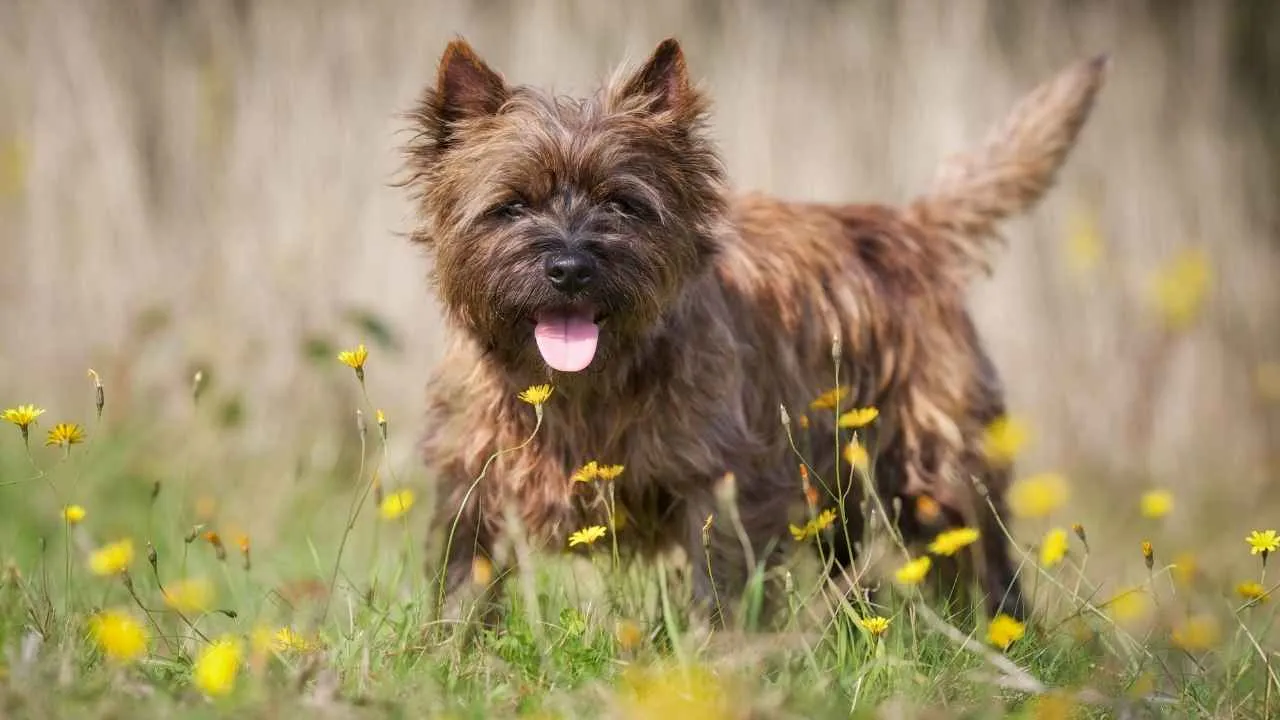
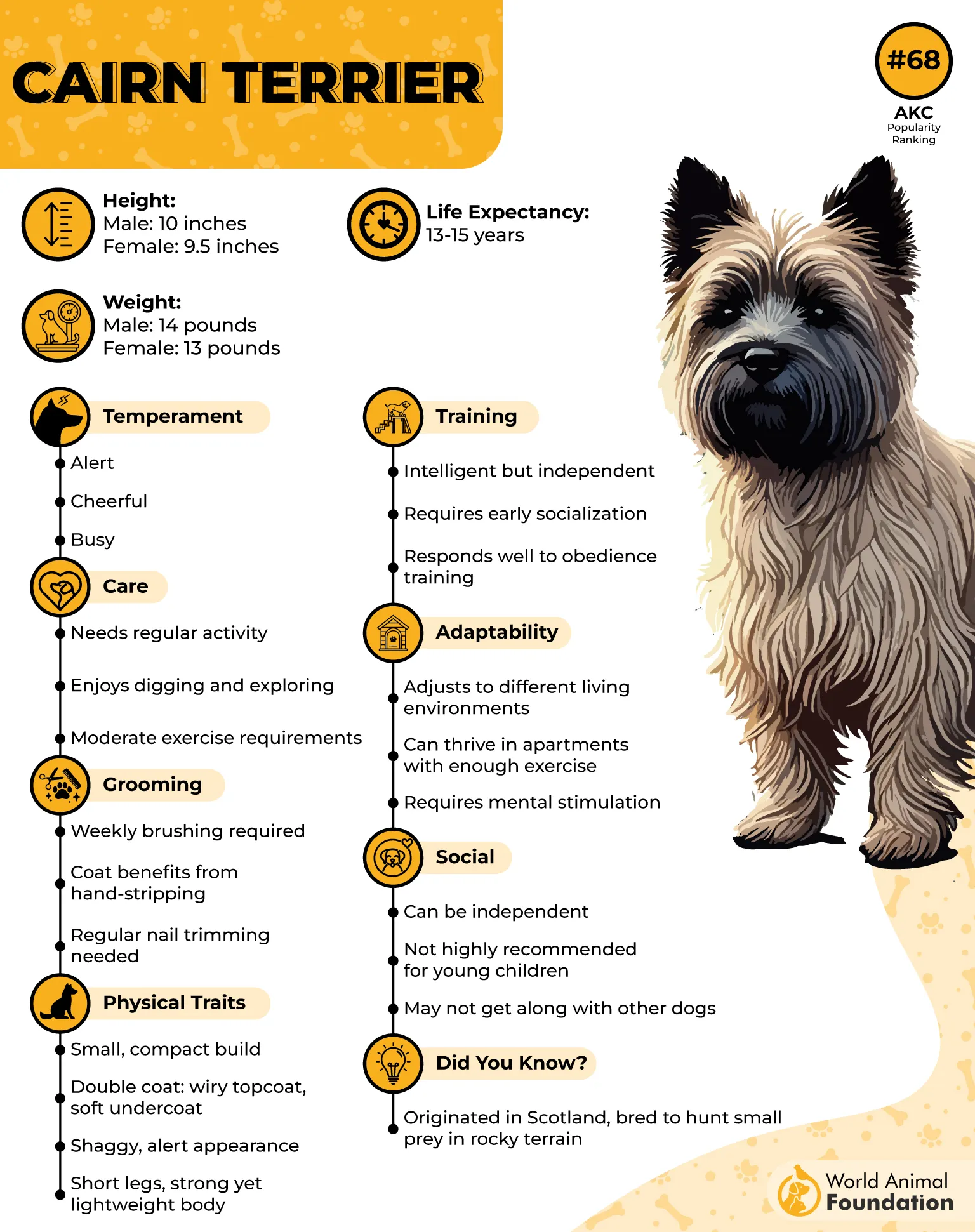
The Cairn Terrier is a small but fearless working dog originally bred in Scotland to hunt foxes and other small prey among rocky terrain. Known for its shaggy coat and bright, alert expression, it carries a natural curiosity and strong awareness of its surroundings.
This breed is active, intelligent, and always ready to investigate anything unusual, making it a naturally attentive presence in the home.
Why does it work as a small watchdog?
Cairn Terriers are highly alert and quick to react to movement, sounds, or unfamiliar activity. Their hunting background gives them strong instincts to notice and respond to anything out of place.
They are confident, vocal when needed, and not easily intimidated, which makes them reliable early warning dogs. While not aggressive, their courage and awareness make them effective at alerting owners to potential concerns.
Very alert and observant by nature
Quick to react to unfamiliar sounds or movement
Brave and confident despite small size
Strong prey drive keeps them highly aware
Intelligent and naturally curious
Can be vocal and persistent when alerting
Temperament, care, and home suitability
Cairn Terriers are friendly, energetic, and enjoy being close to their family. They adapt well to apartments, houses, or even larger spaces, as long as they get enough exercise and mental stimulation.
Daily walks, playtime, and activities like agility or games help keep them balanced. Due to their strong instincts, they may chase small animals and love digging, so supervision is important. Training requires patience and consistency, as they can be independent and strong-willed.
7. West Highland White Terrier
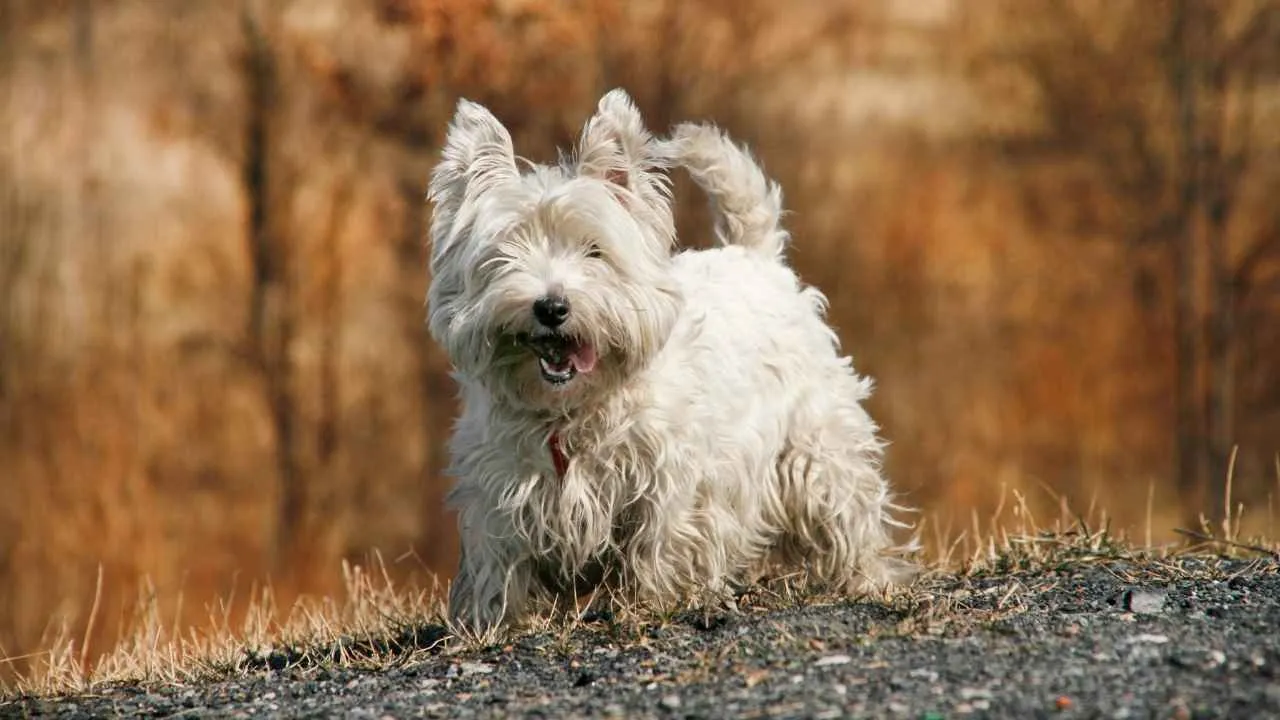
The West Highland White Terrier, or Westie, may look soft and charming, but it is a true working terrier at heart. Originally bred in Scotland to hunt rats and other small prey, it is tough, courageous, and always alert.
Its bright eyes, pricked ears, and confident stance reflect a dog that is constantly aware of its surroundings. Behind that clean white coat is a bold and determined personality that never backs down easily.
Why does it work as a small watchdog?
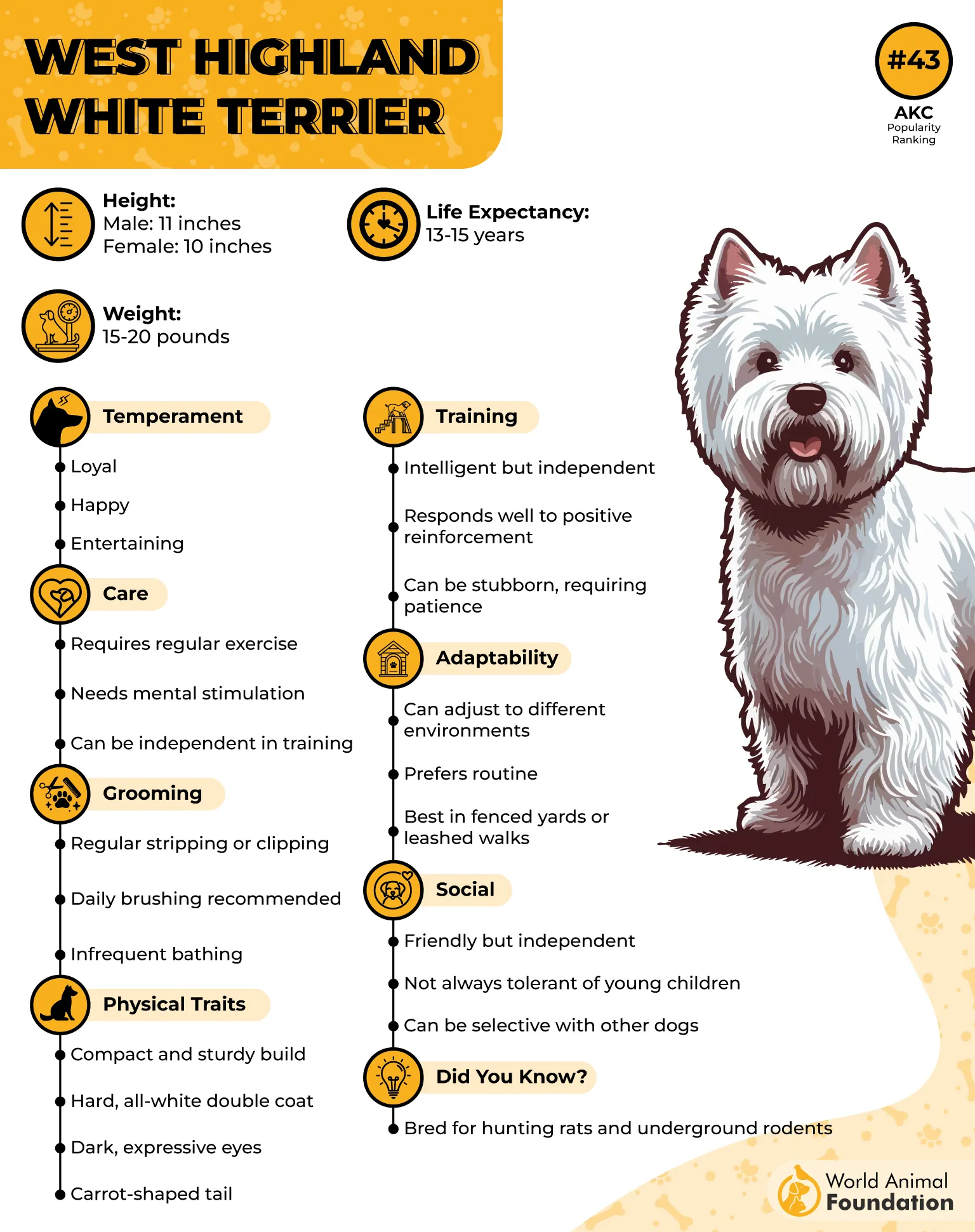
Westies are naturally alert and quick to respond to anything unusual. These protection dogs have a strong protective instinct to notice movement and are not afraid to raise the alarm with loud, confident barking, as mentioned by Royal Canin.
Their courage allows them to stand their ground, even against larger threats, making them reliable early warning dogs. They are independent thinkers, which adds to their ability to react quickly without hesitation.
Highly alert and quick to detect changes
Loud, confident bark for strong alerts
Brave and willing to face bigger threats
Independent and quick decision-makers
Strong hunting instincts keep them aware
Loyal and protective of their home
Temperament, care, and home suitability
Westies are affectionate, playful, and enjoy spending time with their families, but they also have an independent streak. They adapt well to both apartments and houses, as long as they get daily exercise and mental stimulation.
They love outdoor play and may chase moving objects due to their hunting background. Training requires patience, as they can be strong-willed, but their intelligence helps them learn well over time. Regular grooming is needed to maintain their double coat.
Conclusion
Small watchdog breeds prove that you don’t need size to feel secure—you need awareness, loyalty, and a dog that actually pays attention. From sharp hearing to quick reactions and confident barking, these compact companions excel at alerting you to anything unusual.
They may not physically confront a threat, but they create something just as powerful: awareness and deterrence. And in many homes, that’s exactly what matters most.
If you’re considering one, think about your lifestyle, space, and how much time you can invest in training and care. The right small dog won’t just watch your home—they’ll become part of it.
Choose wisely, train consistently, and you’ll have a companion that offers both security and genuine connection every single day.
