




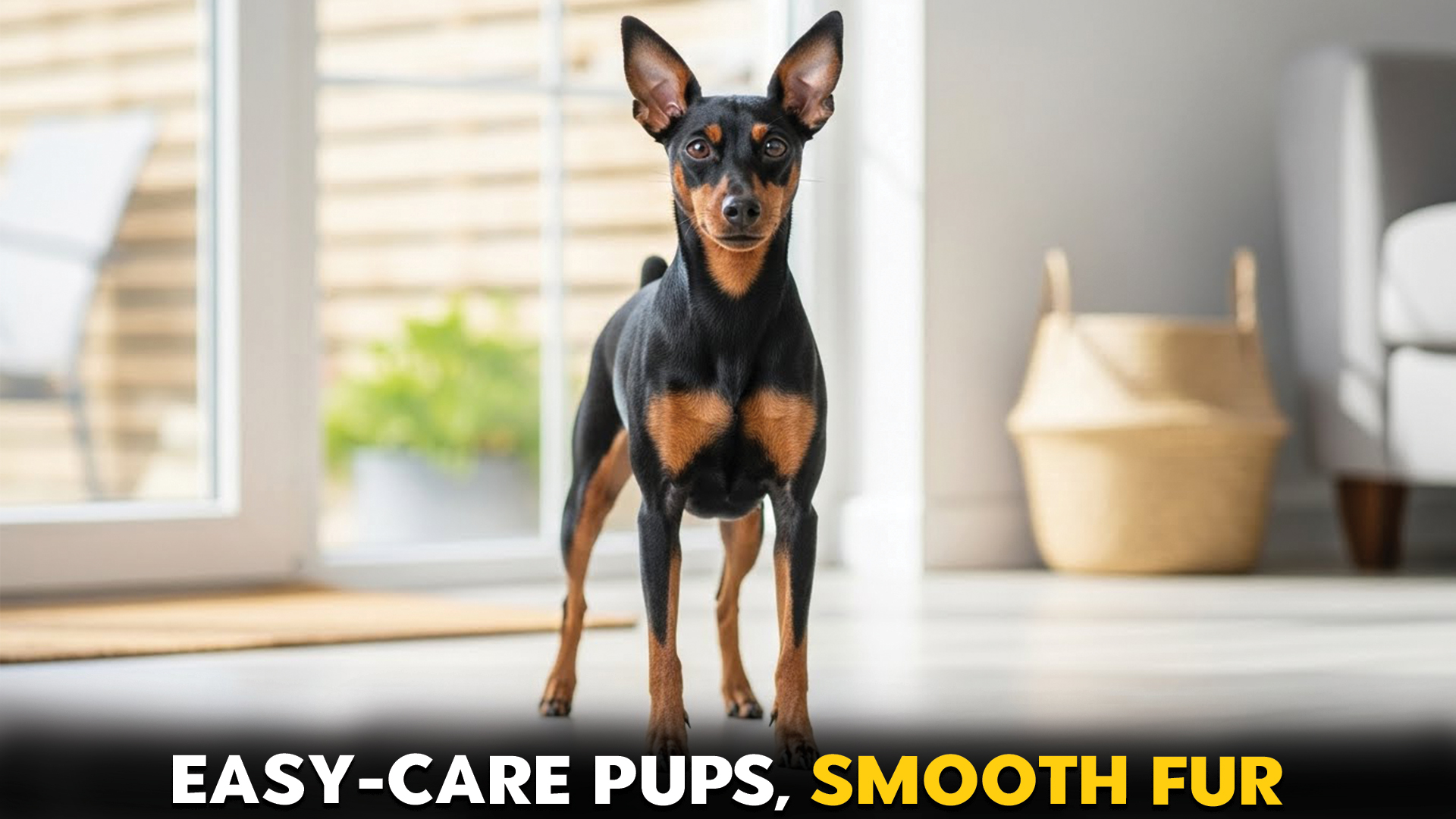
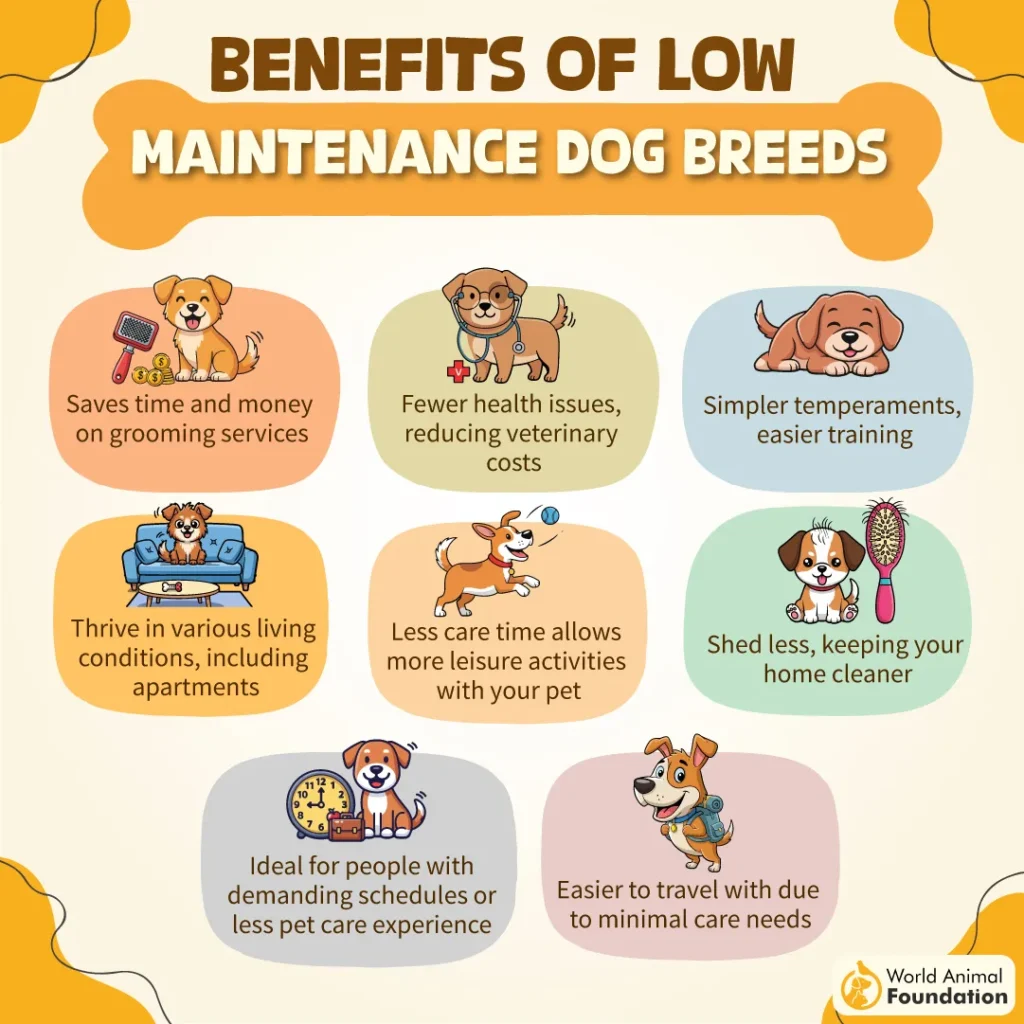
There is a saying that good things come in small packages. Big dogs have their space, but small dogs fit perfectly in many homes and hearts. They are ideal for small living areas and busy families. Not every home can handle daily brushing, vacuuming, and complicated grooming routines.
Many pet parents today are looking for a low-maintenance dog breed that fits their lifestyle—and short-fur dogs often fit the bill.
According to Purina Australia, small dogs can be easier to live with because they need less exercise and adapt well to smaller spaces. However, these short-haired dog breeds have their own pros and cons, including differences in life span, training, or care needs.
Grooming plays a big role, too. Zooplus Magazine highlights that grooming can be simpler for small dogs than large ones, since there’s less fur to manage and brushing takes less time.
And the ASPCA states that regular brushing not only removes dead hair but also spreads natural oils to keep the skin healthy. These insights show that even low-maintenance, short-haired dog breeds still need consistent care to keep your pet healthy.
But “low maintenance” doesn’t mean no maintenance—it means minimal effort for maximum enjoyment. Even small, easy-care dogs benefit from occasional brushing, nail trimming, and general check-ups to stay happy and healthy.
Small Dog Breeds with Easy-Care, Short Fur
1. Boston Terrier
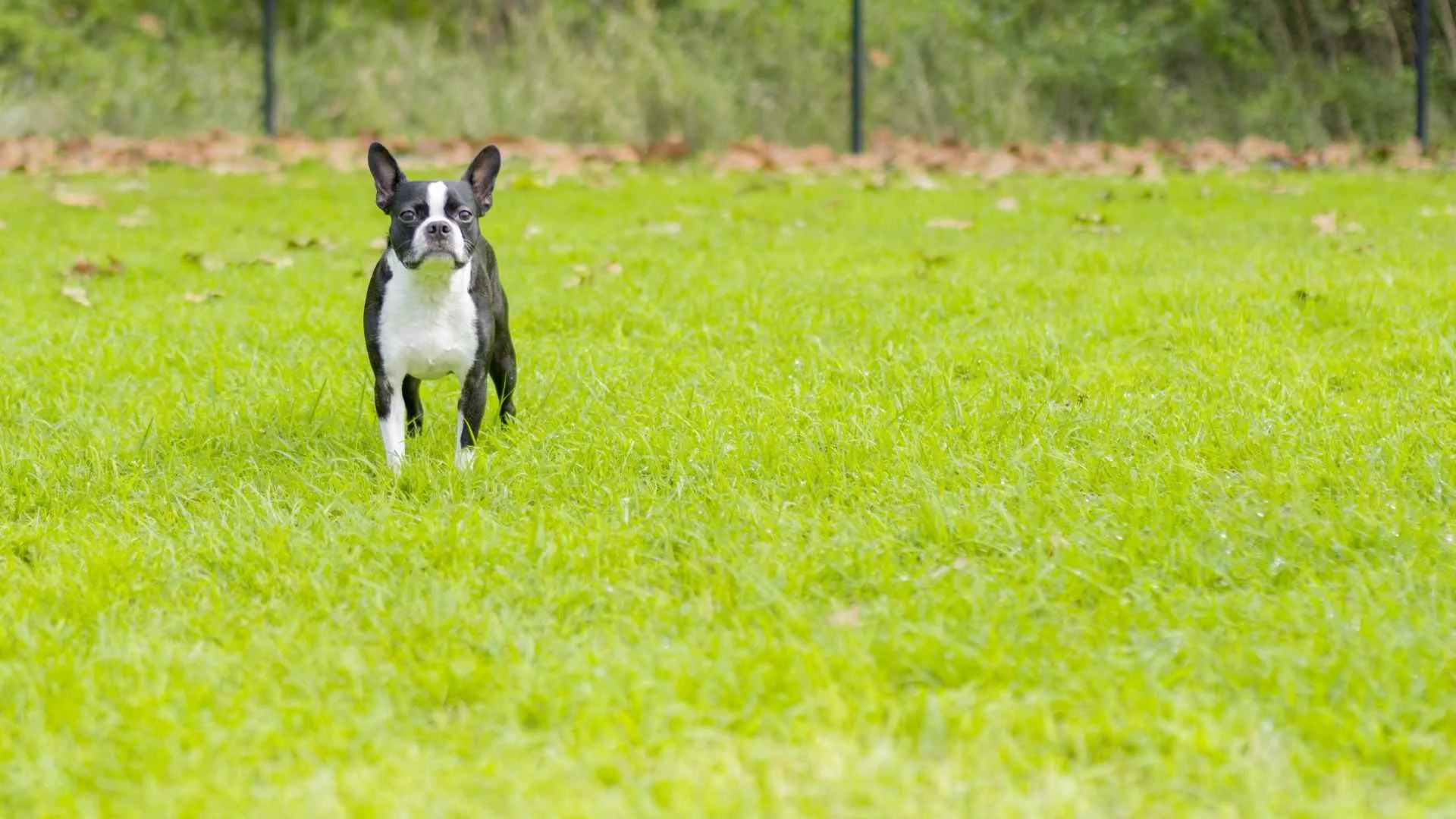
Let’s begin with one of the most charming short-haired dog breeds you can meet. The Boston Terrier stands out with a look that turns heads in any room.
Boston Terriers have a fine coat that feels sleek to the touch. Their fur lies close to the skin, so it rarely mats or tangles like longer hair does. Because the coat is short, loose hair is easy to manage.
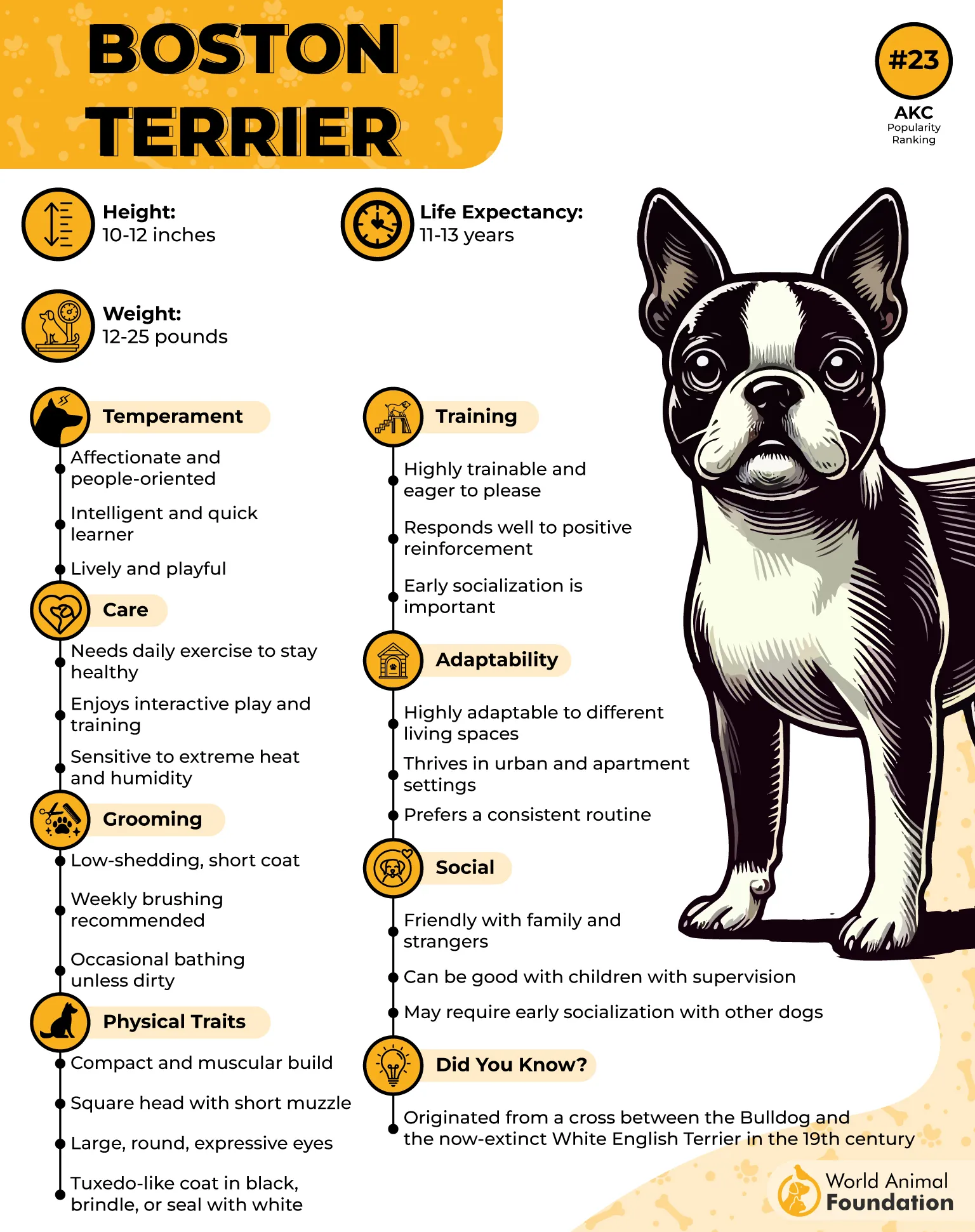
You won’t constantly find clumps of fur on the couch or carpet. According to the American Kennel Club, their short fur makes grooming quick and simple, and occasional brushing is all that’s needed to keep the coat healthy and shiny.
Here’s why this breed’s grooming is so simple
Brushing on rare occasions (once or twice a week) removes loose hair.
A rubber curry brush works great to lift dead hair.
Minimal grooming tools are needed overall.
Professional grooming is rarely required unless a professional groomer is needed for trims or specific care.
Boston Terriers are a brachycephalic breed, meaning they have a flat, pushed-in face. This face shape can sometimes cause breathing or eye issues, so pet parents should monitor their health closely while providing moderate exercise.
Fun Fact
Boston Terriers are often called the “American Gentlemen” because of their tuxedo-like markings and polite look. Quite fitting for such a sleek, coated little pup!
2. Dachshund
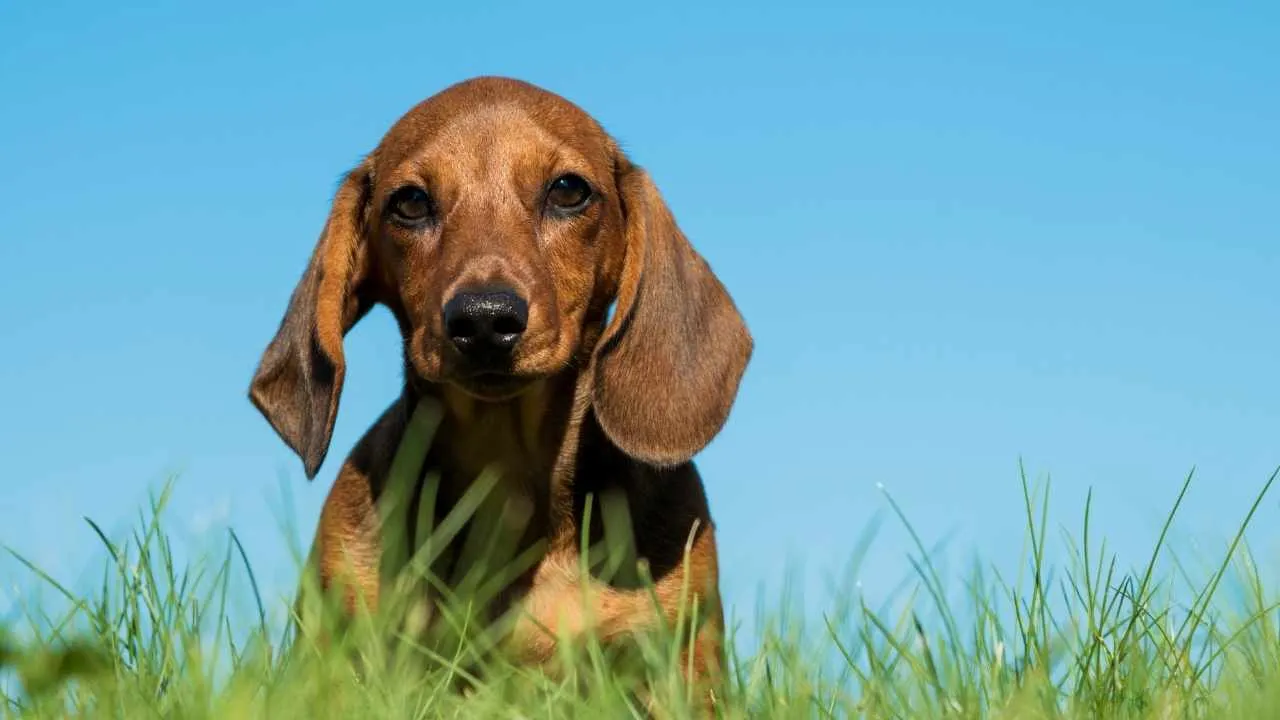
If you live in an apartment or a cozy home, the Dachshund might be an excellent family dog for you. This short-haired dog is famous for its short hair—a coat that lies close to the body.
Because of this, the Dachshund is known as a surprisingly low‑maintenance dog breed when it comes to grooming. Short‑haired Dachshunds are especially good for apartment living.
Their fur doesn’t grow long or tangle, so it doesn’t drag through dirt or debris indoors. Still, shedding does happen, and you’ll see loose fur on furniture and clothing, especially during seasonal changes.
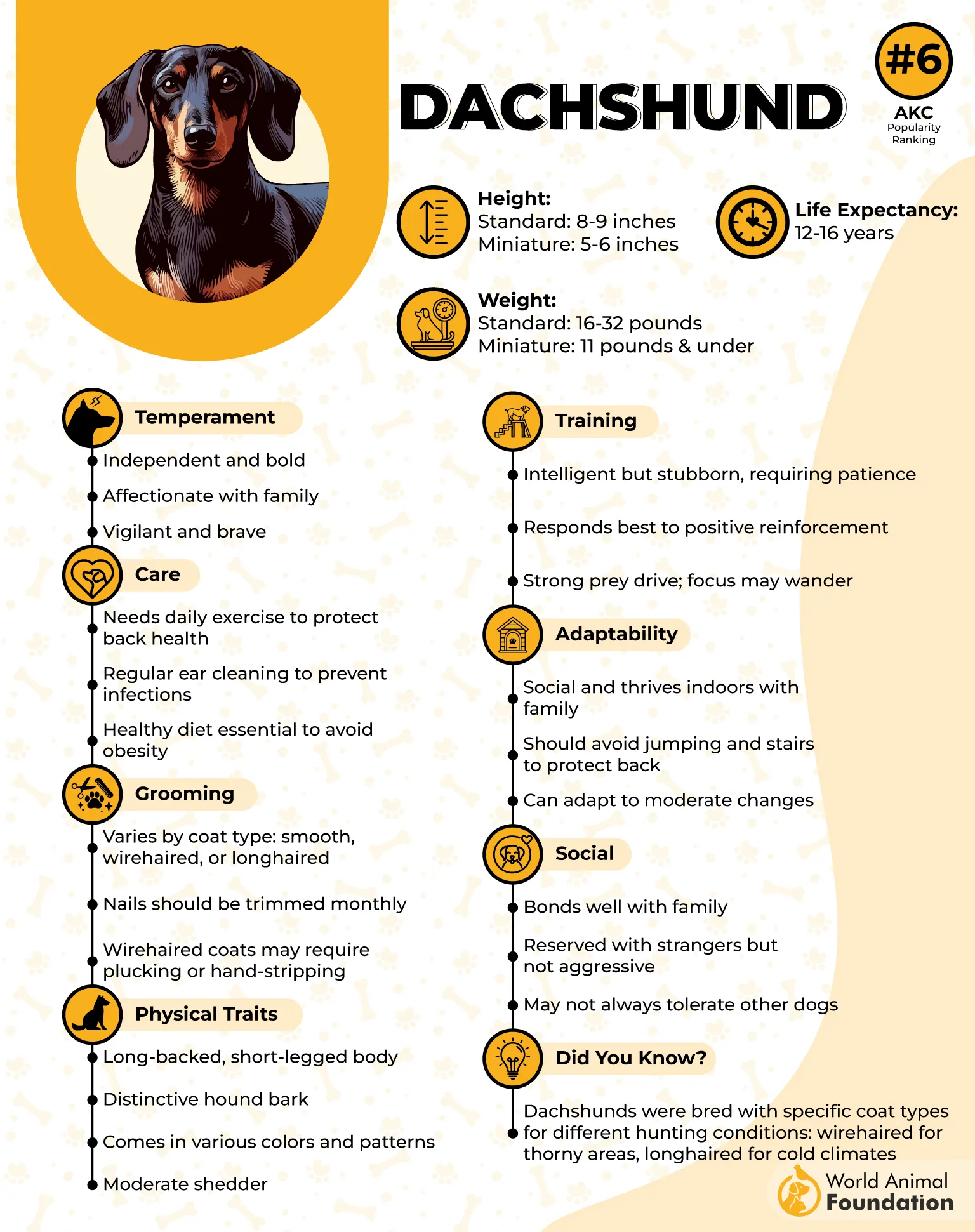
Here’s why this coat works so well in small spaces and how you can manage it easily
Short hair doesn’t mat or tangle.
Loose fur is less likely to spread deep into carpets.
A soft brush or grooming mitt makes quick work of shedding.
Extra grooming during seasonal shedding helps reduce fur on couches and beds.
According to PetMD, smooth‑coated Dachshunds require the least maintenance of the three coat types and can often be kept looking great with just a wipe or light brushing.
This easy grooming routine helps Dachshunds stay clean and fresh without constant care. That’s one reason they fit so well into indoor lifestyles where busy families want simple routines.
Fun Fact
Despite their tiny legs and long bodies, Dachshunds were originally bred to hunt badgers underground — their name literally means “badger dog” in German!
3. Pug
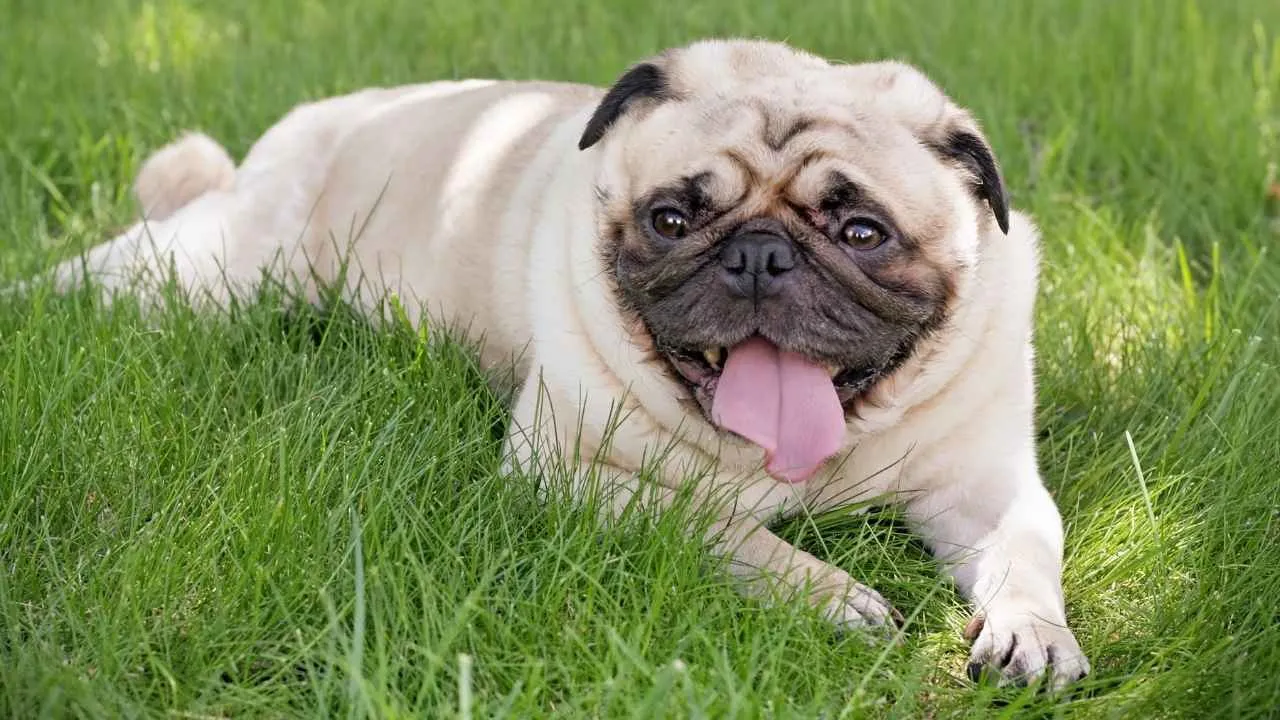
Pugs are small dogs known for their affectionate nature and dense double coat, but they are easy to care for, making them a favorite among families looking for a low-maintenance, short-haired breed. Their most notable feature is their deep facial wrinkles, which need careful attention to stay clean and healthy.
These folds can trap dirt, moisture, and bacteria, so regular cleaning beyond brushing is essential. Even though Pugs have short hair, they still need consistent care to maintain their skin health, prevent irritation, and keep their coat shiny.
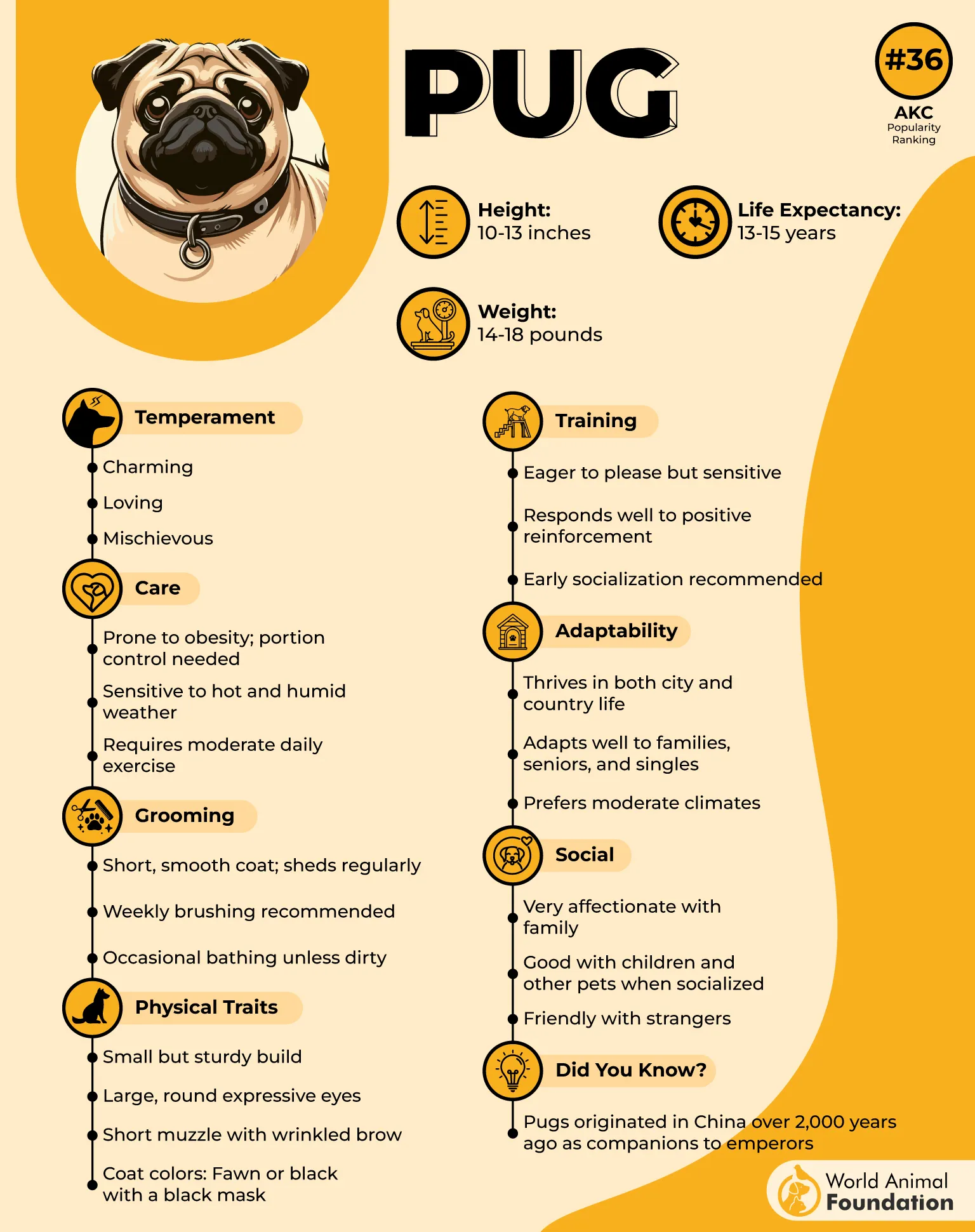
Nail trimming, ear cleaning, and occasional baths are simple steps that help keep this breed comfortable. Their low-maintenance coat allows pet owners to focus more on bonding and playtime, rather than constant regular grooming.
Here’s how to care for a Pug’s coat and nails without much effort
A short coat requires minimal daily brushing.
Moisturizing wipes keep the skin soft and hydrated.
Checking ears regularly helps prevent infections.
Nail trimming ensures comfort while walking.
Soft brushes or grooming mitts work best for light shedding.
Fun Fact
Pugs have a quirky history! In the 1700s, European royalty loved Pugs so much that they were often guarded by soldiers and even used to deliver messages between palaces. Their small size, loyalty, and expressive faces made them not just pets, but living treasures and companions for kings and queens!
4. French Bulldog
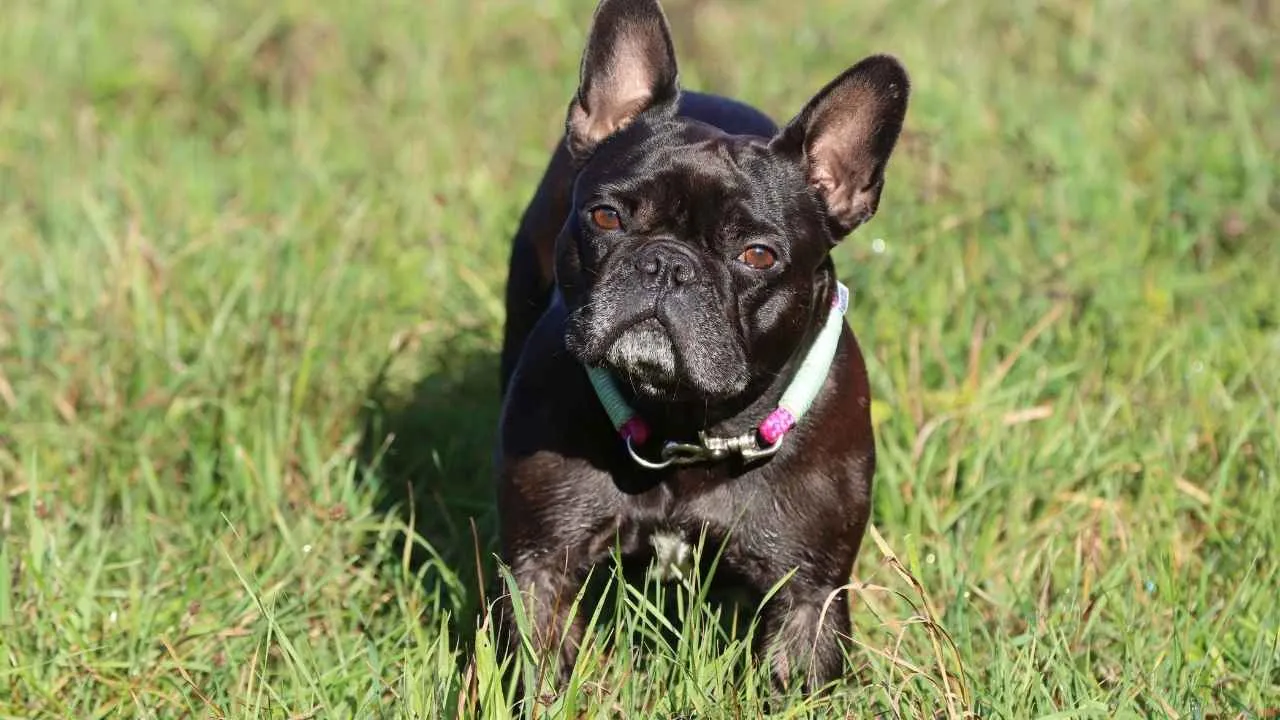
Oh man, how can we forget the French Bulldog? This little pup is one of the most popular and easily recognizable dog breeds in the world, thanks to its coat and unique bat‑like ears.
The Frenchie’s fur lies close to the body, making it a perfect match for urban homes and busy families who want a short-haired dog breed that still feels like part of the family.
According to VCA Animal Hospitals, French Bulldogs’ short fur suits city living well because it doesn’t require frequent brushing or trims, and their moderate shedding is easy to manage with simple weekly care.
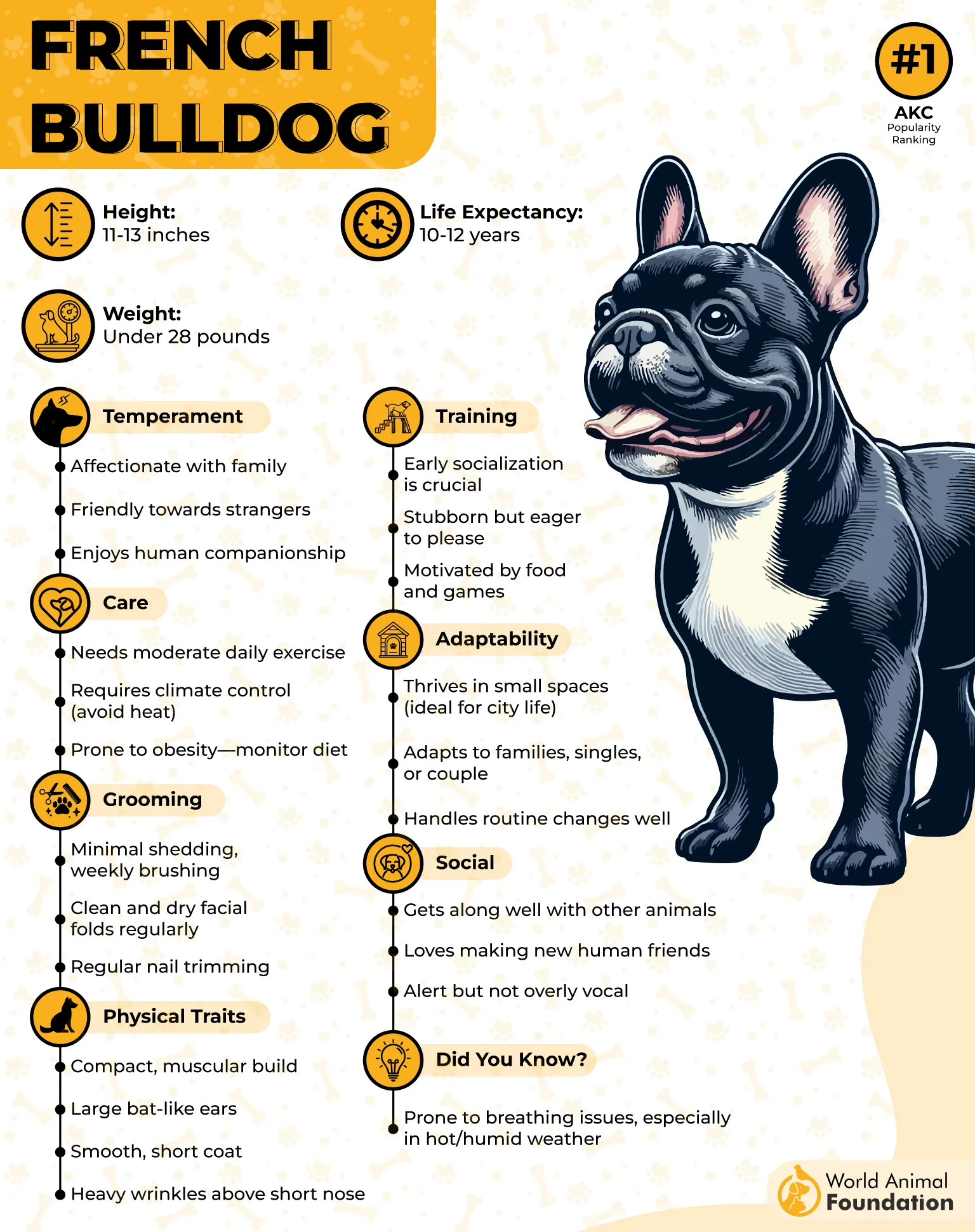
Their coat doesn’t protect them from extreme temperatures, though, so owners with small children should be mindful of heat sensitivity—especially because Frenchies are prone to overheating due to their flat faces and shorter airways.
Even though grooming needs are relatively simple compared to long‑haired breeds, awareness of daily habits and seasonal care is important. French Bulldogs benefit from a regular but quick grooming routine to keep their coat and skin healthy in all seasons.
Here are some easy tips for everyday Frenchie care
Check wrinkles and skin folds to prevent moisture buildup.
Be cautious in the heat—provide shade and cool places.
Keep fresh water available at all times.
Indoor play fits busy family routines with minimal outdoor stress.
Fun Fact
French Bulldogs became especially popular with Parisian artists and society in the 1800s, long before they exploded in popularity worldwide!
5. Miniature Pinscher
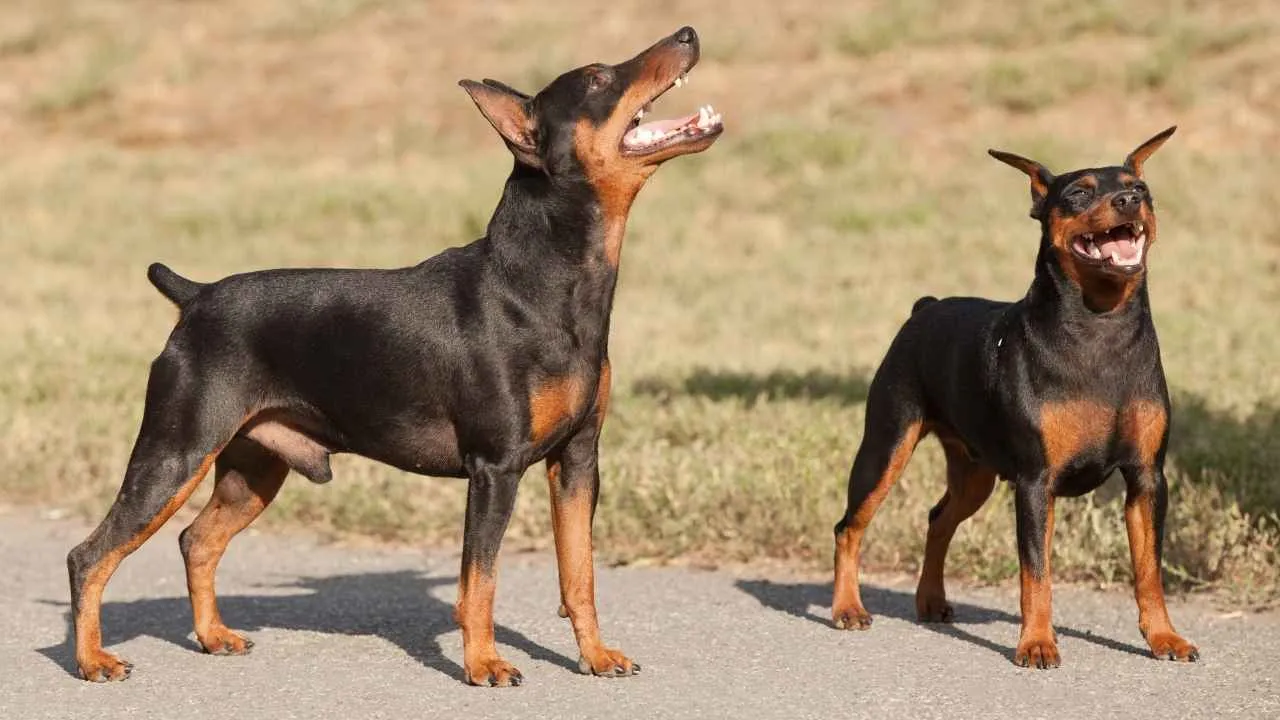
If you’ve ever seen a Miniature Pinscher in action, you might think, “Where did that fearless little dog come from?” This short-haired dog breed is confident, alert, and fearless. They carry themselves like they’re bigger than they really are, making them fascinating little companions around people and other pets.
Miniature Pinschers are known for their sleek, short coat that lies tight against the body. This coat isn’t just stylish — it’s highly efficient for active lifestyles. Because the fur is so short and smooth, their coat stays cleaner longer than many other small breeds.
This means less dirt indoors and less grooming work overall. Their low‑shedding coat also means fewer hairs on clothes and furniture, which makes them ideal for busy families and apartment living.
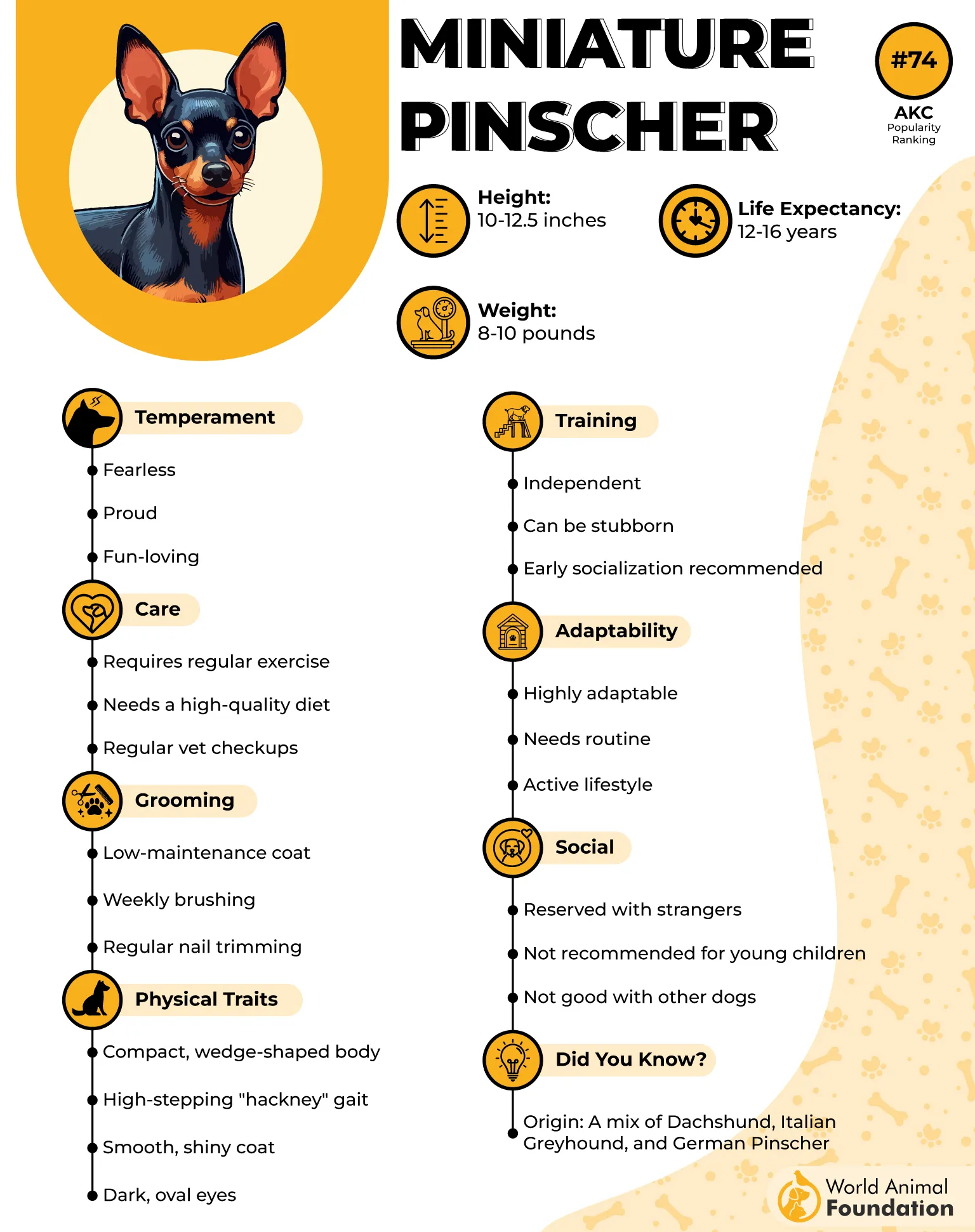
Grooming a Miniature Pinscher is quick and straightforward. Brushing with a soft brush or grooming glove removes loose hair and keeps the coat shiny. Because their coat doesn’t tangle, they usually need fewer baths than fluffier breeds.
Even with lots of playtime and outdoor fun, their fur tends to bounce back clean with minimal effort. The Miniature Pinscher’s smooth coat is easy to care for with just a bit of weekly maintenance.
Here’s a quick look at their grooming routine
Weekly brushing removes loose hairs.
Quick baths only when needed.
Easy grooming tools like soft brushes or mitts work best.
Fun Fact
Miniature Pinschers are sometimes called the “King of Toys” because of their regal walk and bold attitude — even though they’re tiny!
6. Rat Terrier
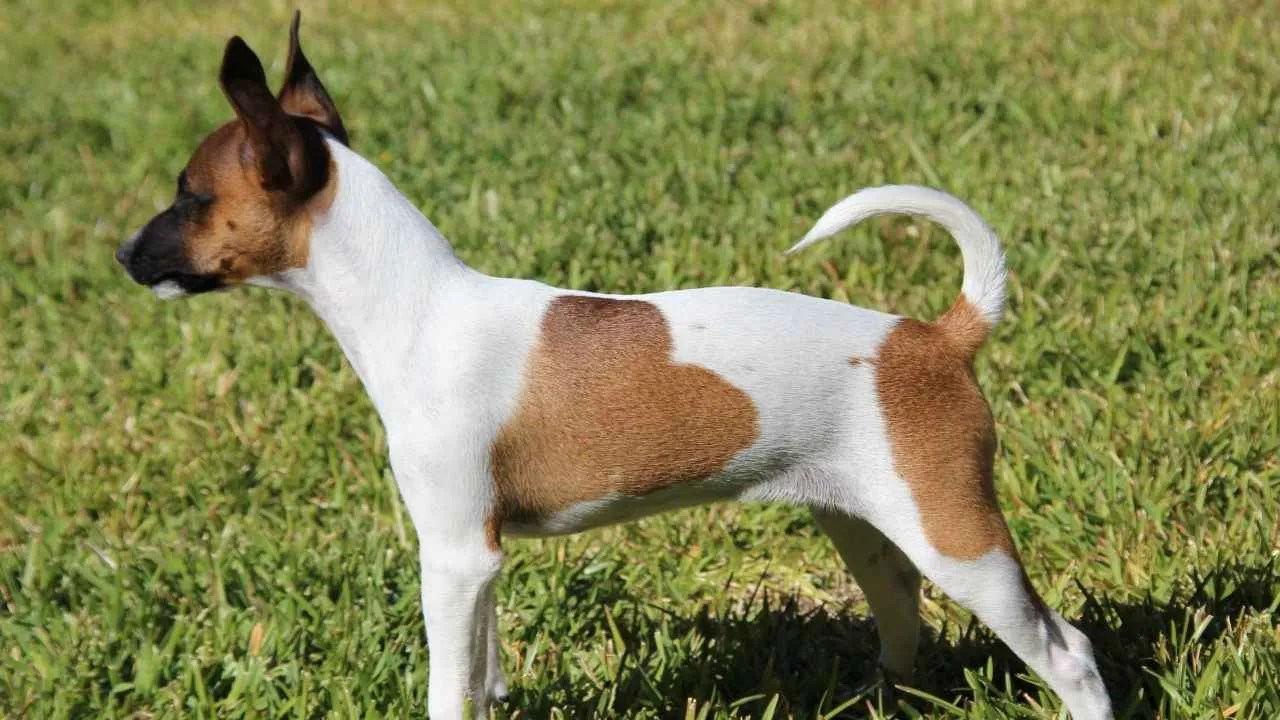
The Rat Terrier is a small dog with a coat that’s easy to maintain, but don’t let that fool you—the real challenge (and joy) is keeping their mind engaged. This short-haired dog breed is highly intelligent, energetic, and curious.
They are fun-loving and love games, problem-solving, and exploring new environments, which means their mental stimulation needs often outweigh grooming efforts. Their coat lies close to the skin, making daily grooming minimal. A quick brush once or twice a week removes loose hairs and keeps the coat shiny.
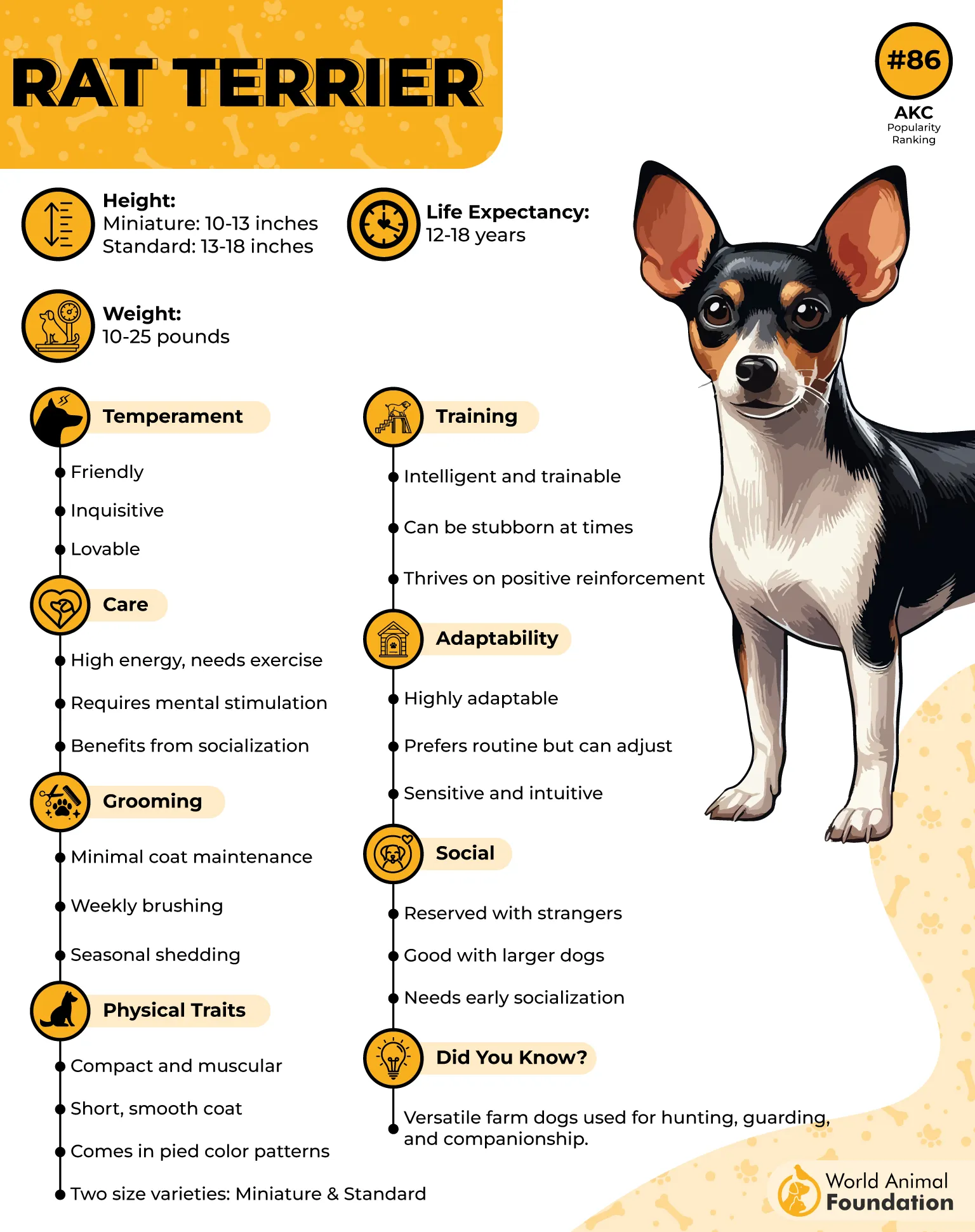
Because their fur is naturally sleek, dirt and debris rarely cling, so baths are occasional rather than frequent. This balance between low grooming effort and high mental activity makes Rat Terriers ideal for families or owners who enjoy interactive play and training.
Here’s how to maintain their coat while keeping your Rat Terrier happy
Their coat resists tangles and mats.
Occasional baths keep the coat clean without over-washing.
Interactive toys and games provide mental stimulation.
Balanced routine ensures a healthy coat and a happy, engaged dog.
Fun Fact
Rat Terriers were originally bred for hunting small vermin on farms, so their sharp mind and quick reflexes make them natural problem-solvers even today!
7. Jack Russell Terrier
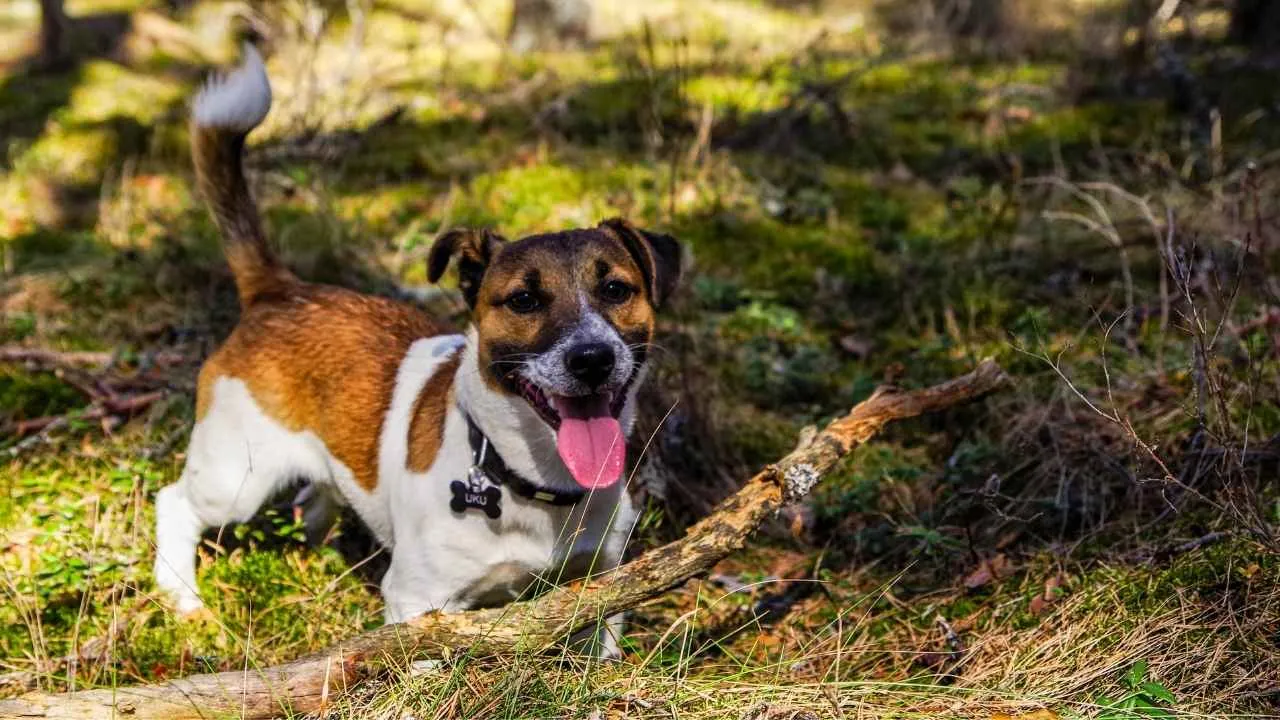
This lively little dog is the last one in our research for short-haired dog breeds, and it’s easy to see why they’re so beloved. Jack Russells are famous for their high activity level and spirited personality, making them a great match for people who want a small dog with energy to spare.
Jack Russells are defined by their short, smooth coat, which lies close to the body. This coat type is simple to maintain, especially when compared with the wire‑haired Jack Russell, whose rougher texture needs a bit more attention to prevent tangling.
The coat sheds moderately and brushes out easily after outdoor play. Because Jack Russells are so active, their grooming and coat care go hand in hand with daily routines.
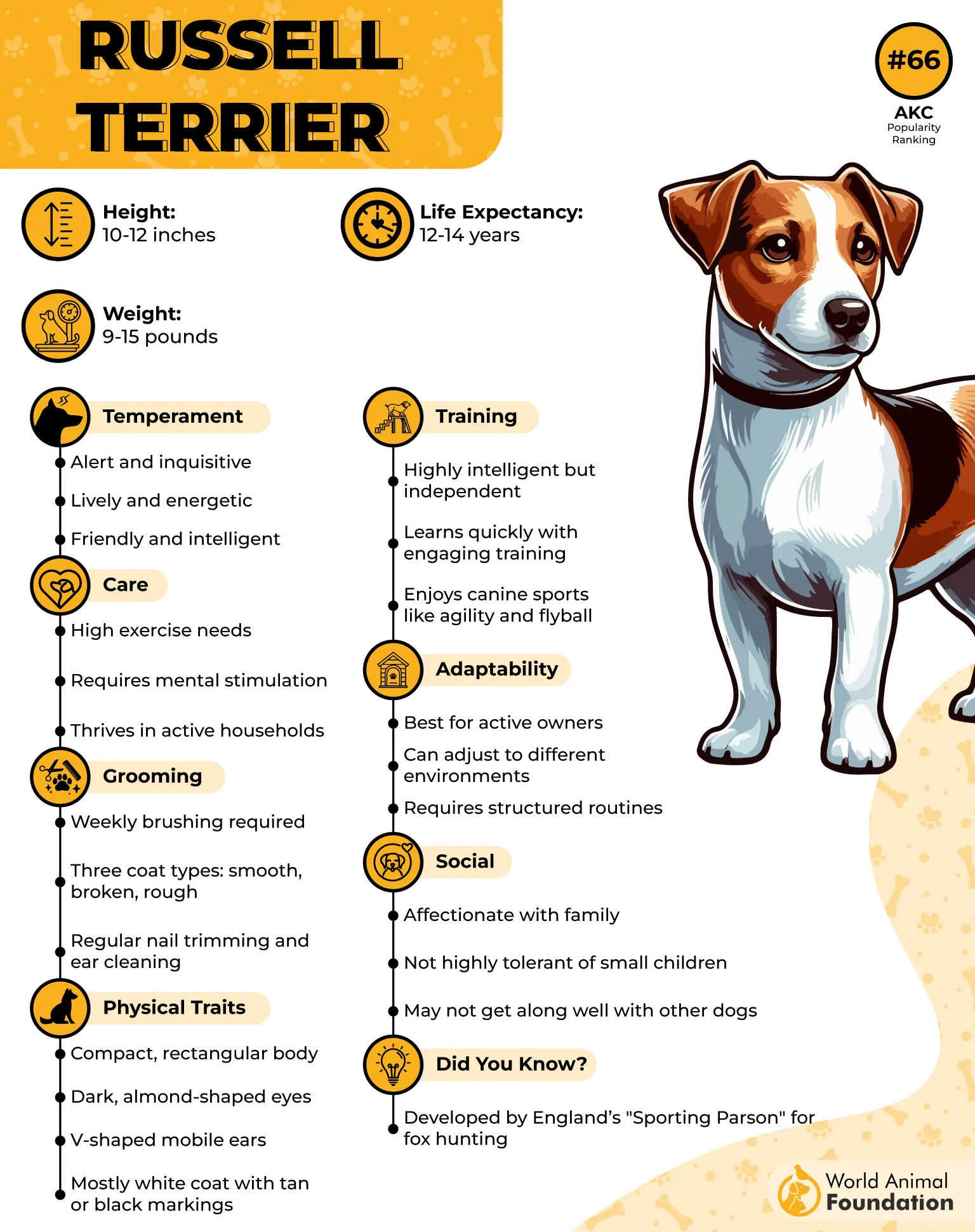
They thrive on movement, games, and mental challenges, so a quick brushing after a romp outside keeps loose hair under control and helps reduce shedding around the home.
According to Orvis, these terriers are bundles of energy with big personalities that match their zest for life—just one reason their coat care routines stay simple and stress‑free.
Here’s a snapshot of what makes their short coat easy to live with
Short, smooth fur that lies flat and sheds moderately.
Simple brushing after play sessions keeps loose hair down.
An active lifestyle helps remove loose fur naturally.
Less frequent grooming than some rough‑coated breeds.
Fun Fact
Jack Russell Terriers can run, hunt, and play for hours — and they’re also known to jump as high as five feet, even though they’re just lap dogs!
Conclusion
Short fur can make life simpler, but it’s not a magic fix when comparing these dogs to other breeds. Are you ready to welcome a small, short-haired dog breed into your life?
Choosing the right short-haired dog breed matters more than following trends—think about your lifestyle, available space, and the time you have for care. Even short-haired dogs need love, attention, and consistent grooming.
Brushing a short coat isn’t just about keeping your home clean; it’s a chance to bond, share quiet moments, and watch your pup thrive.
Remember, every dog is unique, whether you choose a purebred or a mixed breed. Do you have the energy for a playful Miniature Pinscher, or the gentle lapdog vibes of a Boston Terrier?
With the right dog, even a low-maintenance breed can bring joy, companionship, and endless tail wags. So, are you ready to find your perfect small dog?
