





A home-security dog does not necessarily need to be large enough to intimidate a stranger. For many households, the most useful canine quality is simply the ability to notice something unusual before everyone else does. Small, playful dogs can hear activity beyond doors and windows, recognize changes in familiar surroundings, and quickly communicate their concerns through barking or other alert behavior.
There is an interesting historical connection behind several compact breeds known for being watchful. Some were originally tasked with eliminating rodents, while others were kept as sentinels in monasteries or served as working terriers around farms and rural properties. Their small frames made them practical to keep indoors, but their jobs rewarded confidence, curiosity, and keen awareness.
These protection dogs should be viewed as alert companions rather than substitutes for locks, alarms, cameras, or other security measures. Their value comes primarily from drawing attention to unfamiliar activity.
Good socialization and obedience training are especially important because a dog that reacts to every passing sound can become noisy and stressed rather than genuinely useful around the home.
Small Dog Breeds That Offer Excellent Home Security
1. Miniature Schnauzer
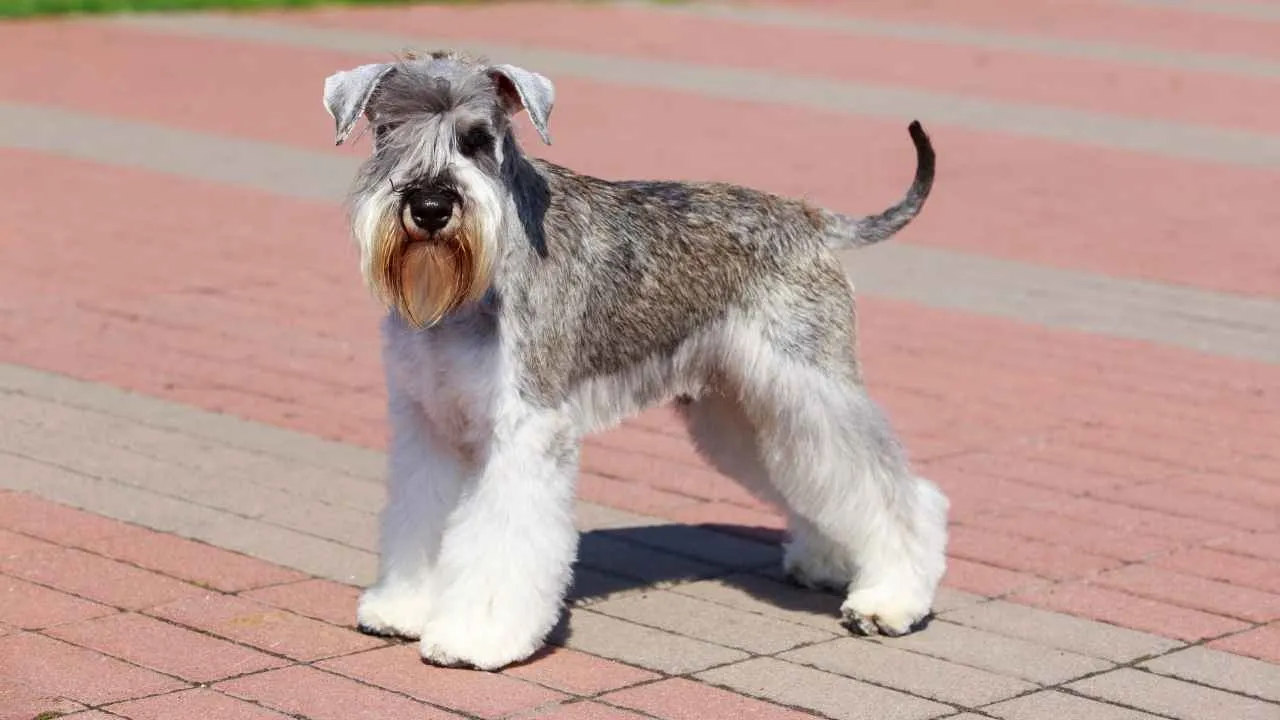
The Miniature Schnauzer originated in Germany and was developed by combining the Standard Schnauzer with smaller breeds.
Farmers appreciated these guard dogs for controlling rats and other pests around agricultural properties. Their working background helped produce a lively, attentive terrier that could remain aware of activity while performing practical tasks.
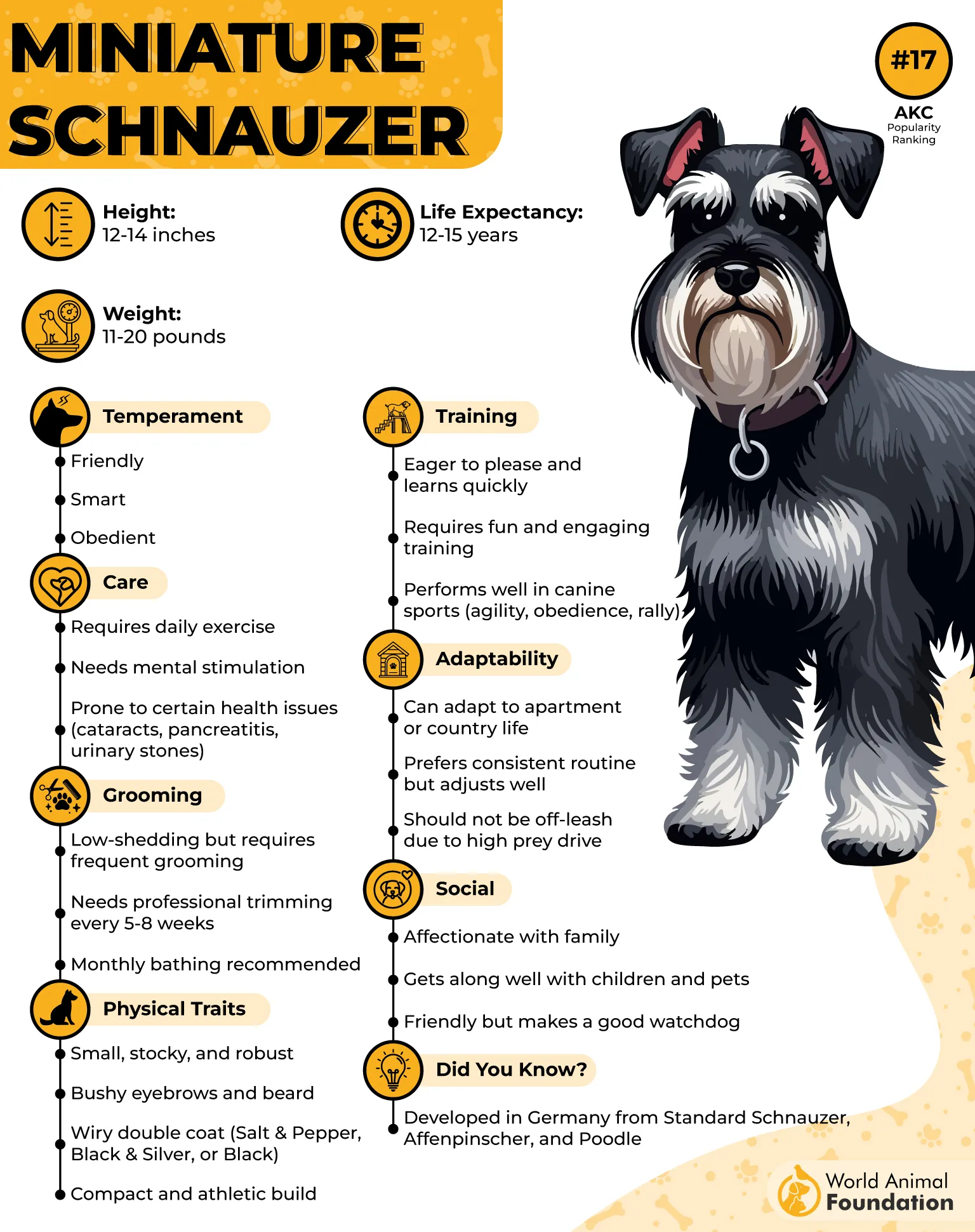
A Wiry Coat With an Organized Care Routine
The Miniature Schnauzer’s coarse, wiry coat needs regular brushing to prevent knots and maintain its texture. Many owners also arrange periodic professional trimming or clipping. This energetic breed benefits from daily walks, interactive games, obedience practice, and activities that make use of its intelligence.
A Reliable Household Alarm
Miniature Schnauzers tend to pay close attention to noises and movement around their territory. Someone approaching the front door, footsteps in a hallway, or an unfamiliar sound outside may prompt an immediate response.
Their vocal nature can be useful for alerting an owner, although training is important to prevent routine household activity from producing constant barking.
2. Miniature Pinscher
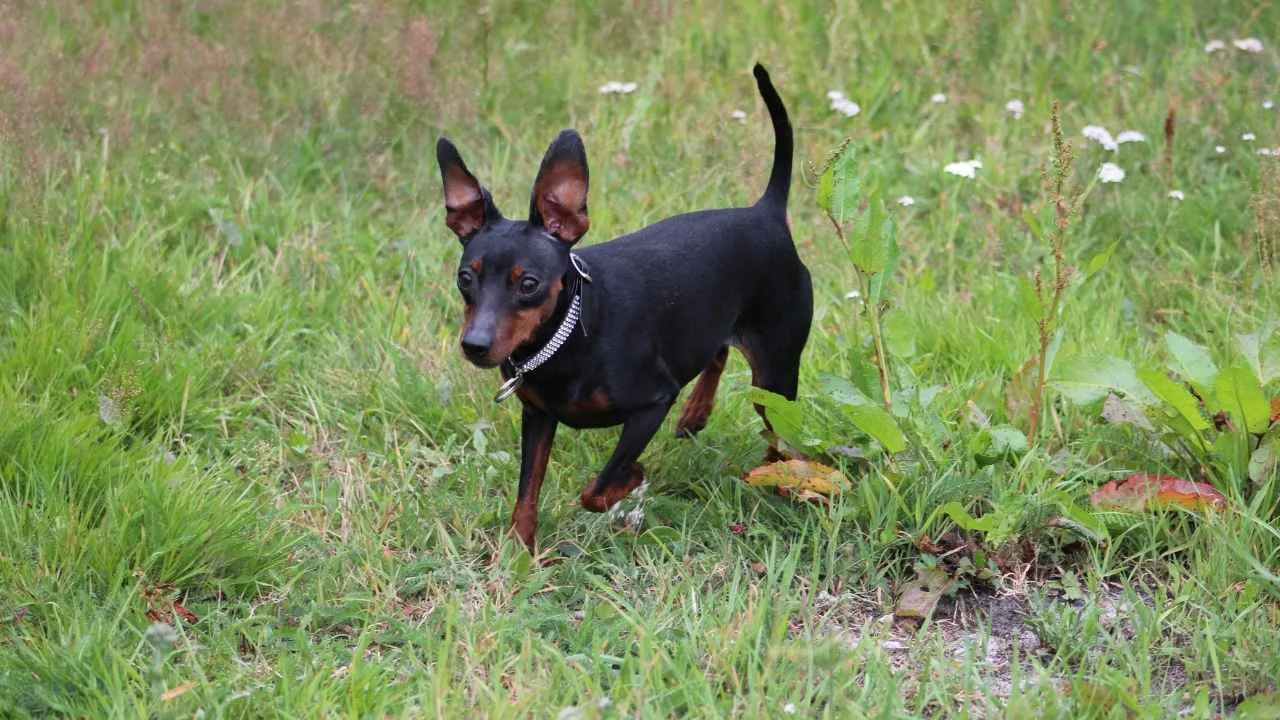
The Miniature Pinscher developed in Germany and has historical ties to small vermin-control and hunting dogs. Its sleek appearance sometimes causes it to be mistaken for a miniature Doberman, but the breeds have distinct origins. Over generations, the Miniature Pinscher became a popular companion while preserving its energetic, confident, and independent character.

Sleek Fur and a Lively Daily Schedule
The breed’s short coat is uncomplicated, requiring little more than occasional brushing and routine care. Its energy level is considerably higher than its tiny dimensions might suggest. Short walks, energetic play, trick training, and indoor activities can provide useful outlets while keeping its sharp mind engaged.
Bold Enough to Sound the Alarm
A Miniature Pinscher may respond quickly when an unfamiliar person or sound enters its awareness. Its naturally confident attitude means it often does not hesitate to investigate what is happening.
Clear boundaries and early socialization can help turn that boldness into controlled alert behavior rather than unnecessary territorial reactions.
3. Pomeranian
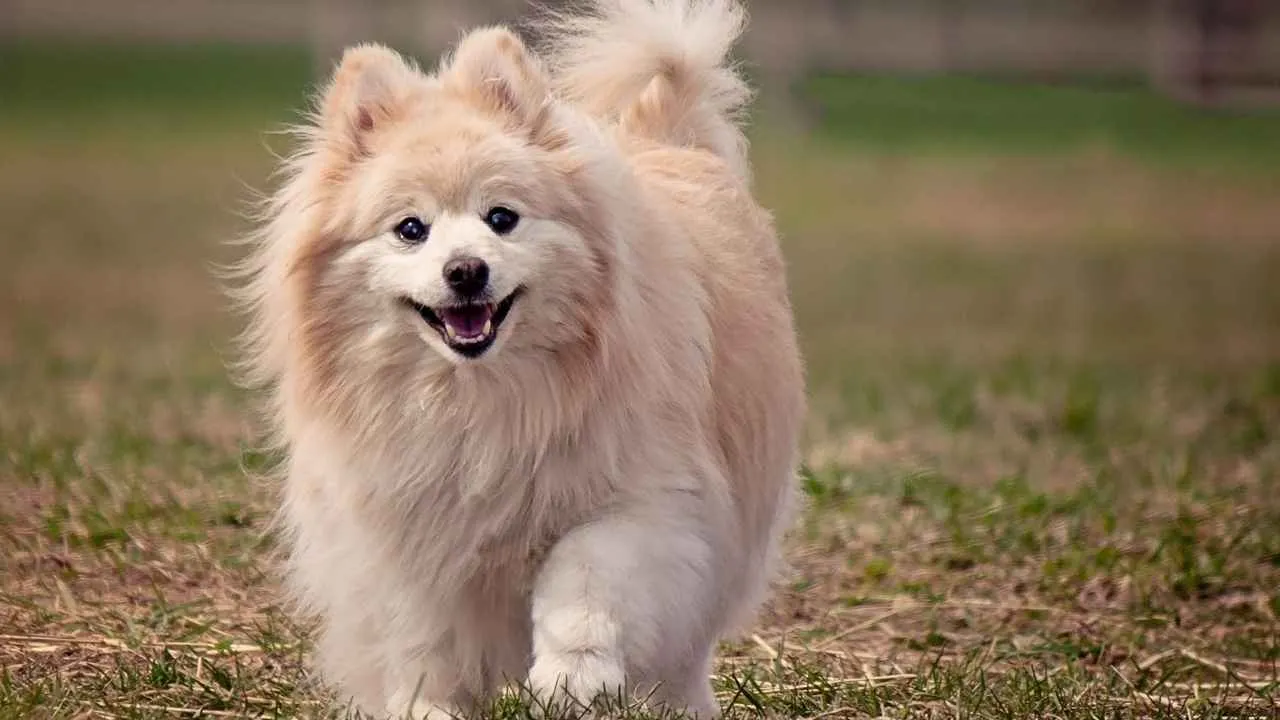
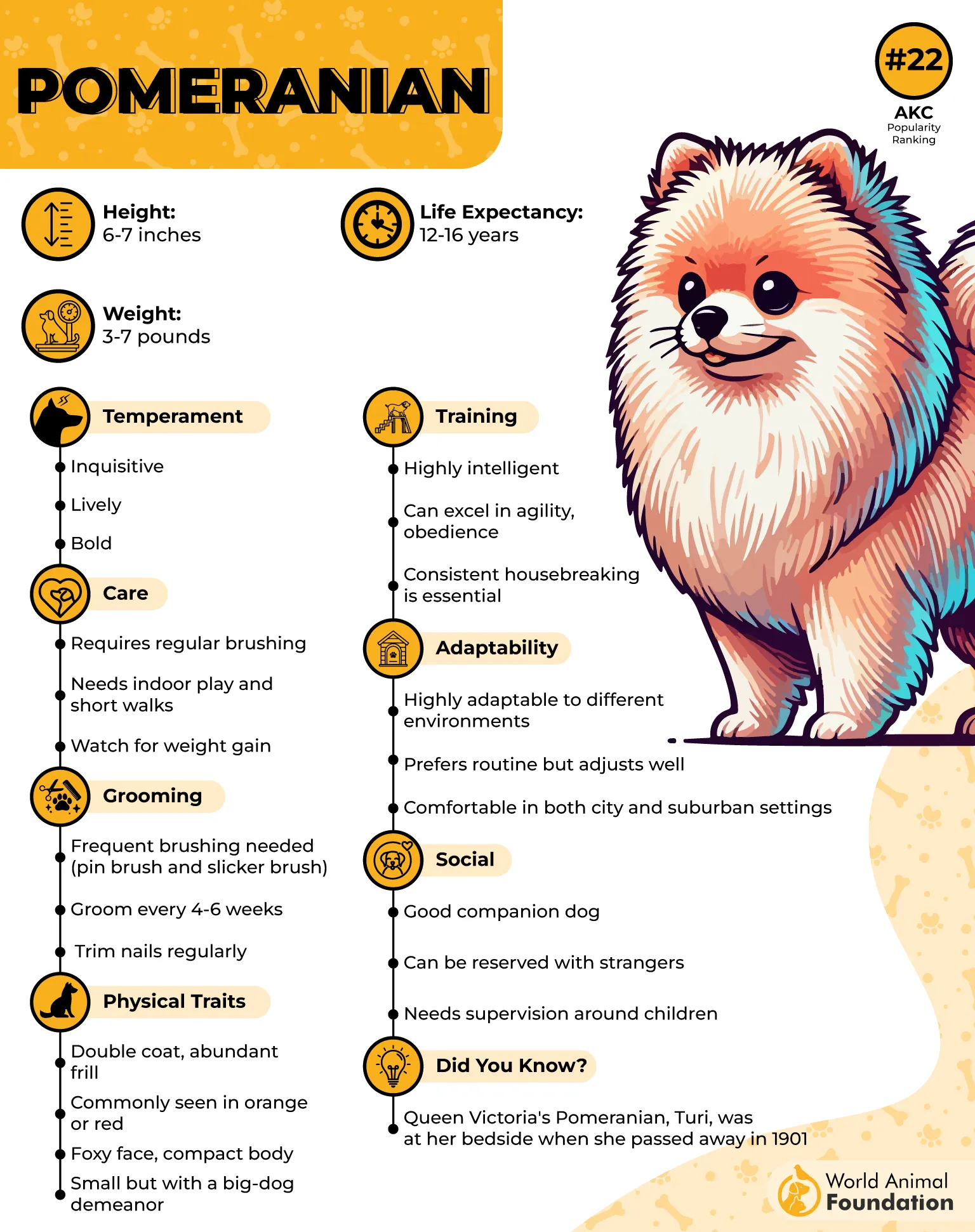
The Pomeranian belongs to the Spitz family and takes its name from Pomerania, a historic region along the Baltic coast. Its ancestors were larger Spitz-type working dogs, but selective breeding gradually produced the much smaller companion breed known today, as per Britannica. Pomeranians later became fashionable among European royalty and aristocratic households.
A Plentiful Coat With Regular Grooming Needs
The Pomeranian’s fluffy double coat requires consistent brushing to manage the dense undercoat and reduce tangles. Grooming becomes particularly important during seasonal shedding.
Its exercise requirements are relatively modest, with daily walks, indoor games, short training sessions, and mentally stimulating toys providing suitable activity.
A Tiny Dog With a Noticeable Voice
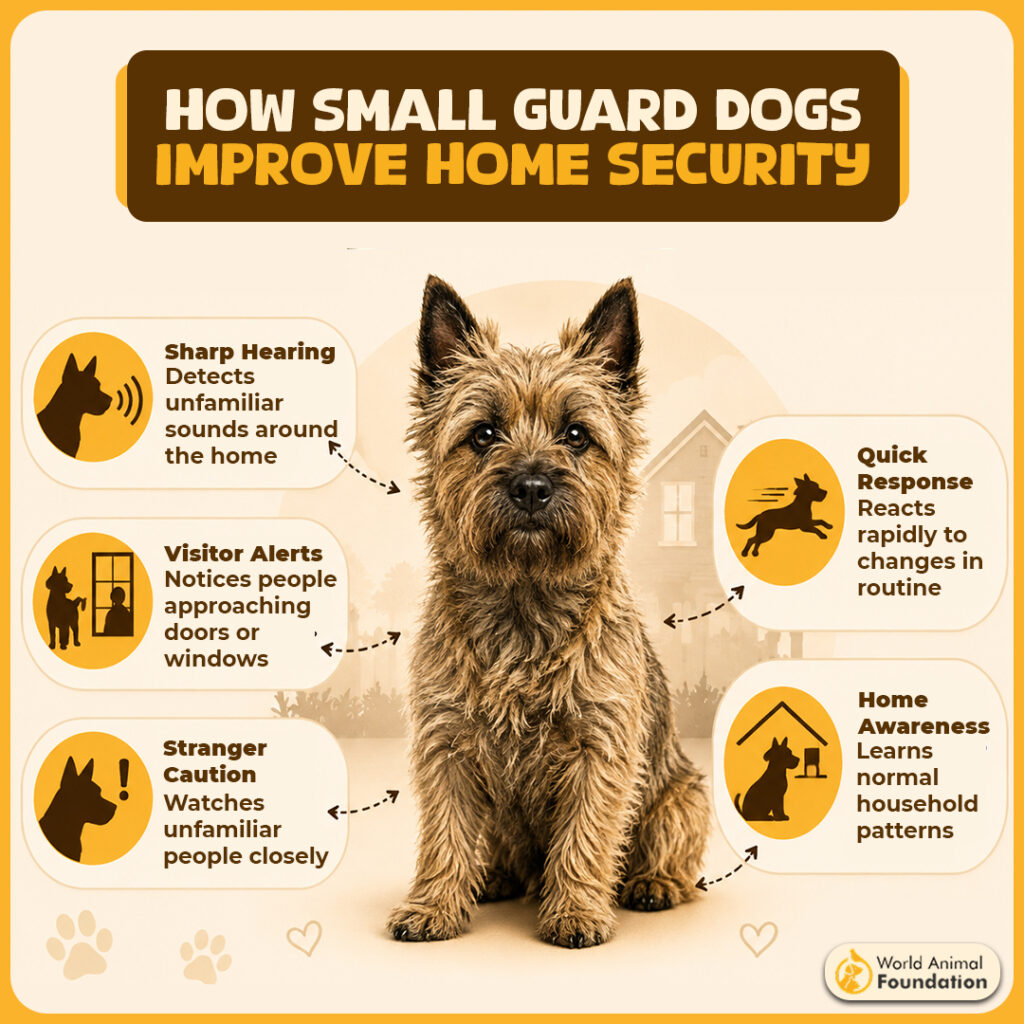
Pomeranians can be highly attentive to sounds around the home. A knock, unfamiliar footsteps, or activity near a window may quickly result in barking. Their small stature makes them easy to accommodate indoors, while their alert nature can provide an early indication that something has changed nearby.
4. Lhasa Apso
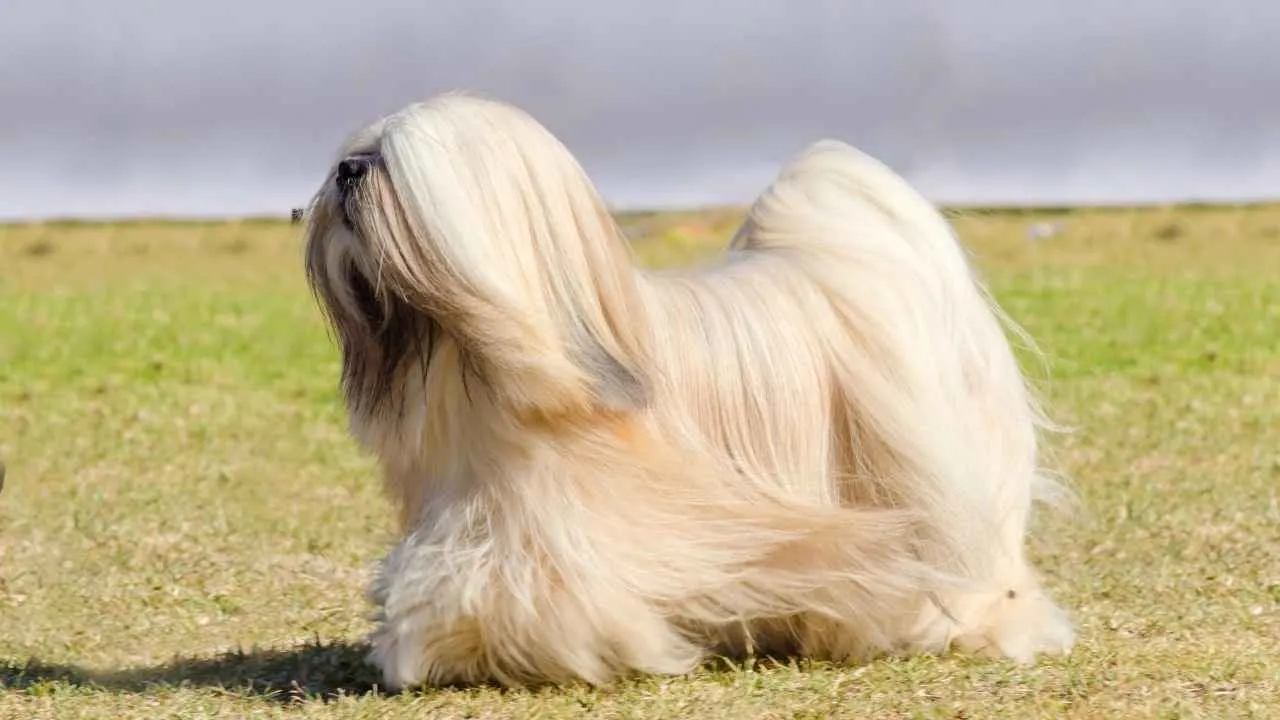
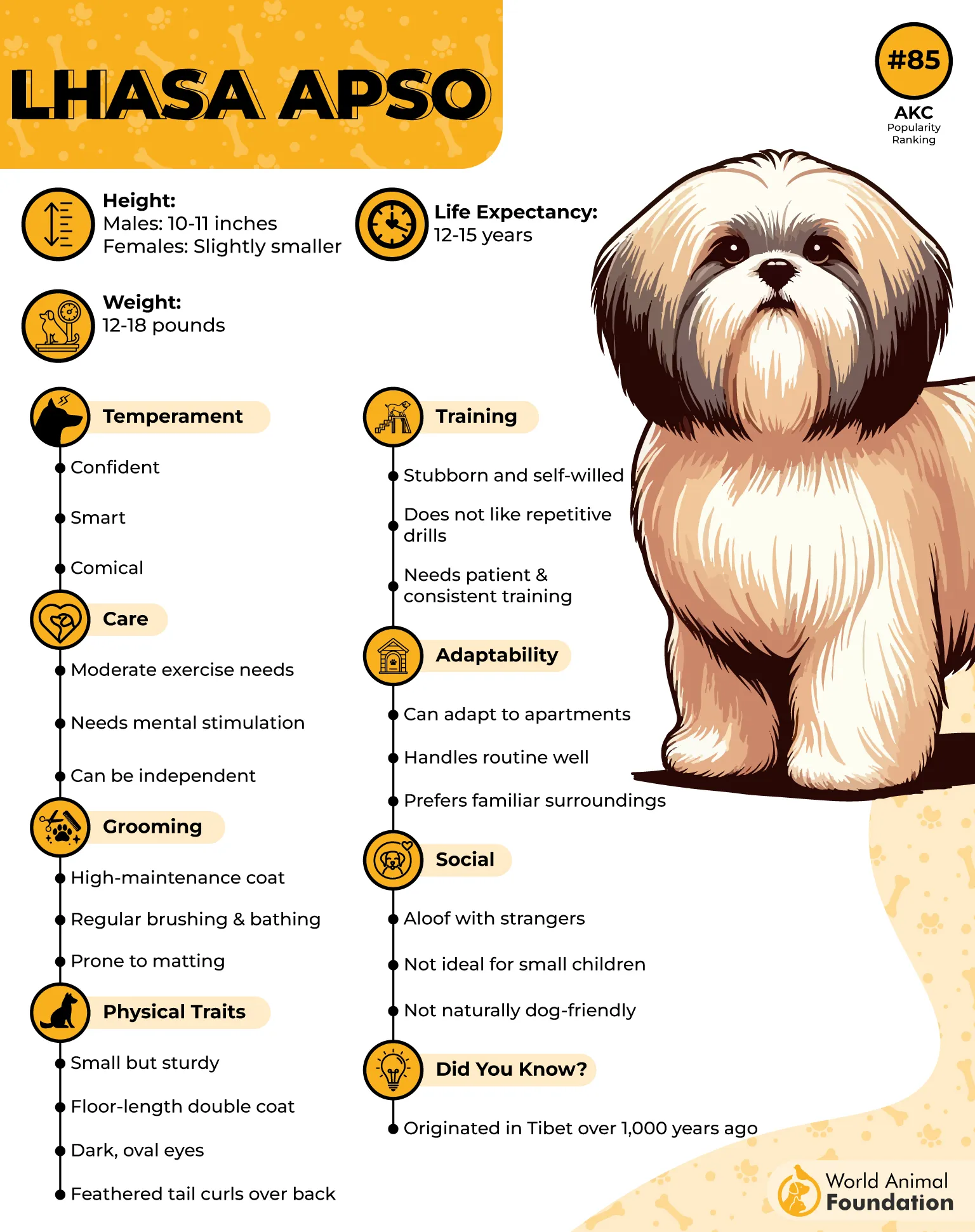
The Lhasa Apso originated in Tibet, where it was associated with monasteries and aristocratic households, as per the AKC.
Unlike many companion breeds whose primary role was social, the Lhasa Apso also had a useful sentinel function. Its sharp hearing and ability to notice unfamiliar people approaching made it valuable as an indoor warning dog.
A Long Coat That Requires Dedication
The Lhasa Apso’s flowing coat needs frequent brushing to prevent mats and tangles. Some owners choose a shorter haircut to reduce the amount of daily maintenance. Moderate exercise is generally appropriate, including regular walks, indoor play, and activities that encourage observation and mental engagement.
A Traditional Watchdog in a Compact Package
The Lhasa Apso’s historical role makes it particularly notable among small alert breeds. It was not expected to physically confront an intruder but to notice something unusual and notify people nearby. Modern Lhasas may remain reserved around unfamiliar visitors while being affectionate and attentive with their families.
5. Tibetan Spaniel
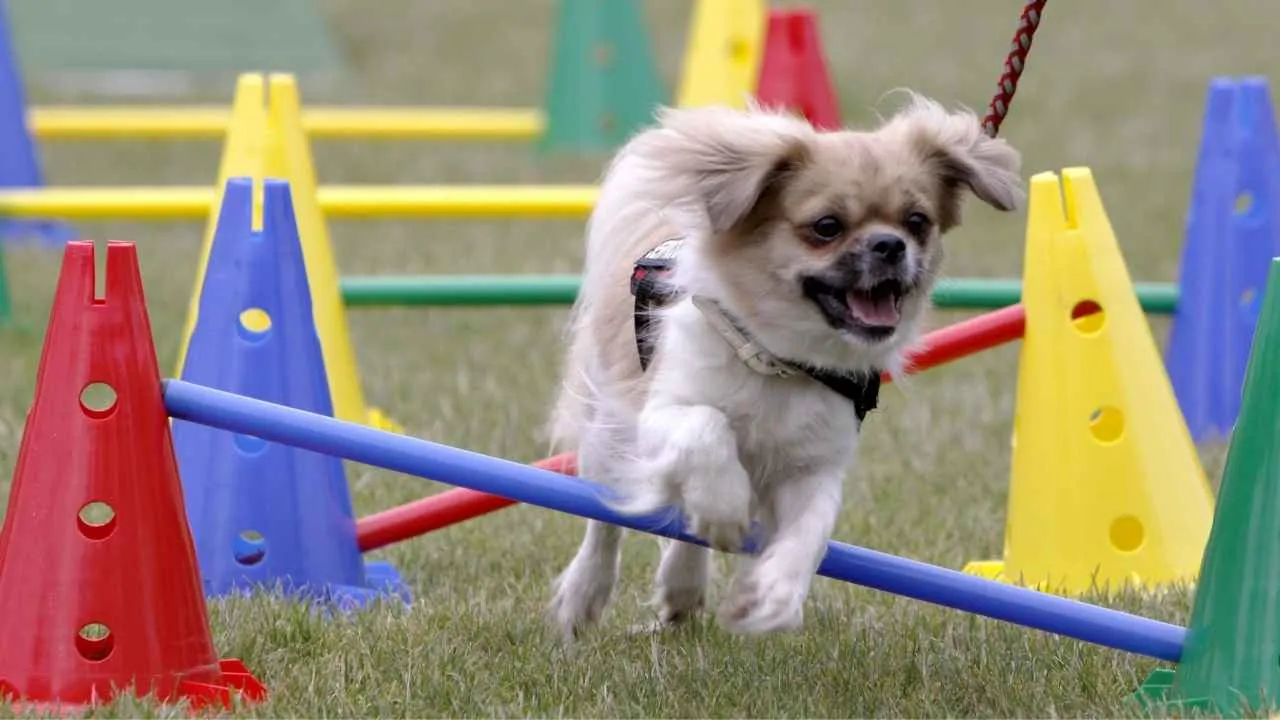
The Tibetan Spaniel has a long history in Tibet, where these small dogs lived in monasteries and private households. They served as companions but were also valued for their watchfulness, sometimes observing their surroundings from elevated positions. When something unusual approached, they could alert larger dogs or people nearby.

Silky Furnishings With Manageable Upkeep
The Tibetan Spaniel has a medium-length double coat with feathering around the ears, legs, tail, and body. Brushing several times a week can help control shedding and prevent tangles. It has moderate exercise requirements and can stay active through daily walks, play sessions, and mentally engaging household activities.
A Quiet Observer With a Sharp Awareness
This breed often prefers to observe its environment rather than constantly engage with every person it encounters. Its historical sentinel duties encouraged attentiveness toward unfamiliar movement.
A Tibetan Spaniel may alert its family when something seems out of place while remaining relaxed once it determines that the situation is harmless.
6. Cairn Terrier
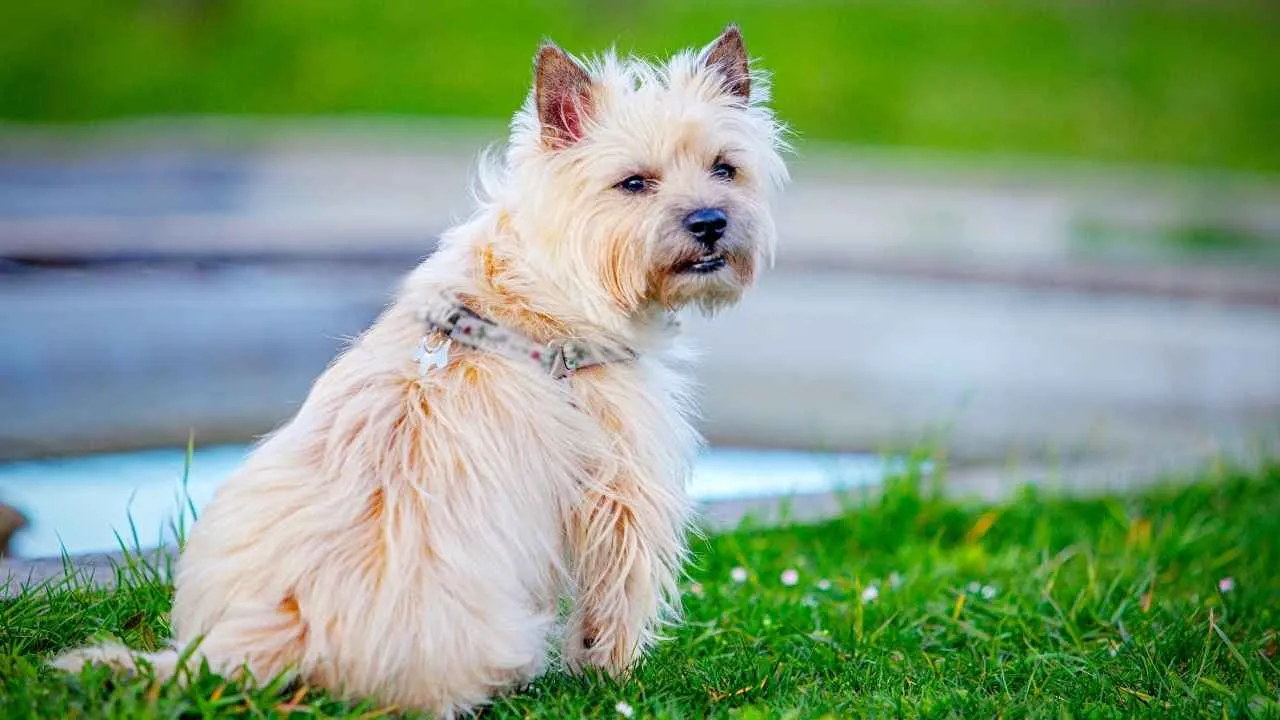
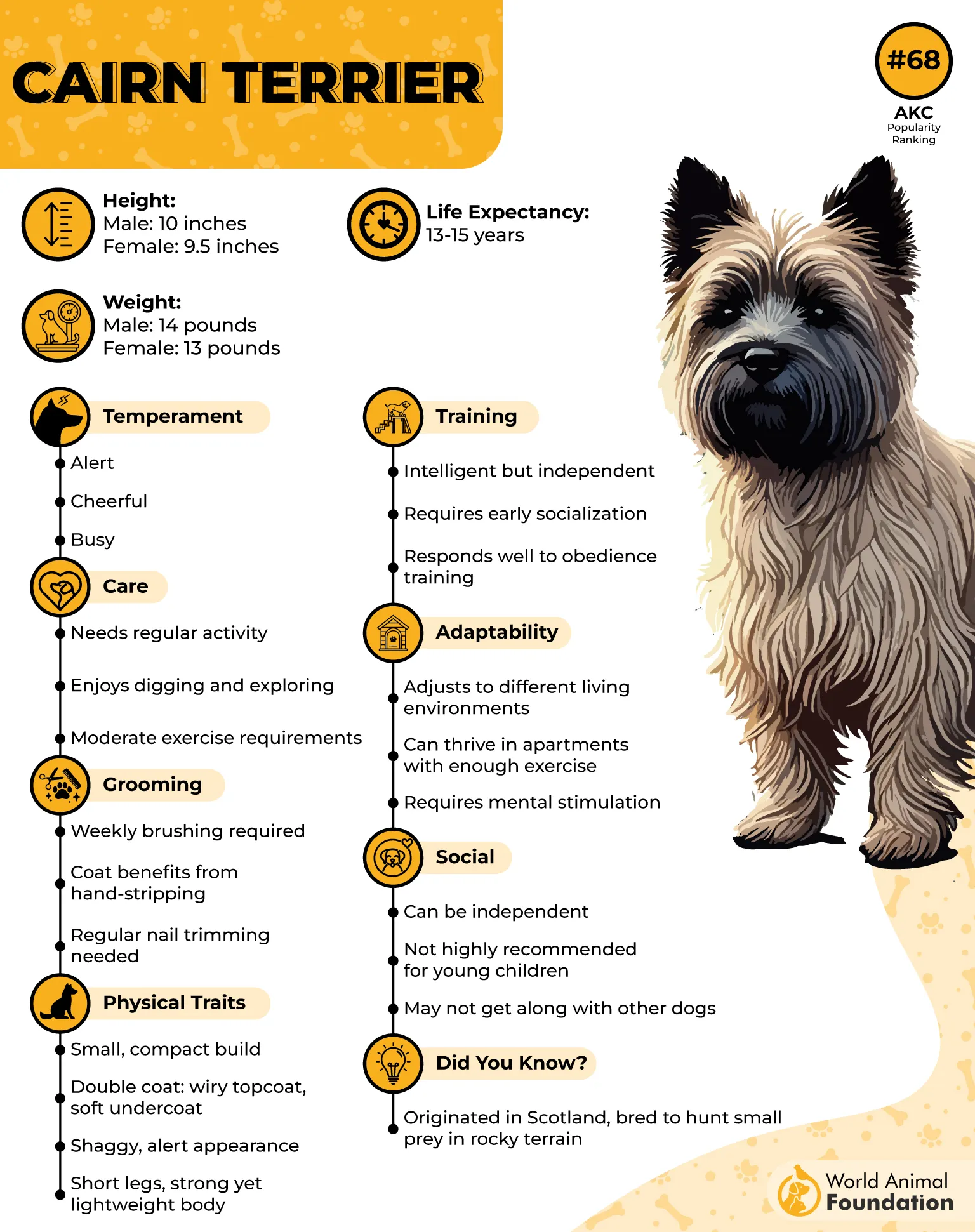
The Cairn Terrier originated in Scotland, particularly around the Highlands and the Isle of Skye. Small terriers were used to pursue foxes and vermin hiding among rocky cairns, which eventually gave the breed its name. Working in tight spaces demanded courage, persistence, and a willingness to investigate whatever was happening nearby.
A Hardy Coat and Plenty of Curiosity
The Cairn Terrier’s rough outer coat and soft undercoat protect it in challenging weather. Regular brushing helps keep the coat manageable and removes loose hair.
Its active temperament calls for daily walks, games, scent-based activities, and training exercises that allow it to use both its body and inquisitive mind.
A Curious Terrier That Reacts Quickly
Cairn Terriers often have a lively interest in movement and unfamiliar sounds. Their instinct is frequently to investigate rather than ignore something unusual.
This can make them attentive little household companions, although their terrier determination means that owners should establish good boundaries and teach them when an alert should end.
7. Scottish Terrier
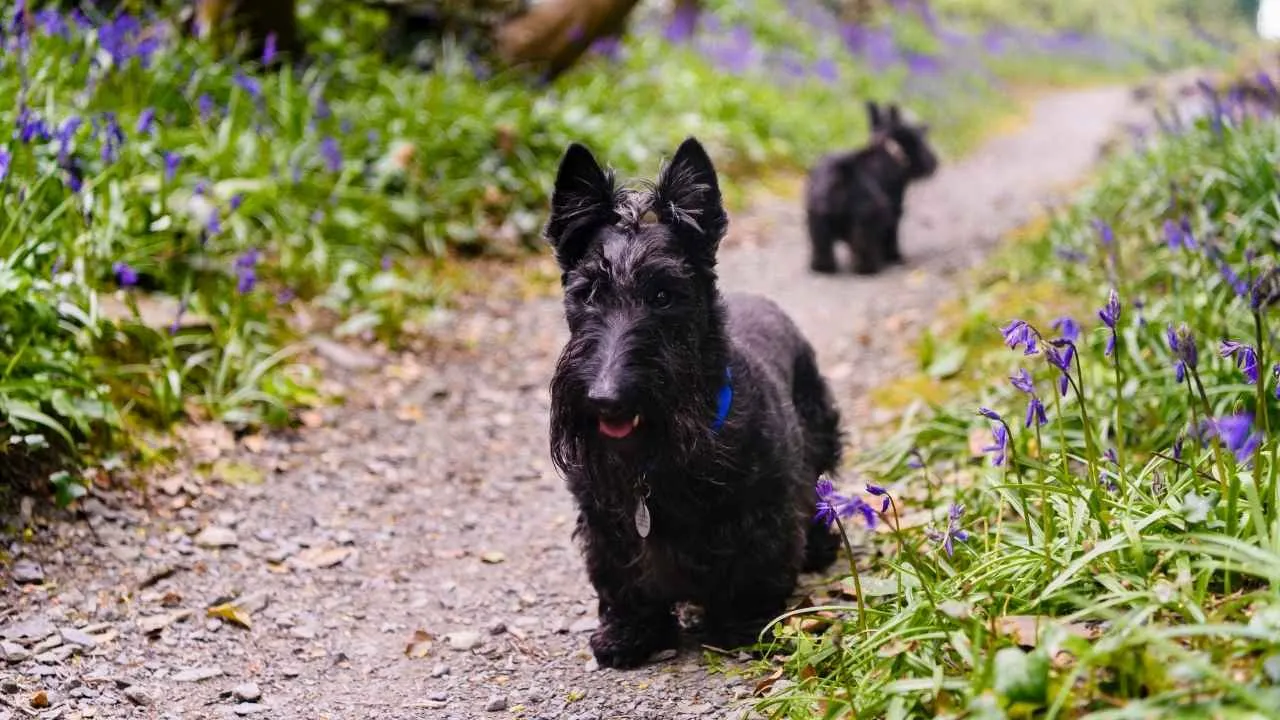
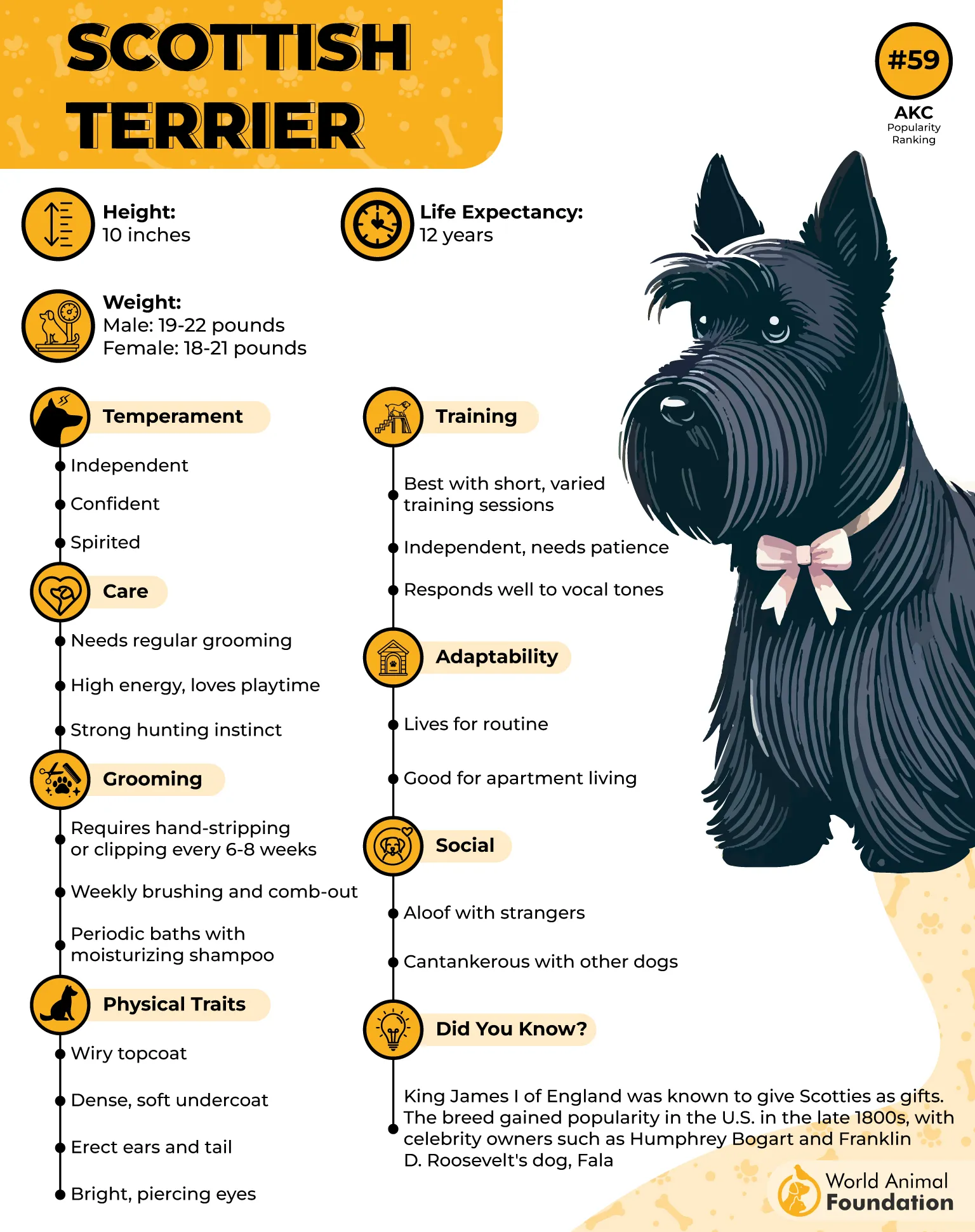
The Scottish Terrier developed in Scotland and belongs to the historic group of terriers used for hunting vermin and pursuing quarry. Early Scottish terriers were valued for their determination and ability to work in challenging terrain, as per Orvis. The modern Scottish Terrier retained much of that self-assured character while becoming a popular household companion.
A Distinctive Coat With Regular Maintenance
The Scottish Terrier has a dense, wiry coat that requires routine brushing and periodic trimming or stripping. Its exercise needs are moderate, making daily walks and short active sessions suitable for many households. Interactive games and basic training can provide additional stimulation without requiring large amounts of living space.
A Serious Little Watcher
Scottish Terriers can be reserved around strangers and attentive to activity within their territory. Their characteristic bark may be directed toward unexpected visitors or unfamiliar sounds.
Because they can possess an independent temperament, patient training and early socialization can help them respond appropriately without becoming unnecessarily suspicious or reactive.
Conclusion
The Miniature Schnauzer, Miniature Pinscher, Pomeranian, Lhasa Apso, Tibetan Spaniel, Cairn Terrier, and Scottish Terrier all demonstrate how small guard dog breeds can contribute to household awareness. Their compact size makes them practical for indoor living, while their hearing, curiosity, confidence, and tendency to communicate can help owners notice activity they might otherwise overlook.
Each breed has its own way of responding to the world around it. Some are naturally vocal and quick to announce visitors, while others observe first and respond selectively. Their histories also explain many of these differences, from the terrier’s strong territorial instinct to investigate vermin to the Tibetan breeds’ traditional association with sentinel duties.
For home security, a good guard dog works best as one part of a broader approach rather than as a physical deterrent. Proper socialization, obedience training, controlled barking, secure doors and windows, and appropriate security equipment can all play complementary roles. With those measures in place, an alert small breed can provide companionship while also helping its household stay aware of unusual activity.
