




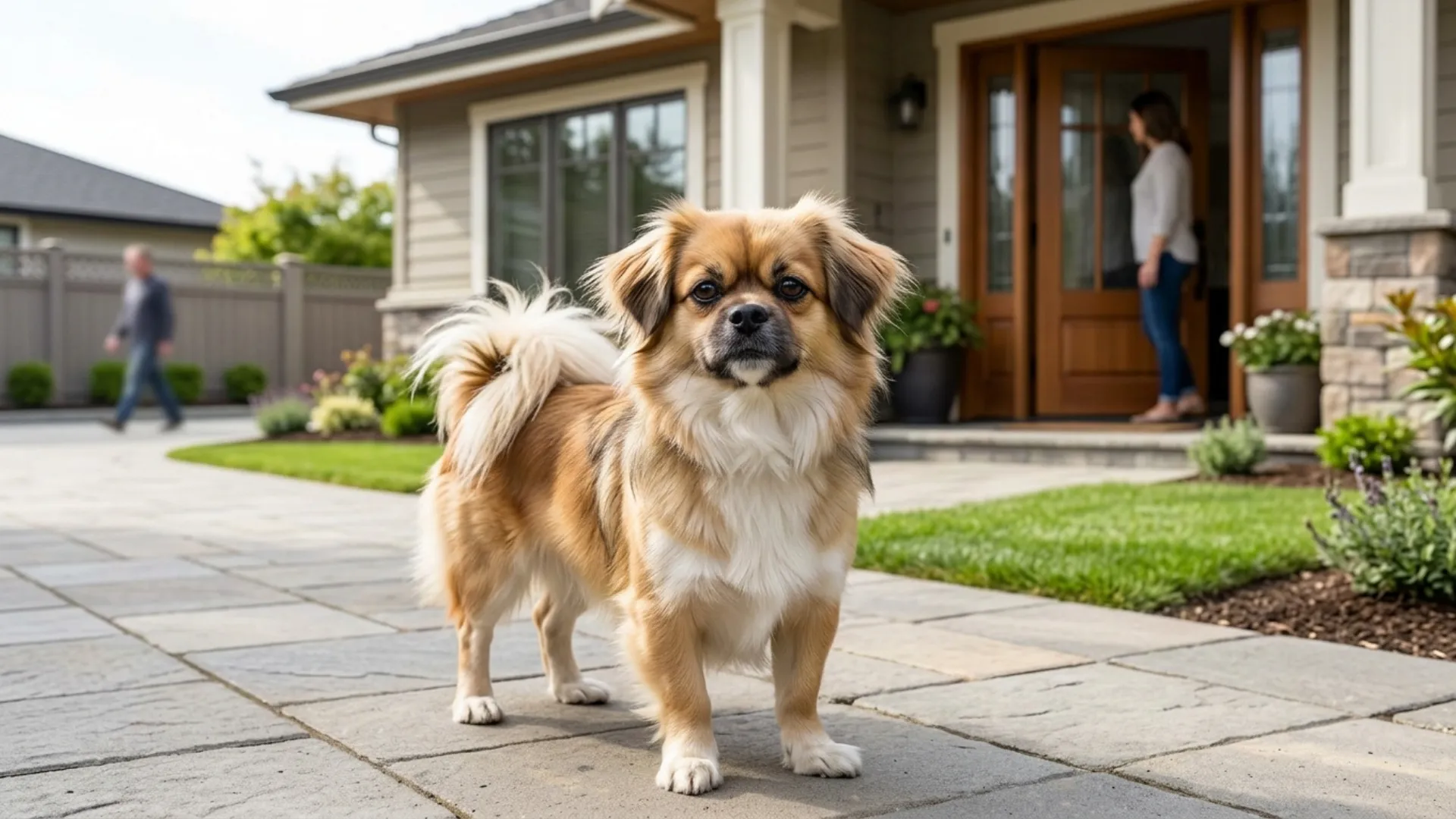
Small dog breeds as protective dogs seem quite off when we hear it first. Because we have always thought of massive guard dogs coming barking aggressively and with sheer strength.
But if you also think that they cannot protect your home, then you are DEAD wrong.
Protection was never about weight and muscle, but it’s about sharp instincts, agility, grit, and a fearless attitude that refuses to back down. Yes, they cannot physically attack with that much force as big dogs, but they are best for apartments or families with kids where giant dogs may not suit well.
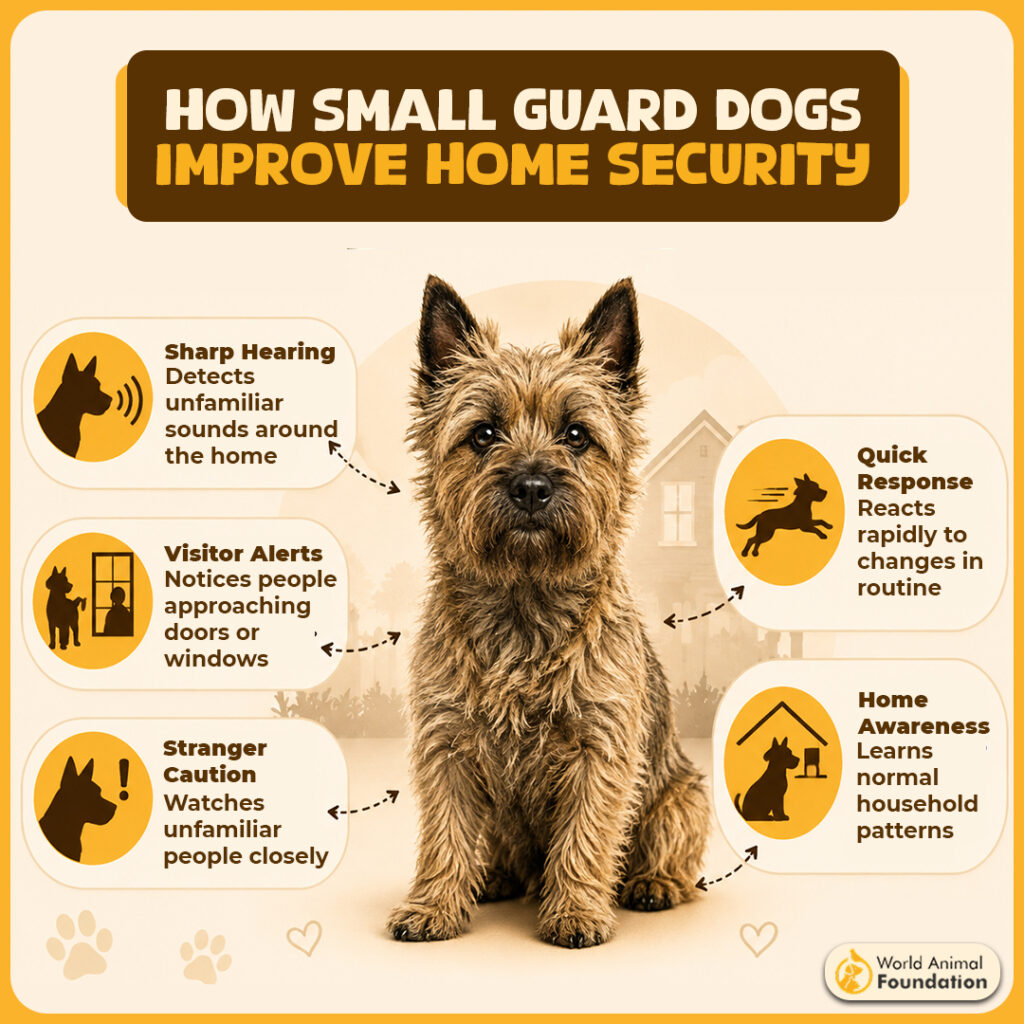
However, these small dog breeds as little guardians do one job perfectly, and that’s being the alarm systems. Honestly, they just bark to alert you about every fishy guest or situation.
We have shared seven such little dogs in this guide that protect your home. We will discuss their strength limit and how they alert you, along with their grooming, exercise, and training needs. Let’s get to know about these little alert systems.
Small Dog Breeds That Offer Excellent Home Defense
1. Scottish Terrier
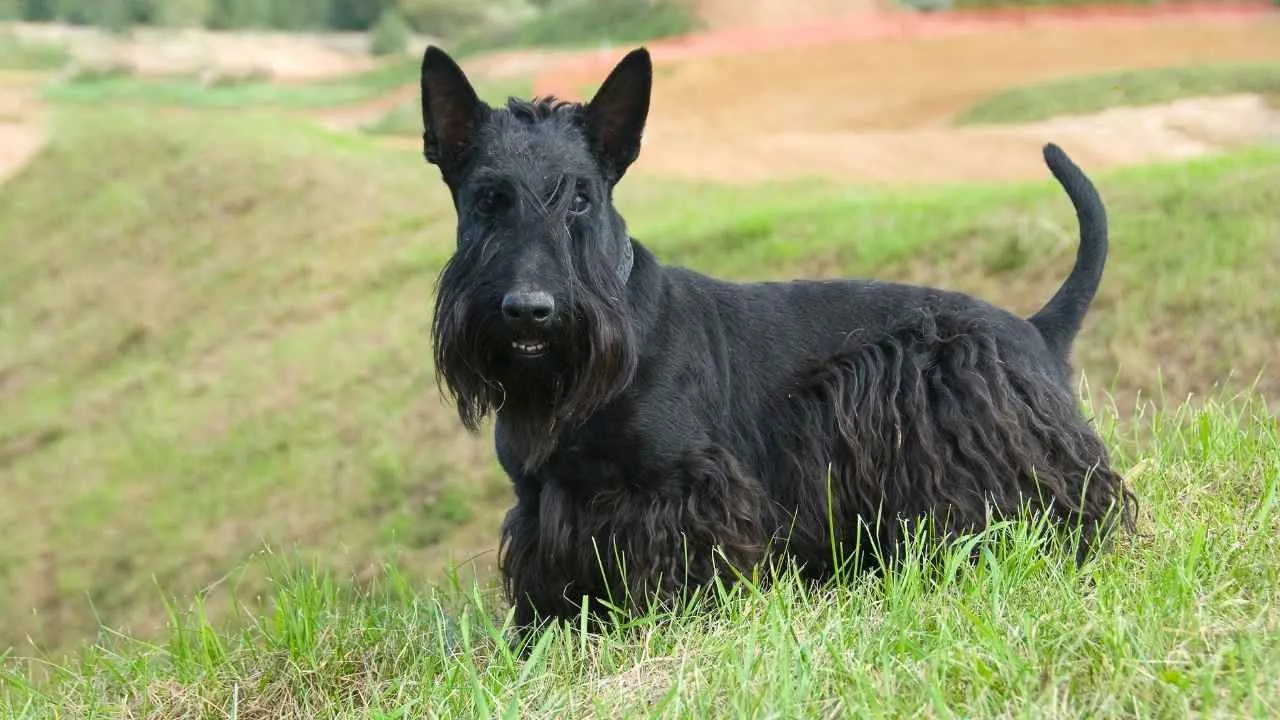
Scottish Terriers (Scotties) are independent, loyal, and famously stubborn little dogs with a fearless and highly territorial mindset. They never hesitate to investigate unfamiliar noises, step up, or bark to alert, which makes them good watchdogs.
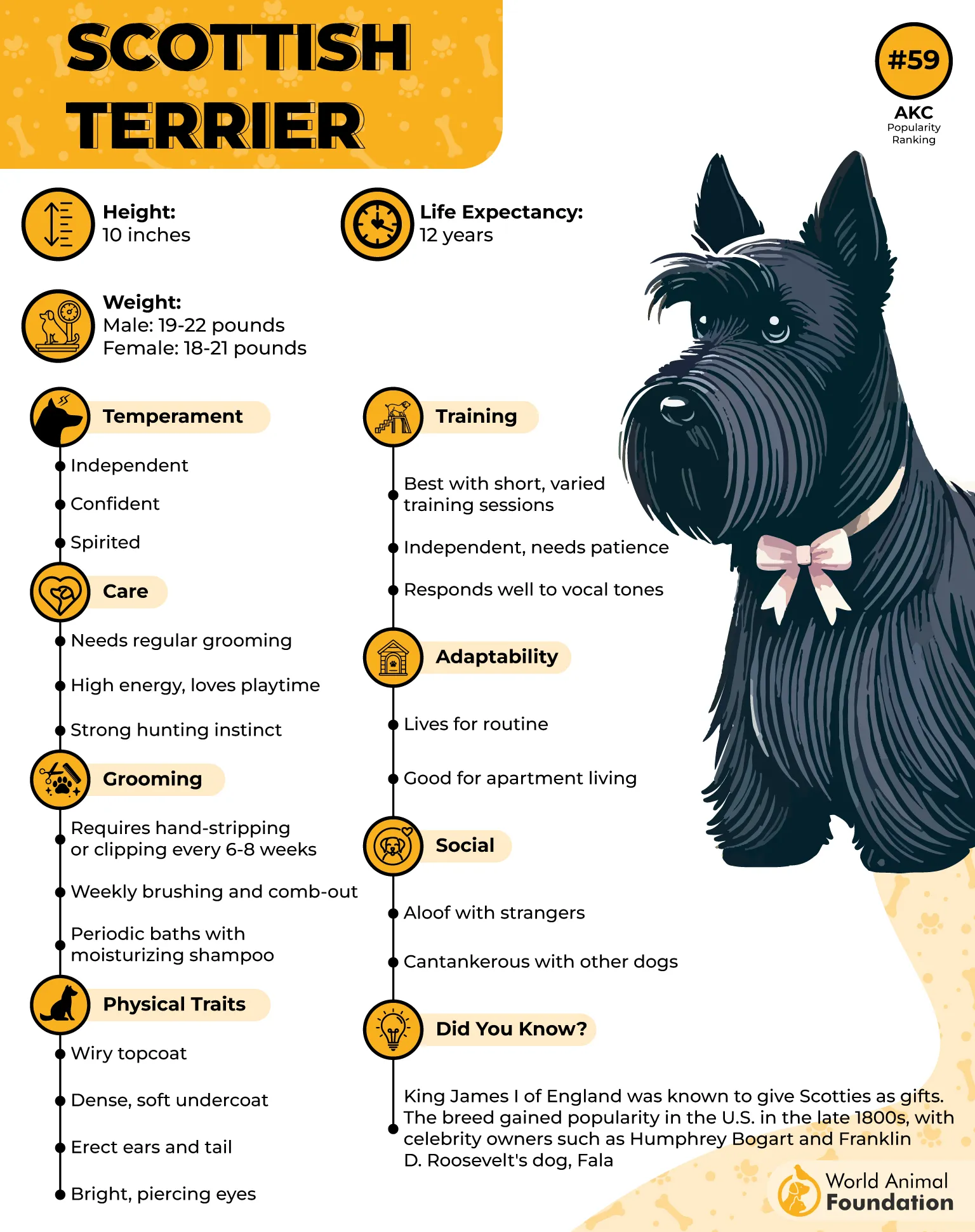
These dogs were bred to hunt and dispatch, so they have a high prey drive, which can be problematic when training. Scotties have beards, short legs, and they have a booming bark that alerts you, though they cannot physically overpower a large human intruder.
That being said, their wiry and shaggy coat is actually high maintenance. Although it barely sheds, but require brushing 2-3 times a week to prevent matting and hand stripping every 6-8 weeks. Plus, these healthy small dogs need moderate exercise daily.
2. Pomeranian
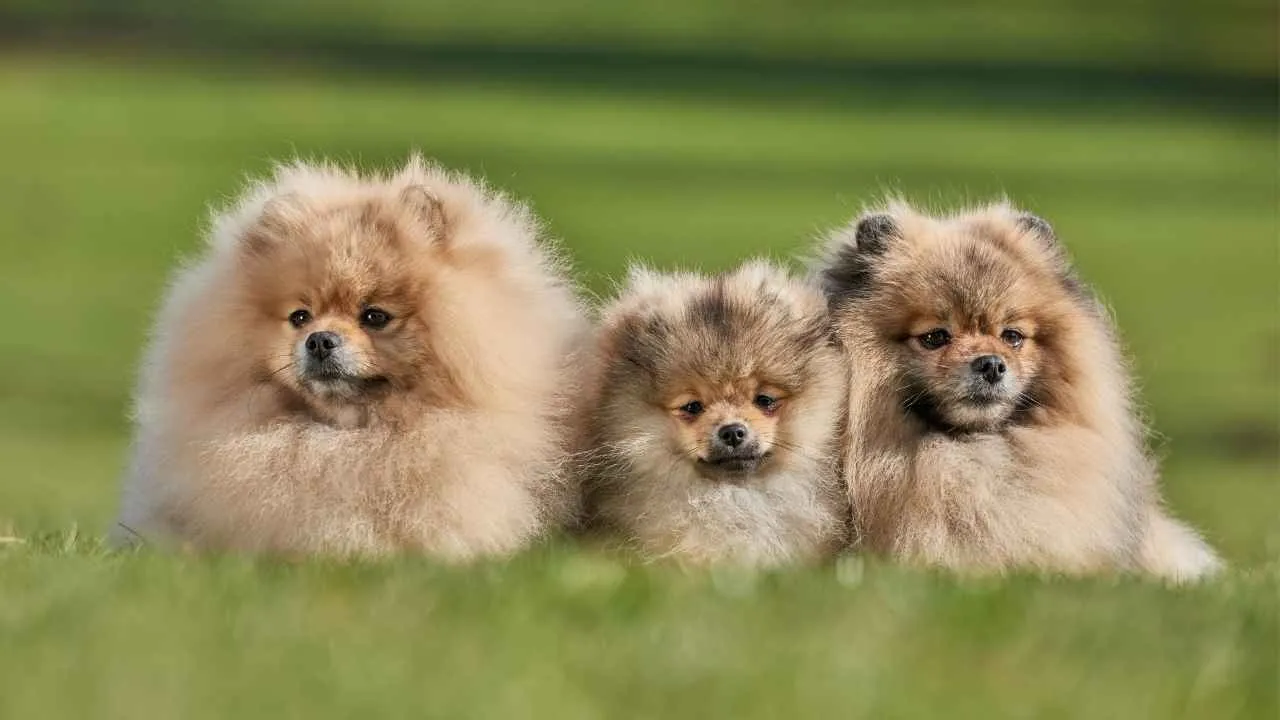
Pomeranians are bold, hyper vigilant, fearless, and lively dogs that are highly suspicious of strangers and sound loud. They sense people or threats long before cameras notice and bark high-pitched to deter them and alert you. Pomeranians are easily trained and make fine watchdogs, as noted by the AKC.
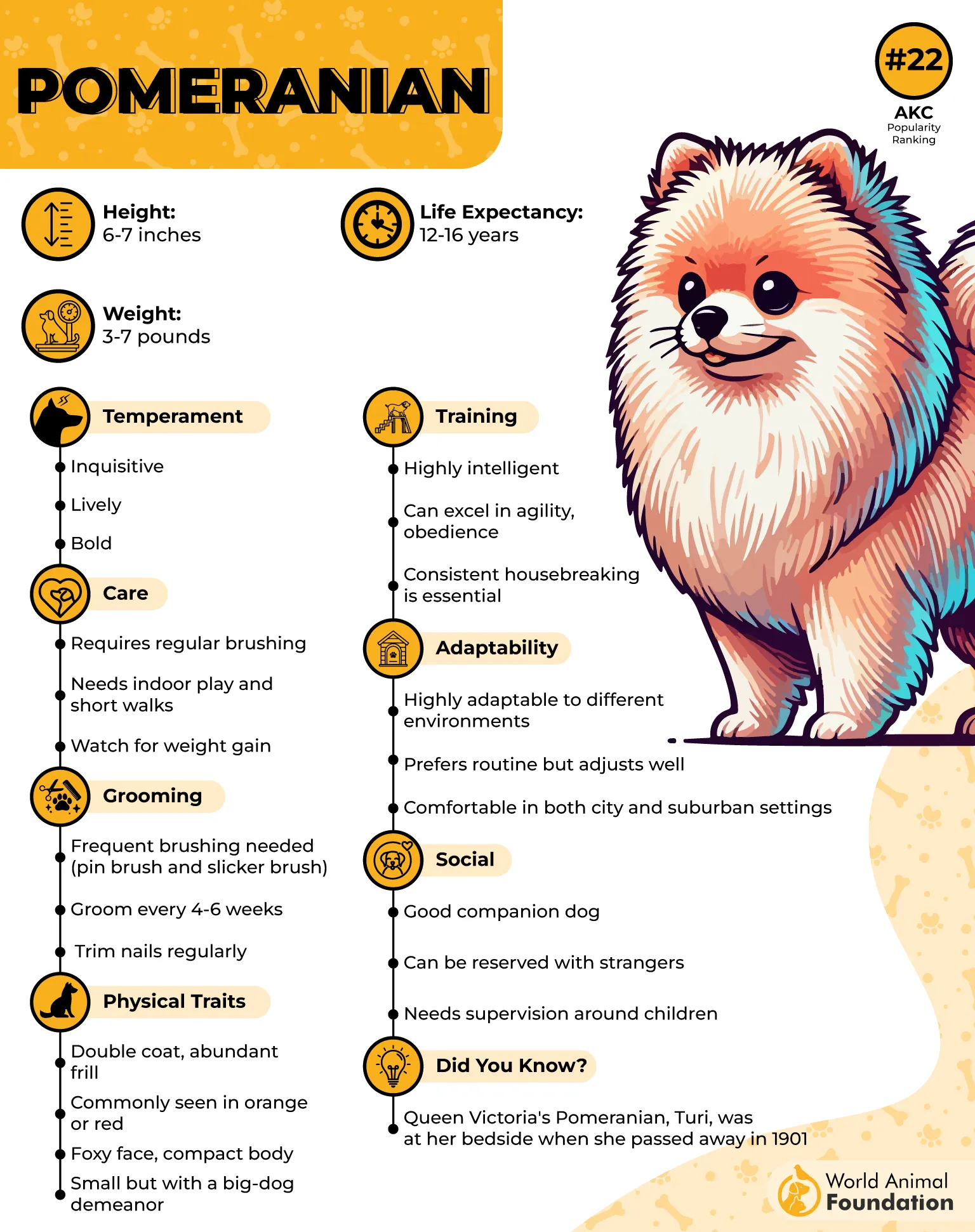
These little dogs have a double fluffy coat that moderately sheds but requires brushing 3-4 times a week (daily during seasonal sheds) to prevent matting. They also need 30-45 minutes of daily exercise for mental stimulation, including walks and indoor play sessions.
That being said, they are highly intelligent and pick up commands quickly. But you may have to train them to stay quiet to prevent nuisance barking at harmless sounds. However, they are perfect for first-time and experienced owners.
3. Yorkshire Terrier
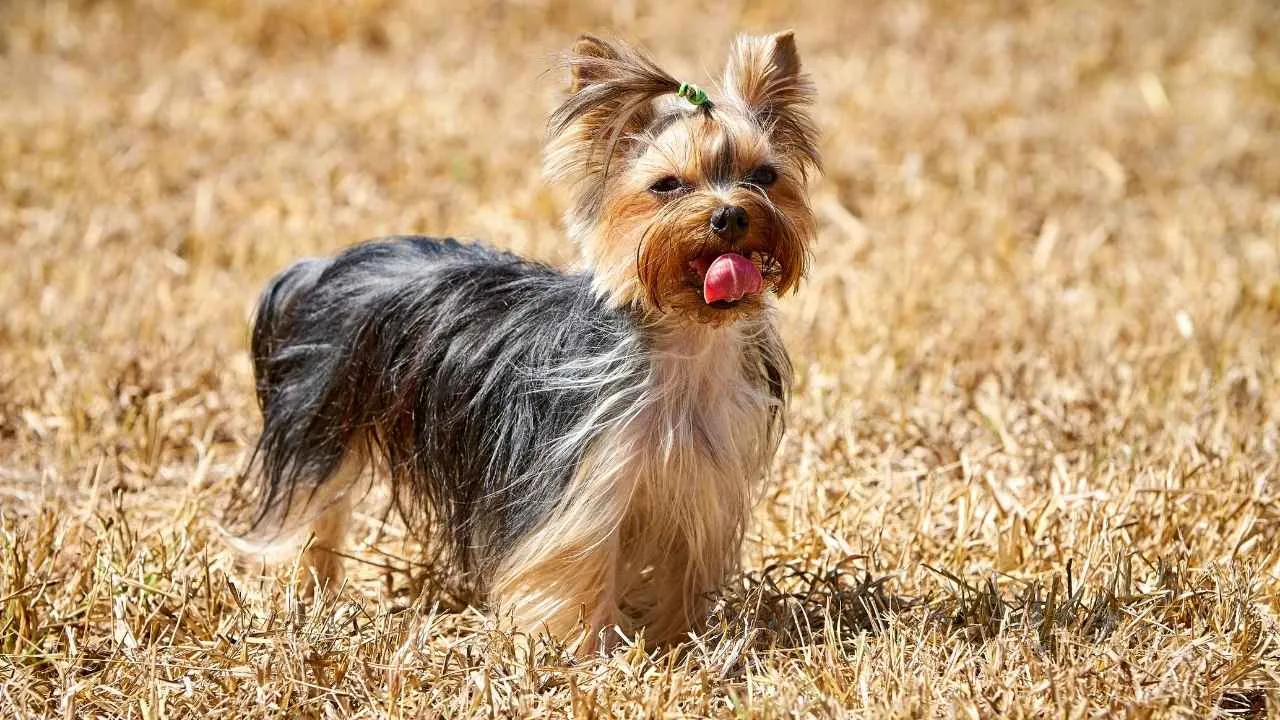
Yorkshire Terriers (Yorkies) are tiny dogs with attitude, intense loyalty, and strong territorial drive. They are good watchdogs according to Omlet, so they take home protection seriously. They view themselves as guardians of their household and suspect strangers.
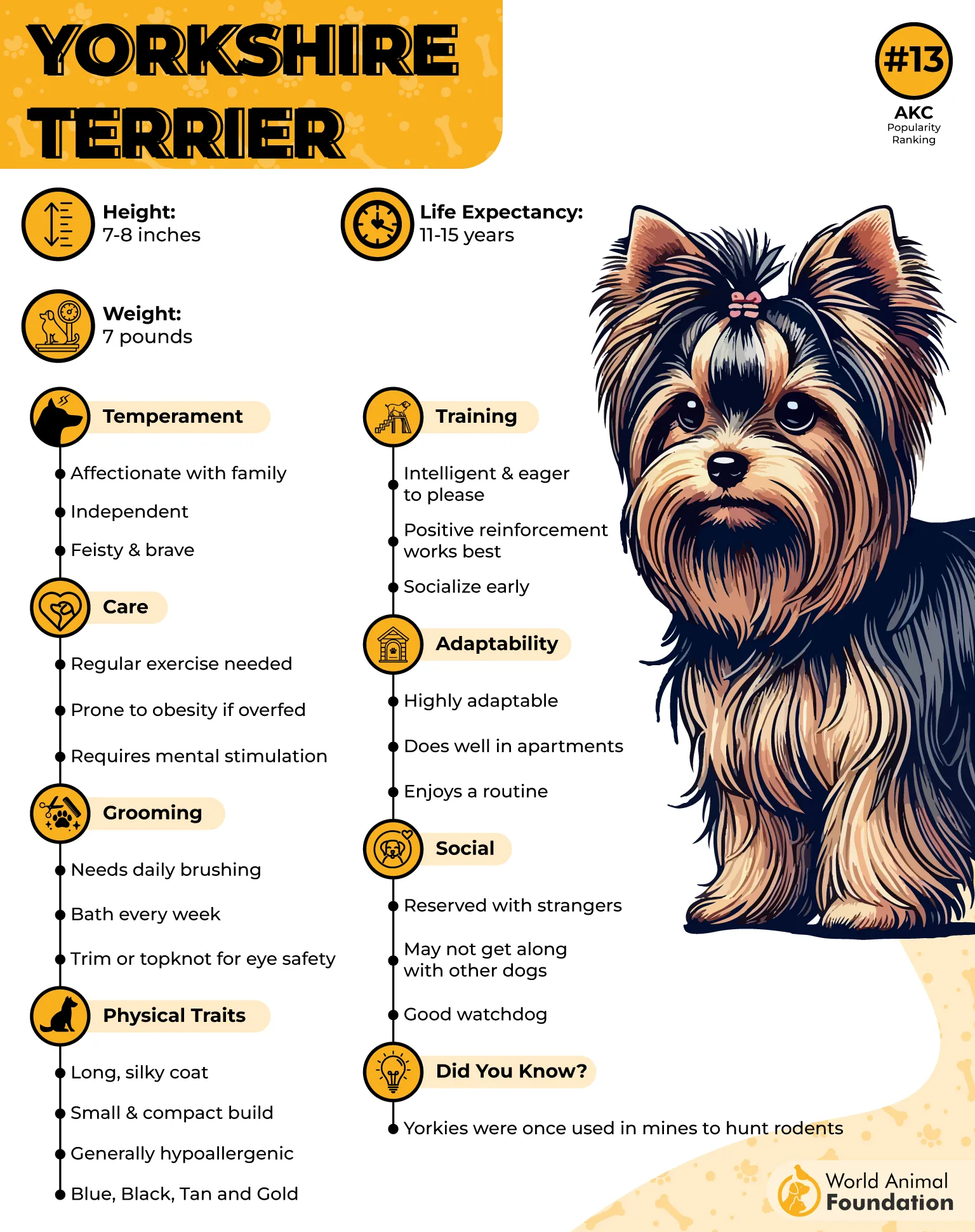
These small dogs lack in size but make up for it with explosive confidence and by darting aggressively toward threats. However, they were bred to chase rodents in mills, so they are active but also possess a stubborn or Terrier streak, so you have to train them well.
You have to provide consistent but reward-based training to prevent small dog syndrome. Yorkies require about 20-30 minutes of daily activity for mental stimulation. Yorkshire Terriers have a fine, single-layered coat that sheds very little but needs daily brushing when kept long.
4. Pekingese
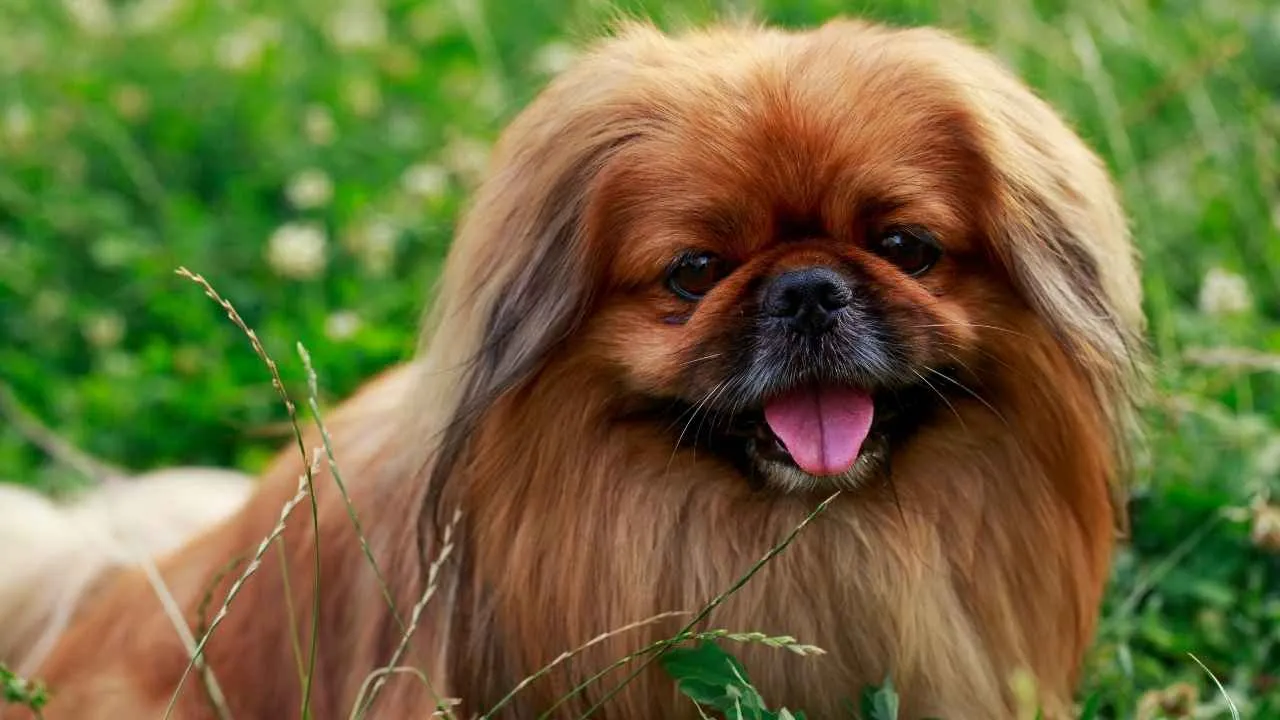
Pekingese are brave mini guardians with strong mindsets and territorial instincts. They possess a quiet and fearless nature and calmly observe their surroundings. Pekes were literally sleeve dogs and were bred to be protectors of imperial Chinese courts.
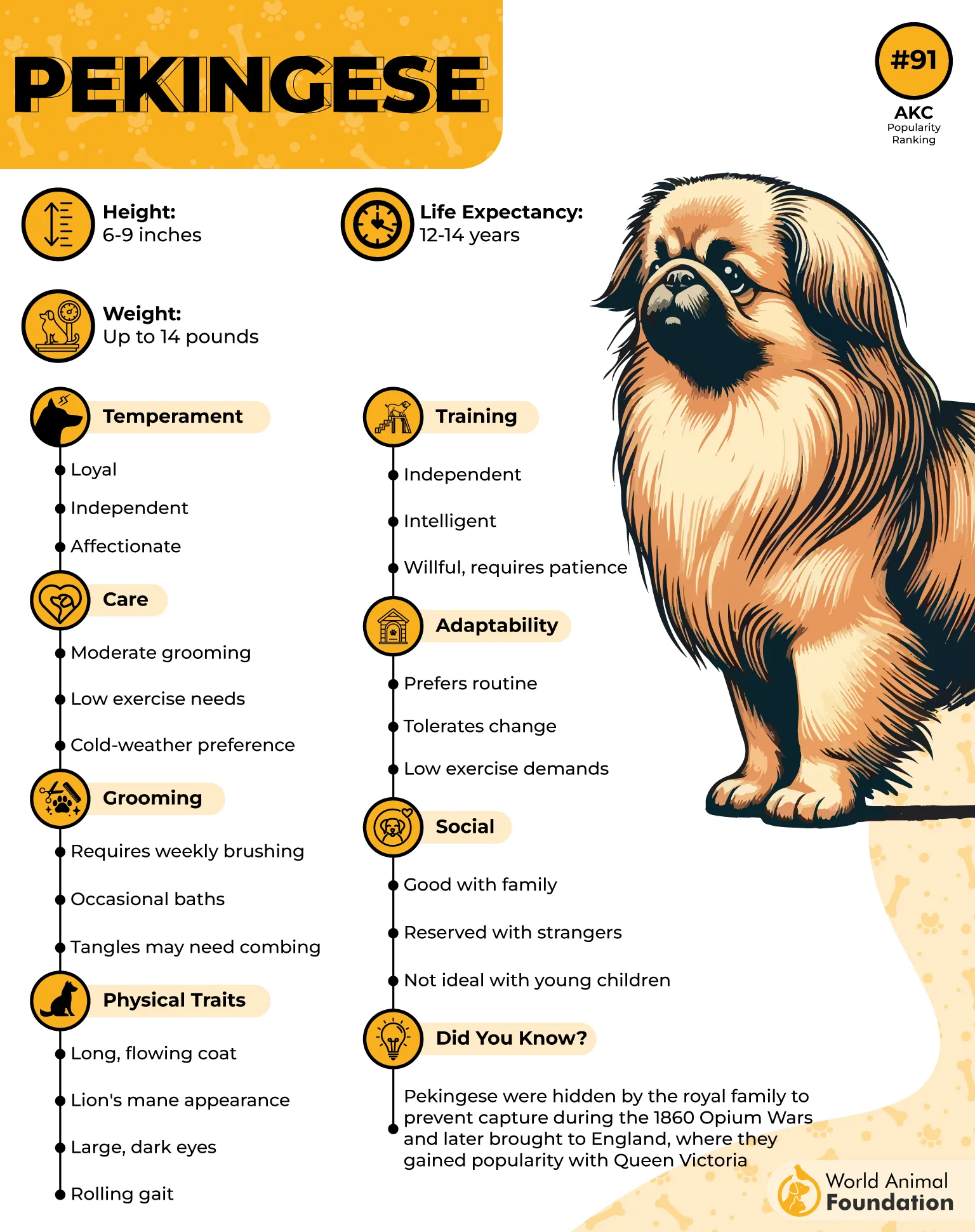
These little dogs have a deep and heavy bark that sounds like a dog twice to them. Pekes actually do like their own voice, as PDSA also shared. They are extremely alert and have a stocky chest with a lion-like defensive posture, so you can keep them for home defense.
That being said, they require roughly 20-30 minutes of daily exercise and frequent brushing to maintain their moderately shedding heavy double coat. In addition, they have a stubborn streak and proud nature, so you have to train them with reward-based training.
5. Tibetan Spaniel
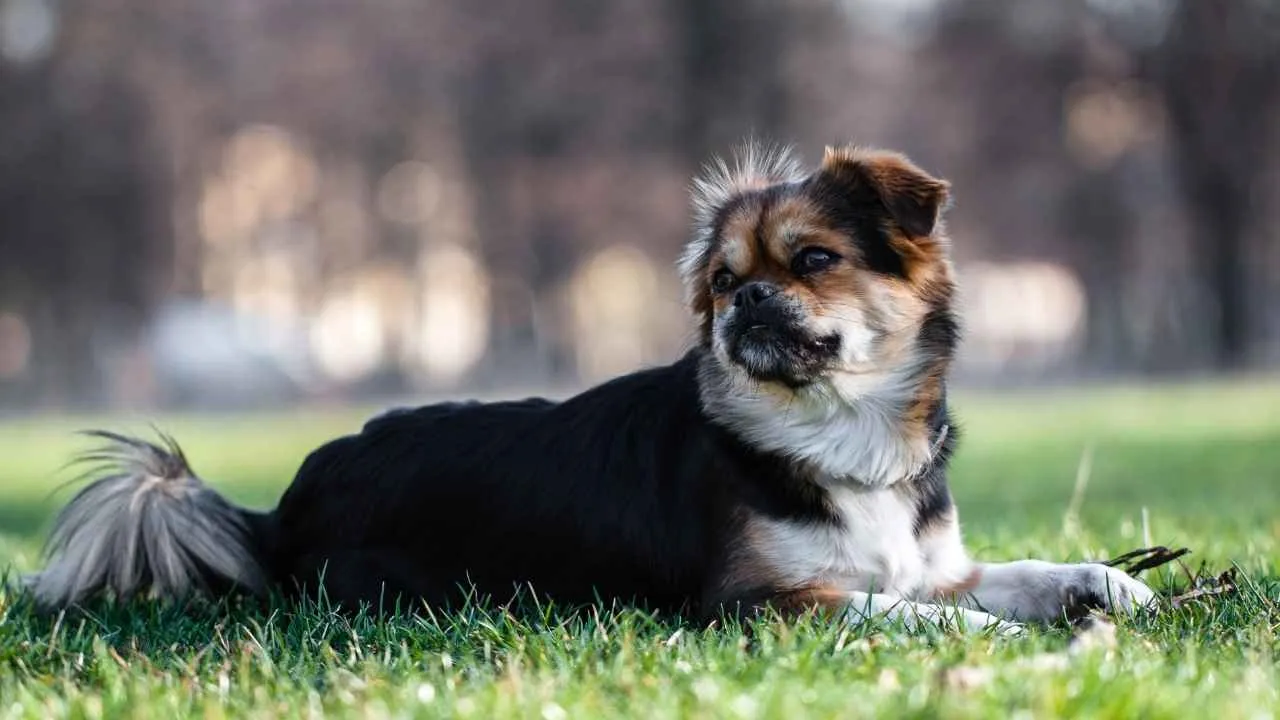
Tibetan Spaniels (Tibbies) are intensely observant, highly intelligent and independent little watchdogs. They are aloof and cautious around strangers but possess a calm and quiet demeanor until something unusual happens.
They were originally bred as guardians, so they love to keep watch and will bark at anything, as mentioned by PetMD.
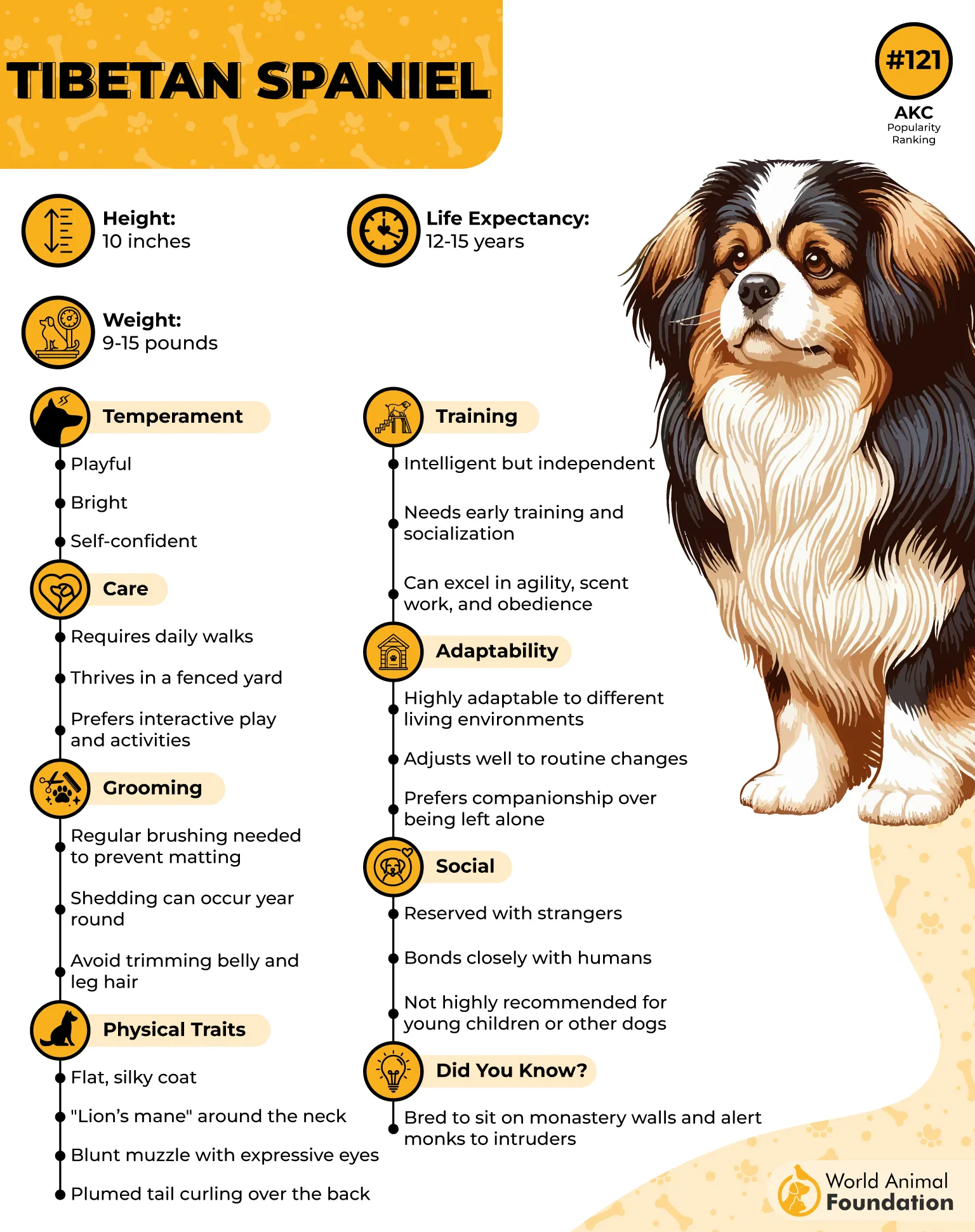
These are extremely cat-like, agile, and light on their feet as they investigate unusual noises around the home swiftly. Tibetan Spaniels are excellent for first-time owners and apartment dwellers or families looking for a low-maintenance companion.
These little pups have low to moderate exercise needs and require short daily walks along with some interactive games of fetch. They learn quickly but generally don’t respond well to harsh corrections, so be gentle and use positive reinforcement.
6. Chihuahua
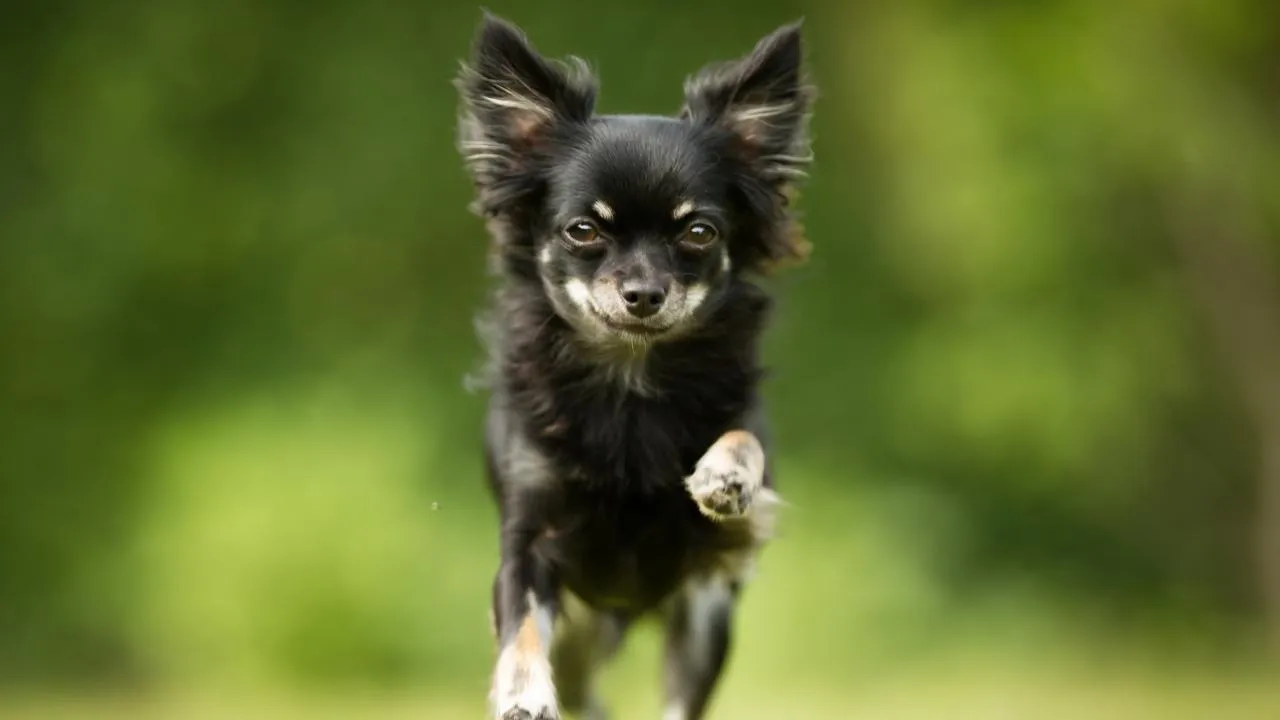
Chihuahuas are hyper alert, intensely protective, and famously suspicious dogs. They suspect everyone from mail carriers to delivery men and packages at the door. These small dogs have a fearless and relentless attitude that lets them protect the home.
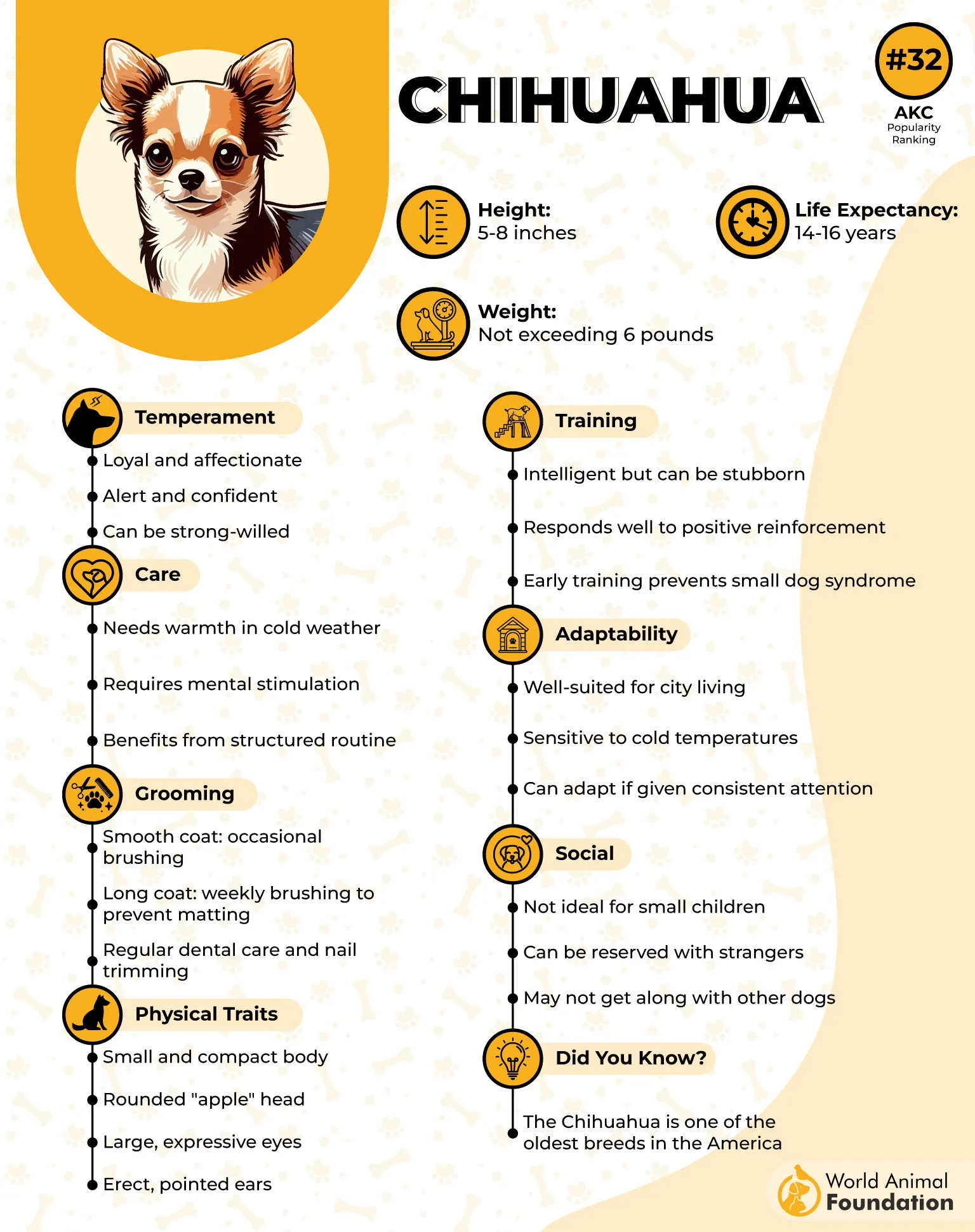
Their high-pitched bark is their sharpest weapon. Chis are also fast, nimble, and lightweight, so they zip through surfaces easily. These small dogs come in two varieties, including smooth coat (short and glossy) and long coat (slightly wavy with feathered ears, legs, and tail).
So their brushing needs and shedding levels vary. However, they need around 20-30 minutes of daily activity for mental stimulation. Chihuahuas are smart but also willful, so focus on early socialization. They do well with first-time owners, seniors, and apartment dwellers.
7. Dachshund
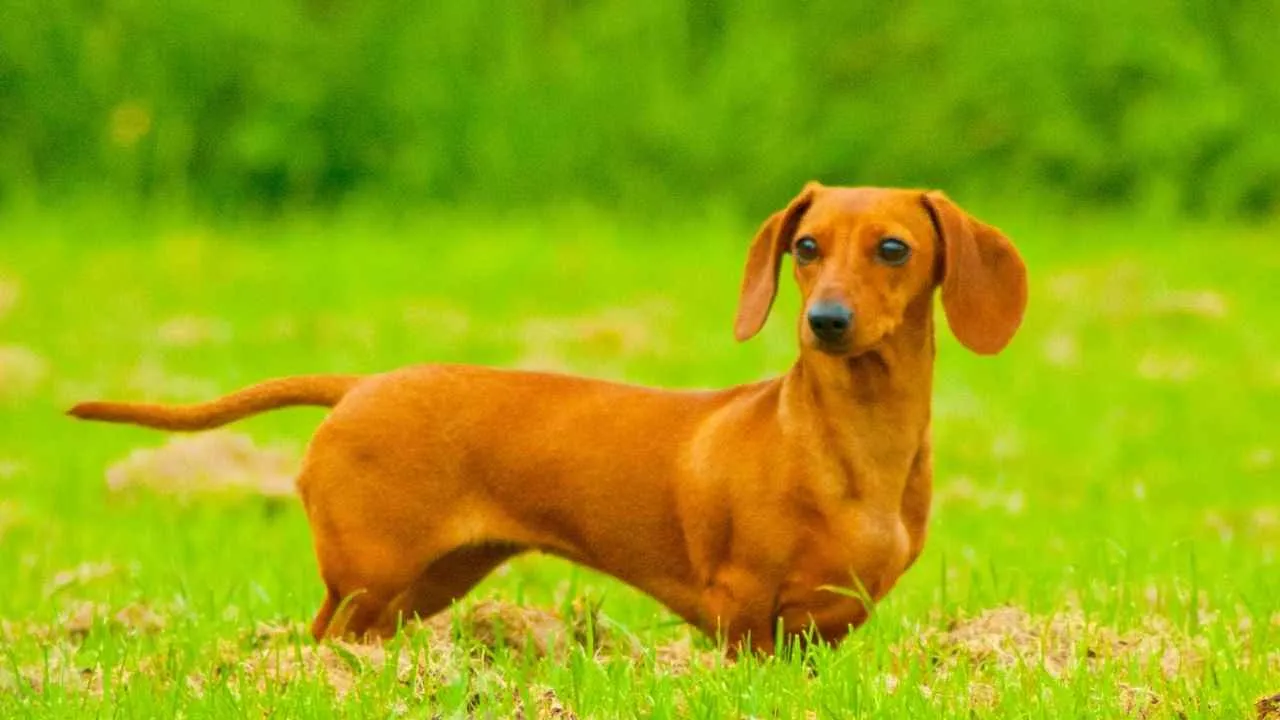
Dachshunds are also known as ‘Wiener Dog’ or ‘Badger Dog’. They are bold, tenacious, and fiercely protective with a loud and deep bark. However, these low-slung dogs are easily recognizable due to their long backs and short stature.
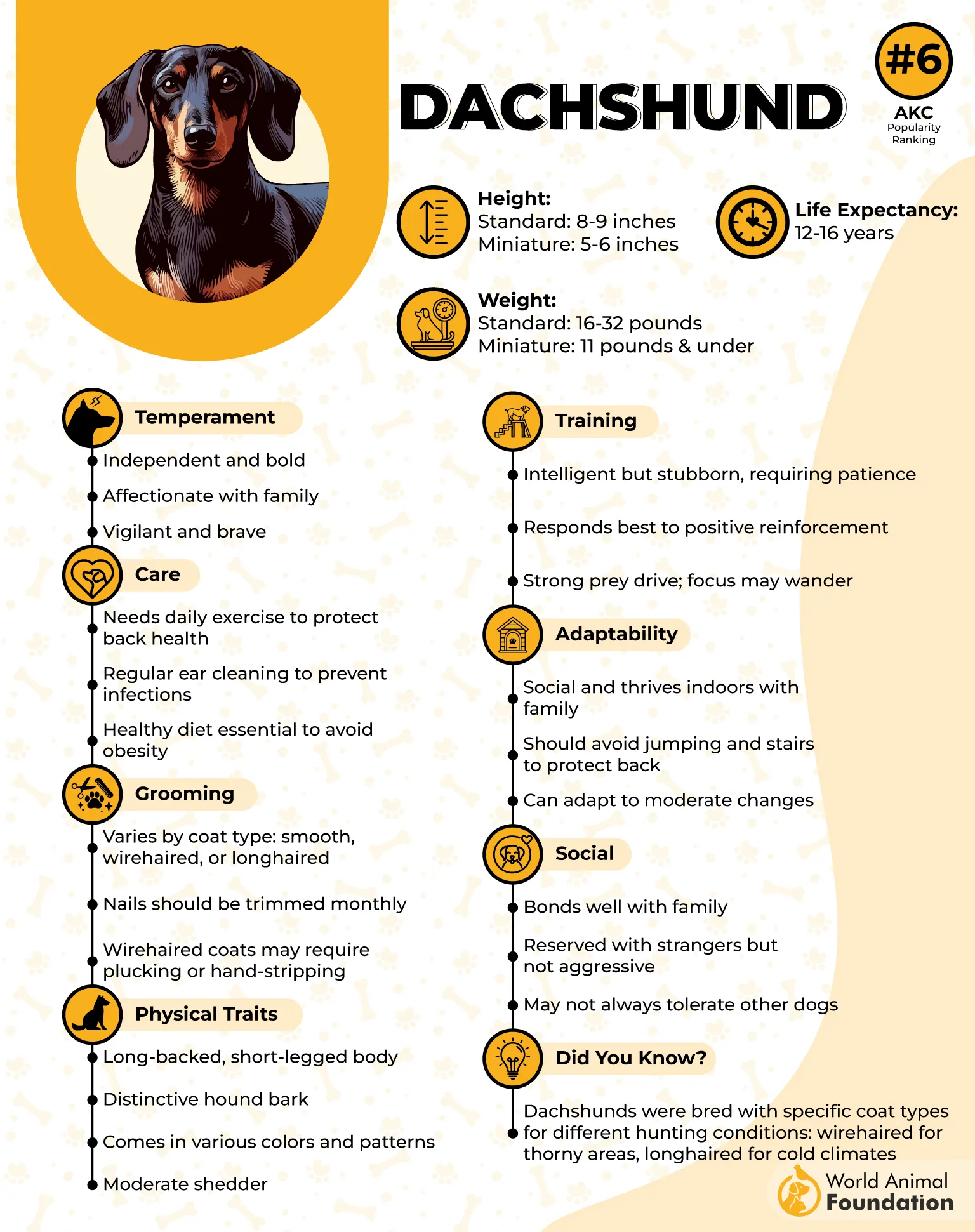
They are perfect watchdogs for homes due to their muscular bodies, broad chests, and, on top of that, their booming barks. Dachshunds come in three different coat types, including smooth, short-haired, and long-haired, so their brushing needs also vary from low to moderate.
That being said, these hunting dogs require a moderate amount of exercise for mental stimulation such as neighbourhood walks. As they have a high prey drive, you use reward-based training to manage their stubborn nature and independent mind.
Conclusion
The size of the dog never tells if they are protective, but their strength, stamina, muscle, and innate instincts do define it. Although big dogs can control large predators and overpower human but, they don’t adjust to apartments and often intimidate little kids.
So small dogs are actually the best option instead of not having any dog. They don’t attack but alert you better than alarms until you wake up or take notice. However, they do require socialization and proper training to manage their barking to prevent unnecessary noise.
