




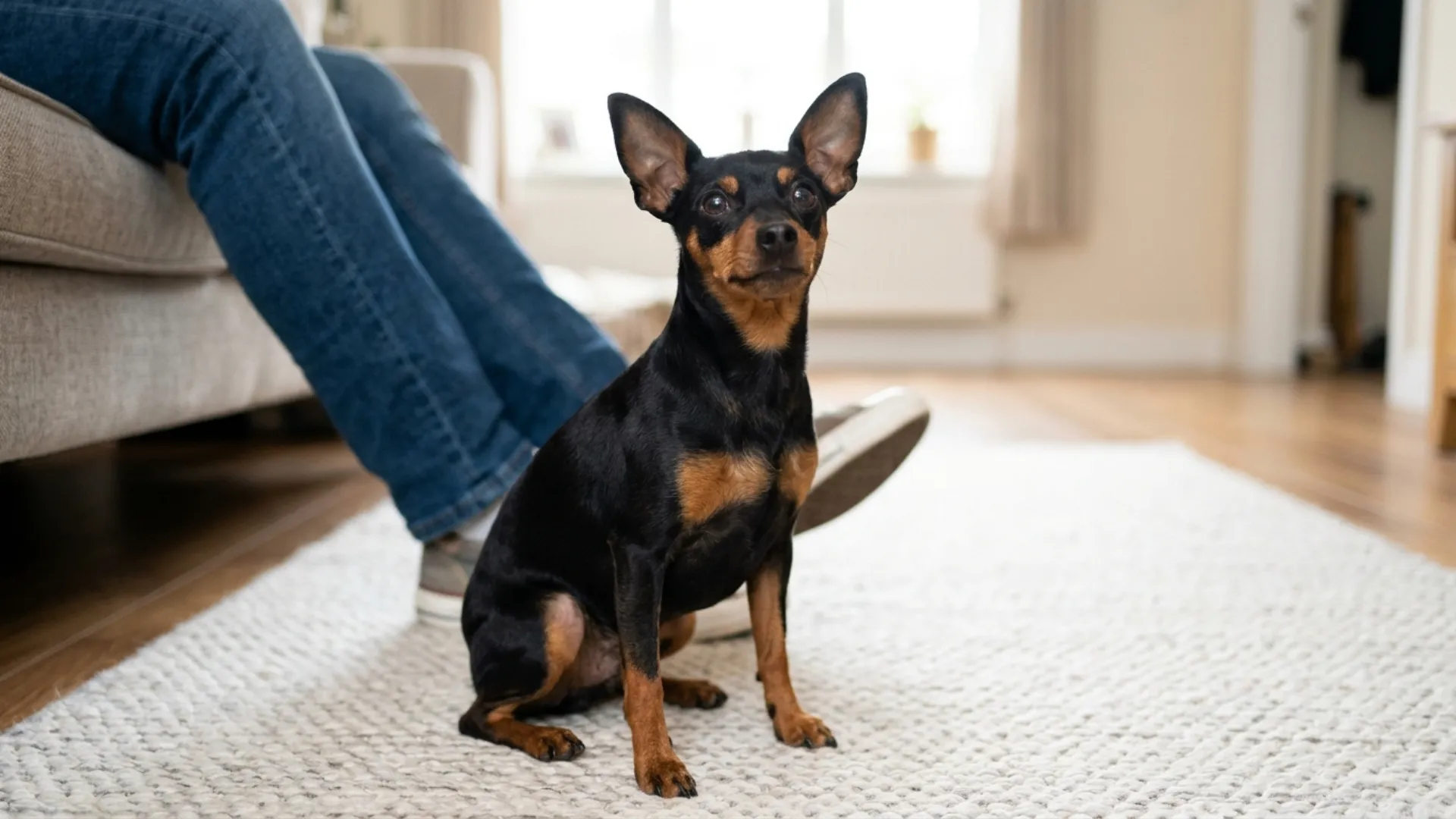
A small dog does not need an imposing size to take notice of unfamiliar activity around the home. Many compact breeds have sharp senses, strong attachments to their families, and confident personalities that make them quick to investigate unusual sounds or unfamiliar visitors. Their compact bodies can conceal surprisingly determined personalities.
An interesting detail about several breeds on this list is that their protective behavior developed from very different working backgrounds. The Yorkshire Terrier was once a mill ratter, the Miniature Pinscher was used to control vermin, and the Tibetan Spaniel was valued as a lookout in Himalayan monasteries. Those original jobs help explain why some tiny companion dogs can remain remarkably attentive to what is happening around them.
Although these breeds can be loyal and watchful, their protective behavior usually takes the form of noticing, vocalizing, following their owners, or investigating something unusual rather than physically confronting a threat. Training and socialization can help channel these instincts into calm, manageable behavior, particularly in homes where barking or reactivity could become an issue.
Small Dog Breeds That Are Loyal, Alert, and Protective
1. Miniature Schnauzer
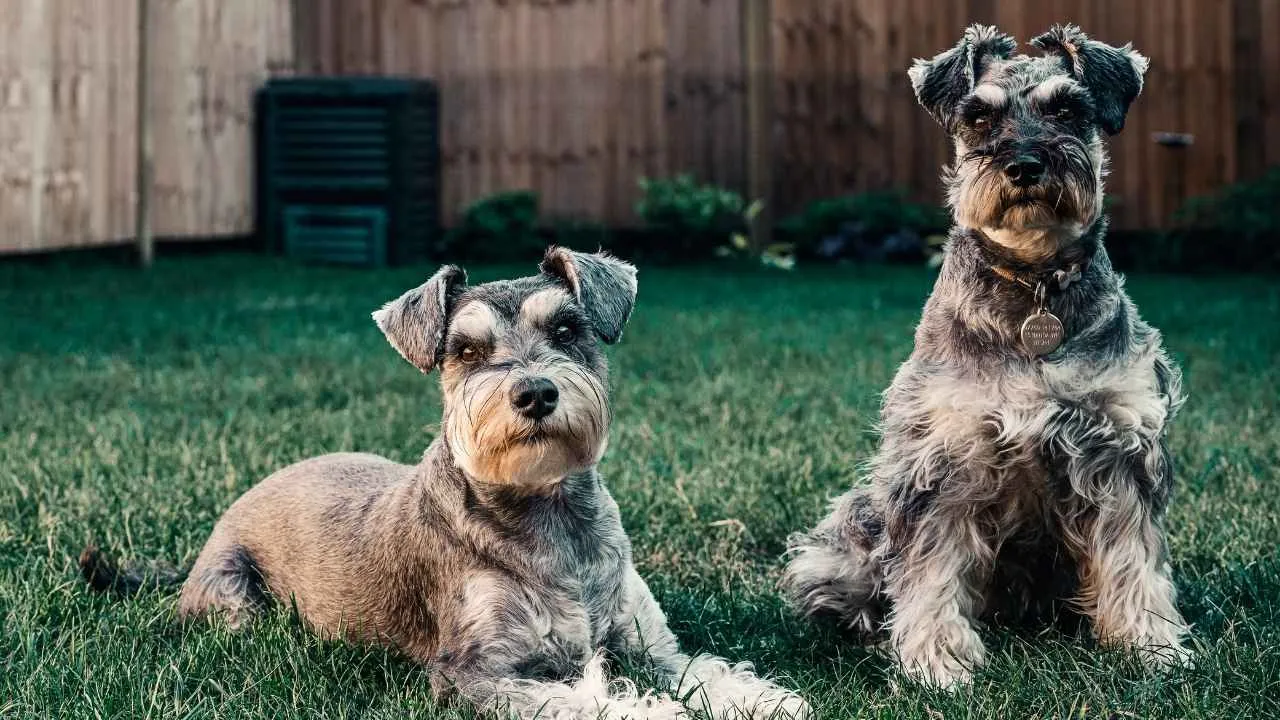
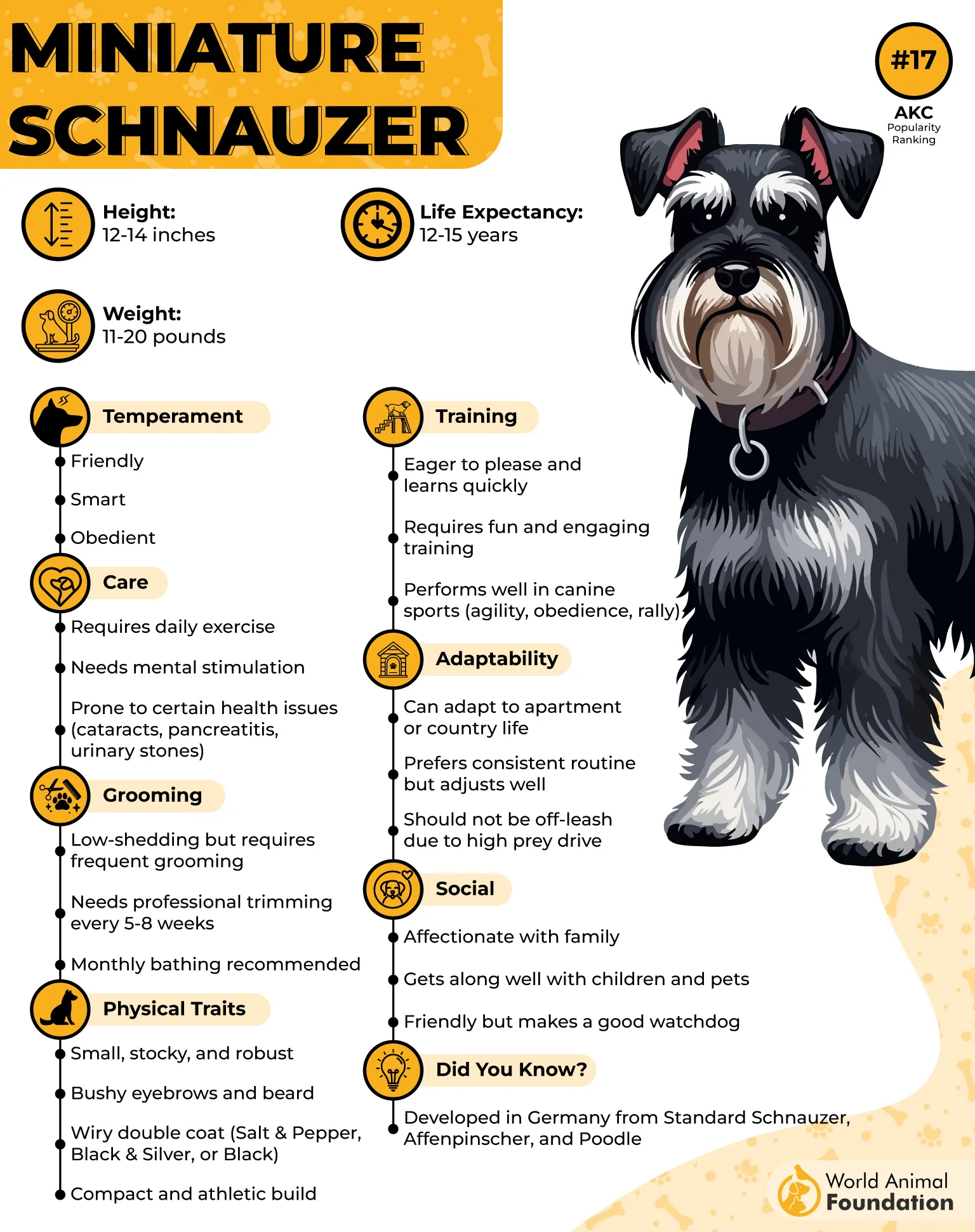
The Miniature Schnauzer originated in Germany and was developed from the Standard Schnauzer along with smaller breeds, as per Hill’s Pet.
Farmers valued these compact terriers for catching rats and other vermin around farms and homesteads. Their working background helped shape a lively, confident dog that could remain attentive while moving around busy properties.
A Wiry Coat With Regular Grooming Needs
The Miniature Schnauzer has a distinctive wiry outer coat and softer undercoat that benefit from consistent grooming.
Regular brushing helps prevent tangles, while many owners arrange periodic trimming to maintain the coat. Daily walks, interactive games, obedience sessions, and other mentally engaging activities can help satisfy its energetic nature.
A Devoted Dog That Notices Everything
Miniature Schnauzers often become closely attached to their families and can be quick to react when something unusual catches their attention.
Footsteps outside the door, visitors, and unfamiliar sounds may trigger barking or investigation. Early socialization and consistent training can help direct this alertness appropriately without encouraging excessive vocalization.
2. Miniature Pinscher
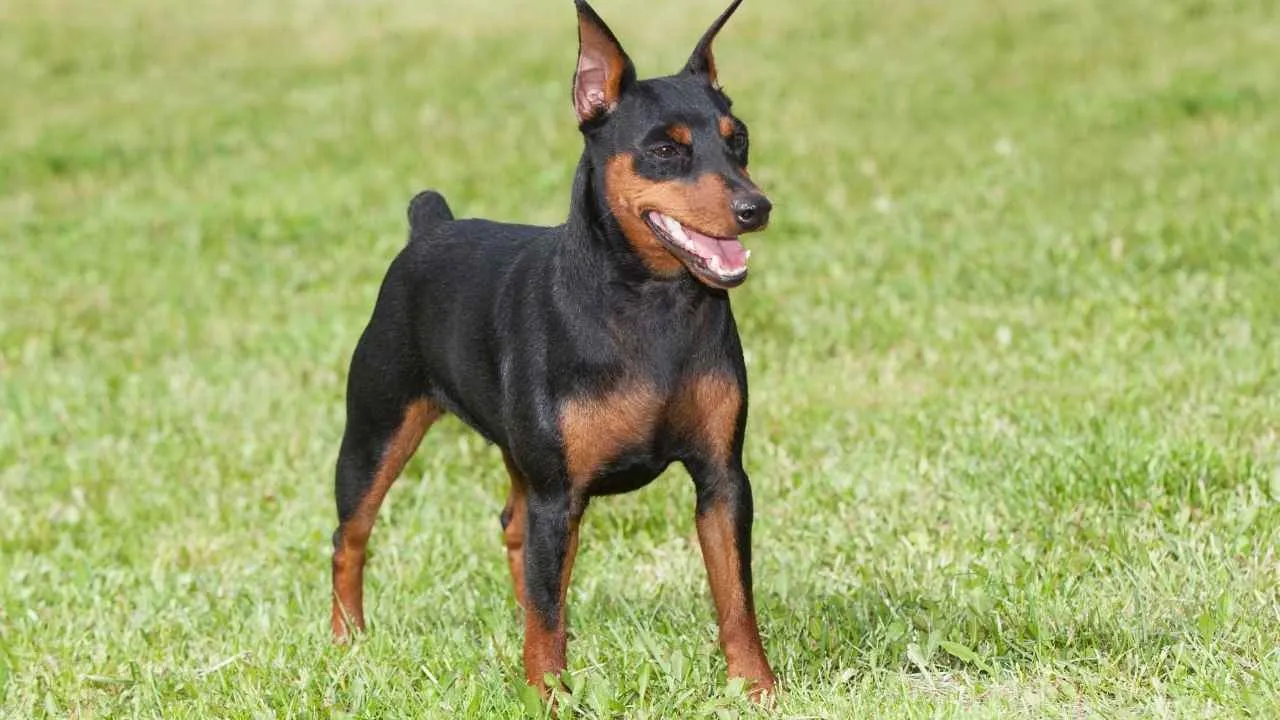
The Miniature Pinscher originated in Germany and has a history as a small vermin-control and hunting dog. Despite its resemblance to a miniature Doberman, the two breeds developed separately.
The Miniature Pinscher eventually became a companion breed while retaining the self-assurance, quick reactions, and spirited temperament associated with its working past.
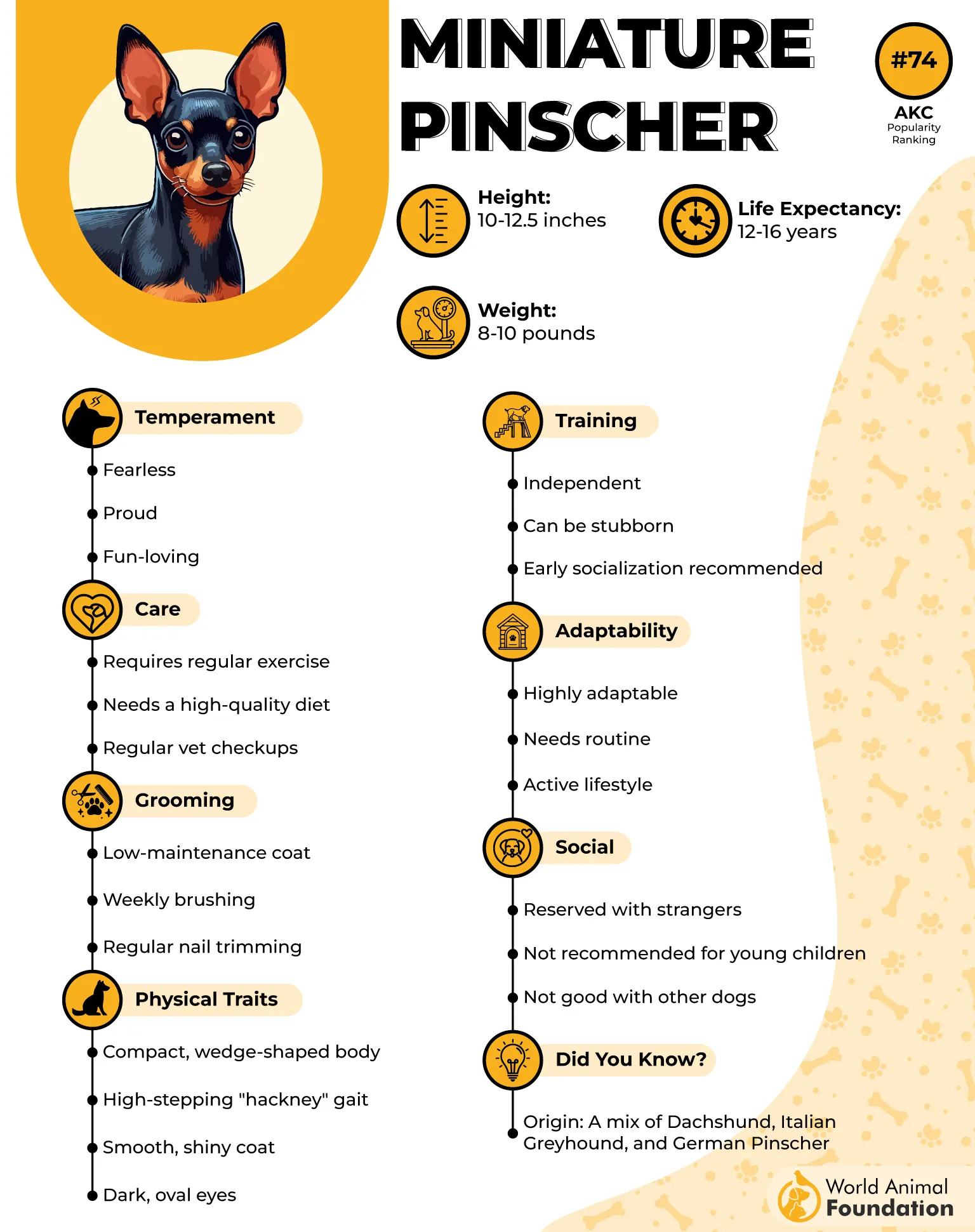
Smooth Fur and Plenty of Movement
The Miniature Pinscher’s short, smooth coat is simple to maintain and generally requires only occasional brushing. Its exercise needs, however, are greater than its tiny frame might suggest. Short walks combined with active games, training exercises, and indoor activities can help provide sufficient physical and mental stimulation.
Boldness Packed Into a Tiny Frame
Miniature Pinschers can be extremely confident around unfamiliar activity and may immediately investigate noises coming from outside the home.
Their attachment to their owners can make them attentive to changes in the household. Because their confidence can sometimes lead to impulsive behavior, early training and controlled social experiences are valuable.
3. Pomeranian
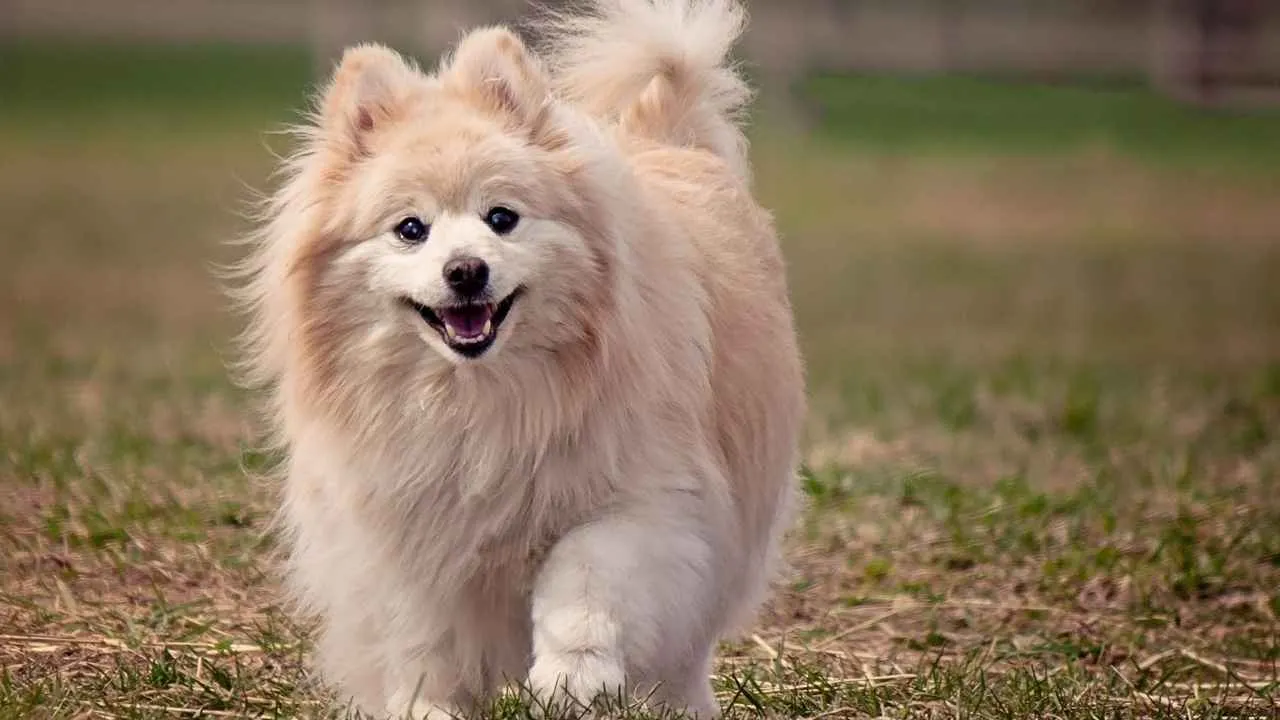
The Pomeranian belongs to the German Spitz family and takes its modern name from Pomerania, a historical region along the Baltic coast.
Its ancestors were considerably larger working Spitz dogs, but selective breeding eventually produced the much smaller companion seen today. Pomeranians became especially fashionable in European royal circles, helping accelerate their popularity as household pets.
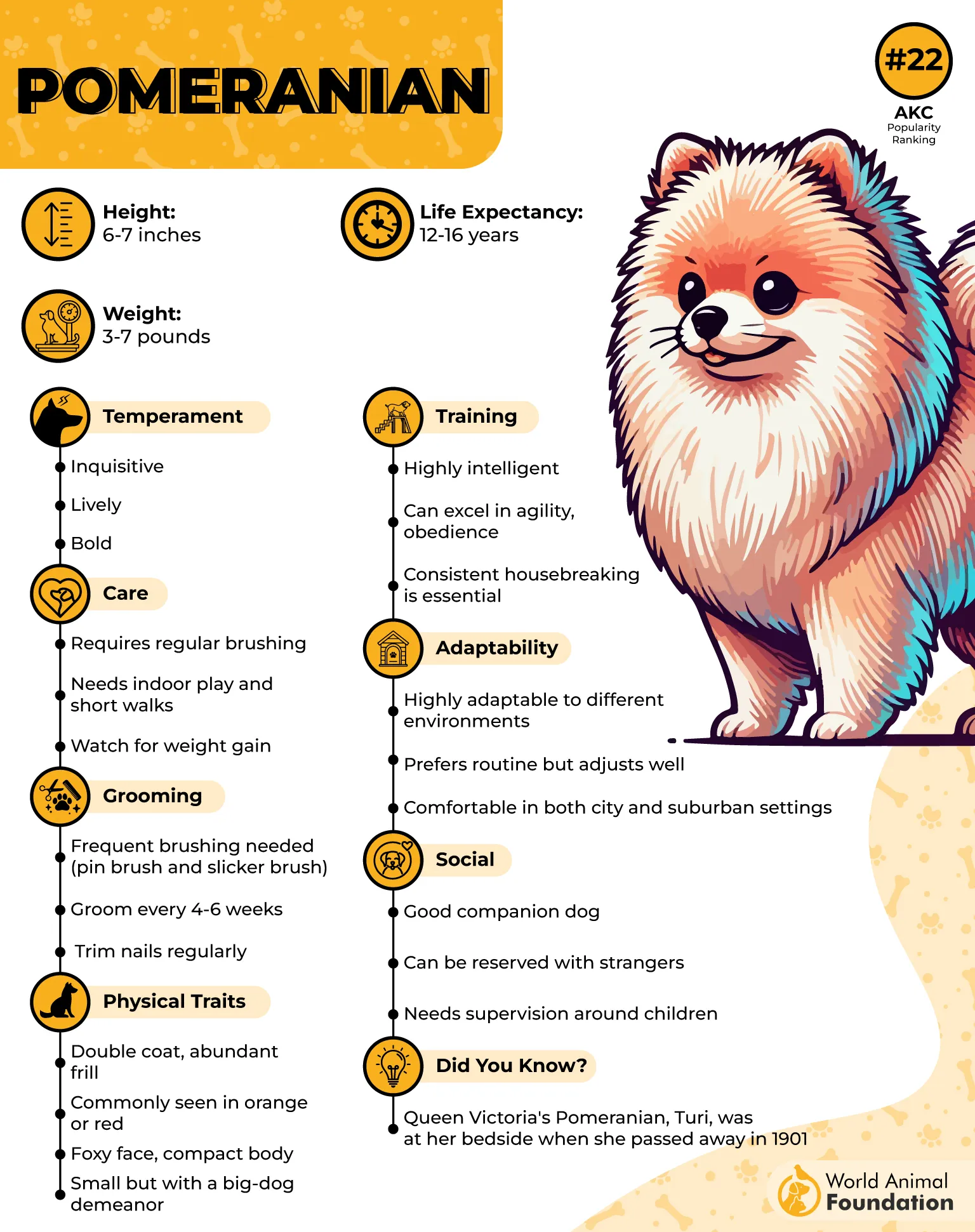
A Fluffy Coat With a Grooming Commitment
The Pomeranian’s abundant double coat gives it its characteristic fluffy appearance but requires regular care. Brushing several times a week can help prevent mats and remove loose undercoat, with additional attention needed during shedding periods.
Despite its small size, the breed benefits from daily walks, indoor play, short training sessions, and opportunities for mental stimulation.
A Small Sentinel With a Big Voice
Pomeranians are often highly aware of movement and sounds around their homes. They may bark when someone approaches the door or when an unfamiliar noise interrupts the household routine.
Their confidence can make them surprisingly assertive, while positive training can teach them to distinguish between genuine changes in their surroundings and ordinary household activity.
4. Yorkshire Terrier
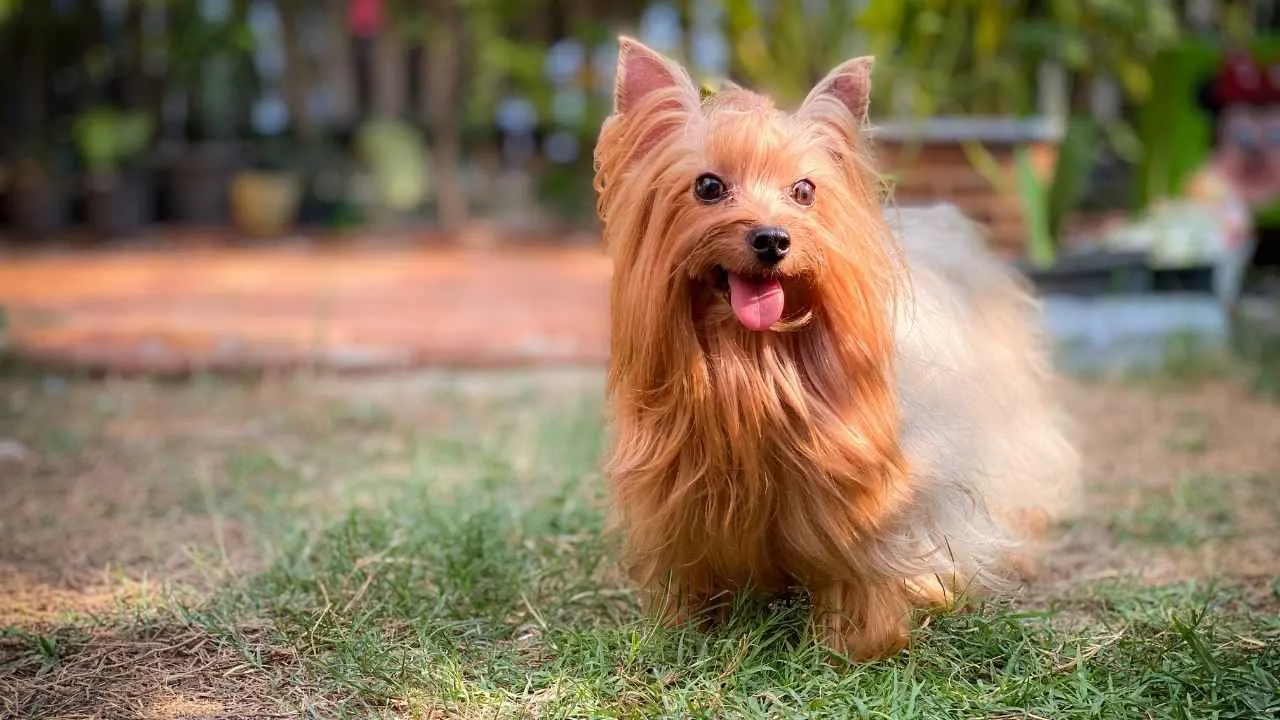
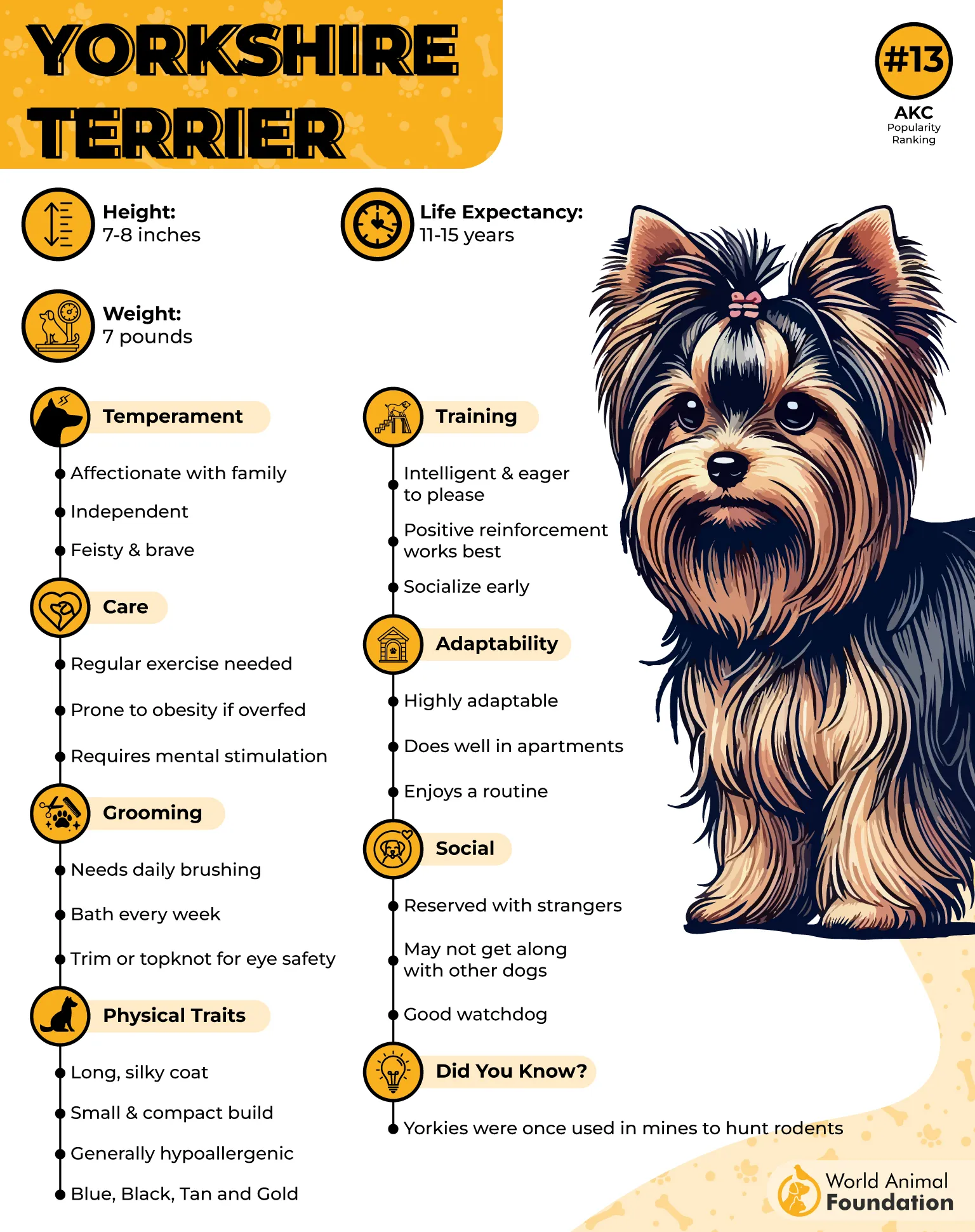
The Yorkshire Terrier developed in northern England during the Industrial Revolution, particularly in Yorkshire and Lancashire, as per PDSA. Yorkies were originally valued for controlling rats in textile mills before their attractive appearance and lively personalities helped transform them into fashionable companion dogs.
Silky Hair That Needs Consistent Attention
The Yorkshire Terrier has fine, silky hair rather than the typical double coat found in many other small breeds. Its coat can become tangled easily, making regular brushing important.
Some owners opt for a shorter trim to simplify maintenance. Daily walks, indoor games, and brief training activities can provide appropriate exercise for this active little terrier.
A Former Ratter With Strong Family Attachment
The Yorkie’s elegant appearance can obscure its practical origins. Beneath that silky coat is a confident terrier that may react quickly to unfamiliar sounds and movement.
Many Yorkies are strongly attached to their owners and can become vocal when strangers approach. Proper socialization can help maintain their confidence without allowing protective behavior to become excessive.
5. Cairn Terrier
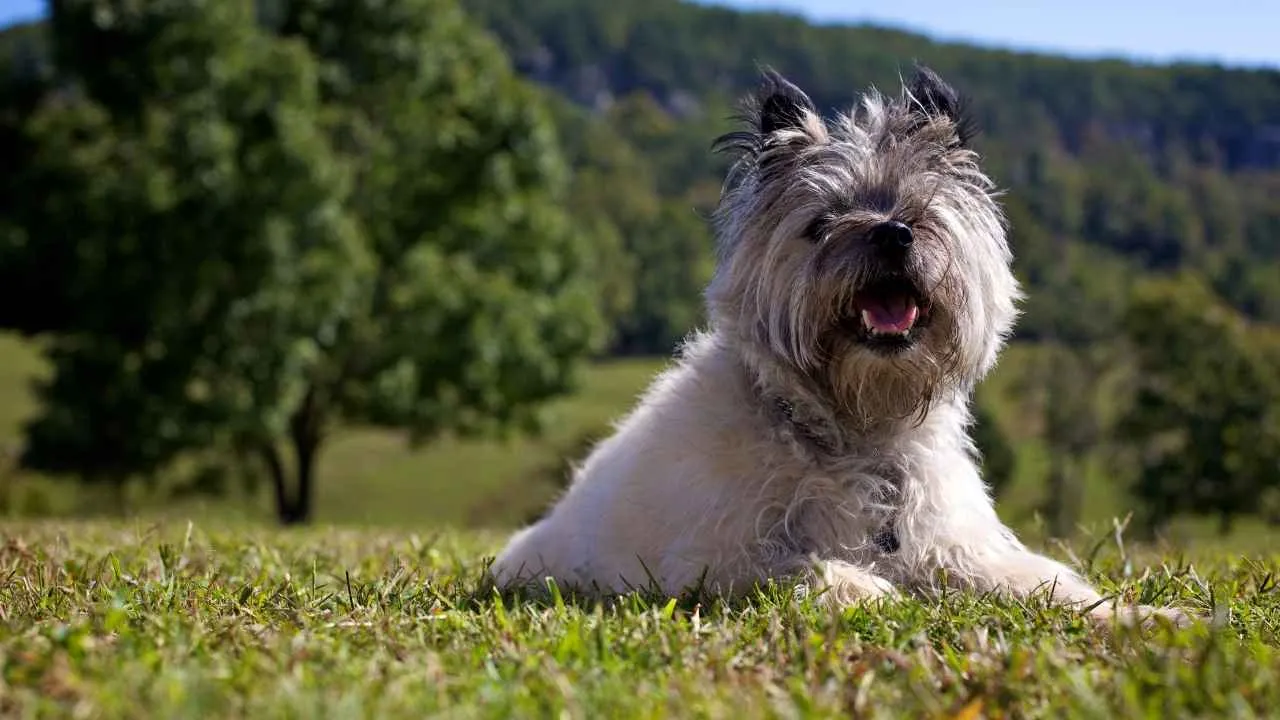
The Cairn Terrier originated in the Scottish Highlands and the Isle of Skye, where small terriers were used to pursue foxes and other quarry among rocky terrain.
The breed’s name comes from cairns, piles of stones that provided hiding places for vermin. Its ability to work in cramped, rough environments contributed to the breed’s fearless and determined character.
A Weatherproof Coat for an Outdoor Terrier
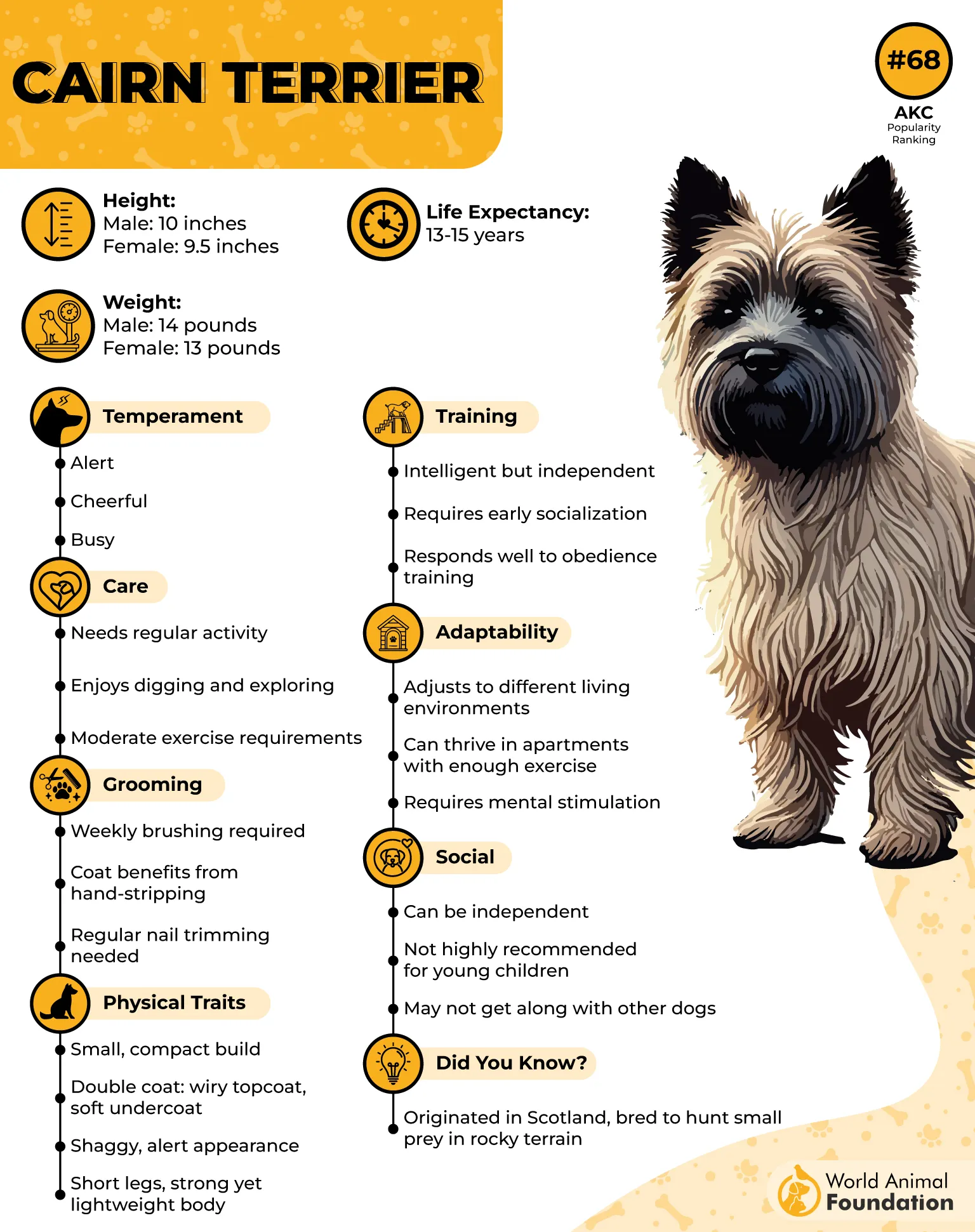
The Cairn Terrier has a harsh outer coat and soft undercoat designed to provide protection in cold, wet conditions. Regular brushing helps remove loose hair and prevent the coat from becoming untidy.
It is an energetic breed that benefits from walks, active games, digging alternatives, scent-based activities, and short training sessions that keep its curious mind occupied.
Fearless Nature Behind a Small Body
Cairn Terriers can be remarkably courageous despite their compact size. Their history of pursuing quarry through rocky spaces contributed to a willingness to investigate unusual sights and sounds rather than retreat from them.
These affectionate dogs can also become deeply attached to their households, making socialization and consistent boundaries useful for managing their natural determination.
6. Tibetan Spaniel
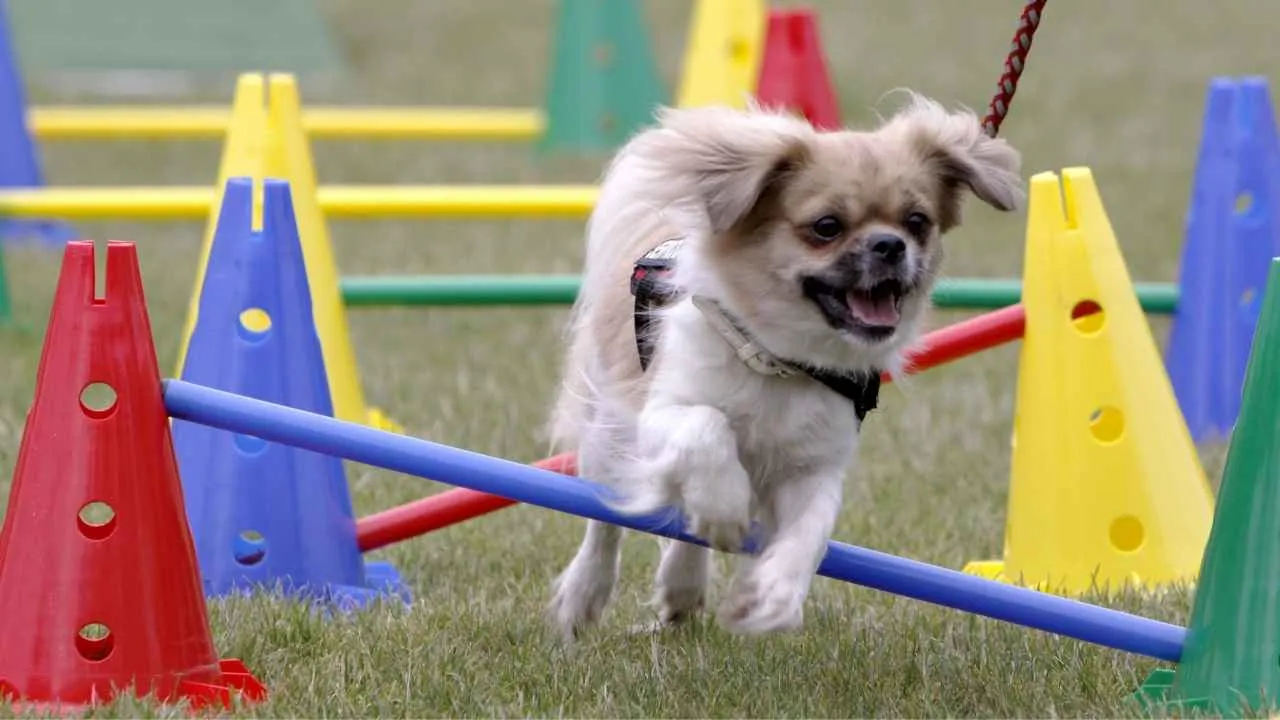
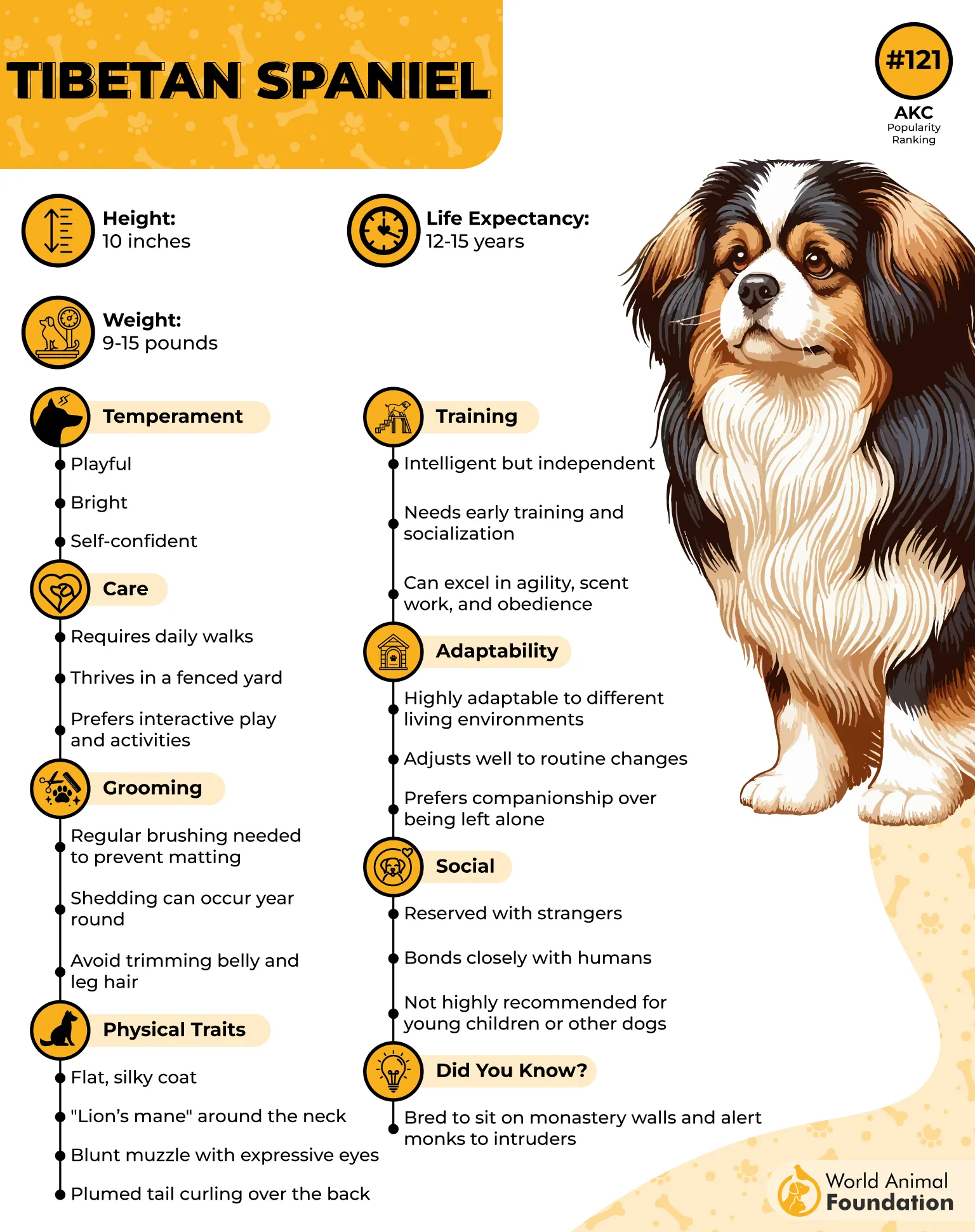
The Tibetan Spaniel has a long history in Tibet, where these small dogs were kept by Buddhist monasteries and households. They were valued as companion animals and also served as sentinels, often watching from elevated positions and alerting people to approaching visitors.
A Silky Coat With Moderate Maintenance
The Tibetan Spaniel has a medium-length, silky double coat with feathering around the ears, legs, tail, and body. Brushing several times a week can help remove loose hair and prevent tangles. Its exercise needs are moderate, with daily walks, indoor play, and mentally stimulating activities usually providing suitable outlets.
A Natural Watcher With a Quiet Confidence
The Tibetan Spaniel’s historical sentinel role is closely connected to its alert nature. It may observe people and activity from a distance before deciding whether something deserves a response.
Many are affectionate with familiar people while remaining somewhat reserved with strangers, making early socialization useful for encouraging calm and confident behavior.
7. Lhasa Apso
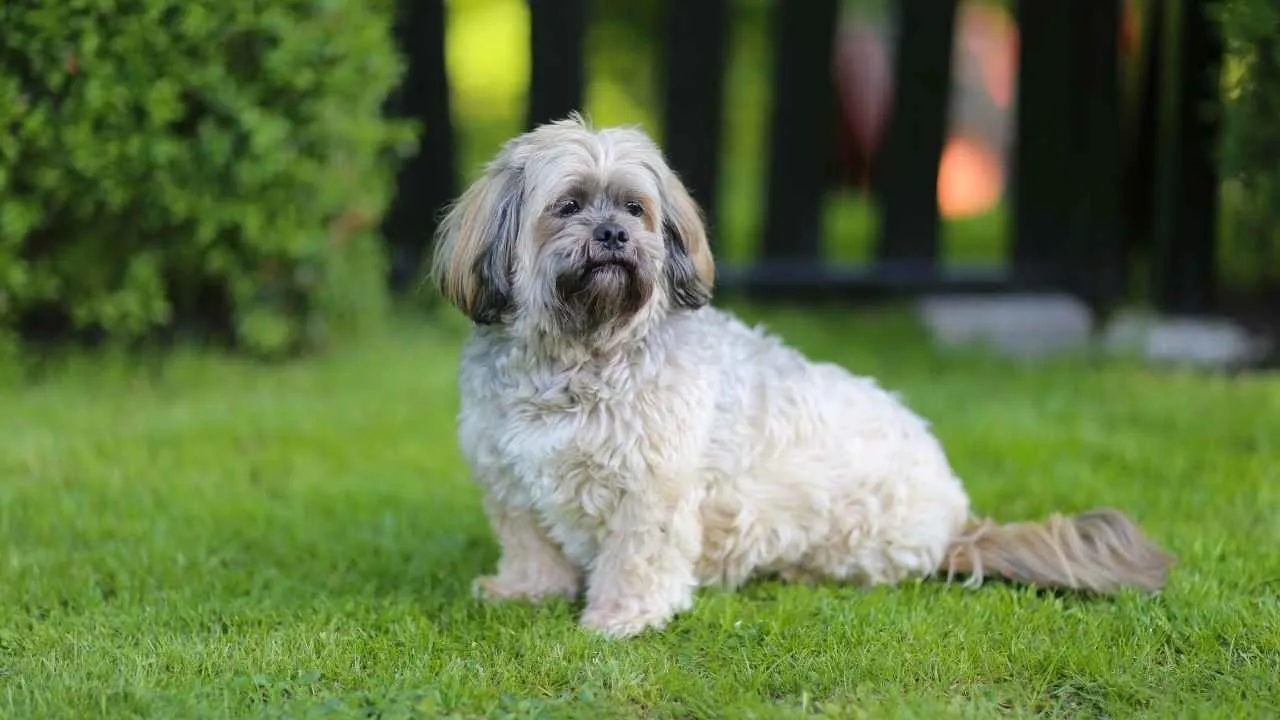
The Lhasa Apso originated in Tibet and was historically associated with monasteries and aristocratic households.
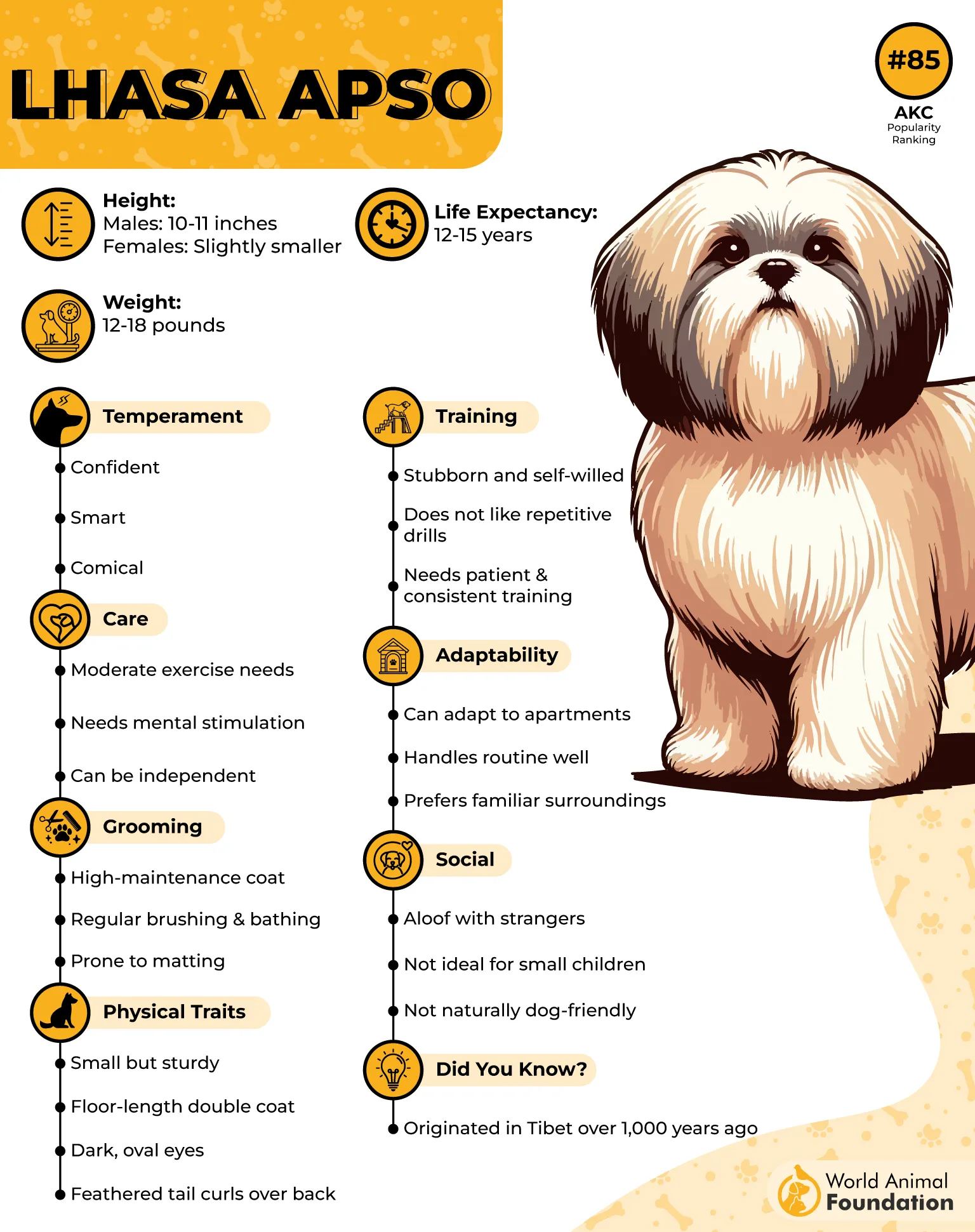
The breed was valued not only as a companion but also for its ability to notice unfamiliar people approaching. Its sharp hearing and naturally observant personality made it useful as an early-warning dog in settings where larger guardians could respond to an alert.

A Long Coat That Demands Commitment
The Lhasa Apso’s long, heavy coat requires frequent brushing to prevent mats and tangles. Owners who prefer easier maintenance may choose a shorter trim. Its exercise requirements are moderate, with regular walks, indoor games, and activities that provide mental engagement generally fitting its needs.
A Historic Watchdog With Strong Loyalty
The Lhasa Apso has one of the clearest historical links to watchdog duties among small companion breeds. Rather than physically confronting threats, it was traditionally expected to notice unusual activity and alert people nearby. Today, many Lhasas remain observant around unfamiliar visitors while showing considerable affection toward members of their household.
Conclusion
Miniature Schnauzers, Miniature Pinschers, Pomeranians, Yorkshire Terriers, Cairn Terriers, Tibetan Spaniels, and Lhasa Apsos demonstrate that loyalty and alertness are not determined by physical size. Each breed brings its own combination of confidence, attachment, curiosity, and awareness, shaped in part by the work or environment for which its ancestors were developed.
Their protective tendencies also differ in character. A Pomeranian or Miniature Pinscher may respond loudly to an unfamiliar sound, while a Tibetan Spaniel may watch quietly before deciding whether something deserves a response. Terriers often bring a more investigative and fearless attitude, whereas the Lhasa Apso’s traditional sentinel background gives its watchfulness a particularly distinctive history.
For households considering a small dog with protective qualities, temperament should be considered alongside grooming, exercise, training, and socialization needs. None of these breeds should be expected to act as a physical guard dog, but with appropriate guidance, their attentiveness and strong bonds with their families can make them devoted and responsive household companions.
