




No one wants a dog that treats every command like an insult. Training a dog should feel rewarding, not like negotiating a peace treaty. The good news? Some small breeds are absolute overachievers in the obedience competitions.
Paris Hilton once said her Chihuahua is her best accessory, but she might have reconsidered if she’d met a poodle first. Small dogs often get a bad rap for being stubborn, but science disagrees.
A study in Applied Animal Behaviour Science found that dogs trained with positive reinforcement retained commands 40% better than those trained with correction-based methods, which leads to less obedience and more stress.
Let’s talk about nine tiny dog breeds that are highly trainable and put less pressure on their owner’s busy schedules.
9 Small Dog Breeds Known for Their Easy Training
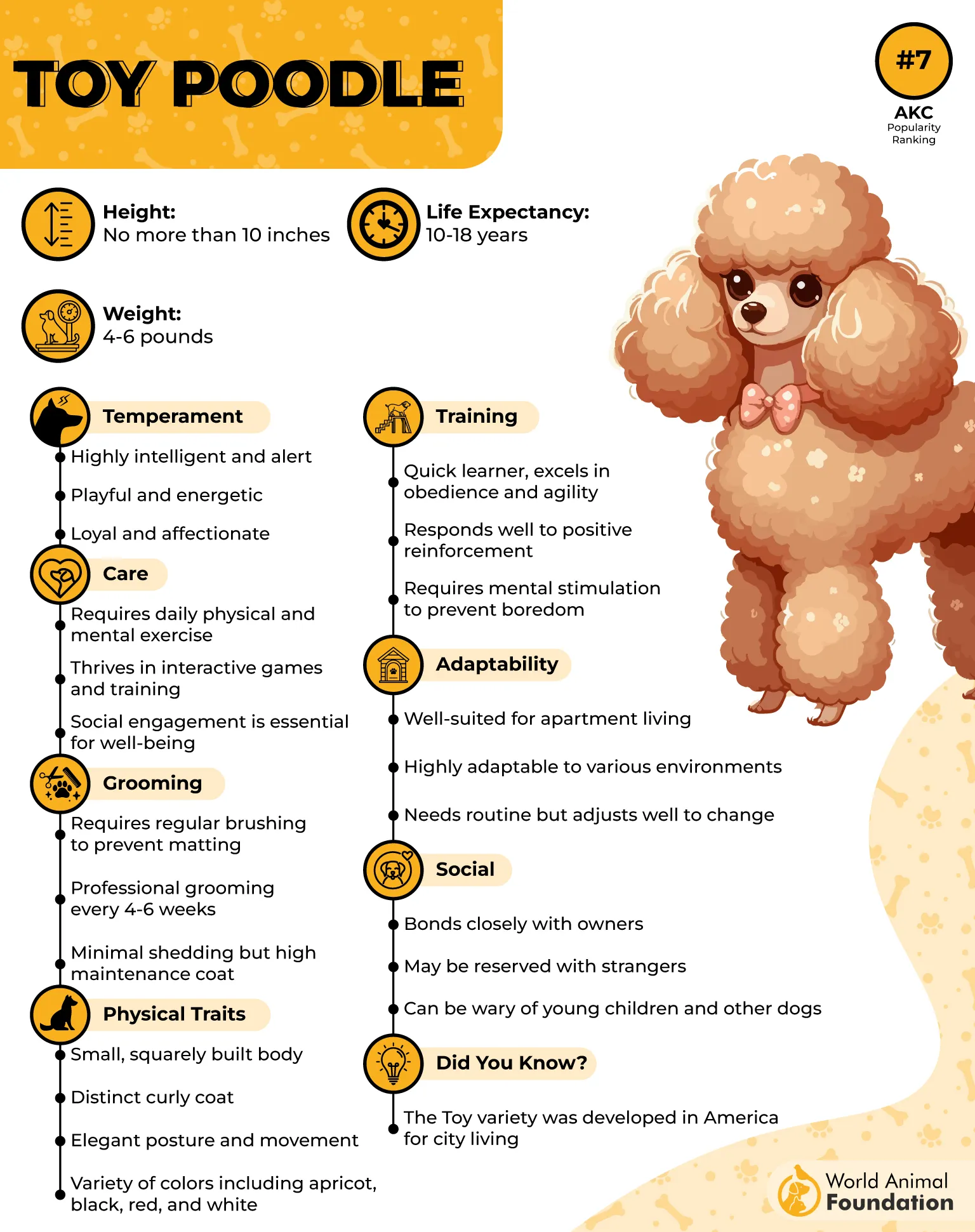
1. Toy Poodle
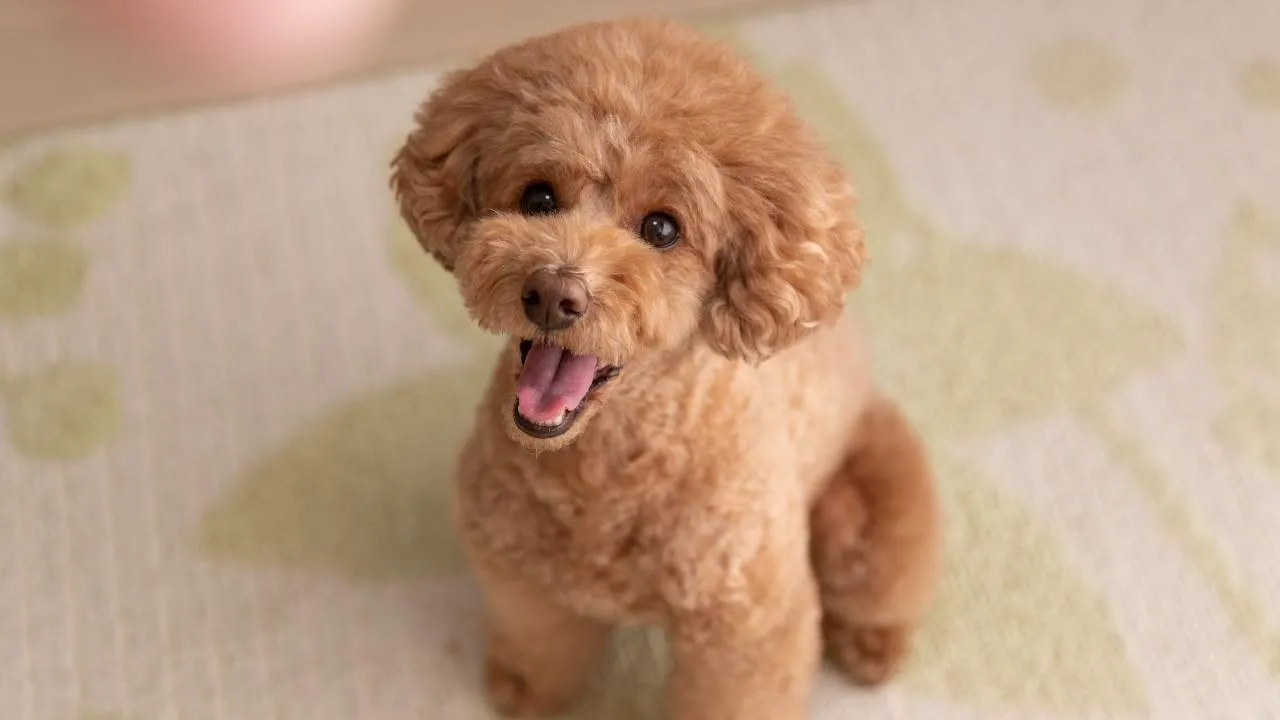
This tiny breed is a valedictorian of the dog world. According to the American Kennel Club, they consistently rank among the top 3 most intelligent breeds on the planet.
This wonderful family pet has a short attention span, which means the training process needs to be consistent, distraction-free, engaging, and motivational.
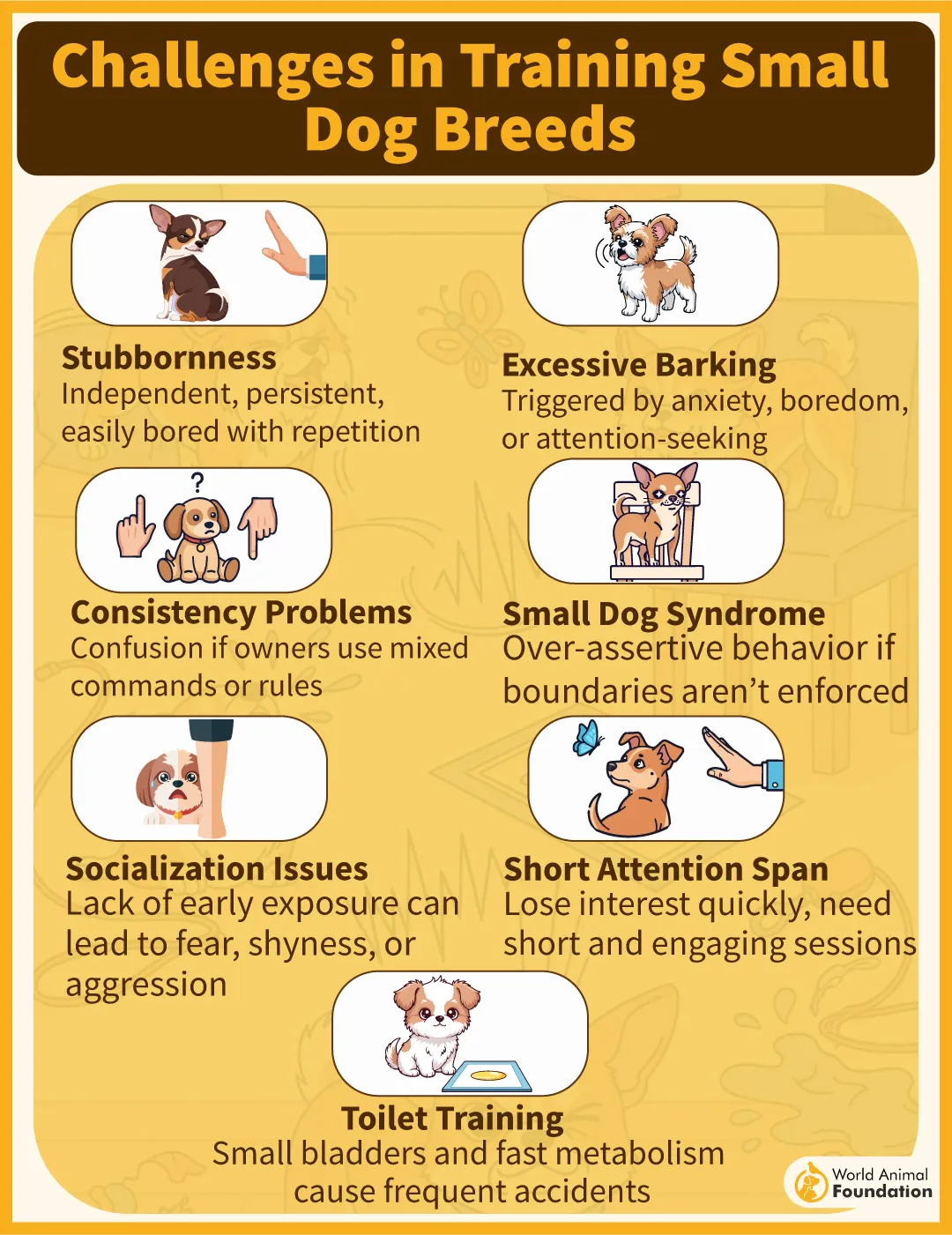
Early socialization (8-16 weeks), toilet training with scheduled potty breaks and mental stimulation are recommended as a training strategy for this breed.
Emotionally Attuned: They anticipate commands by reading the owner’s tone and body language. If you are frustrated during the training sessions, they sense it immediately and adjust.
Training Versatility: They thrive on various mental and physical activities; scent games, agility training methods, basic obedience and interactive puzzle toys.
Quick Learners: Most dogs need 25-40 repetitions to learn something new. A poodle gets it in one or two tries. Their working heritage plays an important role in making them highly trainable small dog breeds. Retrieving skills, eager to please behavior and problem solving instincts give them extra points in this department.
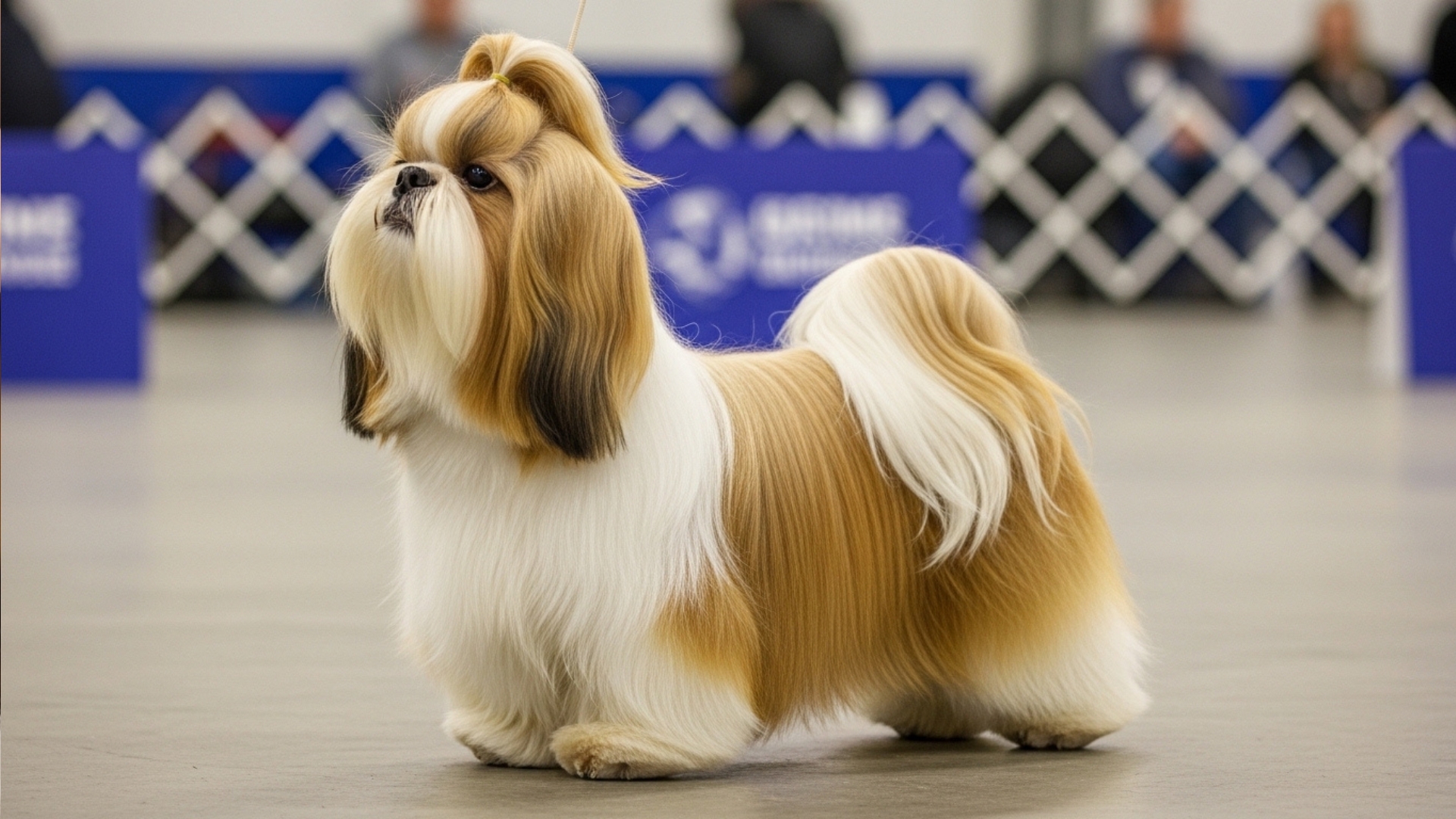
2. Shih Tzu
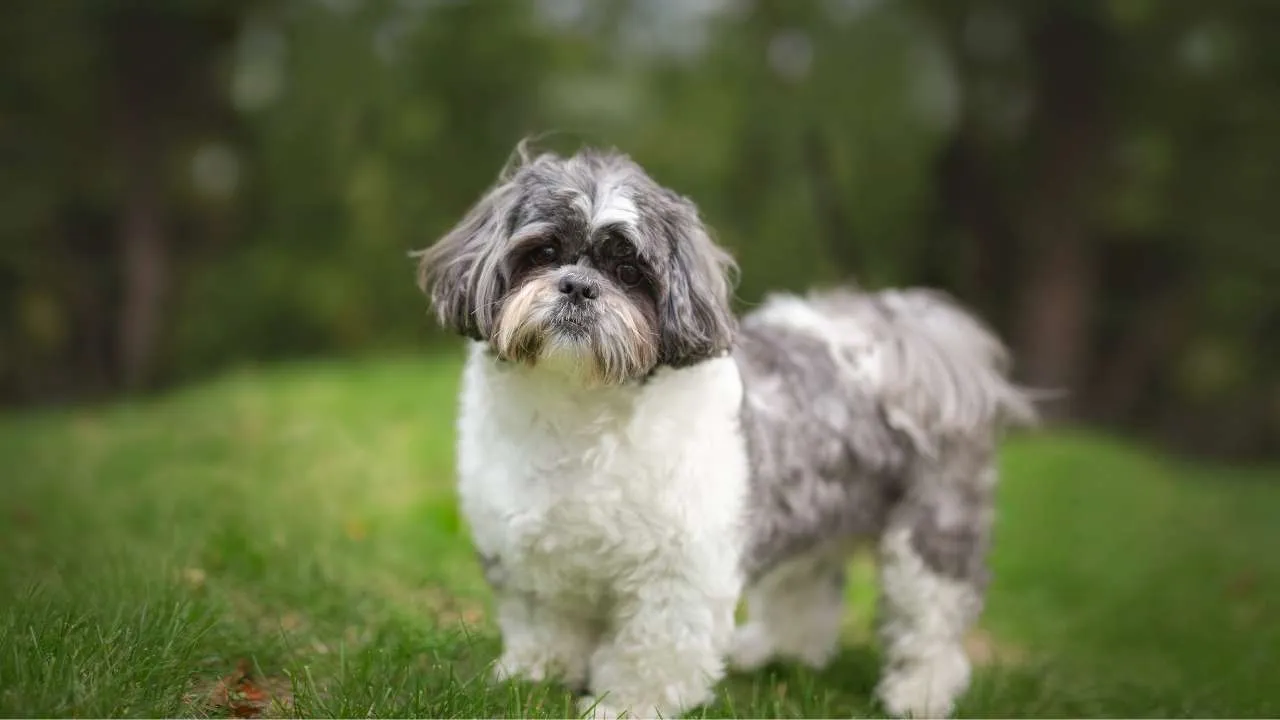
The Shih Tzu has the vibe of royalty but the heart of a student. Originally bred for Chinese emperors, these little dogs have always known how to read the room in high-pressure environments.
Where stubbornness can make training quite challenging, high food motivation, an affectionate nature and loyalty speed up the session. Short sessions (5-10 minutes) are recommended. They have small bladders, so house training can be slower.
Keep it fun, light but consistent. Coddling can lead to “small dog syndrome”. The Shih Tzu thrives on positive reinforcement.
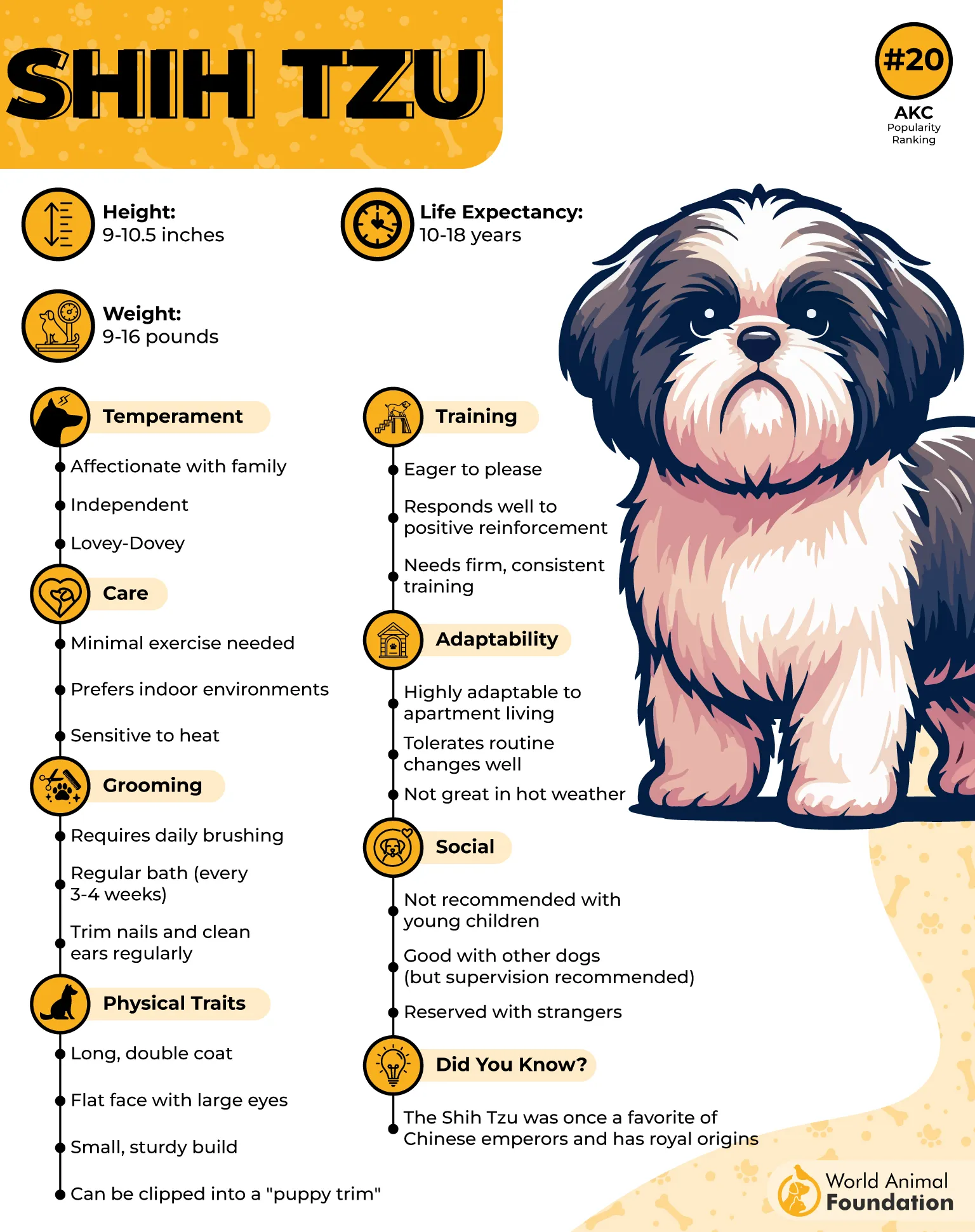
Calm Enough for Apartment Training: Their low energy indoors makes it easy to practice commands in small spaces without them bouncing off the walls.
Sharp Focus: Their low prey drive means they are not easily distracted. Sharp focus usually makes training easier.
Adaptability: They make a strong bond with the owner and can be adapted to any space and environment, making them a popular small dog breed worldwide.
3. Brussels Griffon
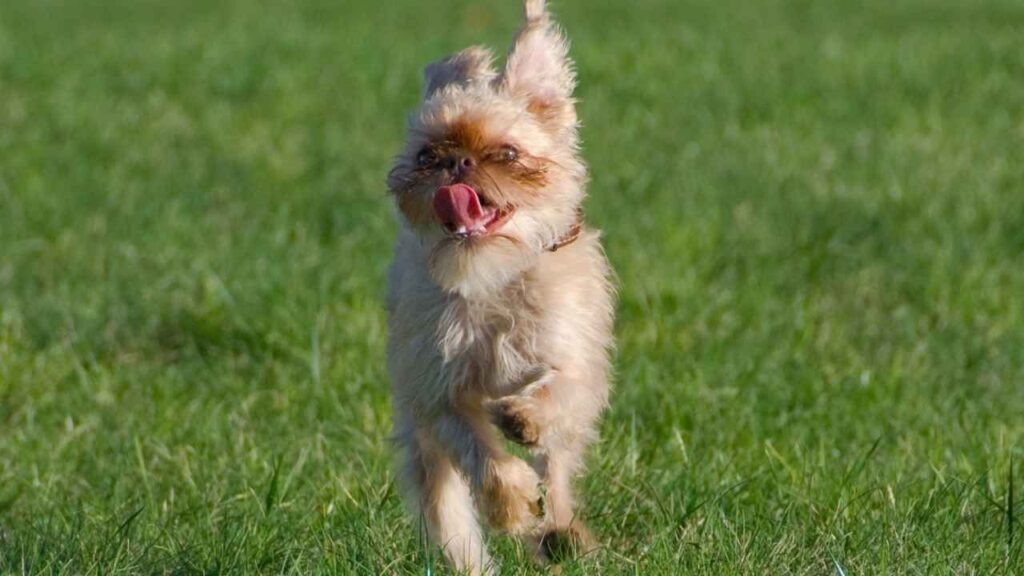
The Brussel Griffon looks like a tiny, grumpy old man, and that face alone is worth the adoption fee. But underneath that dramatic mug is one surprisingly trainable soul.
Since they are intelligent, they are easy to train, but their stubborn and manipulative nature can make training difficult. Focus on short sessions, house training, early sociable nature and positive reinforcement. 30 minutes of daily walk, agility training, crate and trick training are highly recommended.
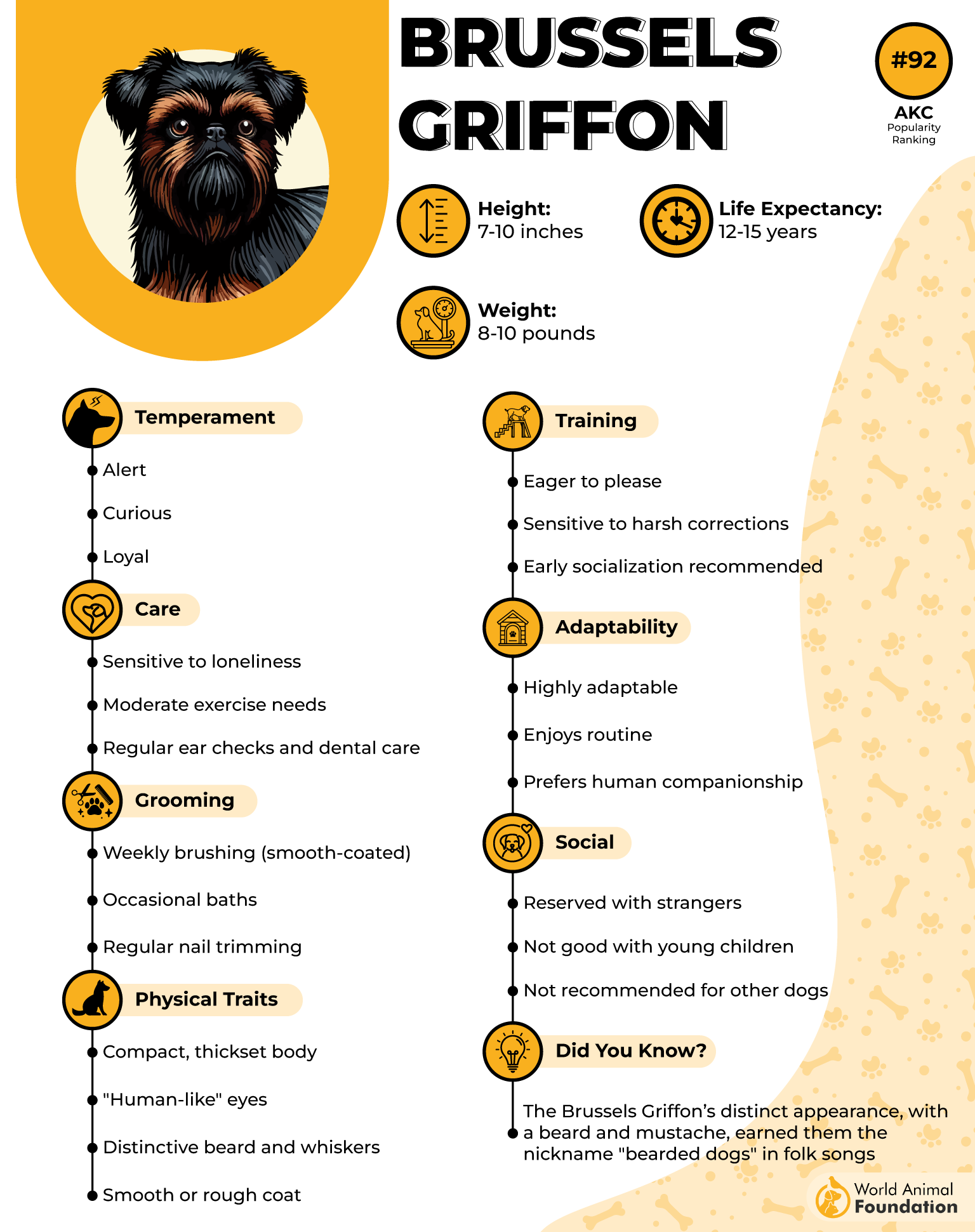
Mirrors Human Expressions: They can clearly understand the human cues, body language, and tone better than any other small dog breed. Since they are emotionally sensitive, they adopt mirrir the emotional state of their owners.
High Self Awareness: A calm, redirecting tone is all it takes. They know they are being watched. This self awareness makes them surprisingly responsive during training.
Food Motivated: Offering them treats is another way of training them quickly. Note that do not let them overeat or they can become obese.
4. Havanese
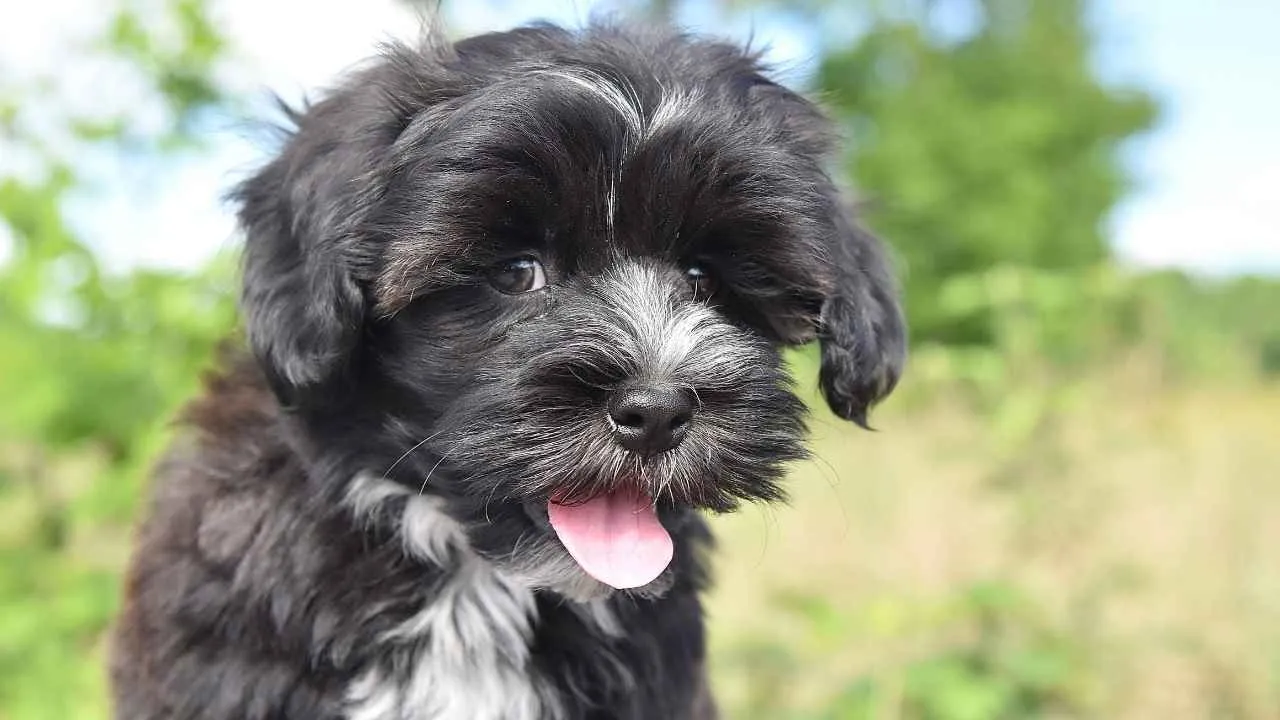
Cuba’s only native dog breed is a hidden gem. The Havanese is sweet, social, and surprisingly sharp, basically the triple threat of the small dog world.
Unlike some toy dog breeds, which are aggressive in nature, the Havanese is the happiest and easiest dog breed. They have watchdog breed characteristics that make them great family dogs if properly trained, mentions Purina US.
Just like Brussels, they also mirror emotions of their human companionship, so soft, positive reinforcement and consistency in training are required.
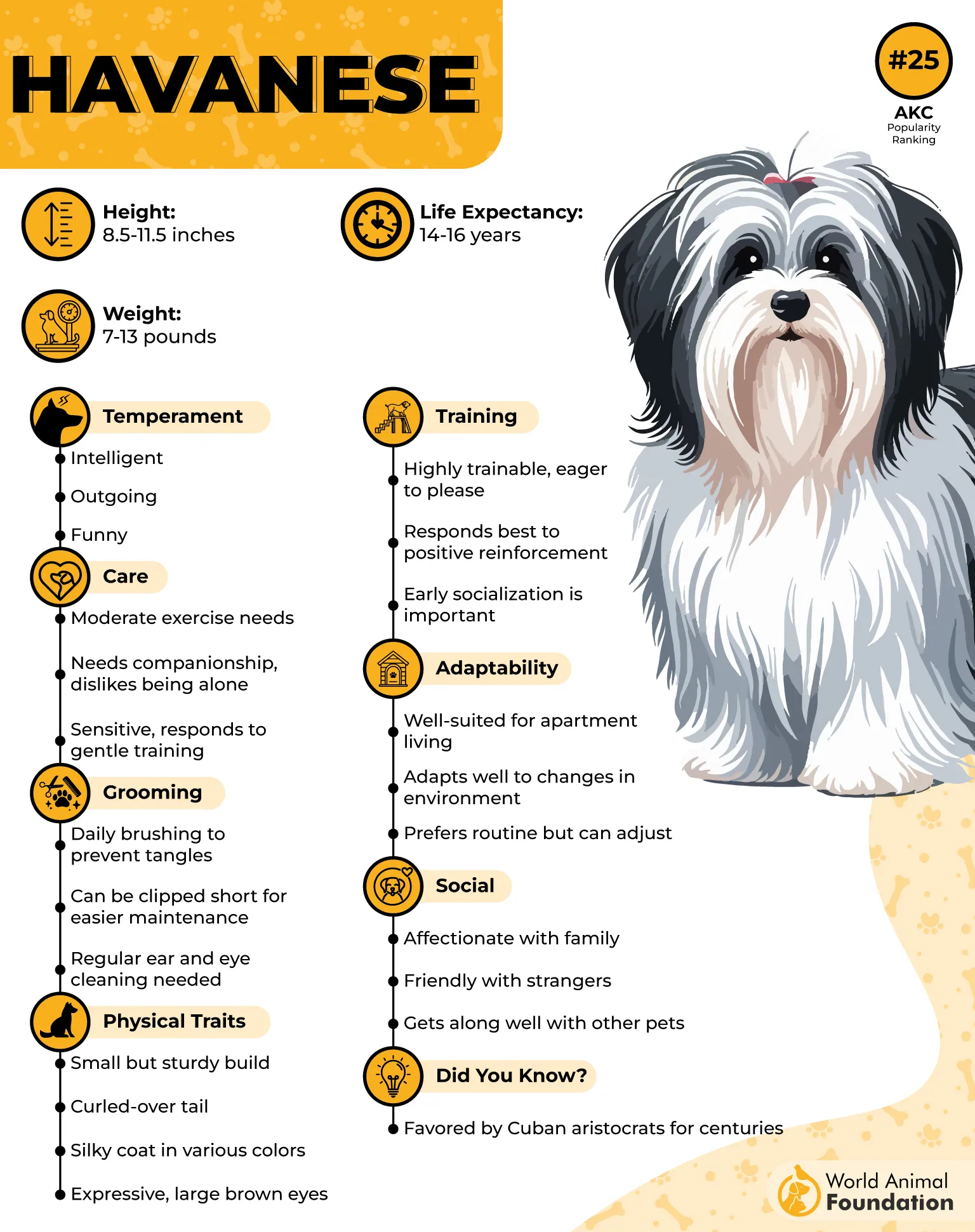
Learning in a Social Setting: Their showman spirit enables them to learn faster around other dogs. This makes early socialization fun and training feels like a party.
Natural Performer: They were once used as circus performers in Cuba. This fun loving companion dog seeks mental stimulation in learning new tricks. To them, training is more like a fun session than a boring lecture if conducted properly.
Bonding Through Training: Left alone for too long and they will develop separation anxiety. So training is a good medium for human interaction since it forms incredibly strong bonds with the owner
5. Papillon
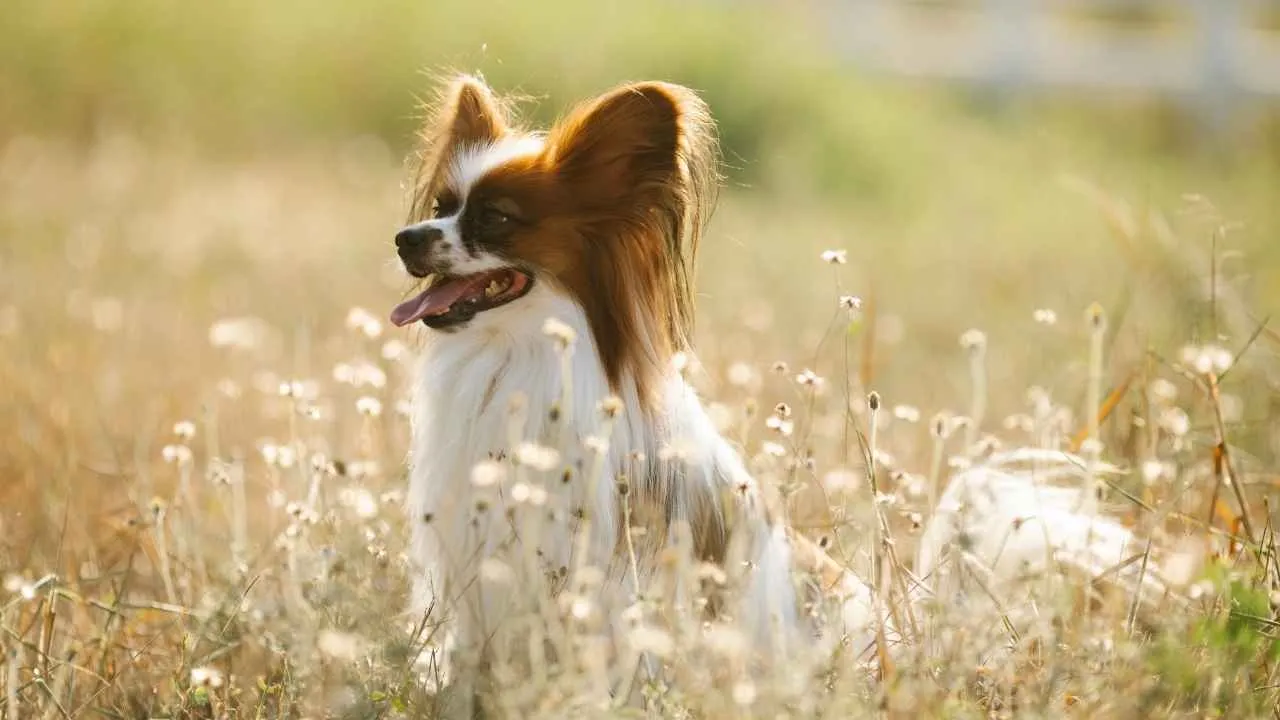
The French name translates into ‘butterfly’ and this breed’s brain flutters with intelligence. They are one of the competitive small breeds in agility dog sports worldwide.
Bred as a little lap dog, Papillons were refined further, adopted an active lifestyle, and became tiny athletes who need both you and the field. This hyperactivity needs obedience training, mental games, moderate daily exercise and gentle training approach.
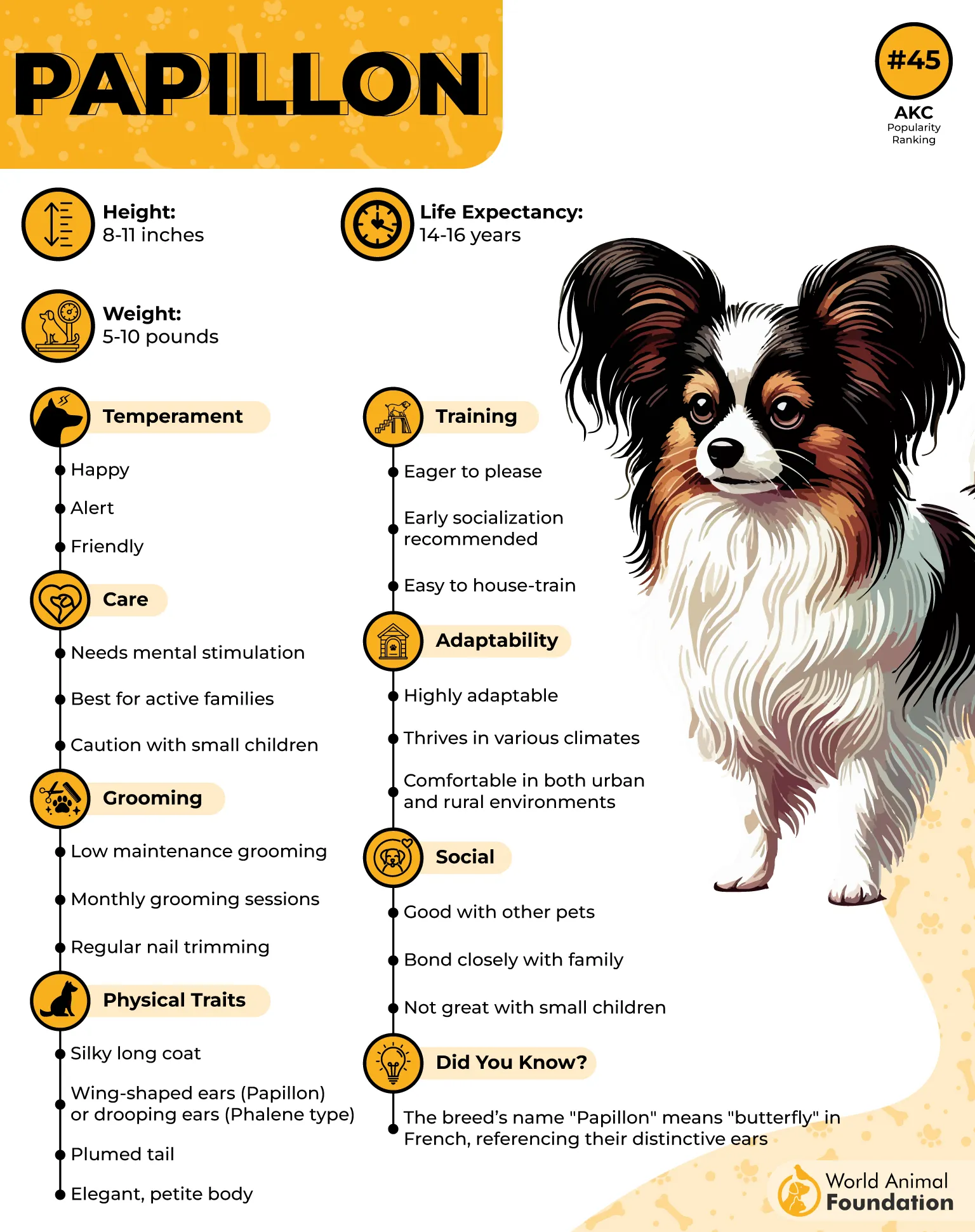
Hyper Responsive to Hand Signals: Pairing voice commands with hand gestures accelerates their learning dramatically; they connect the two almost instantly.
Fearless Disposition: Timid dogs shut down during training. Papillons do not. Their bold, fearless personality makes them learn things faster. However, this overconfidence can lead to ‘small dog syndrome.’
Smartest Dog Breed: They are included in the list of 10 most intelligent dog breeds in Stanley Coren’s book ‘The Intelligence of Dogs.’
6. Japanese Chin
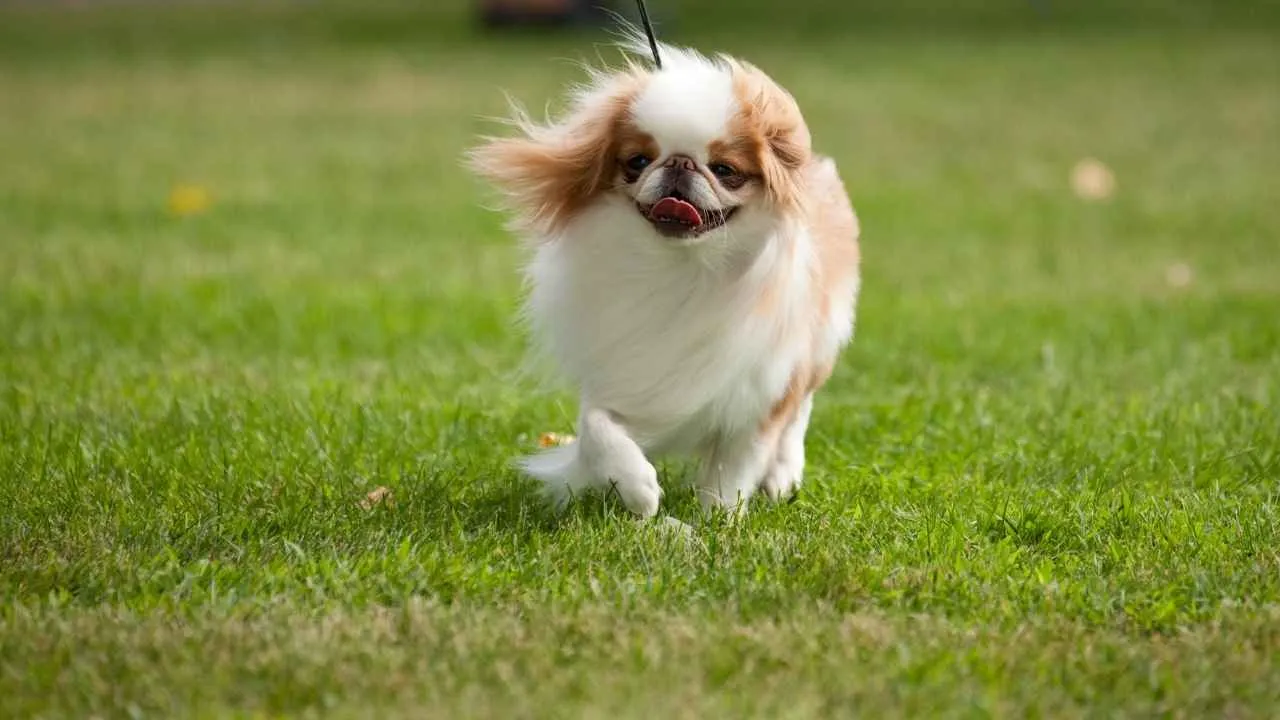
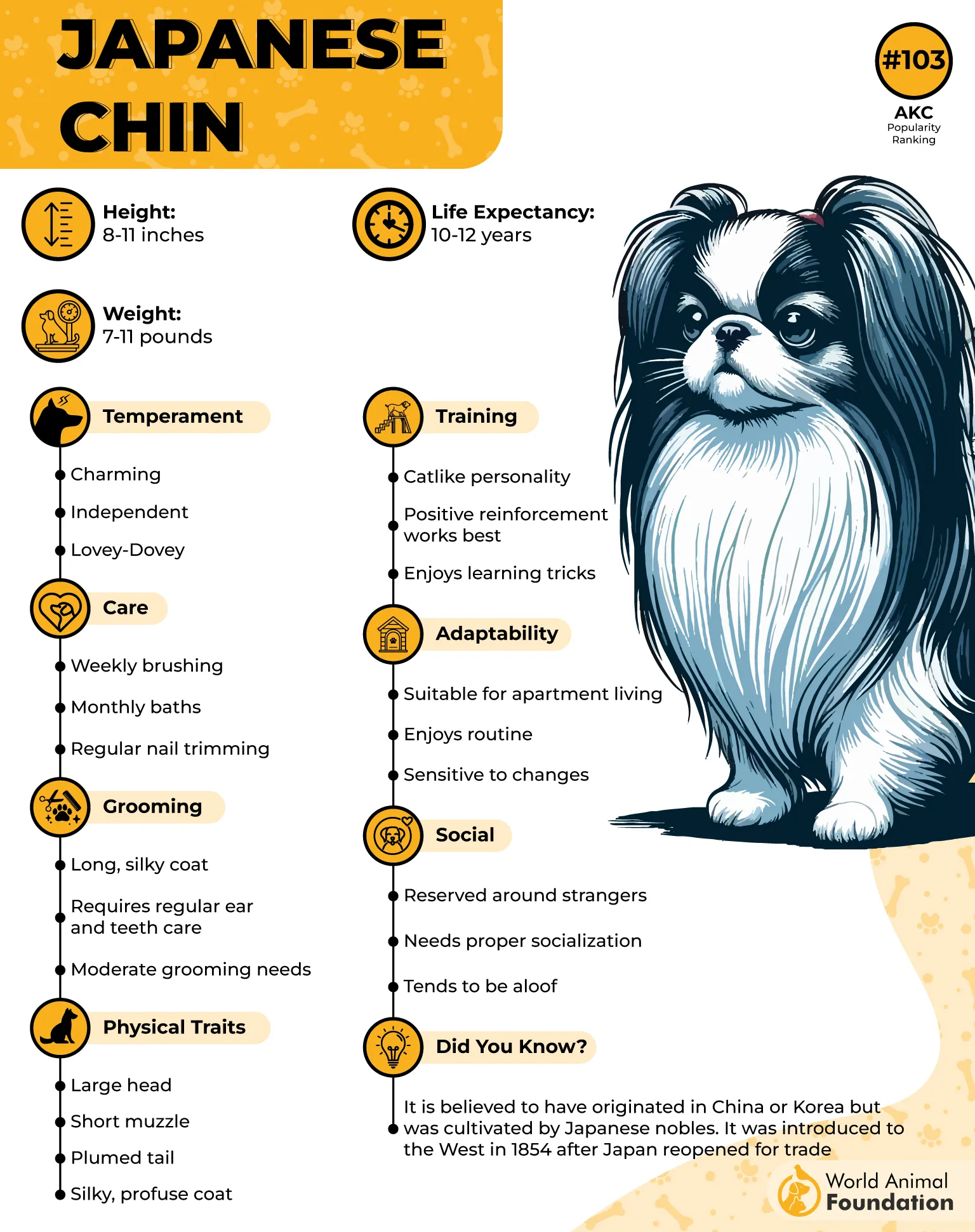
The Japanese Chin is feline in nature but highly trainable when approached on their terms. They are active dogs but are suitable for apartment living because of their quiet demeanor and low energy.
They are playful, affectionate and have a gentle nature. Since they are reserved around strangers, early socialization is needed (12-16 weeks) so they can be accustomed to new people and other breeds.
They have low energy needs as they are not loud barkers and are laid back. This makes them excellent lap dogs and a good option for first-time dog owners.
Passive Learning of Routine Commands: They learn the rhythm of your day without formal training sessions. Feeding time, walk time, bedtime, they adjust all naturally.
Excellent Recall in Family Spaces: Once they feel comfortable, their recall improves. This helps them retain the routine and tricks for a longer time.
Cat Like Nature: This nature makes them independent thinkers, and they try to learn new tricks and commands on their own. However, supervision still can not be ruled out.
7. Yorkshire Terrier
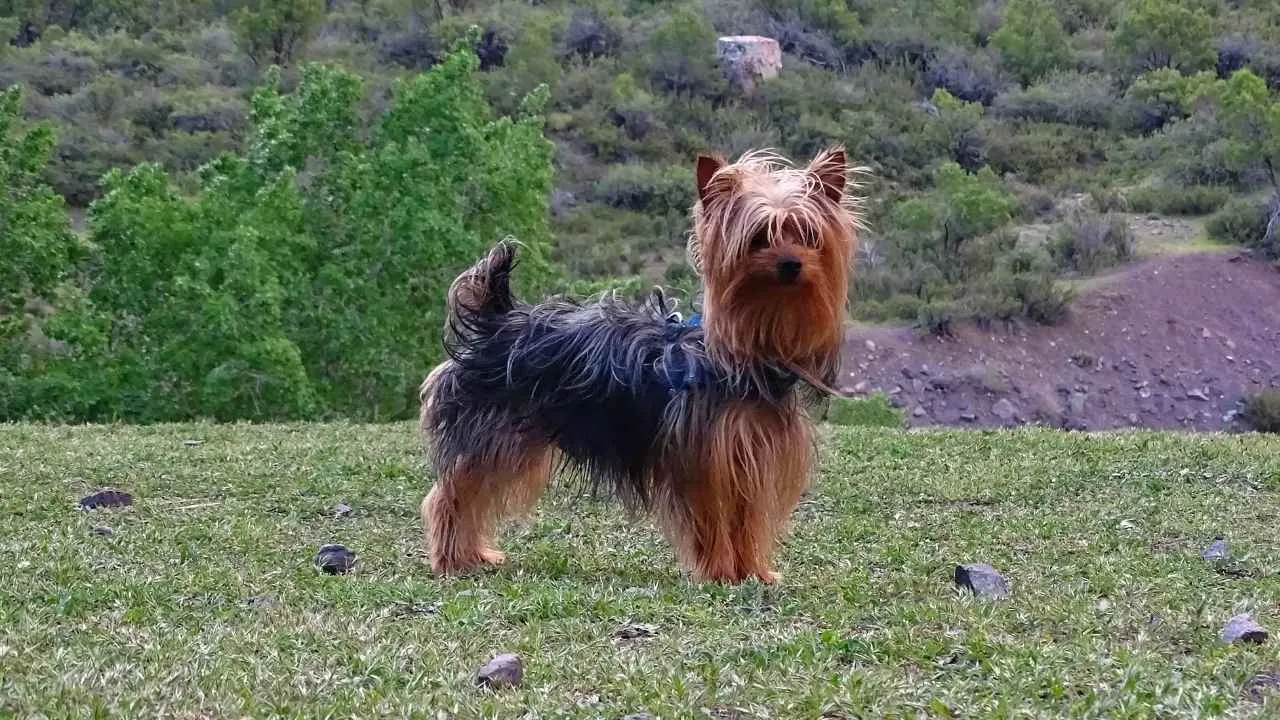
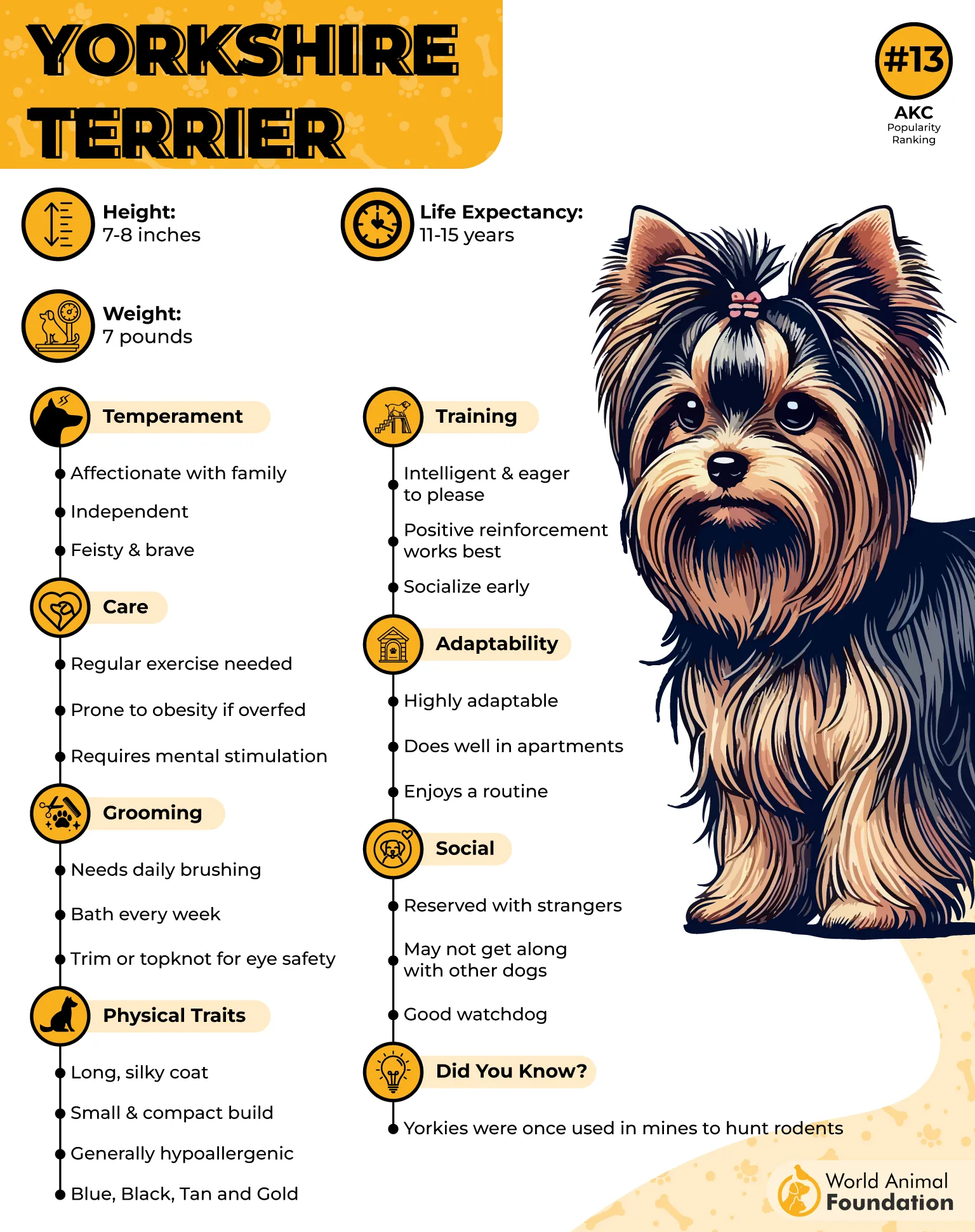
The Yorkshire Terriers are mouthy, scrappy and wildly popular, and yes, they are trainable even when they are being dramatic about it.
They were bred originally as rat hunters, thus inherited high energy, activeness and watchful instincts. Since they are loyal companions, they can be a little possessive of you around other pets. But this can be controlled by early socialization, barking sessions, and consistent training.
Desire for Attention: They tend to learn quickly because they are attention lover and eager to please their owner.
Sharp Memory for Verbal Commands: They can retain a large vocabulary of commands with structured training.
Thrives on a Structural Daily Routine: Set a schedule and stick to it. Yorkies genuinely respond better when sessions happen at the same time each day.
8. Silky Terrier
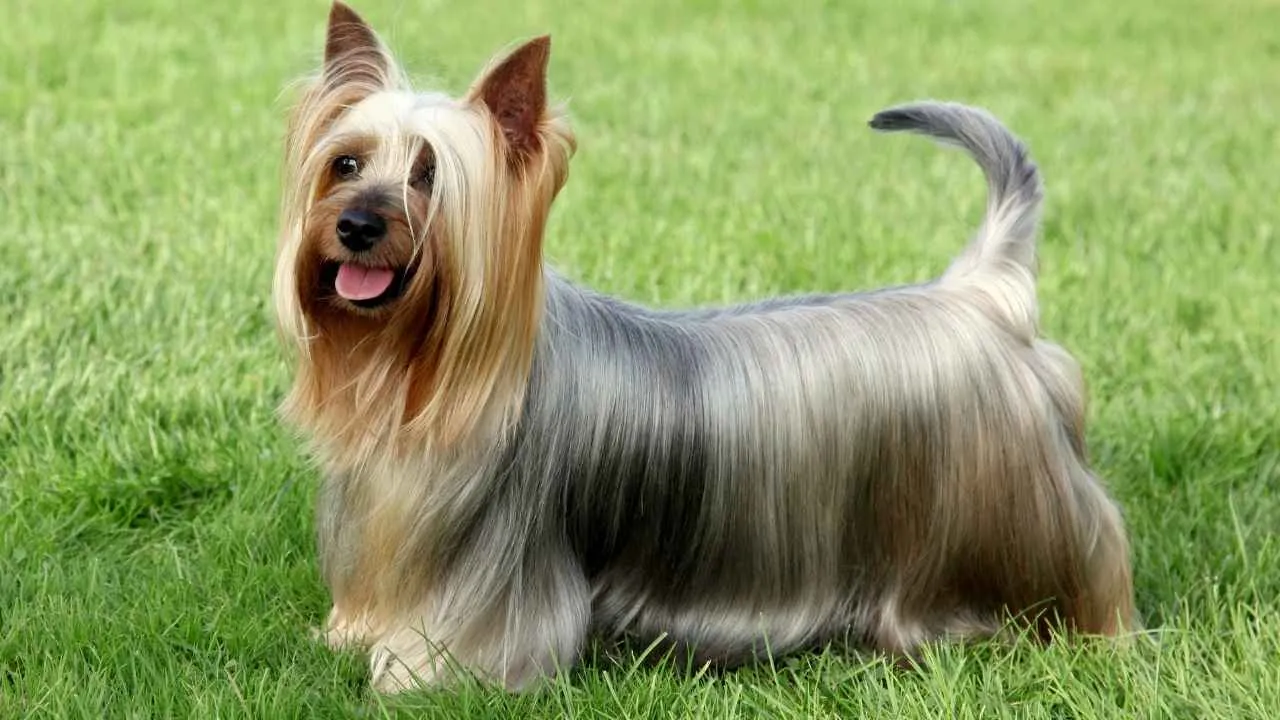
A Silky Terrier sits right between a Yorkie and an Australian Terrier, and that blend makes for a surprisingly trainable little powerhouse.
They are natural alarm dogs, so loud barking is a part of their personality. Living in a populous society, this can be a problem. They also have a strong prey drive, so can be distracted easily. Positive reinforcement, barking lessons, basic commands (sit, come, etc.) and polite training methods are recommended for good results.
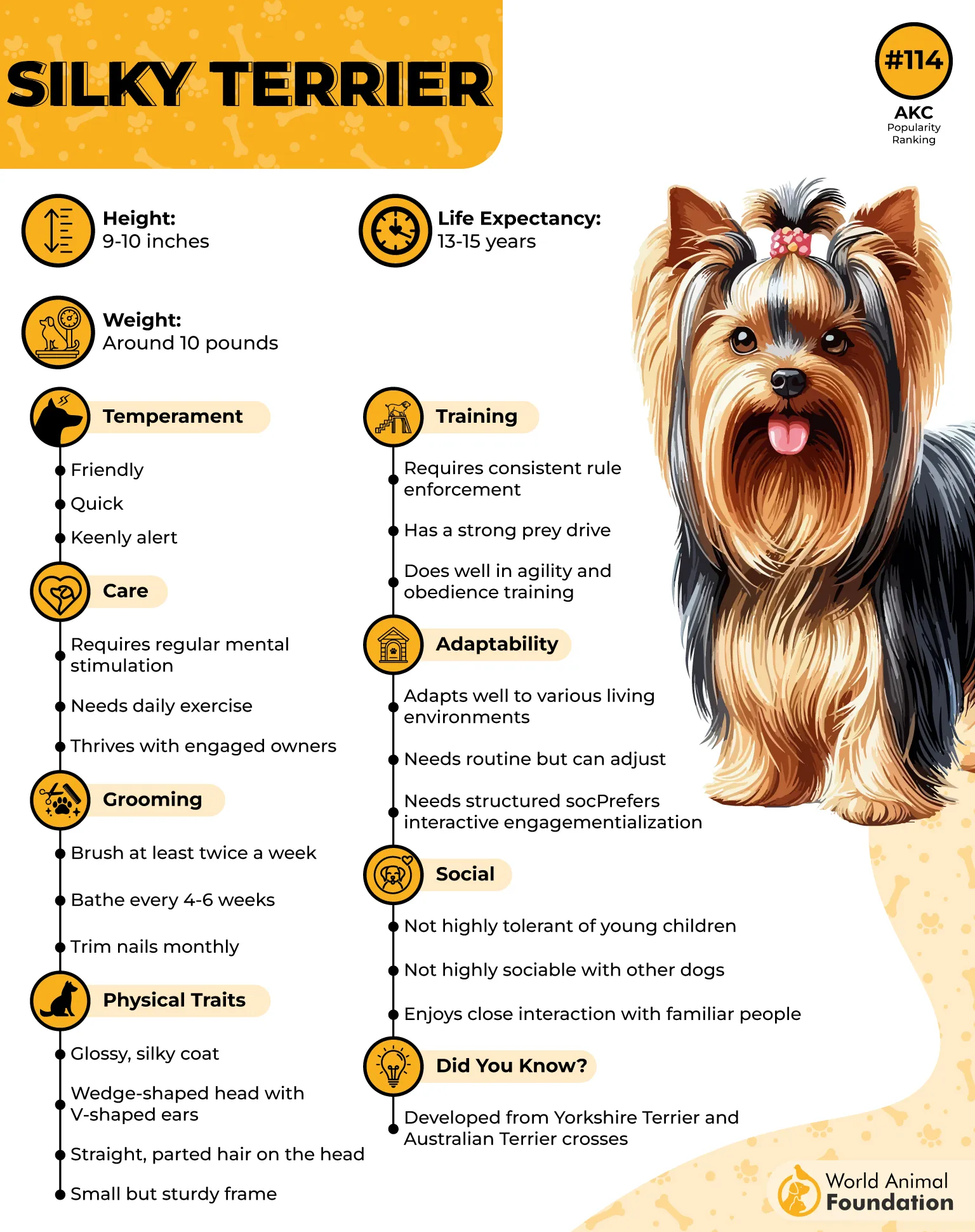
Food Motivation: They are high energy dog that require food to boost their stamina. Reward-based training always helps them to learn commands faster.
Versatility: These working dogs are active, intelligent and strong. These traits help them learning different sports in less time.
Eager to Please: Despite their independent nature, Silky Terriers are affectionate dogs and thrive on the attention of their pet parents.
9. Boston Terrier
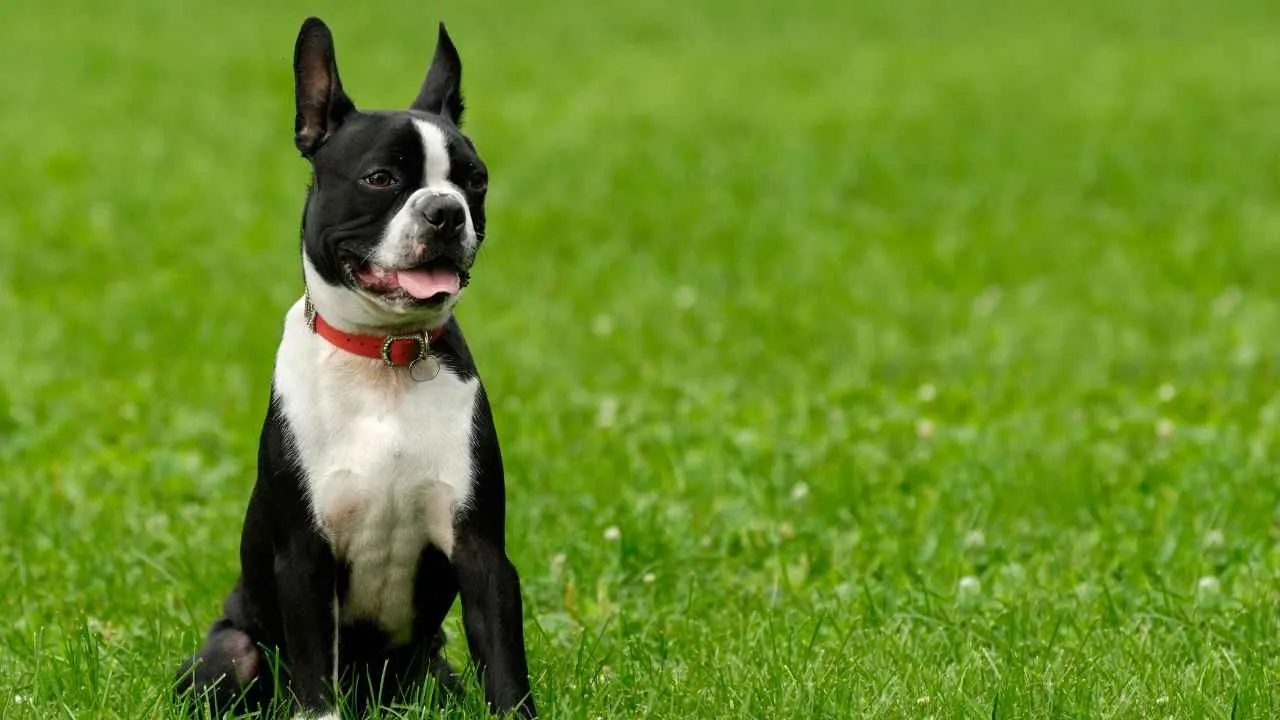
A Boston Terrier is a class clown who also aces every class test. Fun, expressive and genuinely eager to please, this breed makes training sessions the most exciting part of the day.
PetMD says that Boston Terriers are friendly and loving but have an independent nature. Hence, positive reinforcement, early socialization and fun activities are suggested to train them.
Also, the Boston Terriers are excellent escape artists. So, it is important to leash them outdoors. Leashing is preferrable over collaring them since they have a delicate trachea that can be damaged when collared.
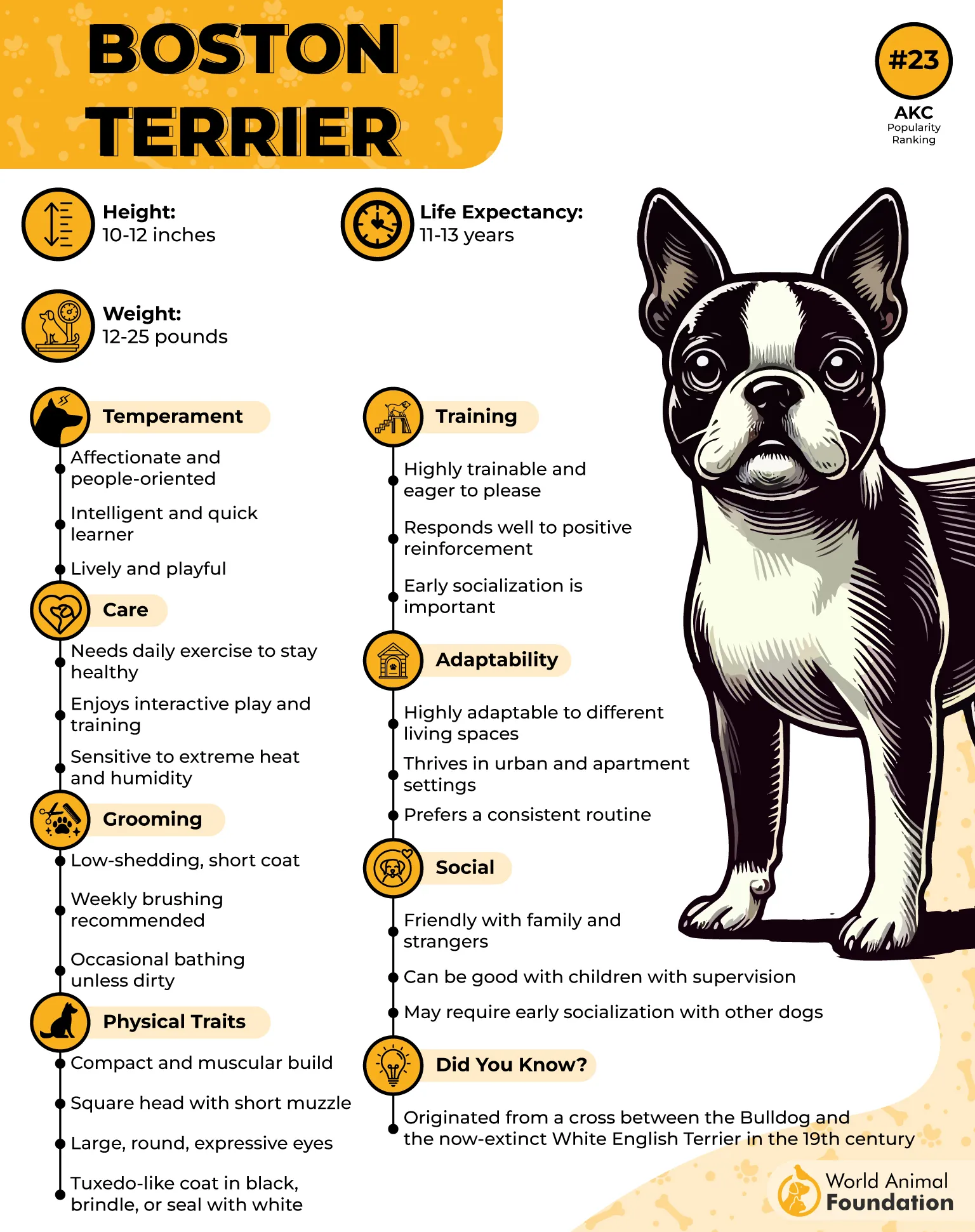
Responsiveness and Sensitivity: They are emotionally sensitive creatures, and loud voices and harsh tones may affect them, and they won’t listen to you. Gentle treatment with positive reinforcement is the only way you can train them.
Social and Energetic: It means fewer corrections, less reactivity and calmer training environments. They have a desire to participate in family activities to grab their attention.
Multiple Tricks for Longer Terms: They have extremely sharp memories. They learn tricks and even behaviors for longer period of time.
Conclusion
Training a small dog does not have to feel like herding cats, unless you have a cat, in which case, good luck. The nine breeds on this list prove that size has nothing to do with brains or willingness. From the genius-level poodle to the people-obsessed Boston terrier, each of these dogs brings real and special qualities to the training table.
Patience, consistency and genuine connection with your dog will always be the foundation. Pick the breed that matches your lifestyle, invest your time honestly, and you will end up with a dog that does not sit on command; they sit with pride.
And isn’t it what every dog owner actually wants?
