




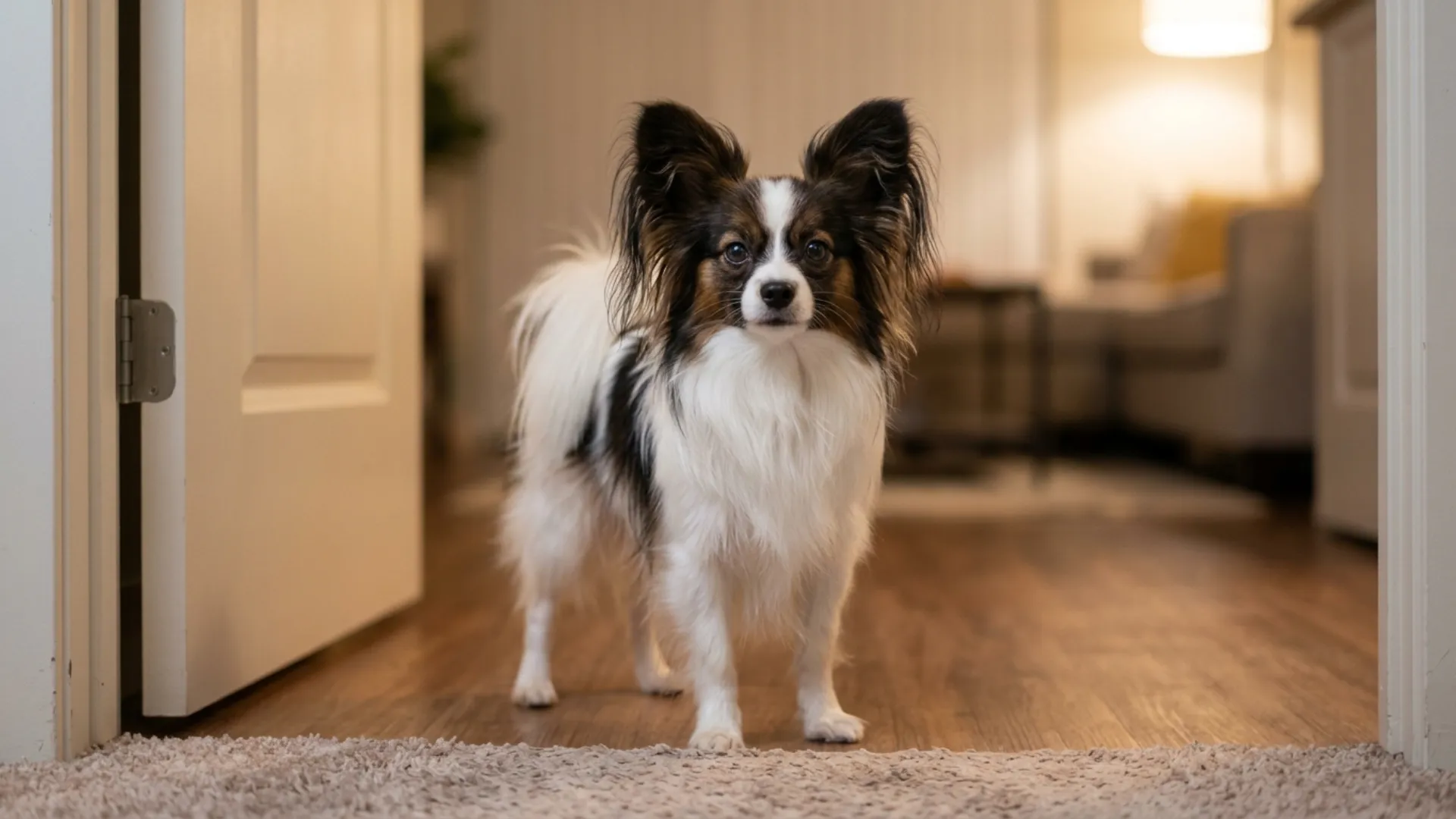
Small dogs may not have the imposing presence of a large guard dog, but many can be surprisingly attentive when something unusual happens around the home. Their sharp hearing, quick reactions, and tendency to vocalize can make them useful little alarm systems, especially in apartments where hallway noises, visitors, and unfamiliar activity are often close by.
Interestingly, several small breeds on this list were originally developed for practical working roles. Some hunted rodents, while others were valued for their ability to notice people approaching their homes or workplaces. Those backgrounds have helped preserve the alert and confident personalities many owners see today.
The breeds below combine compact size with varying degrees of watchfulness, making them worth considering for apartment residents who want a small companion that can also keep an eye—or rather, an ear—on the surroundings.
Small Dog Breeds Ideal for the Apartment Guard
1. Miniature Schnauzer
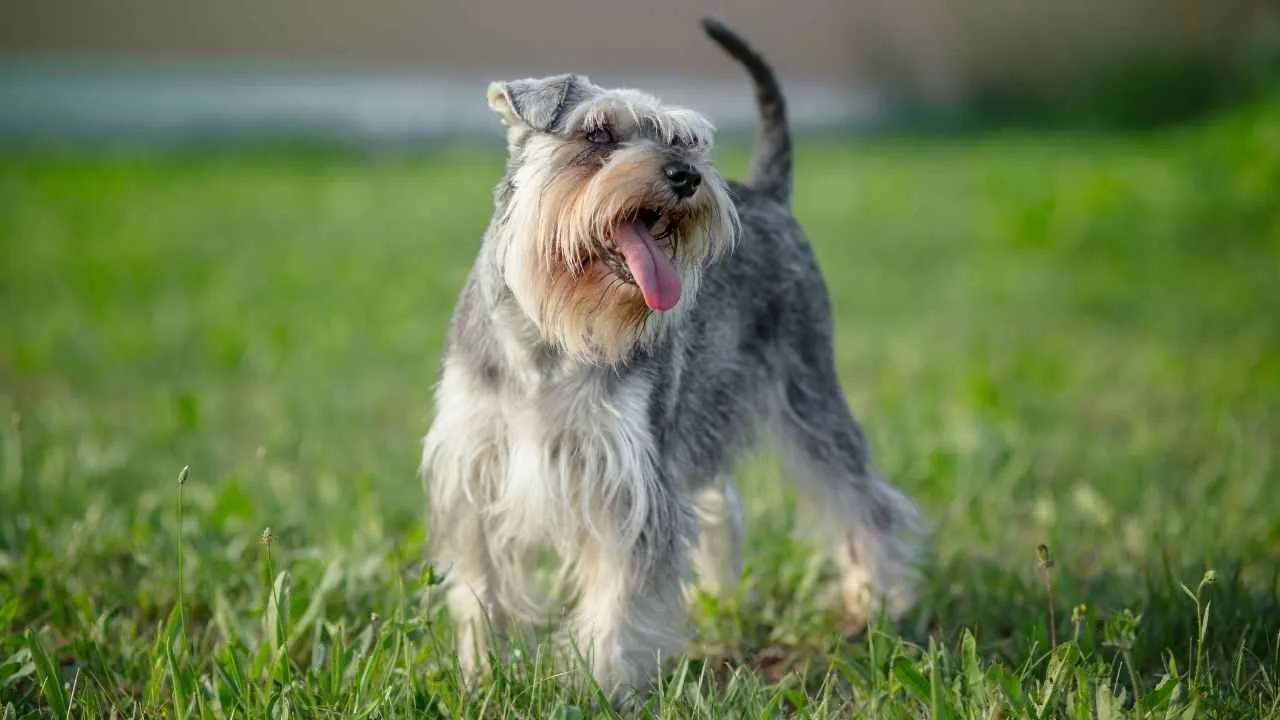
The Miniature Schnauzer originated in Germany and was developed from the Standard Schnauzer along with smaller breeds. Farmers valued these small dogs for controlling vermin around farms and homesteads. Their practical working background contributed to the lively, attentive temperament that remains characteristic of the breed.
A Wiry Coat With Regular Grooming Needs
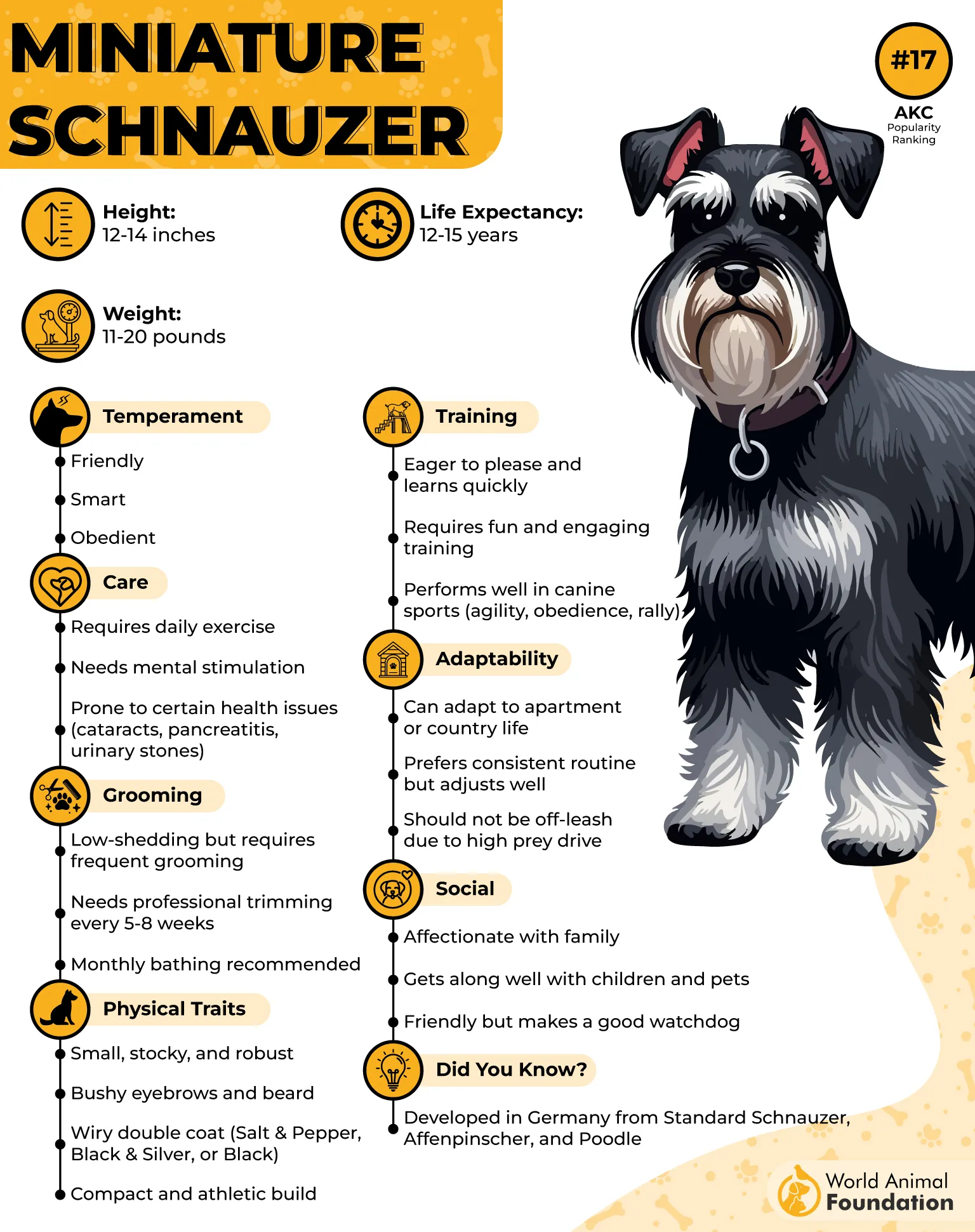
The Miniature Schnauzer’s distinctive wiry coat requires consistent brushing and regular trimming to stay neat. Professional grooming is often part of its routine, particularly for owners who want to maintain the breed’s traditional appearance. Daily walks, indoor games, obedience exercises, and mentally stimulating activities can help satisfy its moderate-to-high energy levels.
An Attentive Little Household Watchdog
Miniature Schnauzers tend to notice changes in their surroundings quickly. Footsteps outside the door, unfamiliar visitors, or unusual sounds can prompt an immediate response. Their alertness can be useful in an apartment, although early training is important for teaching them when barking is appropriate and when it is time to settle down.
2. Miniature Pinscher
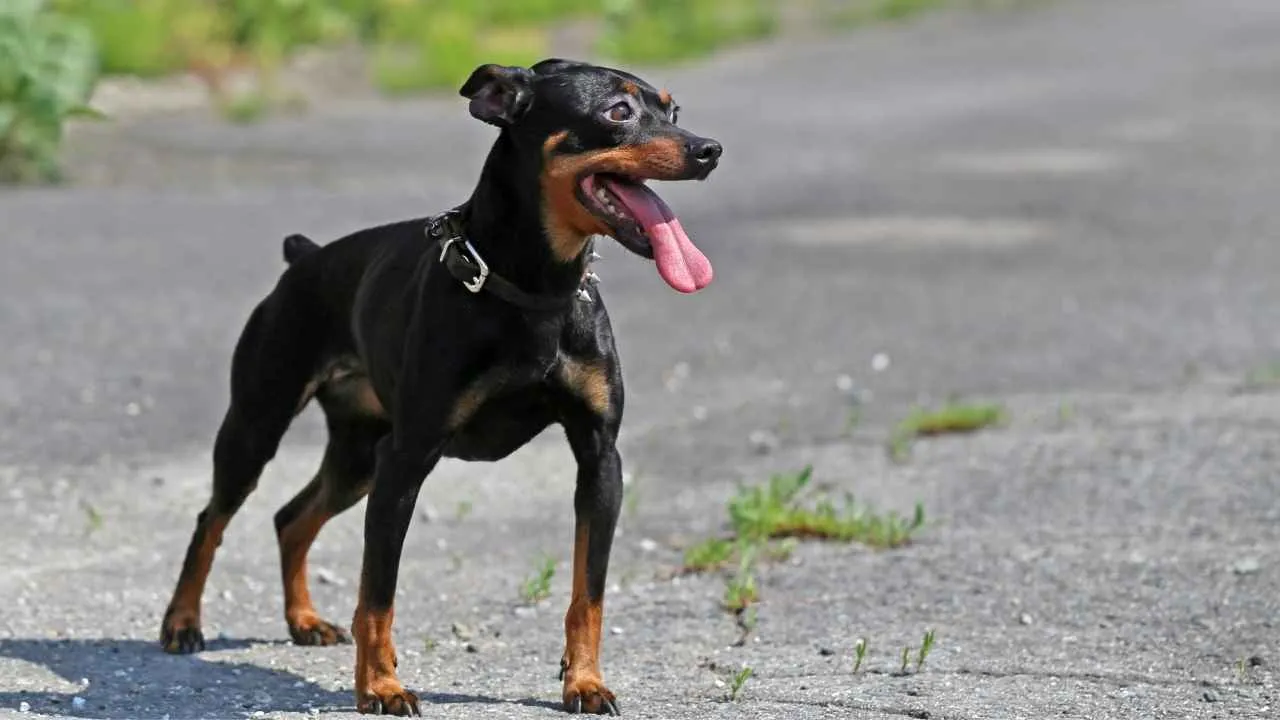
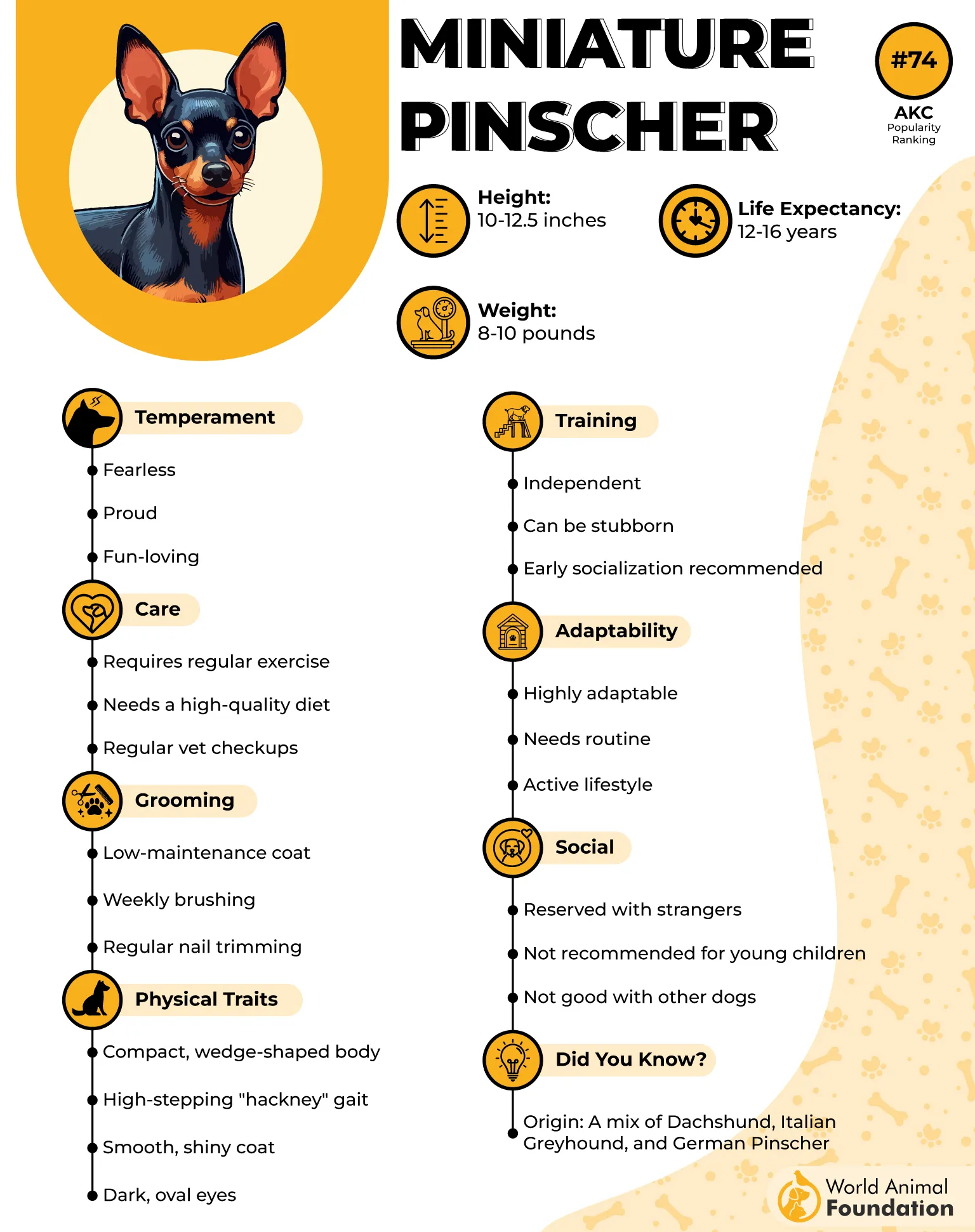
The Miniature Pinscher originated in Germany and was developed as a small hunting dog, particularly for controlling rodents. Although its appearance can remind people of a miniature Doberman, the two breeds have separate histories. The Miniature Pinscher eventually became a popular companion while retaining the confident and energetic personality of its working ancestors.
Short Fur and a High-Energy Routine
The Miniature Pinscher’s smooth, short coat is relatively simple to maintain and usually needs only occasional brushing. Its exercise requirements are more substantial than its tiny body might suggest. Walks, active play, training sessions, and indoor games can help provide the physical and mental stimulation this lively breed needs.
A Fearless Personality Behind the Door
A Miniature Pinscher often behaves as though it is much larger than it really is. It can quickly react to unfamiliar noises and may alert its owner when someone approaches the apartment. Its confidence makes it an enthusiastic watchdog, but positive training and socialization help prevent that boldness from turning into unnecessary reactivity.
3. Schipperke
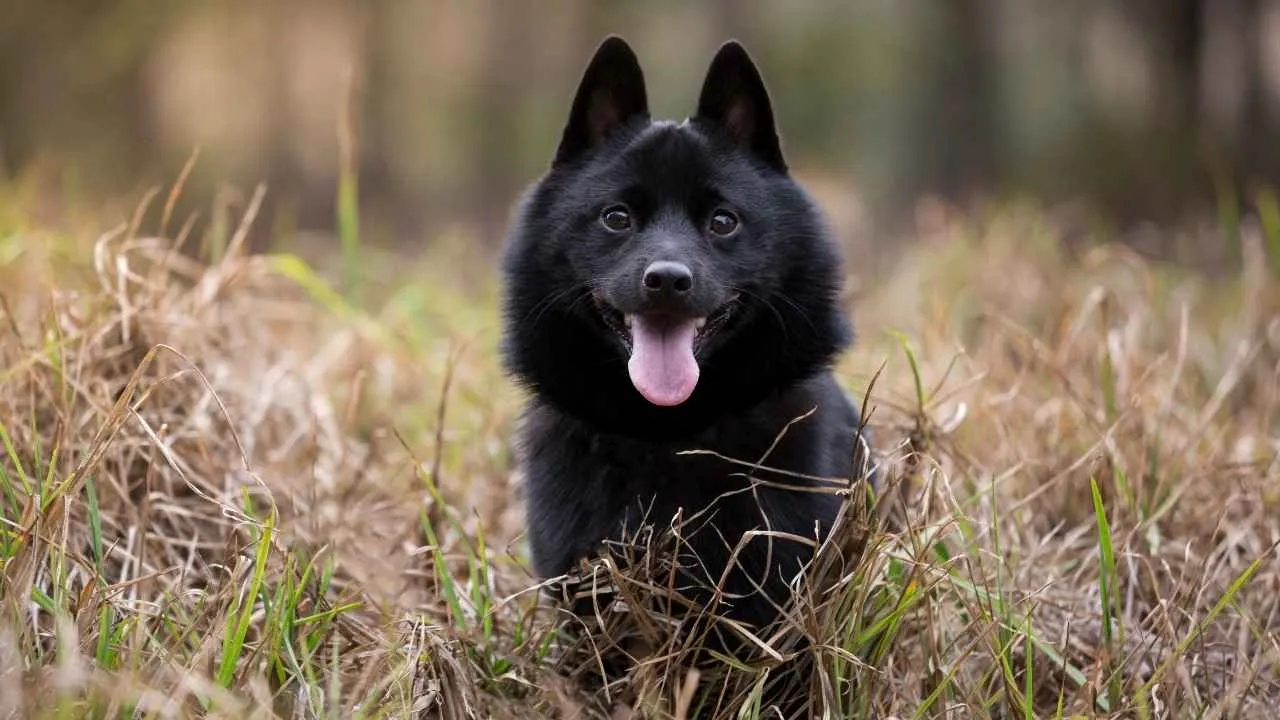
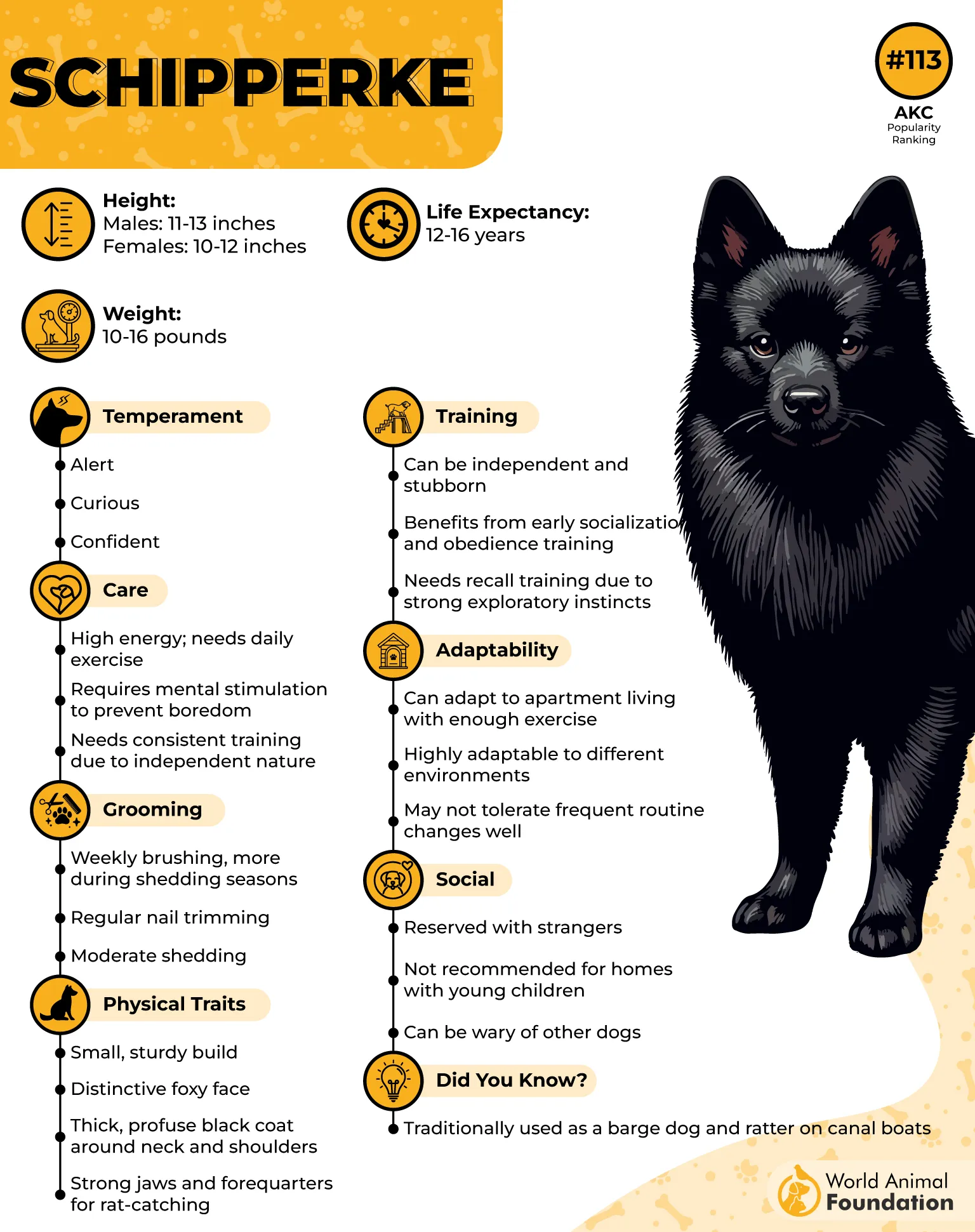
The Schipperke originated in Belgium, where these small black dogs were associated with canal boats, workshops, and homes. They were valued for controlling rats and remaining attentive to their surroundings. Their working history helped shape an independent and curious breed that continues to take an interest in everything happening around it.
Dense Fur That Benefits From Routine Brushing
The Schipperke has a dense double coat with a noticeable ruff around its neck. Regular brushing helps remove loose hair and keeps the coat in good condition, especially during periods of heavier shedding. It is also an energetic breed that benefits from daily walks, interactive games, training, and activities that allow it to investigate its surroundings.
Always Listening for Something Unusual
Schipperkes can be remarkably observant for their size. Activity in an apartment hallway, an unfamiliar sound outside the door, or a visitor entering the home may quickly attract their attention. Their willingness to vocalize when something catches their interest can give apartment owners an early warning, provided their barking is properly managed.
4. Rat Terrier
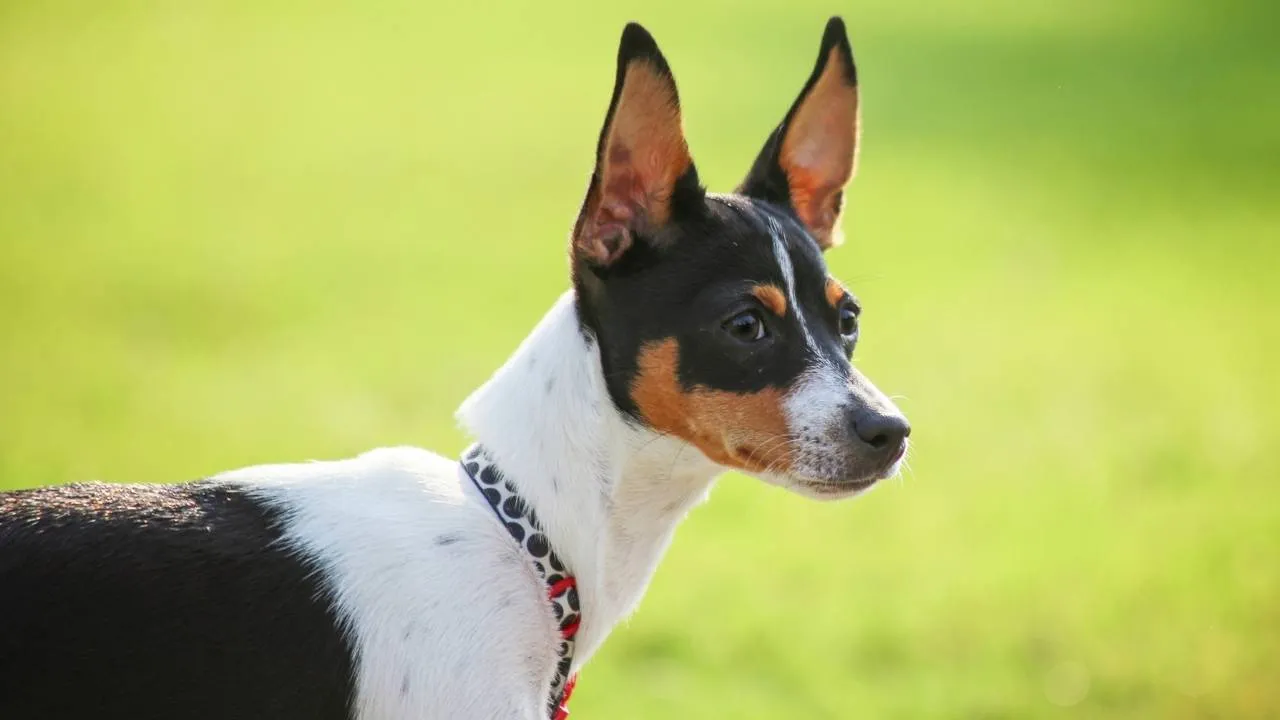
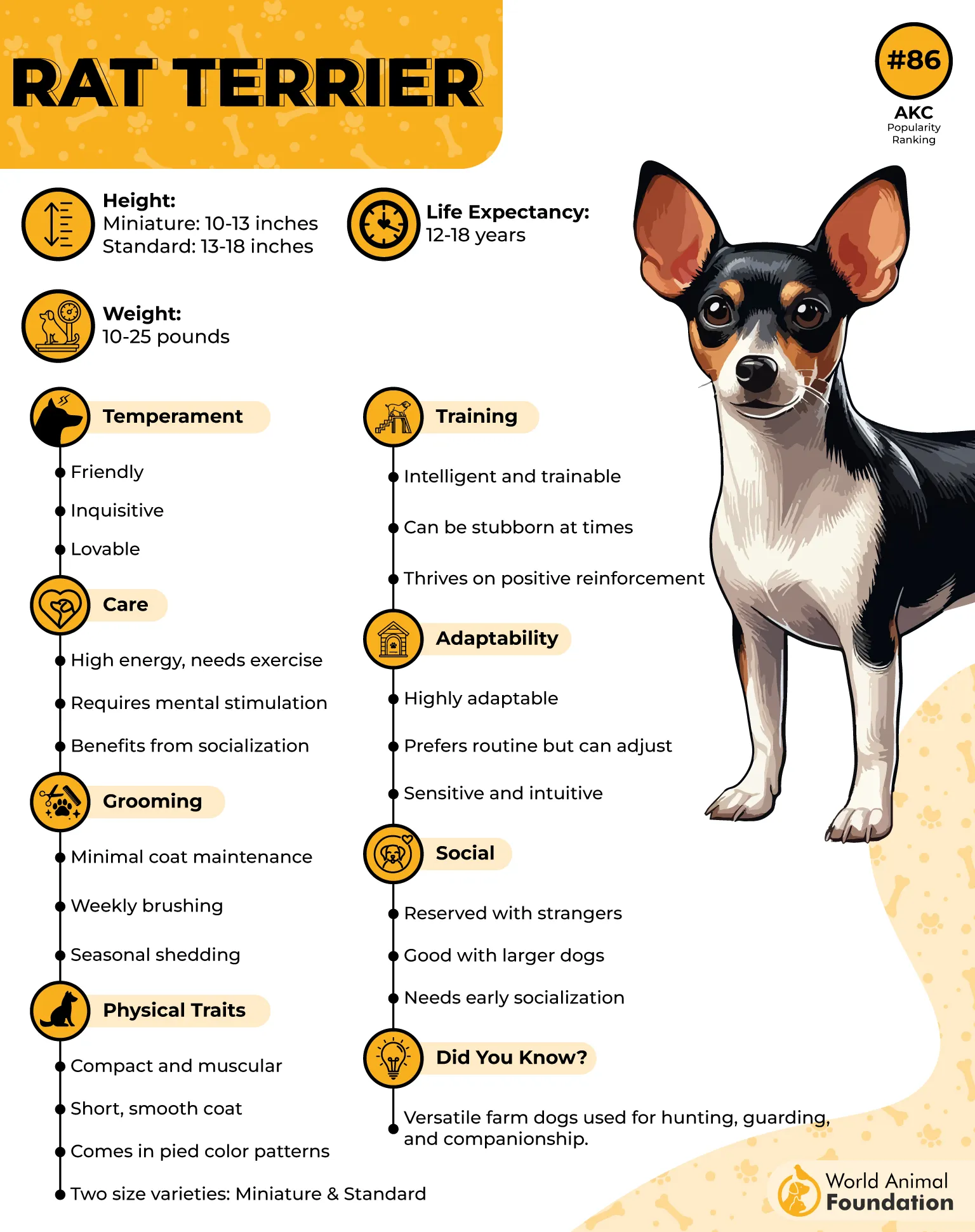
The Rat Terrier was developed in the United States as a versatile farm dog and was particularly valued for controlling rats and other vermin, as per the AKC. Different terrier breeds contributed to its development, helping create a quick, agile, and determined little worker. Over time, its adaptability also made it a popular family companion.
An Easy Coat for an Energetic Dog
The Rat Terrier’s short coat is uncomplicated to maintain and generally needs little more than occasional brushing. Its energy level, however, calls for a more active routine. Daily walks, games, training exercises, and mentally challenging activities can help prevent boredom and give this intelligent breed an appropriate outlet.
A Terrier That Notices the Smallest Changes
The Rat Terrier’s working background contributes to its quick reactions and curiosity. It may investigate unfamiliar sounds or movement around the apartment rather than simply ignoring them. Although it is too small to serve as a physical deterrent, its tendency to alert its family can make it a useful early-warning companion.
5. Chihuahua
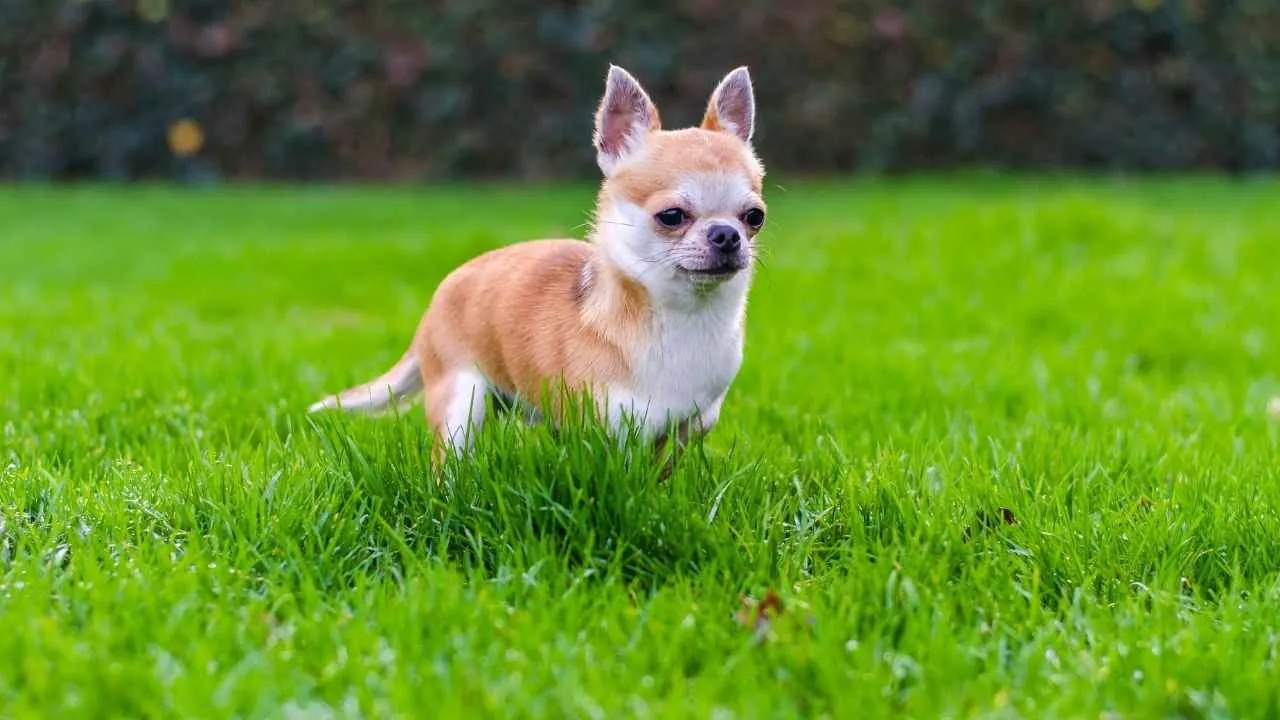
The Chihuahua takes its name from the Mexican state of Chihuahua, while its deeper ancestry is connected with the ancient Techichi, a companion dog associated with the Toltec civilization, as per Britannica. The breed later became closely associated with Mexico and eventually spread throughout the world. Its tiny body has never prevented it from developing a confident and expressive personality.
Grooming That Suits Compact Living
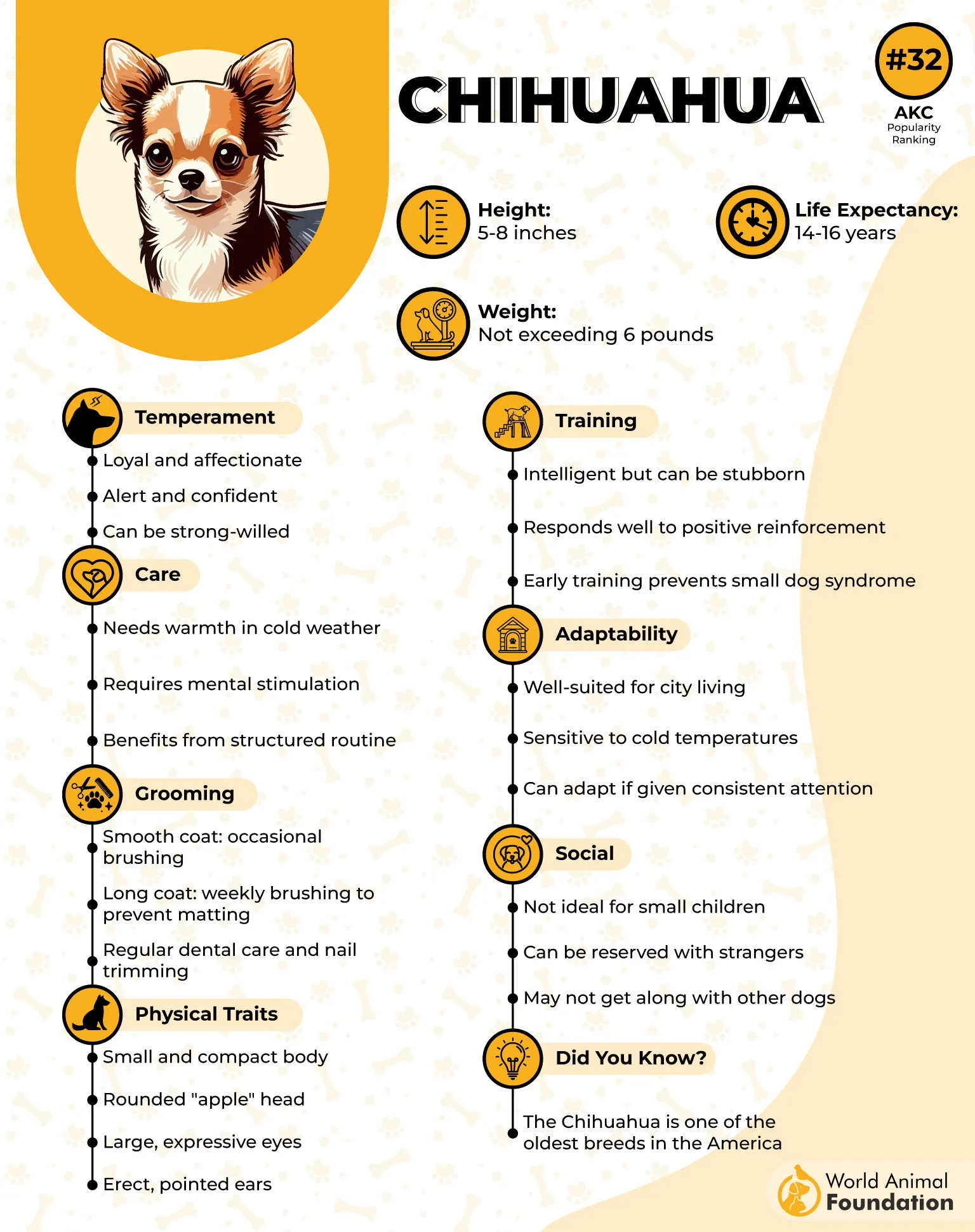
Chihuahuas can have either smooth or long coats. Smooth-coated varieties typically require minimal grooming, while long-coated Chihuahuas benefit from regular brushing to prevent tangles. Their exercise needs are relatively modest, with short walks, indoor play, and interactive activities often providing enough movement for their small frames.
A Tiny Dog With a Very Big Reaction
Chihuahuas can be highly observant and may respond immediately when they hear something unfamiliar. They often form strong bonds with their owners and can become vocal when someone approaches the home. Socialization is particularly important with this breed, helping it distinguish ordinary apartment activity from situations that genuinely require attention.
6. Yorkshire Terrier
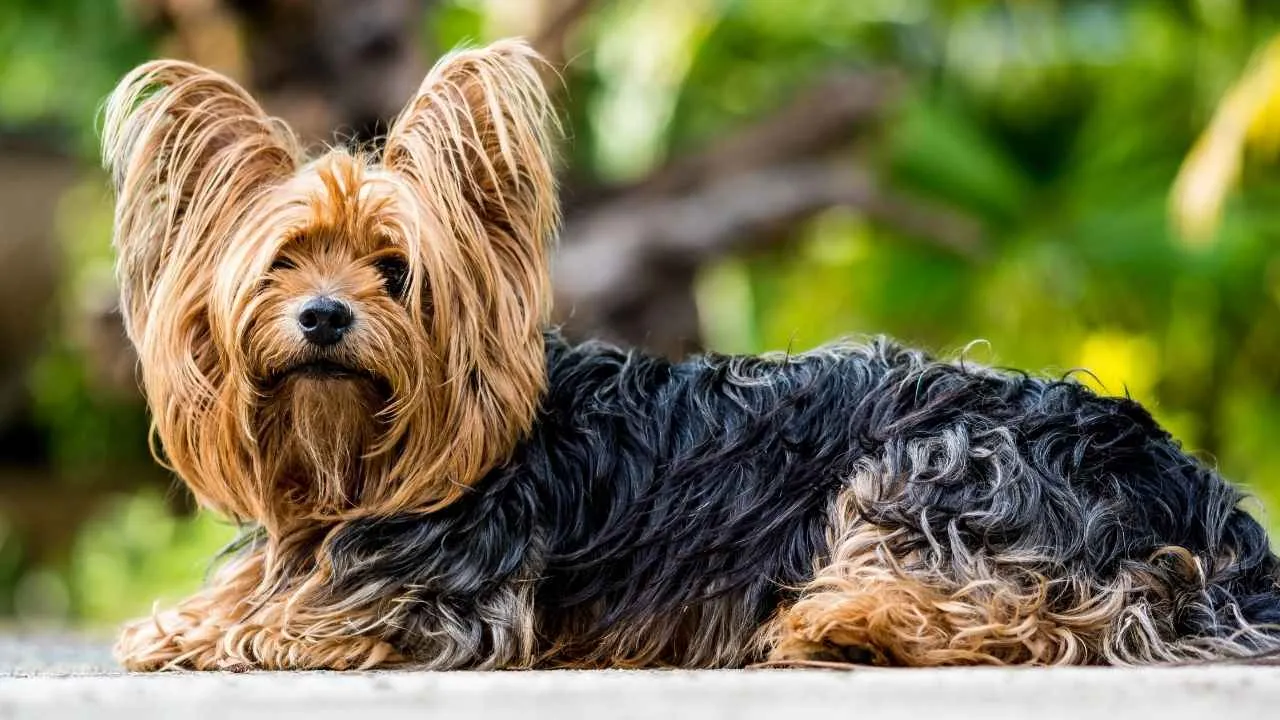
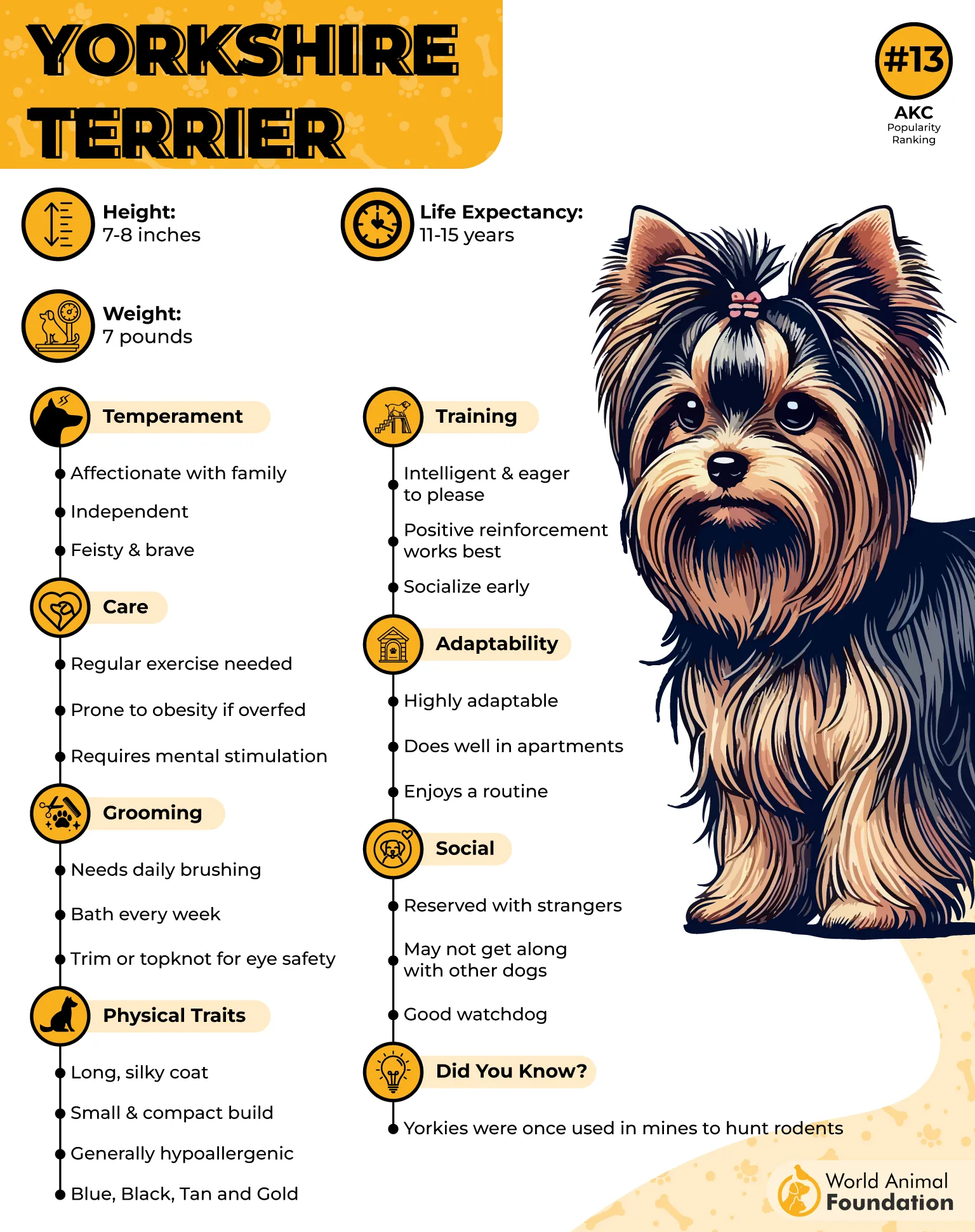
The Yorkshire Terrier developed in northern England during the Industrial Revolution, particularly around Yorkshire and Lancashire. Small terriers brought to the region by Scottish workers contributed to the breed’s development. Yorkies were originally valued for catching rats in textile mills before their elegant appearance helped them become fashionable companion dogs.
Silky Hair With a Detailed Grooming Routine
The Yorkshire Terrier’s fine, silky coat requires regular brushing to keep it free from tangles, as per Purina. Owners often choose shorter trims when they want to make everyday maintenance easier. Despite their small stature, Yorkies benefit from daily walks, indoor games, and short training sessions that keep both body and mind active.
A Former Ratter With a Watchful Nature
The Yorkie’s glamorous appearance can easily hide its terrier roots. Beneath the long coat is a confident little dog that may quickly notice unfamiliar movement or sounds. Many Yorkies also become closely attached to their owners and will vocalize when someone approaches the home, giving them a natural role as a small household alarm.
7. Lhasa Apso
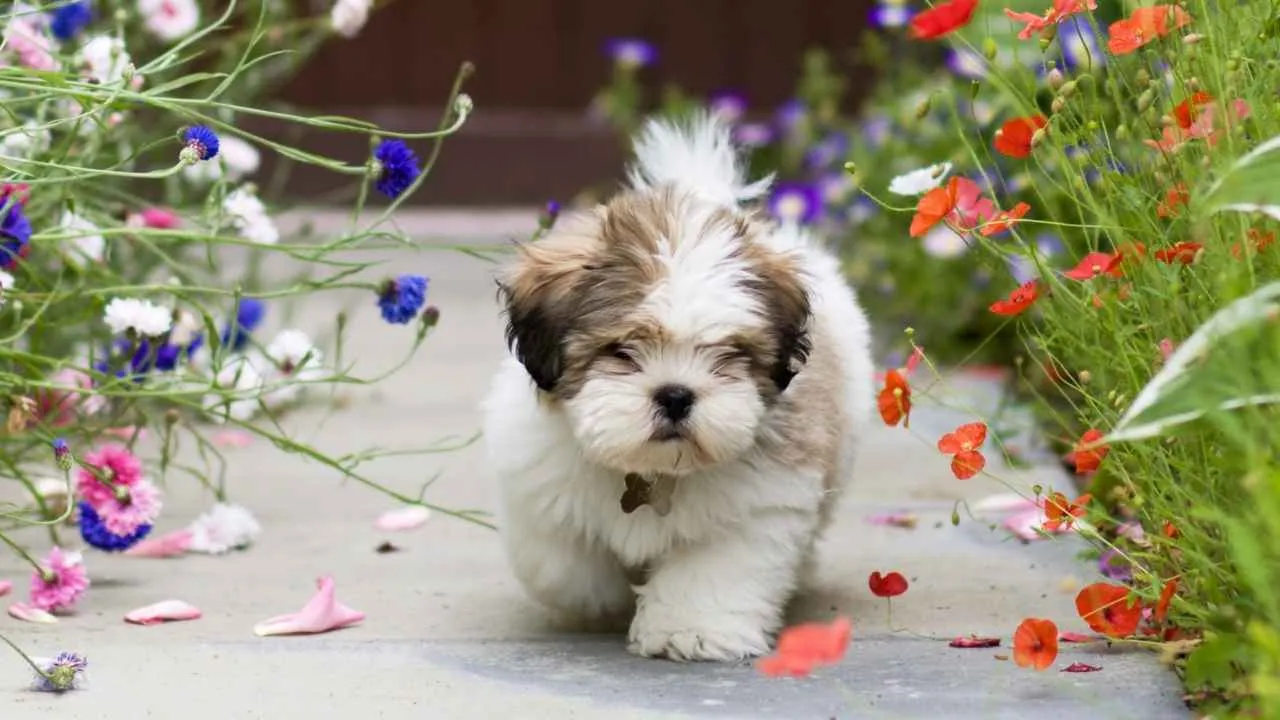
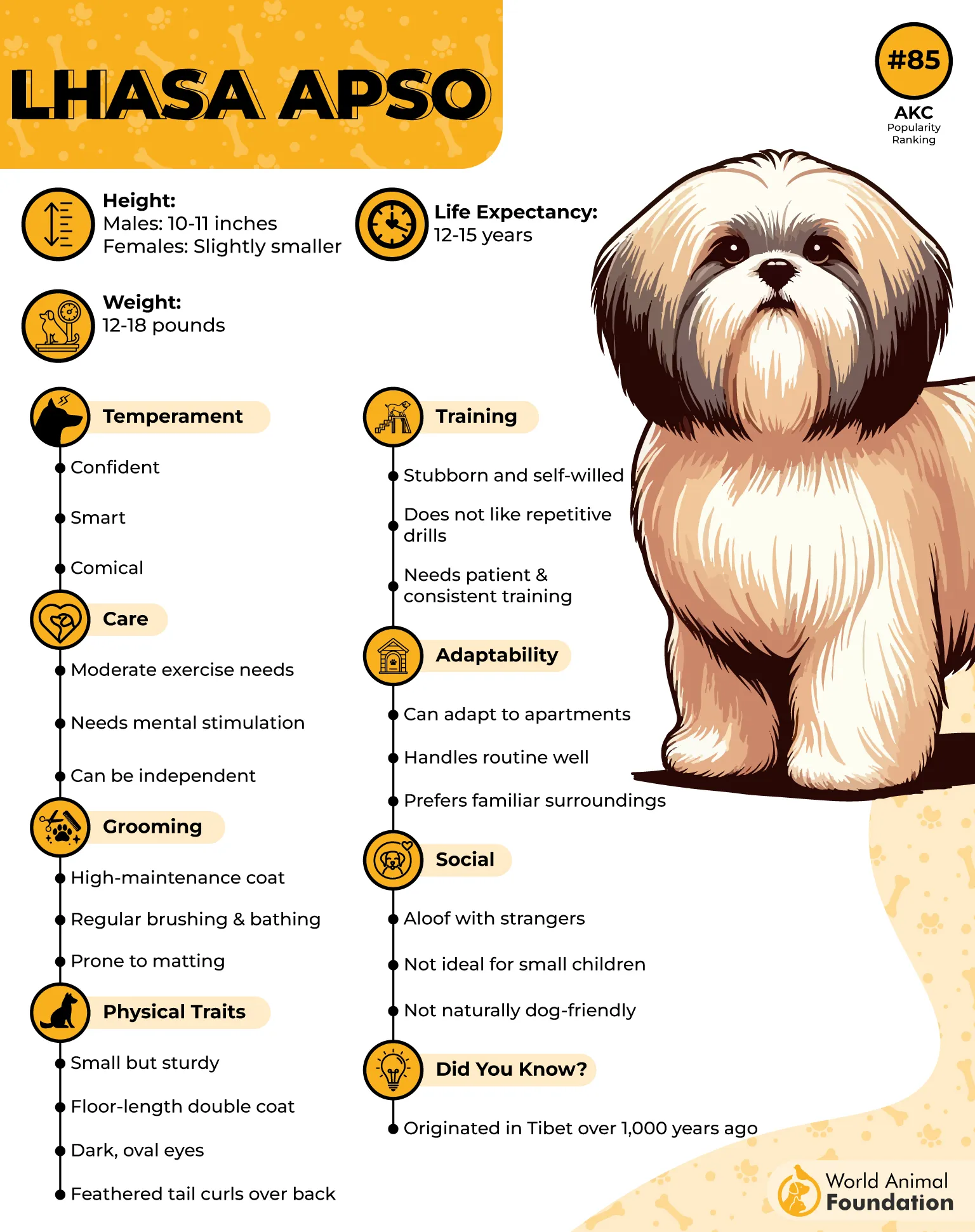
The Lhasa Apso originated in Tibet, where it was kept in monasteries and noble households. Its history is especially relevant to its watchdog abilities because these small dogs were valued for their sharp hearing and ability to alert people when unfamiliar individuals approached. The breed’s connection with Lhasa, the historic Tibetan capital, is reflected in its name.

A Luxurious Coat That Needs Commitment
The Lhasa Apso has a long, heavy coat that requires frequent brushing to prevent mats and tangles. Some owners choose a shorter trim to simplify grooming. Its exercise requirements are moderate, with regular walks, indoor play, and mental stimulation generally providing an appropriate routine.
A Historic Sentinel in a Small Package
The Lhasa Apso has one of the strongest historical connections to watchdog duties among small companion breeds. Its traditional role was not to physically confront an intruder but to notice something unusual and alert the people nearby. That instinct can still be seen today, with many Lhasas remaining observant around strangers while staying affectionate with their families.
Conclusion
Miniature Schnauzers, Miniature Pinschers, Schipperkes, Rat Terriers, Chihuahuas, Yorkshire Terriers, and Lhasa Apsos show that an apartment watchdog does not have to be large. These breeds differ in energy, grooming requirements, temperament, and the way they respond to unfamiliar activity.
Their histories also explain many of their modern characteristics. Some were developed to control vermin, while others were valued for their alertness around homes, workplaces, or monasteries. Those original roles continue to influence how these dogs interact with their surroundings.
For apartment living, natural watchfulness is only one consideration. Proper socialization, consistent training, suitable exercise, and responsible barking management can help ensure that a small watchdog remains a pleasant companion as well as an attentive member of the household.
