




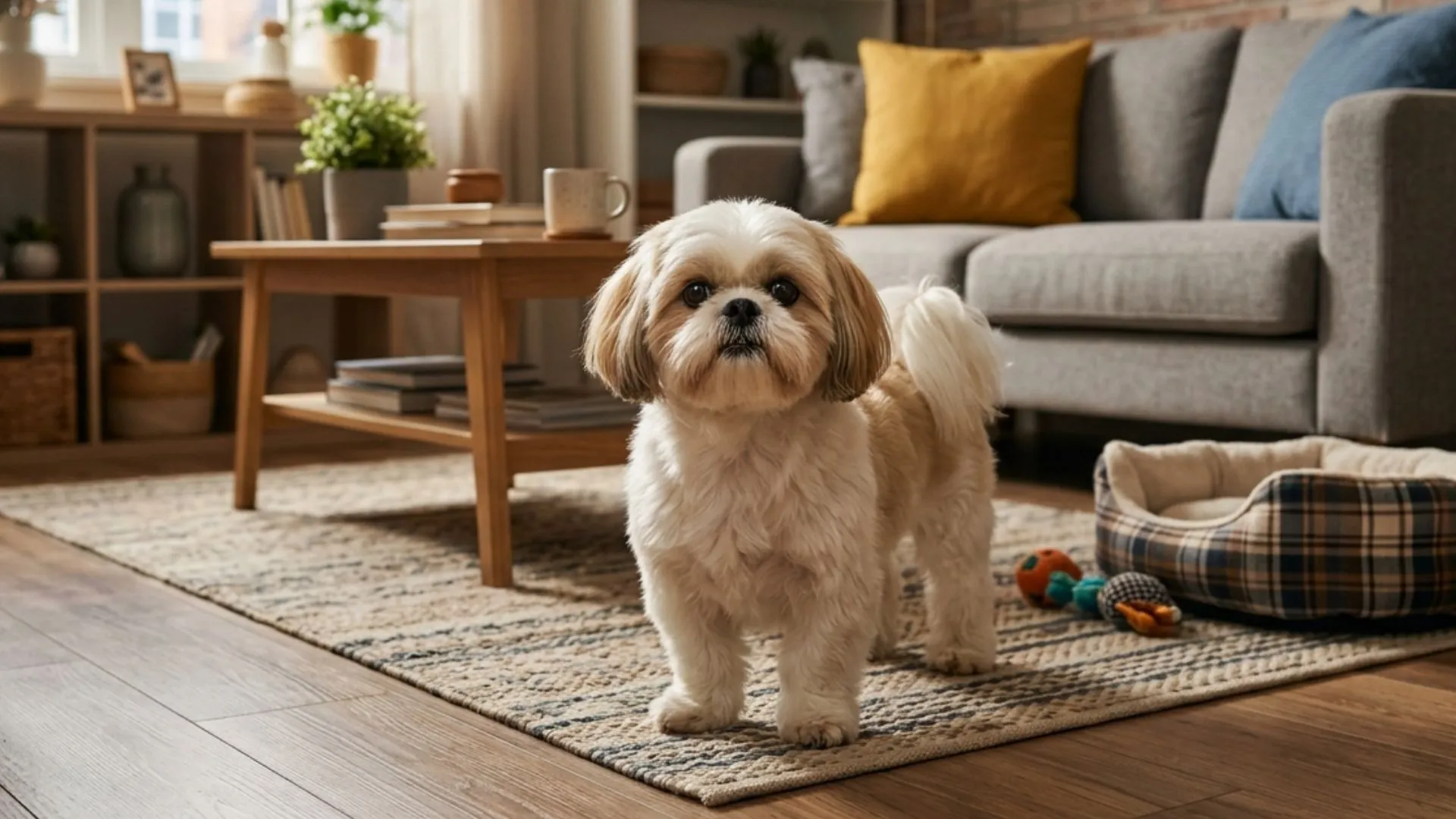
Tiny apartment?
Studio flat?
Cozy condo with exactly one square foot of free floor space?
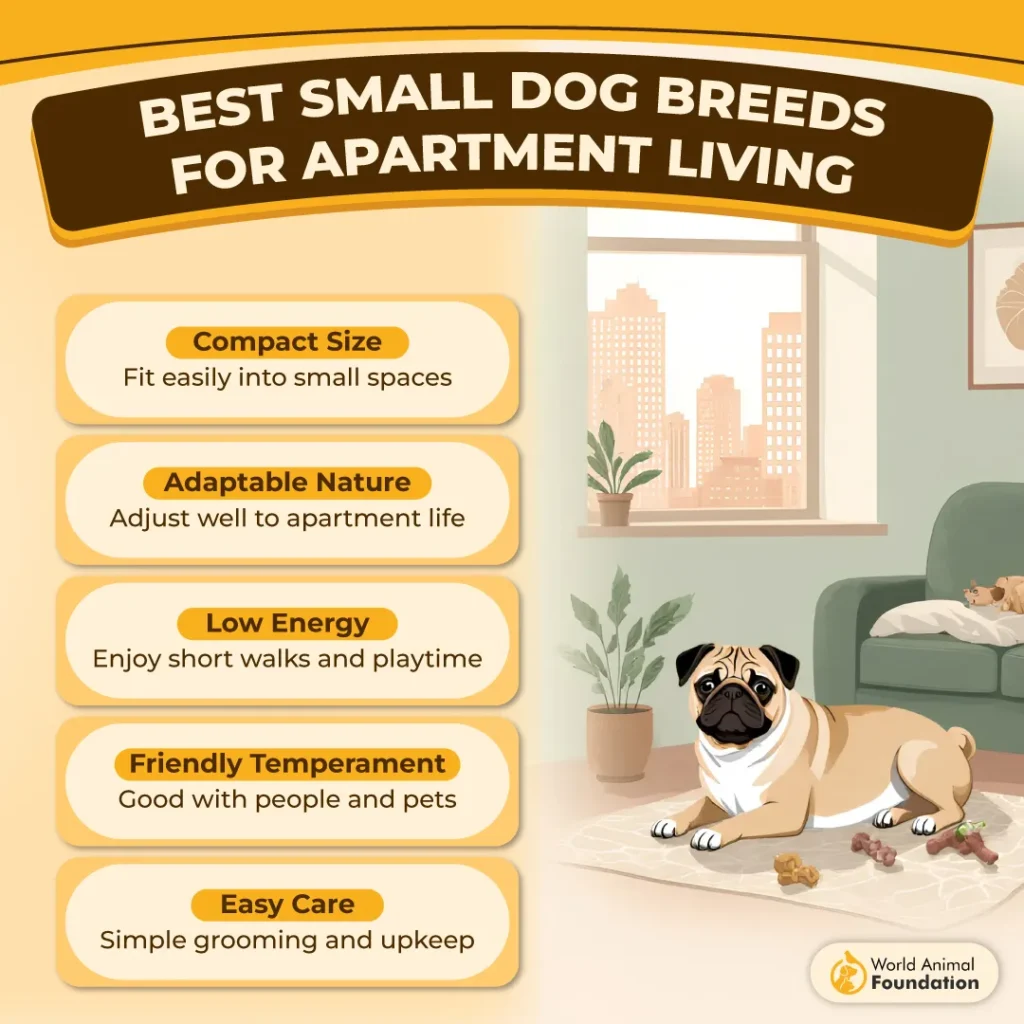
Don’t worry—some dogs are perfectly happy living the compact-life aesthetic as long as they have love, routine, and a comfy spot to nap. In fact, many small companion breeds were historically developed to spend more time with humans than roaming large properties, making them naturally suited to indoor living.
The secret is choosing a breed whose lifestyle matches yours. Dogs that are content with moderate exercise, enjoy lounging indoors, and don’t require endless running sessions often settle beautifully into compact homes.
Here are the small breeds that prove you don’t need a mansion to provide an amazing life for your furry best friend.
Best Small Dog Breeds for Minimal Space Requirements
1. French Bulldog
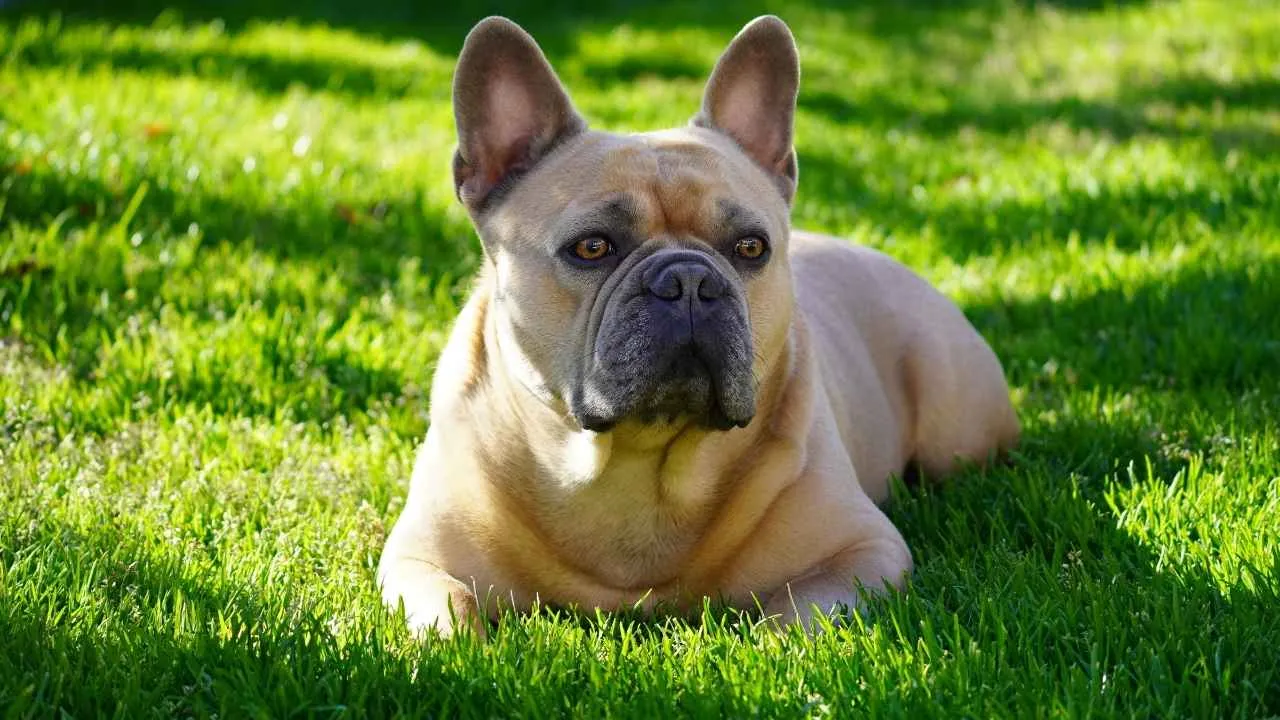
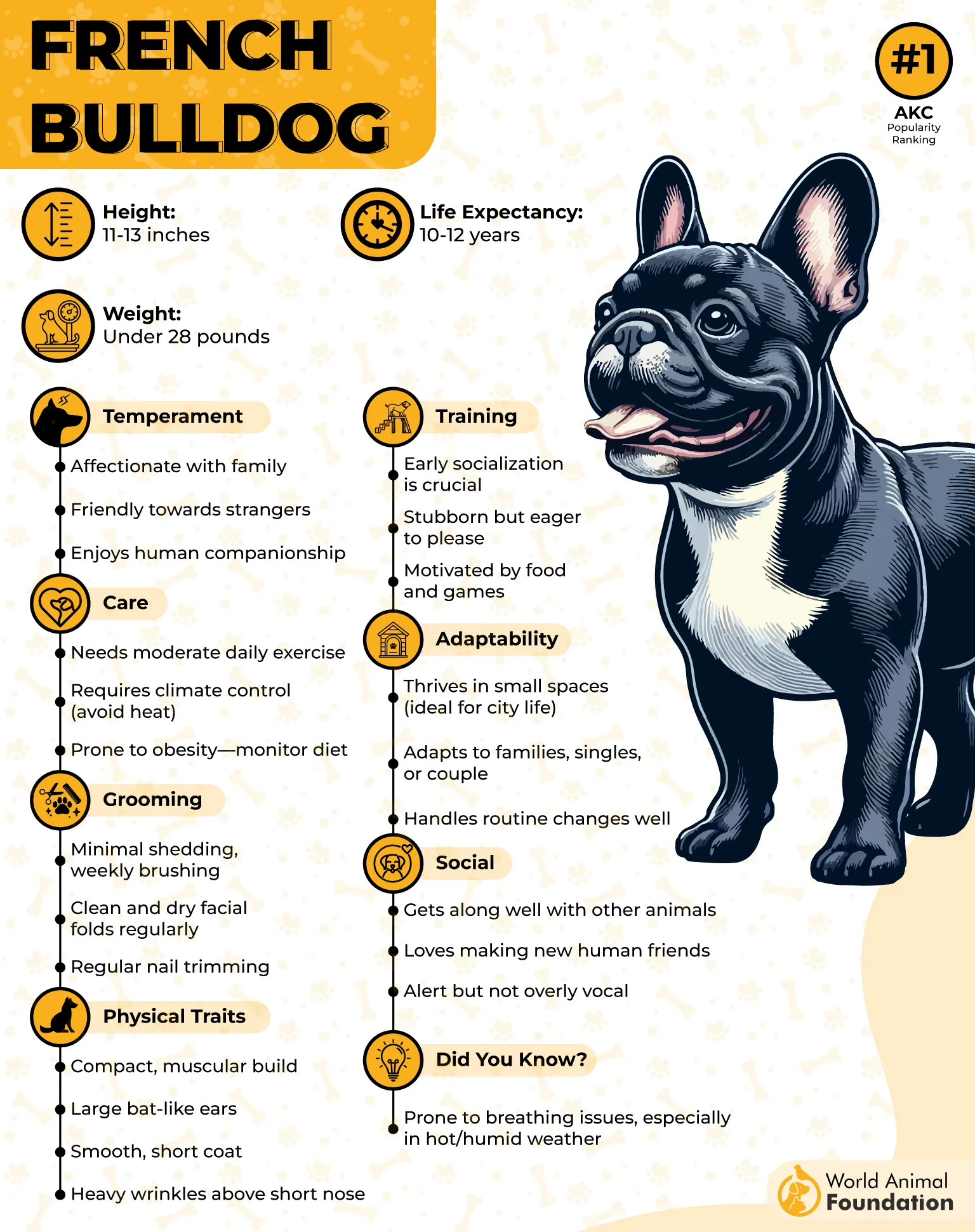
The French Bulldog has become one of the most popular urban companion dogs in the world, and it’s easy to see why. Compact, affectionate, and relatively low-energy, this breed is practically built for apartment life.
One reason they require minimal living space is their moderate exercise needs. A couple of short daily walks and interactive indoor play sessions are often enough to keep them physically and mentally satisfied.
Because of their brachycephalic (flat-faced) anatomy, they generally prefer avoiding strenuous activity, especially during hot weather.
Indoors, Frenchies are champions of relaxation. They enjoy following family members from room to room before dramatically collapsing onto the nearest sofa or dog bed for a well-earned nap.
Their adaptable personality also makes them excellent neighbors in shared buildings. While every dog is different, they are generally not excessive barkers and often settle into predictable household routines. Early socialization and positive reinforcement help ensure they remain calm and confident in busy urban environments.
Mental stimulation remains important even in smaller homes. Food puzzles, short training sessions, and interactive toys keep these intelligent dogs engaged without requiring acres of outdoor space.
What Makes Them Happy In Small Spaces
Their naturally low-to-moderate energy means they stay content without needing expansive yards or marathon exercise sessions.
A compact body and adaptable temperament allow them to navigate apartments and condos with remarkable ease.
They prioritize human companionship over constant exploration, making indoor living feel rewarding rather than restrictive.
2. Cavalier King Charles Spaniel
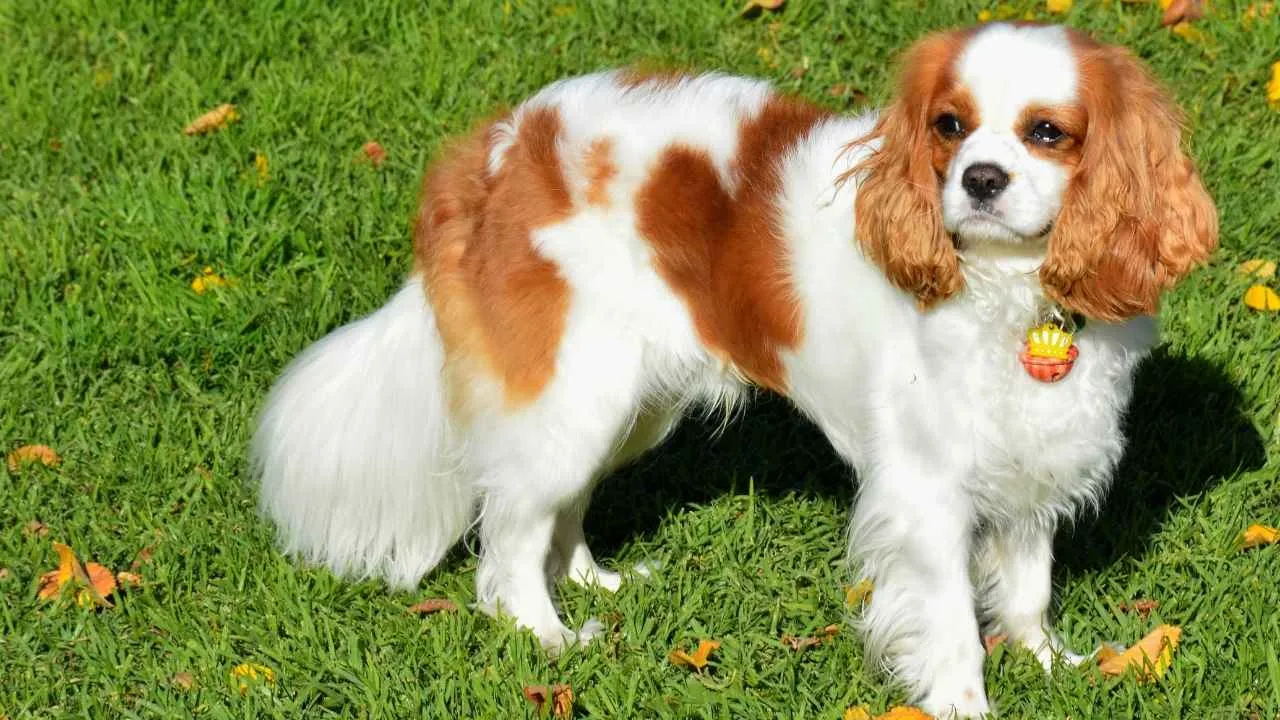
The Cavalier King Charles Spaniel combines elegance with an easygoing personality that suits modern apartment living exceptionally well. Originally cherished as a companion to royalty and nobility, the breed has long been happiest when close to people rather than roaming independently.
Although playful, they typically require only moderate daily exercise. Short walks combined with indoor games and opportunities to sniff new environments usually satisfy their physical needs. Their balanced energy level allows them to transition effortlessly from active moments to long stretches of quiet relaxation.
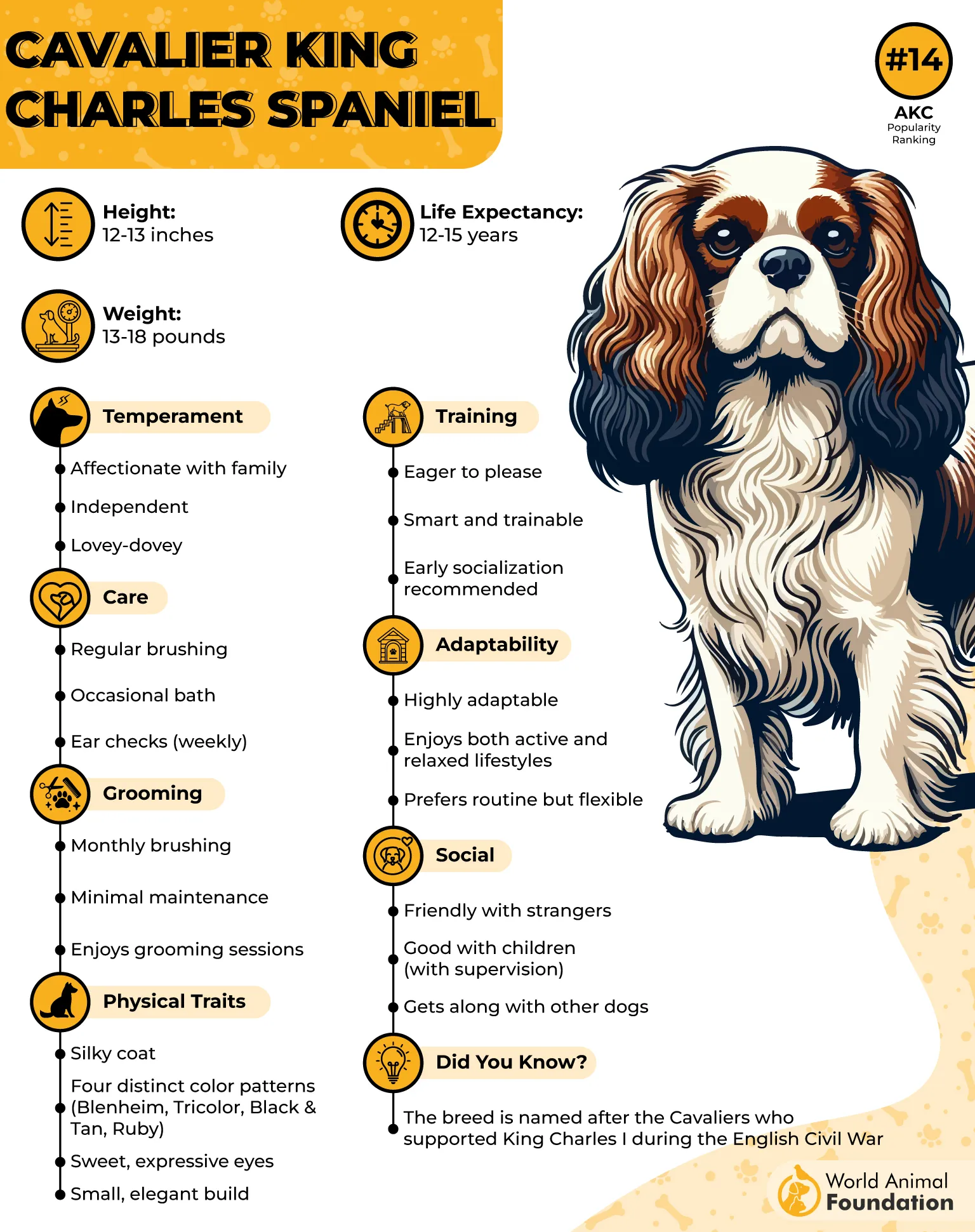
One of the breed’s greatest strengths is emotional adaptability. Cavaliers often adjust their activity level to match their owners, enthusiastically joining a walk before happily settling down for movie night. This flexibility makes them ideal for people living in smaller homes with predictable routines.
These low-maintenance dogs also tend to use space efficiently because they prefer to stay near family members rather than constantly patrol every corner. Instead of racing laps through the house, they often curl up nearby while their humans work, read, or watch television.
Providing enrichment toys, gentle training exercises, and regular attention helps keep them emotionally balanced. In return, they reward families with warmth, loyalty, and an almost uncanny ability to make even the smallest apartment feel like home.
What Makes Them Happy In Small Spaces
They naturally synchronize their activity levels with household routines, reducing the need for large exercise spaces.
Their companion-focused temperament keeps them happiest when close to people rather than constantly roaming the environment.
Moderate daily walks and simple indoor enrichment satisfy most of their physical and mental needs.
3. Pug
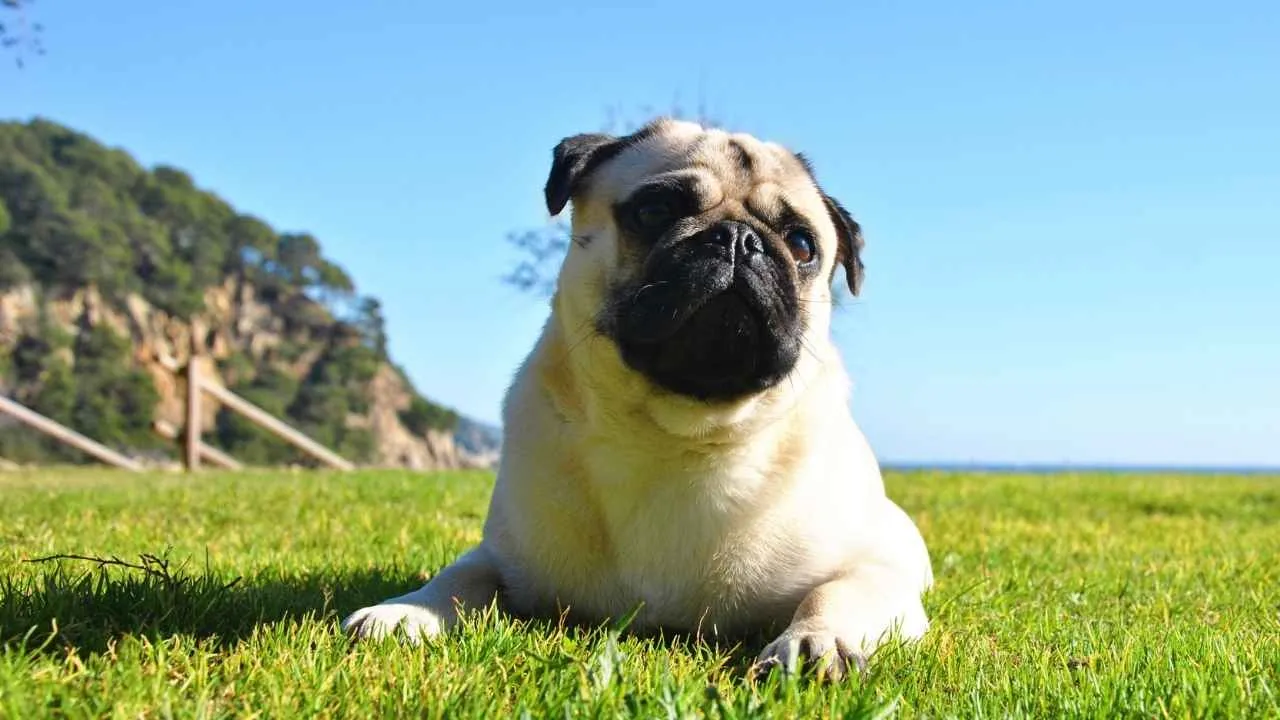
The Pug may have a face full of wrinkles, but its approach to apartment living is refreshingly straightforward: stay comfortable, stay close to people, and never miss snack time. Originally bred as companion dogs in ancient China, Pugs have spent centuries mastering the art of indoor living.
Unlike high-drive sporting breeds, they generally thrive with relatively modest exercise requirements and are easy to train. A few short walks and playful interactions each day are often enough to keep them healthy while minimizing stress on their respiratory system.
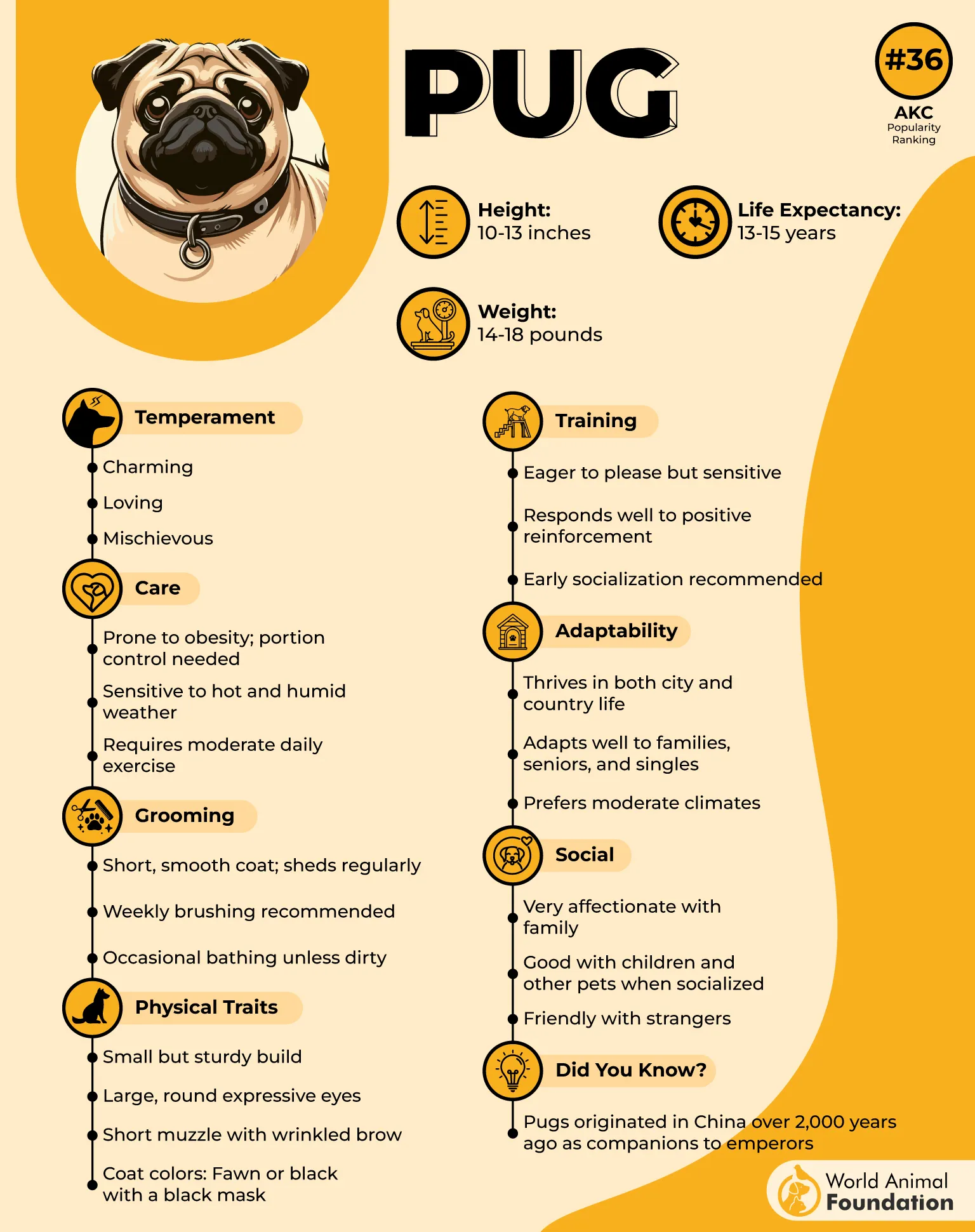
They are experts at maximizing entertainment within smaller living spaces. They happily chase toys down a hallway, investigate every grocery bag brought into the house, or supervise kitchen activities with unwavering dedication. Their playful curiosity creates plenty of fun without demanding a sprawling yard.
Another reason these small dogs suit compact homes is their owners’ desire to remain near them. Rather than spending hours exploring independently, many Pugs prefer shadowing family members from room to room before settling beside them for a nap.
Keeping this low-energy dog mentally stimulated is just as important as physical exercise. Puzzle feeders, obedience games, and short training sessions provide satisfying challenges while reinforcing positive behaviors indoors.
What Makes Them Happy In Small Spaces
Their companion-first personality means emotional connection matters more than the size of the home.
Short bursts of activity combined with indoor play allow them to stay healthy without requiring extensive outdoor access.
Their sturdy yet compact build lets them adapt comfortably to small apartments while maintaining an outgoing, playful attitude.
4. Dachshund

The Dachshund may have been bred in Germany to hunt badgers, but today it has also earned a reputation as one of the best small dogs for apartment and townhouse living. Its compact frame allows it to navigate tight spaces with ease, and it often prefers to stay close to its favorite people rather than roam endlessly.
One reason they adapt so well to minimal living space is that they don’t require a massive backyard to stay content. Daily walks, indoor play sessions, and scent-based games usually provide enough stimulation to satisfy both their bodies and their sharp minds.
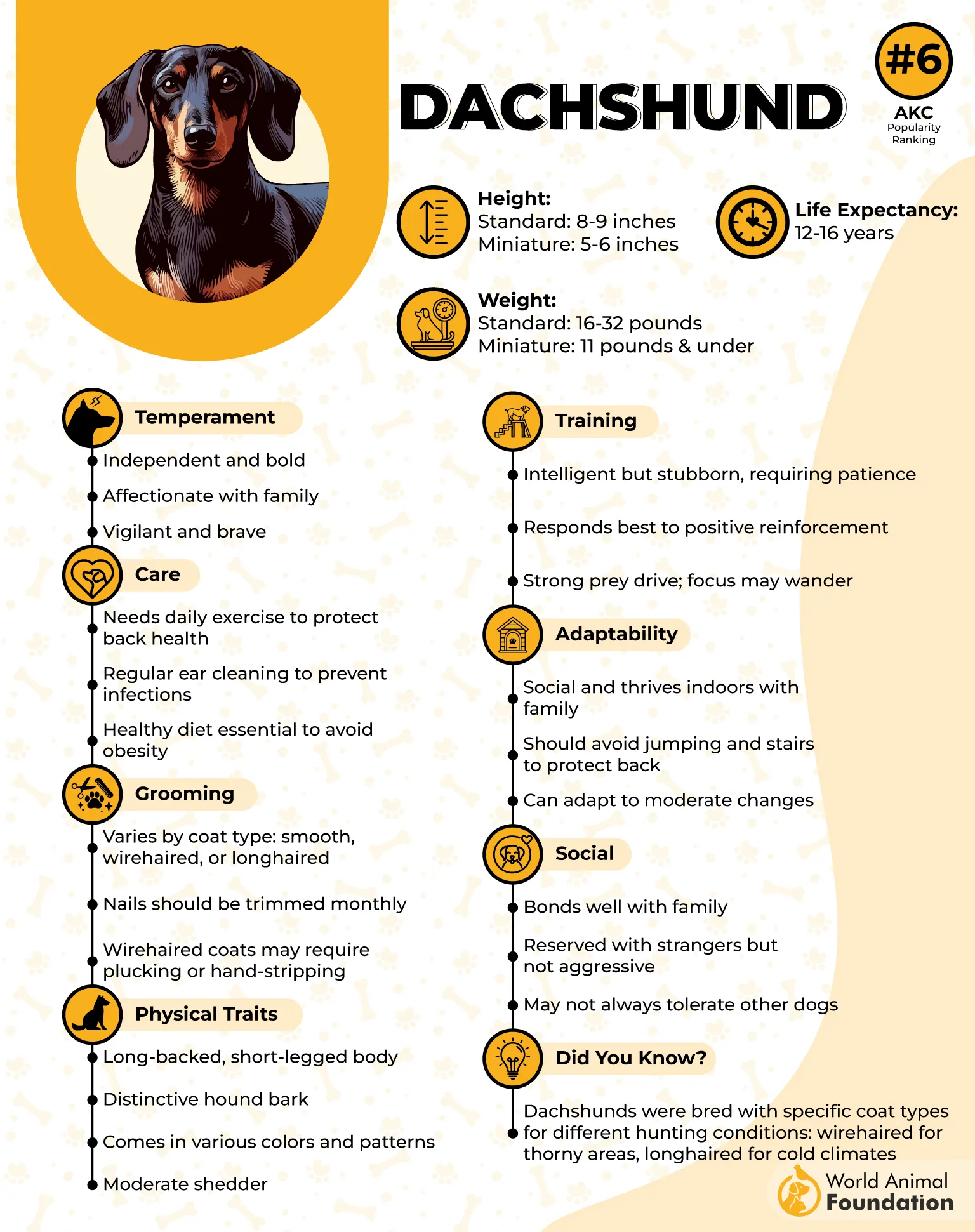
Mentally, they love having a challenge. Hide treats around the living room, introduce puzzle feeders, or teach new tricks, and they’ll happily spend time solving problems instead of bouncing off the walls. Many owners find that fifteen minutes of brain games can be just as valuable as a longer outdoor walk.
Although independent by nature, Britannica says that they build strong bonds with their families and often choose one favorite person to shadow throughout the day. They’re perfectly happy curling up under a blanket after an adventure, making them excellent companions for people who work from home or live in smaller urban spaces.
What Makes Them Happy In Small Spaces
Their low-to-the-ground build and moderate exercise needs make compact homes surprisingly comfortable environments.
Mental enrichment through scent games often satisfies them more than endless running around a large yard.
They naturally enjoy cozy resting spots and adapt well to predictable indoor routines.
5. Bichon Frise
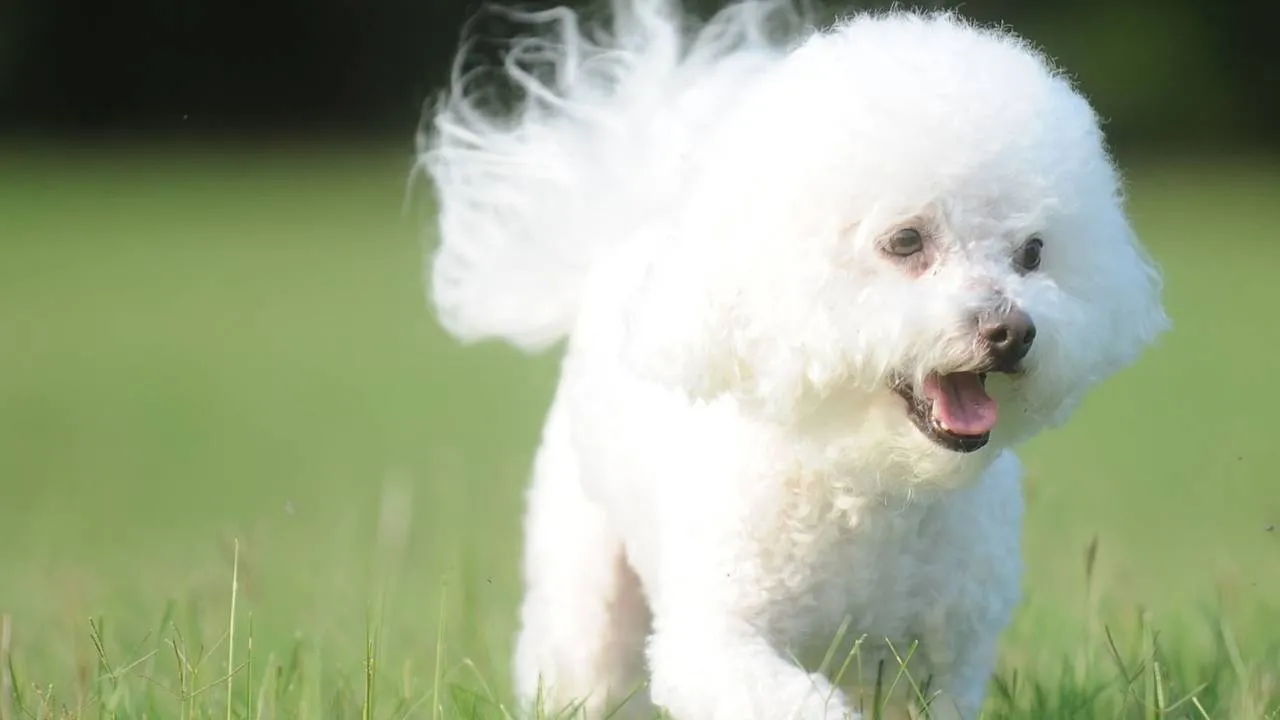
The Bichon Frise is like living with a tiny cloud that occasionally zooms around the house and then returns for cuddles. Its adaptable nature makes it a favorite among apartment dwellers around the world.
Despite their playful personalities, Bichons don’t need acres of outdoor space to stay happy. Short walks, indoor fetch, and interactive toys usually provide plenty of exercise for these energetic fluff balls. Their bursts of activity are often followed by equally enthusiastic naps on the nearest soft surface.
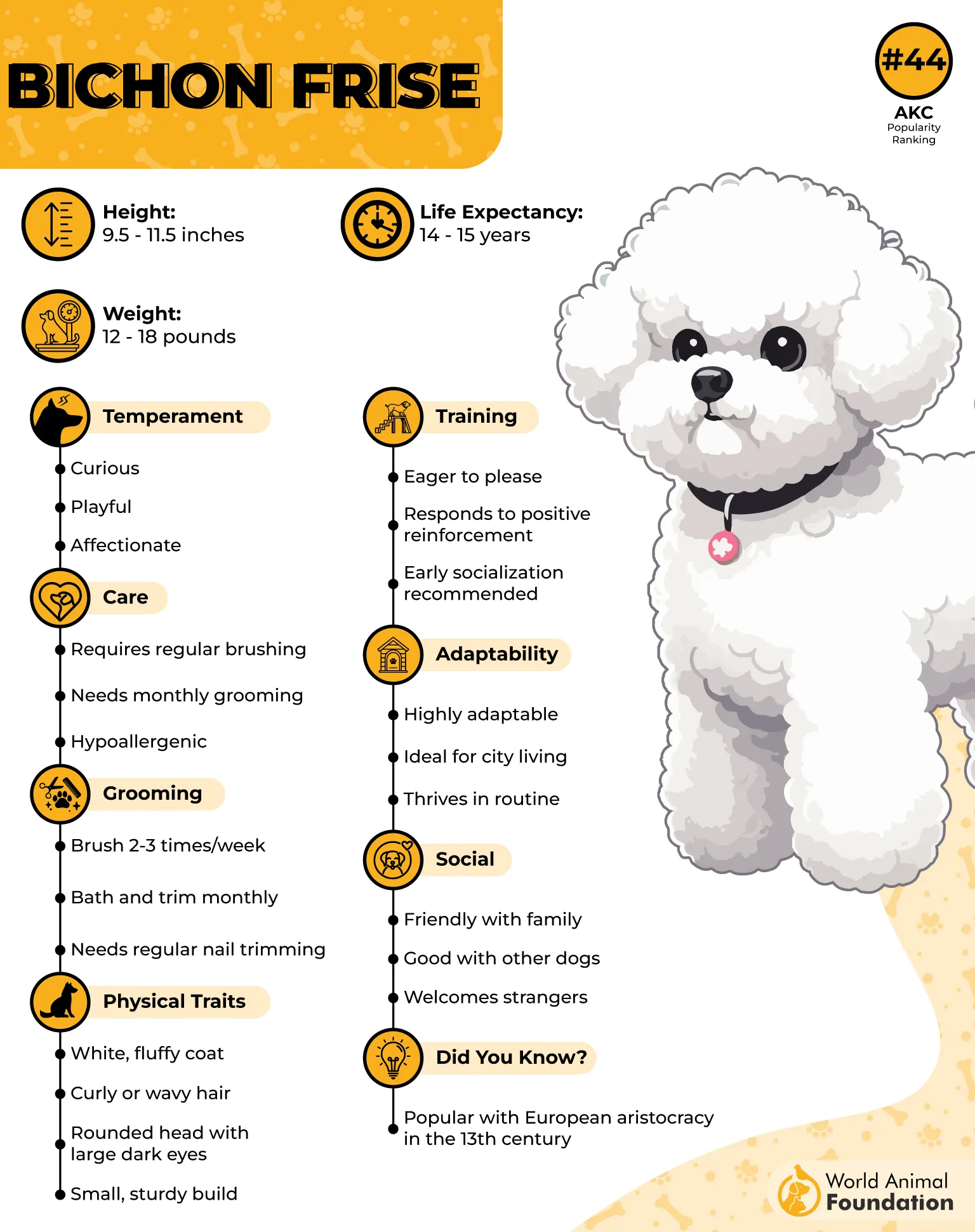
A major advantage of the Bichon Frise is its willingness to entertain itself when provided with engaging activities. Puzzle toys, treat-dispensing balls, and trick-training sessions keep their intelligent minds occupied while strengthening the bond with their owners.
They love learning and often perform surprisingly well in obedience and agility despite their small size.
Social by nature, Bichons typically enjoy meeting visitors and integrating into family life. They often position themselves wherever the action is happening, whether that’s the kitchen, home office, or living room sofa.
Regular grooming is an important consideration because their curly coats require consistent maintenance to stay healthy and tangle-free.
What Makes Them Happy In Small Spaces
Their exercise needs can be met through compact indoor games and neighborhood walks, without the need for a large yard.
A people-focused personality keeps them engaged in family life rather than demanding constant environmental exploration.
Small size and adaptability allow them to thrive in apartments, condos, and other limited living spaces.
6. Shih Tzu
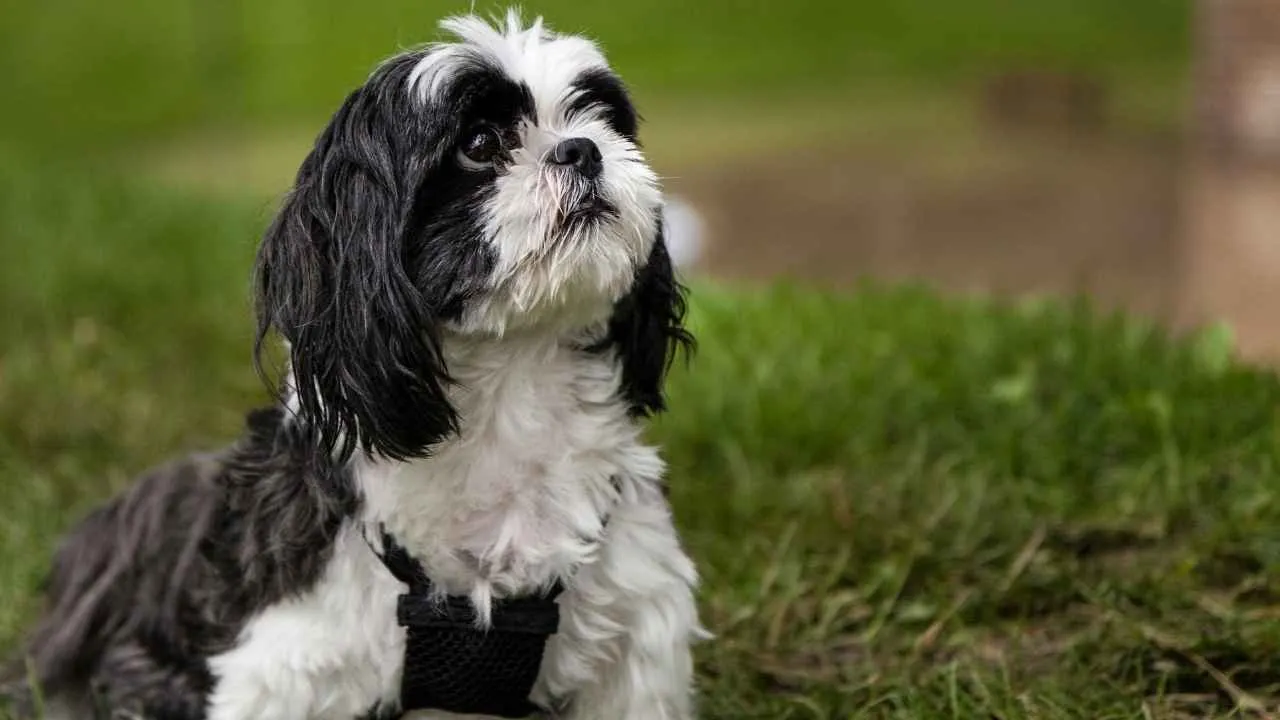
The Shih Tzu spent centuries as a treasured palace companion in imperial China, and it still behaves like royalty today. For owners with limited square footage, that historical background is a major advantage.
Unlike highly athletic breeds that crave nonstop movement, Purina claims that they usually prefer moderate exercise followed by extended relaxation. A couple of leisurely walks and some gentle indoor play are often enough to keep them content and healthy.
They’re just as happy lounging beside you while you read or stream your favorite series.
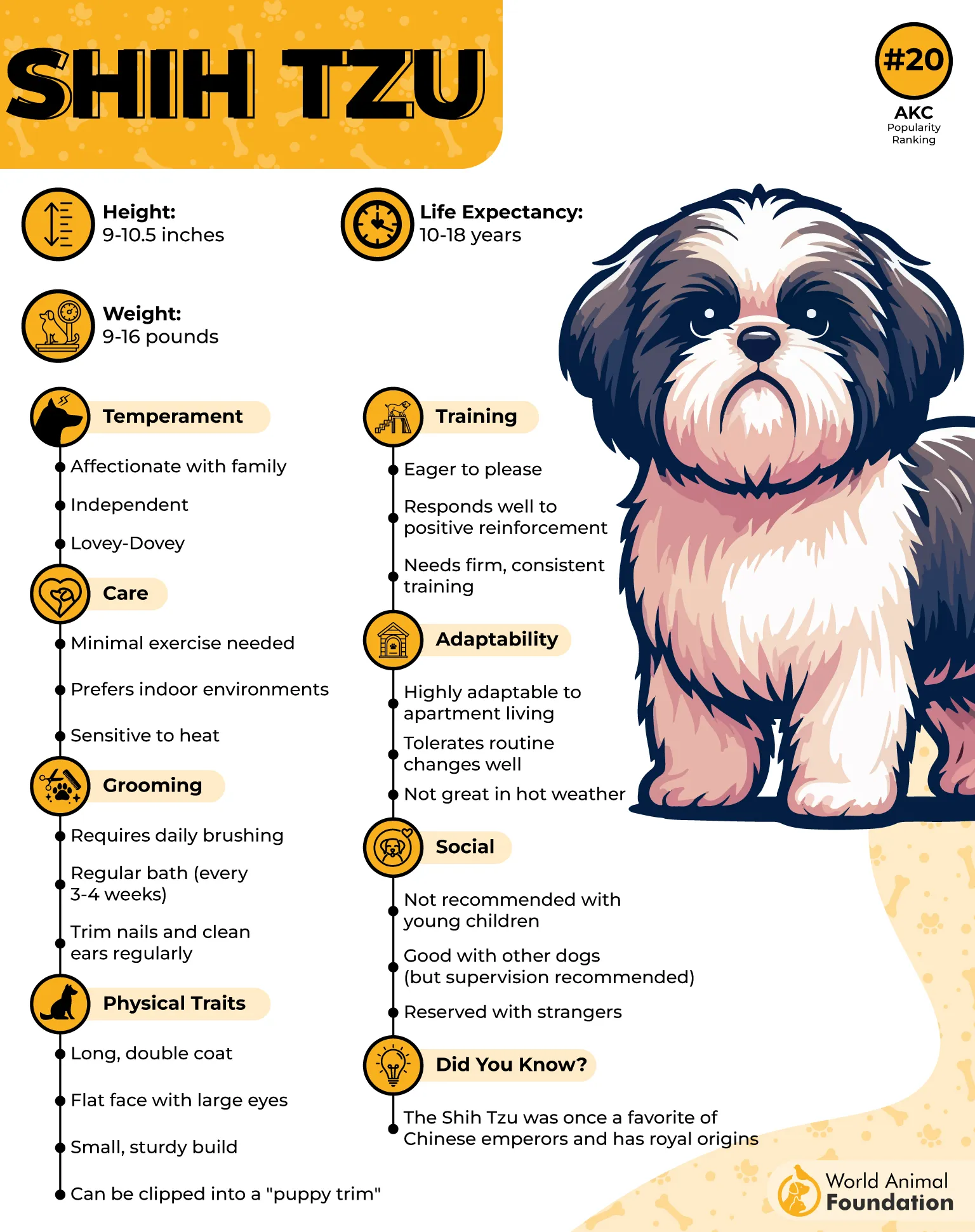
One reason Shih Tzus excel in apartments is their balanced temperament. They tend to be friendly and affectionate without being excessively hyperactive, making them pleasant neighbors in shared living environments.
Interactive toys and positive-reinforcement training help prevent boredom and strengthen their confidence. Many Shih Tzus enjoy short trick-training sessions or treat puzzles that encourage problem-solving without requiring much physical space.
What Makes Them Happy In Small Spaces
Centuries of development as an indoor companion breed have made them naturally suited to smaller homes.
Gentle exercise routines and enrichment activities satisfy their needs without requiring expansive outdoor areas.
Their calm, adaptable nature allows them to flourish in apartments while staying deeply connected to their families.
7. Maltese
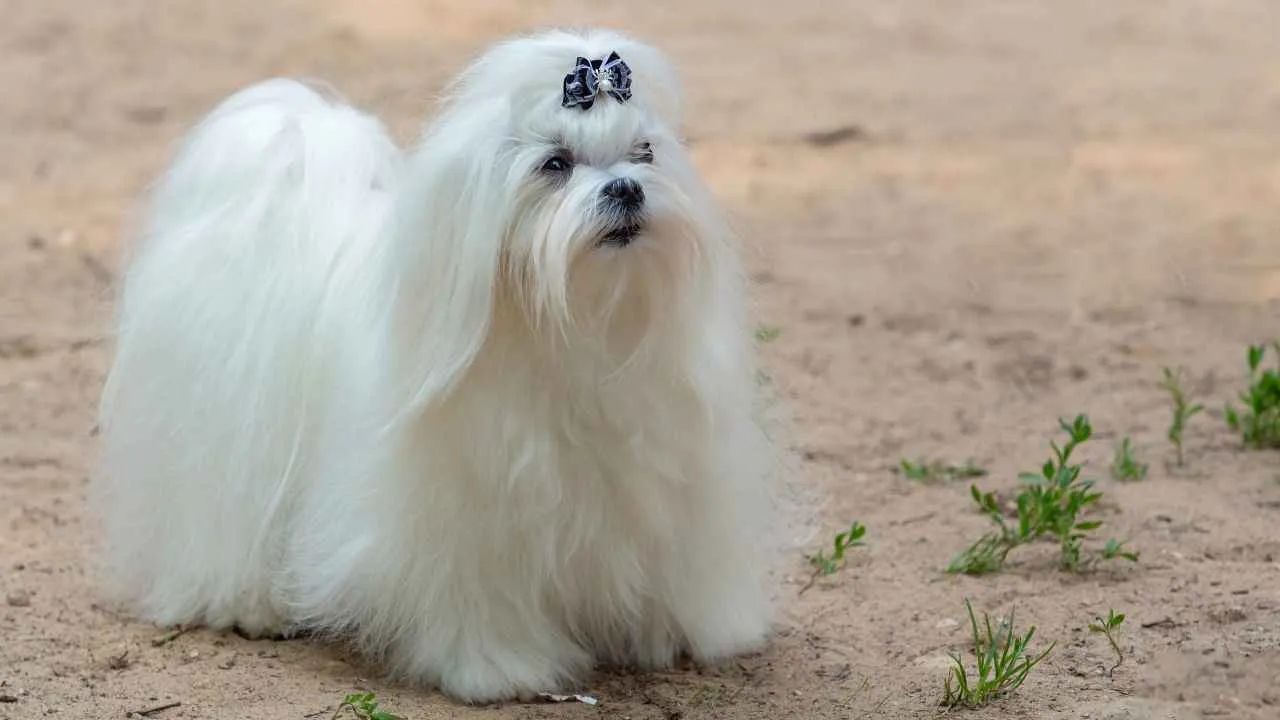
The Maltese has been charming people for more than 2,000 years, with historical records placing these elegant little dogs in Mediterranean households long before modern apartments even existed. Their tiny size and affectionate personality make them one of the easiest breeds to accommodate in limited living spaces.
One of the biggest reasons the Maltese thrives in small homes is its modest exercise requirement. A few short walks each day, combined with interactive indoor games, are usually enough to keep this breed physically healthy and mentally satisfied.
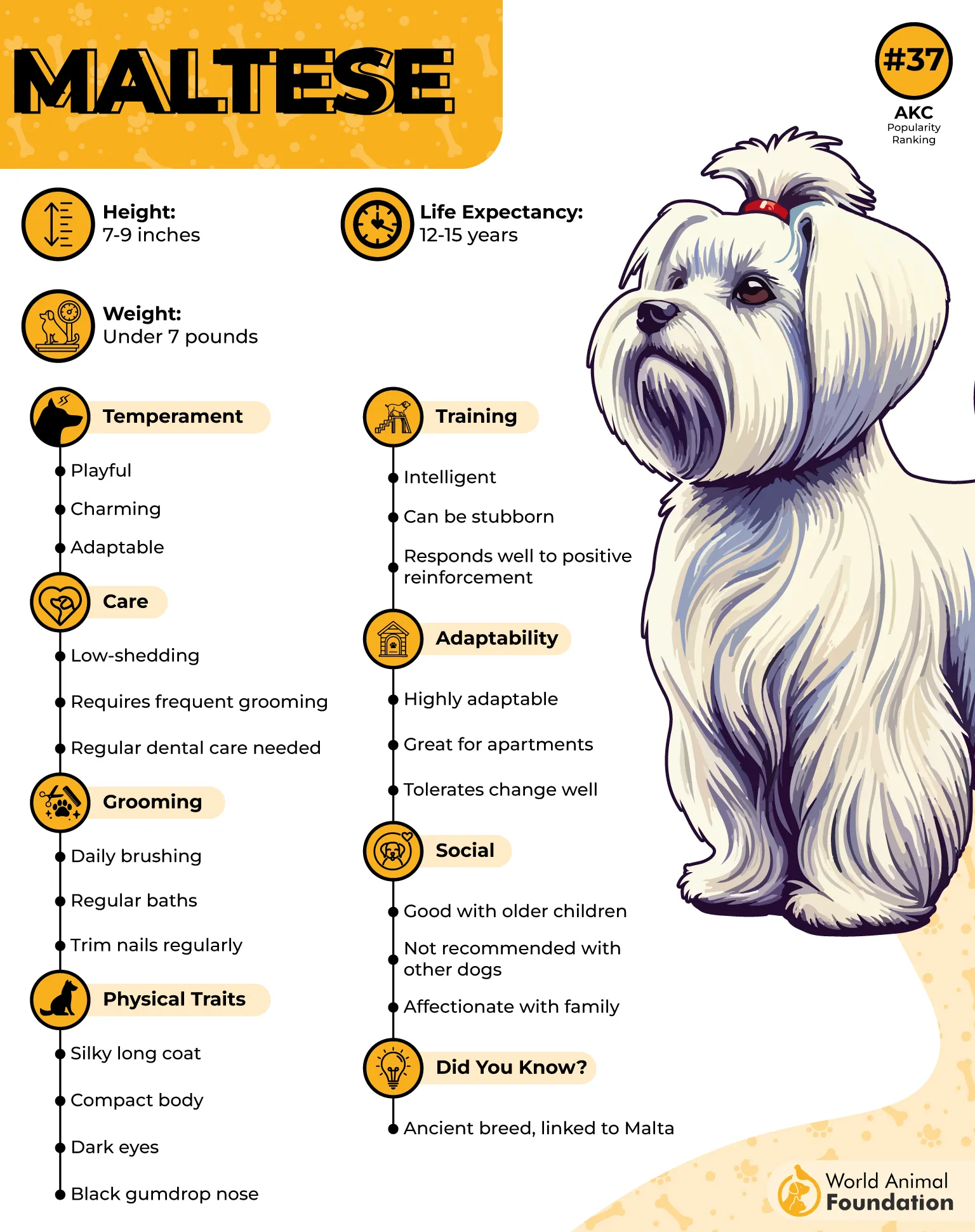
Hill’s Pet says they are highly people-oriented and tend to follow their favorite humans from room to room instead of constantly exploring on their own. In a studio apartment or compact condo, this close companionship becomes an advantage rather than a limitation.
Puzzle feeders, scent games, and learning new tricks keep them engaged and help prevent boredom-related behaviors. Their eagerness to please often makes positive reinforcement training both productive and entertaining.
For city dwellers seeking a loyal lap dog that doesn’t demand a sprawling backyard, the Maltese is an outstanding choice.
What Makes Them Happy In Small Spaces
Their companion-focused history means emotional closeness matters far more than the size of the living area.
Short walks and mentally engaging activities easily meet their daily needs without requiring expansive outdoor spaces.
Their lightweight frame and adaptable personality allow them to settle comfortably into apartments, tiny homes, and urban residences.
Conclusion
Living in a smaller home doesn’t mean giving up the dream of dog ownership—it simply means choosing a breed whose needs align with your lifestyle.
These breeds succeed in compact spaces for different reasons. Every dog benefits from daily walks, opportunities to sniff and explore, regular training, and activities that stimulate the mind. Miniature Pinscher, Italian Greyhound, Jack Russell Terrier, Basset Hound, Toy Poodle, Miniature Schnauzer,
Biewer Terrier and Pembroke Welsh Corgi are some other dogs that love staying with their owners in small spaces.
A well-cared-for companion with enough exercise, affection, and mental stimulation can flourish in surprisingly modest surroundings. When those needs are met, these little dogs prove that the biggest personalities often come in the smallest packages.
