




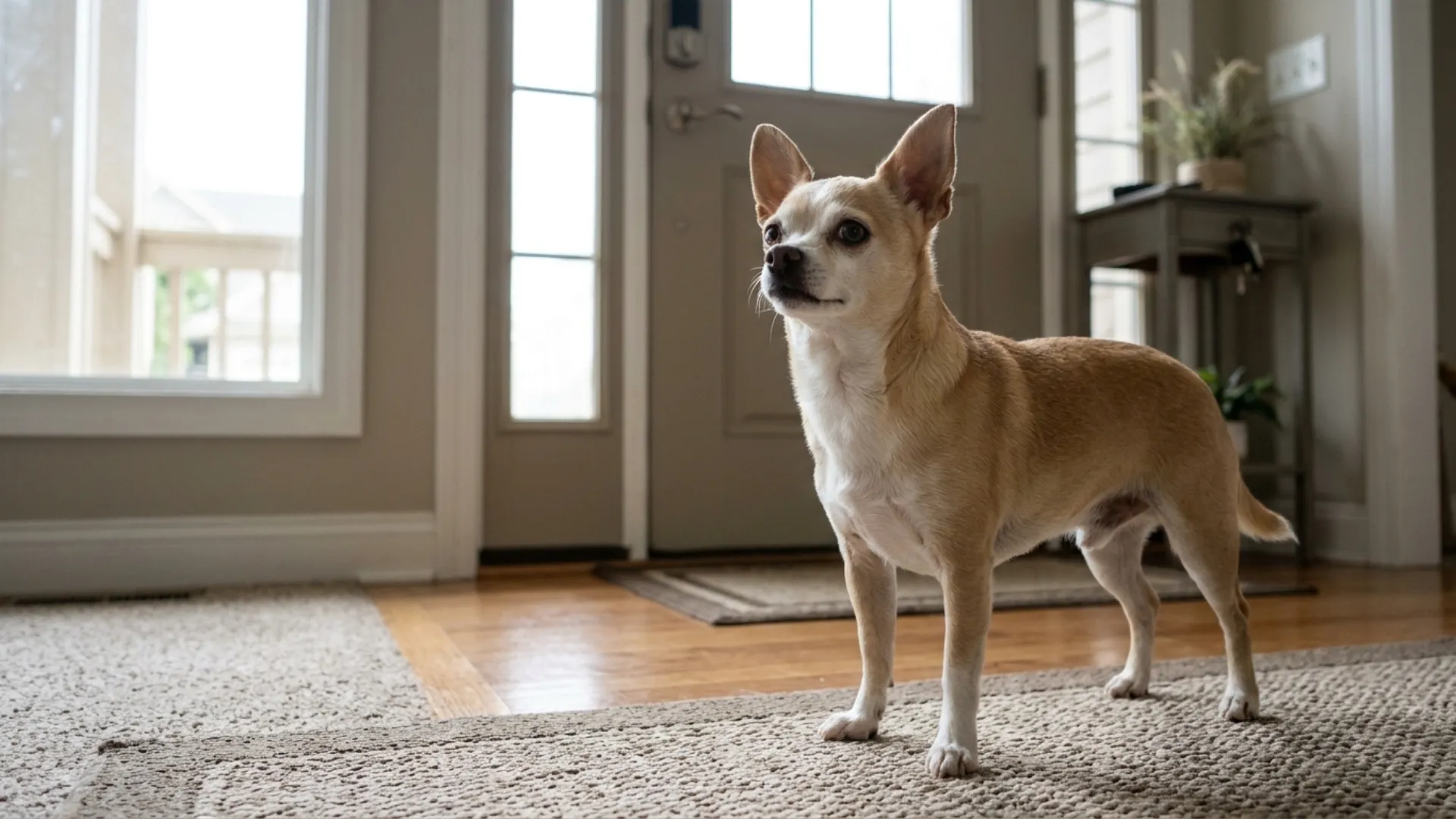
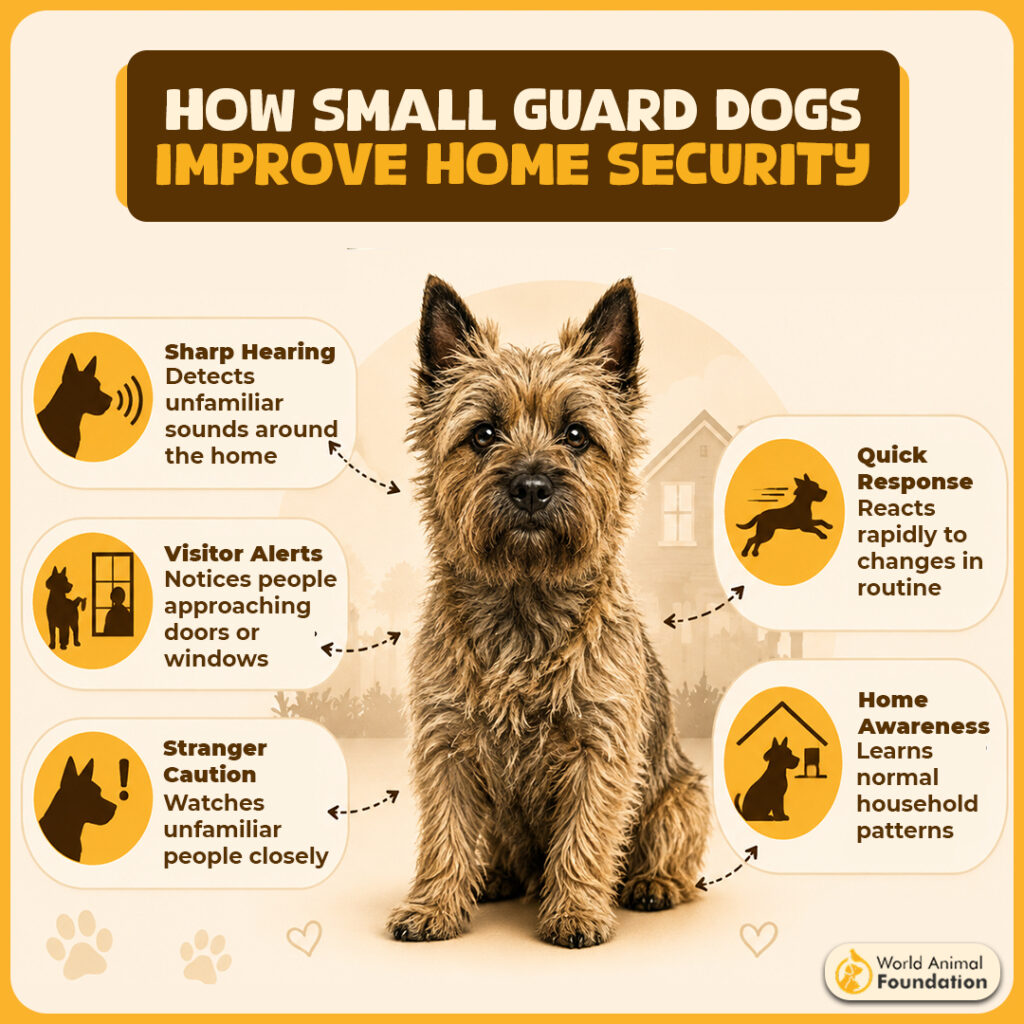
A tiny dog can make a surprisingly big fuss when something feels out of place. That is exactly why some small breeds can be useful around the home. They may not overpower an intruder, but their sharp hearing, alert nature, and habit of announcing unfamiliar sounds can give you an early warning. For many households, that is the real value of a small watchdog.
You get a devoted companion who notices the delivery person, a strange noise, or movement outside before you do.
And let’s be honest, some of these little characters take their security job very seriously. From the watchful Miniature Schnauzer to the bold Chihuahua, each breed brings a different mix of awareness, confidence, and personality. The key is choosing a dog whose natural traits fit your household.
Small Dog Breeds: Perfect for Home Security and Peace of Mind
1. Miniature Schnauzer
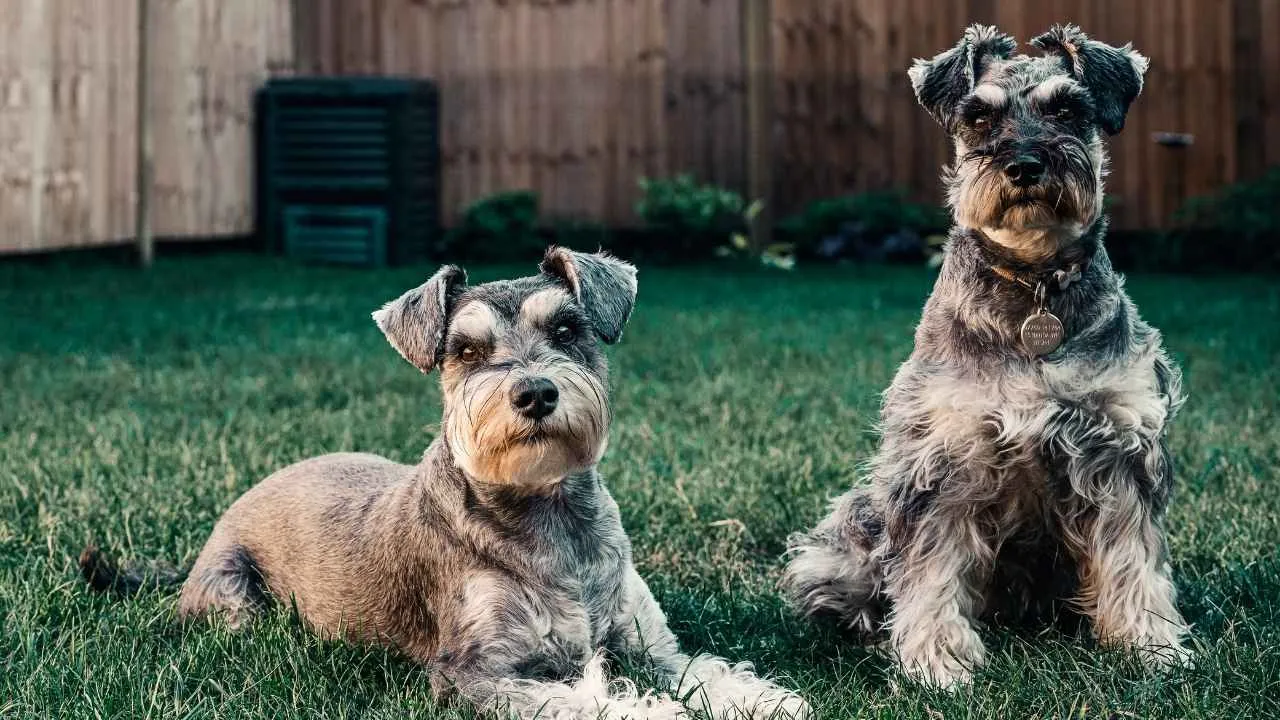
The small breed was first developed in Germany in the 19th century by crossing the Affenpinscher, Poodle, and the Standard Schnauzer. The primary goal was to serve as a rat-catching and guard dog. The word ‘Schnauzer’ translates to ‘small beard,’ according to Omlet.
It regularly patrols the property because of its sharp alert instincts. With its square, robust frame, the breed moves quickly, withstands accidental impacts, and navigates through rough terrain easily. It has a thick beard and bushy eyebrows that protect the eyes from dangerous bites and dense bushes.
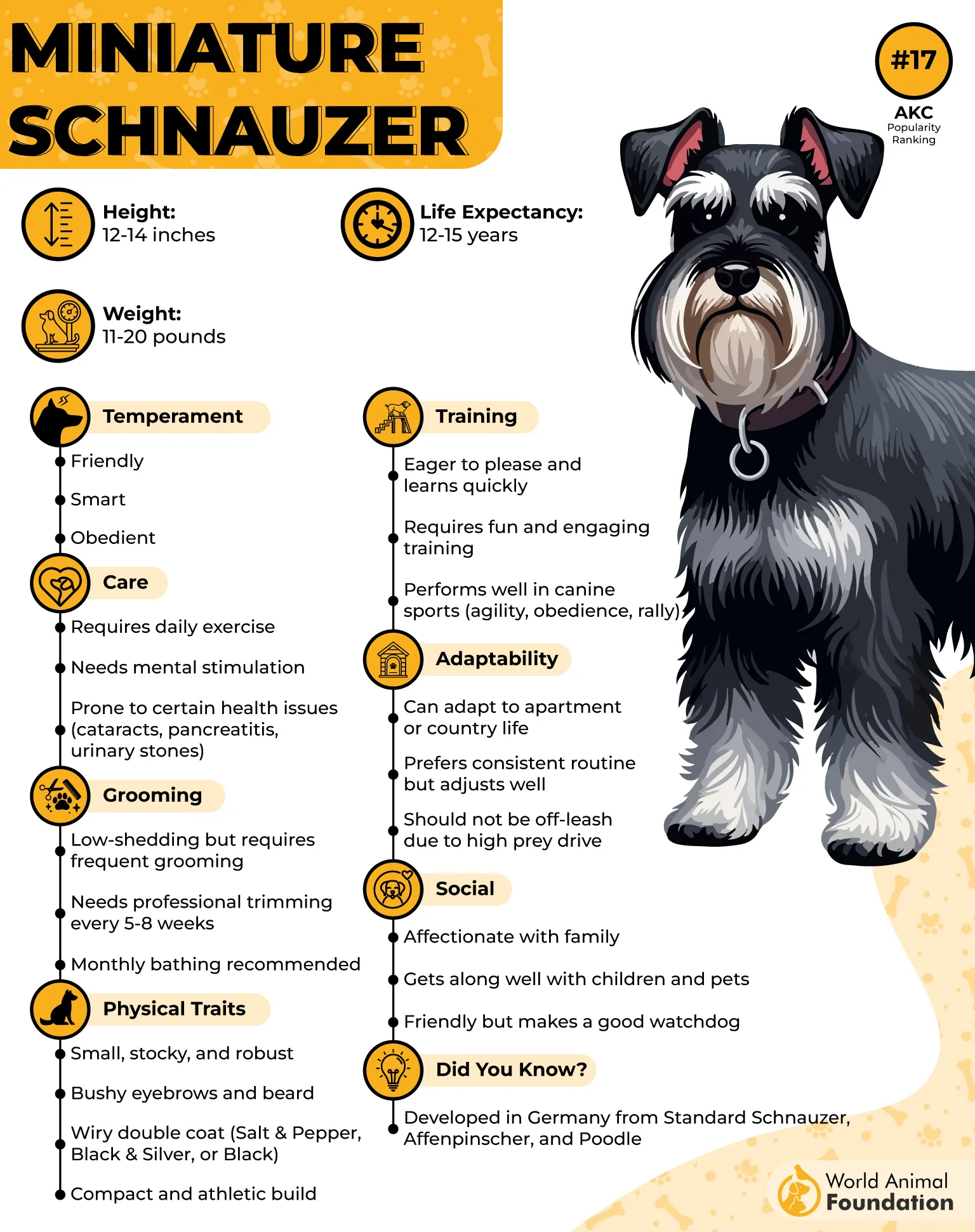
The primary source of protection is loud barking and functions perfectly alongside passive security hardware, such as cameras. Because of strong bite inhibition, there is no danger to children or invited guests.
2. Lhasa Apso
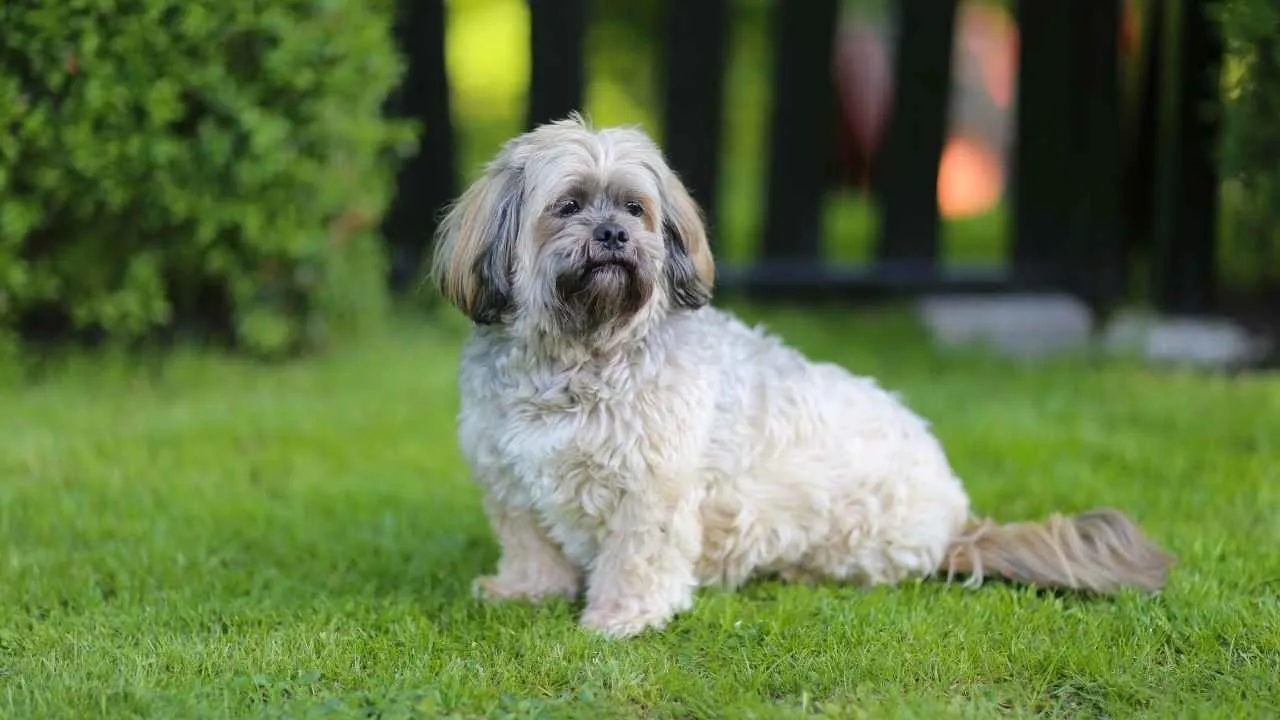
The ancient dog breed was developed thousands of years ago in Tibet and was initially named ‘Abso Seng Kye,’ which means Bark Lion Sentinel Dog. The primary purpose was to serve as an indoor watchdog in palaces and temples. The AKC recognized the breed in 1935 in the Terrier Group.
The ‘curtain’ of hair on the eyes protects the family dog from harsh high-altitude dust and wind-blown elements. It has a keen sense of hearing and detects microscopic acoustic vibrations before humans. Because of its independent nature and aloofness toward strangers, the breed does not need a handler’s instructions.
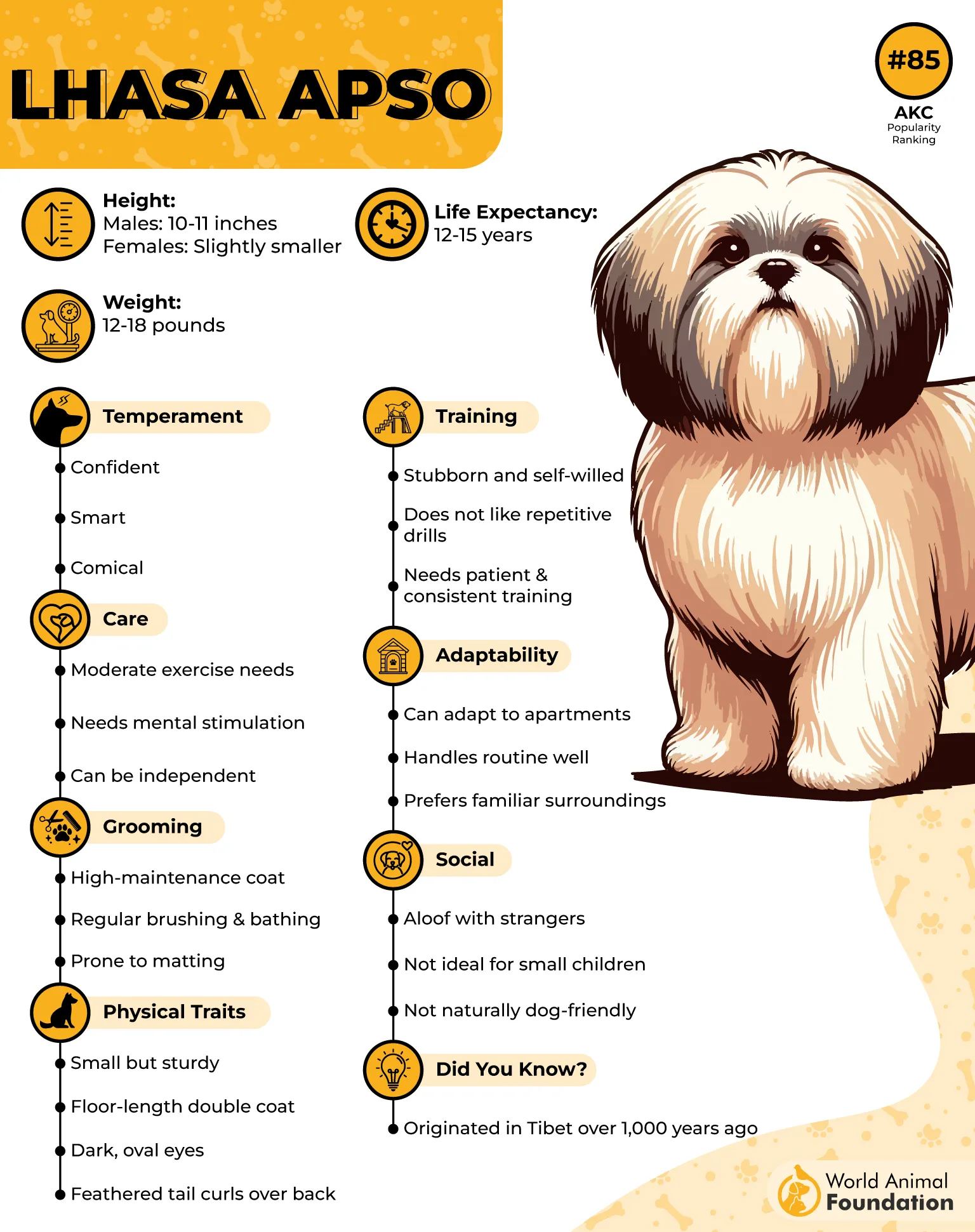
It takes almost 2-3 years for a Lhasa Apso to fully mature mentally. The high intelligence enables it to precisely differentiate between the actual threat and a normal visitor. With its slight undershot and level bite, it can lock its grip.
3. Cairn Terrier
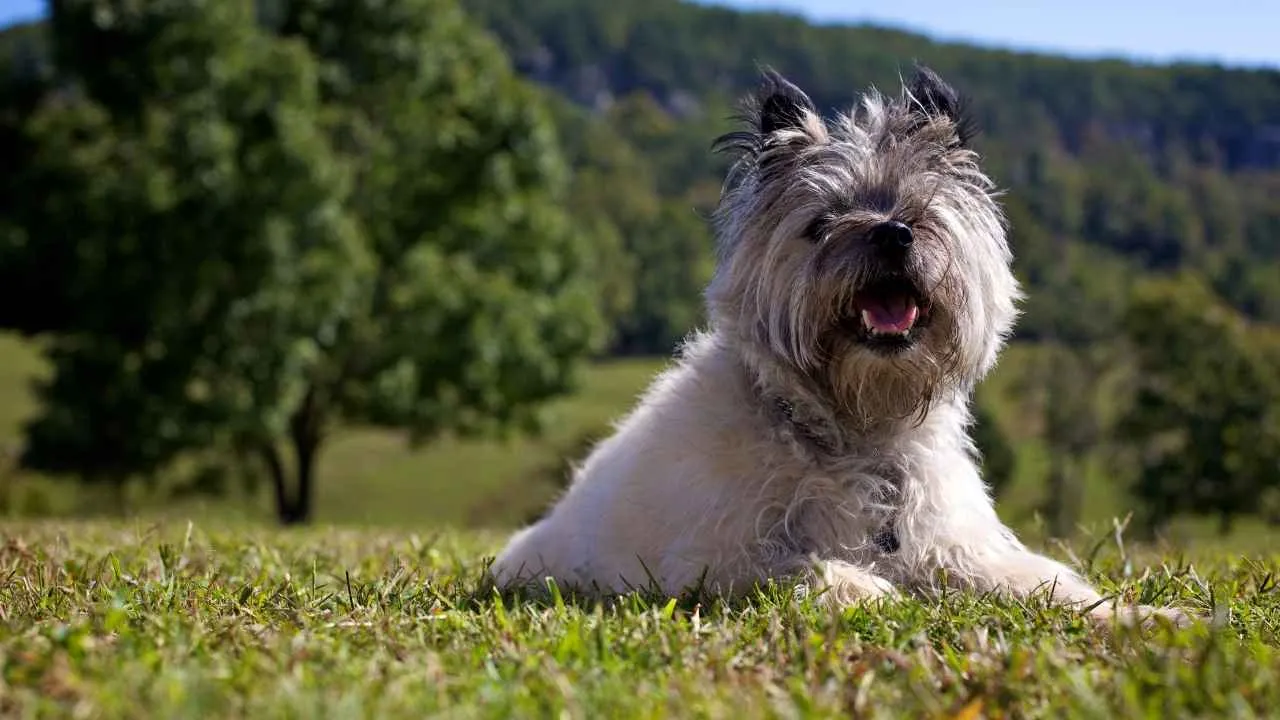
Also known as the Scotch Terrier, the breed was developed in Scotland in the 17th century. The primary purpose was to dig into cairns and to hunt and kill rats and rodents. The dog was then classified into 2 types: Dandie Dinmont Terrier and Skye Terrier, and the Cairn Terrier belongs to the second category, as reported by Orvis.
The small dog breed shows a ‘polite suspicion’ towards strangers and unfamiliar animals. The well-muscled and strong-coupled physique allows it an explosive speed to sprint toward the entry points. The compact build allows it to navigate through tight spaces. The large teeth and incredible jaw structure provide it with a scissor bite.
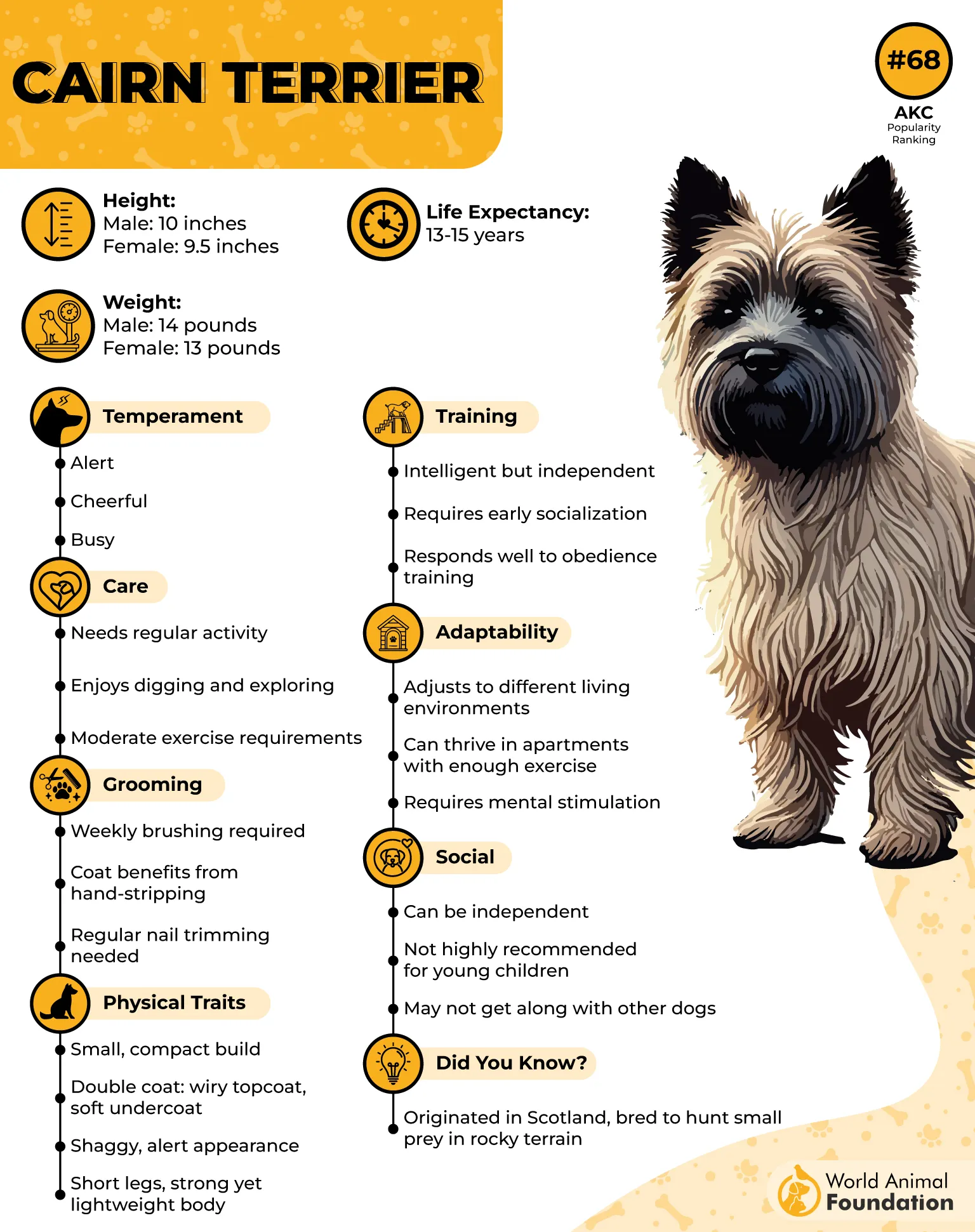
The high-set erect ears capture multi-directional frequencies, amplifying acoustic detection. The breed has a high metabolic drive that enables it to sustain alertness for long hours.
4. Chihuahua
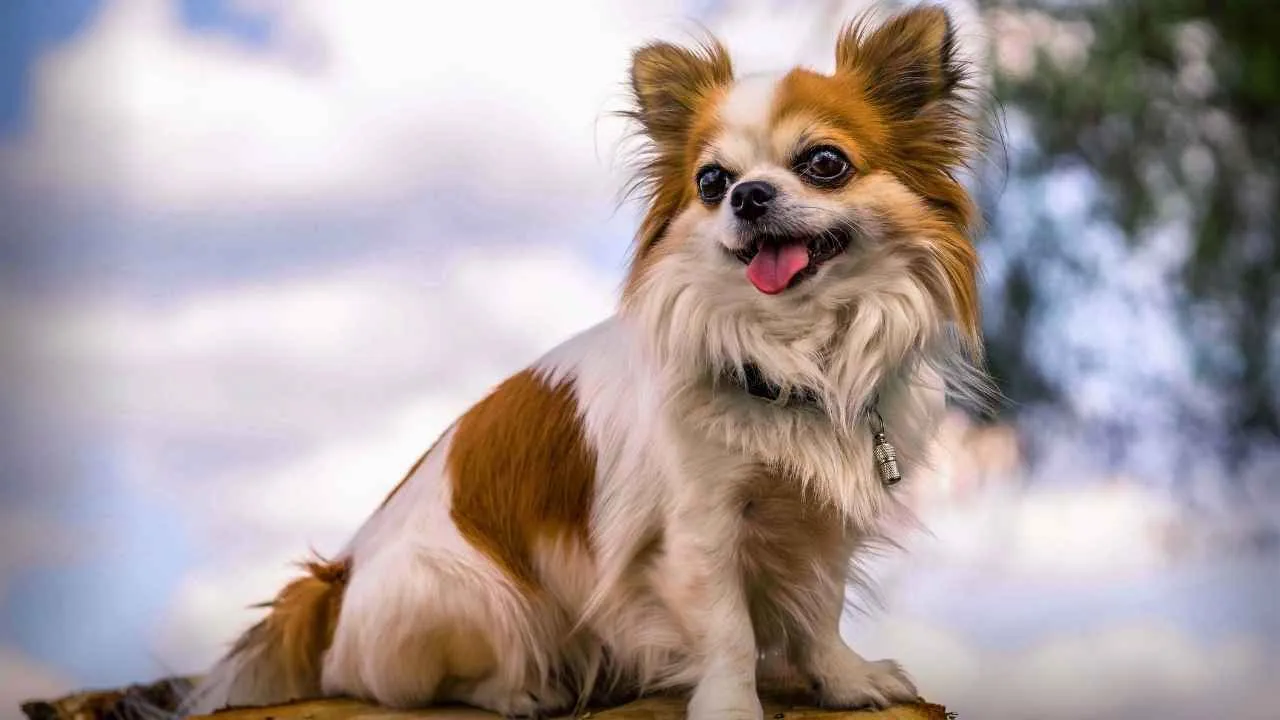
The smallest dog in the canine world was developed from a tiny Mexican dog, the Techichi, which existed in the 9th century. The breed gained popularity in the late 20th century and was officially recognized by the AKC in 1904. It was originally bred as a lap and companion dog.
It primarily forms one-person bonds and thus is ideal for apartment living or personal protection. The large and erect ears of the Chihuahua rest at a precise 45 degrees angle, functioning as radar and moving in the direction of the sound source. It has a large brain-to-body ratio. Hence, it can easily memorize the household’s daily routine.
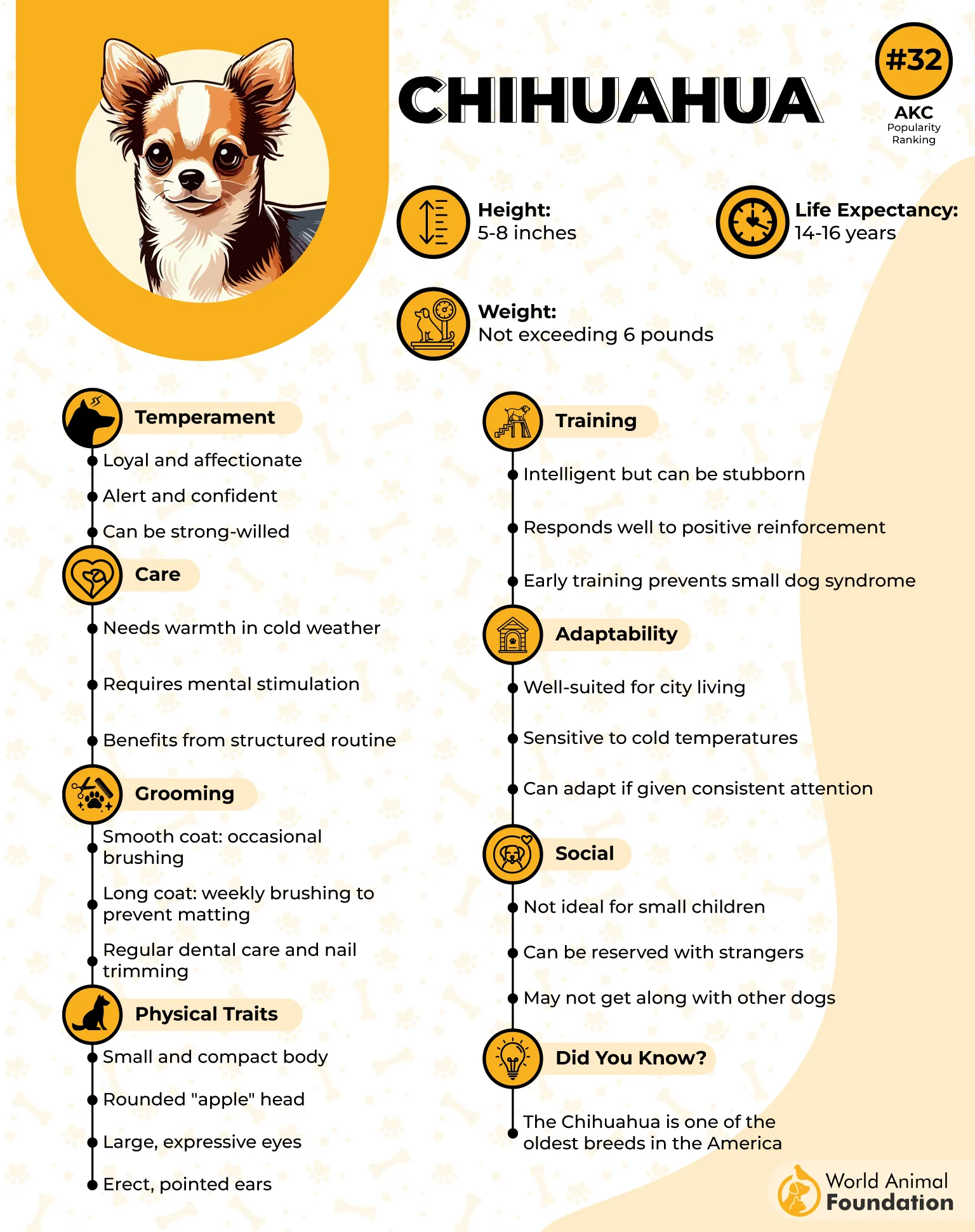
The wide-set eyes provide a great field of vision, allowing it to detect visual anomalies easily. Because of its incredibly fast metabolism, the little dog has a quick ‘fight-or-flight’ response.
5. Jack Russell Terrier
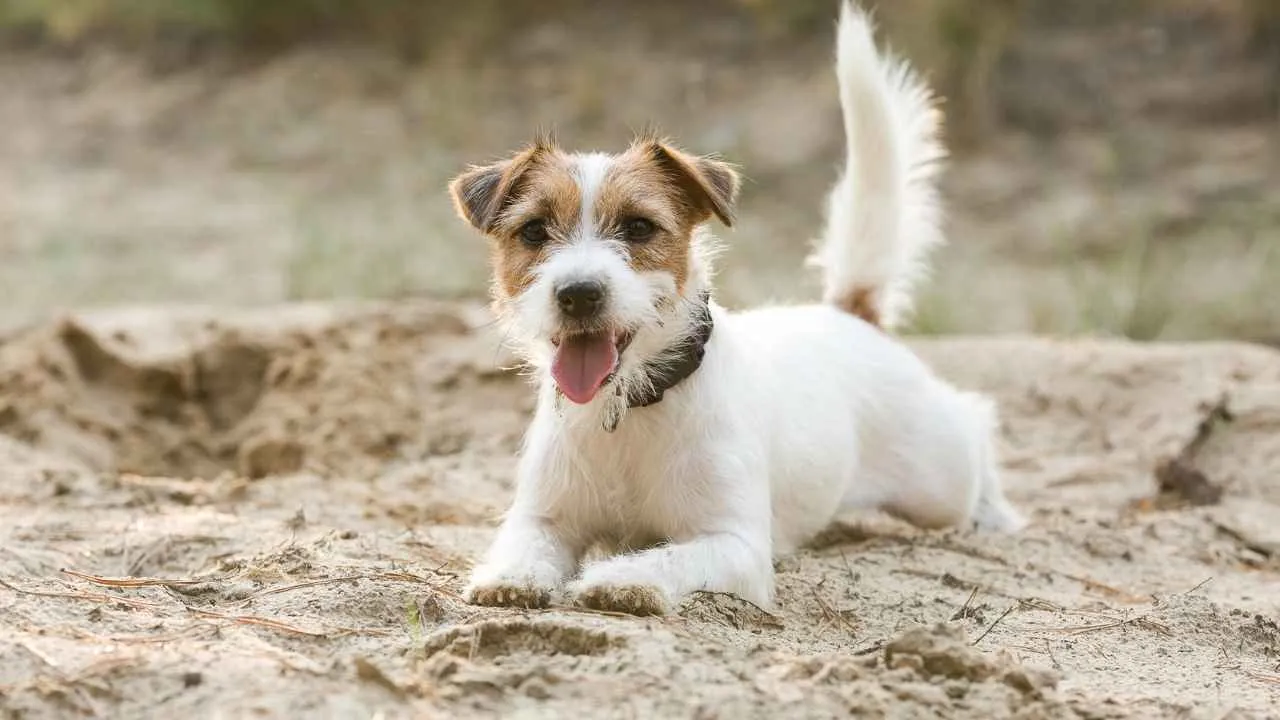
Bred by Reverend John Russell in England, the JRT was developed to flush the fox out at bay but never kill it. There are mixed-breed dogs from the same class: the Parson Jack Russell with longer legs, while the Jack Russel Terrier has shorter legs, according to Hill’s Pet.
With its high power-to-weight ratio and a balanced stature, the breed is incredibly agile and can jump up to 5 ft. Since it has a weather-proof double coat, the JRT can tolerate intense cold weather, harsh bushes, or briars without injuries. It has a keen startle recovery and remains operational under high stress.
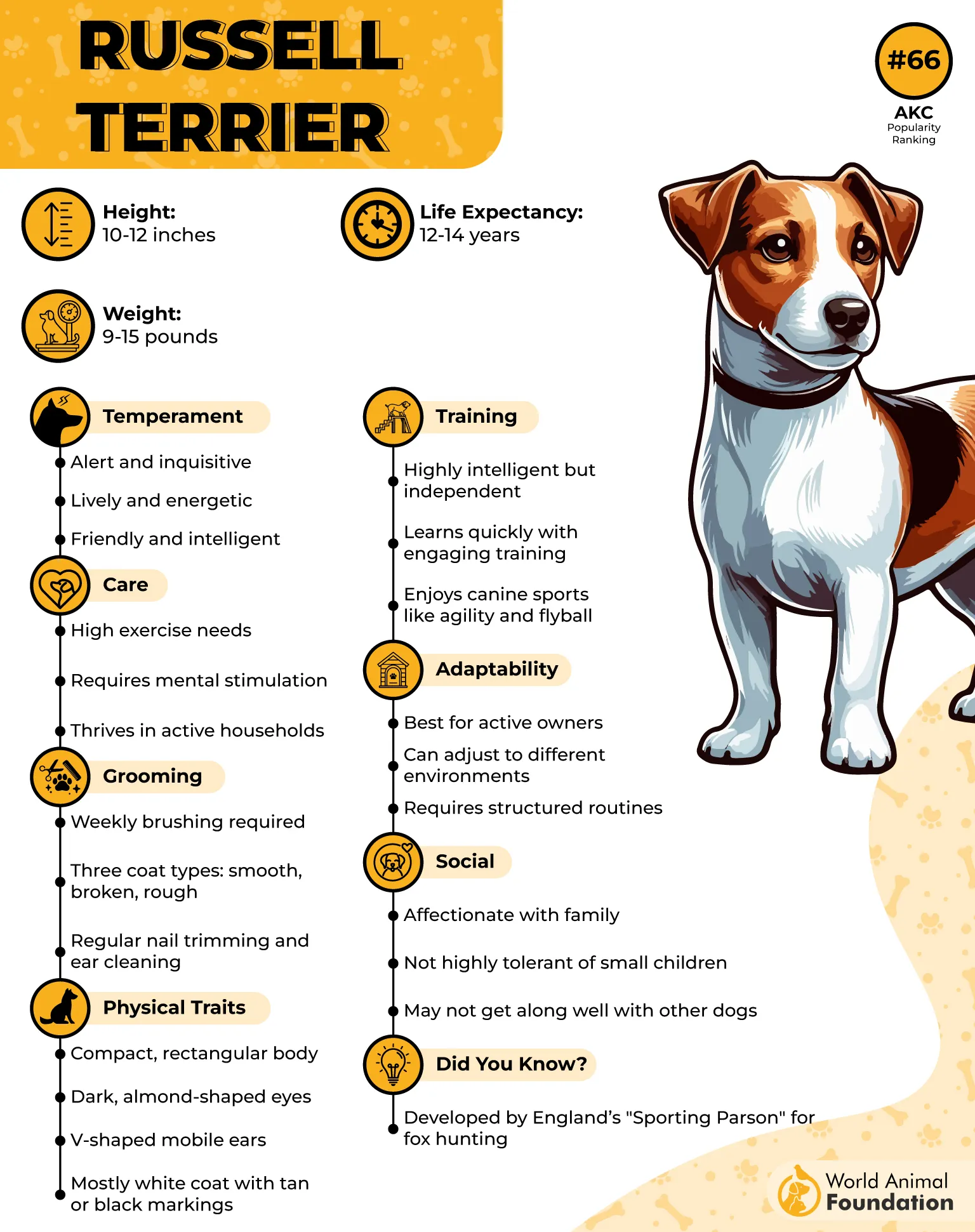
When paired with a larger protection dog, such as the Rottweiler, its job is to detect and alert, while the big dog tends to provide physical deterrence. The breed has an independent streak and is prone to boredom. Thus, regular exercise and mental stimulation are required to prevent destructive behavior.
6. Miniature Pinscher
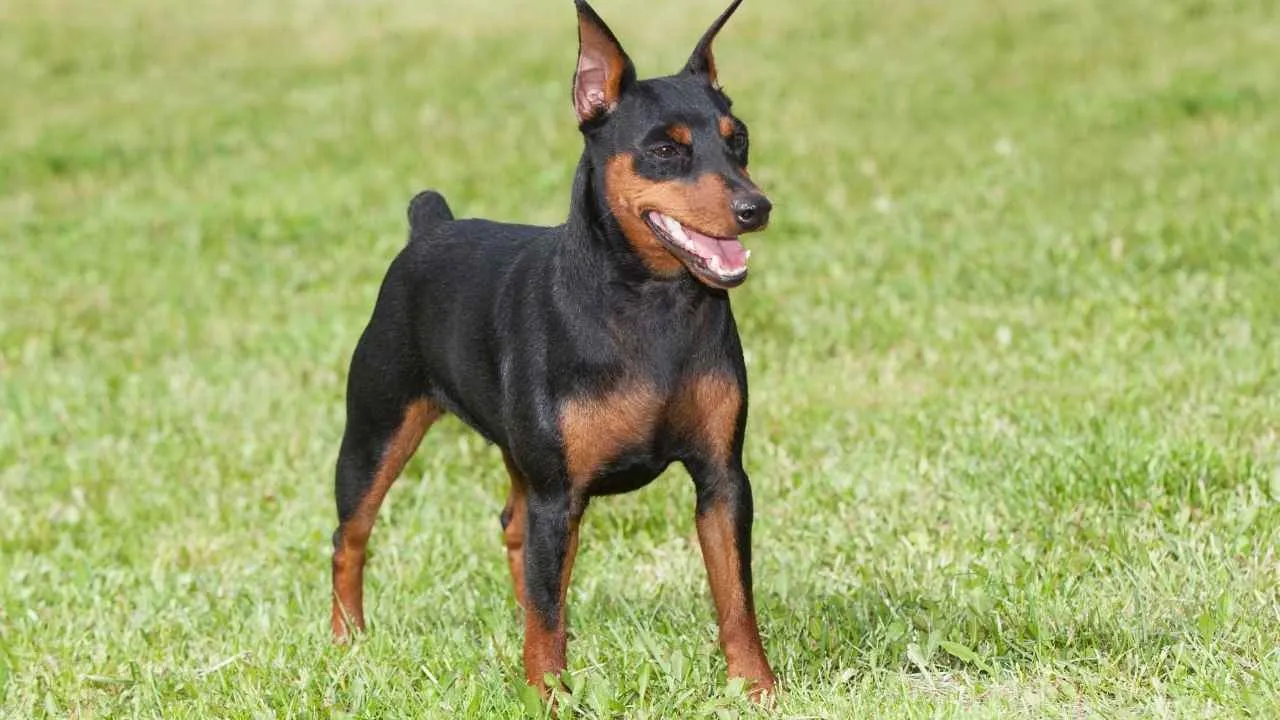
Also known as Zwergpinscher, this pinscher-type small dog breed was originally bred in Germany to hunt small game, such as small birds, rabbits, lizards, mice, and vermin. A painting from the year 1888 has also been found of the Min Pin resembling the German Pinscher.
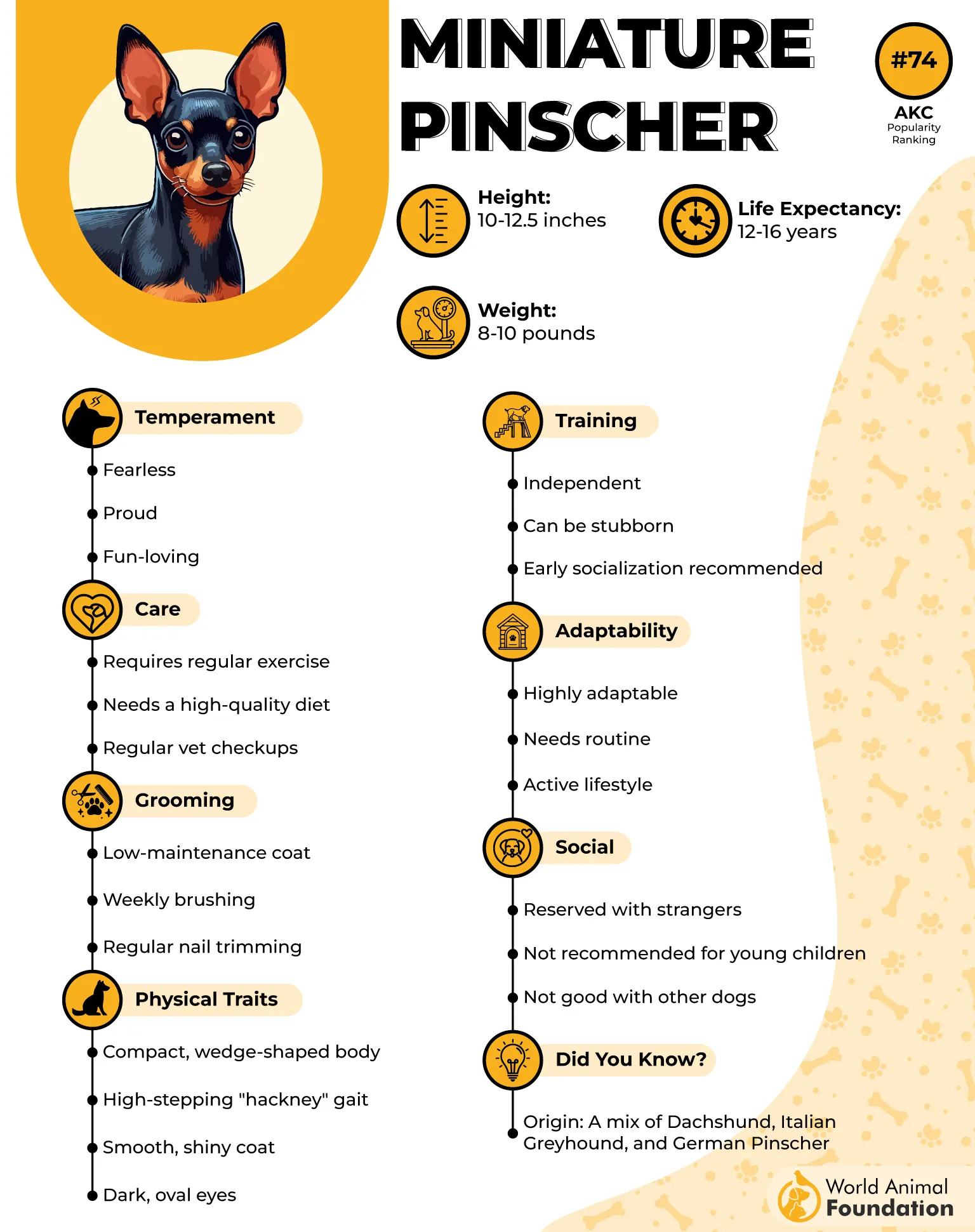
The hunting dog has strong territorial instincts and marks the household boundaries as red zones. The square build allows it to support short bursts of speed and sharp turns. With its sharp and repetitive barks, the adult dog keeps on alerting the owner til they approve or take action.
It acts as a domestic tripwire since it relies heavily on acoustic deterrence. It has a high-stepping Hackney gait that resembles a trotting horse.
7. Pomeranian
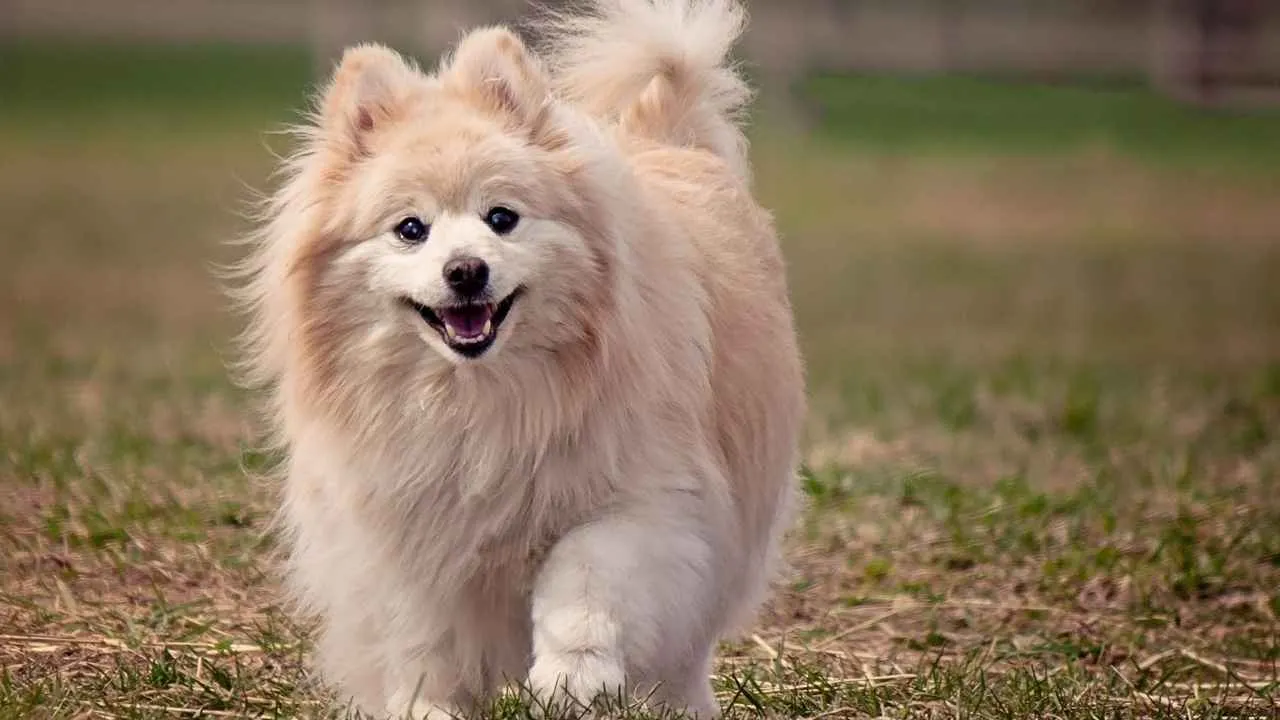
The breed was developed in the region of Pomerania alongside the Baltic Sea; however, the ancestral roots go back to Poland and Germany. It is closely related to Spitz-type sled pulling dogs and has a thick coat, pointy ears, and a big tail. The breed went through size reduction during the time of Queen Victoria.
The high-set ears can rotate independently up to 180 degrees. This allows the breed to isolate distant frequencies before humans could hear them.
Since it has a herding and guarding history, the breed remains highly vigilant of the territory. It has a tiny snout and a poofy face that give it a fox-like appearance, and the pack mentality forces it to have protective instincts towards the owner.
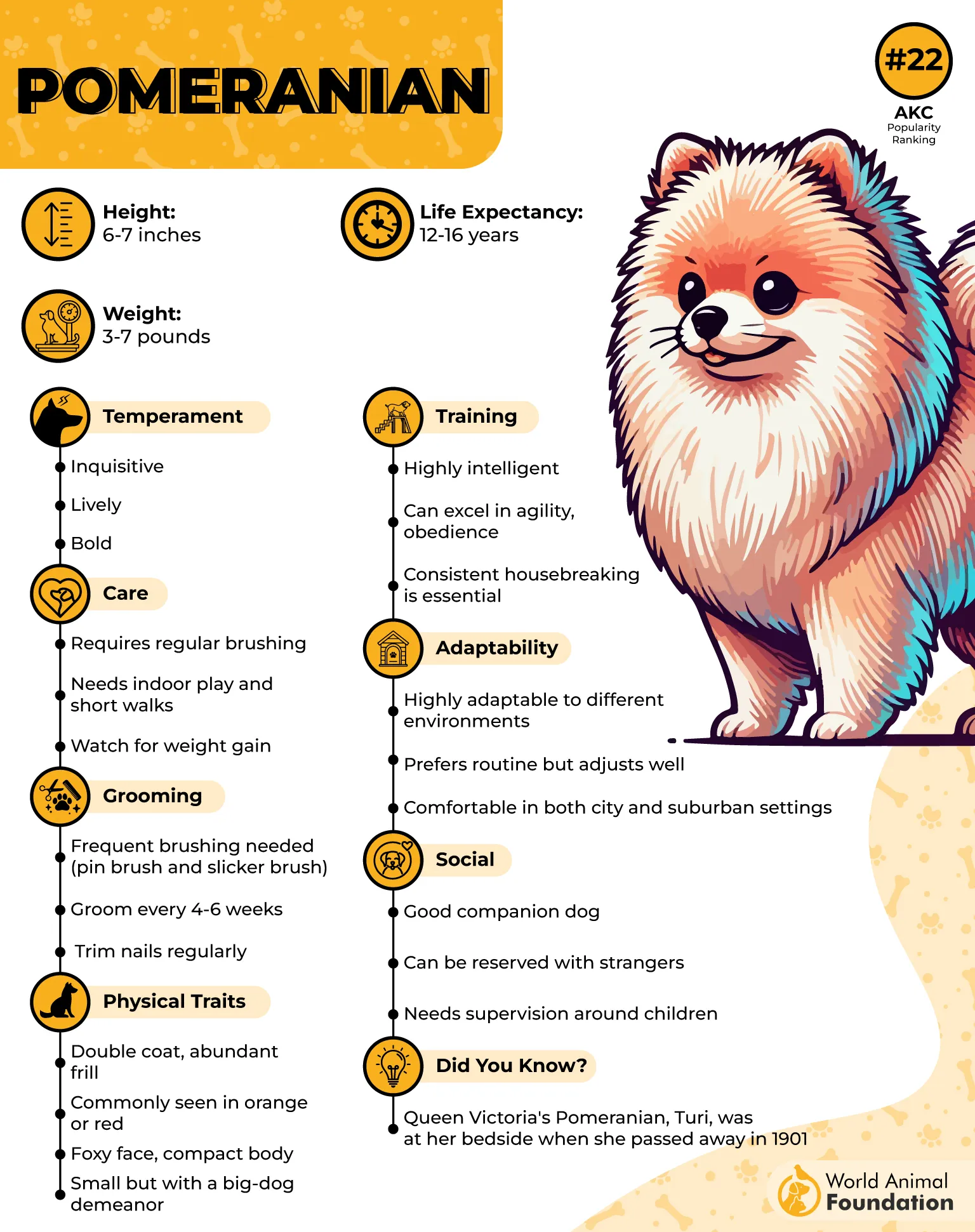
Despite having zero physical defensive capability, the Pomeranian tends to alert the owner without biting or harming people or losing its calm.
Conclusion
Home security is not always about having the biggest dog on the block. Sometimes, a small companion with a sharp ear and a fearless attitude can make you feel more aware of what is happening around your home. The breeds covered here each have their own personality, energy level, and way of responding to unfamiliar activity.
Some are naturally vocal, while others are more watchful and quick to react. Still, a small dog should be viewed as an alert system with paws, not a substitute for locks, lighting, cameras, or other safety measures. The best choice is the dog whose temperament fits your daily life.
