




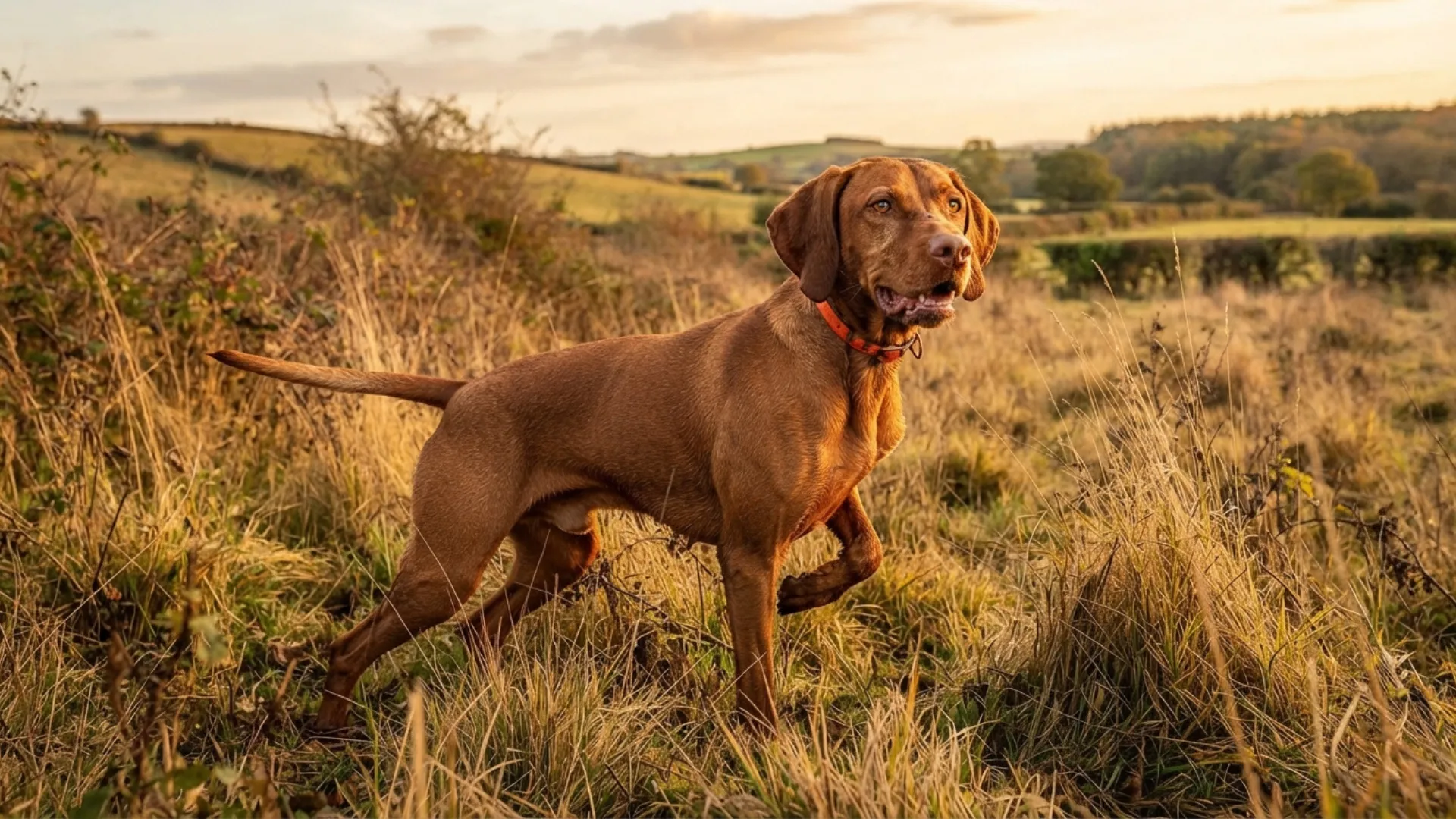
Upland game hunting demands a dog that can read the terrain, detect hidden scents, and work with purpose through fields and dense cover. The right bird dog can locate game, point or flush birds, mark fallen targets, and retrieve them efficiently, making it a valuable partner in the field.
Pointers, Setters, Spaniels, and versatile Retrievers each brings different strengths to upland hunting. The ideal choice depends on the birds pursued, terrain, hunting style, desired working range, and the time available for training and exercise.
Many dog owners prefer to train their dogs themselves, highlighting the important role owners play in developing reliable canine skills. With consistent training and the right breed match, these skilled dogs can become dependable upland hunting partners.
Skilled Dog Breeds for Upland Game Hunting
1. English Setter
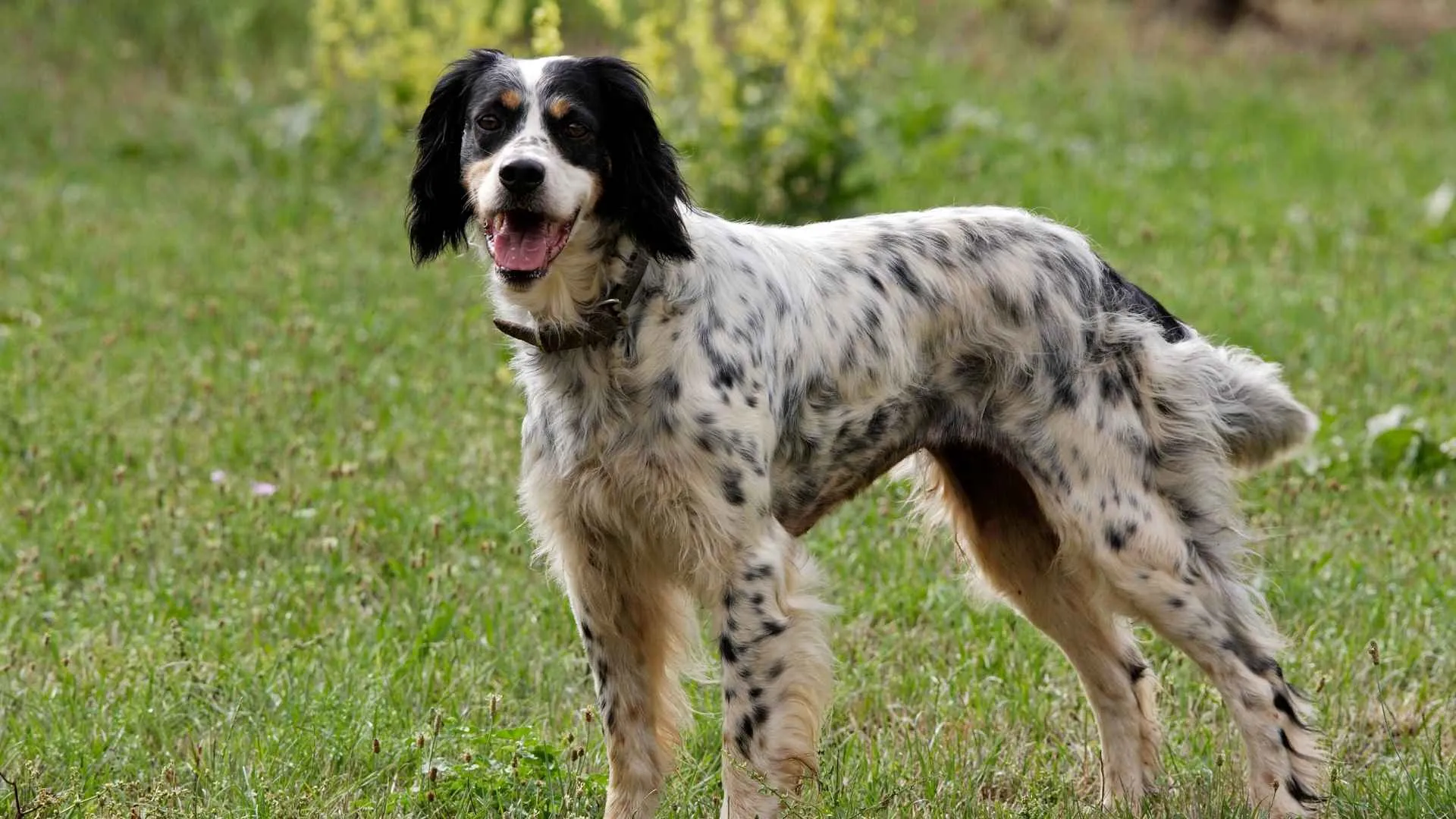
The English Setter is a refined upland hunting dog celebrated for its exceptional ability to locate birds through scent. Rather than rushing game, it uses a smooth, deliberate search pattern and naturally freezes into a point once it detects a bird, giving hunters time to approach.
In dense cover, this breed moves with remarkable grace, adjusting its range to changing scent conditions while maintaining focus. Its endurance and controlled pace make it particularly effective for demanding grouse hunts, where careful movement and precise pointing are essential.
How This Breed Stands Out
Elegant pointing style: It locates birds by scent and holds a composed, stylish point.
Methodical field coverage: Its flowing search pattern helps it thoroughly work dense upland cover.
2. Boykin Spaniel
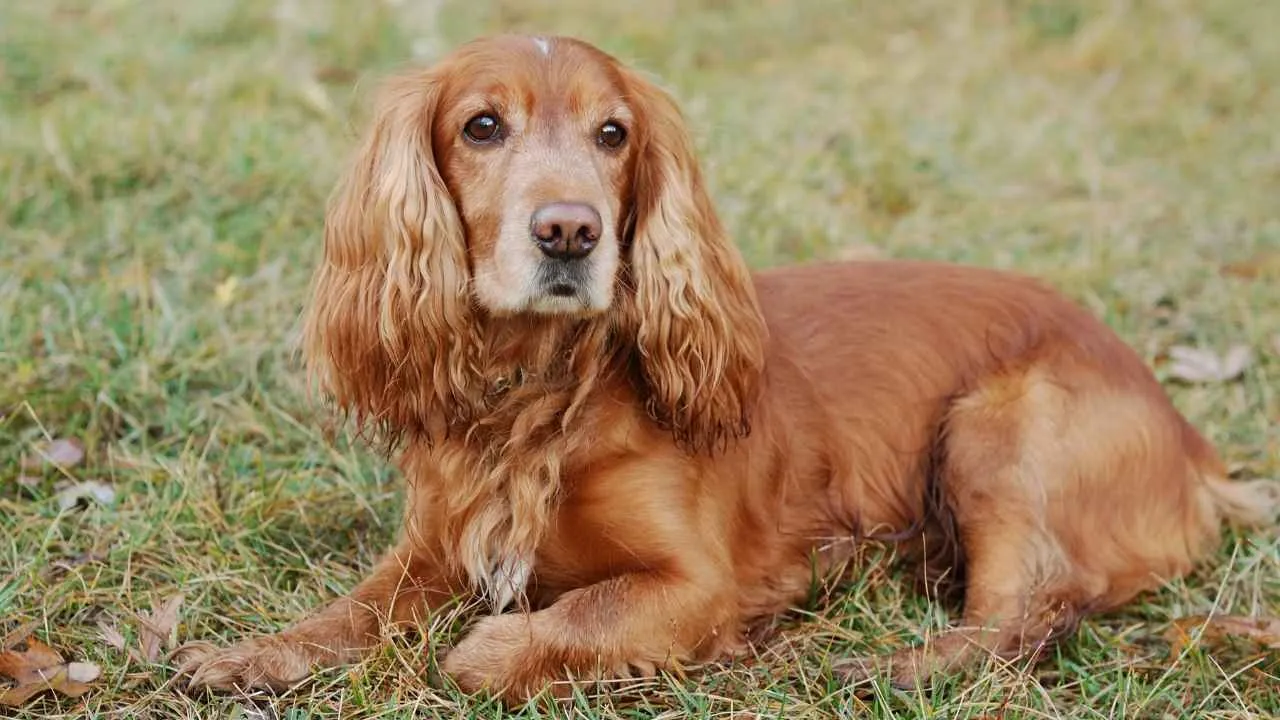
The Boykin Spaniel is a compact sporting dog developed to flush and retrieve game across both upland cover and water. Its manageable build allows it to move efficiently through dense vegetation, making it useful when hunting spaces demand a close-working dog with good maneuverability.
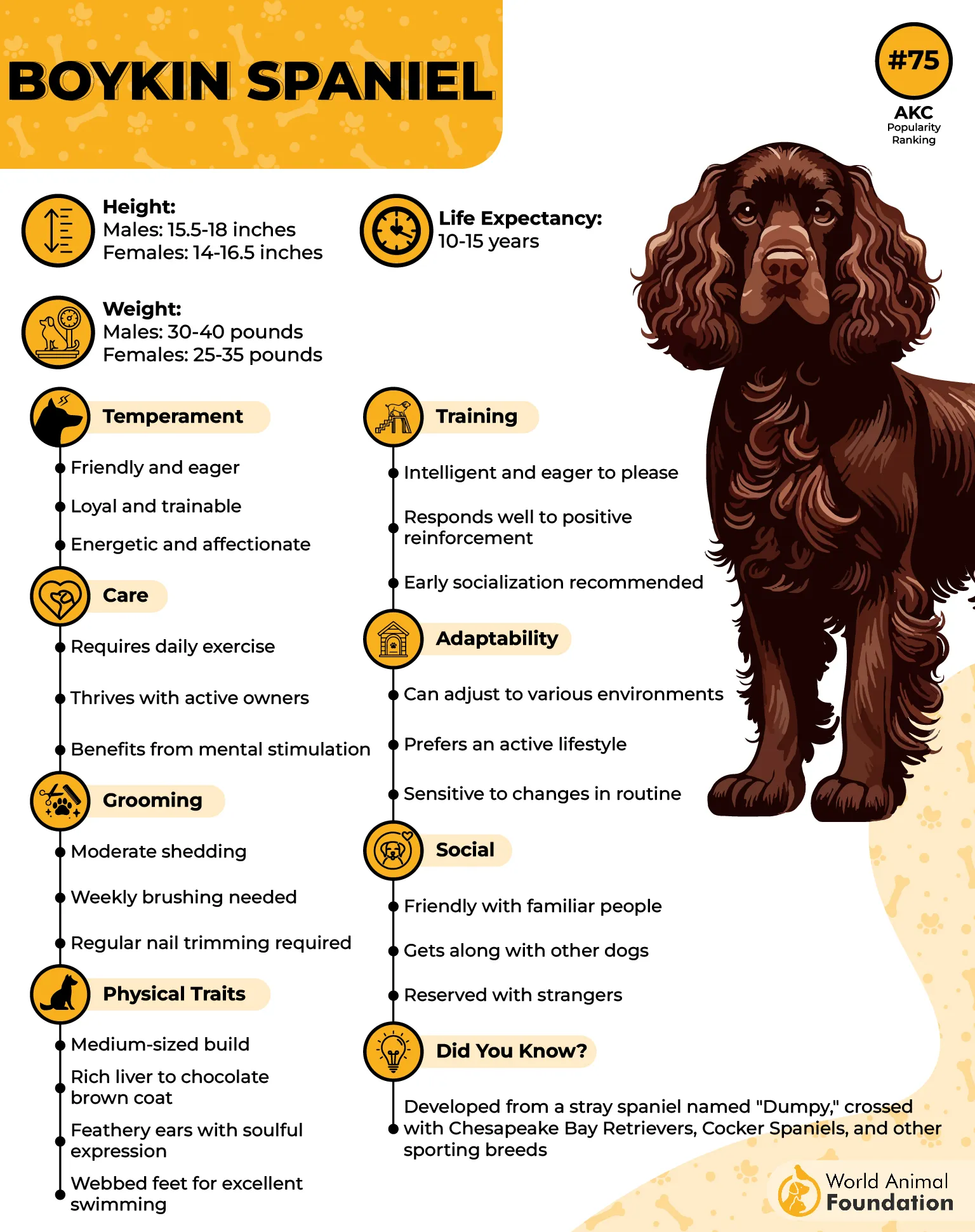
According to PetMD, Boykins are highly trainable and willing to please when their energetic nature is properly matched.
Energetic and eager to work, the Boykin combines persistence in the field with a strong retrieving instinct. Its versatility also makes it capable of switching between land and water tasks without needing the size of a larger retriever. After working through thick cover, its coat should be checked for burrs, seeds, and other debris.
How This Breed Stands Out
Compact flushing specialist: Its smaller athletic frame helps it work close to hunters through challenging cover.
Excels in dense cover: Its agility and endurance allow it to navigate thick vegetation while staying focused on finding and flushing birds.
3. Vizsla
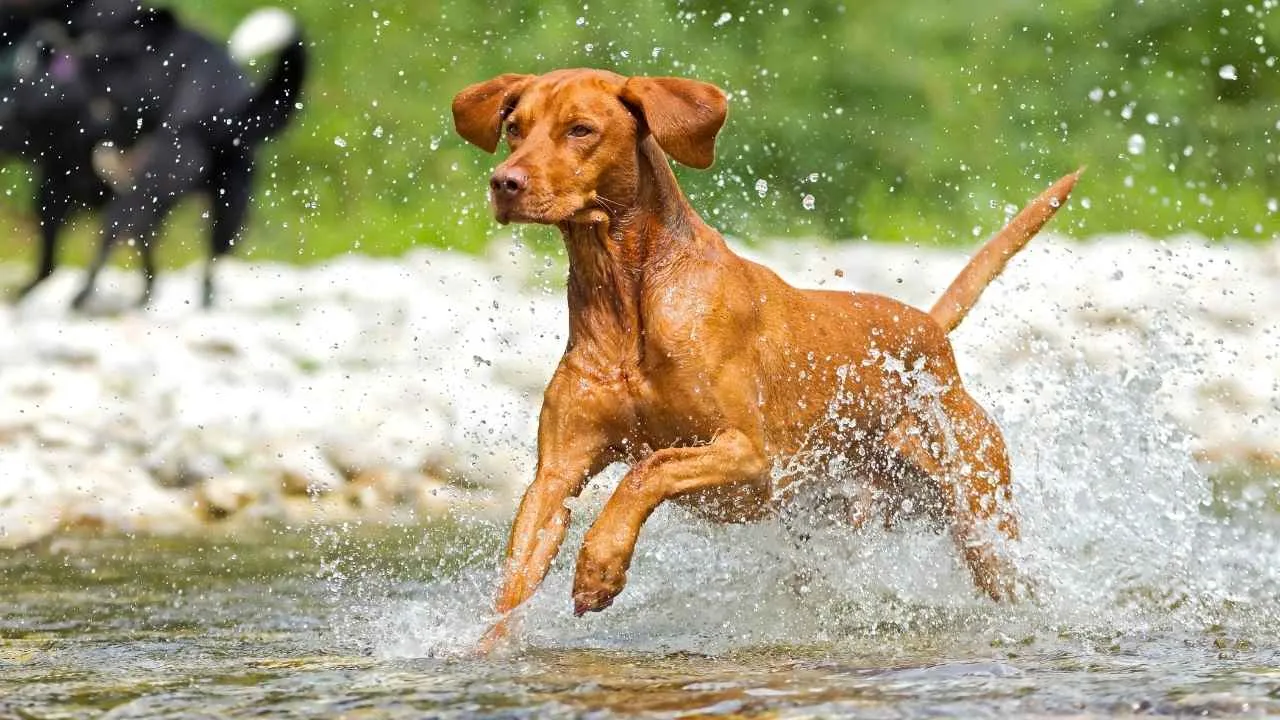
The Vizsla is a sleek, energetic upland hunter valued for its speed, endurance, and remarkable sensitivity to scent. Its close connection with the handler allows it to respond readily to cues while searching for quail, pheasants, grouse, and other upland birds.
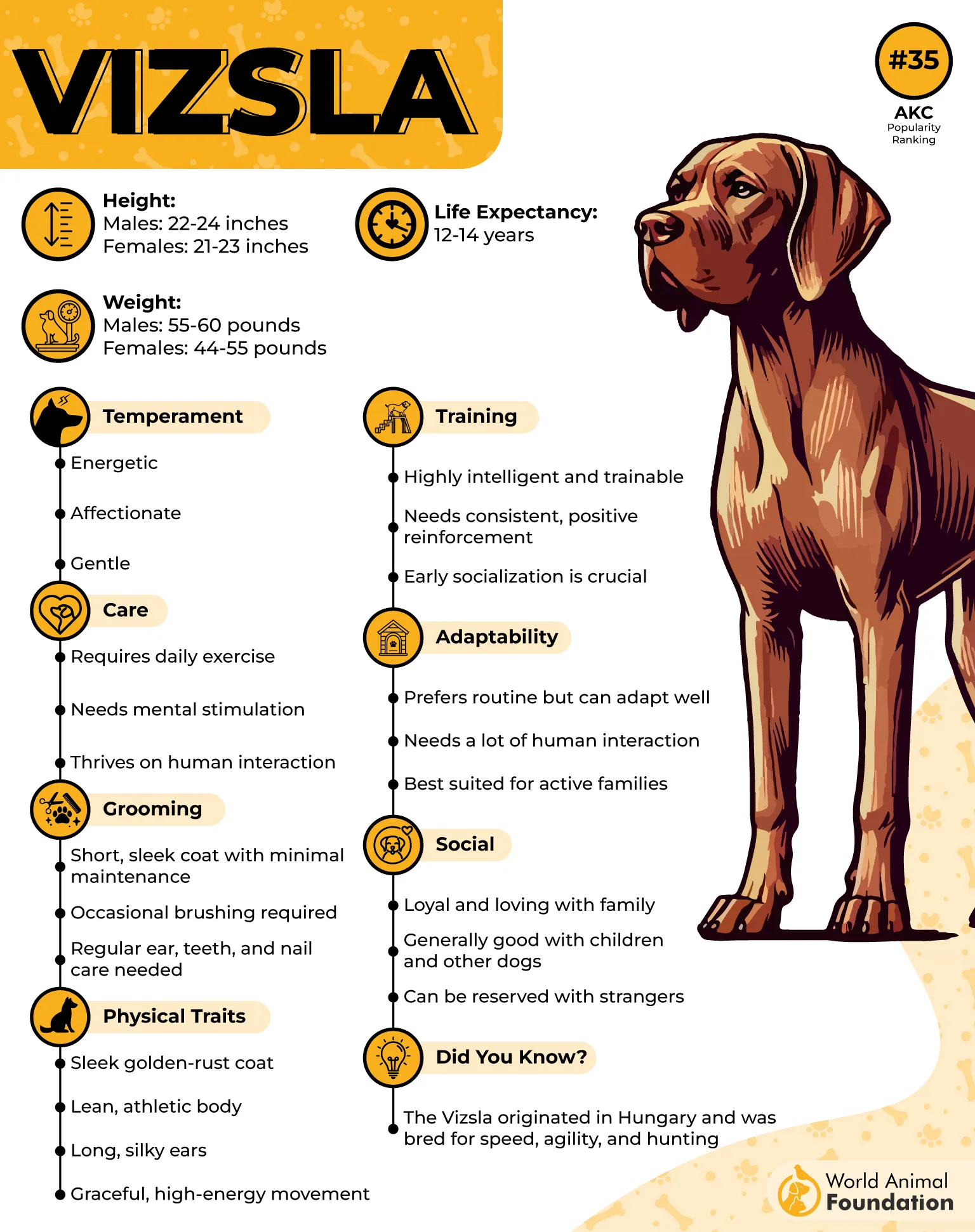
According to Omlet, the Vizsla is an athletic, energetic breed that loves to run and play and can be quite excitable.
Its short coat suits warmer conditions and allows the breed to move comfortably through varied terrain without heavy insulation. Intelligent and eager to work, Vizslas can adjust their search pattern to different hunting situations while maintaining strong focus. Their affectionate nature also encourages a close partnership with the hunter, both during fieldwork and afterward.
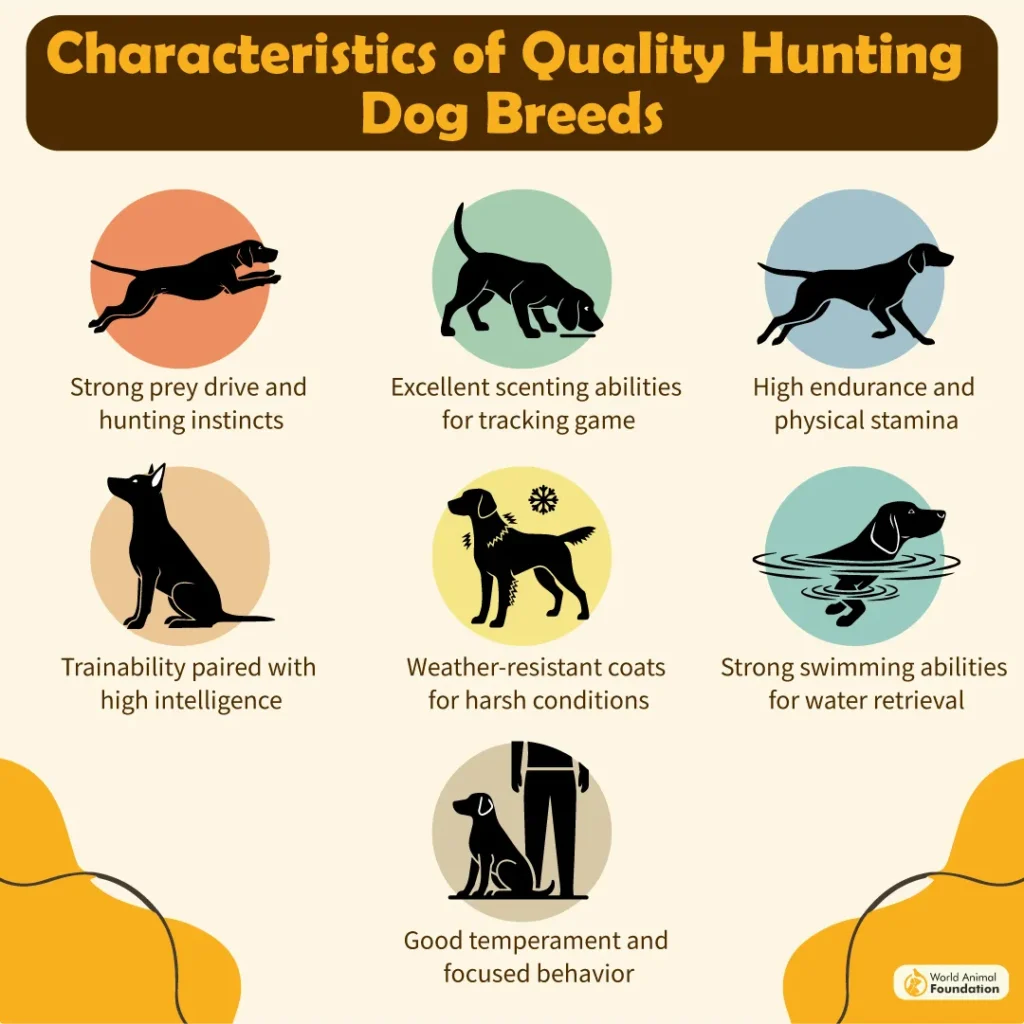
How This Breed Stands Out
Close-working range: Many Vizslas maintain a controlled distance that keeps them responsive to their handler.
Exceptional scent sensitivity: Their refined nose helps them detect and follow bird scent while working through changing terrain.
4. Brittany
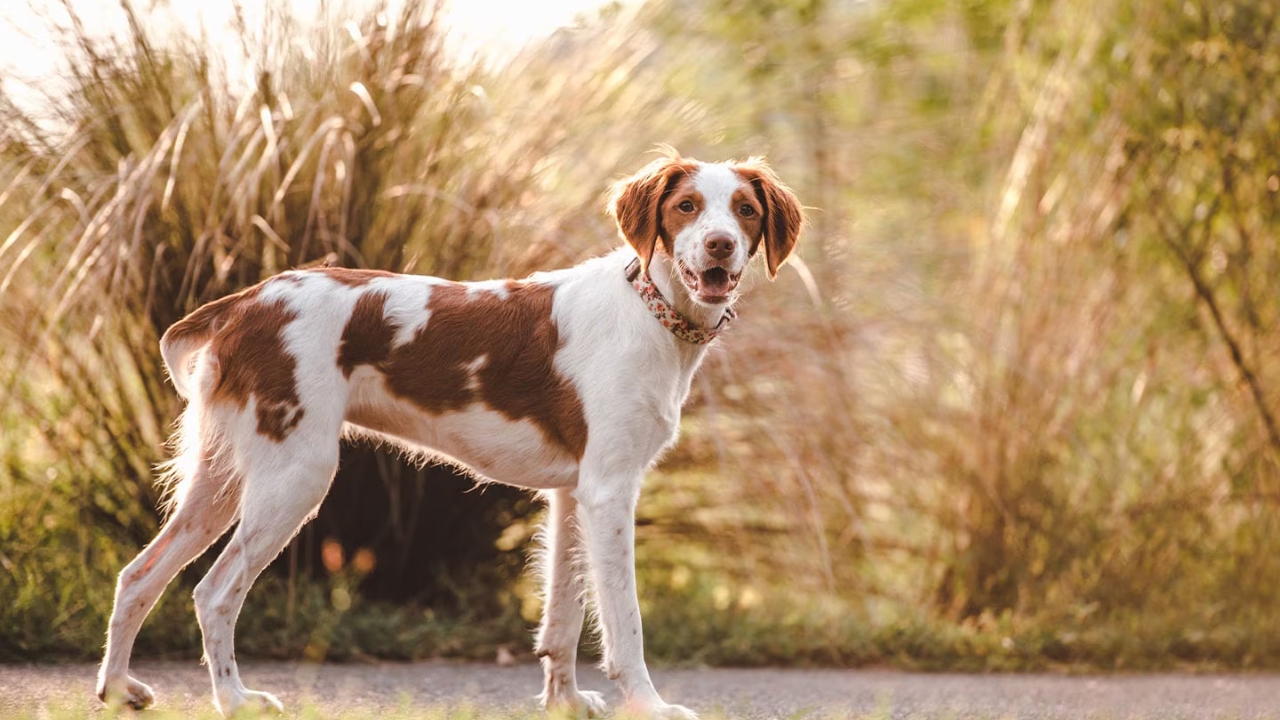
The Brittany is a compact, agile bird dog that excels in dense upland cover. Its smaller frame allows it to weave through alder thickets and young woodland while maintaining a close connection with the hunter. A keen nose and natural pointing instinct help it locate birds without requiring constant direction.
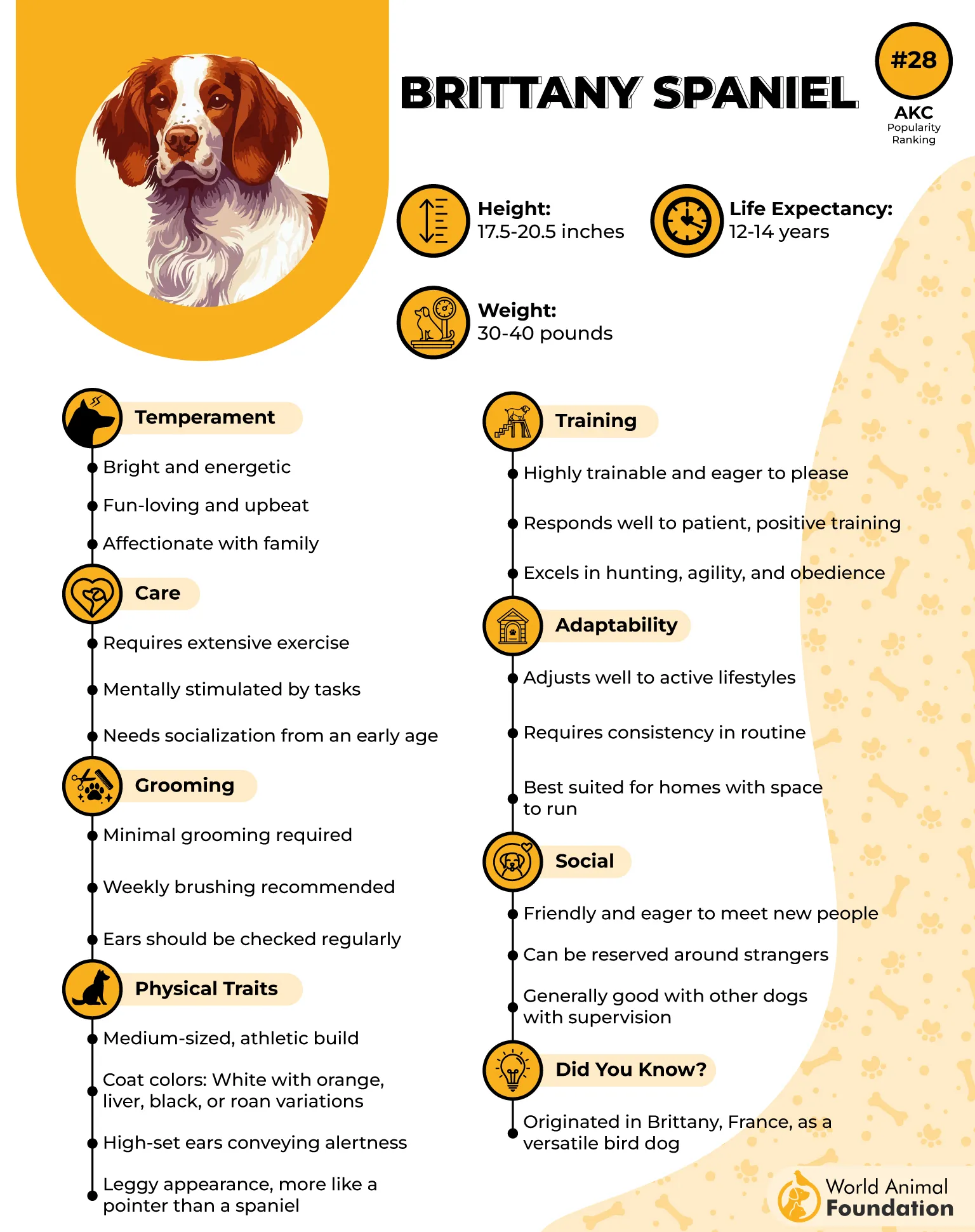
Energetic and eager to please, the Brittany brings plenty of drive to the field while remaining responsive to its handler. Originally developed as an all-purpose bird dog, it can adapt from tight grouse cover to more open hunting grounds.
How This Breed Stands Out
Quick, agile quartering: Its compact build helps it move rapidly through twisting, restrictive cover while staying within range.
Energetic bird-finding drive: A strong desire to locate game keeps the Brittany actively searching and engaged throughout the hunt.
5. German Shorthaired Pointer
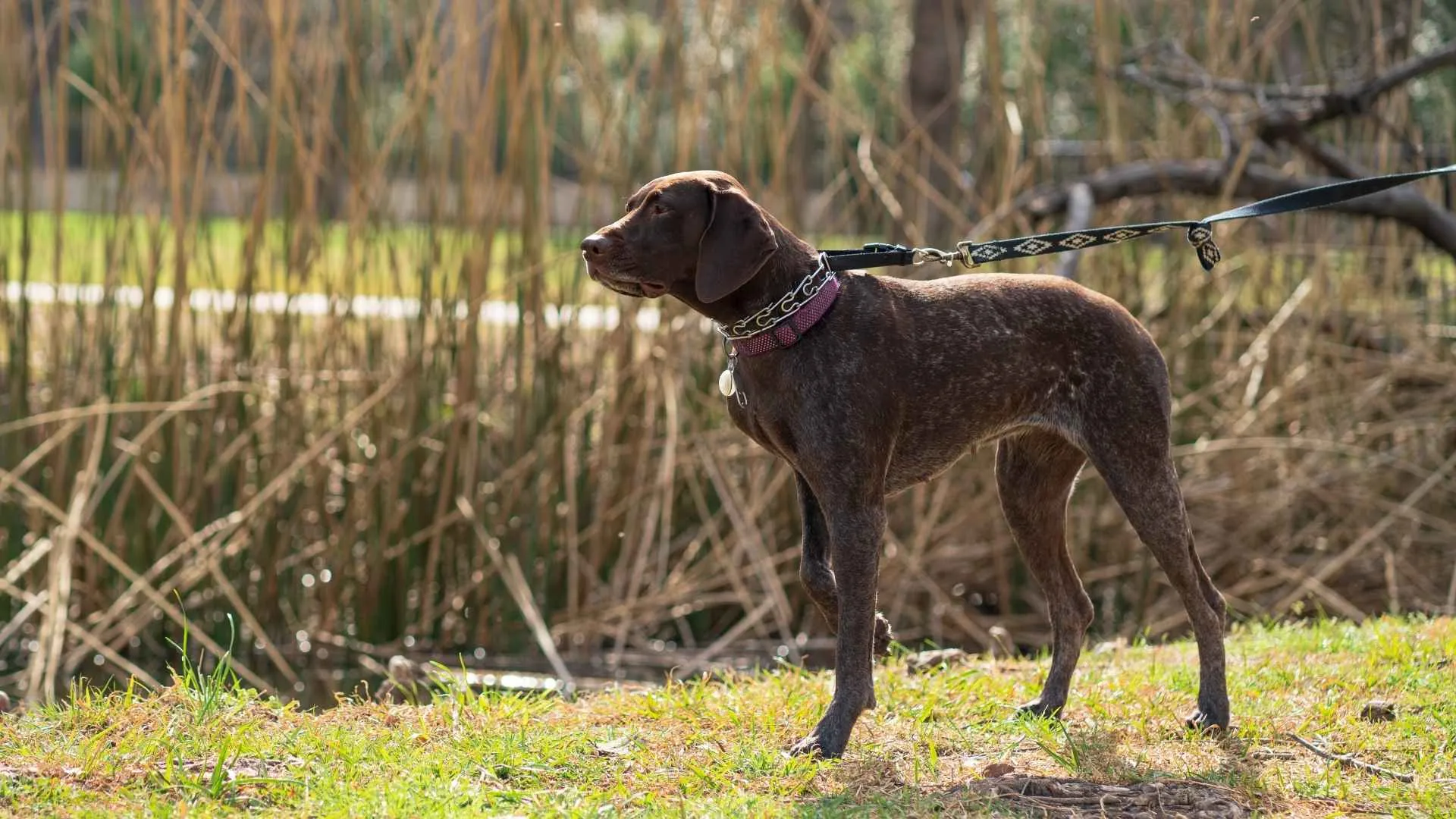
The German Shorthaired Pointer is a versatile upland specialist, particularly effective when hunting pheasants that run through heavy cover before flushing. Its exceptional nose helps it follow moving scent, while a controlled search pattern allows it to adjust its pace and establish a firm point as it closes in on birds.
According to WebMD, they are intelligent and energetic dogs that need plenty of activity rather than spending the entire day being inactive.
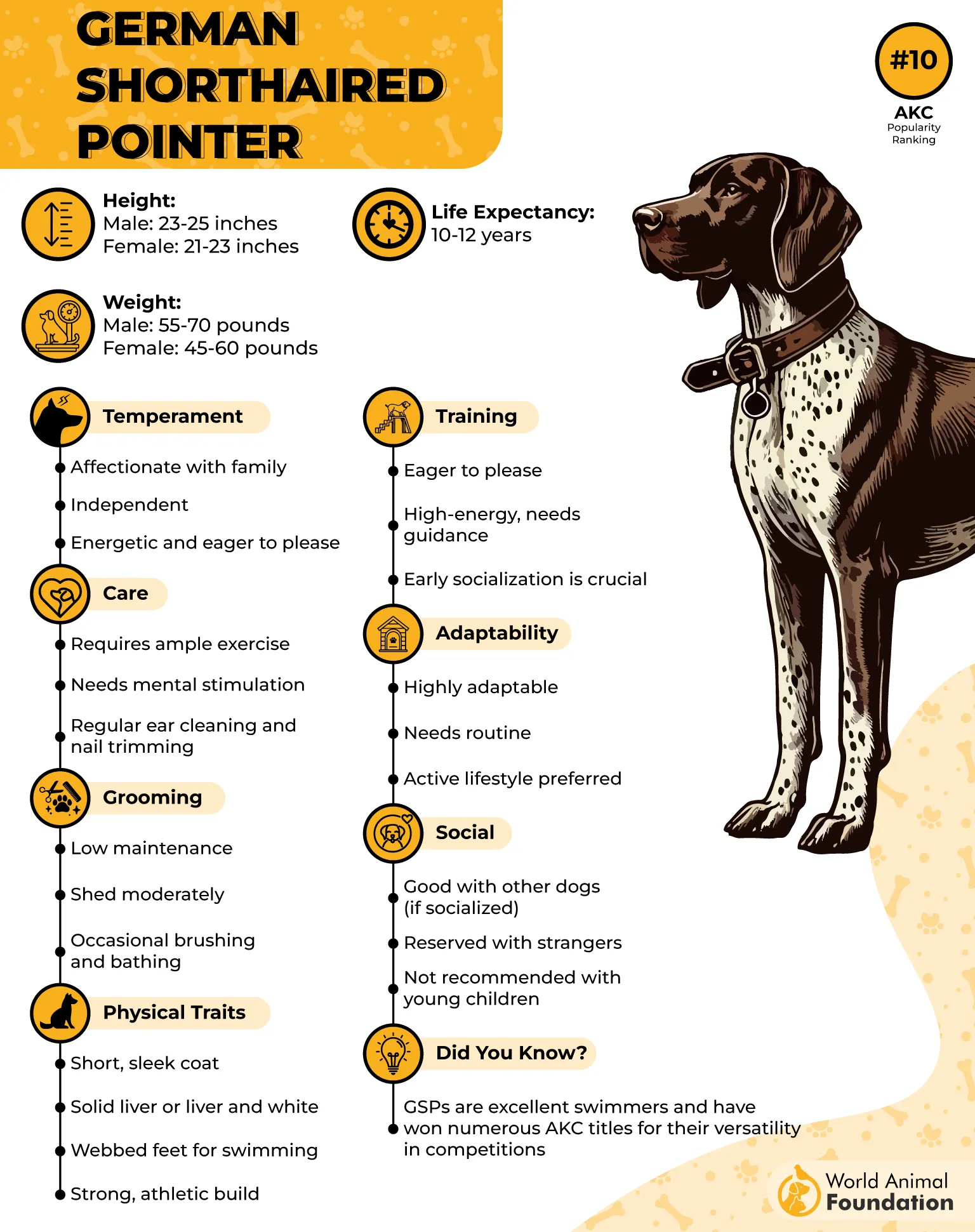
Built for demanding terrain, the GSP combines stamina, agility, and a strong work ethic. It can cover uneven fields, tall grass, cattails, and stubble without losing focus, then retrieve birds from difficult locations.
Its natural versatility means it can shift between finding, pointing, and retrieving game, making it useful for hunters pursuing different species across varied landscapes.
How This Breed Stands Out
Versatile pointing ability: It can track moving birds, adjust its search, and hold a reliable point.
Strong retrieving skills: Many GSPs naturally retrieve and can work through thick cover to recover downed birds.
6. English Springer Spaniel
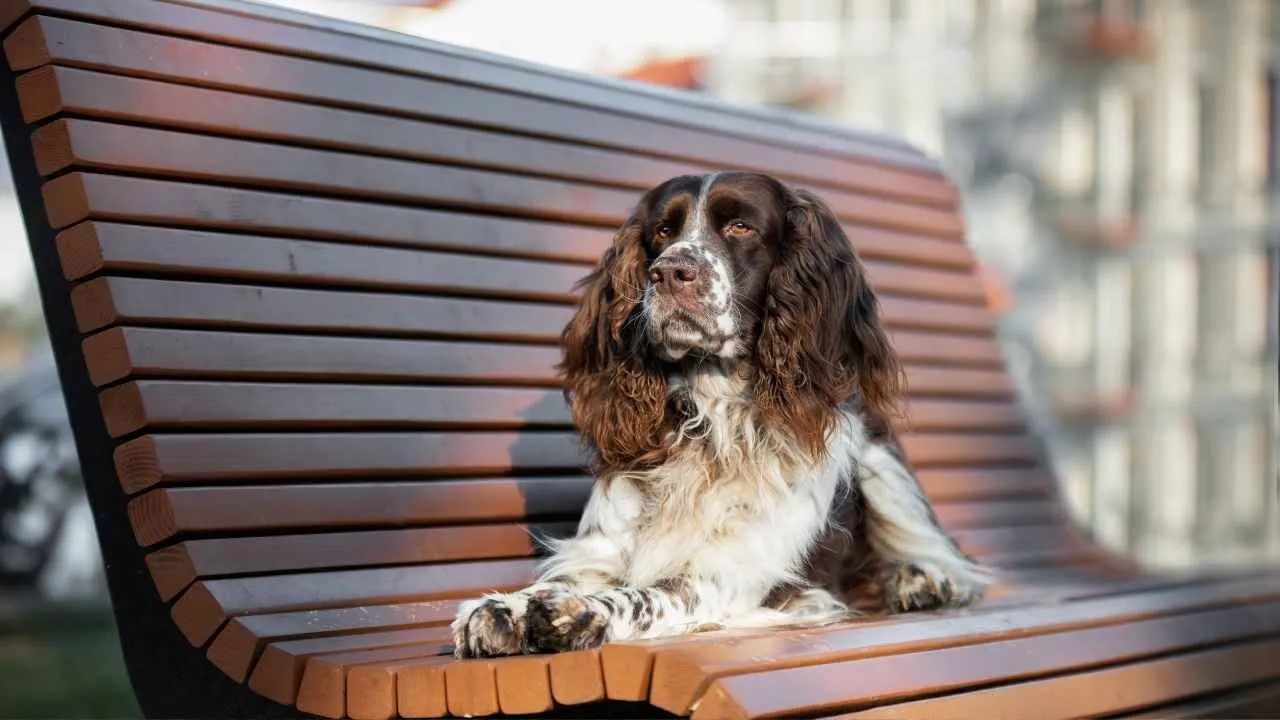
The English Springer Spaniel is an energetic gundog bred to flush birds from cover and retrieve them after the shot. Its athletic build and ground-covering movement allow it to work efficiently through grass, brush, and other challenging upland terrain while maintaining close contact with the hunter.
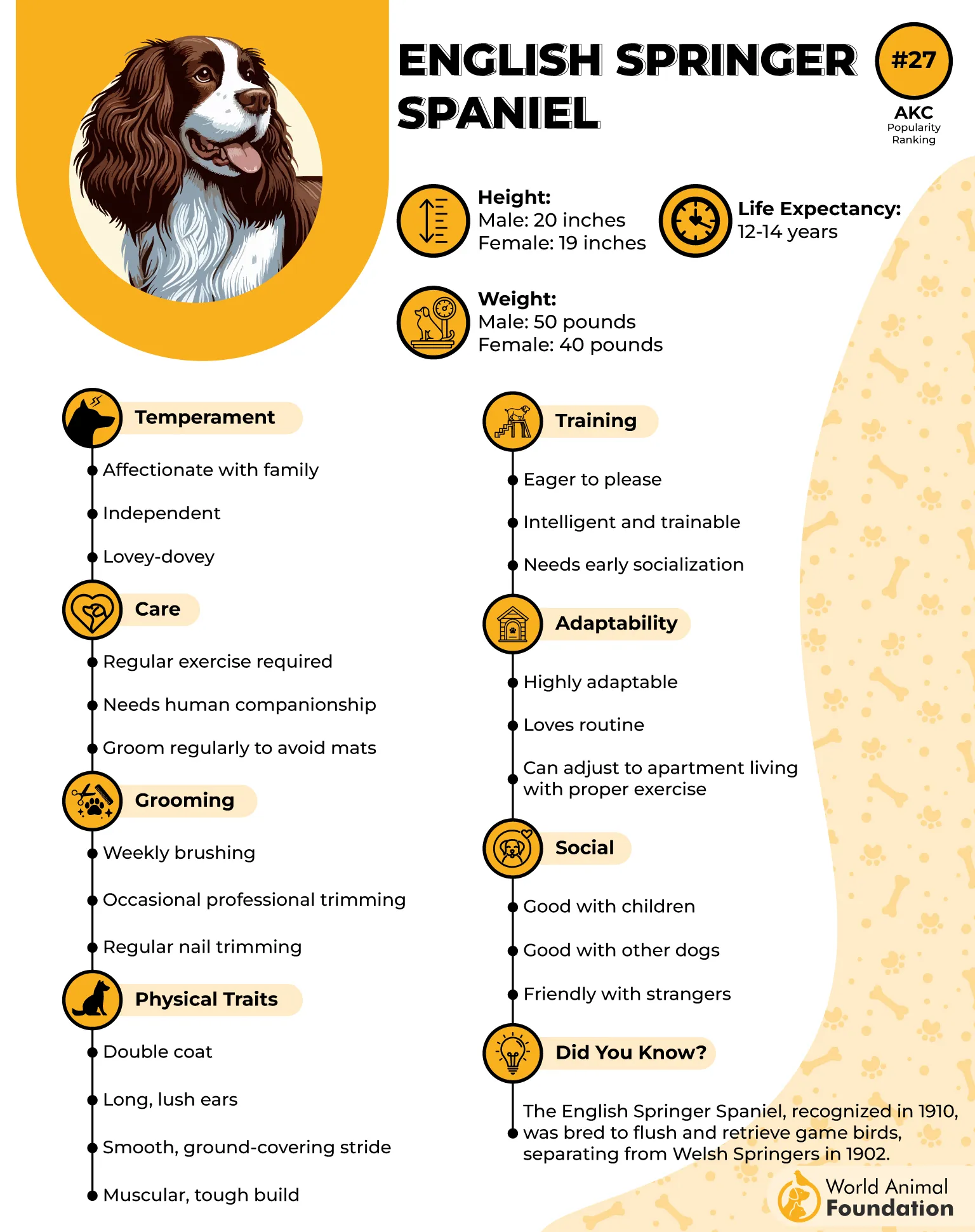
Highly trainable and eager to please, the Springer combines a strong flushing instinct with impressive stamina for extended days afield. Its retrieving ability is equally valuable when birds fall into thick vegetation, while its cooperative nature makes it responsive to direction.
How This Breed Stands Out
Energetic flushing action: Its lively quartering style pushes hidden birds from cover and keeps the hunt moving.
Retrieves birds from cover: Strong retrieving instincts help it recover downed game from dense vegetation and difficult ground.
7. Irish Setter
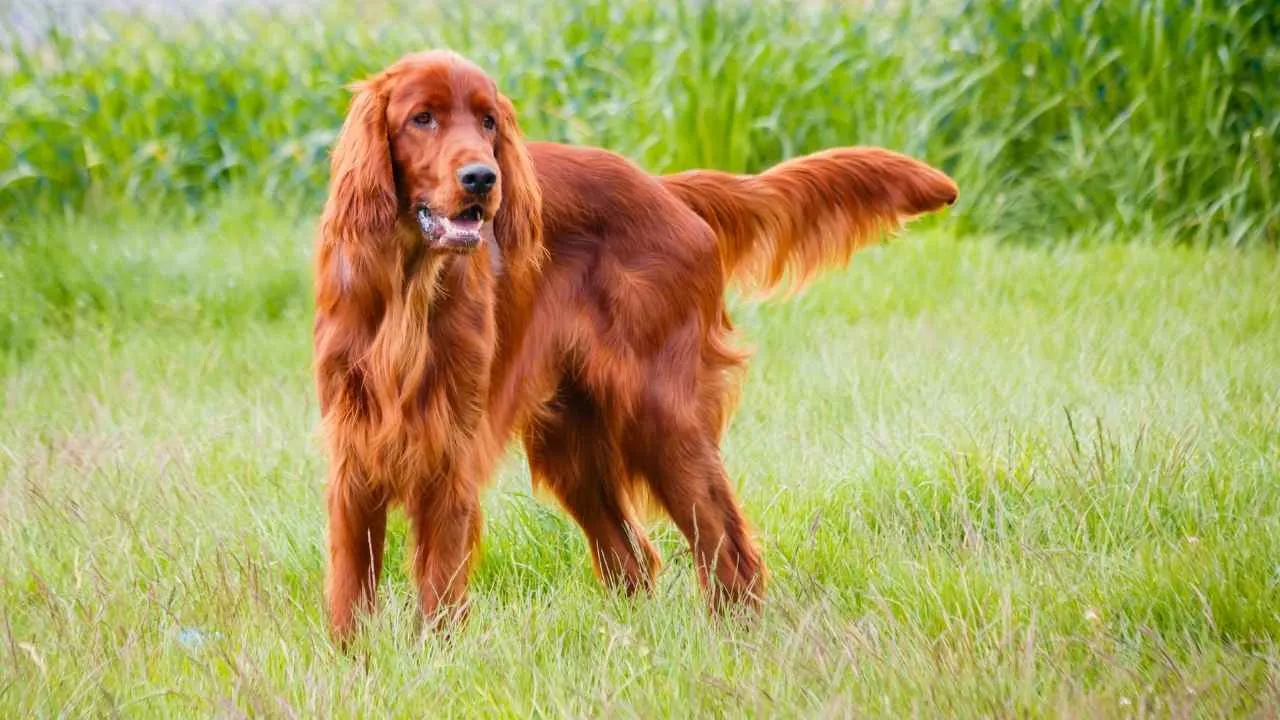
The Irish Setter is a graceful, fast-moving pointing dog developed in Ireland to locate upland birds. Its long legs and athletic build allow it to cover broad stretches of terrain efficiently, while its refined hunting instincts help it search for hidden game. Despite being less common in the field today, its traditional bird-finding abilities remain valuable.
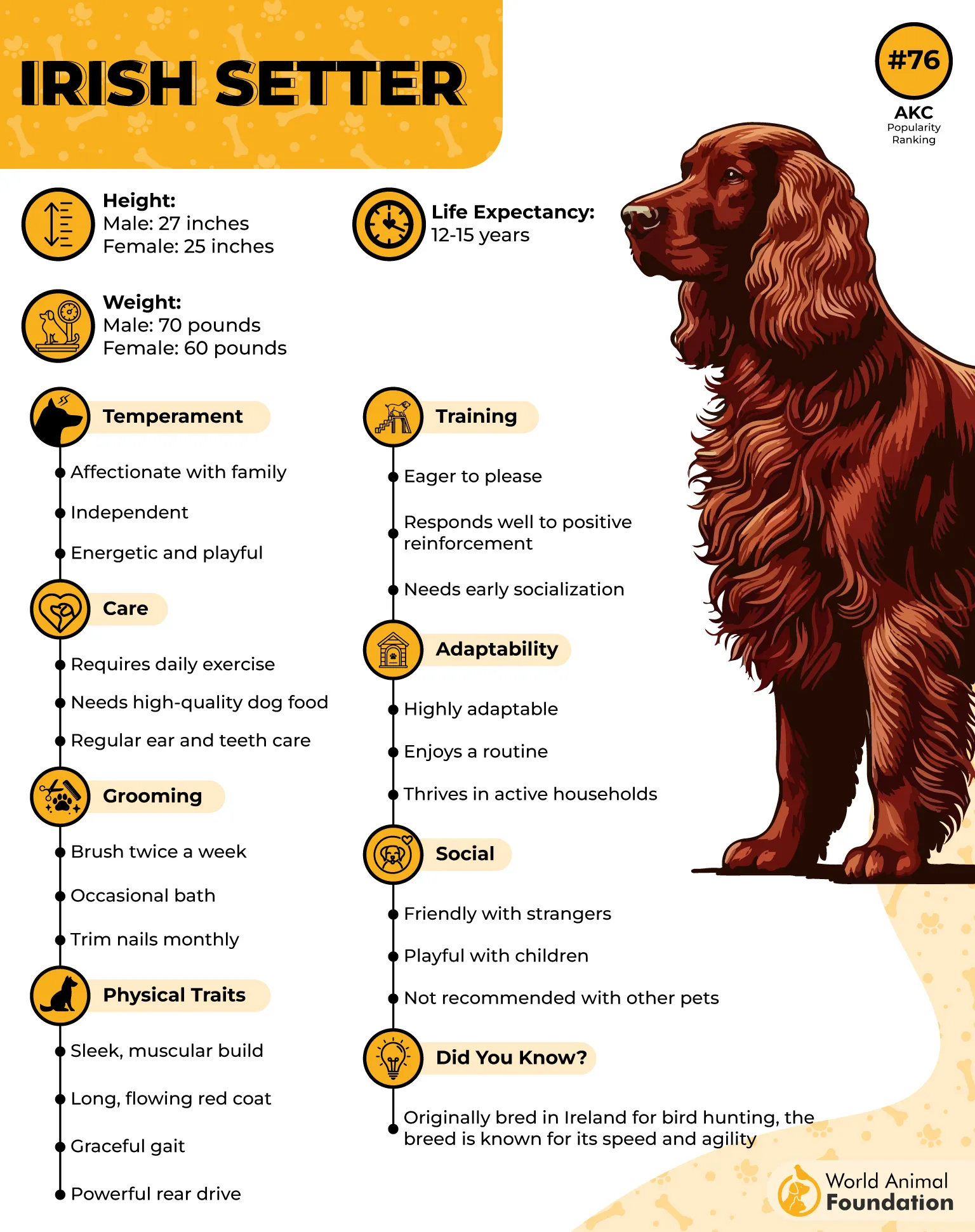
Known for its distinctive red coat and lively personality, the Irish Setter combines field enthusiasm with a gentle, affectionate temperament. It uses scent to locate birds and then signals their presence by settling into a steady point, allowing the hunter to approach.
How This Breed Stands Out
Graceful, wide-ranging search: Its swift, flowing movement allows it to cover substantial ground while seeking upland birds.
Strong visual bird-finding instinct: Once game is located, the Setter can establish a composed position and hold it for the hunter.
Conclusion
The right upland hunting dog can make every outing more productive, whether you are pursuing birds through dense woodland, open fields, or challenging cover. Each breed brings distinct abilities shaped by generations of specialized work.
English Setters and Irish Setters offer graceful pointing and impressive field coverage, while Brittanys provide energetic, close-working performance. German Shorthaired Pointers combine pointing, retrieving, stamina, and versatility, and English Springer Spaniels excel at flushing birds from difficult cover.
Boykin Spaniels add compact size, agility, and dependable flushing and retrieving skills, while Vizslas bring speed, refined scenting ability, and a close partnership with their handlers.
Choosing among these skilled breeds ultimately depends on your preferred game, terrain, hunting style, and ability to provide training and exercise. A well-matched dog can become both a capable hunting partner and a rewarding companion beyond the field.
