




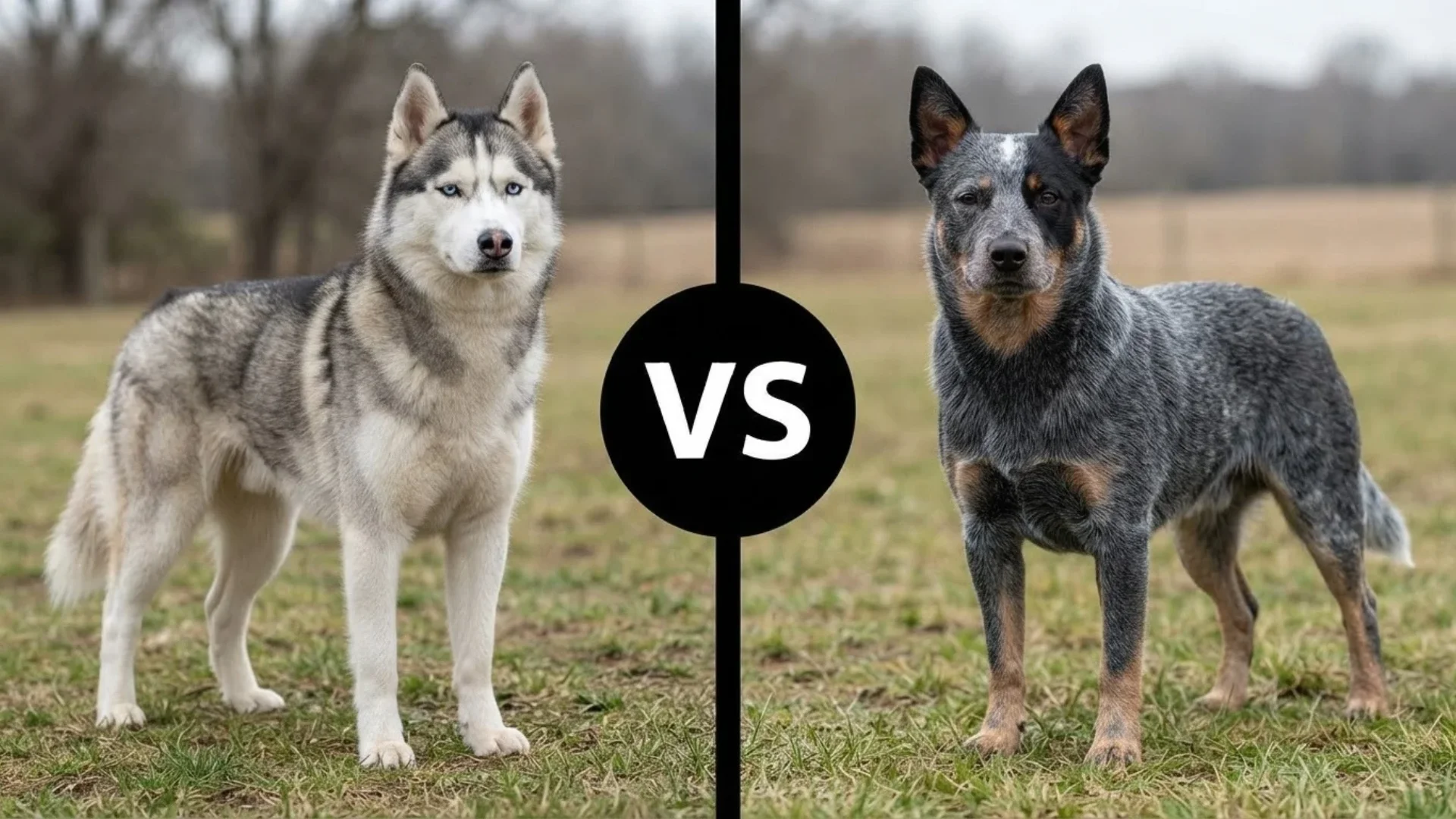
Two working dogs, two continents, one very loud debate among dog people. Ask a musher about the Siberian Husky and ask a rancher about the Australian Cattle Dog, and you will get two completely different answers to the same question: what makes a dog truly built for the job.
Neither breed grew up pampered. One was shaped by tundra and long hauls through ice, the other by scorching outback heat and cattle that did not want to cooperate. Comfort was never the design brief for either dog.
That history still shows up in the living room today, not just on the trail or the ranch. Owners of both breeds will tell you the same thing in different words. These are dogs with jobs, and a house without one feels like a cage to them.
So which one actually fits your lifestyle, your yard, and your patience for a dog that outsmarts you occasionally? The honest answer depends on specifics most articles gloss over, from exercise minutes to shedding seasons to how each breed handles a stranger at the door.
Here is the real, point-by-point breakdown, built for people who want facts over hype before they commit to either breed.
Siberian Husky vs. Australian Cattle Dog: Quick Points on These Dog Breeds
Snow versus sun, pack versus herd. These two working breeds built their reputations in completely different landscapes, yet both land on shortlists for active families who want a true companion, not a couch ornament. Here is how they actually stack up, point by point.
Size and Strength
Six hundred and fifty pounds of sled and gear. That is roughly what a team of Siberian Huskies was built to haul across frozen ground, and it explains why every inch of this breed favors distance over bulk. A single dog carries that history in a light, athletic frame rather than raw mass.
The numbers back that up clearly.
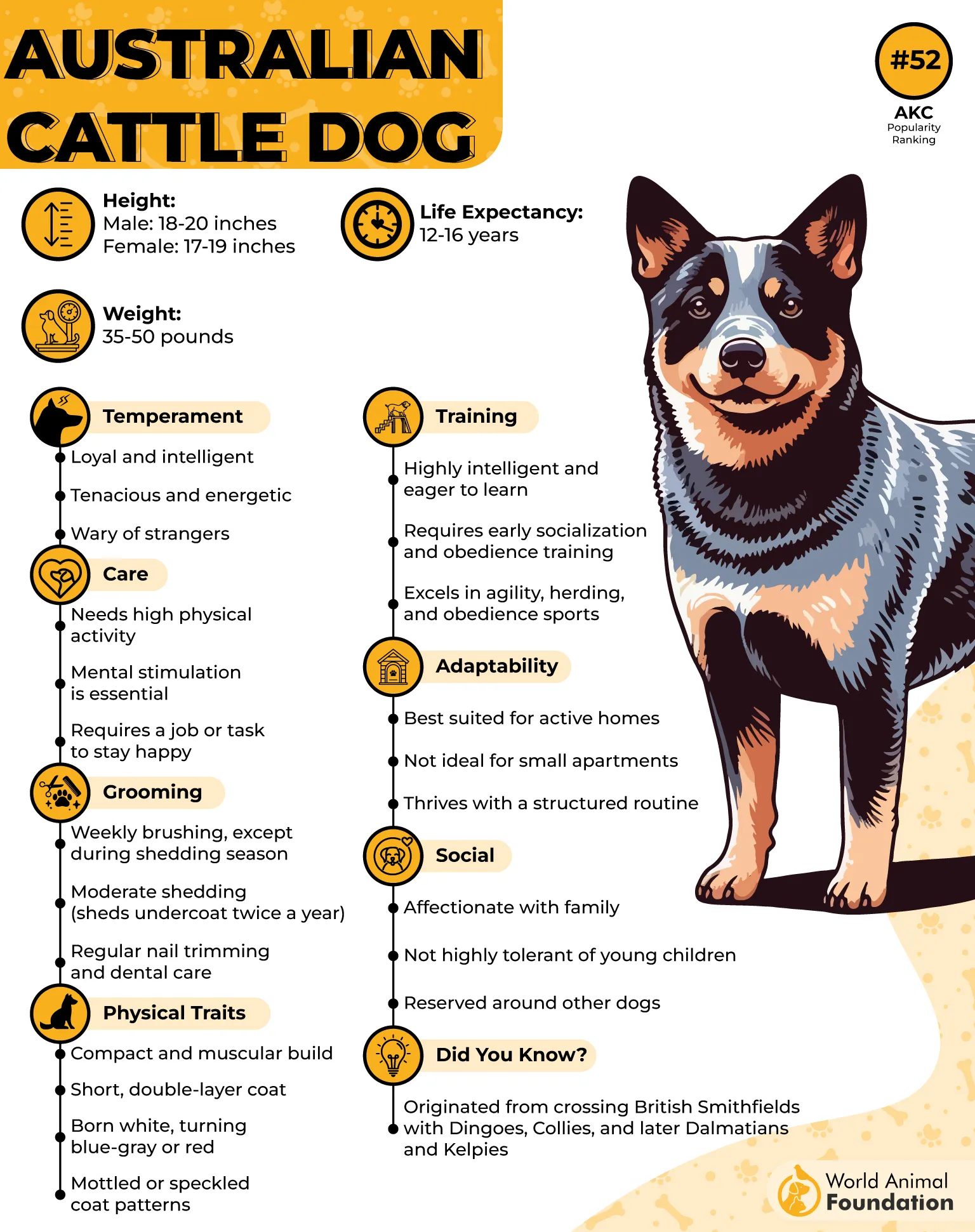
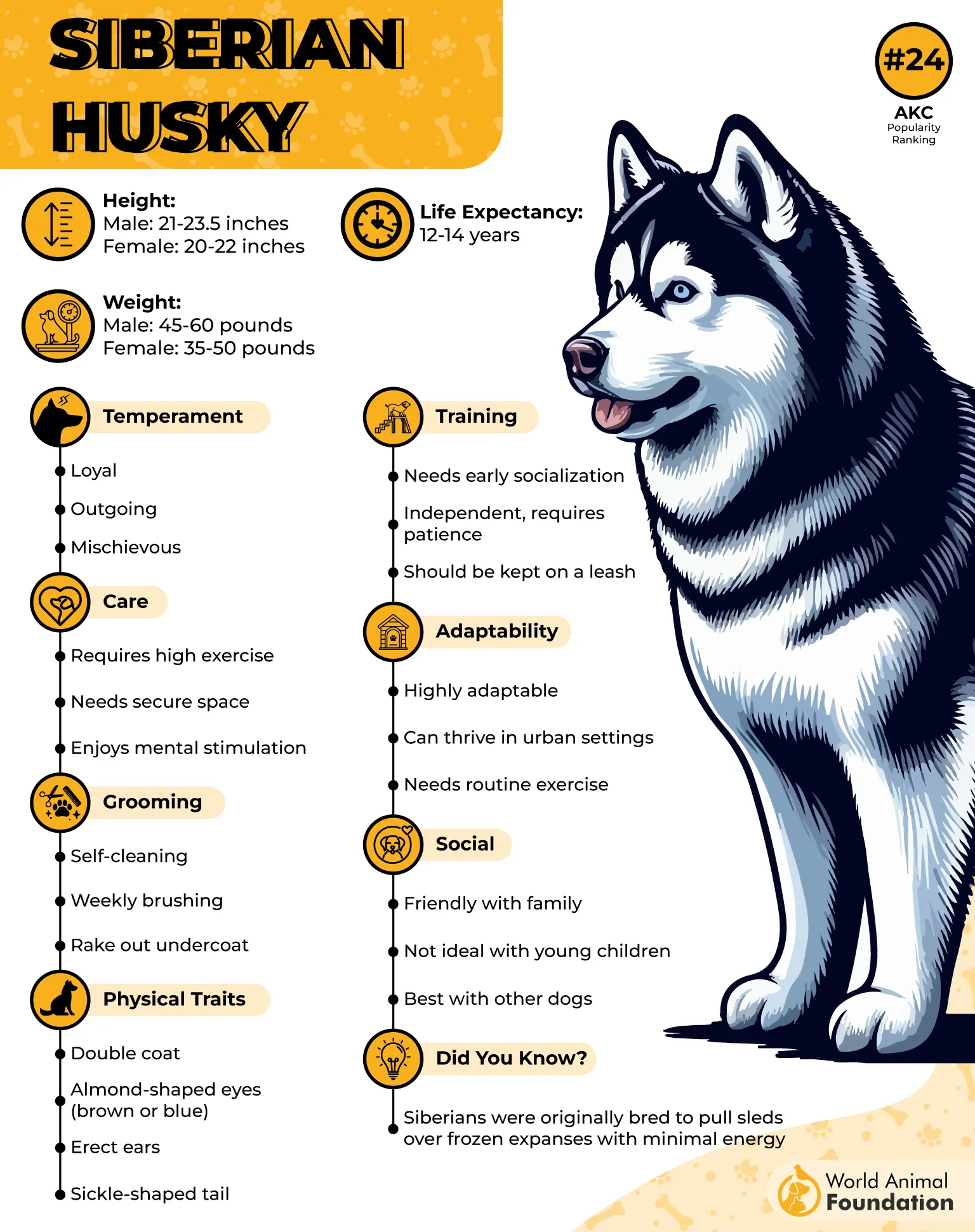
Siberian Husky: 45 to 60 pounds, 21 to 23.5 inches tall, as per the AKC
Australian Cattle Dog: 35 to 50 pounds, 17 to 20 inches tall, a compact and muscular build
Smaller does not mean weaker in this comparison. The Cattle Dog’s low center of gravity and dense muscle let it absorb a kick from a startled cow and keep working, something the leaner Husky frame was never asked to do.
Temperament and Personality
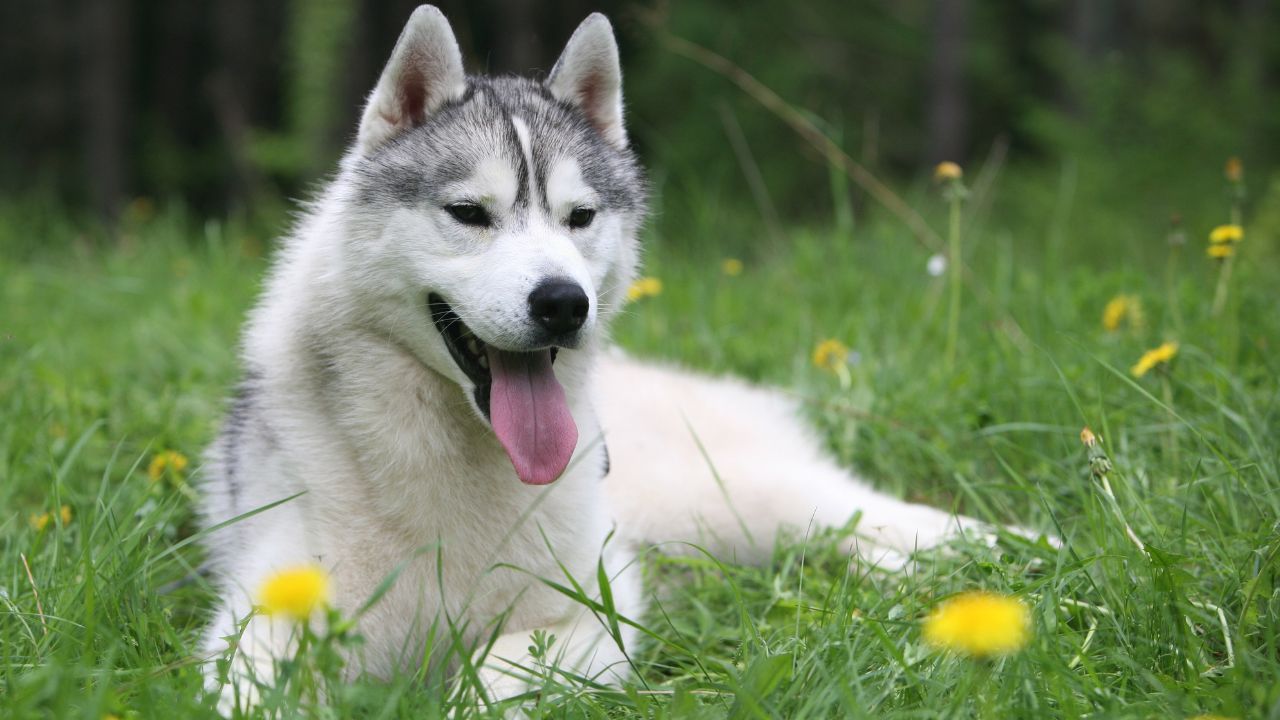
Picture two puppies raised in the same yard. The Husky grows into a friendly, outgoing extrovert that treats strangers like old friends, and would rather charm its way out of trouble than guard anything. It can also be aggressive toward unfamiliar dogs despite its easygoing nature with humans, so early socialization matters.
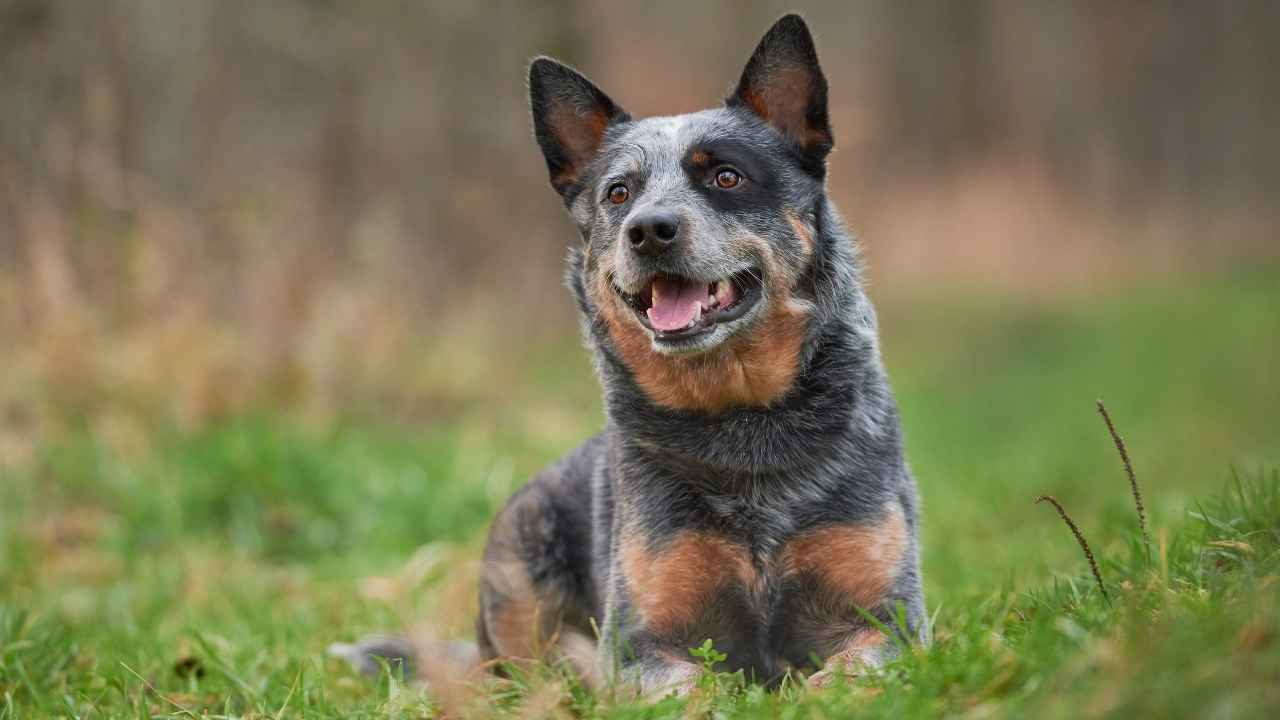
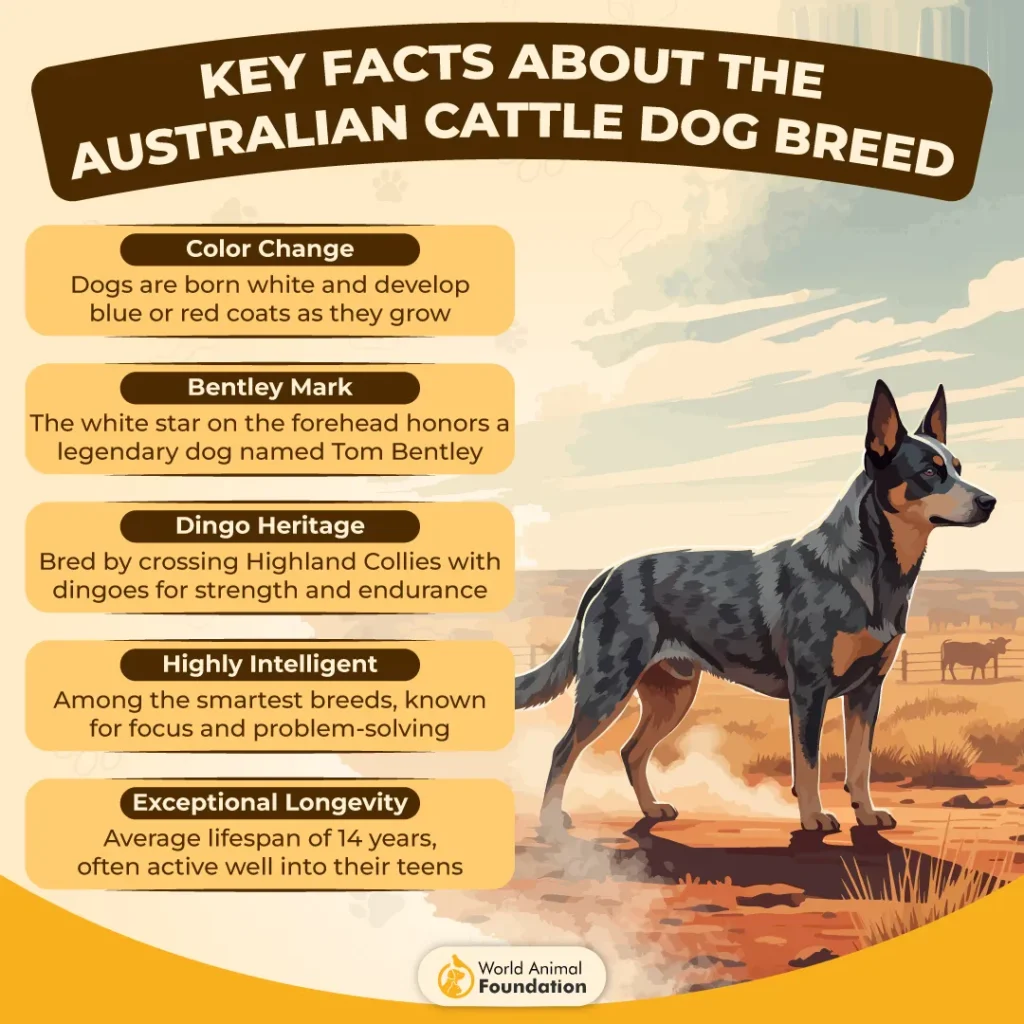
The Cattle Dog grows up watchful and reserved, bonding hard with its family while staying wary of strangers. It wants a job, and lacking one, it will invent chores, often by herding children, other animals, or the vacuum cleaner. Where the Husky wants company and adventure, the Cattle Dog wants purpose and structure.
That single difference in motivation shapes nearly everything else about living with either breed, from training approach to how each settles into family life. Neither temperament is better, only better suited to a particular household.
Health and Lifespan
Twenty-nine years old. That is the age reached by a record-holding Australian Cattle Dog named Bluey, though a realistic lifespan for the breed sits closer to 12 to 16 years. The Husky lives a touch shorter, averaging 11 to 13 years according to VCA Animal Hospitals.
Each breed carries its own watch list of conditions worth screening for early.
Siberian Husky: Hip dysplasia, hypothyroidism, cataracts, and progressive retinal atrophy
Australian Cattle Dog: Progressive retinal atrophy, hip dysplasia, congenital deafness, and certain heart conditions
Both breeds are generally hardy for working dogs, and neither is considered a high medical risk compared with many purebreds. Genetics and breeder screening matter more here than breed reputation alone.
Training and Exercise
Forty-five minutes of running or structured activity a day keeps a Cattle Dog level-headed, while the PetMD team notes most owners find that floor rises fast once the dog matures. A bored Cattle Dog left in the yard will find its own entertainment, usually at the cost of furniture or fencing.
Training a Husky means outsmarting a dog that gets bored of a lesson almost immediately. Short, varied sessions with food rewards beat repetition every single time, and harsh corrections tend to backfire against this breed’s independent streak.
The Cattle Dog, by contrast, is quick to learn and genuinely wants direction, making it a strong pick for obedience, agility, or general dog sports. Both pull hard on the leash when undertrained, one from wanderlust and the other from herding instinct.
Grooming Needs
Will your floors survive either breed? Both carry a thick double coat that blows out twice a year, and regular brushing between those seasons is non-negotiable for either dog owner.
Here is how the upkeep actually compares day to day.
Siberian Husky: Heavy seasonal shedding, brush two to three times weekly, rated among the heaviest shedders by groomers
Australian Cattle Dog: Moderate to high shedding, daily brushing recommended during coat blow, occasional baths only
Outside of blowout season, the Cattle Dog’s shorter coat is easier to manage, while the Husky needs a sturdy rake brush on standby year-round. Neither breed suits a household unwilling to deal with hair on the furniture.
Energy Level & Mental Stimulation
A tired Husky and a tired Cattle Dog look nothing alike. The Husky burns energy best through long-distance movement, happiest hiking, running, or pulling, and it tends to switch off once the miles are done. Snow and cold weather barely slow this breed down, while heat drains it fast.
The Cattle Dog needs mental work layered on top of physical activity, since its herding brain stays busy even at rest. Puzzle toys, scent games, and short training bursts matter more for its day than extra laps around the block.
For the Husky, the activity itself is usually enough to settle its nature, with little extra mental work required. Both are high-energy animals built for busy humans, just wired toward a different kind of tired by evening.
Natural Guard Instincts
Which breed actually barks at the door? The Cattle Dog takes this point clearly, carrying a strong prey drive and a naturally suspicious read on strangers that makes it an attentive, if vocal, watchdog around the home. Its heeling instinct, inherited from dingo ancestry according to Britannica, was bred for controlling livestock, not socializing with them.
The Husky was born into a working pack rather than a solo defense role, and that history still shows. It rarely barks a warning and is far more likely to howl out of excitement than alarm.
It also gets along easily with people and other dogs by nature, which makes it a poor fit for anyone wanting a protective companion. If natural guarding ability is the priority, the Cattle Dog wins this point without much argument.
Conclusion
Neither breed wins outright, and that is the honest point of this whole comparison. The Husky suits a household built around long miles, cold air, and a dog that wants company more than control. The Cattle Dog suits one built around structure, a job to do, and a brain that never fully switches off.
Pick based on your own routine, not the breed’s reputation. A busy runner in a cool climate leans Husky. A hands-on trainer with land to manage leans Cattle Dog.
Either dog rewards an owner who shows up daily with purpose. Choose the lifestyle you actually live, and the right breed becomes obvious fast.
