





Run your hand down a short-haired dog, and it feels like nothing’s even there.
Smooth, sleek, effortless.
That’s exactly why so many dog owners assume short-haired dog breeds are the easy way out.
Less hair, less work, right?
Well… not exactly.
Short-haired dogs shed too. Sometimes just as much as their long-haired counterparts, sometimes more. The coat may look simple, but there’s still a real care routine behind that smooth exterior, and skipping it shows up fast in loose hair on your couch and a coat that’s lost its shine.
So if you are a busy family hunting for a low-maintenance breed, or you just love the sleek, athletic look of a short coat, these are the dog breeds worth getting to know, care needs included.
Did You Know?
A dog’s coat length has less to do with shedding than most people think. What actually drives shedding is whether a dog has a single coat or a dense double coat underneath. Some short-haired dog breeds carry a hidden undercoat. That means they can shed as heavily as their long-haired counterparts, just with less hair falling out at once.
Short-Haired Dog Breeds and Their Care Needs
1. Great Dane
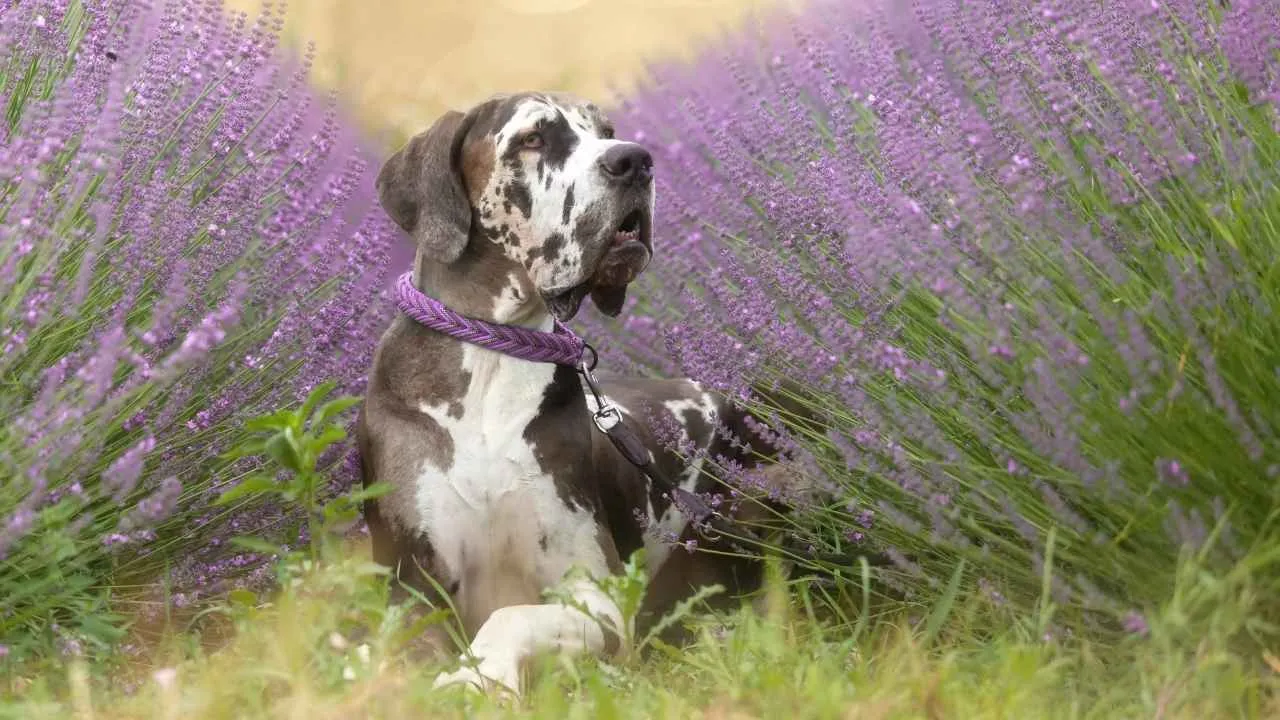
Big dogs can still have a short, simple coat.
Great Dane proves that.
This gentle giant has a smooth coat that is low-maintenance. Weekly brushing with a rubber curry brush is usually enough to remove loose hair and keep things tidy, according to the American Kennel Club.
Great Danes shed minimally most of the year, with a bit more coming loose during seasonal changes.
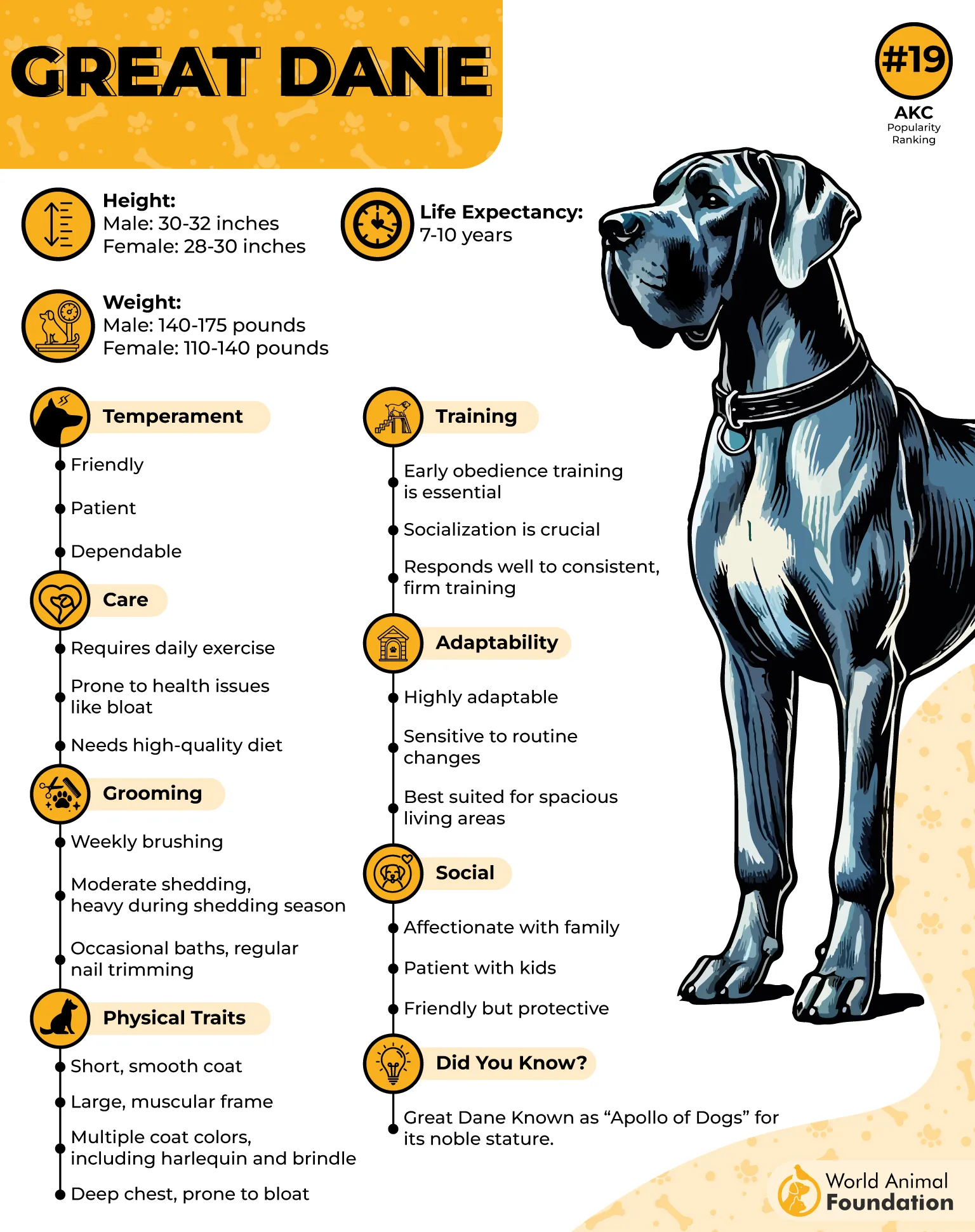
These tall dogs have the shortest fur. And that means fewer grooming needs overall.
But their size brings other care needs. Nails trimmed regularly, ears cleaned, and teeth brushed regularly. All should be part of the routine. Because their coat is thin, cold weather hits them harder than you’d expect from a dog this large.
A sweater in winter is a MUST.
Despite their size, Great Danes are known for being gentle, affectionate, and great family dogs.
2. Chihuahua
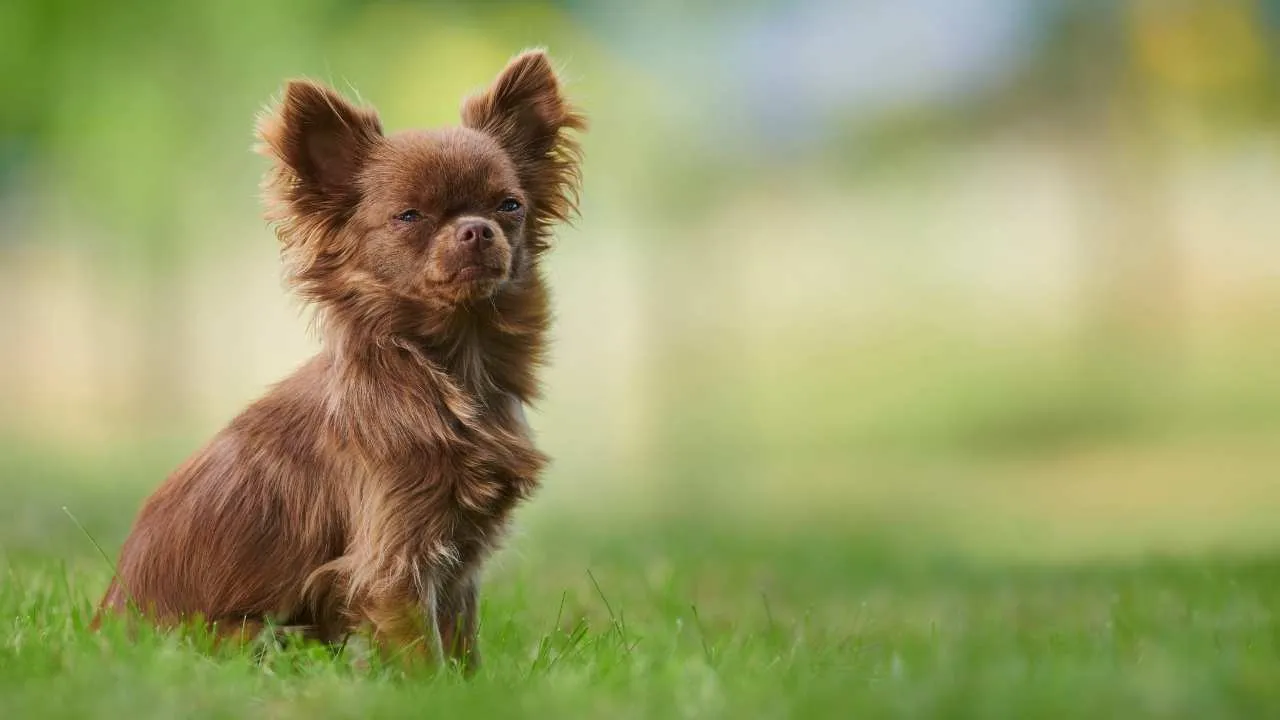
The Chihuahua may be tiny, but its personality takes up the whole room.
Short-haired Chihuahuas have one of the easiest coats to manage on this list.
Occasional brushing, maybe once a week, keeps their smooth coat healthy and helps distribute natural oils through the fur.
They shed minimally and rarely need professional grooming.
They have such a thin coat that the Chihuahua breed feels cold. A sweater or jacket for winter walks is not just cute, but a necessity.
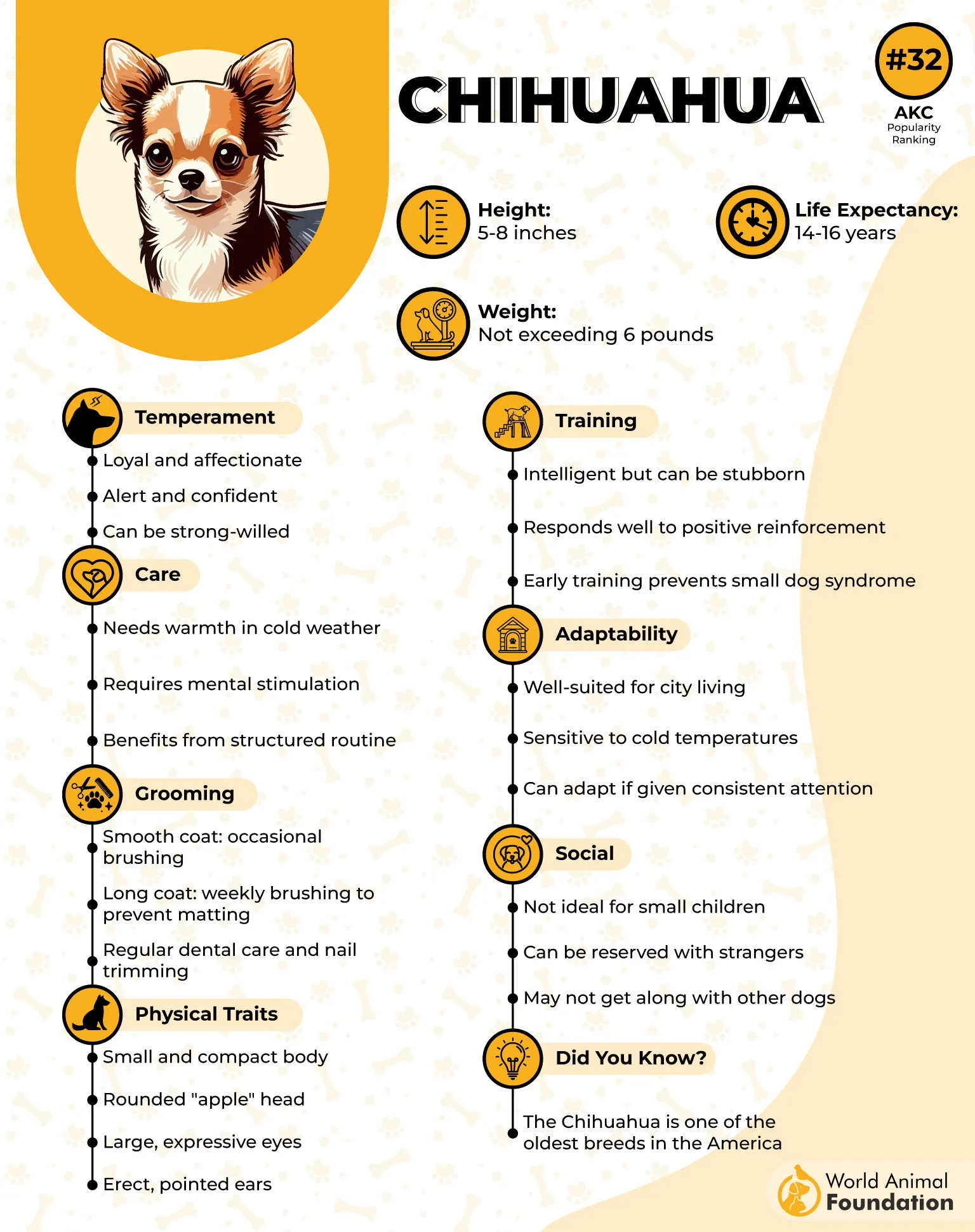
This small breed is lively, vocal, and a little stubborn at times.
They form close bonds with their person and are not always thrilled about strangers, which makes early socialization worth the effort.
Ears cleaned and nails trimmed round out the grooming needs that otherwise take no time at all for these short-haired breeds.
3. Weimaraner
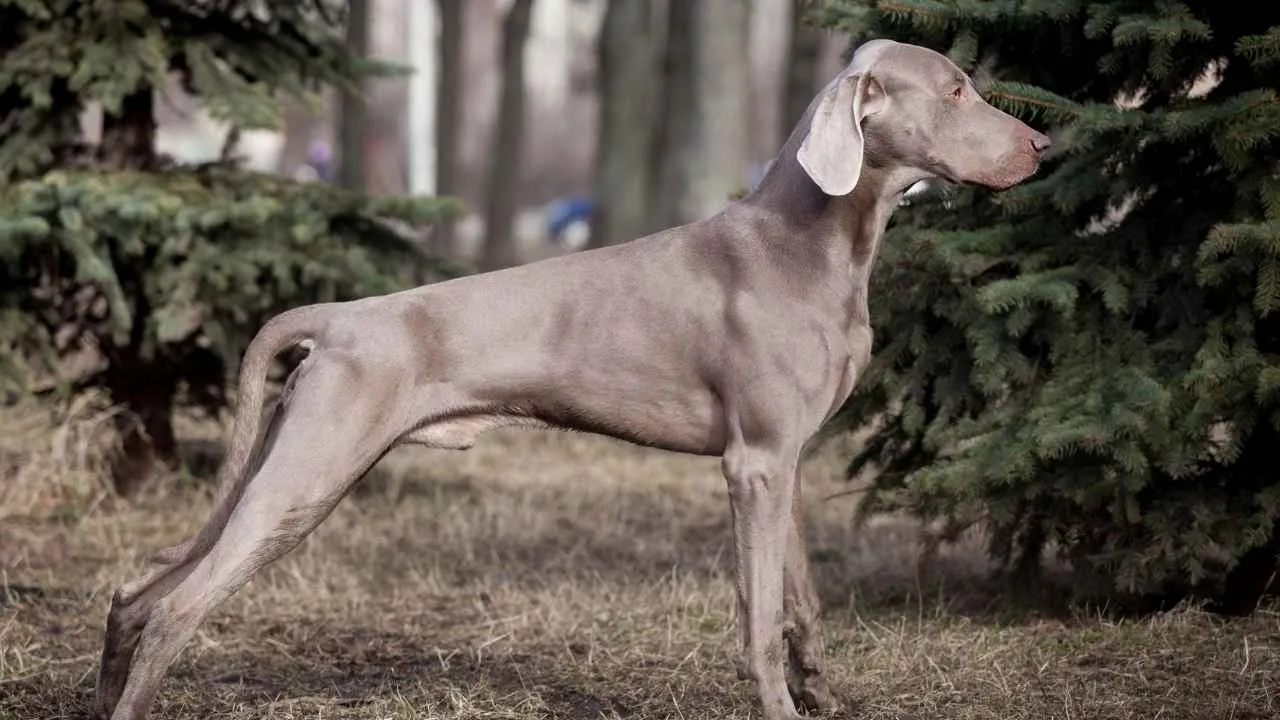
The Weimaraner has a sleek, silvery coat that shines on its own.
This athletic breed has a short, smooth coat that sheds moderately and responds well to regular brushing. A bristle brush or rubber curry brush once a week helps remove dead hair before it ends up on the couch. Their coat naturally stays odor-free between baths. A regular bathing process is not necessary, as with some other breeds.
Moreover, according to Purina, even if they walk through the muddiest of fields, the dirt seems to fall off their coat. That also saves you the hassle of regular grooming.
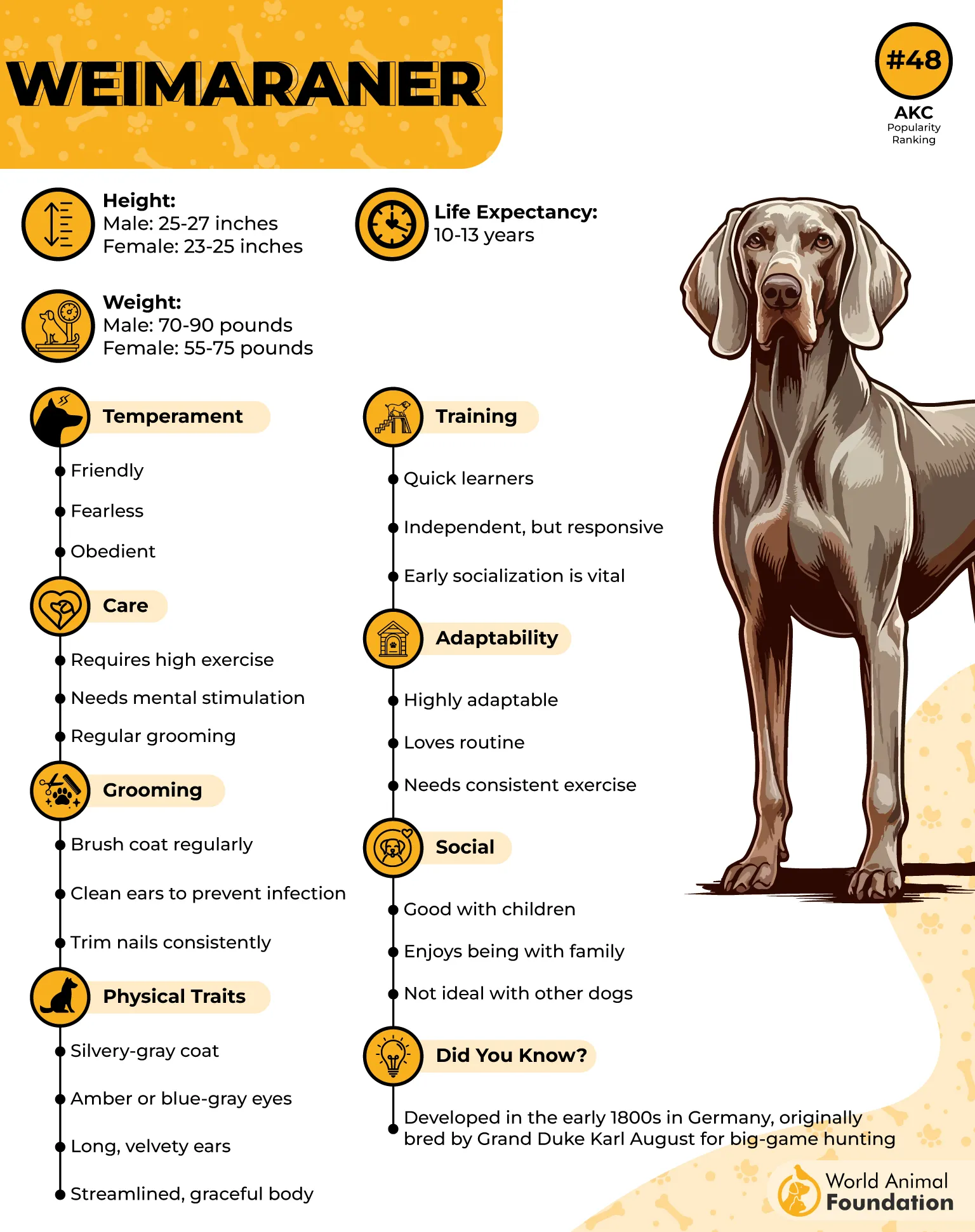
These short-haired dogs have high energy and exercise needs. This is not a breed that thrives on minimal activity. Daily exercise, ideally something that lets them run, keeps both body and mind in good shape.
Their short fur offers little protection from the cold, so like other thin-coated breeds, they are better suited to mild climates or need extra layers in winter.
4. Harrier
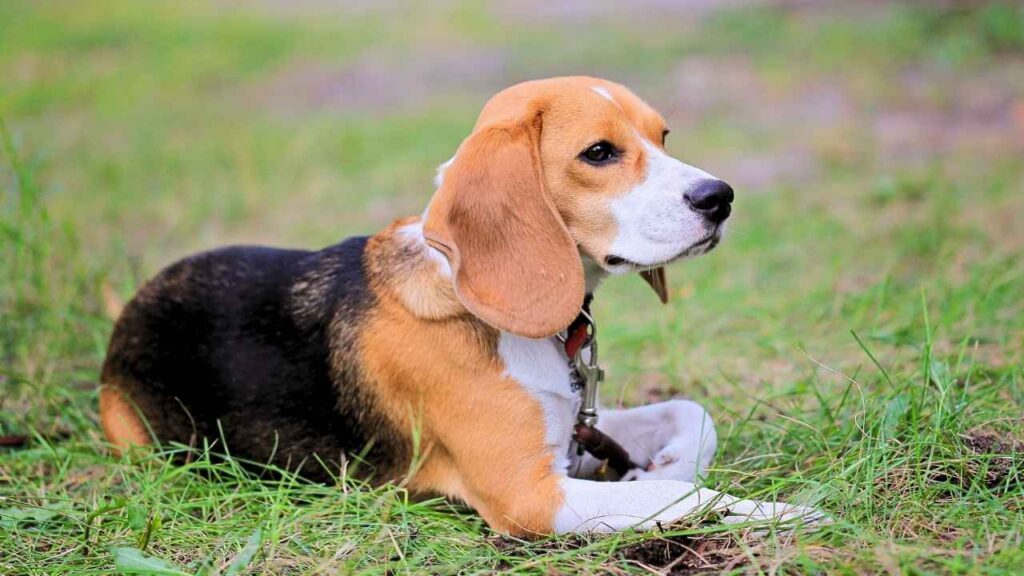
The Harrier doesn’t get nearly as much attention as it deserves, for a breed this easygoing.
This medium-sized dog has a short, dense coat that is fairly low maintenance. Weekly brushing helps manage shedding and keeps the coat healthy, though Harriers are not known for shedding excessively compared to other dog breeds.
Originally bred for hunting in packs, Harriers have an energetic, athletic build, and they need regular exercise to stay balanced.
Left without enough activity, that energy tends to show up as restlessness indoors.
They are friendly, good with other dogs, and have low-maintenance coats, so grooming needs are very low.
A damp cloth wipe-down between baths keeps their coat looking clean without much fuss.
You need to check their ears regularly because PetMD mentions that dogs with droopy ears are a bit more prone to ear issues.
5. Beagle
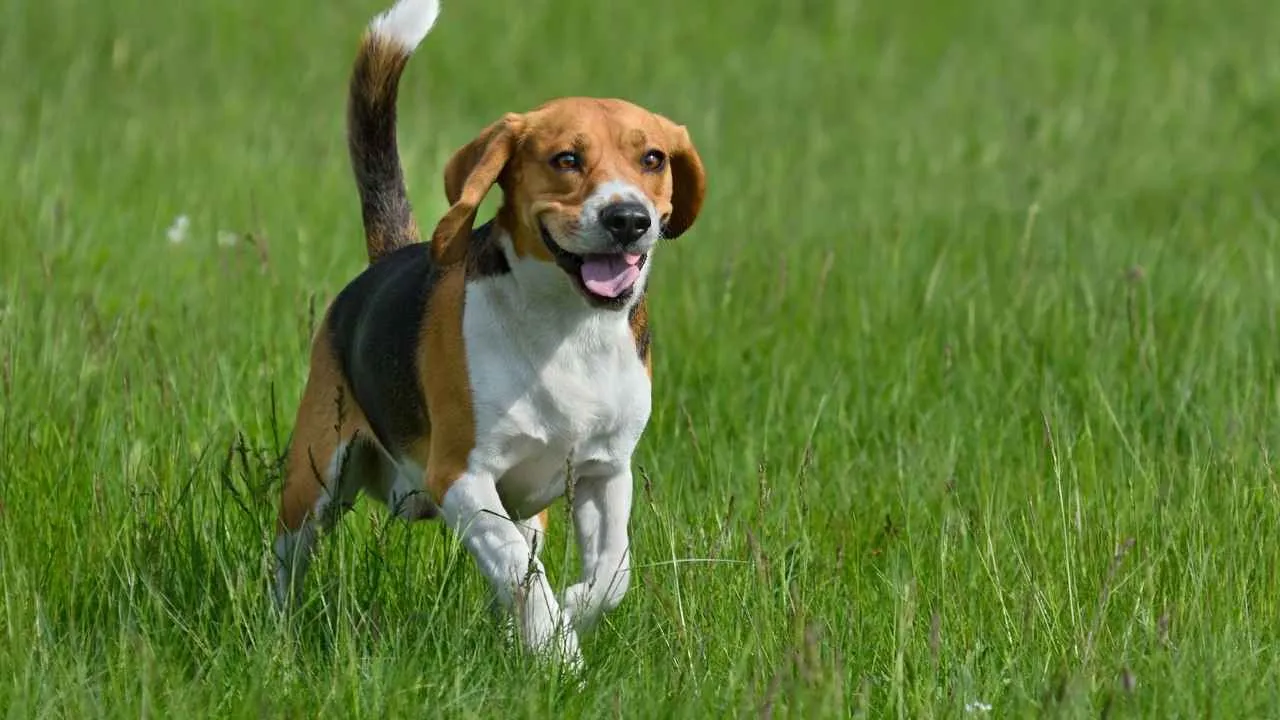
The Beagle is a classic for a reason.
Friendly, food-motivated, and endlessly curious.
Beagles have a short, dense coat that sheds more than people expect for a supposedly low-maintenance breed.
Regular brushing, a couple of times a week, helps reduce shedding and keeps loose hair off your floors and furniture.
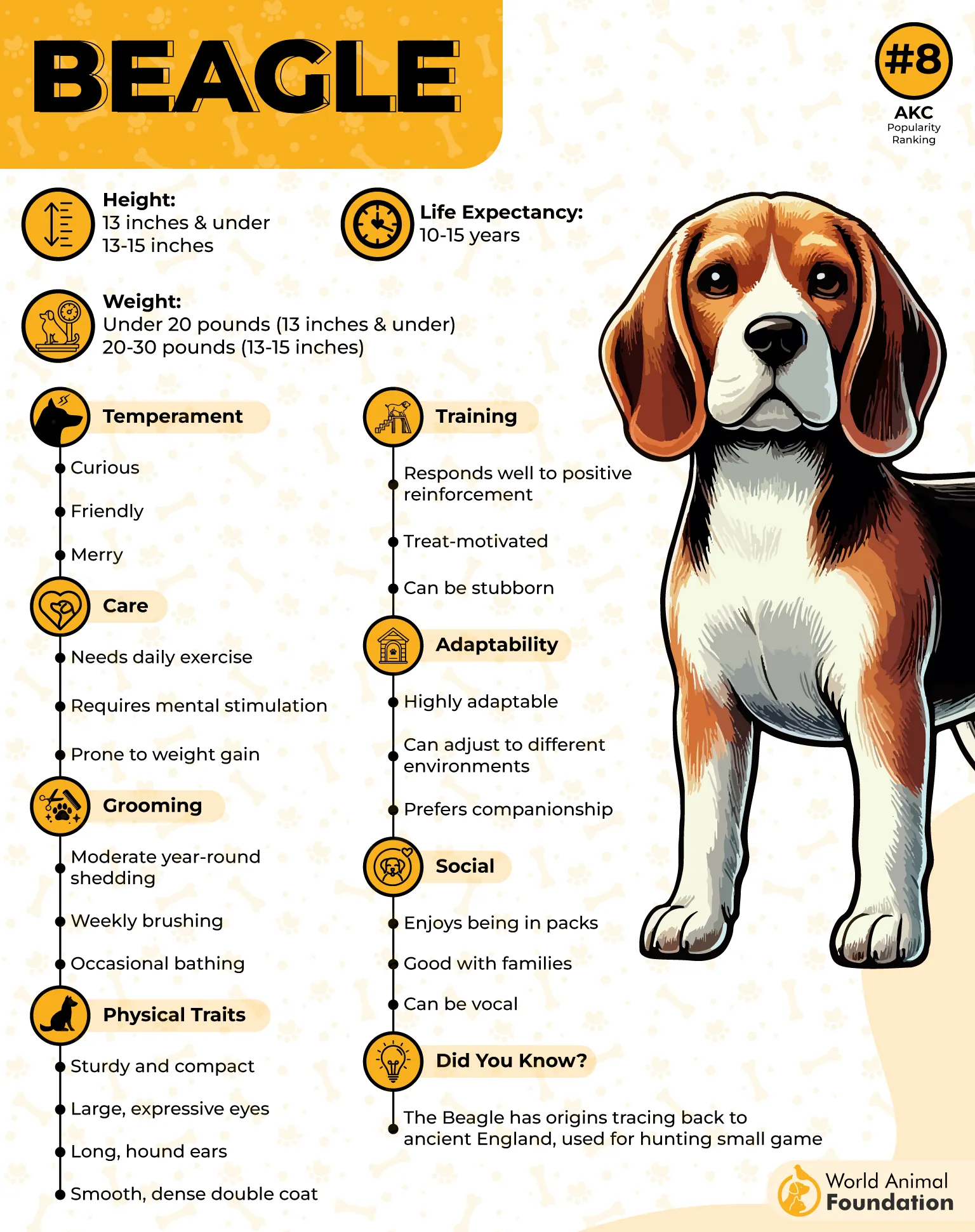
This breed’s nose runs the show.
Yes!! These hound dogs love following scents, which means secure fencing and leash training are important. Their exercise needs are moderate, but consistent daily walks help manage their energy levels.
Clean ears are very important for Beagles, since their long, floppy ears trap moisture and debris more than short-haired dogs.
Otherwise, this is a low-maintenance dog that is an affectionate, loyal, and fun-loving addition to most households.
6. Basenji
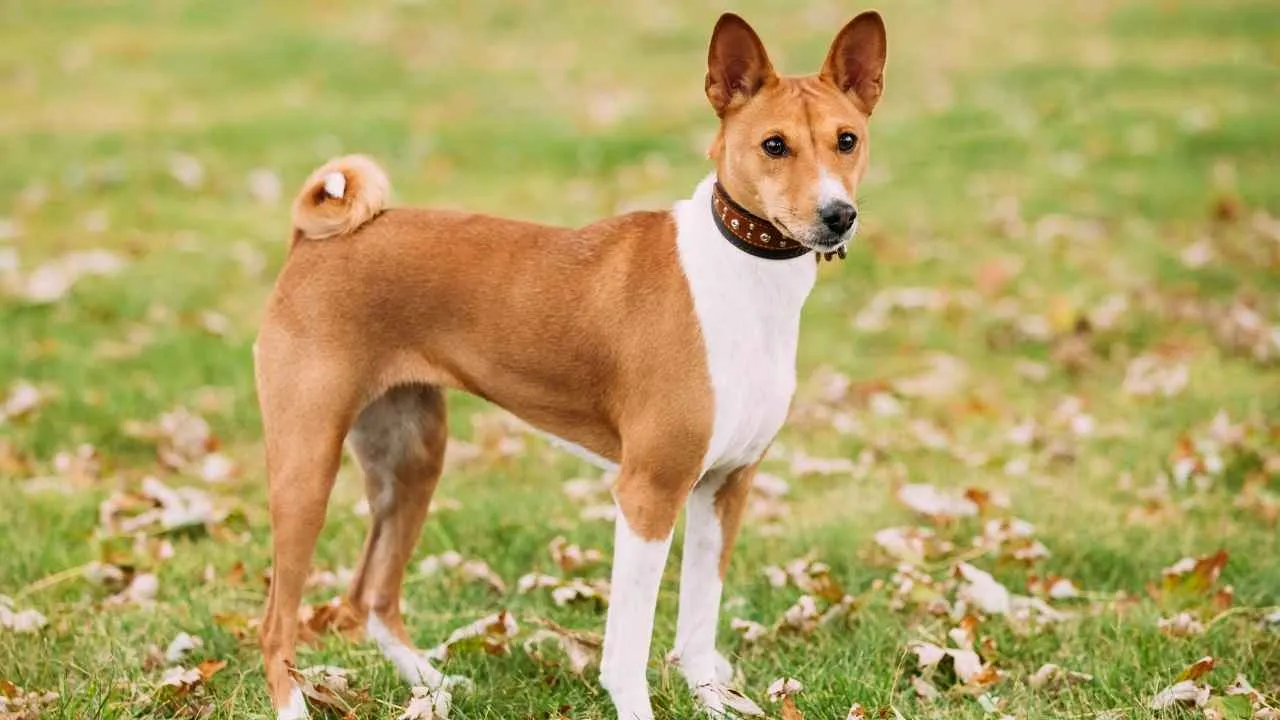
The Basenji might be the lowest-maintenance dog breed on this list, short-haired or otherwise.
This breed grooms itself, almost like a cat. According to WebMD, Basenjis lick their own coat clean, which keeps them odor-free and reduces the frequency of baths.
Their fine, short coat sheds minimally, and a quick weekly brush with a soft bristle brush is typically all it takes.
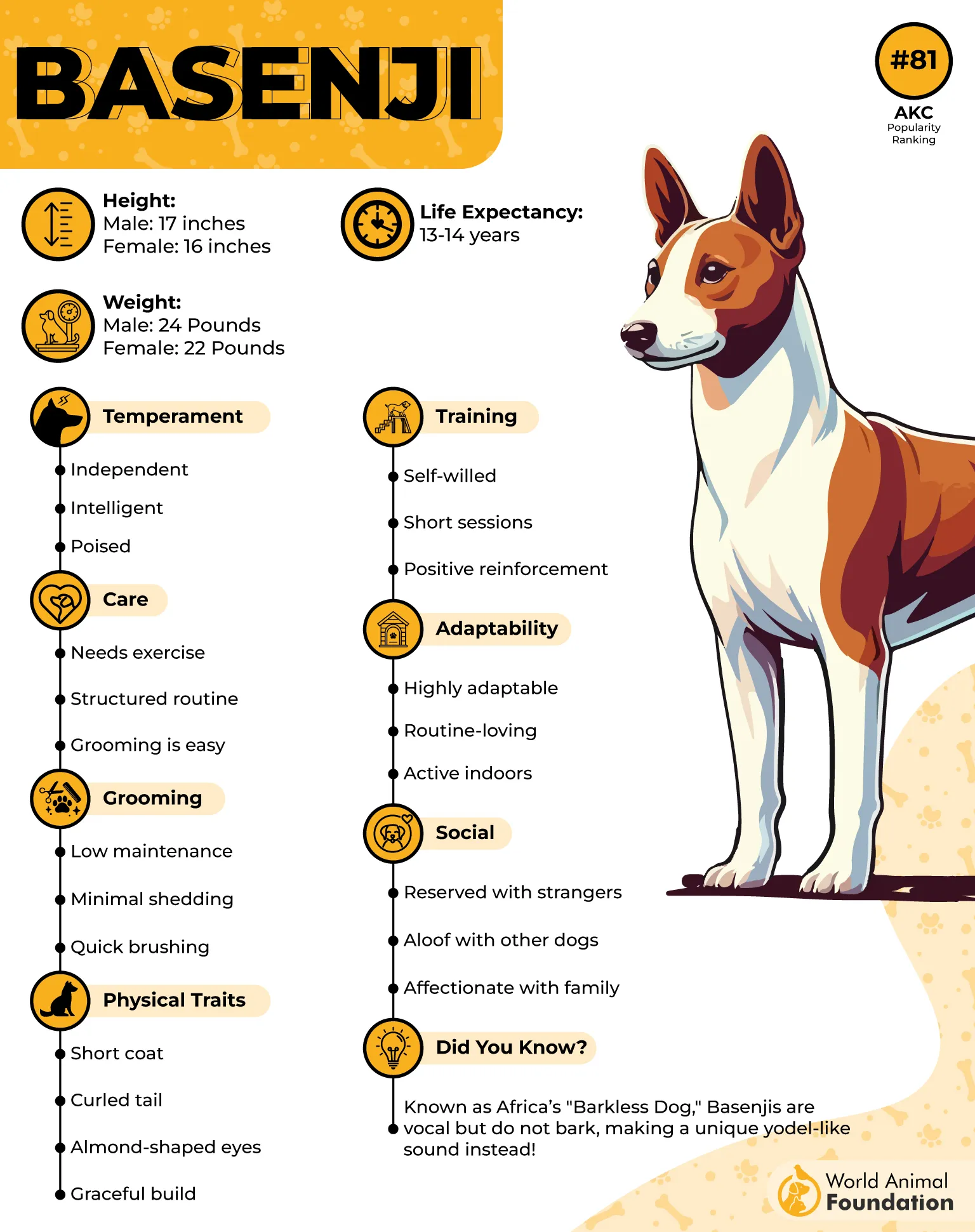
Because Basenjis don’t have a heavy undercoat, they don’t experience the seasonal shedding spikes some other short-haired dogs go through.
This is also one of the few dog breeds that does not bark in the traditional sense. They make a unique yodel-like sound.
Independent, clever, and a little stubborn, Basenjis do best with an owner who understands the breed’s strong-willed, stubborn streak.
Coat care, though… that is simple.
7. Rhodesian Ridgeback
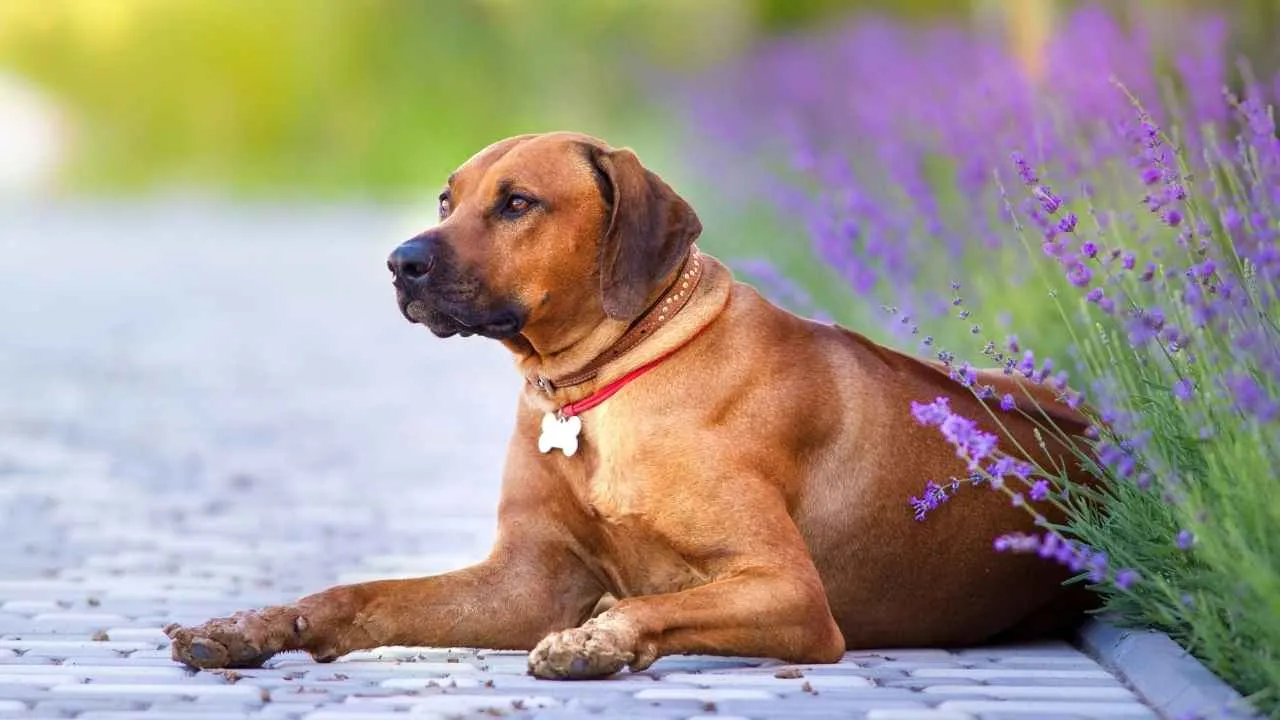
The Rhodesian Ridgeback is strong, sleek, and impossible to miss thanks to their signature ridge of hair running backward along its spine.
This breed’s short coat is low-maintenance.
Weekly brushing removes loose hair, helps distribute natural oils, and keeps the coat glossy and skin healthy underneath. Ridgebacks shed minimally most of the year, with a bit more during shedding season.
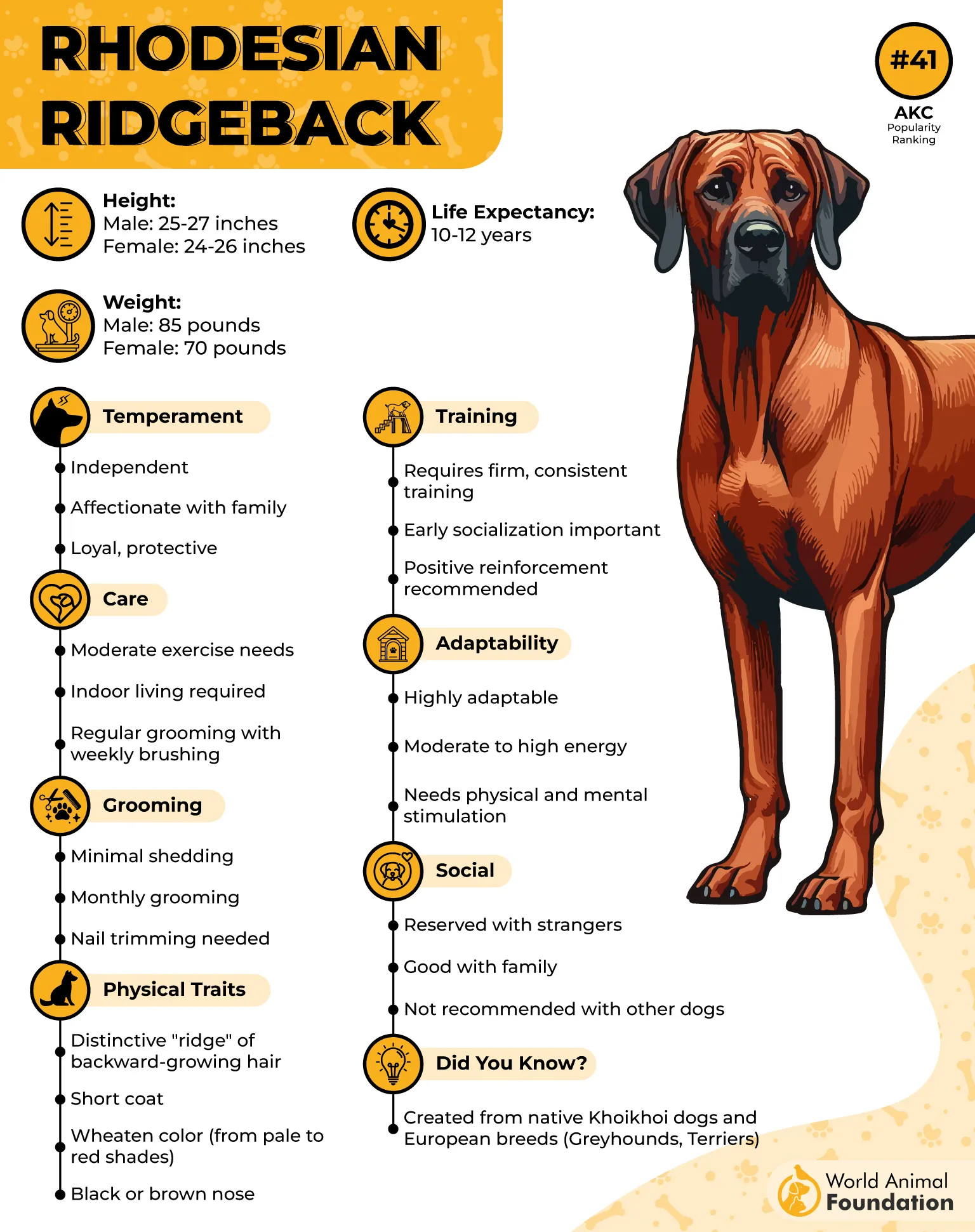
Bred originally to hunt large game in Southern Africa, this dog has serious stamina and an athletic build.
Regular exercise is not optional for these hunting dogs. It is part of keeping this breed calm and well-adjusted indoors.
Rhodesian Ridgebacks are protective by nature and form deep bonds with their families, though they can be reserved around strangers.
Proper training and early stabilization go a long way with this powerful breed.
Conclusion
Short hair does not mean short grooming routines.
Compared to long-haired breeds that demand daily brushing and regular professional grooming, this group of short-haired dogs is easier to manage daily.
Whichever breed you pick, the basics stay the same.
Gentle brushing, clean ears, trimmed nails, brushed teeth, and attention to skin issues, since short fur does not hide problems the way a dense coat can.
Pet parents!! Pick the right dog for your energy levels and lifestyle, and that low-maintenance coat becomes just one more reason to love the breed you already chose for its personality.
