




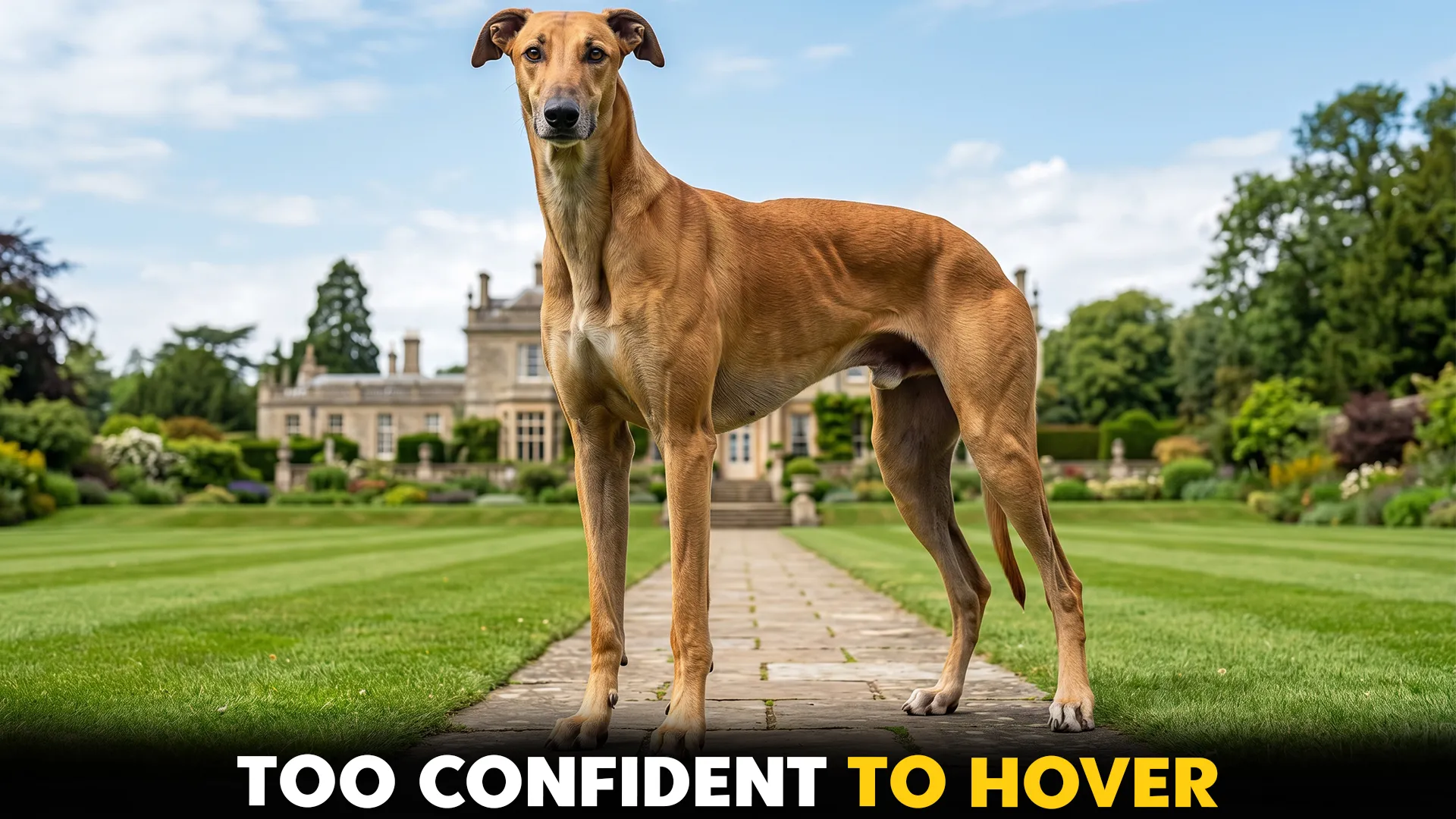
Let’s be real for a second. Not everyone wants a dog that follows them from the couch to the kitchen, stares at them during every Zoom call, and acts like the world is ending whenever they leave the house for thirty minutes.
Some dog lovers want a companion that is loyal without being clingy, affectionate without being needy, and capable of entertaining itself while its humans handle work, errands, or life in general. That’s where self-sufficient breeds come into the picture.
Now, self-sufficient doesn’t mean “low effort” or “ignore them all day.” Every dog needs love, exercise, healthcare, and mental stimulation. However, these breeds were historically developed to think independently, make decisions, and perform demanding tasks without constant human guidance.
If you’re looking for a large dog that respects your personal space while still being a devoted companion, these breeds deserve a serious look.
Self-Sufficient Big Dog Breeds for Hands-Off Care
1. Great Dane
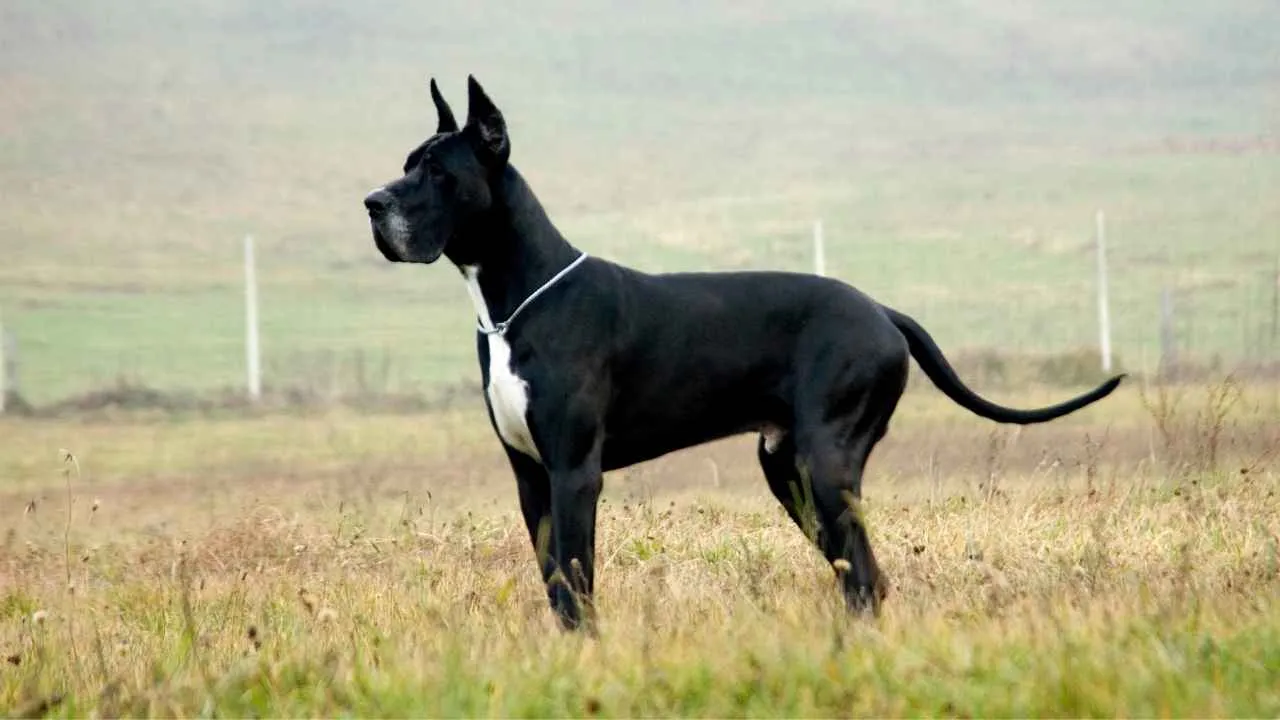
The Great Dane is one of those breeds that completely breaks expectations. Most people see a heavy dog and assume they’re dealing with a hyperactive giant, but experienced owners know that many Great Danes are actually professional loungers who treat the sofa like a full-time occupation.
Despite their size, this large dog breed is widely known as a gentle giant because of its affectionate and easygoing nature. Breed experts consistently describe them as people-oriented dogs that enjoy being around family members without constantly demanding attention.
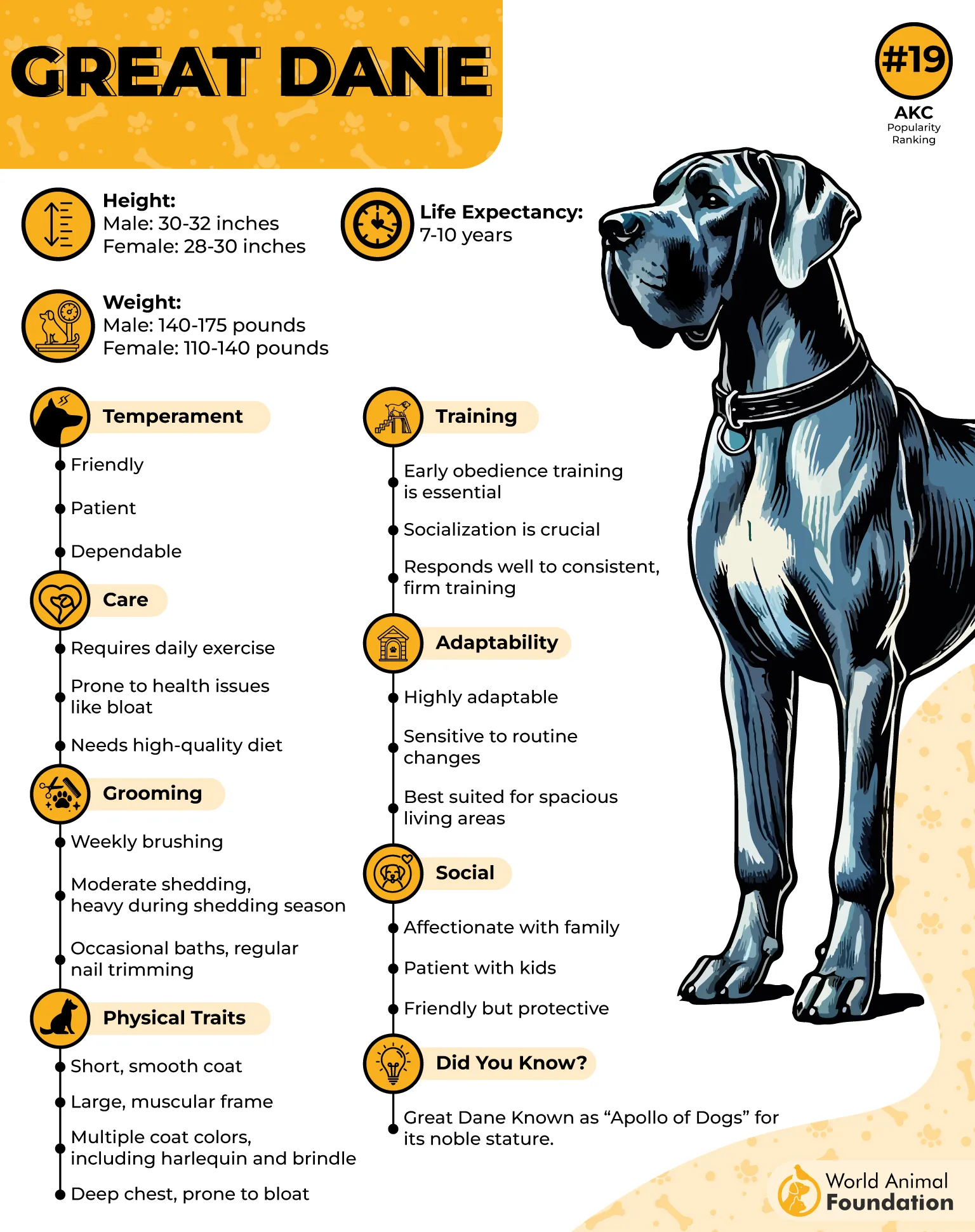
One reason these dogs with a gentle temperament can be surprisingly self-sufficient is their balanced energy level. While puppies are often energetic and somewhat chaotic, mature adults typically enjoy moderate exercise followed by long periods of relaxation and observation.
Many owners report that their dogs are perfectly content spending hours napping near a window or quietly monitoring household activity. Their confidence and stable temperament often allow them to remain calm when routines change or when family members are temporarily away.
When raised correctly, these gentle dogs often become calm companions who combine independence with deep loyalty.
3 Ways They Act Self-Sufficient In Homes
They frequently entertain themselves during long rest periods rather than constantly seeking interaction
Many prefer quietly supervising household activity rather than demanding attention every few minutes.
Their mature temperament allows them to settle into predictable routines without becoming overly dependent on human presence.
2. Alaskan Malamute
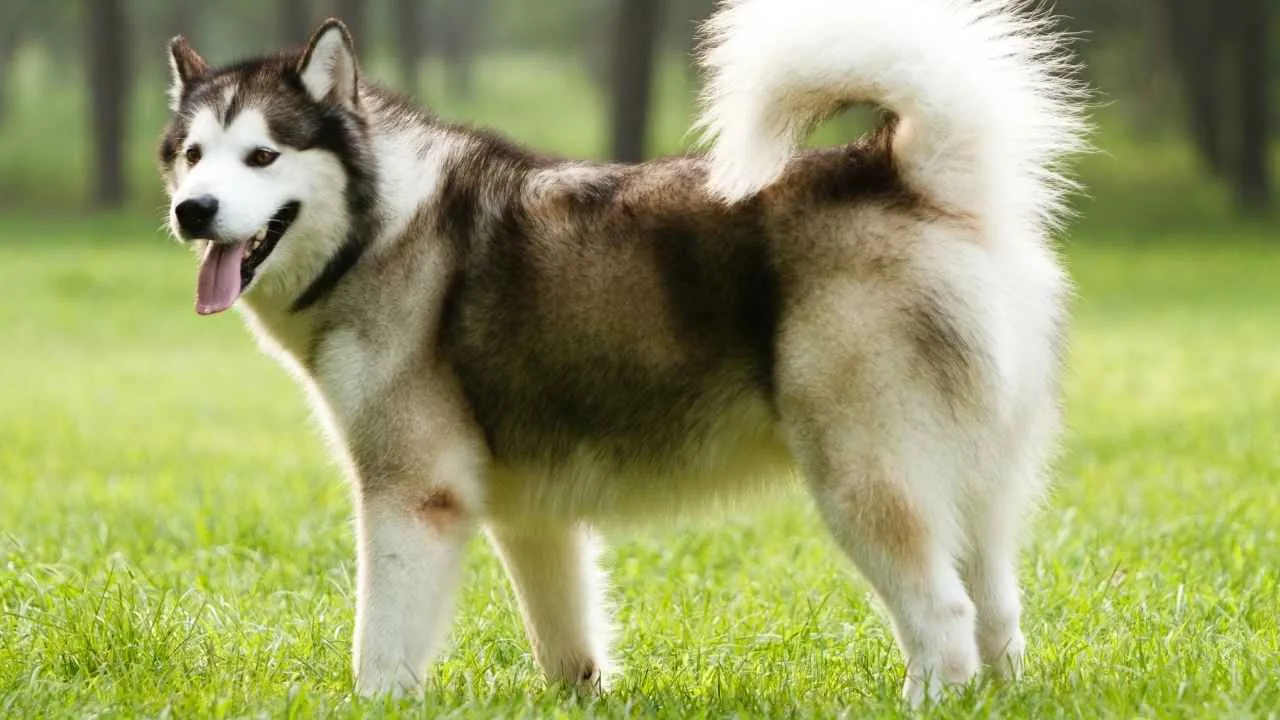
The Alaskan Malamute was built for one of the toughest jobs imaginable: hauling heavy loads across frozen Arctic terrain in some of the harshest conditions on Earth.
Dogs capable of doing that work needed physical power, mental toughness, and the ability to make independent decisions when conditions became unpredictable. Unlike breeds that were developed primarily for companionship, Malamutes were expected to think for themselves.
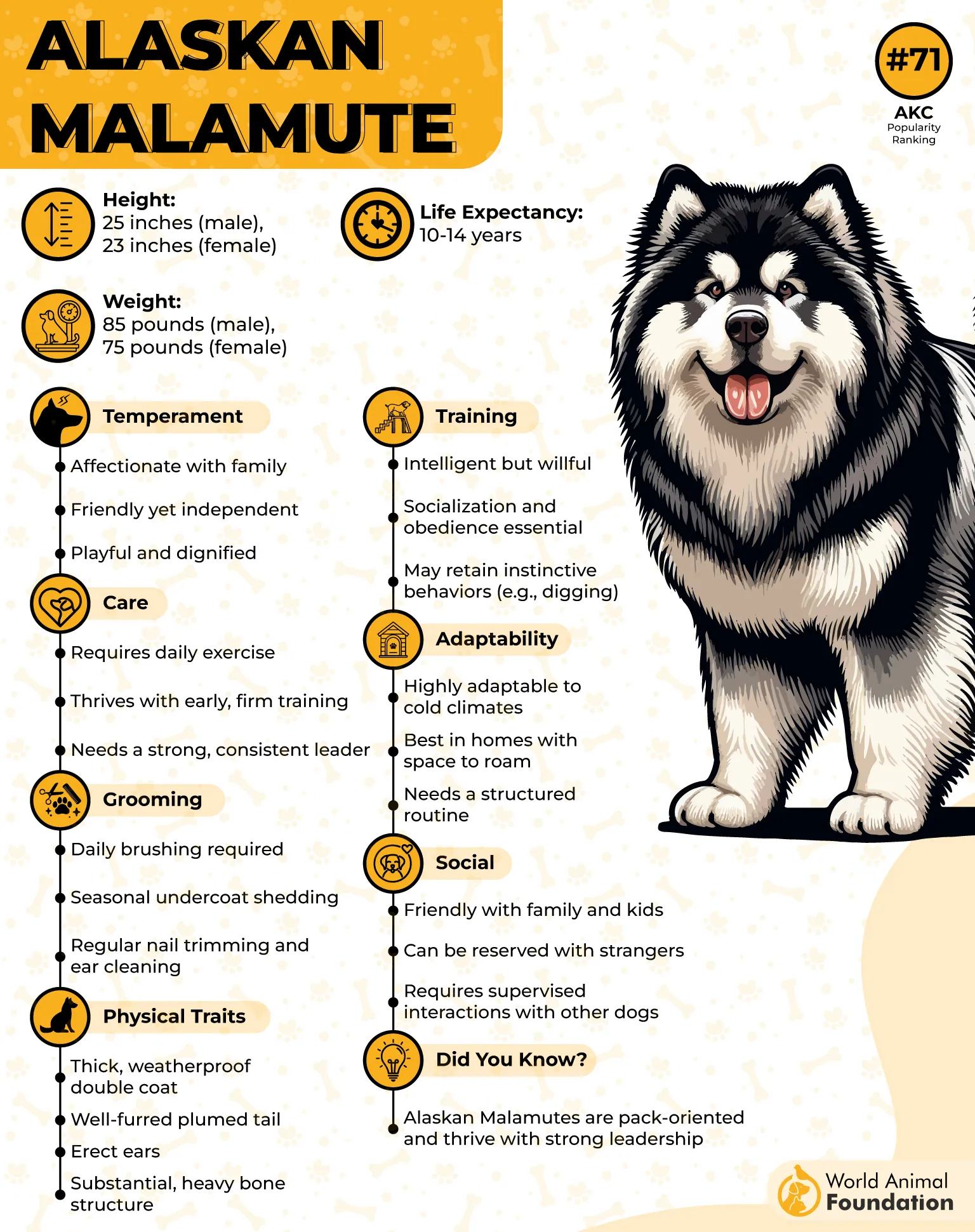
They are exceptionally intelligent, but their intelligence doesn’t always show up in ways that make life easier for humans. Instead of asking, “How can I please my owner?” they often ask, “Does this make sense to me?” before deciding whether to follow a command.
Real-world owner experiences often describe them as dogs that understand instructions perfectly but occasionally choose alternative solutions. That trait can frustrate first-time owners, but it also explains why they are better able to handle alone time than many highly dependent breeds.
Their self-confidence, problem-solving abilities, and strong sense of independence allow them to remain mentally stable without constant supervision. However, they still require substantial exercise because a bored Malamute may decide to redesign your backyard through excavation projects you never approved.
3 Ways They Act Self-Sufficient In Homes
They naturally evaluate situations on their own rather than waiting for constant direction.
Many can occupy themselves with environmental exploration and observation for extended periods.
Their working-dog mindset encourages independent problem-solving instead of emotional dependence.
3. Irish Wolfhound
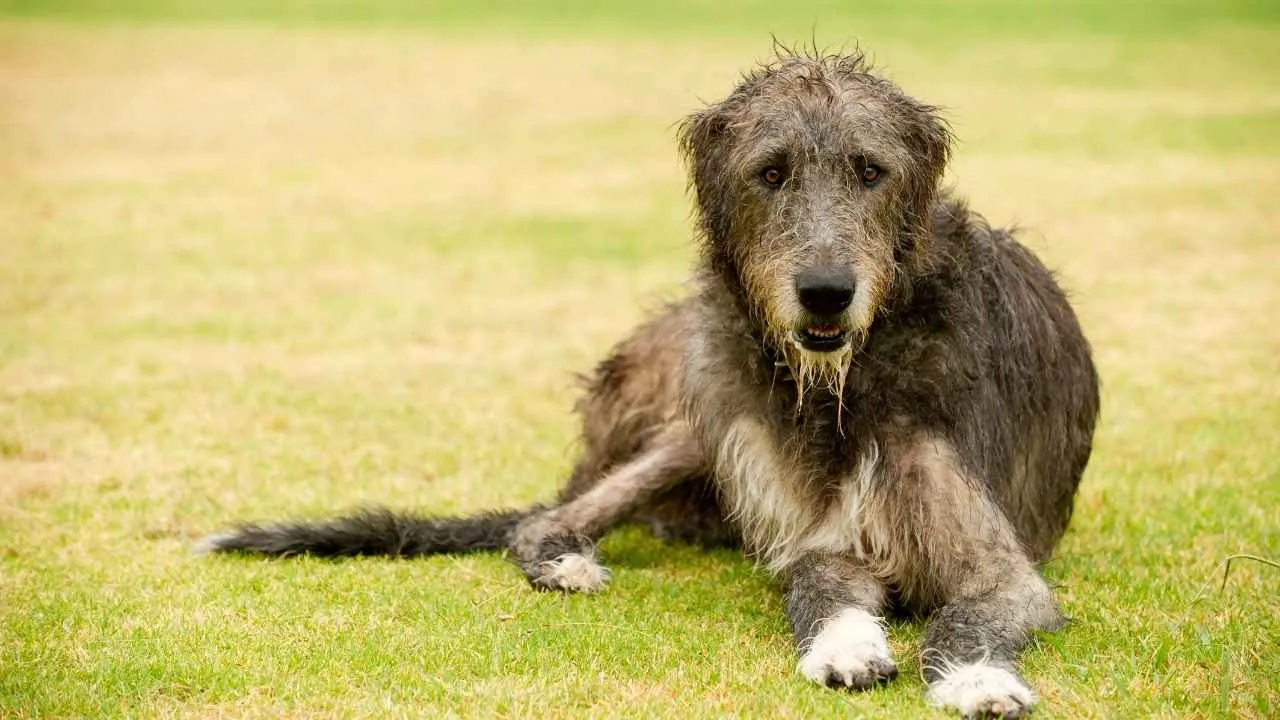
Standing among the tallest dog breeds in the world, the Irish Wolfhound carries a legendary reputation that dates back thousands of years.
Historically used to hunt wolves and large game, these dogs combined impressive physical capabilities with remarkable composure and intelligence.
Despite their intimidating size, Irish Wolfhounds are famous for being gentle, calm, and surprisingly sensitive companions. The old saying “lambs at home, lions in the chase” perfectly captures their dual personality as a peaceful family member and a courageous hunter.
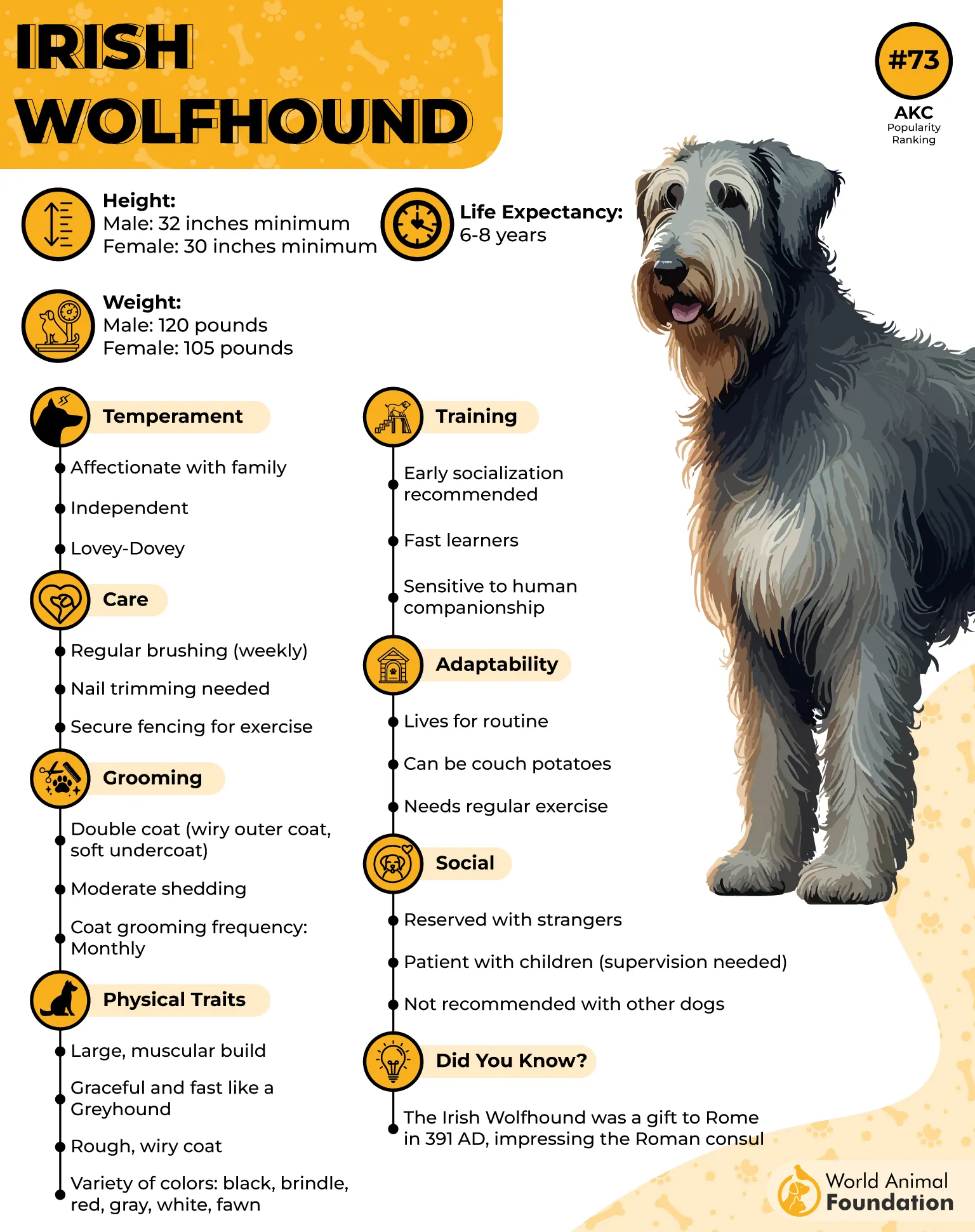
One reason Wolfhounds often adapt well to independent living situations is their naturally relaxed disposition. Unlike breeds that constantly seek stimulation, many Irish Wolfhounds are content spending significant portions of the day quietly resting near their family.
These emotionally balanced dogs enjoy companionship without becoming excessively attached. They appreciate being included in family life but usually do not require constant entertainment to remain happy and secure.
3 Ways They Act Self-Sufficient In Homes
They often spend large portions of the day resting peacefully without needing constant stimulation.
Their calm emotional makeup helps them remain relaxed during quiet periods in the household.
Many show affection through presence and loyalty rather than persistent demands for attention.
4. Greyhound
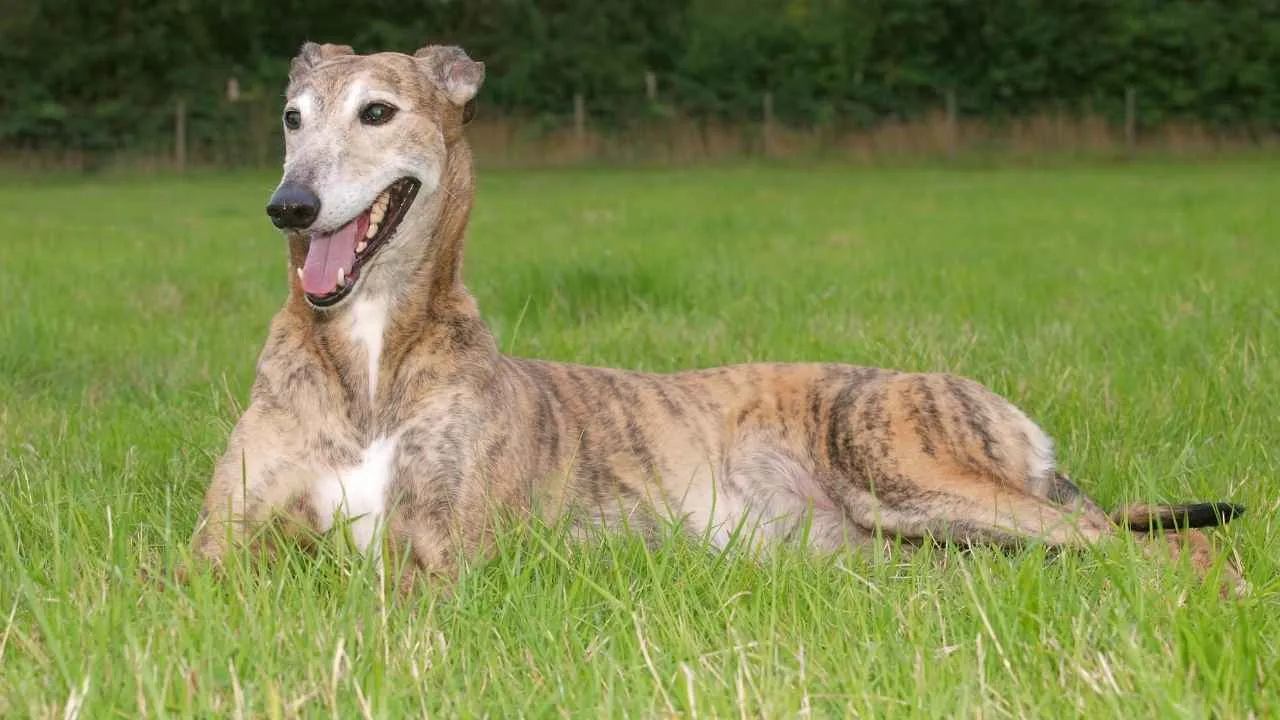
Few dogs combine athletic excellence and couch-potato energy quite like the Greyhound. Capable of reaching speeds of approximately 45 miles per hour, they are among the fastest dog breeds on the planet, yet many spend most of their day sleeping.
This contrast surprises new owners who expect endless energy from a dog with such impressive athletic credentials. In reality, retired racing Greyhounds often become some of the calmest and easiest large dogs to live with after they transition into family homes.
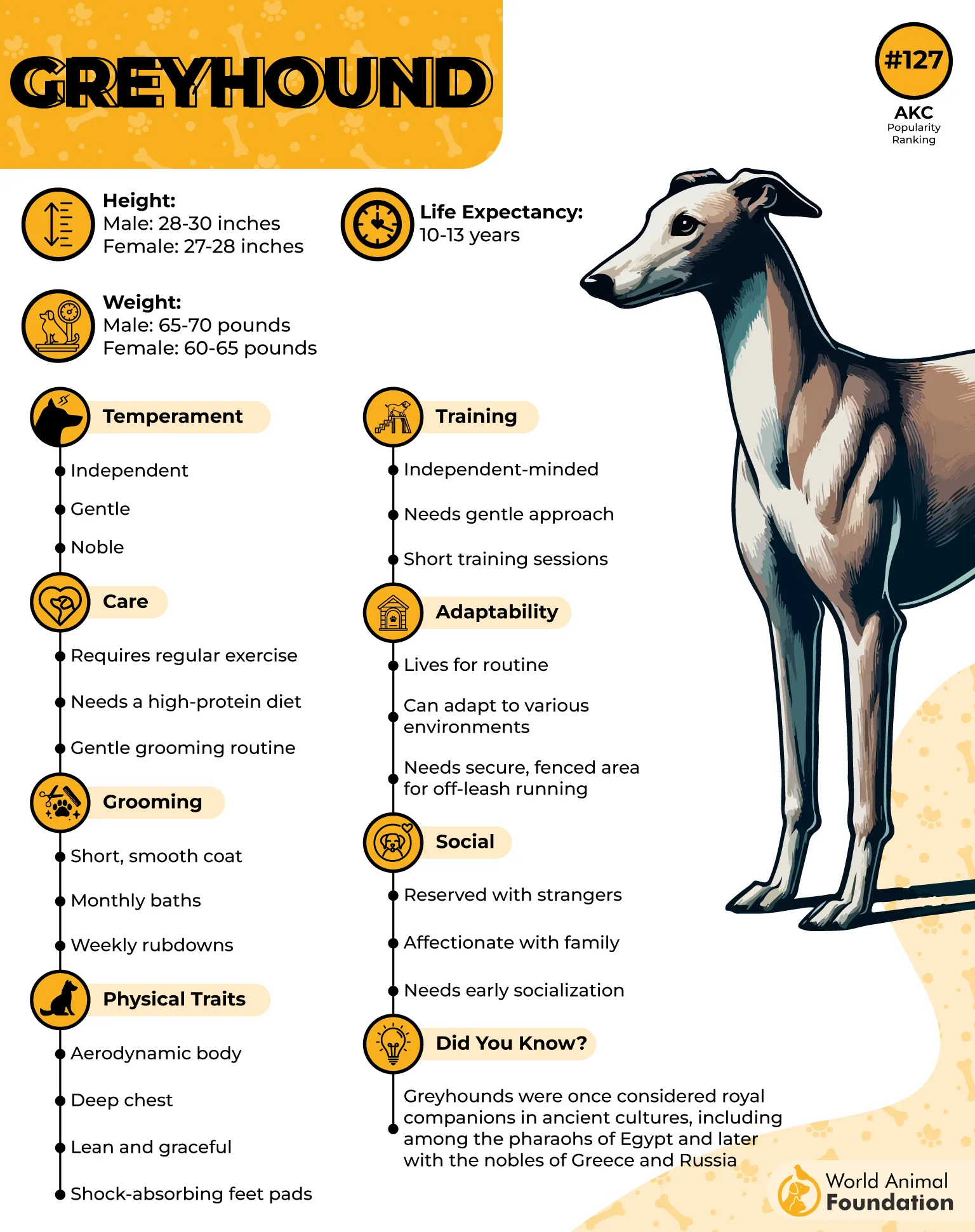
Greyhounds were bred to focus intensely during brief periods of activity and then conserve energy afterward. That pattern remains deeply embedded in the breed and contributes significantly to their ability to handle downtime independently.
Many adoption groups report that retired racers settle into household routines remarkably well and frequently spend sixteen to eighteen hours a day resting. Their low-drama personality makes them popular among professionals who want a larger dog without the constant demands often associated with high-energy breeds.
Although their prey drive remains strong and requires management around smaller animals, Greyhounds generally display a quiet confidence that allows them to enjoy solitude without becoming anxious. A comfortable bed often ranks higher on their priority list than continuous social interaction.
3 Ways They Act Self-Sufficient In Homes
They are naturally inclined toward extended periods of restful inactivity.
Their racing heritage taught them to conserve energy rather than seek nonstop engagement.
Many transition smoothly into household routines and require relatively little supervision indoors.
5. Borzoi
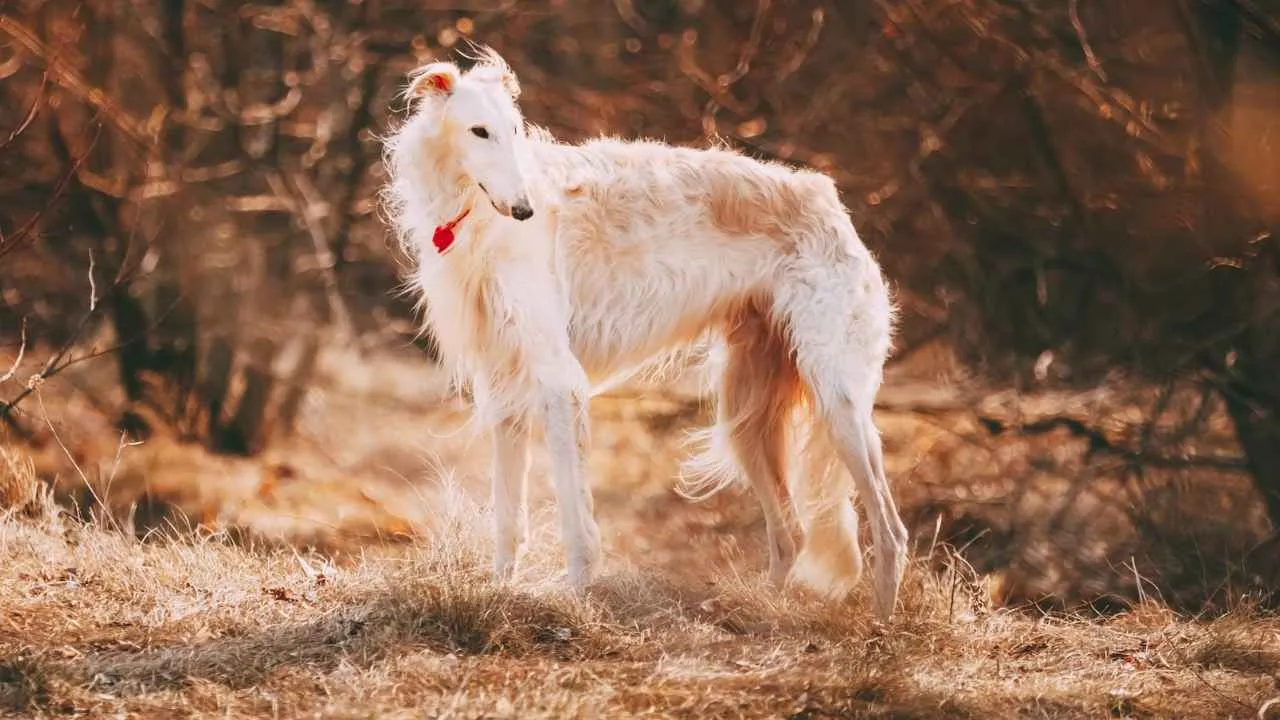
If elegance had a canine form, it would probably look a lot like the Borzoi. Originally developed by the Russian aristocracy to hunt wolves across vast open landscapes, this breed combines breathtaking beauty with an impressively independent mind.
They are known for forming strong bonds with their families while maintaining a noticeable sense of personal autonomy. Unlike highly people-focused breeds, they often enjoy affection on their own terms and rarely feel the need to be involved in every household activity.
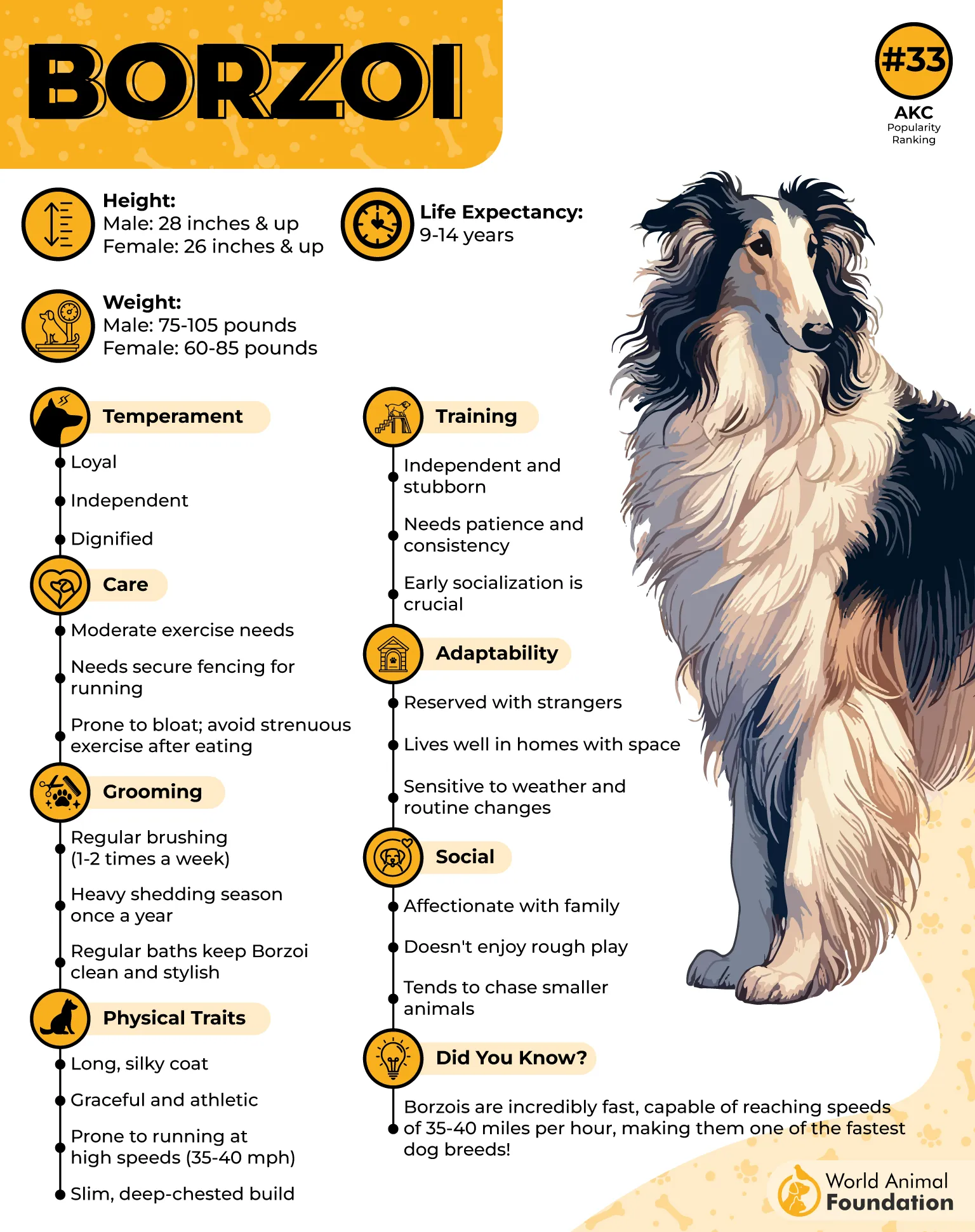
Their hunting background required rapid decision-making and exceptional situational awareness. As a result, modern Borzois often display an independent thought process that can sometimes be mistaken for stubbornness by inexperienced owners.
Many Borzoi enthusiasts describe them as sensitive intellectuals who prefer calm environments over chaos and constant stimulation. They are deeply attuned to household emotions and often respond best to gentle leadership rather than repetitive obedience drills.
One of the most fascinating aspects of the breed is how they balance affection with self-sufficiency. They enjoy spending time with their families, but they are equally comfortable finding a quiet location where they can observe the world while maintaining their characteristic aristocratic dignity.
3 Ways They Act Self-Sufficient In Homes
They frequently choose quiet observation over constant participation in household activity.
Their independent hunting heritage encourages autonomous decision-making.
Many are comfortable alternating between family interaction and extended personal downtime.
6. Great Pyrenees
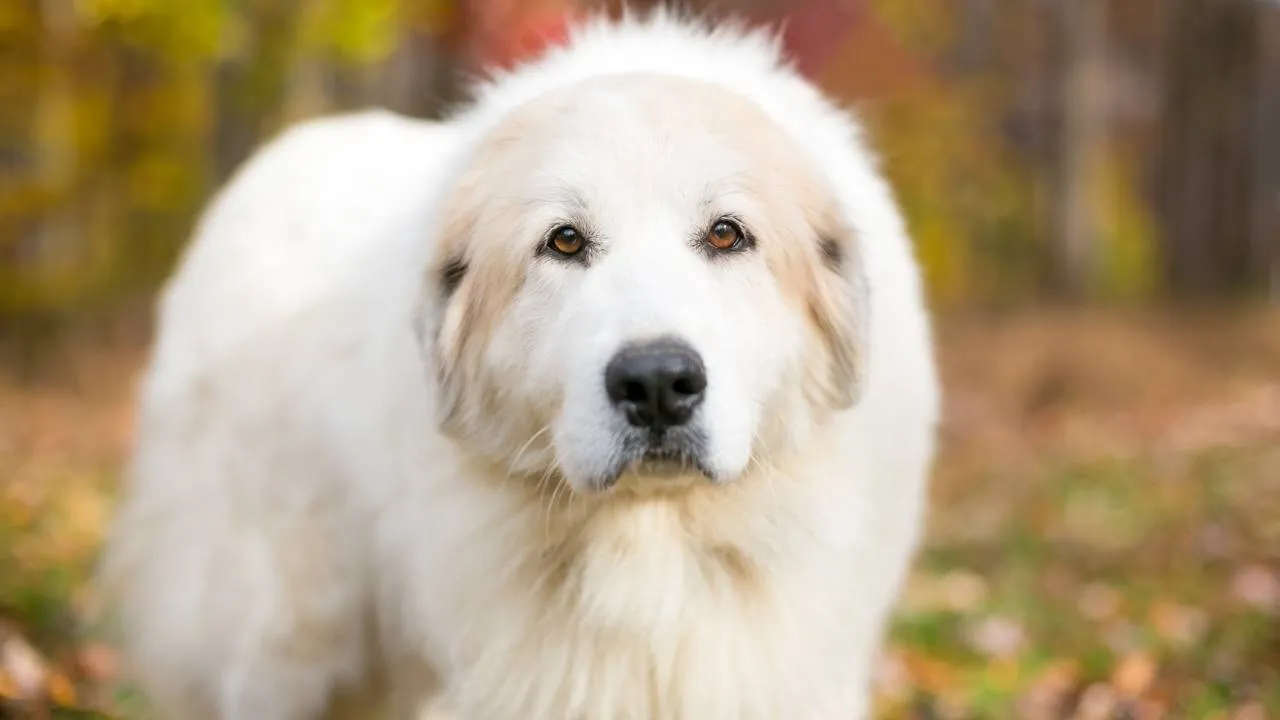
The Great Pyrenees spent centuries guarding sheep in the rugged Pyrenees Mountains, working completely alone through freezing nights and harsh weather. Unlike herding dogs that constantly take direction from humans, these guardians were expected to make life-or-death decisions independently when wolves or bears threatened their flock.
One of the first things owners notice is how calm and deliberate these dogs are.
They rarely waste energy on unnecessary excitement and instead prefer to quietly observe everything happening around them. Their ability to remain composed is one reason many families find them surprisingly easy to live with despite their enormous size.
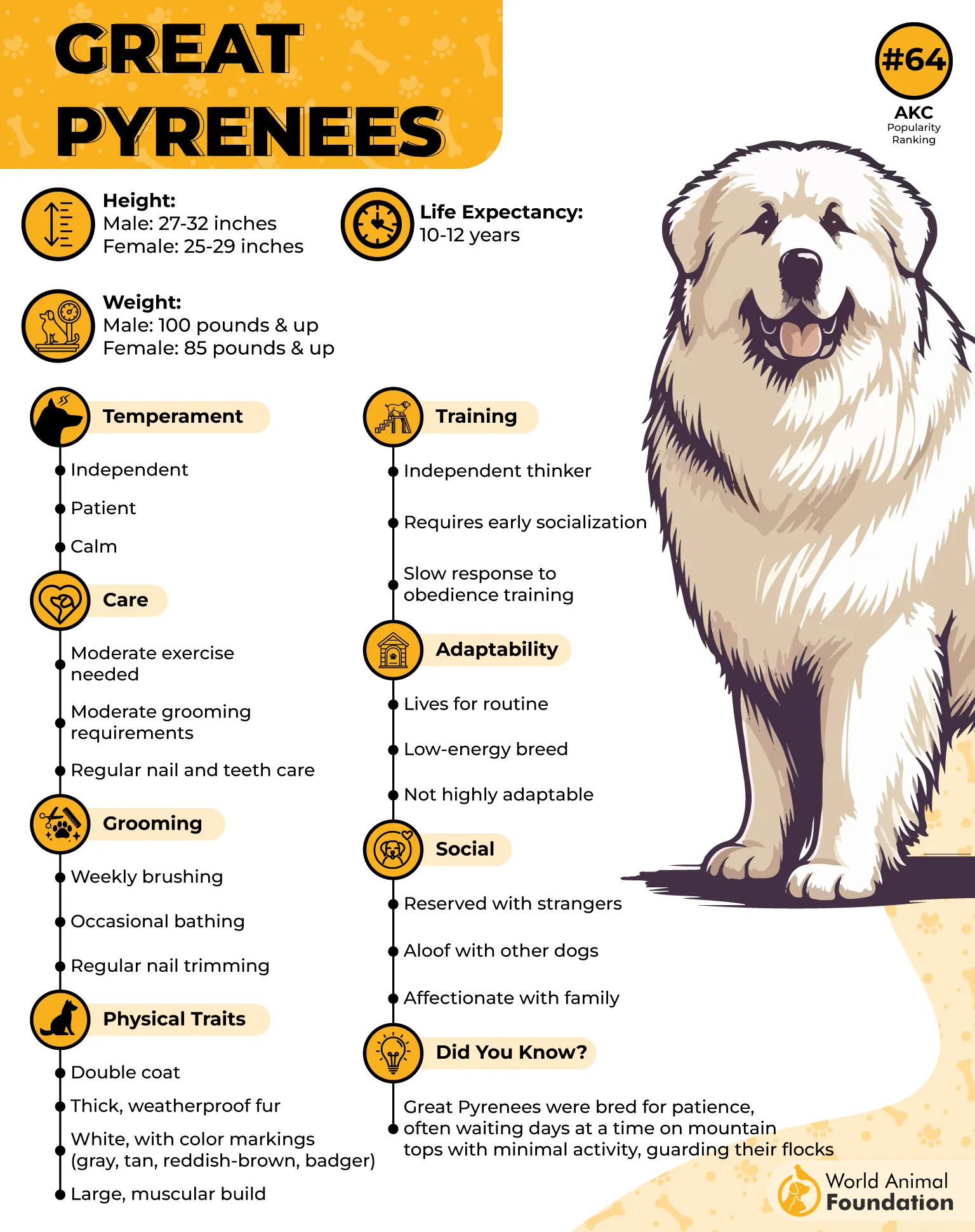
Compared to most other dogs, Purina claims they are especially non-demanding when it comes to entertainment. While they certainly enjoy walks and outdoor exploration, they are often perfectly happy lounging in the yard while monitoring their surroundings like furry security managers conducting routine inspections.
This relaxed attitude makes them appealing to owners who want companionship without constant activity.
Their independent nature can sometimes be mistaken for stubbornness during training. In reality, they were bred to evaluate situations for themselves rather than blindly obey commands, so they often prefer to understand why they should do something before deciding to cooperate.
3 Ways They Act Self-Sufficient In Homes
They naturally settle into long periods of quiet observation without seeking constant interaction.
Their guardian instincts encourage independent monitoring of the home environment.
Many are comfortable creating their own routines and resting spaces throughout the day.
7. Anatolian Shepherd Dog
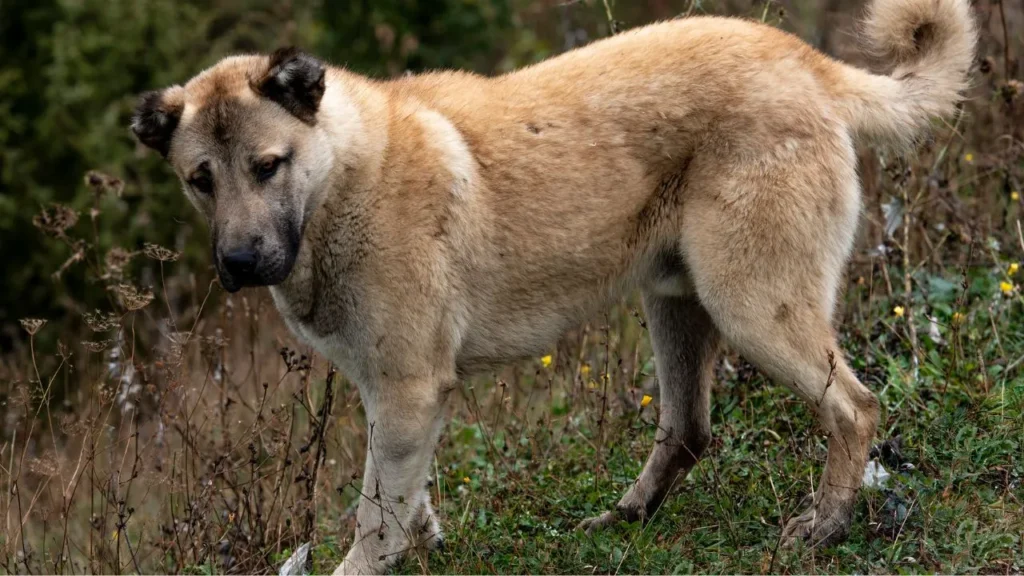
The Anatolian Shepherd is one of the world’s oldest livestock guardian breeds, with roots stretching back thousands of years in what is now Turkey. These dogs were developed to defend livestock against wolves, jackals, and even bears across vast landscapes where shepherds could not constantly supervise them.
Unlike dogs bred to follow human instructions every step of the way, Anatolians were expected to assess threats and make decisions entirely on their own. That self-governing mindset remains incredibly strong in modern individuals and is one reason experienced dog owners admire the breed so much.
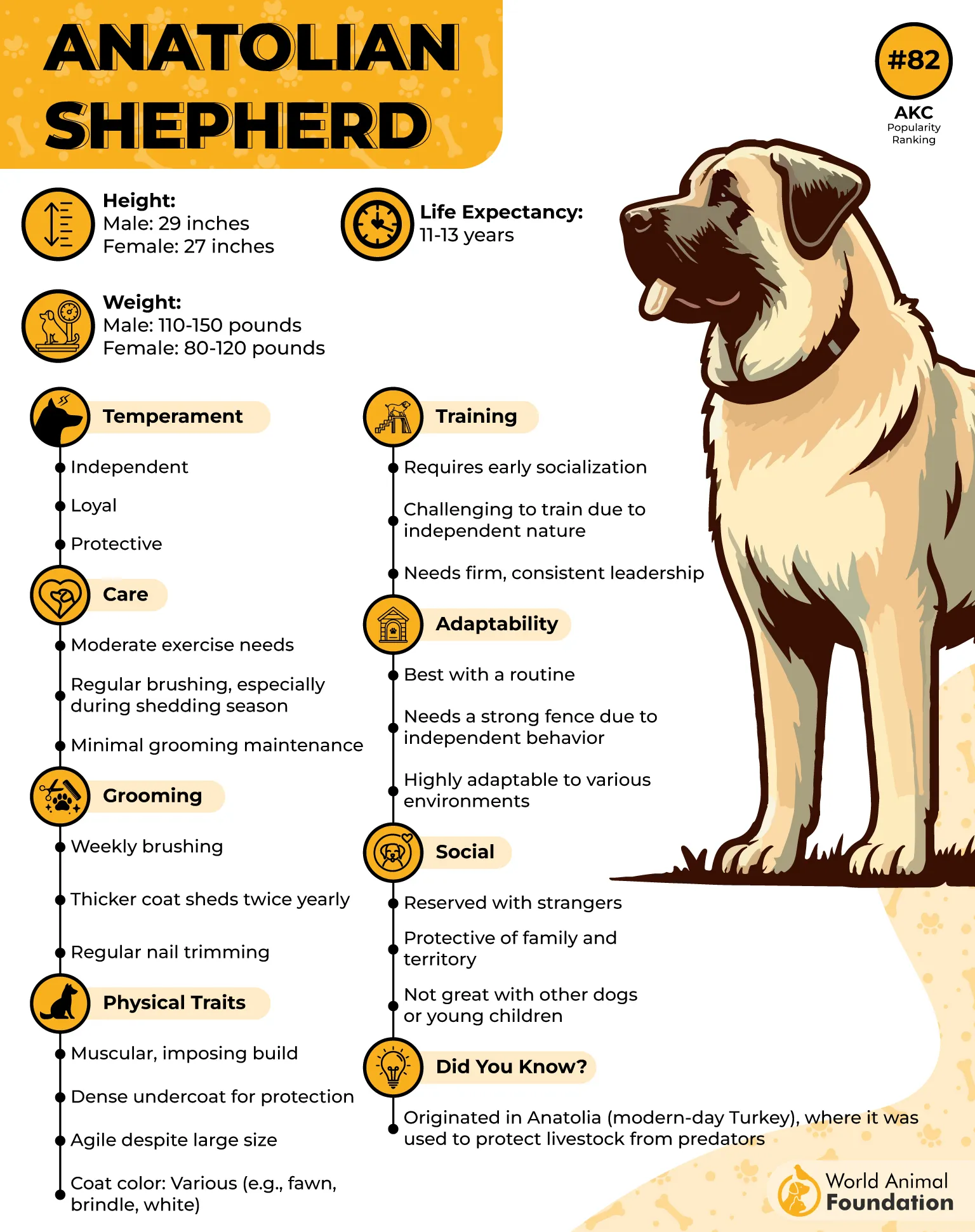
Inside the home, they tend to be calm, watchful, and surprisingly reserved. They are affectionate with family members but rarely needy, often preferring to keep an eye on things from a comfortable position rather than becoming the center of attention.
Training requires patience because these shepherd dogs are highly intelligent and capable of independent reasoning. They respond best when treated as partners rather than subordinates, and harsh training methods often create resistance rather than cooperation.
Owners frequently describe them as dogs that seem to be constantly evaluating situations. Even while relaxing, they remain aware of their surroundings, making them exceptional protectors who rarely need instructions to recognize when something warrants attention.
3 Ways They Act Self-Sufficient In Homes
They routinely assess situations independently instead of waiting for human guidance.
Their livestock-guardian background makes self-directed decision-making feel natural.
Many prefer to maintain awareness of the household rather than actively seek entertainment.
8. Tibetan Mastiff
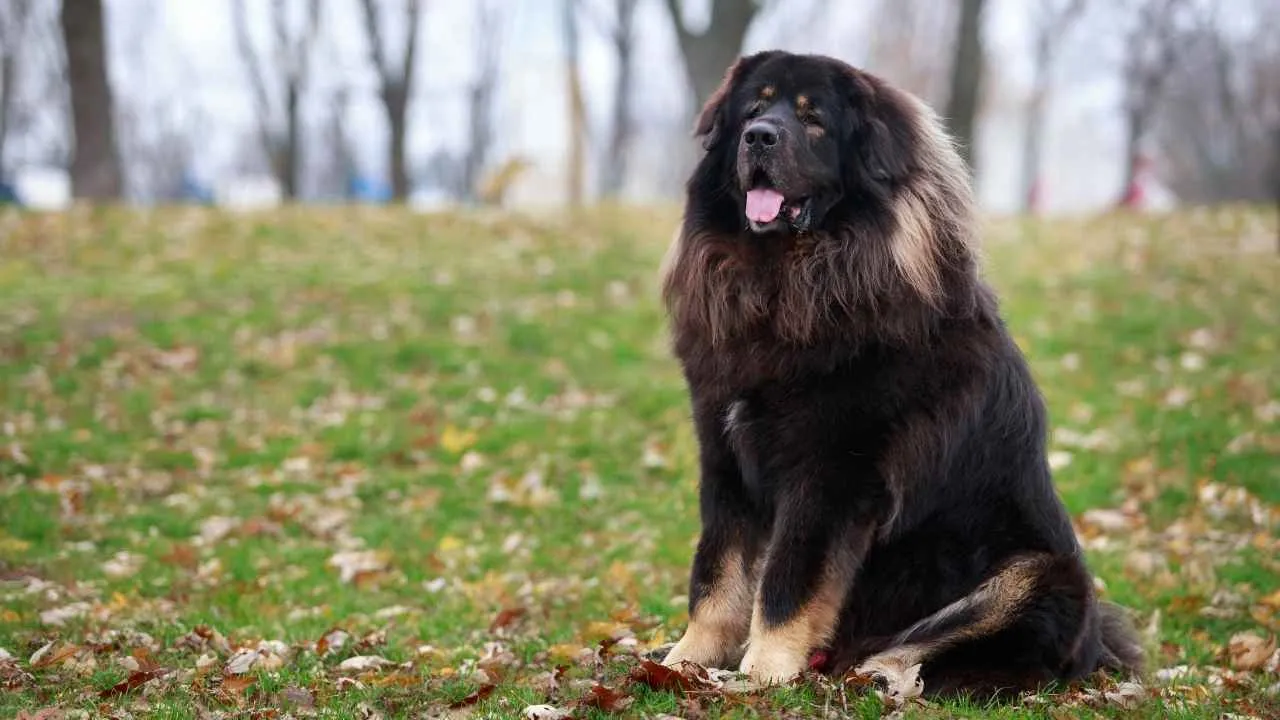
The Tibetan Mastiff is often described as one of the most independent dog breeds, and honestly, that reputation is well deserved. Originating in the Himalayan mountains, these massive guard dogs protected monasteries, villages, and livestock in remote regions where human help could be hours or even days away.
Centuries of working under those conditions created a dog that is exceptionally confident in its own judgment. Tibetan Mastiffs do not constantly seek approval because historically they were expected to decide for themselves what constituted a threat and how to respond.
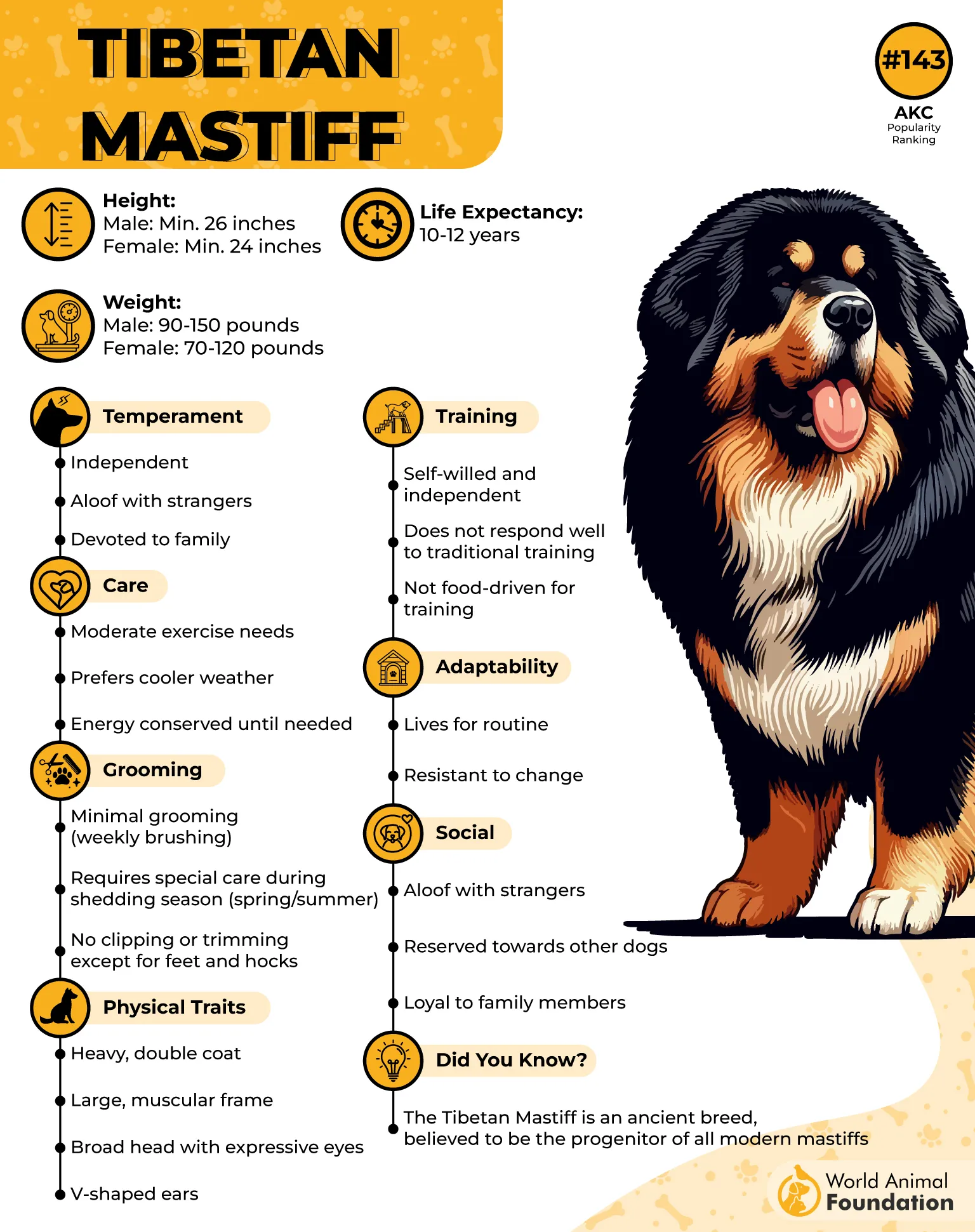
Many first-time dog owners are surprised by how emotionally self-contained these dogs can be. Omlet claims that they form incredibly deep bonds with their families, but they are not the type to follow people around the house all day demanding affection or reassurance.
The breed is known for its intelligence, but it expresses it differently from highly trainable working breeds. Instead of eagerly performing commands for rewards, Tibetan Mastiffs often evaluate whether a request aligns with their own understanding of the situation before deciding to participate.
Long-time owners often describe living with a Tibetan Mastiff as sharing a home with a highly intelligent guardian who believes they are an equal member of the decision-making team.
3 Ways They Act Self-Sufficient In Homes
They rarely depend on constant human validation to feel secure.
Their strong territorial awareness encourages autonomous household monitoring.
Many prefer to initiate interaction on their own schedule rather than constantly seek attention.
9. Komondor
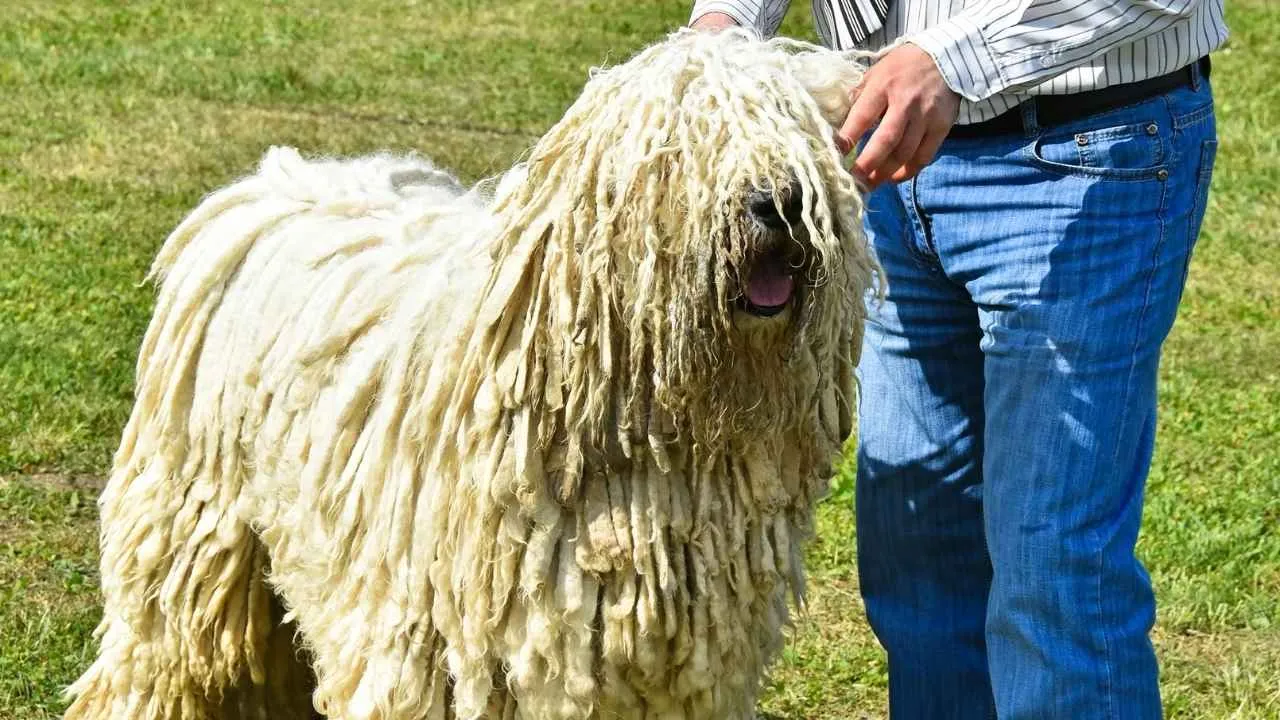
The Komondor is instantly recognizable because of its distinctive corded coat that resembles a walking mop, but there is much more to this Hungarian livestock guardian than its appearance. For centuries, these dogs protected sheep from predators while making independent decisions for long periods without direct human supervision.
This guardian heritage produced a breed with extraordinary confidence and self-reliance. Komondors are accustomed to assessing situations on their own and acting when necessary, which is why they often appear remarkably self-assured compared to many modern companion breeds.
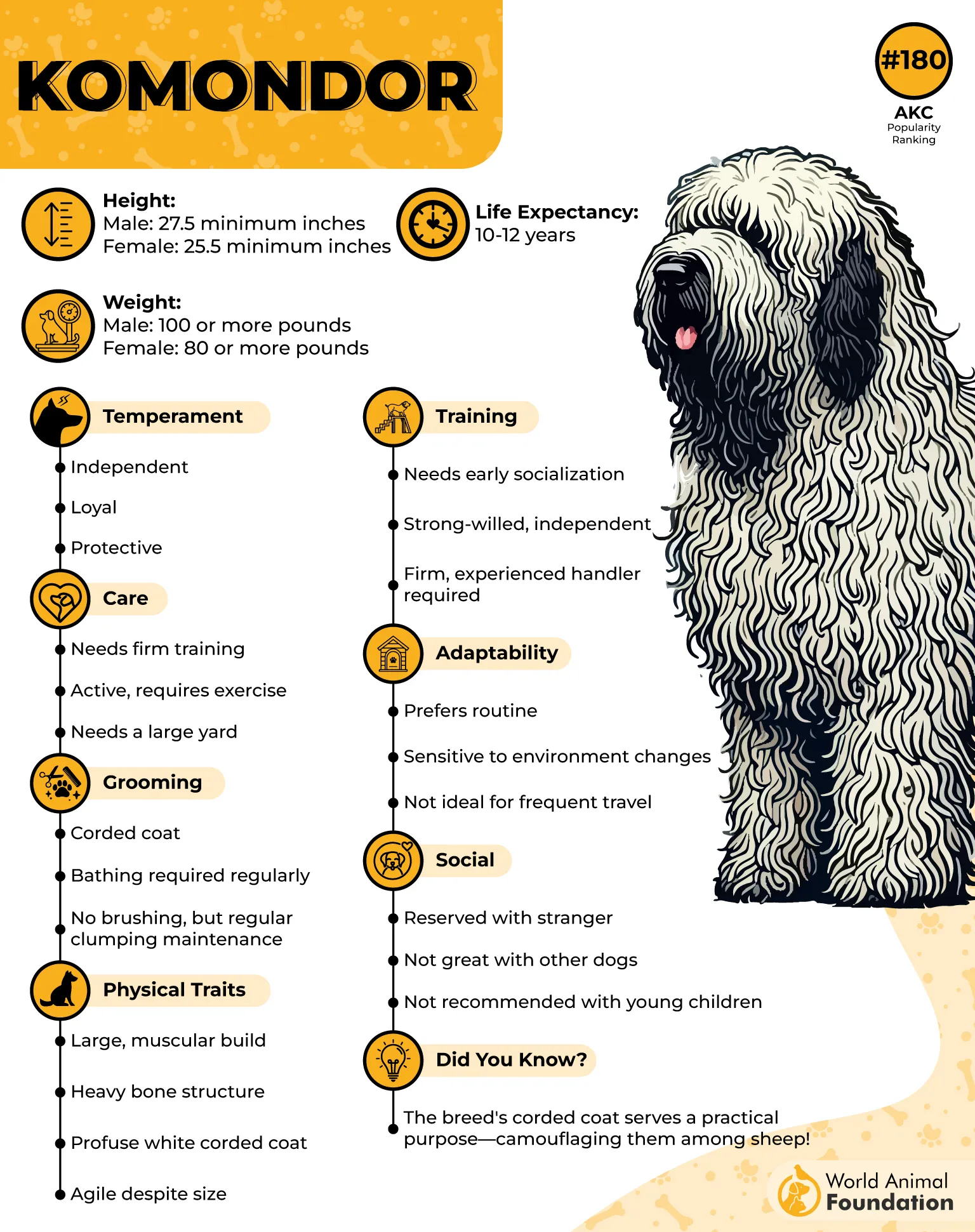
Unlike attention-seeking dogs that constantly look to their owners for direction, Komondors tend to evaluate the world through their own lens. They remain deeply devoted to their families, but their loyalty is expressed through protection and vigilance rather than constant physical affection.
With phenomenal physical and mental energy, as described by Hill’s Pet, these dogs prefer to have a purpose. Whether that purpose is guarding a property, watching over livestock, or simply monitoring a household, they seem happiest when they feel responsible for something meaningful.
Because of their intelligence and independence, training requires consistency, patience, and mutual respect. These dogs are capable learners, but they rarely see the value in repetitive exercises unless they understand the practical reason behind them.
3 Ways They Act Self-Sufficient In Homes
They naturally assume responsibility for monitoring their territory and surroundings.
Their guardian instincts allow them to remain occupied without constant supervision.
Many display confidence in unfamiliar situations instead of immediately seeking reassurance.
Conclusion
If there is one thing all of these breeds have in common, it is that they were developed for jobs requiring confidence, intelligence, and independent thinking. Whether they were protecting livestock in remote mountains, chasing game across open plains, or hauling supplies through Arctic landscapes, these dogs learned to function without constant human direction.
That doesn’t mean they are low-maintenance pets. Every family dog on this list still needs proper training, socialization, veterinary care, exercise, and plenty of love, but they generally require less emotional hand-holding than breeds specifically developed for companionship.
The biggest lesson is simple: independence should never be mistaken for a lack of affection. These dogs absolutely love their families; they just have their own way of showing it, and honestly, that quiet confidence is part of what makes them so special.
