




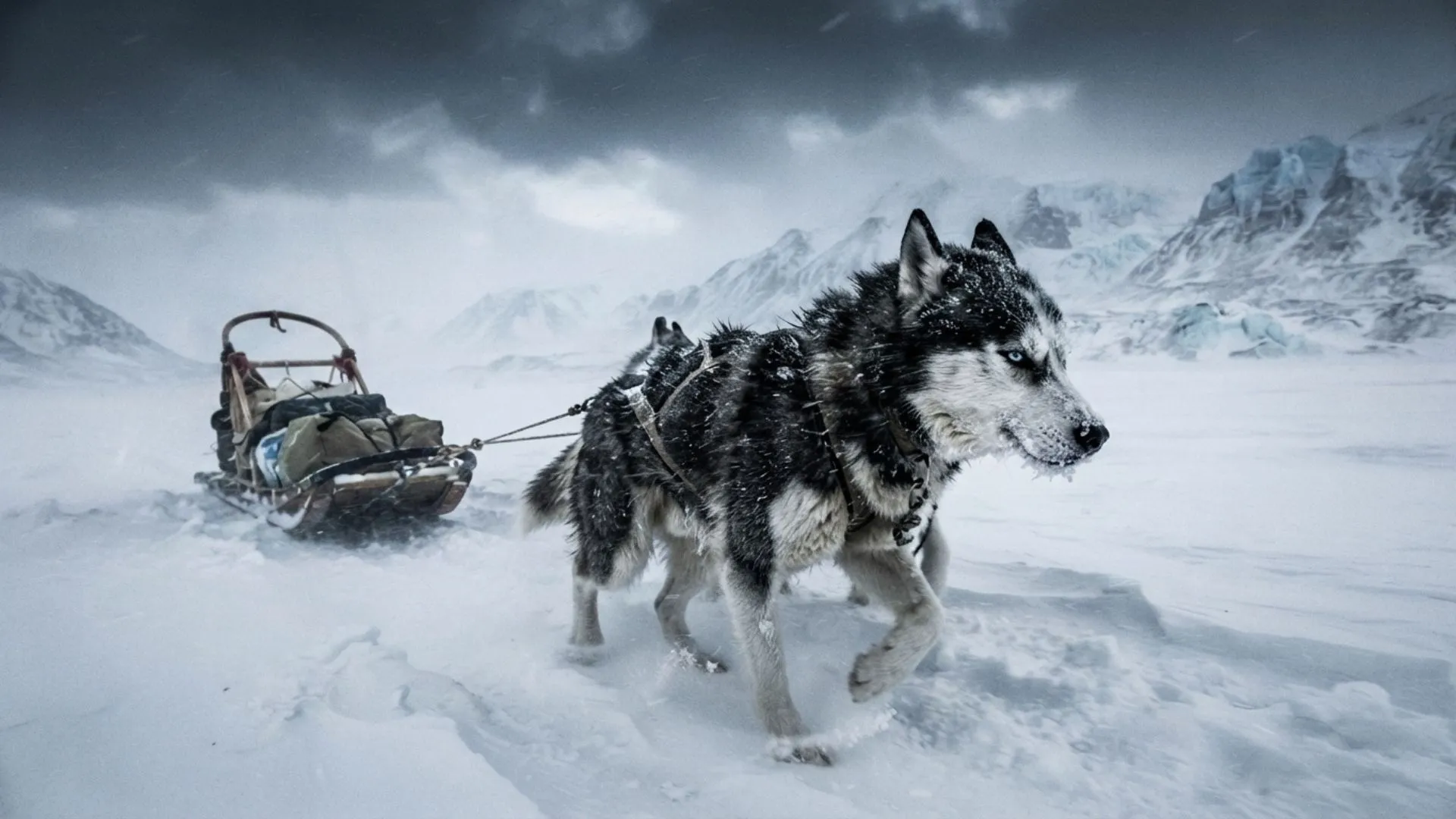
Some dogs are built for more than a cozy spot on the couch. They are tough, determined, and ready to keep going when the weather turns harsh, or the work gets demanding.
From rugged mountains and freezing landscapes to scorching fields, working dogs have developed remarkable abilities to handle conditions that would slow many other dogs down.
But toughness is about more than size or strength. A truly rugged working dog may be intelligent, loyal, athletic, stubborn, and highly adaptable, with traits shaped by generations of breeding and purposeful training.
Their thick coats, powerful builds, endurance, protective instincts, and impressive work ethic help them take on challenging environments while staying focused on the job.
So, what makes certain working dogs so well equipped for life in extreme conditions? Let’s meet seven rugged dog breeds that have mastered the challenge.
Rugged Working Dog Breeds Mastering Extreme Conditions
1. Siberian Husky
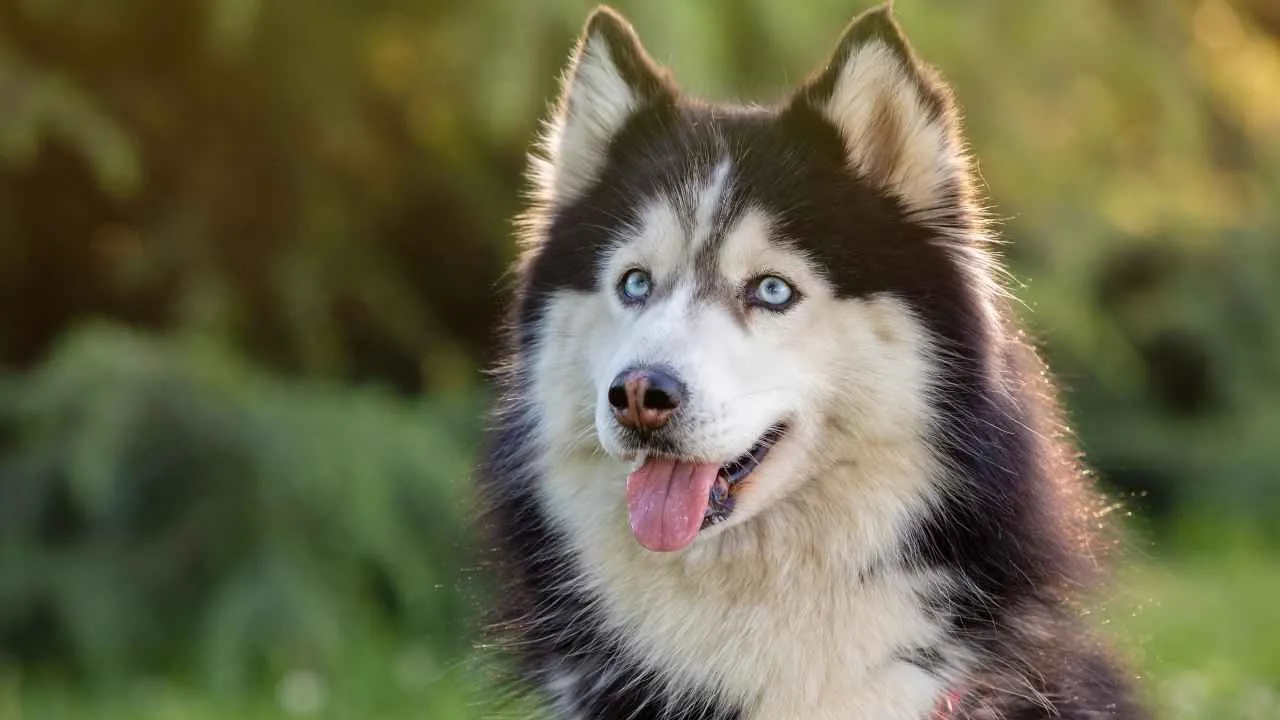
Siberian Huskies were developed in Siberia by the Chukchi people as sled dogs and companions. They later became famous in Alaska for their speed and endurance.
In 1925, teams crossed 674 miles through blizzards to deliver life-saving serum to Nome during a diphtheria outbreak. This became known as the Great Race of Mercy, with Balto becoming its most famous lead dog.
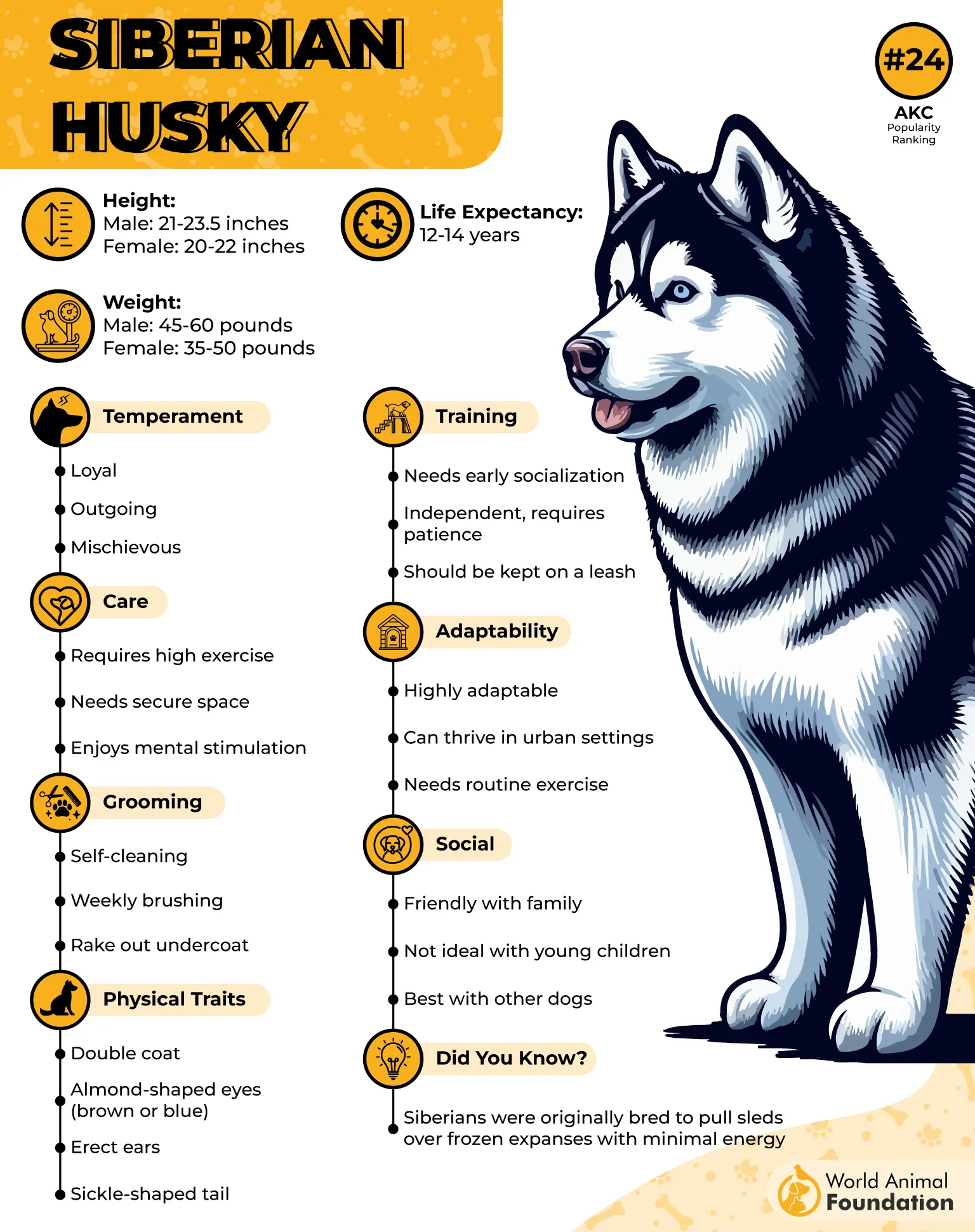
Temperaments & Tough Traits
Huskies are active, intelligent, friendly, playful, and independent. They are usually good with people and other dogs but have a strong prey drive, so homes with small pets may not be ideal.
Britannica says they are poor guard dogs because they tend to welcome strangers. Their strong-willed nature can make training difficult. They are also very vocal, using howls, chirps, and “woos” instead of simply barking.
Exercise & Care Needs
Huskies need plenty of exercise and mental stimulation. Around two hours of daily exercise, plus play and intensive training, helps keep them happy and well-behaved.
Secure yards and strong leashes are important because they love to run and may dig or escape. Their thick coats help them handle cold conditions but can cause overheating in warm weather, so exercise should be limited during the hottest parts of the day.
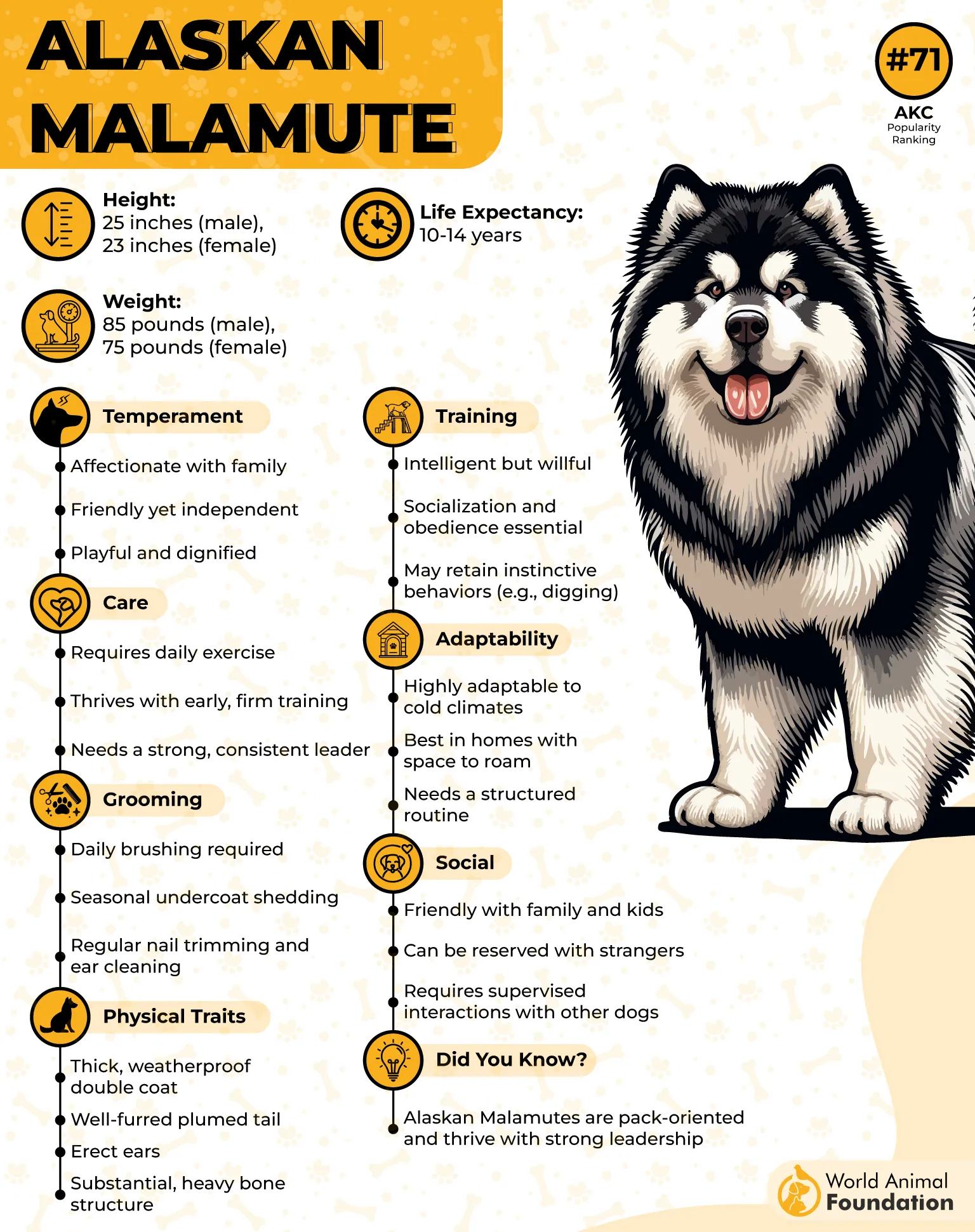
2. Alaskan Malamute
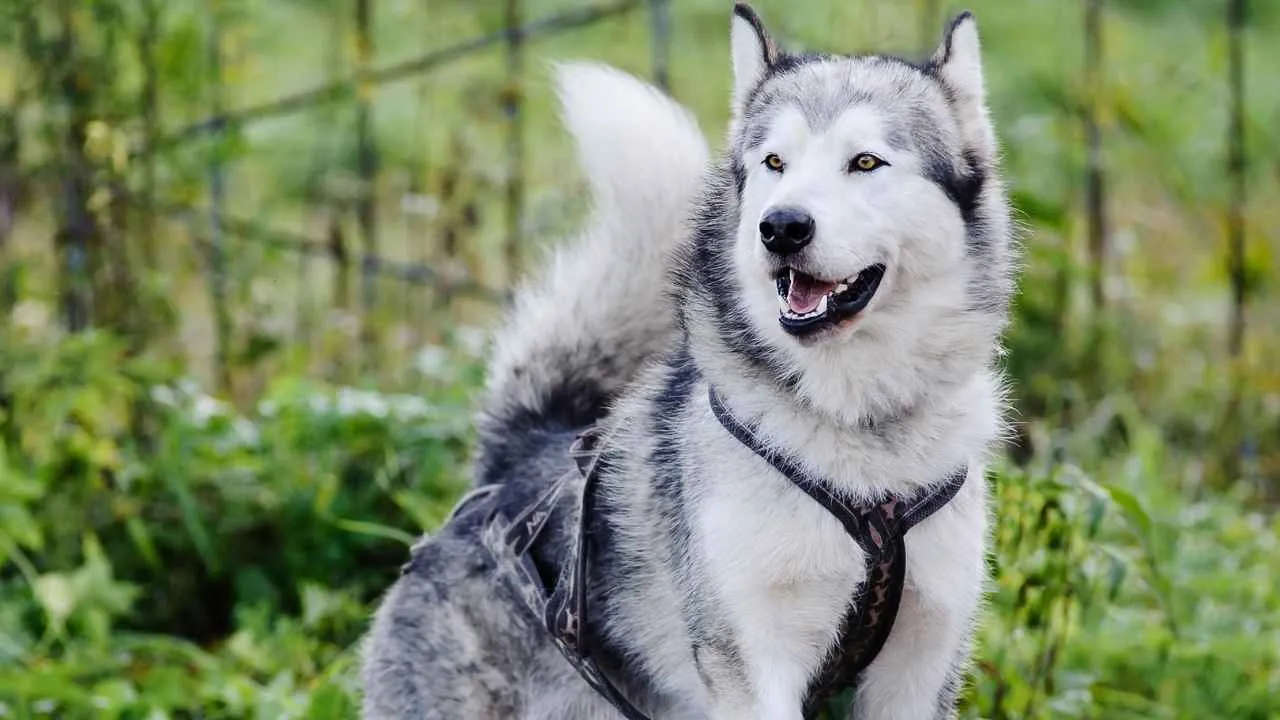
Alaskan Malamutes evolved in the Arctic regions and lived among native Inuit communities on Alaska’s northern coast. Their exact origins are unknown, but they were bred for demanding work, including pulling heavy loads and helping hunters bring large prey back to villages.
Their dense coats, large feet, powerful bodies, strong sense of smell, and impressive stamina make them well-suited to snow and cold. They are still used for sledding and racing in some parts of the world.
Temperaments & Working Traits
Malamutes are intelligent, affectionate, playful, and loyal, but they are also strong-willed and independent. They need firm, consistent training from an early age and respond well to food-based rewards.
They learn pulling and sledding tasks quickly, but may ignore commands when they choose. They are friendly toward people and poor guard dogs. Their pack instincts can also cause aggression toward other dogs, especially males, so early socialization is important.
Exercise & Care Needs
These powerful dogs need at least two hours of exercise each day, along with mental exercise and plenty of companionship. Hiking, running, pulling activities, and puzzle toys can help prevent boredom and destructive behavior.
They need a secure outdoor space because they enjoy roaming and digging, while recall can be challenging. Their thick coats require brushing several times a week and can cause overheating in warm weather.
3. Anatolian Shepherd
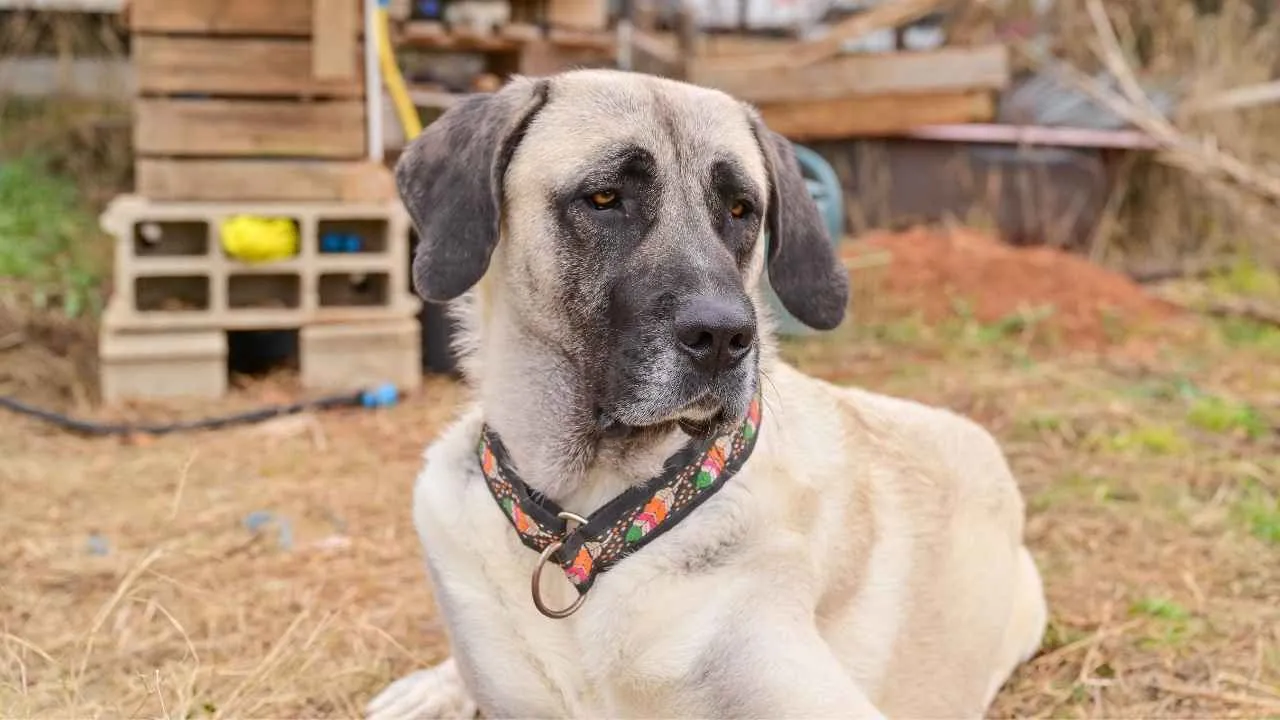
The Anatolian Shepherd dog has roots stretching back thousands of years in ancient Turkey. Bred by nomadic communities, these dogs guarded and managed livestock in challenging outdoor conditions.
Their sharp hearing, strong eyesight, speed, and independent decision-making made them dependable flock guardians. They reached the U.S. in the 1950s and have also been used to protect endangered cheetahs in Namibia, according to PetMD.
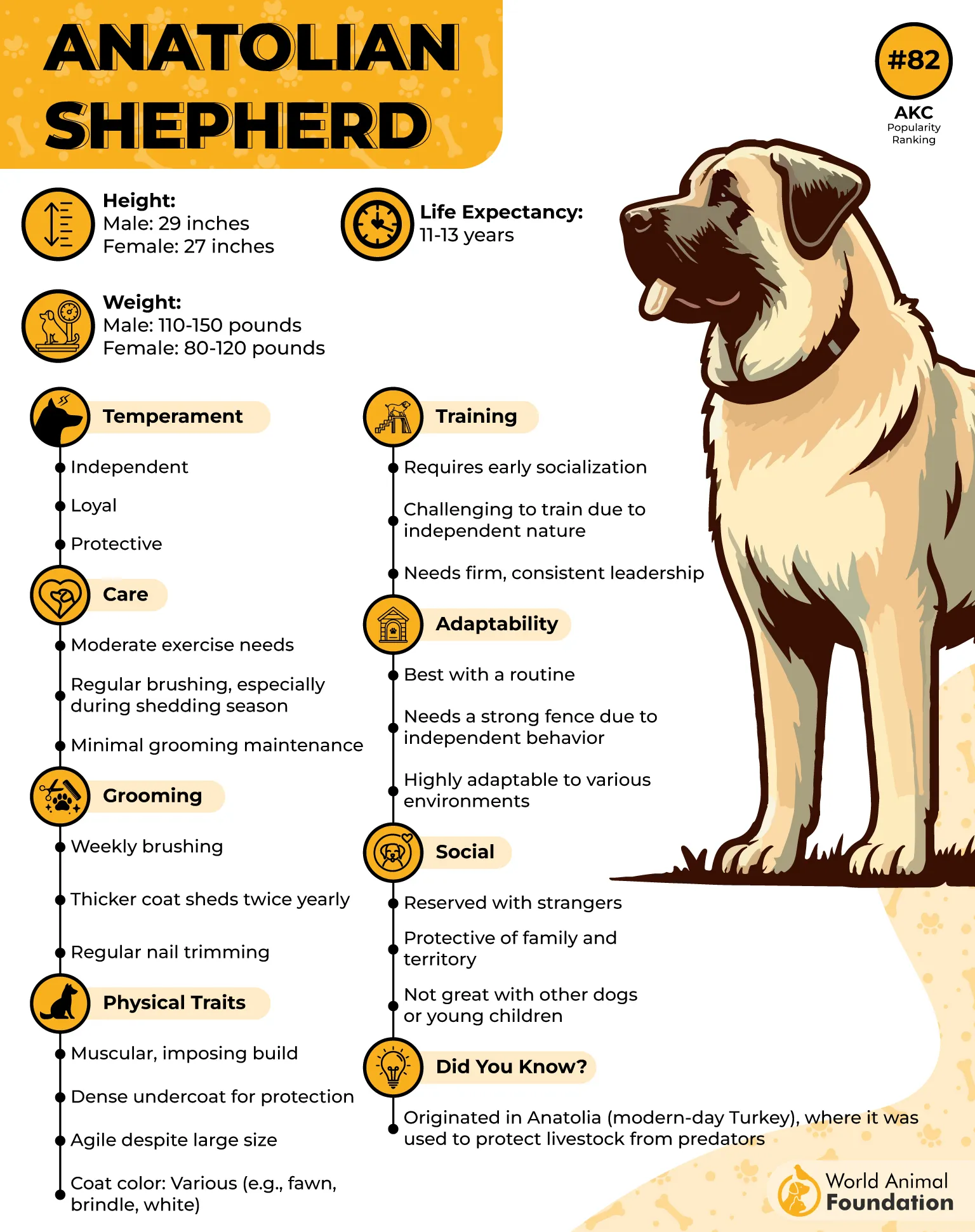
Temperaments & Protective Traits
Anatolian Shepherds are calm, intelligent, loyal, and reserved. They are affectionate with their families but naturally suspicious of strangers. As independent guardians, they are used to making decisions without waiting for human commands.
This can make training challenging, so early socialization and confident, consistent handling are important. They can react quickly to perceived threats and may become aggressive toward unfamiliar people or animals.
Exercise & Care Needs
These dogs enjoy outdoor life and do best with plenty of space, especially a securely fenced yard. They do not need constant intense exercise, but regular activity and mental stimulation help keep them content.
Their speed also makes secure fencing essential, as they can run surprisingly fast if they escape. Anatolian Shepherds are best suited to experienced owners who understand their protective instincts and can provide consistent training, socialization, and careful management.
4. Great Pyrenees
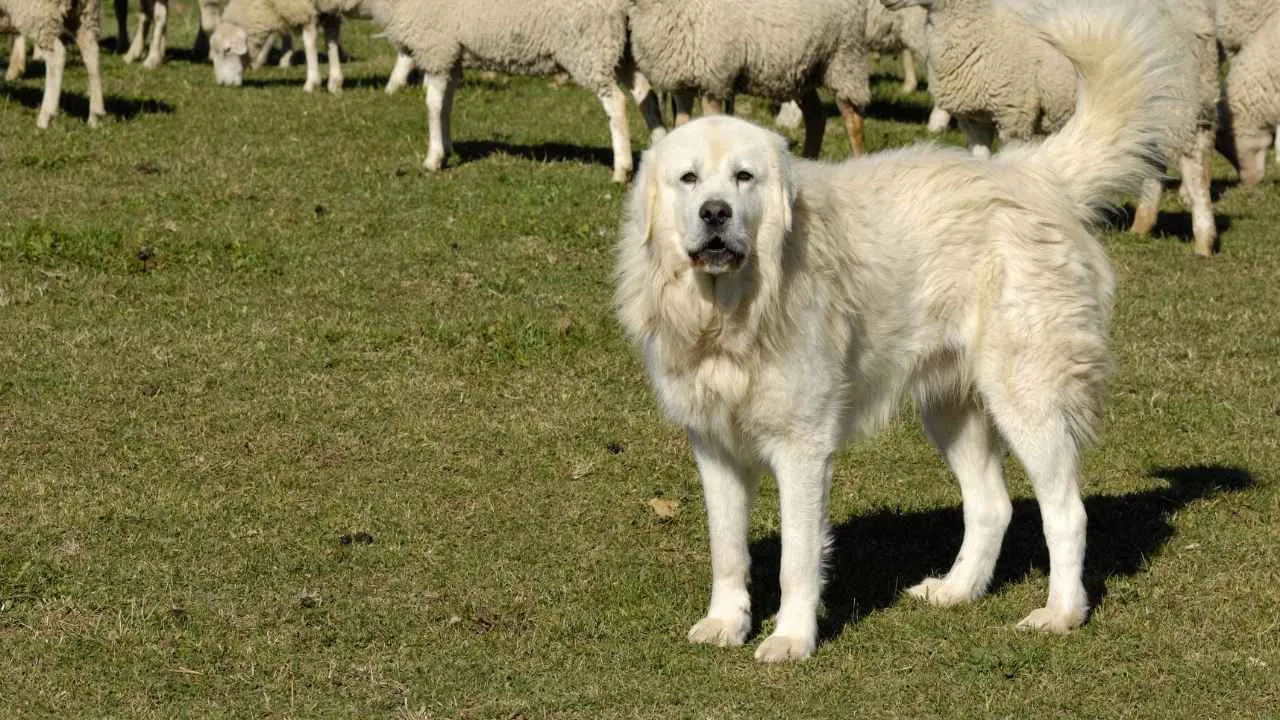
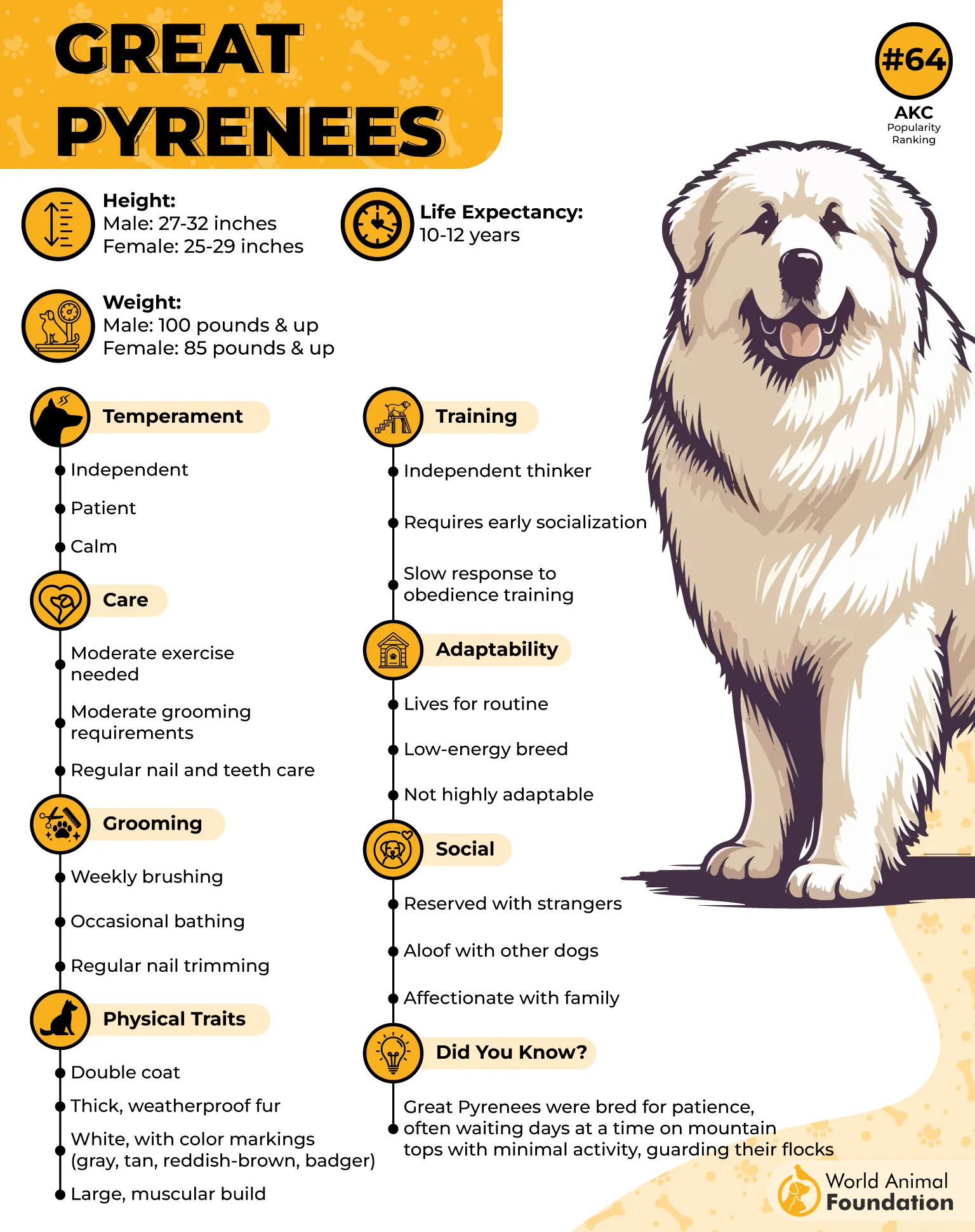
The Great Pyrenees originated in the Pyrenees Mountains between France and Spain, where they guarded sheep and livestock from predators such as wolves and bears.
Their thick white coats helped them blend into snowy surroundings, while their strength and agility made them effective guardians. They were also used as messenger and pack dogs by the French army during World War II and are now found around the world.
Temperaments & Guardian Traits
Great Pyrenees are calm, patient, confident, and loyal. Despite their impressive strength, they are usually gentle with their families and can be excellent companions.
They are naturally independent and were bred to guard flocks for long periods without constant human direction. This can make them strong-willed and reserved with strangers, so early training and socialization are important.
Exercise & Care Needs
Great Pyrenees are not highly active dogs and often prefer conserving energy while staying alert to their surroundings. They do well with regular outdoor time rather than constant intense exercise.
Their independence means they need patient, consistent training. Despite their long coats, grooming is manageable because the outer coat resists dirt and tangles.
5. Australian Cattle Dog
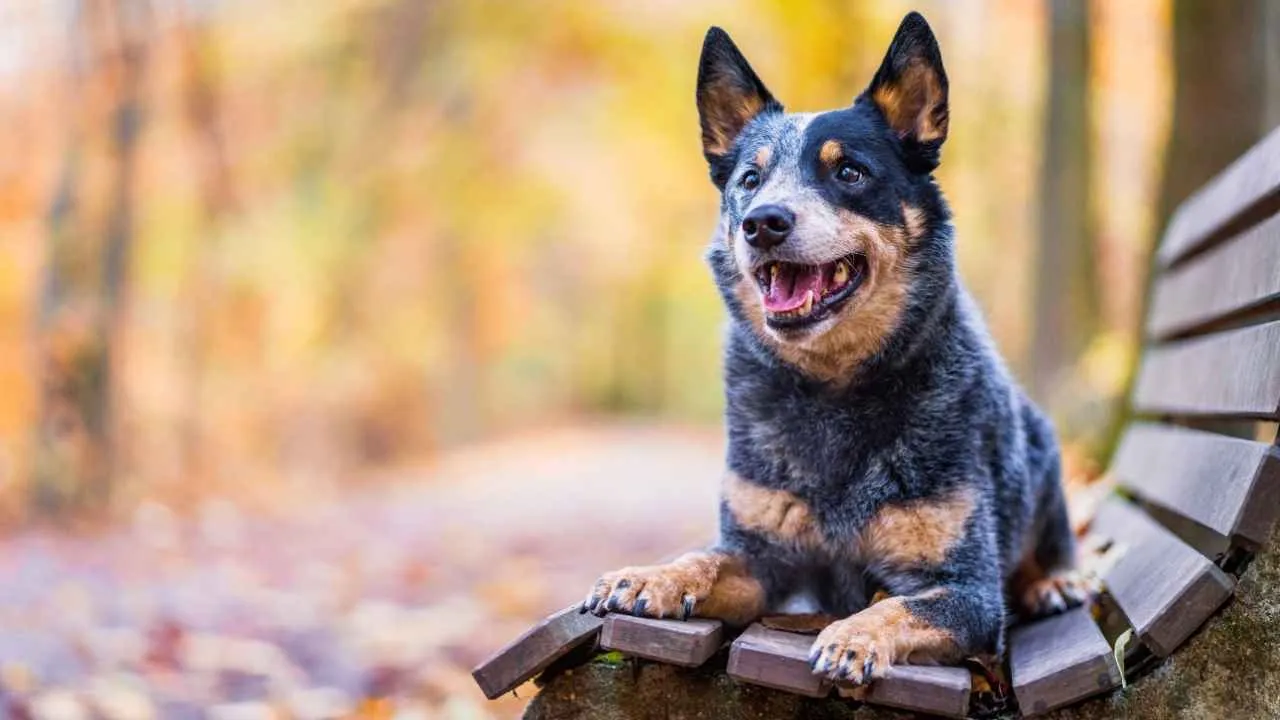
Australian Cattle Dogs descended from the Dingo and were developed to herd animals across Australia. Their strong, muscular build gives them impressive endurance and stamina.
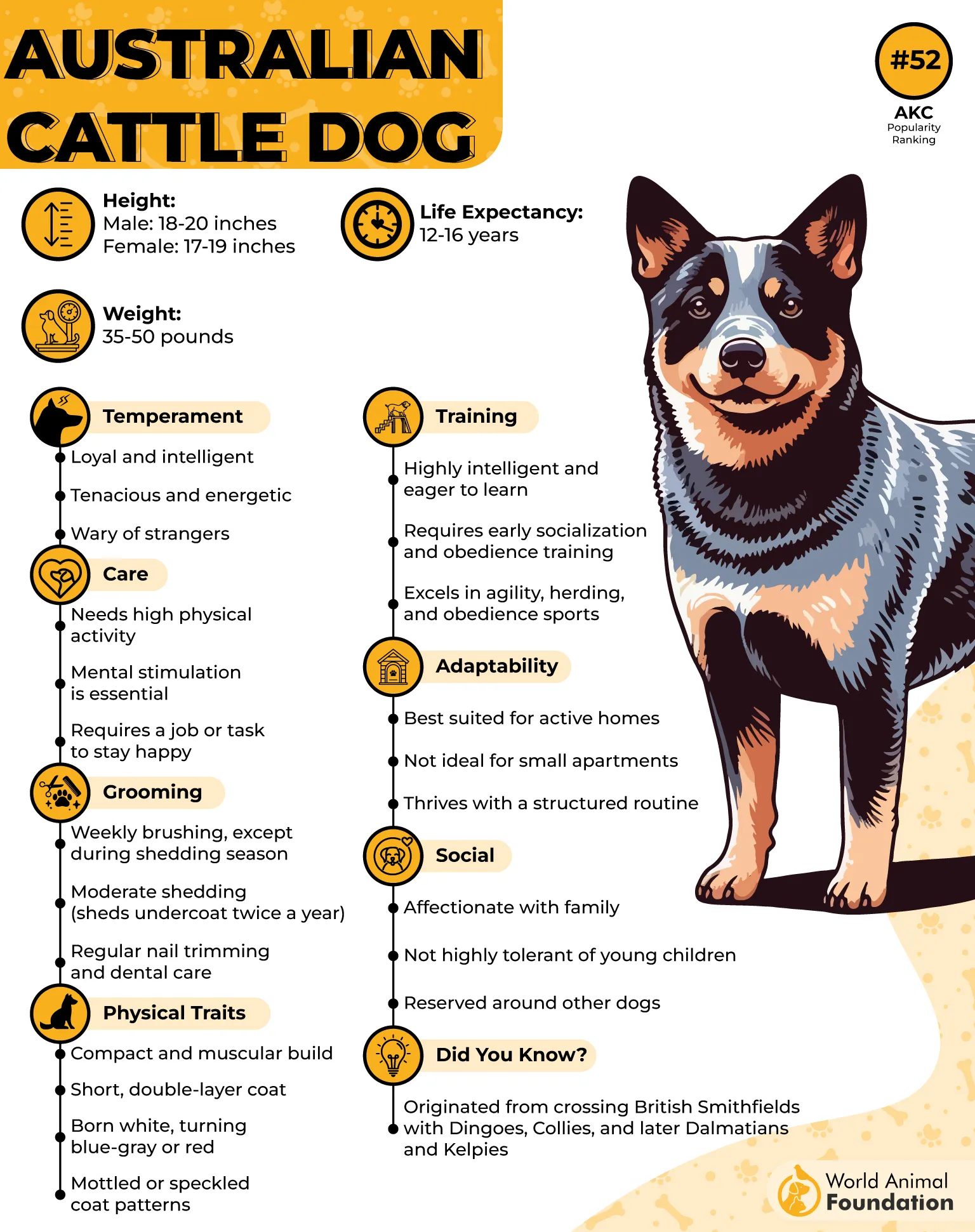
They come in blue or red speckled coats and are often called Blue Heelers or Red Heelers because they nip at the heels of livestock. Their double coats are suited to both hot and cold climates.
Intelligence & Temperaments
These dogs are extremely intelligent, loyal, courageous, and quick to learn. However, they can also be independent and headstrong. They often form a very strong bond with one person and may dislike being separated from them.
Cattle Dogs can be affectionate with their families but wary of strangers and unfamiliar dogs, making them effective watchdogs. Their natural tendency to nip can also be a concern around children, so early socialization and training are important.
Exercise & Training Needs
Australian Cattle Dogs need plenty of physical and mental activity. Running, jogging, fetch, agility, tracking, herding, and advanced training can keep their active minds and bodies engaged.
They are not ideal for apartments or homes with very little outdoor space. Firm, consistent training and experienced handling are essential for managing their strong working drive.
6. Tibetan Mastiff
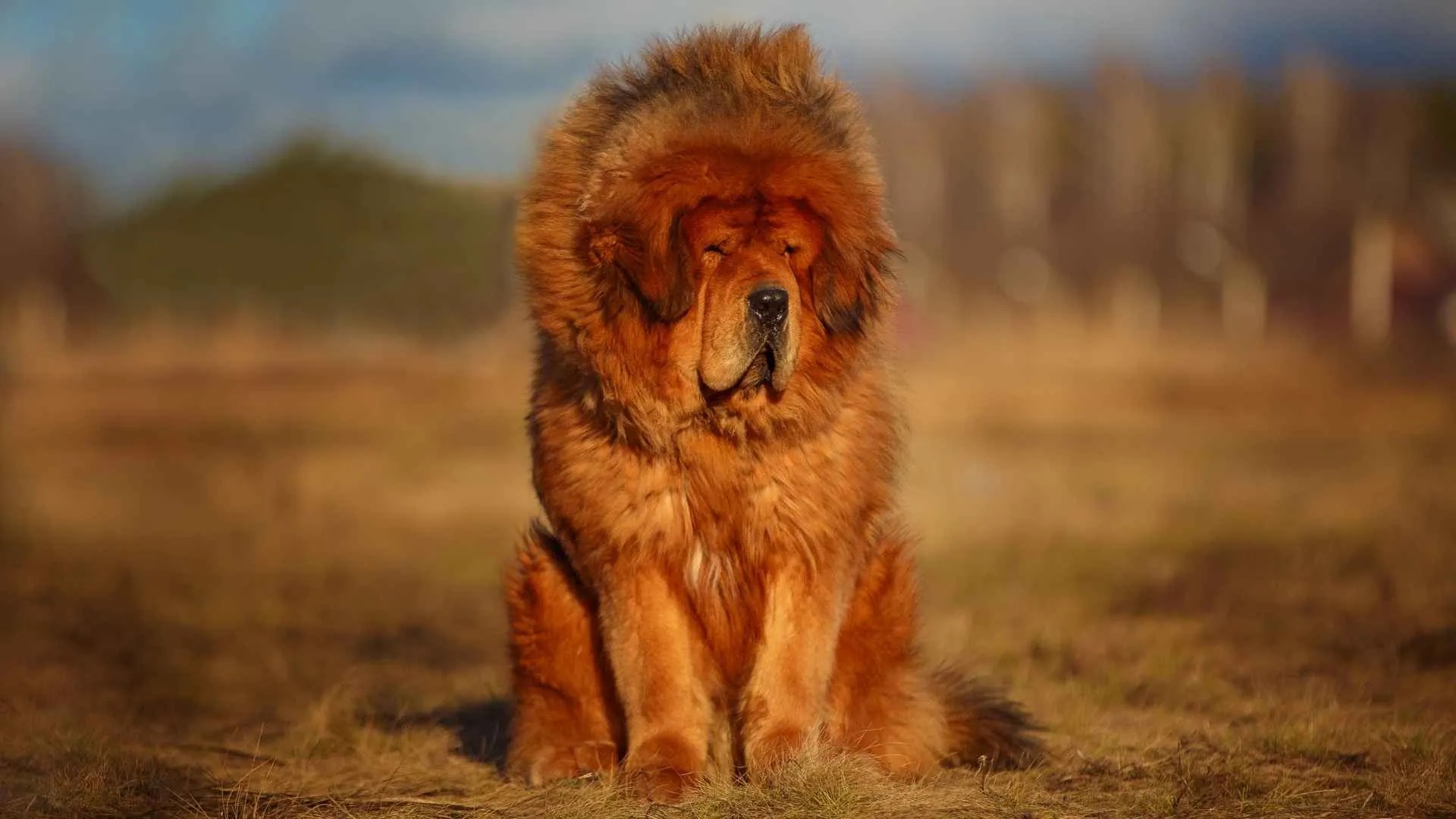
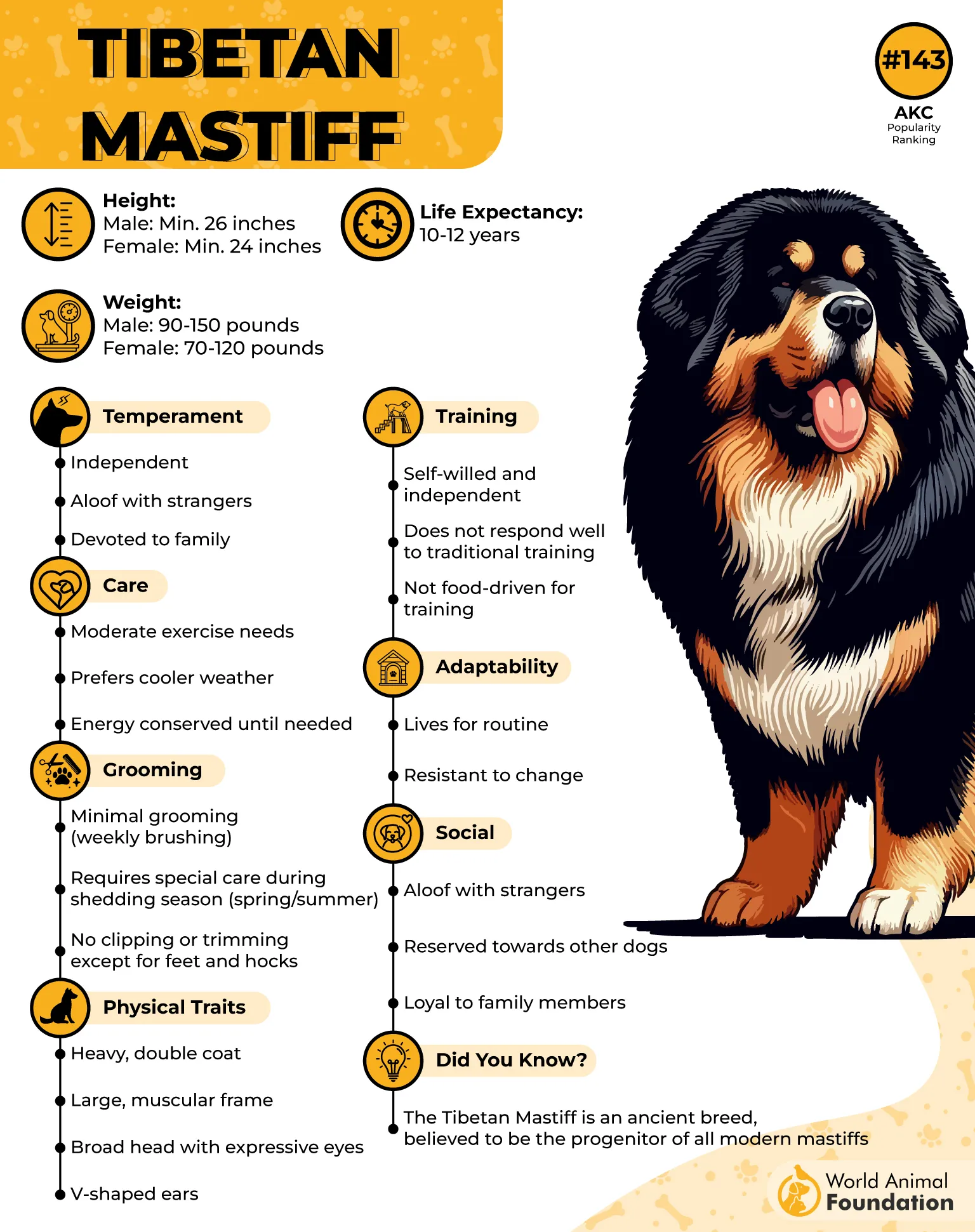
Tibetan Mastiffs are an ancient breed from Tibet, with written records dating back to around 1100 BCE. They lived in the Himalayan regions and were used for thousands of years to guard families, homes, and property.
Known locally as “do khyi,” meaning “home guard,” as per Purina, they developed into powerful and imposing protectors. Their thick coats and strong bodies helped them cope with harsh mountain conditions.
Temperaments & Protective Traits
Tibetan Mastiffs are intelligent, calm, loyal, and fiercely protective. They can be loving with their families but remain aloof and watchful around unfamiliar people and animals.
They are independent-minded and strong-willed, so training requires an experienced owner and a firm yet gentle approach.
Early socialization is essential to prevent them from viewing every unfamiliar person or animal as a threat. When danger appears, these natural guardians can quickly step between their family and the perceived threat.
Exercise & Care Needs
Despite their strength and agility, Tibetan Mastiffs have limited endurance and are not ideal jogging partners.
They need regular activity and a clear purpose to stay content, but secure fences or leashes are important during exercise. They also struggle in hot weather, so owners should watch closely for overheating and heatstroke during warmer months.
7. Akita
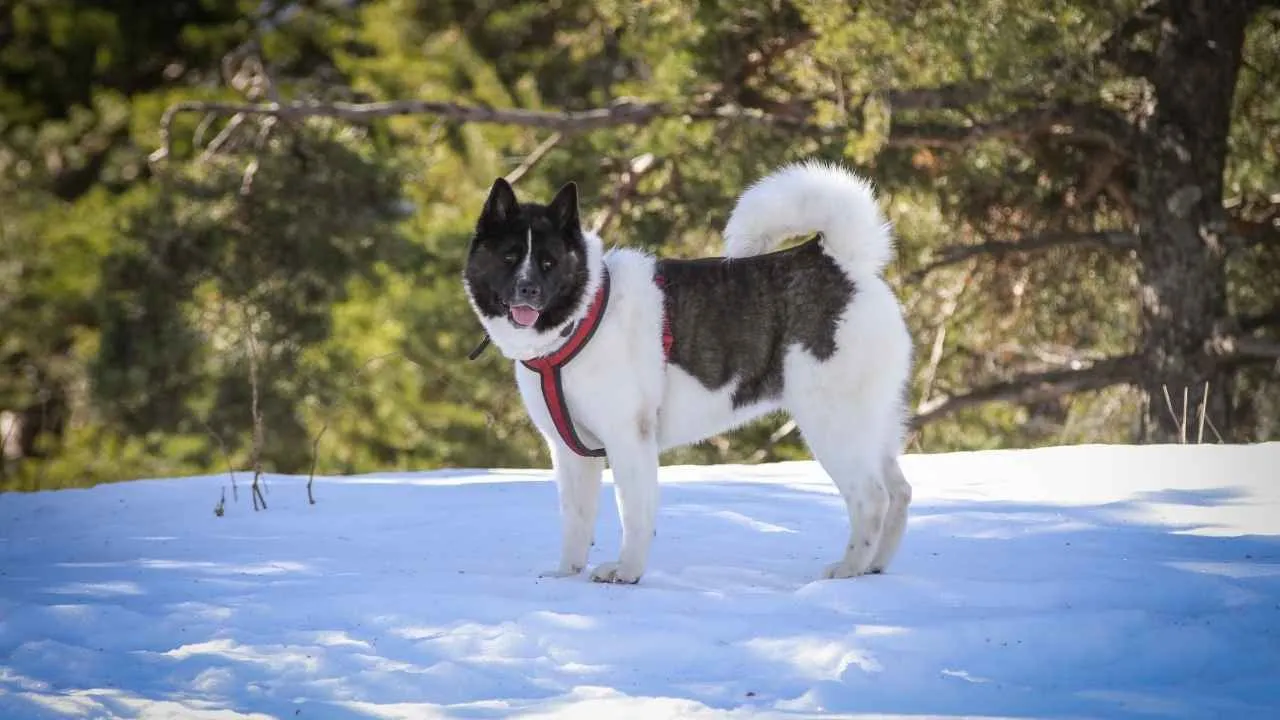
Akitas originated in northern Japan, where they were bred for hunting, guarding, and herding. Their strength and tracking ability allowed them to pursue large game such as deer, elk, and black bears.
They were once associated with Japan’s imperial leaders and are now considered a national monument. The breed is also famous for Hachiko, who became a symbol of extraordinary loyalty after waiting for nine years at a train station for his deceased owner.
Temperaments & Protective Traits
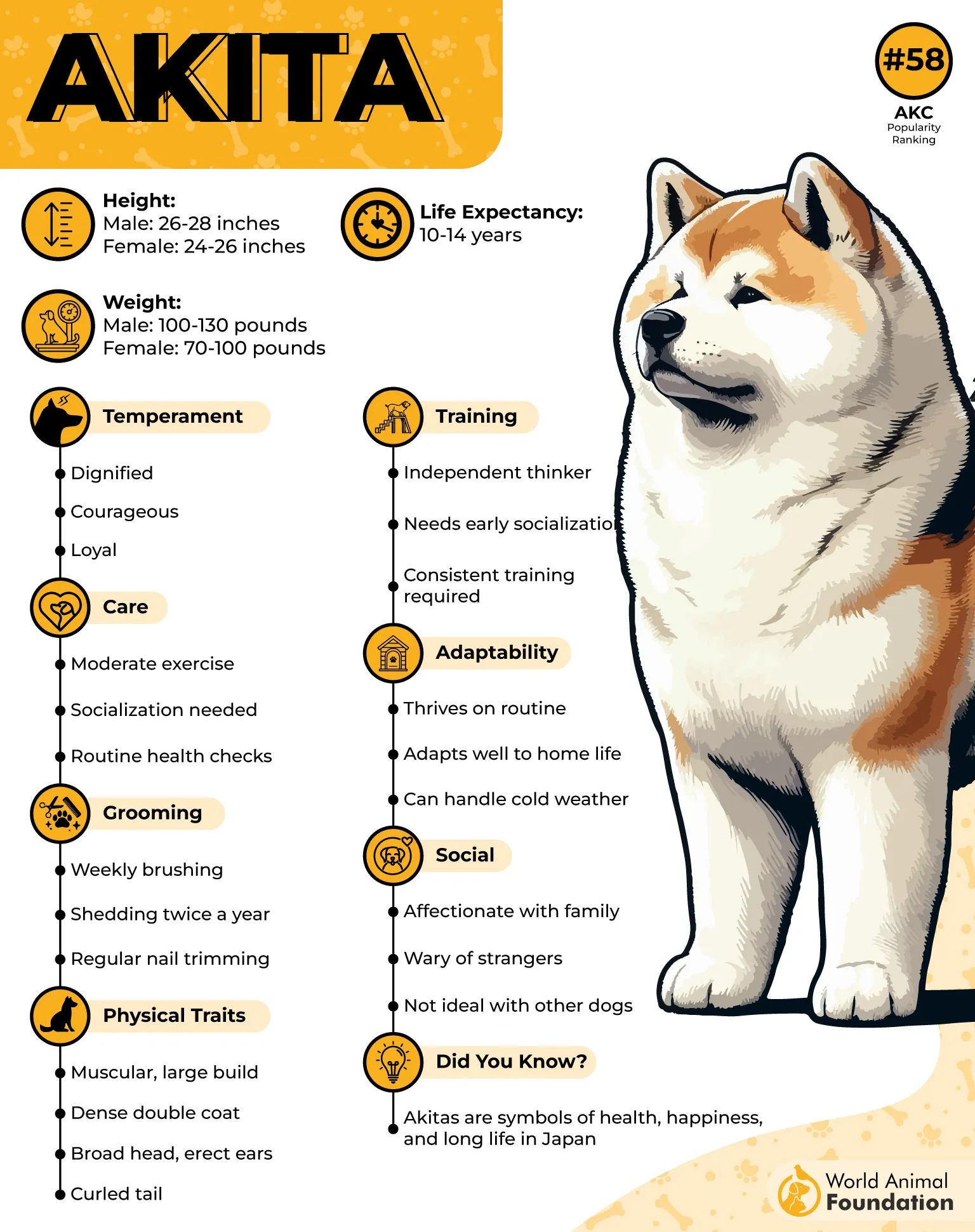
Akitas are intelligent, courageous, loyal, and independent. They are affectionate with their families but usually reserved with strangers. Their strong protective instincts make them excellent watchdogs, and they tend to bark only when something seems wrong.
Akitas often prefer being the only dog and can be aggressive toward unfamiliar dogs. Early socialization and consistent training are essential, and experienced owners are best suited to this strong-willed breed.
Exercise & Care Needs
Akitas have impressive strength and endurance and need regular exercise, mental challenges, and purposeful activities.
Repetitive training can bore them, so keeping their minds engaged is important. Their thick, weather-resistant coats require regular care and can make them sensitive to heat, so cooler climates are preferable.
Conclusion
Rugged working dogs are built for challenges, whether that means guarding flocks in the mountains, pulling sleds through snow, or herding animals across demanding landscapes.
While each breed has its own personality, they share traits such as strength, intelligence, endurance, loyalty, and a strong desire to have a purpose.
Choosing one of these dogs means looking beyond their impressive appearance. Consider their exercise needs, training requirements, temperament, climate tolerance, and the experience you can offer as an owner.
The right match can give you more than a hardworking companion. It can give you a loyal partner that is always ready for the next adventure.
