




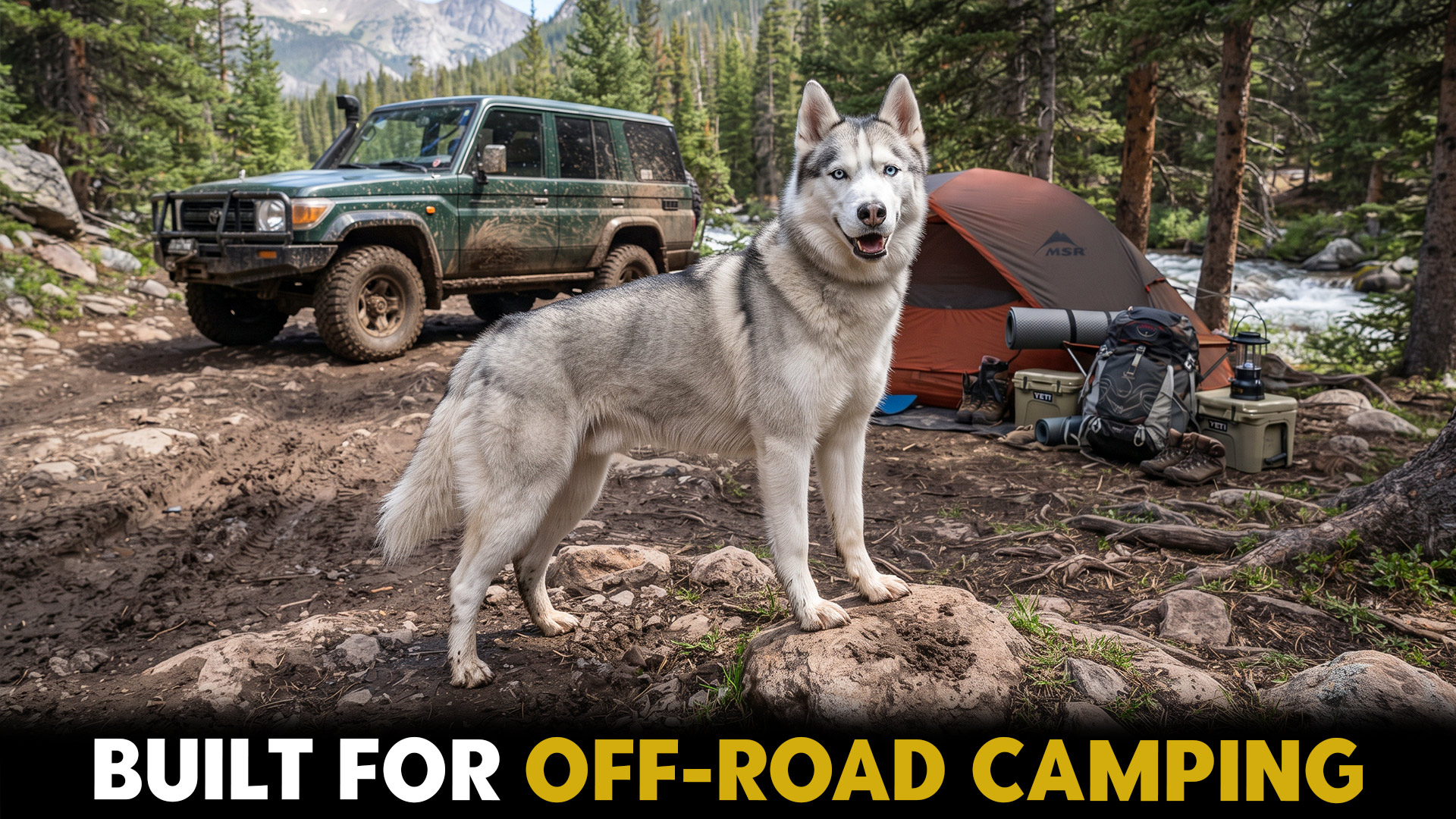
Off-road camping is not just about finding a dirt road and hoping your truck makes it back. It means rough trails, uneven ground, changing weather, and plenty of mud. The right dog can turn that wild weekend into a memory you will talk about for years.
For some dogs, a quiet afternoon at home is not nearly as exciting as a dirt trail, a mountain campsite, or a long ride into the wilderness. Rugged dog breeds are built for adventure and are happiest when they can explore, run, and experience the great outdoors with their owners. Off-road camping gives these dogs plenty of opportunities to put their stamina, curiosity, and outdoor instincts to work.
From rocky trails to remote campsites, the right dog can make every trip more enjoyable. However, not every breed is suited to rough terrain, changing weather, and long days outdoors. If you love escaping the crowds and taking the road less traveled, these rugged dog breeds may be the perfect camping partners for your next off-road adventure.
Rugged Dog Breeds That Love Off-Road Camping
1. German Shepherd
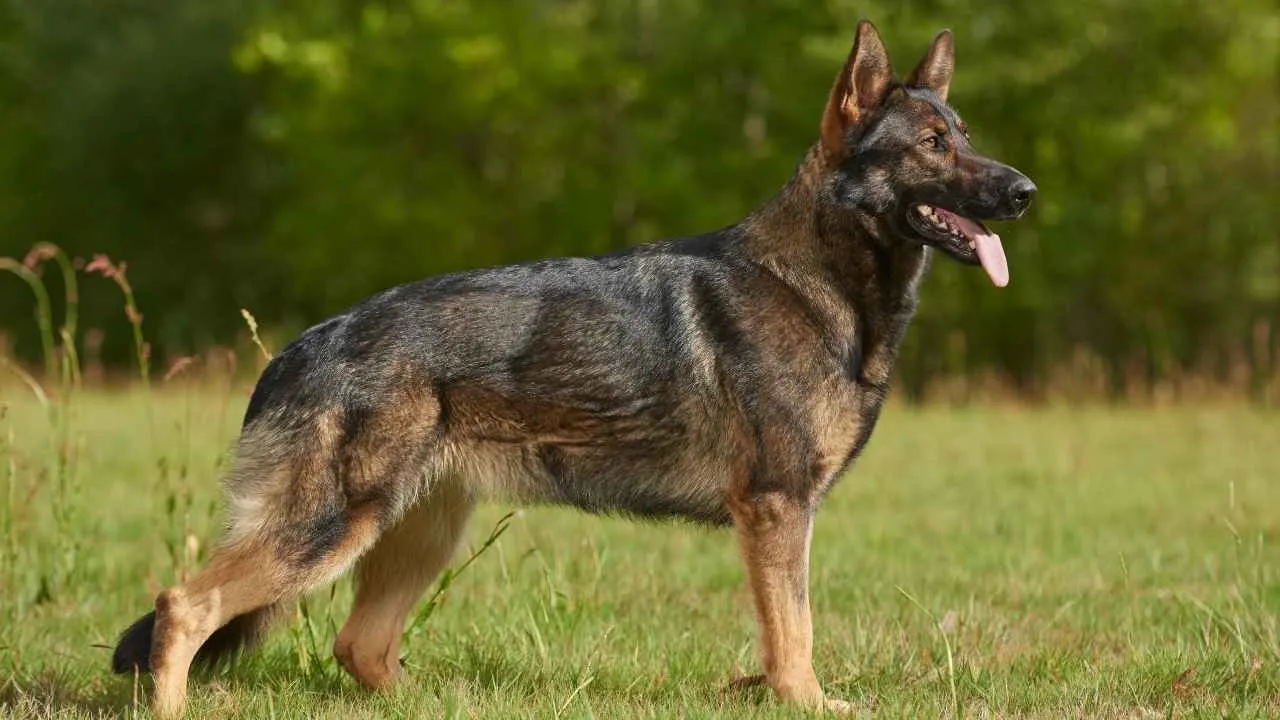
Originally bred as a herding dog by Captain Max von Stephanitz in the late 19th century, the German Shepherd was primarily used to protect livestock from large game, such as wolves, as noted by the AKC. The breed was developed by crossing herding dogs from northern and central Germany.
It exhibits an authoritative impression with its dark eyes and poised ears. The slightly curved tail wags back and forth while adventuring. The floppy ears are alert when it is in an attentive state. It has a medium-length double coat that protects it while navigating through rugged terrain.

Being a high-energy dog, it needs at least 2-3 hours of daily exercise and mental stimulation: scent work, brisk jogging, hiking, hide-and-seek, and running. Basic obedience training with positive reinforcement is required.
2. Siberian Husky
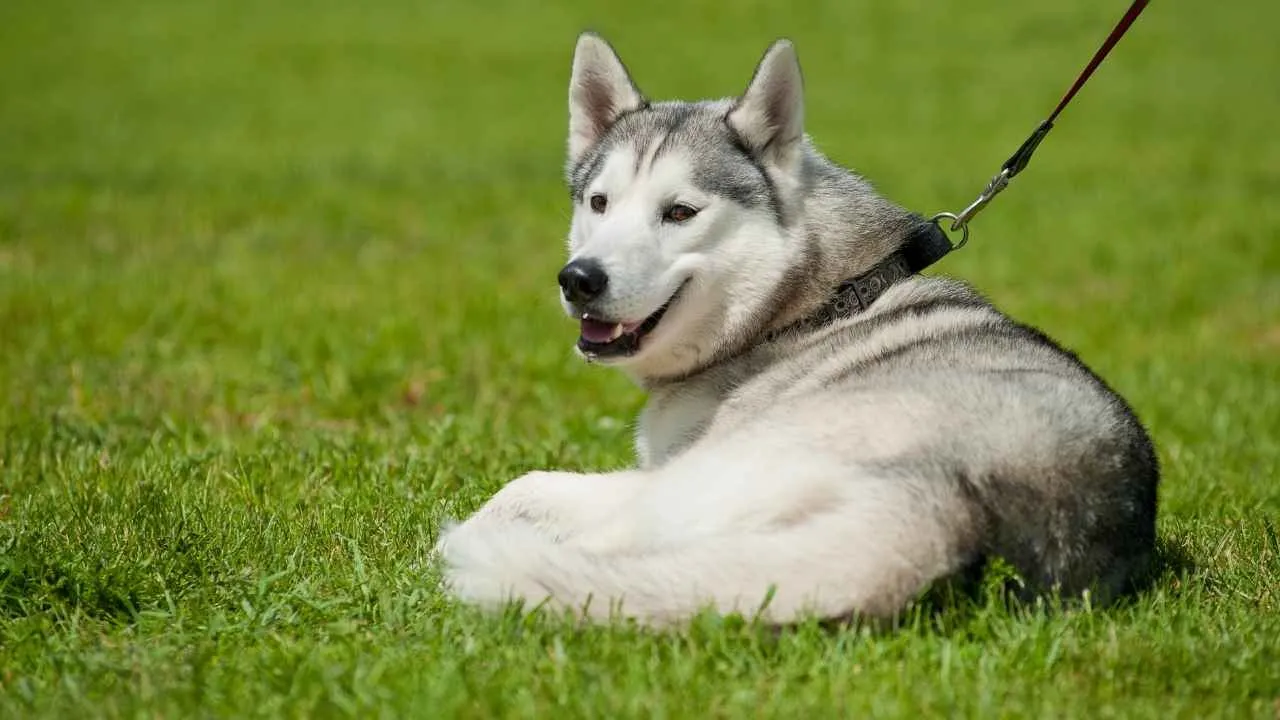
This breed was originally developed in Siberia, Russia. The Siberian Husky was used as a sled dog during the Gold Rush era of the late 19th and 20th centuries. It also served in the U.S. Army for search and rescue in the Arctic region.
The athletic breed has a straight nose and has a strong sense of smell. The thick double coat can withstand sub-zero temperatures (below -50 to-60 degrees Celsius). It has thick pads and webbed feet, making it an excellent swimmer and can walk long distances on snow without tiring.
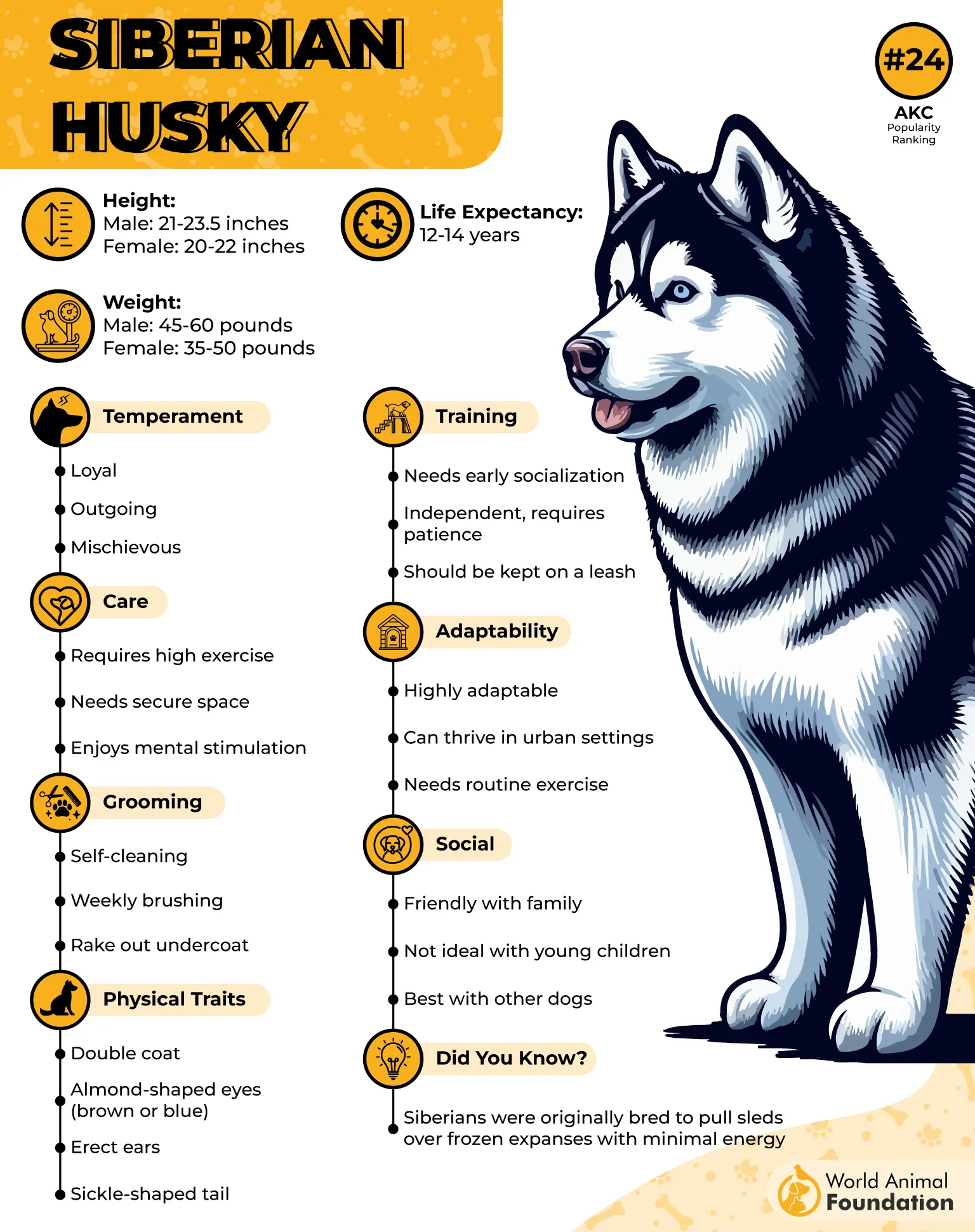
The furry tail curves upwards when attentive and trails while resting. It needs at least 2 hours of daily exercise: long walks, agility trails, competitive dog sports, and fetching.
3. Rhodesian Ridgeback
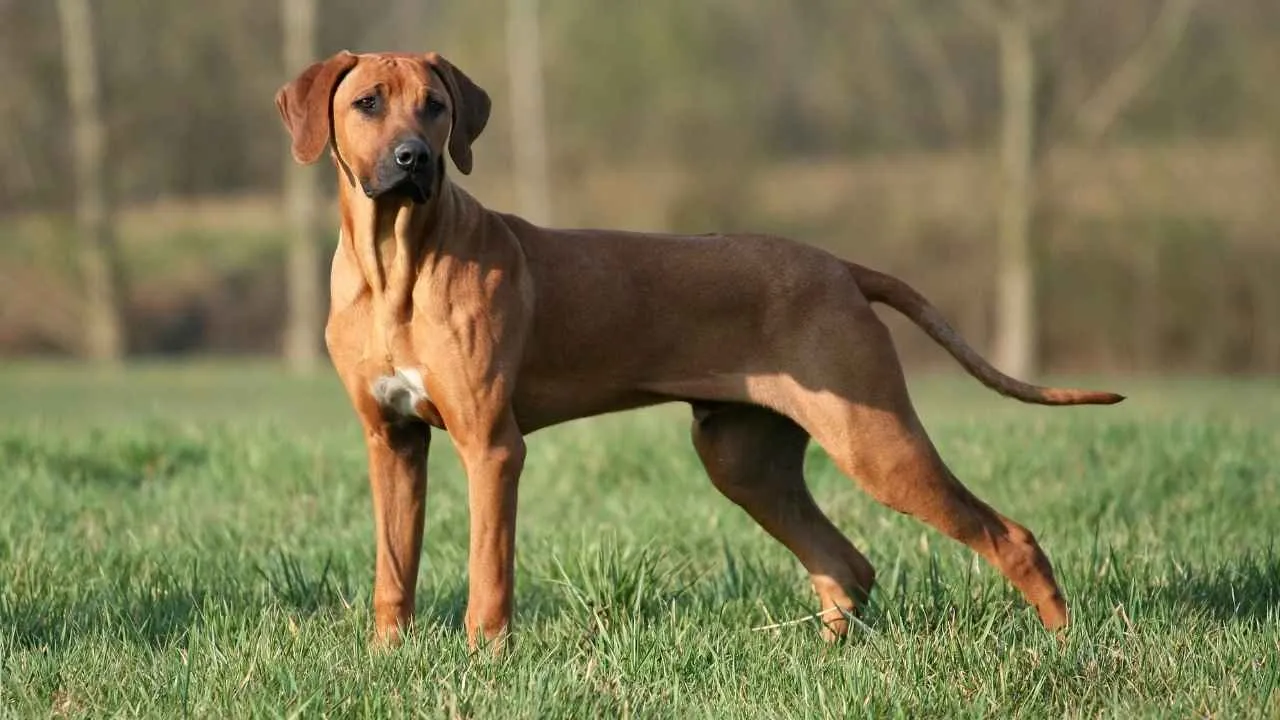
The history dates back to South Africa, where the hunting dogs from the Khoikhoi tribe were crossed with other breeds, such as the Greyhound, to develop a lion-hunting breed, the Rhodesian Ridgeback. Not only does it track lions, but it also scares off giant wild animals, such as leopards and baboons.
The round and wide-apart eyes provide a great field of view. The short and glossy coat protects the breed from intense hot weather and reflects incoming sun rays. The loyal dog stays reserved around strangers. It needs early socialization and can accidentally kick young children.
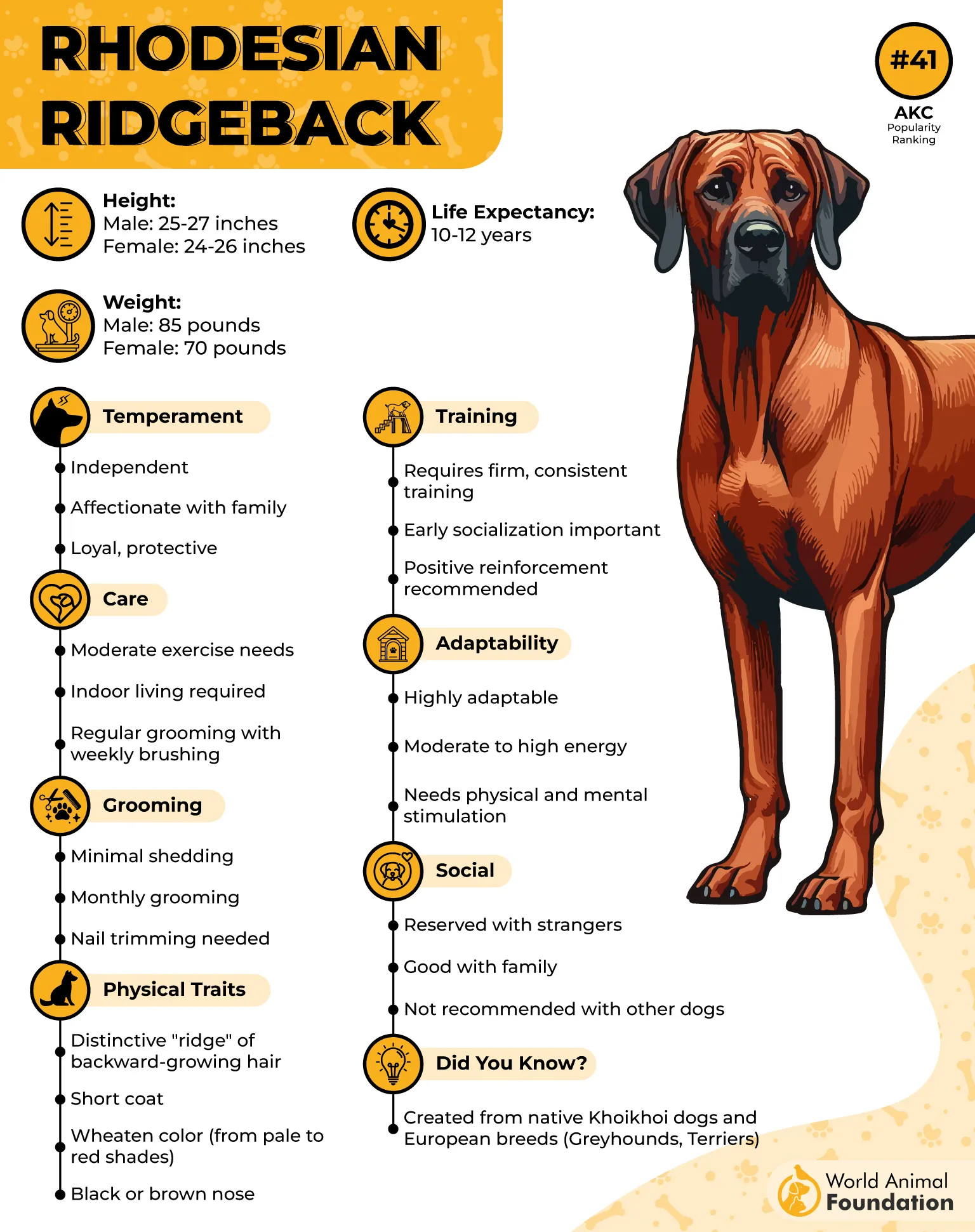
The high-energy breed needs 1-1.5 hours of regular exercise: nose work, agility work, hiking, hunting, and dog sports. The dog has an independent streak and requires basic obedience training from puppyhood.
4. German Shorthaired Pointer
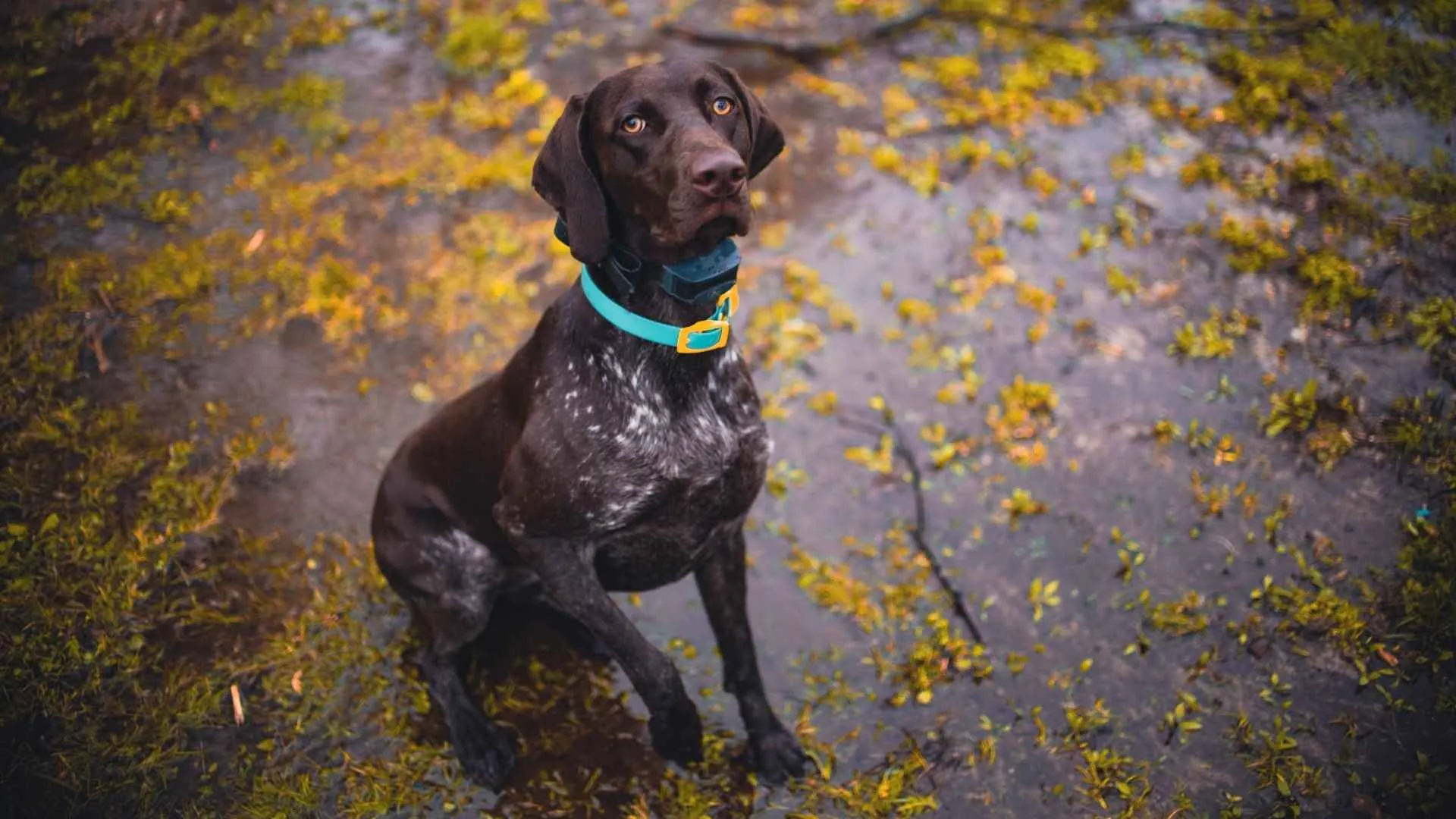
The breed originated in Germany between the 18th and 19th centuries as a hunting dog, specifically a bird dog. The big dog was recognized by the American Kennel Club in 1930. The breed has a sharp and pointy nose that serves the purpose of tracking and signalling the direction of the prey.
This alert breed needs a constant job to prevent destructive behaviors. The floppy ears collect scent from the air and direct it to the nose. When the breed finally tracks its prey silently, it points its nose in the direction to locate the target. The short hair makes it ideal for hot weather.
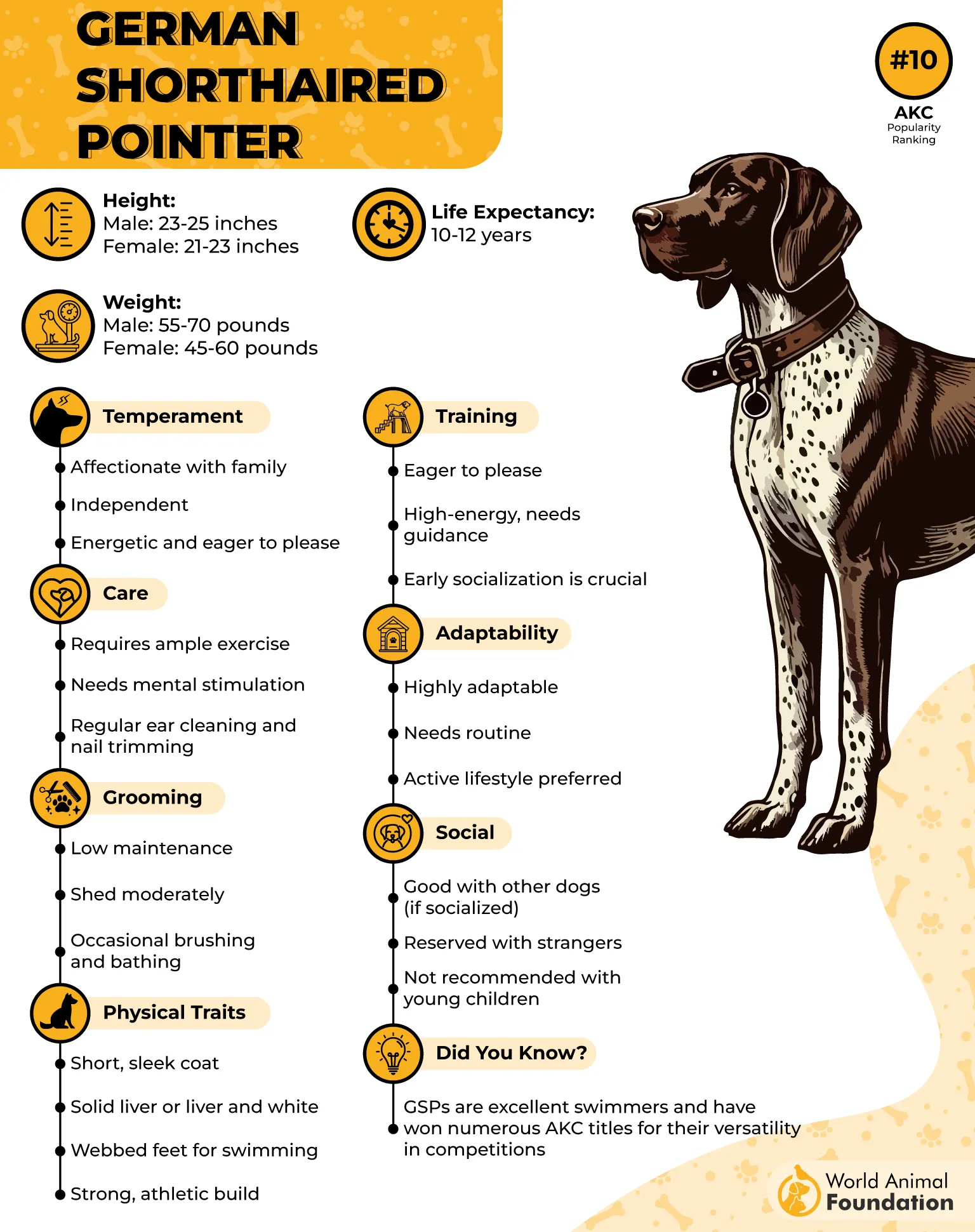
The energetic dog requires vigorous and frequent exercise daily (1-2 hours): fetching, tug-of-war, jogging, hiking, puzzle toys, scent work, and interactive play sessions.
5. Alaskan Malamute
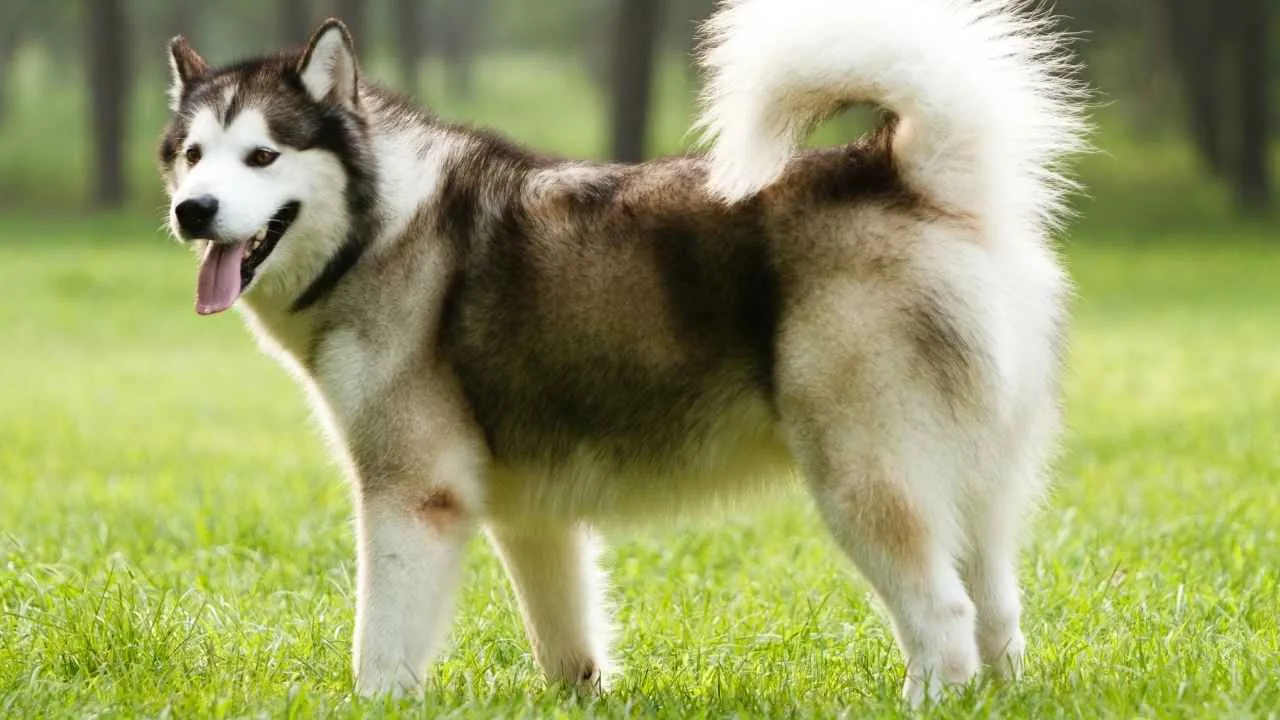
The giant breed was developed in Alaska by the native Mahlemut tribe to pull heavy loads, scare polar bears, and hunt seals. It was prized in the year 1896 because of its reliability in hauling sleds and hardworking nature. The working dog is highly recommended for active families, as per PetMD.
The breed has a pack mentality and loves to work alongside its human family. Known for its talkative nature, the breed needs early training to act normally around strangers. It has well-angulated hindquarters and shoulder blades, which provide it strength to pull heavy loads.
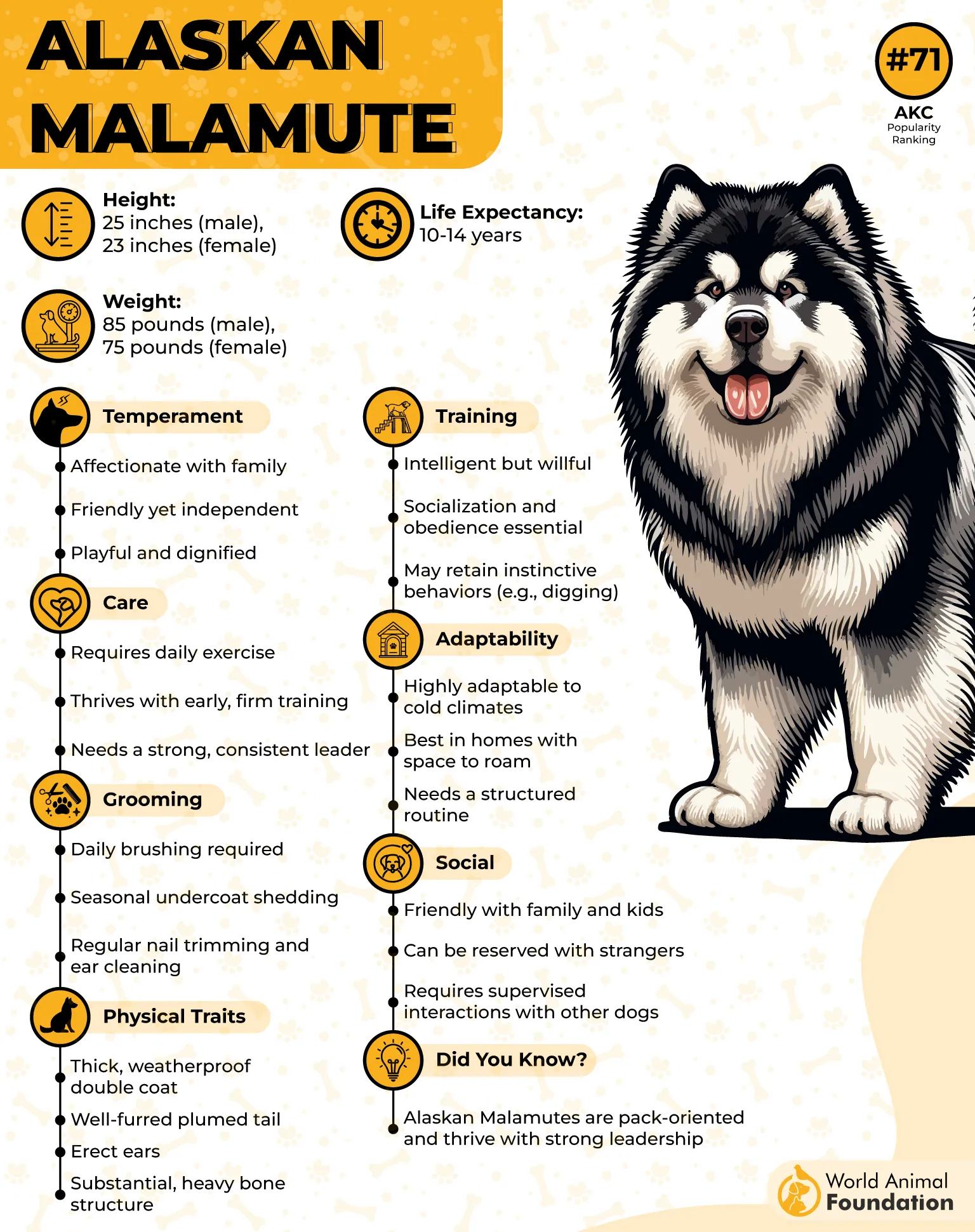
As they say, ‘an exhausted Malamute is the happy Malamute.’ The breed needs plenty of exercise, including skijoring, canicross, sled pulling, swimming, and running. An underexercised breed is prone to destructive behaviors, such as chewing and excessive barking.
6. Vizsla
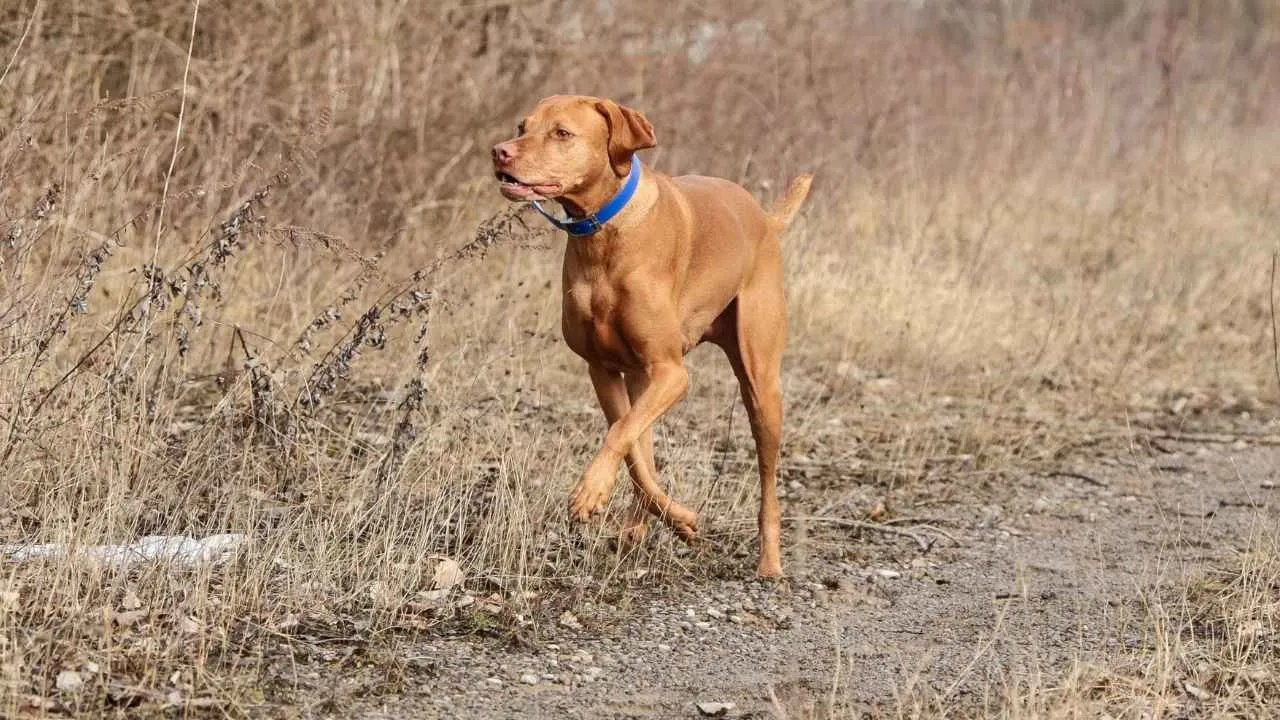
The history of this breed is linked to the Magyar people who finally settled in Hungary. It is a fast dog with a reddish-brown coat that was interbred with local breeds, resulting in the modern-day Vizsla. Its primary goal was to serve as a hunting dog for the Hungarian nobles.
The gentle eyes, a lean and muscular frame, and a curious face make it ideal for outdoor adventures. This Velcro dog has a friendly and playful demeanor. The breed makes good friends with everyone, even strangers. The breed has a high prey drive and tends to chase small animals.
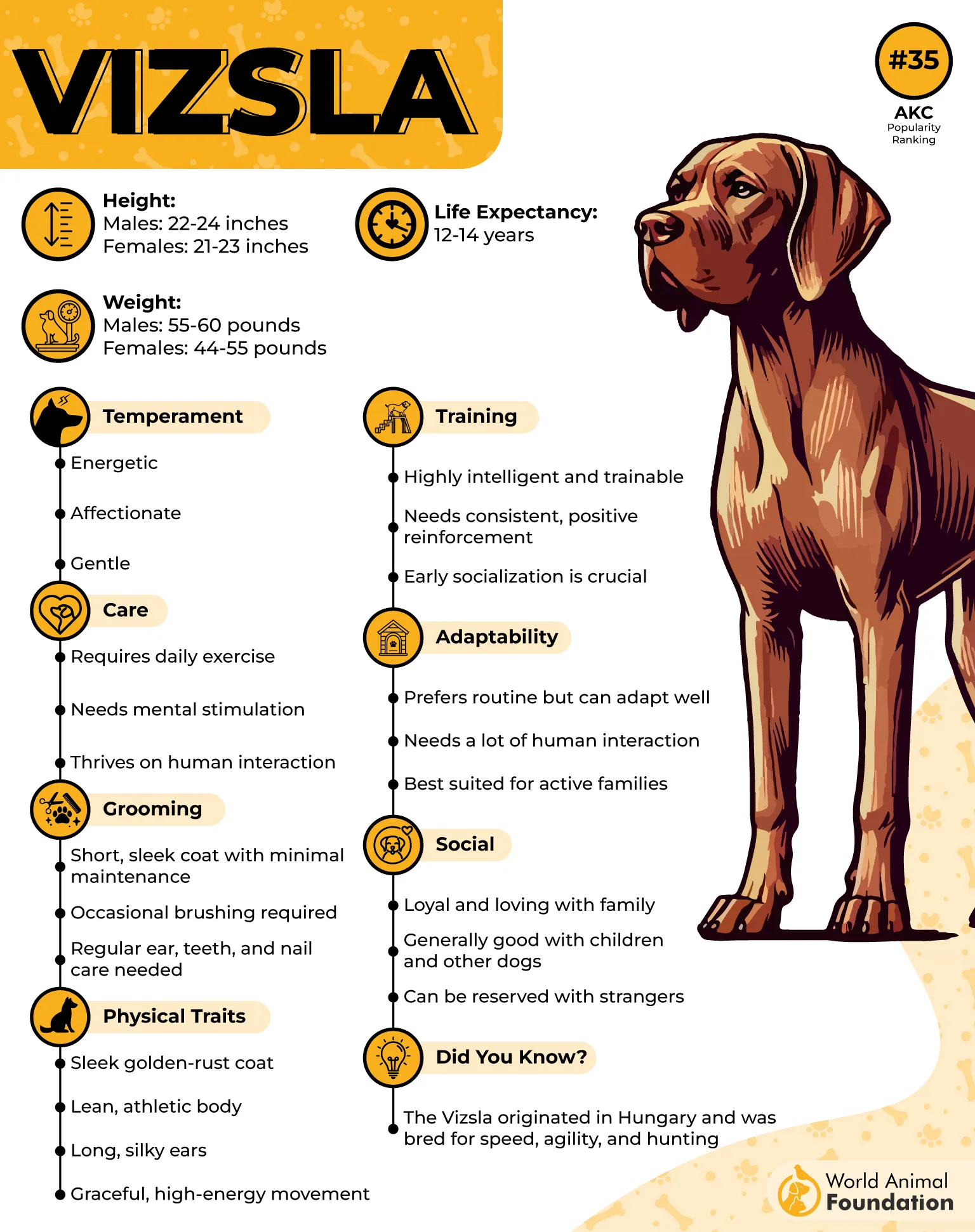
A strict exercise routine must be followed (1.5-2 hours daily): fetching, jogging, hiking, running, scent work, agility training, tracking, and long walks.
7. Weimaraner
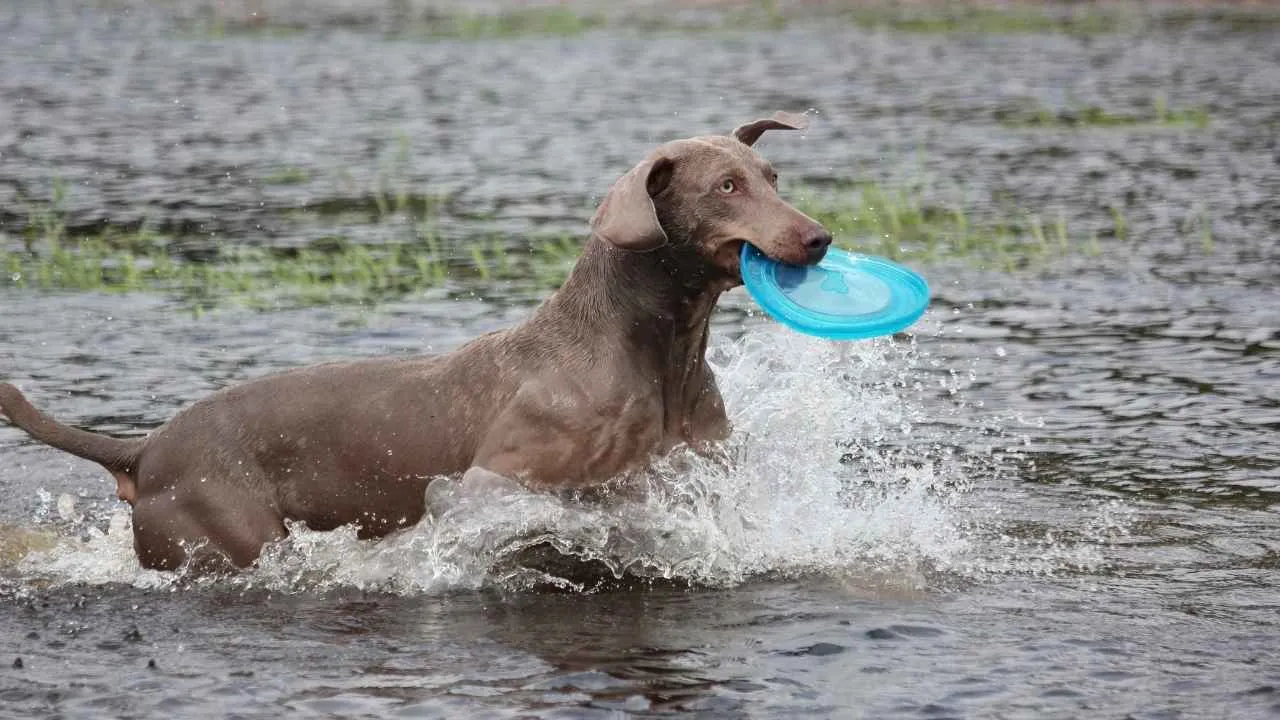
Named after the Grand Duke of Weimar, the Weimaraner was developed as a gun dog and a companion for the nobility. It was first named the Weimar Pointer in the 19th century, but the records suggest that a similar breed was found in the 13th century, says Orvis.
The skin is tight around the head and neck. The well-sprung ribs, a deep chest, and a moderate tuck make it a best dog breed for off-road camping. The assertive dog has a headstrong nature that needs plenty of exercise and ongoing training to prevent destructive behavior and boredom.
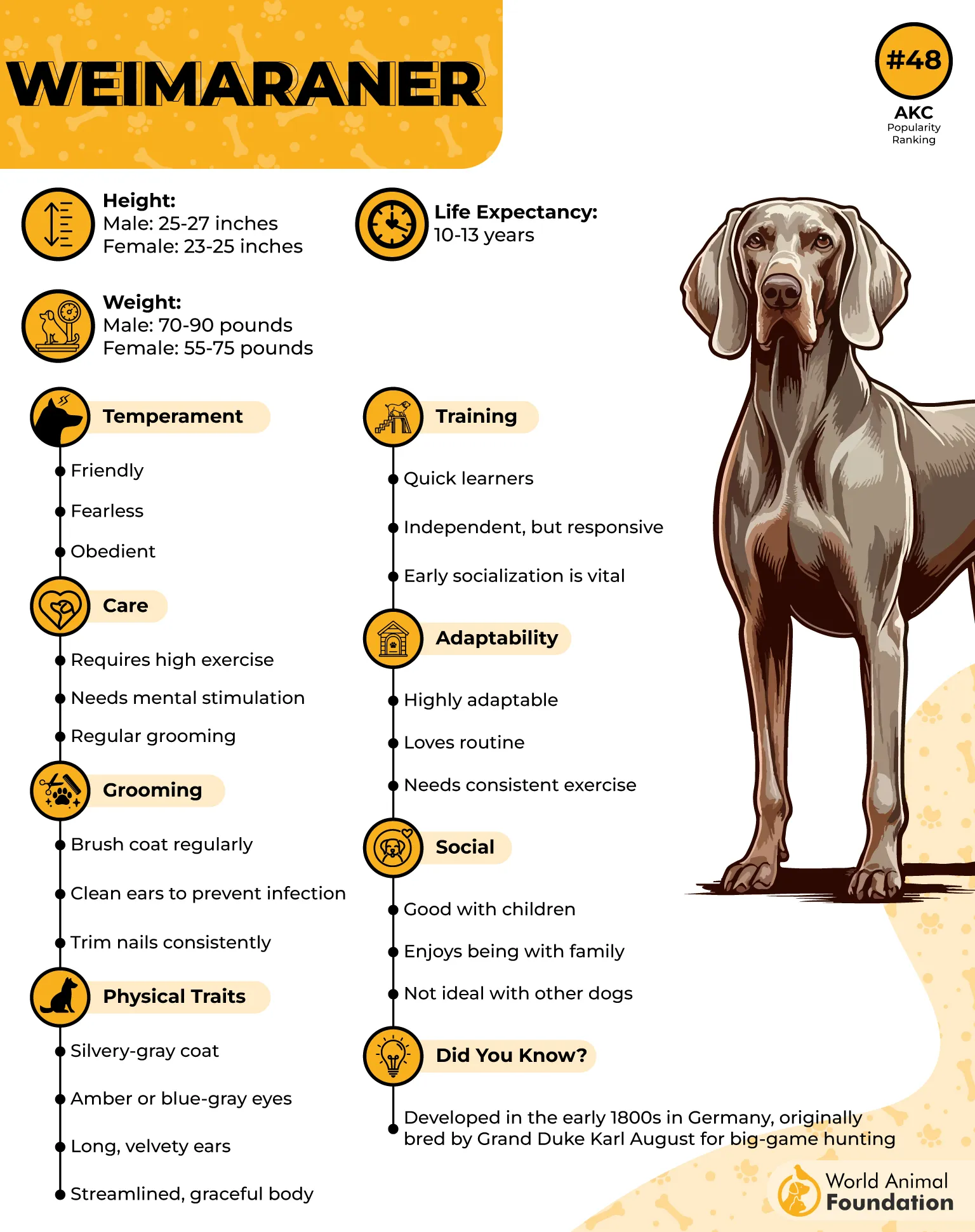
The breed has a strong prey drive and hunting instincts and is likely to chase or injure small game, such as rabbits, cats, and squirrels. The dog excels in long walks, running, hiking, and other outdoor games.
8. Border Collie
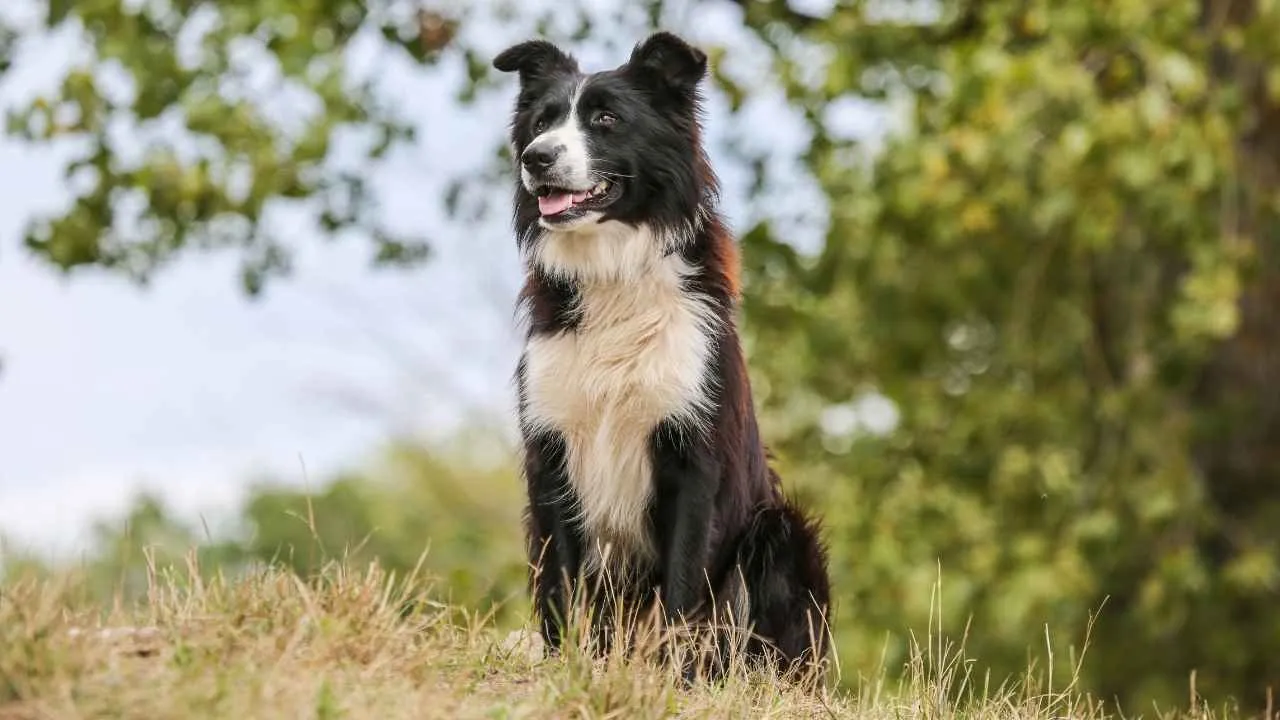
The ancient breed has Scottish heritage and was developed as a herding dog. The foundation of the modern-day Border Collie was led by Queen Victoria, who had several of these dogs. Known for its death stare, the breed is capable of controlling a large number of sheep at once.
The twitchy ears are always alert, and the oval eyes give an intimidating expression. The bushy tail stands proudly when the breed is happy or excited. The coat comes in two types: a smooth, short-haired coat and a rough, medium-length coat. This coat enables it to work in any weather condition.
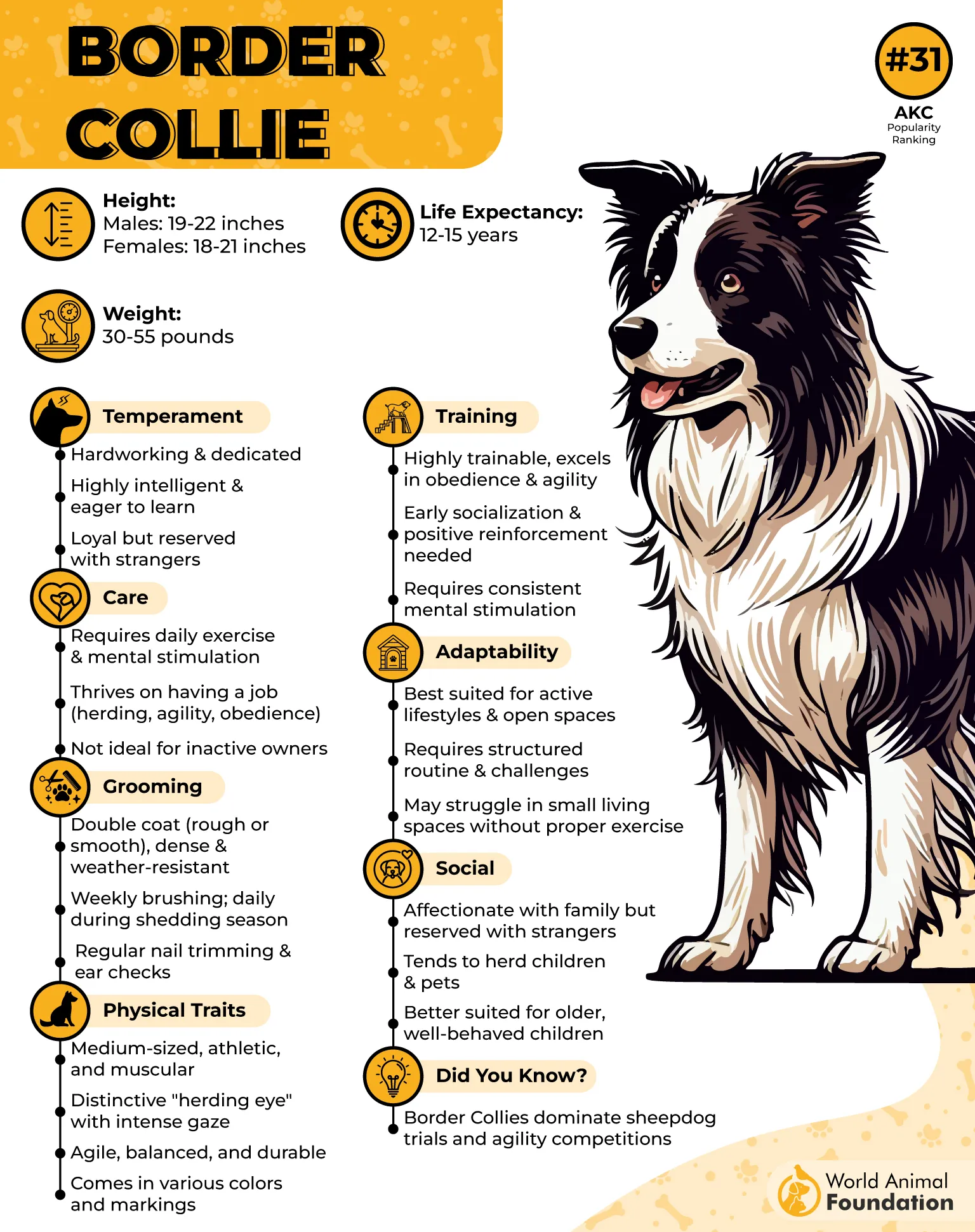
The great hiking partner requires 2 hours of daily exercise: agility training, weave poles, long walks, running, scent work, fetching, interactive play sessions, and flyball.
9. Bernese Mountain Dog
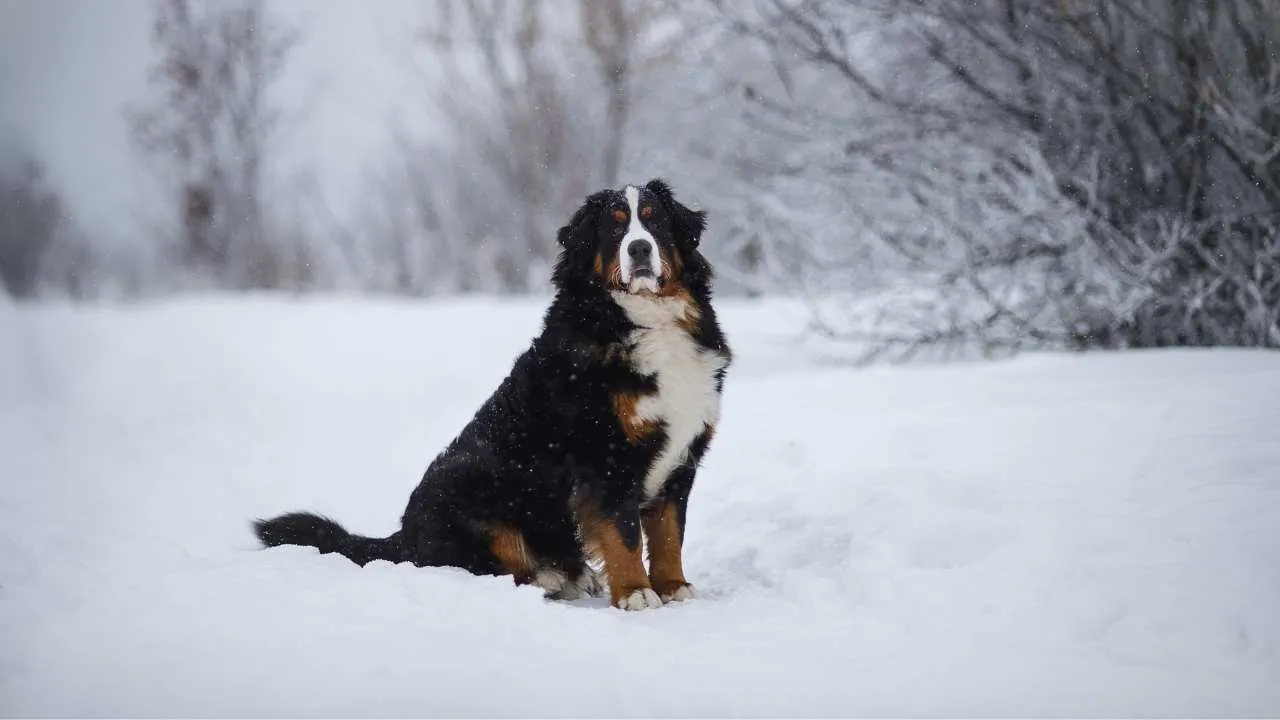
Originating in Switzerland, the large breed was used to pull heavy carts, protect the farms, and herd cows. The thick, insulating coat was specifically designed to keep it warm in the freezing environment of the Swiss Alps. The Swiss breeders decided to repopulate the breed after it declined in the 19th century.
The triangular and rounded ears are close to the head when relaxed. The oval-shaped, sharp, and brown eyes have an intelligent expression. Even though it is not a high-energy breed, it needs a constant job to prevent overweight and boredom.
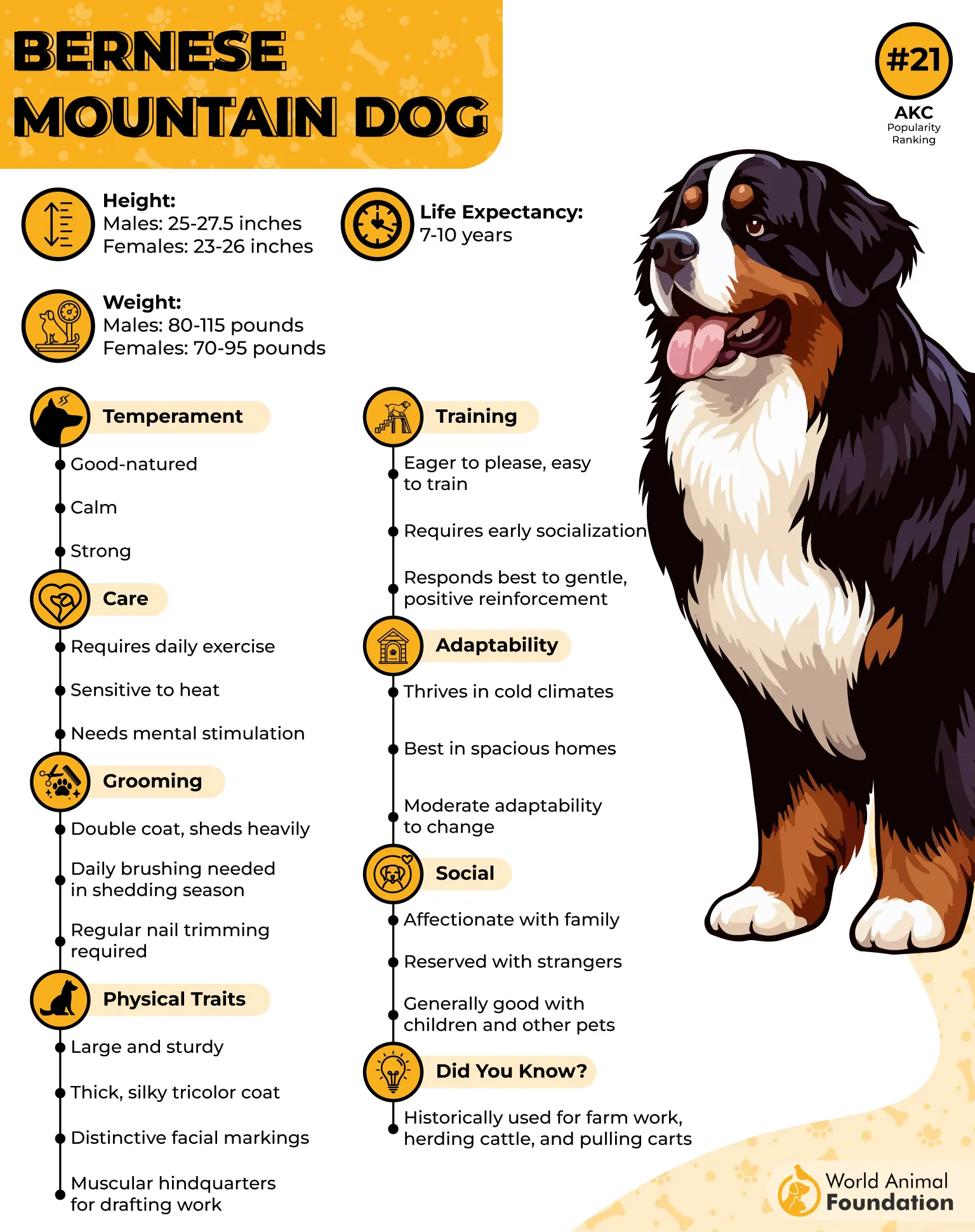
The breed excels in fetching, hiking, scent walks, agility courses, long walks, road trips, and clicker training. It has an eager-to-please nature, and positive reinforcement is recommended.
Conclusion
A good off-road camping dog does more than keep pace on a trail. It becomes part of the whole experience: watching the sunrise beside the tent, splashing through a creek, snoozing near the campfire, and somehow finding the muddiest patch of ground before you do. Still, rugged does not mean indestructible.
Every dog needs gradual conditioning, fresh water, secure restraint, weather protection, and regular checks for cuts, thorns, ticks, and sore paws.
Breed traits matter, but the individual dog matters just as much. Age, fitness, training, and personality can change how well a dog handles rough camping. Choose a companion whose natural abilities match your adventures, prepare carefully, and leave room for plenty of muddy paws and unforgettable stories.
