




Not all dogs are made to be outdoors at all times. Some breeds are content with just a light stroll and stay inside the house, but some are genetically programmed to be endurance-oriented.
They like to explore and survive extreme conditions. These rough-terrain breeds have been originally bred over time to serve in harsh weather conditions with human beings. They can pull carts, herd cattle, hunt game, and guard far-off areas.
Having said that, being rugged does not only mean strength. The dog that is truly adventure-ready is the one that is physically tough, climatically adjusted, mentally stable, and a very energetic dog. It doesn’t just keep up with you as you hike up the mountain, or as you camp on the outskirts of a rugged terrain. The right dog breed will make the experience enjoyable.
Let’s discuss 9 of the roughest mountain dog breeds that can embark on the most adventurous outdoor experiences. We will delve into their history, temperament, health issues, diet requirements, and see what makes them excellent companions.
Most Rugged Dog Breeds for Epic Outdoor Adventures
1. Siberian Husky
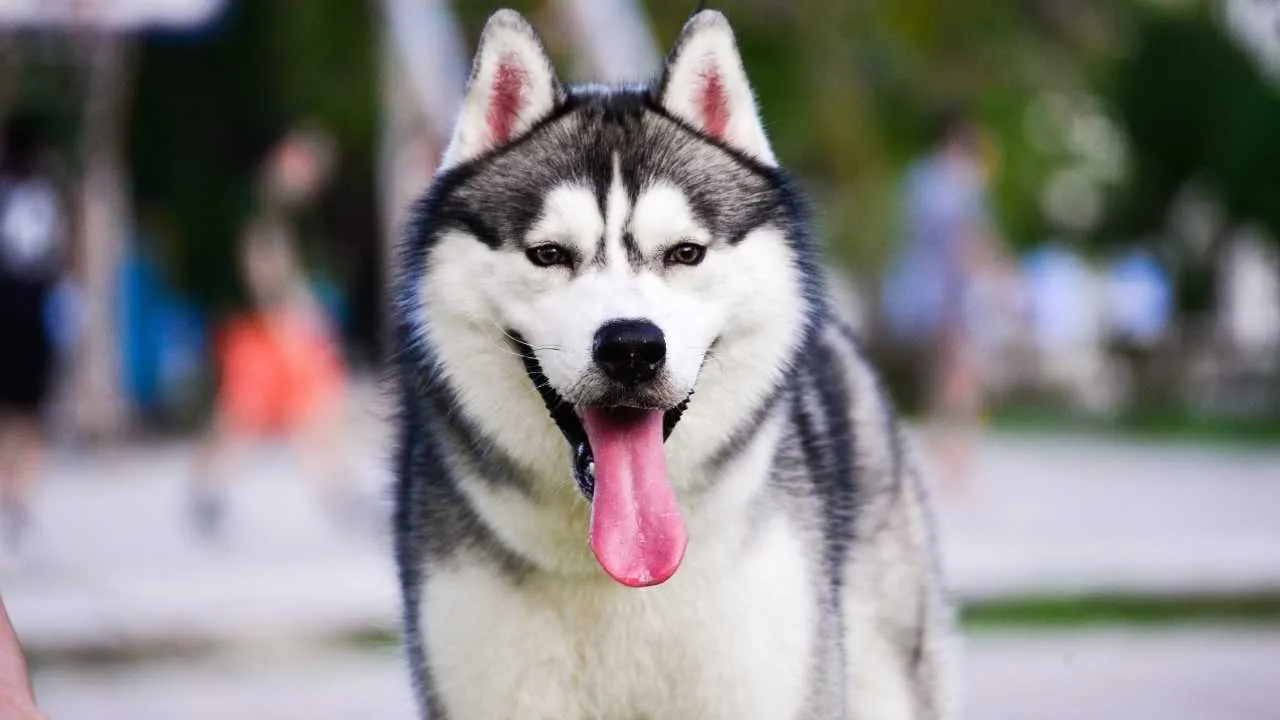
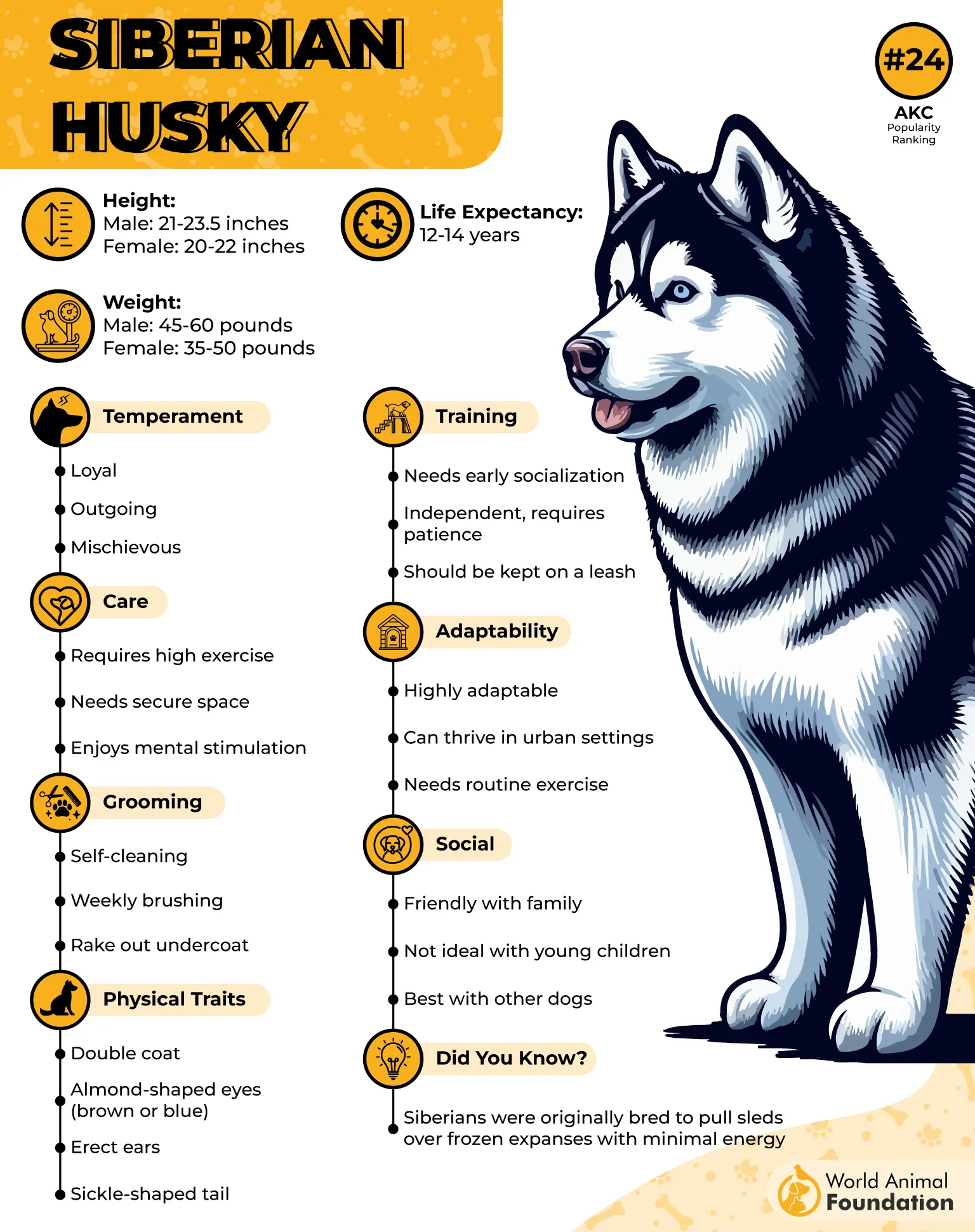
The Siberian Husky is considered to be one of the most legendary endurance dog breeds in the world. These dogs were originally domesticated by the Chukchi of Siberia, and they were made to pull sleds over large areas of frozen ice with very little food. They can cover large distances at a very high speed.
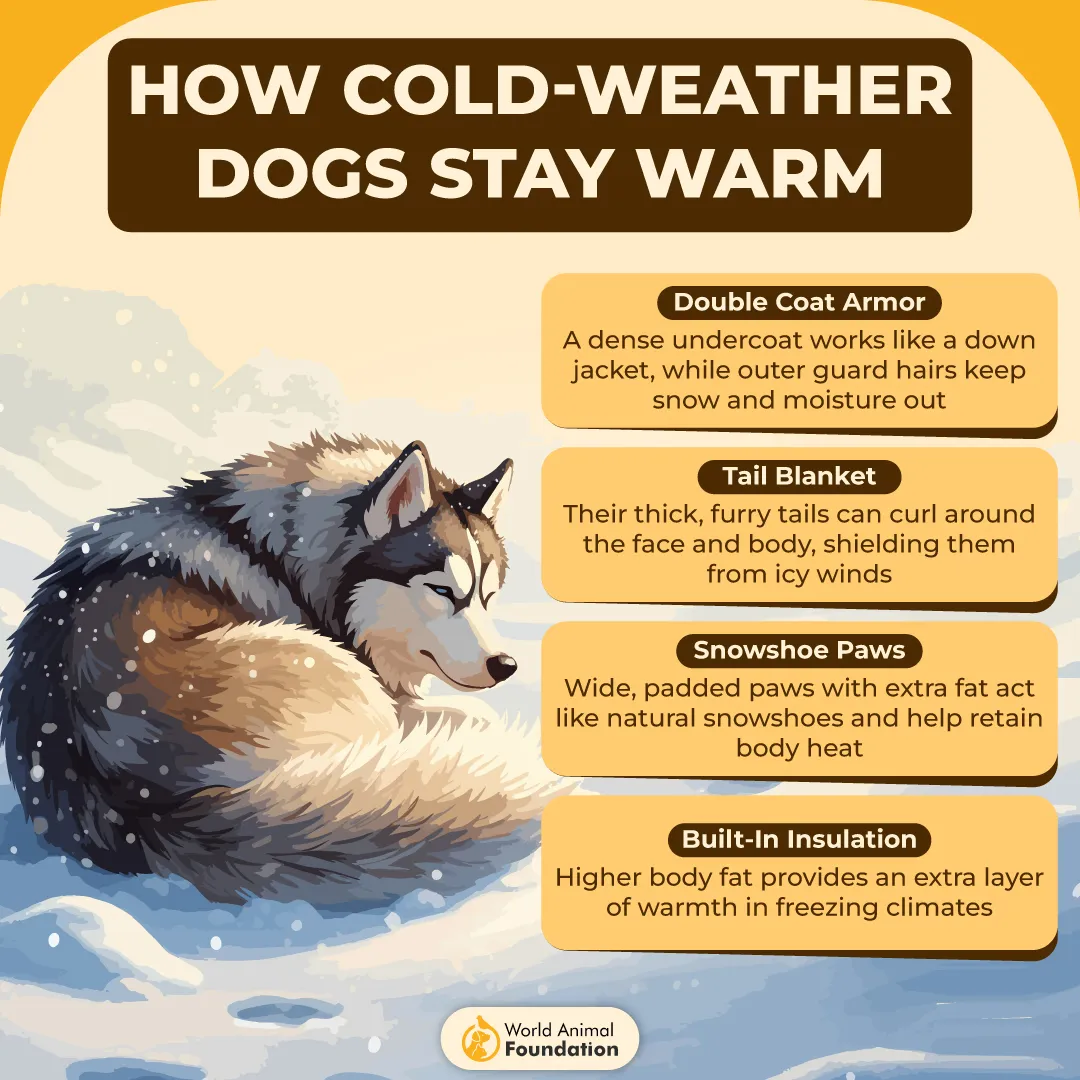
Huskies are constructed to withstand distance and not just be strong. Their thin body, high metabolism, and thick double coat enable them to save energy as they move miles in freezing conditions.
They are highly intelligent and tend to follow their intuitions instead of taking orders all the time. This makes them great companions for exploring, but also implies that they need a safe detective setting, since they are liable to stray.
Health and Nutrition
Very high-energy dogs with great metabolism
Can suffer from hip dysplasia and dental problems
Needs high-fat diets when working hard
Sensitive to heat, so have to be kept off hot weather
Green Cross Vets reports that Huskies are some of the most effective endurance runners in the world of dogs. These dogs are ideal for snow hiking and distance explorations
2. Alaskan Malamute
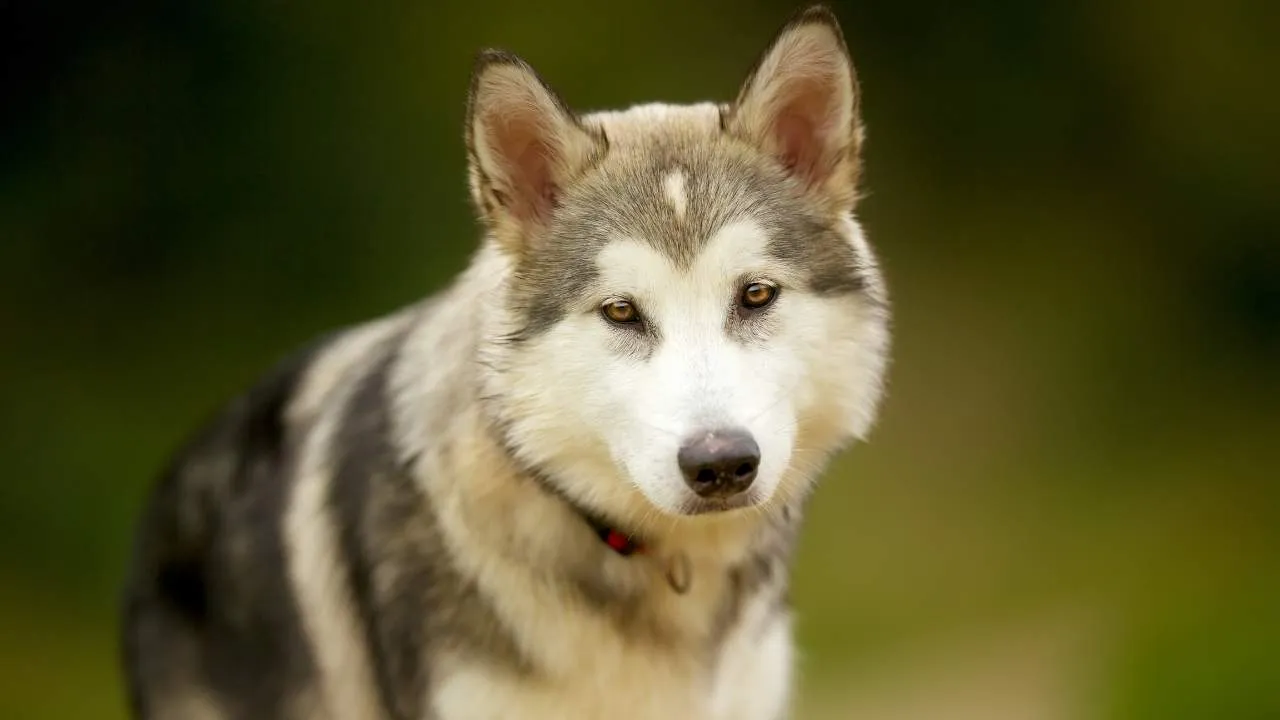
The Alaskan Malamute is commonly mistaken with the Husky because of its wolf-like appearance, but it is constructed with an entirely different intention, power, and serious work.
Malamutes were developed to be used in pulling heavy weights across the long distances of the Arctic. Their great body frame, broad chest, and thick coat make them very strong in the vast cold weather.
They are powerful and overpowering. Sometimes, they need experienced pet parents to form strong bonds with. They are also not as likely to go running as Huskies, but they are much better at tasks that require strength. These wonderful companions love outdoor adventures if given proper training.
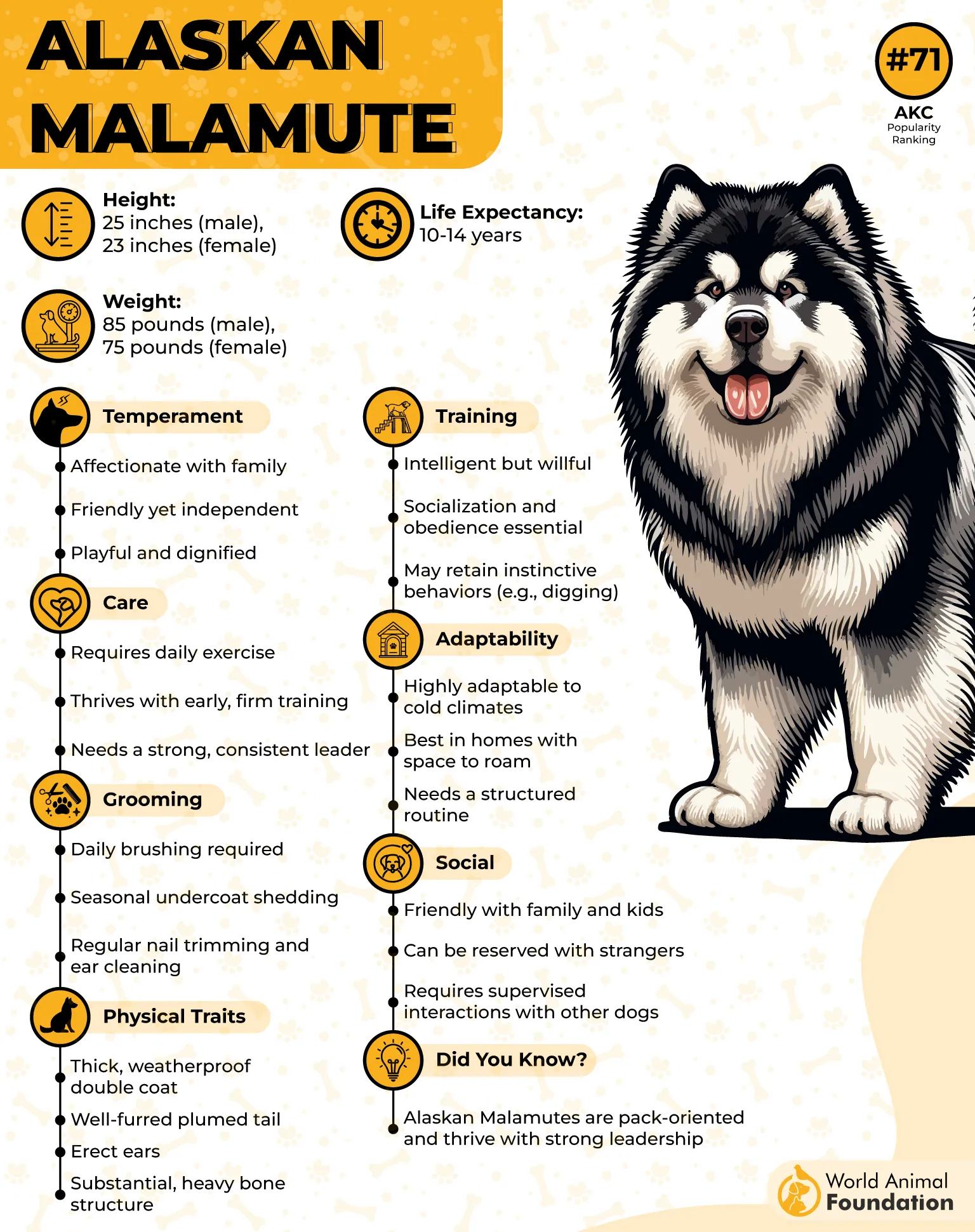
Health and Nutrition
Hip dysplasia and the stresses of the joint
Risk of bloating (do not give them big meals before exercise)
These working dogs would need high-calorie diets for an active lifestyle
- They are ideal for mountain climbing, snow hauling, and trekking on rocky paths. The American Kennel Club reports that these outdoor enthusiasts cannot be guard dogs because they are friendly with everyone they meet.
3. German Shorthaired Pointer
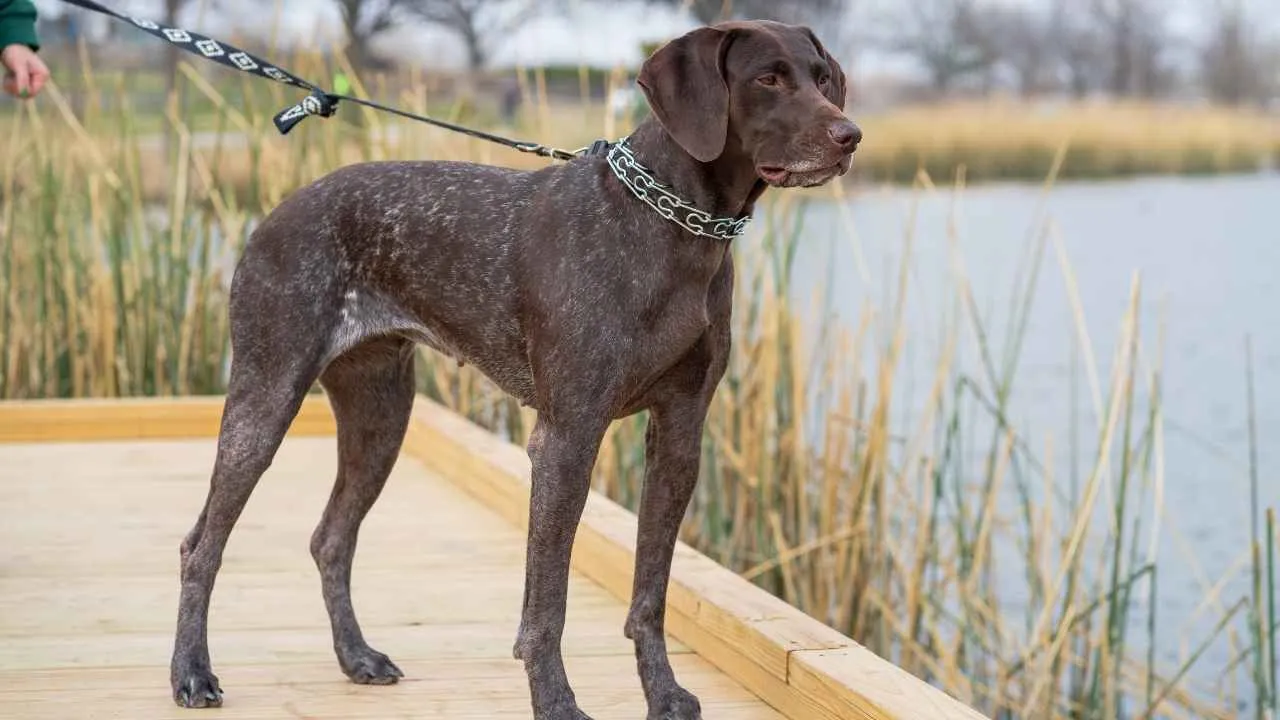
The German Shorthaired Pointer is a very versatile sporting dog, and it can succeed in carrying out land-based and water-based tasks easily.
It is a dog breed that is fast, has endurance, and is flexible, thus suitable in diverse landforms and warmer climates. They have a short coat that gives them freedom of movement, and their muscular structure enables them to be active over a long period of time.
They are very active, ambitious to work, and they need to be kept busy to avoid undesirable and destructive behaviours.
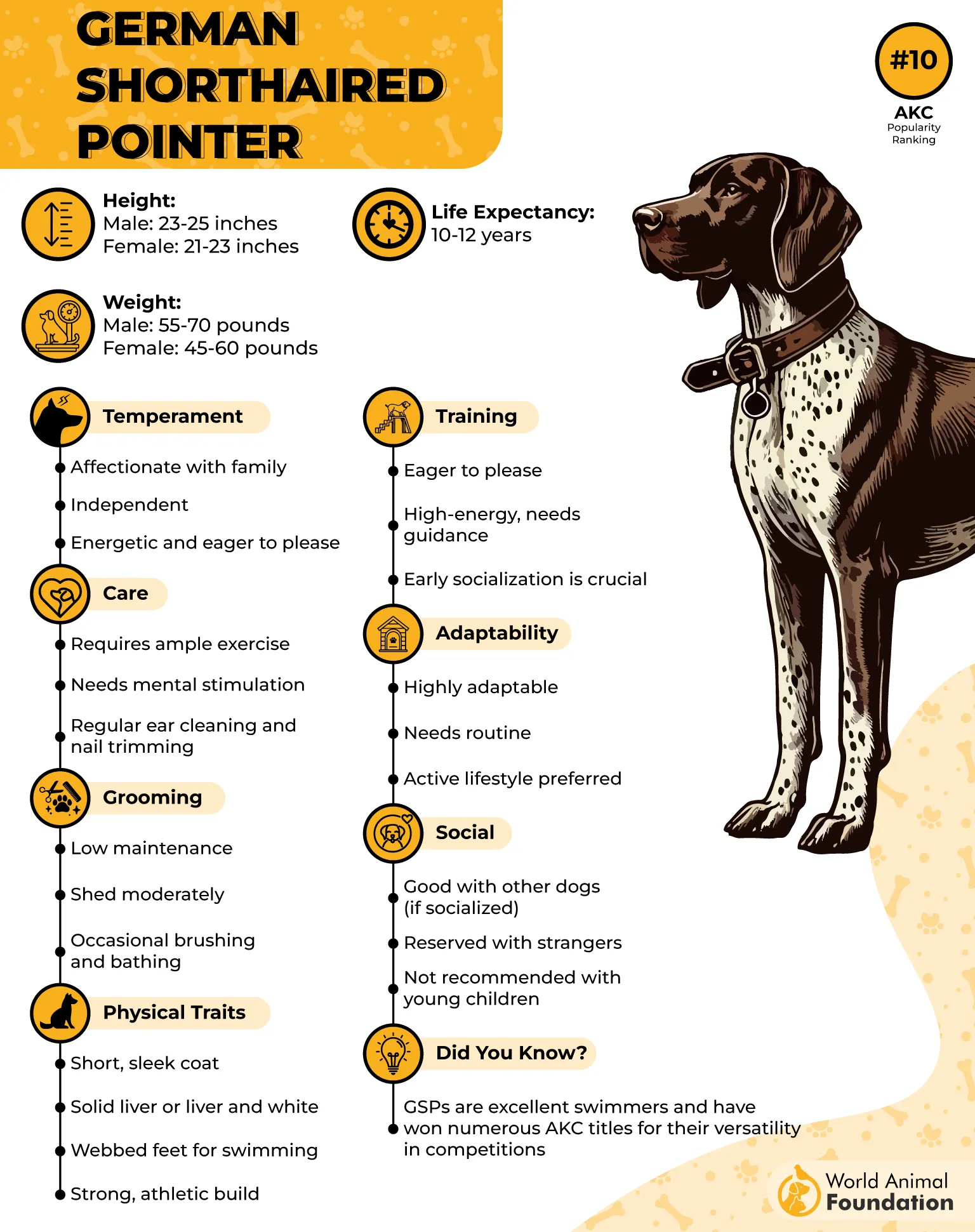
Health and Nutrition
Hip dysplasia
Ear infections (because of contact with moisture)
Requires hydration when spending outdoor adventures
These dogs are best suited to hiking, hunting, swimming, and endurance-based outdoor sports. As emphasized in PetMD, sporting breeds are considered to flourish when they are physically and mentally challenged.
4. Rhodesian Ridgeback
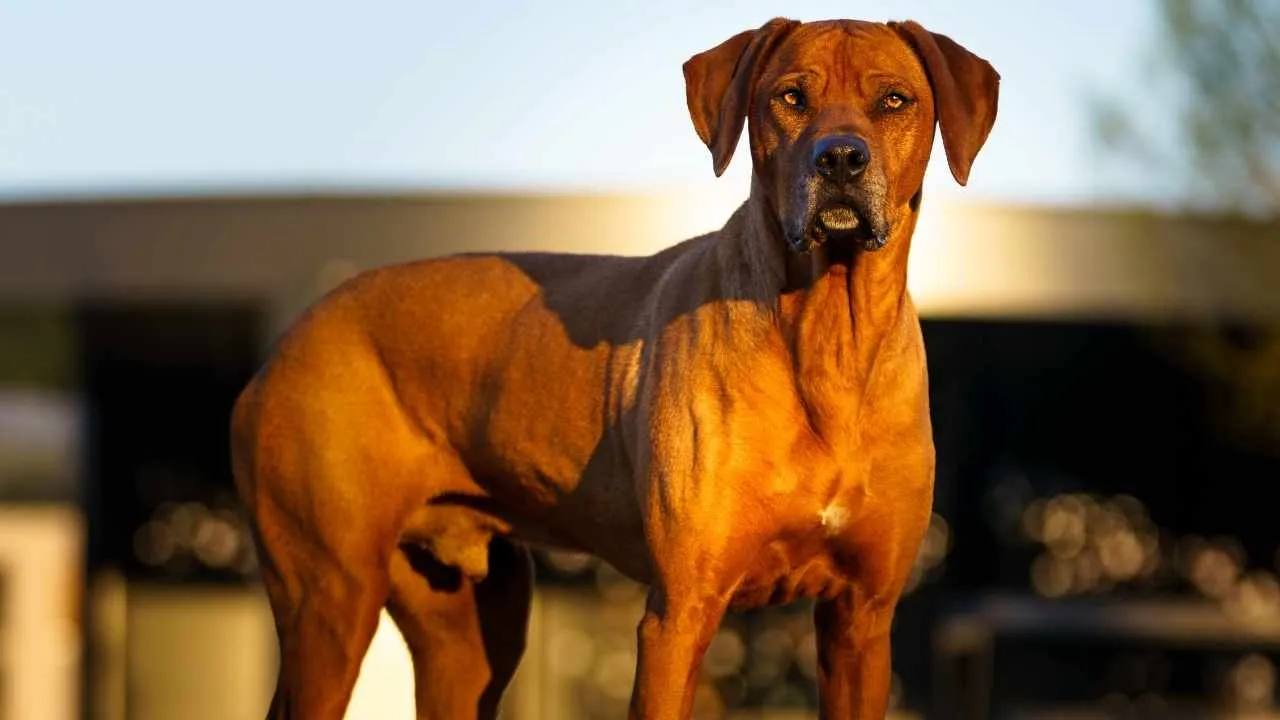
Rhodesian Ridgeback is one of the most special breeds that has ever been developed. Initially, these dogs were used to hunt small game in Africa.
They are heat-tolerant, enduring, and able to survive in dry climatic conditions. They can be used in hot environments because of their short coat.
Ridgebacks are self-assured and self-reliant. They should be adopted only by experienced dog owners, as these dogs do have some independent streak about them.
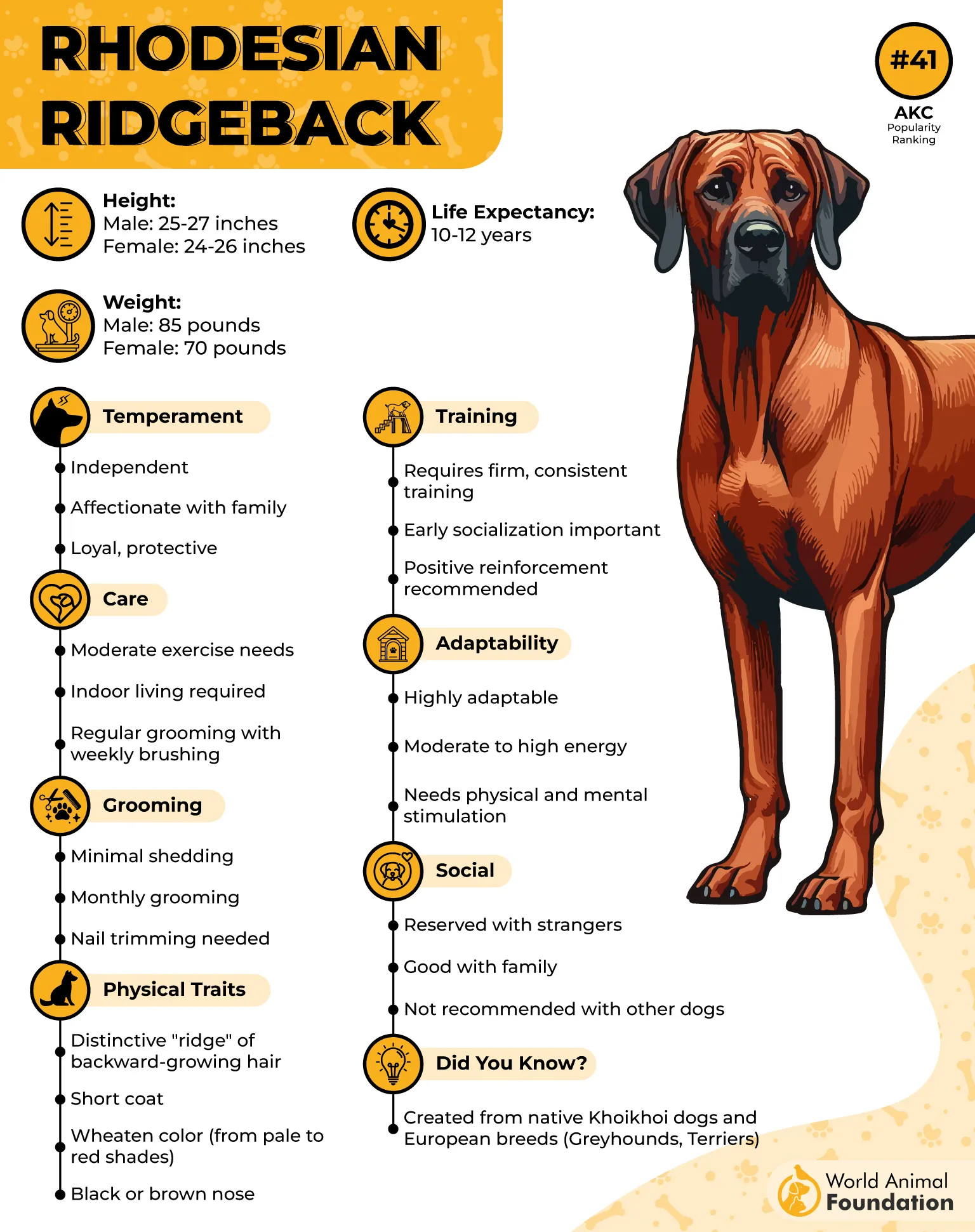
Health and Nutrition
Demoid Sinus
Joint issues
Low-carb diet to stay agile
These dogs are ideal for desert hikes, hunting in hot weather, and long-distance hikes.
5. Australian Cattle Dogs
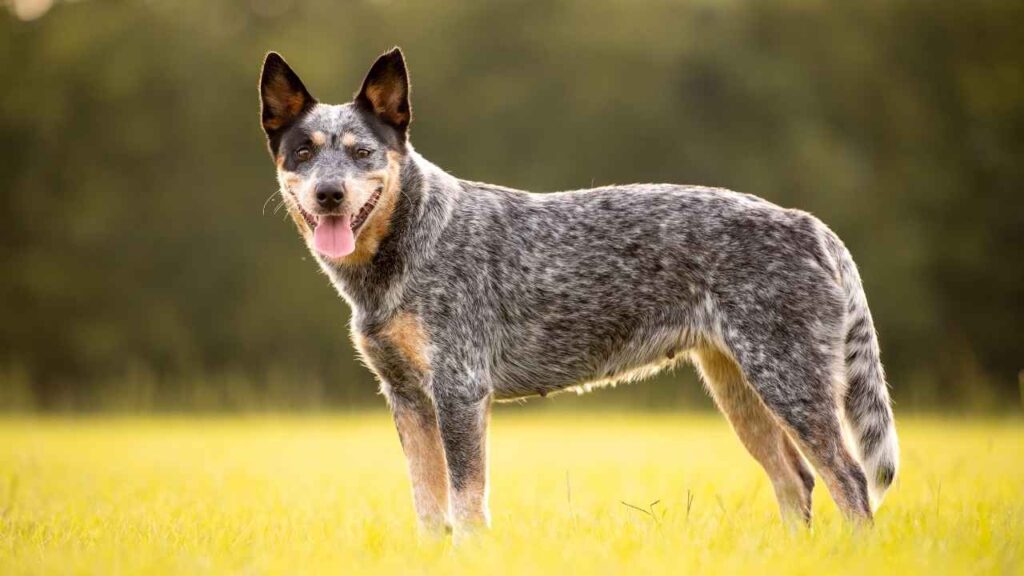
Australian Cattle Dogs are one of the most resilient and hardworking dog breeds ever developed. They are raised to herd cattle in the enormous Australian countryside, and they are highly enduring, clever, and tough.
Being very alert and motivated, they require a job so that they can be mentally stimulated. Lacking a job daily will make them impatient, and they may exhibit destructive behaviours in its aftermath. Long walks are important for this incredibly intelligent breed.
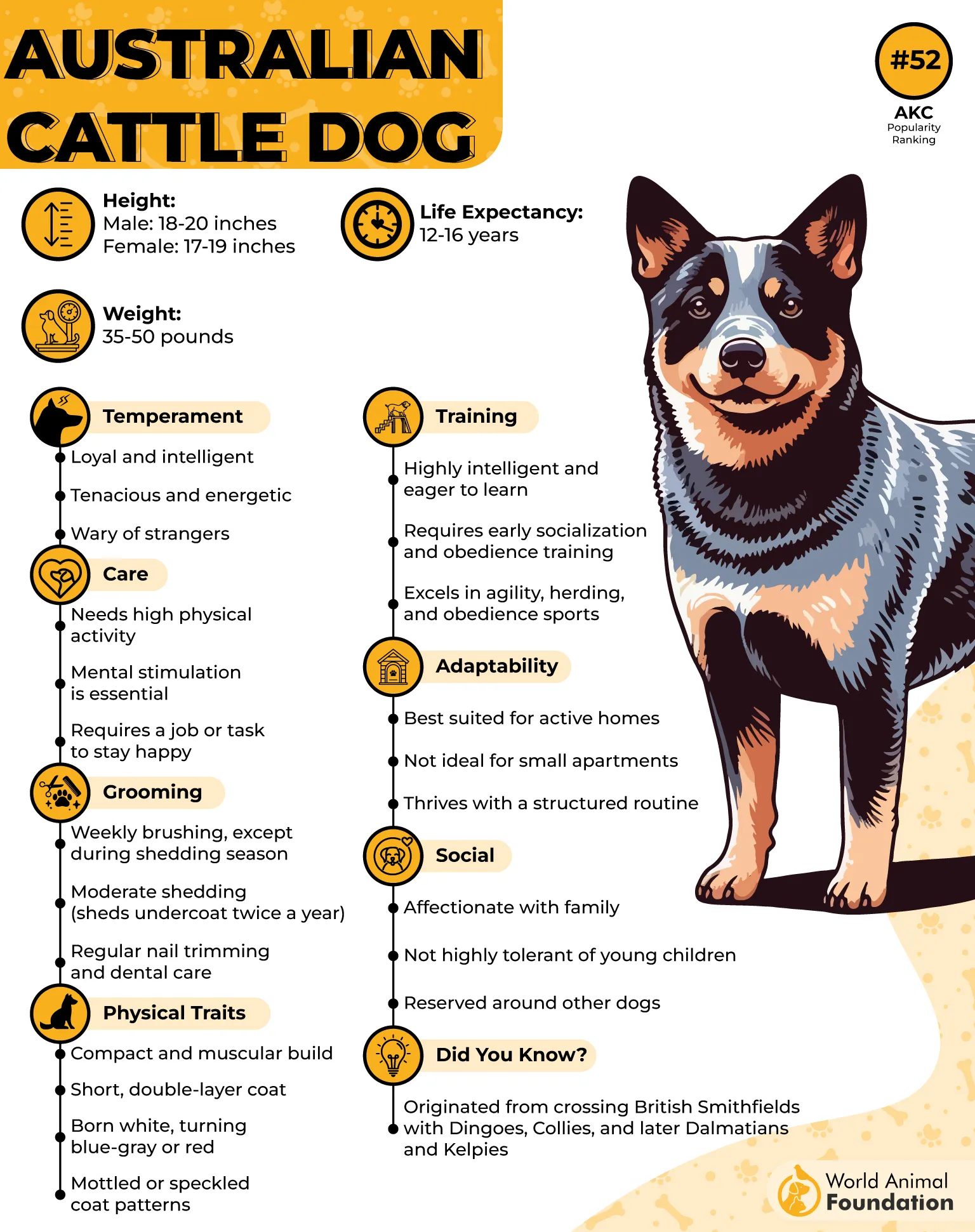
Health and Nutrition
Genetic deafness
Joint wear over time
Needs an energy-rich, high-protein diet
These dogs are suited to long-distance hiking, outdoor activities, rough terrain, and physically demanding activities such as herding. These working breeds need to be properly trained in order to remain mentally healthy.
6. German Shepherds
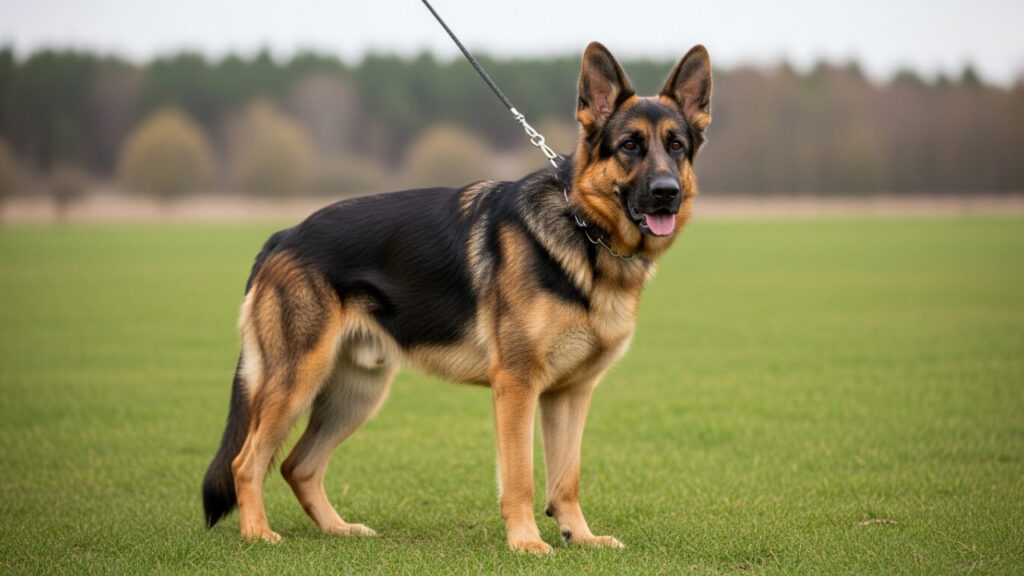
German Shepherds are one of the most versatile and intelligent dogs in the world. They are highly adaptive, possess unique strengths, and are also very intelligent.
Because of the combination of strength, intelligence, and endurance, they can work in any type of environment, whether that is mountaineous or urban. They are organized and hardworking, and thus are the best friends to have during long journeys.
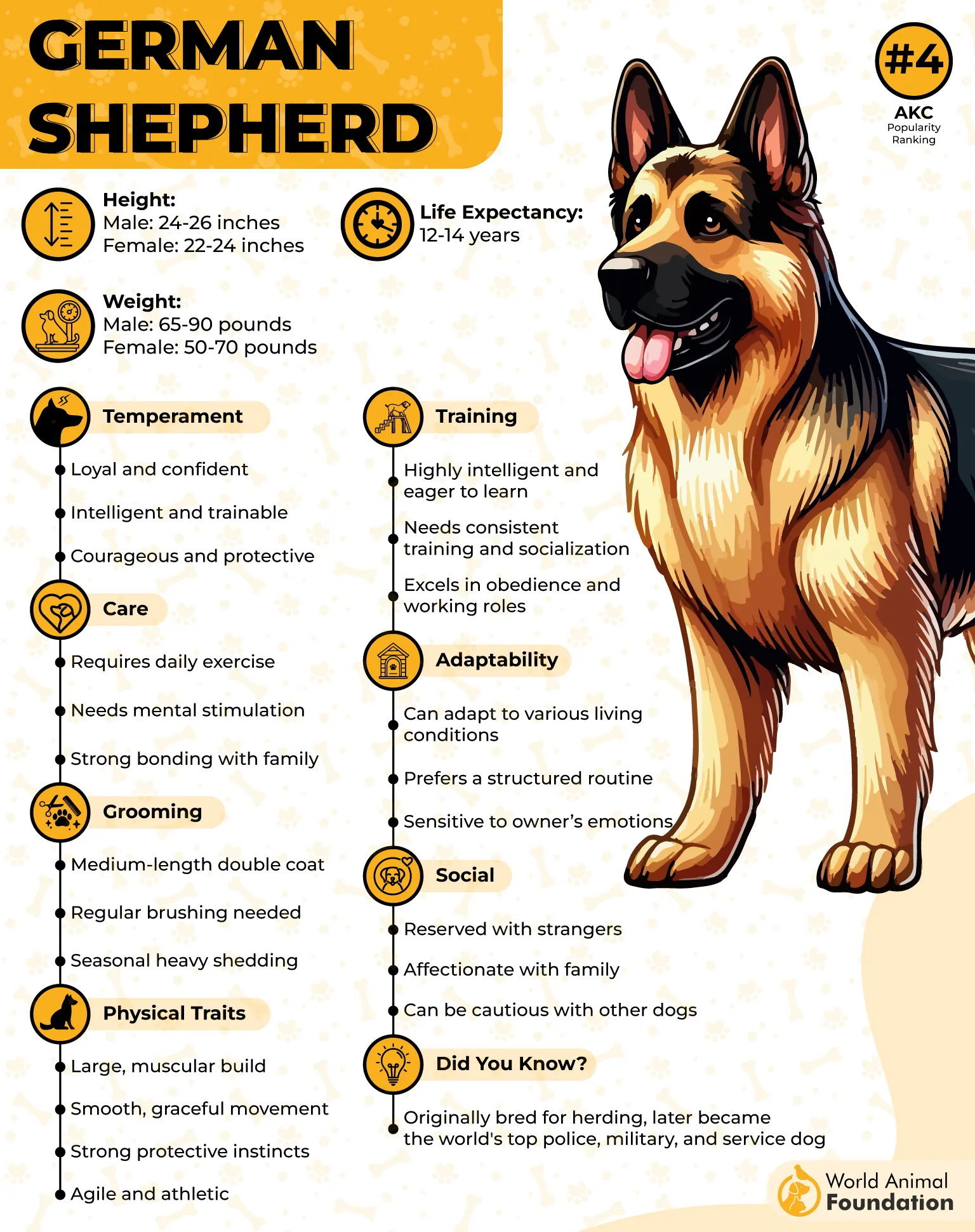
Health and Nutrition
Prone to hip and elbow dysplasia
Degenerative myelopathy
Needs a diet that is good for the joints
These dogs are excellent for hiking, camping, and physical activity. Britannica suggests regular exercise to keep these dogs happy.
7. Norwegian Elkhounds
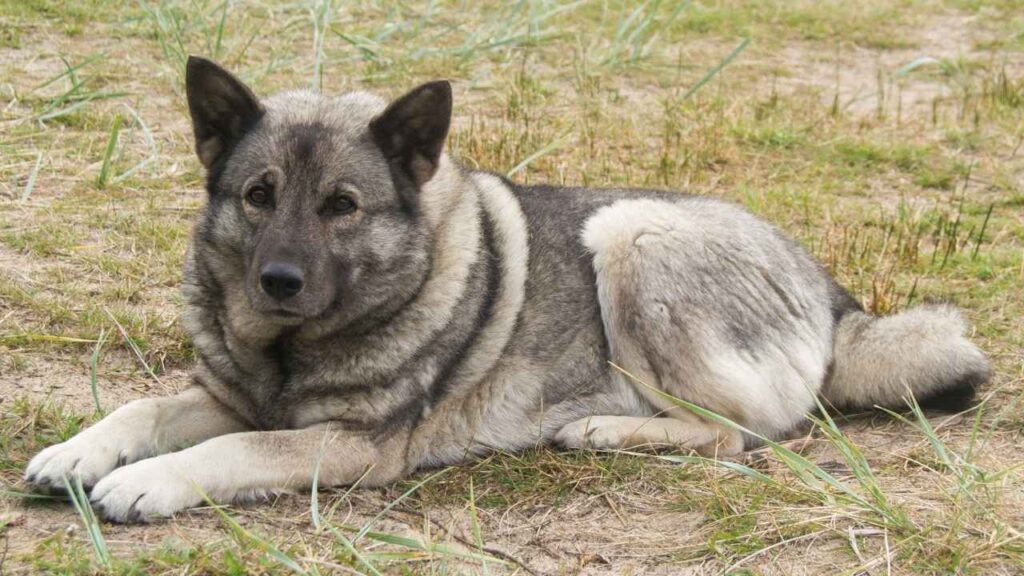
Norwegian Elkhound is a brave hunter that is deeply rooted in Scandinavian history. Their heavy coat and muscular frame enable them to survive the cold at freezing temperatures and thick jungles.
It is bold and independent and is good at tracking and alerting its owners about threats. It is used in mountain environments and for long outdoor adventures. Pet owners would need to train these extremely intelligent dogs with positive reinforcement.
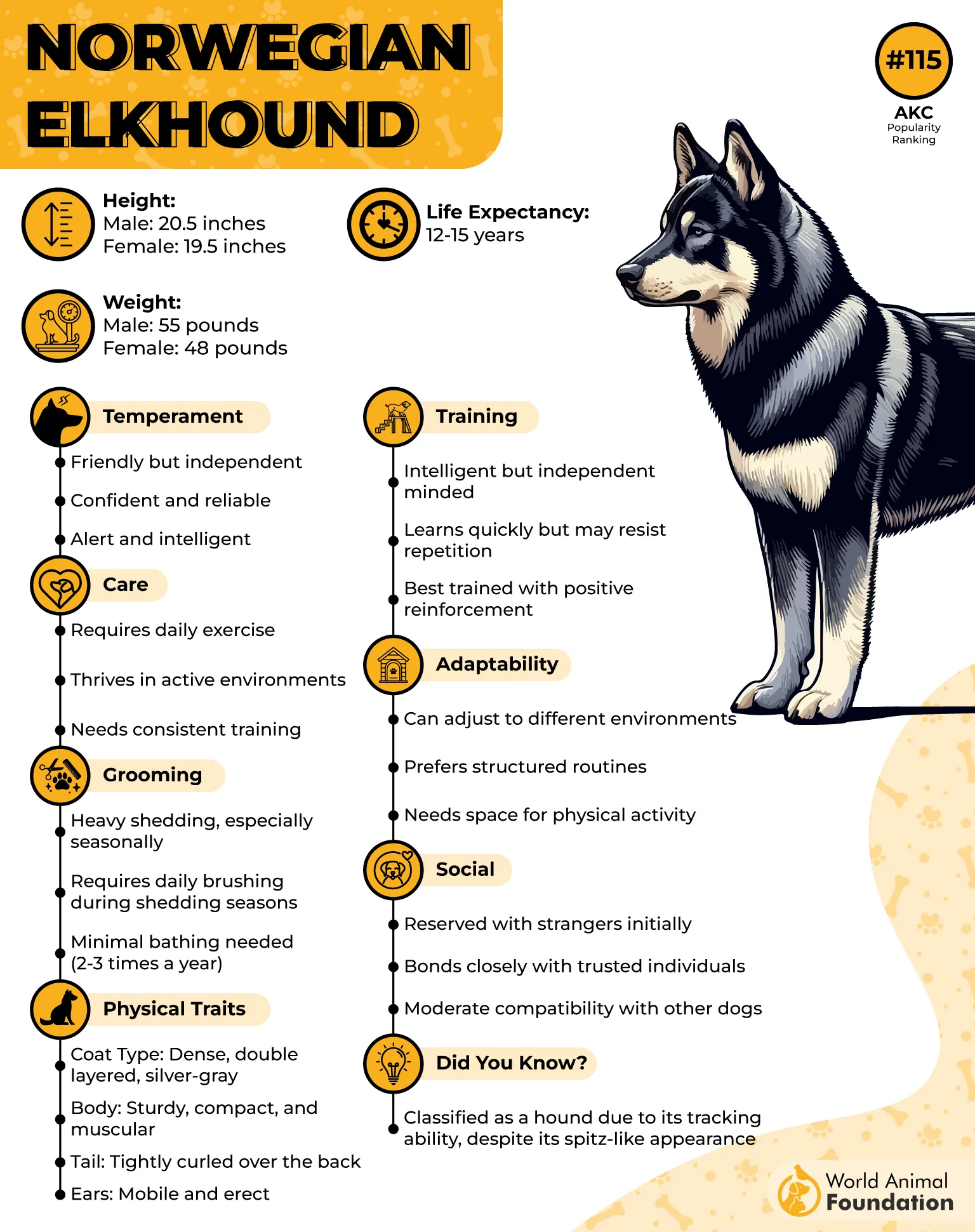
Health and Nutrition
Hypothyroidism
Kidney Concerns
Needs a proper meal and care
These dogs are one of the oldest breeds in history. They are very useful in cold climates and snowy areas.
8. Weimaraner
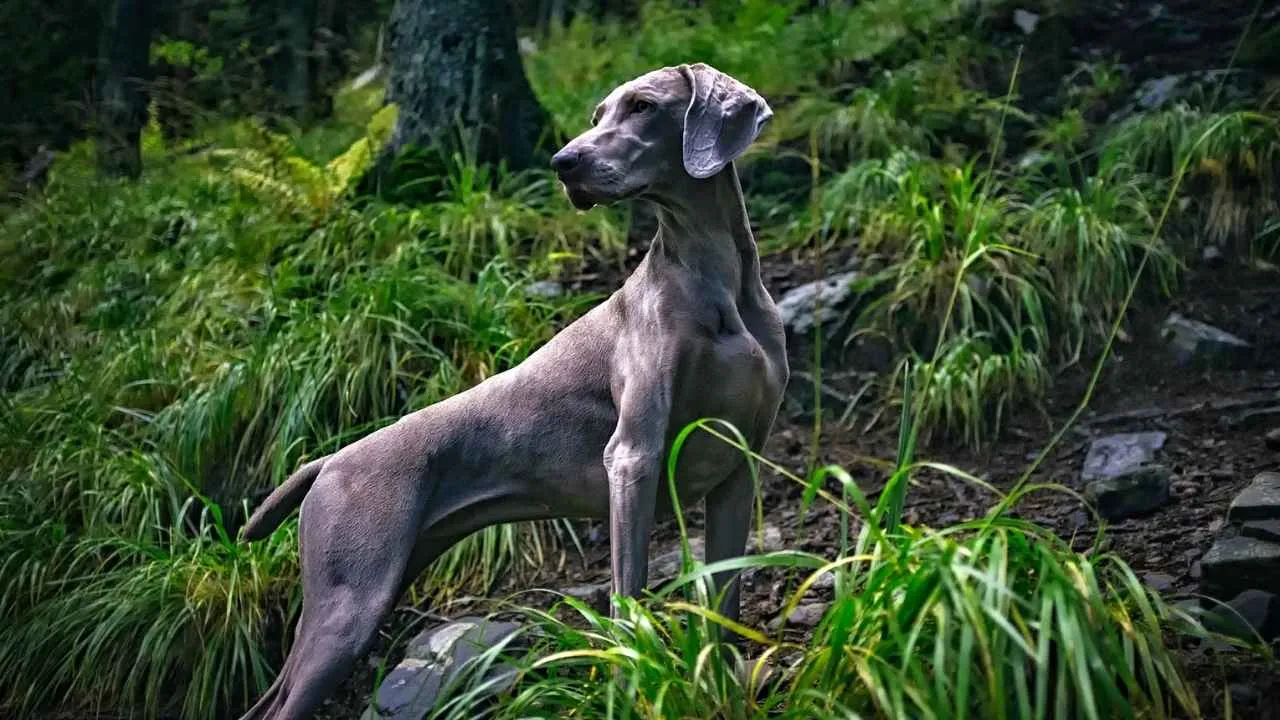
Weimaranaer is an athlete who is high-performance, and it is also endurance-based. They are designed to run long distances, run fast, and have a lean body to enhance their agility.
Being very energetic and fond of their owners, they need constant activities and company, or else they might get impatient and become destructive.
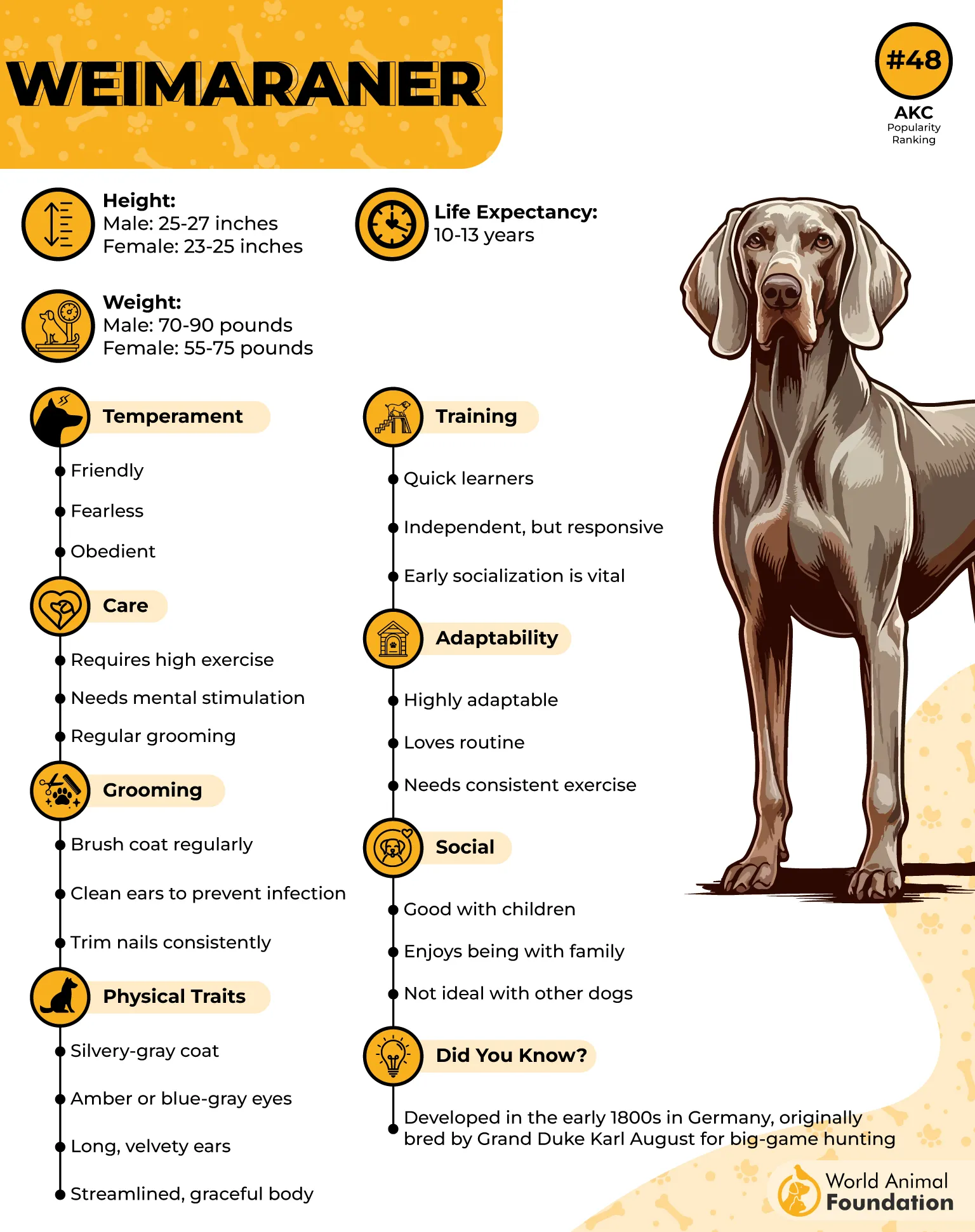
Health and Nutrition
Bloat (serious risk)
Anxiety, if left inactive
Needs scheduled feeding
These dogs are ideal for trail running, hiking over long distances, and open areas. Vets suggest split meals to minimize the risk of indigestion.
9. Greater Swiss Mountain Dog
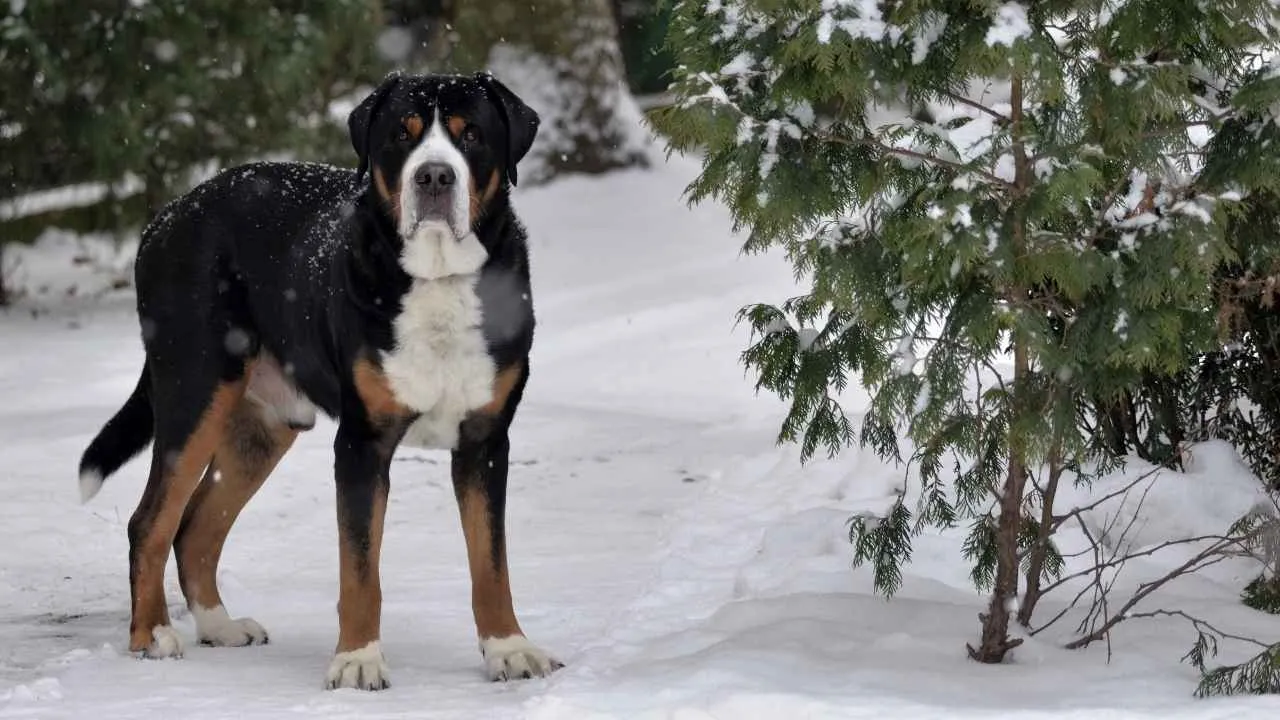
The Greater Swiss Mountain Dog is a strong working dog that is adapted to mountain life. They are strong, stable, and resilient, and therefore good in heavy-duty work outdoors.
Dependable but calm enough, these dependable companions are not as hyper as other rugged dog breeds but just as competent.
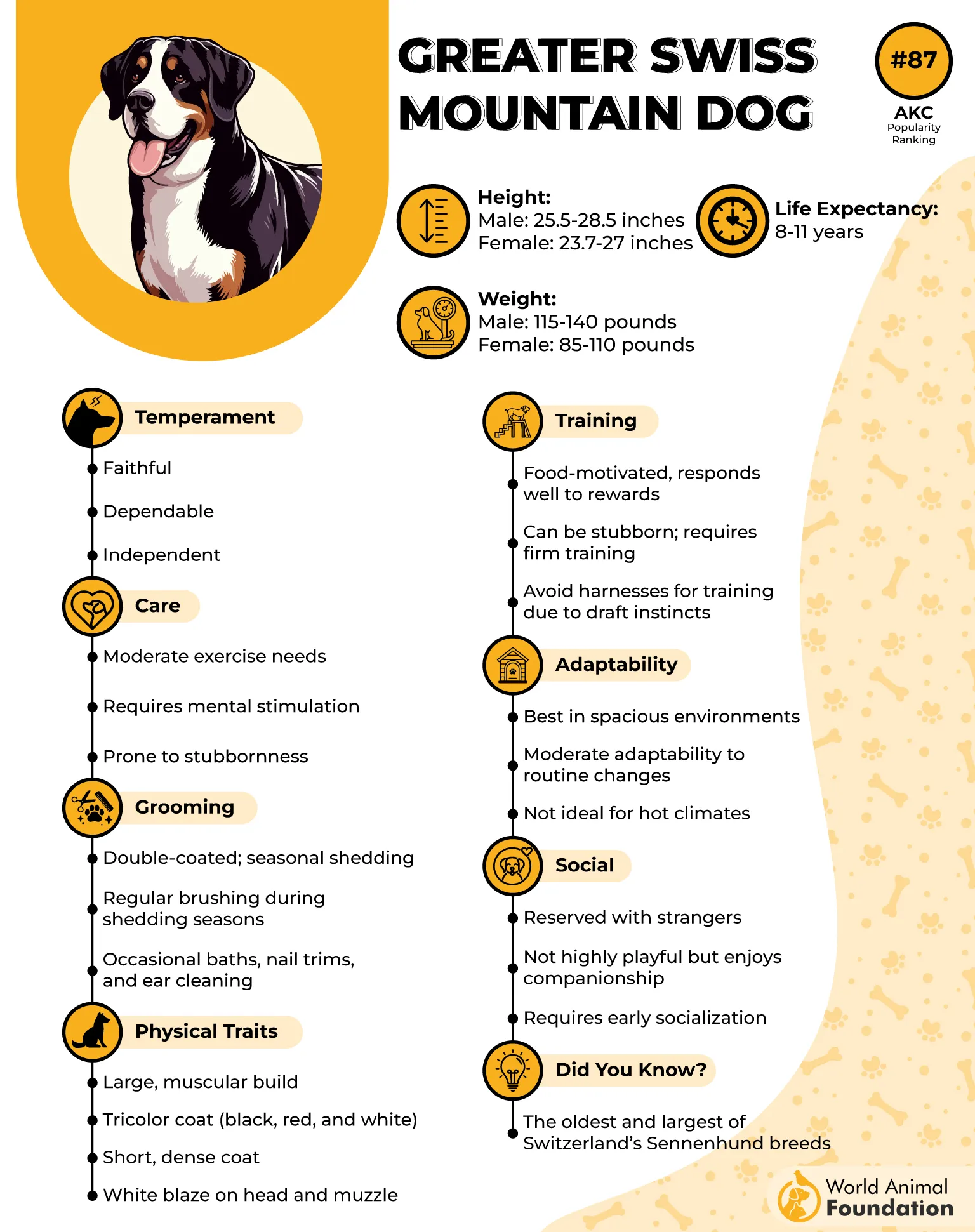
Health and Nutrition
Joint issues
Bloat
Needs regulated workouts
Perfect for mountain climbing, transportation of equipment, and exploration of cold weather. This breed has a long history of haulage and farm work and demonstrates its longevity.
Conclusion
Rugged breeds of dogs are not merely strong, but they are designed to perform and survive in the most harsh conditions as compared to smaller dogs. Every breed lends a certain benefit to outdoor adventures.
But commitment is required of the owners of these dogs. Their needs include energy, intelligence, and physical needs.
Select the appropriate breed, and you will not only have a pet but a brave companion who is willing to embark on an adventure with you, and even in the hardest of times.
