




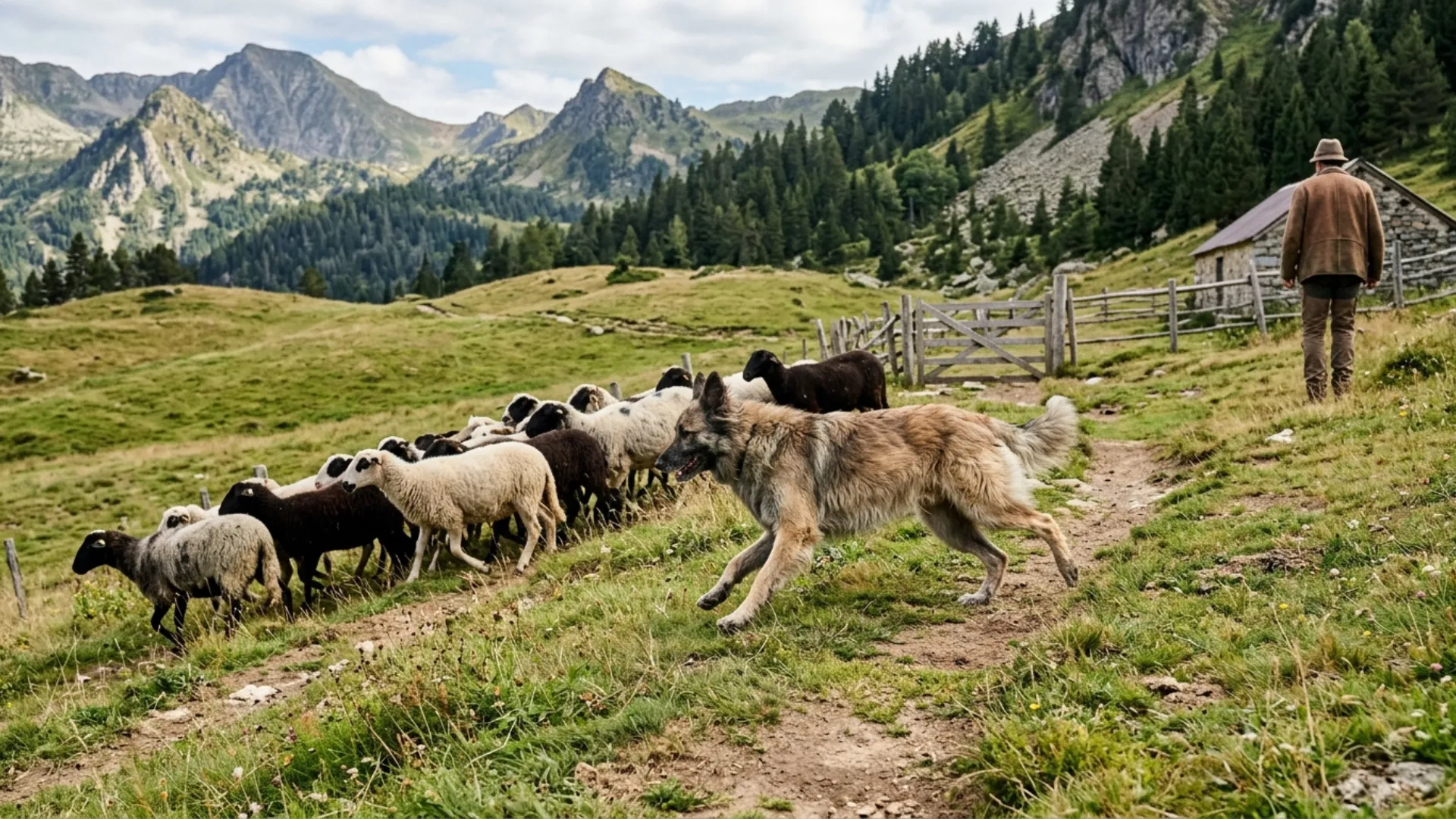
Dogs have been working alongside humans for thousands of years, not just as companions but as skilled partners in survival and daily work. From open fields to rugged landscapes and busy farms, they’ve helped people manage animals, track movement, and complete physically demanding tasks.
What makes these dogs so remarkable is their powerful combination of intelligence, energy, and focus. They are quick learners, highly alert, and naturally tuned to movement, which allows them to respond instantly in fast-paced environments.
Whether it’s guiding animals across vast land, retrieving objects with precision, or excelling in structured sporting activities, these dogs thrive when they have a job to do and space to use their abilities.
In this article, we’ll explore some of the best dog breeds known for their excellence in herding, retrieving, and sporting roles. Each of them brings a unique set of skills shaped by purpose and history, proving that working dogs aren’t just strong and active—they’re smart, adaptable, and incredibly dependable partners in both work and play.
Key Takeaways
Meet powerful working dogs built for herding, retrieving, and nonstop action
Discover high-energy breeds like Border Collie, Malinois, and Australian Cattle Dog in real work roles
Explore unique stars like the Puli and Pyrenean Shepherd with standout skills and instincts
Find the right breed that matches your energy, space, and lifestyle before you choose
Robust Dog Breeds for Herding, Sporting, and Working Roles
1. Beauceron
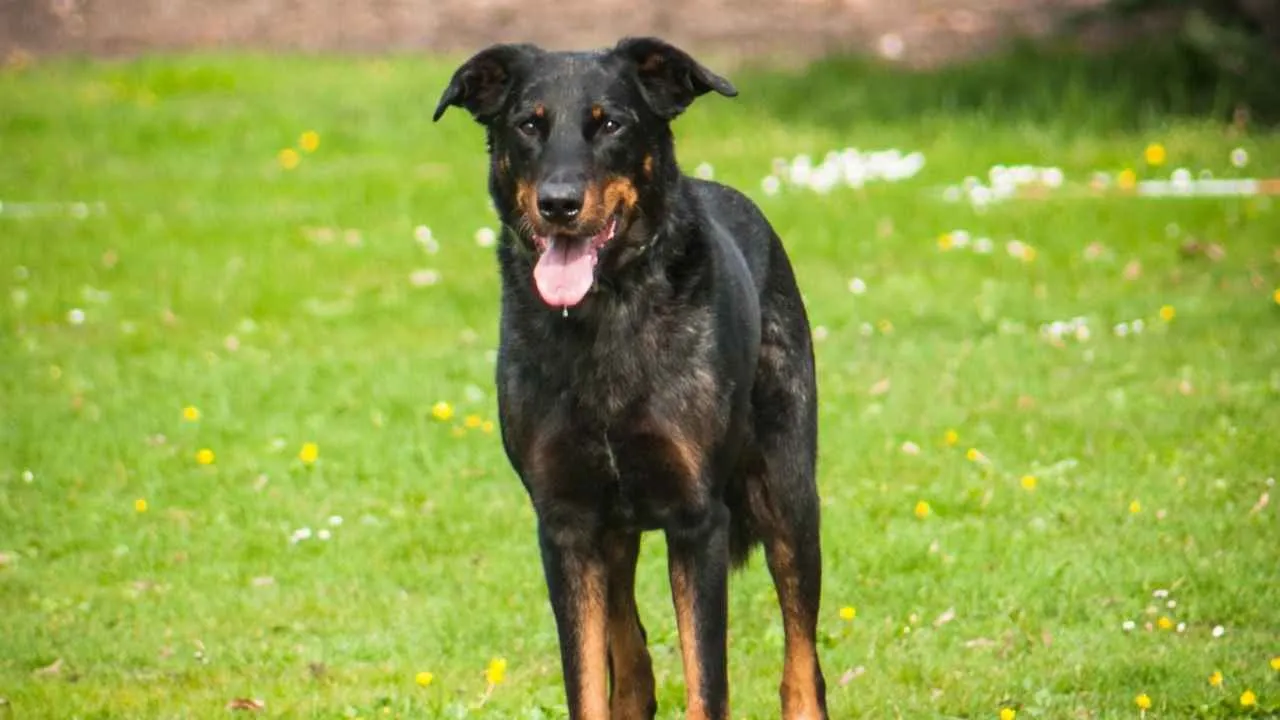
The Beauceron is a powerful and popular herding dog breed from France. It is confident, alert, and highly skilled in working roles like guarding and herding sheep.
It is loyal and deeply attached to its owner. However, it is not suitable for beginners because it needs firm leadership and consistent training.
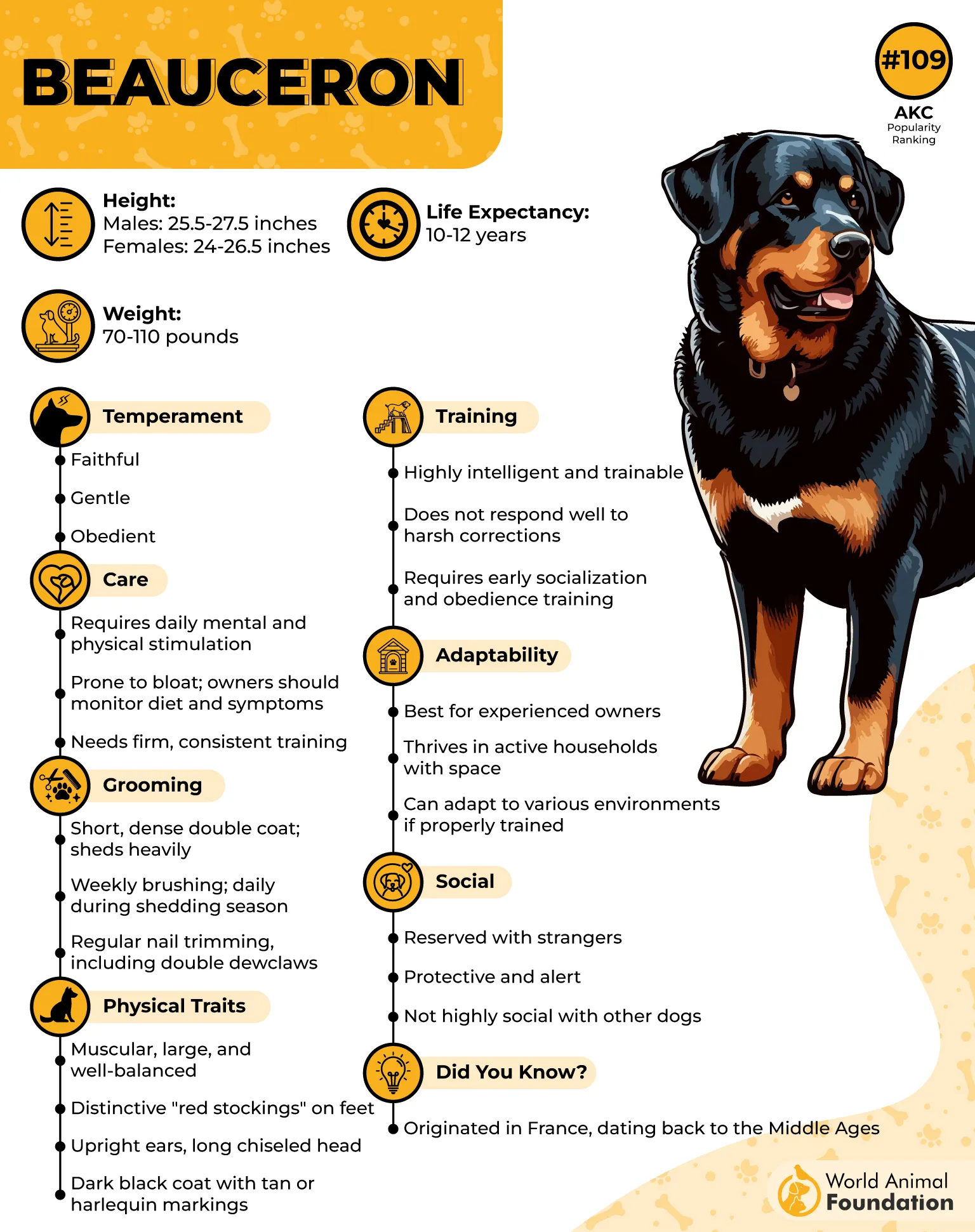
It has a strong, athletic build and a short, dense coat that protects it in different weather. The coat sheds regularly, especially during seasonal changes. Grooming is simple but must be regular. Weekly brushing and proper nail care, including rear double dewclaws, are important for its comfort.
Short, dense, weather-resistant coat
Black and tan or blue merle colors
Red markings on legs (“Bas-Rouge”)
Heavy seasonal shedding
Weekly brushing needed
The Beauceron is loyal, protective, and very intelligent. It is a strong watchdog but needs early socialization to avoid territorial behavior. It learns quickly with fair, consistent training but does not respond to harsh methods.
This high-energy breed needs daily exercise and mental stimulation. With proper care, it becomes a calm, reliable, and powerful working companion for herding, protection, and sport.
2. Pyrenean Shepherd
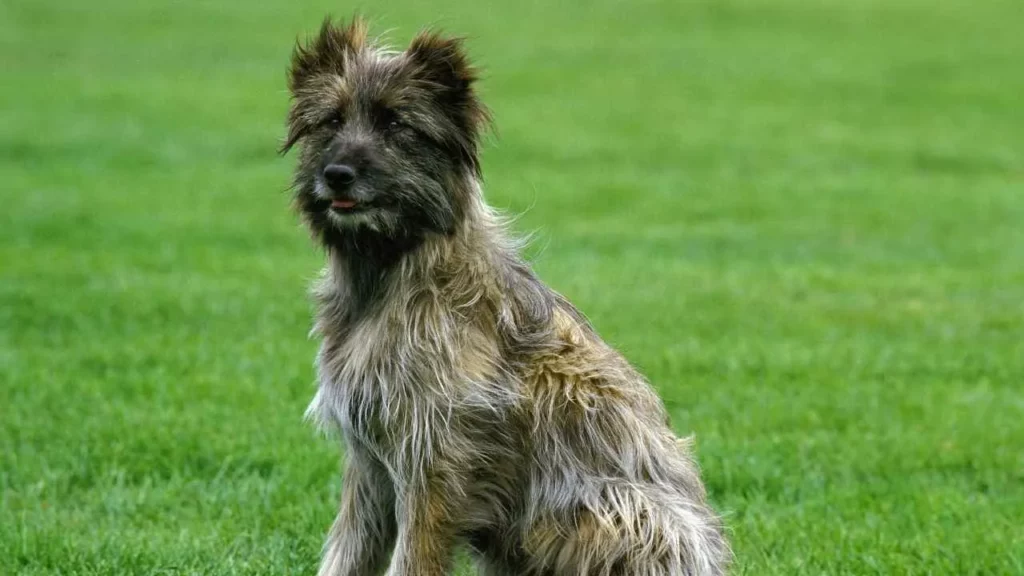
The Pyrenean Shepherd is a small but extremely energetic herding dog from the Pyrenees Mountains of France. It is known for being enthusiastic, mischievous, and highly intelligent.
Despite its size, it has endless stamina and a strong working drive. It is also very loyal and forms close bonds with its family, but it needs active owners who can match its energy and keep it mentally engaged.
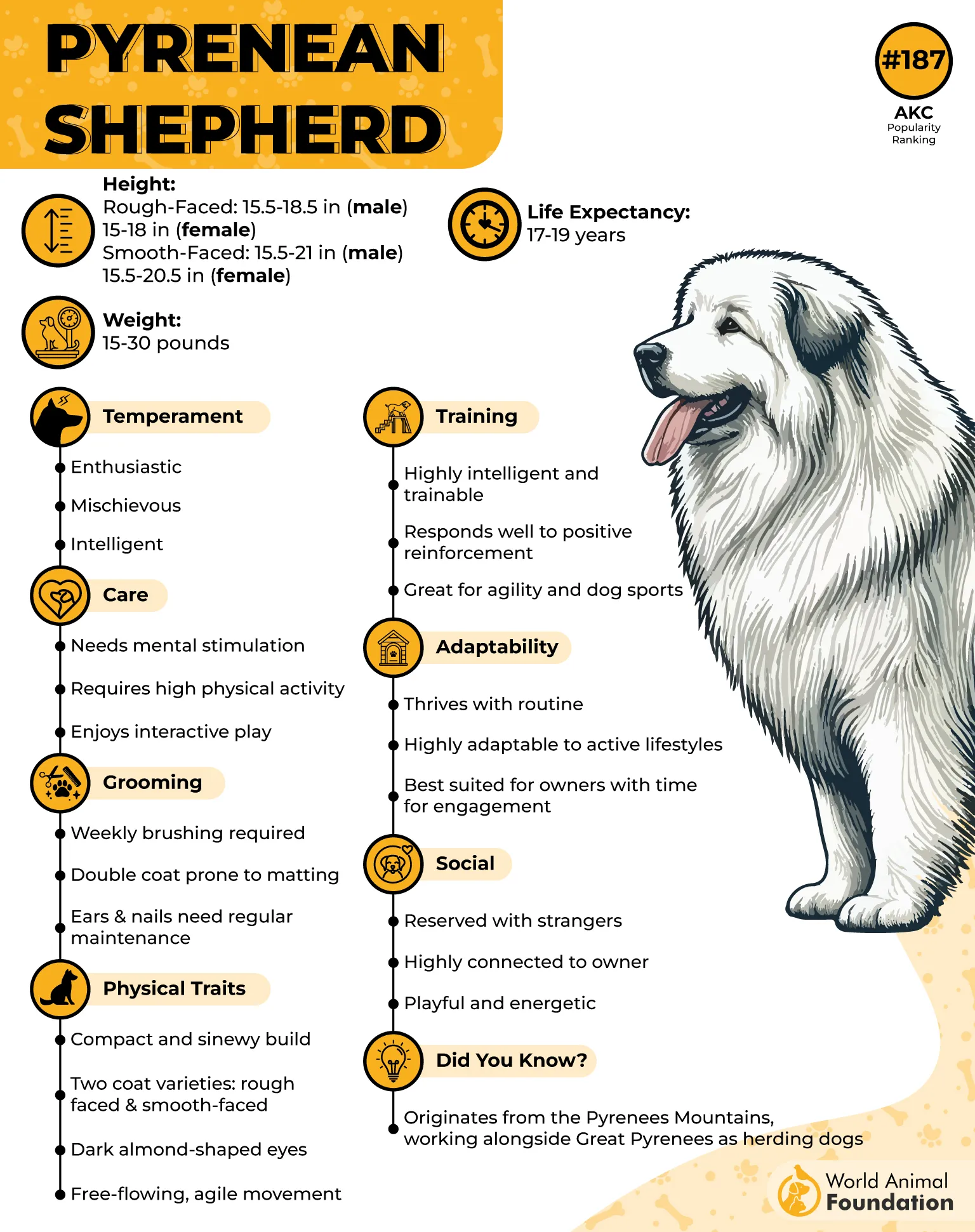
According to the American Kennel Club, this breed comes in two coat types: rough-faced and smooth-faced. Both are lean, agile, and built for fast movement across tough terrain.
Rough-faced dogs have longer, wind-swept facial hair, while smooth-faced dogs have shorter coats and a more pointed muzzle. The coat can come in many colors and patterns. It is an alert and expressive dog with sharp, dark eyes and a lively personality.
Two coat types: rough-faced and smooth-faced
Small, lean, and highly athletic body
Very high stamina and energy levels
Comes in many coat colors and patterns
Strong herding instincts may nip at the heels
The Pyrenean Shepherd is very intelligent and easy to train with the right approach. It responds best to positive reinforcement and gentle, consistent handling.
It can be sensitive, so harsh training methods should be avoided. It is social and bonds strongly with its people, but may be cautious around strangers, making early socialization important.
3. Puli
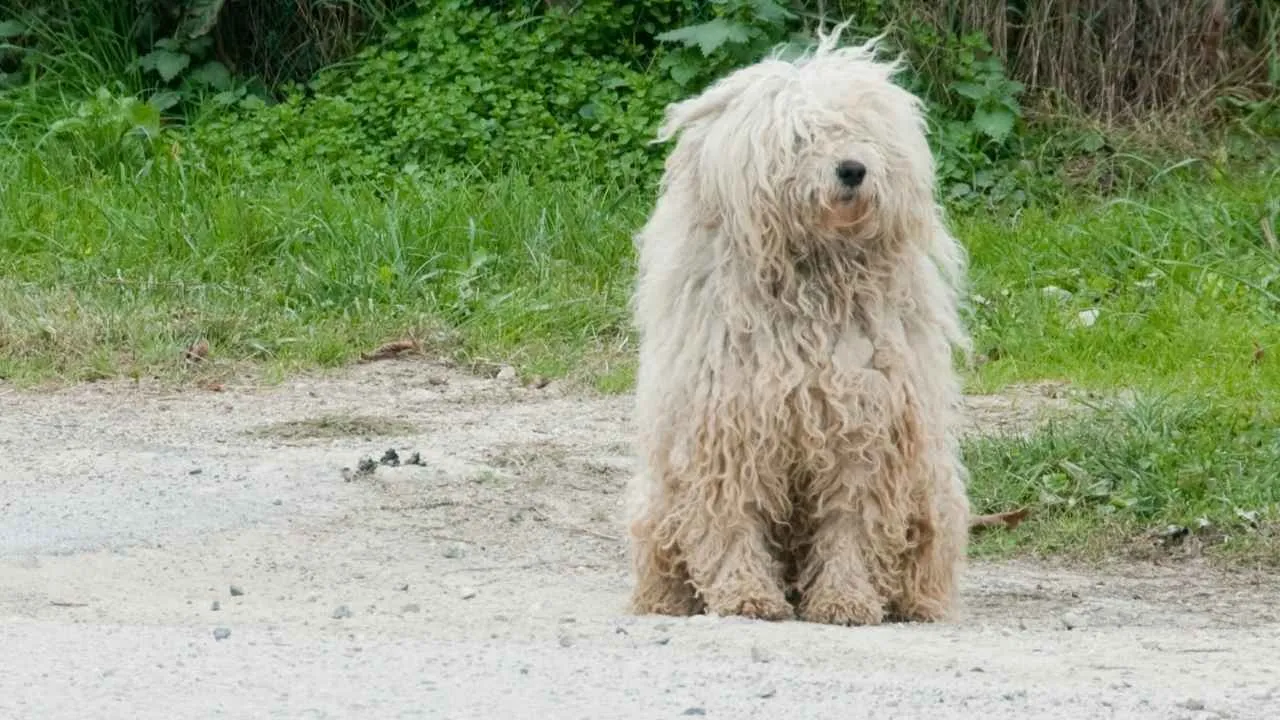
The Puli is a unique herding dog from Hungary, instantly recognizable for its dense, corded coat that forms natural dreadlocks. It is compact but powerful, built for agility and quick movement. This breed is highly intelligent, energetic, and deeply loyal to its family.
It was originally developed to work closely with shepherds, helping manage sheep in harsh weather and rough terrain. Despite its unusual look, it is a strong, capable working dog with excellent herding instincts.
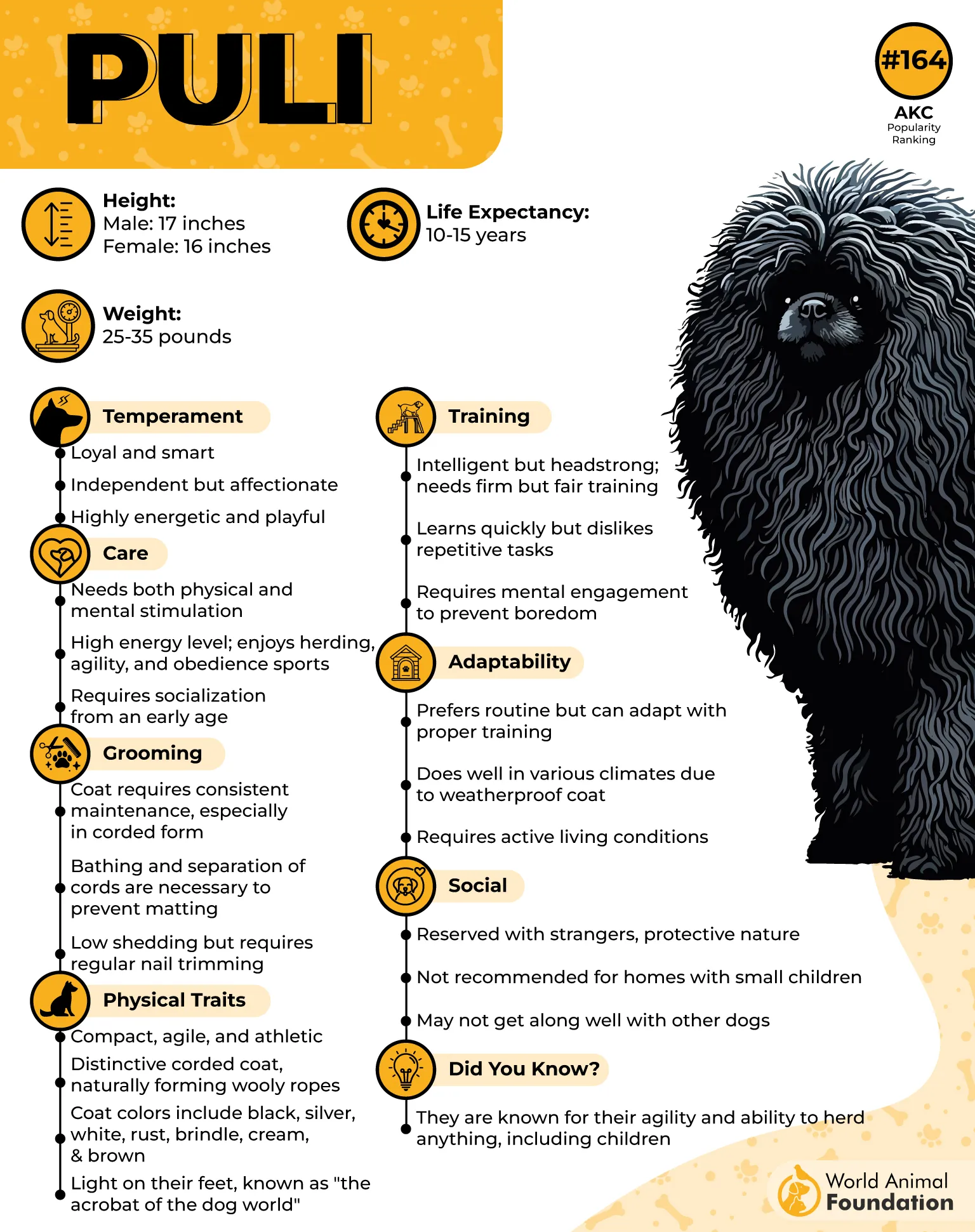
Its coat is one of its most defining features. The cords are naturally formed, weather-resistant, and protect the dog from harsh conditions and predators.
The coat requires regular attention, whether it is corded or brushed out. As the dog matures, the cords can become long and heavy. Grooming is demanding, but the coat is also low-shedding and often considered hypoallergenic.
Unique corded “dreadlock” coat
Coat is weather-resistant and protective
Comes in black, white, gray, or rusty black shades
Low shedding, but high grooming maintenance
Adult cords can become long and heavy
The Puli is very intelligent, active, and full of personality. It learns quickly but can be stubborn and prefers doing things its own way. It responds best to firm, fair training and does not enjoy repetitive tasks.
Early socialization is important to help it behave well with people and other animals. It is highly alert and naturally protective, often acting as both herder and guardian.
4. German Shorthaired Pointer
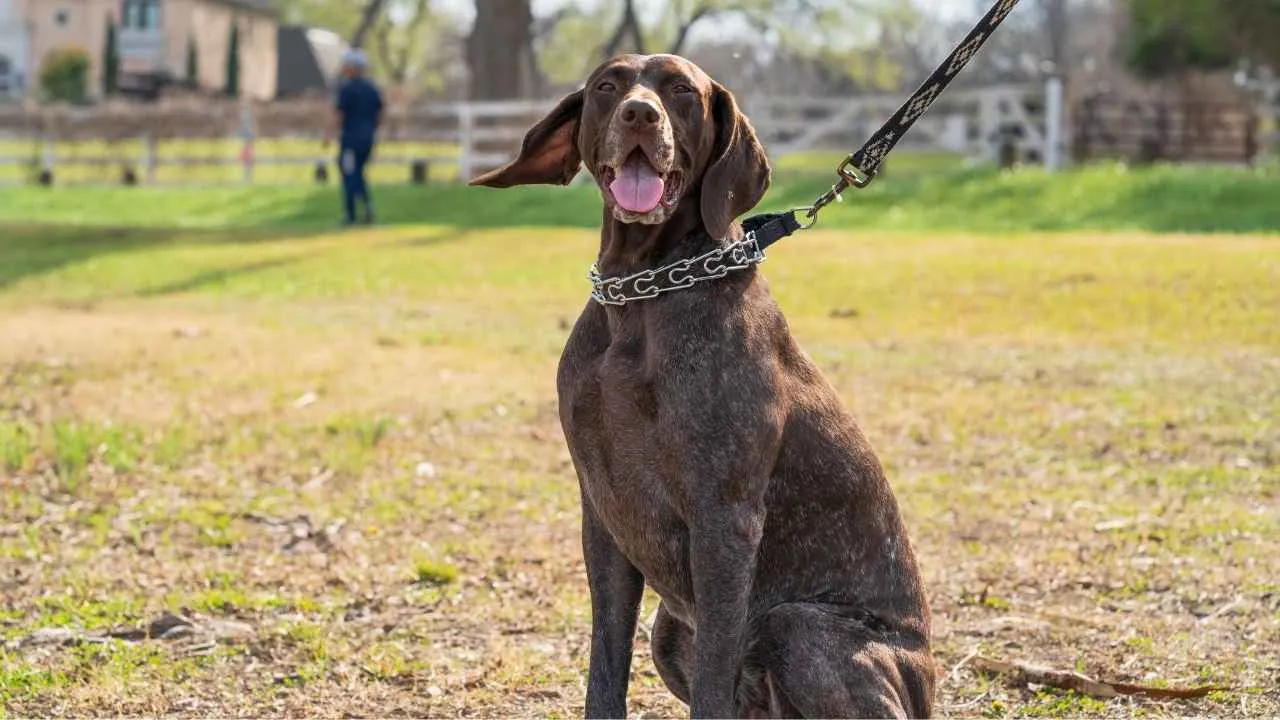
The German Shorthaired Pointer (GSP) is a versatile and energetic gundog known for its power, speed, and endurance. It is often called the “perfect pointer” because of its strong working ability and balanced nature.
This breed is intelligent, affectionate, and highly people-oriented. It bonds closely with its family and thrives when included in daily activities. However, it is not ideal for inactive owners, as it needs constant physical and mental engagement.
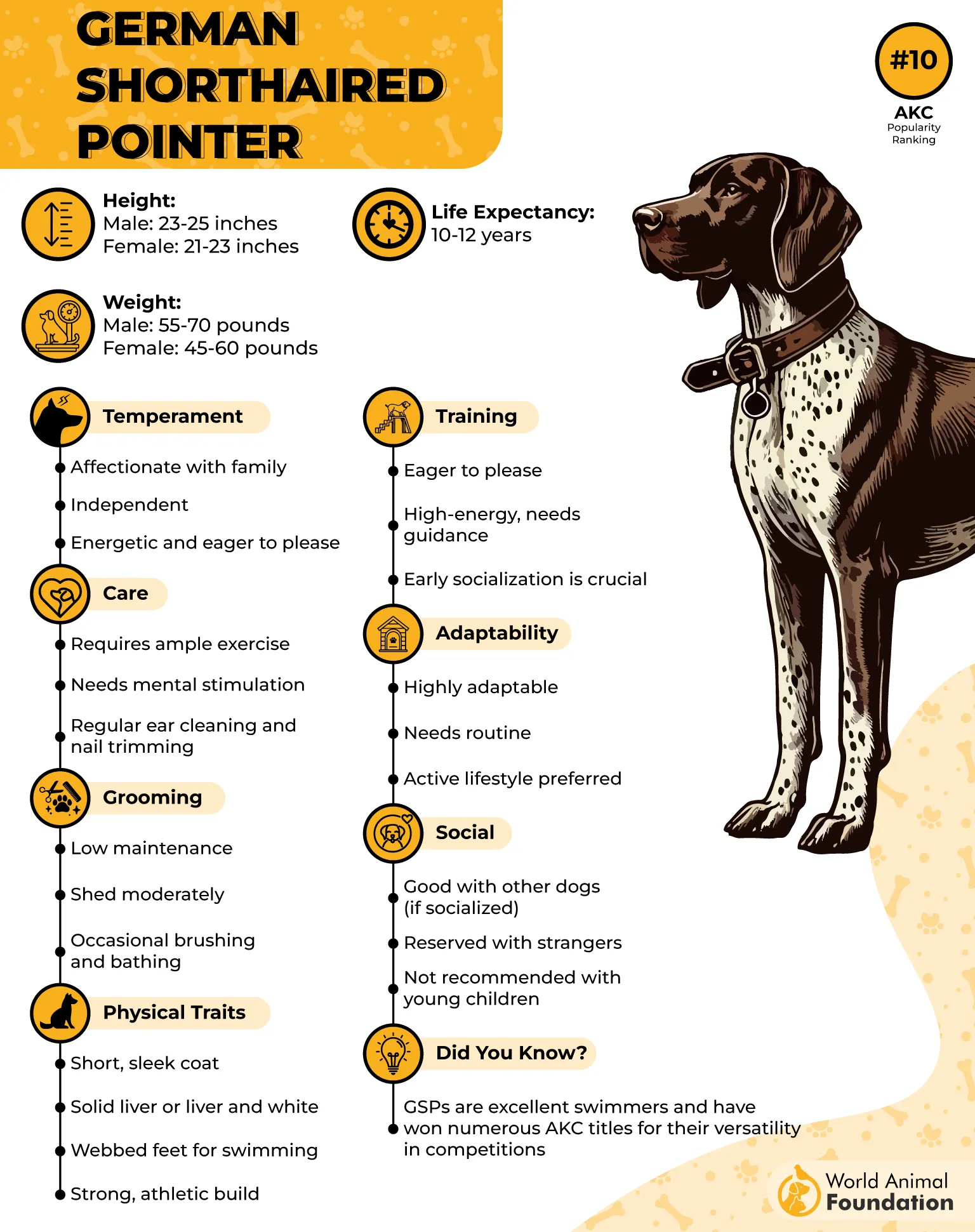
This breed has a strong, muscular build with a noble and athletic appearance. It has a short coat that comes in liver or liver-and-white patterns.
The GSP is built for long hours of work in fields and near water, making it excellent for hunting, running, and swimming. It is active, alert, and always ready for movement. Without enough exercise, it can become restless or destructive.
Short, low-maintenance coat
Colors: liver or liver and white patterns
Strong, athletic, and agile body
High energy and endurance levels
Needs regular grooming and activity
The German Shorthaired Pointer is a highly intelligent dog that learns quickly with consistent training. Early socialization and obedience training are very important.
It can be challenging during its young years due to its high energy and strong prey drive. It needs an owner who can guide its enthusiasm into positive activities like training, sports, and outdoor work.
5. Belgian Malinois
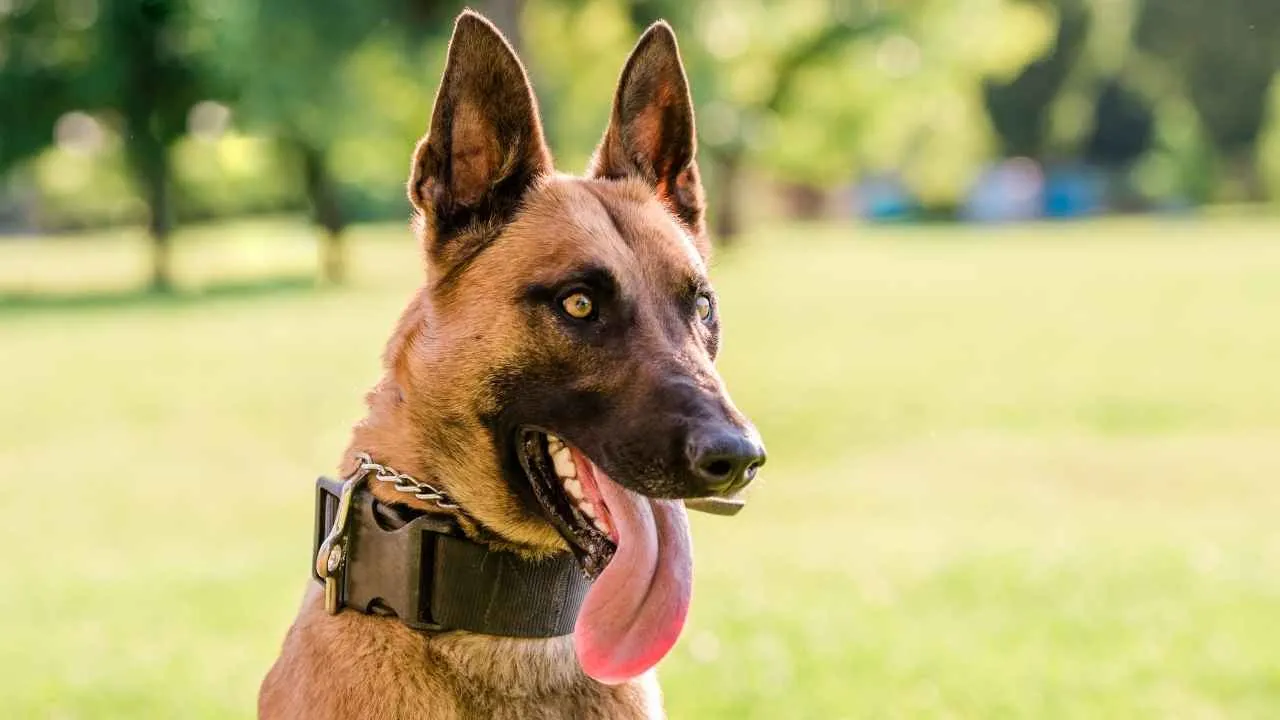
The Belgian Malinois is a highly intelligent, confident, and intensely driven herding and working dog. It forms a deep, unbreakable bond with its owner and thrives on constant involvement in human activities.
This breed is not meant for a passive lifestyle—it needs purpose, structure, and daily engagement. Without proper stimulation, it can become restless or destructive. It is best suited for experienced owners who understand high-energy working dogs.
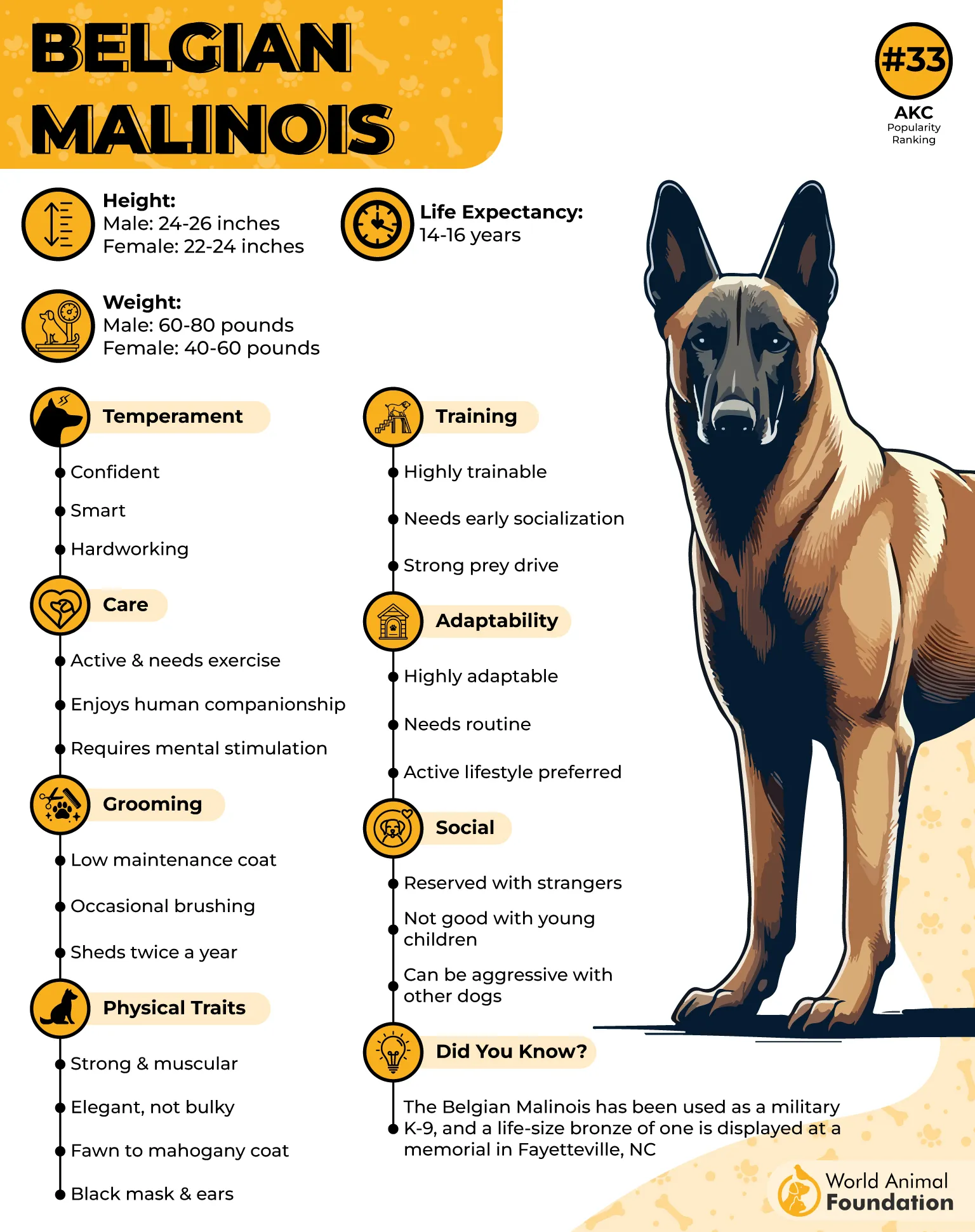
Physically, the Malinois is strong, athletic, and well-balanced with an alert and proud posture. Its short coat is easy to maintain and comes in shades ranging from fawn to mahogany, often with a black mask and ears.
It is built for speed, endurance, and precision work, making it ideal for demanding tasks like herding, protection, and advanced dog sports. However, it requires consistent training and direction from an early age.
Short, low-maintenance coat
Colors range from fawn to mahogany
Black mask and ears with bright, alert eyes
Strong, agile, and highly athletic build
High prey drive and strong herding instincts
The Belgian Malinois is extremely intelligent and learns quickly, but it also needs constant mental and physical stimulation. It excels in activities like obedience, agility, tracking, herding, and protection work.
Early training and socialization are essential to manage its strong prey drive, which may lead it to chase moving objects or try to herd children and other animals.
6. Maremma Sheepdog
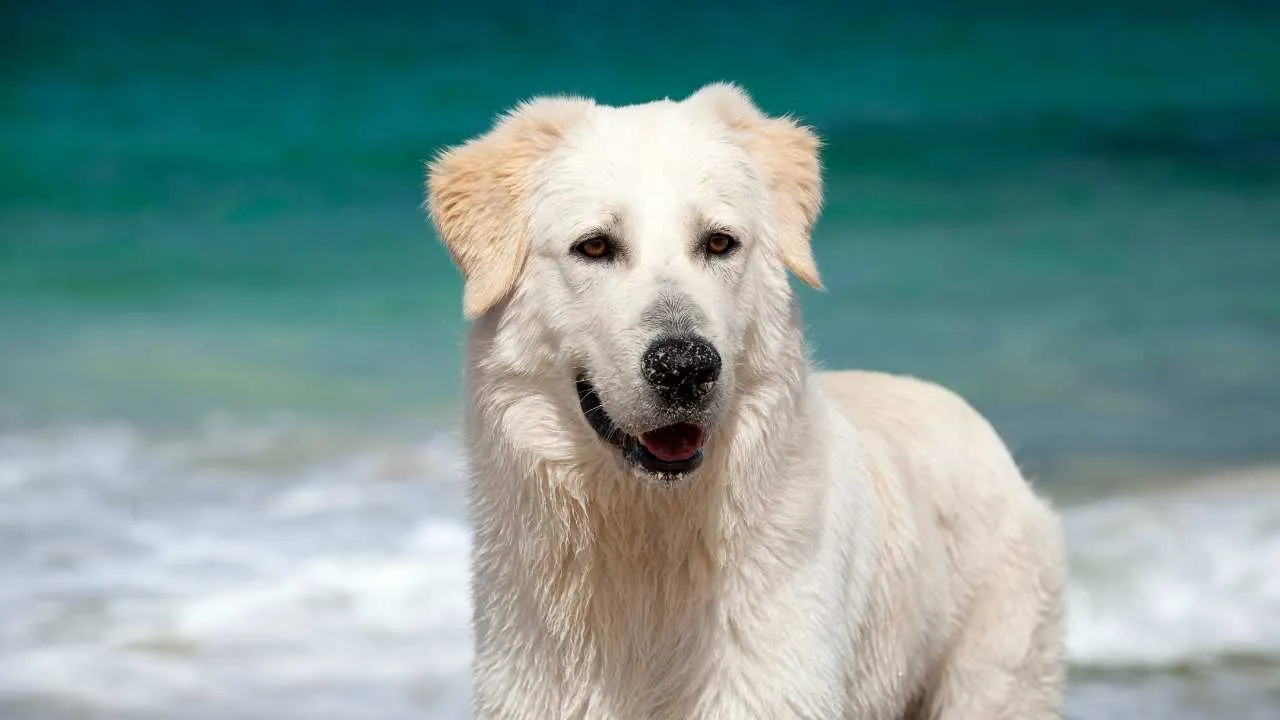
The Maremma Sheepdog is a strong, sturdy livestock guardian known for its loyalty and protective nature. Originally bred in Italy to protect livestock from predators like wolves and bears, it has a long history going back over 2000 years.
This breed is independent, intelligent, and always alert. Purina mentions that it forms a deep bond with its family but can be naturally suspicious of strangers, making it an excellent guardian dog.
The Maremma has a muscular build with a thick white coat that protects it in harsh weather. Its dense undercoat keeps it warm, while the outer coat acts as a shield. The broad head and small ears give it a calm yet dignified look.
Grooming is moderate, but the coat needs regular care to stay clean and healthy. It is built for outdoor life and prefers open spaces where it can move freely and stay active.
Thick white, weather-protective coat
Dense undercoat for warmth
Strong, muscular, and heavy build
Natural guarding and herding instincts
Needs space and outdoor living
The Maremma is loyal and devoted but also strong-willed and independent. Training requires patience, consistency, and experience. Early socialization is essential to help it behave well around people and other animals.
It is not overly active but needs regular outdoor activity and mental stimulation to avoid boredom. Without a purpose, it can become difficult to manage.
7. Old English Sheepdog
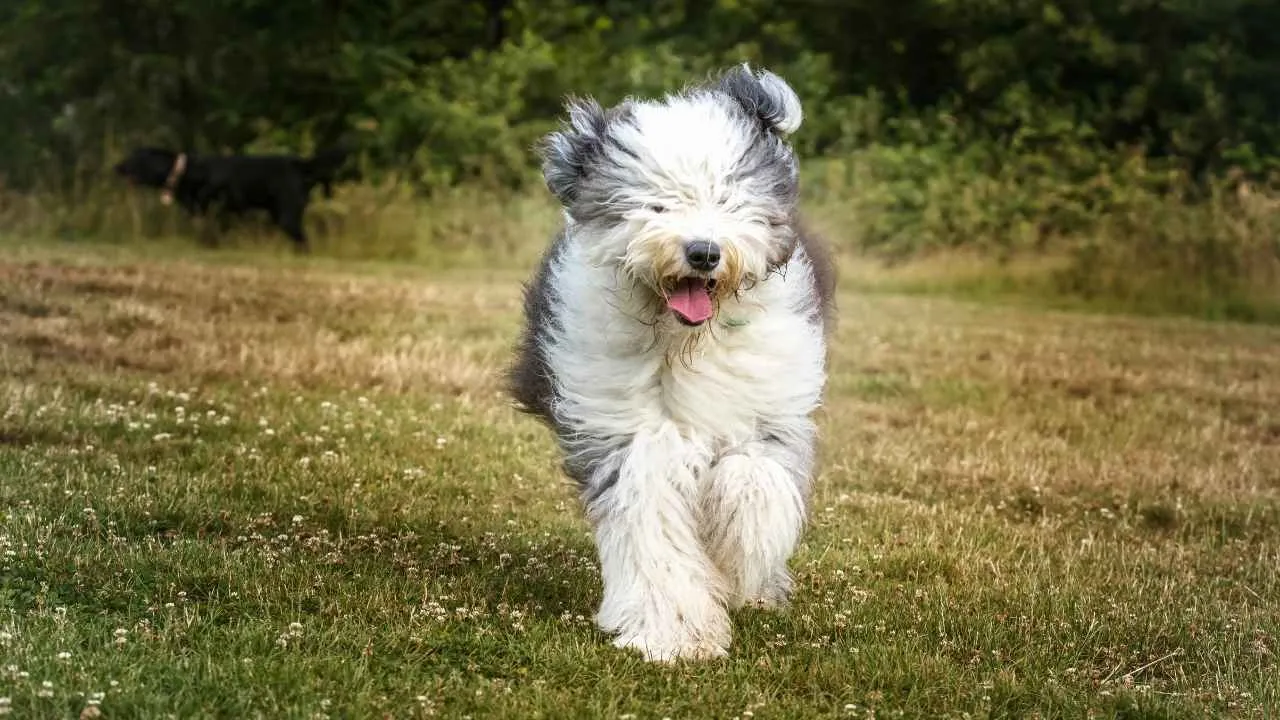
The Old English Sheepdog is a large, shaggy herding dog known for its playful nature and gentle personality. Famous for its thick coat and “peek-a-boo” hair covering the eyes, it has a unique bear-like walk but is surprisingly agile and active.
Beneath all that fur is a strong, muscular worker built for herding and outdoor tasks. It is friendly, affectionate, and especially good with children, making it a great family companion.
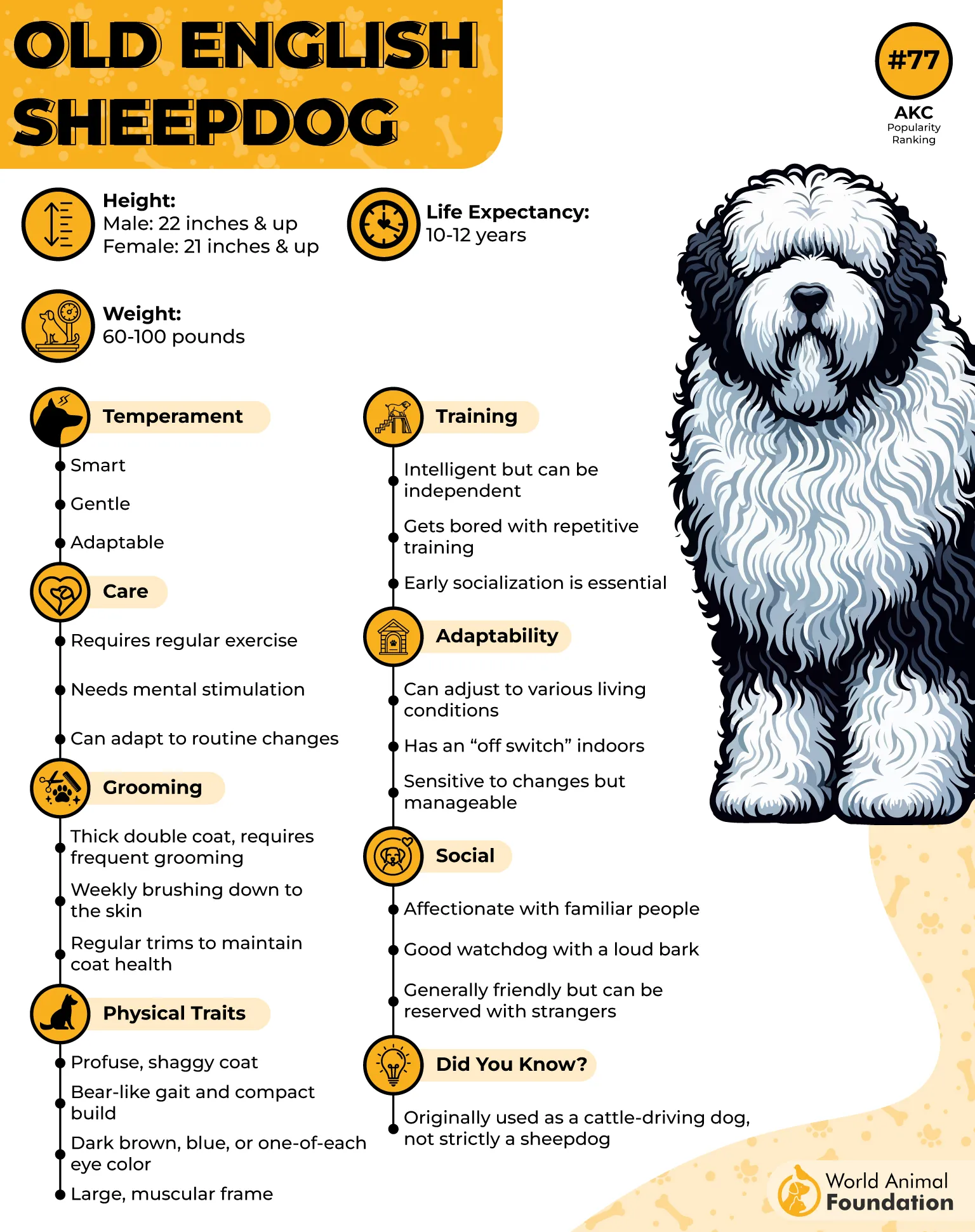
This farm dog has a dense double coat that requires serious grooming. The long, fluffy hair can be kept in a full coat or trimmed for easier care. Colors are usually shades of gray or blue with white.
While the coat gives it a soft look, it needs regular brushing, bathing, and maintenance to prevent tangles. Despite its heavy coat, it remains active and enjoys play and outdoor activities.
Thick, shaggy double coat
Gray or blue with white coloring
Requires regular grooming and maintenance
Strong, agile body under a heavy coat
Distinctive bear-like movement
The Old English Sheepdog is intelligent but can be a bit independent and strong-willed. It learns well but may get bored with repetitive training, so sessions should be fun and varied.
Early socialization and consistent training are important. It has a loud bark and can be protective, making it a good watchdog, but it is generally kind and sociable.
8. Australian Cattle Dog
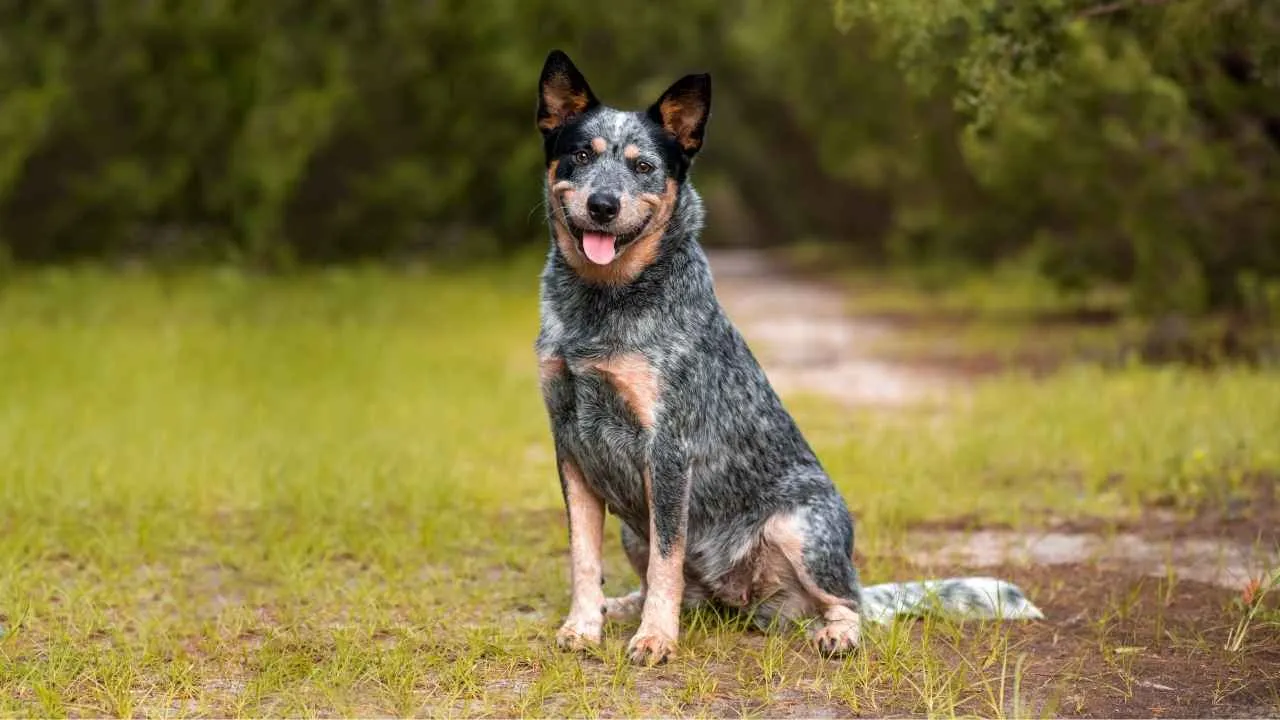
The Australian Cattle Dog is a tough, intelligent, and highly energetic herding breed developed to work in the harsh conditions of the Australian Outback.
Also known as the Blue or Red Heeler, it is famous for its strong work drive and ability to control livestock by nipping at their heels, as mentioned by PetMD.
This breed is extremely loyal, alert, and quick-thinking, often smart enough to outmaneuver its owner. It forms a strong bond with its family but can be wary of strangers.
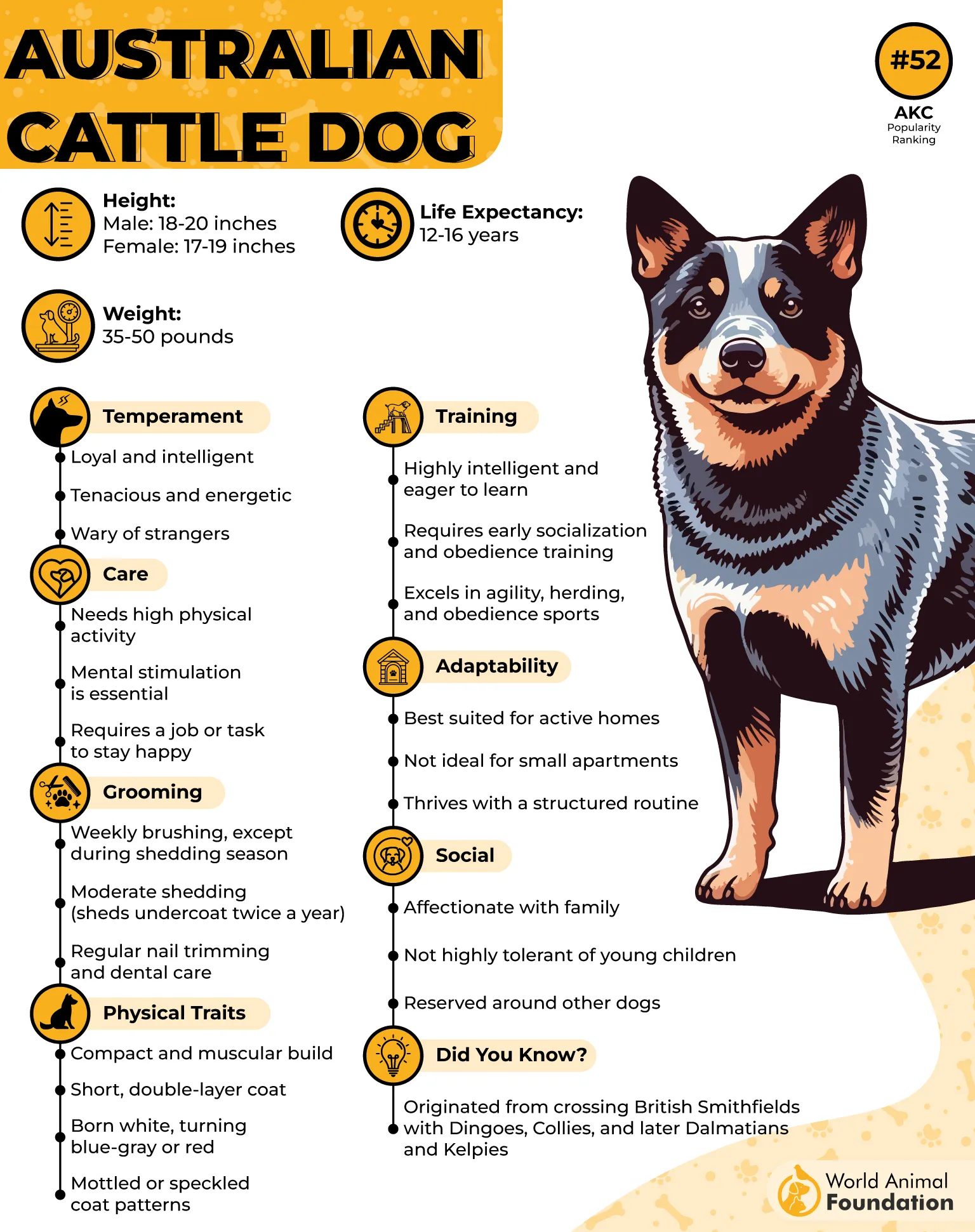
This dog has a muscular, compact body built for strength, agility, and endurance. It is born with a white coat that develops into blue-gray or red, often with speckled or mottled patterns.
The short, dense coat is easy to maintain and suited for tough outdoor work. Its natural stamina and smooth movement make it an excellent running and working companion.
Short, dense double coat
Blue-gray or red with speckled patterns
Strong, muscular, and agile build
Extremely high energy and stamina
Strong herding instinct (heel-nipping behavior)
The Australian Cattle Dog is highly intelligent but also independent and strong-willed. Early training and socialization are essential to manage its behavior.
It learns quickly but needs firm, consistent guidance. Without proper mental and physical stimulation, it can become bored and destructive. It thrives when given tasks, training, or challenges.
9. Border Collie
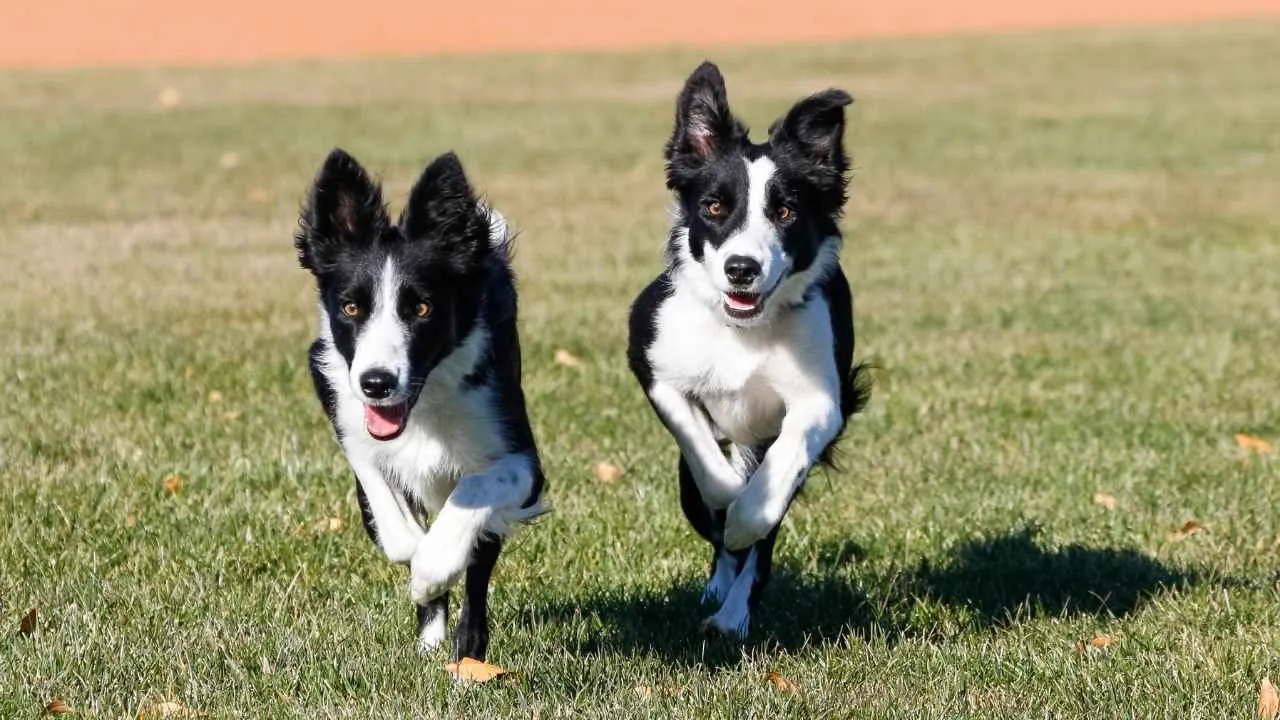
The Border Collie is one of the most intelligent and hardworking herding dogs in the world. It is known for its intense focus, high energy, and strong work ethic.
Often called a “workaholic,” this breed thrives when it has a job to do. It forms a strong bond with its family and enjoys affection, but may be reserved around strangers. Without enough activity, it can become bored and develop unwanted behaviors.
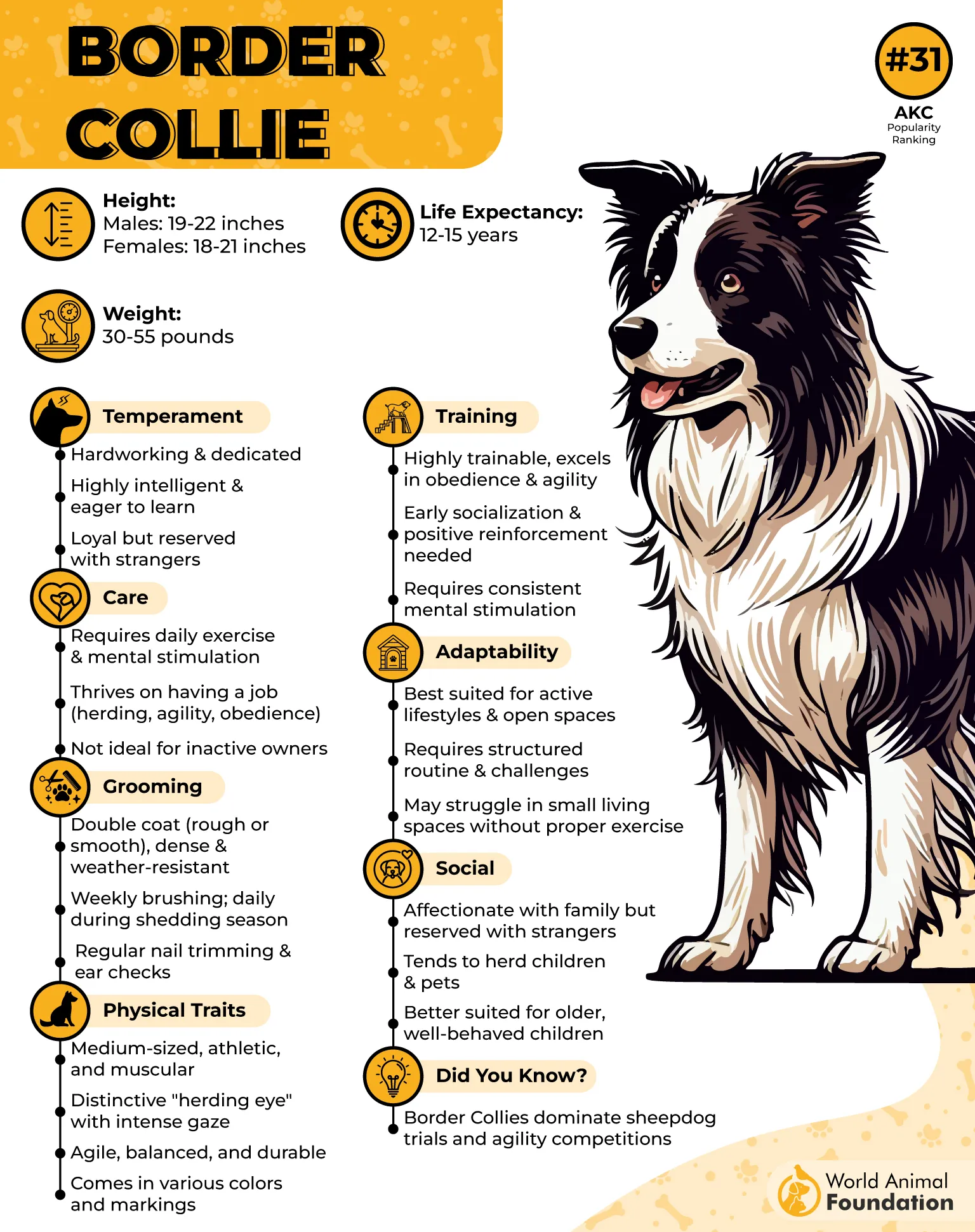
This breed has a lean, athletic body built for speed, agility, and endurance. It comes in both rough and smooth coat types, with many color variations.
Its most famous feature is its intense “herding eye,” which it uses to control livestock. Border Collies are extremely agile and balanced, making them stand out in demanding tasks and fast-paced environments.
Medium-sized, athletic, and agile
Rough or smooth coat in many colors
Known for intense “herding eye.”
Extremely high energy and stamina
Needs space and daily activity
The Border Collie is highly trainable and learns quickly, but it needs constant mental stimulation. Early socialization and ongoing training are essential. It excels in activities like herding, agility, obedience, and other dog sports. However, it may try to herd people or other pets, especially in active households.
10. Anatolian Shepherd Dog
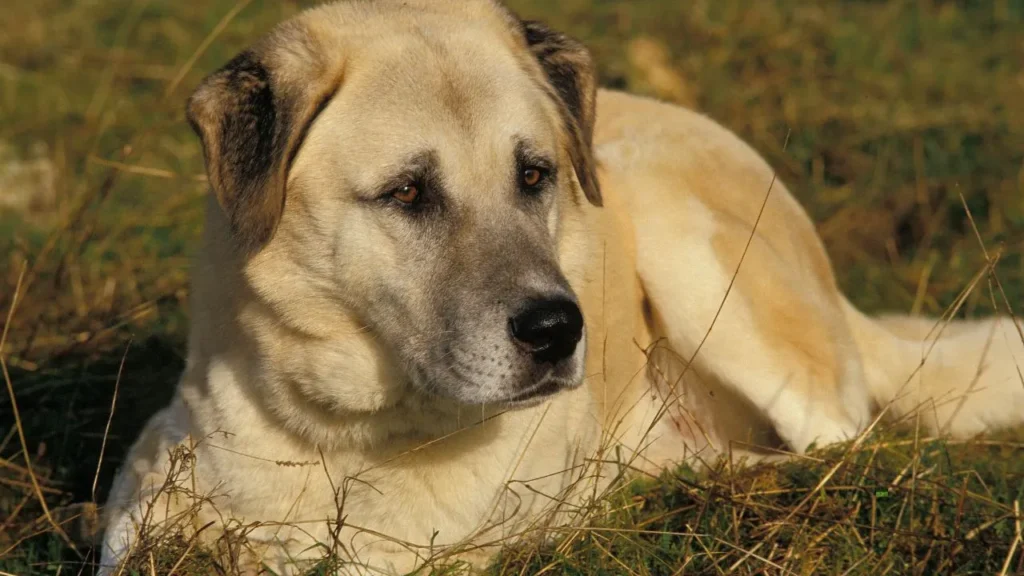
The Anatolian Shepherd Dog is a powerful and ancient livestock guardian known for its strength, independence, and loyalty. With roots going back thousands of years to the Bronze Age, this breed was developed to protect flocks from serious predators.
It is calm, intelligent, and highly protective, treating livestock, family members, and even smaller pets as part of its flock. While it may seem reserved or aloof with strangers, it is deeply devoted and gentle with its own family.
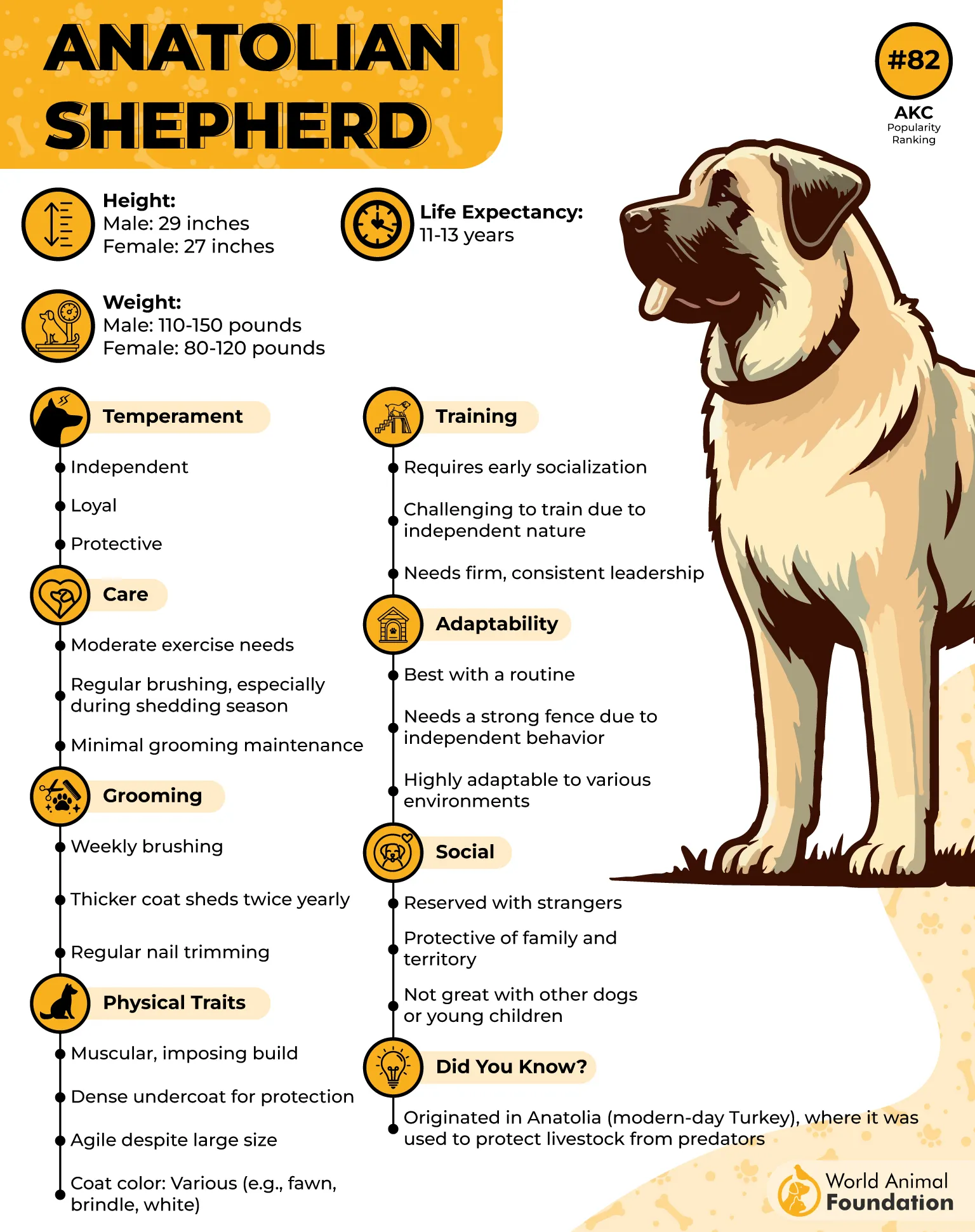
This breed has a large, muscular build but moves with surprising agility. It is designed to handle harsh terrain and tough conditions with ease.
Its strong body and alert nature make it an excellent guardian that is always aware of its surroundings. Though not overly active, it still needs space to move and a secure environment to feel comfortable.
Strong, muscular, and agile build
Ancient breed with deep guarding instincts
Calm, alert, and highly protective
Wary of strangers, loyal to family
Needs a secure space and a controlled environment
The Anatolian Shepherd is intelligent but very independent, as it was bred to make decisions on its own. Training can be challenging and requires a firm, experienced handler.
Early socialization and consistent obedience training are essential to manage its protective nature. It does not respond well to forced or harsh training and should not be trained for aggressive guard roles.
Conclusion
Choosing the right dog for herding, retrieving, or sporting work comes down to more than just strength or intelligence—it’s about matching energy, purpose, and lifestyle.
These robust breeds stand out for their loyalty, sharp minds, and incredible work ethic, but they also demand time, training, and consistent engagement.
Before bringing one home, think honestly about your routine, space, and commitment level. These dogs don’t just want attention—they need a job, a challenge, and a strong bond with their owner.
If you’re ready to invest that time and energy, you’ll gain more than a pet—you’ll gain a devoted companion who thrives by your side. The right match can turn everyday life into a shared adventure filled with purpose, movement, and loyalty.
Looking for more options? You can also check out the Australian Shepherd, Belgian Laekenois, Pembroke Welsh Corgi, German Shepherd, and Shetland Sheepdog.
