




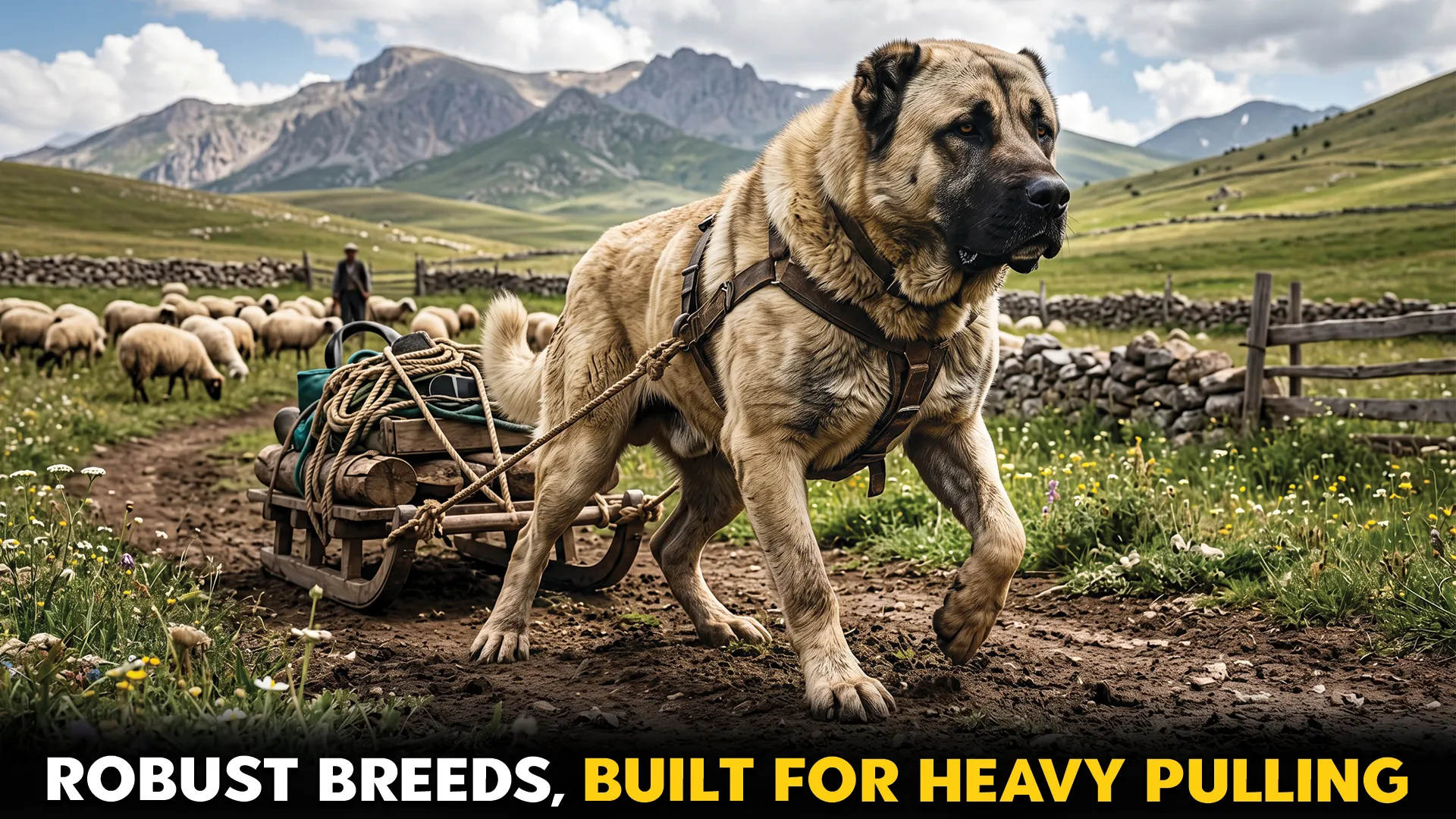
Some dogs are capable of pulling heavy loads across difficult ground for hours, while others naturally control stubborn livestock without losing focus under pressure. What makes that possible is not always obvious from appearance alone.
Many powerful dogs lack the endurance for demanding work, while some highly energetic breeds simply do not possess the stability or physical strength required for true working conditions. The difference usually comes down to traits that are rarely noticed at first glance.
Muscle alone does not create a reliable working dog. Neither does size, speed, or confidence by itself. The breeds that consistently succeed in pulling and herding tasks share a combination of resilience, intelligence, stamina, and physical balance that has been refined over generations of hard labor.
Up ahead are the breeds that continue to stand out in physically demanding working roles and the reasons they remain trusted for them today.
Key Takeaways
Power in a working dog is not about size alone, but about stamina, drive, and the ability to stay focused during heavy tasks.
From the German Shepherd’s intelligence in structured tasks to the Australian Shepherd’s high energy and control, each breed brings serious capability to demanding roles.
The Great Pyrenees and Anatolian Shepherd show how independence and guarding instincts can support heavy outdoor responsibilities for long hours.
Keep reading to see which of these robust breeds stands out most for strength, stamina, and true working purpose.
Top Robust Dog Breeds for Heavy‑Weight Pulling and Herding Tasks
1. Australian Shepherd
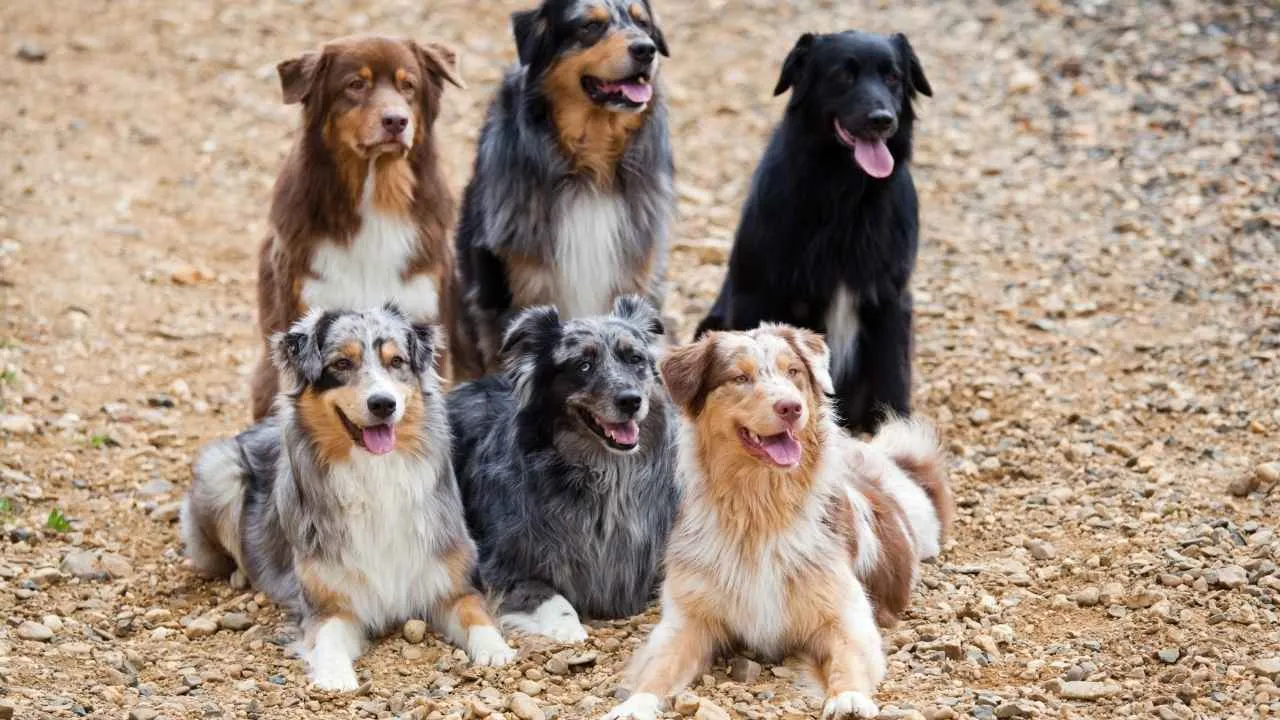
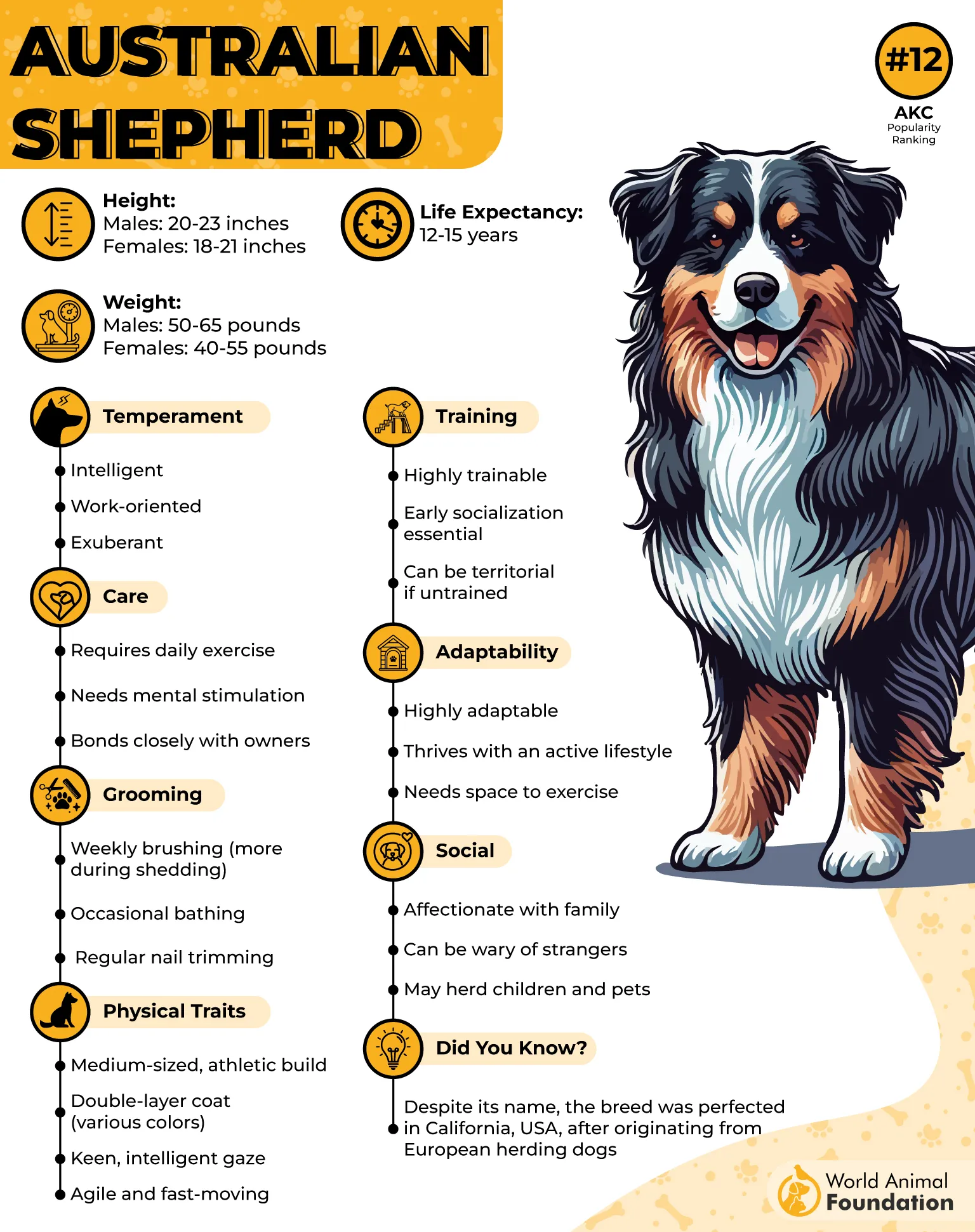
The Australian Shepherd is a medium-sized working dog built with muscular strength and agility, shaped for demanding tasks in open environments. Its strong herding instinct guides how it approaches movement, often organizing activity rather than reacting randomly.
Skills That Support Work
Aussies respond best when given structured tasks, as their intelligence and energy thrive in purposeful activity. Games and trials that test coordination suit their natural abilities, especially when proper training is consistent.
Its working patterns can be seen in:
Excelling in agility and field trials
Performing advanced obedience routines
Engaging actively in herding exercises
Energy With Direction Needed
This herding breed keeps a high activity level that benefits from regular outlets such as running, hiking, and controlled play sessions, as mentioned by PetMD.
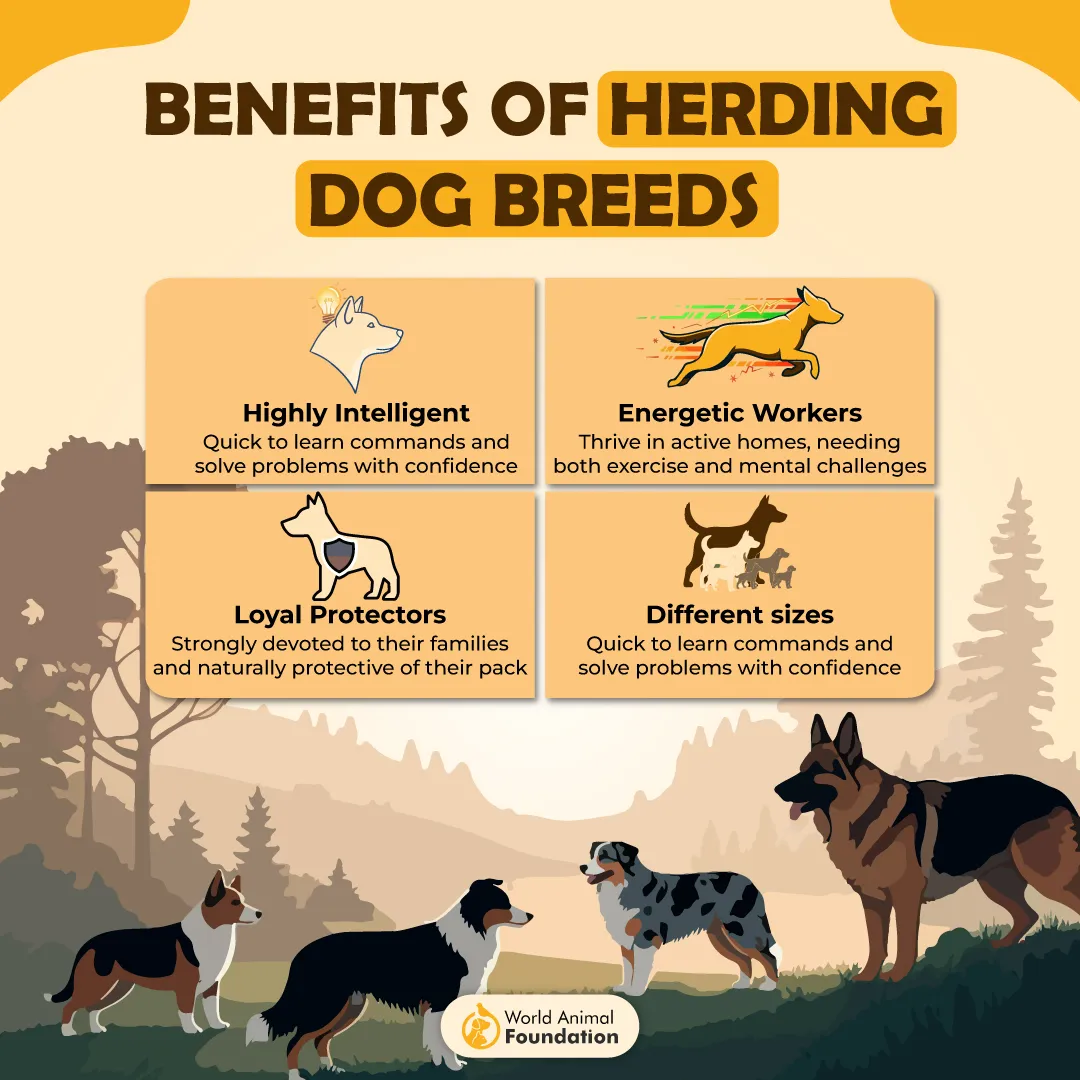
Due to its strong prey drive, it may react to fast-moving objects if early social guidance is limited. Proper exposure helps it interact more smoothly with children, pets, and outdoor surroundings.
2. Anatolian Shepherd Dog
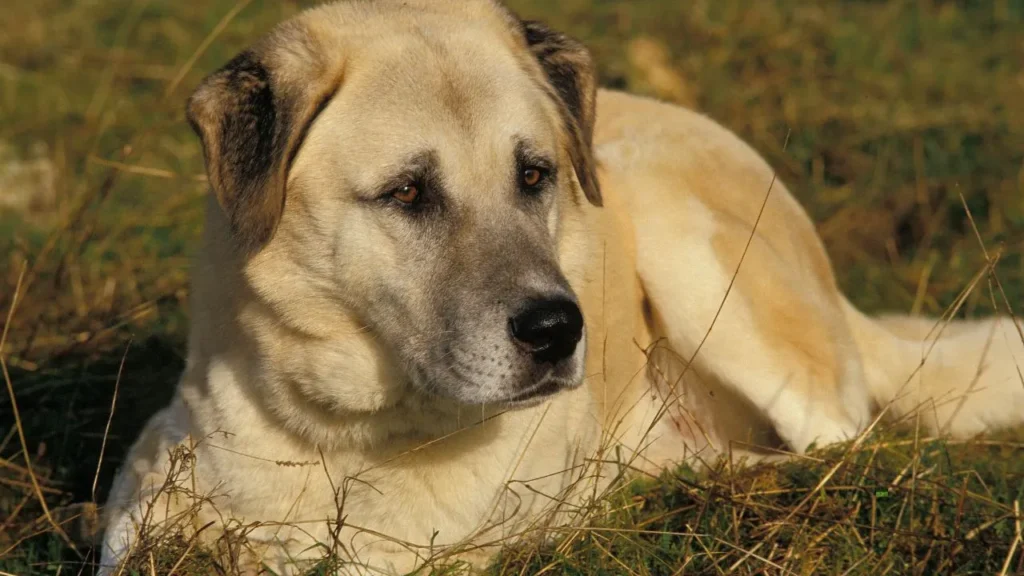
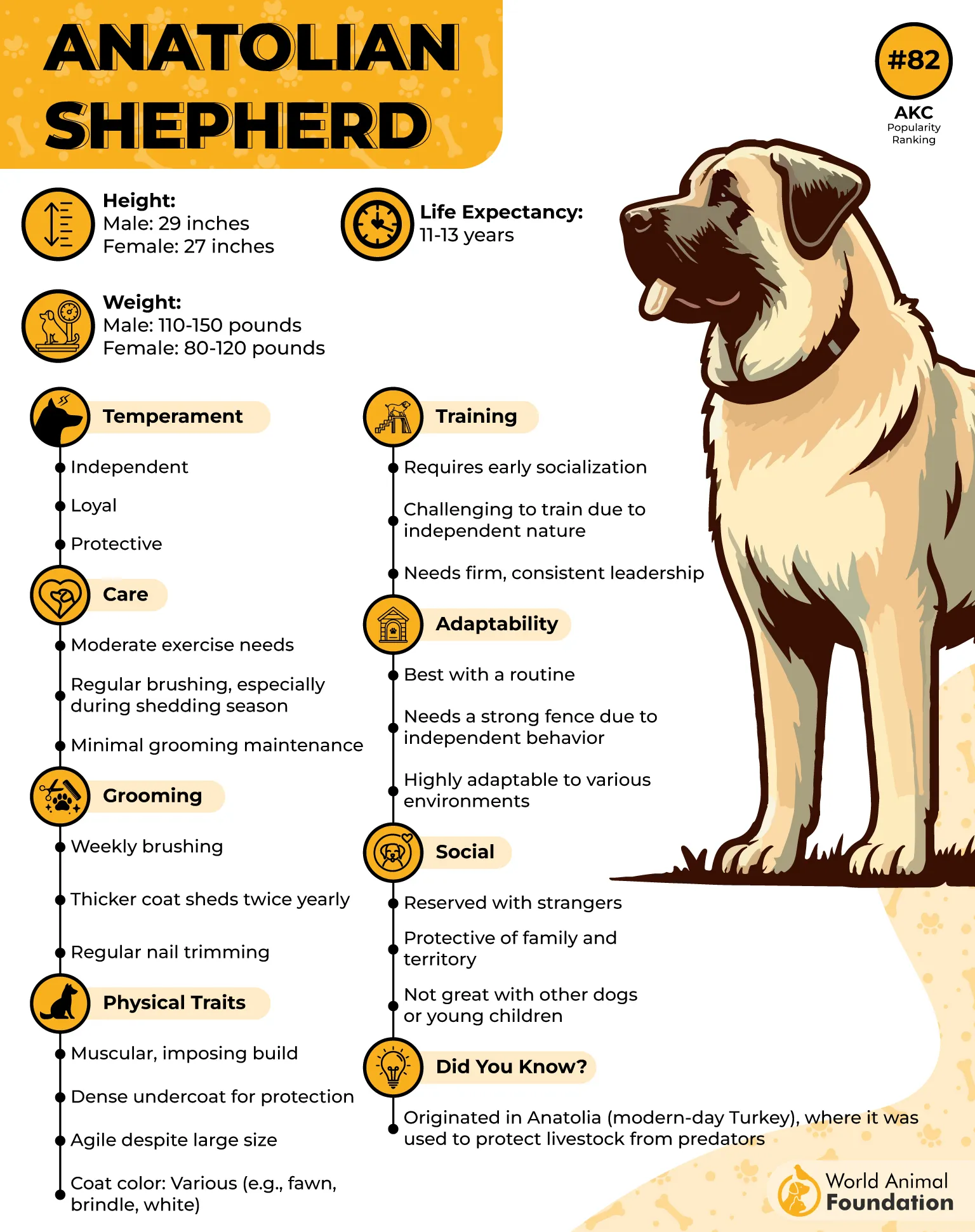
The Anatolian Shepherd descends from some of the oldest known domestic dog bloodlines, shaped over thousands of years in Turkey for independent flock protection. Its large frame and imposing presence were refined to deter threats across open farmland.
Independent protection in action
It operates with autonomy, making decisions while guarding livestock without constant human direction. Its strength and size create a natural barrier, and its reputation includes work beyond Turkey, including wildlife protection efforts.
This working structure appears clearly in field tasks:
Guards livestock with minimal supervision
Uses size to discourage approaching threats
Performs effectively on farms and ranches
Temperament and daily expectations
It is naturally cautious around unfamiliar people, reflecting its protective instinct rather than social openness. In non-rural settings, this independence can require careful management to prevent behavioral challenges. Its loyalty extends strongly to both family members and the animals it guards.
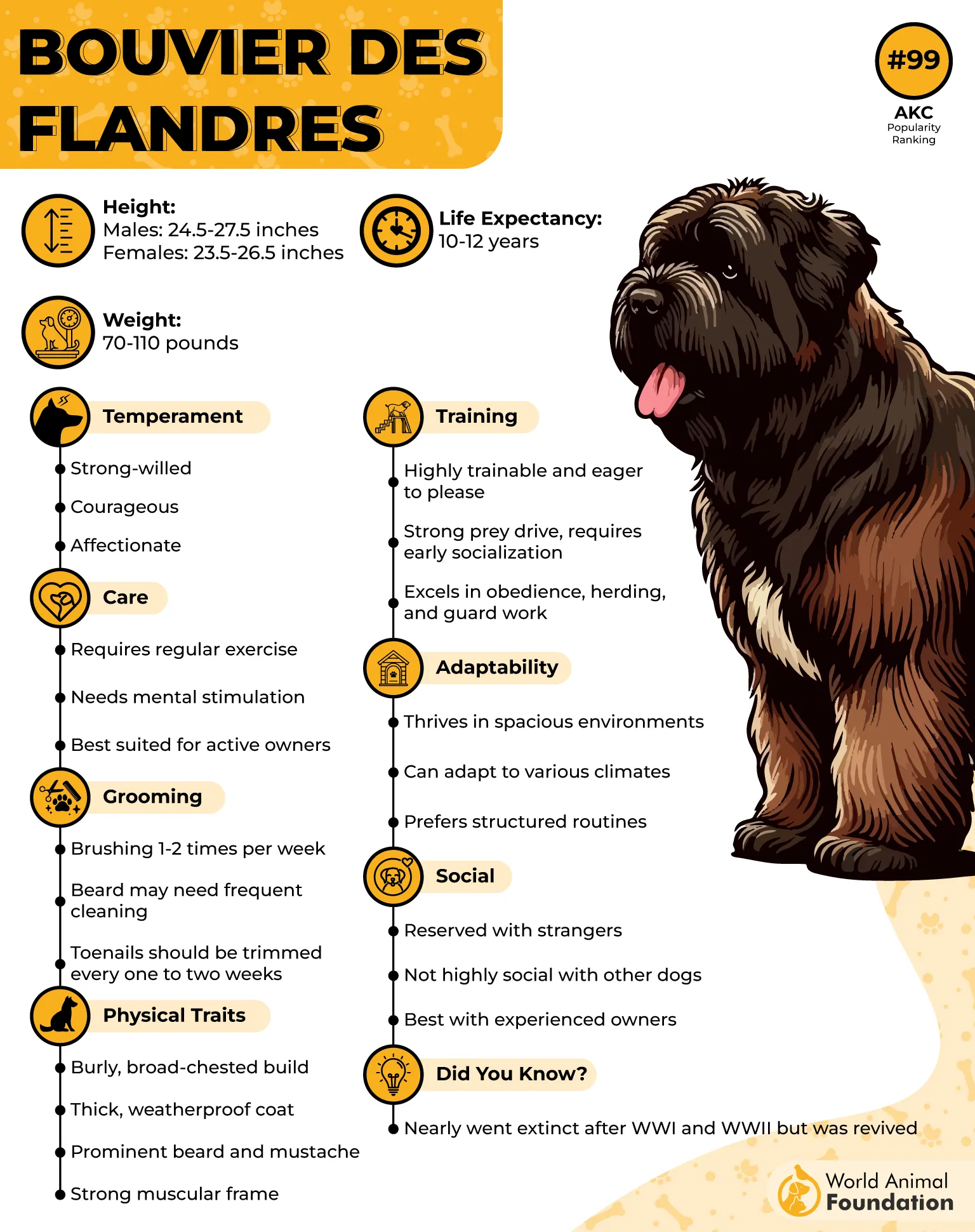
3. Bouvier Des Flandres
The Bouvier des Flandres breed originated in Belgium, where monks bred it as a cattle-driving dog built for strength and control, as Omlet stated. Its rough coat and solid frame reflect a working body designed for demanding farm tasks. The breed’s name itself highlights its role as a cattle herder.
Working Instinct in Action
This farm dog approaches tasks with focus, combining intelligence with a serious guarding mindset. It responds quickly to direction but requires early guidance to manage its strong protective drive.
This working attitude is reflected through:
Drives cattle with controlled force
Warns when unfamiliar people approach
Needs firm, consistent training
Temperament Within the Home
It settles into family life with calm behavior when raised properly, often forming gentle bonds with respectful children. Its appearance may seem imposing, yet its nature becomes friendly with early social exposure. Raised alongside other pets, it adapts well to shared environments.
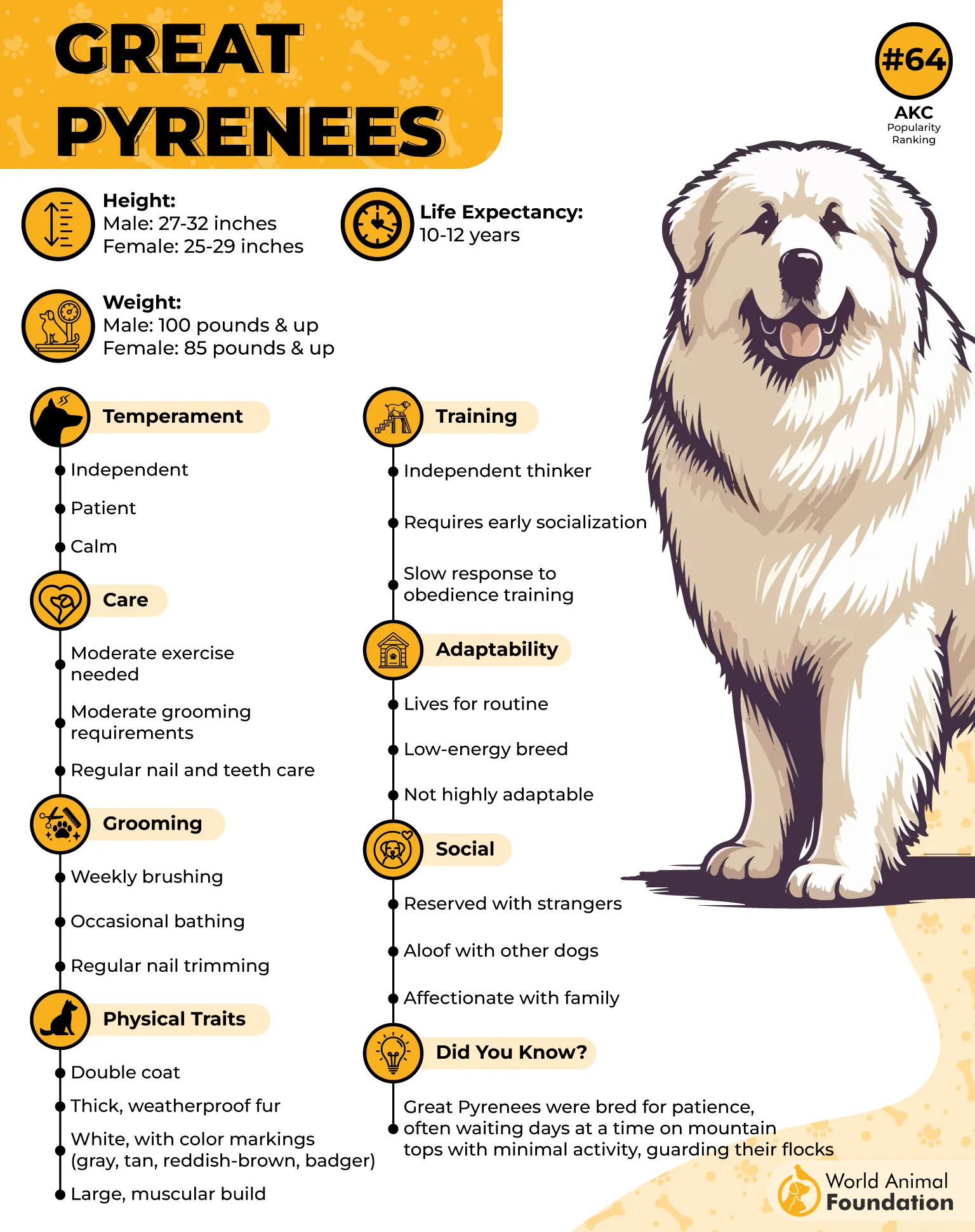
4. Great Pyrenees
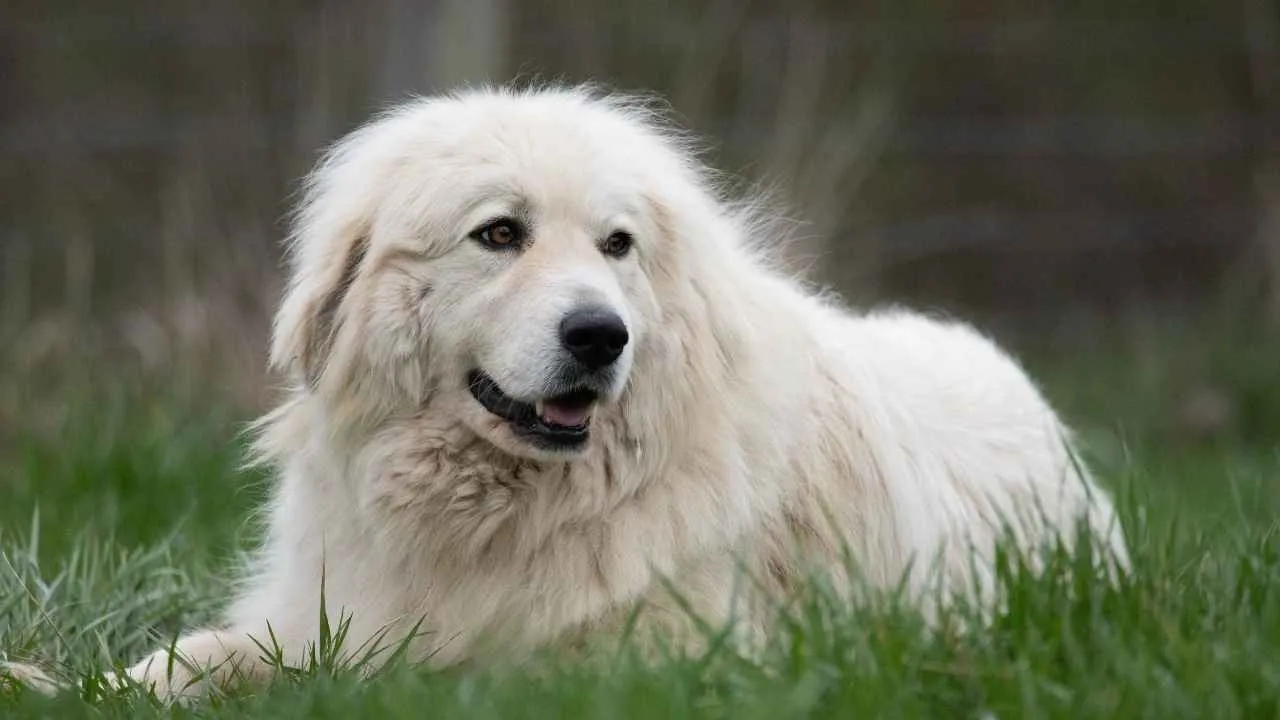
The Great Pyrenees was originally bred in the Pyrenees Mountains between Spain and France, where its thick white coat blended with the snowy terrain while protecting sheep from predators. The large frame and dense coat were built for endurance in cold, open landscapes.
Protection built on independence
This large dog was entrusted with guarding flocks alone in mountain valleys, a role that shaped strong independence and steady judgment. Energy was conserved for real threats, which explains the breed’s calm approach in everyday surroundings.
This working design is reflected in practical capabilities:
Guard livestock against large predators
Operates independently without constant direction
Conserves strength for defensive situations
Activity aligned with purpose
It engages best in structured outdoor tasks such as hiking, farm work, cart pulling, or sled work. These activities match its strength while respecting its natural preference for measured effort. The breed responds to tasks that align with its protective and working instincts rather than constant stimulation.
5. German Shepherd
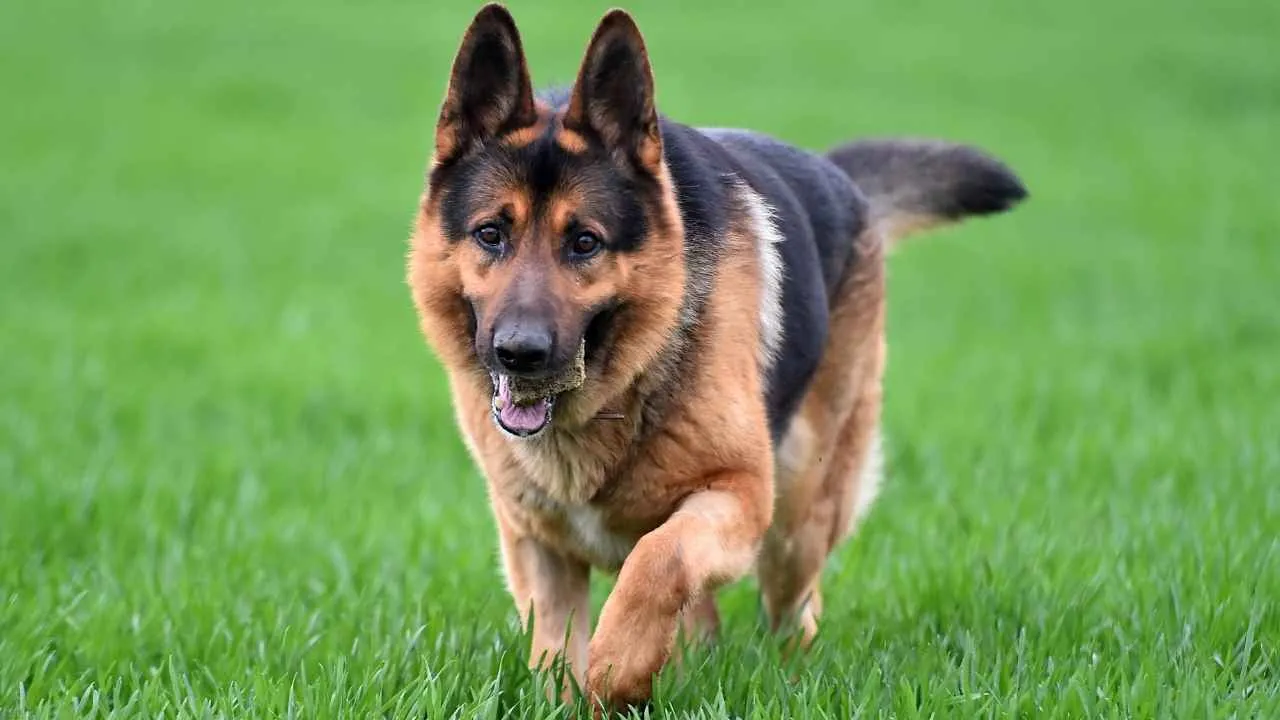
German Shepherds combine muscular strength, agility, and high intelligence, making them one of the most widely recognized working dogs.
Their physical build supports demanding tasks that require coordination and endurance. Confidence and bravery guide their response in structured environments.
Skills Refined Through Task Training
This guard dog performs best when given a clear role, especially in herding and specialized service work. Its ability to adapt to advanced obedience training allows it to handle complex assignments with focus, as per the AKC.
Core working abilities include:
Herding livestock with controlled direction
Tracking scents across varied terrain
Supporting patrol and search roles

Energy That Requires Purpose
The German Shepherd belongs to the herding group and channels its high energy into activities that involve movement and engagement. Without structured tasks or consistent outlets, its drive can become difficult to manage. Regular guided activity keeps its instincts aligned with productive behavior.
6. Pyrenean Shepherd
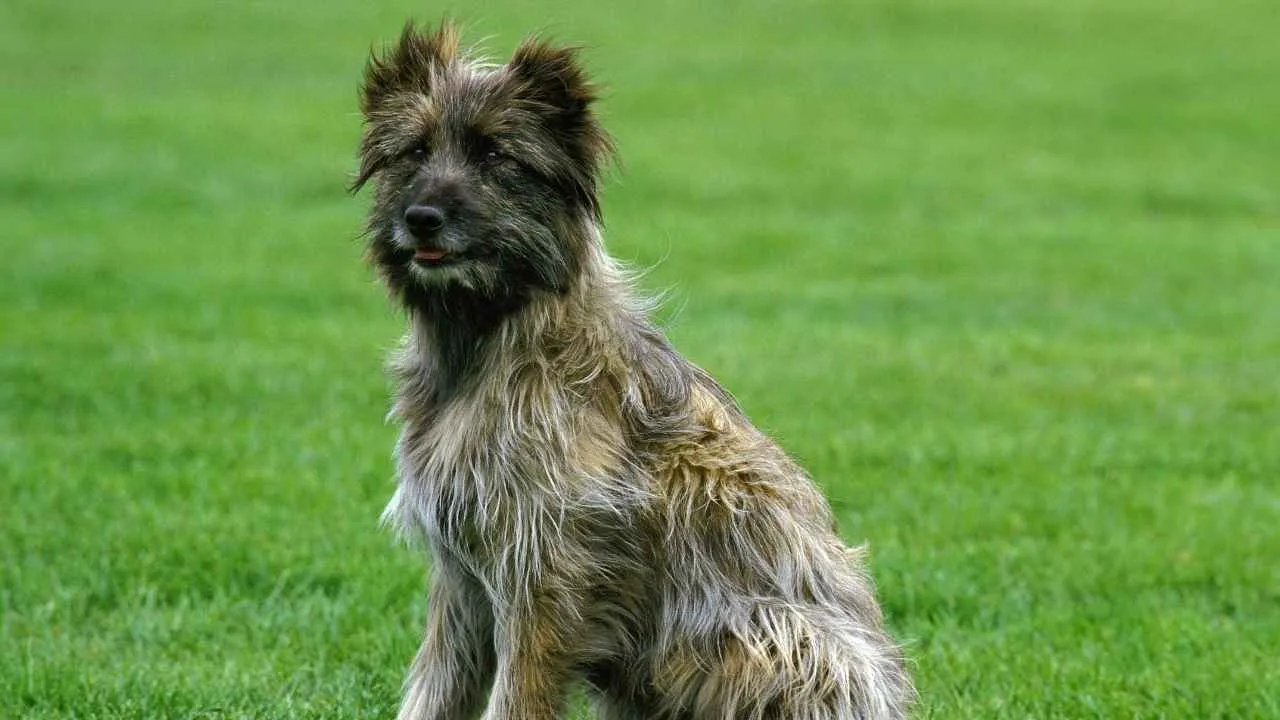
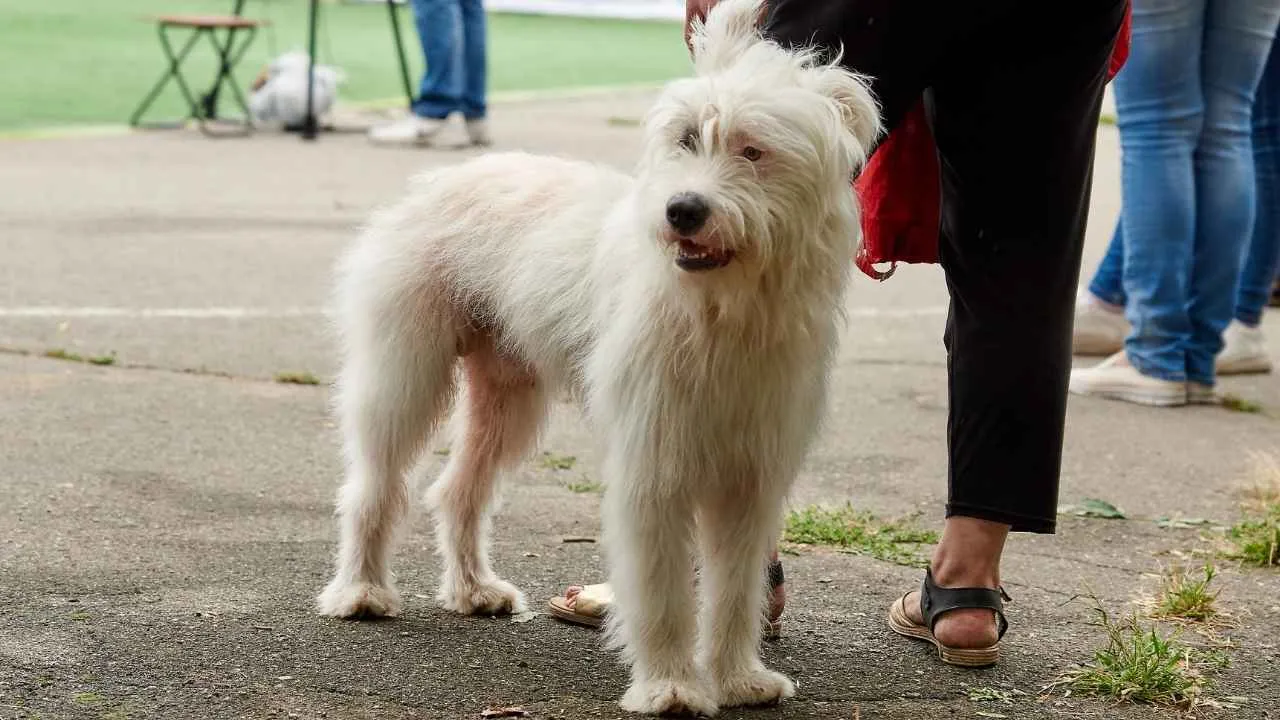
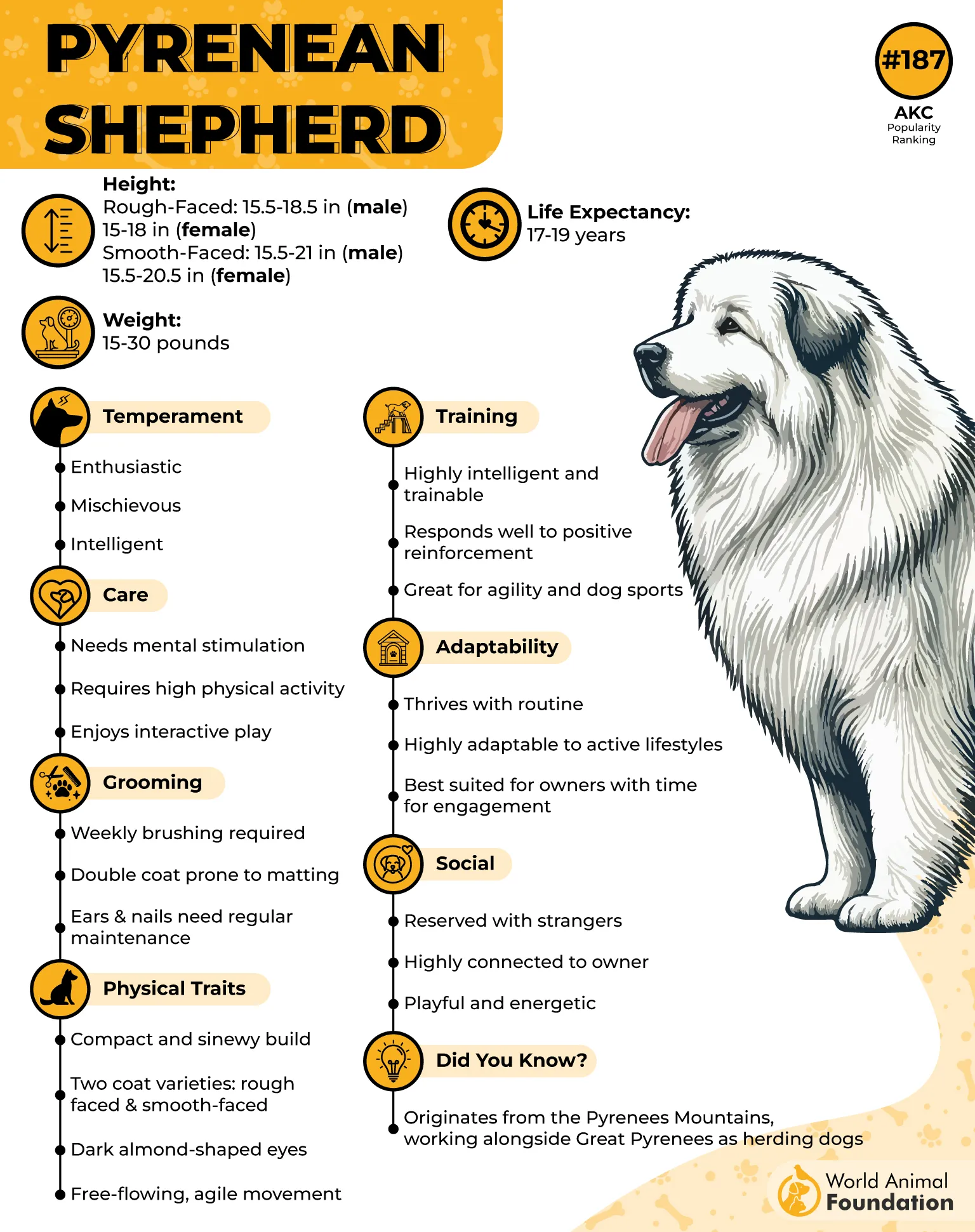
The Pyrenean Shepherd comes from the Pyrenees region between southern France and northern Spain, where it served as a sheep herding dog since medieval times.
Its small, agile frame supports long hours guiding flocks across mountainous terrain. This role shaped a dog built for coordination and quick response in open land.
Herding instinct and daily behavior
This energetic dog reacts strongly to movement, often attempting to guide children or other animals due to its deep herding drive. Early obedience training helps direct this instinct in practical ways, especially from a young age.
That drive becomes clear through routine traits:
Attempts to herd people or pets
Requires early basic obedience lessons
Benefits from structured daily tasks
Mental engagement needs
It is a highly intelligent dog and responds well to learning activities, yet it requires continuous mental engagement to avoid frustration.
Dog sports and structured competitions like agility or flyball match its sharp thinking and energy. Keeping the mind active is as important as physical activity for this breed.
7. Bergamasco Sheepdog
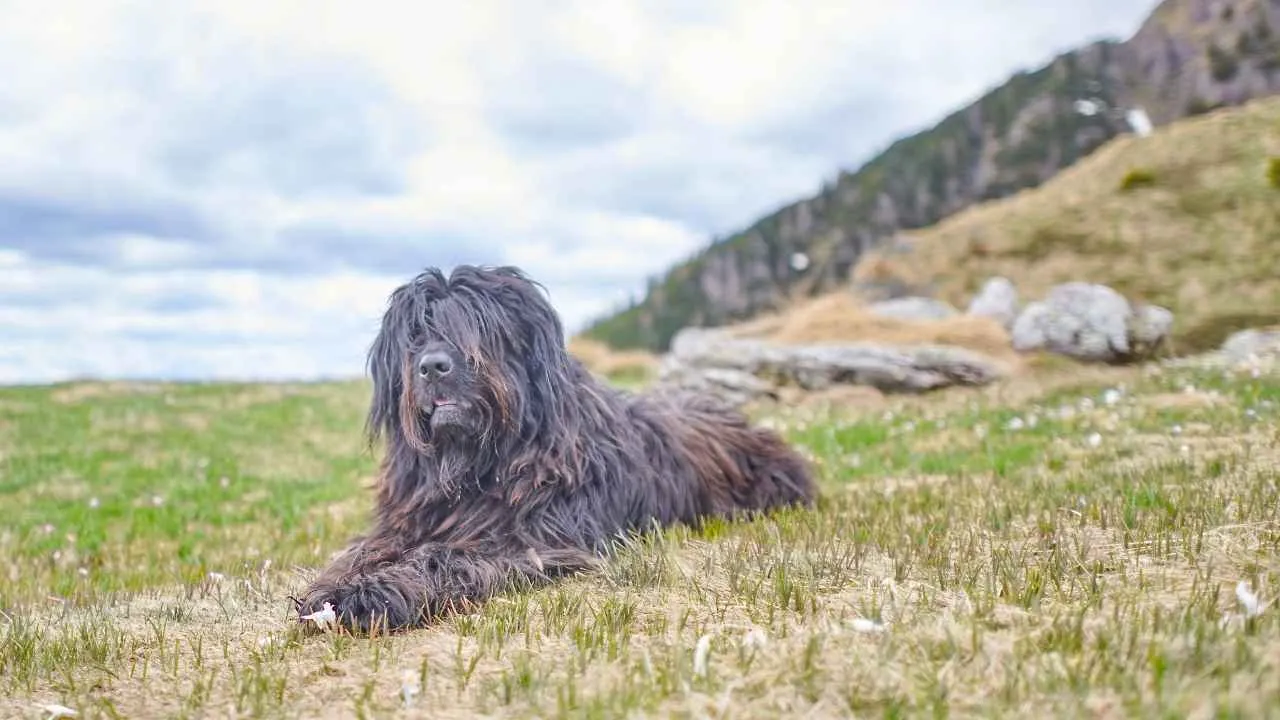
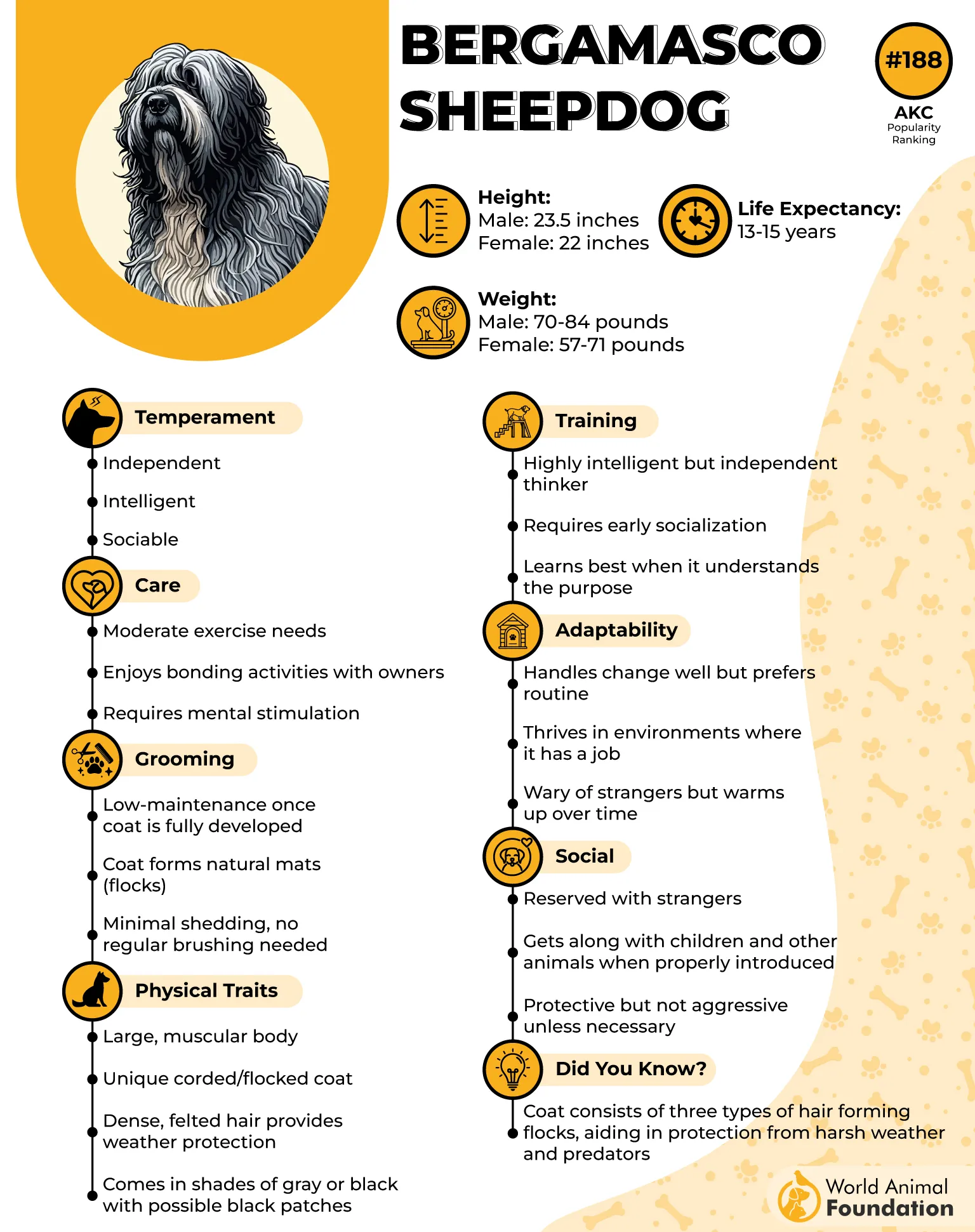
The Bergamasco Sheepdog originates from long-standing shepherd lines believed to have traveled from eastern regions with nomadic herders. Its ability to guide flocks operates with minimal human direction, reflecting strong independent working instincts.
Working intelligence in action
This breed approaches herding with quiet focus, managing cattle and sheep through controlled positioning rather than force. Its decision-making ability allows it to operate in open land with limited supervision.
This working pattern includes clear elements:
Guides livestock without constant commands
Uses independent judgment in the field
Performs effectively in traditional farm settings
Family bond and protective focus
The Bergamasco Sheepdog forms a deep attachment with household members and prefers proximity to its people. It interacts gently with children and often assumes a protective role around them. Around unfamiliar individuals, it observes before deciding how to engage.
Conclusion
Rural work places pressure on a dog in ways most ordinary routines never do. Long hours, changing terrain, stubborn livestock, and constant awareness demand far more than physical size or energy alone. The breeds on this list continue standing out because they carry generations of working instinct shaped through real responsibility and daily labor, often balanced by a gentle nature.
Some excel at guiding animals with control, while others remain trusted protectors across open land and isolated properties because of their strong protective instincts. Their value comes from steadiness, resilience, and the ability to remain dependable when conditions become difficult. With enough mental stimulation, many also become loyal companion pets and trusted family members today.
