




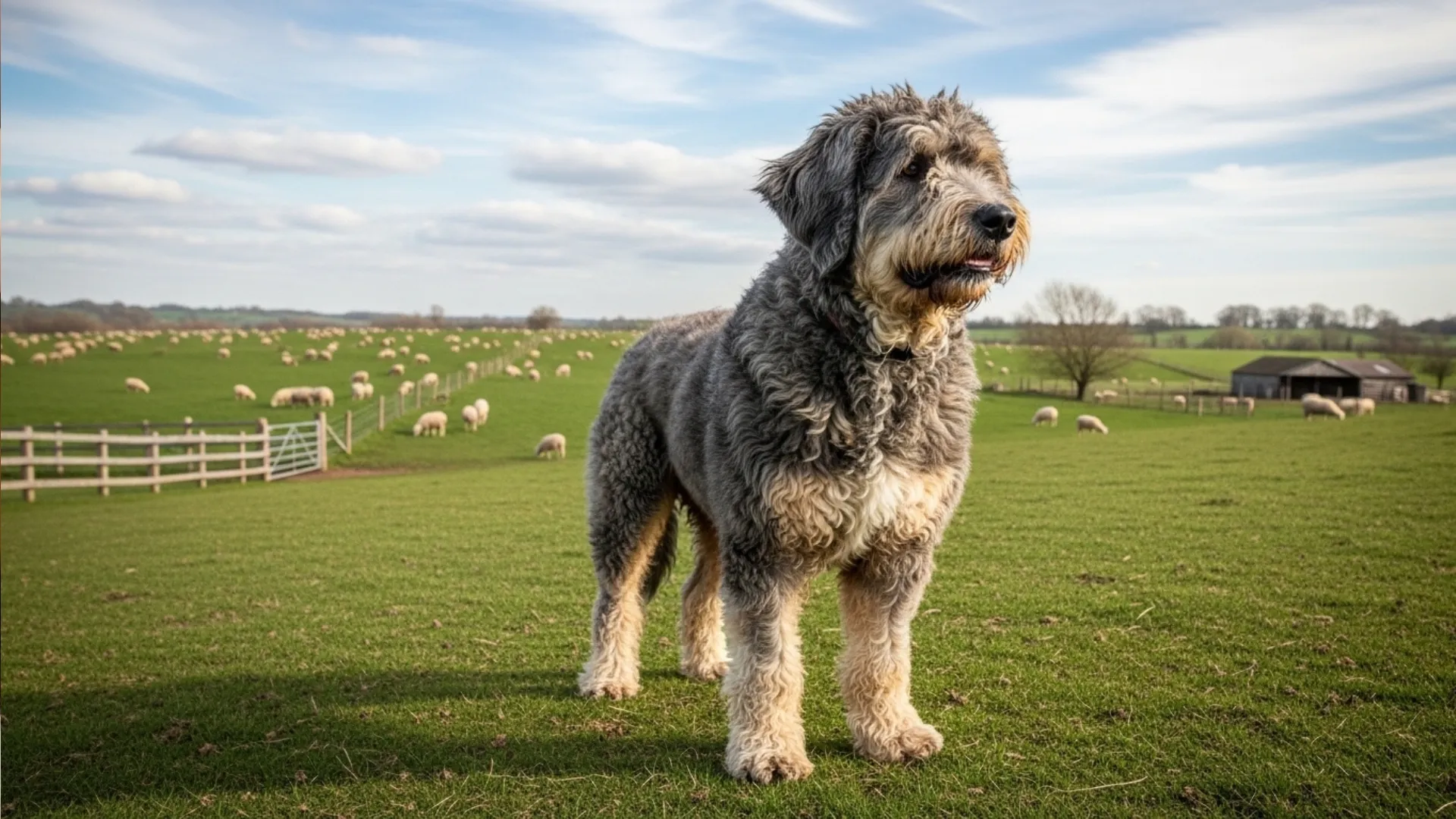
If you’re searching for a dependable, energetic companion that thrives on purpose and activity, herding and working dog breeds stand out as exceptional choices.
Bred over generations to protect livestock, these dogs are known for their sharp intelligence, quick reflexes, and unwavering dedication to their tasks.
Their natural instinct to organize, guide, and protect makes them not only reliable working partners but also highly responsive family pets when properly trained and stimulated.
However, their high energy levels and need for mental engagement mean they flourish best in environments where they receive regular exercise, structured routines, and meaningful interaction.
For active individuals or families prepared to meet their needs, these breeds offer loyalty, versatility, and a deep bond that goes far beyond companionship.
Robust Dog Breeds Perfect for Herding and Work
1. Pembroke Welsh Corgi
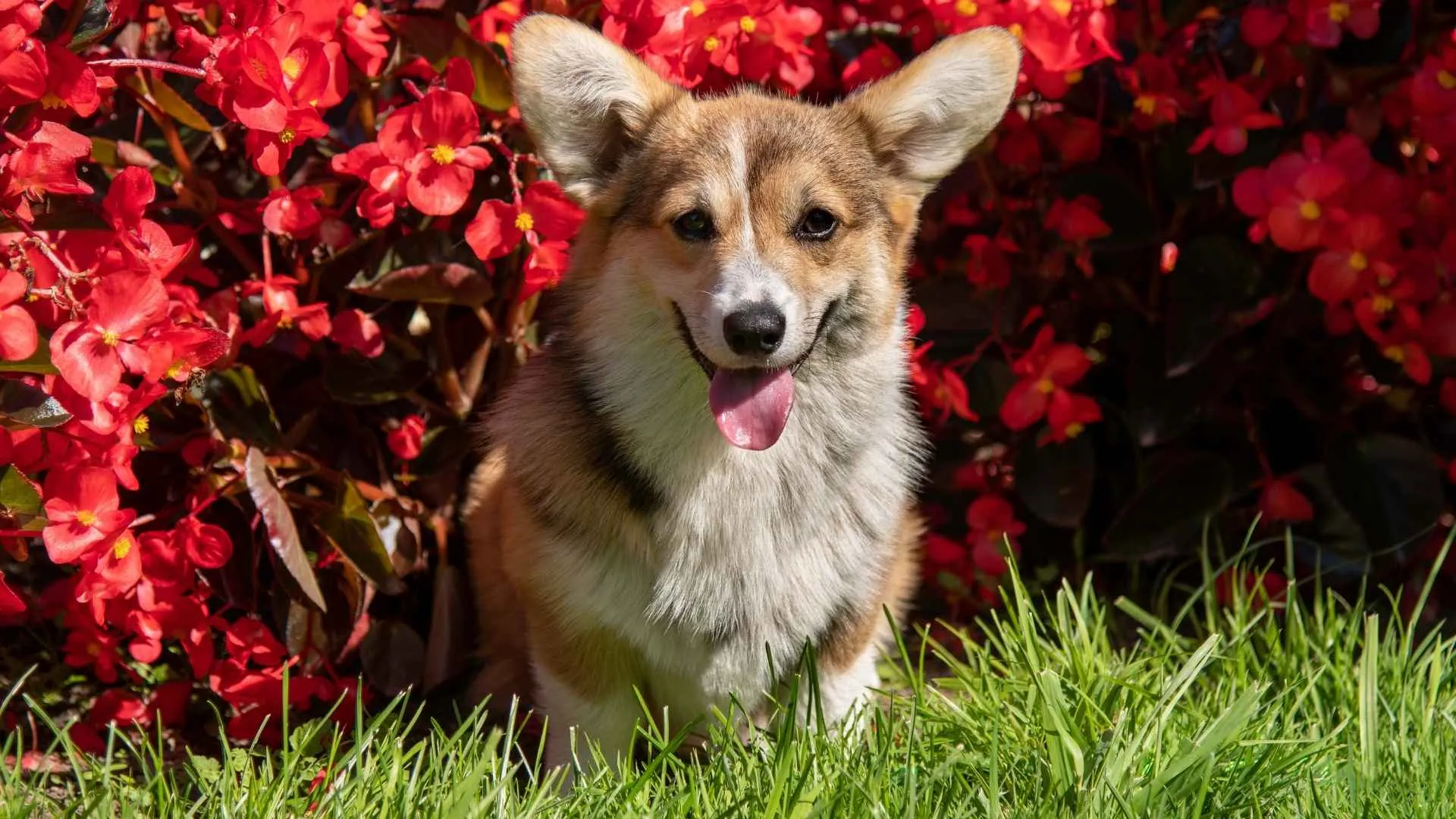
The Pembroke Welsh Corgi stands out as a compact yet powerful worker, among the most adaptable small herding dogs, as noted by the AKC.
Known for its long, low build, sturdy frame, and alert expression, this breed combines agility with surprising strength. Males typically measure around 10 to 12 inches tall and weigh between 25 and 30 pounds, giving them a dense, athletic presence.
Their muscular hindquarters and short legs allow quick, precise movement when herding livestock. Coat colors commonly include red, sable, fawn, and black and tan, often with white markings.
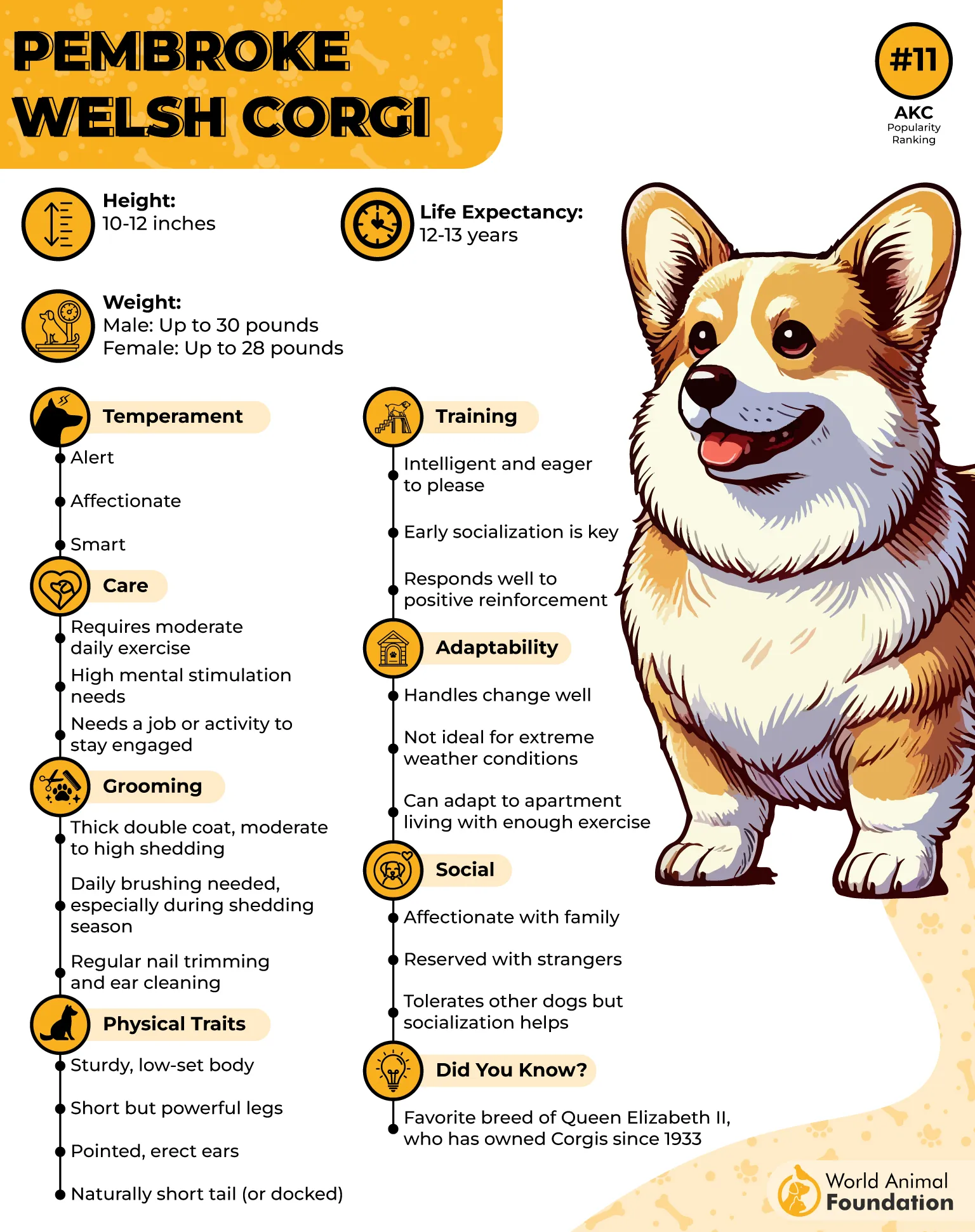
Beyond their physical traits, Pembrokes are intelligent, eager to learn, and responsive to consistent training. They possess a strong herding instinct, making them attentive, vigilant, and sometimes vocal watchdogs.
Social and affectionate with families, they thrive in active environments where they receive both mental stimulation and regular exercise, ensuring their working drive is positively channeled into a loyal and well-balanced companion.
With proper guidance, they excel in obedience, agility, and farm tasks, forming strong bonds that reflect their heritage as dedicated, reliable working partners consistently.
2. Bergamasco Sheepdog
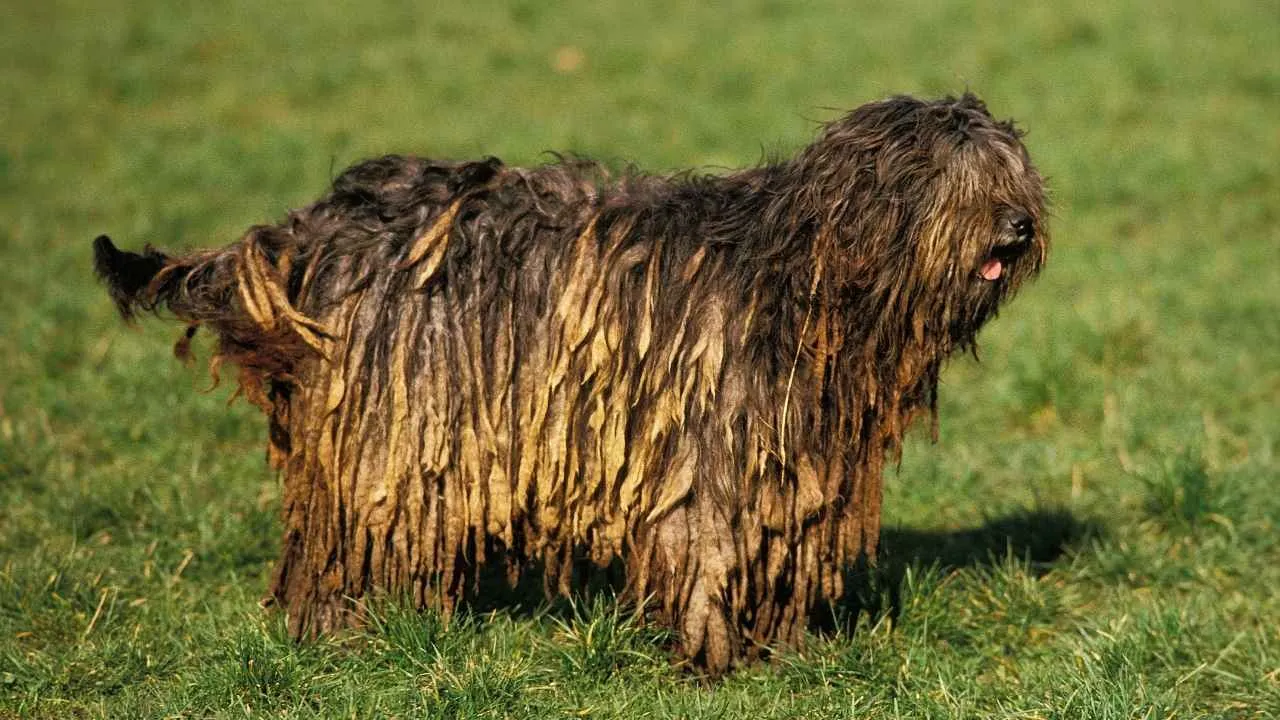
The Bergamasco Sheepdog is an ancient herding breed with roots tracing back thousands of years, believed to have originated in regions of the Orient and later introduced to Europe by nomadic shepherds.
Renowned for its exceptional independence and problem-solving ability, this robust working dog was developed to manage flocks with minimal human direction, often guiding sheep or cattle with remarkable precision.
Its distinctive, long, matted coat provides protection against harsh climates, especially in mountainous environments where it traditionally worked.
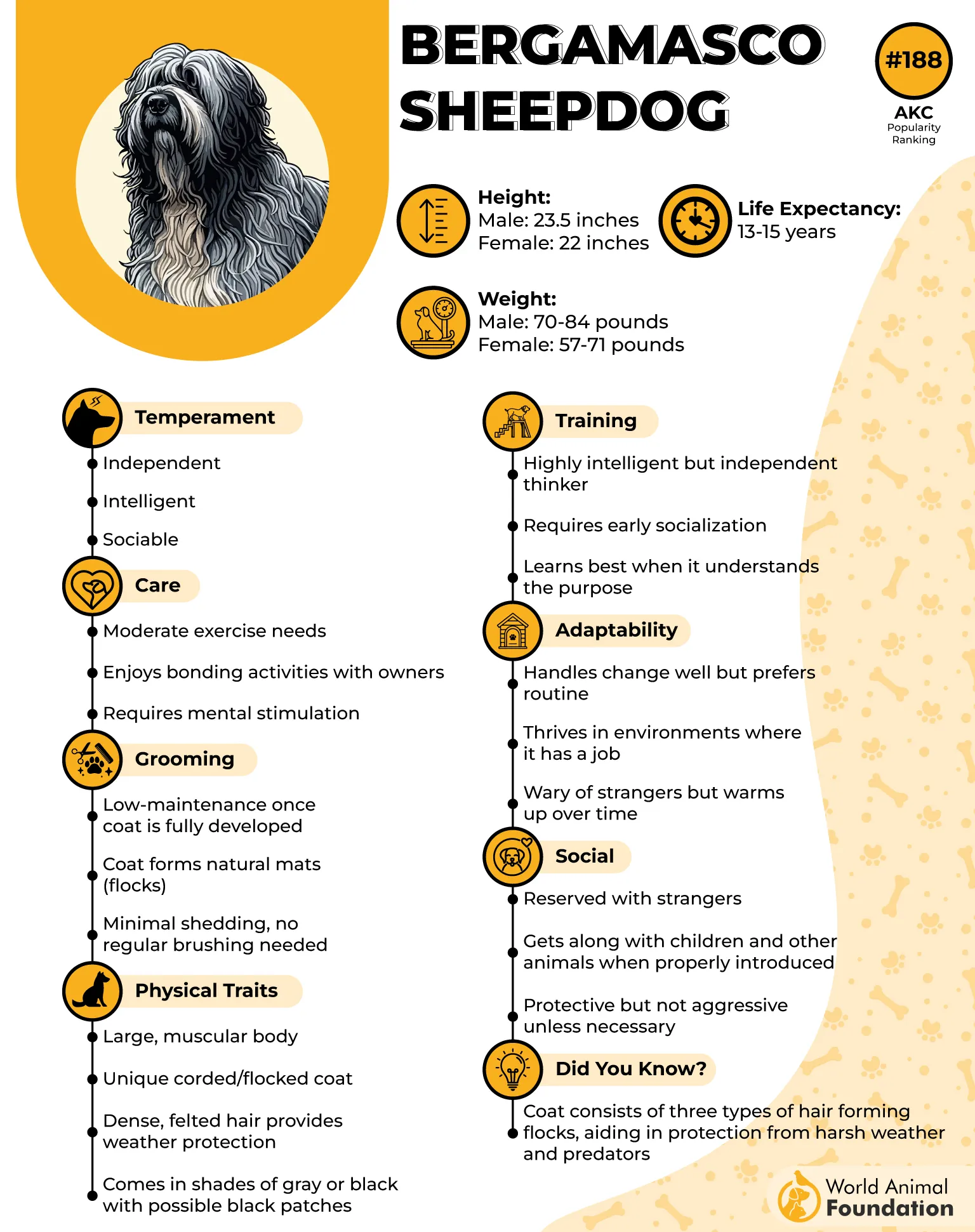
Intelligent, observant, and patient, the Bergamasco learns quickly and retains training well, though it can display a thoughtful, independent streak that requires consistent and fair guidance.
Beyond its working heritage, it is calm, affectionate, and forms strong bonds with its family, often serving as a steady and reliable companion.
Regular exercise, mental engagement, and ample space help maintain its physical and behavioral balance, while its natural vigilance and steady temperament make it well-suited for herding tasks and active households alike.
Despite its heavy coat, it adapts to structured living when given proper grooming, cooler resting areas, and consistent socialization.
3. Australian Shepherd
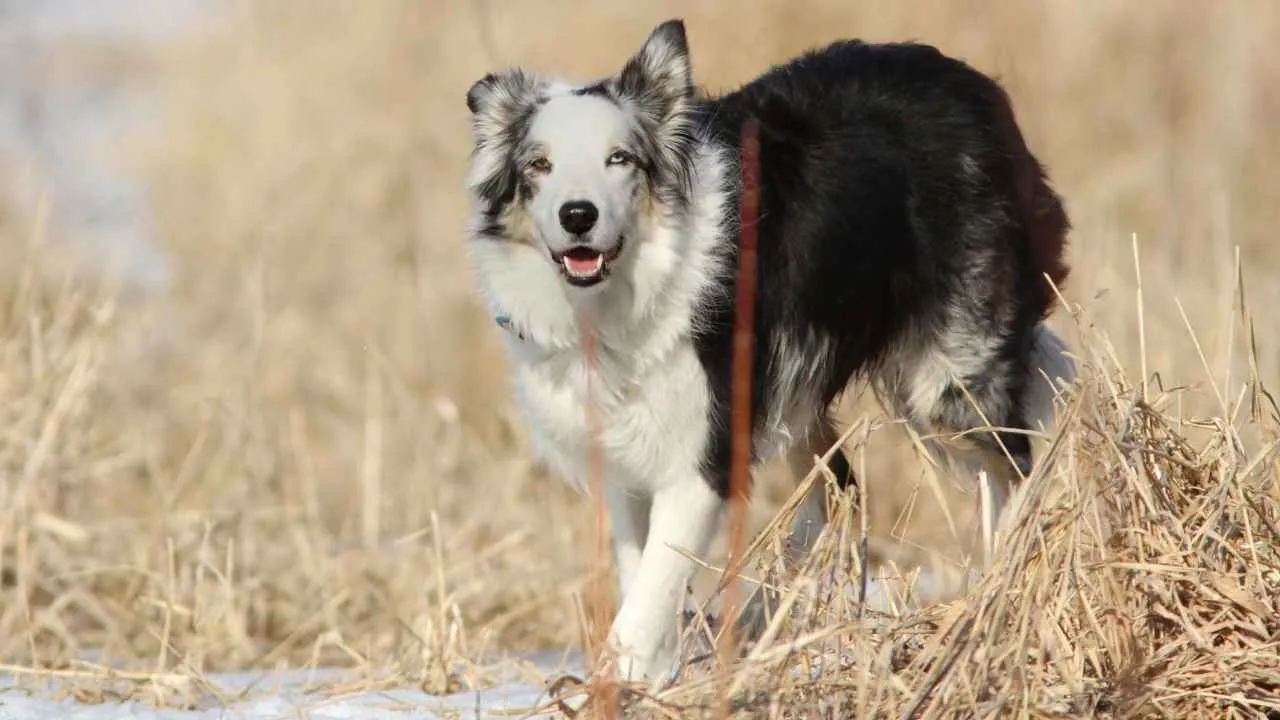
The Australian Shepherd is a powerful, agile, and remarkably intelligent medium-sized herding breed built for endurance, precision, and constant activity, as mentioned by PetMD.
With a well-muscled body, sharp awareness, and natural coordination, this breed excels in demanding work environments where quick thinking and responsiveness are essential.
Originally developed as a working dog, the Australian Shepherd retains a strong instinct to herd, problem-solve, and stay engaged with tasks, making it highly driven and eager to please its handler.
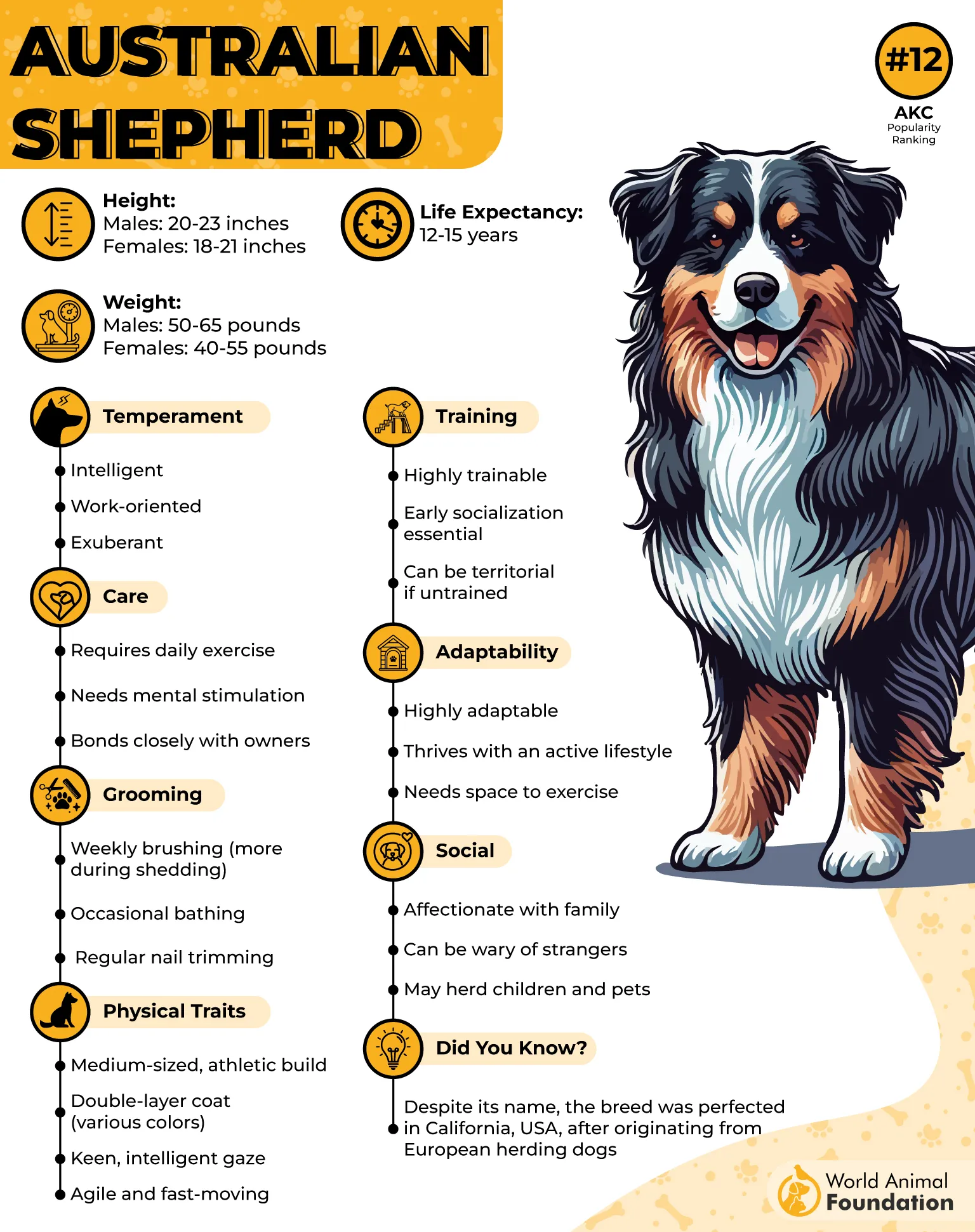
Known for its loyalty and alert temperament, it often forms close bonds with its family while remaining cautious around unfamiliar people until properly socialized.
Its high energy levels require regular physical exercise and mental stimulation, as it thrives when given structured activities or purposeful work.
Due to its herding instincts, it may attempt to chase moving objects, a behavior that can be managed with proper training and consistent guidance.
With proper care, socialization, and an active lifestyle, the Australian Shepherd breed proves to be a dependable, versatile companion suited for both working roles and committed households.
4. Pyrenean Shepherd
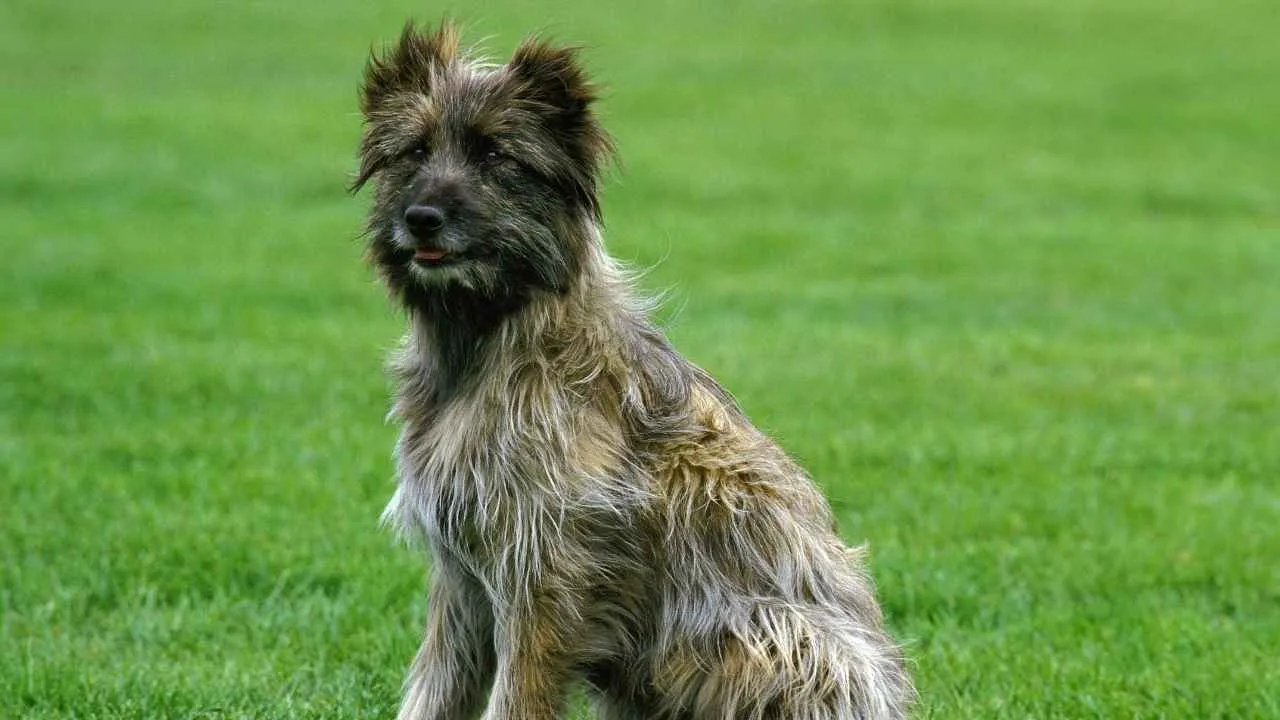
Pyrenean Shepherd stands out as a compact, agile, and highly intelligent herding breed developed in the rugged Pyrenees region of Southern France and Northern Spain.
The Pyrenean Shepherd has a long history dating back to medieval times, where it was used to manage sheep across challenging mountainous terrain.
Working in tandem with larger guardian dogs, it played a vital role in alerting them to danger while independently guiding and controlling flocks with speed and precision.
Its versatility became even more recognized during and after the First World War, when it served as a courier, search and rescue dog, and watchful companion, proving its adaptability and intelligence in demanding roles.
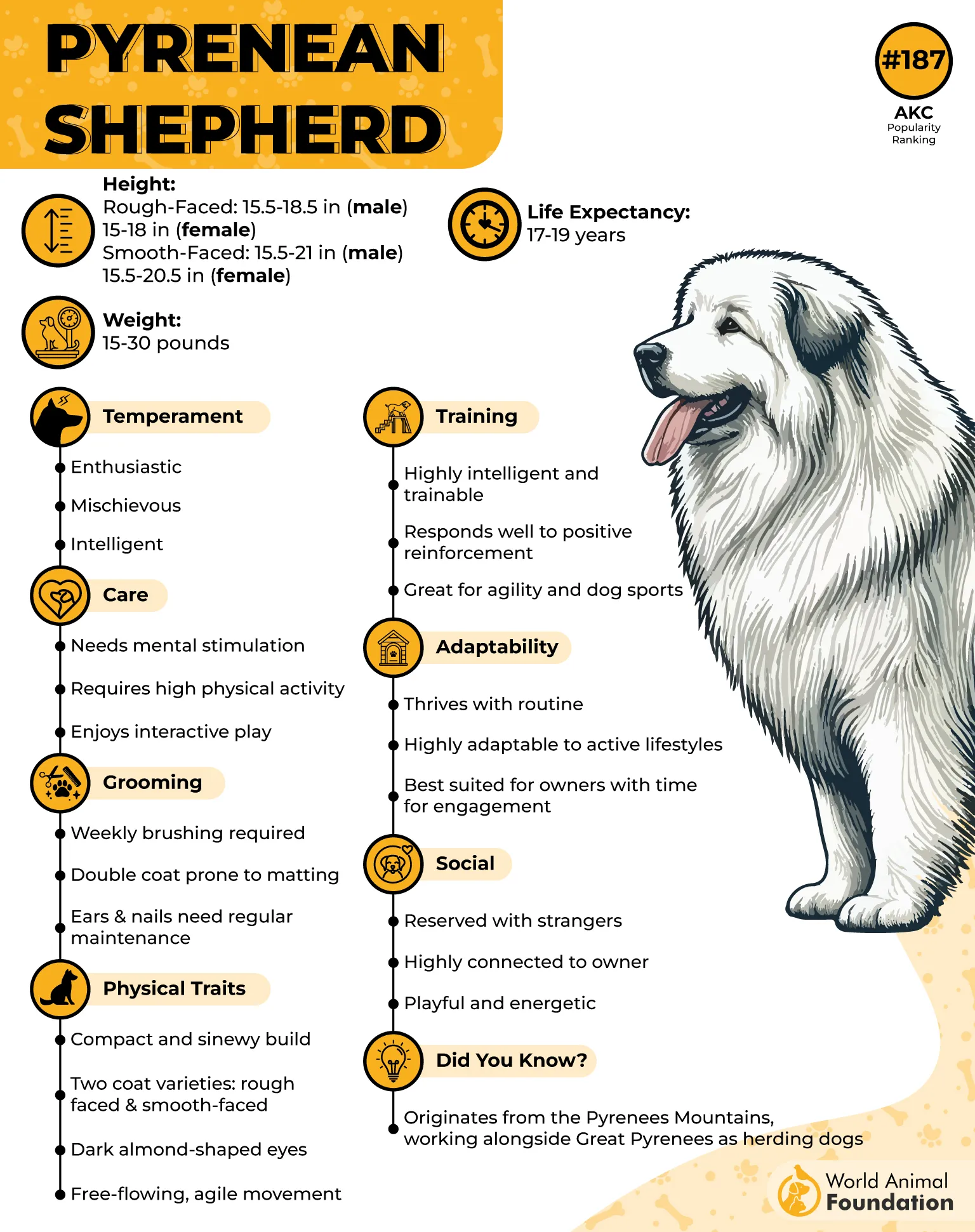
Known for its lively temperament, strong work drive, and deep loyalty, this breed thrives when given consistent tasks and mental challenges. It forms close bonds with its family but can be reserved with strangers, making early socialization essential.
Highly alert and vocal by nature, it requires structured training to manage its barking and herding instincts.
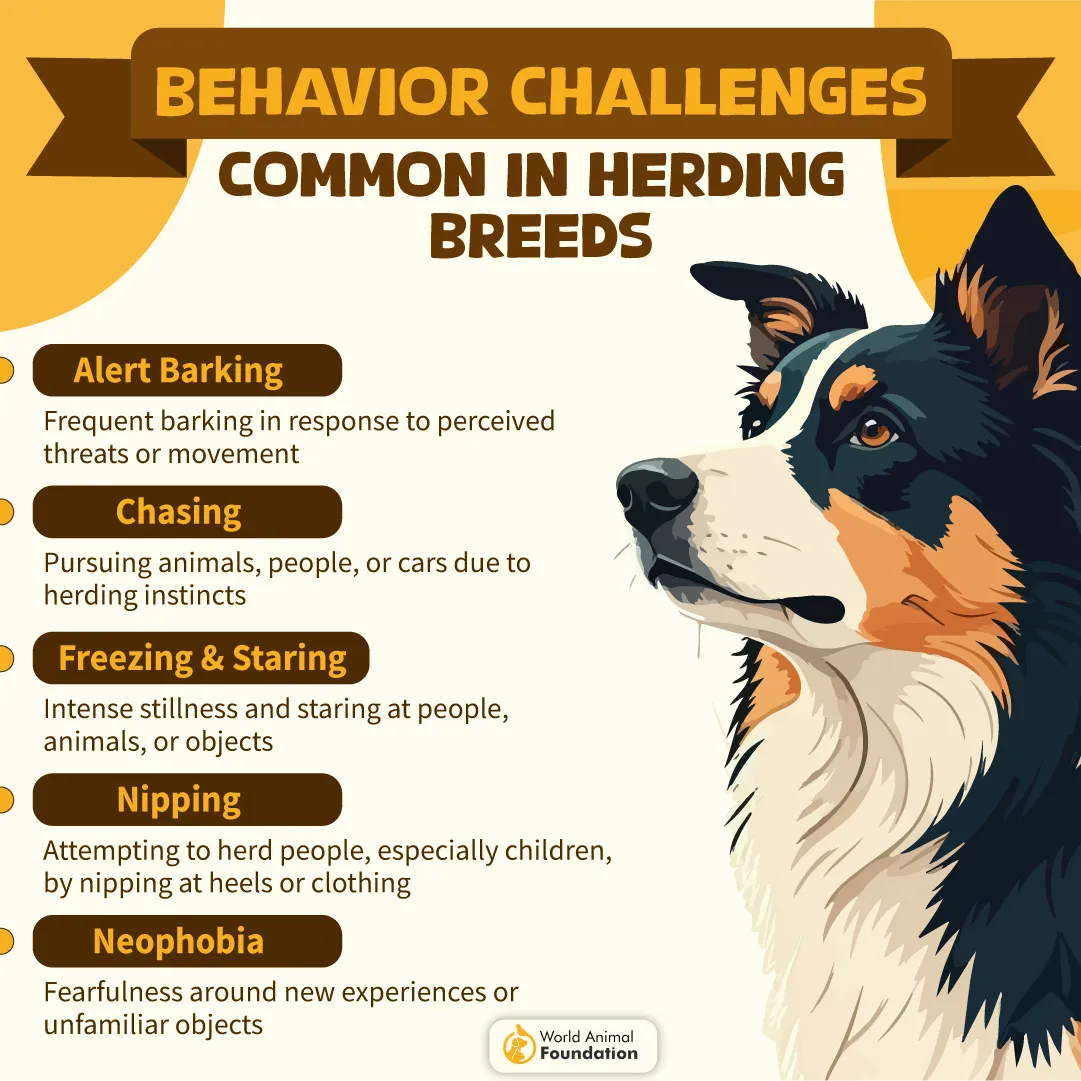
With proper guidance, regular exercise, and purposeful engagement, it remains a capable, reliable working dog and a devoted companion.
5. Beauceron
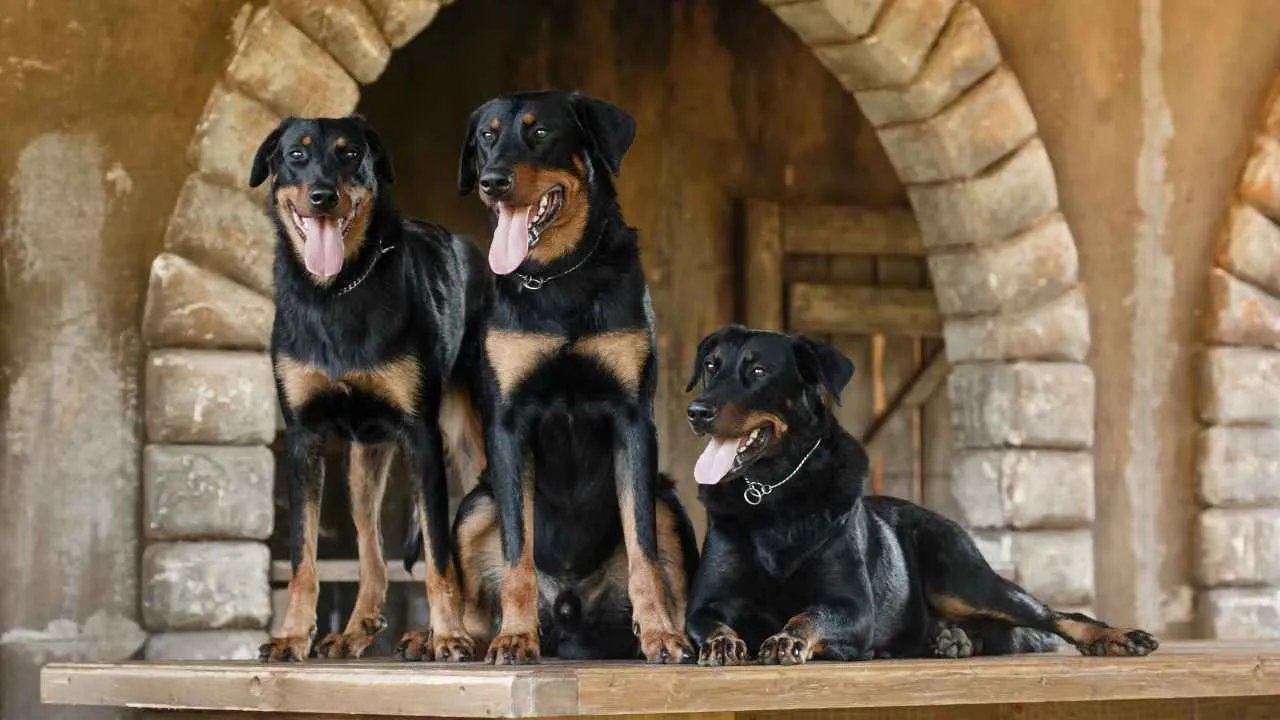
Beauceron emerges as a powerful, versatile working breed with deep roots in France, where it has long been valued for its strength, intelligence, and reliability in demanding roles.
The Beauceron, historically known as “berger de Beauce,” was developed around the 1500s and initially used for hunting wild boar before becoming widely recognized as an effective herding and livestock guardian.
Despite its name, the breed is believed to have originated from the Brie region, sharing lineage with the briard, and was later distinguished as a separate breed in the early 20th century.
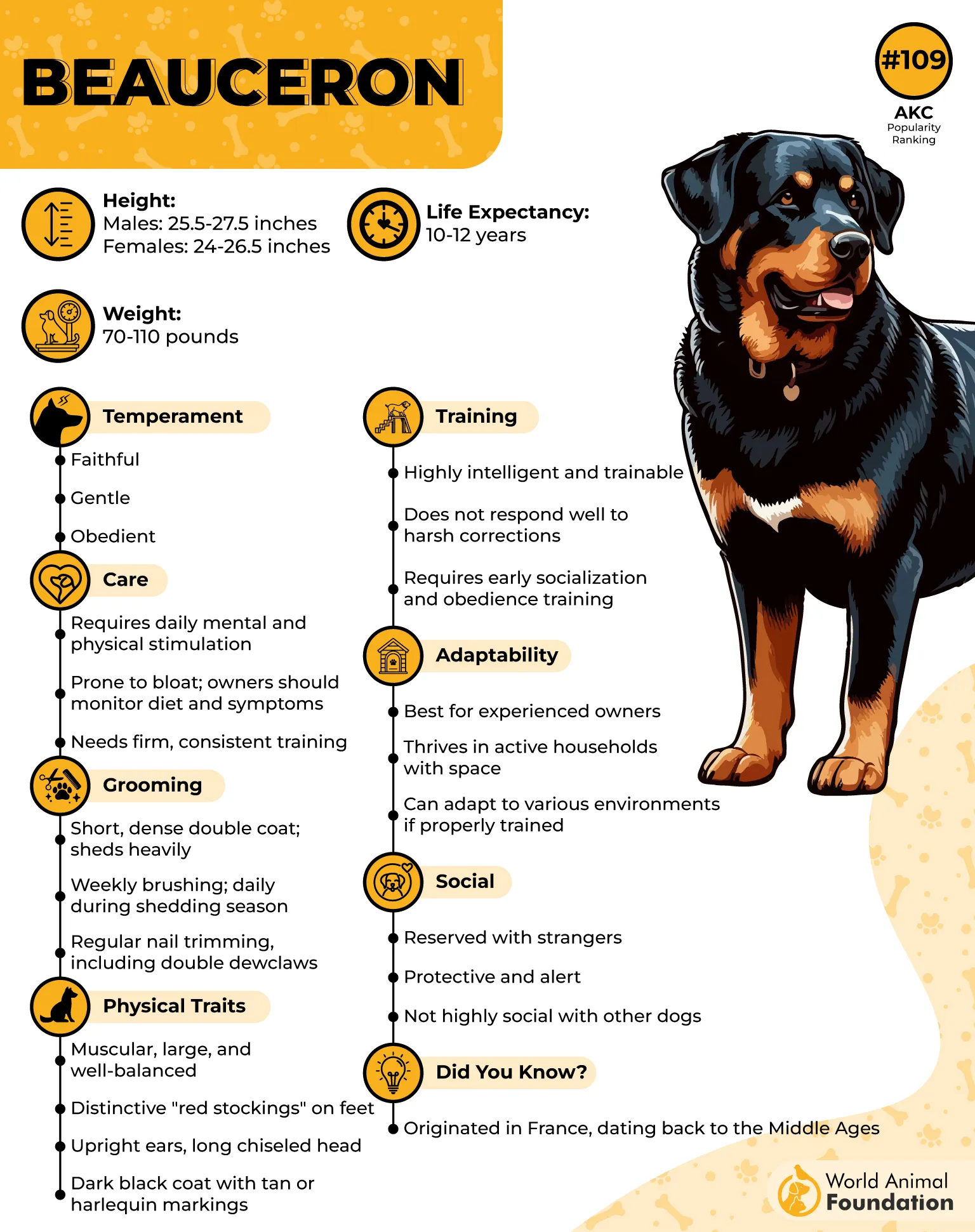
Built for endurance and control, the Beauceron possesses a muscular frame, sharp awareness, and a natural instinct to protect, making it well-suited for both herding and guarding duties.
Beyond the fields, it has proven its value in modern roles such as police work, search and rescue, and personal protection.
Intelligent, confident, and highly trainable, it requires consistent guidance, structure, and purposeful activity to thrive, forming strong bonds with handlers while maintaining a composed and vigilant temperament.
6. Old English Sheepdog
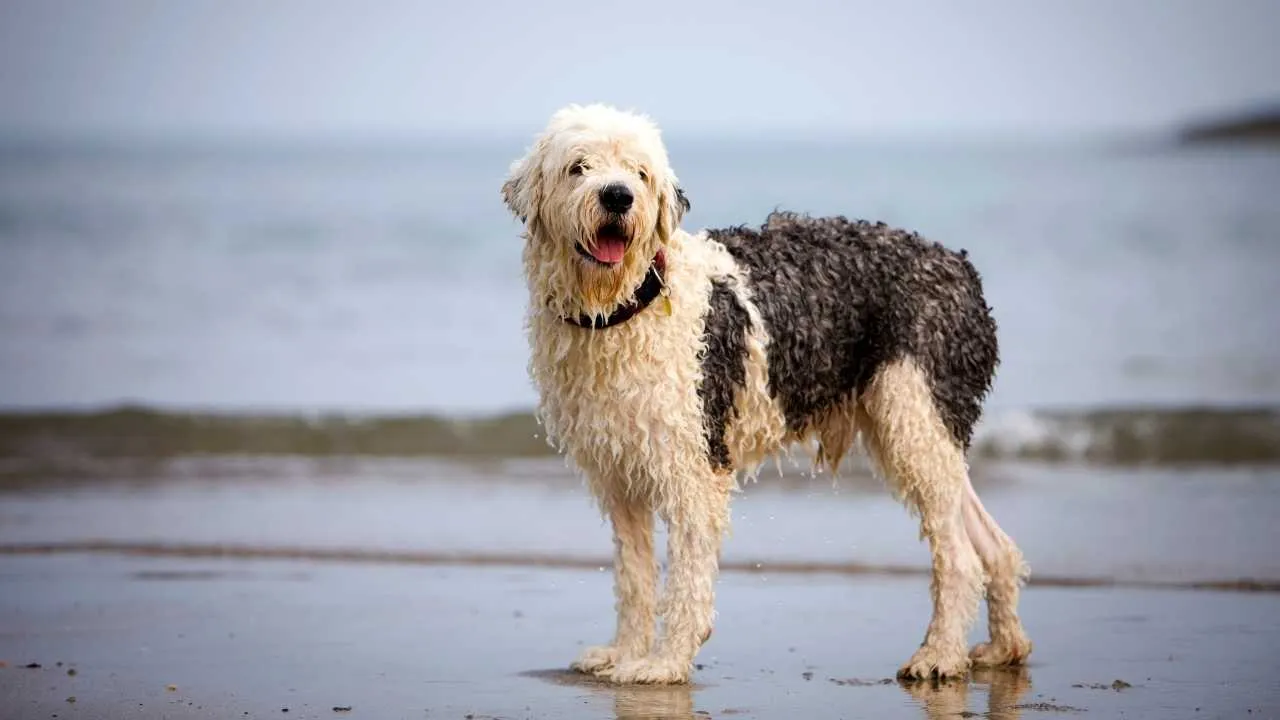
Old English Sheepdog stands as a distinctive and powerful herding breed developed in the Devon and Somerset regions of England, with origins believed to trace partly back to Continental herding dogs, as mentioned by Hills Pets.
The Old English Sheepdog was historically bred to meet the demands of rural farmers who required a large, dependable dog capable of driving sheep and cattle while also protecting them from predators such as wolves.
Known for its dense, shaggy coat and sturdy build, this breed was commonly referred to as a “bobtail,” a nickname that originated from the practice of docking tails for identification and tax purposes.
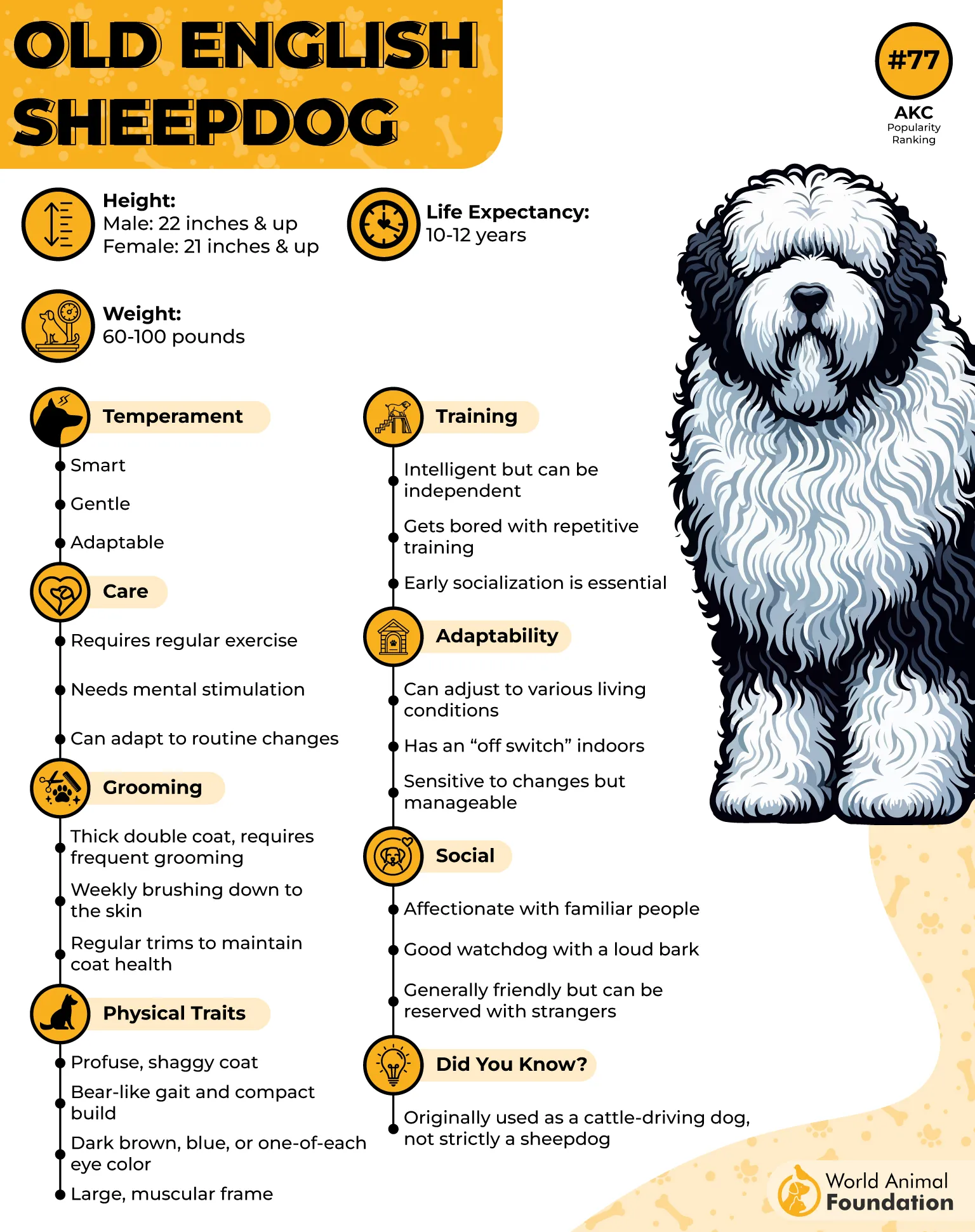
Beyond its recognizable appearance, the Old English Sheepdog is intelligent, energetic, and naturally inclined toward work, thriving in environments where it is given structure and purpose.
It requires consistent training, early socialization, and regular physical activity to maintain balance and discipline. While affectionate and loyal, it is best suited to experienced owners who can provide firm yet patient guidance.
With proper engagement, it excels in herding tasks, obedience work, and other structured activities that channel its strong working instincts effectively.
7. Belgian Malinois
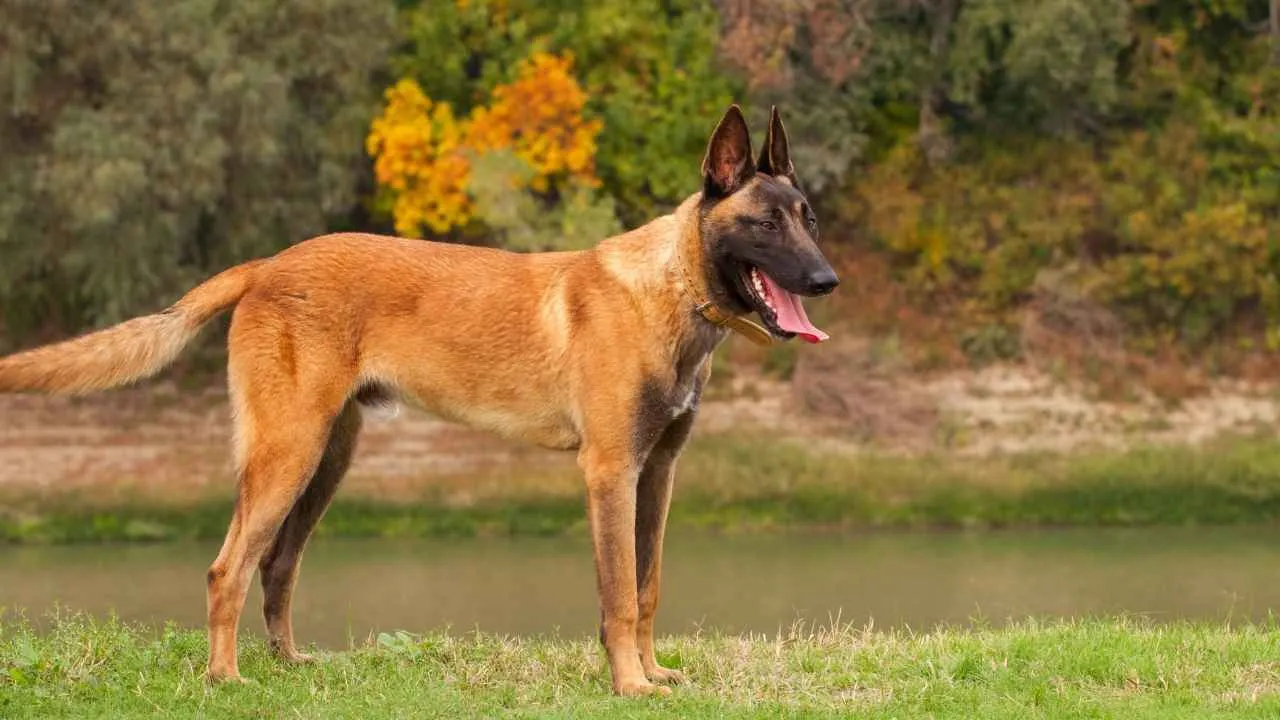
Belgian Malinois stands out as a highly driven and exceptionally athletic herding breed developed in the 1800s in Mechelen (Malines), located in the Flanders region of Belgium.
The Belgian Malinois is known for its square, well-proportioned frame, strong musculature, and remarkable endurance, all of which contribute to its effectiveness as a working dog.
Originally bred for herding, it has evolved into one of the most versatile and widely used breeds in modern working roles due to its intelligence, focus, and responsiveness to training.
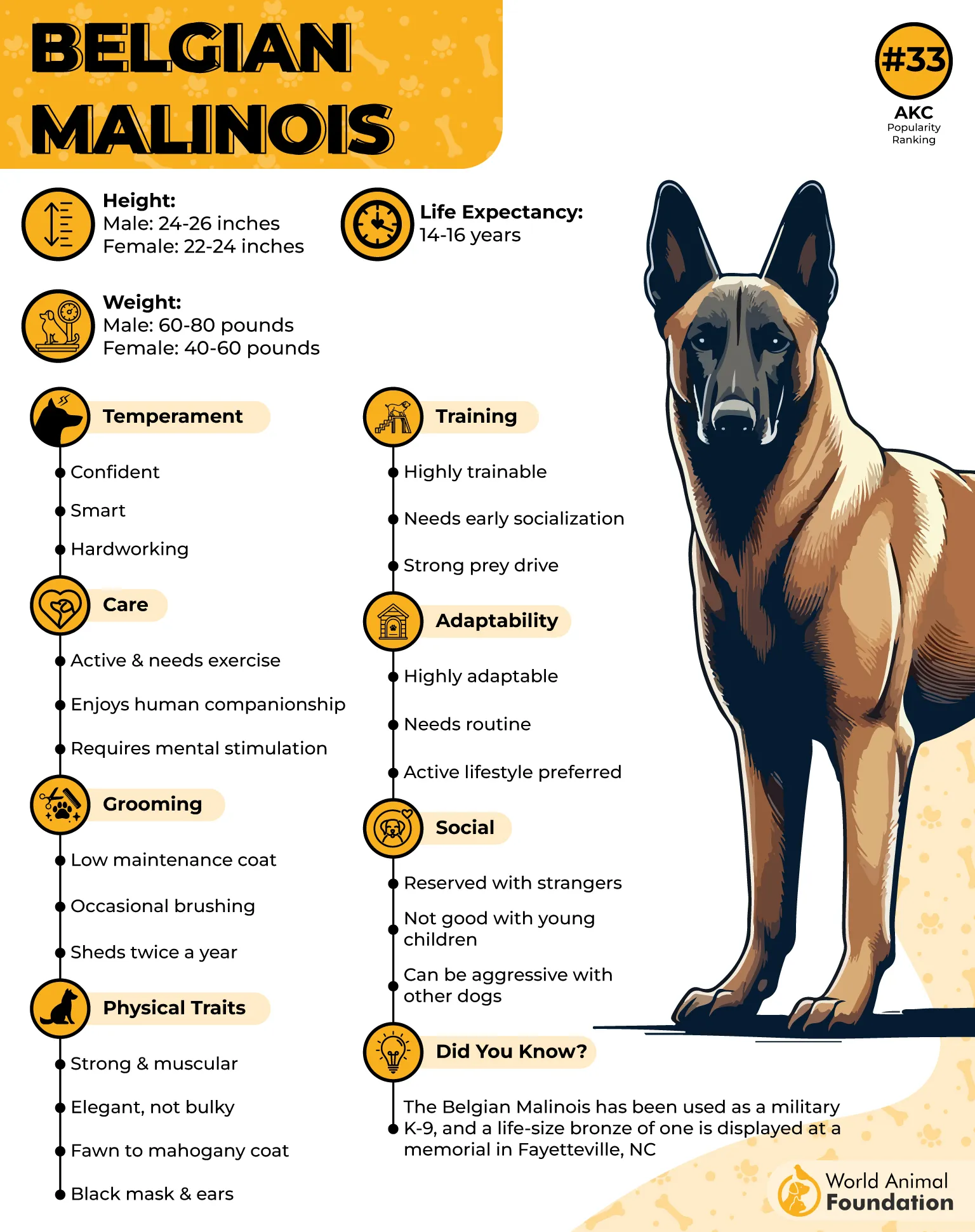
This breed thrives on continuous physical activity and mental challenges, requiring several hours of exercise each day to remain balanced and satisfied.
It excels in tasks that combine agility, speed, and precision, including herding, tracking, obedience, and protection work.
Activities such as agility courses, retrieving games, and structured training exercises align well with its natural instincts.
Known for its intense work ethic and eagerness to perform, the Belgian Malinois is best suited for experienced handlers who can provide consistent training, clear direction, and an active lifestyle that fully engages both its body and mind.
Conclusion
Herding and working dogs are exceptional companions for individuals and families who can match their energy, intelligence, and drive with an equally active lifestyle.
Bred for endurance, focus, and purpose, these dogs thrive when given consistent training, mental challenges, and regular physical exercise.
Their natural instincts make them highly responsive, loyal, and protective, while also requiring proper guidance and socialization to bring out their best traits.
When their needs are met, they develop into well-balanced, dependable partners that excel in both working roles and home environments, forming strong, lasting bonds with their handlers.
