




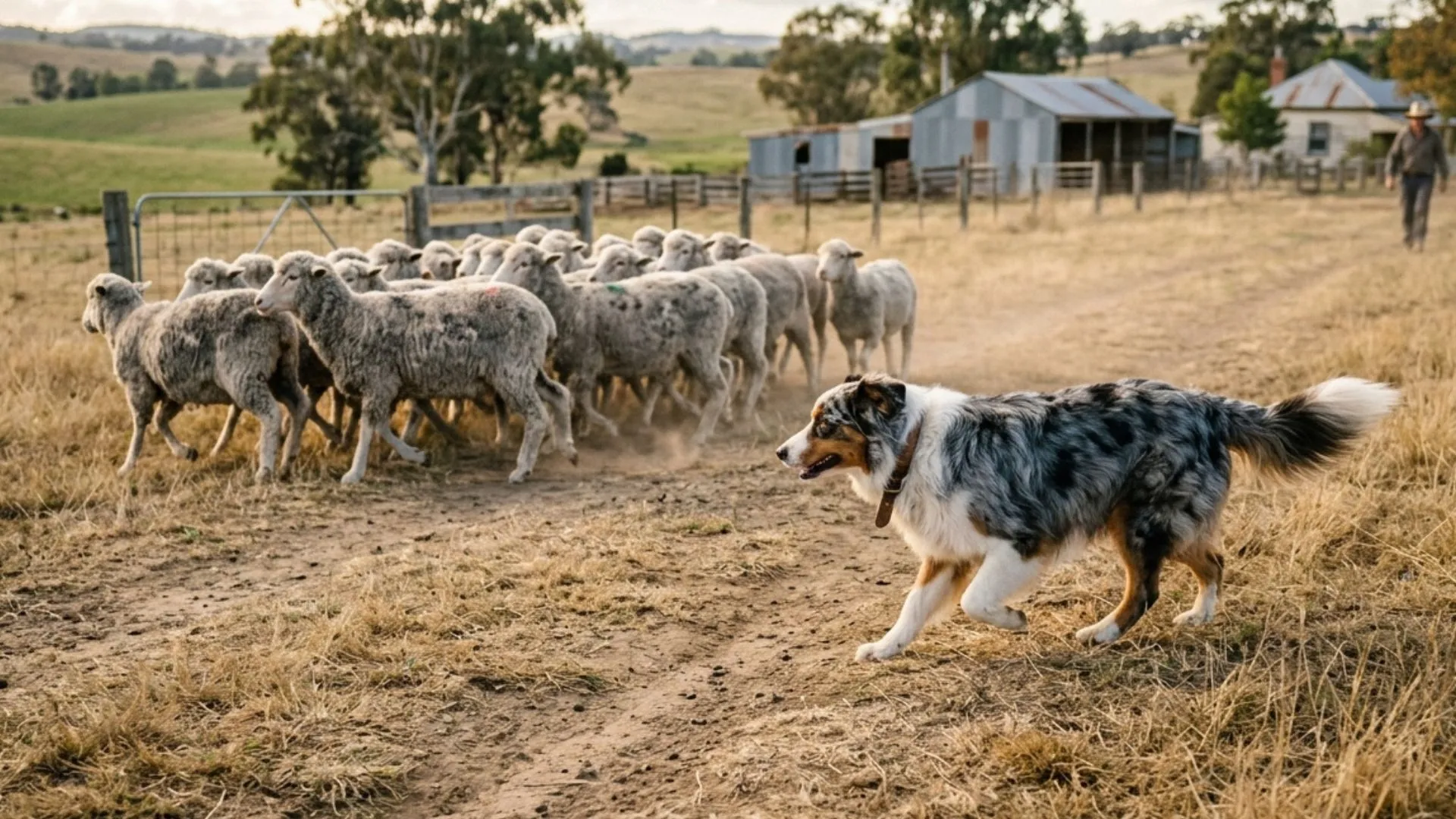
A farm cannot rely on a dog that gives up when the work becomes difficult. Every day brings new challenges, and only a handful of breeds possess the combination of strength, stamina, intelligence, and natural instinct needed to meet them consistently.
These dogs are expected to cover long distances, manage unpredictable livestock, respond quickly to commands, and remain calm when situations suddenly change. That level of responsibility demands far more than physical ability alone.
It requires generations of careful breeding shaped around real working conditions where dependable performance mattered every single day. Their reputation has been built through experience rather than popularity, making them valuable partners for farmers across different landscapes and climates.
Read on to discover the exceptional dogs whose abilities have earned lasting respect in farm work and herding alike.
Key Takeaways
Behind every dependable farm dog is a history built on real work, where every instinct was earned instead of admired.
The Anatolian Shepherd guarded flocks thousands of years ago, while the Australian Cattle Dog inherited remarkable determination from its dingo ancestry.
Add the Bergamasco Sheepdog’s extraordinary coat and the Beauceron’s endless drive, and you’ll quickly see why these breeds stand apart from the rest.
Keep going, and you’ll discover which breed’s story surprised us the most and why these dogs continue to earn their place on working farms.
Robust Dog Breeds Ideal for Farm Work and Herding
1. Australian Cattle Dog
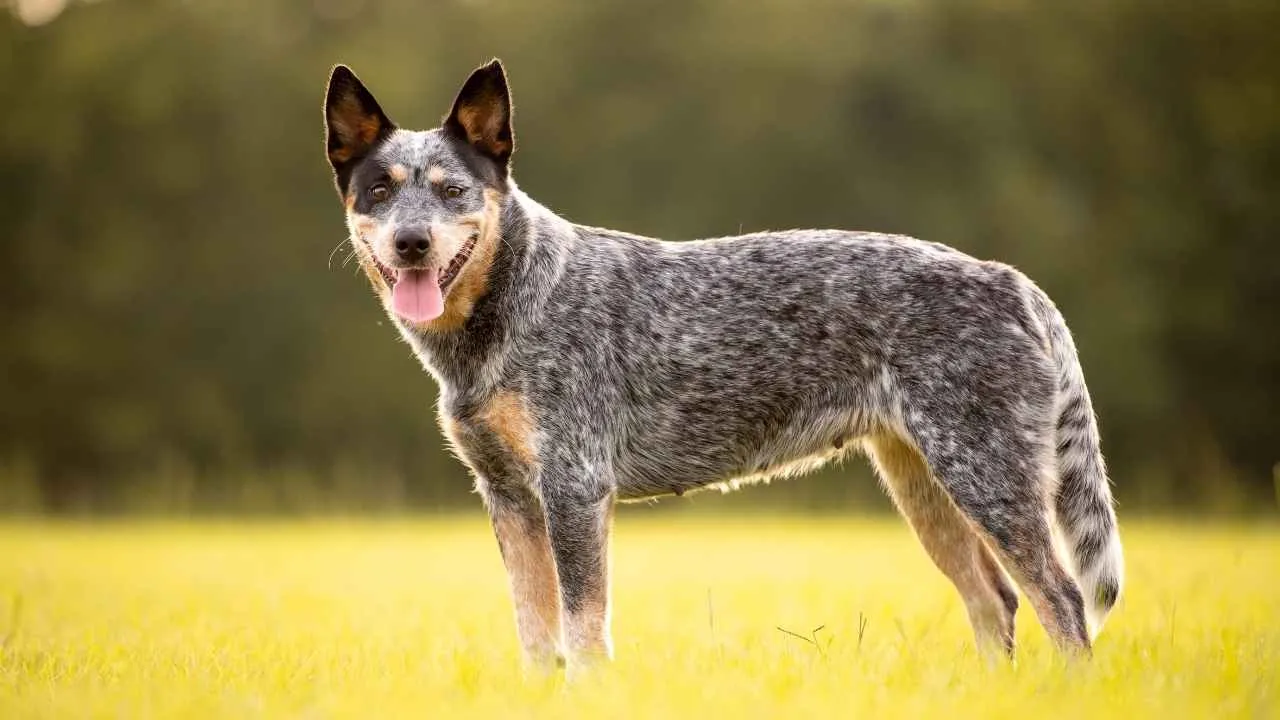
Australian Cattle Dog descends from the dingo, a foundation that helped shape its sharp mind, determination, and confidence around livestock.
Its well-known habit of nipping at the heels of cattle also explains why the names Blue Heeler and Red Heeler became closely linked with this breed, according to PetMD.
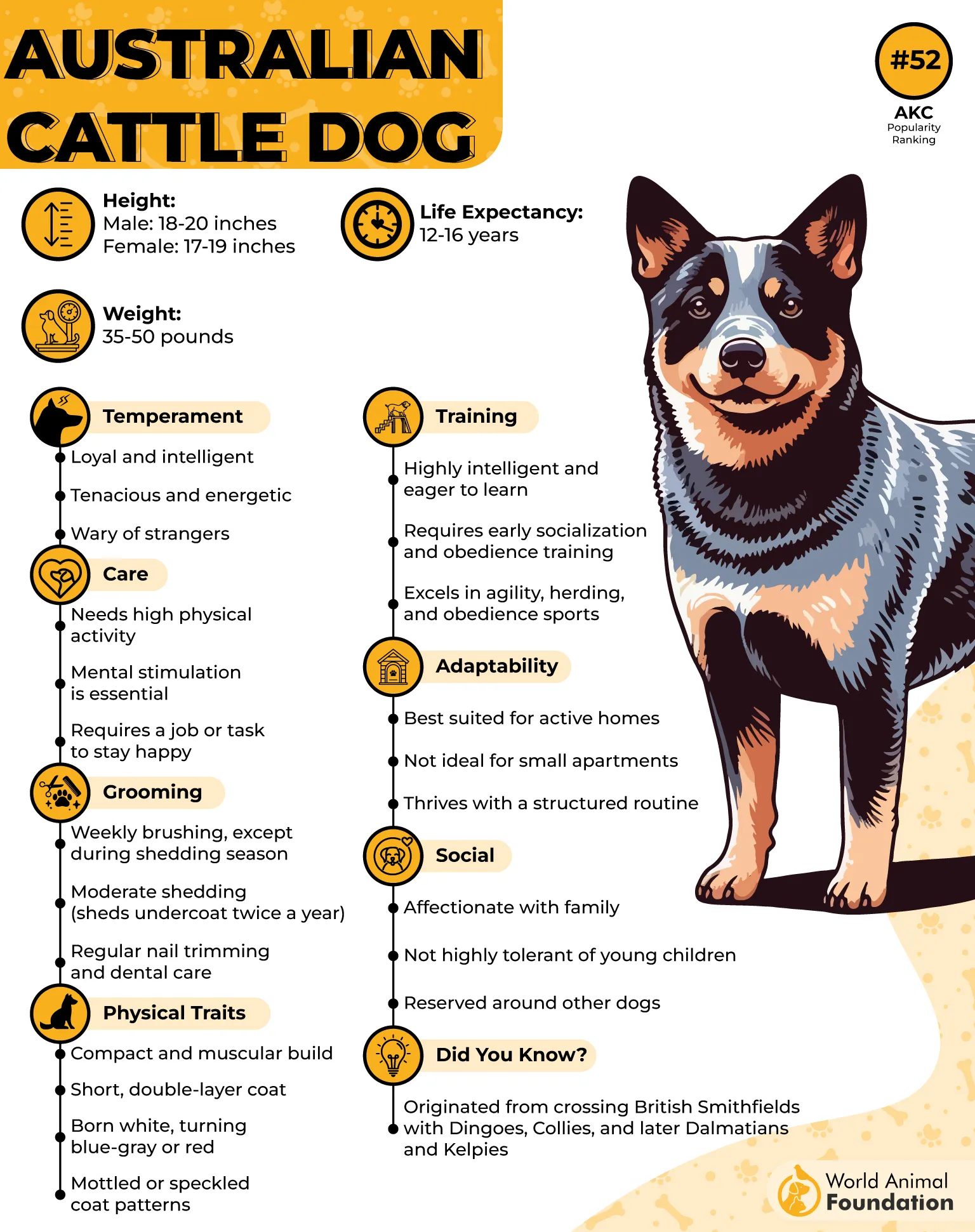
Built for Demanding Work
A stocky, muscular frame gives this breed the strength and stamina needed for long hours of herding across open ground. It controls livestock with an upright posture, steady presence, and confident pressure instead of relying on constant barking.
Here’s another reason to admire it:
Blue or red speckled coat
Loose-eyed herding style
Heel-nipping technique while working
Loyalty With Purpose
This herding dog breed often forms an especially close bond with one person and prefers being involved in that individual’s daily routine. Its protective nature and cautious approach toward unfamiliar people make early training and socialization especially worthwhile.
2. Australian Shepherd
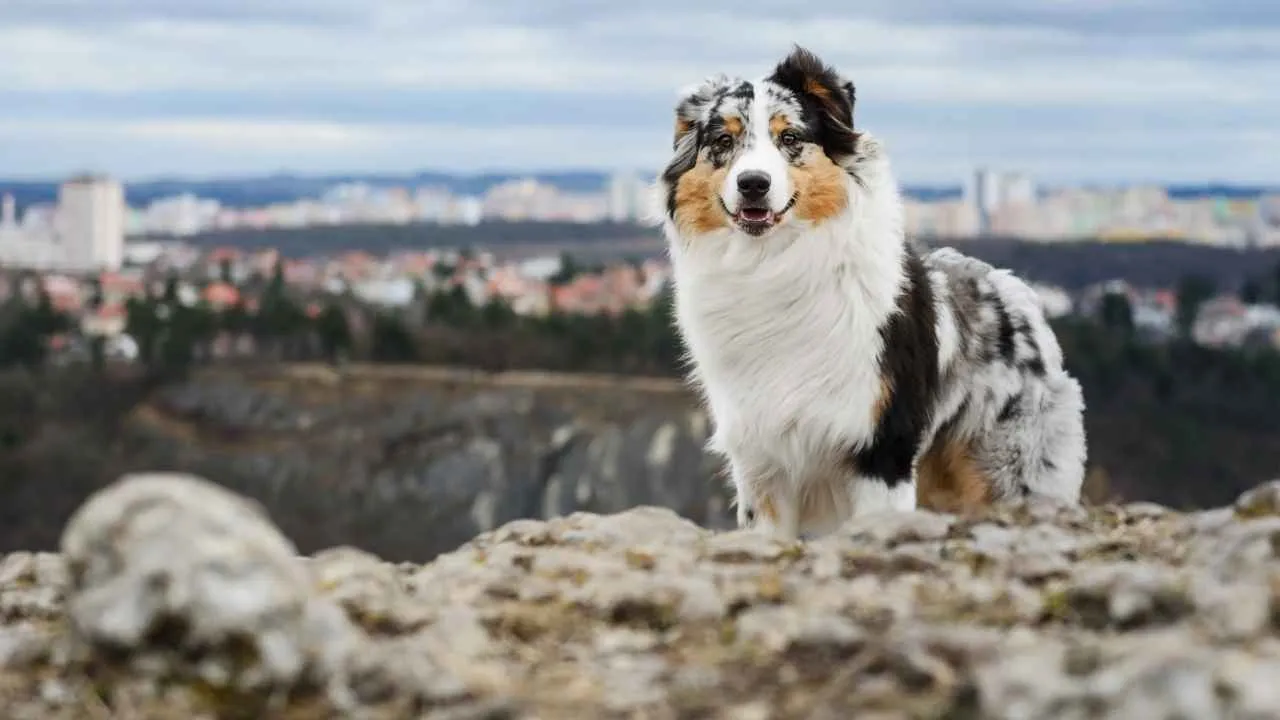
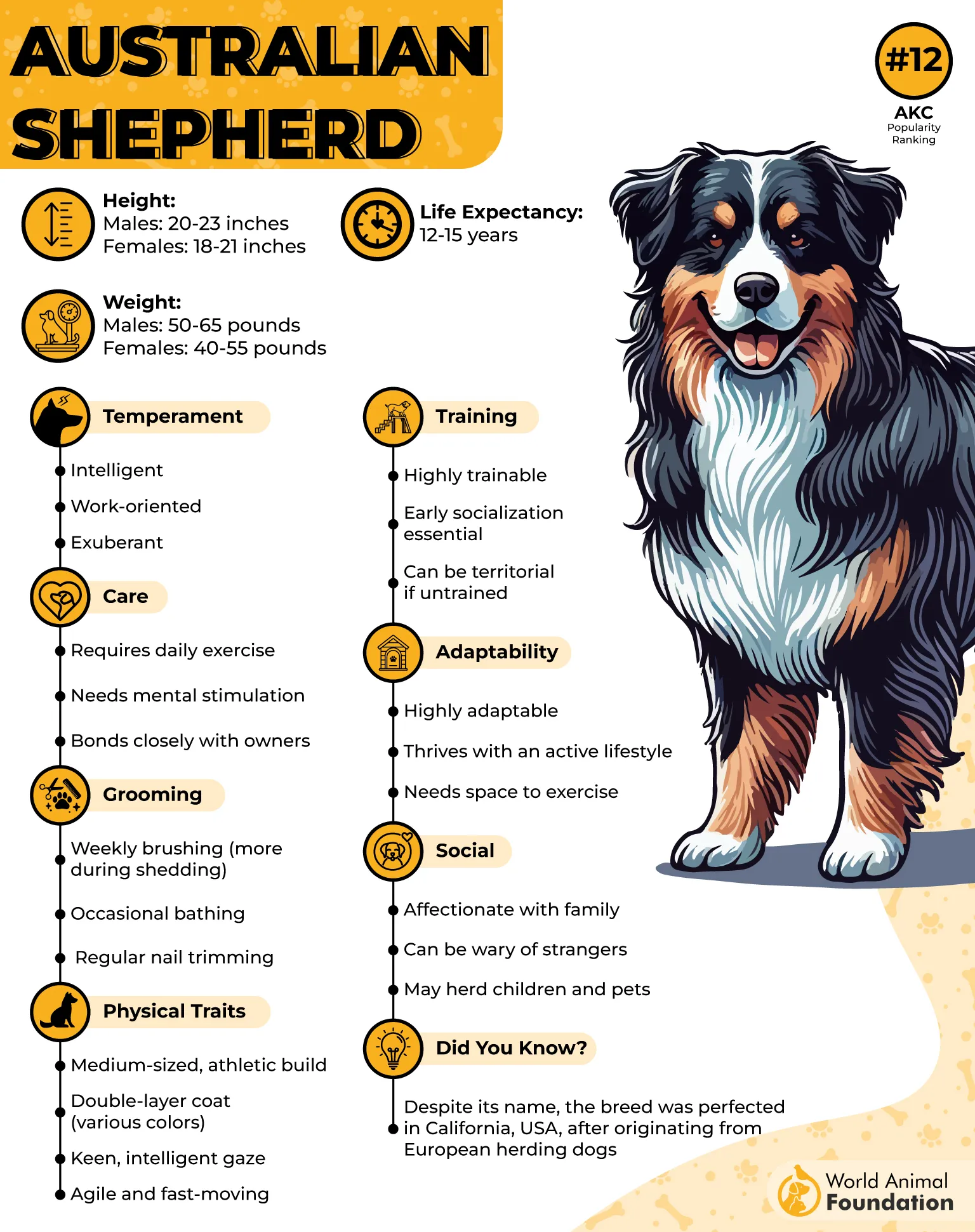
Australian Shepherd combines quick thinking with an athletic build, making every working day feel purposeful rather than repetitive. Bred for herding livestock, this breed still enjoys having responsibilities and responds enthusiastically when given meaningful work to complete.
Built to Herd
As a herding breed, they have a natural instinct to gather and direct livestock, paired with the confidence to react quickly in changing situations. That same instinct can also appear during games or everyday activities around the home.
A few additional details complete the picture:
May chase bikes and scooters
Accepts cats with early socialization
Friendly introductions build confidence
Energy With Direction
Australian Shepherd keeps its enthusiasm well into adulthood and, for some dogs, even through the senior years. Without enough physical activity and mental challenges, that unused energy can surface through digging, chewing, or attempts to herd children and other animals.
3. Anatolian Shepherd
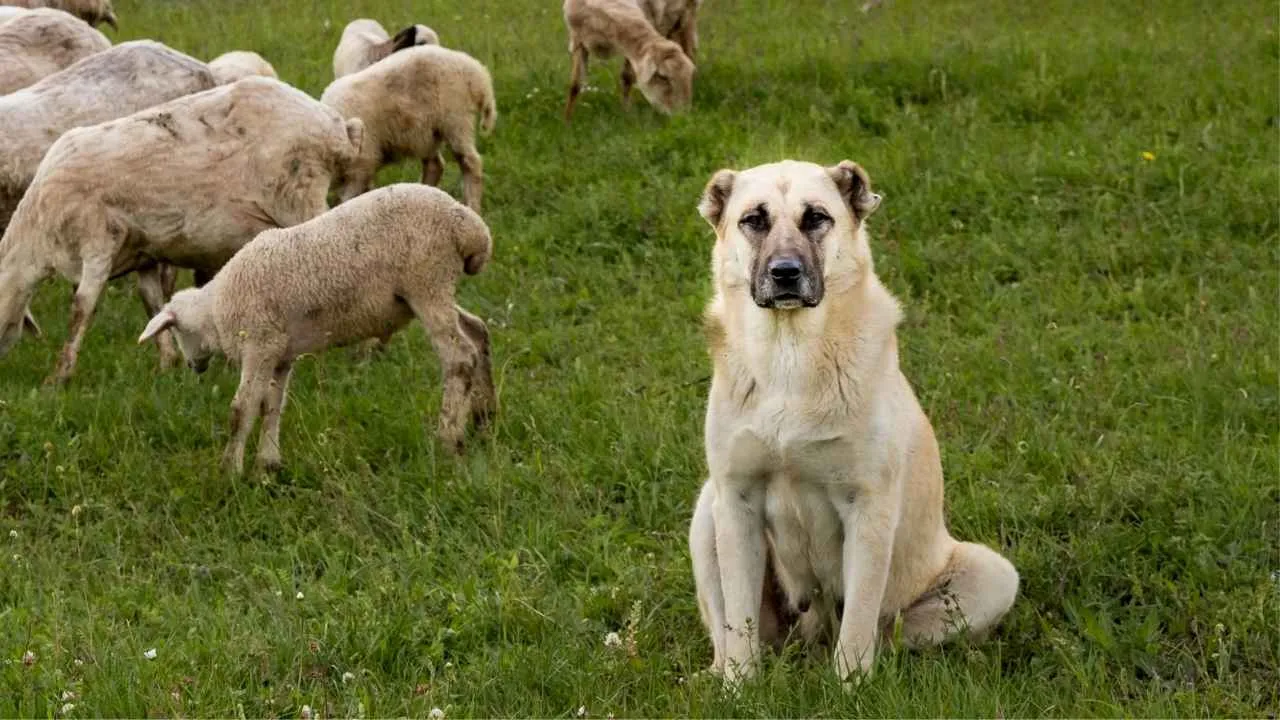
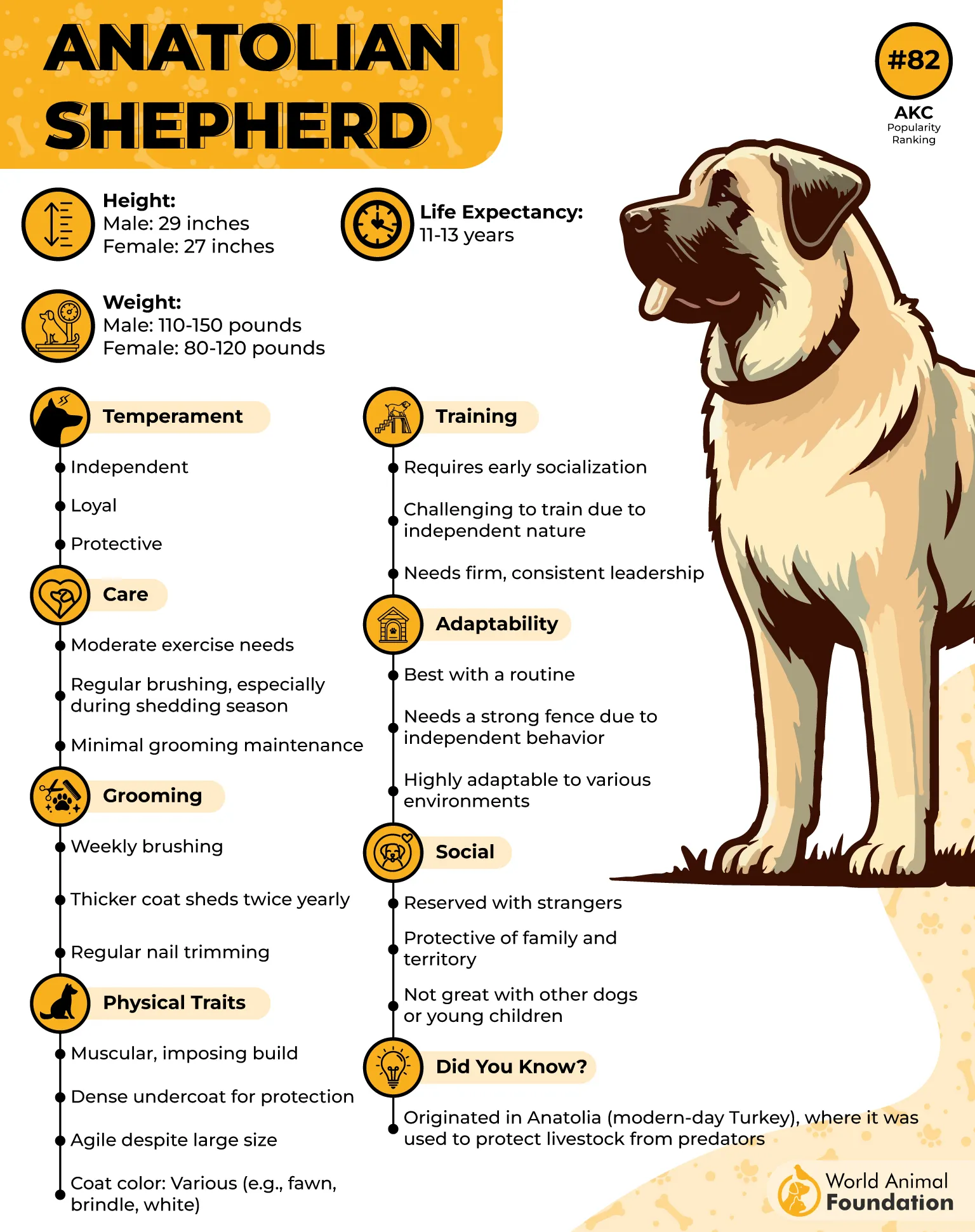
Anatolian Shepherd comes from one of the oldest domestic canine bloodlines, with roots reaching back thousands of years in Turkey. Its long role as a livestock guardian even led to conservation work in Namibia, where these dogs helped protect endangered cheetahs.
Trusted With Responsibility
They were selected for guarding livestock without constant direction, making confident decision-making one of their defining qualities. That dependable judgment remains one of the reasons this breed is valued in demanding agricultural settings.
These points reveal their working ability even further:
Introduced to the United States during the 1950s
Used in cheetah conservation efforts in Namibia
Powerful size discourages potential threats
Independent Thinker
This farm dog breed approaches tasks with confidence, which also explains why training can require patience and previous experience with independent working dogs, as Purina noted. Around unfamiliar people, this breed responds with caution, making early socialization an important part of daily life.
4. Beauceron
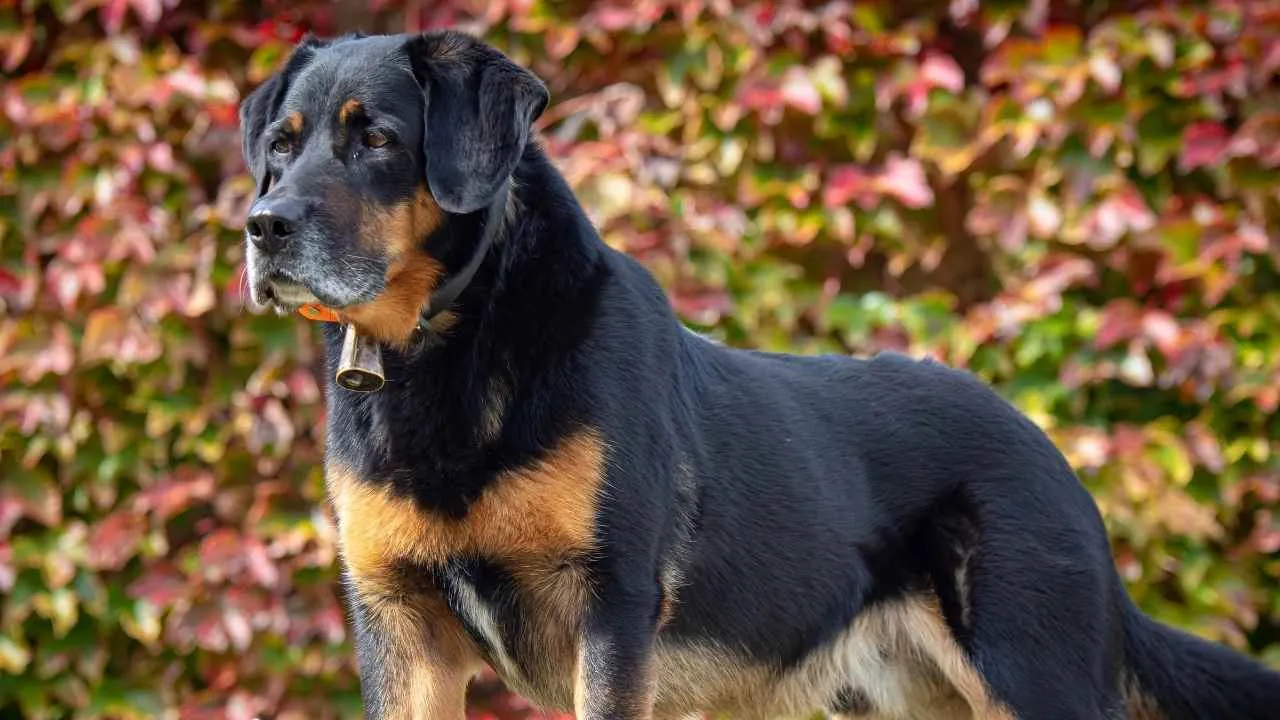
Beauceron was originally bred as a hardworking sheepdog in central France, where farmers relied on its strength to protect flocks and guide livestock through daily routines. That practical role explains why this breed remains a natural fit for demanding jobs that require both confidence and sound judgment.
Ready for Purpose
They have abundant energy, making regular physical activity and mentally engaging tasks an important part of their routine. Agility work, carting, skijoring, hiking, and long walks all provide productive ways to channel that working instinct.
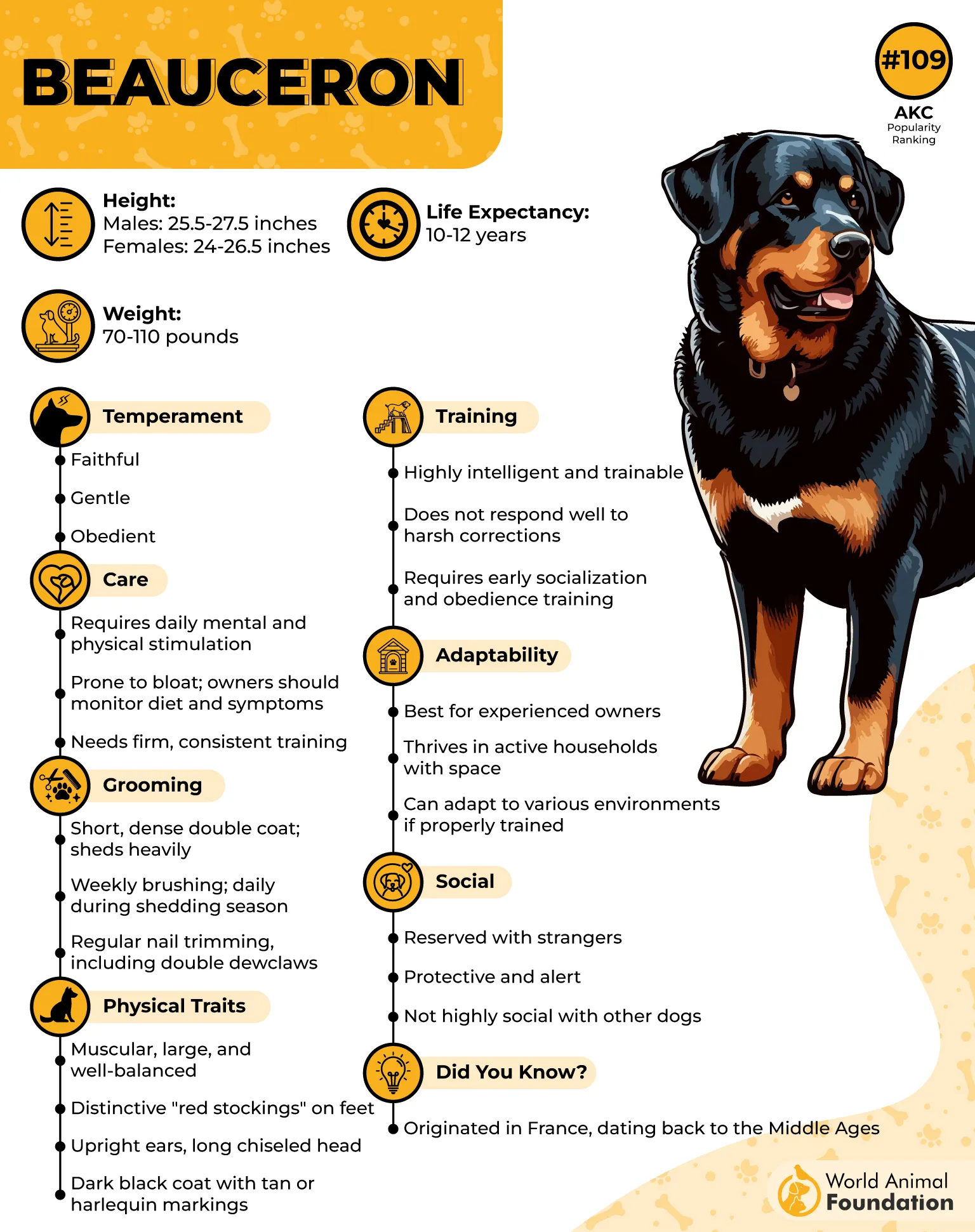
A closer look reveals a few useful facts:
Also called the French Shepherd
Adult dogs need about two hours of daily exercise
Adapts reasonably well to household changes
Learns With Direction
Beauceron responds well to structured training because of its intelligence and close connection with its family, as mentioned in the AKC. Puppy socialization, obedience lessons, and early exposure to unfamiliar people help shape calm behavior around visitors, children, and other dogs.
5. Bergamasco Sheepdog
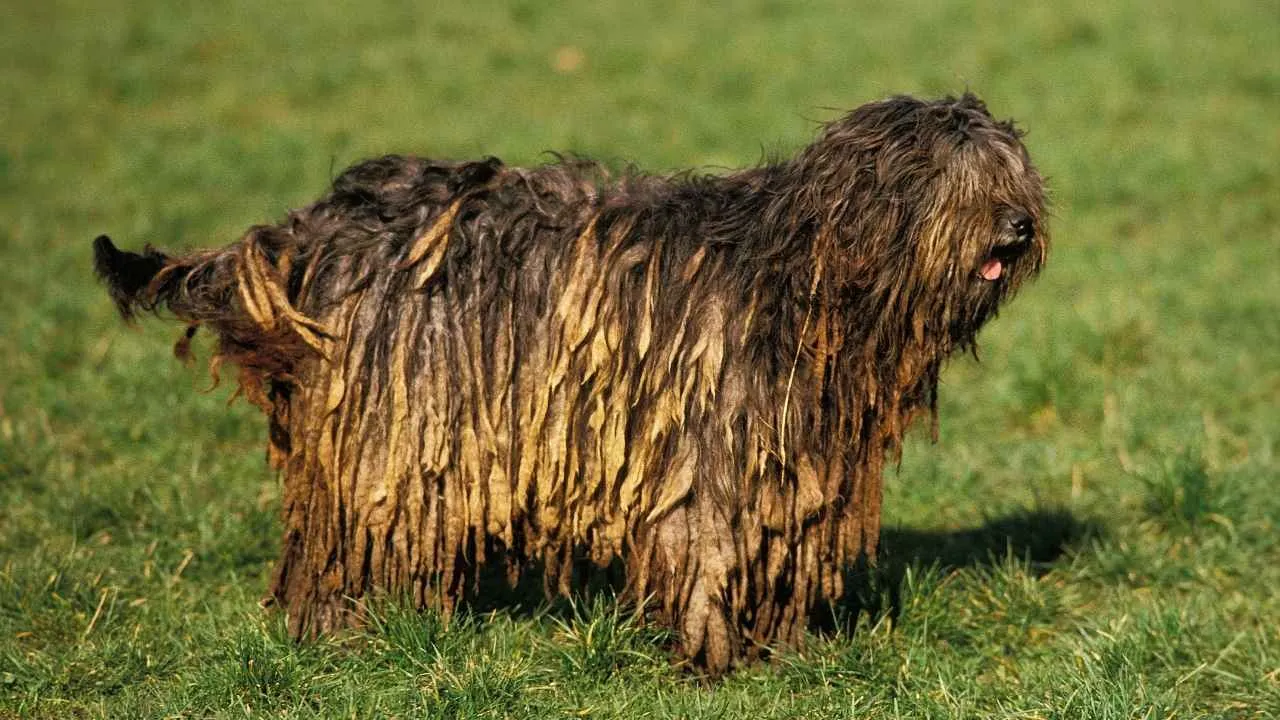
Bergamasco Sheepdog combines a muscular build with a calm, thoughtful nature that suited generations of shepherding in the Italian Alps. Patient with children and other animals, this breed also keeps a quiet watch over the people and places it values most.
A Coat With a Job
Three different hair textures naturally weave together into loose flocks that cover the body and legs over time. This remarkable coat served as practical protection against freezing alpine weather and encounters with wild predators.
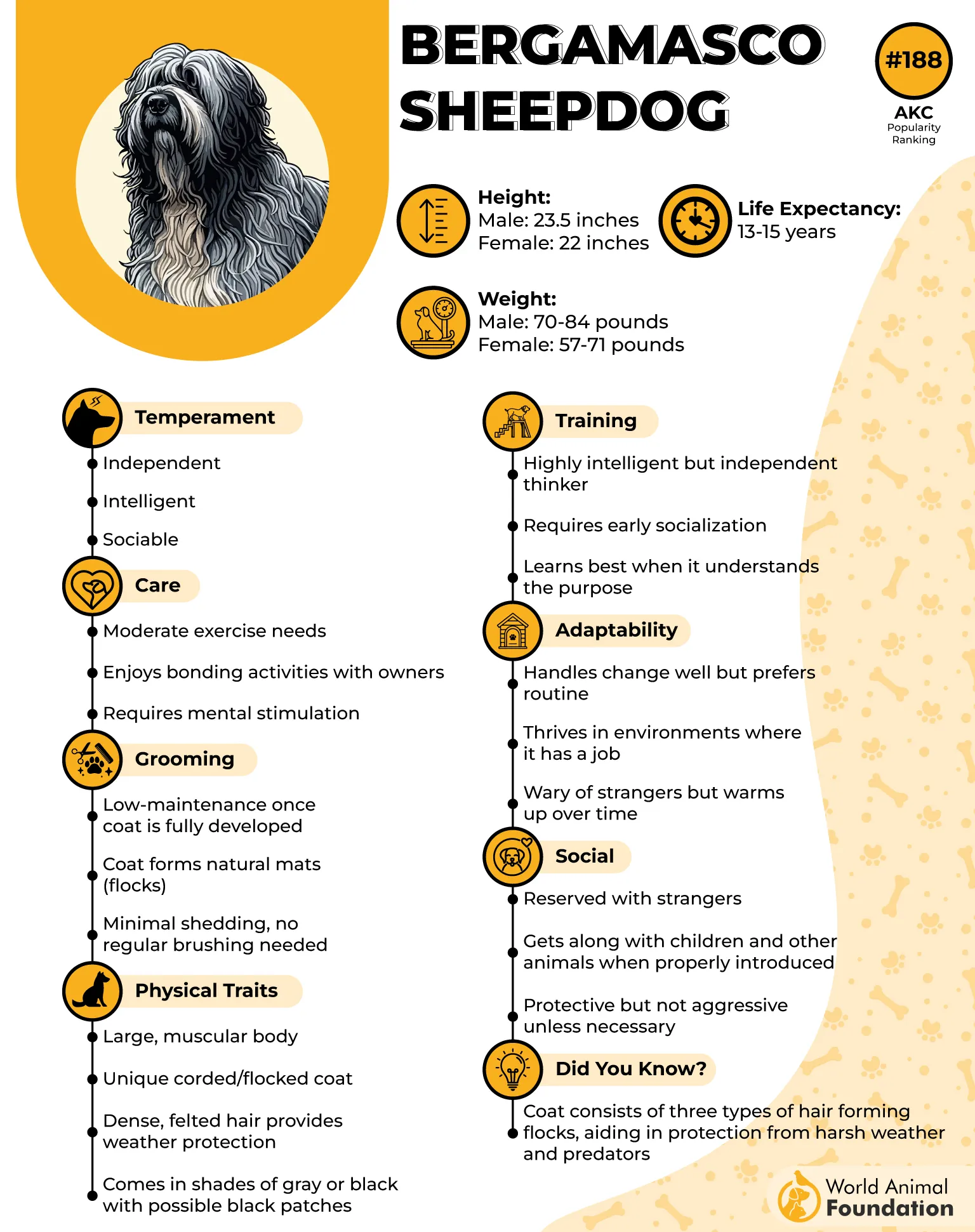
These fascinating details complete the picture:
Flat, felted flocks form naturally
Three distinct hair textures blend
Wary of unfamiliar people until introduced
Built Around Partnership
Bergamasco Sheepdog forms close bonds with its family, making shared activities far more rewarding than spending long hours alone outdoors. A brisk hike, retrieving a ball, or exploring an open field provides both companionship and a satisfying daily routine.
6. Bouvier des Flandres
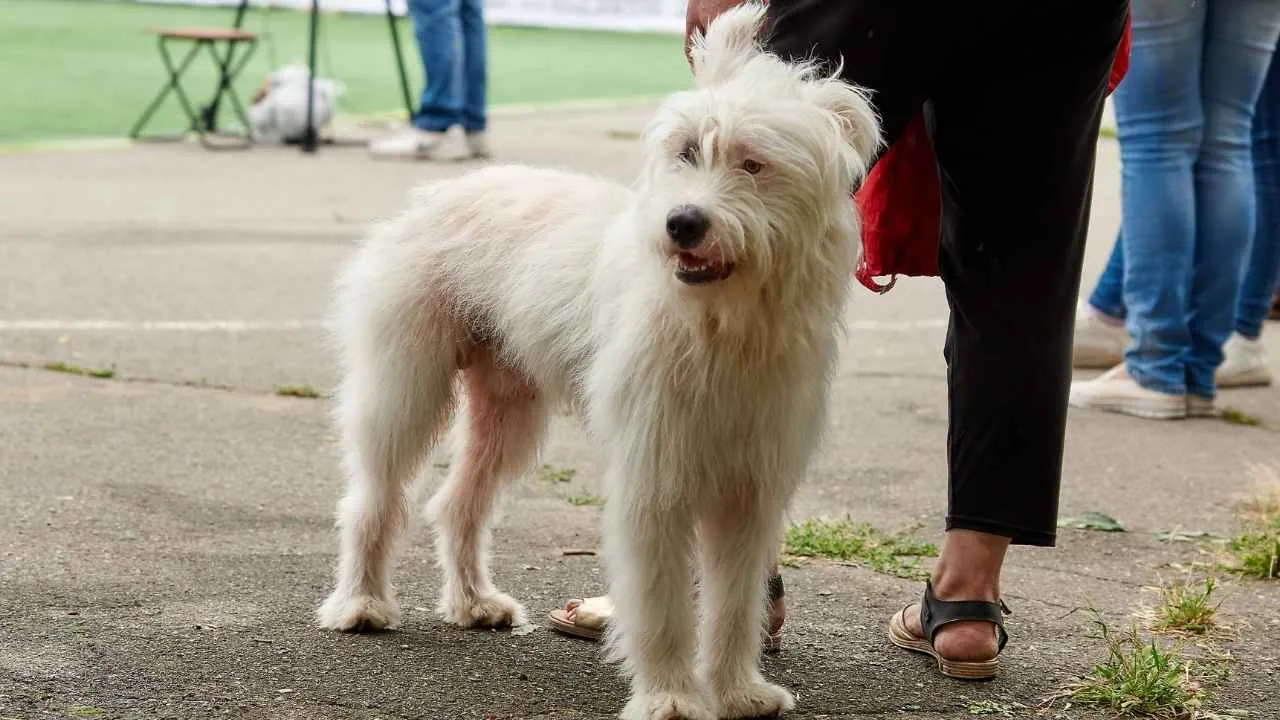
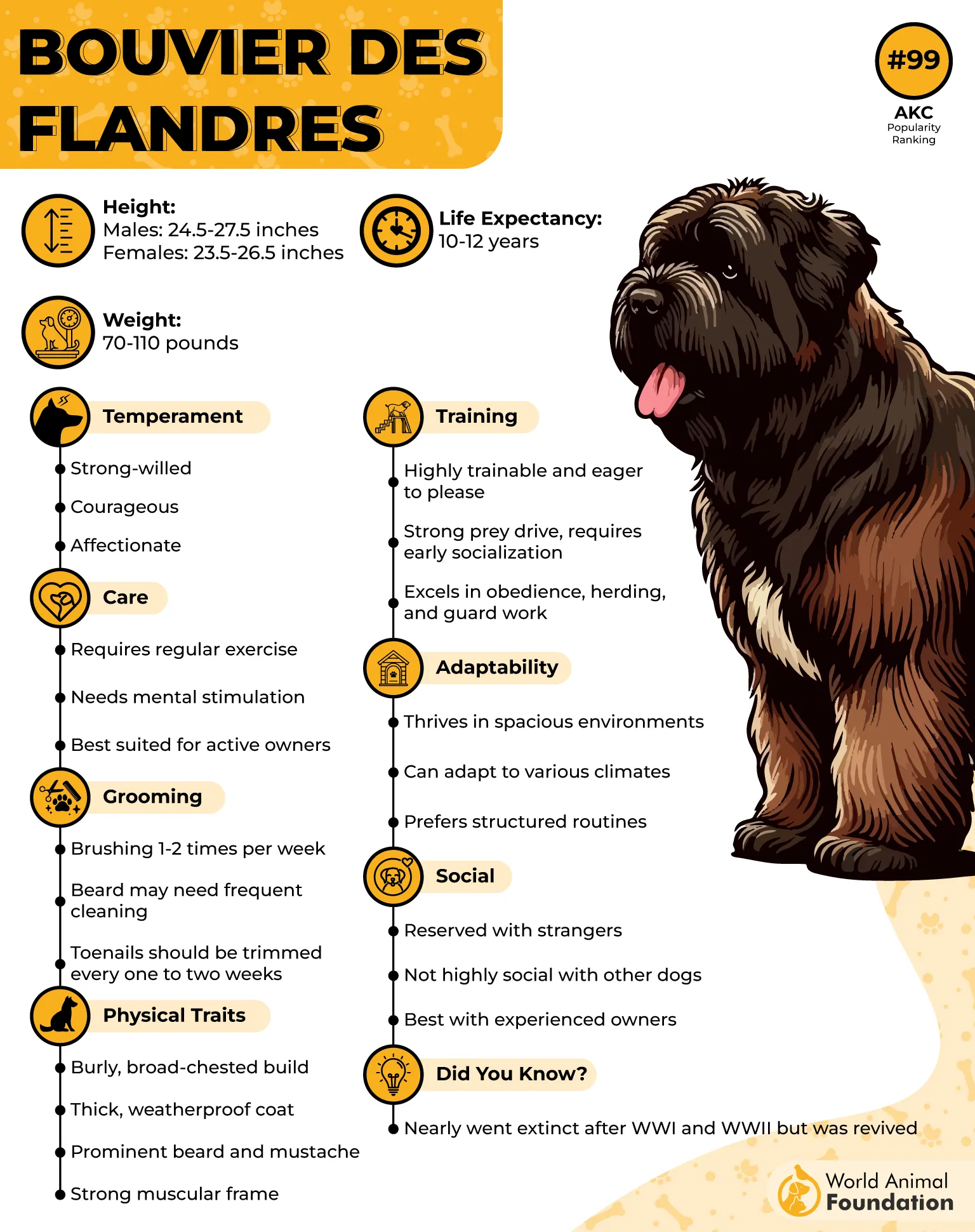
Bouvier des Flandres first served Belgian farmers by herding cattle and pulling carts loaded with heavy milk jugs from one place to another. That combination of strength, endurance, and practical farm work explains why this breed became such a dependable working partner.
Ready for a Purpose
They have both the intelligence and energy to tackle demanding daily tasks, making purposeful work an important part of their routine. Herding livestock, joining long hikes, running, or taking part in dog sports all provide meaningful outlets for this active breed.
The breed keeps surprising people:
Needs about two hours of daily exercise
Early training builds calm social behavior
Strong-willed personality from puppyhood
Active Mind
Bouvier des Flandres benefits from challenges that engage both its thinking and physical ability throughout the day. Without enough productive activity, this intelligent breed may begin finding its own entertainment, including destructive behaviors around the home.
7. Briard
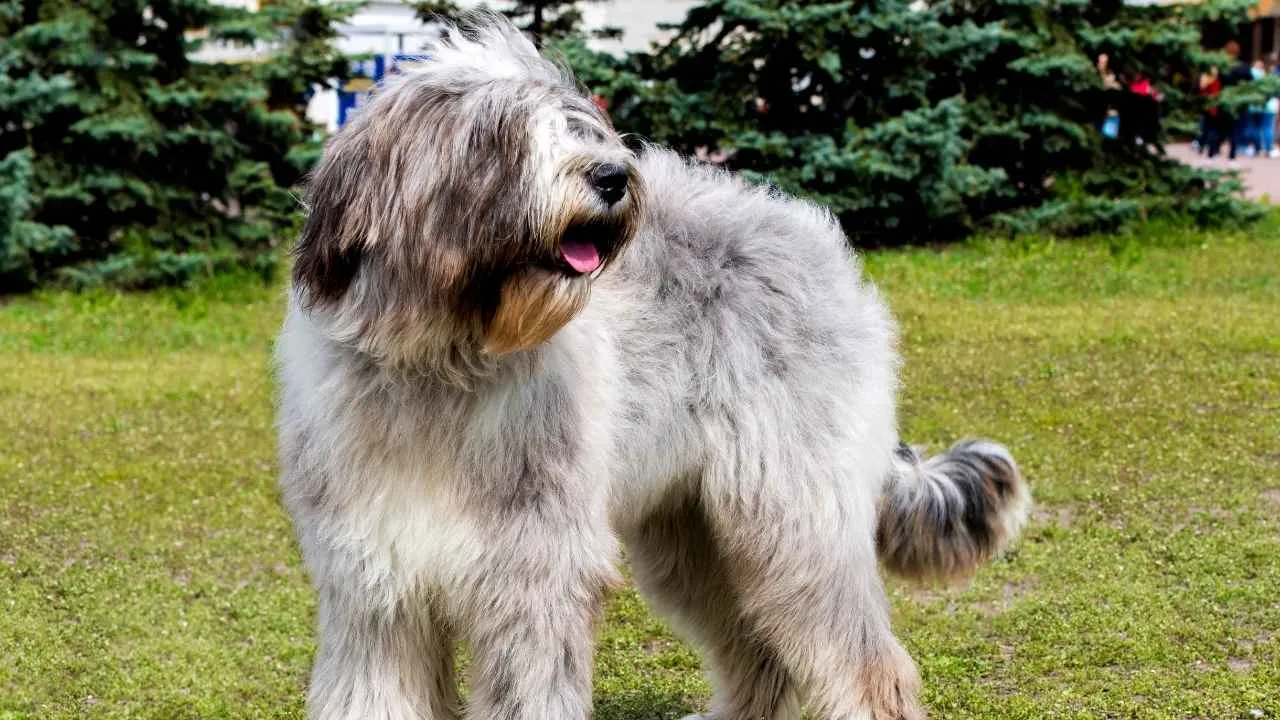
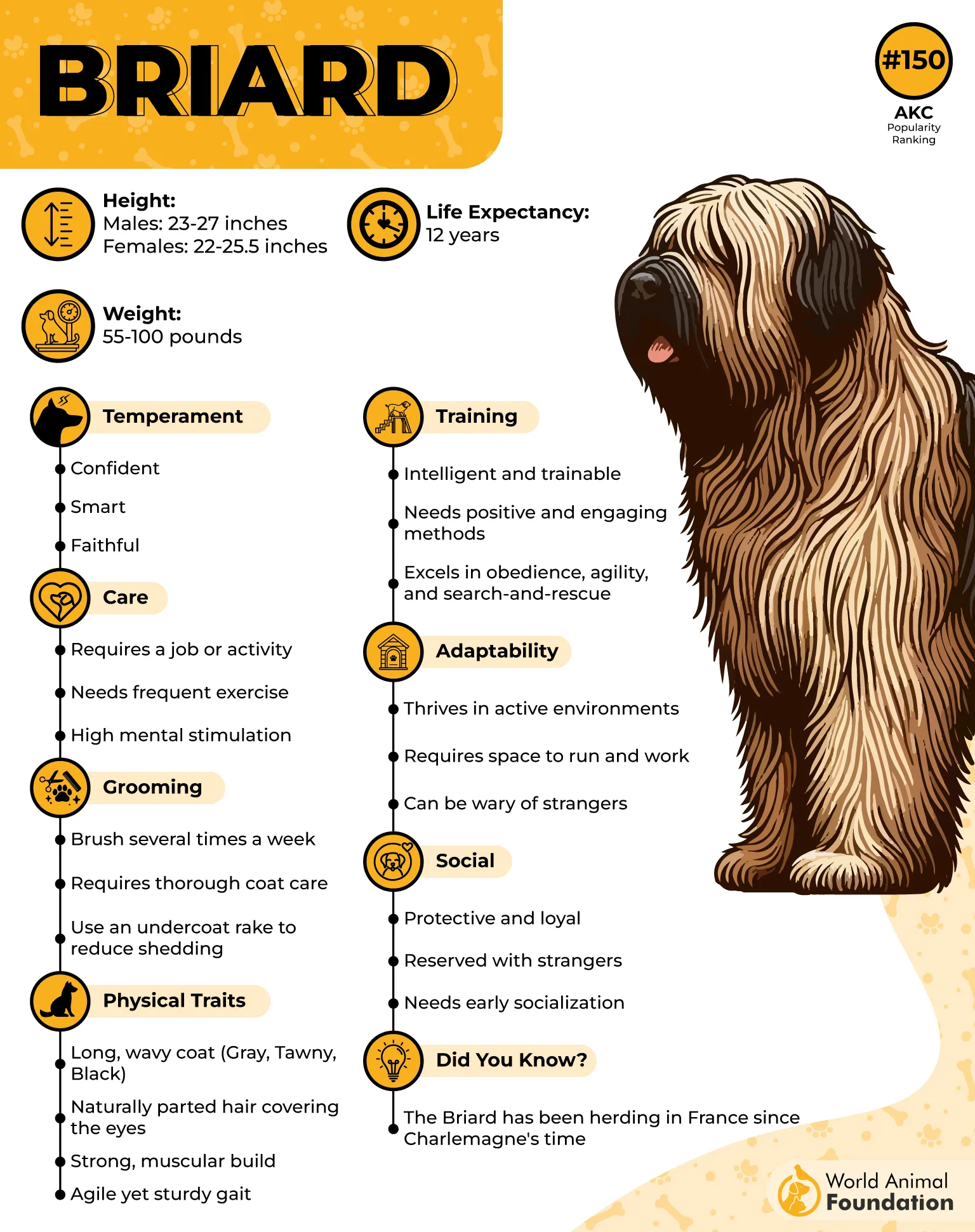
Briards spent centuries watching over and gathering sheep across France, where both guarding ability and herding instinct shaped their daily work. Artwork from the 8th century even places this breed beside Emperor Charlemagne, highlighting just how long it has been recognized.
Ready for Purpose
This breed enjoys having meaningful work instead of passing time without direction, making active tasks an important part of everyday life. Hiking, biking, running, and livestock work all give this capable breed productive ways to use its energy.
A few historical details add another layer:
Also called Chien Berger de Brie
Named after France’s Brie region
Gifted to Thomas Jefferson during his service in France
Independent Thinker
Briards combine intelligence with a confident personality that allows them to make decisions without constant guidance. That same mindset explains why this breed may gently herd young children and approach unfamiliar people or new pets with caution.
Conclusion
Strong working instincts cannot be replaced by size or appearance alone. The perfect farm dog combines endurance, confidence, and the qualities found in highly intelligent dogs, developed through generations of practical experience in demanding farm environments. Those traits allow them to manage livestock, solve problems, and remain steady when situations become unpredictable.
Finding the right fit means considering your routine, experience, and the responsibilities your dog will handle throughout its life. With proper training, regular mental stimulation, and opportunities to work alongside you, these exceptional companions offer far more than assistance. They become trusted partners whose dedication continues to shape successful farms for years to come.
