




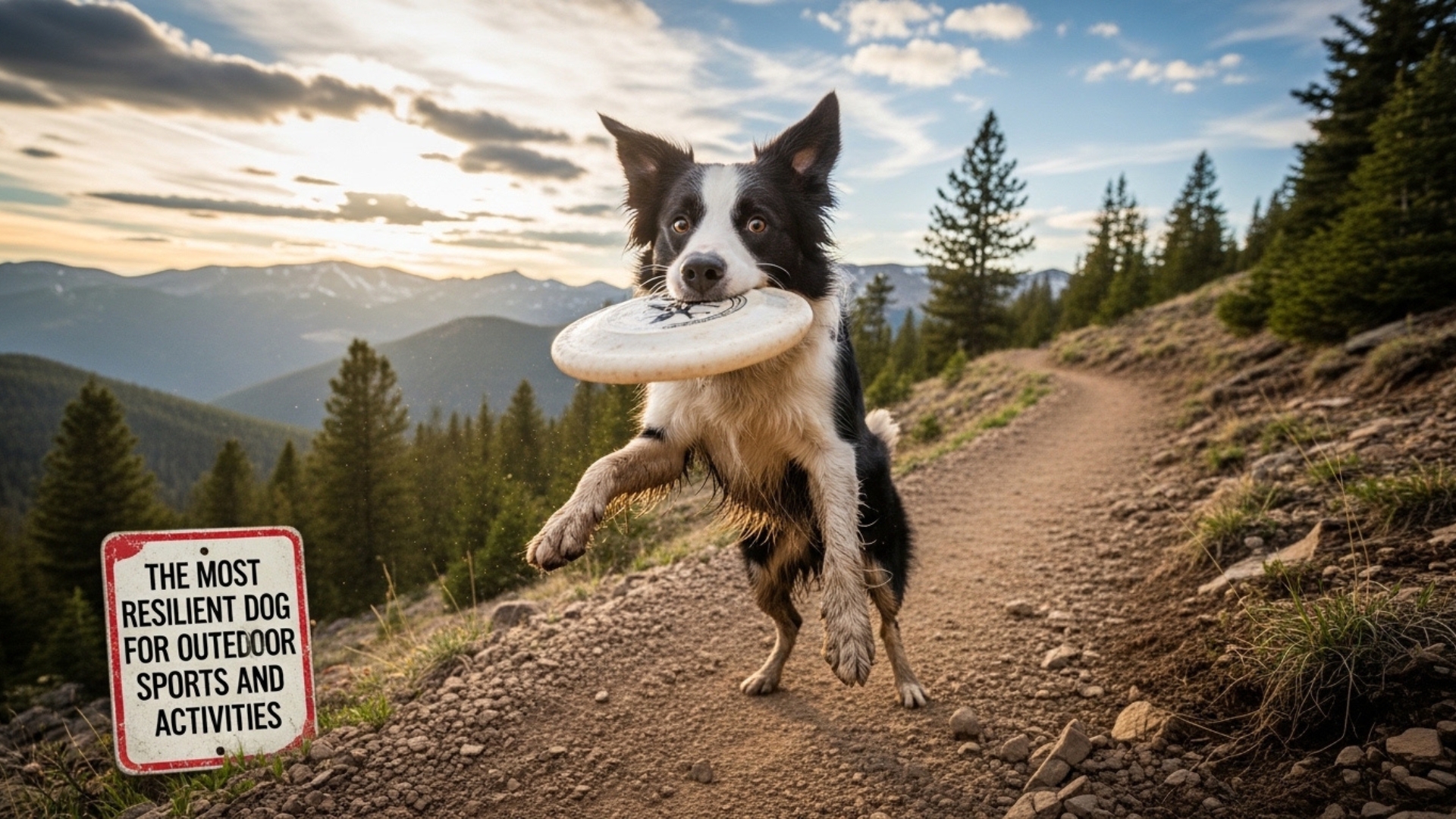
If your idea of a good day includes a trail, a ball, a bike path, or a weekend outdoors, the right dog can make every adventure better. But not every pup is built for unpredictable weather, long days on the move, and the kind of training that outdoor sports often require.
Resilient dog breeds tend to handle busy routines, new places, and changing conditions with steady energy and a workable attitude, which matters when you are hiking, running, paddling, or exploring unfamiliar terrain.
In this guide, we are focusing on seven dogs that are commonly chosen for active lifestyles, along with the traits that help them stay confident and reliable outside.
You will also learn what to consider before picking a four-legged training partner, including exercise needs, coat care, recovery time, and safety basics for active days.
Most Resilient Dog Breeds for Outdoor Sports and Activities
1. Border Collie
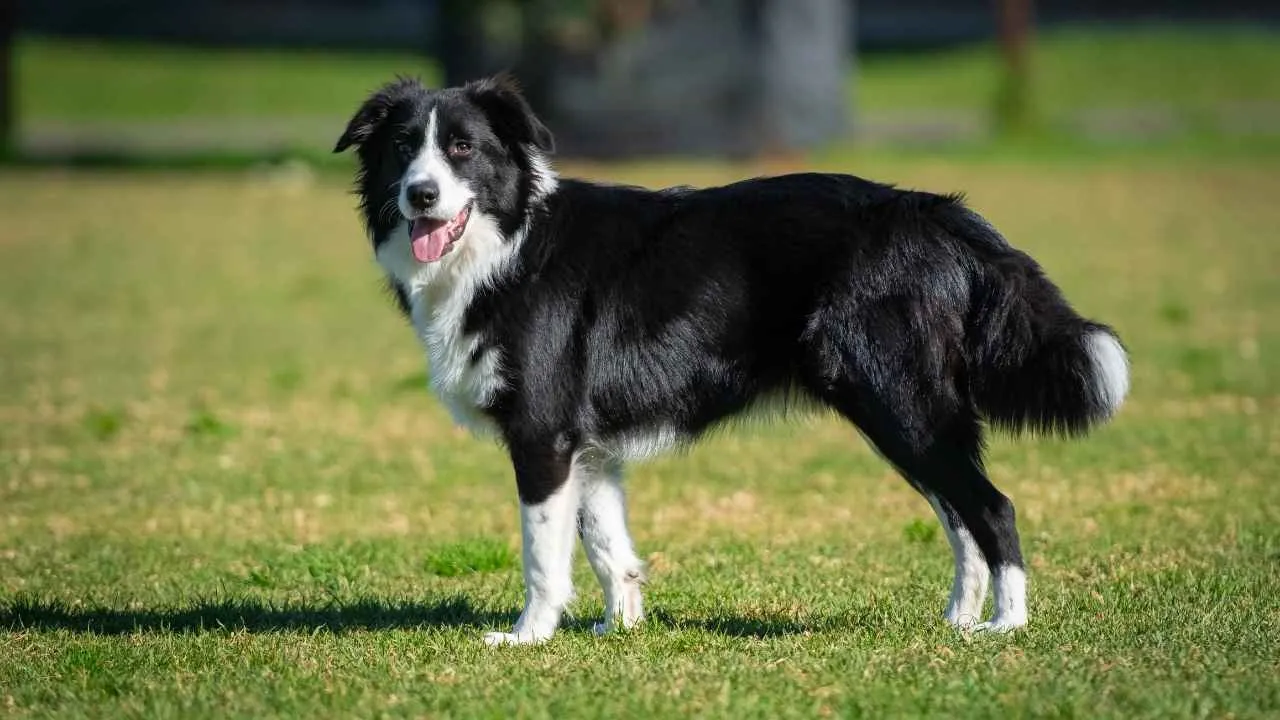
Border Collies are high-energy working dogs that were historically bred to herd livestock on farms in Great Britain, according to the American Border Collie Association.
Today, Border Collies can still be found herding on farms, and they are also popular family pets with quick, sharp movement that suits busy days. For an active lifestyle, these dogs often need both physical stimulation and mental stimulation to feel settled.
Border Collies often have a medium-length, double coat of wavy hair, though short-haired Border Collies are also common, with colors that include black and white, all-black, red, lilac, and blue.
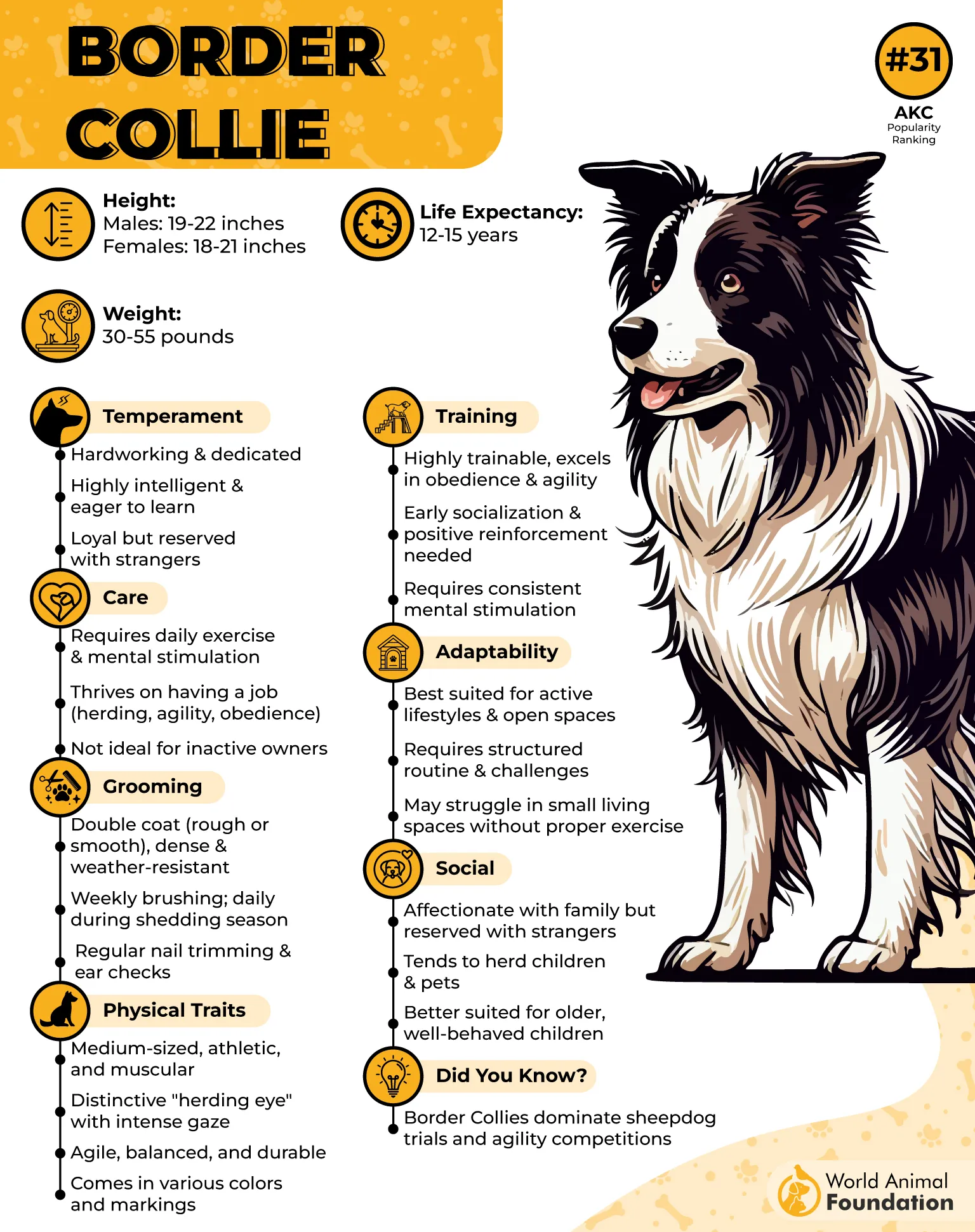
That coat setup can be handy when your outdoor adventures include changing conditions and cool mornings. Like all dogs, the breed can develop certain health issues over time, even though it is considered a healtiest dog breed with an average lifespan of 12 to 15 years.
Hip dysplasia can cause inflammation, pain, and later arthritis when the hip joint does not fit correctly. Border Collies can also be more prone to epilepsy, so pet parents should watch for seizure signs like paddling limbs, stiffness, drooling, staring, or falling over.
Why This Breed Is a Good Fit
If your week includes outdoor adventures and training plans, this active dog breed brings fast movement and focus that fit active environments.
For dog sports that reward quick turns and sharp timing, the breed’s nimble style can feel like having a tiny athlete on four paws.
If you want a new dog that enjoys learning, plan for mental and physical stimulation so both you and your dog stay happy.
2. Siberian Husky
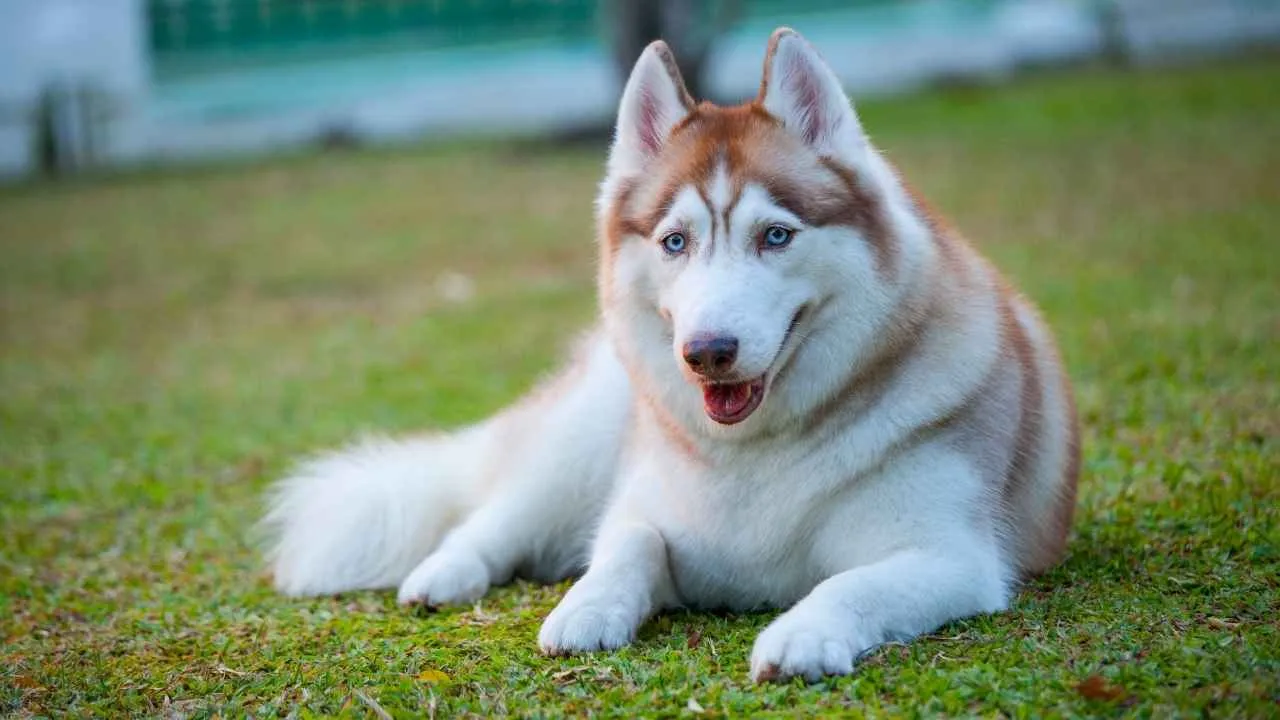
The Siberian Husky has erect ears and eyes that can be brown, blue, or even one of each color. The neck is carried straight, the topline is level, and the well-furred tail may be carried in a sickle or sometimes straight out behind.
For dog breeds for active homes, the overall look matches a dog that is ready to move. Siberian huskies have a very dense, plush coat with plenty of undercoat, plus a small ruff around theneck.
Colors range from black to white, and everything in between, and most dogs have white markings, especially on the chest and legs. Those thick coats can make cold weather feel more comfortable, while warm weather may lead to digging for cooler spots to lie down.
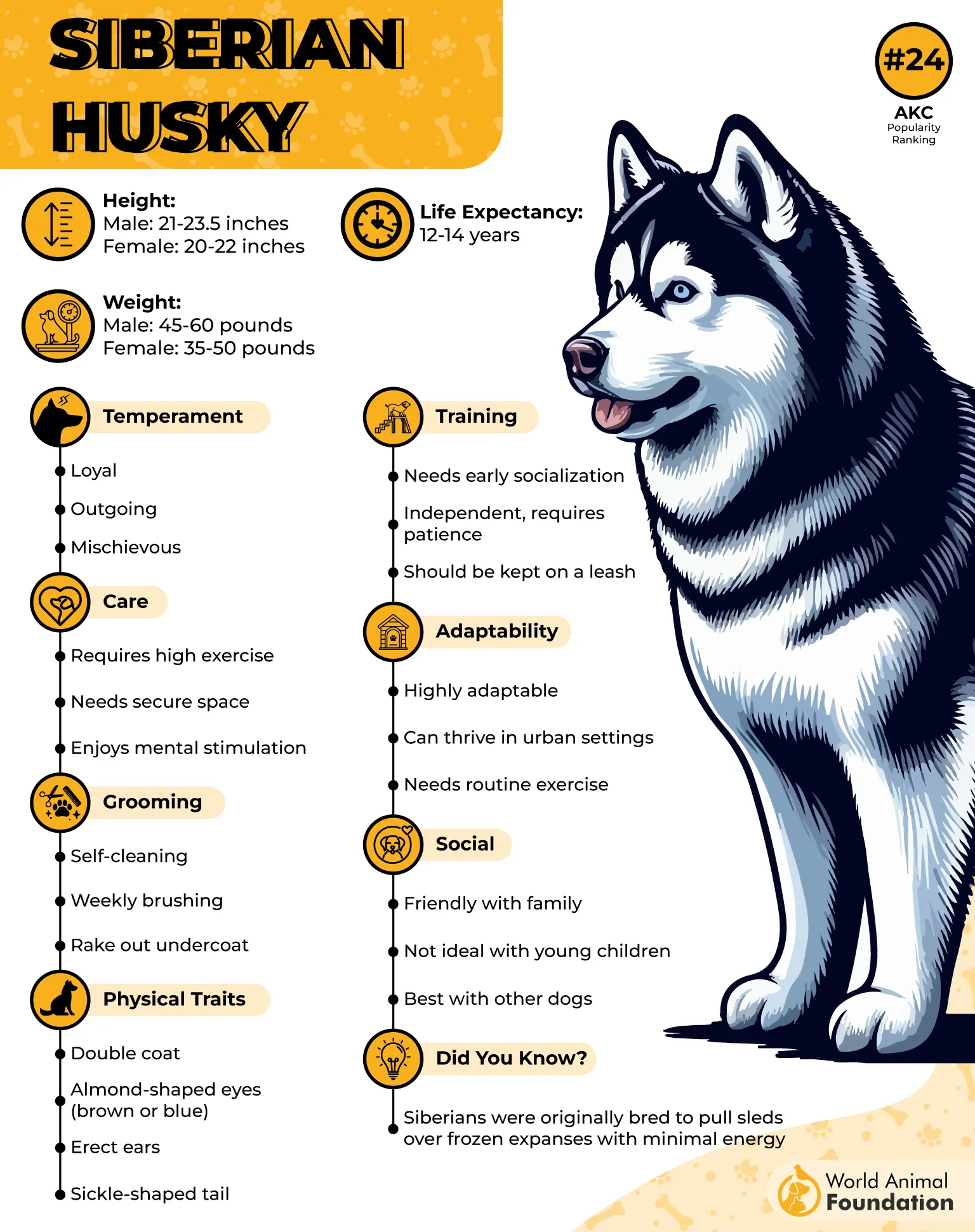
According to Hill’s Pet, the Siberian Husky is intelligent but can be independent and stubborn, and they thrive on human company with firm, gentle training from puppyhood.
These dogs were bred to run, and their love of running may override their love for their guardians at times, so off-leash choices should be made carefully. They tend to be friendly with people, including children, and they do not bark much, but they do howl.
Why This Breed Is a Good Fit
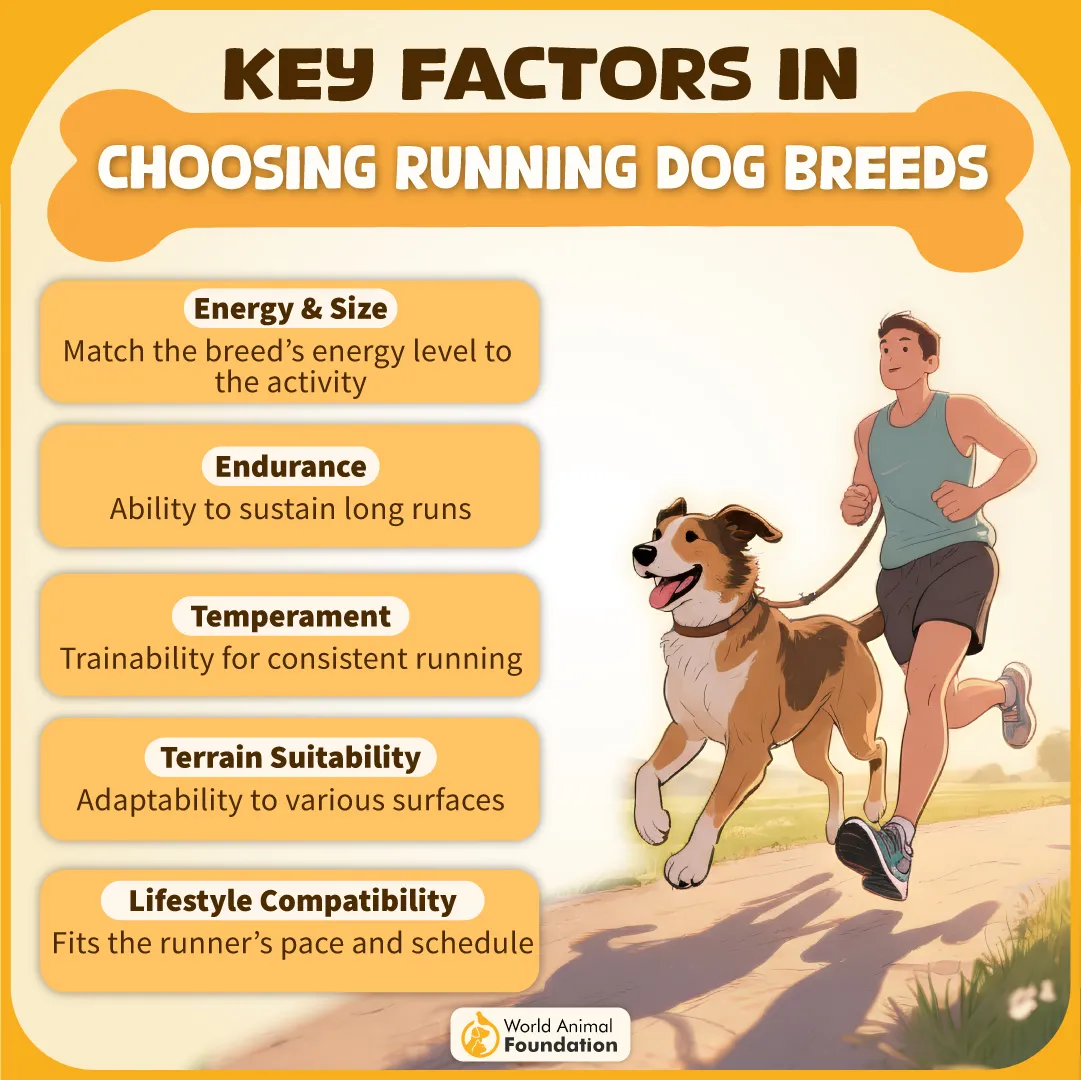
For an active lifestyle filled with outdoor adventures, this breed thrives on movement and can be a dedicated adventure dog when you keep routines consistent.
If you enjoy outdoor sports built around steady miles, the breed’s running focus can match your plans, as long as you commit to training.
If your outdoor space includes areas to dig, you may find the digging habit funny right up until your yard looks like a moon landing site.
3. Australian Cattle Dog
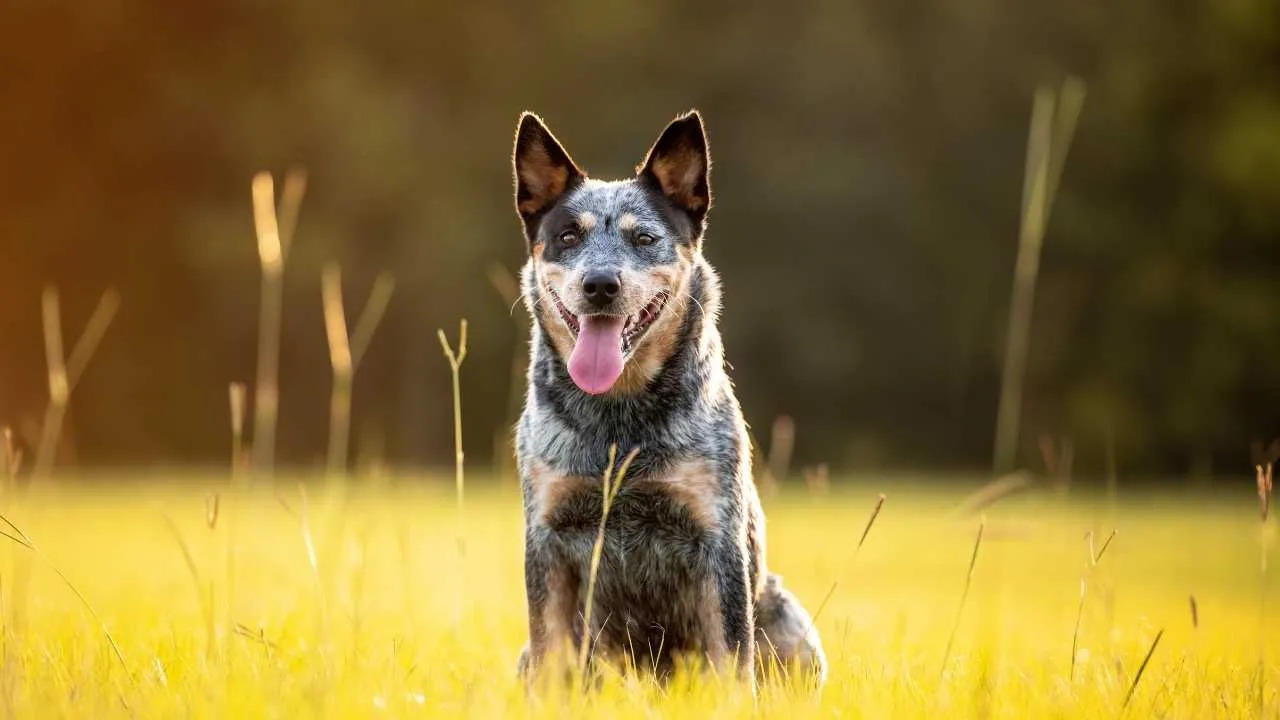
The Australian Cattle Dog is a herding dog developed in the 19th century to work with cattle in the demanding conditions of the Australian Outback. It is called a heeler because it moves cattle by nipping at their feet, a trait introduced from the dingo in its ancestry.
In active environments, that working background can show up as a dog that wants a task, not just a couch. This is an active, sturdy breed of medium size with prick ears and a short, dense double coat.
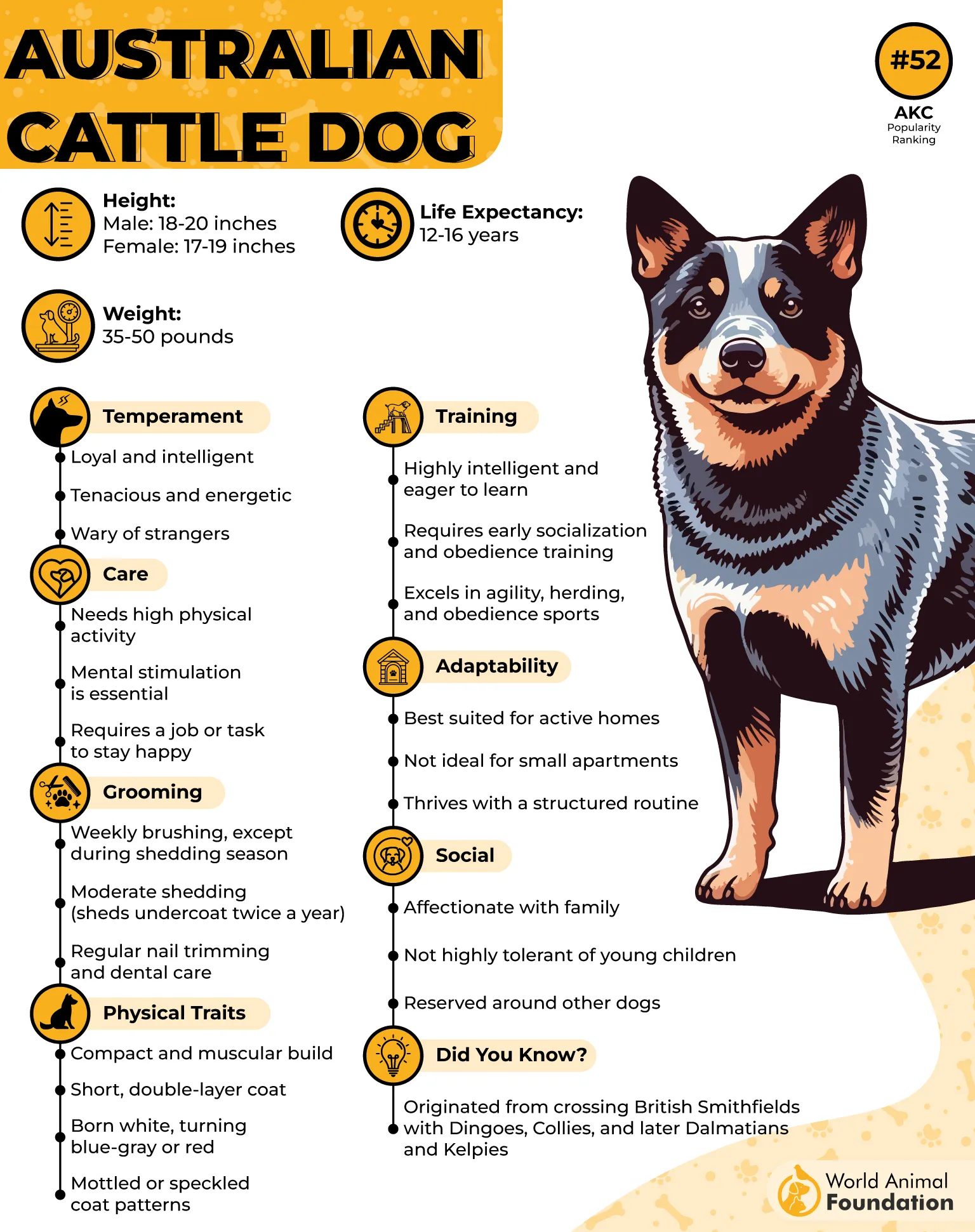
The coat is either red speckled with darker red head markings or blue with speckling or mottling and head markings in blue, tan, or black, with tan also appearing on lower legs, chest, and throat, and face in blue dogs. Pups are born white with facial markings and develop their basic coloration as they grow.
According to the AKC, the Australian Cattle Dog was originally bred to herd cattle. Many dogs carry a strong drive to control motion and stay engaged. That can suit outdoor adventures that feel like a “job,” especially when you build in adequate mental outlets.
When planning dog sports or high-intensity sports, keep sessions structured so the dog can focus and then settle.
Why This Breed Is a Good Fit
For dog breeds for active households, the natural urge to herd cattle can translate into strong engagement during outdoor adventures.
If you like training that feels like teamwork, this breed thrives when the dog has mental stimulation and clear rules.
If you want a workout buddy with opinions, congratulations, you may have just hired a tiny foreman who never clocks out.
4. Australian Shepherd
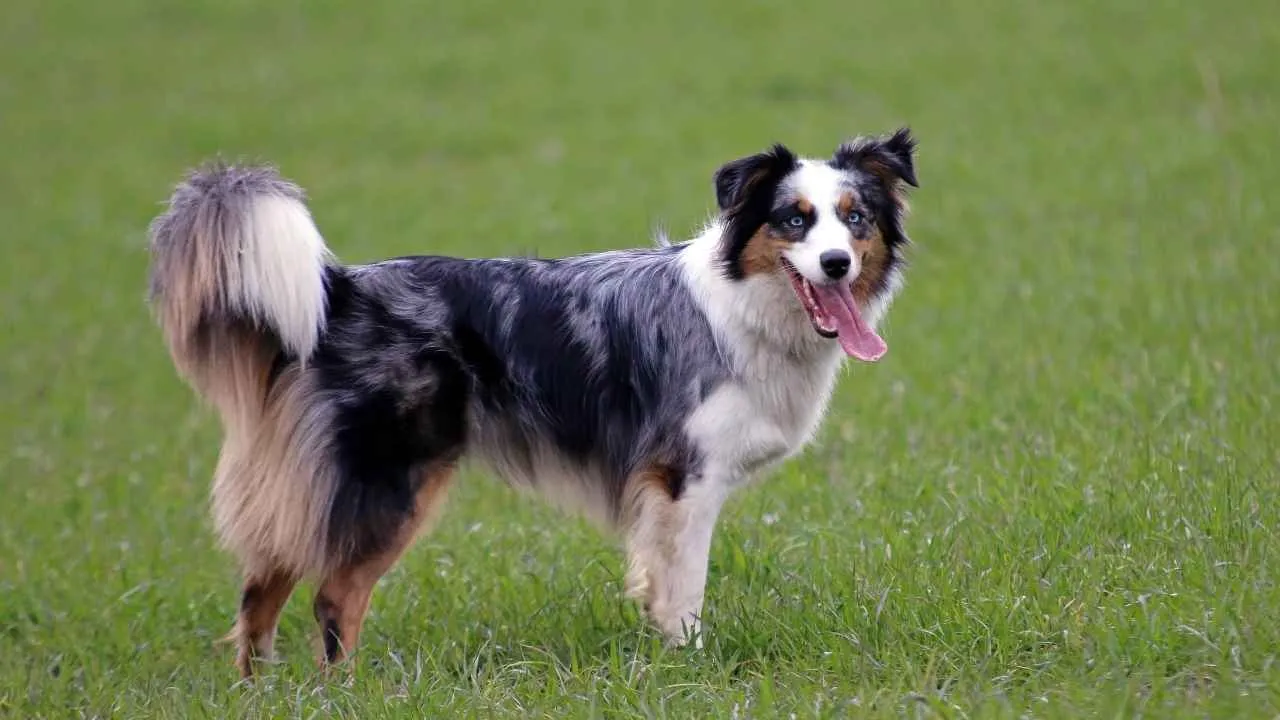
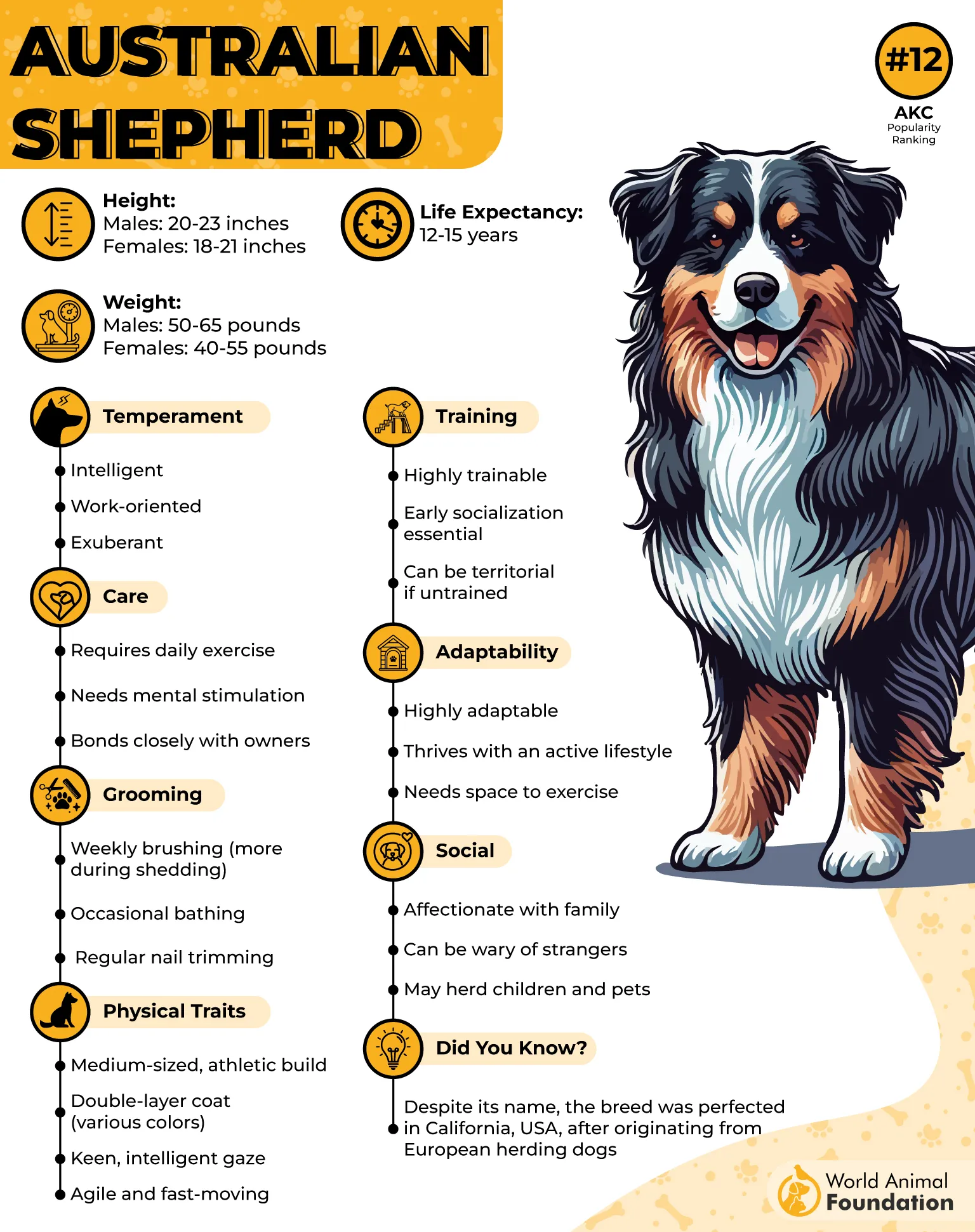
Australian Shepherds are highly intelligent and active medium-sized dogs with natural herding instincts and muscular, agile builds.
They were originally bred to be used as working dogs and still have a strong drive to get jobs done and please their people. In an active lifestyle, that “give me a task” mindset can make outdoor adventures feel more organized and fun.
Standing about 18 to 23 inches tall at the shoulder, the average Australian Shepherd weight is 40 to 65 pounds when full-grown, with males generally larger than females.
Australian Shepherd tails can be naturally bobbed, or they can be born with full-length tails, and most Aussie puppies have their tails docked at a young age, though this practice is controversial.
While tail docking can be done to prevent working dogs from tail-related injuries, the American Veterinary Medical Association opposes docking for purely cosmetic reasons.
Because Australian Shepherd dogs want to work closely with their people, many owners build routines that include training time plus play that challenges the brain.
This can pair well with various dog sports when you keep it engaging and avoid boring repetition. If you are choosing among the best dog breeds for an active lifestyle, make sure your schedule can support consistent activities and recovery time.
Why This Breed Is a Good Fit
For outdoor adventures that include training goals, this breed thrives when you provide mental stimulation and a clear “job” to do.
For dog sports that reward focus and teamwork, the breed’s drive to please can make practice feel smoother.
If you slack on activities, your dog may invent a job anyway, and you might not love the job they choose.
5. Weimaraner
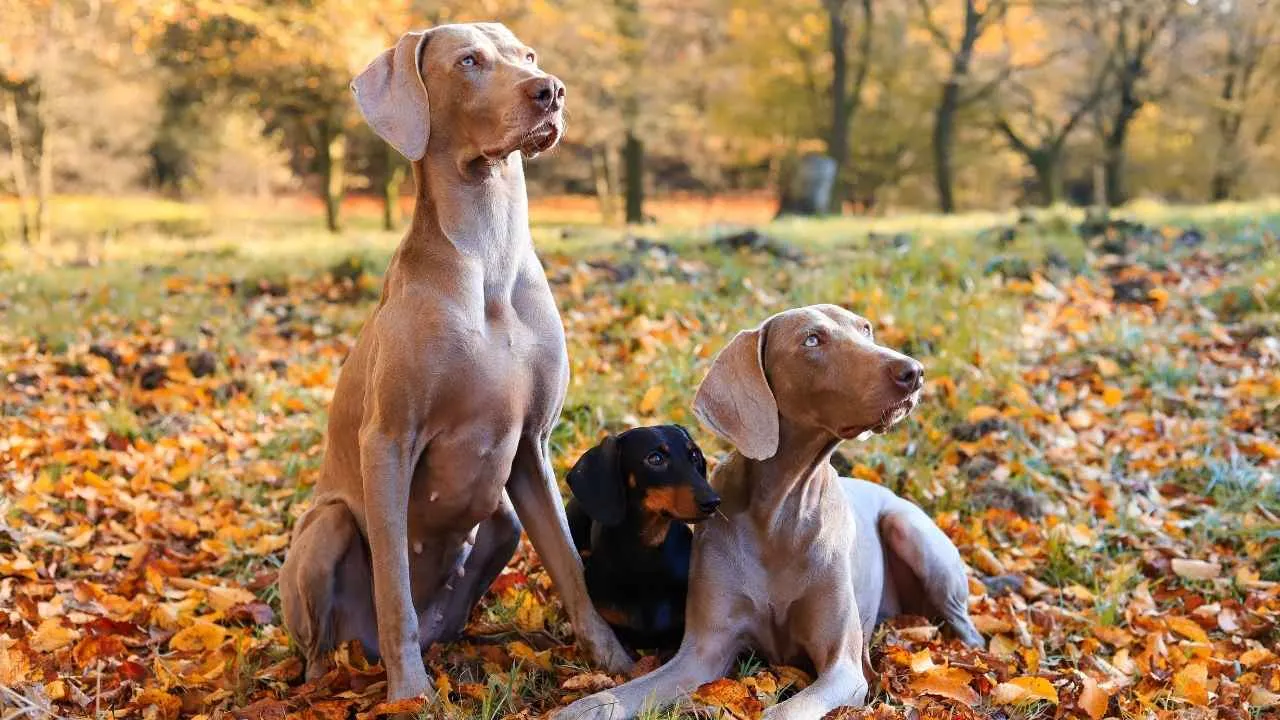
The Weimaraner is Germany’s sleek and swift “Gray Ghost,” known for friendliness, obedience, and beauty, and they enjoy exercise and plenty of it, along with quality time with their humans.
They are recognized by a distinctive silvery-gray coat, and the breed presents a picture of streamlined grace and balance. For the best dog breeds for active homes, that can-do attitude often fits an active lifestyle that includes outdoor adventures.
A properly bred Weimaraner will be solid colored, with maybe a small white spot on the chest. The face with amber or blue-gray eyes and long, velvety ears is described as amiable and intelligent.
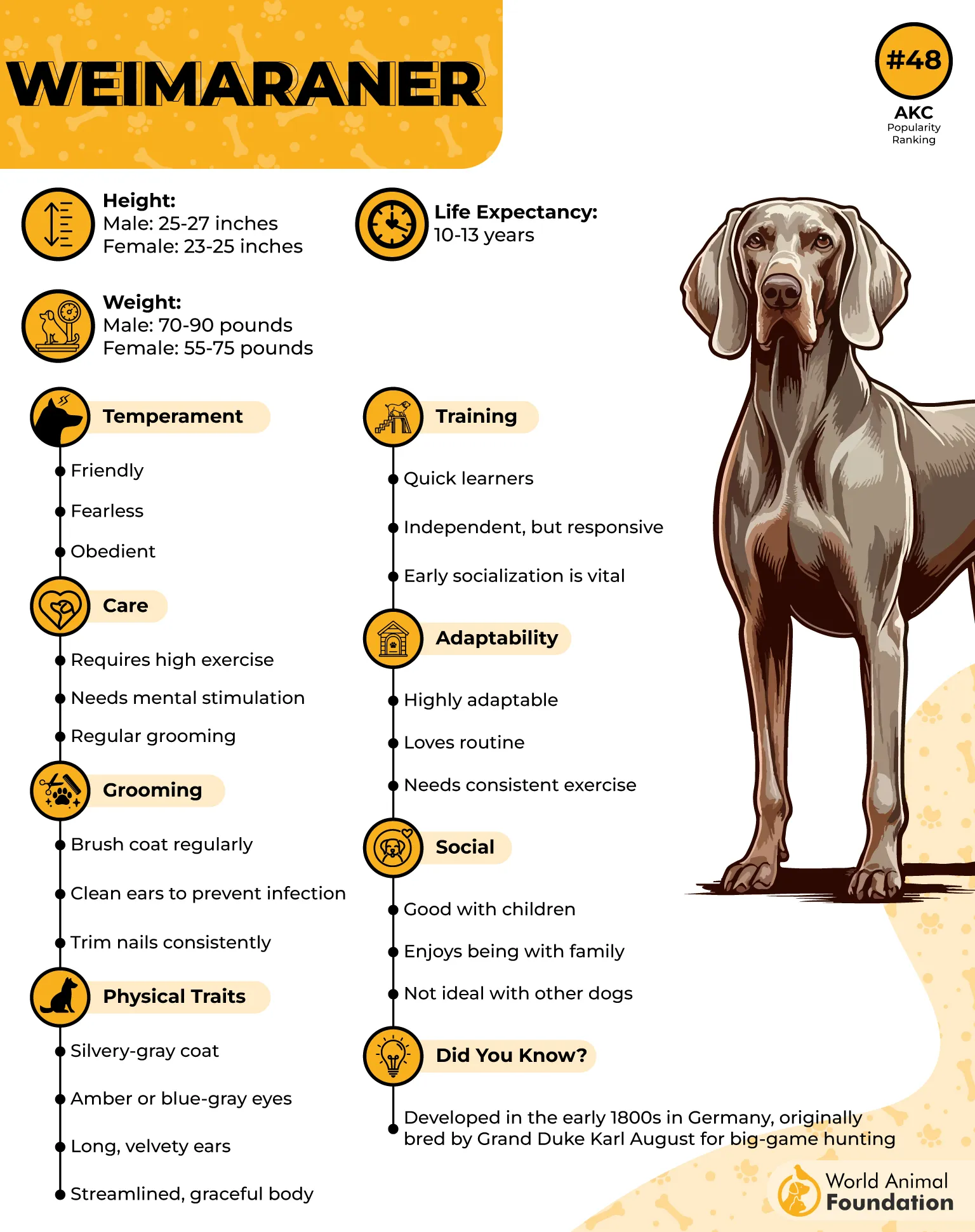
They are excellent with kids and want to be full-fledged family members, which can make them great companions in busy households. Easy grooming and trainability can help owners keep routines practical, but the breed still needs to be kept physically active and mentally engaged.
If you are planning dog sports, build practice into your schedule so the dog does not turn “free time” into chaos time.
Why This Breed Is a Good Fit
For an active lifestyle with outdoor adventures, this athletic breed fits owners who are committed to daily exercise and engagement.
If you want great outdoor companions that also enjoy family life, this breed can bring a friendly, eager vibe.
If you skip workouts, do not be surprised when your dog reminds you with a stare that says, “We are leaving. Now.”
6. Vizsla
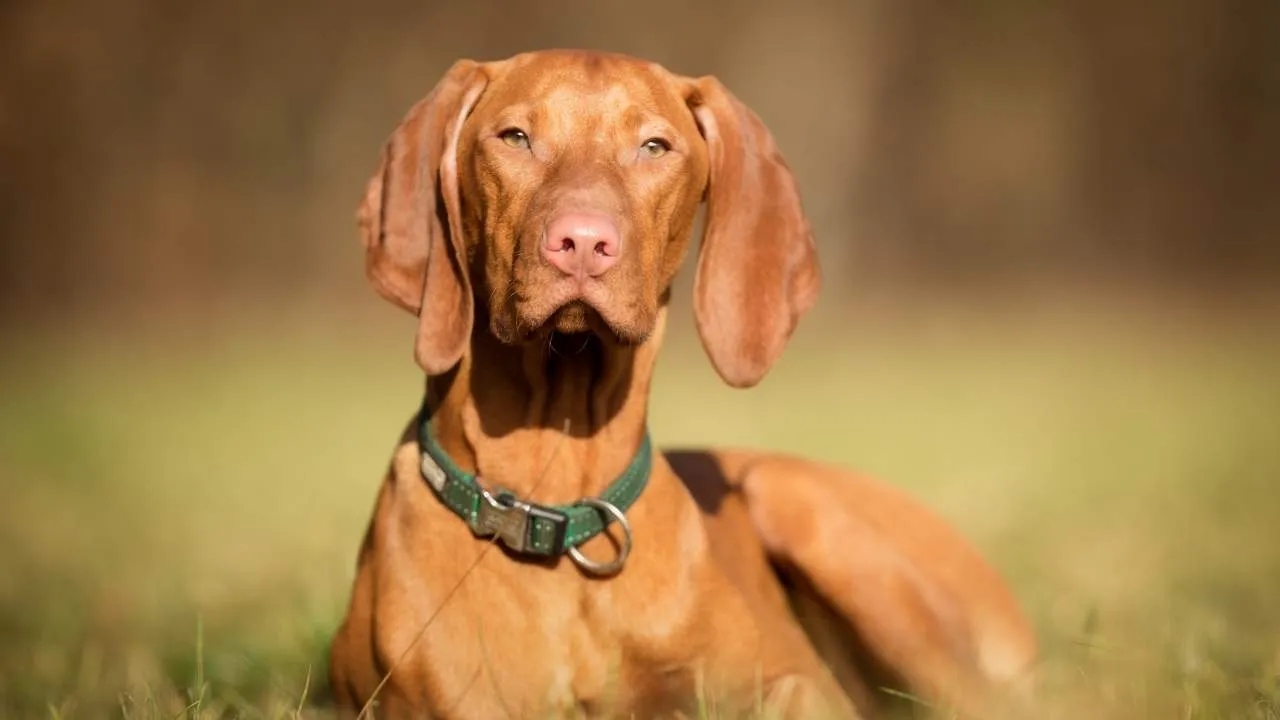
The Vizsla is a versatile, red-coated gundog built for long days in the field and is often described as rugged but elegant. As per Purina, the Vizsla is easily recognized by a sleek golden-rust coat and a lean, light-footed build that suits outdoor adventures and training plans.
For many dog breeds for active owners, this one is known for being closely connected to its people. Vizslas can stand about 21 to 24 inches at the shoulder, with long, silky ears and an expression that is sensitive and loving around the house but intense when at work.
As a hunter expected to work closely with humans, they form a tight bond with their owners and hate being left alone. That closeness can be a big plus if you want a partner for an active lifestyle that includes frequent outings.
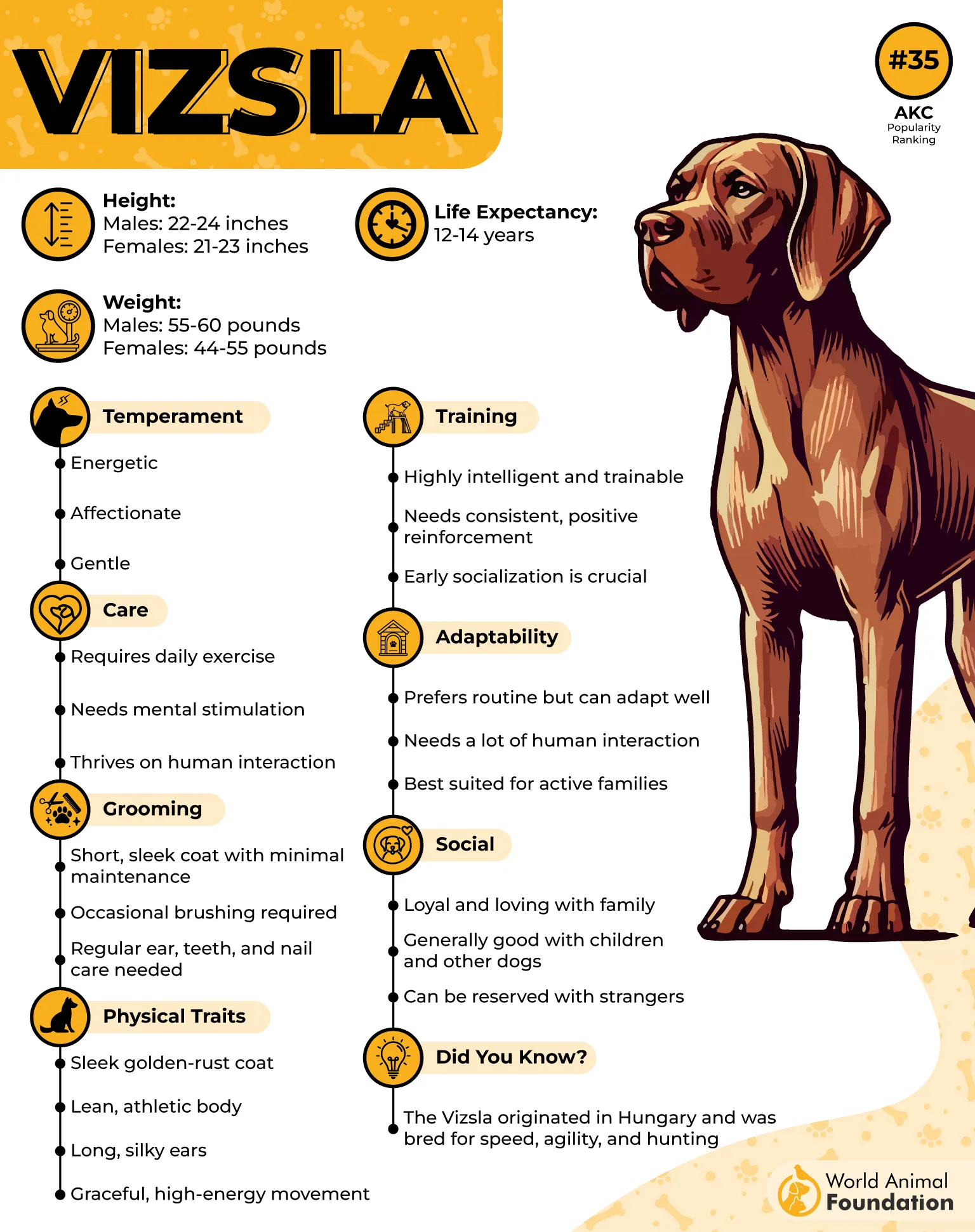
Athletes of many talents, Vizslas excel at various sports and activities, and they are described as eager and graceful trotters of great stamina.
This can suit outdoor sports like jogging or biking when you keep sessions consistent and safe. An expert’s advice captures it well: if you do not have time to encourage full use of the brain, you are wasting a good dog.
Why This Breed Is a Good Fit
For dog sports and outdoor adventures, this breed thrives when you keep both movement and mental stimulation in the routine.
If both you and your dog enjoy close teamwork, the tight bond can make training feel like a shared hobby.
If you disappear for long stretches, expect your dog to file a complaint, loudly, and possibly with dramatic sighs.
7. Rhodesian Ridgeback
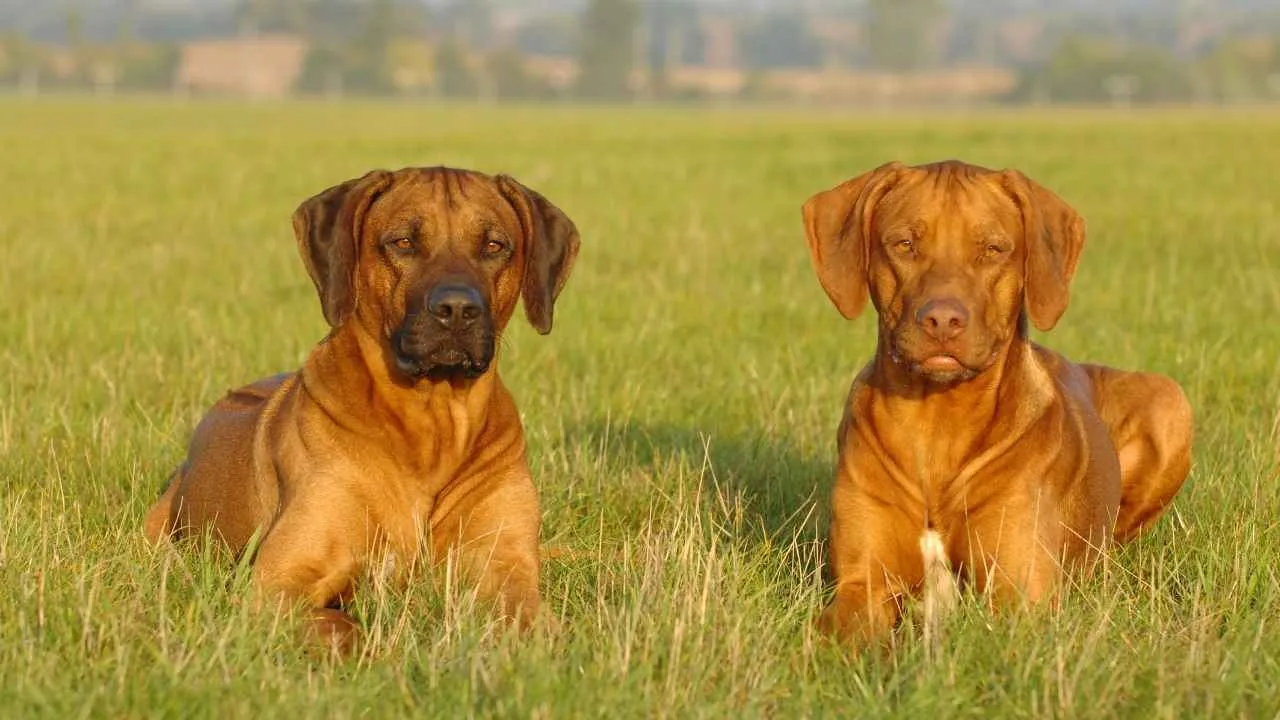
The Rhodesian Ridgeback is a gentle and intelligent dog that can make a terrific family pet for the right household.
The dogs are named after the ridge of hair that grows down the center of their back in the opposite direction from the rest of the coat, according to the breed standard. This distinctive feature is part of what makes the breed easy to recognize in a crowd of dogs.
Rhodesian Ridgeback size can reach about 70 to 85 pounds, and they stand around 24 to 27 inches high at the shoulder.
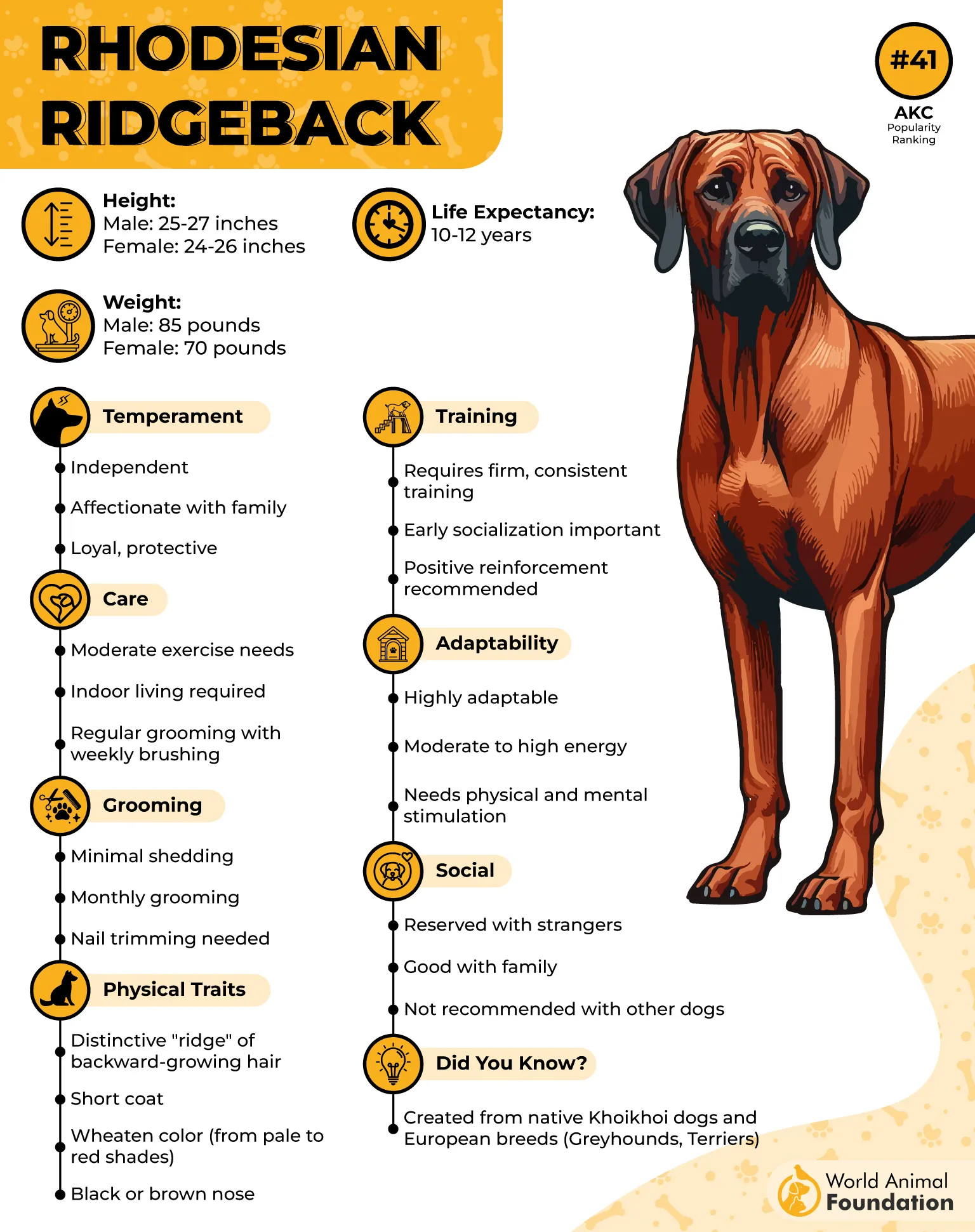
They are muscular, powerful, and athletic, and they were originally bred as hunting dogs that could flush out and track large predators, including lions. That history is tied to a strong, capable presence that many people associate with fearless dogs.
Occasionally, Rhodesian Ridgeback dogs are born without the gene for the backward-growing hair, and these dogs are referred to as ridgeless ridgebacks. Even without the ridge, they still have the other traits innate to the breed.
If you are choosing dog breeds for active routines, plan outdoor adventures that match the dog’s athletic ability and keep training clear, calm, and consistent.
Why This Breed Is a Good Fit
For outdoor adventures with a confident companion, the breed’s athletic ability can suit owners who enjoy active environments.
If your idea of fun includes outdoor sports with a big dog, this best large dog breed that can feel like a steady partner.
If you like a dog with a signature look, that ridge is basically a built-in hairstyle, no salon appointment needed.
Conclusion
Choosing from the best dog breeds for an active lifestyle is not just about energy. It is about picking a breed that fits your routine, your outdoor space, and the kind of outdoor adventures you truly do every week.
Certain breeds love high-intensity sports and dog sports, while others shine as steady hiking companions on long walks and weekend trips.
Before bringing home a new dog, think about training time, recovery days, and how you will handle warm weather or cold weather. Plan for safe habits, clear rules, and enough structure so dogs stay focused and happy.
When both you and your dog are on the same page, outdoor sports become more fun, and your dog becomes one of your great companions for years.
