




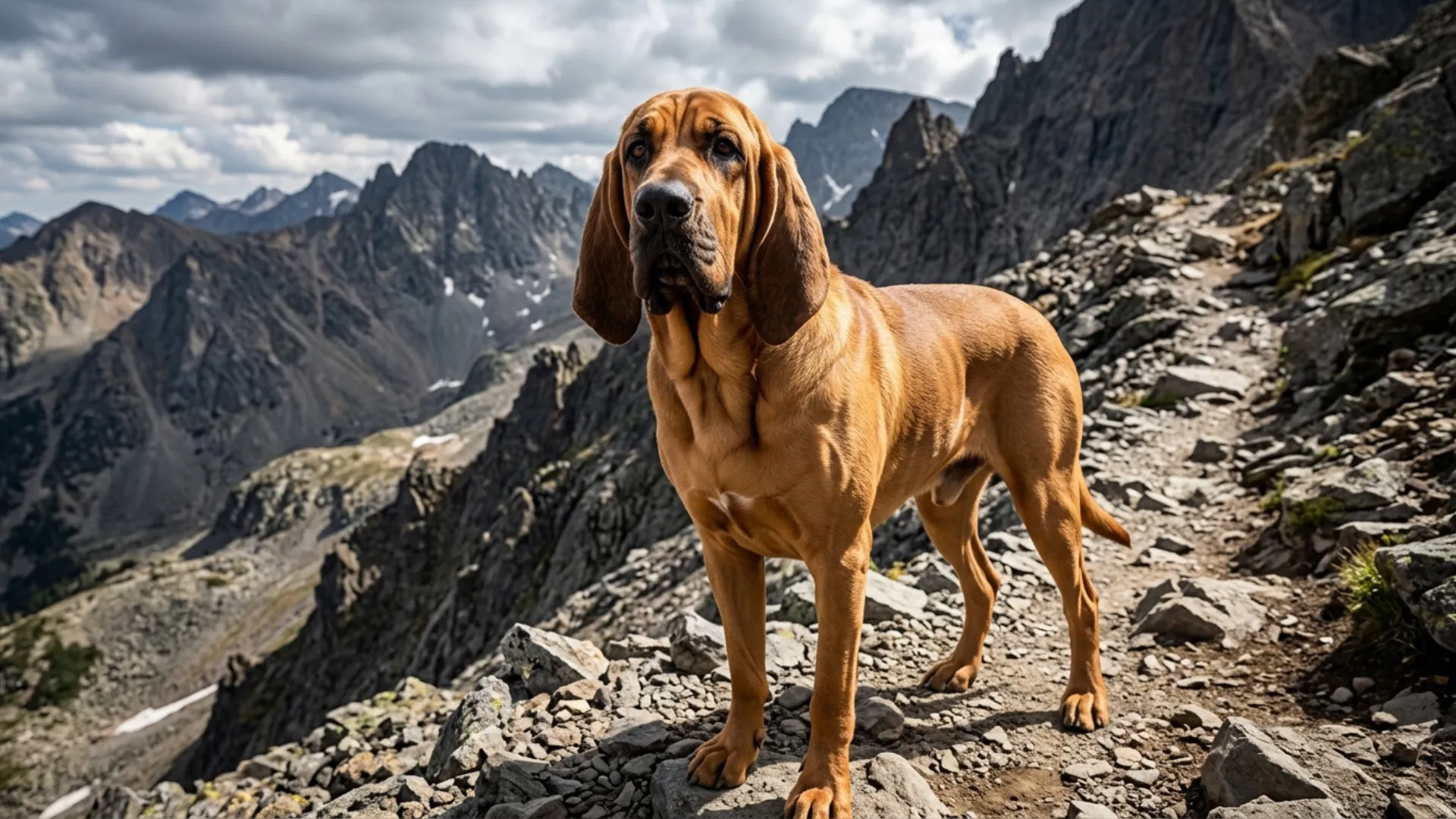
Some dogs were born for couches. Others were born for mud, mountains, heat, and long days when quitting is simply not in their vocabulary. If you have ever watched a dog power up a rocky trail with its ears back and tail high, you know that look: pure grit.
The breeds below earned their tough reputations through real work. Australian Cattle Dogs moved livestock across harsh outback land. Bloodhounds followed scent for hours. Coonhounds and foxhounds covered difficult ground without losing focus.
Meanwhile, Alaskan Malamutes and Siberian Huskies hauled sleds through freezing Arctic conditions. As author Roger Caras said, “Dogs are not our whole life, but they make our lives whole.”
These seven breeds may make your next adventure a whole lot wilder.
Resilient Dog Breeds That Will Outlast Any Challenging Terrain
1. Australian Cattle Dog
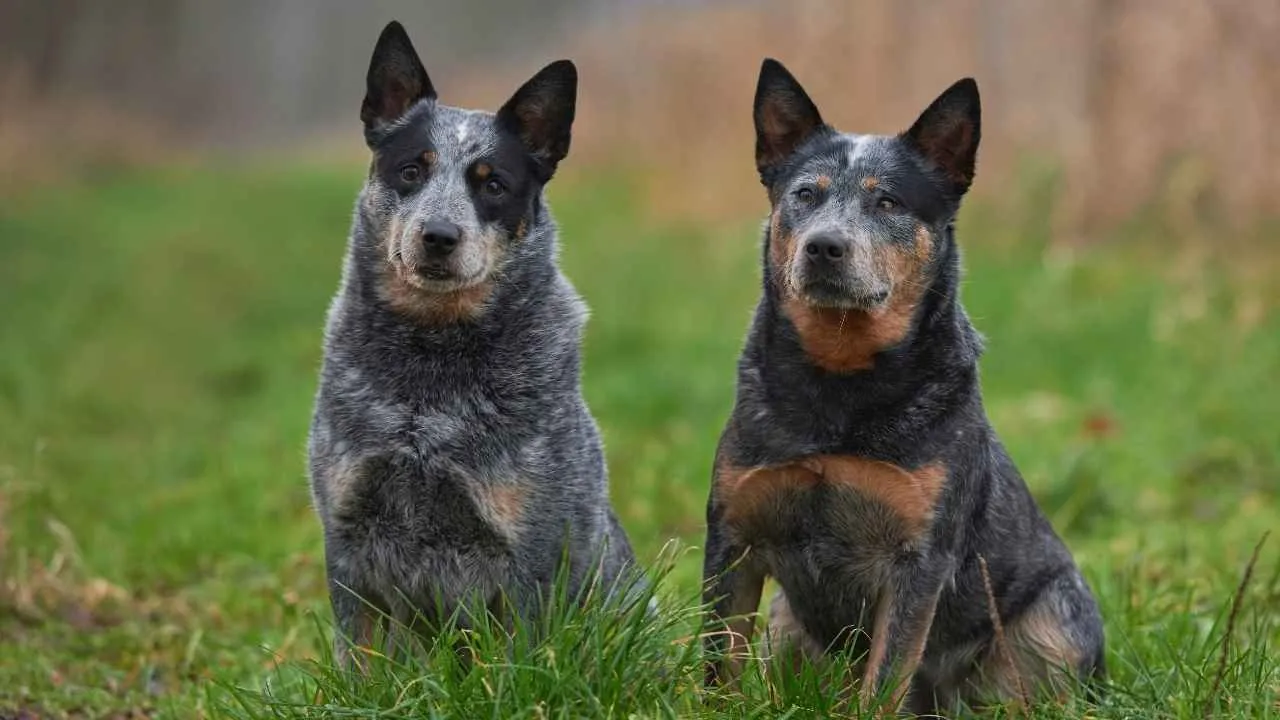
Ranchers in Australia found in the 19th century that the herding dogs imported from Britain were not suitable for the harsh Australian environment. So, a breeder named Thomas Hall ended up developing a sturdy dog breed with less aggressive traits by crossing the Blue Smooth Highland Collie and the Dingo, says Orvis.
The breed genetically conserves metabolic energy and can tolerate extreme temperature spikes. The water-resistant double coat regulates internal temperature by trapping air and reflecting UV radiation. The explosive hindquarters provide physical thrust to swiftly leap over fallen timber.
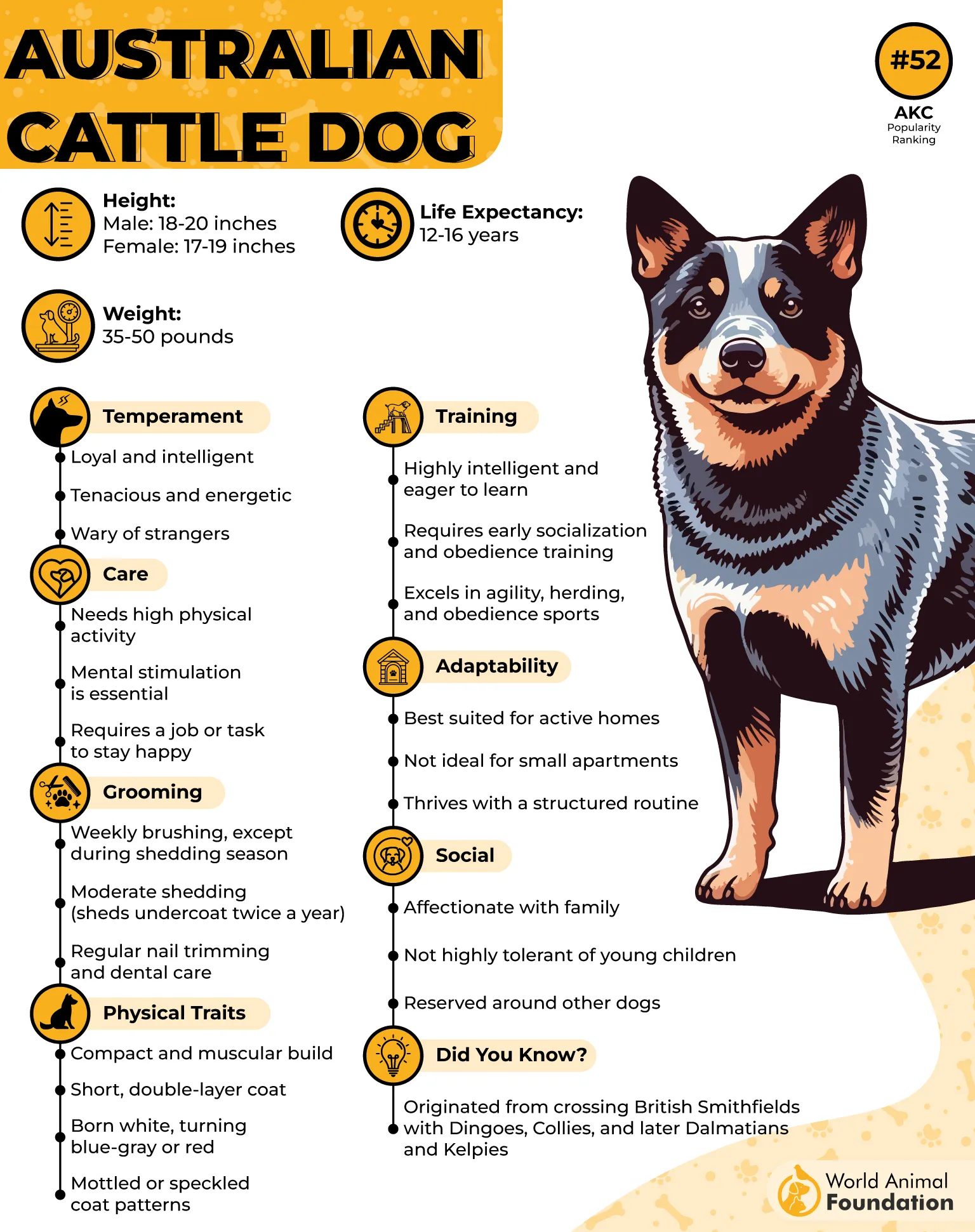
The energetic breed needs 1.5-2 hours of daily mental and physical stimulation. It excels in livestock herding, farm work, endurance sports, agility, flyball, and high-drive fetching.
2. Bloodhound
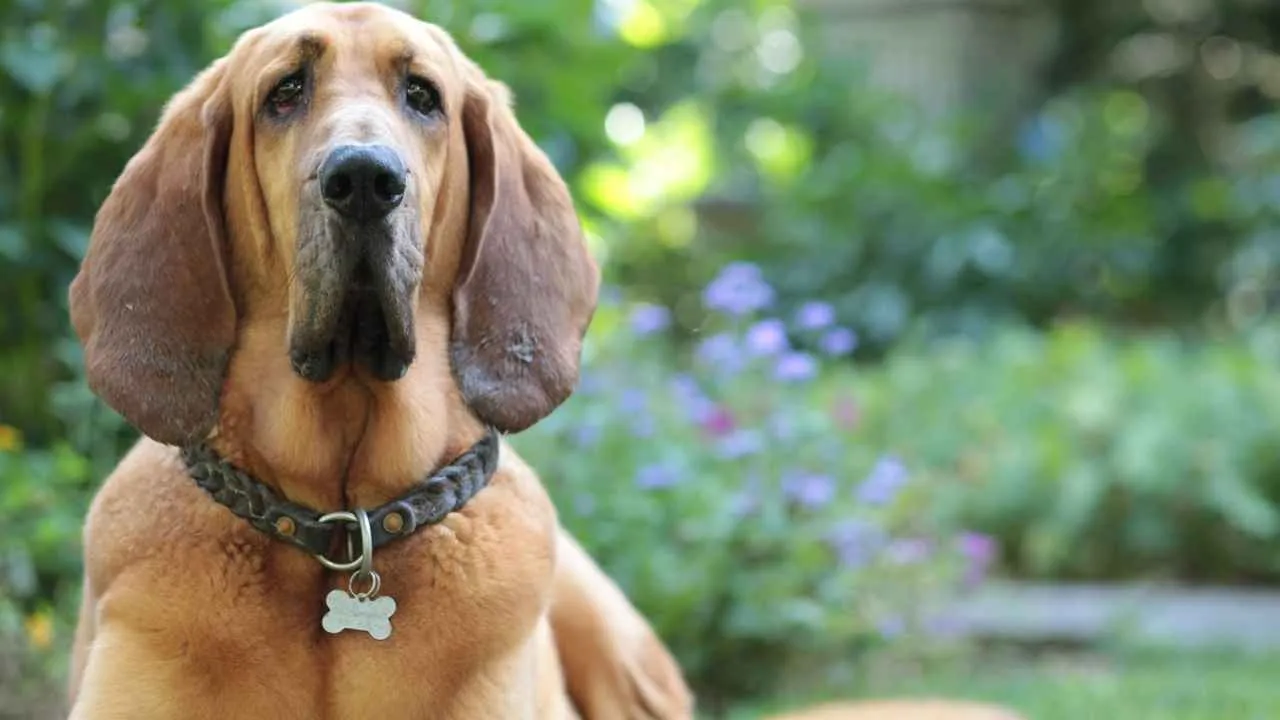
The large scent hound was originally bred as a hunting dog to hunt and kill rabbits, wild boars, and deer. Also known as le chien de Saint-Hubert, it is thought to have descended from the hounds once kept in Belgium. The breed is known for its strong sense of smell and tracking instincts.
With up to 200-330 million scent receptors, the popular dog breed can detect a scent from over 130 miles away. The loose facial wrinkles around the eyes act as sensory blinders. It has a low-slung body with a powerful neck, allowing it to pin its head down to the ground for hours.
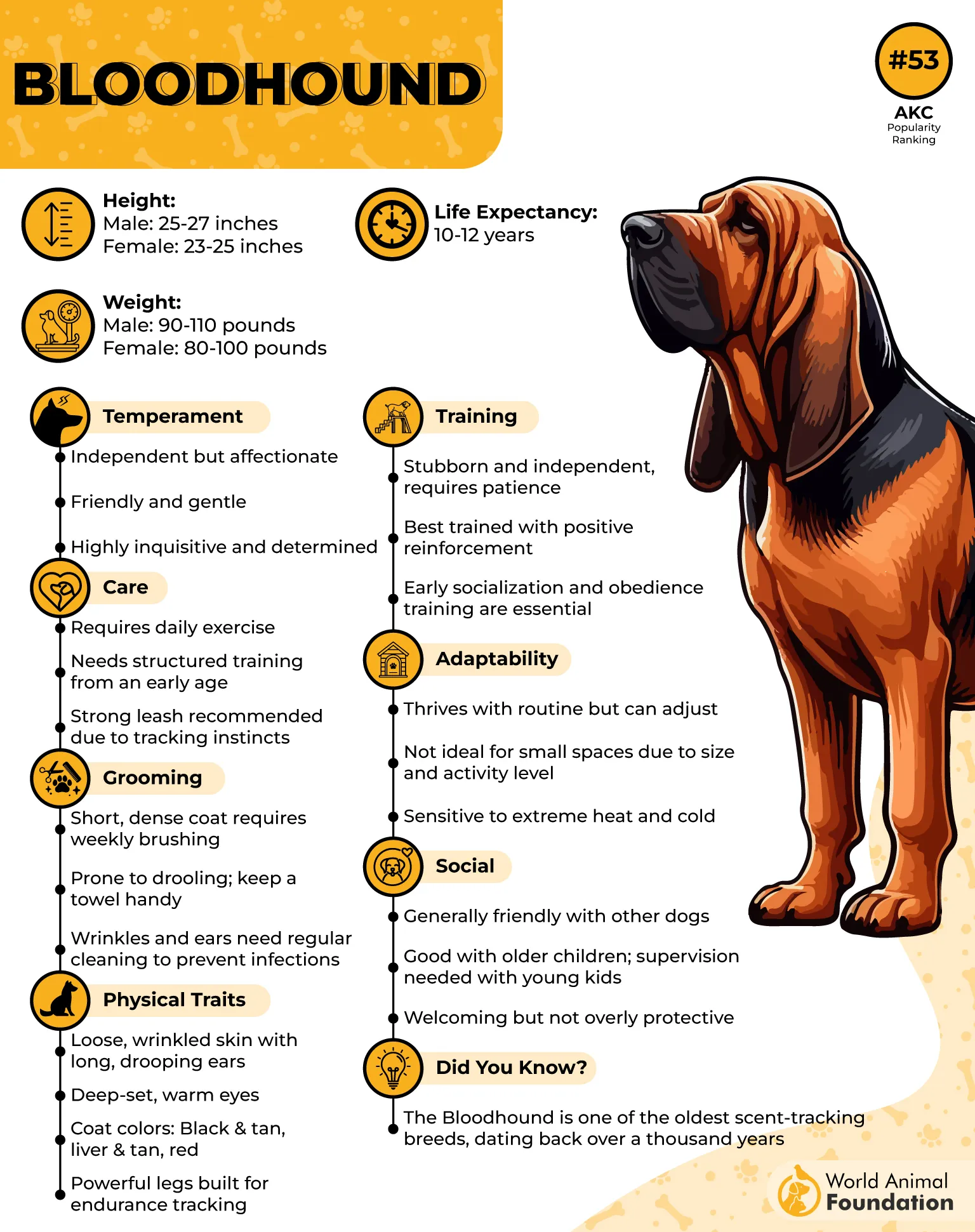
This intelligent dog needs 1-2 hours of daily exercise, and it excels in SAR operations, law enforcement, scent work, tracking, rally, obedience training, and scent game.
3. Redbone Coonhound
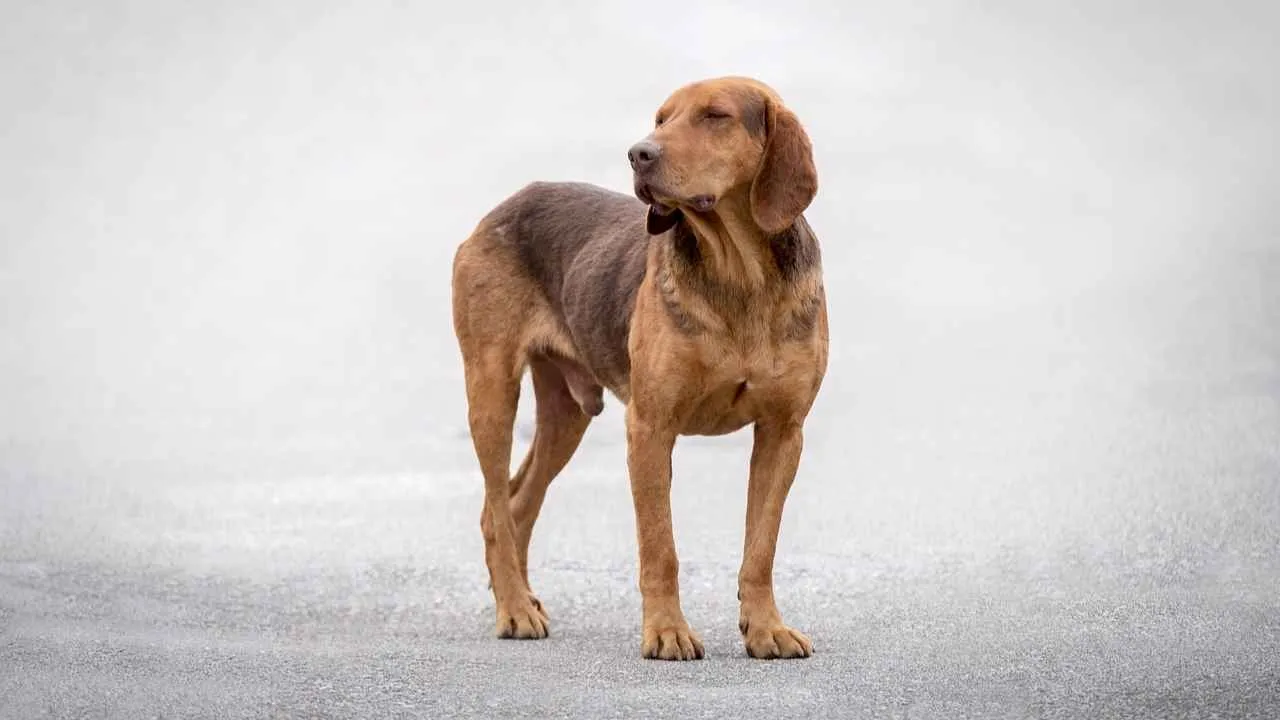
The breed was developed in the 18th century by Scottish immigrants in the United States. Descended from the red Foxhound, it was originally bred for raccoon hunting and was later crossed with the Bloodhound and the Irish Hounds to develop the modern-day breed.
It has a slightly arched loin, creating a physical slope that optimizes power distribution equally. The well-arched toes are paired with thick pads, acting as natural shock absorbers while navigating through rough terrain. Known for having a cold nose, it can detect and track faint scents weeks old.
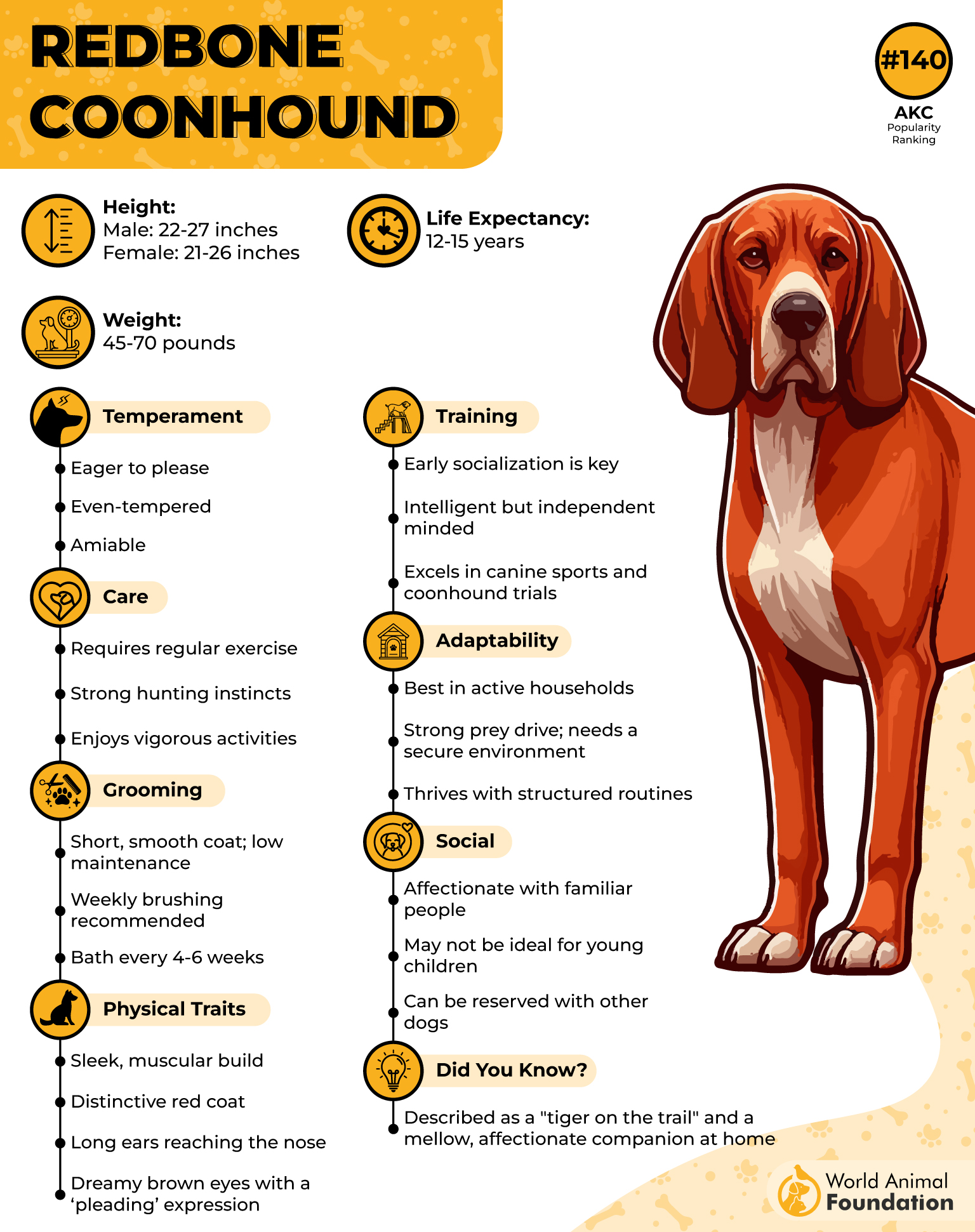
The cat-like paws enable it to work best in swamplands, steep hills, thick woods, and rocky terrain. It needs 1-2 hours of daily exercise: scent tracking, hunting, water sports, dock diving, and agility training.
4. Black and Tan Coonhound
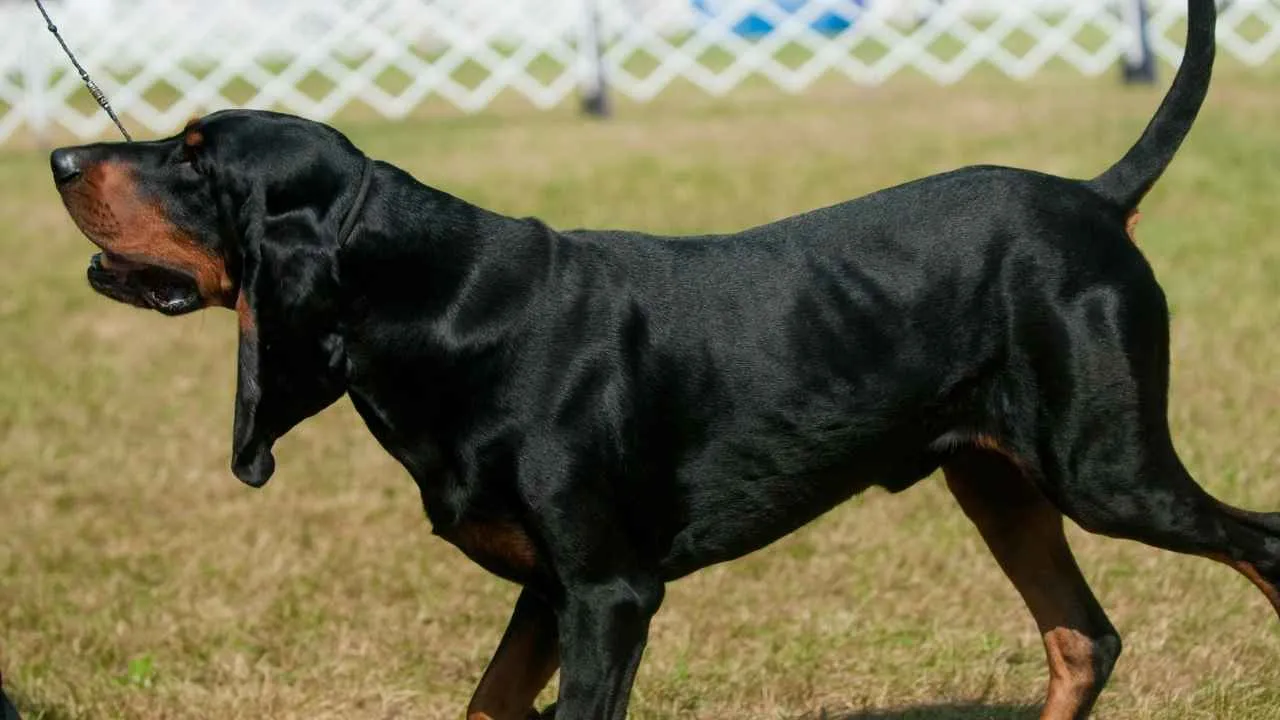
The American breed was developed by crossing the British Pointers, Bloodhounds, Setters, and other hunting dogs in the 17th century. Its primary purpose was to track, flush, and tree the target, and it excels in both water and on land. Today, it is widely kept as a pet animal and a show dog.
The breed can detect hours-old scents across water or frozen ground. The erect ears act as radar and move in the direction of the source of the sound. The muzzle has well-developed upper lips, or flews, that trap moisture and direct scent molecules directly to the nose. The feet are webbed, tight, and heavily padded, helping to walk effortlessly on the ice, rough rocks, and in swimming.
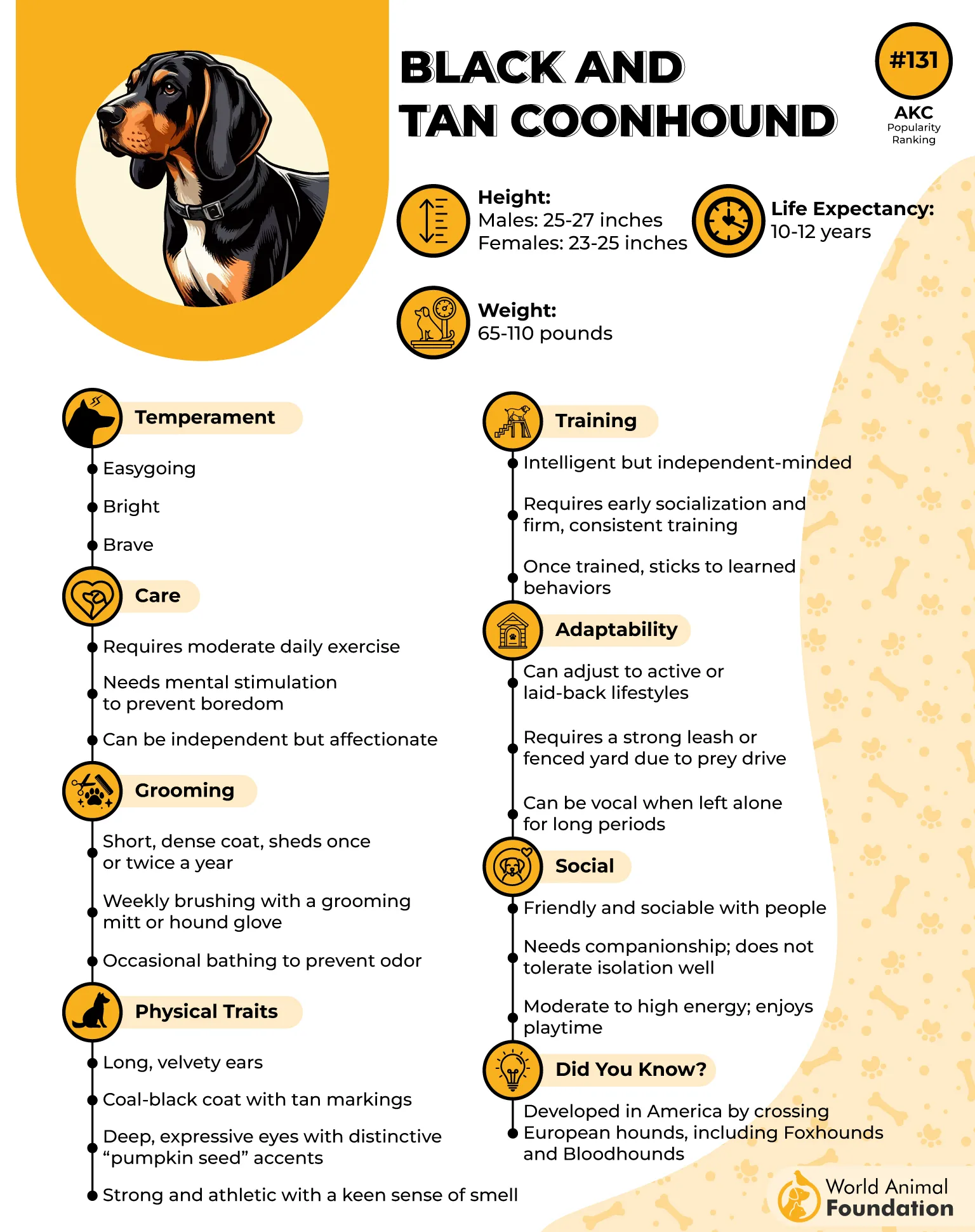
The strong-willed dog has high working drive outdoors and is a couch potato indoors. It excels in hunting and scent trailing, K9 sports, competitive events, lure coursing, and long-distance jogging.
5. American Foxhound
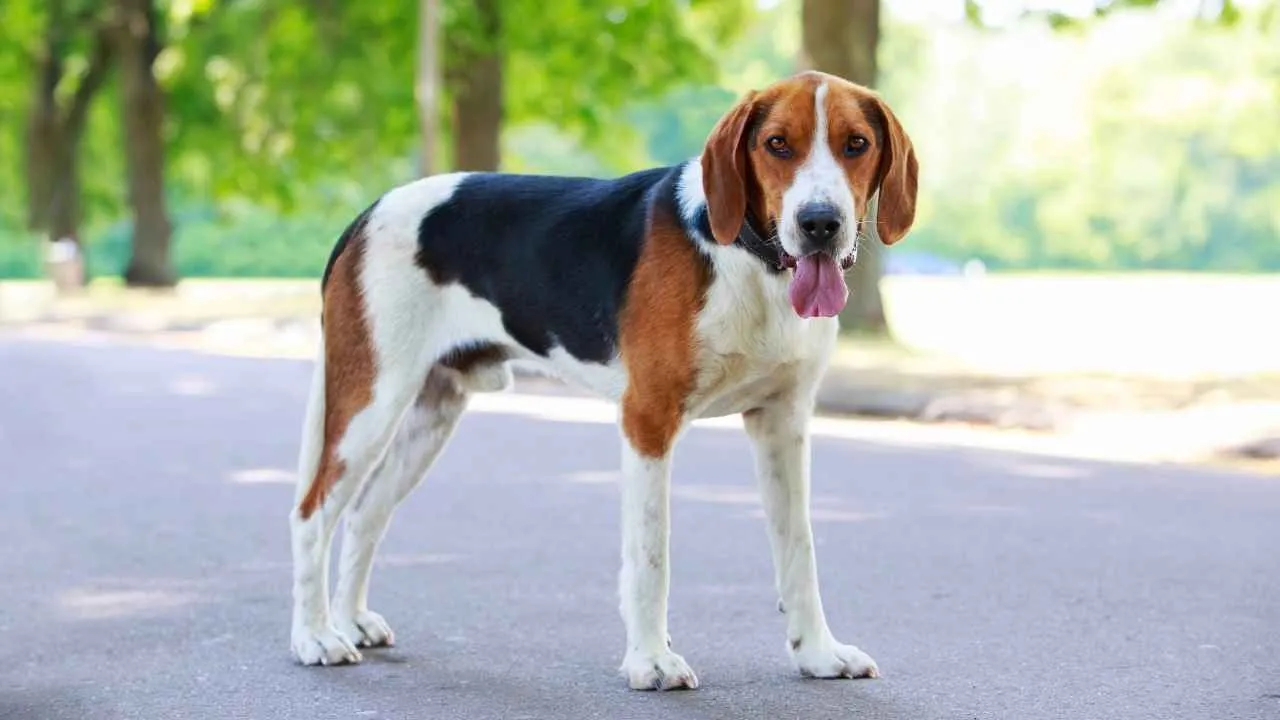
The history of this breed dates back to the late 19th century, when it was used as a fox hunter. Later, it was interbred with the French dogs from Marquis de Lafayette in America. Descended from the British dogs, it went through evolution during the post-Colonial period.
It has a muscular physique with sloping shoulders, acting as a built-in shock absorber on rough terrain. The heavily muscled hips provide excellent propelling power. The three-inch flank provides “springiness” of the stride, enabling an energy-saving gait. The skin is loose enough to slide over minor snags rather than tearing.
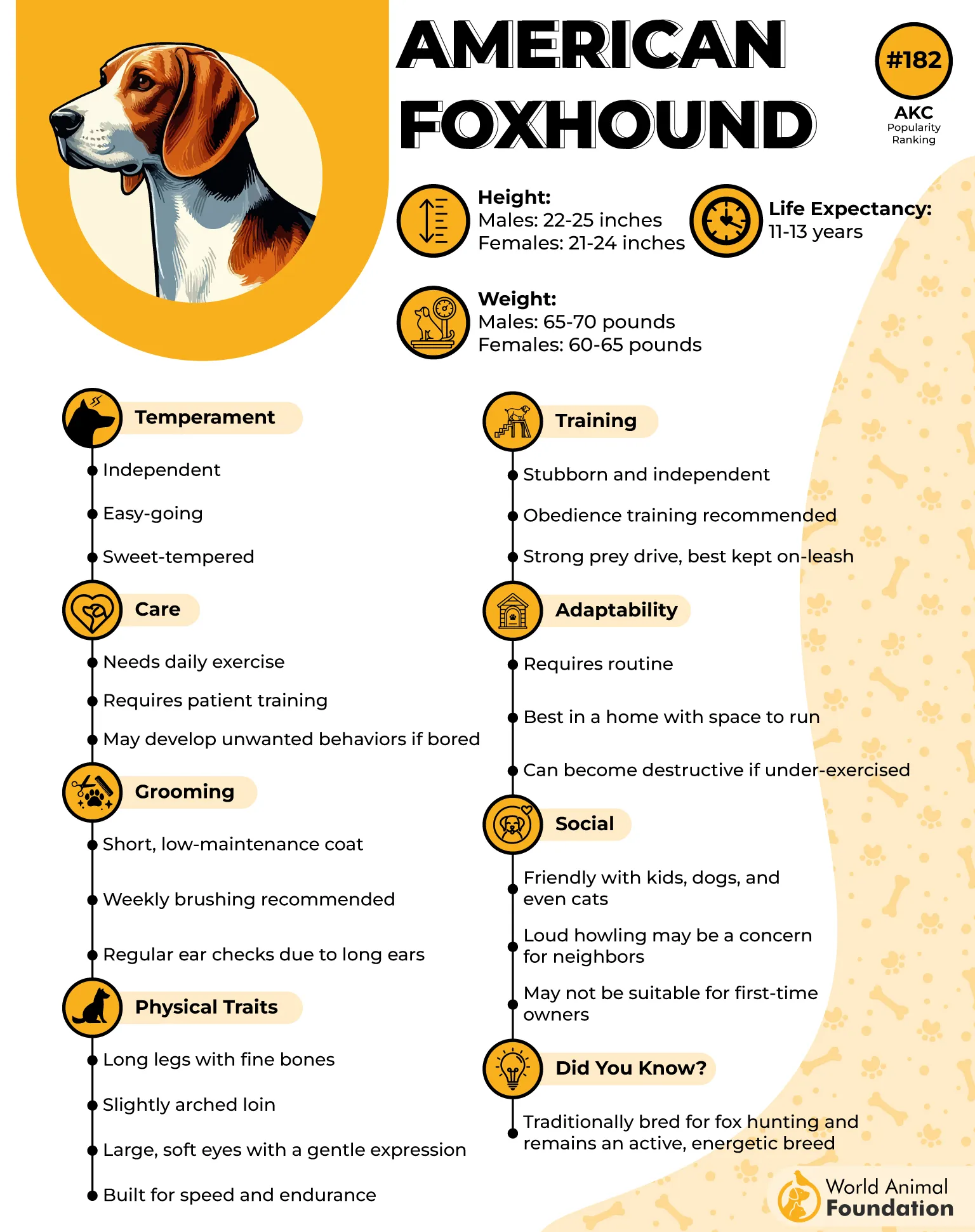
In dense areas where visibility is nearly zero, it utilizes musical “bay” across miles to communicate with the handler. It needs a constant job, and 1-2 hours of physical stimulation is needed to prevent destructive behaviors.
6. Alaskan Malamute
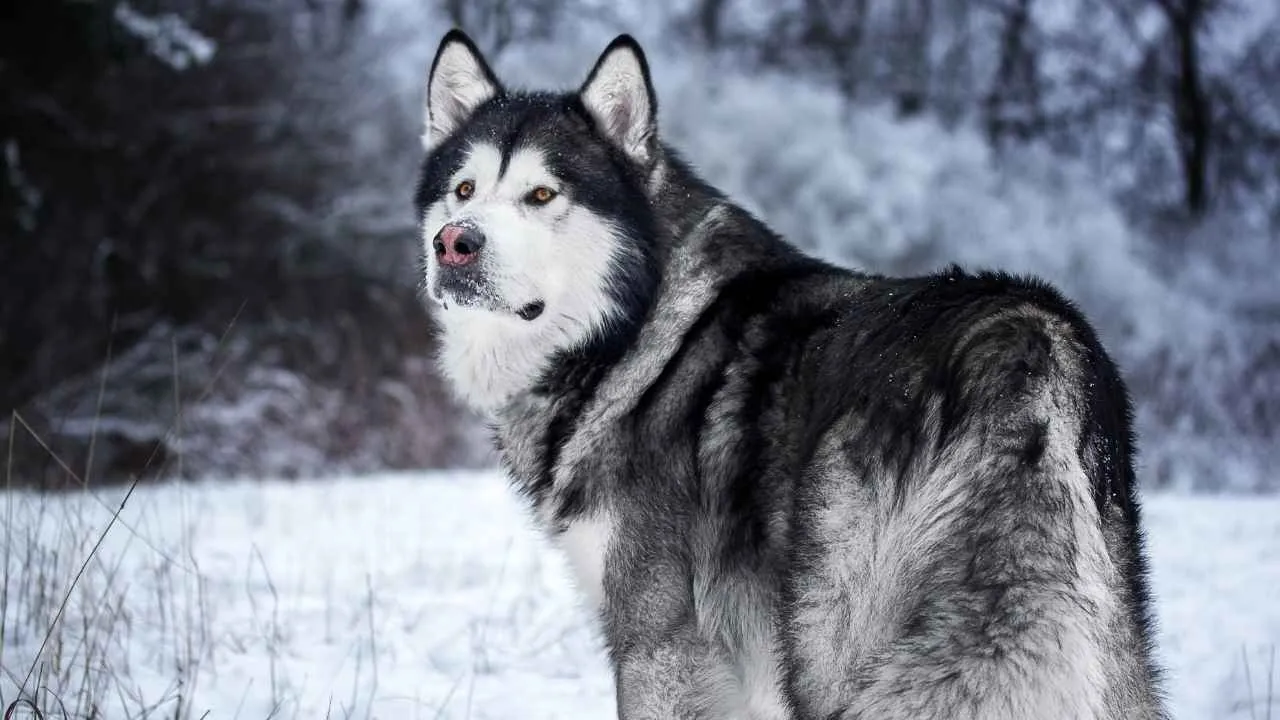
One of the oldest dog breeds, the Alaskan Malamute was descended from the wolf-like dog that migrated from Siberia to Alaska some 4,000 years ago. Developed for strength and endurance, it was once used for pulling heavy sleds across cold terrain, as noted by the AKC.
It has a waterproof, thick double coat that repels snow, freezing winds, and rain. The bushy tail is carried over the back and protects the nose while sleeping outdoors in intense cold weather. The broad shoulders provide maximum lung capacity. This is coupled with well-set hock joints that generate massive rear drive and propulsion.
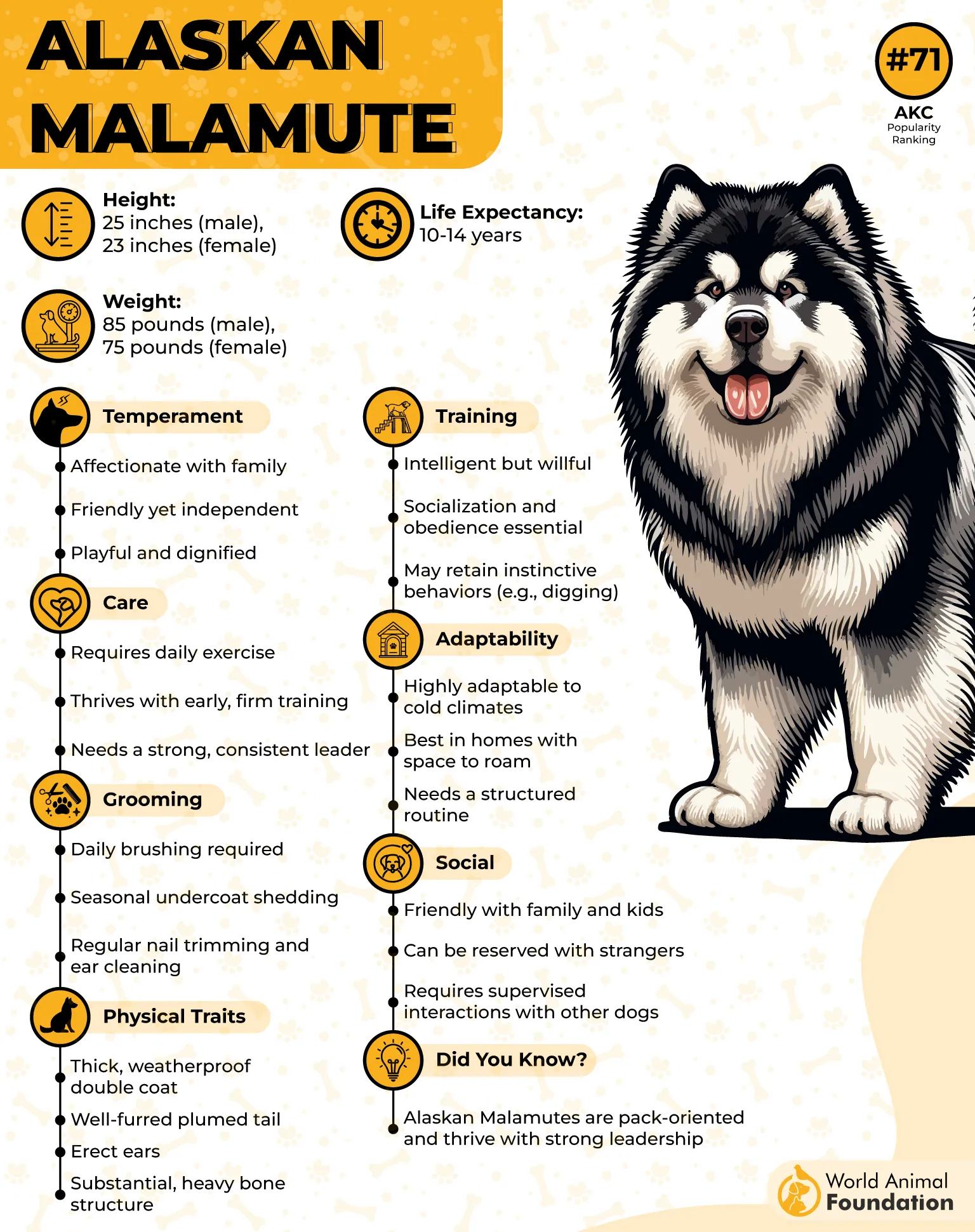
The thick fur grown between the toes shields the skin from razor-sharp ice crust. It relies on highly efficient aerobic metabolism and uses its energy reserves slowly. It excels in backpacking, weight pulling competitions, nose work, urban mushing, and hiking.
7. Siberian Husky
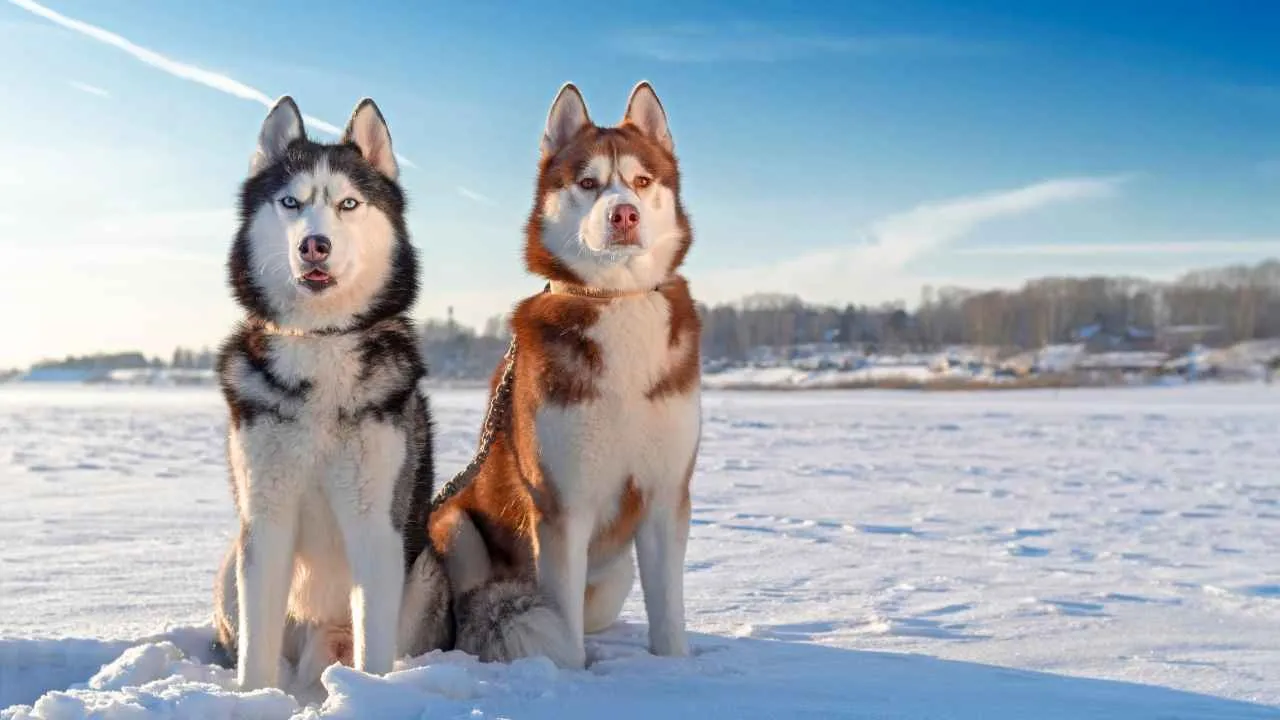
This medium-sized sled dog was developed in Siberia and belongs to the Spitz family. It was first bred by the Chukchi people and is famously known for working the mining fields during the Nome Gold Rush, as noted by Britannica. Today, it is widely kept as a family pet.
Because of its specialized circulatory system in the paws, warm blood is transferred directly to the paws. It has a sickle-shaped bushy tail, which it wraps around its nose so that warm air enters the lungs in cold weather. The body is optimized for long-distance trotting rather than sprinting. This helps it work for hours and even days without tiring (28-30 mph).
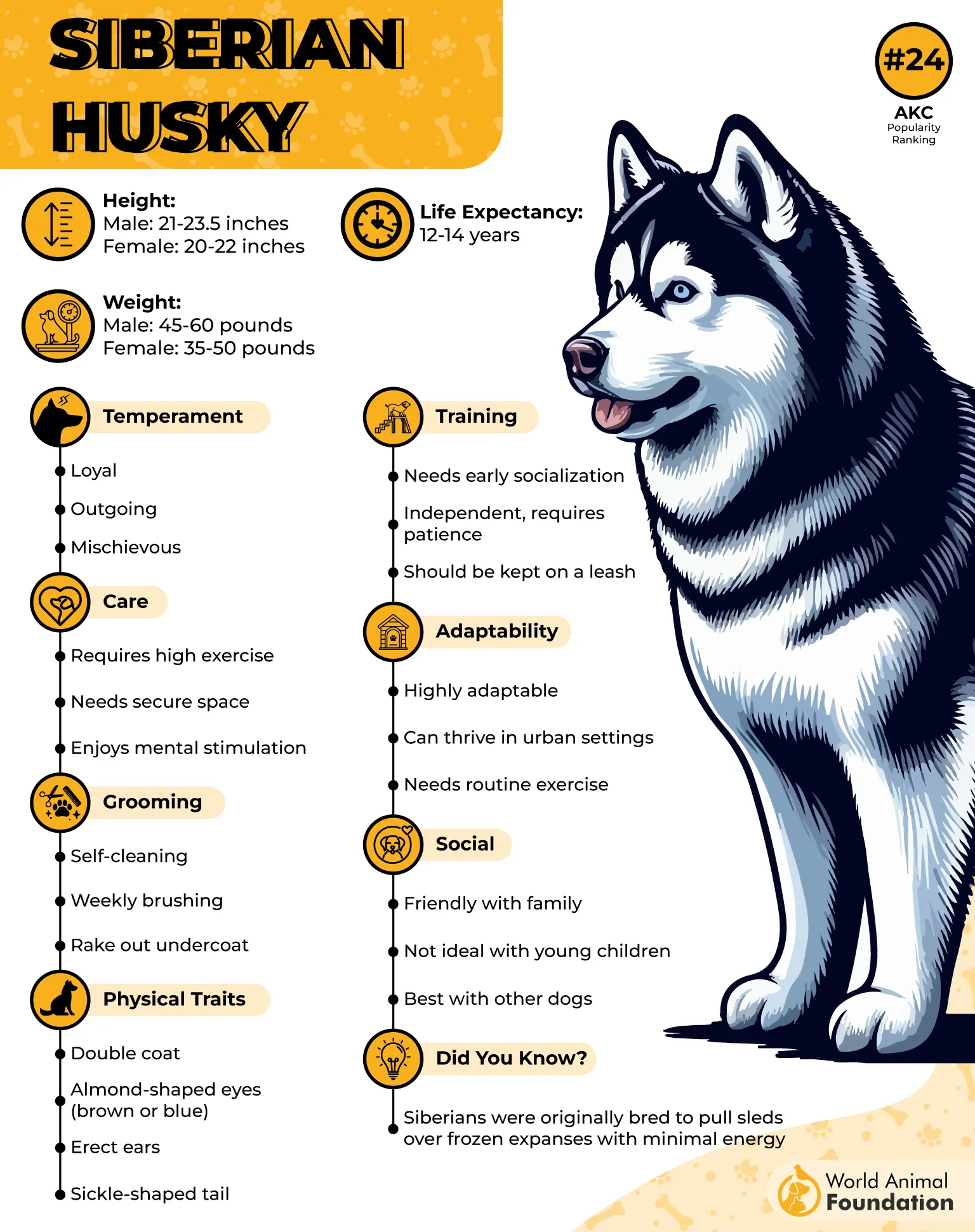
The Siberian Husky needs 1-2 hours of daily exercise for weight management and boredom prevention: sledding, skijoring, bikejoring, canicross, scent work, agility courses, and puzzle toys.
Conclusion
A resilient dog is not just a strong body on four legs. It is a patient tracker, a steady worker, and a loyal friend that keeps going when the trail turns rough. The right match depends on your life, not only your love of the outdoors.
These breeds need more than a quick walk around the block. They need purpose, training, space to move, and an owner who understands their history. In return, they offer something rare: company that feels dependable in every kind of weather.
If your idea of a good day includes dirt under your boots and a dog trotting proudly beside you, one of these seven breeds may be the adventure partner you have been looking for.
